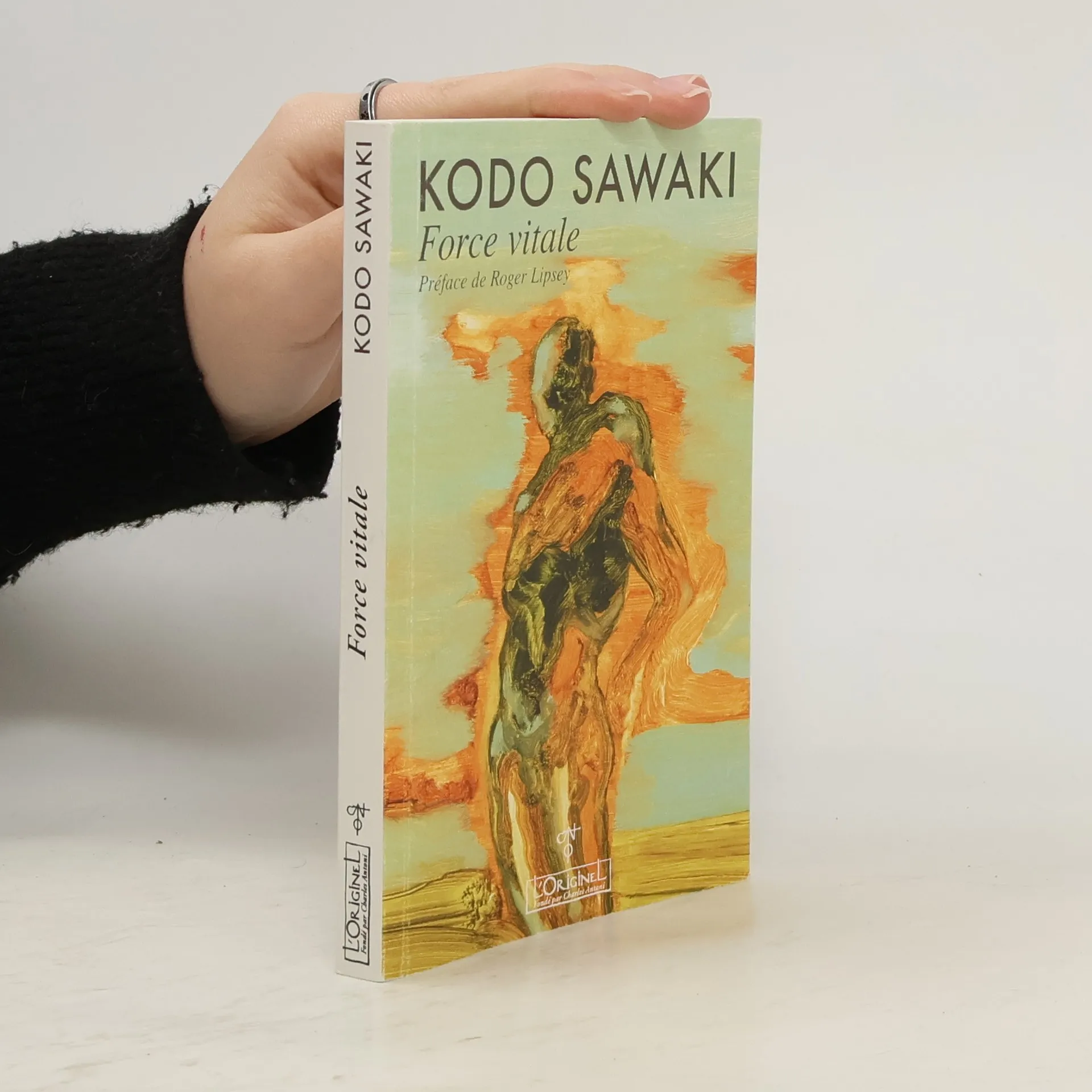
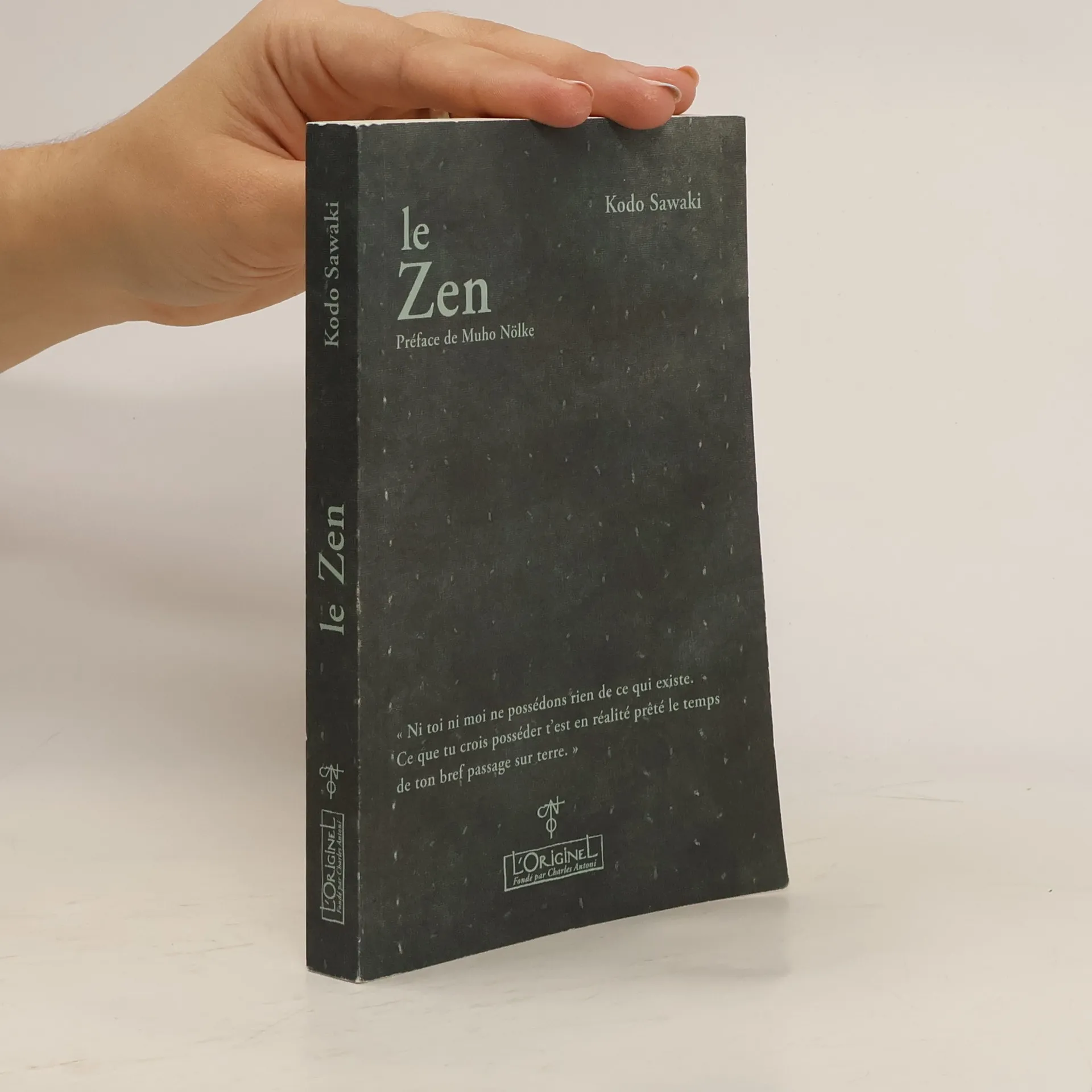
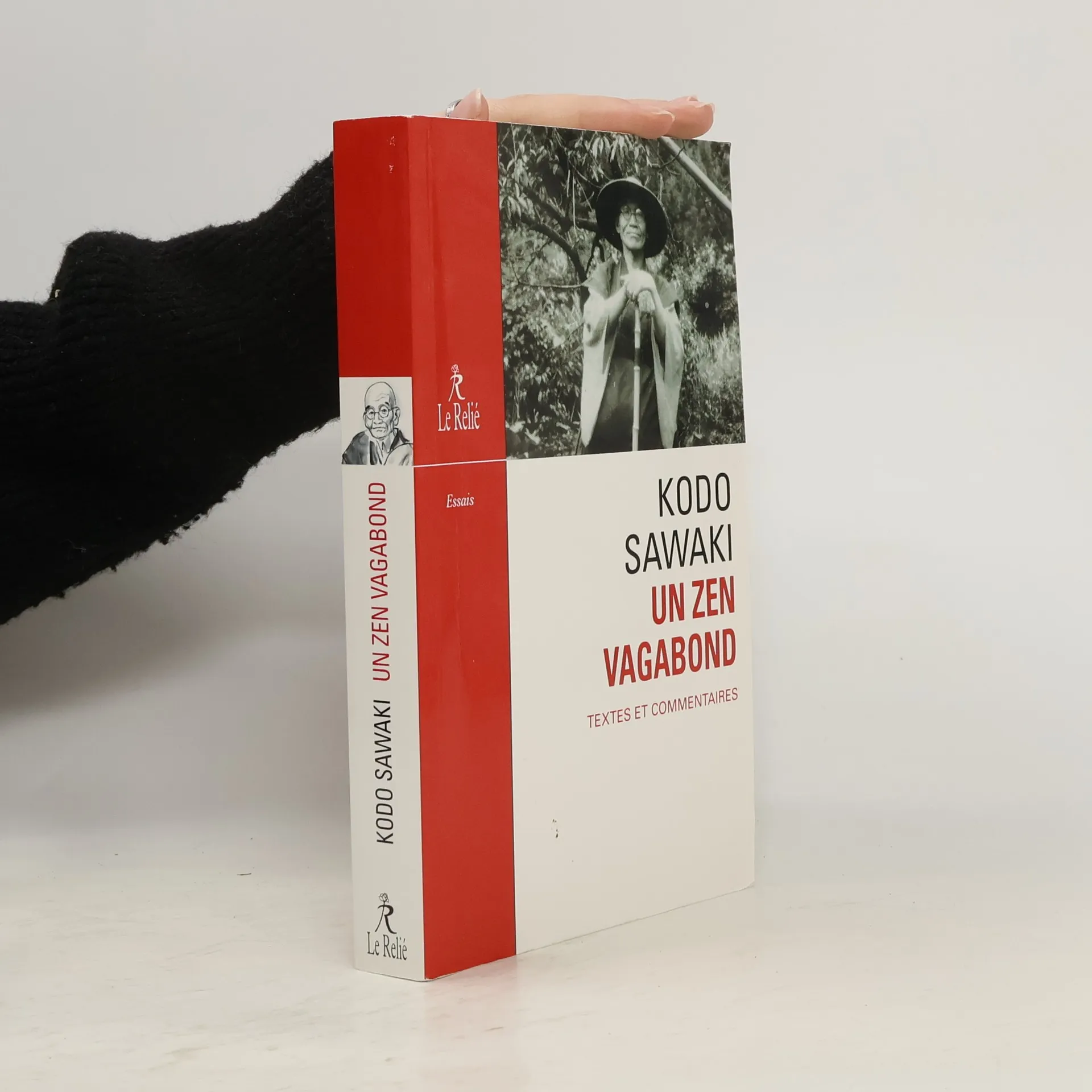
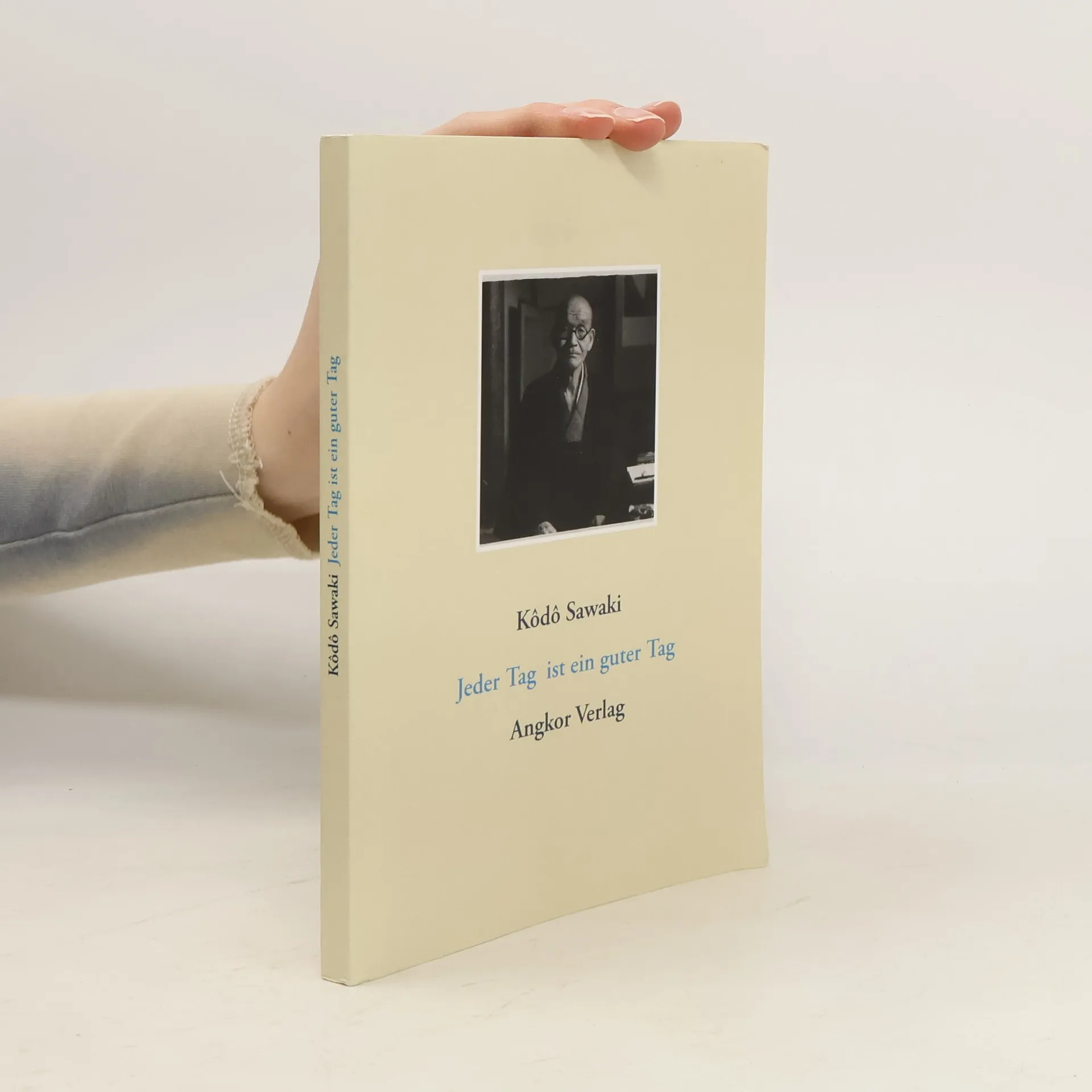
Ce livre présente une sélection d’enseignements de Kodo Sawaki, grand réformateur du Zen japonais du XXe siècle dont l’influence est transmise de nos jours dans de nombreux centres Zen en Occident. Kodo y explicite notamment la relation entre l’absolu, toujours présent en nous, et les manifestations relatives (nos pensées, nos émotions…) qui nous font oublier qui nous sommes véritablement.
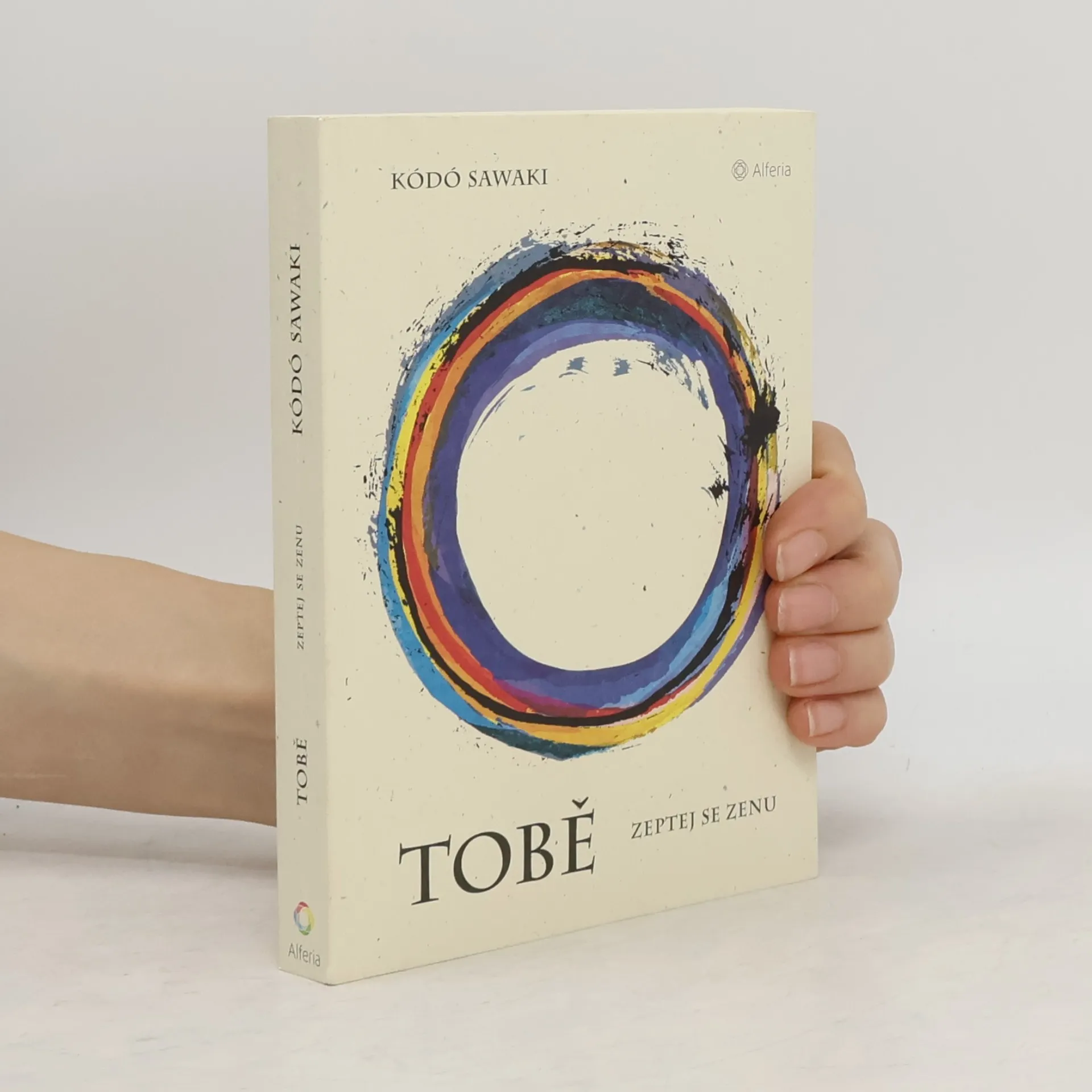
Tobě: Zeptej se zenu je kniha sestavená z myšlenek jednoho z nejvlivnějších
zenových učitelů dvacátého století – Kódóa Sawakiho. Přestože zemřel už v roce
1965, jeho slova velmi trefně odpovídají na mnohé z otázek, jež si klade i
dnešní „běžný člověk“. Nadčasovost knihy ostatně naznačují i názvy kapitol, do
kterých výroky mistra Sawakiho rozčlenil autor tohoto výboru, žák jeho žáka
Šúsoku Kušija. Tady jsou některé z nich: Tobě, vykolejenému z manželské hádky;
Tobě, kterému se život zdá nesmyslný; Tobě, který chceš praštit se svým
zaměstnáním; Tobě, který nemáš čas; Tobě, kterému chybí peníze, láska a
postavení.
Kodo Sawaki est considéré comme l’un des plus grands maîtres zen du XXe siècle. Certains de ses disciples, notamment Taisen Deshimaru, ont eu une grande influence sur le zen en France et dans toute l’Europe. Les enseignements dans ce recueil affirment que l’Homme doit se trouver et créer sa propre vie. "Chacun d’entre nous se dresse telle une falaise au plus haut du ciel. Aucune comparaison n’est possible : tu es toi, je suis moi. Tous se moquent de toi parce que tu n’es qu’un bon à rien ? Il suffit que tu te trouves toi-même. Découvre la nature de tes propres talents. Enracine-toi fermement en toi-même, demeure en toi-même de façon stable. Apprendre à se connaître - existe-t-il quelque chose de plus extraordinaire ?" ― Kodo Sawaki
In easy-to-understand language, a 20th-century Zen master explains profound teachings from Zen Buddhism, offering an essential resource for anyone interested in Zen meditation. “You can’t see your true Self. [But] you can become it. Becoming your true Self is zazen.” Having come of age as an orphan in the slums of Tsu City, Japan, Kodo Sawaki had to fight his way to adulthood, and became one of the most respected Zen masters of the 20th century. He had a great understanding of Dogen Zenji’s teaching and he knew how to express Dogen’s philosophy in clear, easily–understood language. Sawaki’s primary mission was to bring all people to an awareness of the Self, which he believed came through Zen meditation. His humor and straightforward talk garnered Sawaki followers from all walks of life. Though he remained poor by choice, he was rich in spirit. Two of his students who became known in America as well as in Japan were Kosho Uchiyama, abbot of Antaiji Temple and author of Opening The Hand of Thought, and Gudo Nishijima, Zen teacher and translator of Dogen’s Shobogenzo. A student of Kosho Uchiyama, Arthur Braverman has compiled an anthology of Sawaki’s writings and a garland of sayings gathered from throughout his lifetime. One of a few collections of Sawaki’s teachings published in English, his life and work bracket the most intriguing and influential period of modern Zen practice in Japan and America.
Ce livre est basé sur de courts enseignements de Kodo Sawaki Roshi, accompagnés de commentaires de son principal disciple, Kosho Uchiyama (1912-1998), rédigés dans les années 1960. A ceux-ci s’ajoutent les réflexions de son disciple Shohaku Okumura (né en 1948), à l’intention du lecteur occidental montrant l’intemporalité de ces enseignements, et comment ils peuvent être appliqués. Ils nous aident à trouver un chemin pour l’action ici et maintenant dans la confusion du monde actuel. Ces 72 chapitres forment le corps du livre.
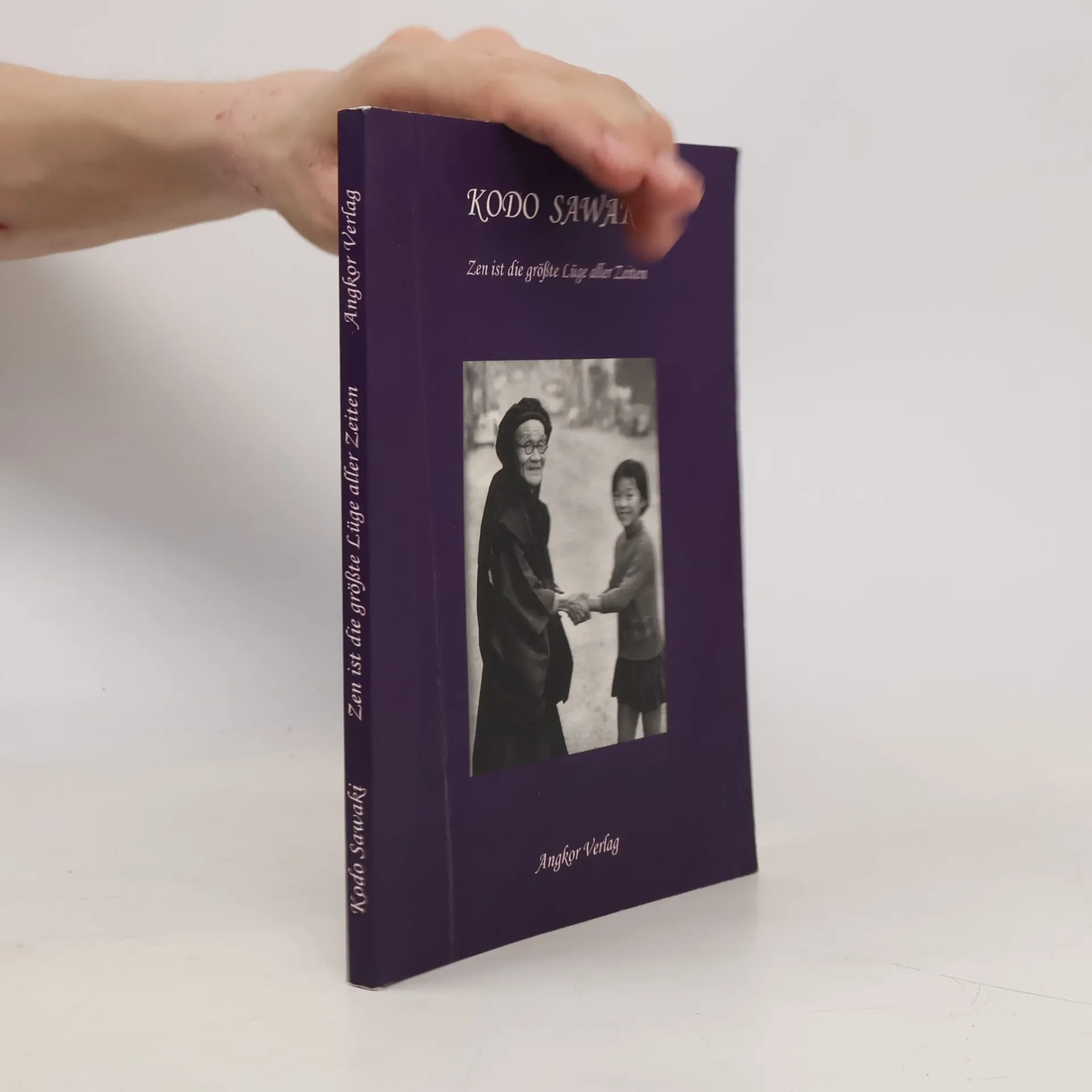
Was macht Glück aus, was ist das Ich, was ein Buddha? Sawaki klärt uns in zwei Vorträgen darüber auf und gibt eine Anleitung zum Zazen. Im Anhang befinden sich die Dôgen-Texte Fukanzazengi, Zazengi und Gakudoyojinshu. Übersetzt von Muhô, dem Abt des Antaiji, mit Kalligrafien von Kôdô.
Abandon your treasured delusions and hit the road with one of the most important Zen masters of twentieth-century Japan. Eschewing the entrapments of vanity, power, and money, "Homeless" Kodo Sawaki Roshi refused to accept a permanent position as a temple abbot, despite repeated offers. Instead, he lived a traveling, "homeless" life, going from temple to temple, student to student, teaching and instructing and never allowing himself to stray from his chosen path. He is responsible for making Soto Zen available to the common people outside of monasteries. His teachings are short, sharp, and powerful. Always clear, often funny, and sometimes uncomfortably close to home, they jolt us into awakening. Kosho Uchiyama expands and explains his teacher's wisdom with his commentary. Trained in Western philosophy, he draws parallels between Zen teachings and the Bible, Descartes, and Pascal. Shohaku Okumura has also added his own commentary, grounding his teachers' power and sagacity for the contemporary, Western practitioner. Experience the timeless, practical wisdom of three generations of Zen masters.
Muho, der deutsche Abt des Antaiji, hat ein weiteres Buch mit den besten Stellen aus Kodos Reden und Schriften aus dem Japanischen übersetzt. Zitate: „Ich drücke den Buddhismus gern mit einem einzigen Befehl aus: Feuerpause!“ - „Lebe dein Leben wie ein Toter.“ - „Du willst nicht in die Hölle fahren? Keine Angst, die Hölle macht Spaß!“ - Leb kein halbarschiges Leben, so wie einer, der ständig an seinen eigenen Fürzen riecht.„ -
« Dans le monde, tout tourne autour du sexe et de la nourriture. » - « Seule la tombe nous attend. » - « La famille est l'endroit où parents et enfants, mari et femme se supportent mutuellement. » Kôdô Sawaki Rôshi (1880-1965) est considéré comme l'un des maîtres zen les plus importants du XXe siècle. Son temple, Antaiji, est aujourd'hui dirigé par l'abbé Muhô, qui a traduit dans ce livre les sages réflexions concises et percutantes de Kôdô. Ce recueil explore des thèmes profonds tels que la nature de l'existence, les relations humaines et la quête de sens, offrant une perspective unique sur la vie et la spiritualité. Les pensées de Sawaki Rôshi, à la fois provocantes et éclairantes, invitent à une réflexion sur la condition humaine et le chemin vers l'éveil.
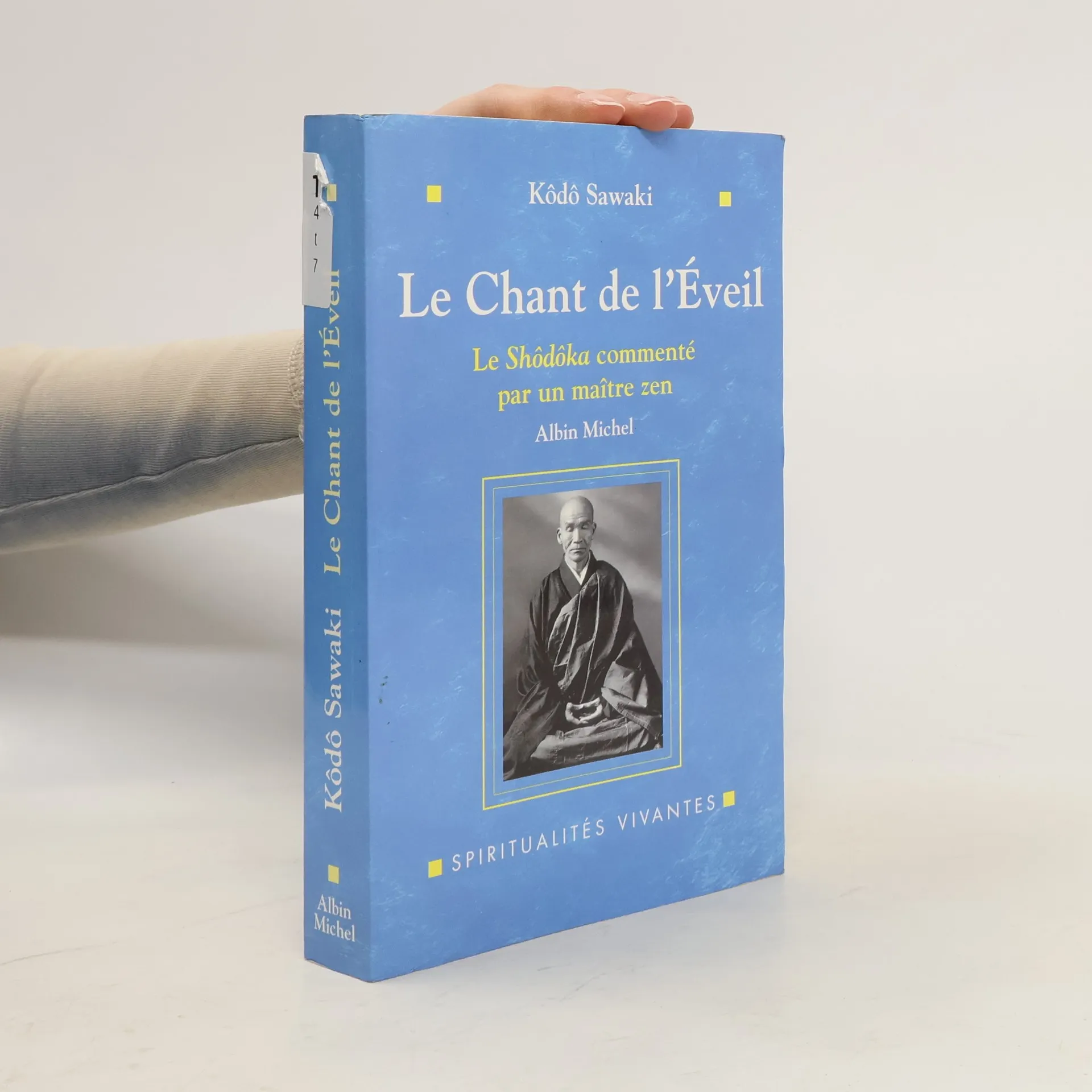
Le Shôdôka (Chant de l'Éveil) du maître Ch'an Yôka Daishi, disciple du sixième patriarche Hui-neng, est le deuxième grand poème zen rédigé en Chine après le Shinjinmei . Il compte parmi les plus beaux fleurons de cette littérature entièrement vouée à la réalisation de l'être. Chanté, il est entré dans le répertoire traditionnel de la musique de cérémonie zen.Ces soixante-dix-huit poèmes sont ici commentés par l'un des plus grands maîtres du japon du XXe siècle : Kôdô Sawaki (1880-1965). Avant d'introduire la pratique du zen en Europe, Taisen Deshimaru (1917-1982) fut durant trente ans le disciple de ce maître incomparable qu'était Kôdô Sawaki. Ordonné moine par lui, il deviendra son successeur dans la transmission de l'enseignement de Bodhidharma.La traduction du Shôdôka commentée par Kôdô Sawaki a cette saveur abrupte, incomparable, du zen vécu et réalisé, transmis sans fioritures ni détours dans la plus pure tradition de cette voie d'éveil.