Exploring the hidden corners of Mauritius, this poetic thriller delves into the lives of four young individuals yearning to break free from the pervasive cycle of fear and violence in their homeland. Through their contrasting perspectives, the narrative unveils the stark realities of life beyond the tourist façade, highlighting their struggles and aspirations for a better future.
‘If I had only one word to define this book, it would be aliveness-a synonym, plausibly, in Ananda Devi’s idiolect, for freedom. Everything-from the Night in the title, to skin, to mud, to a green sari, to sound, to Time itself-is alive … Translated with calm dexterity and breathtaking attention by Kazim Ali, this is a collection that held my body-eyes and heart and brain-in its jaws from beginning till end.’ — Karthika NairAnanda Devi’s poetry singes and sings of the body electric, bound by the complex, colonial island politics of Mauritius and yet boundless like the waters that surround it. This book of harsh lyric and enigmatic and erotic prose, takes on a second life in Kazim Ali’s sensitive translation.
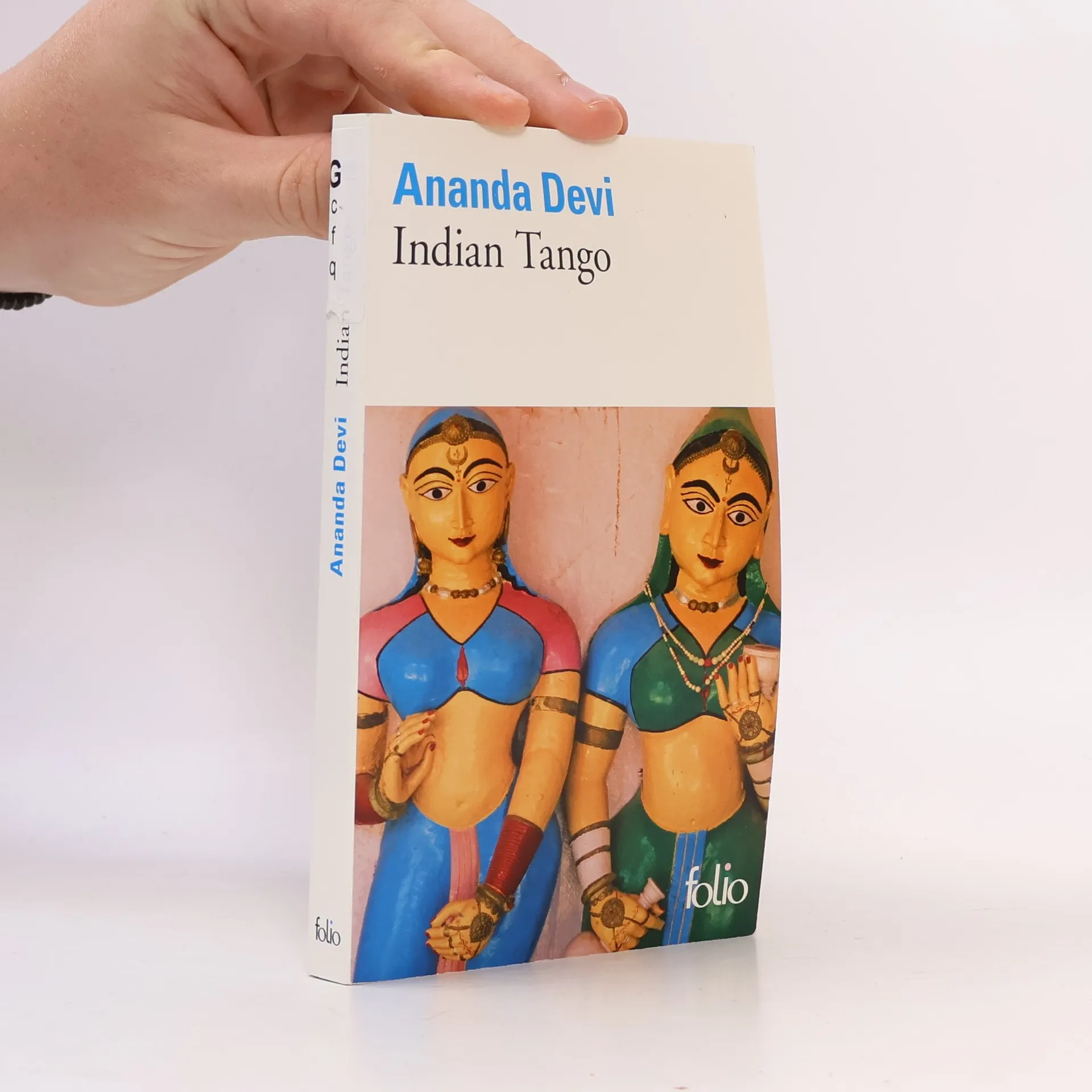
«Elle s'est tournée pour partir sans même me voir, rentrée en elle-même, inatteignable. Elle a resserré le pan de son sari sur ses épaules. Sous la finesse du tissu, l'échancrure de la blouse laisse entrevoir une poitrine abondante. Peut-être n'est-elle même pas consciente de son attrait? Peut-être n'y-a-t-il eu personne pour le lui apprendre et réveiller en elle quelque orgueil endormi, quelque secrète vanité? J'ai perçu en elle la promesse d'une musique qui n'avait pas encore été jouée et qui, même désaccordée, contiendrait sa secrète harmonie. Suffirait-il de jouer en virtuose de l'instrument pour l'allumer de lumières et de couleurs nouvelles et franchir ses ténèbres?» Avril 2004, New Delhi. L'Inde est en pleine campagne électorale. Sonia Gandhi – l'Italienne, l'étrangère – deviendra-t-elle le prochain Premier ministre?… Mais pour Subhadra, cinquante-deux ans, grande, plutôt ronde, une femme ordinaire, la préoccupation est autre : ira-t-elle à ce pèlerinage de renoncement des femmes ménopausées que lui propose sa belle-mère pour marquer la fin de sa féminité? Ou cédera-t-elle au contraire à la mystérieuse séduction de l'autre qui la suit depuis un mois dans les rues de Delhi? Un étrange pas de deux, chassé-croisé amoureux qui lui offre une chose que personne ne lui a jamais offerte : son propre corps...
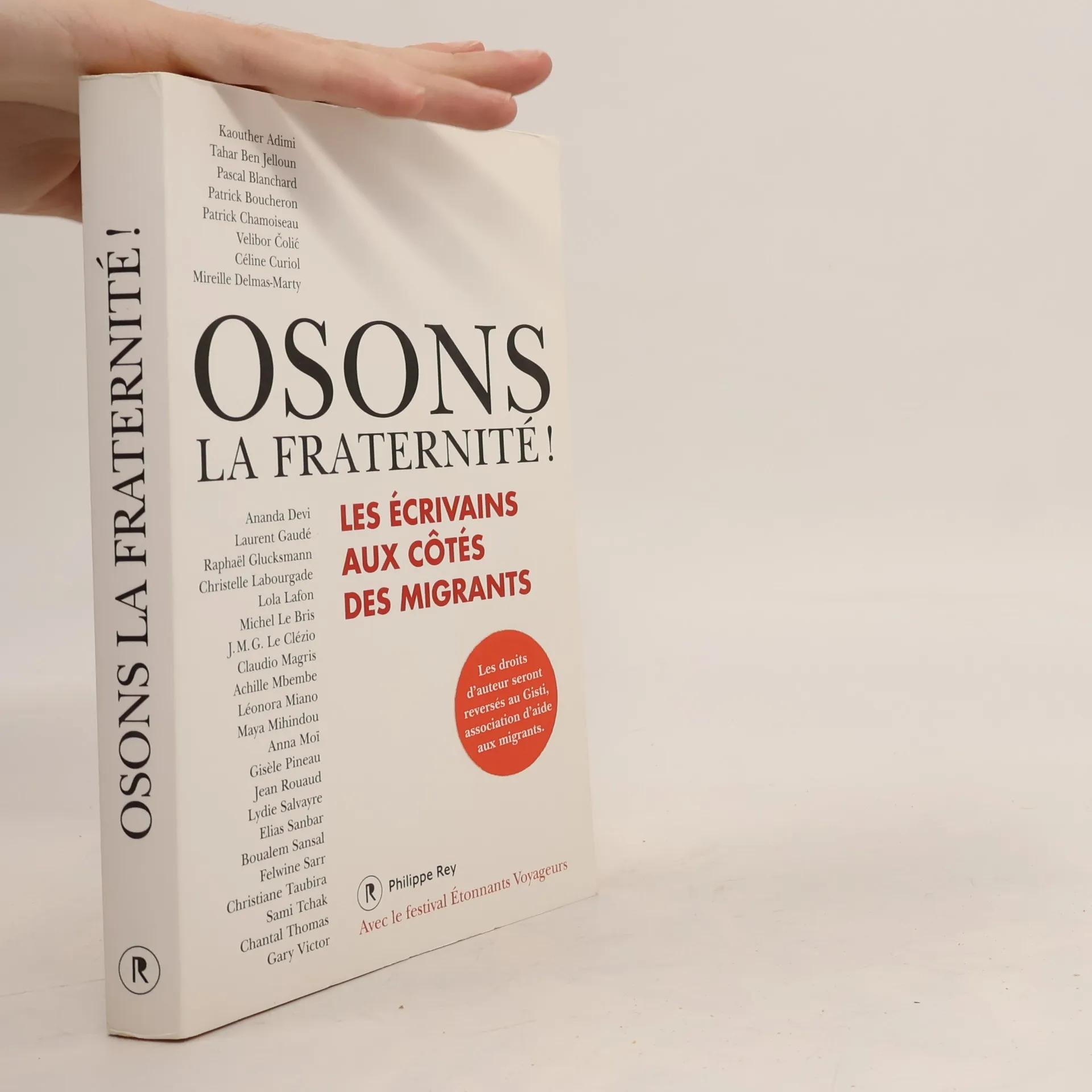
Ce livre est le fruit d'un appel lancé par Patrick Chamoiseau et Michel Le Bris pour un meilleur accueil des migrants en France, lors du Festival Étonnants Voyageurs en 2017. Vingt-six écrivains ont répondu en envoyant nouvelles, poèmes, témoignages et essais. Les contributions de Lola Lafon, Chantal Thomas, Mathias Énard, et d'autres, explorent des récits de migrations, d'exils, de familles brisées et d'espoirs, parfois avec humour, comme dans "Mots en fuite" de Tahar Ben Jelloun, où des mots étrangers quittent le dictionnaire en signe de protestation. Léonora Miano offre une vision d'anticipation en 2086, abordant un choc de civilisations. D'autres textes évoquent des violences et des barbaries, notamment ceux de JMG Le Clézio et Patrick Boucheron, posant la question de ce que nous sommes prêts à faire pour rester humains. Le livre se termine sur une note d'espoir avec le Manifeste de Mireille Delmas-Marty et la Déclaration des poètes de Patrick Chamoiseau, plaidoyers pour une hospitalité transformée. En reversant leurs droits au GISTI, ces auteurs s'engagent pour un monde plus altruiste, affirmant une éthique active de la relation.