

Bookbot

Roy Richard Grinker

    Grinker je antropológ, ktorého práca sa ponára do zložitých dynamík globálnych spoločností. Jeho výskum, vrátane rozsiahleho terénneho výskumu v Demokratickej republike Kongo a zamerania na kórejské vzťahy, ponúka hlboké poznatky o ľudskom správaní a kultúrnej interakcii. Prostredníctvom svojich akademických pozícií skúma prienik antropológie, medzinárodných vzťahov a humanitných vied, čím obohacuje naše chápanie moderného sveta. Jeho prístup kombinuje prísne vedecké skúmanie s hlbokým ocenením rôznych ľudských skúseností.

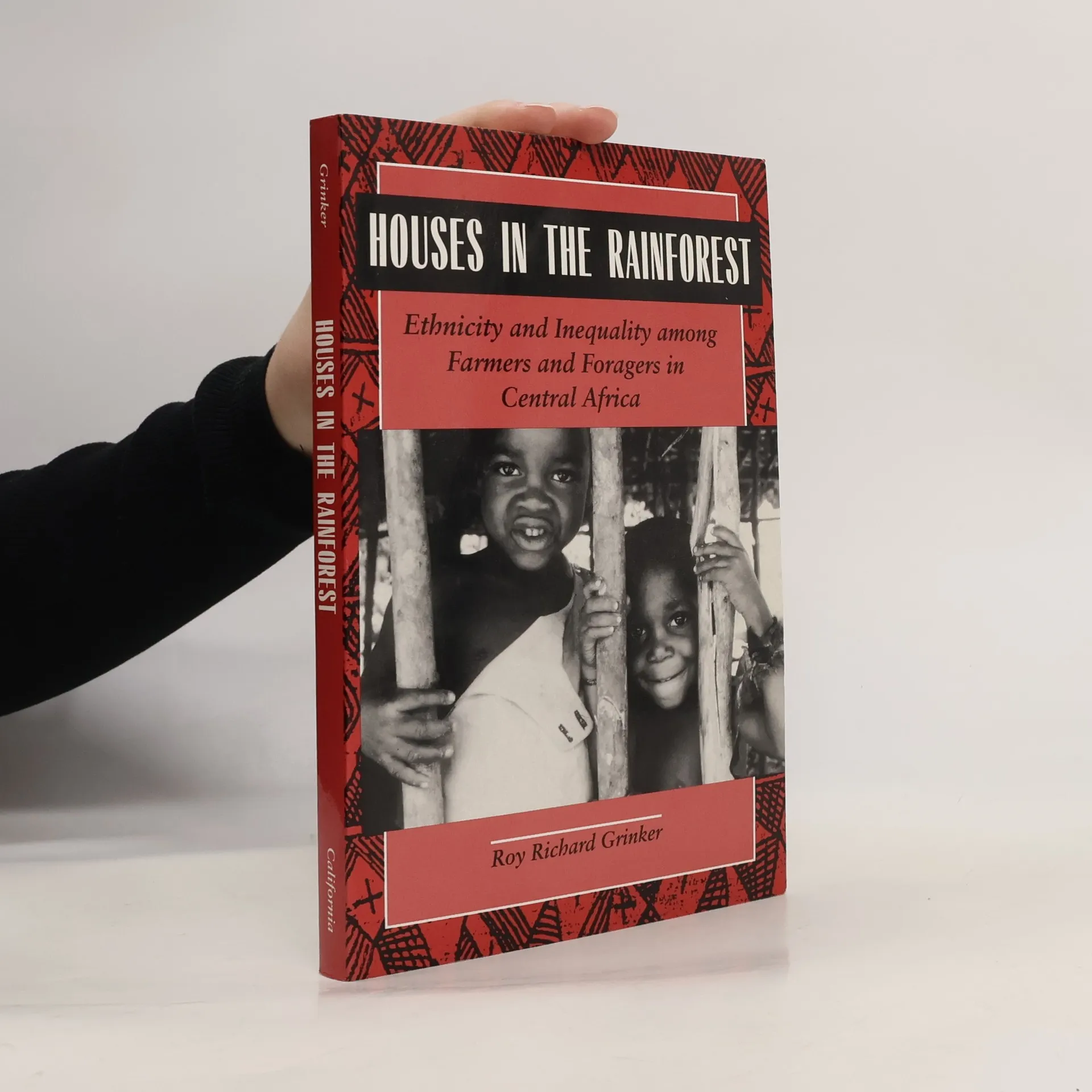
    Houses in the Rainforest
    Nobody's Normal
    • Nobody's Normal

      • 384 stránok
      • 14 hodin čítania

      For centuries, scientists and society cast moral judgments on anyone deemed mentally ill, confining many to asylums. In Nobody’s Normal, anthropologist Roy Richard Grinker chronicles the progress and setbacks in the struggle against mental-illness stigma—from the eighteenth century, through America’s major wars, and into today’s high-tech economy.Grinker infuses the book with the personal history of his family’s four generations of involvement in psychiatry, including his grandfather’s analysis with Sigmund Freud, his own daughter’s experience with autism, and culminating in his research on neurodiversity. Drawing on cutting-edge science, historical archives, and cross-cultural research in Africa and Asia, Nobody’s Normal explains how we are transforming mental illness and offers a path to end the shadow of stigma. The preeminent historian of medicine, Sander Gilman, calls Nobody’s Normal “the most important work on stigma in more than half a century.”

      Nobody's Normal2021
      4,0
    • Houses in the Rainforest

      Ethnicity and Inequality among Farmers and Foragers in Central Africa

      • 244 stránok
      • 9 hodin čítania

      This is the first ethnographic study of the farmers and foragers of northeastern Zaire since Colin Turnbull's classic works of the 1960s. Roy Richard Grinker lived for nearly two years among the Lese farmers and their long-term partners, the Efe (Pygmies), learned their languages, and gained unique insights into their complex social relations and ethnic identities. By showing how political organization is structured by ethnic and gender relations in the Lese house, Grinker challenges previous views of the Lese and Efe and other farmer-forager societies, as well as the conventional anthropological boundary between domestic and political contexts.

      Houses in the Rainforest1994
      3,4