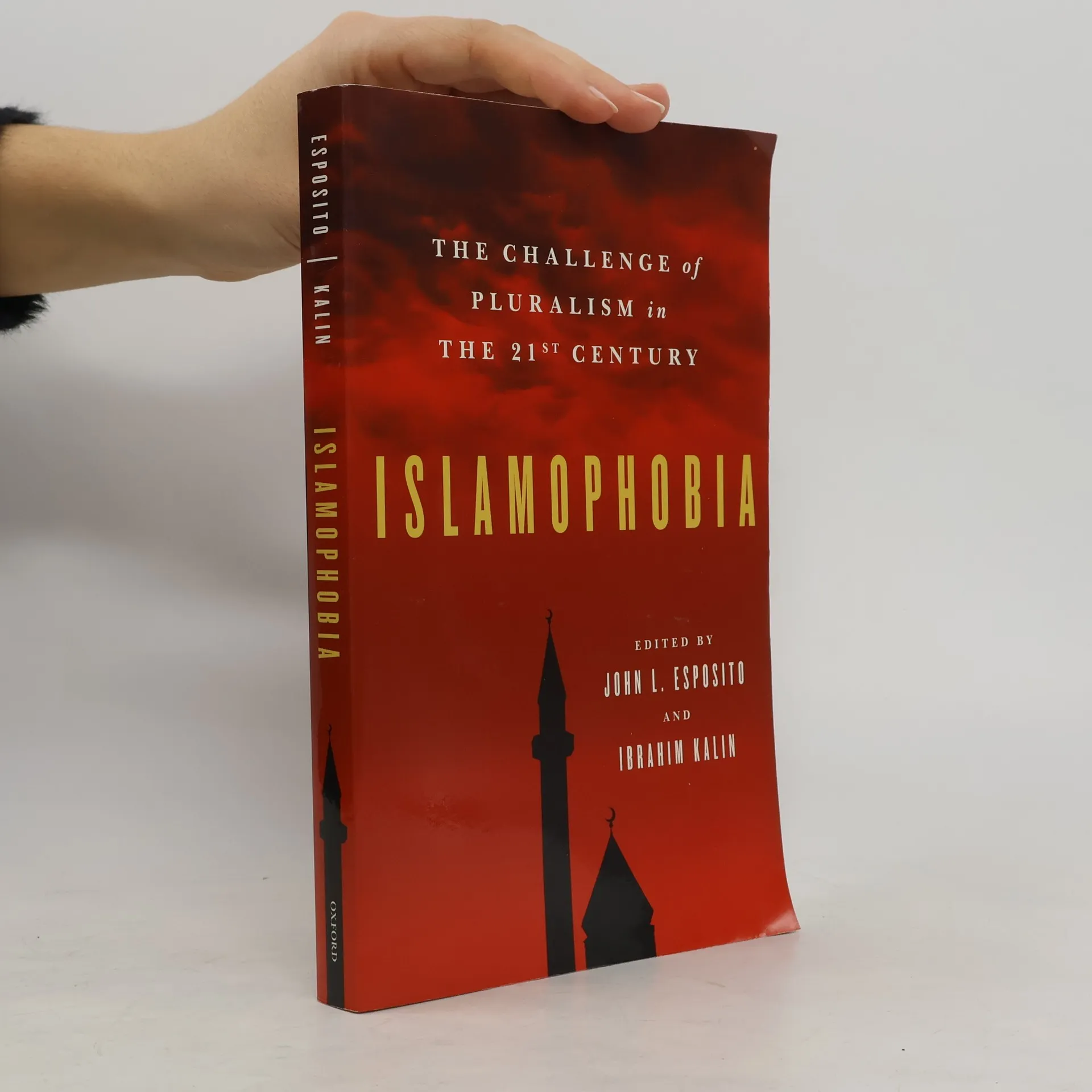
Islamophobia has escalated since September 11, manifesting in discrimination, hate speech, physical attacks, and anti-Muslim campaigns. Events like the 2006 Danish cartoon crisis and Pope Benedict XVI's Regensburg speech highlight critical issues such as image-making, multiculturalism, freedom of expression, respect for religious symbols, and interfaith relations. The 1997 Runnymede Report defines Islamophobia as "dread, hatred, and hostility towards Islam and Muslims," rooted in closed views that perpetuate negative stereotypes. Such acts violate fundamental human rights, manifesting in various forms, including attacks on mosques and Islamic centers, workplace and school discrimination, and public hate speech. This collection of essays adopts a multidisciplinary approach, featuring insights from Muslim, American, and European scholars. It combines analysis with policy recommendations, assessing existing good practices and proposing new strategies to combat discrimination, hatred, and racism. Contributors aim to foster understanding and develop effective responses to the challenges posed by Islamophobia, emphasizing the importance of interfaith dialogue and respect for diversity in addressing these pressing societal issues.
Ibrahim Kalin Poradie kníh (chronologicky)