
Bookbot

Pauline Elizabeth Hopkins

    Pauline Elizabeth Hopkinsová bola významná afroamerická autorka, ktorá sa presadila ako priekopníčka románu. Vo svojej tvorbe majstrovsky prepájala romantické prvky s hlbokým skúmaním sociálnych a rasových tém, čím vydláždila cestu pre budúce generácie. Jej diela sa vyznačujú nielen literárnymi kvalitami, ale aj odvážnym pohľadom na vtedajšie spoločenské problémy. Vplyv W. E. B. Du Bois je v jej práci badateľný, čo dodáva jej textom ďalšiu vrstvu intelektuálnej hĺbky a historického významu.

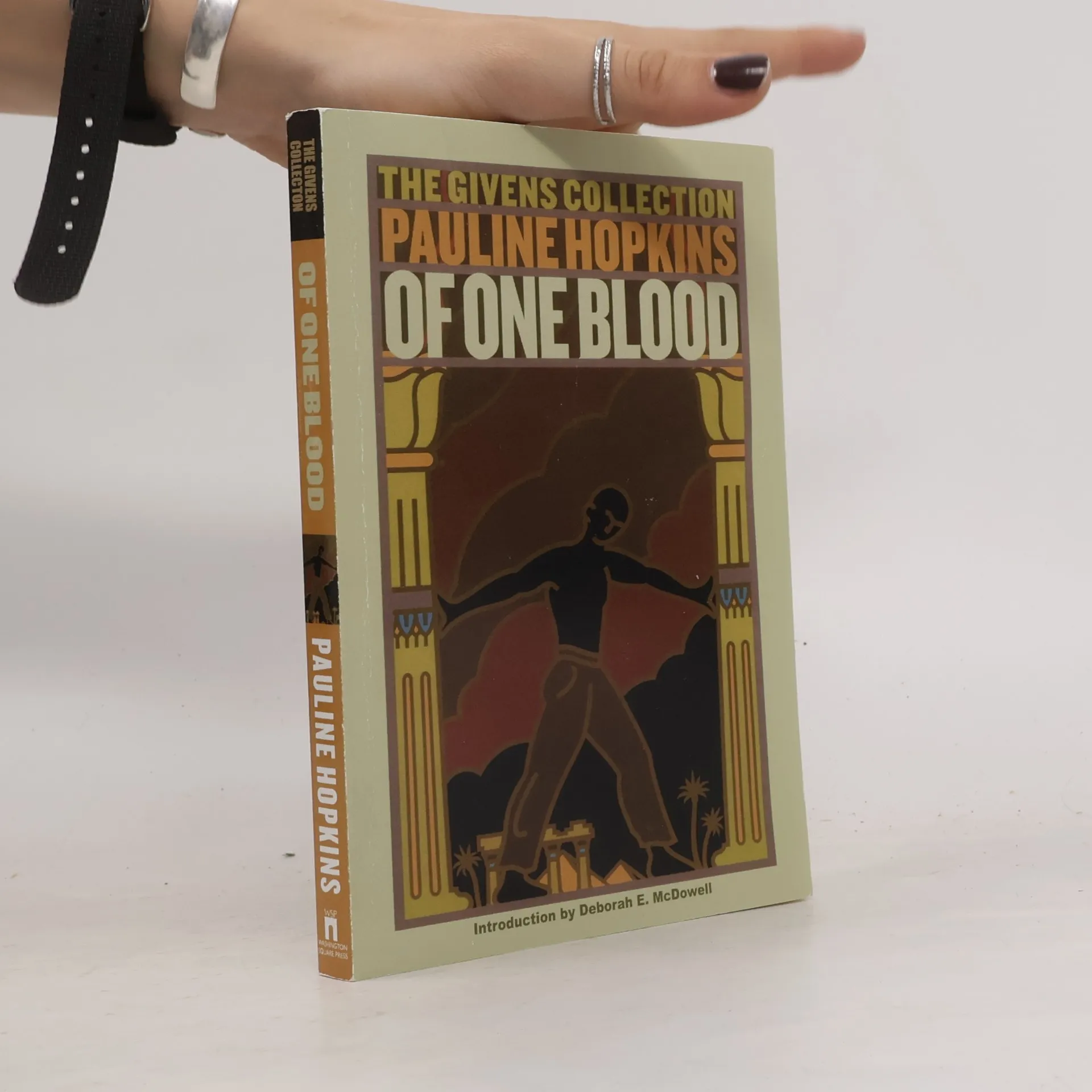
    Of One Blood: Or, The Hidden Self: The Givens Collection
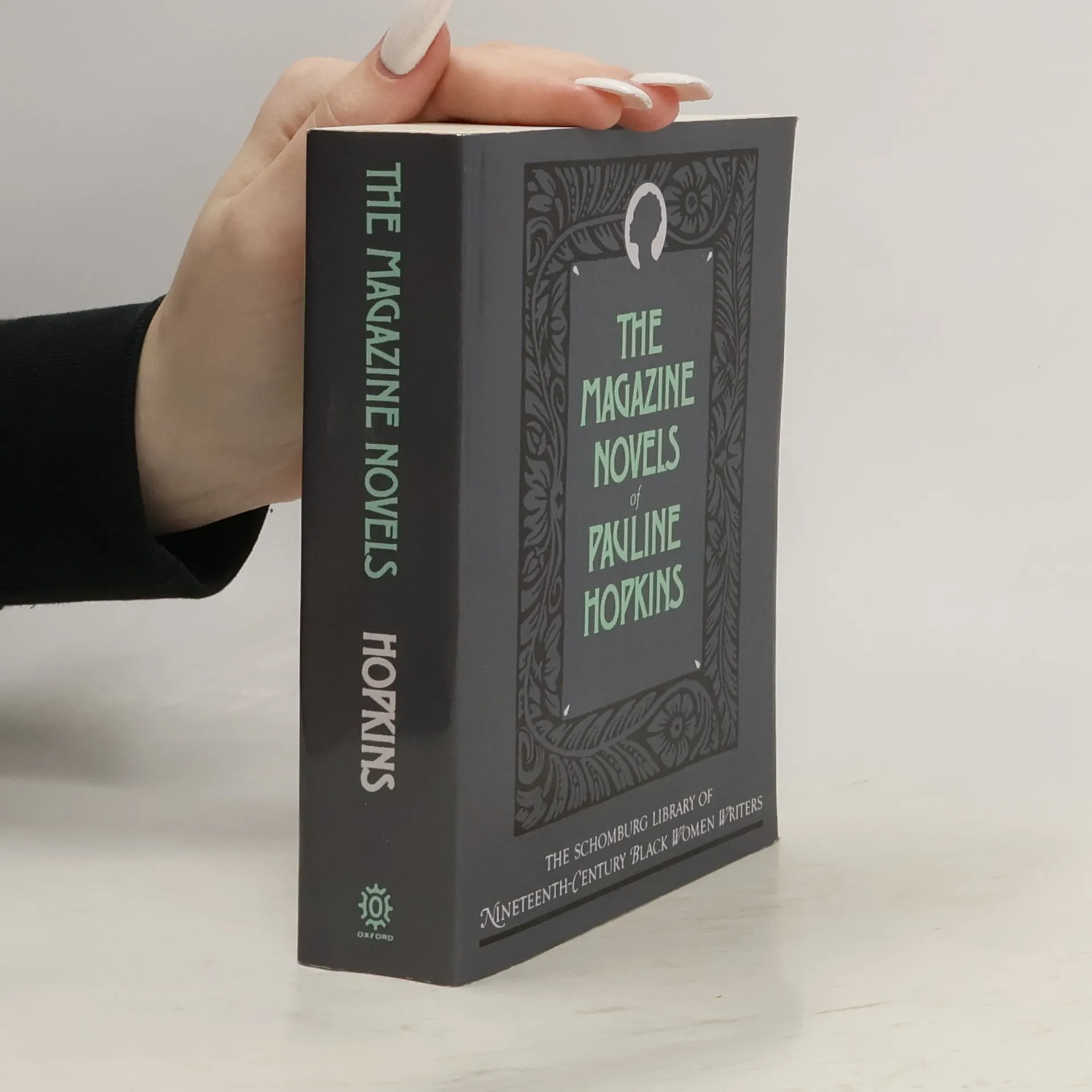
    The Schomburg Library of Nineteenth-Century Black Women Writers: The Magazine Novels of Pauline Hopkins
    • Set against the backdrop of early 20th-century America, this novel explores themes of race, identity, and social justice through its complex characters and narrative. Pauline Hopkins, a significant yet underrecognized figure of her time, weaves a compelling story that reflects her editorial influence and literary prowess. Initially serialized in Colored American Magazine, it showcases her commitment to addressing pressing societal issues, making it a vital part of African American literature's evolution during a transformative era.

      Of One Blood: Or, The Hidden Self: The Givens Collection2004
      3,4
    • The Schomburg Library of Nineteenth-Century Black Women Writers: The Magazine Novels of Pauline Hopkins

      (Including Hagar's Daughter, Winona, and Of One Blood)

      • 672 stránok
      • 24 hodin čítania

      First published in May 1900, the Colored American Magazine provided a pioneering forum for black literary talent previously stifled by lack of encouragement and opportunity. Not only a prolific writer for the journal, Pauline Hopkins also served as one of its powerful editorial forces. This volume of her magazine novels, which appeared serially in the journal between March 1901 and November 1903, reveals Hopkins' commitment to fiction as a vehicle for social change. She weaves important political themes into the narrative formulas of nineteenth-century dime-store novels and story papers, which emphasize suspense, action, complex plotting, multiple and false identities, and the use of disguise. Offering both instruction and entertainment, Hopkins' novels also expose the limitations of popular American narrative forms when telling the stories of black characters.

      The Schomburg Library of Nineteenth-Century Black Women Writers: The Magazine Novels of Pauline Hopkins1988
      3,8