Yukio Mishima Poradie kníh (chronologicky)
Yukio Mishima bol popredný japonský autor, ktorého dielo sa vyznačuje intenzívnym skúmaním krásy, smrti a pominuteľnosti ľudskej existencie. Jeho próza, často štylizovaná a plná zmyslových detailov, sa ponára do hlbín ľudskej psychiky a skúma napätie medzi telesnou túžbou a duchovným hľadaním. Mishima sa vo svojich dielach často zaoberal témami ako estetika, homosexualita, zrada, násilie a hľadanie zmyslu v modernom svete. Jeho jedinečný štýl a provokatívne témy z neho urobili jednu z najvýznamnejších a najkontroverznejších postáv japonskej literatúry 20. storočia.


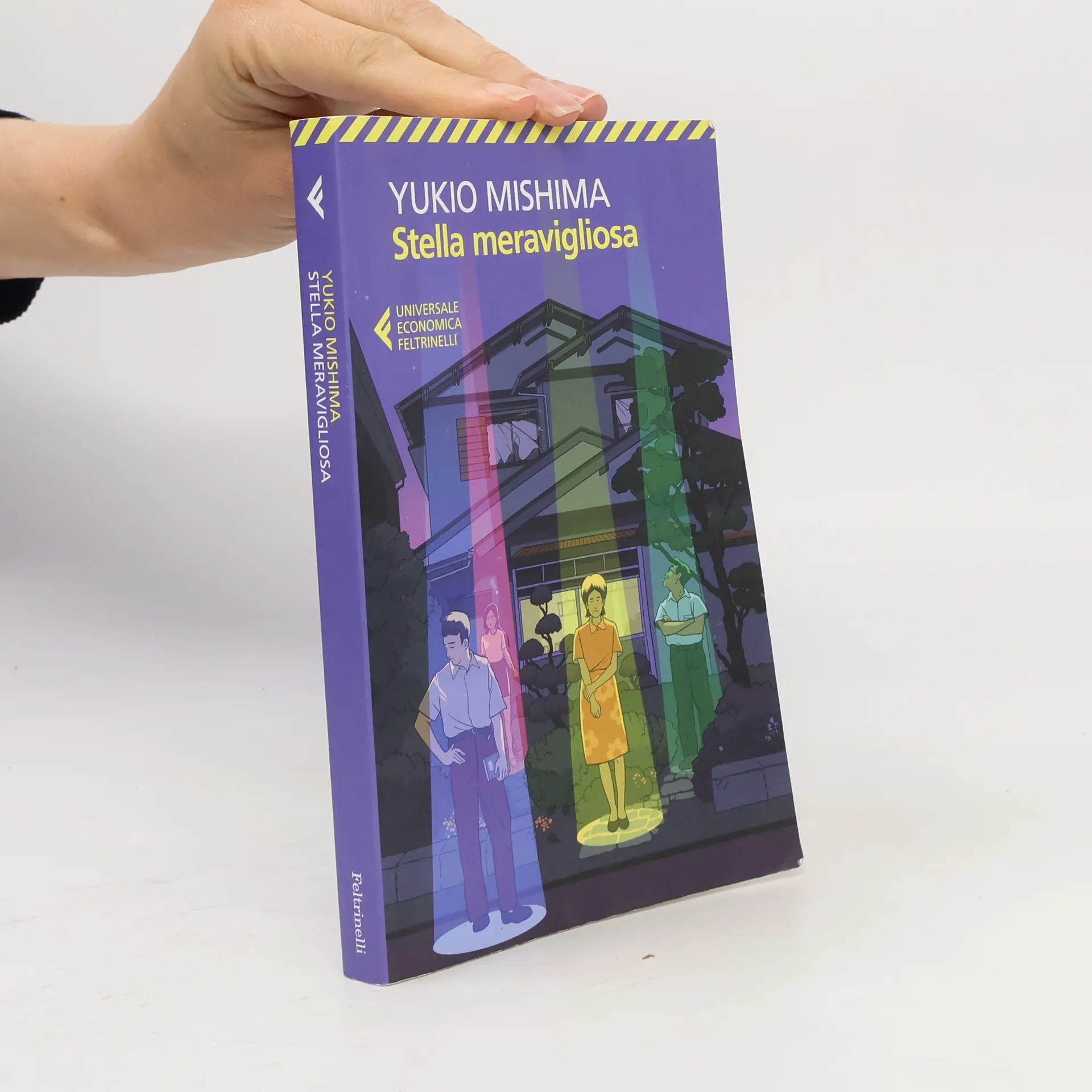
La casa de Kyoko
- 544 stránok
- 20 hodin čítania
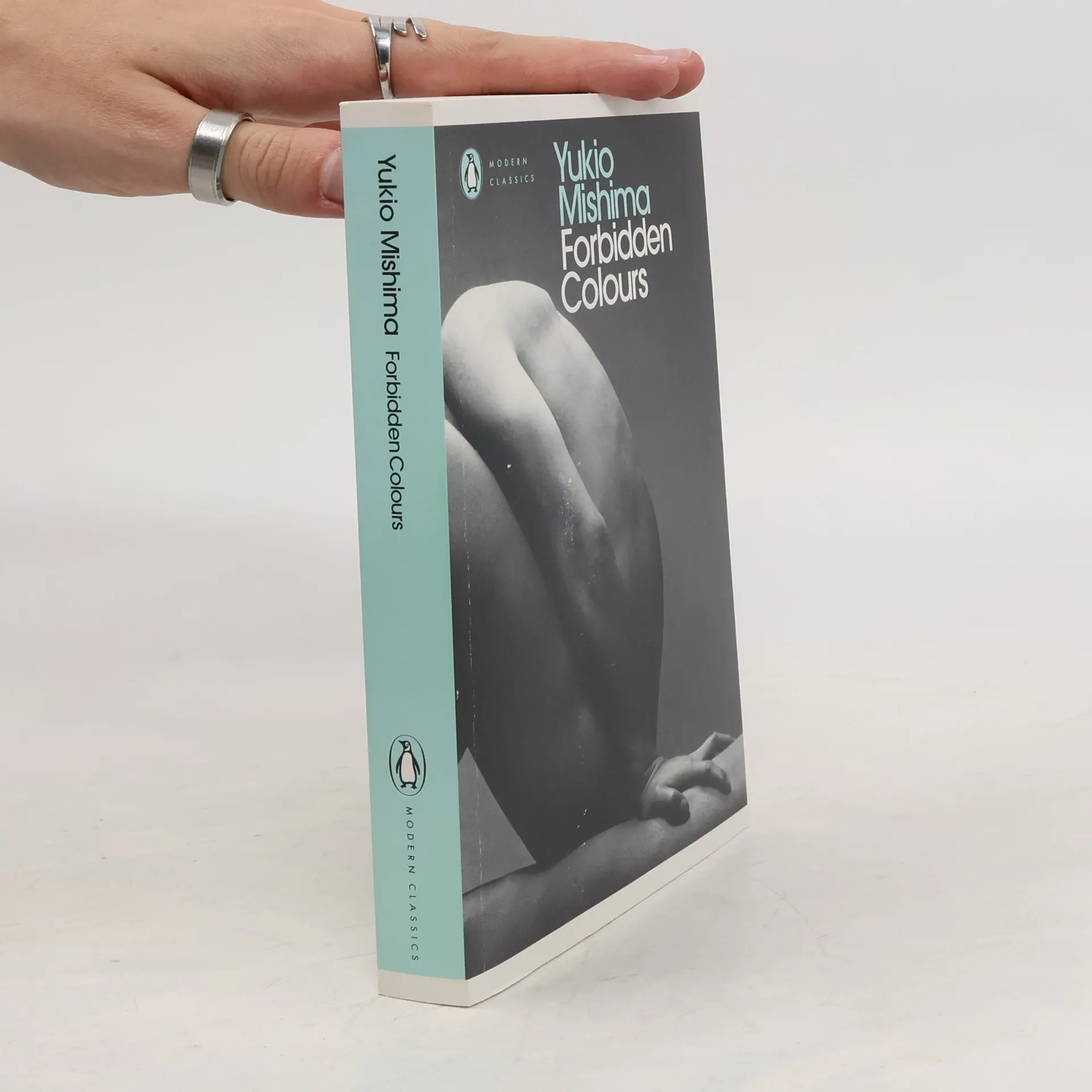
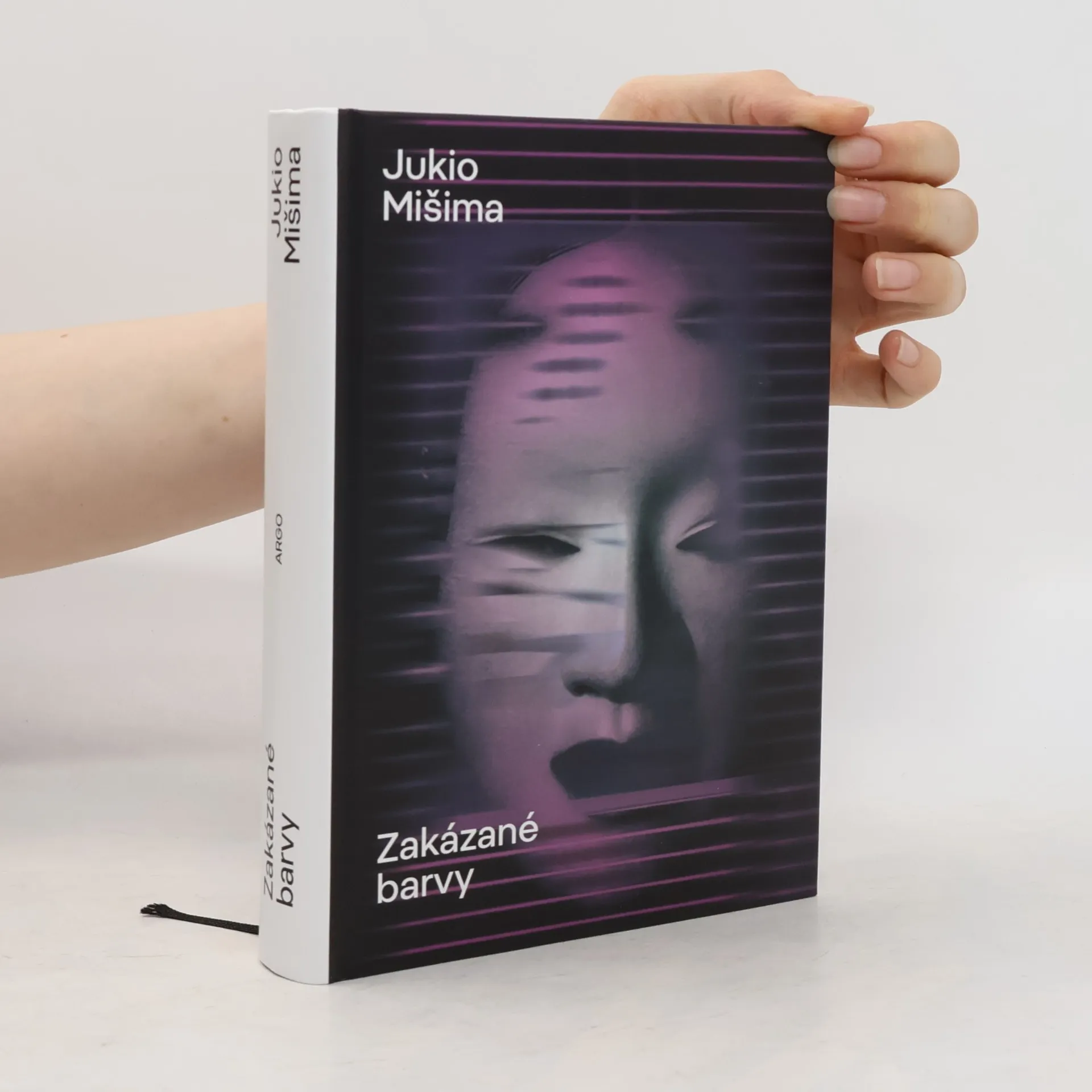
Zakázané barvy
- 530 stránok
- 19 hodin čítania
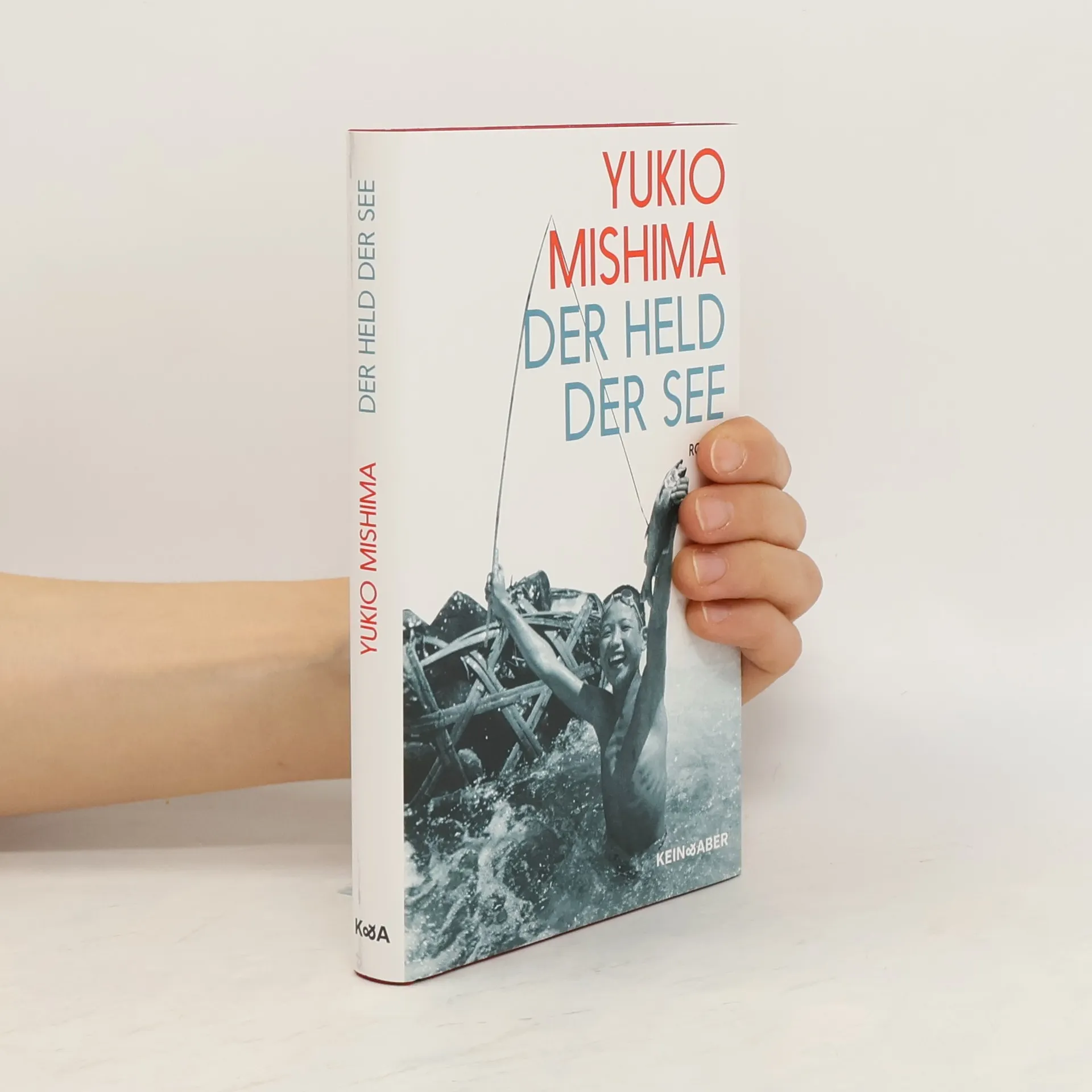
Der Held der See
- 208 stránok
- 8 hodin čítania
In Yukio Mishimas Roman steht die Liebe zwischen dem Seemann Ryuji und der Witwe Fusako im Mittelpunkt, die den Sohn Noboru in ein emotionales Dilemma stürzt. Fasziniert von Ryuji, fühlt sich Noboru betrogen, als dieser sich für die Ehe entscheidet. Der Roman thematisiert den Konflikt zwischen Idealbildern und der harten Realität.
Five Modern Noh Plays
- 288 stránok
- 11 hodin čítania
A great, ancient art form, brought right up to date by one of Japan's foremost writers
花ざかりの森・憂国
- 352 stránok
- 13 hodin čítania
二・二六事件で逆賊と断じられた親友を討たねばならぬ懊悩に、武山中尉は自刃を決意する。夫の覚悟に添う夫人との濃厚極まる情交と壮絶な最期を描く、エロスと死の真骨頂「憂国」。16歳の実質的デビュー作「花ざかりの森」、著者の生涯にわたる文学的テーマを内包した「中世に於ける一殺人常習者の遺せる哲学的日記の抜萃」等13編。多彩な魅力の自選短編集。
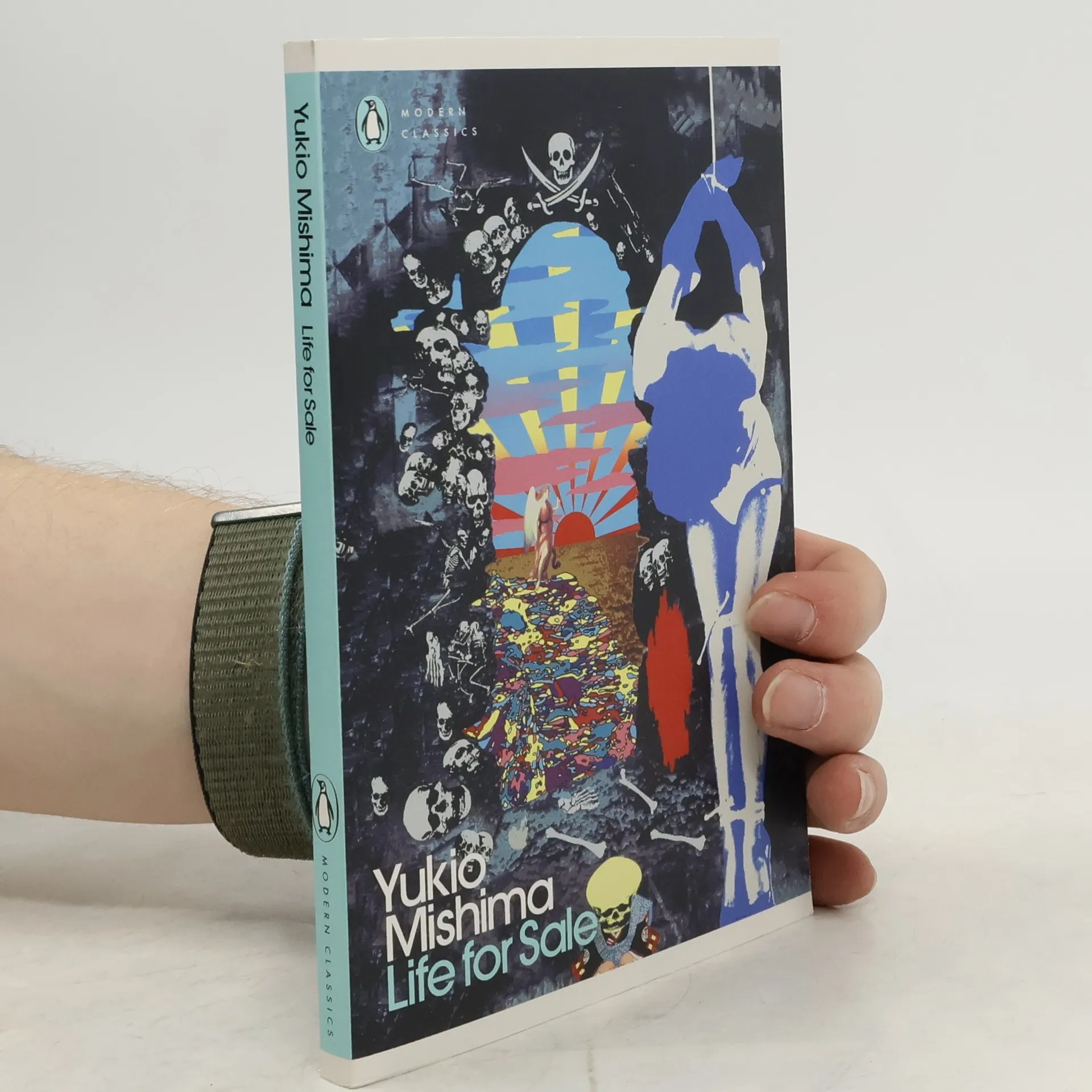
Life for Sale
- 192 stránok
- 7 hodin čítania
'The best book I've read this year ... darkly comedic and full of tension and surprise' Marina Abramovic 'Life for sale. Use me as you wish. I am a twenty-seven-year-old male. Discretion guaranteed. Will cause no bother at all.' When Hanio Yamada realises the future holds little of worth to him, he puts his life for sale in a Tokyo newspaper, thus unleashing a series of unimaginable exploits. A world of murderous mobsters, hidden cameras, a vampire woman, poisoned carrots, code-breaking, a hopeless junkie heiress and makeshift explosives reveals itself to the unwitting hero. Is there nothing he can do to stop it? Resolving to follow the orders of his would-be purchasers, he comes to understand what life is worth, and whether we can indeed name our price.
Star
- 64 stránok
- 3 hodiny čítania
A haunting novella of fame and disillusionment by a Japanese literary iconAll eyes are upon Rikio. And he likes it, mostly. His fans cheer from a roped-off section, screaming and yelling to attract his attention. They would kill for a moment alone with him. Finally the director sets up the shot, the camera begins to roll, someone yells "action"; Rikio, for a moment, transforms into another being, a hardened young yakuza, but as soon as the shot is finished, he slumps back into his own anxieties and obsessions.Written shortly after Yukio Mishima himself had acted in the film Afraid to Die, this novella is a rich and unflinching psychological portrait of a celebrity coming apart at the seams as the absurdity of his existence comes sharply into focus. With exquisite, vivid prose, Star begs the question: is there ever any escape from how we are seen by others?
Vestidos de noche
- 296 stránok
- 11 hodin čítania
Todo parece ir sobre ruedas durante la luna de miel de la joven Ayako Inagaki. Su marido, Toshio Takigawa, es el hombre ideal: tierno, atractivo, culto, elegante, deportista... Pero hay algo que empieza inquietarle: la extraña relación de Toshio con su madre, una afable y encantadora mujer de porte aristocrático, viuda del embajador japonés en Londres. La señora Takigawa está muy bien relacionada con la alta sociedad de Tokio, incluida la casa imperial, a la que quiere acceder el padre de Ayako, un ejecutivo ambicioso y esnob. En "Vestidos de noche" (sátira feroz con tonos irreverentes de la hipocresía social reinante en la alta sociedad japonesa tras la derrota en la Segunda Guerra Mundial) Mishima explora nuevamente el lado más oscuro e inconfesable del ser humano.
The Frolic of the Beasts
- 176 stránok
- 7 hodin čítania
Set in rural Japan shortly after World War II, The Frolic of the Beasts tells the story of a strange and utterly absorbing love triangle between a former university student, Koji; his would-be mentor, the eminent literary critic Ippei Kusakado; and Ippei's beautiful, enigmatic wife, Yuko. When brought face-to-face with one of Ippei's many marital indiscretions, Koji finds his growing desire for Yuko compels him to action in a way that changes all three of their lives profoundly. Originally published in 1961 and now available in English for the first time, The Frolic of the Beasts is a haunting examination of the various guises we assume throughout our lives, and a tale of psychological self-entrapment, seduction, and violence.
Novela svérázného japonského autora, vypravující o rituální sebevraždě císařského důstojníka, je doplněna obsáhlým faktickým i ideovým komentářem.
Die Erzählung beleuchtet die dramatischen Ereignisse der "Nacht der langen Messer" am 30. Juni 1934, als Hitlers Befehl zur Ermordung der SA-Führung und unliebsamer Politiker führte. Yukio Mishima bietet keine tiefgehende Analyse Hitlers, sondern konzentriert sich auf die logistischen Aspekte und die Machtdynamiken, die zu diesem brutalen Machtkampf führten. Die Darstellung der Geschehnisse verbindet Fiktion mit historischen Fakten und zeigt die komplexen politischen Intrigen jener Zeit.
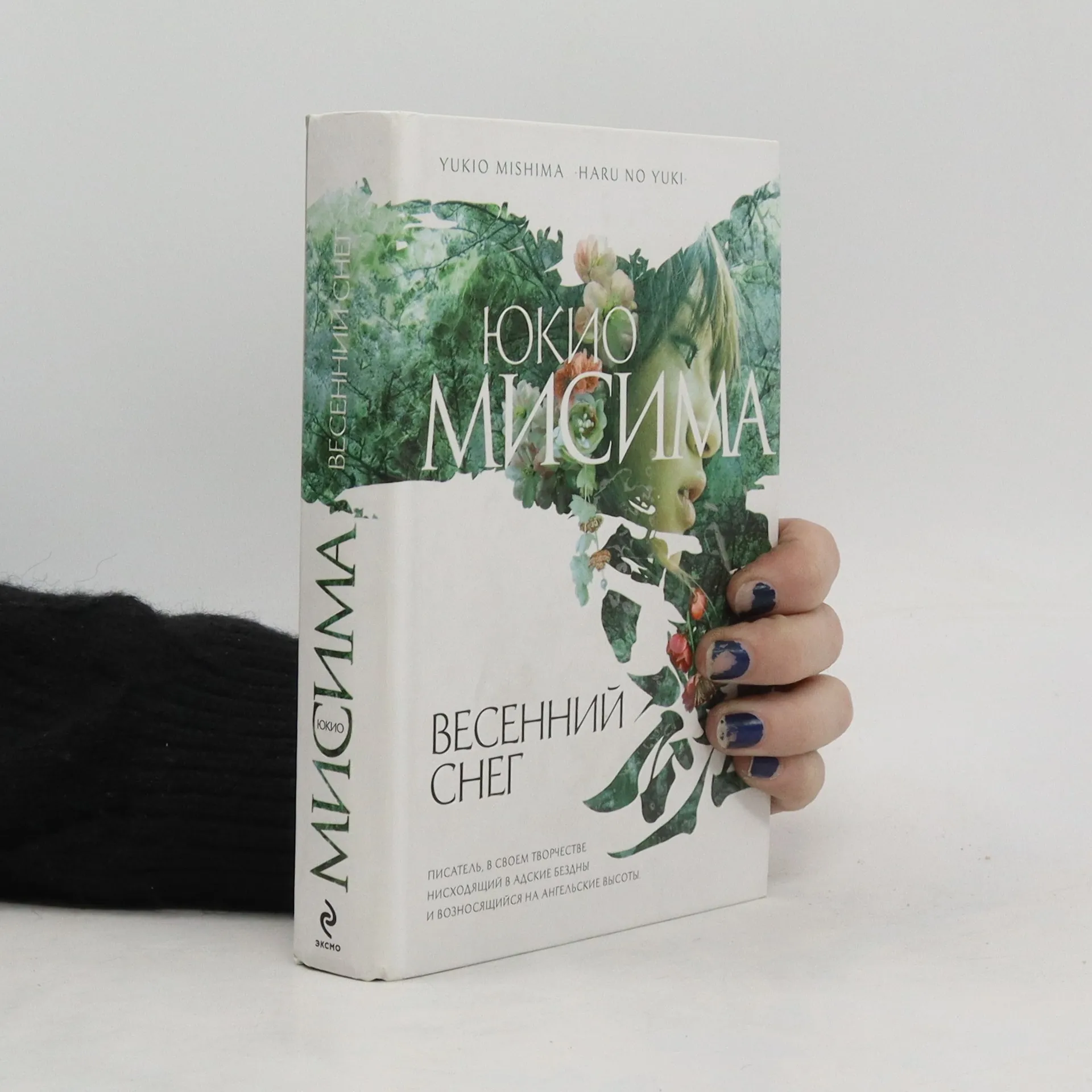
Весенний снег
- 458 stránok
- 17 hodin čítania
Память - зеркало миражей. Иногда в нем всплывают такие далекие образы, что мы не в силах из разглядеть. Иногда - те, что только кажутся близкими. Весенний снег, кажущийся благословением, оборачивается проклятием для юных влюбленных
Am 25. November 2010 jährt sich die Selbsttötung Mishimas nach Art der Samurai zum vierzigsten Mal. Dieses „theatralische Akt“ hat sich ins allgemeine Bewusstsein eingebrannt und oft den Blick auf sein literarisches Werk verstellt. Aktuell gibt es Anzeichen für eine „Mishima-Renaissance“, die in seinem Leben und Werk einen Vorläufer der post-modernen „Ästhetik der Inszenierung“ sieht. Sich mit Mishima auseinanderzusetzen, bleibt auch vierzig Jahre nach seinem Tod irritierend und schmerzhaft, da er literarische, moralische und politische Empfindungen verletzt. Dies könnte erklären, warum im deutschsprachigen Raum bisher keine umfassendere Auseinandersetzung mit ihm stattfand. Dieses Buch versucht, diese Lücke zu schließen. Die Beiträge reflektieren die ästhetischen, moralischen und politischen Komponenten von Mishimas Werk aus unterschiedlichen Perspektiven und Methoden. Die erste Sektion verdeutlicht die Ambivalenz seiner Poetisierung des Politischen. Die zweite widmet sich den theatralischen, performativen und rituellen Aspekten seines Schaffens. Die dritte behandelt seine literarische Suche nach „Anerkennung“ und sein „unglückliches Bewusstsein“ (Hegel). Im Anhang wird der wichtige, aber bisher kaum beachtete Text Eirei no koe [Die Stimmen der toten Helden] von 1966 erstmals in deutscher Übersetzung präsentiert.
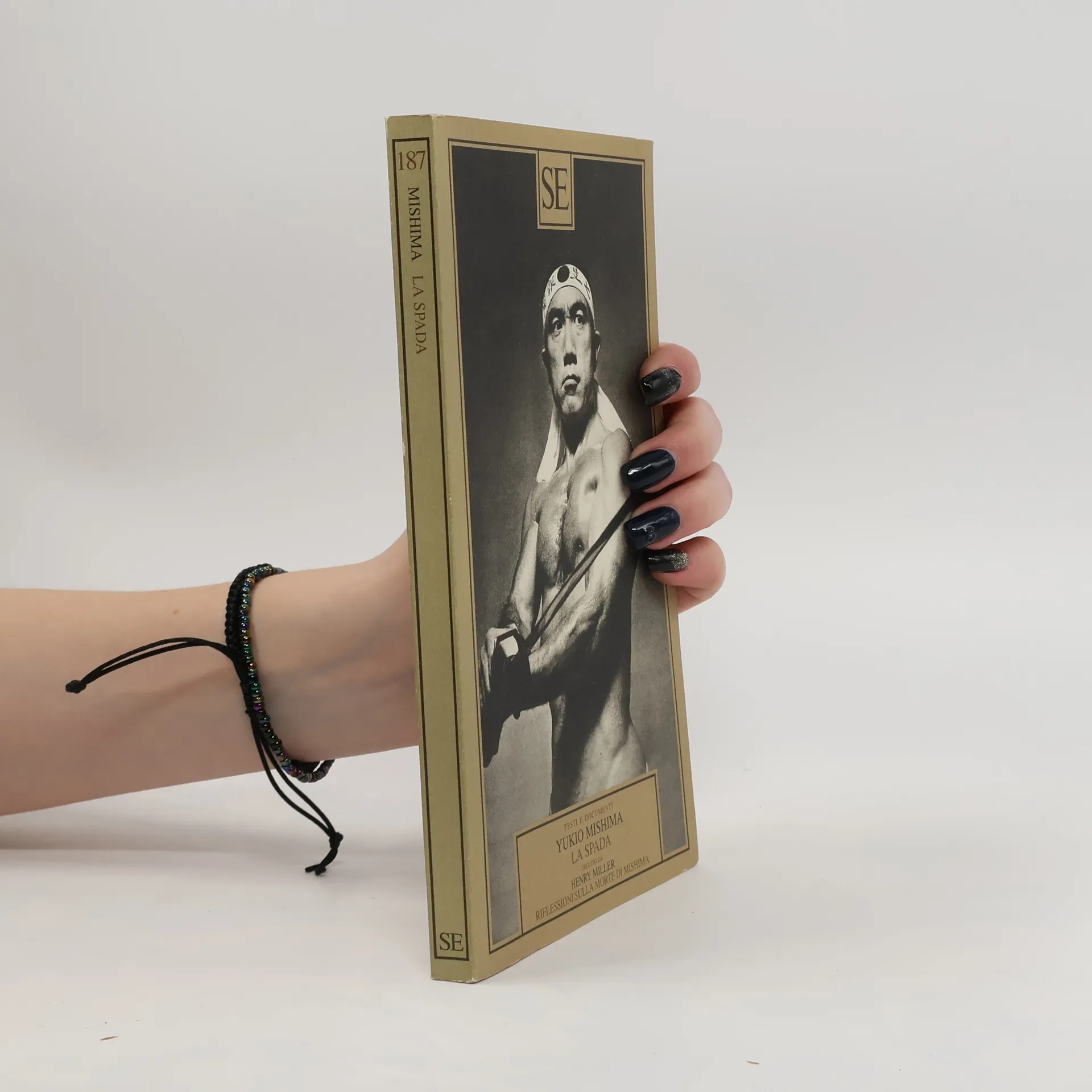
La spada
- 122 stránok
- 5 hodin čítania
- La spada, di Yukio Mishima - Riflessioni sulla morte di Mishima, di Henry Miller - Proclama, di Yukio Mishima - L'ideologia della morte folle, di Hashikawa Bunzô - Dietro tanta vivacità un senso di vuoto, di Donald Keene - Mishima, di Marguerite Yourcenar 24 foto in appendice.
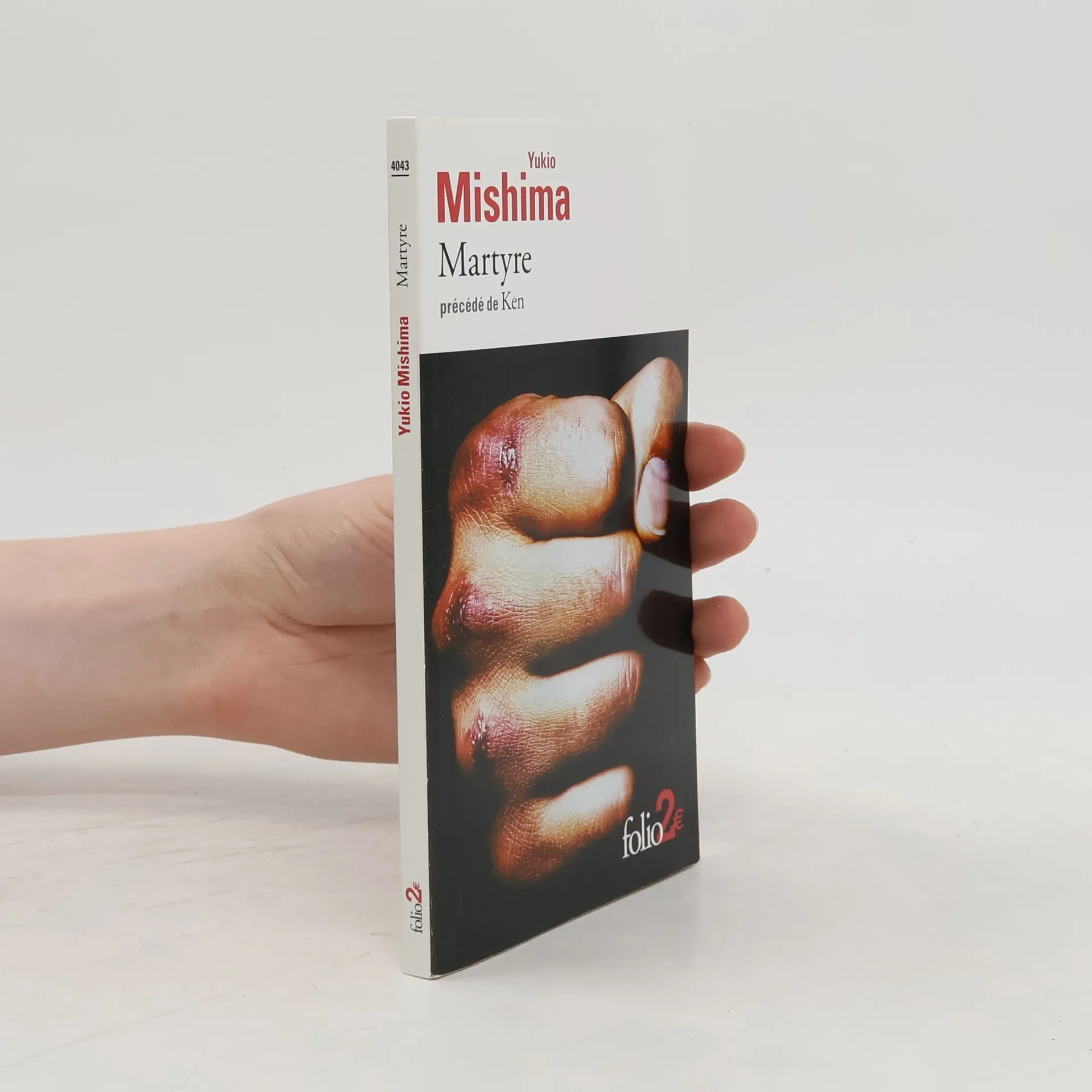
Comment qualifier les sentiments ambigus qu'éprouvent l'un pour l'autre Hatakeyama et Watari ? Les deux adolescents hésitent entre haine, désir, fascination et cruauté. Jusqu'où leurs jeux troubles peuvent-ils les conduire ?L'équipe de kendô a pour capitaine Jirô, l'un des meilleurs sabres (ken) du Japon. Tous lui envient sa force, sa beauté et son talent. Lorsque le club part faire un stage d'une dizaine de jours, les ambitions et les rivalités entre les membres de l'équipe s'exacerbent...Deux nouvelles raffinées et cruelles qui mettent en scène des adolescents à la sexualité trouble.
Философский дневник маньяка-убийцы, жившего в средние века
драмы, рассказы
- 284 stránok
- 10 hodin čítania
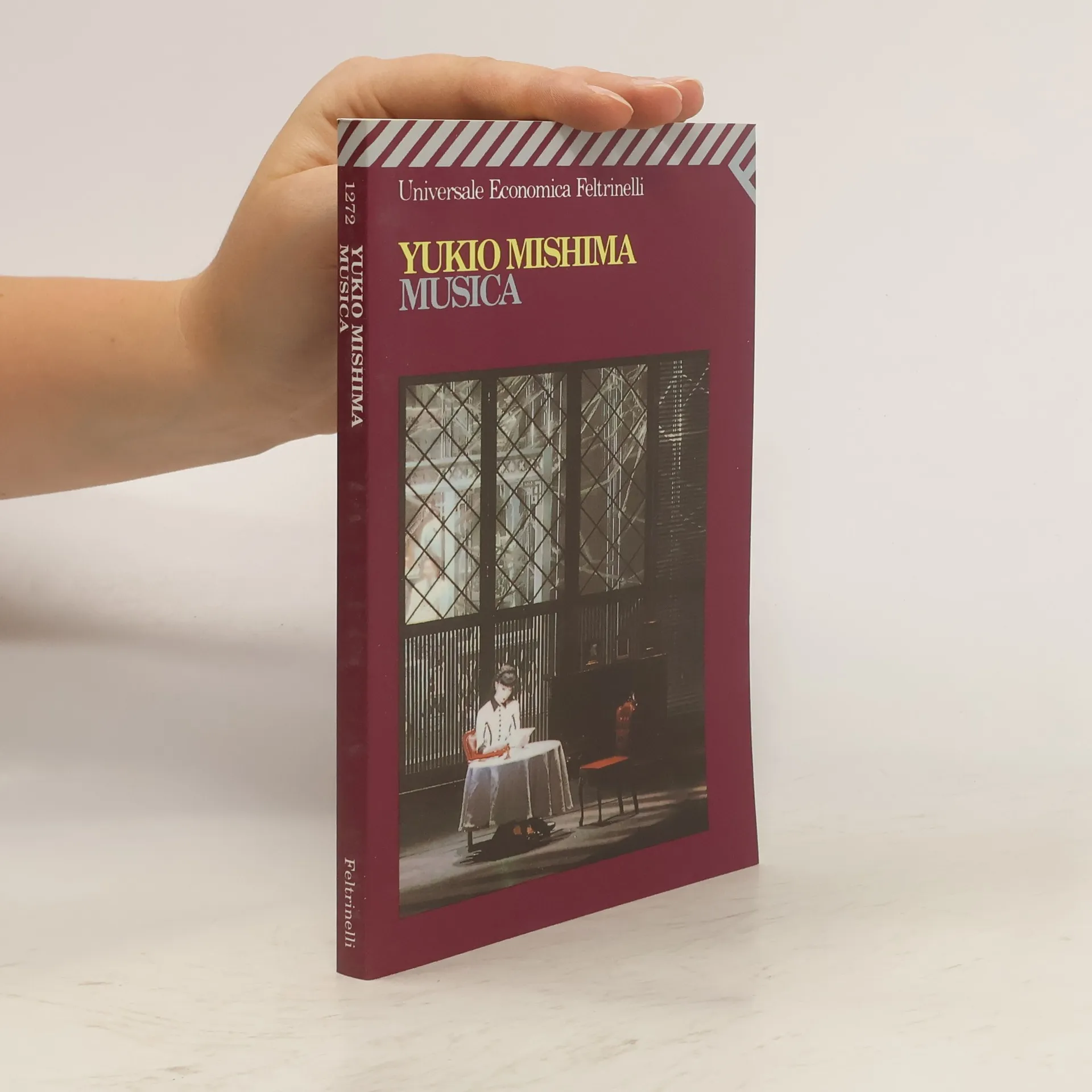
Musica
- 208 stránok
- 8 hodin čítania
Un giorno d'autunno, alla porta del dottor Shiomi Kazunori, uno psicananlista che da cinque anni ha aperto uno studio a Hibiya, si presenta un'affascinante ragazza di nome Reiko, che lo informa di non riuscire a sentire la musica. Da qui si sviluppa un'intricata vicenda in cui i molteplici tentativi di risalire alla causa del problema (la musica è una metafora dell'orgasmo) vengono descritti con una suspence da romanzo giallo.
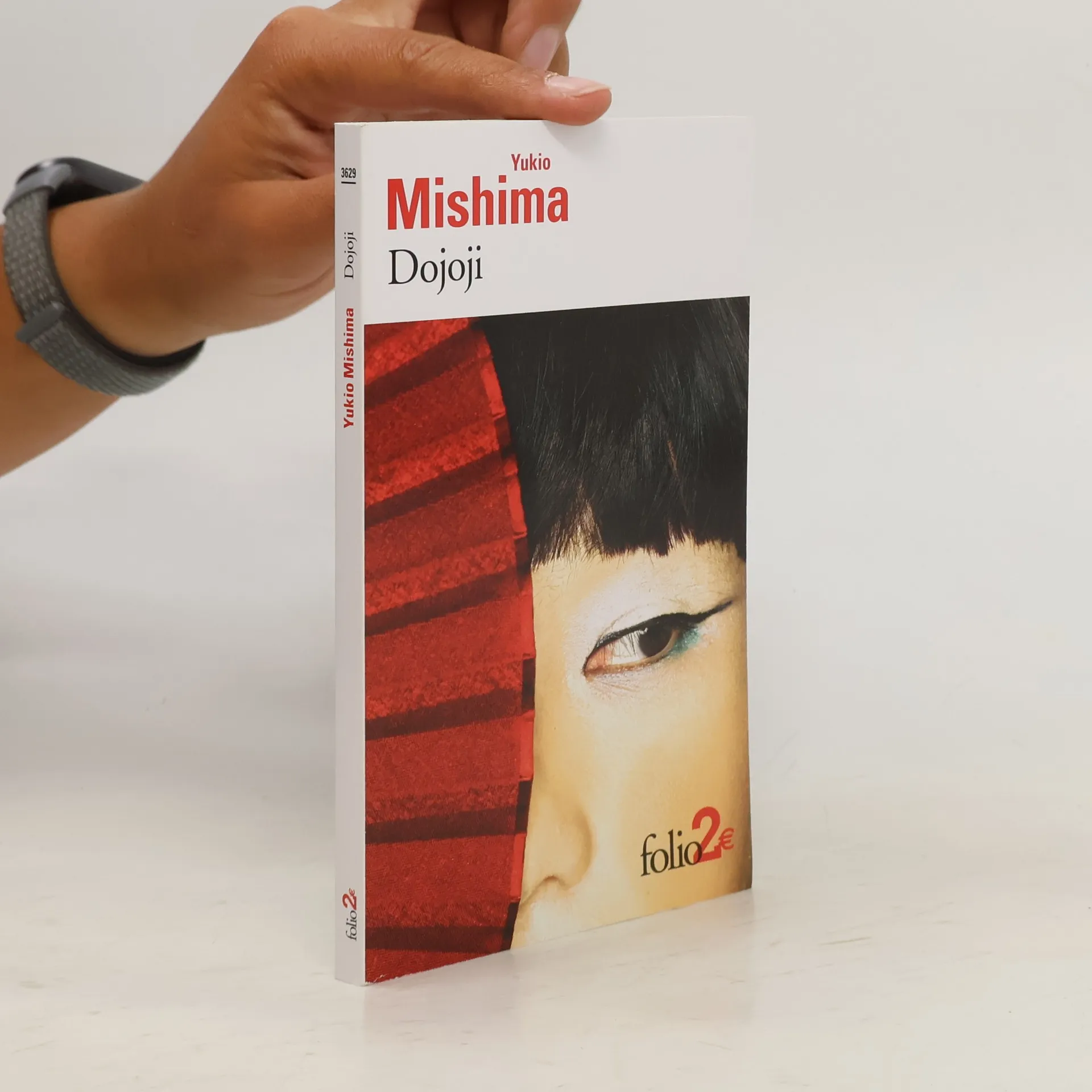
Dojoji Et Autres Nouvelles
- 127 stránok
- 5 hodin čítania
De l'univers des geishas aux rites sacrificiels des samouraïs, de la cérémonie du thé à la boutique d'un antiquaire, Mishima explore toutes les facettes d'un Japon mythique, entre légende et tradition. D'une nouvelle à l'autre, les situations tendrement ironiques côtoient les drames les plus tragiques : que ce soit la jolie danseuse qui remet du rouge à lèvres après avoir renoncé à se défigurer avec de l'acide en souvenir de son amant, Masako, désespérée, qui voit son rêve le plus cher lui échapper, ou l'épouse qui se saisit du poignard avec lequel son mari vient de se transpercer la gorge... Quelques textes étonnants pour découvrir toute la diversité et l'originalité du grand écrivain japonais.
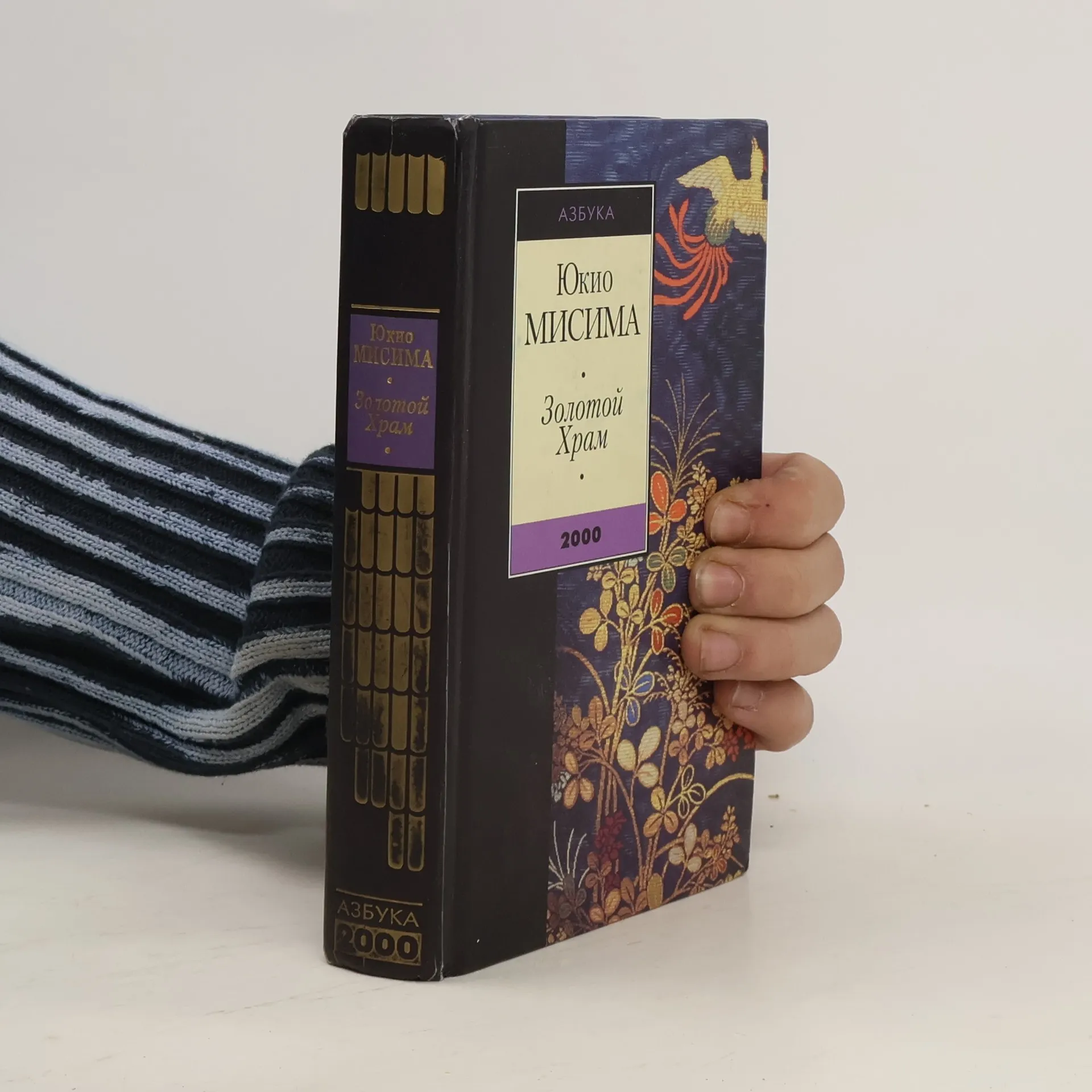
Золотой Храм
- 384 stránok
- 14 hodin čítania
Beautiful Star
- 288 stránok
- 11 hodin čítania
The Osugi family have come to a realization. Each of them hails from a different planet. Father from Mars, mother from Jupiter, son from Mercury and daughter from Venus. Already seen as oddballs in their small Japanese town in the 1960s, this extra-terrestrial knowledge brings them closer together; they climb mountains to wait for UFOs, study at home together and regard their human neighbours with a kindly benevolence. But Father, Juichiro, is worried about the bomb. He writes letters to Khrushchev, trying to warn everyone he can of the terrible threat. After all, humans may be terribly flawed, but aren't they worth saving? He sends out a coded message in the newspaper to find other aliens. But there are other extra-terrestrials out there, ones who do not look so kindly on the flaws and foibles of humans. And a charming young man, who claims to be from Venus too, tempts daughter Akiko away from the family . . .
Groot zomerboek
18 korte romans van Gabriel Garcia Márquez, Frans Kellendonk, Roald Dahl, John Fante, Carlos Fuentes, Fred Uhlman, Natalia Ginzburg, Fleur Bourgonje, Yukio Mishima, August Strindberg, Hermine de Graaf, J.M.A. Biesheuvel, Leo Tolstoj, Philip Roth en anderen
- 1229 stránok
- 44 hodin čítania
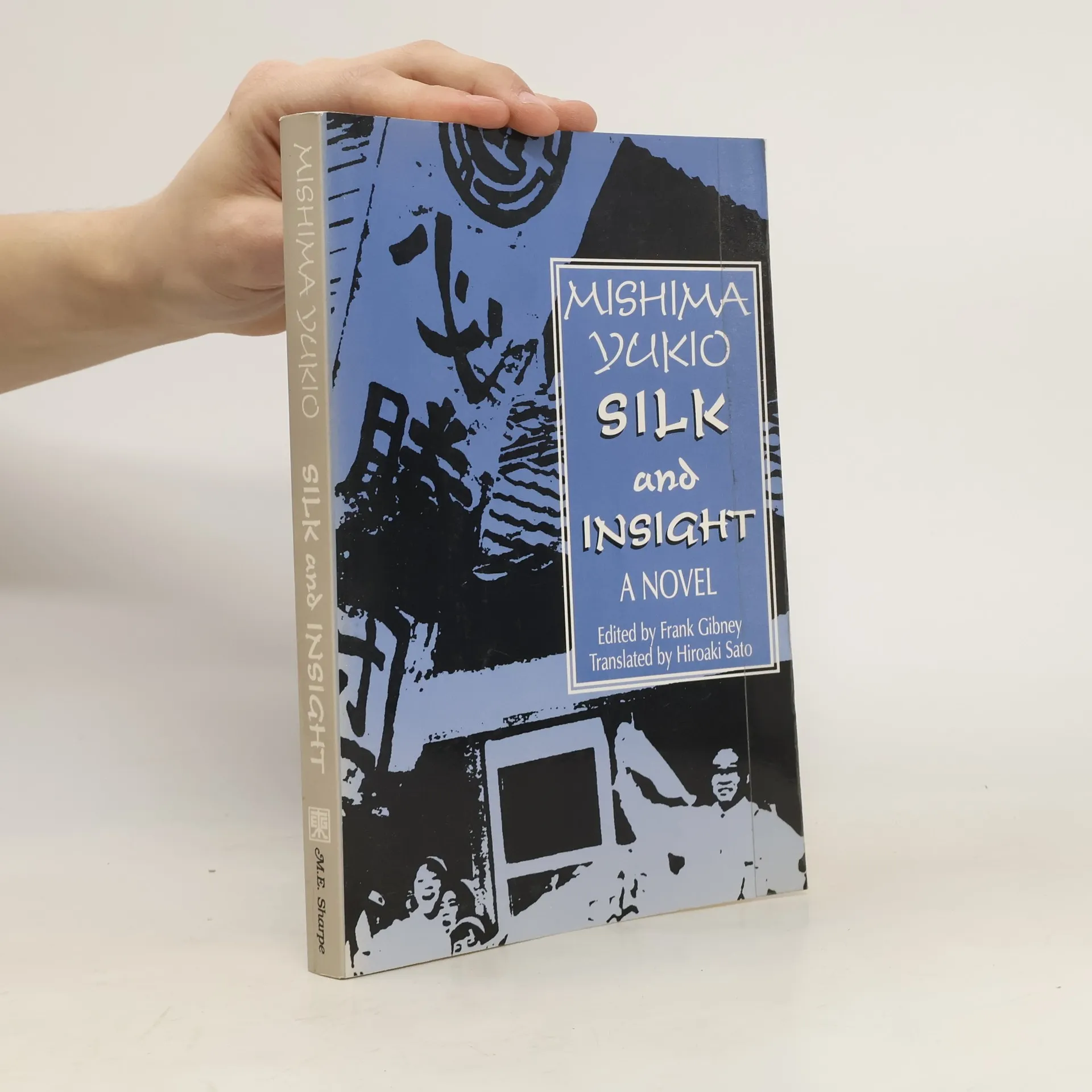
This is a tale based on the strike which took place in the mid-1950s at Omi Kenshi, a silk manufacturer not far from Tokyo. The events described reflect the management / labour tensions of the period and is a piece of social commentary on the transformation of Japanese business.
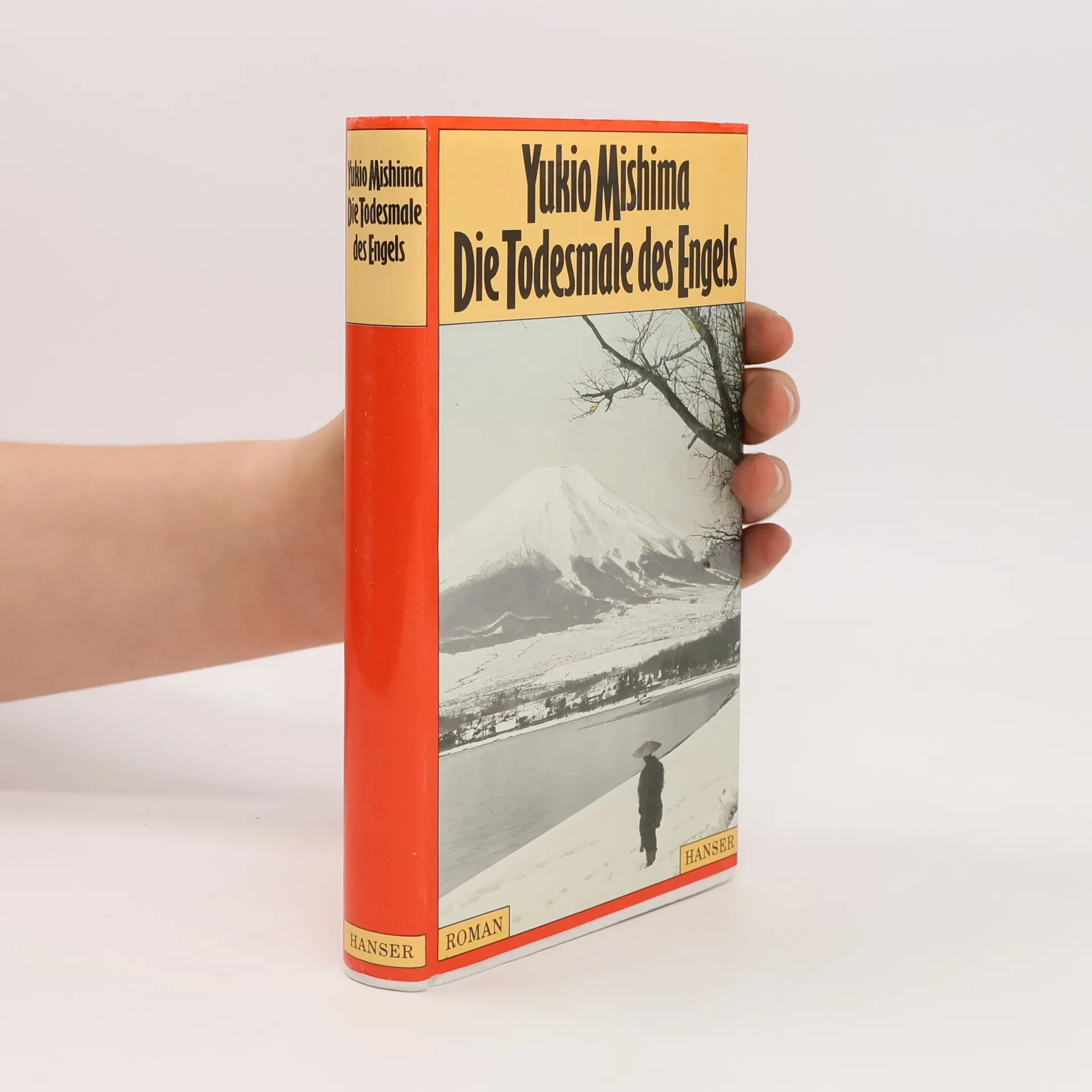
Die Todesmale des Engels
- 287 stránok
- 11 hodin čítania
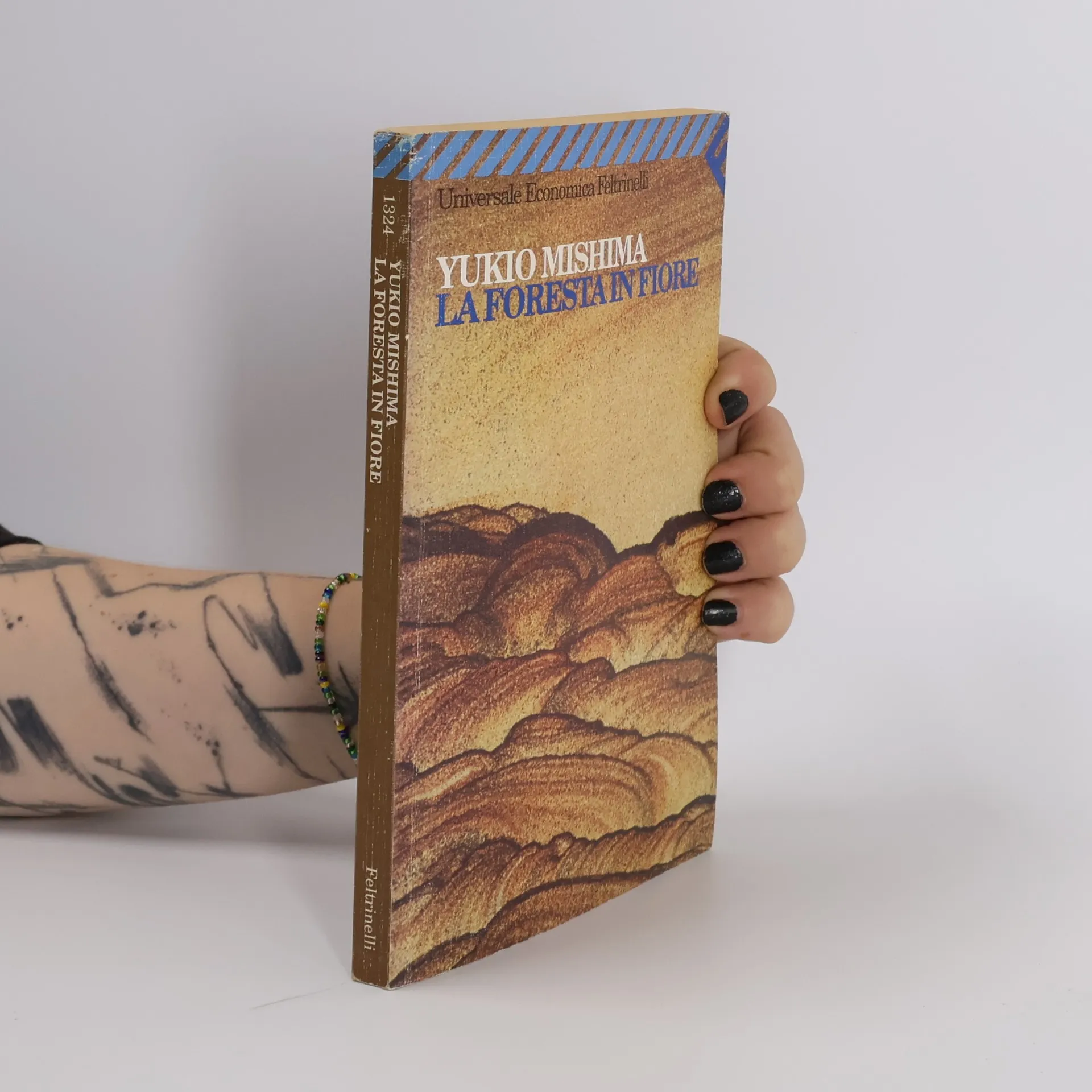
Universale Economica - 1324: La foresta in fiore
- 183 stránok
- 7 hodin čítania
La foresta in fiore è la prima traduzione mondiale dell'opera d'esordio di Mishima, pubblicata in Giappone nel 1944. I racconti, scritti durante la guerra tra i sedici e i diciotto anni dell'autore, scaturiscono dall'abbandono della mente a uno stato fluttuante, ed evidenziano il rapporto libero e ludico di un adolescente con la poesia e la letteratura. Gli antenati, la tradizione, le antiche capitali, il mondo degli dei, una sottile analisi introspettiva dei personaggi, la creazione di un mondo, onirico e psicologico, alternativo a quello reale, animano questi racconti giovanili nei quali è già possibile intravedere le caratteristiche più profonde di Mishima: l'ispirazione classica, risolta in uno stile enfatico e solenne, e l'analisi distaccata.
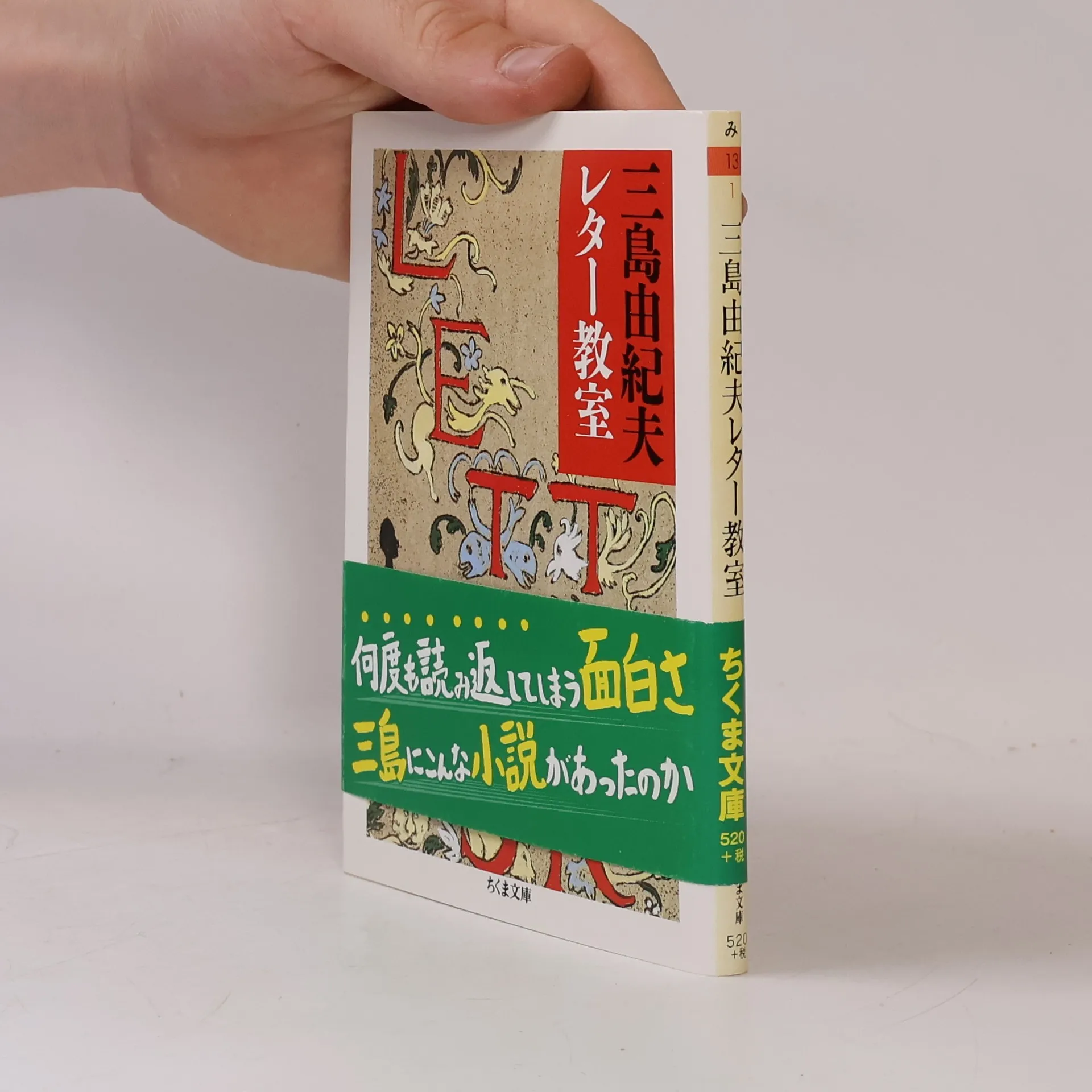
三島由紀夫レター教室
何ども読み返してしまう面白さ 三島にこんな小説があったのか
5人の登場人物がやり取りする手紙のみで表現された異色の小説。『レター教室』という題名の示すとおり、それぞれの手紙は「借金の申し込み」「身の上相談の手紙」「病人へのお見舞い状」などタイトルがつけられ文例としても使えるようになっている。 5人の書き手による違いはもとより、社交的な手紙から歯に衣着せぬ悪口の手紙まで各人が書き分けるスタイルは実にさまざまである。中には「英文の手紙を書くコツ」などのように手紙の中で手紙の書き方を指南するという凝った仕掛けを施されたものもある。ストーリーは登場人物たちの繰り広げるドタバタ喜劇風の人間模様で、はじめはあっさりしていた人間関係が、恋愛、嫉妬、裏切りなどさまざまな感情によって複雑に絡み合っていく。作者は交錯する感情の中に人間心理の機微を描き出し、手紙という表現手段を用いることで人が常に他者との相対関係にあることを浮き彫りにしている。(林ゆき)
Patriotism
- 57 stránok
- 2 hodiny čítania
One of the most powerful short stories ever written, this work discusses the dynamics of patriotism and honor, love and suicide.
Written when Mishima was only twentysix, Forbidden Colors is a depiction of a male homosexual relationship, in which a rich older man buys the love of a young man who is stunningly handsome but who lacks the ability to love. As in Mann's Death in Venice, the older man's longing for the beauty of youth is associated with aestheticism and death.
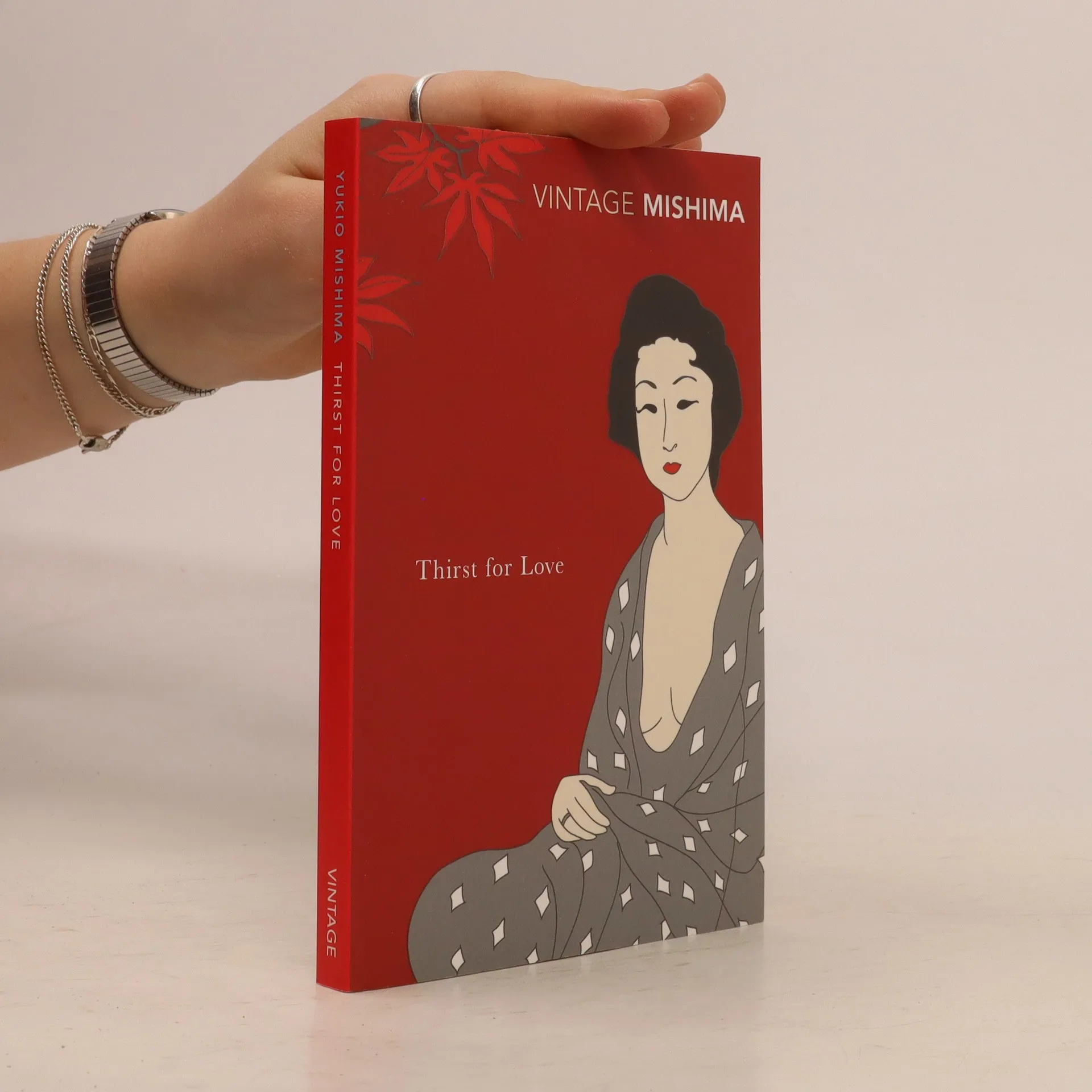
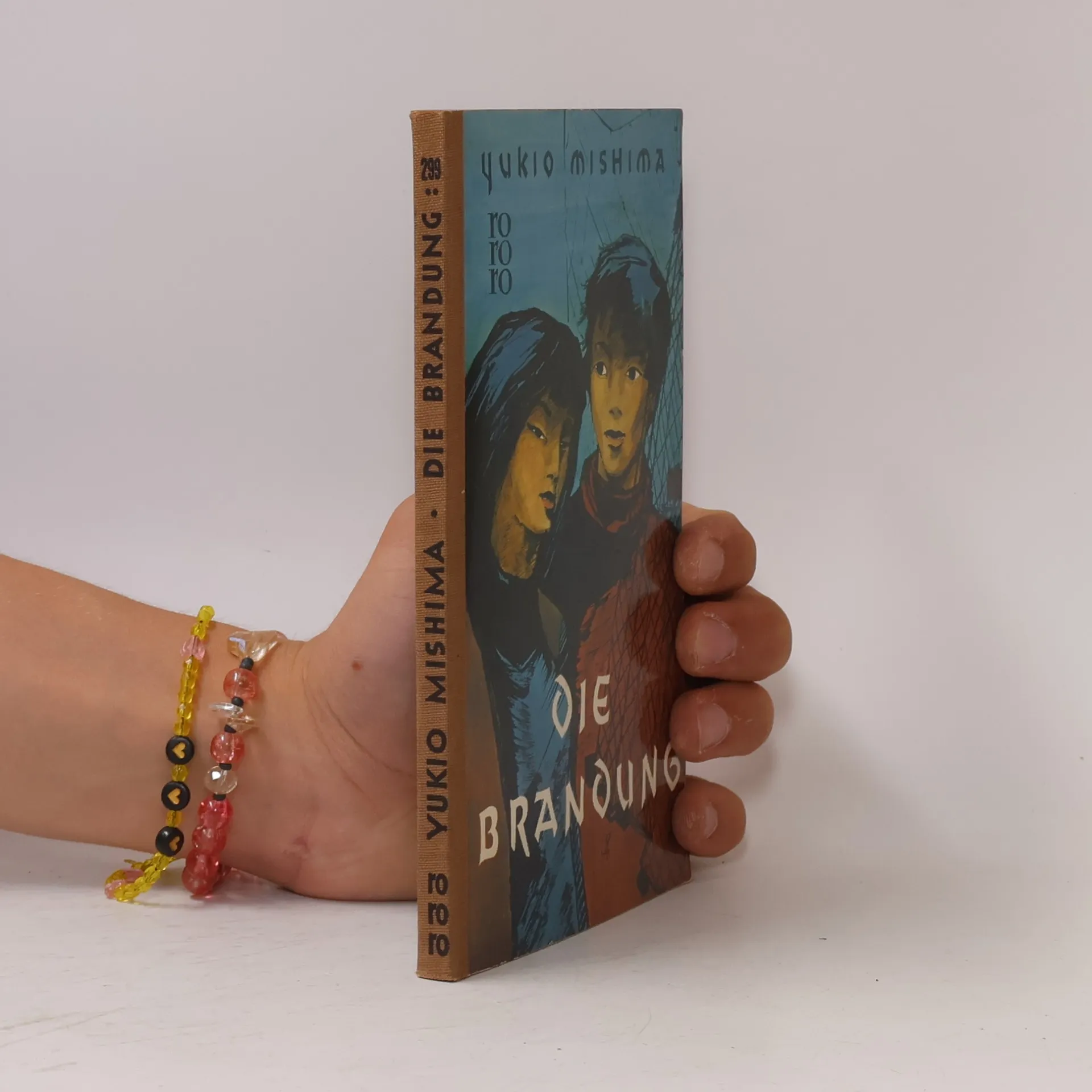
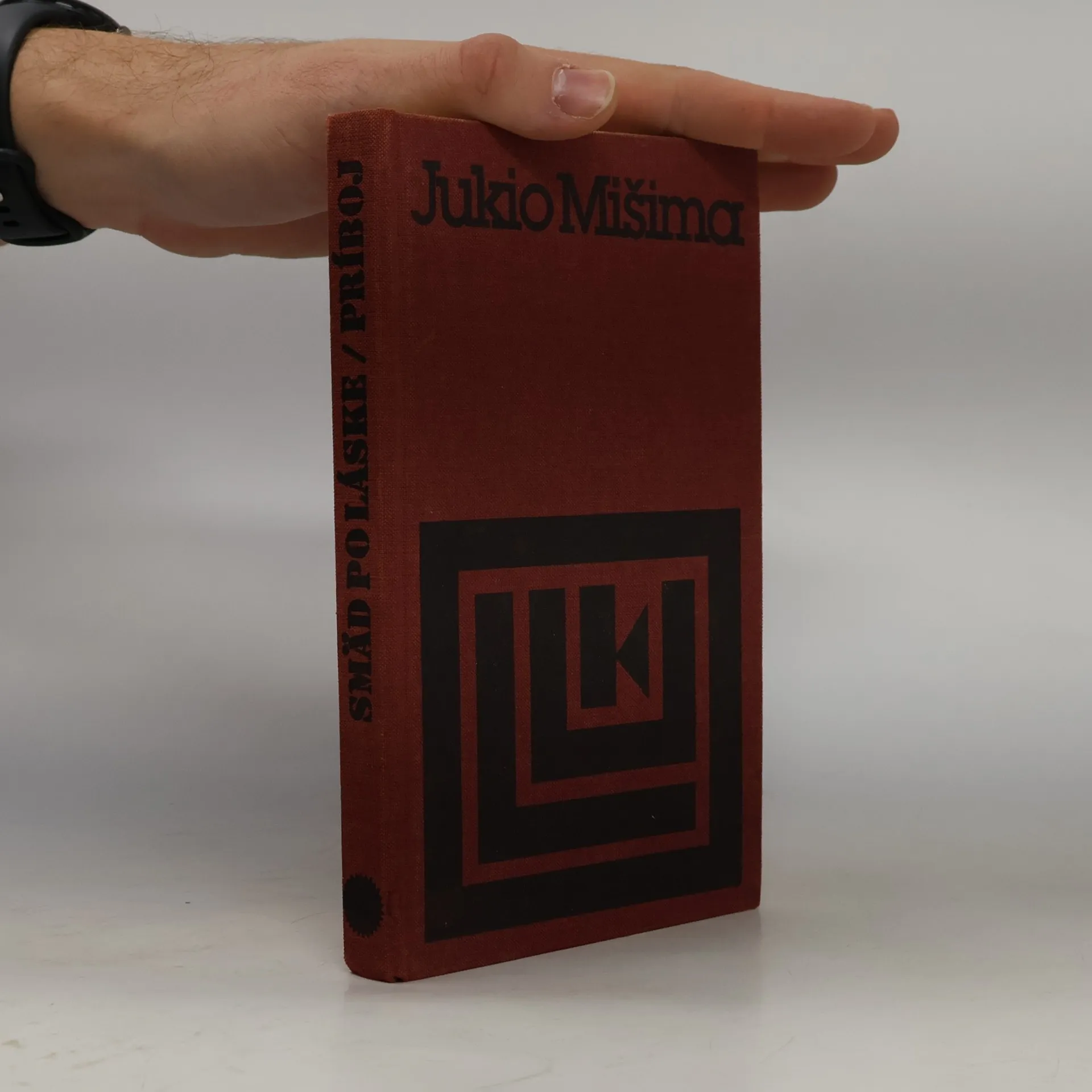
Kniha obsahuje dva romány japonského autora – Smäd po láske (1950) a Príboj (1957). Smäd po láske, dráma o pocite odcudzenosti mladej vdovy, žijúcej so svojím svokrom, v obručí rodinných zvyklostí a pokrytectva. Príboj, ľúbostný príbeh dvoch ľudí, ktorým ľudská zloba kladie do cesty prekážky.
Thirst for Love
- 208 stránok
- 8 hodin čítania
In this masterpiece of the sexual Gothic, Yukio Mishima creates a portrait ofobsessive love and corrosive jealousy among a young widow, her father-in-law, and a domestic servant.
At age 82, Clifton Fadiman continues his prolific publishing career, here presenting 62 of the world's best short stories from 16 countries. His criteria? "Each story had to be both interesting and of high literary merit." Fadiman fulfills both requirements and much more, offering a cornucopia of superior 20th-century writers that includes Franz Kafka, D. H. Lawrence, Isaac Babel, F. Scott Fitzgerald, William Faulkner, Ernest Hemingway, John Cheever, Sean O'Faolain, Graham Greene, Robert Penn Warren, Colette, John Updike, Donald Barthelme, and James Thurber. (Regrettably, J. D. Salinger is not included due to lack of permission.) Here is a truly remarkable collection of this century's short stories that readers from all over the world will read with delight.
Gesammelte Erzählungen
- 301 stránok
- 11 hodin čítania
Yukio Mishima wird weltweit für sein Talent als Romanautor und Dramatiker anerkannt und gilt in seiner Heimat Japan auch als Meister der Kurzgeschichte, die dort als hohe Kunstform praktiziert wird.
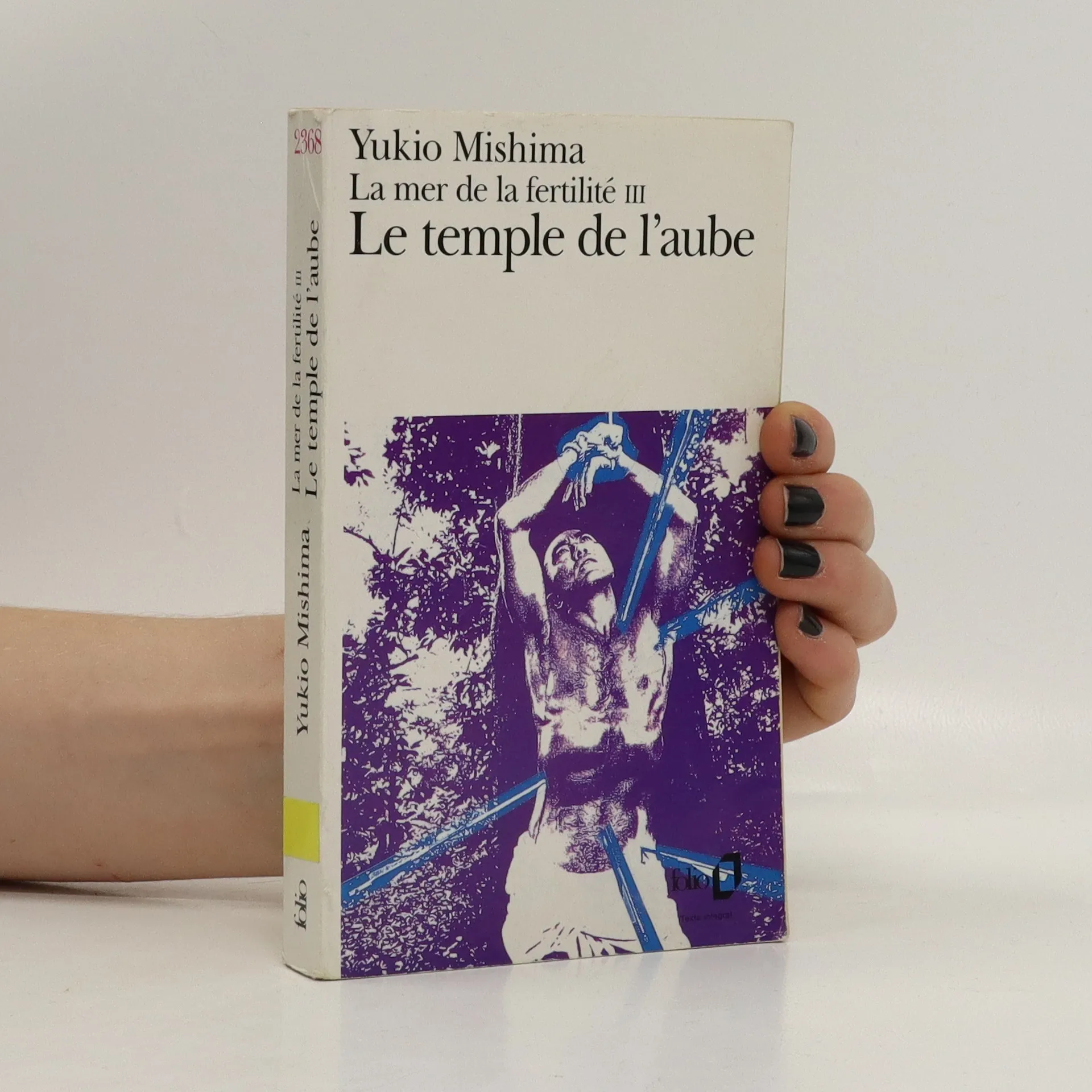
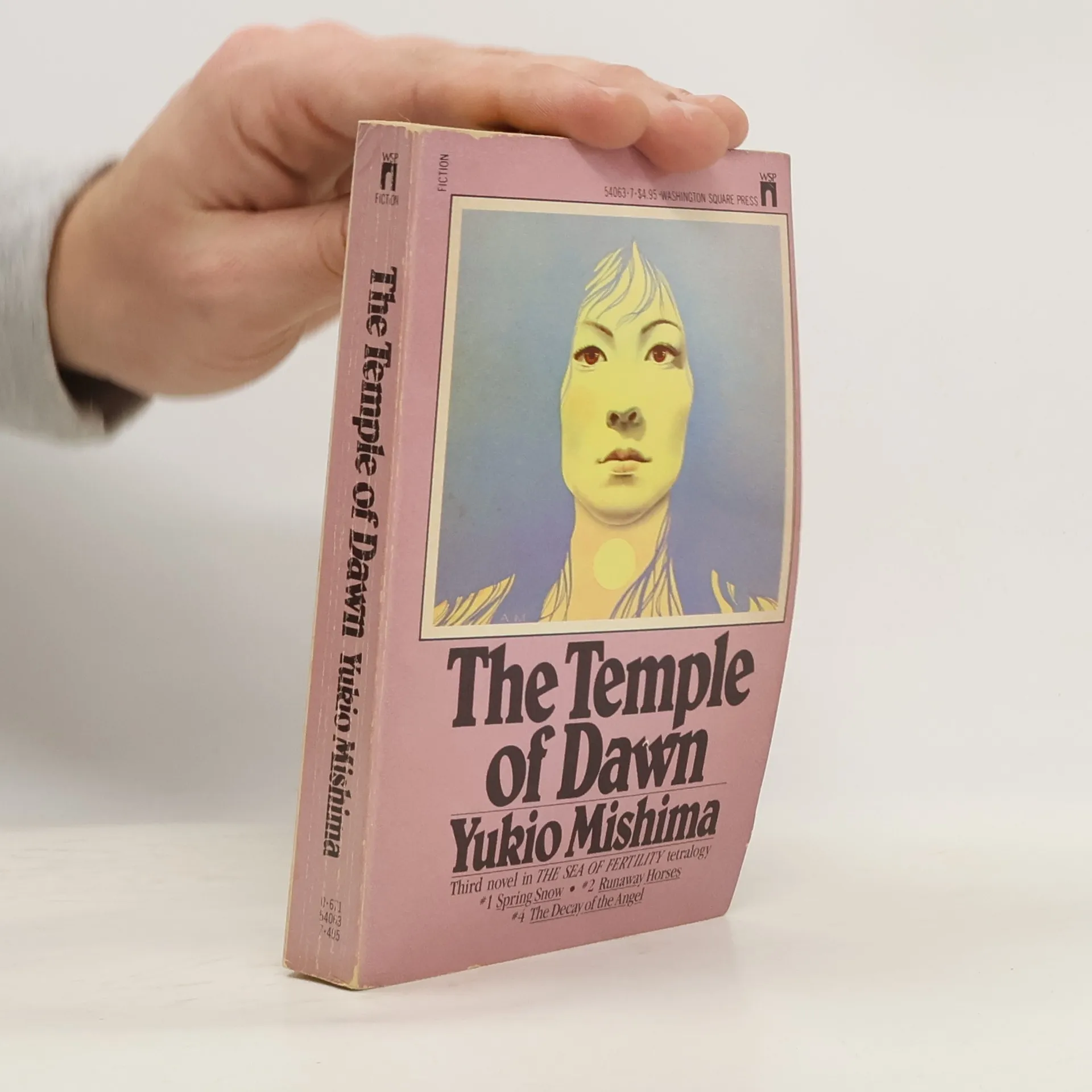
Temple of Dawn
- 320 stránok
- 12 hodin čítania
Yukio Mishima’s The Temple of Dawn is the third novel in his masterful tetralogy, The Sea of Fertility . Here, Shigekuni Honda continues his pursuit of the successive reincarnations of Kiyoaki Matsugae, his childhood friend. Travelling in Thailand in the early 1940s, Shigekuni Honda, now a brilliant lawyer, is granted an audience with a young Thai princess—an encounter that radically alters the course of his life. In spite of all reason, he is convinced she is the reincarnated spirit of his friend Kiyoaki. As Honda goes to great lengths to discover for certain if his theory is correct, The Temple of Dawn becomes the story of one man’s obsessive pursuit of a beautiful woman and his equally passionate search for enlightenment.
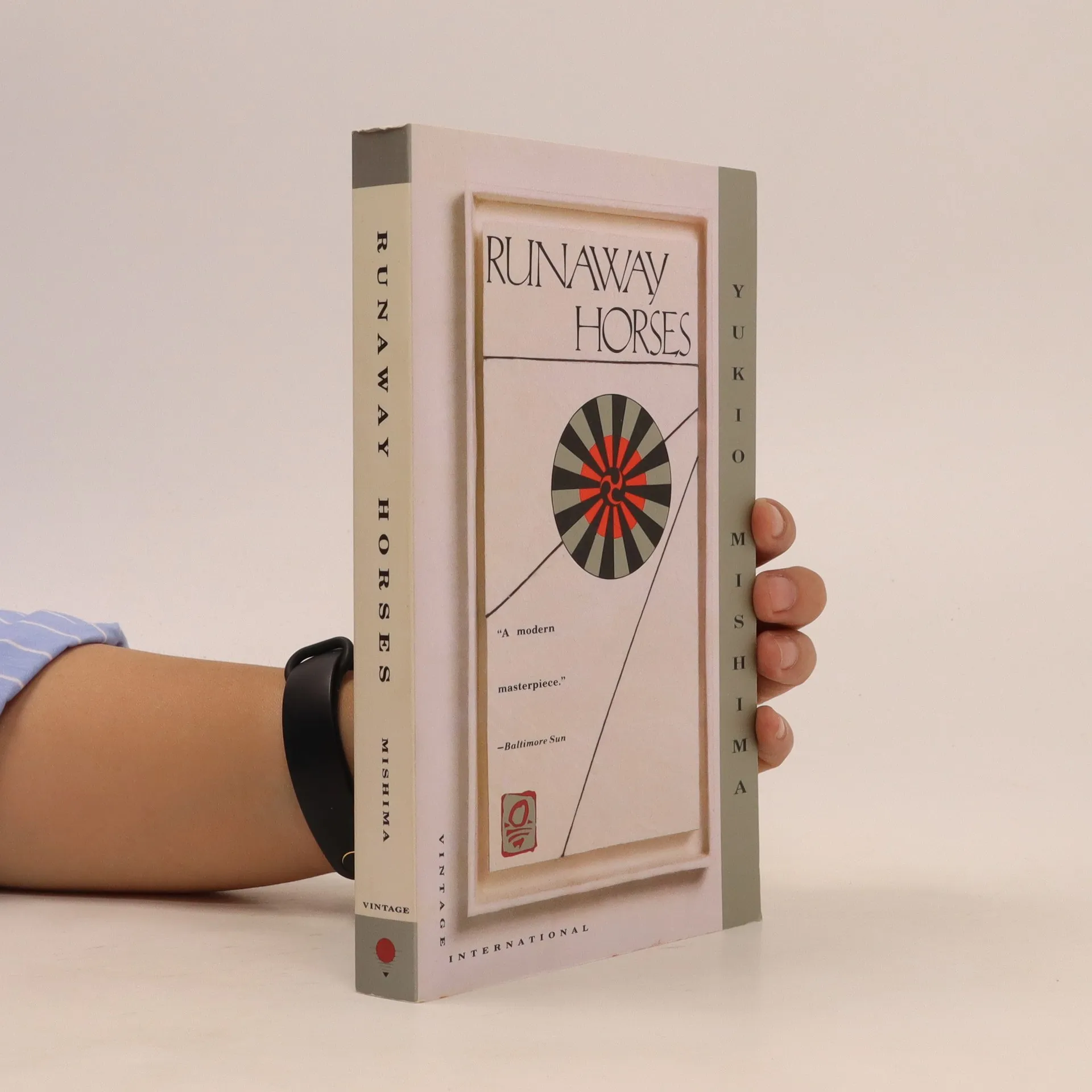
Runaway Horses
- 421 stránok
- 15 hodin čítania
Yukio Mishima’s Runaway Horses is the second novel in his masterful tetralogy, The Sea of Fertility. Again we encounter Shigekuni Honda, who narrates this epic tale of what he believes are the successive reincarnations of his childhood friend Kiyoaki Matsugae. In 1932, Shigeuki Honda has become a judge in Osaka. Convinced that a young rightist revolutionary, Isao, is the reincarnation of his friend Kiyoaki, Honda commits himself to saving the youth from an untimely death. Isao, driven to patriotic fanaticism by a father who instilled in him the ethos of the ancient samurai, organizes a violent plot against the new industrialists who he believes are usurping the Emperor’s rightful power and threatening the very integrity of the nation. Runaway Horses is the chronicle of a conspiracy — a novel about the roots and nature of Japanese fanaticism in the years that led to war.
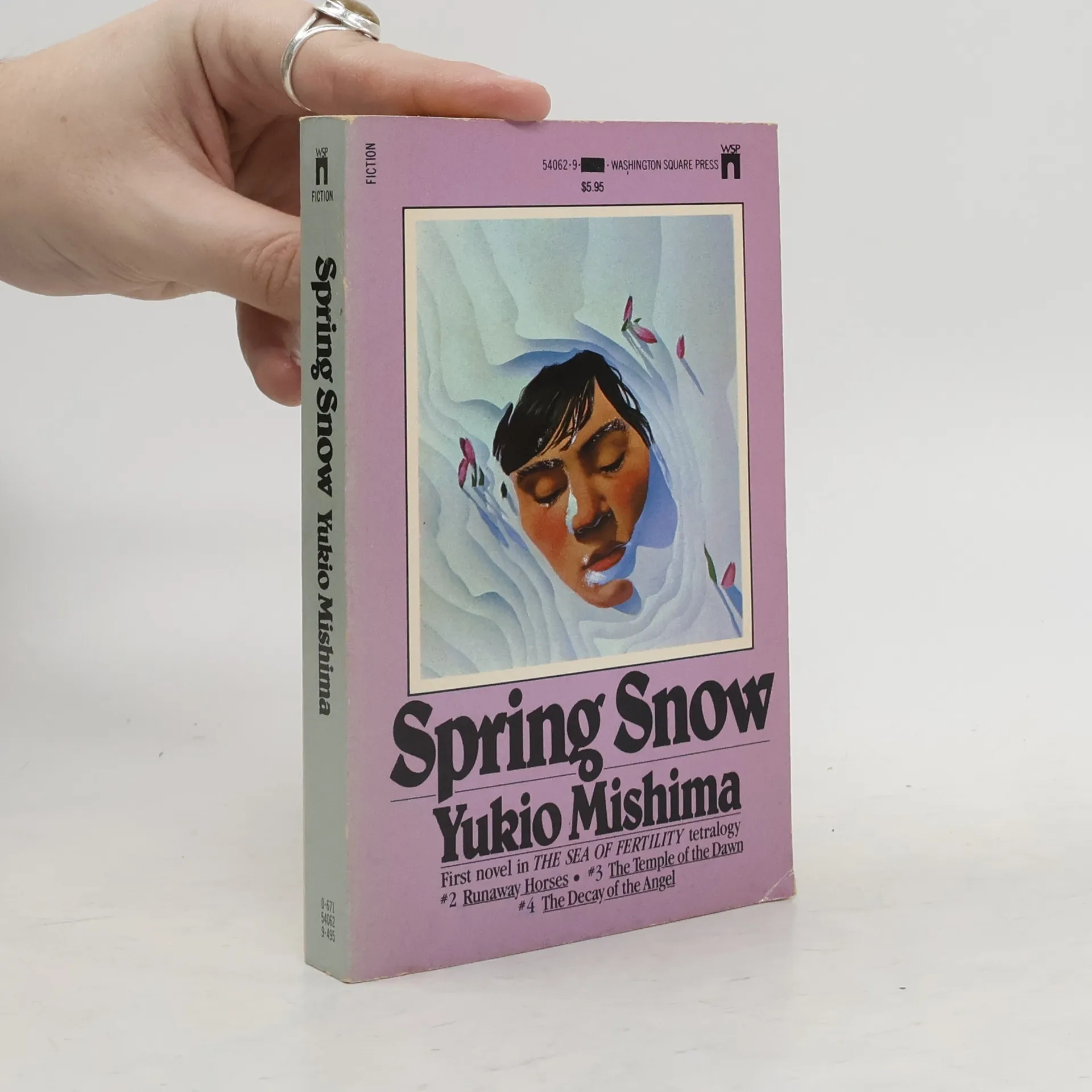
Spring Snow
- 376 stránok
- 14 hodin čítania
The first novel of Mishima's landmark tetralogy, The Sea of fertility Spring Snow is set in Tokyo in 1912, when the hermetic world of the ancient aristocracy is being breached for the first time by outsiders -- rich provincial families unburdened by tradition, whose money and vitality make them formidable contenders for social and political power. Among this rising new elite are the ambitious Matsugae, whose son has been raised in a family of the waning aristocracy, the elegant and attenuated Ayakura. Coming of age, he is caught up in the tensions between old and new -- fiercely loving and hating the exquisite, spirited Ayakura Satoko. He suffers in psychic paralysis until the shock of her engagement to a royal prince shows him the magnitude of his passion, and leads to a love affair that is as doomed as it was inevitable.
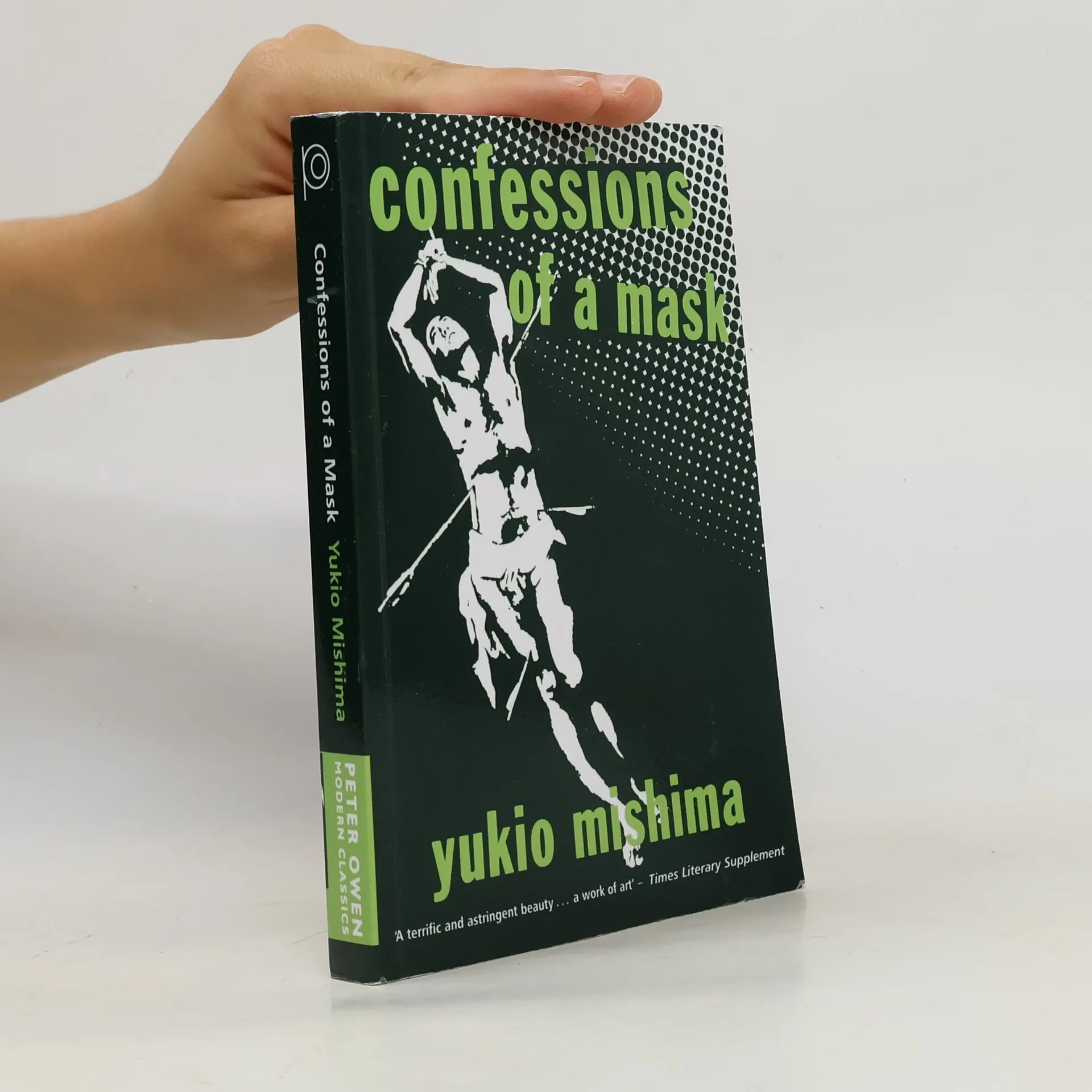
Confessions of a mask
- 255 stránok
- 9 hodin čítania
This autobiographical novel, regarded as Mishima's finest book, is the haunting story of a Japanese boy's development towards homosexuality during and after the Second World War.
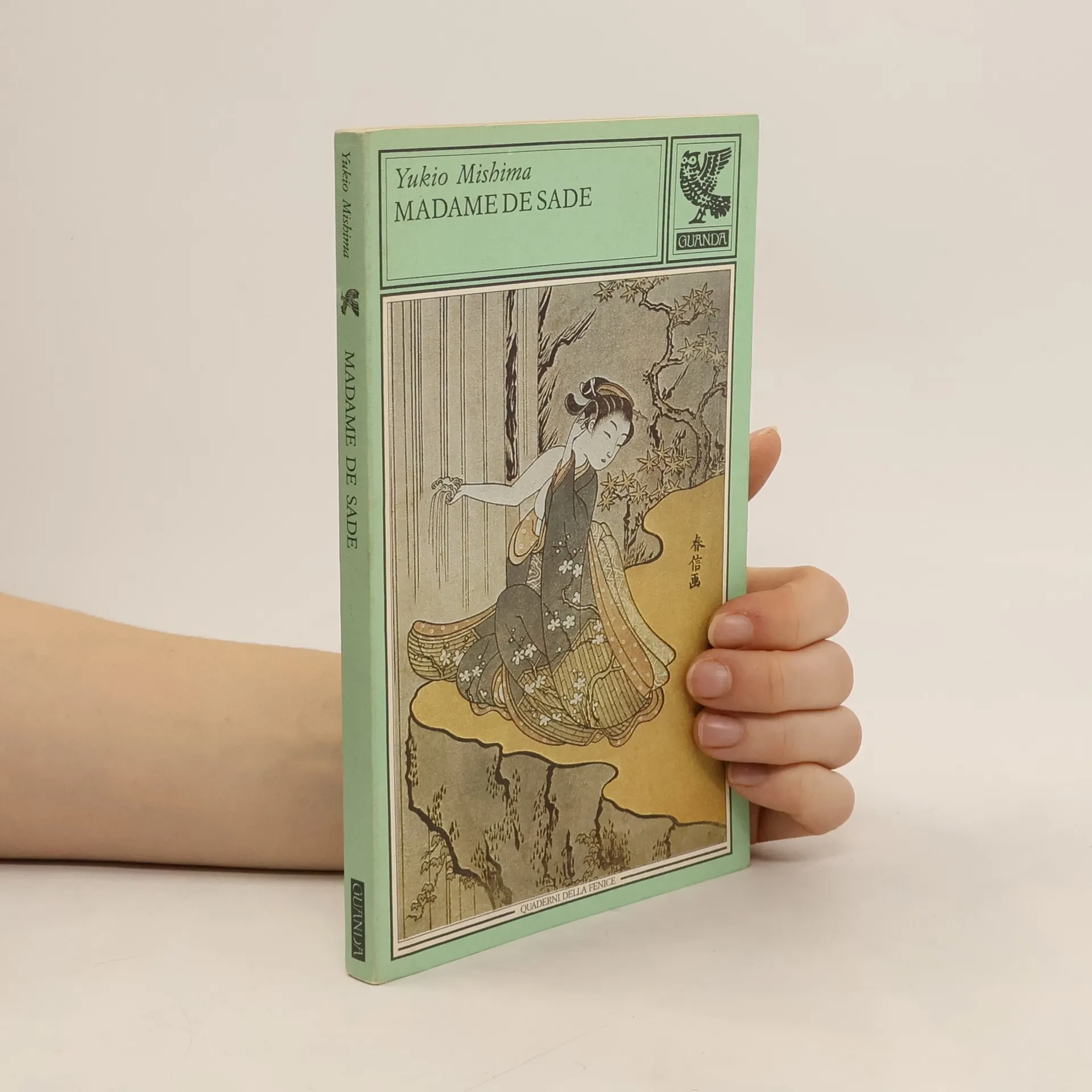
Quaderni della Fenice: Madame de Sade
- 128 stránok
- 5 hodin čítania
Leggendo la biografia di Sade, Mishima rimane colpito da un episodio apparentemente inspiegabile: la moglie del divino marchese, dopo aver dedicato tanti anni e tante appassionate energie al tentativo di farlo uscire dal carcere, al momento della possibile riunione, anziché accorrere da lui, decide di rimanergli lontana, fa sapere al marito che non lo incontrerà ma più. Come mai? L'ipotetica risposta a questo interrogativo si intreccia, in un testo fra i più rappresentativi della sua produzione teatrale, al tema portante della ricerca estetico-filosofica di Mishima. La bellezza fisica, per il grande scrittore giapponese, è indissolubilmente fusa col valore morale, con la volontà e la forza di incarnare nella propria esistenza ideali di vita elevati. E il Sade di Mishima, limitato nell'uso del corpo dalla sua condizione di prigioniero, ha trasferito il mondo dei sensi e delle passioni su un piano squisitamente intellettuale
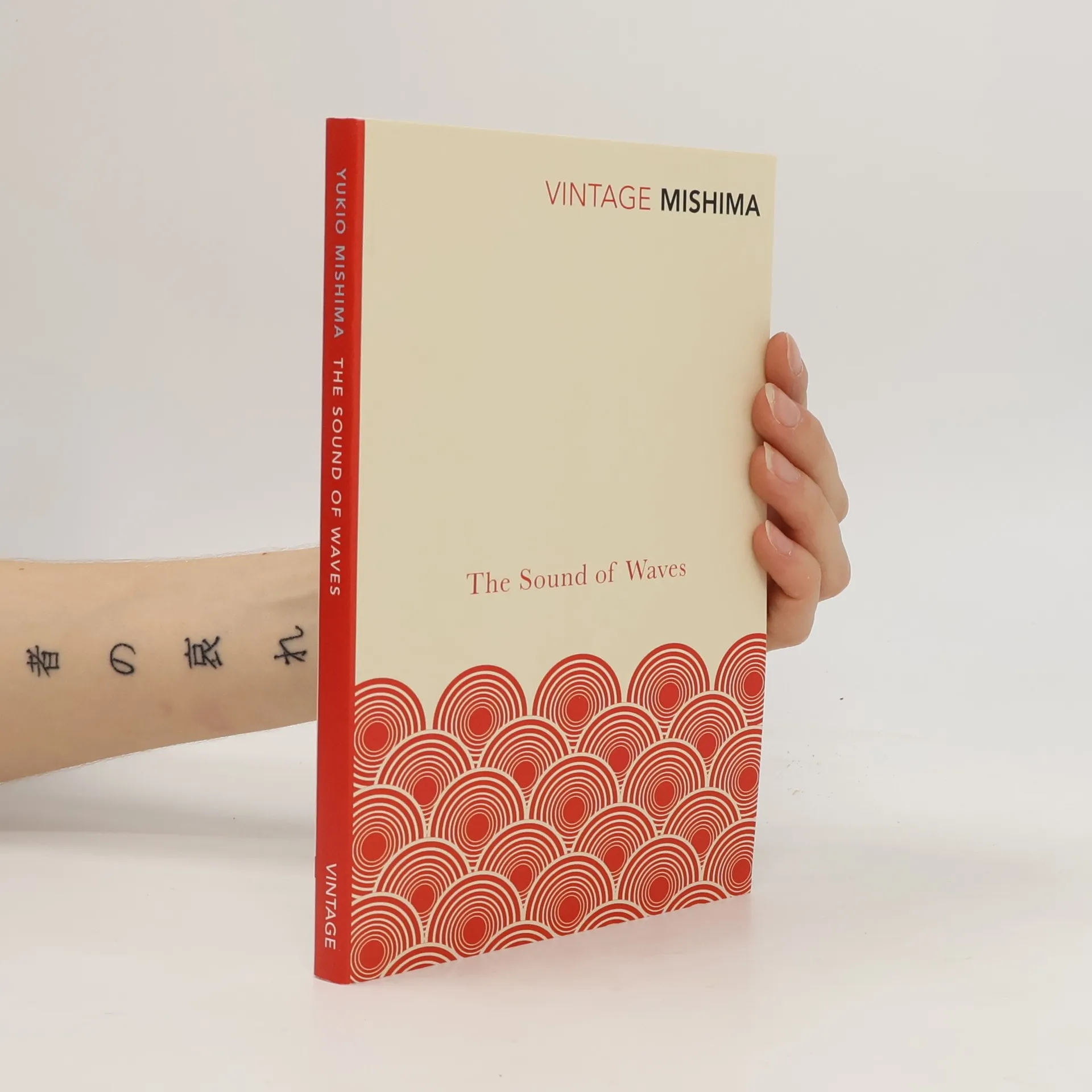
The Sound Of Waves
- 192 stránok
- 7 hodin čítania
Set in a remote fishing village in Japan, The Sound of Waves is a timeless story of first love. It tells of Shinji, a young fisherman and Hatsue, the beautiful daughter of the wealthiest man in the village. Shinji is entranced at the sight of Hatsue in the twilight on the beach and they fall in love.
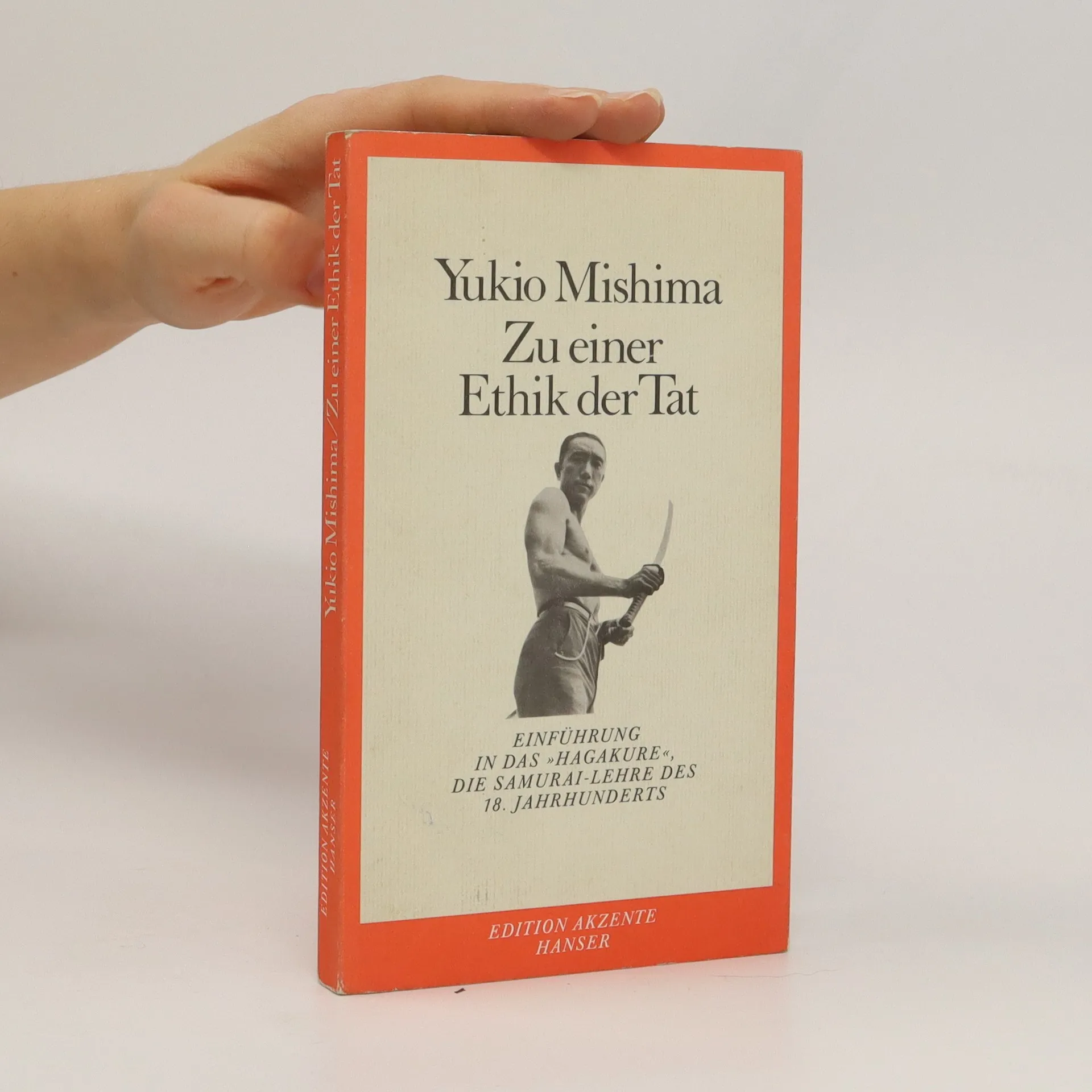
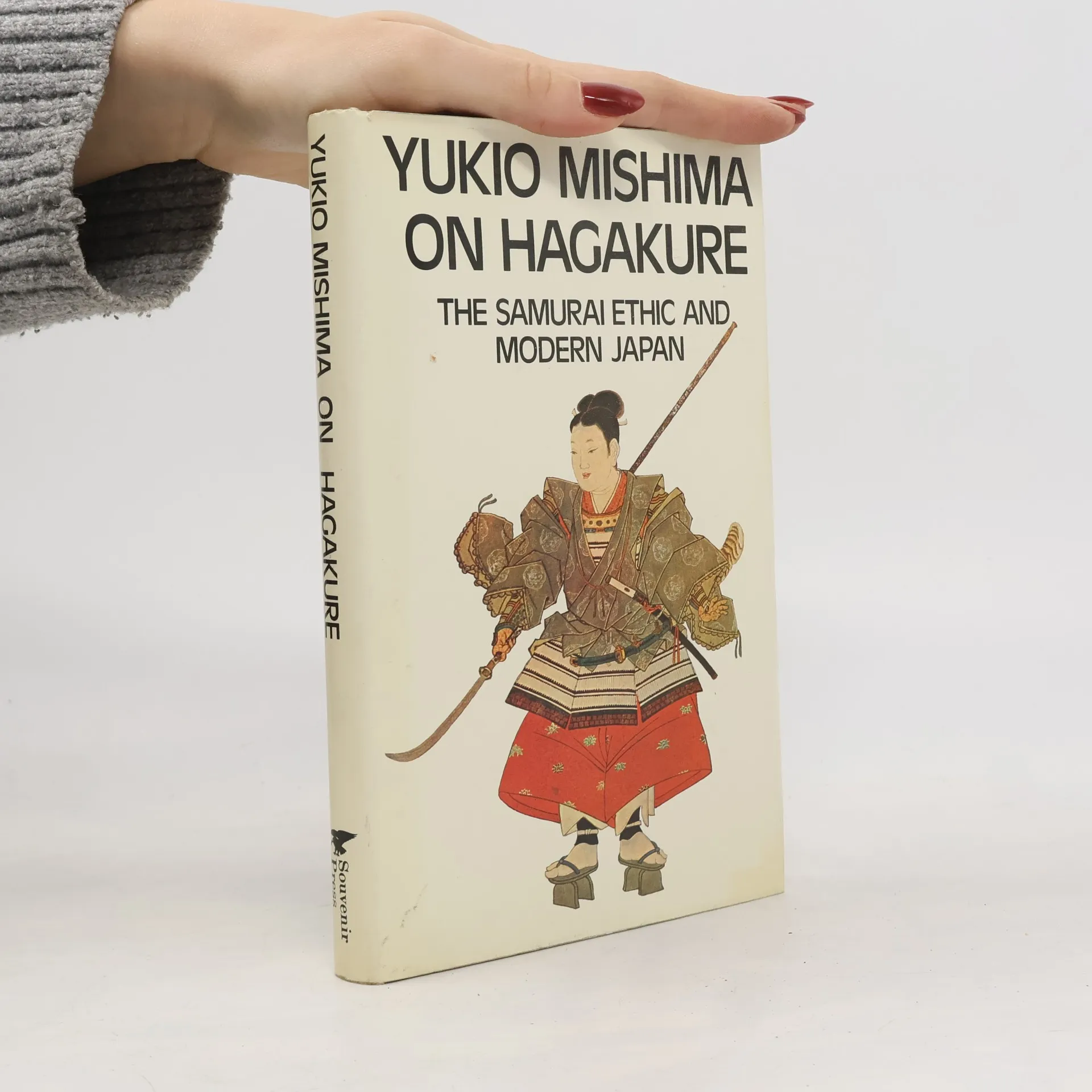
The original Hagakure contains the teachings of the samurai-turned-priest Jōchō Yamamoto (1659-1719), and was for generations preserved as moral and practical instructions for daimyo and samurai of Saga Han, a large domain in northwestern Kyushu. It later became known all over Japan, and during the Second World War Jōchō’s precept ‘I found that the Way of the Samurai is death’, became a slogan to spur on Kamikaze pilots. But the Hagakure is not only about death. In this, his adaptation and interpretation of it, Yukio Mishima deals with its teachings on action, subjectivity, strength of character, passion and love, and delights in giving prolific examples of Jōchō’s practical advice from proper behavior at a drinking party to child rearing. In the Hagakure , the most important influence on his life – and his death – Mishima saw striking similarities between his criticisms of materialistic post-war Japan and Jōchō’s criticisms of the sumptuous decadence of his contemporaries; and it is this emphasis which gives it its immediacy.
The Decay of the Angel
- 236 stránok
- 9 hodin čítania
Yukio Mishima’s The Decay of the Angel is the final novel in his masterful tetralogy, The Sea of Fertility. It is the last installment of Shigekuni Honda’s pursuit of the successive reincarnations of his childhood friend Kiyoaki Matsugae. It is the late 1960s and Honda, now an aged and wealthy man, once more encounters a person he believes to be a reincarnation of his friend, Kiyoaki — this time restored to life as a teenage orphan, Tōru. Adopting the boy as his heir, Honda quickly finds that Tōru is a force to be reckoned with. The final novel of this celebrated tetralogy weaves together the dominant themes of the previous three novels in the series: the decay of Japan’s courtly tradition; the essence and value of Buddhist philosophy and aesthetics; and, underlying all, Mishima’s apocalyptic vision of the modern era.
Sun and Steel
- 108 stránok
- 4 hodiny čítania
In this fascinating document, one of Japan's most renowned and controversial writers creates a new literary form that blends various writing styles yet defies categorization. It can be read as an account of a bookish boy discovering the significance of his physical existence; the "sun and steel" symbolize the cult of the outdoors and bodybuilding. Additionally, it serves as a discussion on the relationship between action and art, particularly the author's own refined artistic expression. On a personal level, it chronicles an individual's quest for identity and self-integration, while also illustrating how a deeply individual focus can evolve into a profound philosophy of life. Mishima's complex yet polished style weaves these elements together, merging confession, self-analysis, philosophy, and poetry into a cohesive whole that is both perfect and self-sufficient. This work is as meticulously crafted as Mishima's novels and offers essential insights into understanding them as art. The path to salvation depicted is highly personal, yet it resonates with universal themes, culminating in a poetic vision that transcends the individual. This document is a poignant and significant reflection on the future trajectory of one of modern literature's most compelling novelists.
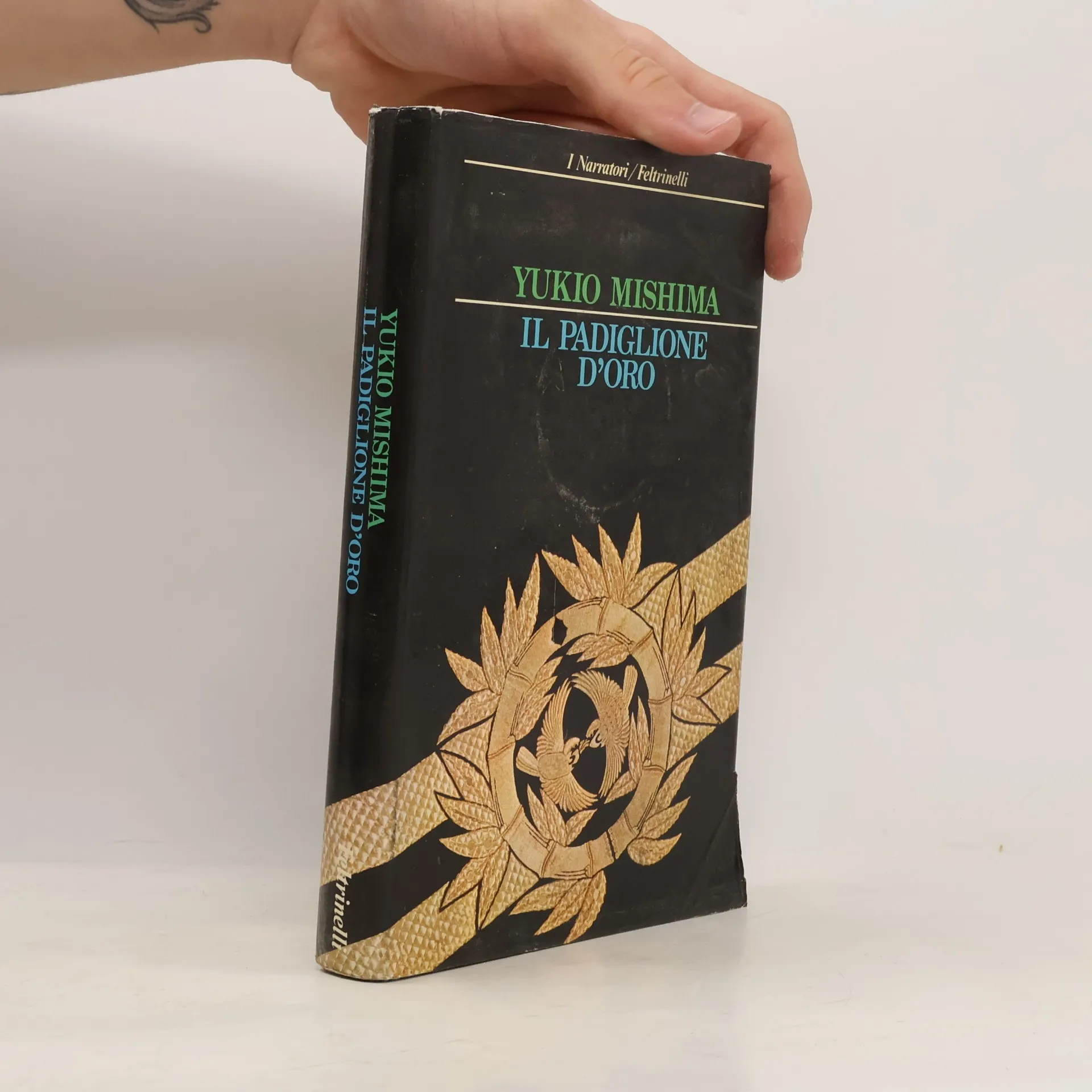
A haunting portrait of a young man’s obsession with idealized beauty and his destructive quest to possess it fully—and the book that “established Mishima’s claim as one of the outstanding writers of the world" (The New York Times). Because of the boyhood trauma of seeing his mother make love to another man in the presence of his dying father, Mizoguchi becomes a hopeless stutterer. Taunted by his schoolmates, he feels utterly alone and develops a childhood fascination with Kyoto’s famous Golden Temple. While an acolyte at the temple, he fixates on the structure’s aesthetic perfection and it becomes his one and only object of desire. But as Mizoguchi begins to perceive flaws in the temple, he determines that the only true path to beauty lies in an act of horrific violence. Based on a real incident that occurred in 1950, The Temple of the Golden Pavilion brilliantly portrays the passions and agonies of a young man in postwar Japan, bringing to the subject the erotic imagination and instinct for the dramatic moment that marked Mishima as one of the towering makers of modern fiction.
After the Banquet
- 270 stránok
- 10 hodin čítania
A Japanese nightclub owner becomes infatuated with an autocratic and puritanical political leader
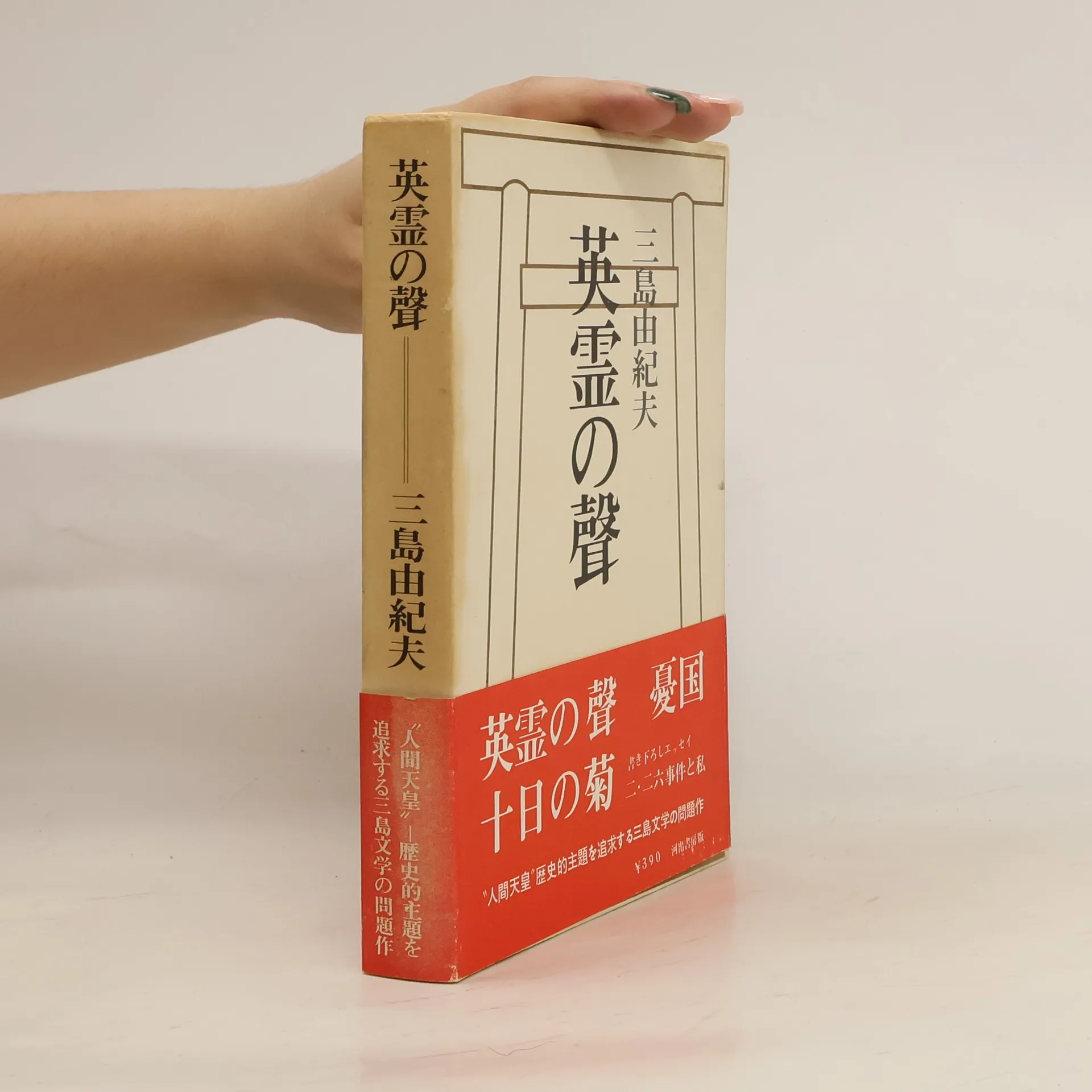
英霊の聲
- 244 stránok
- 9 hodin čítania
Death in Midsummer
- 272 stránok
- 10 hodin čítania
Filled with rich description and luxurious beauty, these ten tales of loss and longing from one of Japan's greatest writers show the pull between duty and desire, ecstasy and death- a mother lost in mourning, a moonlit journey to fulfil a wish, a night of infidelity, a young lieutenant who ends his life.
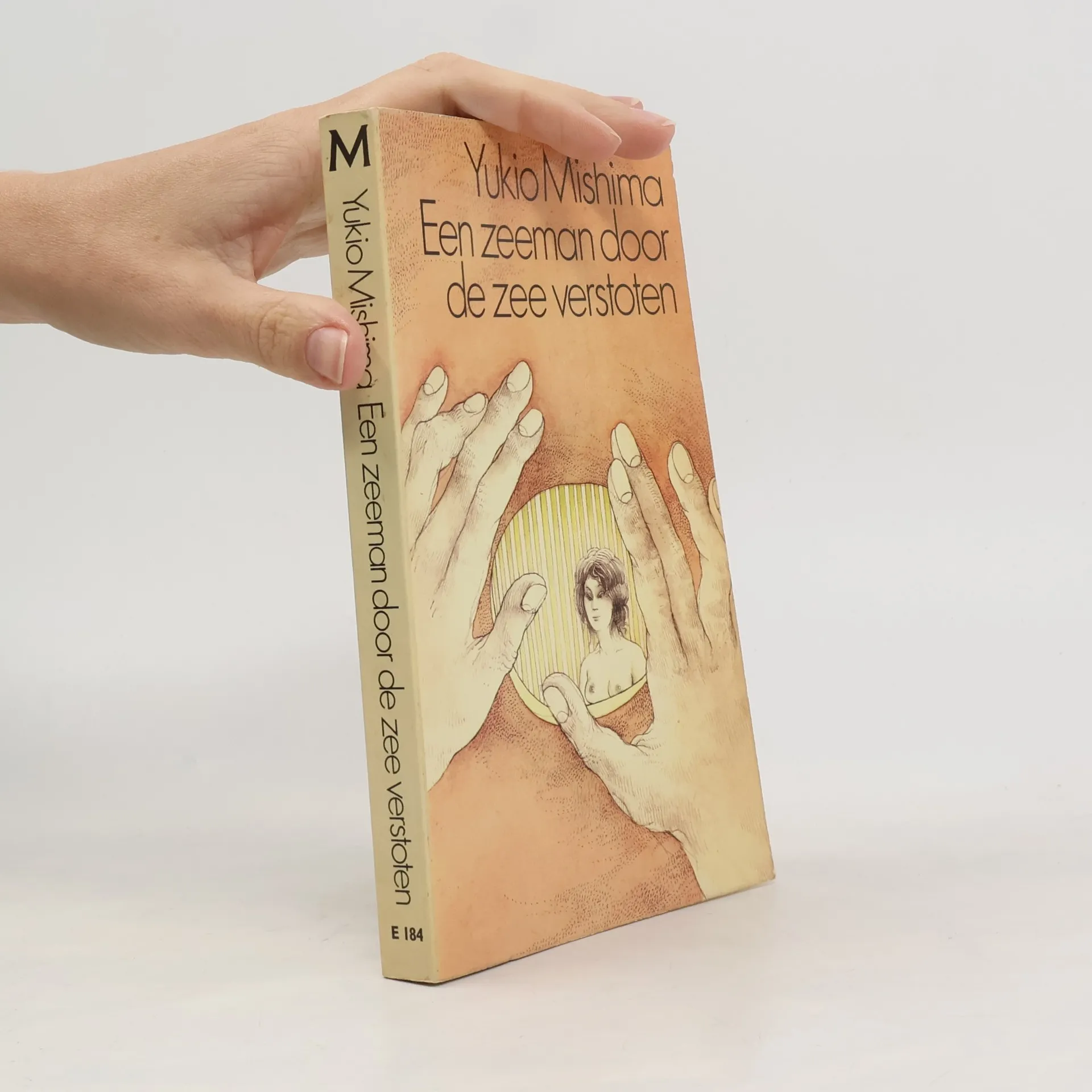
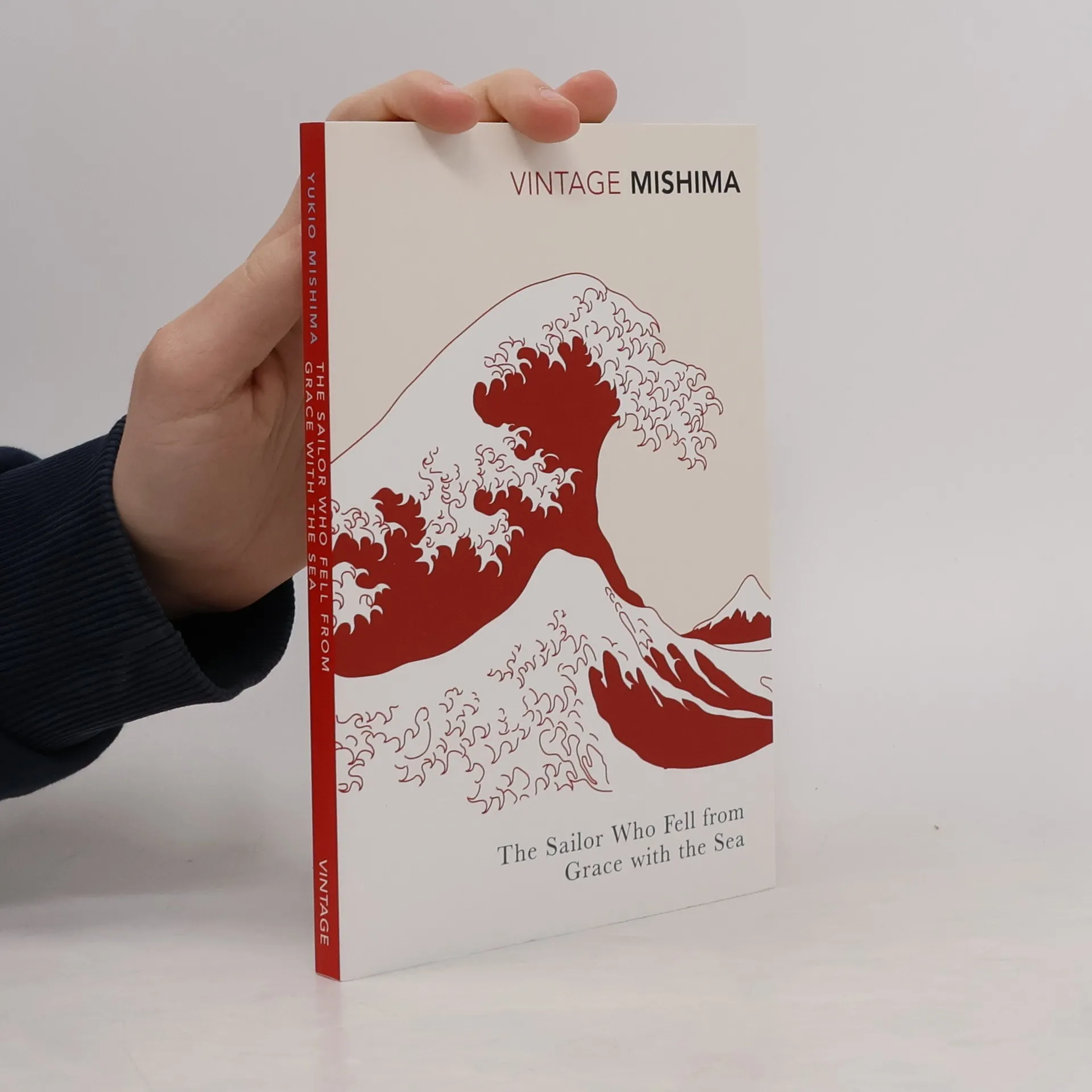
The Sailor Who Fell from Grace with the Sea tells the tale of a band of savage thirteen-year-old boys who reject the adult world as illusory, hypocritical and sentimental, and train themselves in a brutal callousness they call "objectivity." When the mother of one of them begins an affair with a ship's officer, he and his friends idealize the man at first; but it is not long before they conclude that he is in fact soft and romantic. They regard their disappointment in him as an act of betrayal on his part, and react violently.