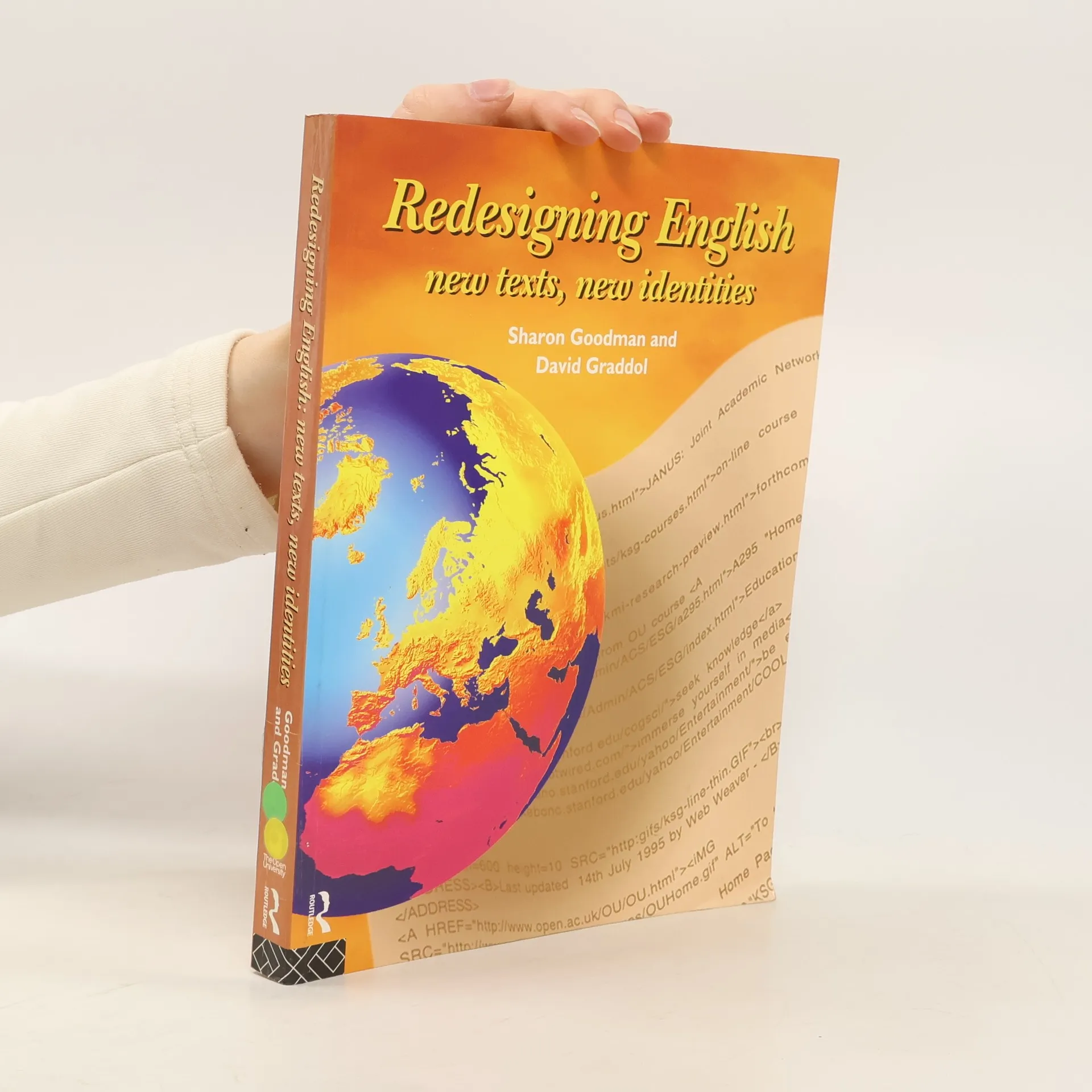
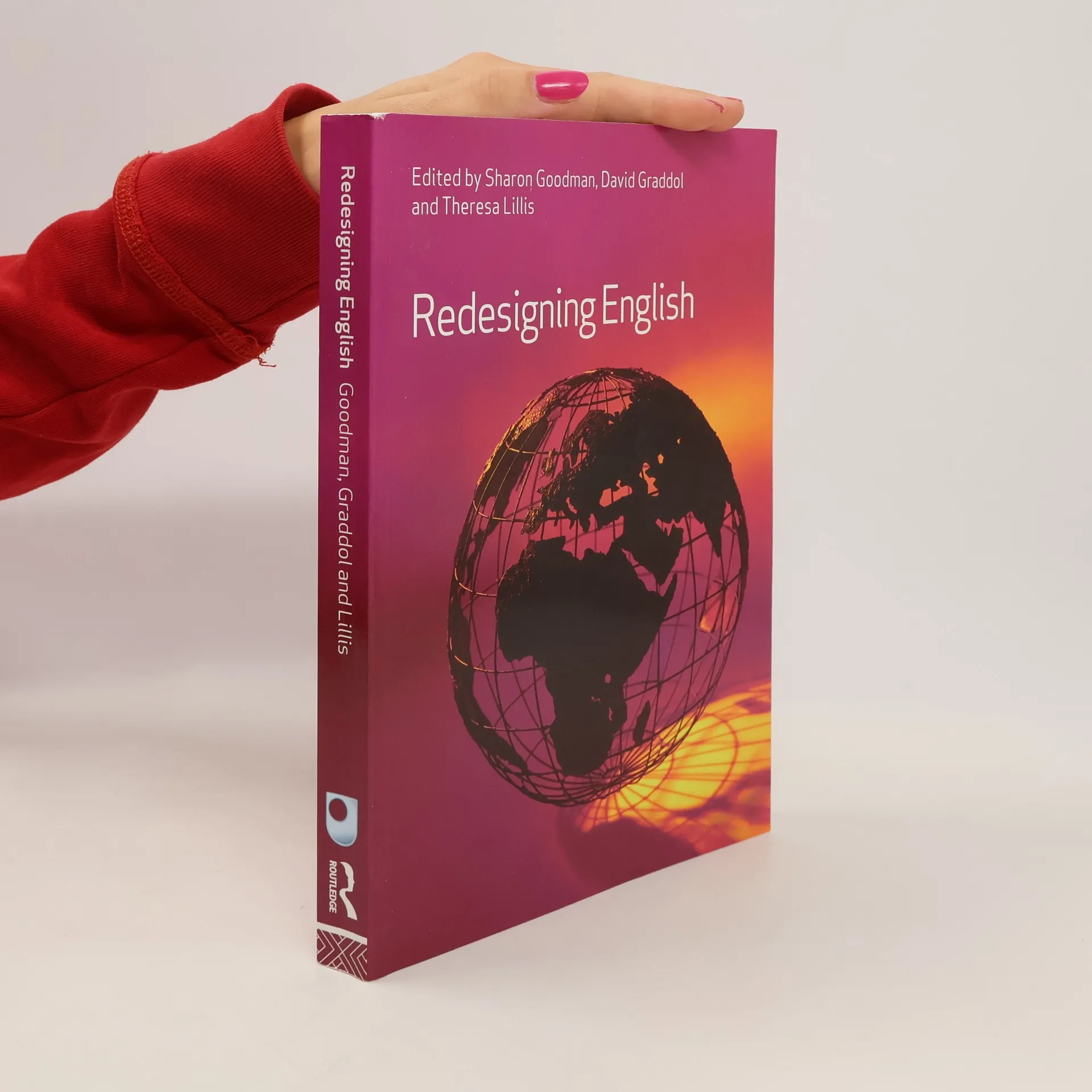
The rapid development of communications technology is transforming the manner in which people communicate across time and space. In this book, the authors examine the ways in which the English language has adapted to new media.
Does the language we speak create and sustain a sexist culture? This controversial and exciting proposal has fascinated feminists, psychologists and linguists alike for well over a decade. The authors of Gender Voices explore in a clear and comprehensive manner the idea that language shapes individual lives-that through our speech we all help recreate gender divisions in society.Their introductory chapter establishes the relationship between language and social structure. Chapter 2 explores the human voice and traditional notions of 'femininity', 'masculinity' and sexuality. Subsequent chapters analyze differences between women and men in pronunciation and choice of words; discourse patterns and power relationships; the sexist structure of language; and language consciousness. The possibilities for social and linguistic change are examined in the final chapters.
In this book the authors examine how language has adapted to the rapid changes in communication technology. It is especially timely in the light of the internet and its effect upon human interaction.
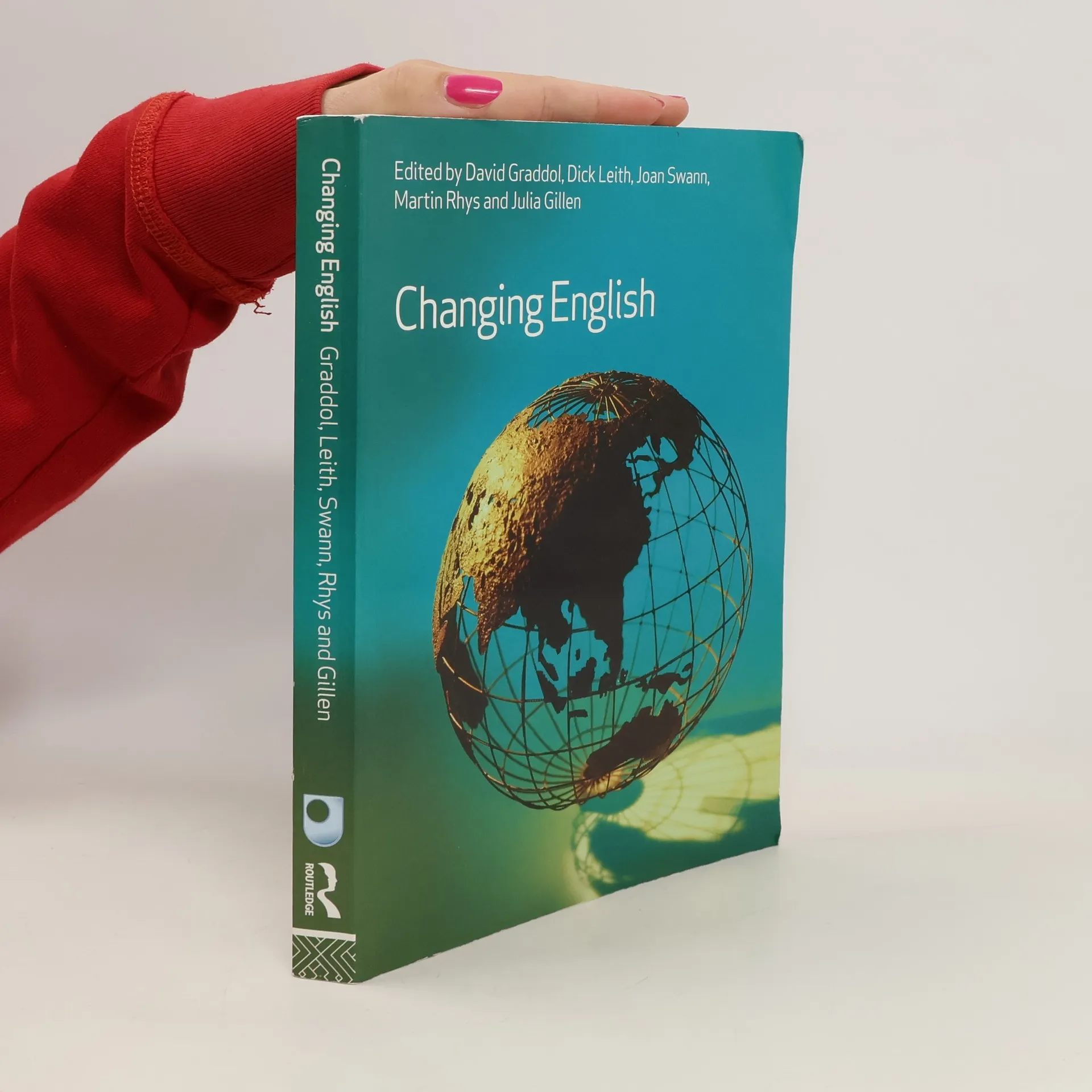
Changing English examines the history of English from its origins in the fifth century to the present day. It focuses on the radical changes that have taken place in the structure of English over a millennium and a half, detailing the influences of migration, colonialism and many other historical, social and cultural phenomena. Expert authors illustrate and analyze dialects, accents and the shifting styles of individual speakers as they respond to changing circumstances. The reader is introduced to many key debates relating to the English language, illustrated by specific examples of data in context.Including key material retained from the earlier bestselling book, English: History, Diversity and Change, this new book has been thoroughly reorganised and updated with entirely new material. Changing English: explains basic concepts, easily located through a comprehensive index includes contributions by experts in the field, such as David Crystal, David Graddol, Dick Leith, Lynda Mugglestone and Joan Swann contains a range of source material and commissioned readings to supplement chapters. Changing English makes an essential contribution to the field of English language studies.
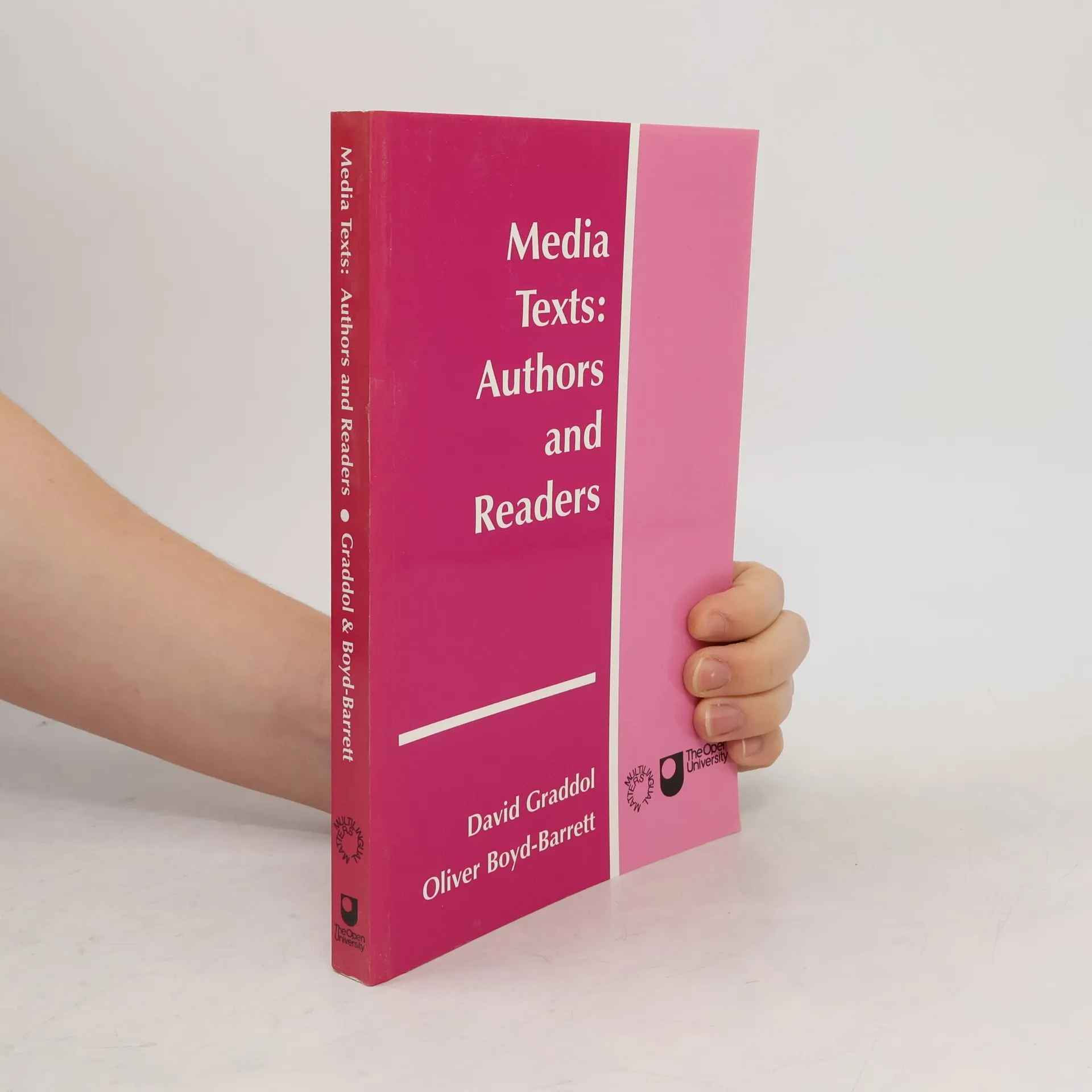
What does TV news have in common with popular romance fiction? Do people interpret the visual element in film and magazines in a similar way to language? This volume provides a broad-ranging and accessible introduction to recent ideas about texts and the complex ways in which they communicate. The collection of articles reflects the growing convergence of linguistic and media analysis. In an introductory section the editors review how linguists have usually approached questions of meaning, examine the contribution linguists have begun to make to media studies, and describe the broader definition of 'text' which has emerged in recent years. Later sections of the book focus on theories of authorship, and how readers construct meaning out of the texts they read. Many of the contributors illustrate postmodern concerns with the historical and social contexts in which texts are produced and used, the ideological and other effects of texts on people, and the impossibility of establishing definite meanings. The anthology should be of great interest to students and researchers in linguistics, media and communication studies, to English teachers who also teach media, and to anyone who wants to know more about the kinds of text which pervade everyday life.