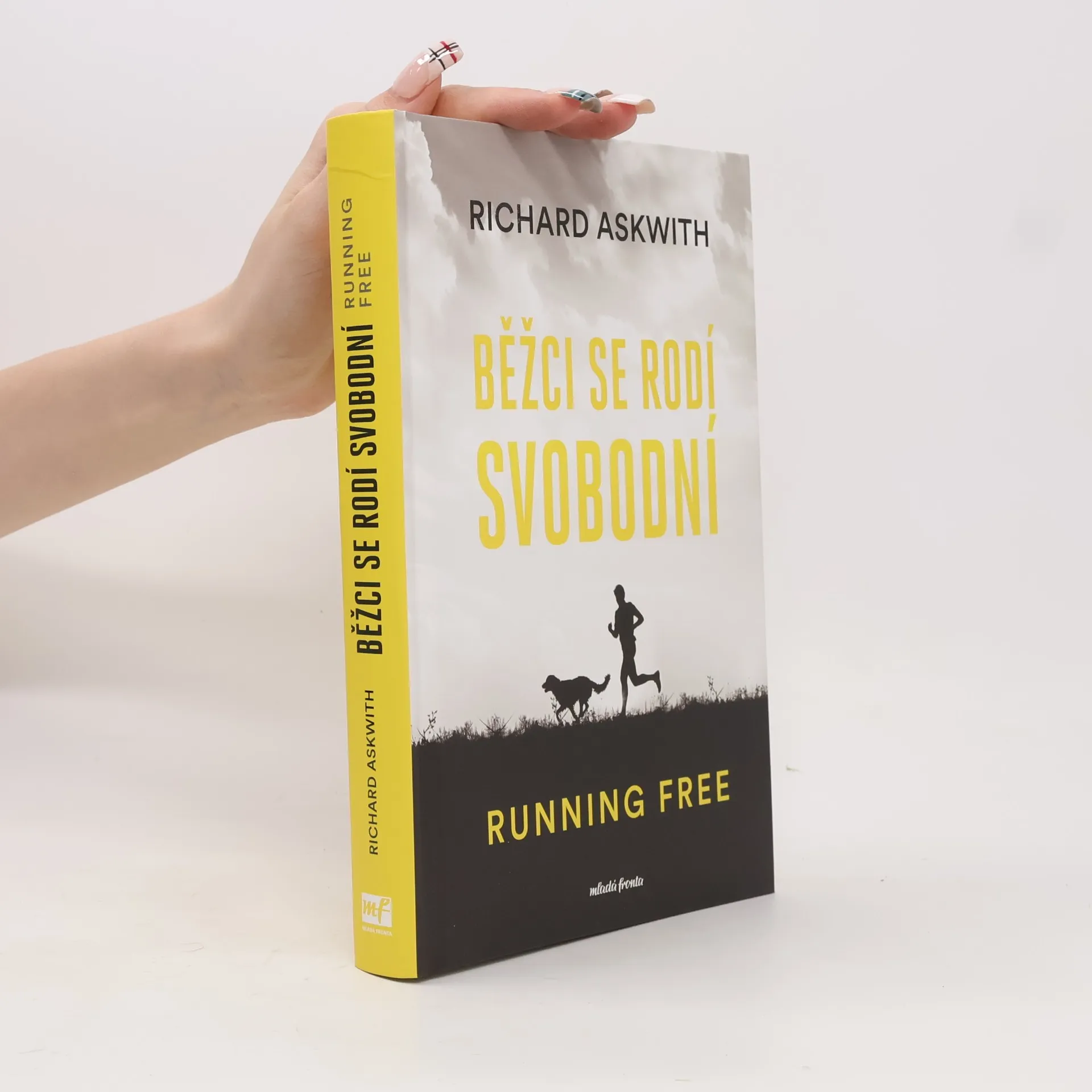
Extrémní výzvy, nekonečné asfaltky, nejdražší sporttestery, elevační masky… tak přesně o tom běhání není. Britský novinář a sportovec Richard Askwith hledal způsoby, jak se skrze běh osvobodit. Proto běhá po bahnitých polích a skalnatých srázech nebo se psem za úsvitu. Běhá pro pouhou radost z pohybu. Běhá zkrátka tak, jak je to člověku přirozené. Přidejte se k němu a zahoďte nesmyslné komerční trendy! Čeká vás skutečně odžitá běžecká příručka plná praktických tipů, díky níž budete mít z pohybu opět radost.
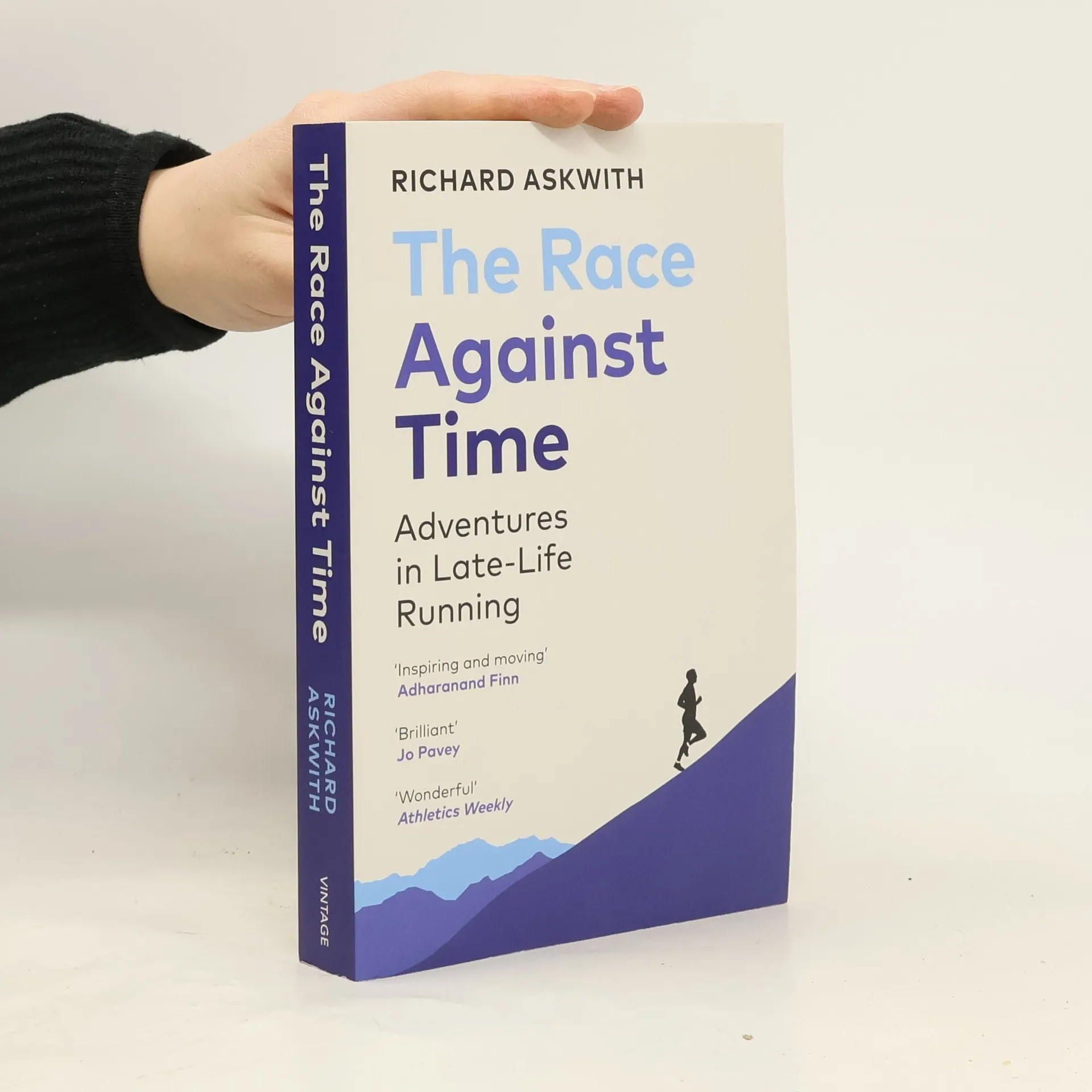
A transformational quest for the secrets of happy, healthy, whole-life running
that will change the way you think about growing older.Colourful, informative
and inspiring, The Race Against Time is a story of cold science and heart-
warming resilience; of champions and also-rans; of sprinting centenarians and
forty-something super-athletes barely touched by age. Its heroes are experts
and enthusiasts - scientists, coaches, runners - from many countries, each
with a different story to tell.This is a book for anyone who has ever felt the
healing power of running - or simply wondered about the effects of ageing. It
is both a very personal account of one man's journey from despair to hope, and
an exhilarating guide, explaining how timely adjustments to lifestyle and
training can slow the progress of physiological decay, while sheer human
spirit can, if you are lucky, keep you running happily and healthily, all the
way into extreme old age.
WINNER OF THE 2020 TELEGRAPH SPORTS BOOK AWARDS BIOGRAPHY OF THE YEAR
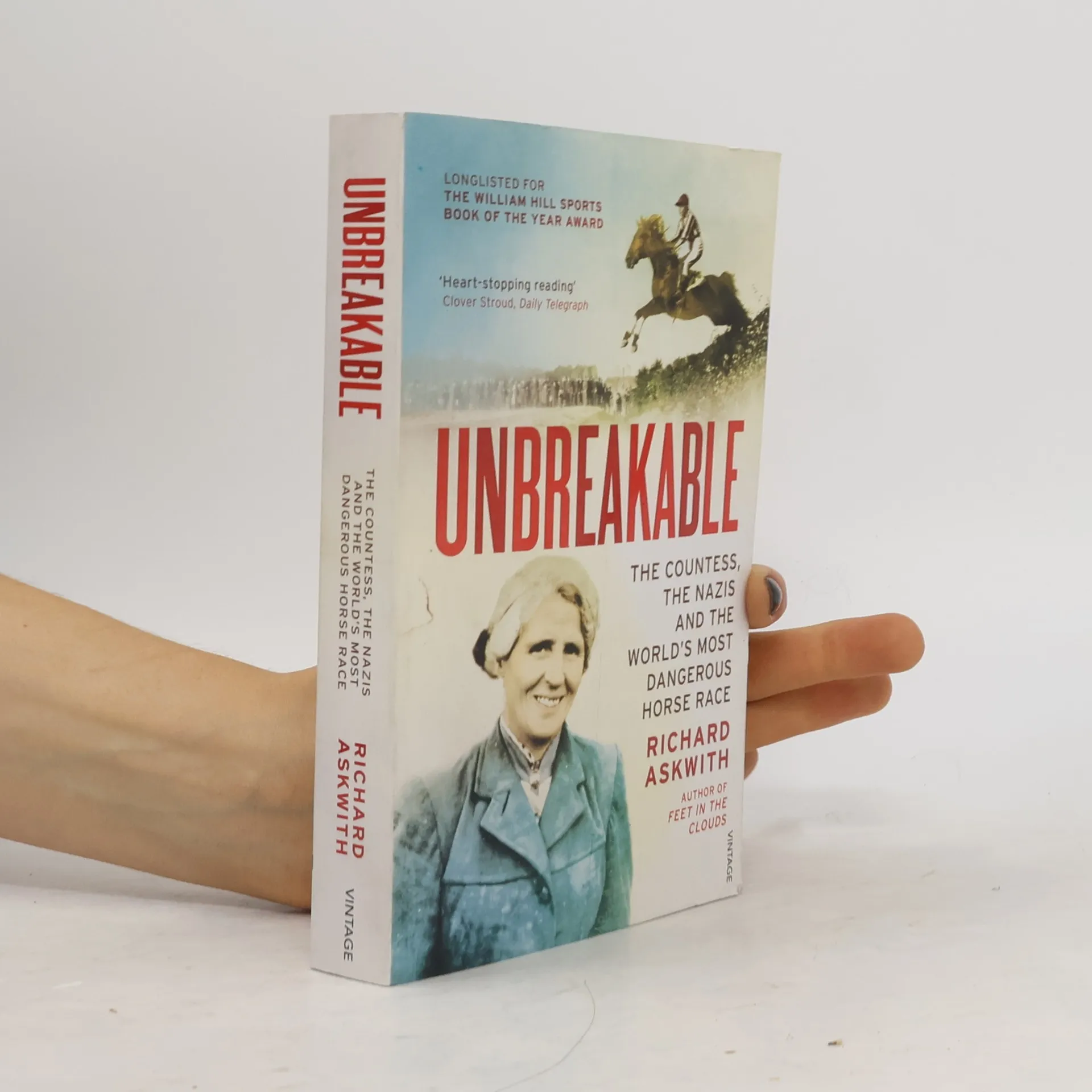
Czechoslovakia, October 1937. Vast crowds have gathered to watch the Grand
Pardubice steeplechase, Europe's most blood-curdling sporting test of manhood.
With war looming, the race has a brutal political significance. The Nazis have
sent the SS's all-conquering paramilitary horsemen to crush - yet again - the
'subhuman Slavs'. But Lata Brandisova, a silver-haired countess on a little
golden mare, has other ideas...
Emil Zátopek, známy svojimi úškľabkami a grimasami, sa stal legendou vytrvalostného behu. Na olympiáde v Helsinkách 1952 vyhral všetky tri disciplíny, čím prekonal hranice, ktoré sa vtedy zdali nemysliteľné. Zátopek utvoril 18 svetových rekordov a bol prominentnou postavou komunistického režimu. Napriek niekoľkým zlyhaniam sa stal hrdinom, najmä po invázii sovietskych vojsk do Československa v roku 1968, keď sa snažil presvedčiť ruských vojakov, aby sa vrátili domov. Tento akt odvahy ho však stál vyhnanstvo, žil v maringotke s partou vŕtačov studní a často popíjal. Jeho život je obklopený legendami a polopravdami, pričom mnohé známe príbehy sú vymyslené. Kto teda naozaj bol Zátopek? Britský novinár Richard Askwith sa vydal na cestu, aby objasnil jeho príbeh, navštívil miesta spojené s jeho životom a hovoril s priateľmi, známymi a súpermi. Dlhé rozhovory s jeho manželkou Danou Zátopkovou mu umožnili preskúmať aj Emilov spis v archívoch ŠtB. Askwith dôsledne sleduje fakty a vyvracia mýty, pričom odhaľuje fascinujúci príbeh športovca, dobráka a chybujúceho človeka, ktorého život sa preplietal s búrlivými udalosťami 20. storočia. Kniha bola vo Veľkej Británii nominovaná na cenu za najlepšiu biografiu a najlepšiu športovú knihu roka.
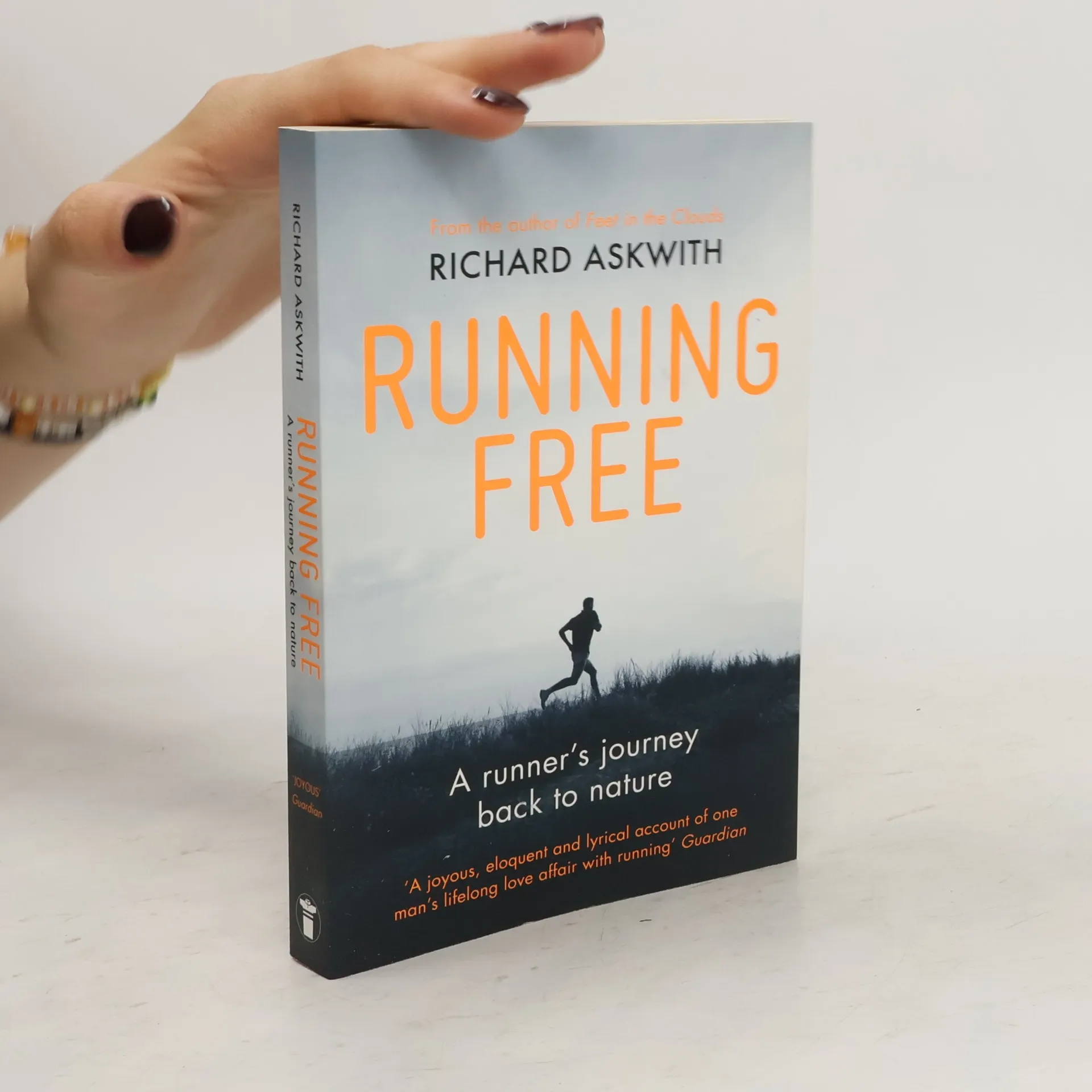
A passionate and inspiring case for runners to get back to nature Richard Askwith wanted more. Not convinced running had to be all about pounding pavements, buying fancy gear, and racking up extreme challenges, he looked for ways to liberate himself. His solution: running through muddy fields and up rocky fells, running with his dog at dawn, running because he's being (voluntarily) chased by a pack of bloodhounds, running to get hopelessly, enjoyably lost, running fast for the sheer thrill of it. Running as nature intended. Part diary of a year running through the Northamptonshire countryside, part exploration of why we love to run without limits, Running Free is an eloquent and inspiring account of running in a forgotten, rural way, observing wildlife and celebrating the joys of nature. An opponent of the commercialisation of running, Askwith offers a welcome alternative, with practical tips (learned the hard way) on how to both start and keep running naturally--from thawing frozen toes to avoiding a stampede when crossing a field of cows. Running Free is about getting back to the basics of why we love to run.
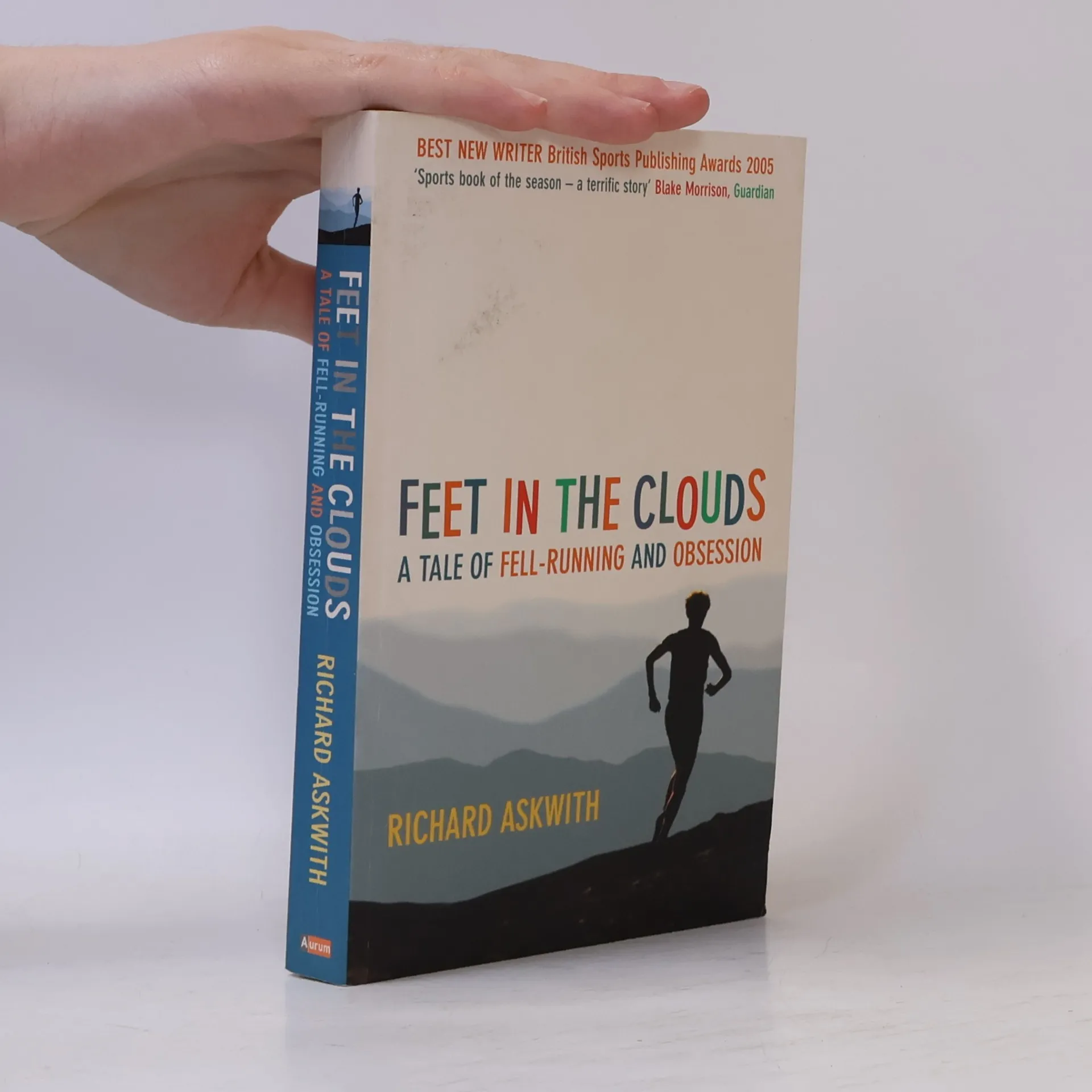
Exploring the world of fell-running—to run the ancient, wild landscape and stay a hero within one’s own valley—this portrait of one of the few sports to have remained implacably amateur and utterly true to its roots details the passionate ambitions of those who participate in one of the oldest extreme sports. With personal narrative by one of the participants of fell-running—a sport that little is known about, but one that also boasts mass-participation—this fascinating account of arduous circuits, week-long marathons, and pounding the mountainous trails of the Lake District and Snowdonia is a unique and compelling account of stamina and courage that stretches the limits of belief.