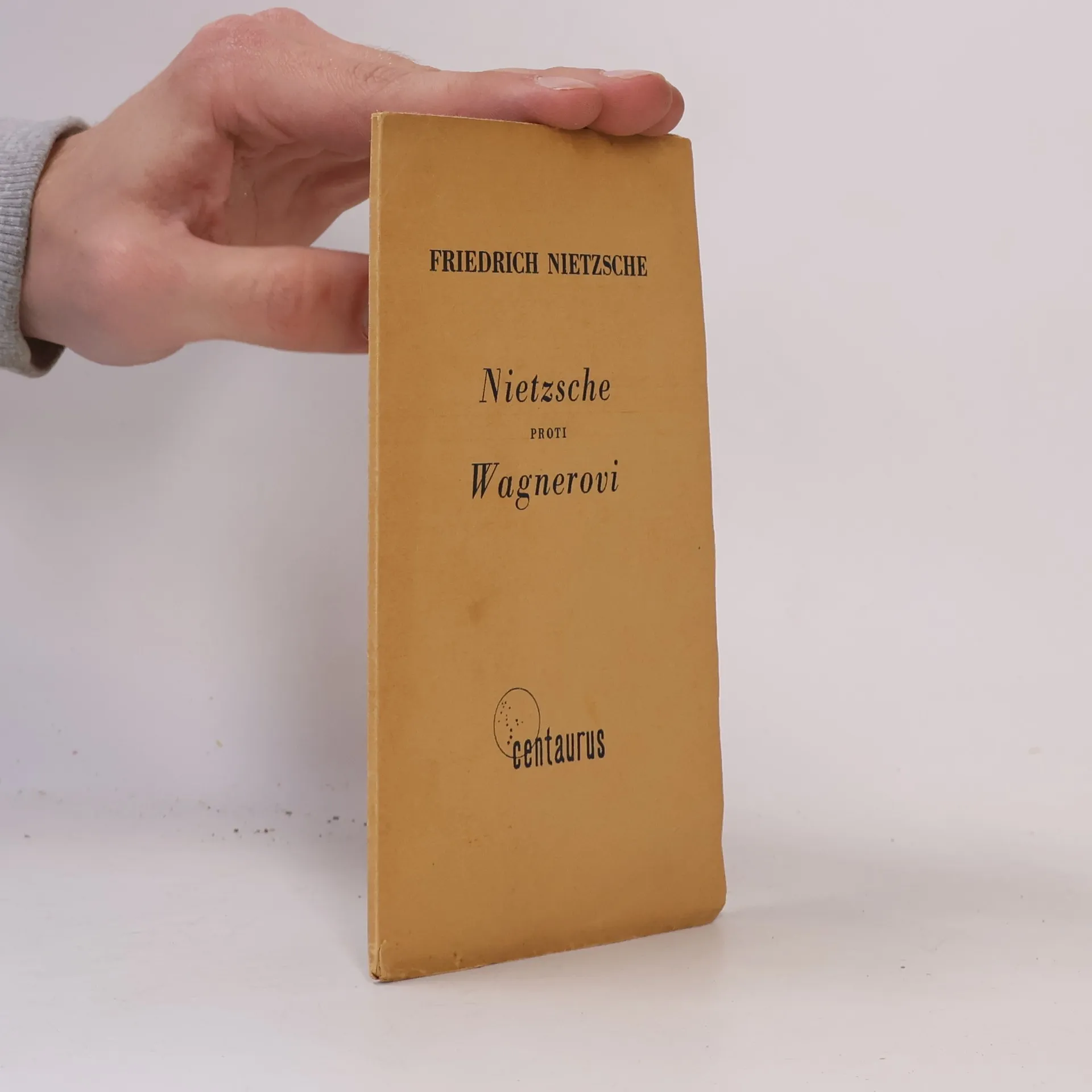
Bookbot

Friedrich Nietzsche

    15. október 1844 – 25. august 1900

    Friedrich Wilhelm Nietzsche bol nemecký filozof, ktorý spochybňoval základy kresťanstva a tradičnej morálky. Jeho dielo sa zameriavalo na posilnenie individuálneho a kultúrneho zdravia, pričom zdôrazňoval život, kreativitu, silu a realitu sveta, v ktorom žijeme. Kľúčovou myšlienkou jeho filozofie je „potvrdenie života“, ktoré zahŕňa úprimné skúmanie všetkých doktrín, ktoré vysiľujú životnú energiu, bez ohľadu na ich spoločenskú rozšírenosť. Nietzscheho obrodná filozofia inšpirovala popredné osobnosti naprieč kultúrnymi odbormi.

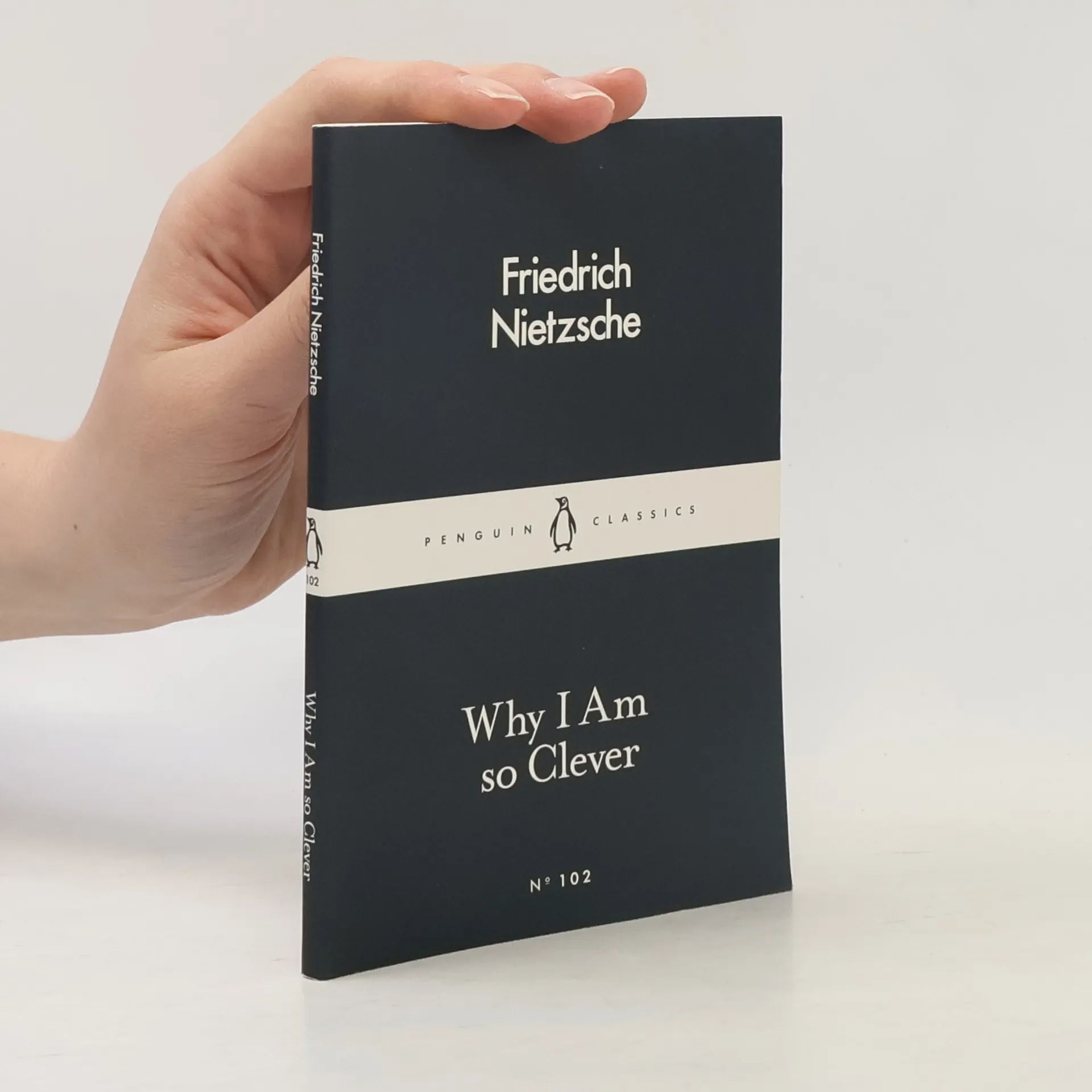
    Friedrich Nietzsche
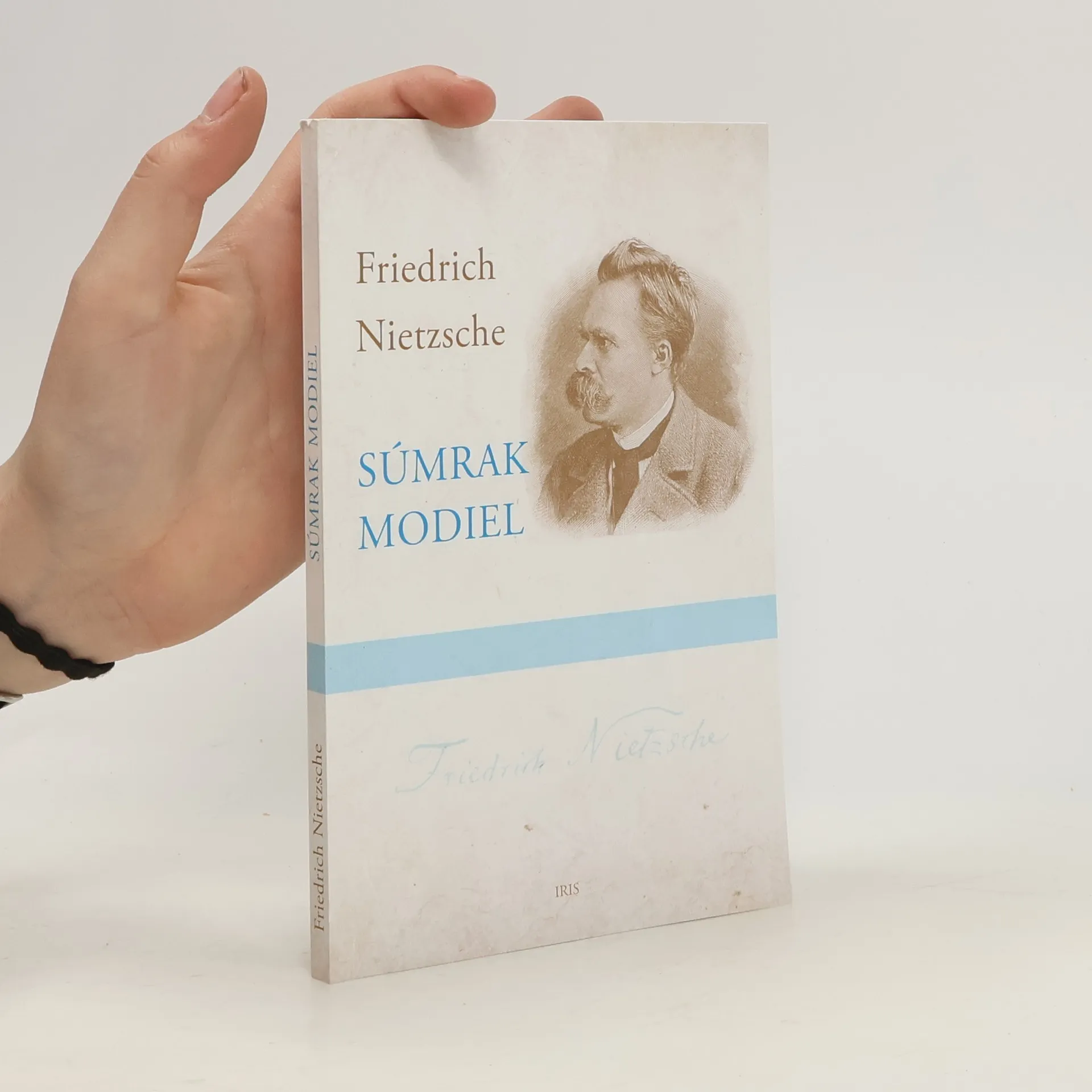
    Súmrak modiel
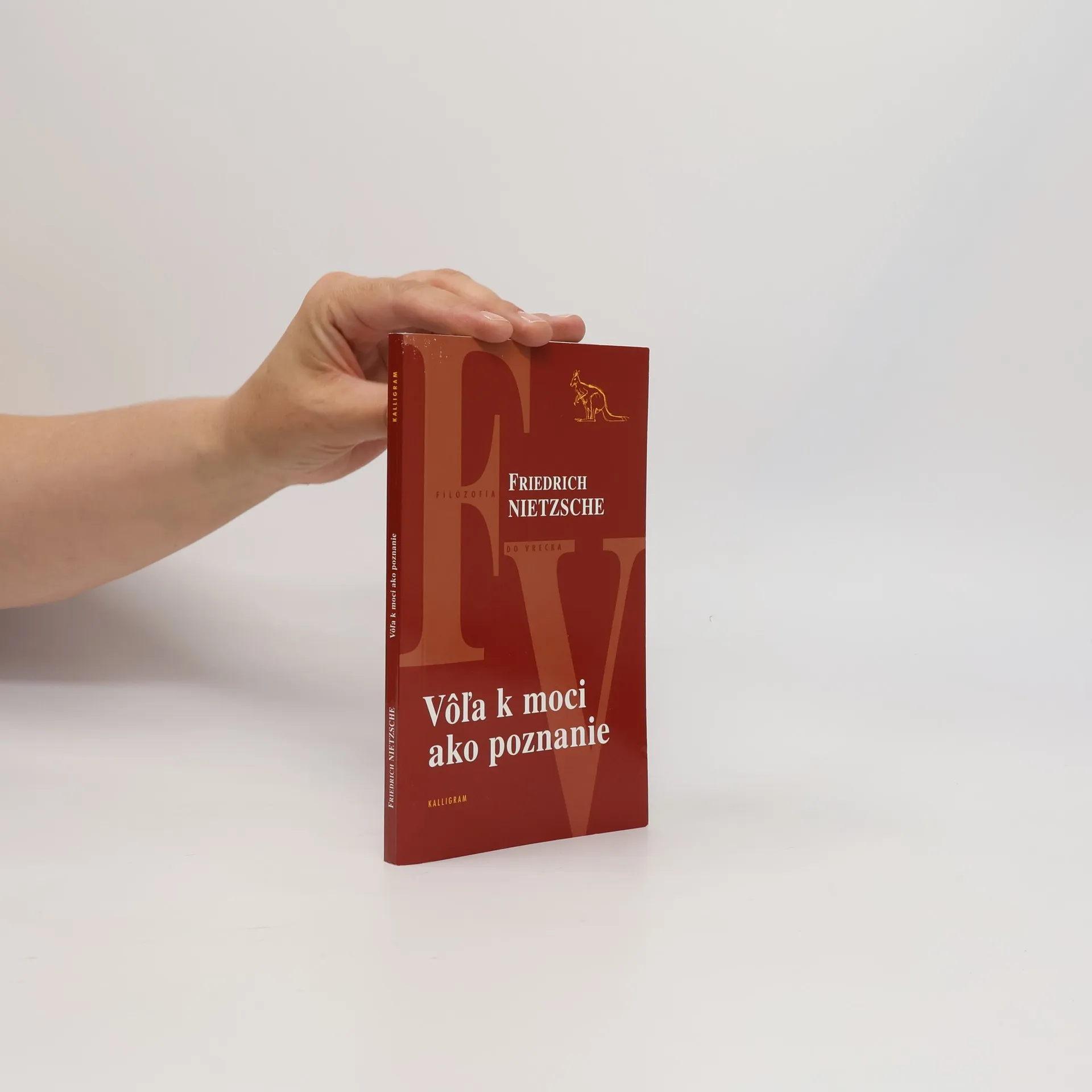
    Vôľa k moci
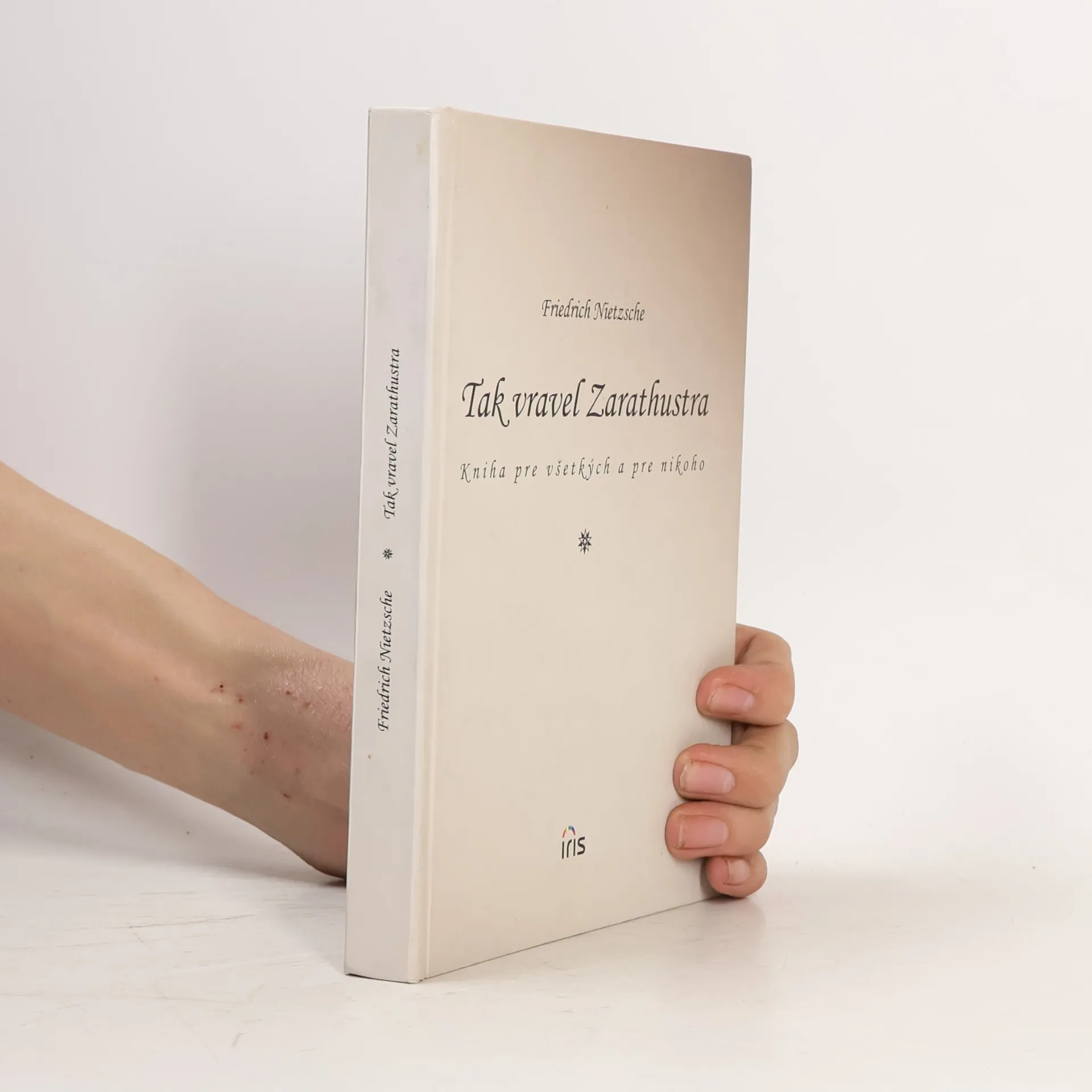
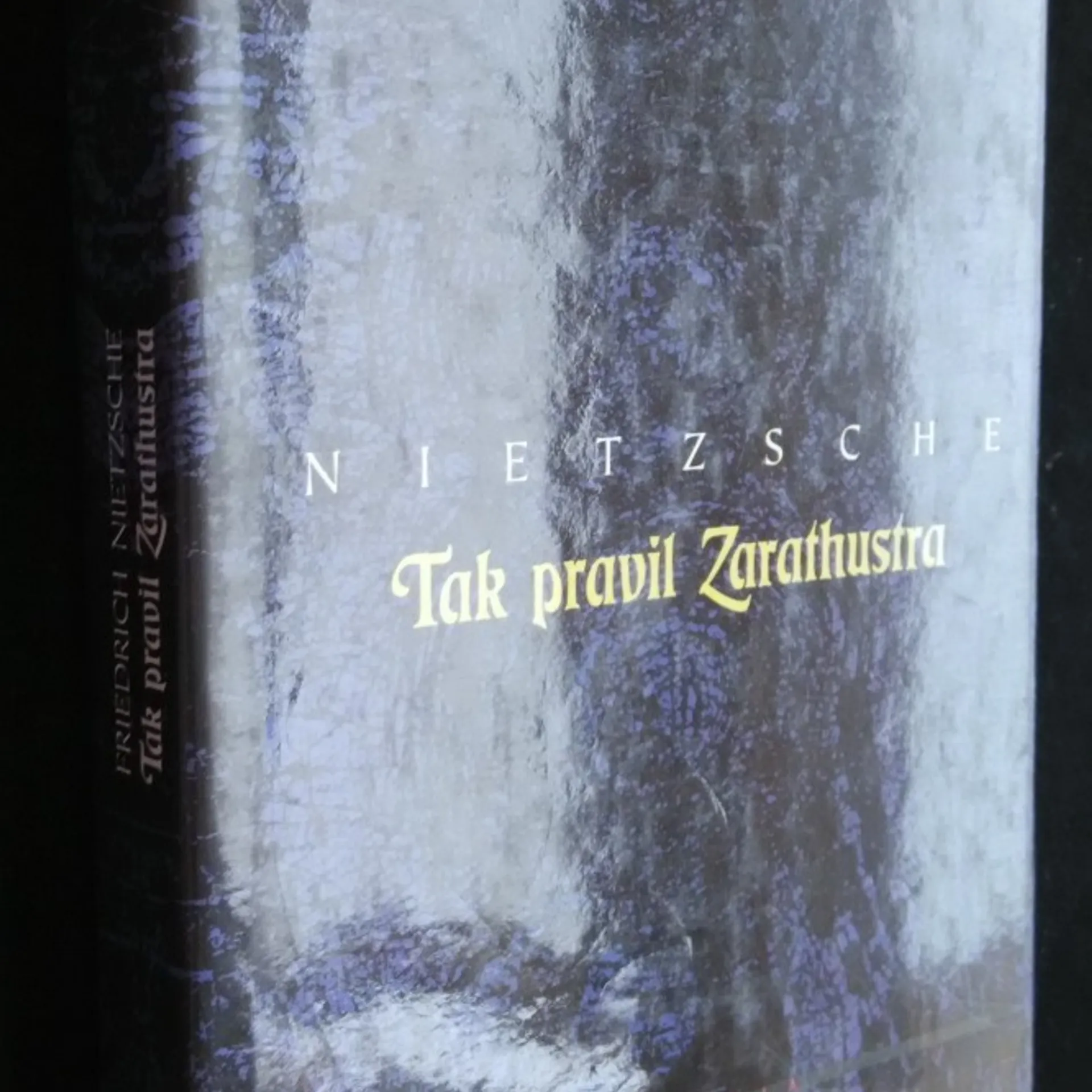
    Tak vravel Zarathustra, 3. vydanie
    Kritika morálky
    Mimo dobra a zla
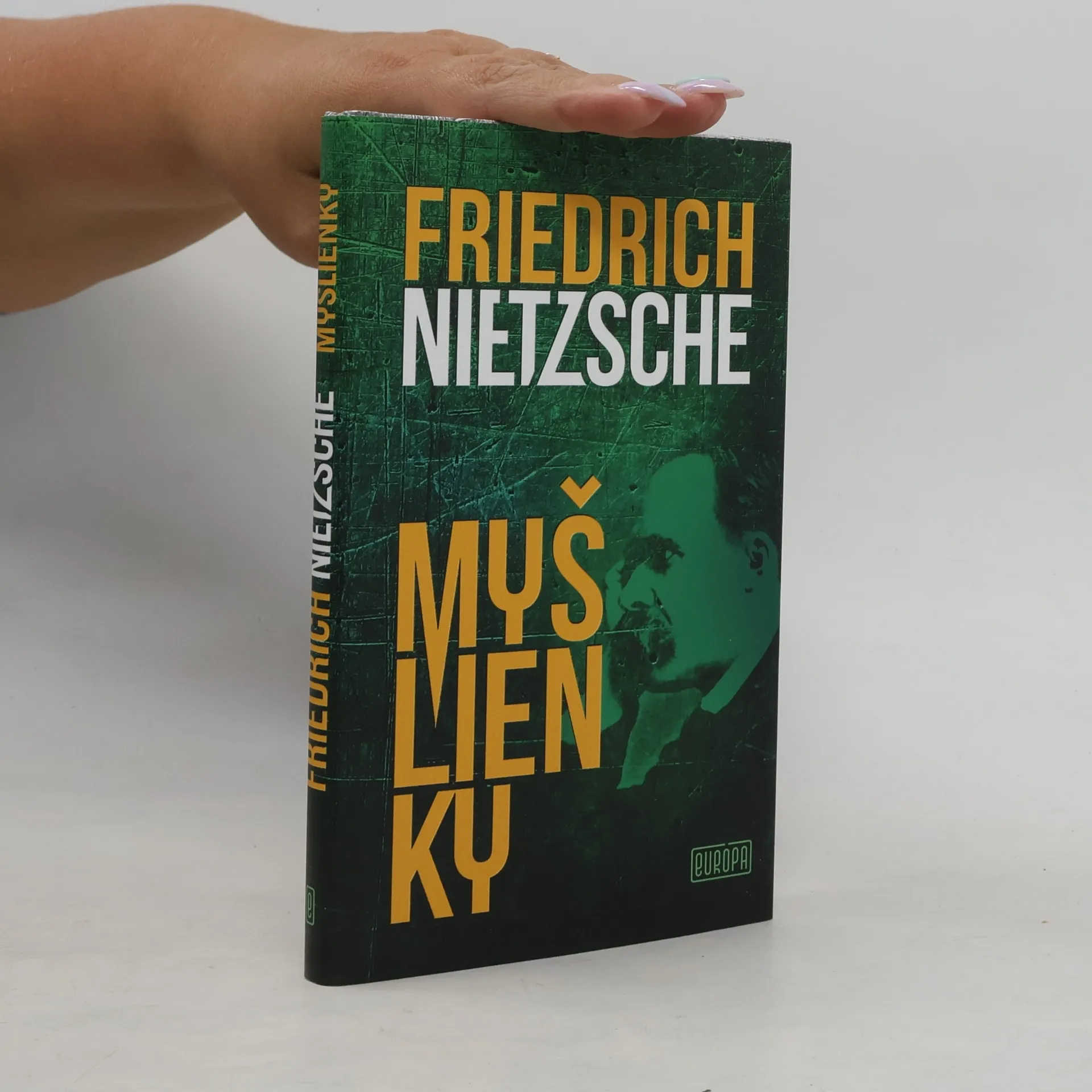
    Myšlienky
    • Myšlienky

      • 152 stránok
      • 6 hodin čítania

      Friedrich Nietzsche (1844 – 1900) – významný nemecký filozof a jeden z najhlbších mysliteľov všetkých čias, kritik kultúry a náboženstva, básnik a esejista, predstaviteľ filozofie života a „otec nihilizmu“, zásadným spôsobom ovplyvnil filozofiu, myslenie a literatúru 20. storočia. Jeho často kontroverzné názory netvoria ucelený systém, preto umožňujú najrozličnejšie interpretácie. Výber z myšlienok F. Nietzscheho chce čitateľovi poskytnúť pohľad na základné myšlienkové okruhy a témy jeho filozofovania (o sebe, morálke, umení, náboženstve, človeku, vede, pravde, výchove, vôli k moci, nadčloveku a ďalších oblastiach ľudského bytia). Môže tak predstavovať nielen akýsi úvod do jeho diela, ale hlavne podnecovať k úvahám, prebúdzať k úvahám a novým pohľadom na modernú dobu, ktoré vyvoláva svojim hlbokým, ostrým a kritickým odhaľovaním často skrytých stránok života v dobe hlbokej krízy hodnôt a fungovania kultúry a civilizácie.
      Myšlienky
      4,7
    • Mimo dobra a zla

      • 248 stránok
      • 9 hodin čítania

      Vo svojej mimoriadne vplyvnej práci Mimo dobra a zla Nietzsche priamo nadväzuje na idey, ktoré básnicky stvárnil vo svojom vrcholnom diele Tak riekol Zarathustra. Keďže sú v nej obsiahnuté všetky základné pojmy a myšlienkové motívy jeho filozofie, obvykle sa pokladá za ideálny „vstupný portál“ do jeho myslenia. Vychádzajúc zo zásadnej kritiky európskej kultúry založenej na platonizme a kresťanstve, ktoré svojimi dôsledkami nevyhnutne vedú k nihilizmu, hľadá nové formy morálky mimo jej historicky tradovaných, náboženstvom a dogmatickým myslením ovplyvnených noriem a hodnôt, proti ktorým stavia svoju filozofiu „imorality“. Ide mu o prekonanie „otrockej“ morálky masového, „stádového“ človeka „ušľachtilou“ či „aristokratickou“ morálkou sebauvedomeného a za seba plne zodpovedného jednotlivca. Nietzscheho myšlienkové zápasy svedčia o jeho priam sebazničujúcom nasadení pri uplatňovaní poslednej nepochybnej a nespochybniteľnej hodnoty, ktorú označuje ako „poctivosť“. Ich výsledky, brilantne formulované veľmi pôsobivým metaforickým jazykom, sú preto napriek všetkej svojej kontroverznosti a polemickosti predovšetkým svedectvom jeho úporného hľadania zmyslu a pevného záchytného bodu v čoraz neuchopiteľnejšom svete moderného človeka.

      Mimo dobra a zla
      4,3
    • Kritika morálky

      • 112 stránok
      • 4 hodiny čítania

      Kniha Kritika morálky je súčasťou Nietzscheho nedokončeného a až posmrtne publikovaného diela Vôla k moci, ktoré zo zachovaných poznámok z rokov 1883 až 1888 zostavili a vydali Elisabeth Förster Nietzsche a Peter Gast. Tento Nietzscheho pokus rozmýšlať o morálke bez podliehania jej čaru nadväzuje na jeho kritiku náboženstva a spolu s ňou a kritikou filozofie je súčasťou jeho úsilia o kritiku doterajších najvyšších hodnôt. Text Kritiky morálky vychádza v slovenskom jazyku po prvý raz. Voľne nadväzuje na zväzok Vôľa k moci ako poznanie zahŕňajúci rovnomennú kapitolu z Nietzcheho posledného diela.

      Kritika morálky
      4,3
    • Tak vravel Zarathustra, 3. vydanie

      • 376 stránok
      • 14 hodin čítania

      Nietzcheho dielo Tak vravel Zarathustra obsahuje kritiky morálky založenej na kritike človeka ako indivídua s deformovanými vlastnosťami, ktoré z neho robia baránka namiesto dravého vtáka. Cieľom má by nadčlovek, ktorého obraz je filozofický mýtus individualistu konajúceho mimo akýchkoľvek noriem a princípov. Je krutý, nezhovievavý a tvrdý. Je to človek budúcnosti, ktorý sa vyznačuje predovšetkým vôľou k moci a ktorý stojí mimo dobra a zla. Jeho historickým prototypom je Cesare Borgia a Napoleon. Nietzsche v predloženej práci hlása príchod nadčloveka a ideu večného návratu: Hlásam vám nadčloveka. Človek je čosi, čo má byť prekonané. Čo ste vykonali, aby bol prekonaný...? Mýtus o nadčloveku je evanjelium plnosti života, je protikladom predstavy o mase, otrokoch, slabých... Kniha je určená všetkým, ktorí vedia oceniť krásu filozofického textu zvýrazneného silou básnickej metafory.

      Tak vravel Zarathustra, 3. vydanie
      4,1
    • Vôľa k moci

      • 520 stránok
      • 19 hodin čítania

      Friedrich Nietzsche je jedným z najvplyvnejších mysliteľov 19. storočia. Jeho dielo mimoriadnym spôsobom ovplyvnilo nielen vývoj filozofie, ale zásadným spôsobom zasiahlo i viacero sociálno-vedných disciplín a inšpirovalo mnoho významných osobností z rozmanitých oblastí kultúry a umenia. Najkontroverznejšia z jeho prác, posmrtne vydaná Vôľa k moci, zahŕňa jeho zrelé myslenie z osemdesiatych rokov 19. storočia. Nietzsche v nej analyzuje duchovnú situáciu svojej doby, identifikuje príčiny vzniku európskeho nihilizmu, podrobuje kritike európsku morálku, náboženstvo a filozofiu a svoje úvahy završuje pokusom o kladenie nových hodnôt. Preklad z nemeckého jazyka Patrícia Elexová, odborná redakcia Róbert Maco.

      Vôľa k moci
      4,1
    • Súmrak modiel

      • 136 stránok
      • 5 hodin čítania

      Vo svete je viac modiel ako skutočností: pre tie je určený môj „uhrančivý pohľad“ na tento svet, aj moje „uhrančivé ucho“ ... Tu raz klásť otázky kladivom, a, možno, ako odpoveď počuť ten slávny dutý tón, čo vychádza zo zdutých vnútorností - aká to rozkoš pre toho, čo má ešte uši za ušami, - pre mňa, starého psychológa a lapača potkanov, ktorému sa musí ohlásiť práve to, čo by chcelo ostať nemé ... Tento malý spis je veľké vyhlásenie vojny a čo sa týka výsluchu modiel, nie sú to tento raz súčasné modly, ale odveké.

      Súmrak modiel
      4,1
    • Breviár

      • 116 stránok
      • 5 hodin čítania

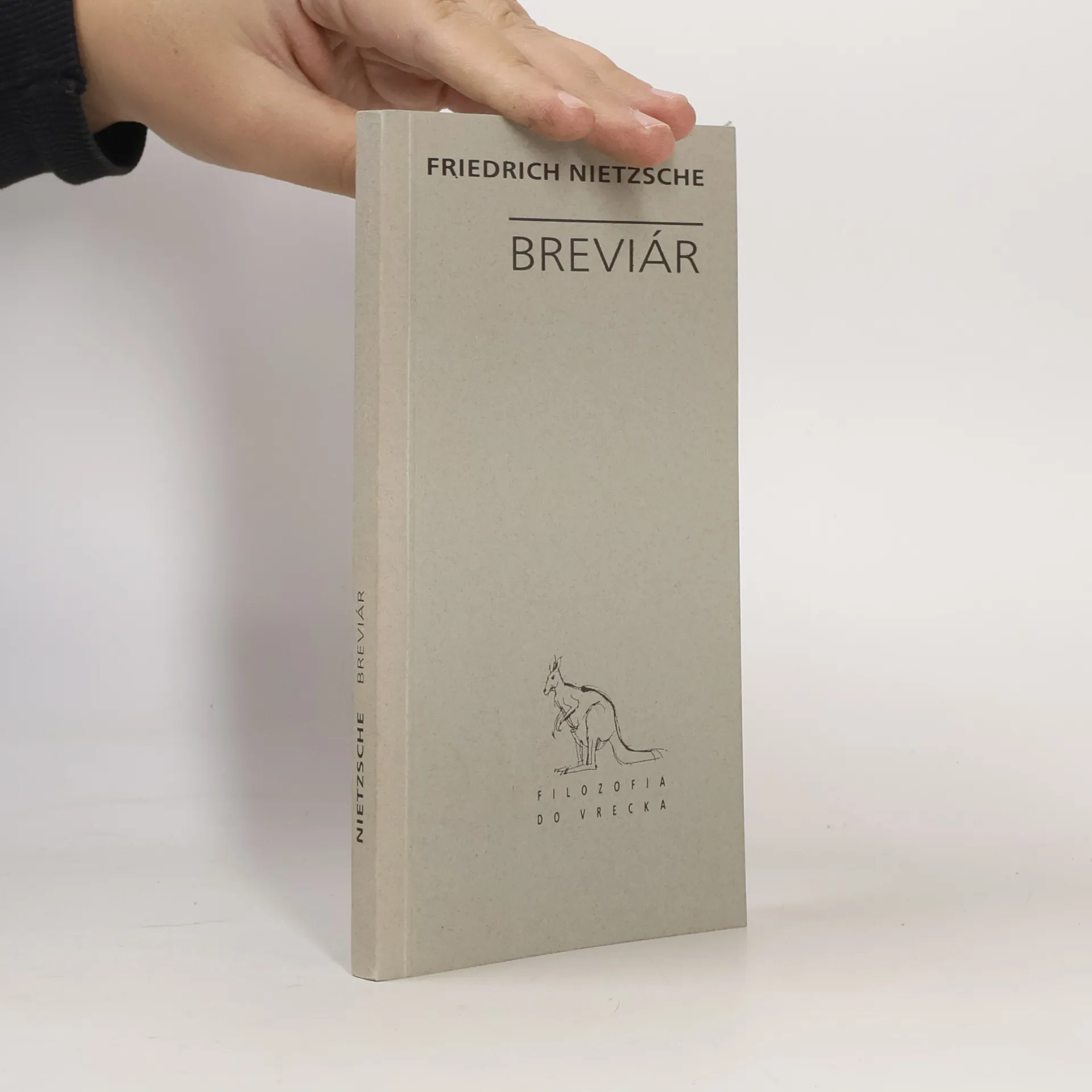
      Viac ako 2800 listov napísal Nietzsche. Korpus týchto listov sa aj v výbere 165 listov číta rovnako vzrušujúco ako román. Je to román jedinečnej, bezprecedentnej existencie. A tak čitateľ sleduje cestu 20-ročného Friedricha Nietzscheho cez desaťročia až do roku 1888.
      Breviár
      3,5
    • Ecce Homo

      • 186 stránok
      • 7 hodin čítania

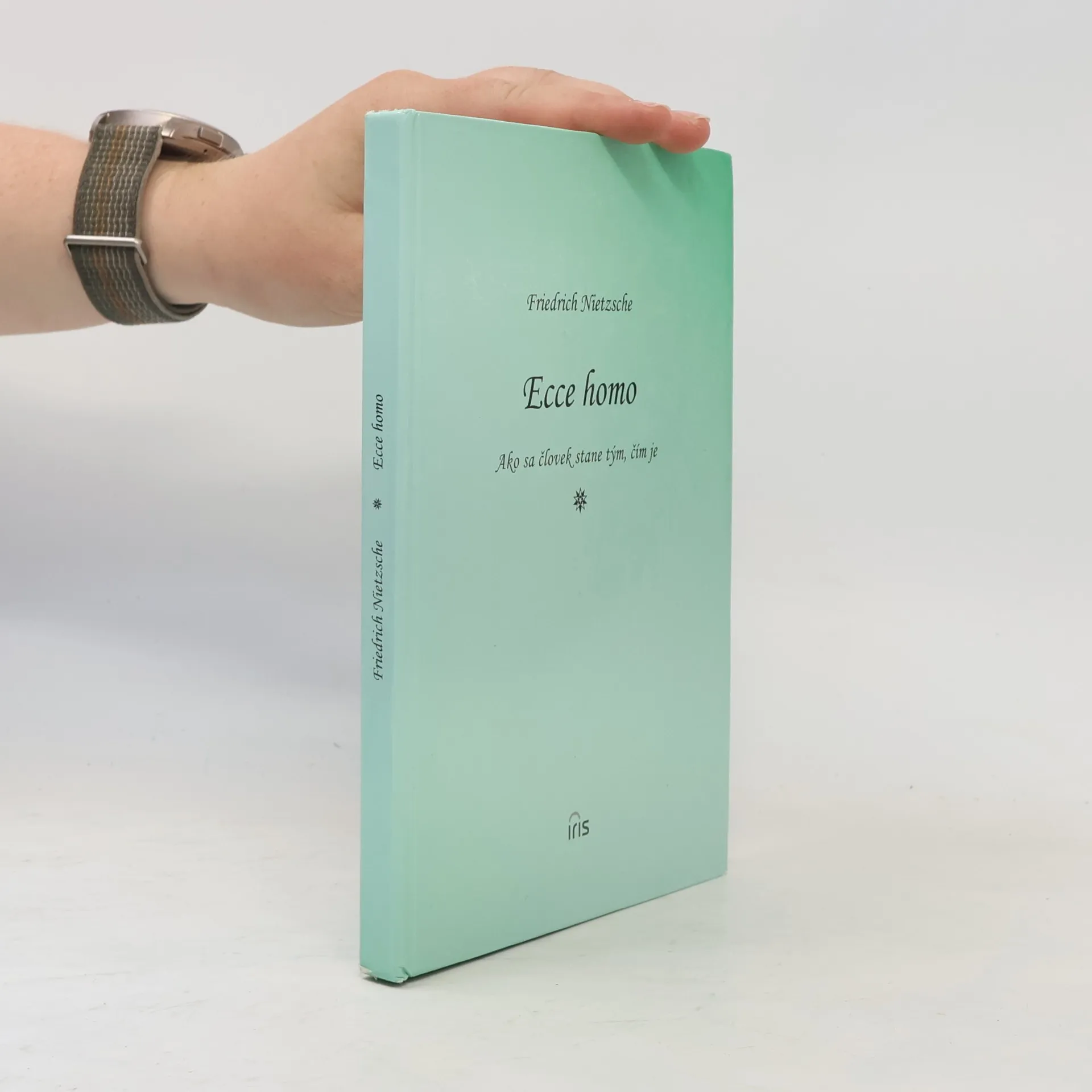
      Klasické dielo filozofickej literatúry F. Nietzscheho, ktoré nie je súčasťou tzv. akademickej filozofie. Ovplyvnilo filozofiu života a jeho reminiscencie možno nájsť aj v neskorších filozofických a socio-kultúrnych modeloch. Nietzsche si v Ecce homo uvedomuje svoj význam: Poznám svoj údel. S mojím menom sa raz bude spájať spomienka na čosi nesmierne - na krízu ... na najhlbšiu kolíziu svedomia, na rozhodnutie vyvolané proti všetkému, čomu sa doposiaľ verilo, čo sa považovalo za posvätné. Nie som človek, som dynamit... Moja pravda ja strašná, lebo doteraz sa lož nazývala pravdou. Prehodnotenie všetkých hodnôt - to je moja formulka pre akt najvyššieho sebauvedomenia ľudstva, ktoré sa mnou stalo telom a géniom.
      Ecce Homo
      3,9
    • Antikrist

      • 172 stránok
      • 7 hodin čítania

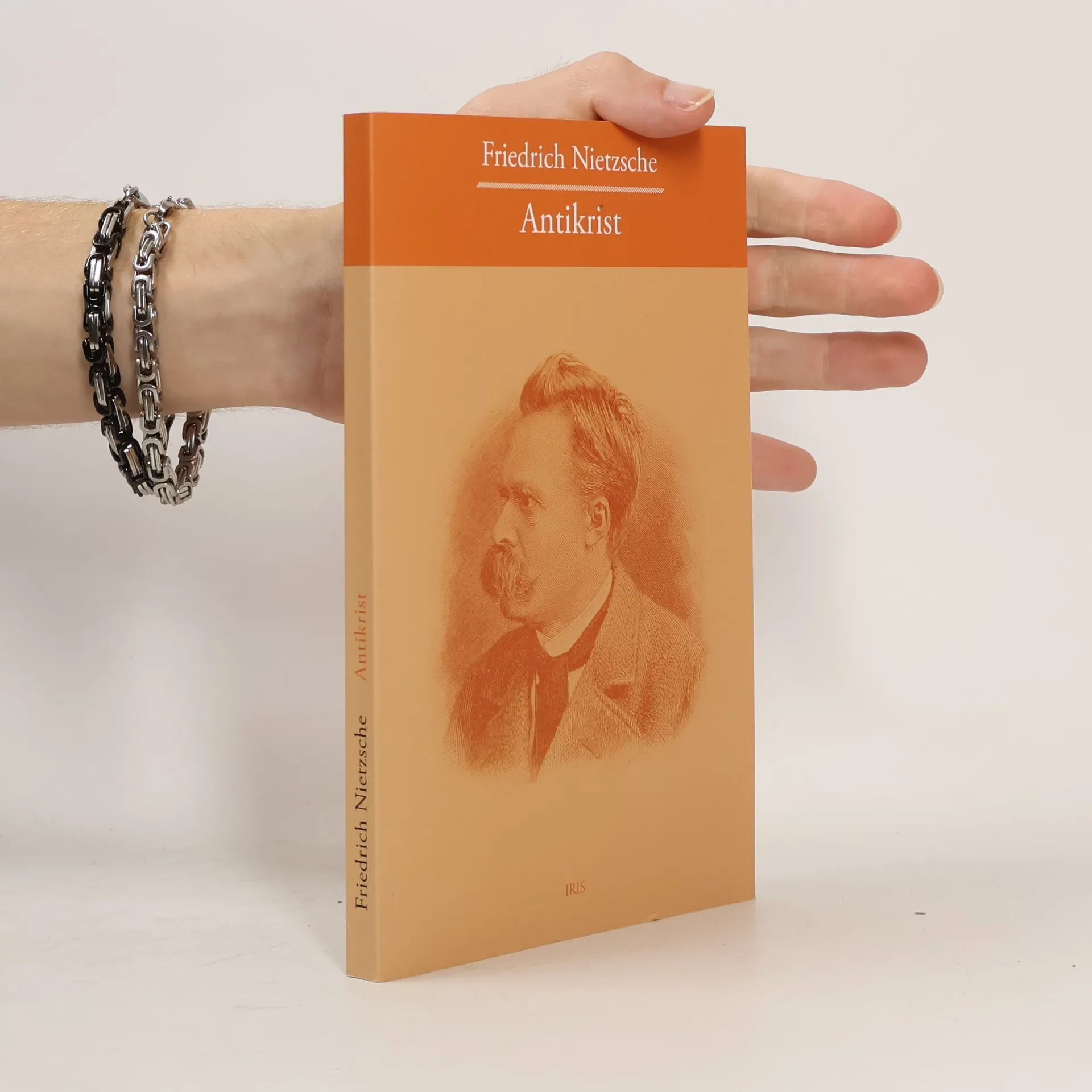
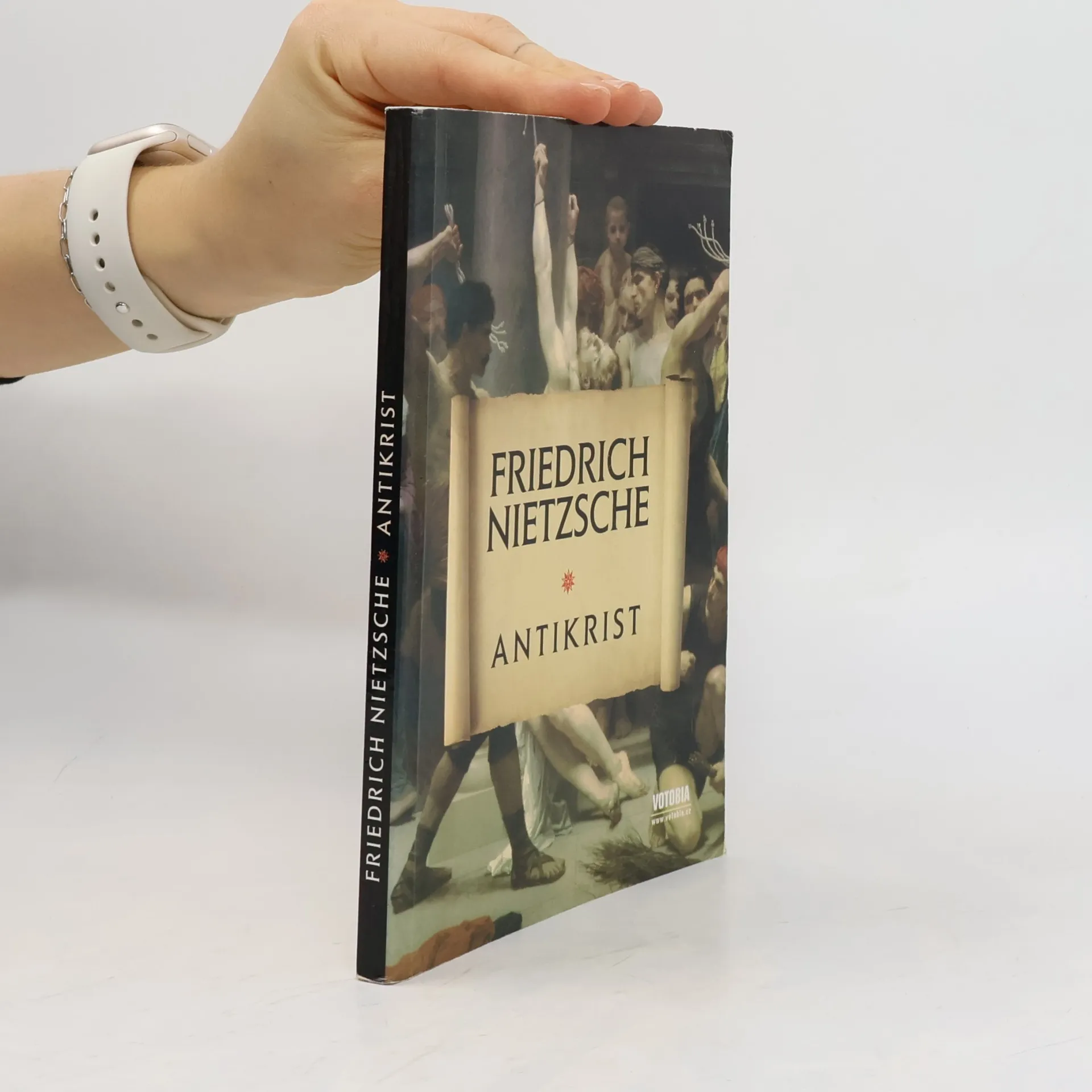
      Klasické dielo filozofickej literatúry. Kritika náboženstva, založená na princípoch nemeckej „filozofie života“. Kritika nie je ani tak cieľom racionálnej argumentácie alebo nebodaj vyvracania náboženstva, ale predmet psychologickej analýzy.

      Antikrist
      3,6
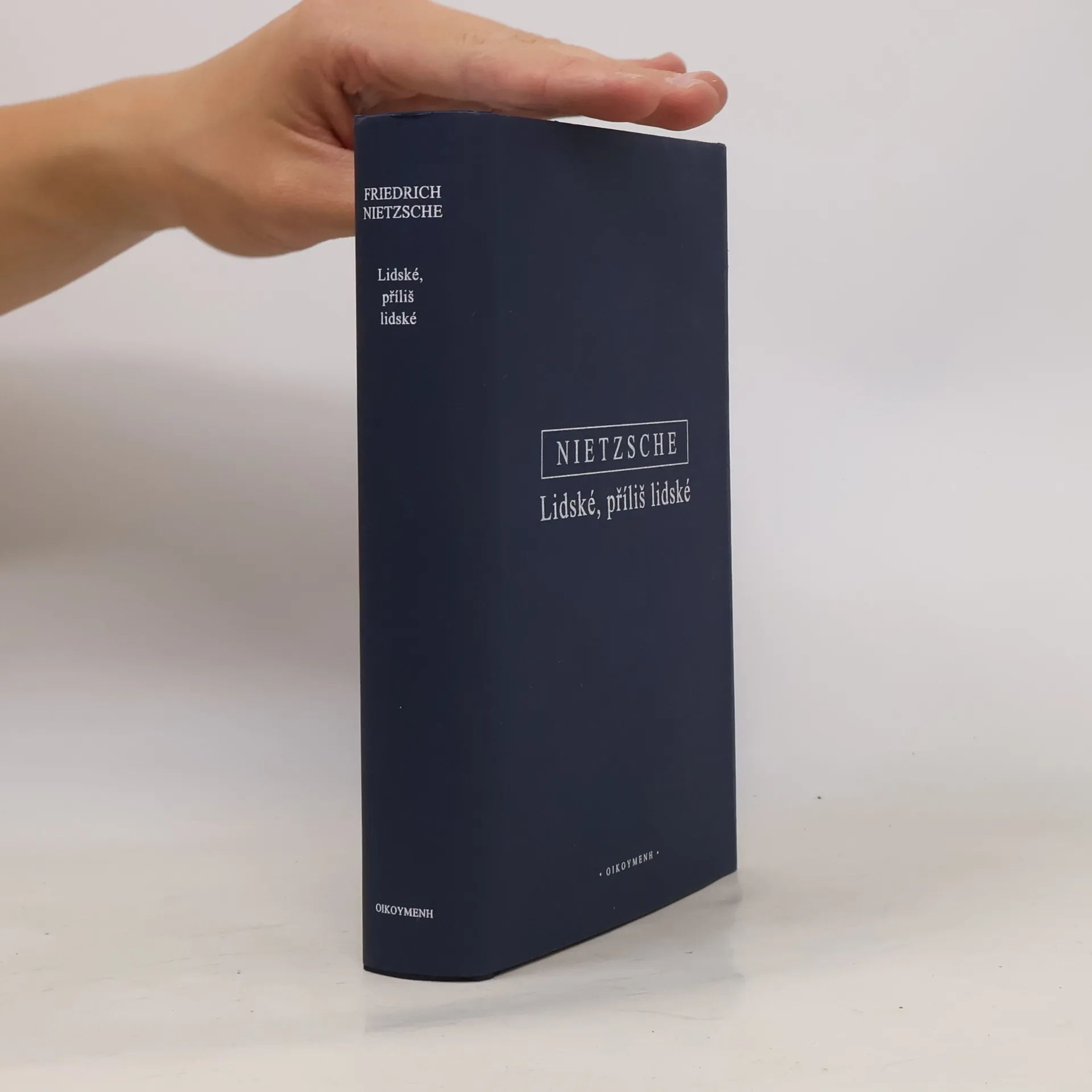
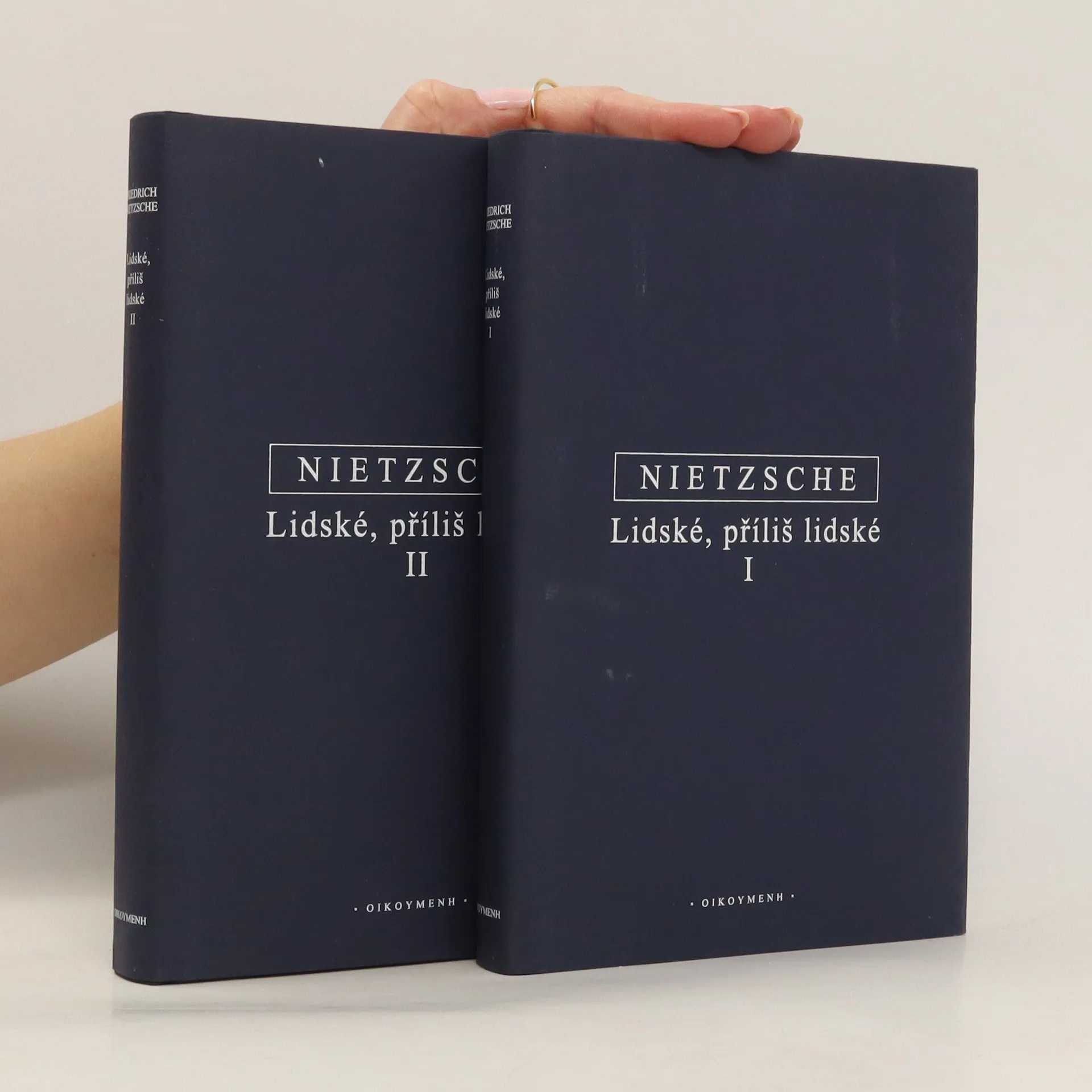
    • Kniha Lidské, příliš lidské, kterou Friedrich Nietzsche při závěrečném zhodnocení své tvorby v Ecce homo nazval „pomníkem krize“, je jeho prvním rozsáhlým dílem napsaným formou „aforismů“, jež autor zkomponoval do tematických skupin. Postavou „svobodného ducha“ a filosofickým zájmem o bezpředsudečné poznání „nejbližších věcí“ se zde Nietzsche definitivně odpoutává od svých vzorů, A. Schopenhauera a R. Wagnera, a obrací se proti dosavadní metafyzické tradici. Nevystupuje jen jako pokračovatel osvícenské kritiky náboženských a morálních představ,ale i jako pronikavý psycholog. Třebaže bylo toto dílo poněkud stranou zájmu velkých filosofických interpretací, představuje nesporně rozhodující obrat na Nietzschově cestě k vlastní filosofické pozici, a právě proto umožňuje lépe porozumět složitému vývoji jeho myšlení. Nové opravené vydání obou dílů v jednom svazku.

      Lidské, příliš lidské
      4,8
    • Nečasové úvahy I

      • 168 stránok
      • 6 hodin čítania

      Filozofie Friedricha Nietzscheho přitahuje stejně jako jeho život pozornost poměrně široké skupiny skupiny těch, kterým „klasicky“ znějící filozofie mnoho neříká – Nietzsche, buřič s kladivem, kterým hrozí Bohu, je oblíbeným filozofem těch, kteří teprve hledají své místo ve společnosti, básnický styl jeho prací z něj pak dělá zároveň působivého literáta. Nečasové úvahy, z nichž je nejproslulejší zejména ta druhá, nazvaná O užitečnosti a škodlivosti historie pro život, v níž se Friedrich Nietzsche obrací proti nemírnému šíření historických poznatků, šíření, které hrozí zahubit skutečný život, vznikají v ranném období Nietzschovy tvorby mezi lety 1976–76 jako základ, který pak Nietzsche postupně rozvine ve svůj filozofický systém. Úvahou třetí, Schopenhauer jako učitel a čtvrtou Richard Wagner v Bayreuthu pak Friedrich Nietzsche oslavuje své duchovní učitele, Schopenhauera a Wagnera, jako vychovatele k nové, zušlechtěné kultuře. Kniha je určena každému, kdo chce blíže poznat dílo Friedricha Nietzscheho. ... celý text


      Nečasové úvahy I
      4,8
    • Nečasové úvahy II

      • 168 stránok
      • 6 hodin čítania

      Filozofie Friedricha Nietzscheho přitahuje stejně jako jeho život pozornost poměrně široké skupiny skupiny těch, kterým „klasicky“ znějící filozofie mnoho neříká – Nietzsche, buřič s kladivem, kterým hrozí Bohu, je oblíbeným filozofem těch, kteří teprve hledají své místo ve společnosti, básnický styl jeho prací z něj pak dělá zároveň působivého literáta. Nečasové úvahy, z nichž je nejproslulejší zejména ta druhá, nazvaná O užitečnosti a škodlivosti historie pro život, v níž se Friedrich Nietzsche obrací proti nemírnému šíření historických poznatků, šíření, které hrozí zahubit skutečný život, vznikají v ranném období Nietzschovy tvorby mezi lety 1976–76 jako základ, který pak Nietzsche postupně rozvine ve svůj filozofický systém. Úvahou třetí, Schopenhauer jako učitel a čtvrtou Richard Wagner v Bayreuthu pak Friedrich Nietzsche oslavuje své duchovní učitele, Schopenhauera a Wagnera, jako vychovatele k nové, zušlechtěné kultuře. Kniha je určena každému, kdo chce blíže poznat dílo Friedricha Nietzscheho.

      Nečasové úvahy II
      4,8
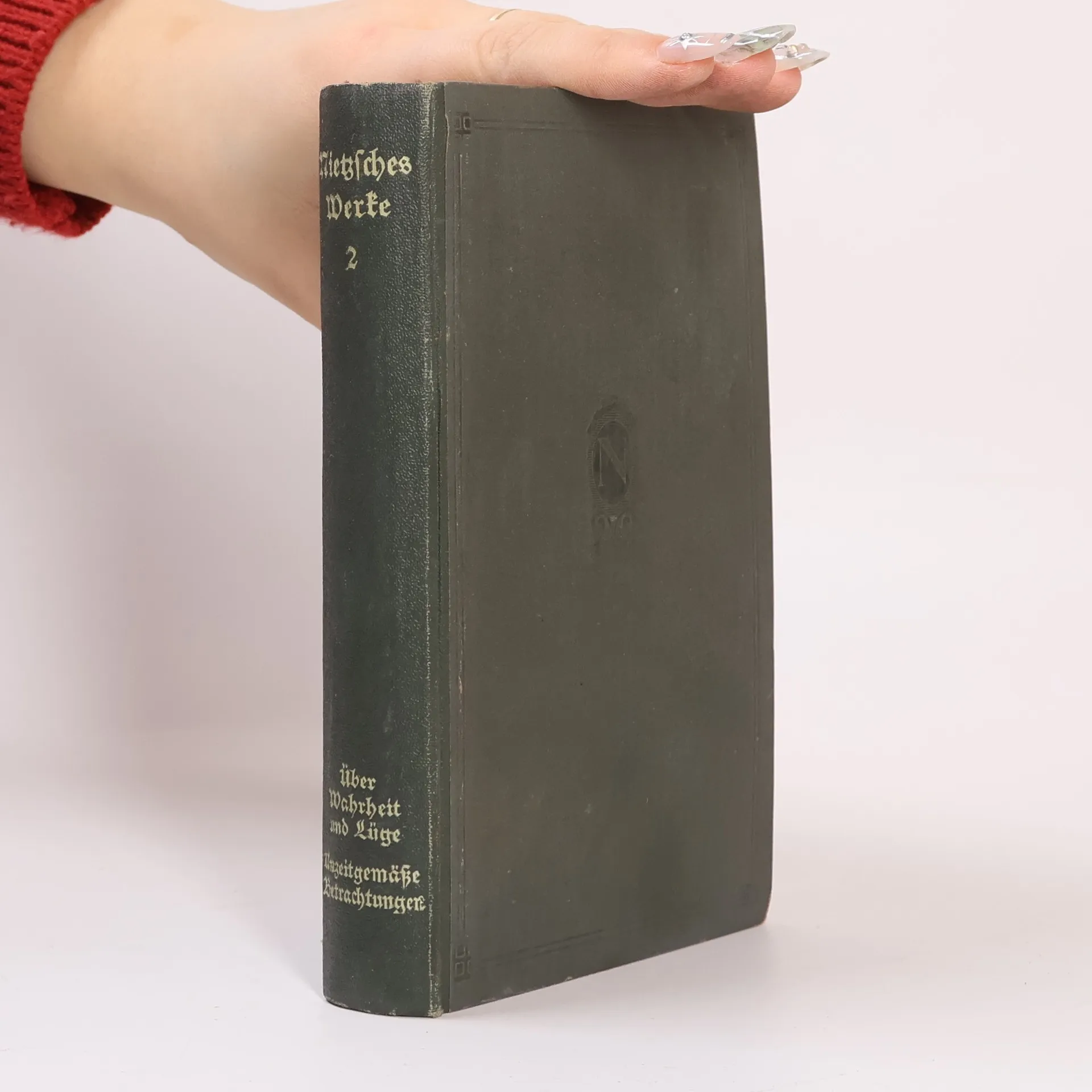
    • In "Über Wahrheit und Lüge" untersucht Nietzsche die Entstehung der Sprache und deren Bedeutung für menschliche Erkenntnis. Diese überarbeitete kommentierte Ausgabe bietet eine präzise Wiedergabe des Textes, eine historische Einordnung, eine Analyse der Argumentationsstruktur sowie Informationen über den Autor und relevante Literatur.

      Über Wahrheit und Lüge im außermoralischen Sinne
      4,4
    • Pozdní pozůstalost I (1885–1887)

      • 569 stránok
      • 20 hodin čítania

      Výsledky Nietzschova pozdního myšlení byly více než sto let interpretovány jako nedokončené systematické dílo s názvem Vůle k moci, které se stalo stěžejním. Tato kompilace z pozůstalosti, připravená Peterem Gastem a sestrou autora, významně ovlivnila recepci Nietzschovy filosofie díky přehlednému tematickému uspořádání a redukci textového materiálu na 1067 číslovaných fragmentů. Bez možnosti srovnání s kompletní pozůstalostí, která byla publikována v kritickém souborném vydání, je dnes obtížné tuto kompilaci znovu vydat. Alternativa, která by čtenáře konfrontovala s celým materiálem bez obsahového klíče, není přijatelná, zejména když český čtenář má k dispozici jen několik selektivních výborů z minulosti. Nový český překlad proto přináší úplnou pozůstalost z let 1885–1889 v prověřeném znění kritického vydání a je doplněn aparátem, který umožňuje čtenářům sledovat aforismy podle témat nebo je dohledat v chronologickém uspořádání. Tato edice se obrací jak do minulosti, k historii recepce, tak do budoucnosti, protože umožňuje navázat na překlad pozůstalosti z předchozích období.

      Pozdní pozůstalost I (1885–1887)
      5,0
    • Lidské, příliš lidské I

      • 286 stránok
      • 11 hodin čítania

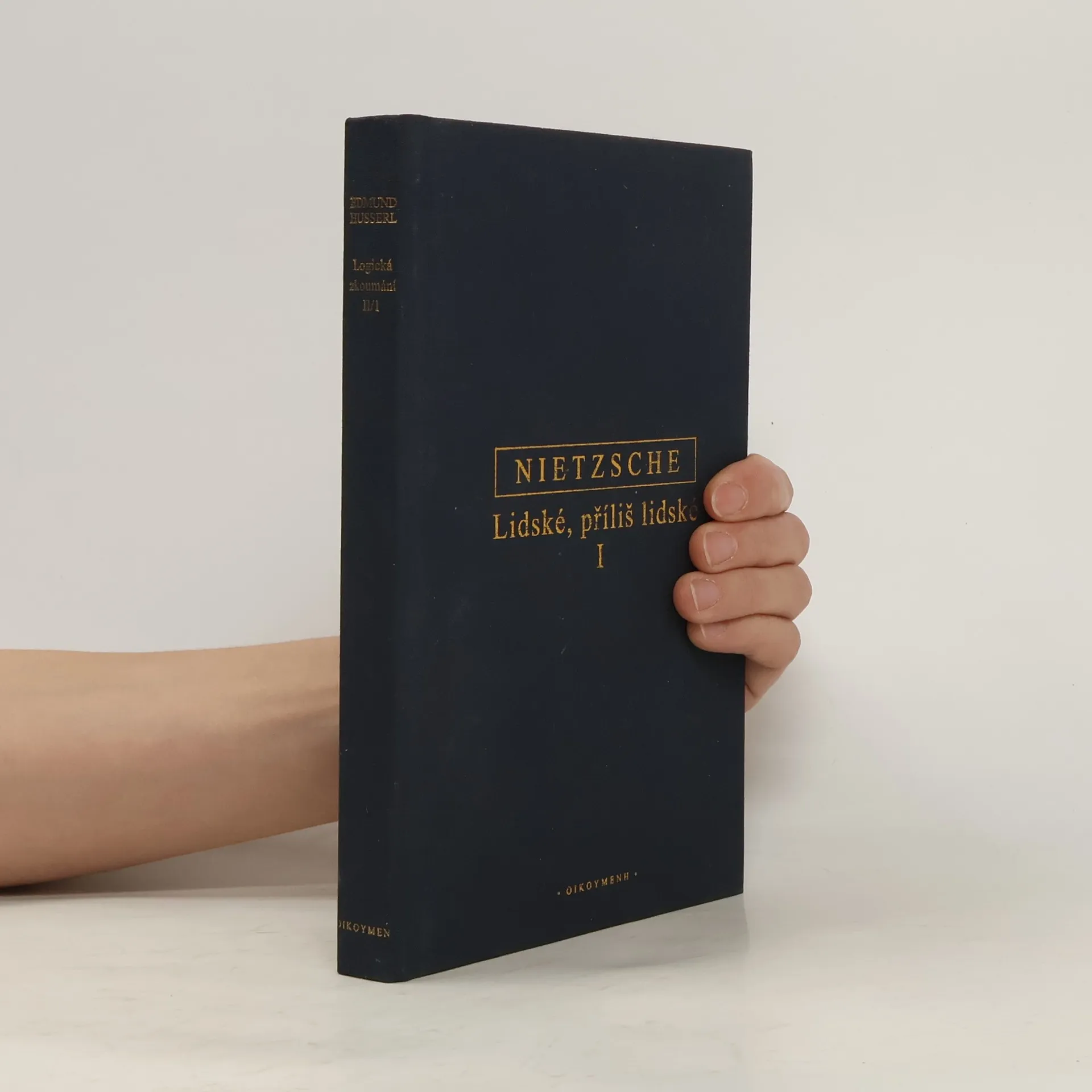
      Kniha pro svobodné duchy / První rozsáhlé dílo jež Nietzsche napsal v "aforismech" řazených do tematických skupin. Pod titulem Menschliches, Allzumenschliches vyšla v dubnu 1878 k stému výročí Voltairova úmrtí nejprve jen první část. V polovině a koncem roku 1879 vyšly dva rozsáhlé dodatky ("Rozličné názory a výroky" a "Poutník a jeho stín"), které od roku 1886 tvoří druhý svazek celého díla. Nietzsche se zde definitivně odpoutává od svých vzorů, A. Schoppenhauera a R. Wagnera, a obrací se proti dosavadní metafyzické tradici. Nevystupuje jen jako pokračovatel osvícenské kritiky náboženských a morálních představ, ale i jako pronikavý psycholog. Pozitivní zájem o "nejbližší věci" se později ukáže jako klíčový moment v hledání Nietzschovy vlastní filosofické pozice vyjádřené ve spisech Radostná věda, Tak pravil Zarathustra a Mimo dobro a zlo.

      Lidské, příliš lidské I
      4,4
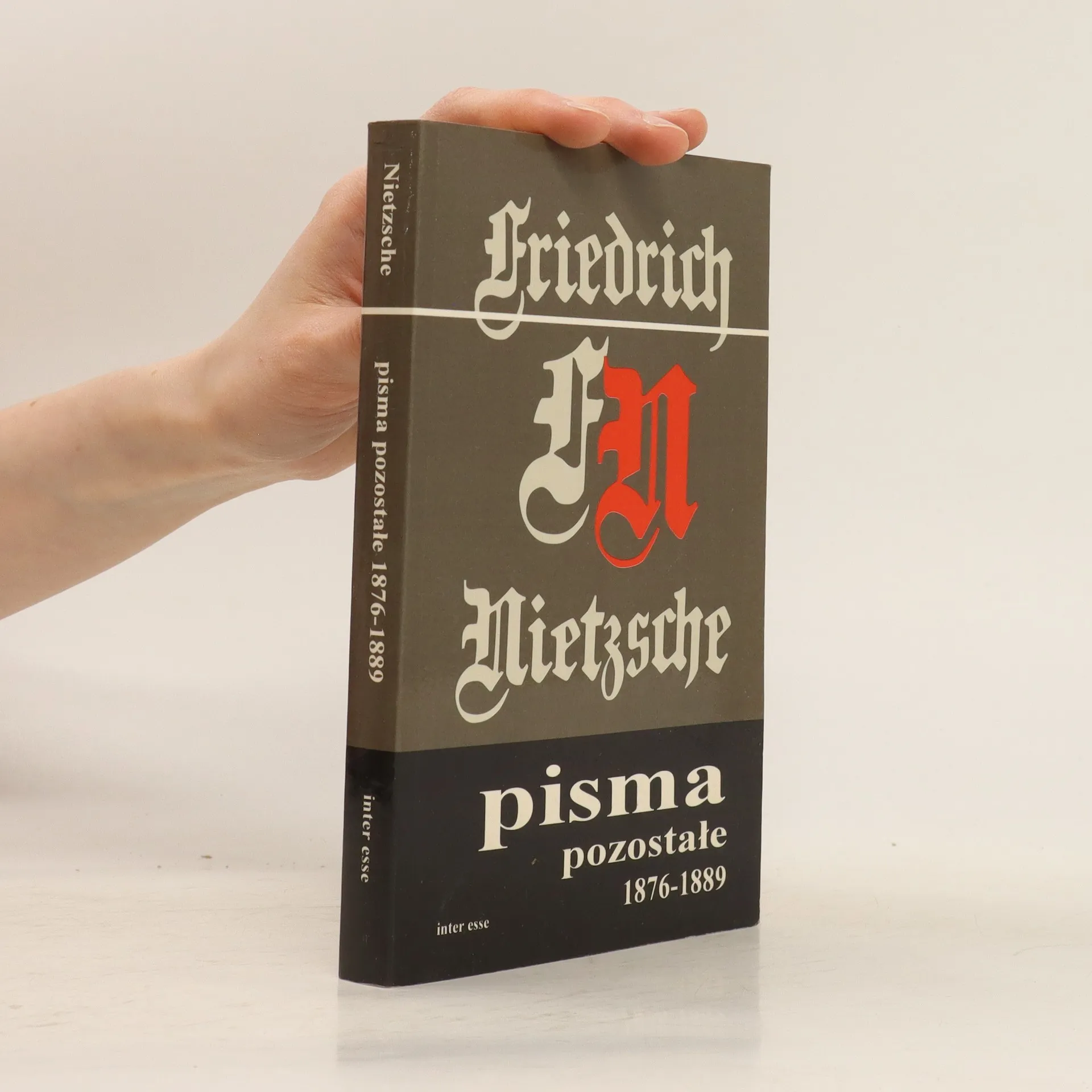
    • Wir Philologen

      • 76 stránok
      • 3 hodiny čítania

      „Ich meine, 99 von 100 Philologen sollten keine sein.“Gewohnt bissig rechnet Nietzsche hier mit sich und seinesgleichen ab – den Philologen. Nach Nietzsche wird der Beruf in einem Alter gewählt, in dem der Mensch dazu noch nicht in der Lage ist. So ist der Großteil der Menschen nicht für seinen Beruf geeignet. Vor allem an seinen Kollegen fällt Nietzsche das auf: Bedachte Analysen und klug gewählte Spitzen treffen bei seiner Polemik immer auf den Punkt.

      Wir Philologen
      4,4
    • The Complete Works of Friedrich Nietzsche

      The First Complete and Authorized English Translation: The Joyful Wisdom

      • 378 stránok
      • 14 hodin čítania

      The Complete Works of Friedrich Nietzsche The First Complete and Authorized English Translation: The Joyful Wisdom

      The Complete Works of Friedrich Nietzsche
      4,3
    • Nietzsche - Myšlienky

      • 327 stránok
      • 12 hodin čítania

      Výber z myšlienok, ktorých kontroverznosť, ba až krutosť sa po smrti ich autora často zneužívala. Originálna ručná umelecká knihárska práca.

      Nietzsche - Myšlienky
      5,0
    • Výbor z nejranějšího období tvorby F. Nietzscheho představuje nepublikované texty a náčrty, které většinou zůstávají ve stínu autorovy prvotiny Zrození tragédie, ačkoli je možné v nich již číst zlom, který vyvrcholí spiskem O pravdě a lži ve smyslu nikoli morálním. Tématickým ohniskem těchto textů, které ve většině případů spisku O pravdě a lži těsně předcházejí, je figurativní charakter řeči a meze její symbolické funkce, které jsou promýšleny v souvislosti se vztahem řeči k hudbě.

      Rané texty o hudbě a řeči
      4,4
    • Studii ["Soumrak model"] význačného voluntaristického filozofa o "přehodnocení všech hodnot" doplňuje výbor z díla Wille zur Macht ["Duševní aristokratismus" a "O životě a umění"] . "Soumrak model" definuje základní principy, jež napomáhají bourat tradiční a nepřirozené modly, čímž formuje zcela nová hodnotová východiska. Principy přehodnocení všech hodnot. "Duševní aristokratismus" a "O životě a umění" představují pouhý výbor z rozsáhlého díla Wille zur Macht. (zdroj: Pc., mlp.cz)

      Tak pravil Friedrich Nietzsche
      4,4
    • Pozdní pozůstalost II (1887–1889)

      • 566 stránok
      • 20 hodin čítania

      Výsledky Nietzschova pozdního myšlení byly více než sto let interpretovány jako nedokončené systematické dílo s titulem Vůle k moci, které se stalo stěžejním. Tato kompilace, připravená Peterem Gastem a autorem sestrou, měla zásadní vliv na recepci Nietzschovy filosofie. Díky přehlednému tematickému uspořádání a redukci textu na 1067 číslovaných fragmentů se stala významnou. Bez možnosti srovnání s kompletní pozůstalostí, která byla publikována v kritickém souborném vydání, je dnes publikace této kompilace problematická. Alternativa konfrontovat čtenáře s celým materiálem bez obsahového klíče je rovněž obtížná, neboť aforismy Vůle k moci byly dlouho citovány a interpretovány významnými autory. Zatímco ve velkých literaturách existují starší překlady Vůle k moci a také překlady kompletního kritického vydání, český čtenář má k dispozici pouze několik selektivních výborů z čtyřicátých let. Nový český překlad proto přináší úplnou pozůstalost z let 1885–1889 v prověřeném znění kritického vydání, doplněnou aparátem, který umožňuje čtenářům sledovat aforismy podle témat nebo je dohledat v chronologickém uspořádání. Tato edice se obrací jak do minulosti, tak do budoucnosti, umožňující navázání na překlad pozůstalosti z předchozích období.

      Pozdní pozůstalost II (1887–1889)
      5,0
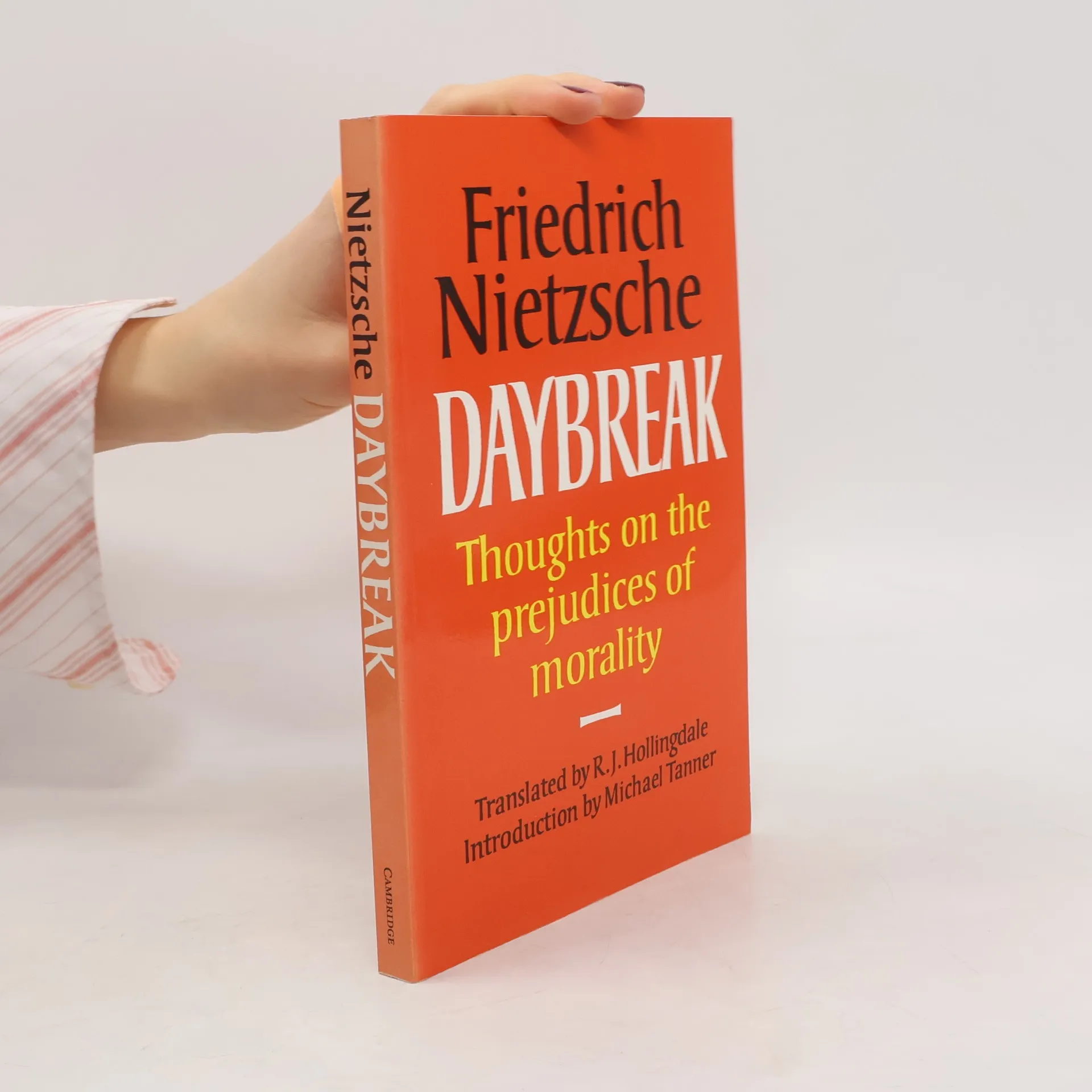
    • Daybreak

      Thoughts on the Prejudices of Morality

      • 250 stránok
      • 9 hodin čítania

      An entirely new translation of Nietzsche's fourth book, which falls in what is regarded as his "positivist" period. Especially notable for the advance it represents in his understanding of psychology.

      Daybreak
      4,3
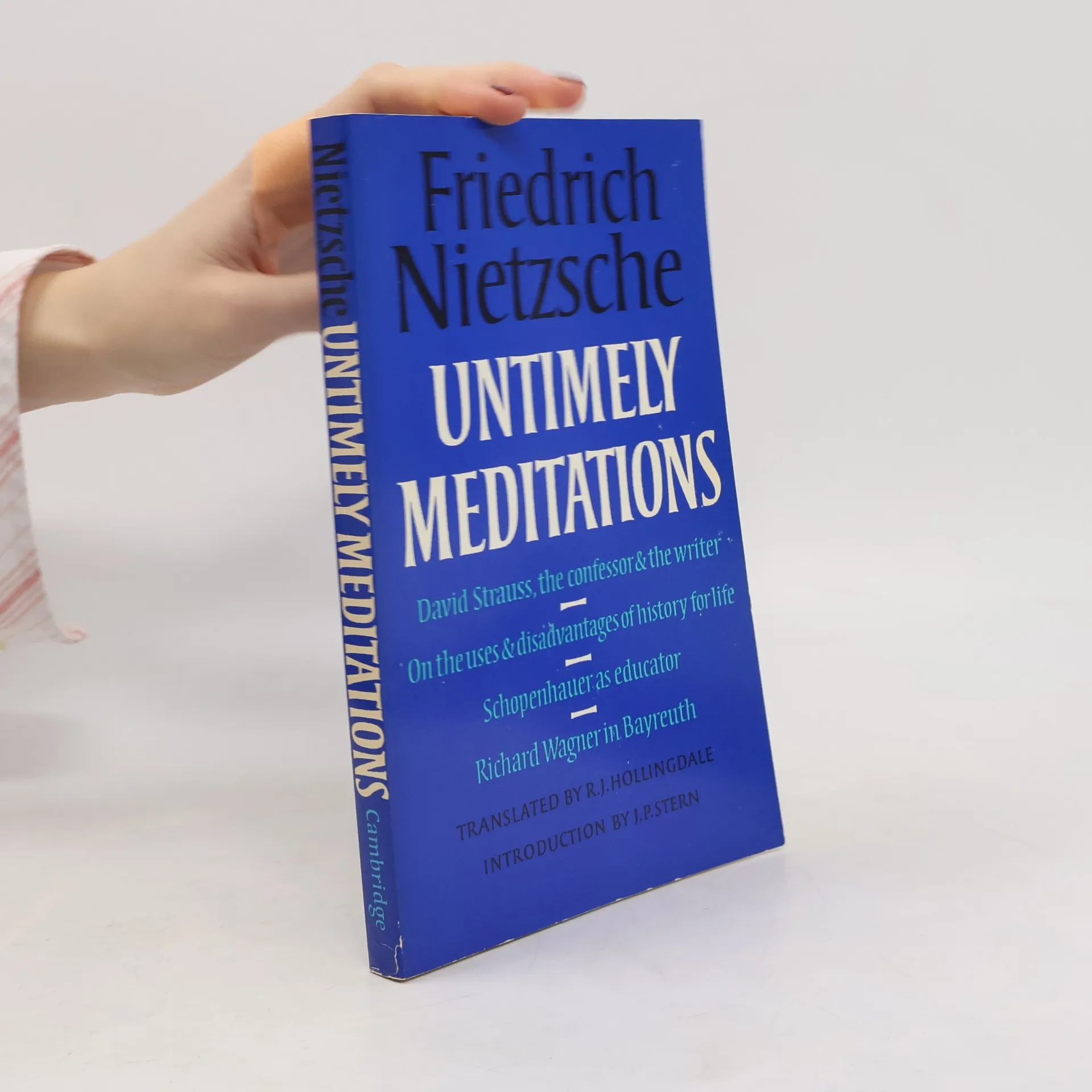
    • Untimely Meditations

      • 289 stránok
      • 11 hodin čítania

      Innehåller: Otidsenliga betraktelser I-IV Vi filologer Om våra bildningsanstalters framtid Fem företal till fem oskrivna böcker Om sanning och lögn i utmmoralisk mening

      Untimely Meditations
      4,3
    • Výbor aforismů a úvah naznačuje ústřední témata filozofického systému. Jednotlivé texty jsou rozčleněny do kapitol, které odrážejí nosná témata ideové koncepce (např. morálka, křesťanství, umění, svět, věda, vůle k moci). Úryvky mapují řešení problematiky v různých etapách tvůrčího vývoje. Z českých překladů vybral a uspořádal Daniel Samek.

      Nesmrtelné myšlenky
      4,3
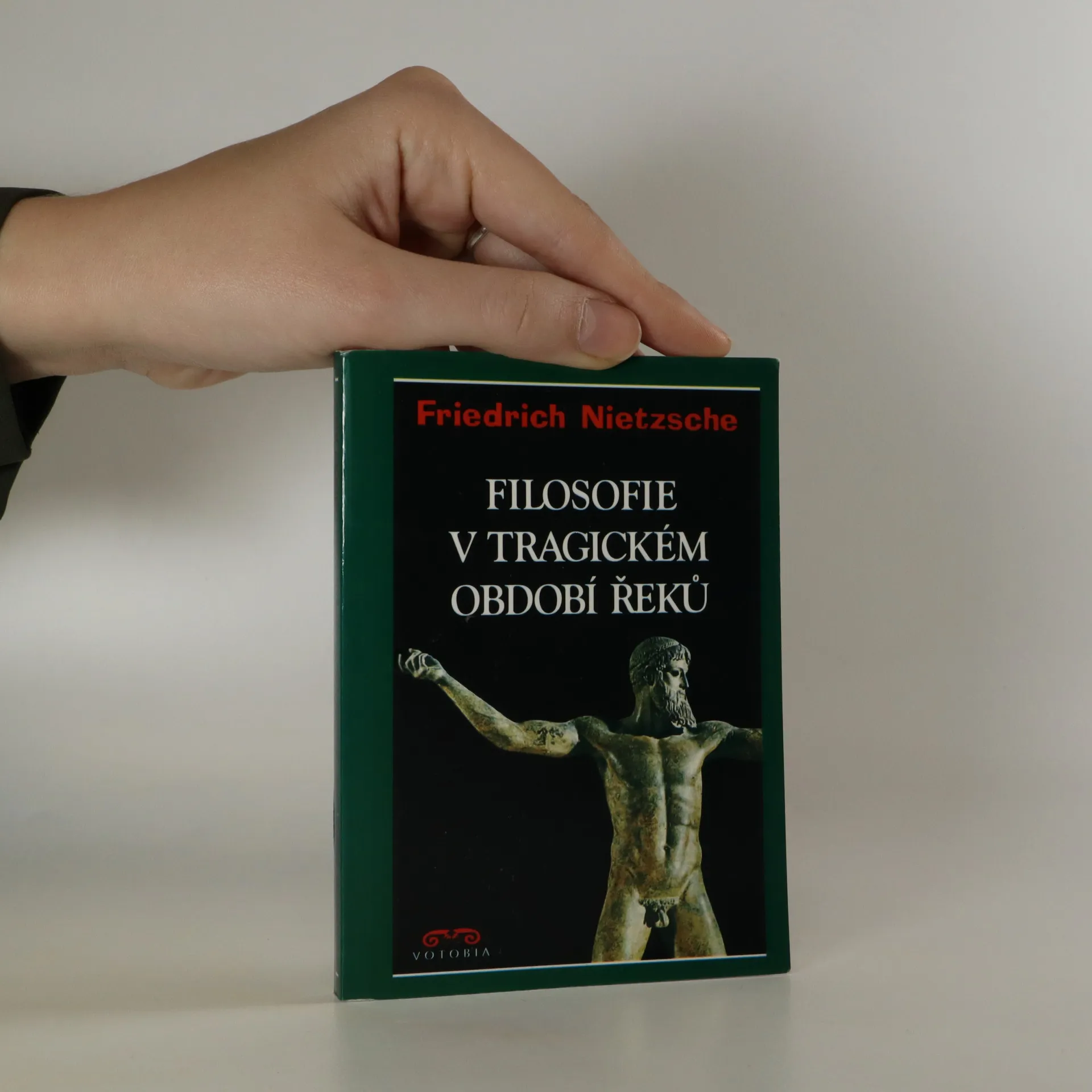
    • Friedrich Nietzsche: Die Philosophie im tragischen Zeitalter der Griechen Edition Holzinger. Taschenbuch Berliner Ausgabe, 2017, 4. Auflage Durchgesehener Neusatz mit einer Biographie des Autors bearbeitet und eingerichtet von Michael Holzinger Entstanden 1872/73. Textgrundlage ist die Ausgabe: Friedrich Nietzsche: Werke in drei Banden. Band 3, Herausgegeben von Karl Schlechta. Munchen: Hanser, 1954. Herausgeber der Reihe: Michael Holzinger Reihengestaltung: Viktor Harvion Gesetzt aus der Minion Pro, 10 pt.

      Die Philosophie im tragischen Zeitalter Der Griechen
      4,3
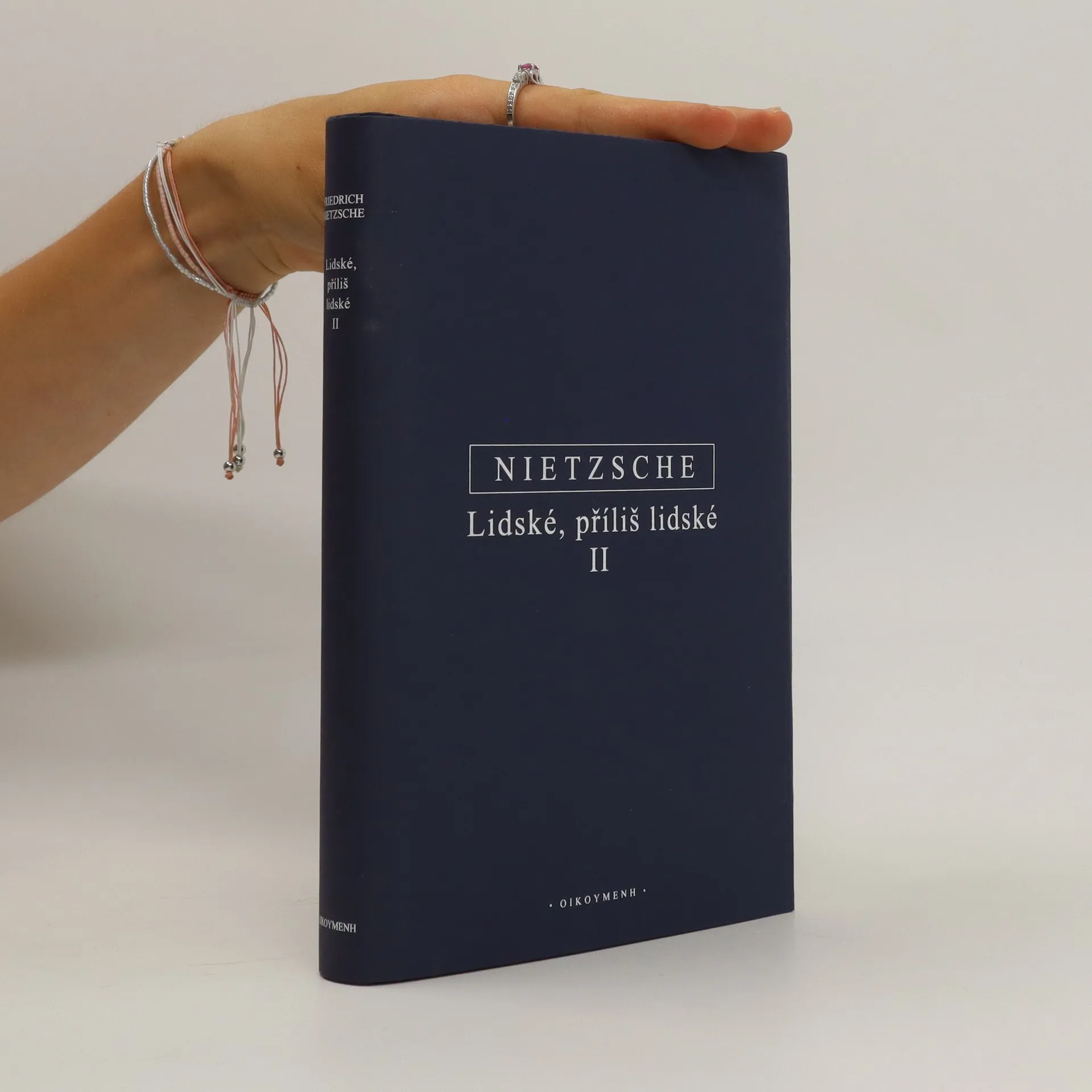
    • Lidské, příliš lidské II

      • 278 stránok
      • 10 hodin čítania

      Kniha, kterou Friedrich Nietzsche při závěrečném zhodnocení své tvorby v Ecce homo nazval „pomníkem krize“, je jeho prvním rozsáhlým dílem napsaným formou „aforismů“, jež autor zkomponoval do tematických skupin. Postavou „svobodného ducha“ a filosofickým zájmem o bezpředsudečné poznání „nejbližších věcí“ se zde Nietzsche obrací proti dosavadní metafyzické tradici. K prvnímu dílu napsal autor dvě pokračování: první vyšlo na jaře 1879, pod titulem Lidské, příliš lidské. Kniha pro svobodné duchy. Dodatek: Rozličné názory a výroky. V prosinci téhož roku vyšel s týmž titulem a podtitulem druhý „doplněk“ nazvaný Poutník a jeho stín. V roce 1886 byly tyto dva dodatky svázány a uvedeny znovu na trh pod společným označením „Druhý díl“. Přeložila V. Koubová.

      Lidské, příliš lidské II
      4,1
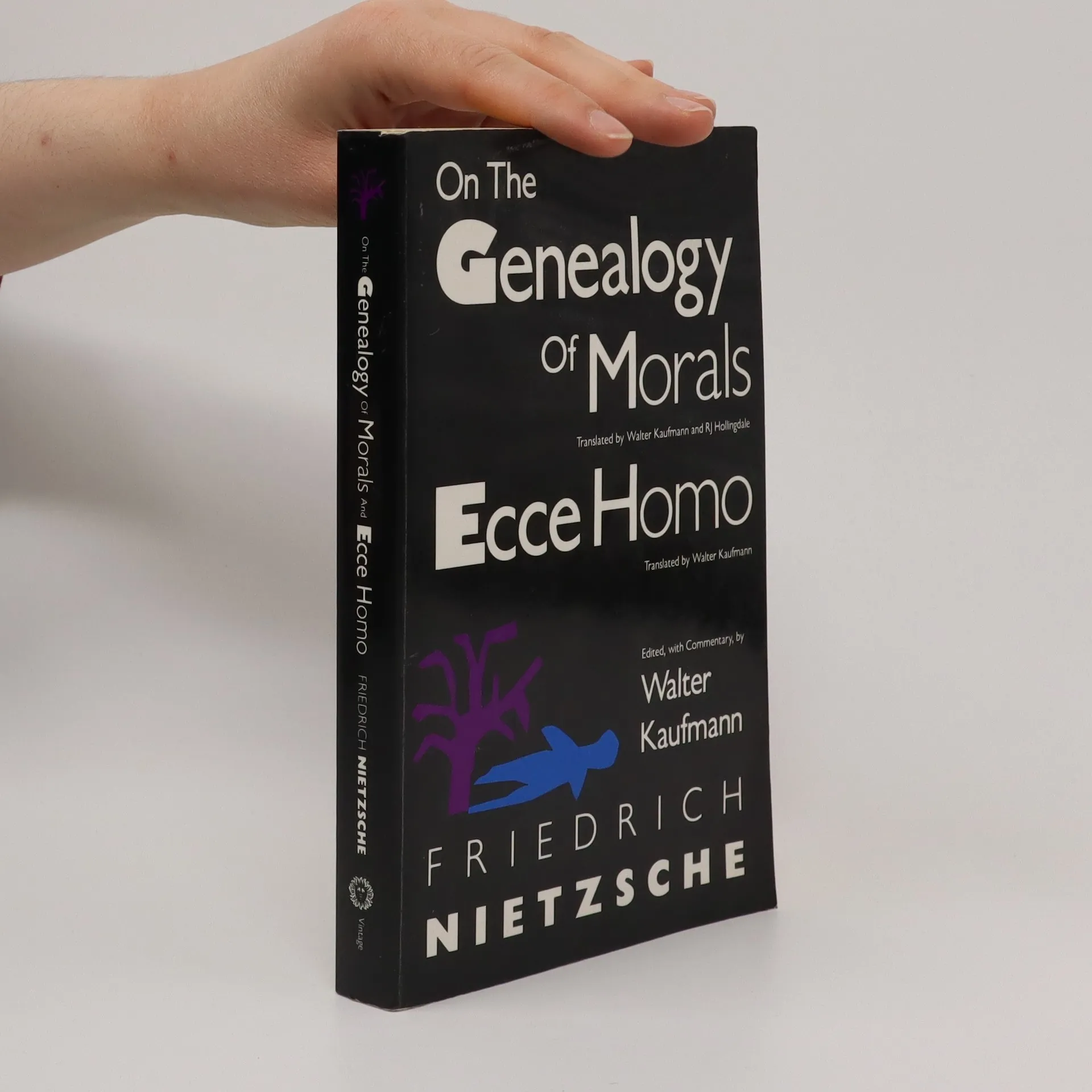
    • Masterful translations of the great philosopher’s major work on ethics, along with his own remarkable review of his life and works. On the Genealogy of Morals (1887) shows Nietzsche using philsophy, psychology, and classical philology in an effort to give new direction to an ancient discipline. The work consists of three essays. The first contrasts master morality and slave morality and indicates how the term "good" has widely different meanings in each. The second inquiry deals with guilt and the bad conscience; the third with ascetic ideals—not only in religion but also in the academy. Ecce Homo, written in 1898 and first published posthumously in 1908, is Nietzsche's review of his life and works. It contains chapters on all the books he himself published. His interpretations are as fascinating as they are invaluable. Nothing Nietzsche wrote is more stunning stylistically or as a human document. Walter Kaufmann's translations are faithful of the word and spirit of Nietzsche, and his running footnote commentaries on both books are more comprehensive than those in his other Nietzsche translations because these two works have been so widely misunderstood.

      On the Genealogy of Morals
      4,2
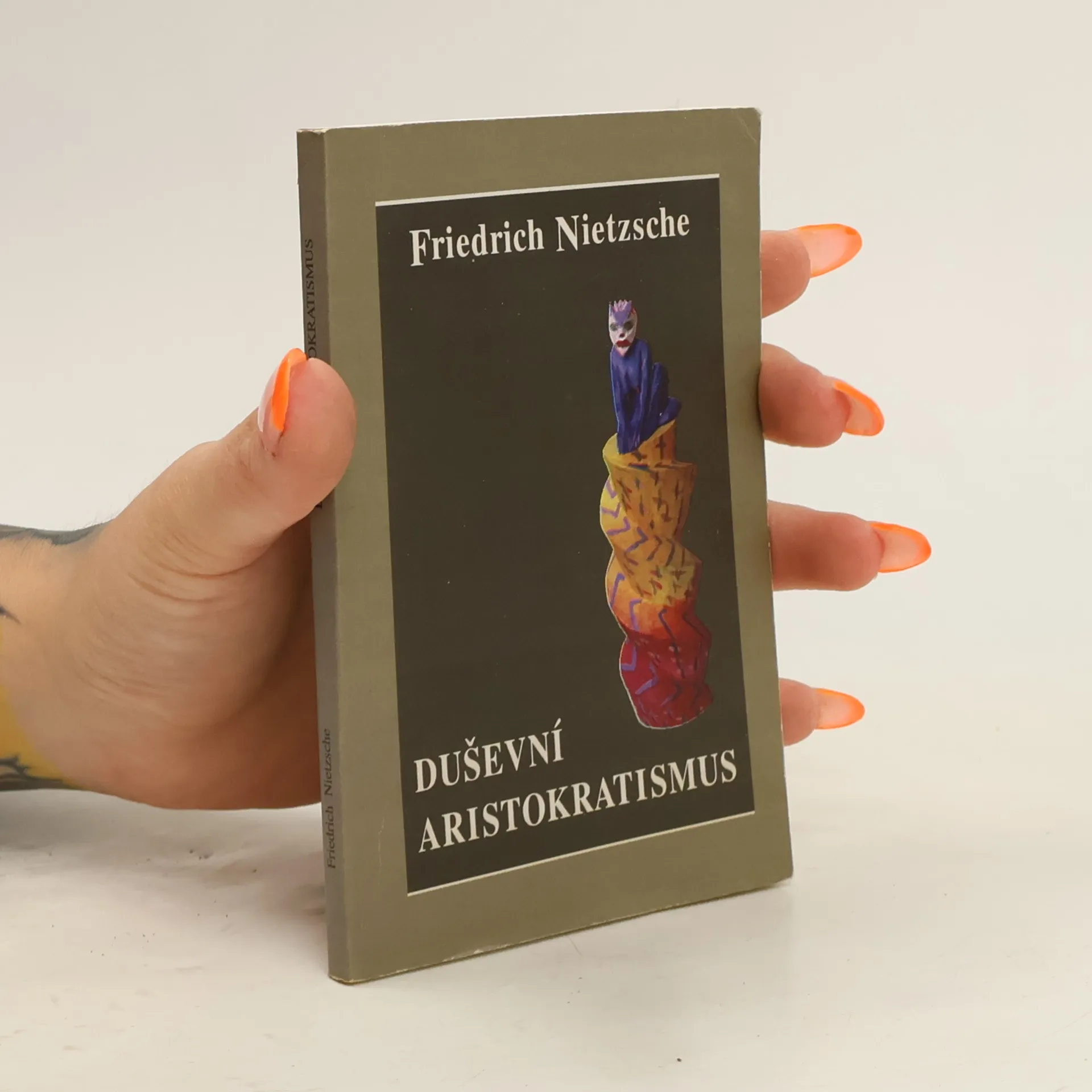
    • Duševní aristokratismus

      • 127 stránok
      • 5 hodin čítania

      Aforistickou formou zpracovaný obraz budoucího člověka silného duší a oproštěného od starých a obecně uznávaných hodnot.

      Duševní aristokratismus
      4,2
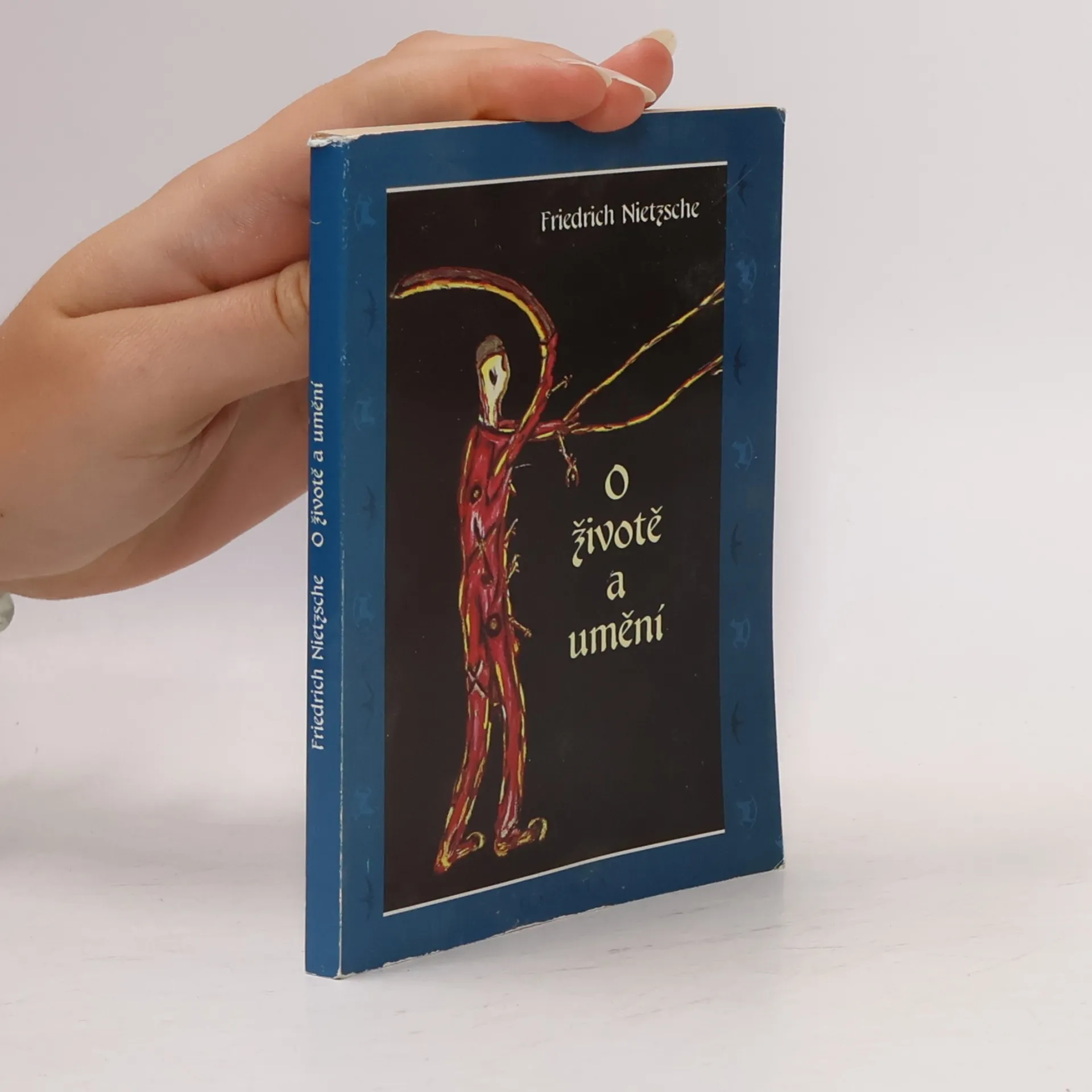
    • Výbor aforismů o životě a umění předkládá průřez téměř veškerou ústřední problematikou Nietzscheho filozofie. Na obálce použit obraz Petera Bömmelse Sprung aus der Geschichte.

      O životě a umění
      4,1
    • Podtitul: "Přehodnocení všech hodnot (fragment): Předmluva a Kniha první" Německý voluntarista odhaluje podstatu křesťanství a definuje principy nového hodnotového systému. Křesťanství sjednocuje všechno protikulturní, úpadkové, chorobné a protivědecké - zosobňuje pouhou "mstivost" vůči všemu velikému. Radikální kritika směřuje k popření významu existence křesťanství. Z křesťanské éry musí vzejít nová doba, jež prostřednictvím "přehodnocení všech hodnot" zrodí zcela revoluční hodnotovou koncepci, opírající se o ocenění boha života. Razantní odmítnutí křesťanství formuje zcela originální systém hodnot.

      Přehodnocení všech hodnot : (fragment). Předmluva a kniha první, Antikrist
      4,1
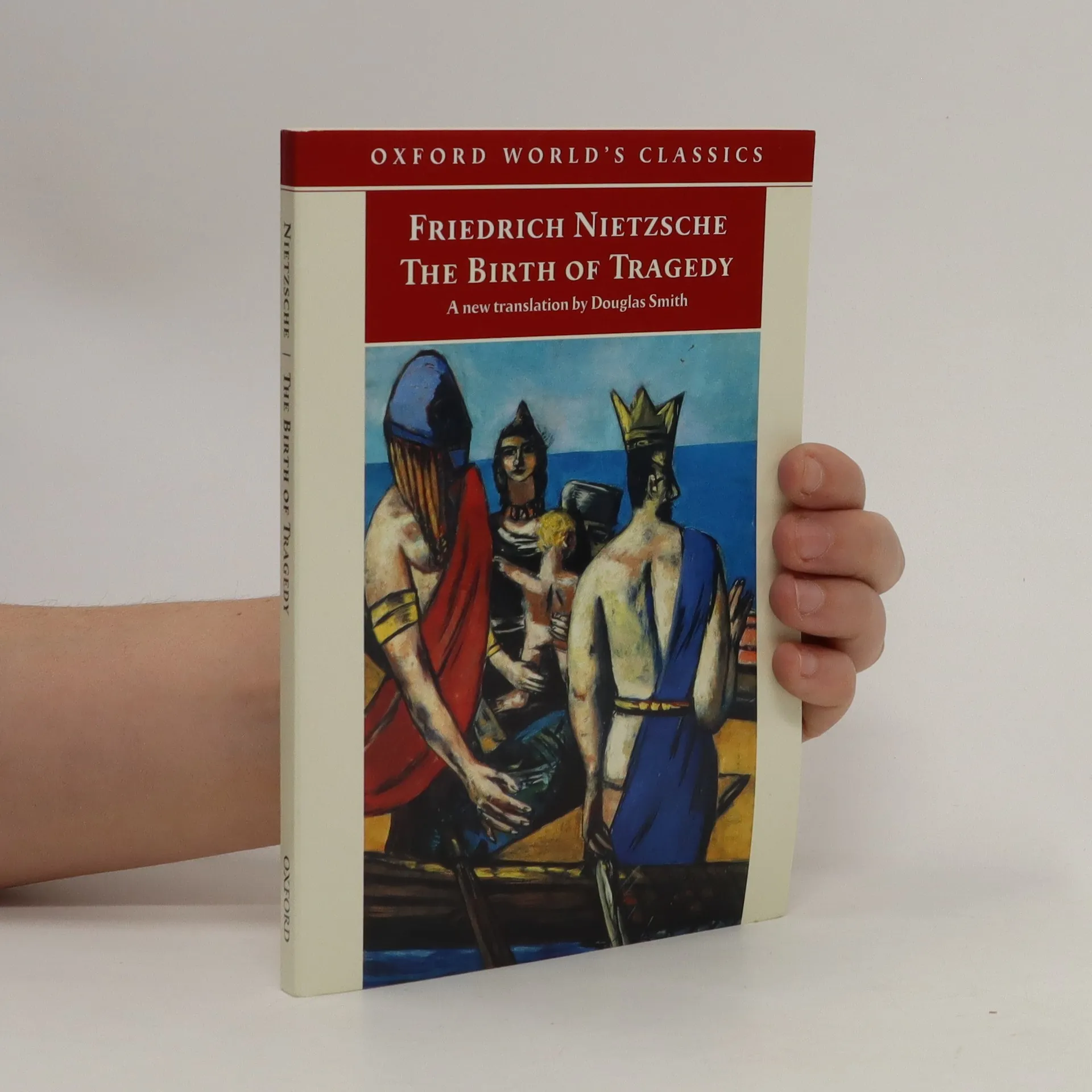
    • The Birth of Tragedy

      • 224 stránok
      • 8 hodin čítania

      This new edition of Nietzsche's discussion of the nature of art, science, and religion, expounds on the origins of Greek tragedy and its relevance to the German culture of its time. The book's argument raises important questions about the problematic nature of cultural origins, which are still valid today.

      The Birth of Tragedy
      4,0
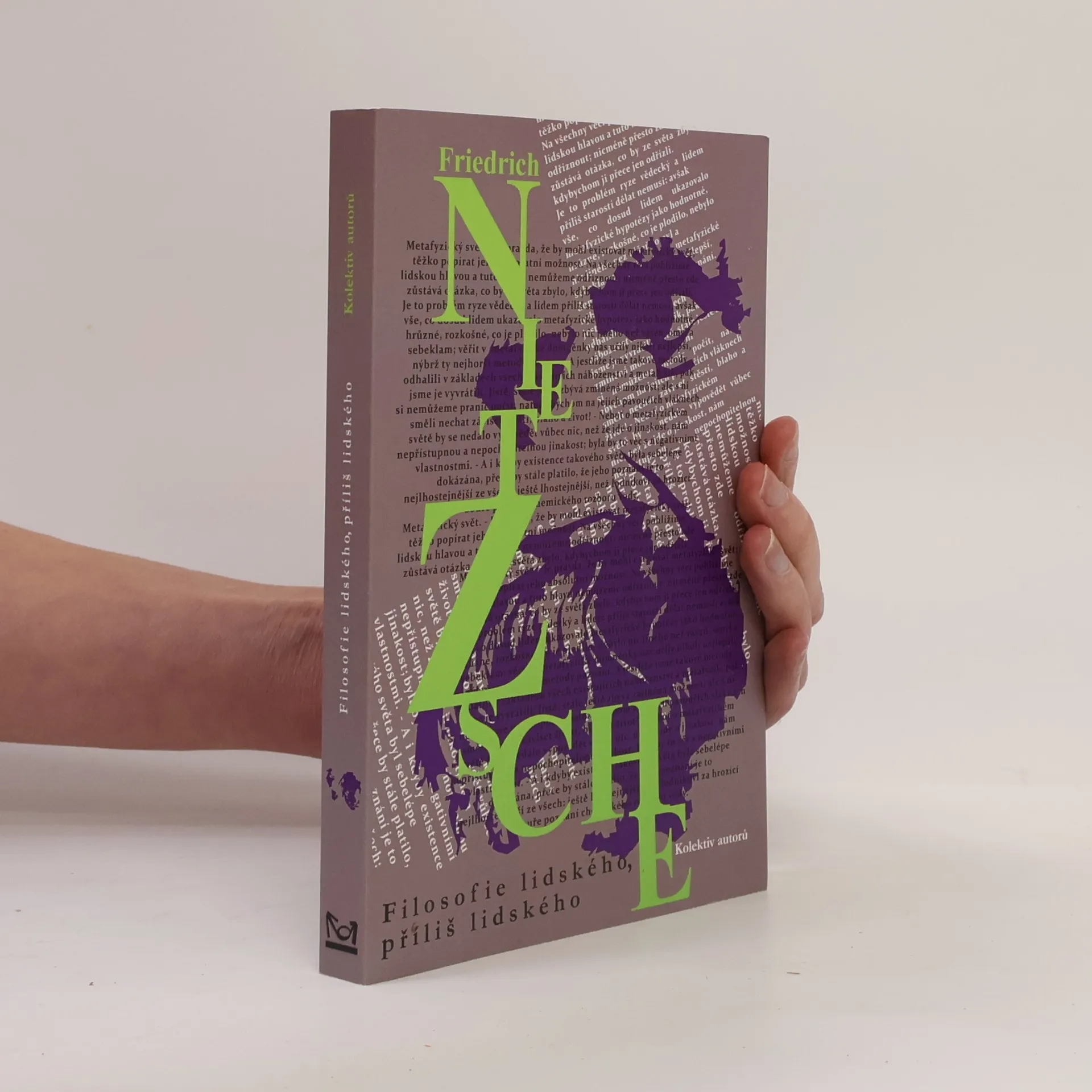
    • Filosofie lidského, příliš lidského

      • 234 stránok
      • 9 hodin čítania

      Cílem publikace je reflexe aforismů shrnutých ve sbírce Lidské, příliš lidské a jejich postavení v rámci Nietzschova životního díla. Tématy hlavních částí jsou Nietzschova nová vědecká filosofie, radikální odklon od metafyziky umění a figury poutníka a svobodného ducha. Lidské, příliš lidské si uchovává aureolu přechodné, nehotové pozice. Je knihou protikladů, a to nejenom těch, které jsou tématem jednotlivých aforismů. Věda představuje zárodek nového životního stylu i slepou uličku nepřátelství vůči životu, vědecká distance je radostná i zlomyslná, vůči Nietzschovu ranému dílu je Lidské, příliš lidské kontinuitou i obrácením naruby, impulz k vědě dává odpor k romantismu, zároveň si jej Nietzsche uměle ordinuje proti svým sklonům, a konečně vědecká činnost spočívá ve vykořeňování omylů, aby obratem uznala jejich hodnotu.

      Filosofie lidského, příliš lidského
      3,0
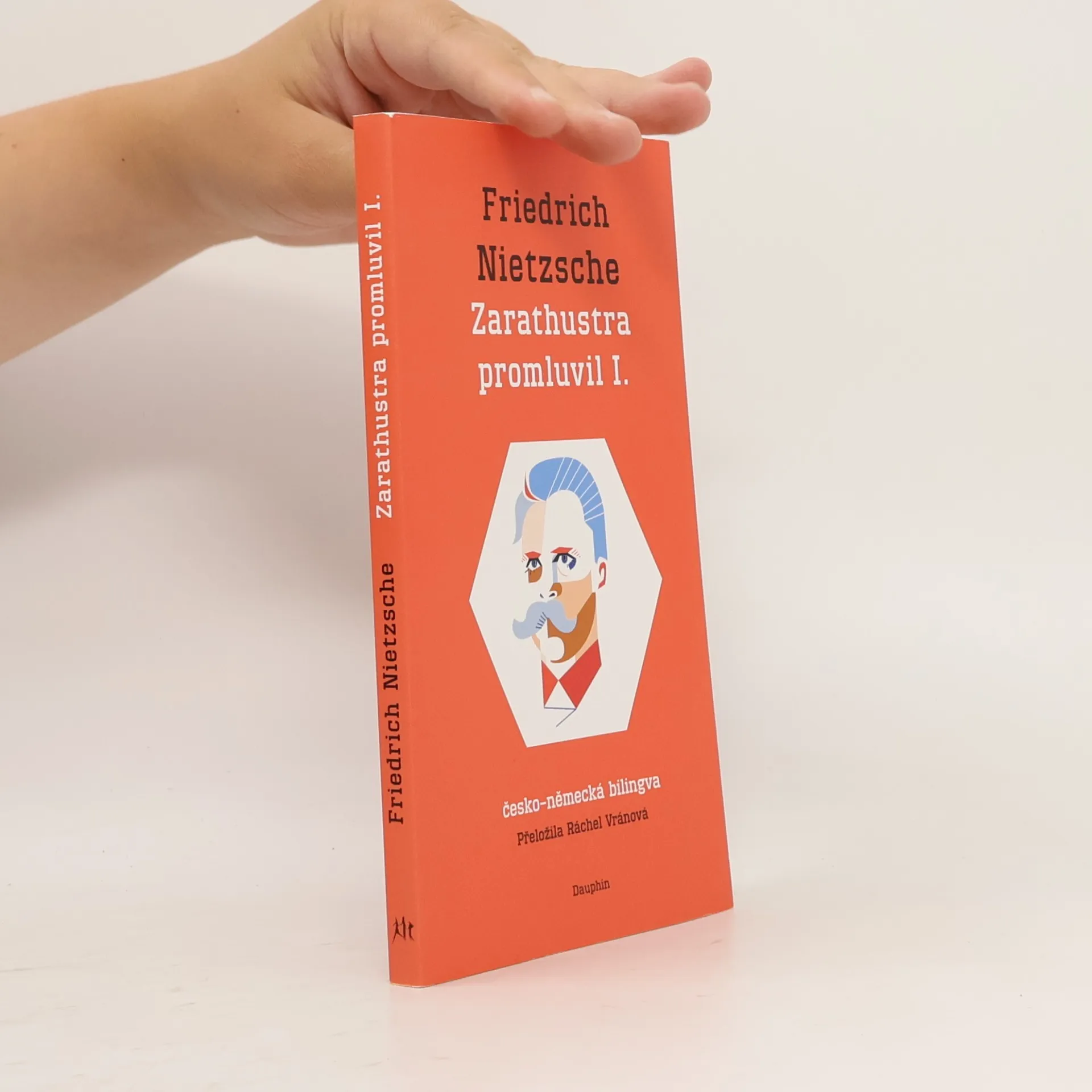
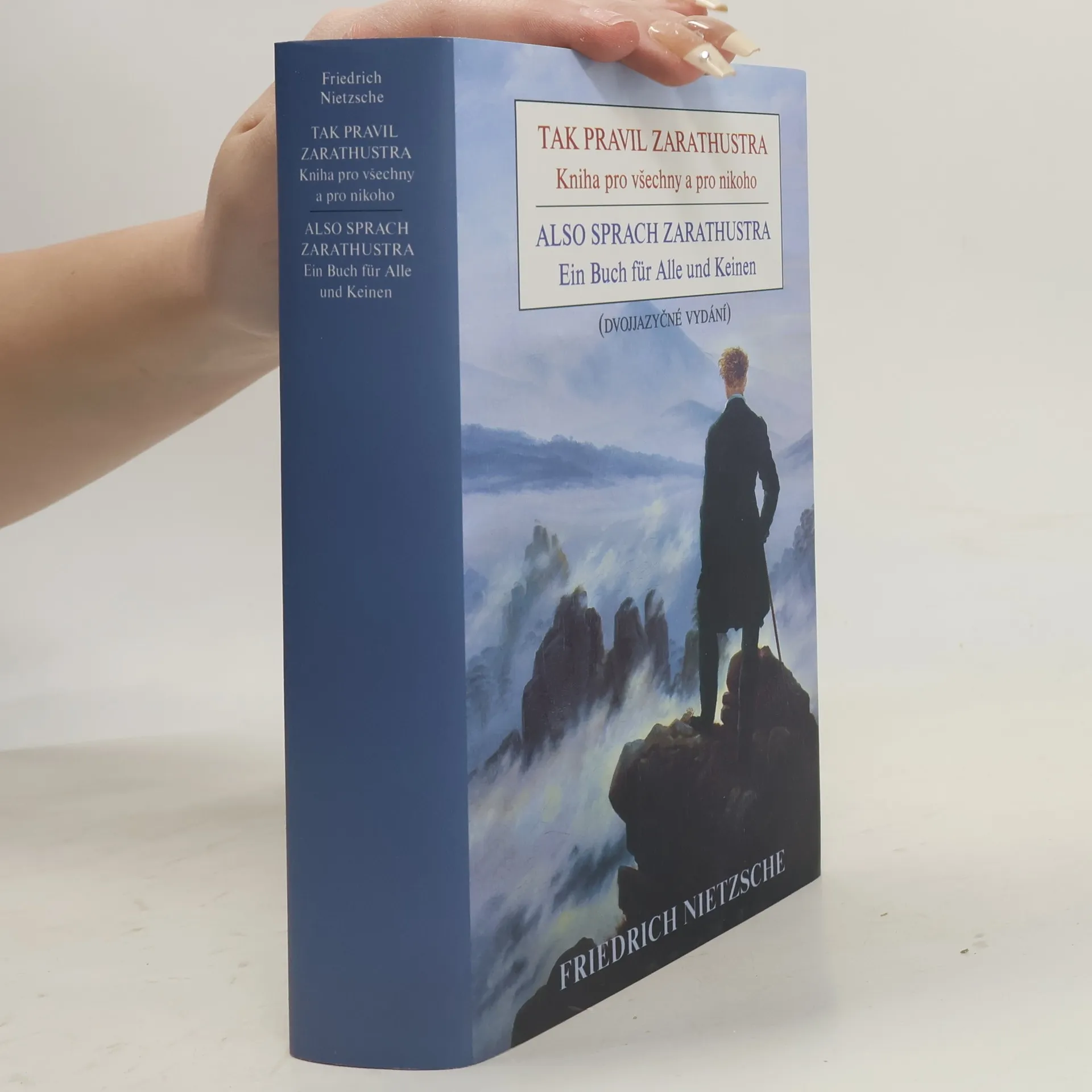
    • Kniha, která u nás poprvé vychází ve dvojjazyčném, česko-německém vydání, je nejznámějším dílem jednoho z nejvýznamnějších moderních filozofů, jenž dodnes inspiruje, motivuje, provokuje a pohoršuje. V tomto mistrovském básnicko-filozofickém díle Friedrich Nietzsche vkládá své myšlenky do úst perskému prorokovi Zarathustrovi a vyzývá člověka, aby se zřekl všeho, co bylo považováno za „svaté“ a „pravdivé“, včetně náboženství, filozofie, vědy a morálky. Kritizuje uznávané hodnoty, zejména ty spojené s křesťanstvím, které podle něj „udělalo trhlinu do lidské přirozenosti“, a prohlašuje, že „Bůh je mrtev“. Nietzsche je „geniálním demaskátorem“ a bořitelem falešné duchovnosti, přičemž staví svou „filozofii života“ a zvěstuje příchod nové éry nadčlověka, který se vymaní z „psí úzkosti“ současnosti. Je však více než pouhým buřičem; je jasnozřivým myslitelem a rafinovaným psychologem, jehož odkaz musí zohlednit každý moderní filozof. Zakladatel psychoanalýzy Sigmund Freud se obával číst jeho dílo, neboť by musel přiznat, že není prvním, kdo odhaloval mechanismy podvědomí. Nietzsche je velkým „Zíratelem“, který hledá jistoty ležící před rozumem a logikou, jež jsou pravými jistotami života a smrti.

      Tak pravil Zarathustra / Also sprach Zarathustra
      3,0
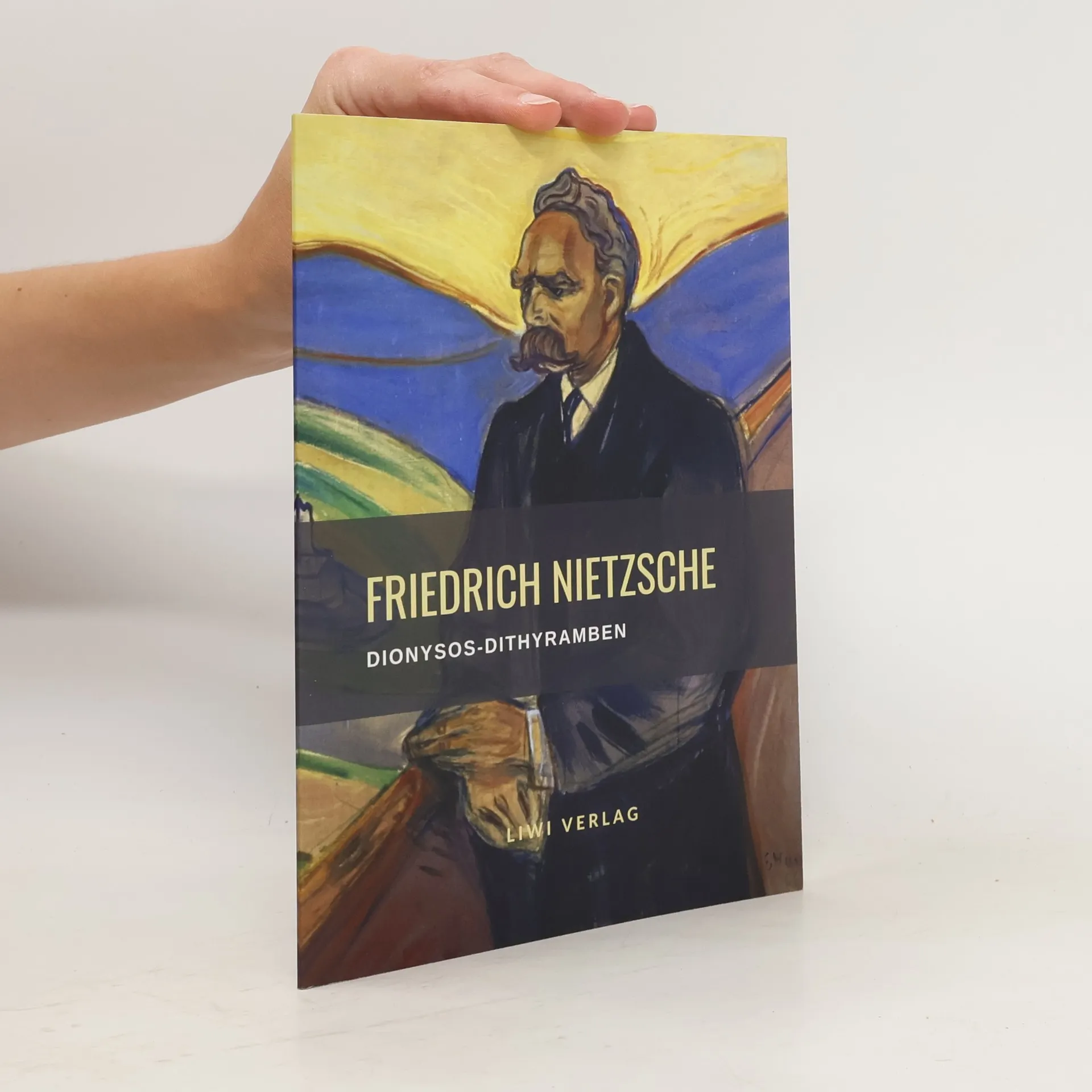
    • Dionysos-Dithyramben

      • 25 stránok
      • 1 hodina čítania

      "Zehn Jahre dahin –, kein Tropfen erreichte mich, kein feuchter Wind, kein Thau der Liebe – ein regenloses Land ... Nun bitte ich meine Weisheit, nicht geizig zu werden in dieser Dürre: ströme selber über, träufle selber Thau, sei selber Regen der vergilbten Wildniß!" (Zitat auf S. 3 in diesem Buch) Friedrich Nietzsche. Dionysos-Dithyramben. Erstdruck: C. G. Naumann Verlag, Leipzig 1888. Durchgesehener Neusatz, der Text dieser Ausgabe folgt Alfred Kröner Verlag, Leipzig 1922. Taschenbuch-Format (Paperback). Vollständige Neuausgabe, LIWI Verlag, Göttingen 2022. LIWI Literatur- und Wissenschaftsverlag.

      Dionysos-Dithyramben
      3,8
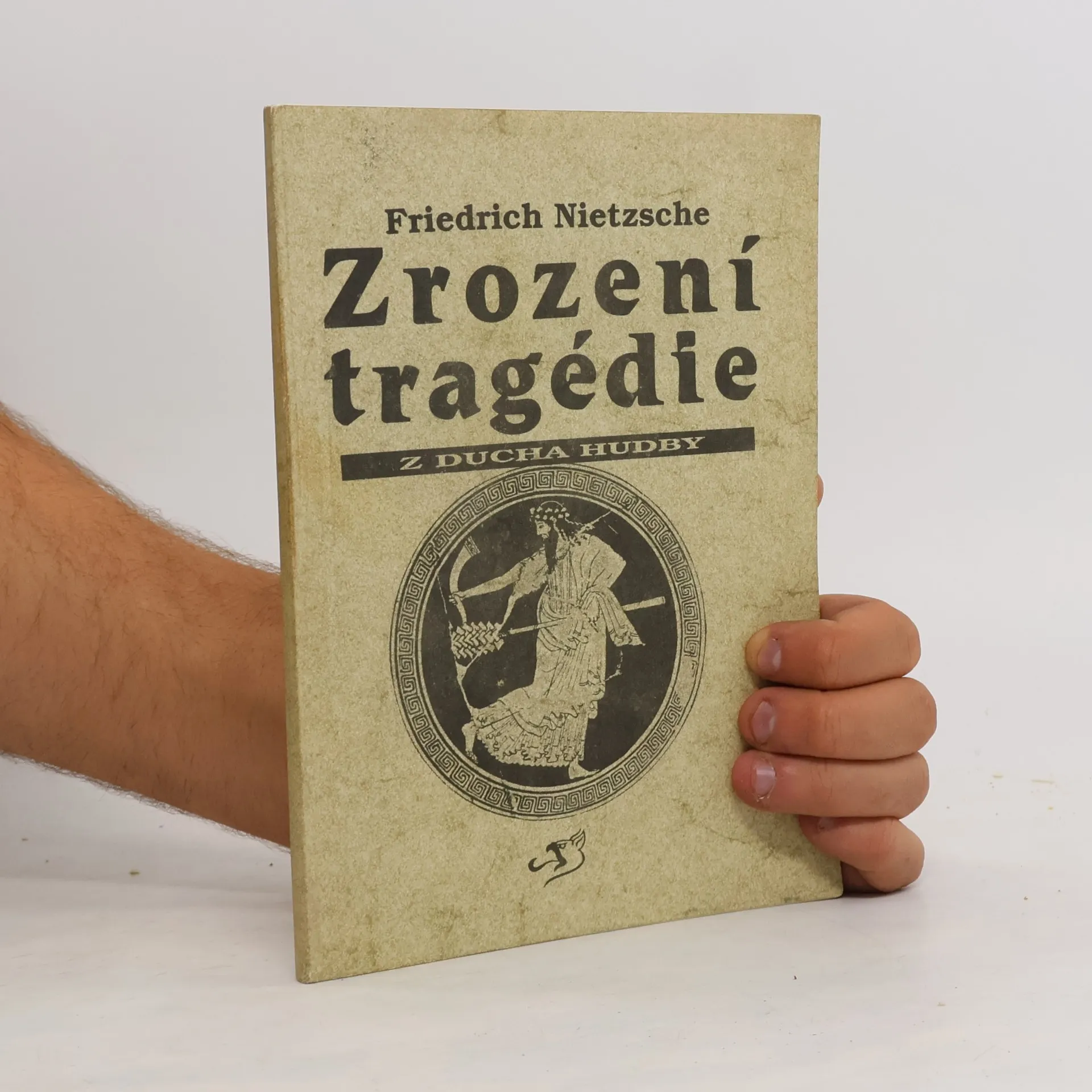
    • Významný myslitel druhé poloviny 19. století Friedrich Nietzsche byl ve svých 24 letech — tehdy se stal profesorem řeckého jazyka a literatury na univerzitě v Basileji — považován za mimořádně nadaného filologa. Jeho filosofické myšlení zásadně ovlivnil spis A. Schopenhauera Svět jako vůlea představa. Oba tyto vlivy, filologický a filosofický, se potkávají v Nietzscheho knižní prvotině Zrození tragédie z ducha hudby ještě se třetím: jeho obdivem a přátelstvím k R. Wagnerovi. Lidský život, píše Nietzsche, inspirován Schopenhauerovou metafyzikou pravůle, je bytostně ohrožen, plný bolesti, úzkosti a beznaděje. Tím, co má člověku pomoci snášet jeho osud, je umění. Ve starověkém Řecku pak Nietzsche nachází pojmenování dvou základních principů v umění působících: princip apollinský, jehož úkolem je tragickou skutečnost lživě zkrášlovat a harmonizovat, a tak poskytnout smrtelníkům požitek estetické slasti dovolující zapomenout, a princip dionýský, původnější a hlubší, výraz nespoutanosti a opojení, v němž se mísí hrůza, bolest i titánský vzdor. Působení těchto dvou principů pak autor sleduje v řecké filosofii a umění i v soudobé kultuře. Nietzscheho kulturně filosofická studie vydaná poprvé v roce 1872 v klasickém překladu Otokara Fischera je dodnes zajímavým a inspirativním čtením nejen pro studenty filosofie a uměleckých směrů, ale pro všechny čtenáře se zájmem o kulturu jako takovou. Náklad 500 ks + 500 ks dotisk. Duben 1993.

      Zrození tragédie z ducha hudby
    • Hlavní básnicko-filozofické dílo originálního německého filozofa (1844–1900). Formou aforismů, legend a mýtů formuluje základní teze své filozofie. Tak pravil Zarathustra je básnicko-filozofický text, rozdělený do čtyř sice odlišených, ale velmi soudržných dílů, doplněný rozsáhlým komentářem překladatele Otokara Fischera a podobně rozsáhlým doslovem Jörga Salaquardy, znalce Nietzscheho myšlení.

      Tak mluvil Zarathustra : kniha pro všecky a nikoho
    • Translated from Friedrich Nietzsche, S'amtliche Werke: Kritische Studienausgabe, ed. Giorgio Colli and Mazzino Montinari, in 15 vols. This book corresponds to Vol. 5.

      Beyond Good and Evil / On the Genealogy of Morality
      4,5
    • This volume offers the first English translation of Nietzsche's unpublished notes from spring 1884 to winter 1884-85, a crucial period during which he was crafting the final part of his beloved work, Thus Spoke Zarathustra. These notebooks provide unique insights into Nietzsche's philosophical ideas about superior humans and reveal important inspirations from notable nineteenth-century European figures, influencing his creation of characters like "the prophet," "the sorcerer," and "the ugliest human." Nietzsche further delves into concepts introduced in the earlier parts of Zarathustra, including the death of God, the call for humanity to transcend itself and create superhumans, the will to power as the essence of life, and the profound notion of eternal recurrence. Readers will find a wealth of material that would later appear in Beyond Good and Evil, where Nietzsche engages with Kant and Schopenhauer, critiques cultural figures like Richard Wagner, and candidly addresses the shortcomings of his contemporaries, particularly fellow Germans. Additionally, the volume includes an extensive collection of Nietzsche's poetry. Richly annotated and featuring a detailed translator's afterword, this work highlights Nietzsche's cosmopolitan approach and his critical examination of aesthetic and cultural influences that extend beyond national boundaries.

      Unpublished Fragments from the Period of Thus Spoke Zarathustra (Spring 1884-Winter 1884/85)
      5,0
    • The Best of Friedrich Nietzche 3 Volume Set

      • 1360 stránok
      • 48 hodin čítania

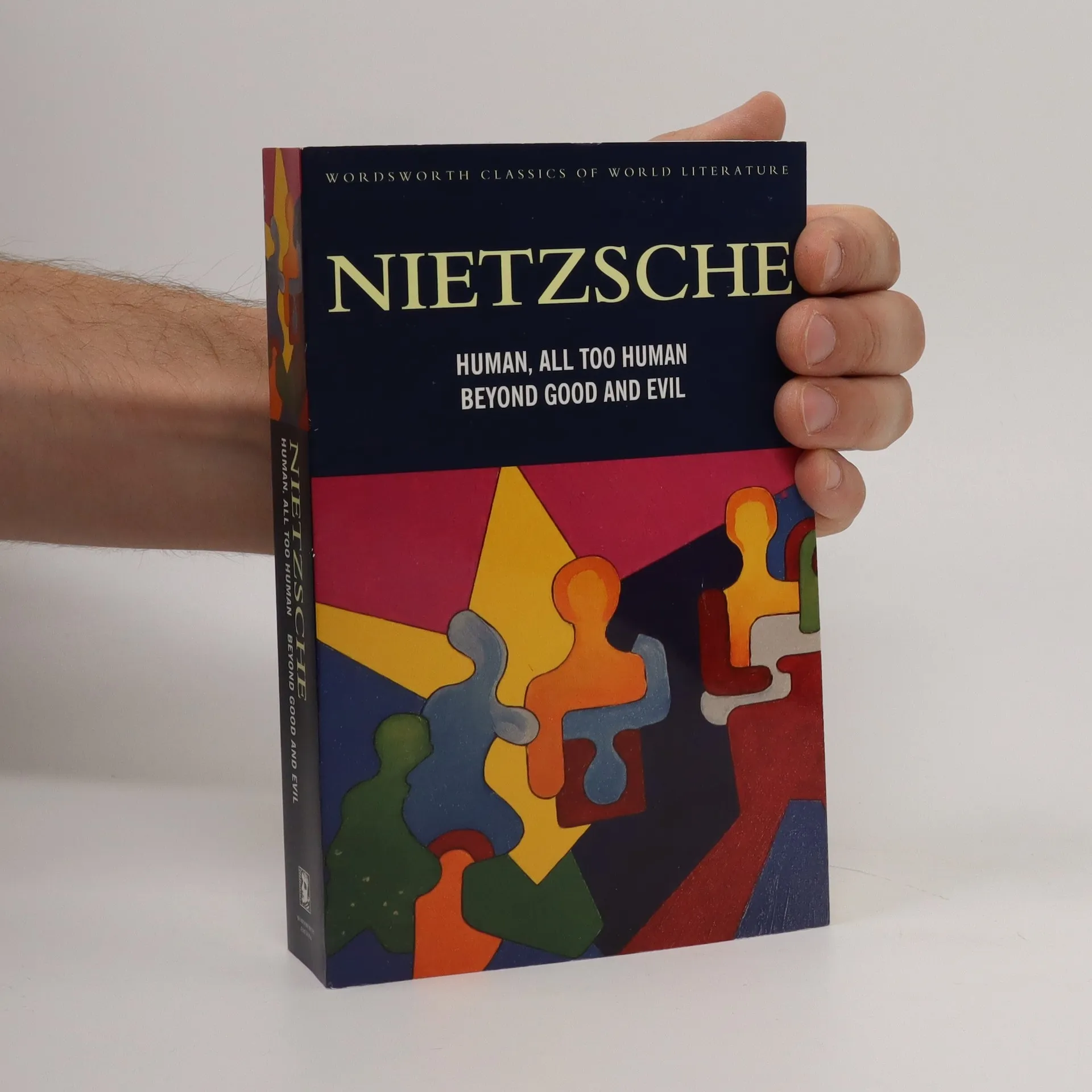
      Friedrich Nietzsche Human, All Too Human / Beyond Good and Evil 9781840225914Thus Spake Zarathustra 9781853267765Twilight of the Idols with The Antichrist and Ecce Homo 9781840226133Wordsworth Classics new Best of series enables you to buy a collection of the key works of the finest authors. Friedrich Nietzsche is best known as a 19th century German philosopher and classical philologist, he wrote critical texts on religion, morality, contemporary culture, philosophy and science, displaying a fondness for metaphor, irony and aphorism.

      The Best of Friedrich Nietzche 3 Volume Set
      4,6
    • Friedrich Nietzsche's exploration of moral philosophy delves into the origins of moral prejudices through a preface and three essays. He examines the historical conflict between socio-economic classes, the institution of punishment as a creditor-debtor relationship, and the significance of ascetic ideals. Written in response to Paul Rée's work, this 1887 publication expands on Nietzsche's earlier ideas from "Thus Spoke Zarathustra" and "Beyond Good and Evil." The edition features a translation by Horace B. Samuel and an introduction by Willard Huntington Wright.

      The Genealogy of Morals (Translated by Horace B. Samuel with an Introduction by Willard Huntington Wright)
      4,5
    • Friedrich Nietzsche's influential work, originally published in 1910, delves into profound philosophical concepts. It is essential reading for philosophy enthusiasts, offering insights into Nietzsche's thoughts on power and existence. This edition is part of a series that aims to make classic literature more accessible, featuring high-quality reproductions of the original text and artwork, while preserving the integrity of the author's vision.

      The Will to Power - An Attempted Transvaluation of All Values - Vol II Books III and IV
      5,0
    • The Will to Power (Volumes I and II)

      • 388 stránok
      • 14 hodin čítania

      Exploring a range of topics such as nihilism, religion, morality, knowledge theory, and art, this collection presents Friedrich Nietzsche's unedited and unpublished writings, compiled by his sister after his death. Created during a time of poor health, these notes reflect both his completed thoughts and the evolution of his ideas. Offering insight into the mind of one of the nineteenth century's most influential philosophers, this work serves as a unique glimpse into Nietzsche's intellectual journey.

      The Will to Power (Volumes I and II)
      4,4
    • This volume provides the first English translation of Nietzsche's unpublished notes from late 1879 to early 1881, the period in which he authored Dawn, the second book in the trilogy that began with Human, All Too Human and concluded with The Joyful Science. In these fragments, we see Nietzsche developing the conceptual triad of morals, customs, and ethics, which undergirds his critique of morality as the reification into law or dogma of conceptions of good and evil. Here, Nietzsche assesses Christianity's role in the determination of moral values as the highest values and of redemption as the representation of humanity's highest aspirations. These notes show the resulting tension between Nietzsche's contrasting thoughts on modernity, which he critiques as an unrecognized aftereffect of the Christian worldview, but also views as the springboard to "the dawn" of a transformed humanity and culture. The fragments further allow readers insight into Nietzsche's continuous internal debate with exemplary figures in his own life and culture--Napoleon, Schopenhauer, and Wagner--who represented challenges to hitherto existing morals and culture--challenges that remained exemplary for Nietzsche precisely in their failure. Presented in Nietzsche's aphoristic style, Dawn is a book that must be read between the lines, and these fragments are an essential aid to students and scholars seeking to probe this work and its partners.

      Unpublished Fragments from the Period of Dawn (Winter 1879/80–Spring 1881)
      5,0
    • Philosophy & Truth

      Selections from Nietzsche's Notebooks of the Early 1870's

      • 166 stránok
      • 6 hodin čítania

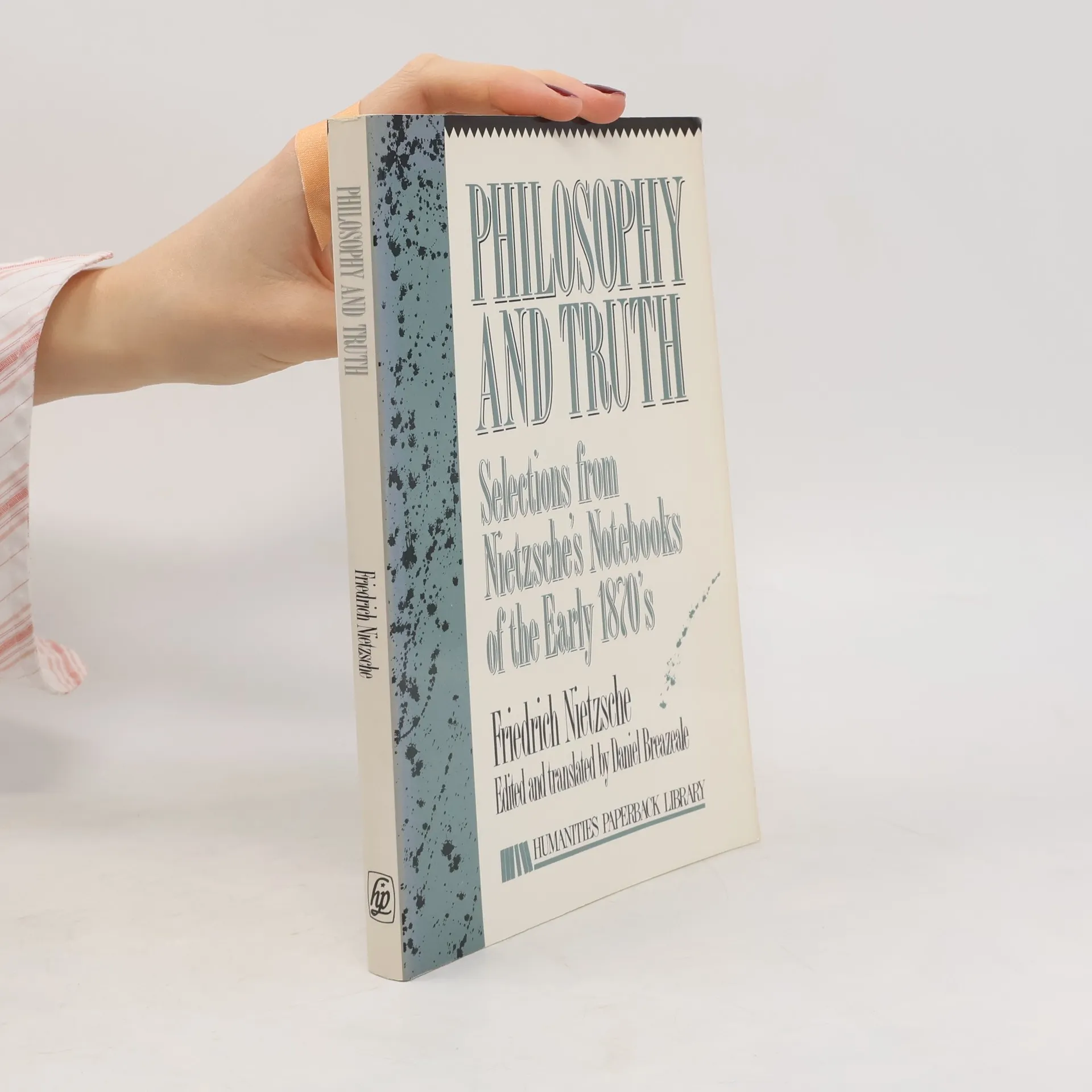
      Philosophy and Truth offers the first English translation of six unpublished theoretical studies (sometimes referred to as Nietzsche's "Philosopher's Book") written just after the publication of The Birth of Tragedy and simultaneously with Untimely Meditations. In addition to the texts themselves, which probe epistemological problems on philosophy's relation to art and culture, this book contains a lengthy introduction that provides the biographical and philological information necessary for understanding these often fragmentary texts. The introduction also includes a helpful discussion of Nietzsche's early views concerning culture, knowledge, philosophy, and the Greeks.

      Philosophy & Truth
      4,4
    • Exploring themes of tragedy, Nietzsche's first book delves into the nature of art and existence, reflecting ideas that would later influence existentialism and psychoanalysis. In contrast, his later work, The Anti-Christ, critiques the concept of an evil leader opposing God and His church, presenting a provocative examination of morality and religion. Together, these works showcase Nietzsche's profound impact on philosophical thought, addressing the complexities of human experience and belief.

      The Birth of Tragedy, Seventy-Five Aphorisms & The Anti-Christ
      4,3
    • Could it be possible? This old saint in the forest hath not yet heard of it, that God is dead! - Nietzsche, Thus Spake ZarathustraThis beautiful jacketed hardcover brings together three of Friedrich Niezsche's most influential essays, Thus Spake Zarathustra , Ecce Homo and Beyond Good and Evil .This German philosopher was one of the most prominent thinkers of the 19th century. His work contains a radical critique of objective truth, rejecting Christian morality and arguing instead that nihilism has become an inherent condition of the modern world.These influential works have profoundly shaped modern philosophy and their ideas remain as pertinent now as they ever were.ABOUT THE The World Classics Library series gathers together the work of authors and philosophers whose ideas have stood the test of time. Perfect for bibliophiles, these gorgeous jacketed hardcovers are a wonderful addition to any bookshelf.

      World Classics Library: Nietzsche
      4,0
    • Nietzsche's remarkable collection of aphorisms, presented with a new introduction by Richard Schacht.

      Nietzsche: Human, All Too Human
      4,3
    • "This is the first English translation of all of Nietzsche's writings, including his unpublished fragments, with annotation, afterwords concerning the individual texts, and indexes, in nineteen volumes. The aim of this collaborative work is to produce a critical edition for scholarly use. While the goal is to establish a readable text in contemporary English, the translation follows the original as closely as possible. All texts have been translated anew by a group of scholars, and particular attention has been given to maintaining a consistent terminology throughout the volumes. The volumes have been translated from Friedrich Nietzsche, Sämtliche Werke: Kritische Studienausgabe, ed. Giorgio Colli and Mazzino Montinari, in 15 vols. This book corresponds to Vol. 6, pp. 7-458 and Vol. 14, pp. 383-528"--

      The Case of Wagner / Twilight of the Idols / The Antichrist / Ecce Homo / Dionysus Dithyrambs / Nietzsche Contra Wagner
      4,2
    • The Portable Nietzsche

      • 692 stránok
      • 25 hodin čítania

      The works of Friedrich Nietzsche have fascinated readers around the world ever since the publication of his first book more than a hundred years ago. As Walter Kaufmann, one of the world's leading authorities on Nietzsche, notes in his introduction, "Few writers in any age were so full of ideas," and few writers have been so consistently misinterpreted. The Portable Nietzsche includes Kaufmann's definitive translations of the complete and unabridged texts of Nietzsche's four major works: Twilight of the Idols, The Antichrist, Nietzsche Contra Wagner and Thus Spoke Zarathustra. In addition, Kaufmann brings together selections from his other books, notes, and letters, to give a full picture of Nietzsche's development, versatility, and inexhaustibly. "In this volume, one may very conveniently have a rich review of one of the most sensitive, passionate, and misunderstood writers in Western, or any, literature." -Newsweek

      The Portable Nietzsche
      4,2
    • This anthology serves as a pivotal introduction to Nietzsche for English-speaking readers, showcasing his profound philosophical insights and literary style. It compiles key excerpts from his works, highlighting themes such as the will to power, morality, and the critique of religion. The collection not only presents Nietzsche's ideas but also situates them within the context of his influence on modern thought. It is an essential resource for those seeking to understand the foundational concepts that shaped existentialism and modern philosophy.

      Nietzsche as Critic, Philosopher, Poet and Prophet
      3,5
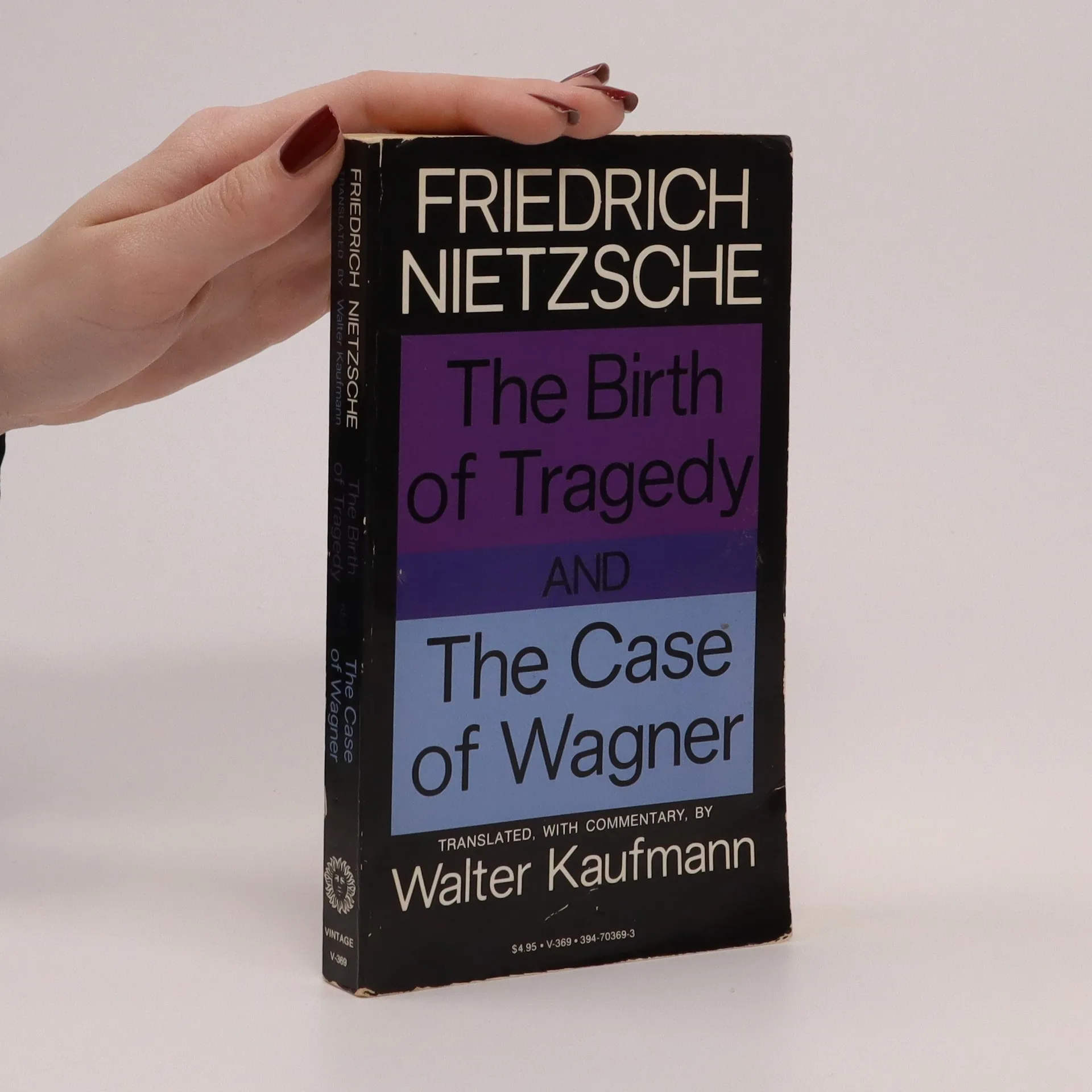
    • The Birth of Tragedy (1872) was Nietzsche's 1st book. Its youthful faults were exposed by him in the brilliant 'Attempt at a Self-Criticism' which he added to the new edition of 1886. But the book, whatever its excesses, remains one of the most relevant statements on tragedy ever penned. It exploded the conception of Greek culture that was prevalent down thru the Victorian era. It sounded themes developed in the 20th century by classicists, existentialists, psychoanalysts & others. The Case of Wagner (1888) was one his last books & his wittiest. In attitude & style it's diametrically opposed to The Birth of Tragedy. Both works transcend their ostensible subjects & deal with art & culture, as well as the problems of the modern age generally. Each book in itself gives us an inadequate idea of its author; together, they furnish a striking image of Nietzsche's thought. The distinguished new translations by Walter Kaufmann superbly reflect in English Nietzsche's idiom & the vitality of his style. Kaufmann has also furnished running footnote commentaries, relevant passages from Nietzsche's correspondence, a bibliography, &, for the 1st time in any edition, an extensive index to each book.

      The birth of tragedy and The case of Wagner
      4,2
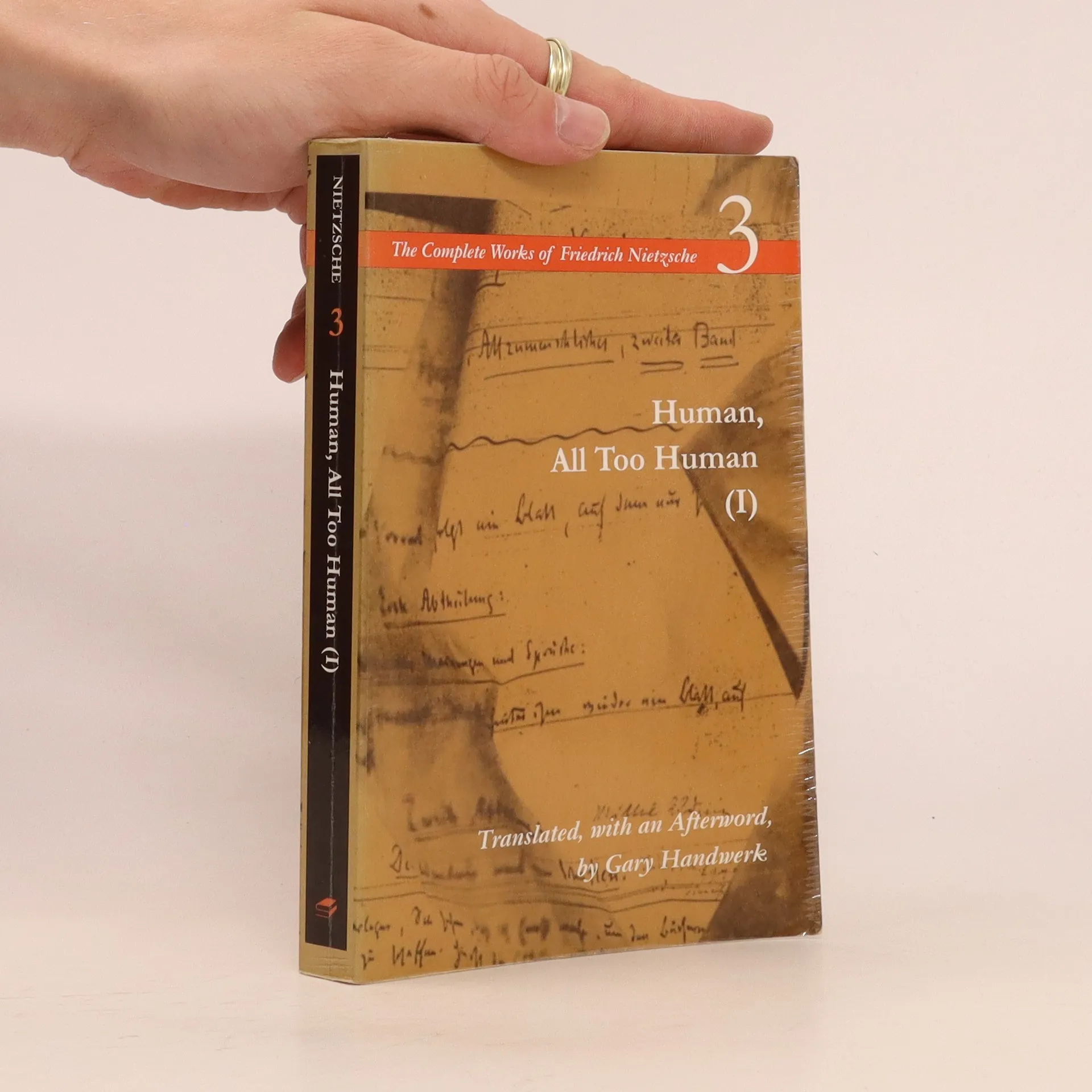
    • Human, All Too Human I

      • 396 stránok
      • 14 hodin čítania

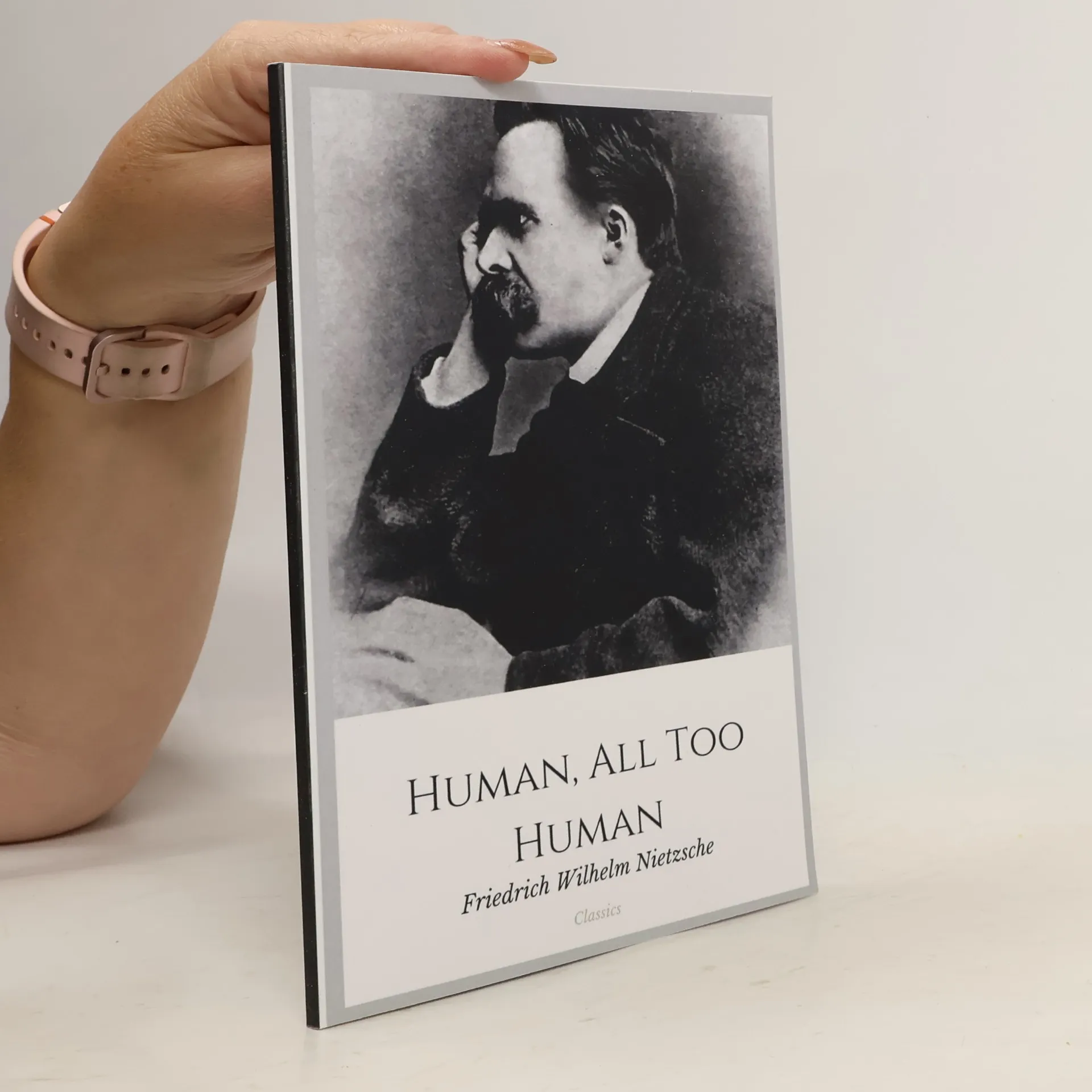
      This is the second volume to appear in an edition that will be the first complete, critical, and annotated English translation of all of Nietzsche’s work. Volume 2: Unfashionable Observations, translated by Richard T. Gray, was published in 1995. The edition is a new English translation, by various hands, of the celebrated Colli-Montinari edition, which has been acclaimed as one of the most important works of scholarship in the humanities in the last quarter century. The original Italian edition was simultaneously published in French, German, and Japanese. This volume of Human, All Too Human, the first of two parts, is the earliest of Nietzsche’s works in which his philosophical concerns and methodologies can be glimpsed. In this work Nietzsche began to establish the intellectual difference from his own cultural milieu and time that makes him our contemporary. Published in 1878, it marks both a stylistic and an intellectual shift away from Nietzsche’s own youthful affiliation with Romantic excesses of German thought and culture typified by Wagnerian opera.

      Human, All Too Human I
      4,1
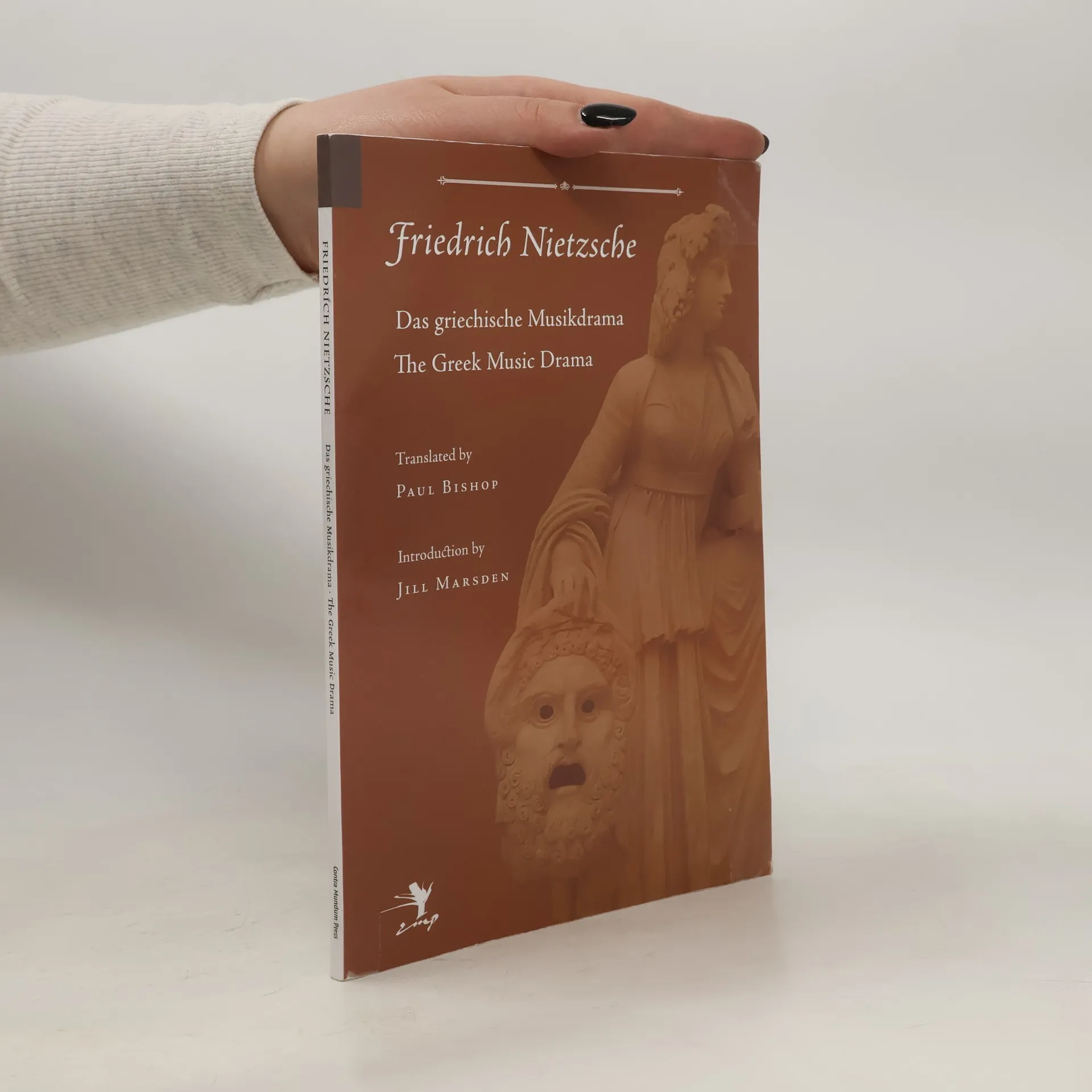
    • Greek Music Drama

      • 112 stránok
      • 4 hodiny čítania

      Focusing on the significance of aesthetic experience, this work highlights Nietzsche's early exploration of themes that would define his philosophy, such as the role of the body and physiological drives. Delivered in 1870, it emphasizes music's centrality in Greek tragedy and showcases Nietzsche's developing genealogical approach and anti-humanist aesthetics. This presentation marks a pivotal moment in understanding the evolution of his thought and its cultural implications.

      Greek Music Drama
      4,1
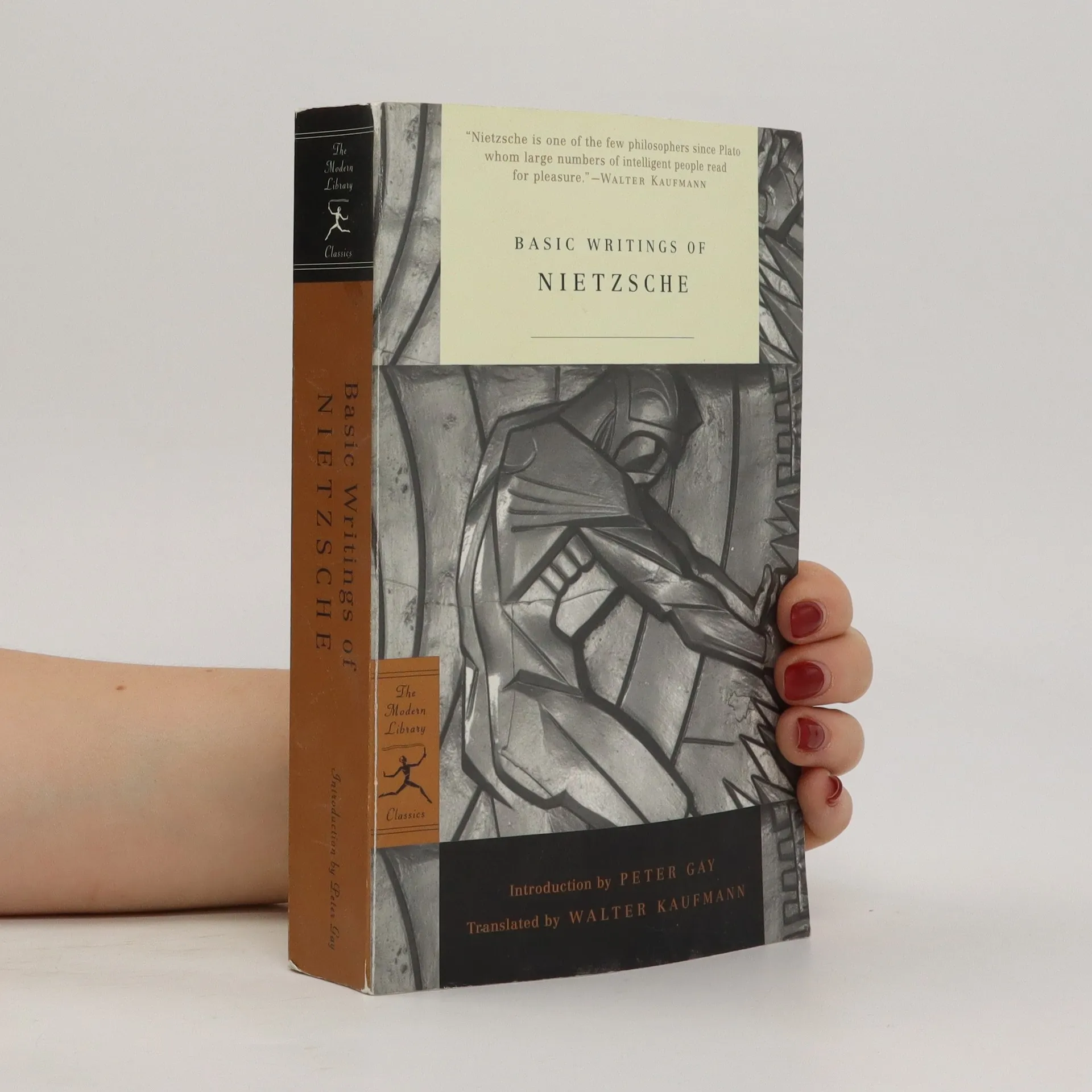
    • Introduction by Peter Gay Translated and edited by Walter Kaufmann Commentary by Martin Heidegger, Albert Camus, and Gilles Deleuze One hundred years after his death, Friedrich Nietzsche remains the most influential philosopher of the modern era. Basic Writings of Nietzsche gathers the complete texts of five of Nietzsche’s most important works, from his first book to his last: The Birth of Tragedy, Beyond Good and Evil, On the Genealogy of Morals, The Case of Wagner, and Ecce Homo. Edited and translated by the great Nietzsche scholar Walter Kaufmann, this volume also features seventy-five aphorisms, selections from Nietzsche’s correspondence, and variants from drafts for Ecce Homo. It is a definitive guide to the full range of Nietzsche’s thought. Includes a Modern Library Reading Group Guide

      Basic writings of Nietzsche
      4,1
    • Human, All Too Human & Beyond Good and Evil

      • 720 stránok
      • 26 hodin čítania

      Human, All Too Human (1878) marks the point where Nietzsche abandons German romanticism for the French Enlightenment. The result is one of the cornerstones of his life's work. Beyond Good and Evil (1886) is a scathing and powerful critique of philosophy, religion and science.

      Human, All Too Human & Beyond Good and Evil
      4,1
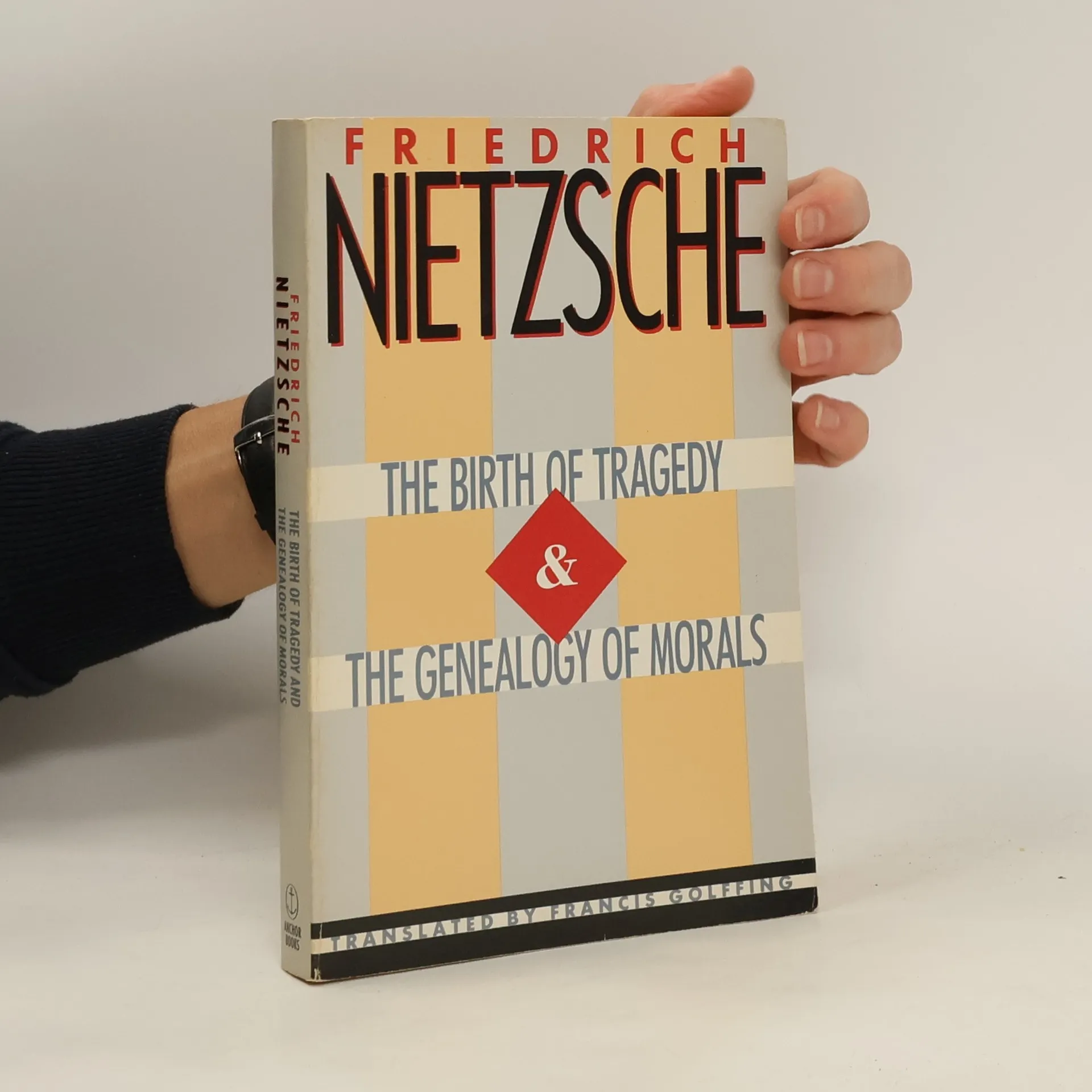
    • Skillful, sophisticated translations of two of Nietzsche's essential works about the conflict between the moral and aesthetic approaches to life, the impact of Christianity on human values, the meaning of science, the contrast between the Apollonian and Dionysian spirits, and other themes central to his thinking.The Birth of Tragedy (1872) was Nietzsche's first book, The Geneology of Morals   (1887) one of his last.  Though they span the career of this controversial genius, both address the problems such as the conflict between the moral versus aesthetic approaches to life, the effect of Christianity on human values, the meaning of science, and the famous dichotomy between the Apollonian and Dionysian spirits, among many themes which Nietzsche struggled throughout his tortured life.

      The Birth of Tragedy & The Genealogy of Morals
      4,1
    • Includes three works, all dating from Nietzsche's last lucid months, that aim show him at his most stimulating and controversial: the portentous utterances of the prophet (together with the ill-defined figure of the Ubermensch) are forsaken, as wit, exuberance and dazzling insights predominate.

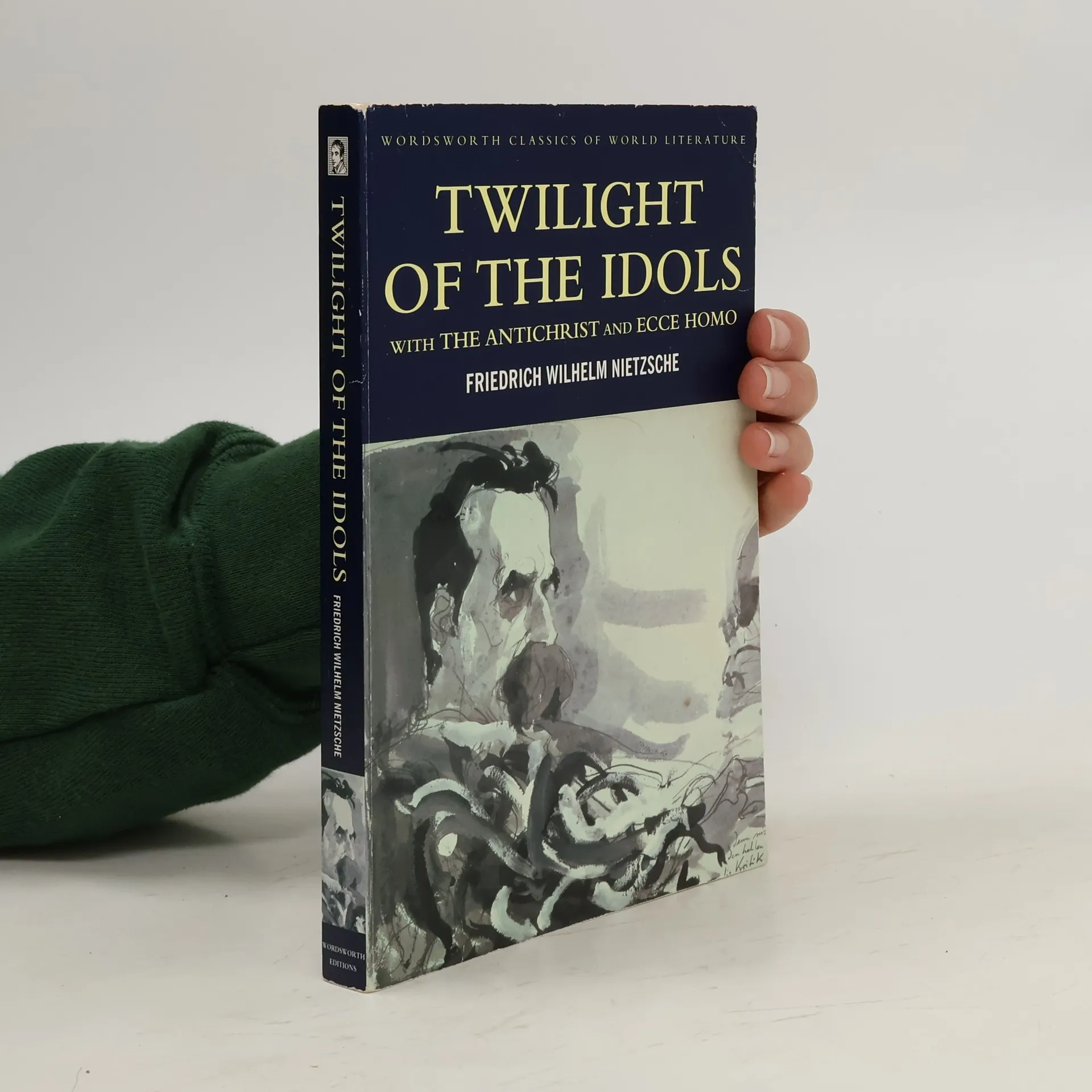
      Twilight of the Idols : with the Antichrist and Ecce Homo
      4,1
    • Nietzsche on Love

      • 140 stránok
      • 5 hodin čítania

      Friedrich Nietzsche's insights on love, presented in concise and impactful phrases, challenge conventional philosophical doctrines. This unique collection distills his thoughts on love from a wide array of writings, emphasizing its importance as a source of hope during difficult times. Rather than an academic treatise, it serves as a practical guide to life, blending wisdom with a delightful perspective on human connection. Nietzsche's reflections reveal a profound understanding of love as a cornerstone of existence, influencing various fields from politics to art.

      Nietzsche on Love
      3,9
    • The literary career of Friedrich Nietzsche (1844-1900) spanned less than twenty years, but no area of intellectual inquiry was left untouched by his iconoclastic genius. The philosopher who announced the death of God in The Gay Science (1882) and went on to challenge the Christian code of morality in Beyond Good and Evil (1886), grappled with the fundamental issues of the human condition in his own intense autobiography, Ecce Homo (1888). Most notorious of all, perhaps, his idea of the triumphantly transgressive übermann ('superman') is developed in the extreme, yet poetic words of Thus Spake Zarathustra (1883-92). Whether addressing conventional Western philosophy or breaking new ground, Nietzsche vastly extended the boundaries of nineteenth-century thought.

      A Nietzsche reader
      4,0
    • Zarathustra's Discourses

      • 96 stránok
      • 4 hodiny čítania

      The ancient Persian prophet Zarathustra descends from the mountains to tell the world that God is dead and that Superman, the human embodiment of divinity, is his successor. Nietzsche argues that the meaning of existence is not religious.

      Zarathustra's Discourses
      4,0
    • Complete Works of Friedrich Nietzsche

      • 456 stránok
      • 16 hodin čítania

      This book has been considered by academicians and scholars of great significance and value to literature. This forms a part of the knowledge base for future generations. We have represented this book in the same form as it was first published. Hence any marks seen are left intentionally to preserve its true nature.

      Complete Works of Friedrich Nietzsche
      4,0
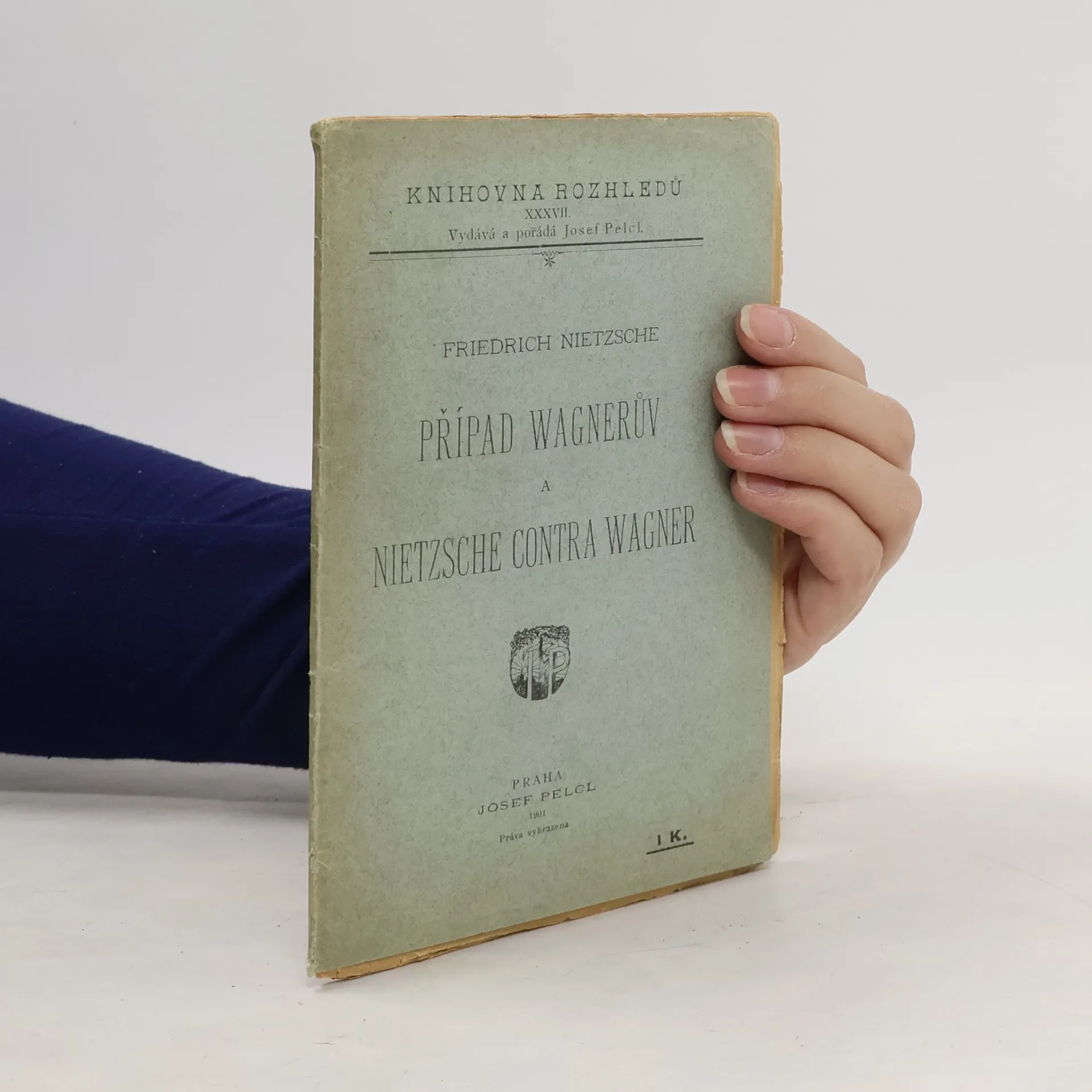
    • The Case Of Wagner

      • 100 stránok
      • 4 hodiny čítania

      The essays explore Nietzsche's critique of Wagner, revealing a complex interplay of aesthetics and personal conflict. While often perceived as a personal feud fueled by envy, these works delve deeper into the relationship between art, culture, and religion. Nietzsche challenges the notion that music can be separated from its cultural context, arguing that Wagner's Christian influences permeate his work. This examination invites readers to reconsider the motivations behind Nietzsche's arguments and the broader implications for understanding art's role in society.

      The Case Of Wagner
      1,0
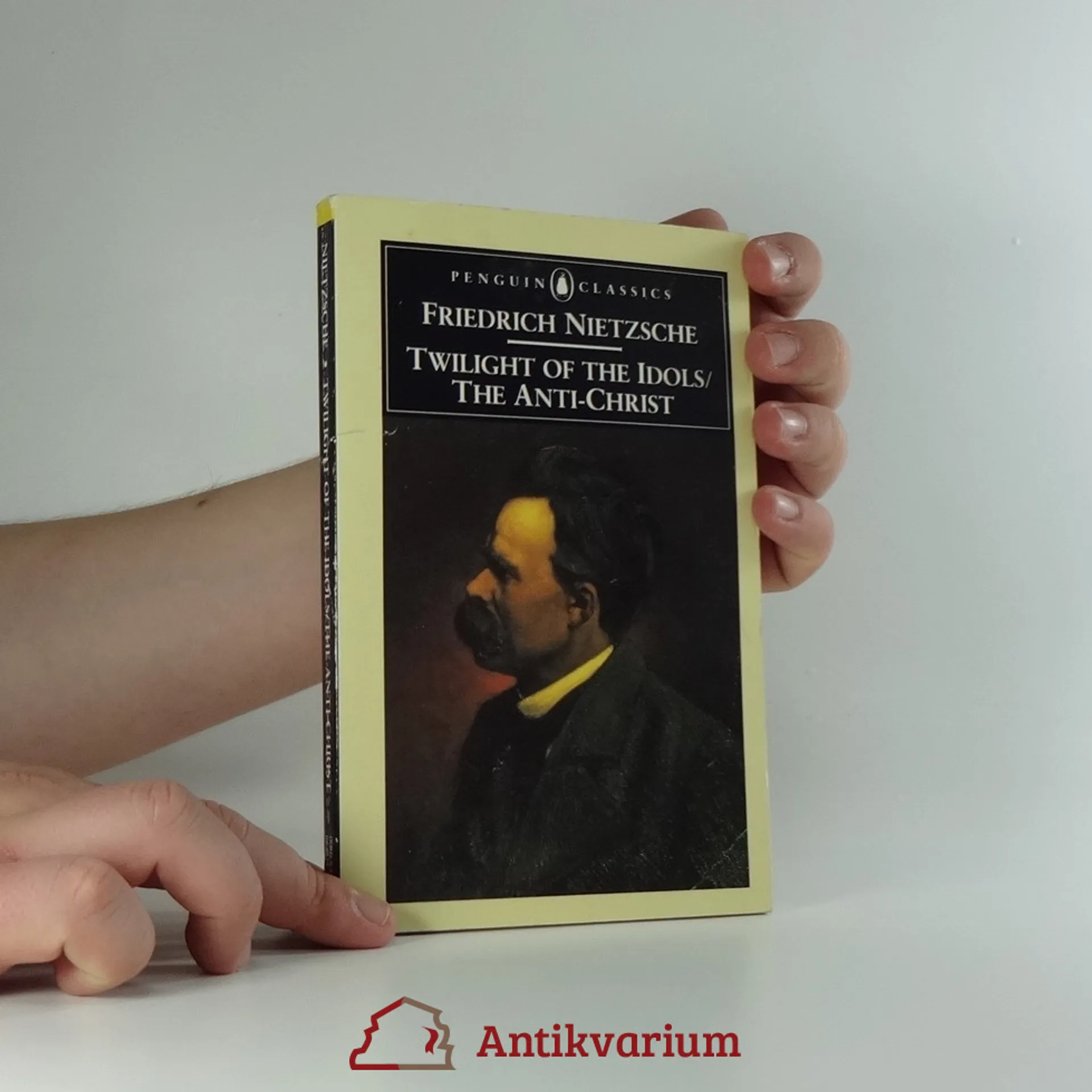
    • In 1888, the last sane year of his life Nietzsche produced these two brief but devastating books. Twilight of the Idols, 'a grand declaration of war' on all the prevalent ideas of his time, offers a lightning tour of his whole philosophy. It also prepares the way for The Anti-Christ, a final assault on institutional Christianity. Yet although Nietzsche makes a compelling case for the 'Dionysian' artist and celebrates magnificently two of his great heroes, Goethe and Cesare Borgia, he also gives a moving, almost ecstatic portrait of his only worthy opponent: Christ. Both works show Nietsche lashing out at self-deception, astounded at how often morality is based on vengefulness and resentment. Both combine utterly unfair attacks on individuals with amazingly acute surveys of the whole contemporary cultural scene. Both reveal a profound understanding of human mean-spiritedness which still cannot destroy the underlying optimism of Nietzsche, the supreme affirmer among the great philosophers.

      Twilight of Idols and Anti-Christ
      3,9
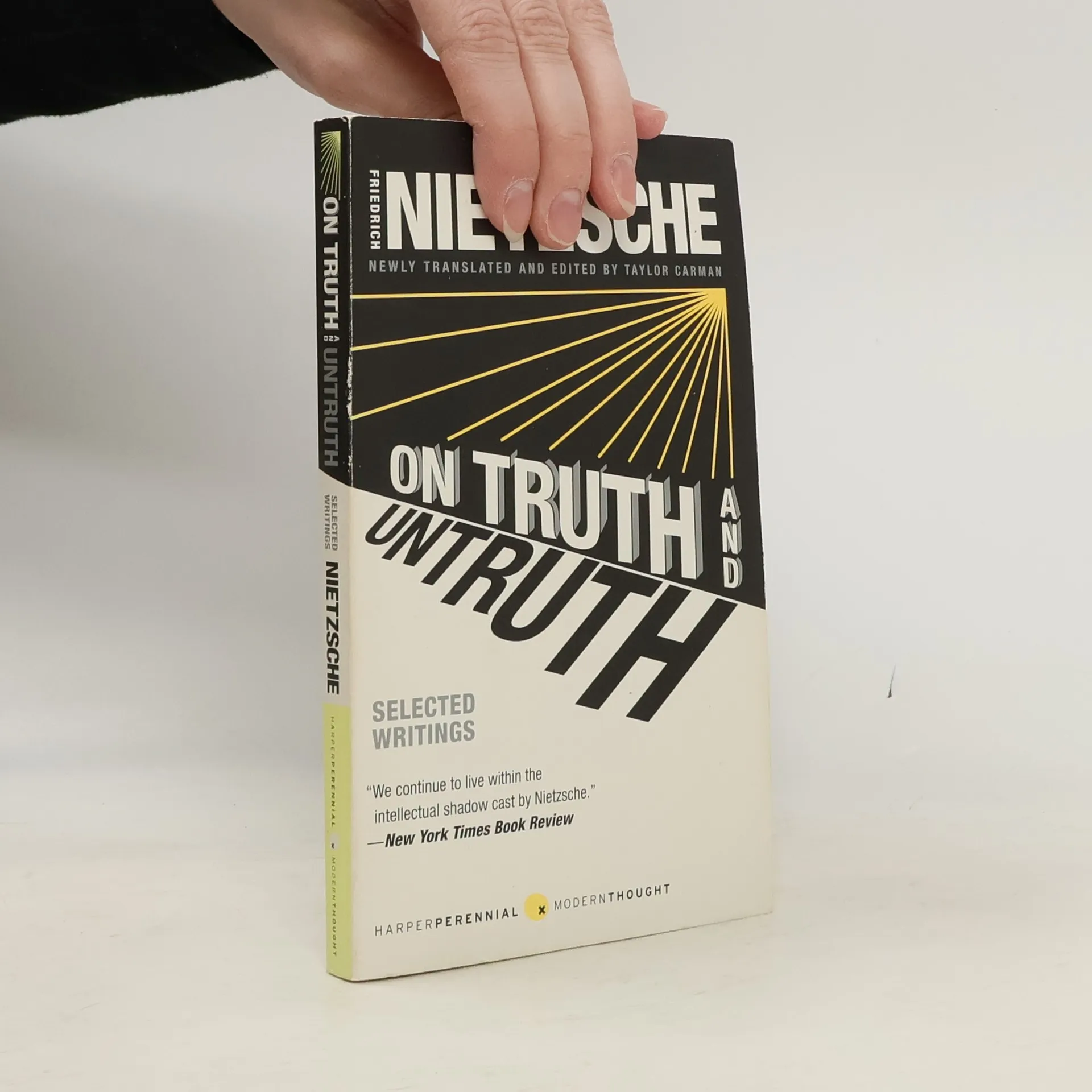
    • Newly translated and edited by Taylor Carman, On Truth and Untruth charts Nietzsche’s evolving thinking on truth, which has exerted a powerful influence over modern and contemporary thought. This original collection features the complete text of the celebrated early essay “On Truth and Lie in a Nonmoral Sense” (“a keystone in Nietzsche’s thought” —Stanford Encyclopedia of Philosophy), as well as selections from the great philosopher’s entire career, including key passages from The Gay Science, Beyond Good and Evil, On the Genealogy of Morals, The Will to Power, Twilight of the Idols, and The Antichrist.

      On Truth and Untruth: Selected Writings
      3,9
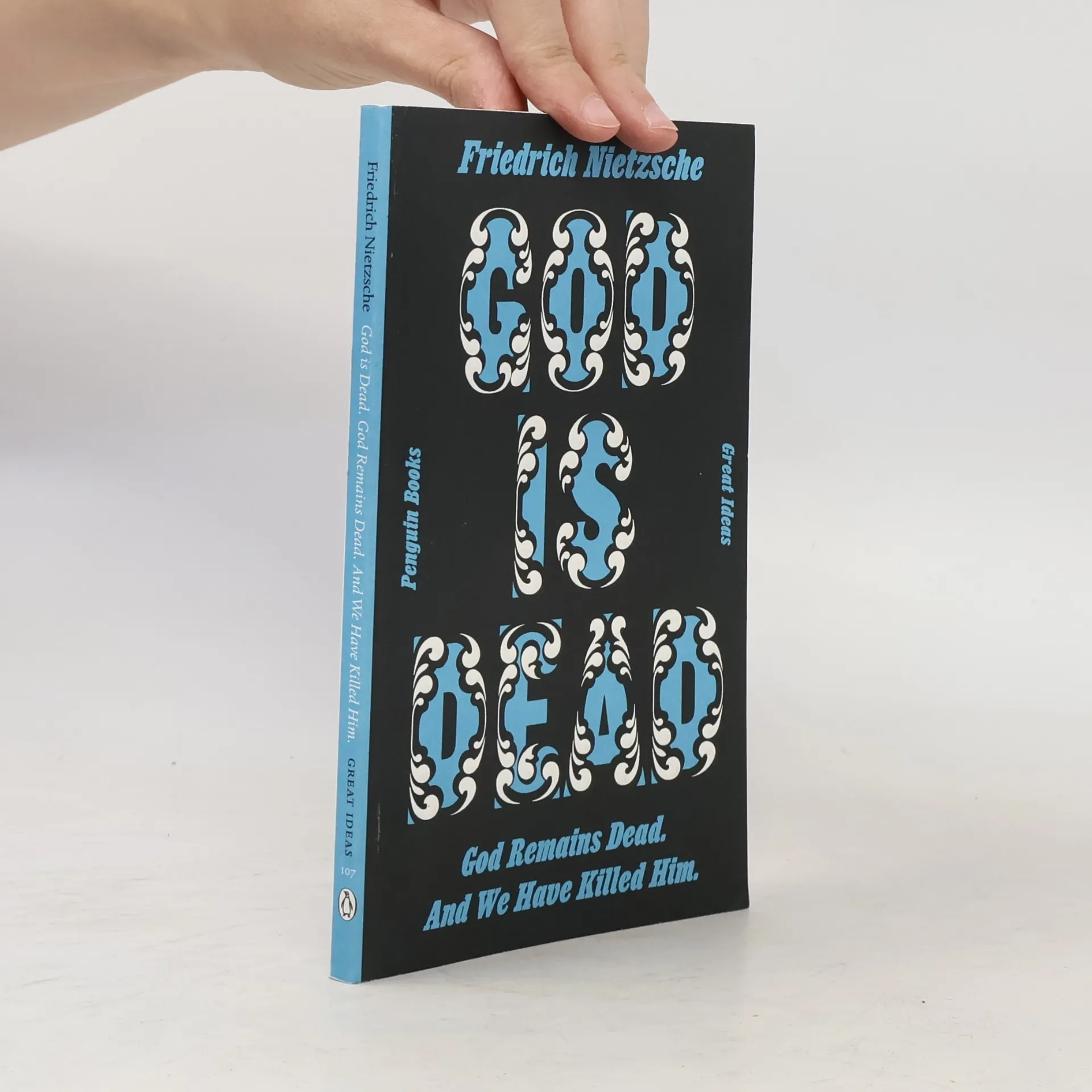
    • Grounded in his famous notion that "God is dead," a selection from Nietzsche's most personal book, The Joyous ScienceNietzsche's devastating demolition of religion would have seismic consequences for future generations. With God dead, he envisages a brilliant future for one in which individuals would at last be responsible for their destinies.Throughout history, some books have changed the world. They have transformed the way we see ourselves - and each other. They have inspired debate, dissent, war and revolution. They have enlightened, outraged, provoked and comforted. They have enriched lives--and upended them. Now Penguin brings you a new set of the acclaimed Great Ideas, a curated library of selections from the works of the great thinkers, pioneers, radicals and visionaries whose ideas shook civilization and helped make us who we are.

      God is Dead: God Remains Dead And We Have Killed Him
      3,9