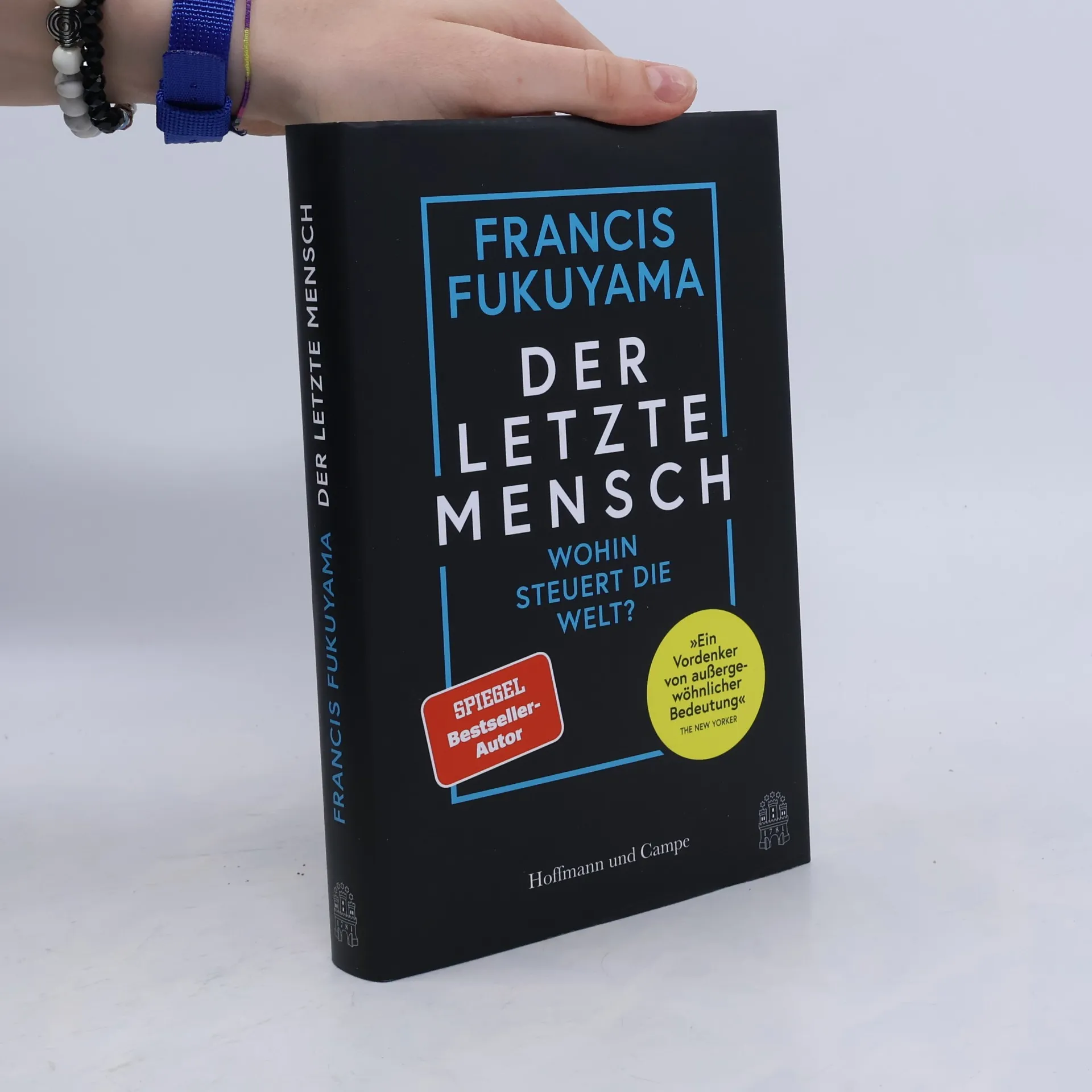
Auf welche Weltordnung steuern wir zu? Die liberale Demokratie steckt in der Krise, nach einer langen Phase der Demokratisierung sind wir wieder in einer Welt der Macht angelangt, bedingt vor allem durch autoritäre Bewegungen, technologischen Wandel, Neoliberalismus und Identitätspolitik. Mit seinen Gedanken zur Lage der Welt zeigt Francis Fukuyama, warum das freiheitliche Denken für die westlichen Gesellschaften im 21. Jahrhundert alternativlos ist. Vor allem aber macht er deutlich, warum wir für die Freiheit kämpfen müssen, wollen wir ihr Überleben sichern und das Risiko einer autoritären Weltordnung eindämmen. Ein inspirierend persönliches Buch mit politischer Weitsicht, von einem der einflussreichsten Denker unserer Zeit.
Francis Fukuyama Poradie kníh (chronologicky)
27. október 1952
Francis Fukuyama je americký filozof a politický ekonóm, ktorého dielo sa zaoberá otázkami historického vývoja, ideológií a budúcnosti liberálnej demokracie. Preslávil sa svojou tézou o „konci dejín“, v ktorej argumentoval, že liberálna demokracia predstavuje konečný bod ideologického vývoja ľudstva. Neskôr však svoju prácu rozšíril o skúmanie dopadov biotechnológií na ľudskú prirodzenosť a stabilitu spoločenských poriadkov, čím do svojej pôvodnej teórie vniesol nové nuansy a obavy.


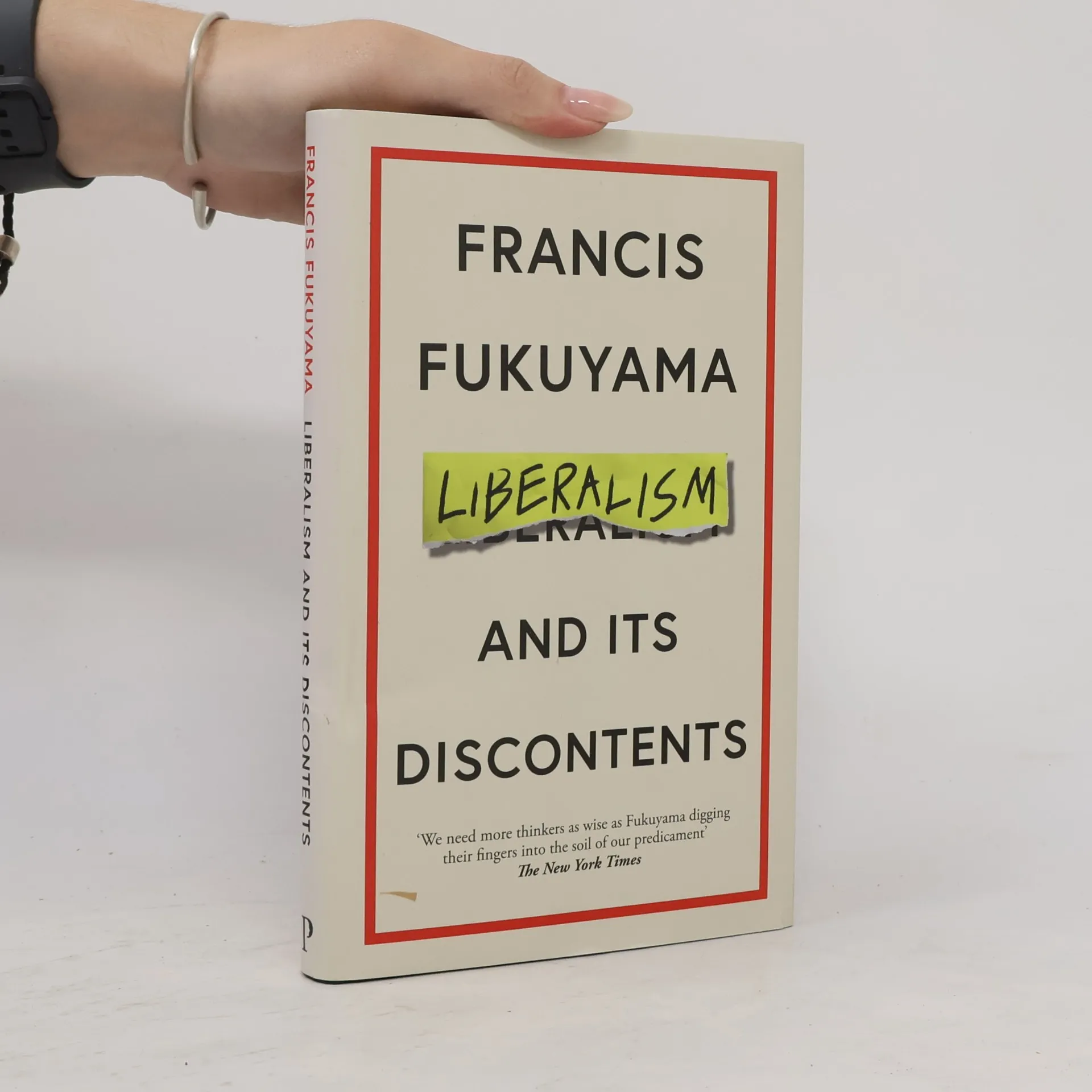
Liberalism and Its Discontents
- 192 stránok
- 7 hodin čítania
A TIMES BEST PHILOSOPHY & IDEAS BOOK OF 2022A defence of liberalism by the renowned political philosopher'We need more thinkers as wise as Fukuyama digging their fingers into the soil of our predicament' The New York Times'A brilliantly acute summary of the way some aspects of liberal thought have consumed themselves' Guardian'One of the West's most interesting public intellectuals' Times'Hard to think of a better case for liberal centrism' FTLiberalism - the comparatively mild-mannered sibling to the more ardent camps of nationalism and socialism - has never been so divisive as today. From Putin's populism, the Trump administration and autocratic rulers in democracies the world over, it has both thrived and failed under identity politics, authoritarianism, social media and a weakened free press the world over.Since its inception following the post-Reformation wars, liberalism has come under attack from conservatives and progressives alike, and today is dismissed by many as an 'obsolete doctrine'. In this brilliant and concise exposition, Francis Fukuyama sets out the cases for and against its classical observing the rule of law, independence of judges, means over ends, and most of all, tolerance.Pithy, to the point, and ever pertinent, this is political dissection at its very best.
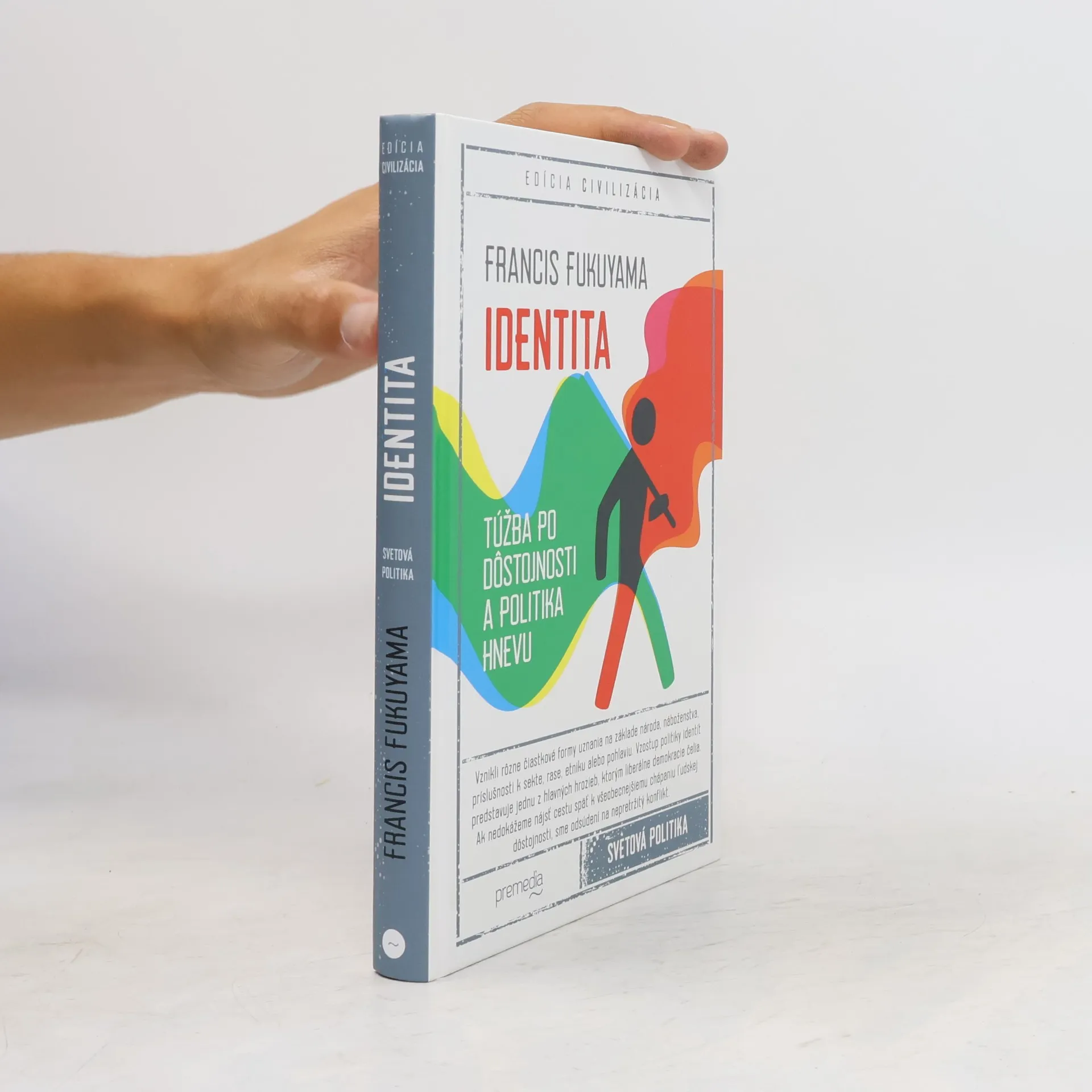
Identita: Túžba po dôstojnosti a politika hnevu
- 184 stránok
- 7 hodin čítania
Pred piatimi rokmi Francis Fukuyama napísal, že americké inštitúcie upadajú, pretože ich stále viac ovládajú silné záujmové skupiny. O dva roky sa jeho predpoveď vyplnila, keď sa k moci dostali viacerí politickí outsideri, ktorých ekonomický nacionalizmus a autoritárske sklony ohrozujú celý svetový poriadok. Nacionalistickí populisti vsadili na charizmatické prepojenie s „ľudom“. Pracujú s úzkym chápaním identity, čo ľudí ženie do uzavretých skupín, ktoré vylučujú všetkých ostatných. Univerzálne uznanie rovnosti, ktoré je základom liberálnej demokracie, stále častejšie spochybňujú užšími podobami uznania, založenými napríklad na národe, náboženstve alebo rase. Vyústilo to do vlny protiimigrantského populizmu, spolitizovaného islamu či bieleho nacionalizmu. Fukuyama napísal aktuálnu a dôležitú knihu – vážne varovanie, že ak nevytvoríme univerzálne chápanie ľudskej dôstojnosti, odsúdime sa na nepretržitý konflikt.
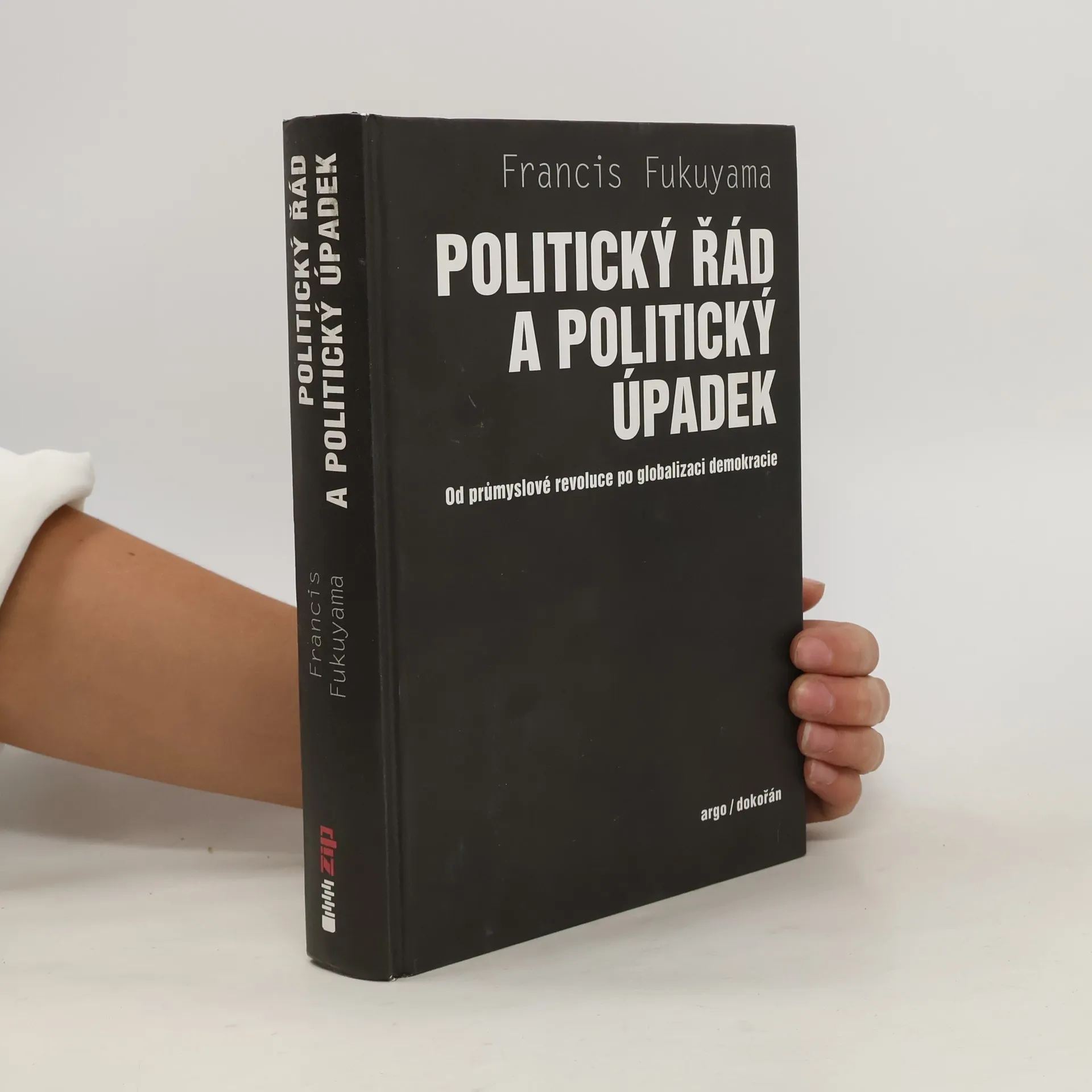
Politický řád a politický úpadek
- 541 stránok
- 19 hodin čítania
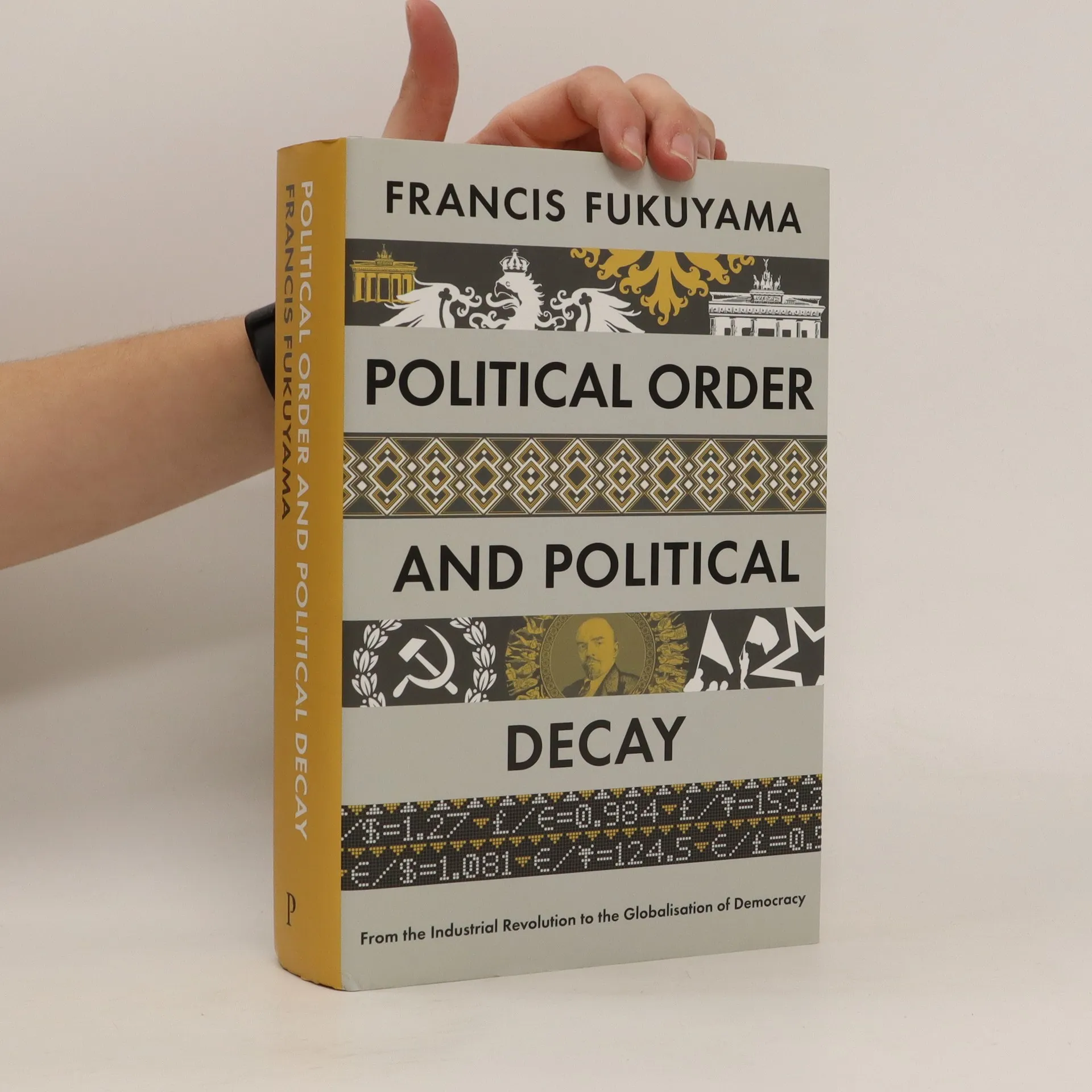
Podtitul: Od průmyslové revoluce po globalizaci demokracie. Podle britského Guardianu budeme jednou dvojici knih Původ politického řádu a Politický řád a úpadek Francise Fukuyamy (* 1952) vnímat jako životní dílo tohoto amerického politologa japonského původu. Ve druhé knize s podtitulem Od průmyslové revoluce po globalizaci demokracie sleduje Fukuyama historický vývoj od Francouzské revoluce po arabské jaro s důrazem na nefunkčnost, a tedy úpadek současného amerického politického života. Autor si všímá toho, zda a jak transparentní právní systém a vůle lidu udržují ústřední moc pod kontrolou. Zkoumá rovněž dopady korupce na státní správu a způsoby, jakými se ji v některých společnostech podařilo vymýtit. Rozebírá odkaz kolonialismu v Latinské Americe, Africe i Asii a pokouší se vysvětlit, proč se některým regionům dařilo a rozvinuly se rychleji než jiné. I přes celosvětovou krizi střední třídy a politickou paralýzu Západu však Fukuyama s demokracií i nadále počítá.
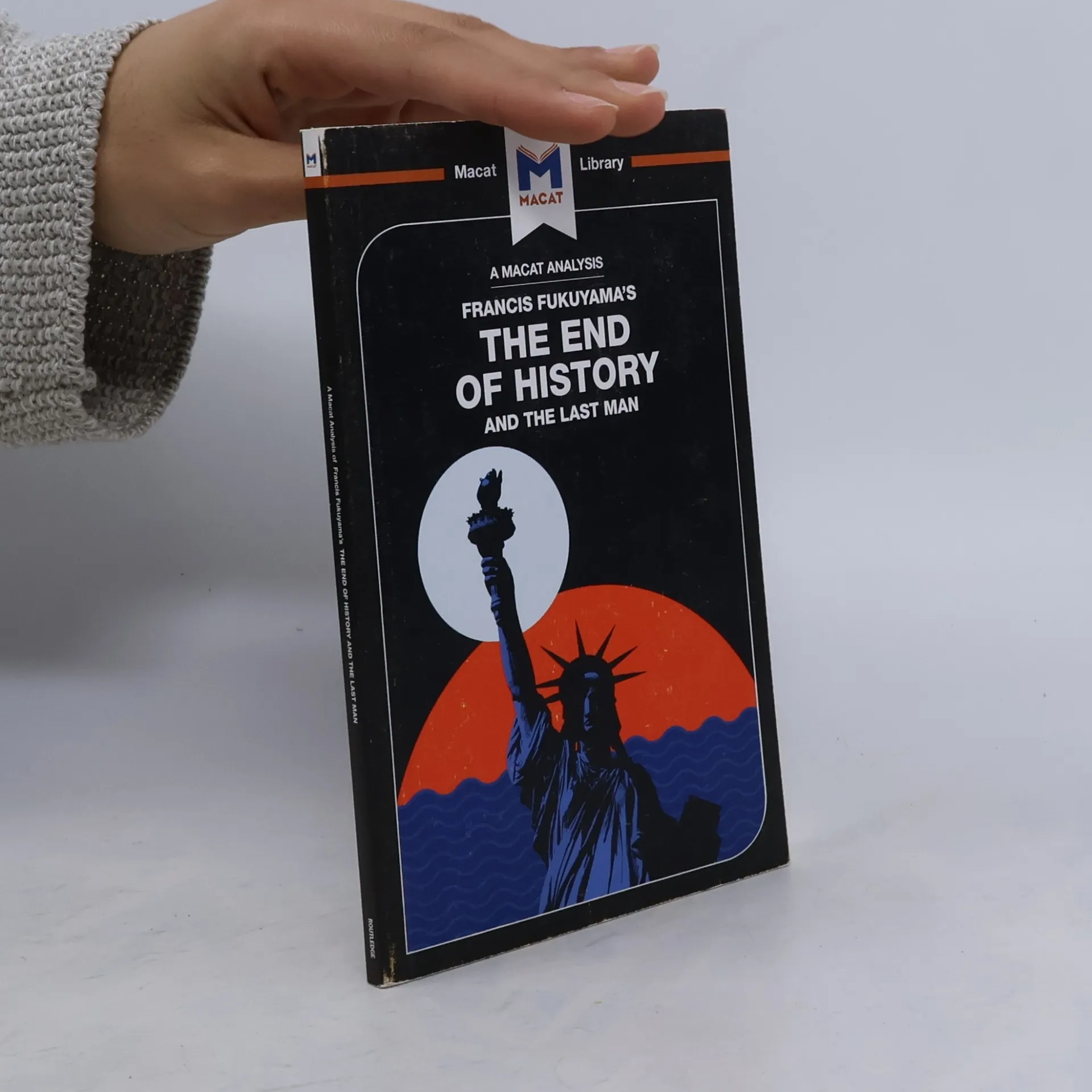
The Macat Library: The End of History and the Last Man
- 98 stránok
- 4 hodiny čítania
Published in 1992, The End of History and the Last Man argues that capitalist democracy is the final destination for all societies. Fukuyama believed democracy triumphed during the Cold War because it lacks the fundamental contradictions inherent in communism and satisfies our yearning for freedom and equality.
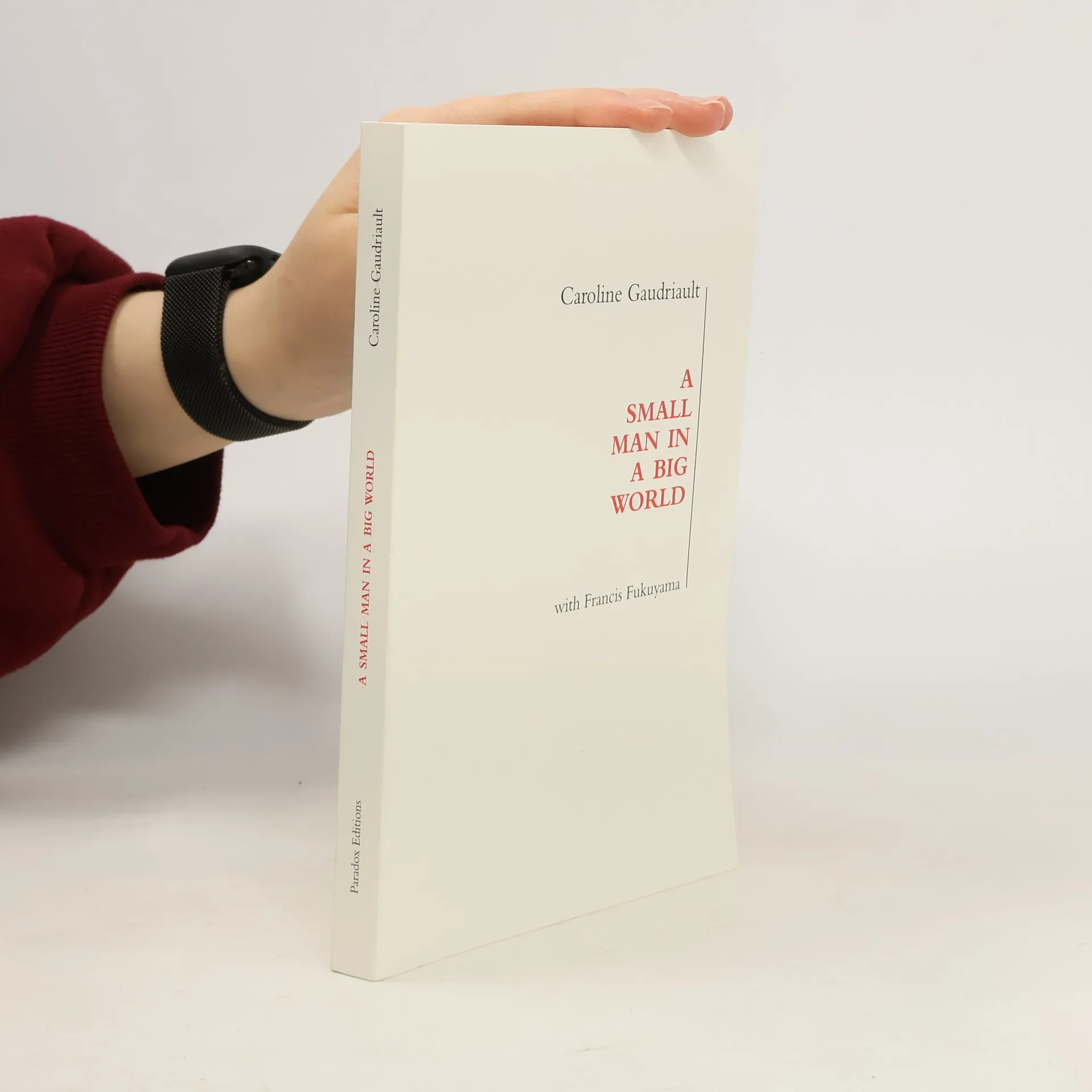
A Small Man in a Big World
- 127 stránok
- 5 hodin čítania
Political order and political decay : from the Industrial Revolution to the globalization of democracy
- 658 stránok
- 24 hodin čítania
In The Origins of Political Order, Francis Fukuyama took us from the dawn of mankind to the French and American Revolutions. Here, he picks up the thread again in the second instalment of his definitive account of mankind's emergence as a political animal.This is the story of how state, law and democracy developed after these cataclysmic events, how the modern landscape - with its uneasy tension between dictatorships and liberal democracies - evolved and how in the United States and in other developed democracies, unmistakable signs of decay have emerged. If we want to understand the political systems that dominate and order our lives, we must first address their origins - in our own recent past as well as in the earliest systems of human government. Fukuyama argues that the key to successful government can be reduced to three key elements: a strong state, the rule of law, and institutions of democratic accountability.This magisterial account is required reading for anyone wishing to know more about mankind's greatest achievements.
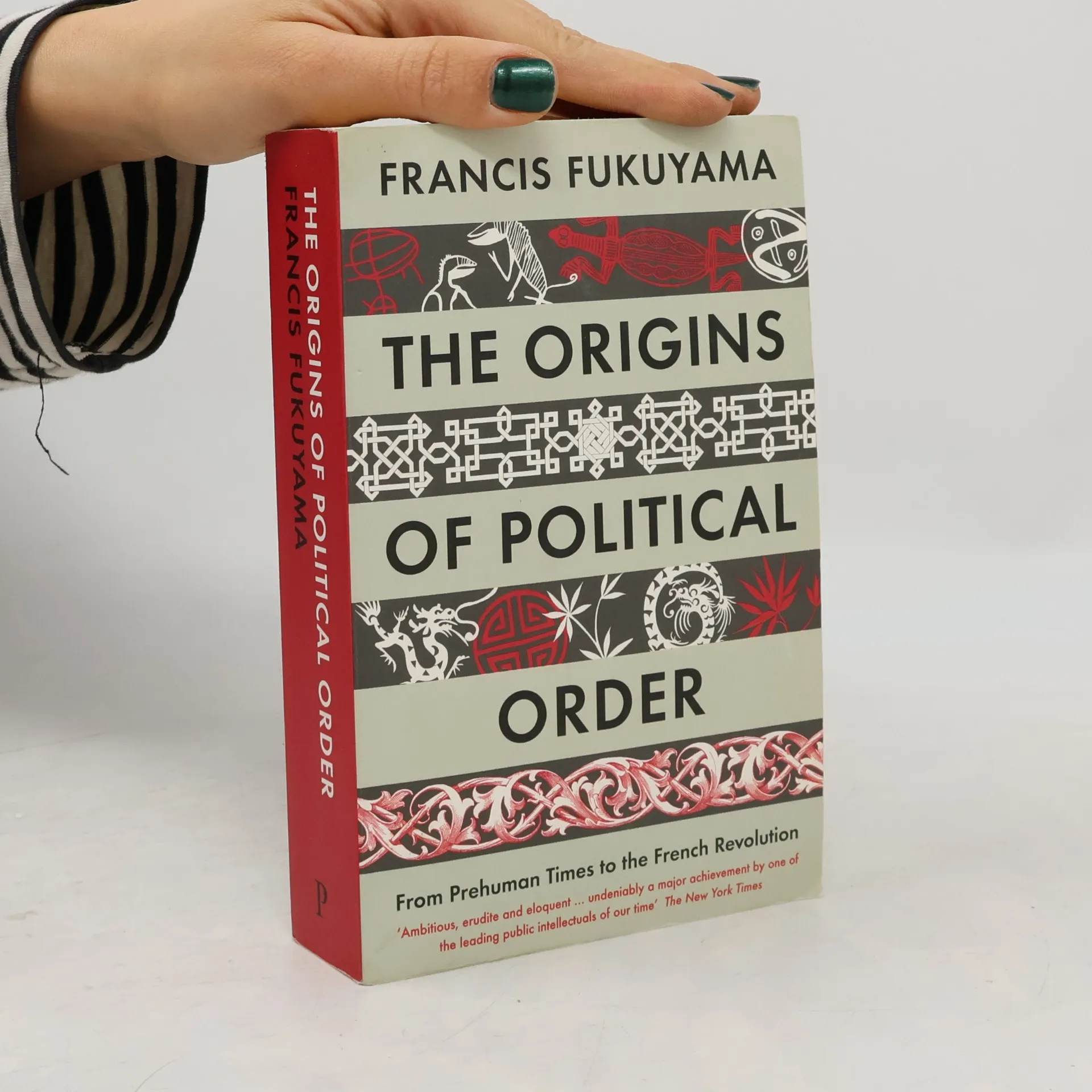
Nations are not trapped by their pasts, but events that happened hundreds or even thousands of years ago continue to exert huge influence on present-day politics. If we are to understand the politics that we now take for granted, we need to understand its origins. Francis Fukuyama examines the paths that different societies have taken to reach their current forms of political order. This book starts with the very beginning of mankind and comes right up to the eve of the French and American revolutions, spanning such diverse disciplines as economics, anthropology and geography. The Origins of Political Order is a magisterial study on the emergence of mankind as a political animal, by one of the most eminent political thinkers writing today.
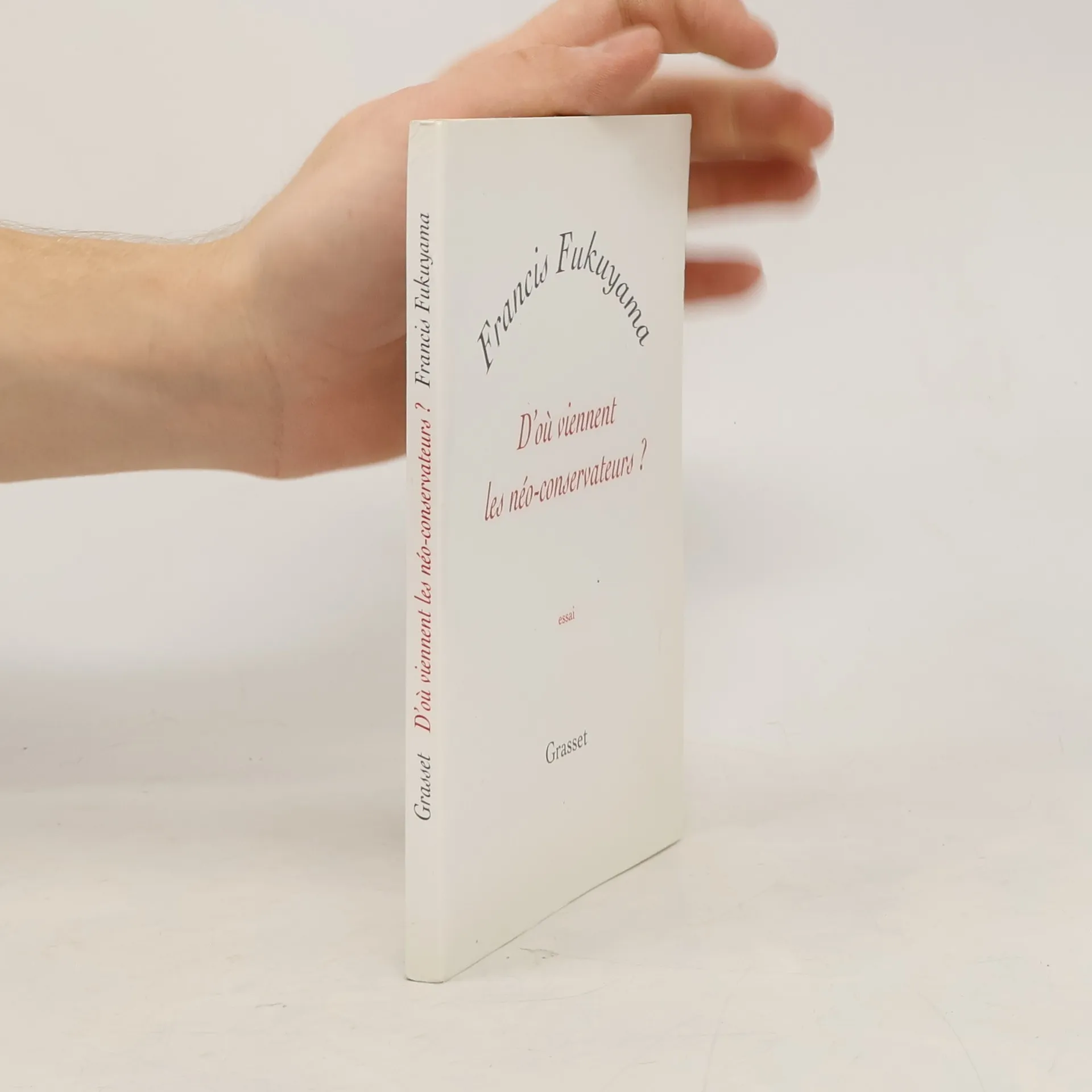
D'où viennent les néo-conservateurs?
- 96 stránok
- 4 hodiny čítania
" Menteurs ! Va-t-en-guerre ! Criminels ! Fanatiques Faucons ! Néo-cons ! " Que n'a-t-on pas entendu, ici comme ailleurs, sur ces fameux néo-conservateurs... Mais sait-on qui ils sont vraiment ? Dans cet essai féroce et salutaire, Francis Fukuyama, l'un des théoriciens majeurs de notre temps, fait voler en éclats les idées reçues et dévoile les origines du plus grand malentendu politique de ces dernières années.
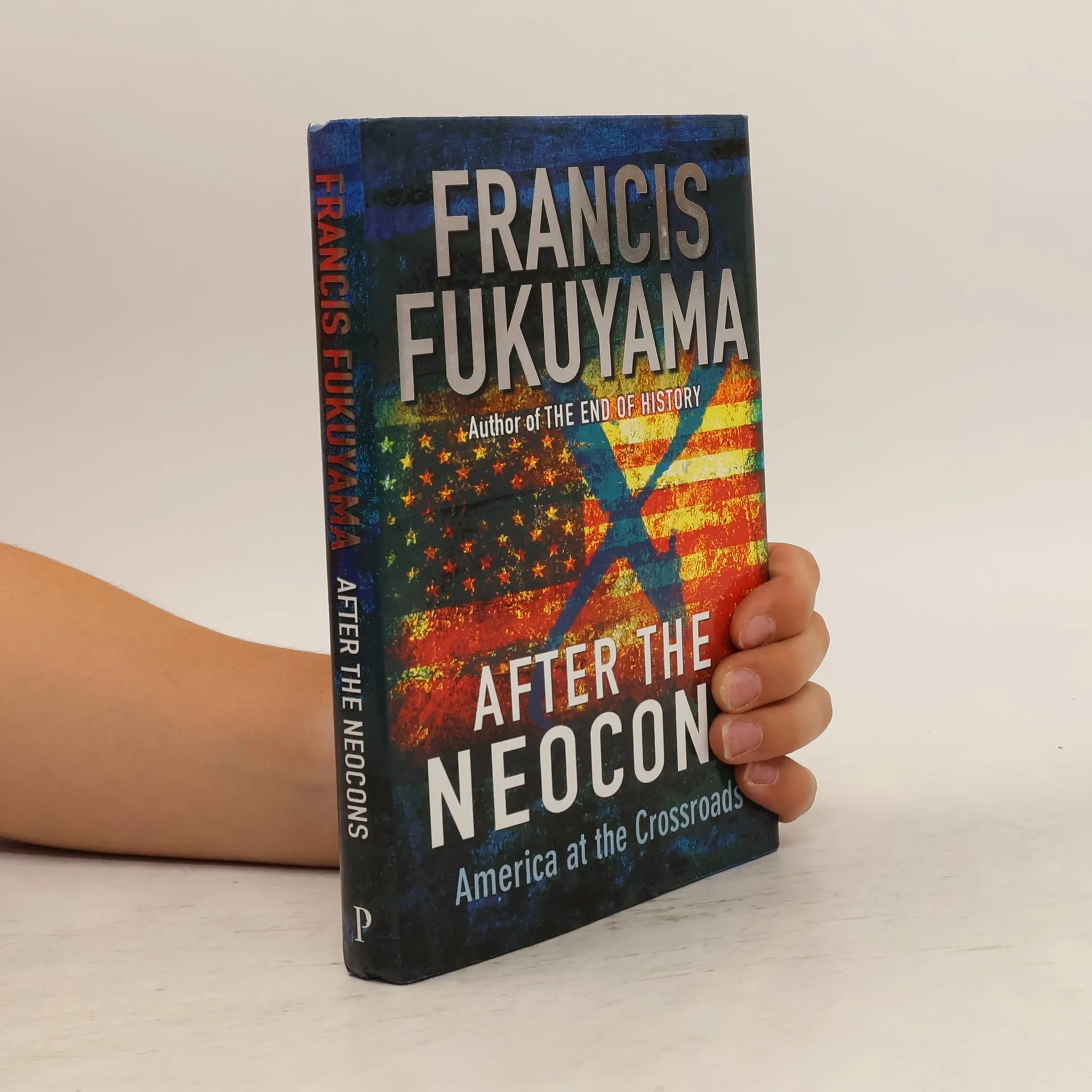
After the Neocons: America at the Crossroads
- 226 stránok
- 8 hodin čítania
Attacking the right-wing policymakers he had associated with, the author argues that the Bush administration, in the war in Iraq, has wrongly applied the principles of neoconservatism. He provides an approach, which emphasizes the importance of solving the problem of development and of creating multiple international institutions.
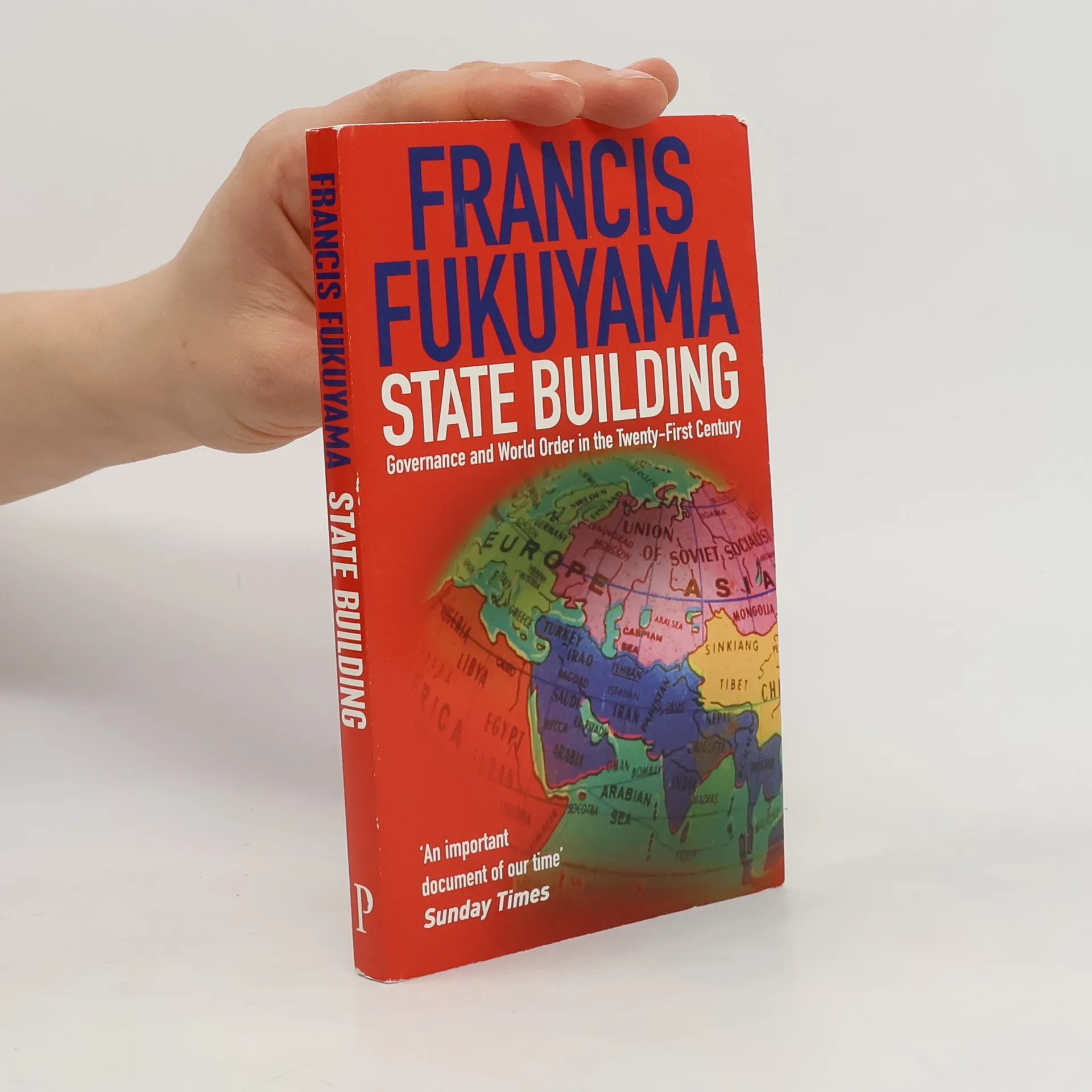
Weak or failed states - where no government is in control - are the source of many of the world's most serious problems, from poverty, AIDS and drugs to terrorism. What can be done to help?
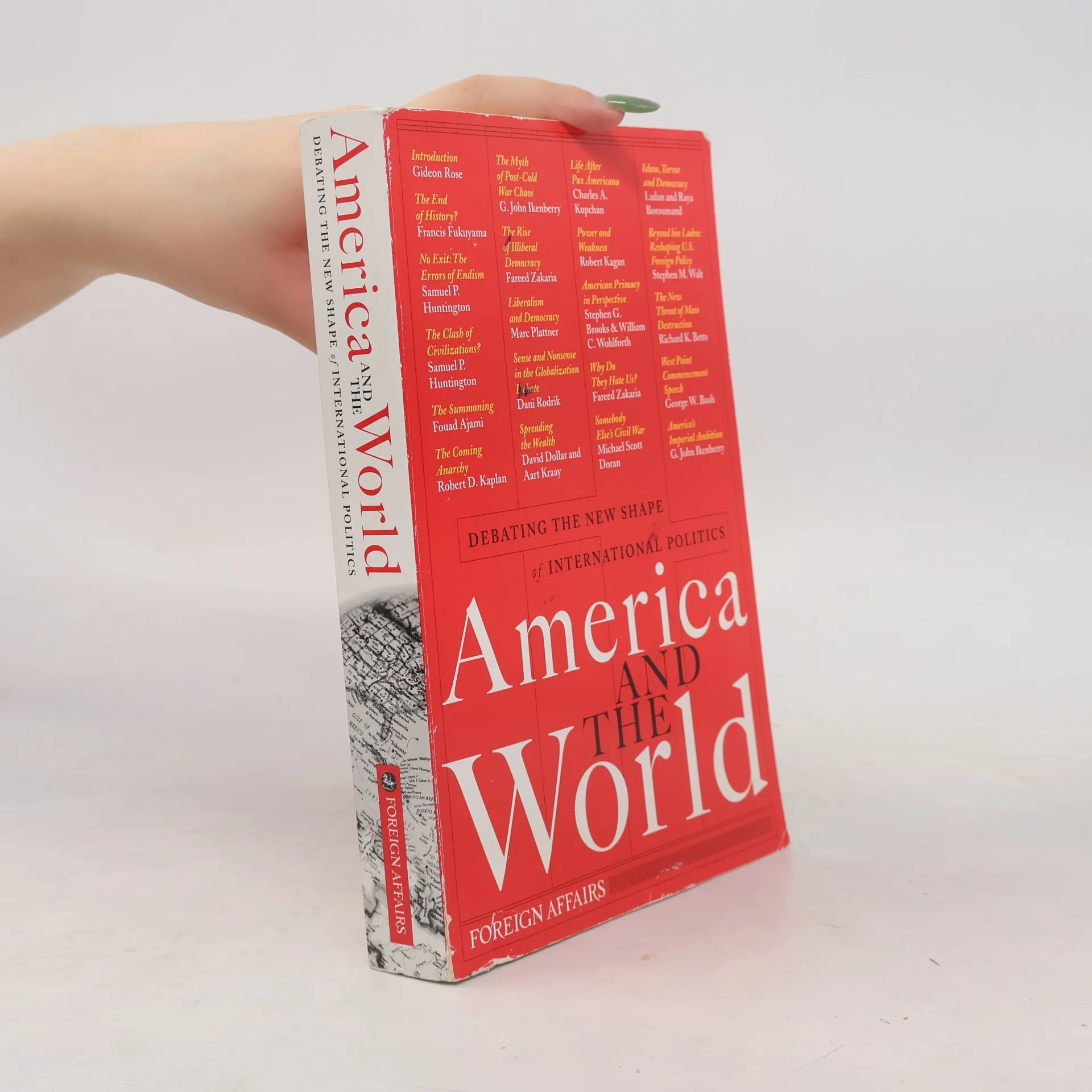
This comprehensive survey explores the key debates shaping U.S. foreign policy in the post-Cold War era. Following the Soviet Union's collapse, scholars have sought to understand the new international landscape. This collection showcases the insights of prominent thinkers, including Francis Fukuyama, Samuel P. Huntington, and Fareed Zakaria, who analyze the driving forces behind global events and America's response. Central questions addressed include the significance of ideology, culture, and power, as well as the future of global order versus chaos. The contributors examine the strength and vulnerabilities of the United States and discuss the appropriate use of its power for protection. Engaging with each other's arguments, these authors provide a rich dialogue that educates readers on contemporary international relations. Originally published in leading journals, these articles form an essential reading list for those interested in understanding current global dynamics. Notable contributors include Fouad Ajami, Richard K. Betts, Stephen G. Brooks, Robert D. Kaplan, and Stephen M. Walt, among others.
Our Posthuman Future
- 272 stránok
- 10 hodin čítania
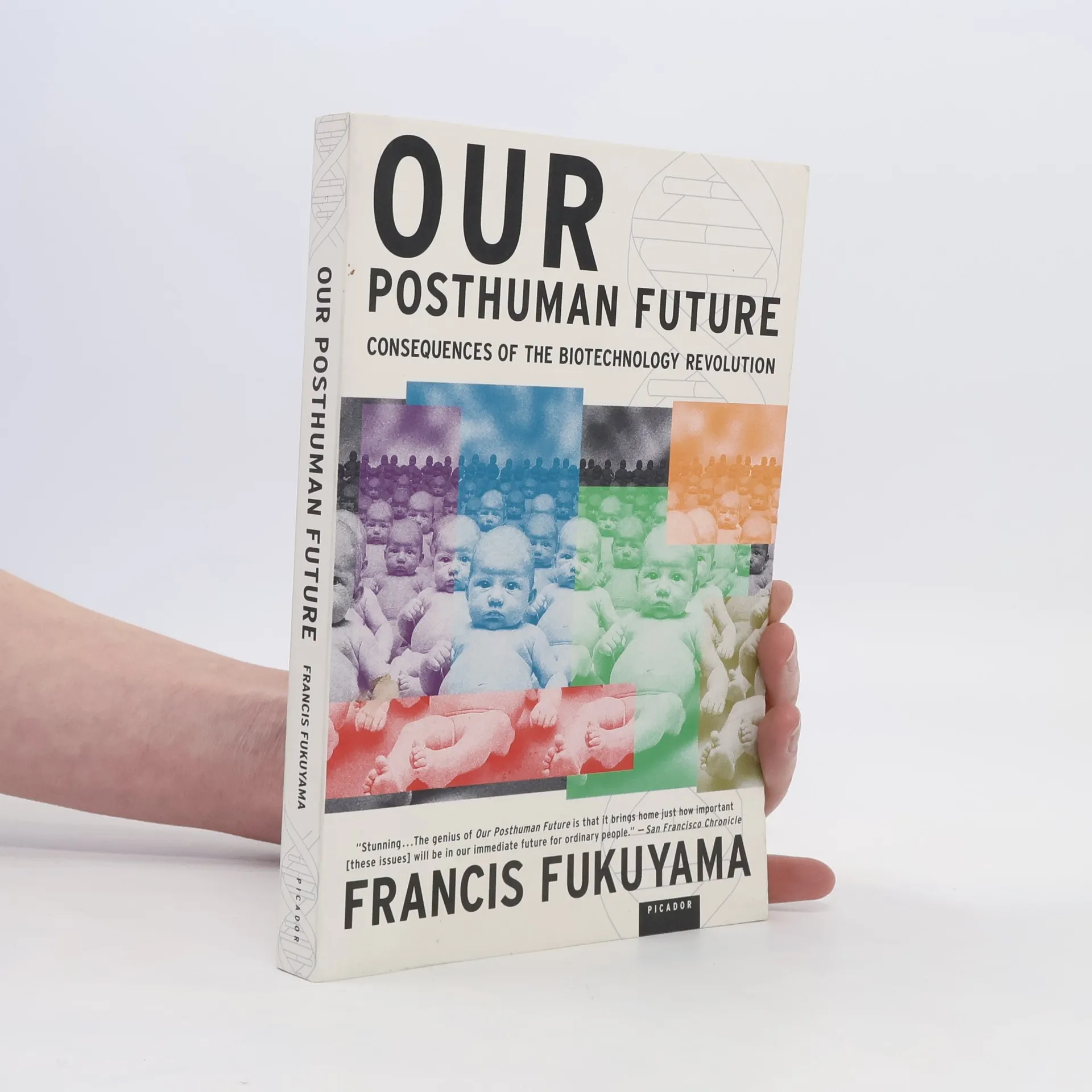
A decade after his now-famous pronouncement of "the end of history," Francis Fukuyama argues that as a result of biomedical advances, we are facing the possibility of a future in which our humanity itself will be altered beyond recognition. Fukuyama sketches a brief history of man's changing understanding of human from Plato and Aristotle to the modernity's utopians and dictators who sought to remake mankind for ideological ends. Fukuyama argues that the ability to manipulate the DNA of all of one person's descendants will have profound, and potentially terrible, consequences for our political order, even if undertaken with the best of intentions. In Our Posthuman Future , one of our greatest social philosophers begins to describe the potential effects of genetic exploration on the foundation of liberal the belief that human beings are equal by nature.
Veľký rozvrat
- 339 stránok
- 12 hodin čítania
podtitul: Ľudská prirodzenosť a opätovné nastolenie spoločenského poriadku Veľký rozvrat, ktorý vo vyspelých krajinách Západu odštartovali šesťdesiate roky a ktorý sa s určitým oneskorením dostal aj k nám, priniesol spolu so slobodou aj drogy, rast kriminality, rozpad tradičných rodinných hodnôt a stratu dôvery vo verejné inštitúcie. Kniha je plná inšpiratívnych myšlienok, veľkých otázok a množstva poznatkov, ktoré o človeku a jeho socialite prináša súčasná veda. Vydanie prvé
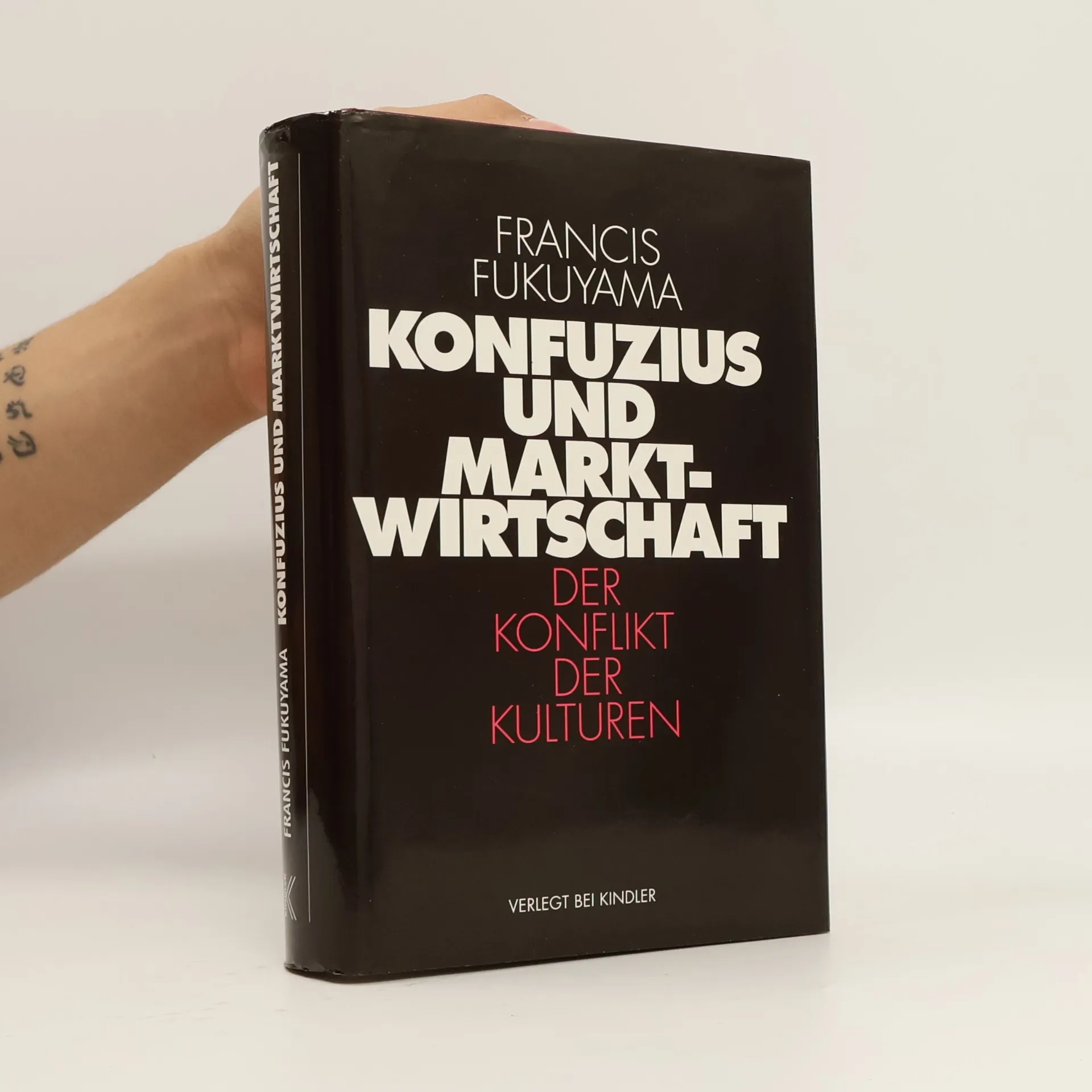
Der Konflikt der Kulturen
- 526 stránok
- 19 hodin čítania
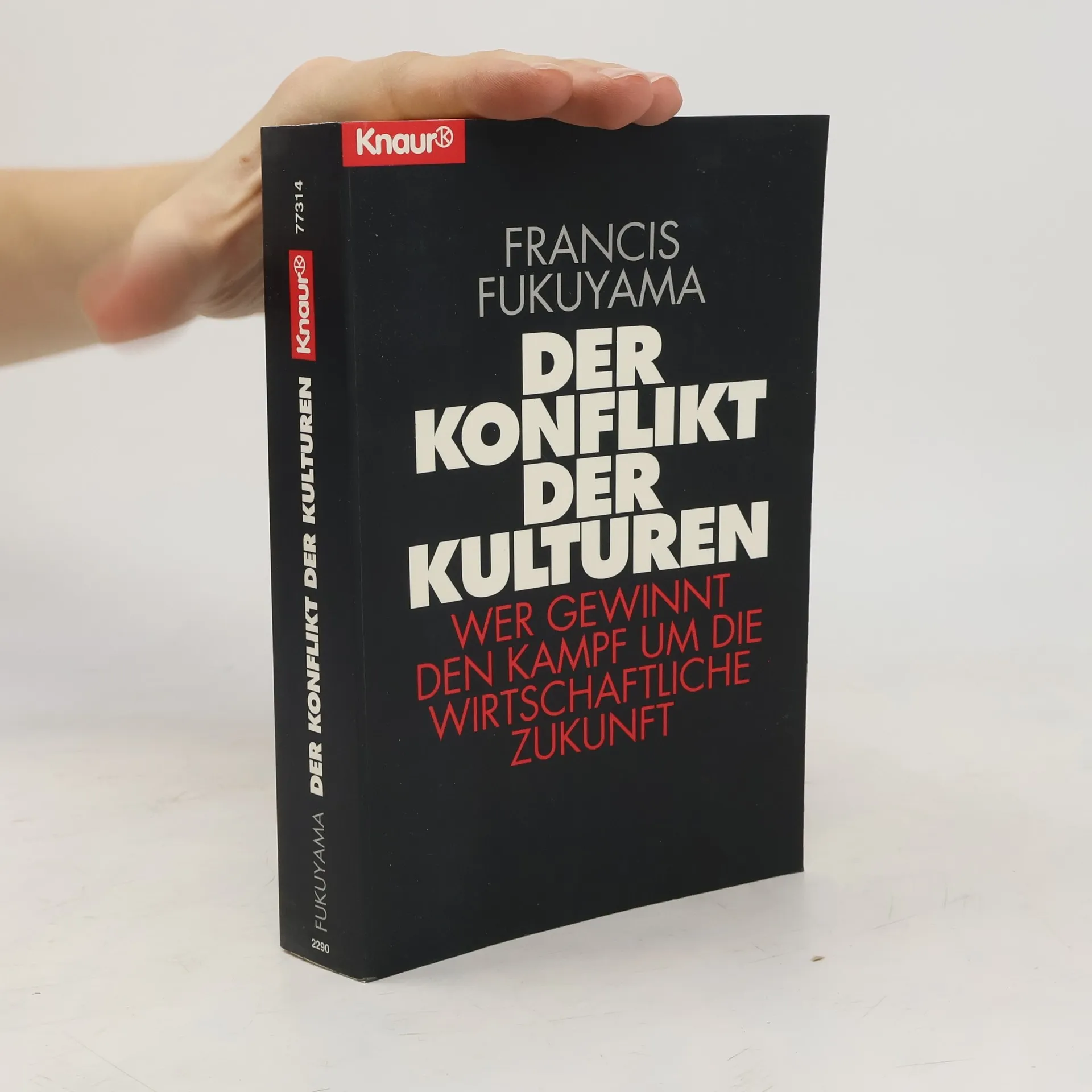
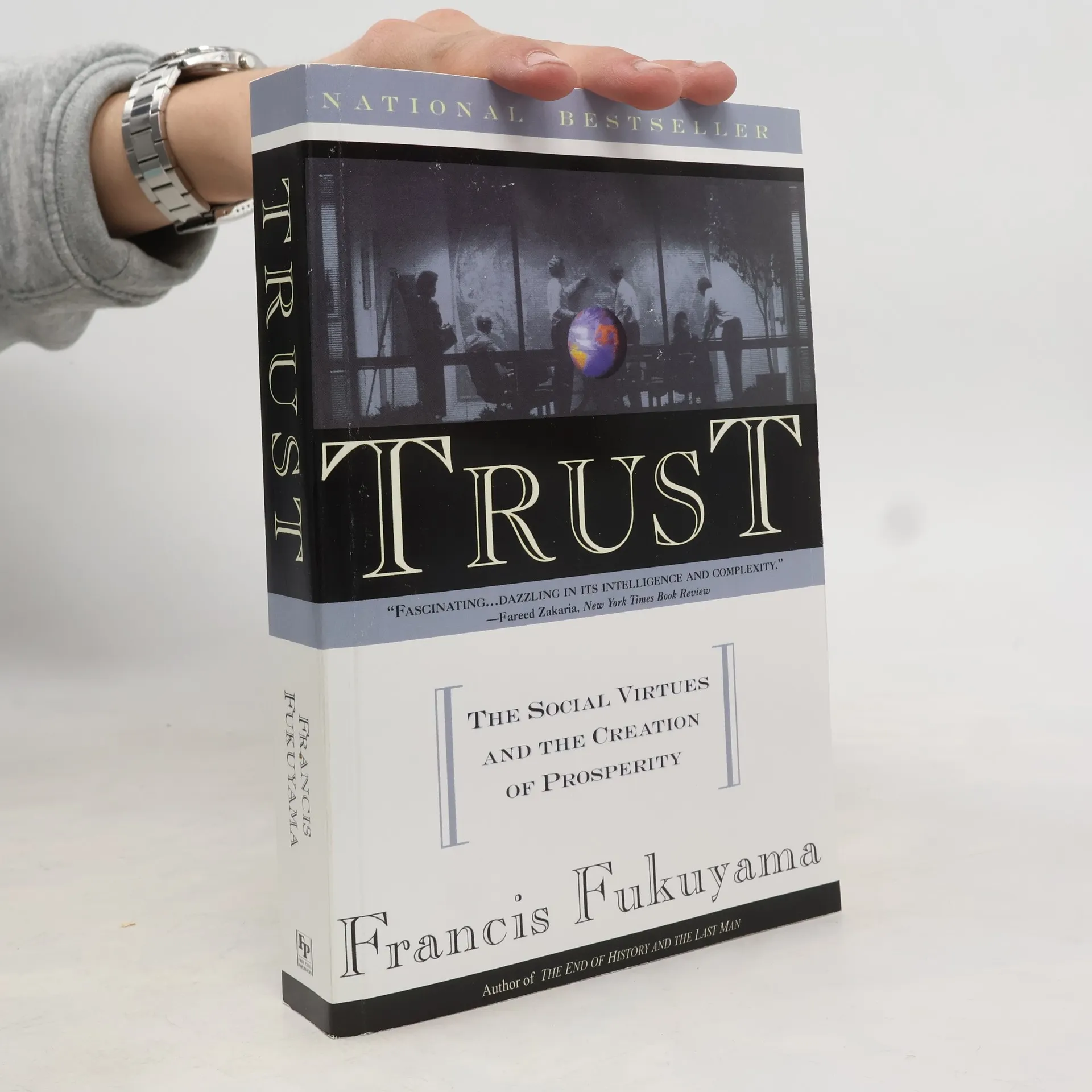
In his bestselling The End of History and the Last Man, Francis Fukuyama argued that the end of the Cold War would also mean the beginning of a struggle for position in the rapidly emerging order of 21st-century capitalism. In Trust, a penetrating assessment of the emerging global economic order "after History," he explains the social principles of economic life and tells us what we need to know to win the coming struggle for world dominance. Challenging orthodoxies of both the left and right, Fukuyama examines a wide range of national cultures in order to divine the underlying principles that foster social and economic prosperity. Insisting that we cannot divorce economic life from cultural life, he contends that in an era when social capital may be as important as physical capital, only those societies with a high degree of social trust will be able to create the flexible, large-scale business organizations that are needed to compete in the new global economy. A brilliant study of the interconnectedness of economic life with cultural life, Trust is also an essential antidote to the increasing drift of American culture into extreme forms of individualism, which, if unchecked, will have dire consequences for the nation's economic health.
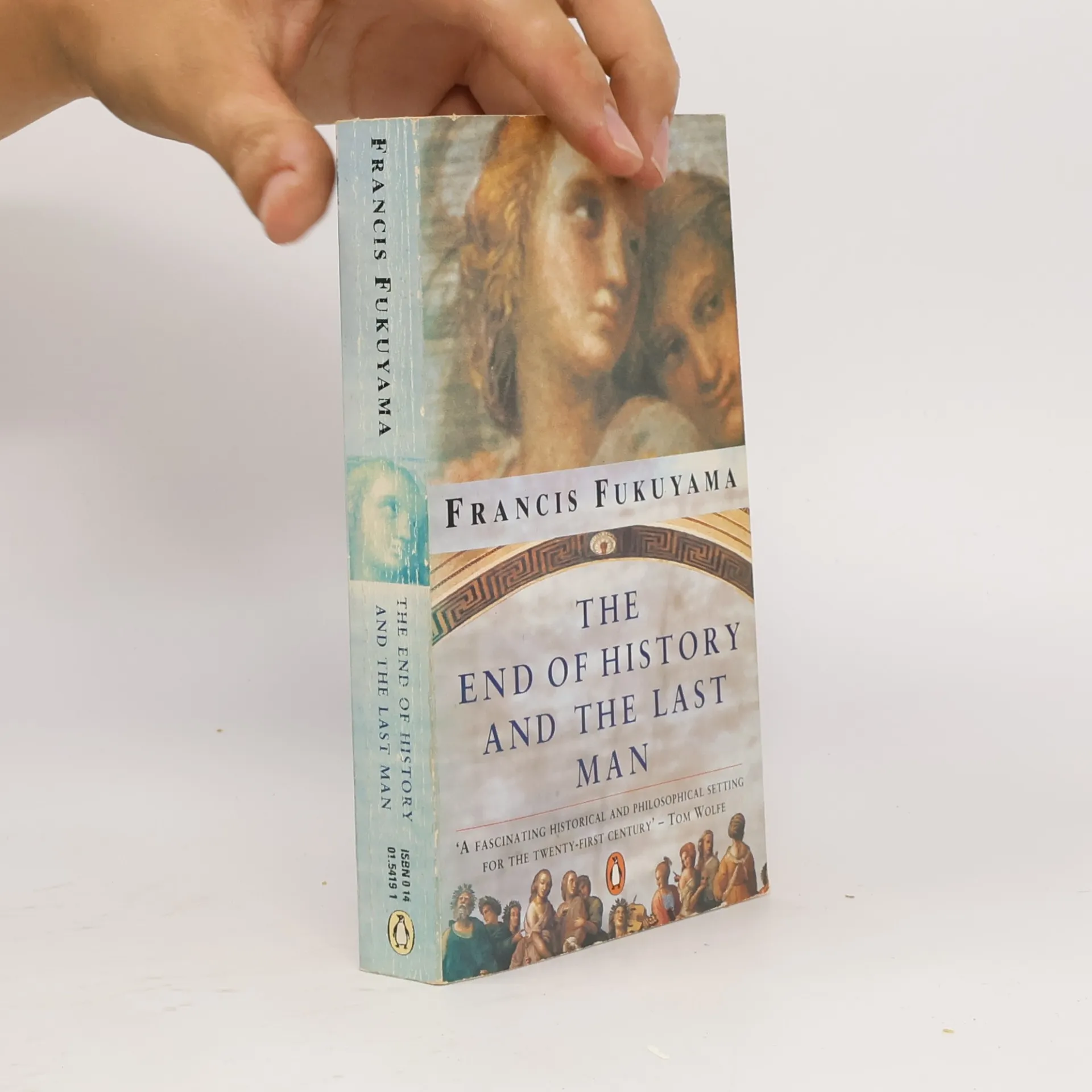
The End of History and the Last Man
- 448 stránok
- 16 hodin čítania
The thesis of this book is that now that communism has collapsed the world over there is no alternative to free market capitalism and liberal democracy. There will be dictators and brutal regimes, but nobody will try to defend them. "The end of history" is therefore the end of ideological war.