
Bookbot

Alfred Kazin

    Alfred Kazin bol americký spisovateľ a literárny kritik, ktorého diela často zobrazovali skúsenosť imigrantov v Amerike na začiatku 20. storočia. Jeho eseje vychádzali z hlbokých znalostí histórie, literatúry, politiky a kultúry, pričom vyjadroval silné emócie voči tomu, čo čítal. Bol považovaný za jedného z „nových newyorských intelektuálov“, ale jeho politické názory boli umiernenejšie ako u mnohých jeho rovesníkov. Kazinov štýl sa vyznačoval vášnivým záujmom o literárny svet a jeho spoločenské dopady.

    A Walker in the City
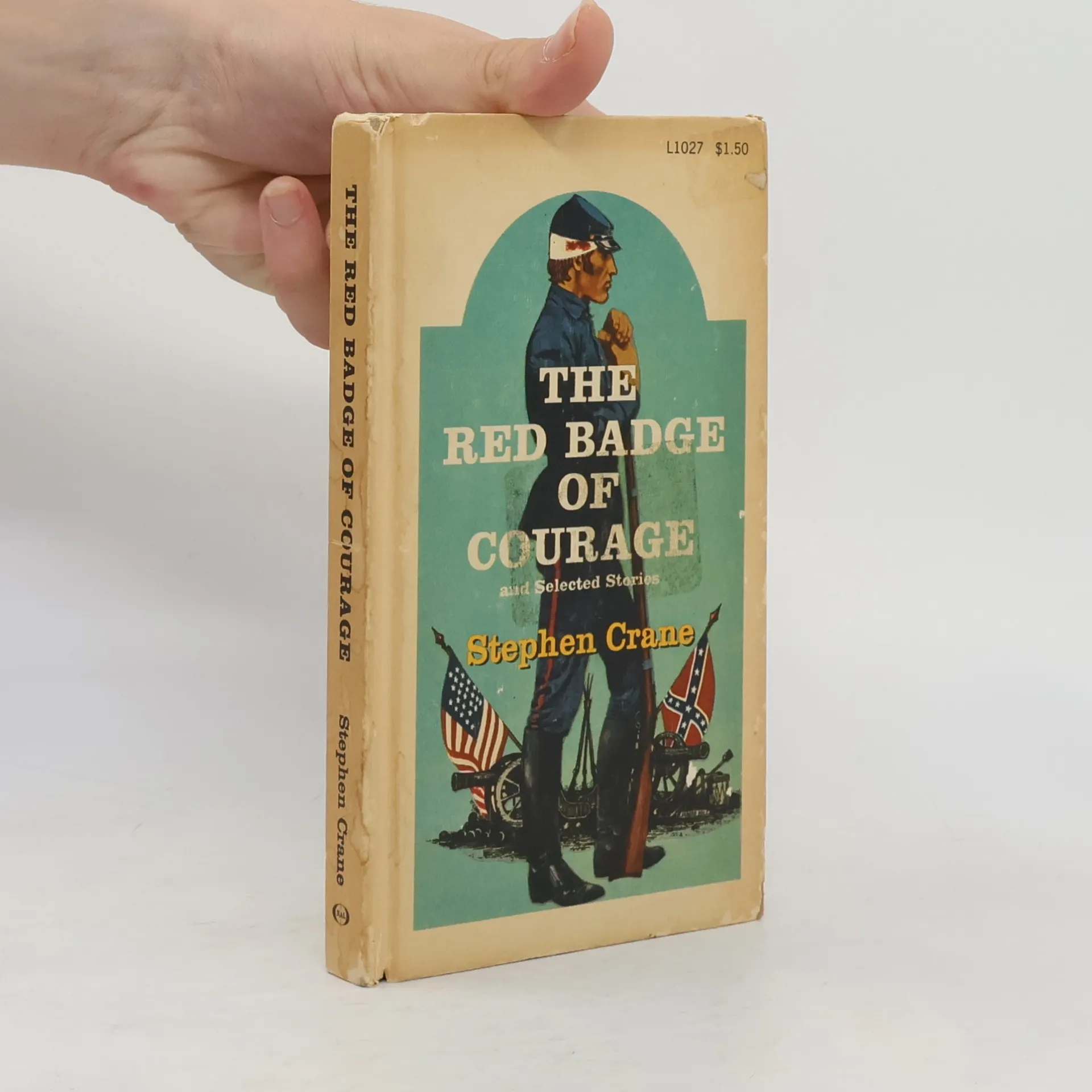
    The Red Badge of Courage
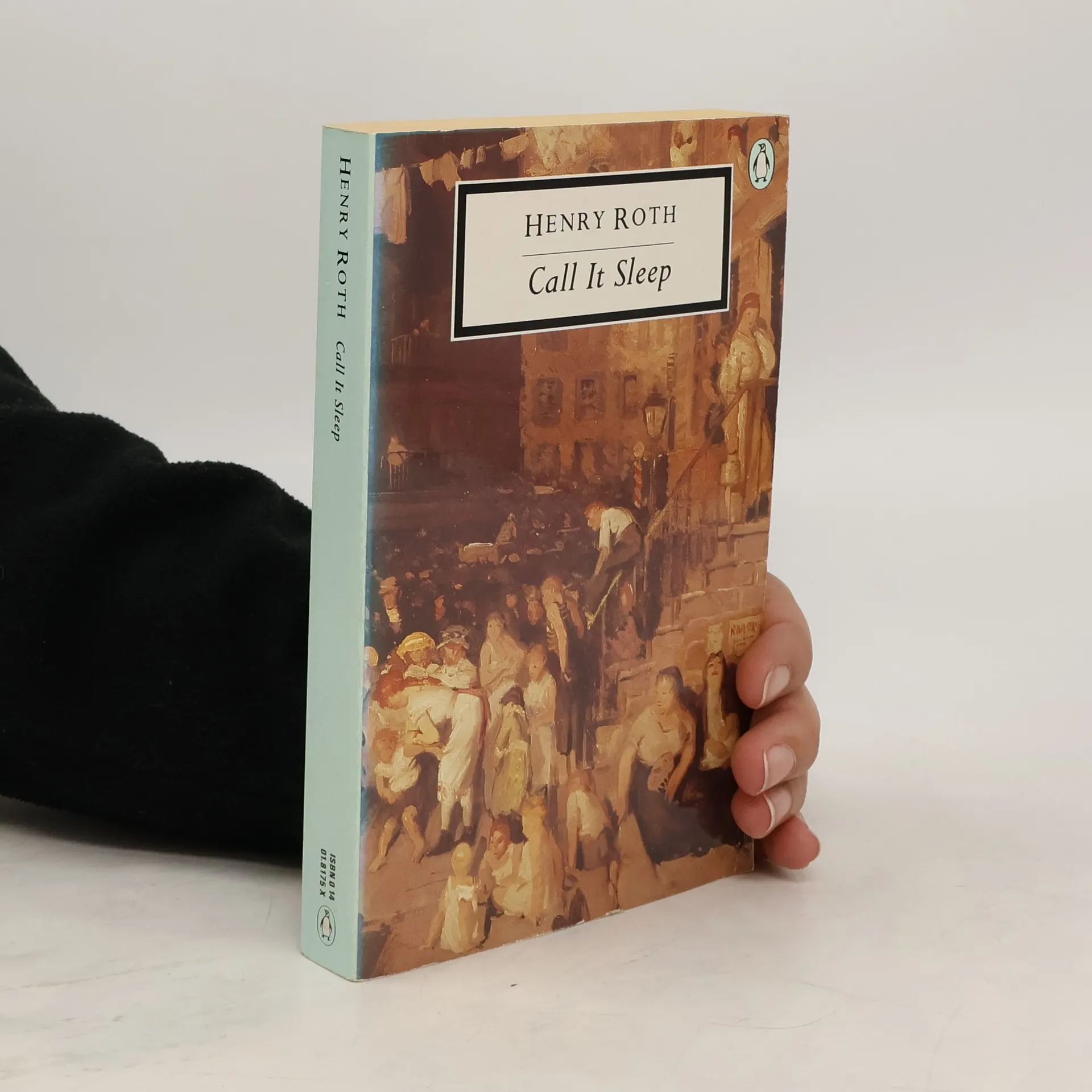
    Call It Sleep
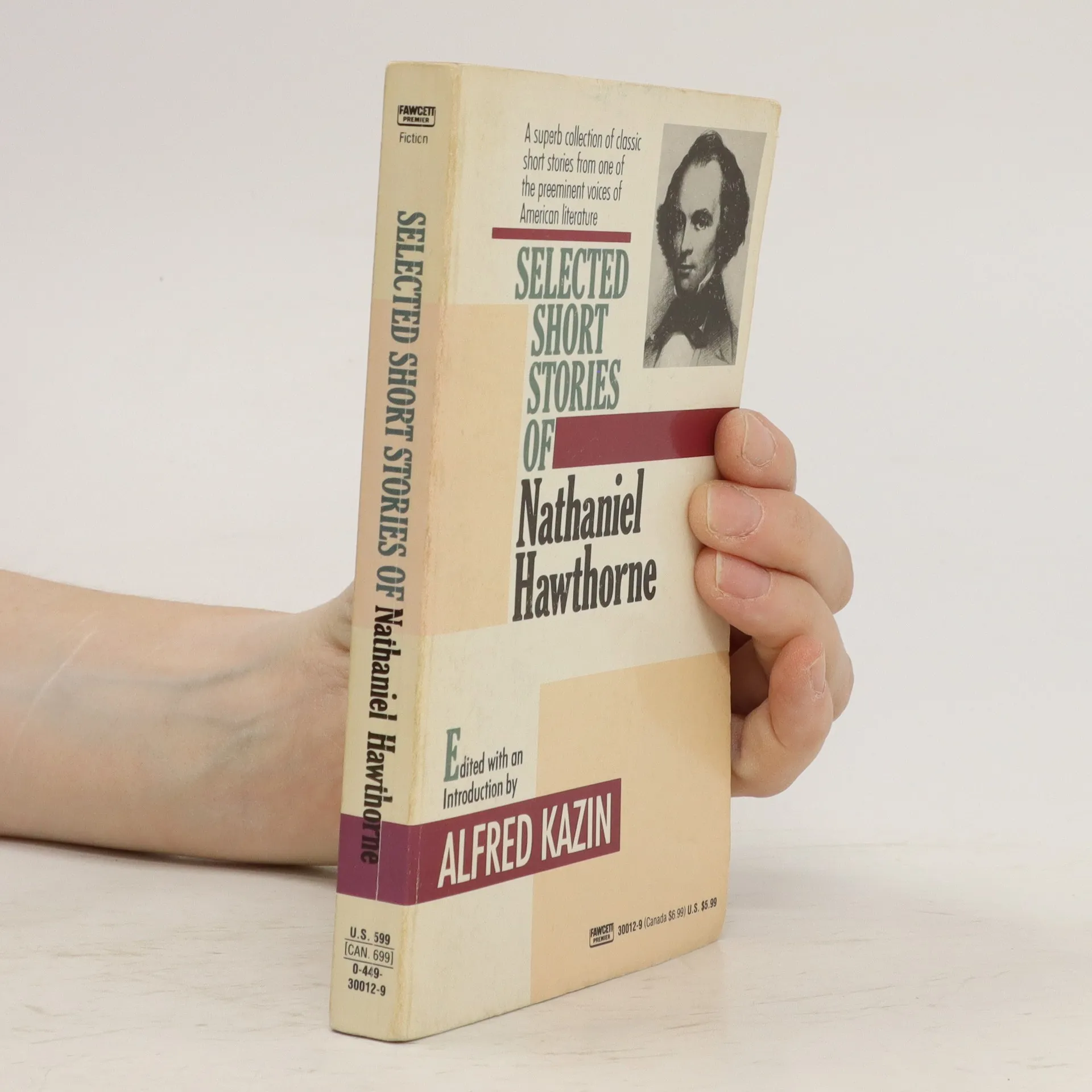
    Selected Short Stories of Nathaniel Hawthorne
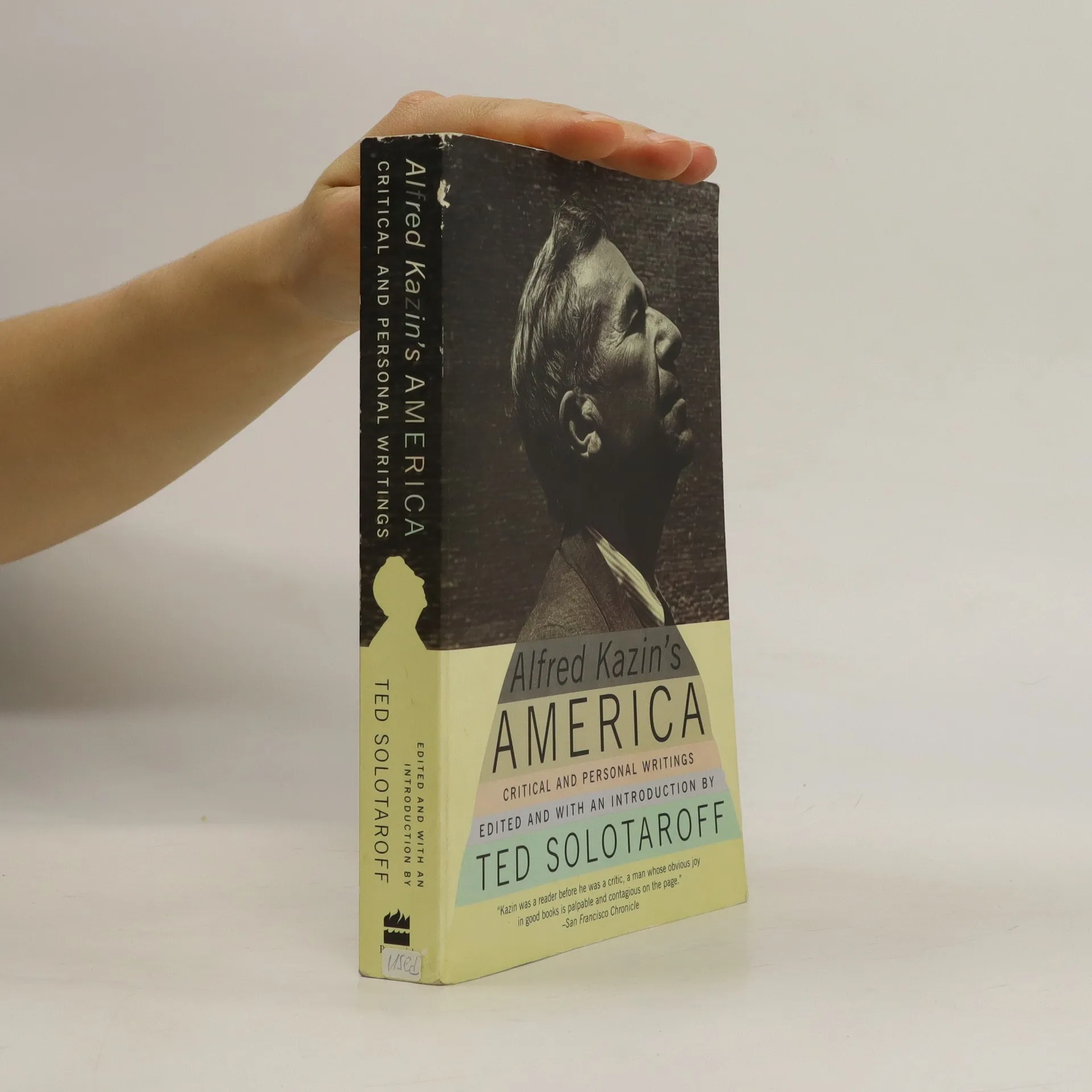
    Alfred Kazin's America
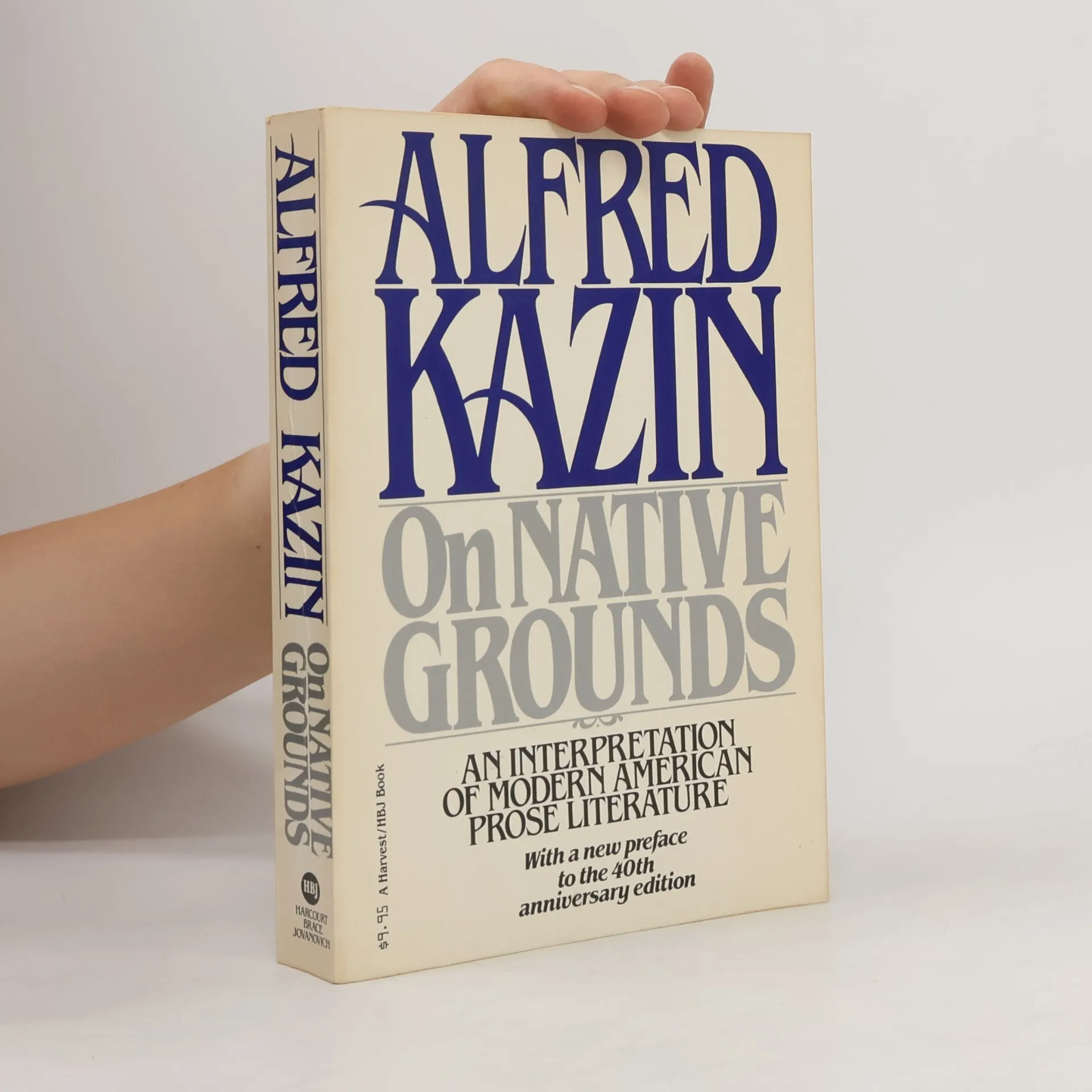
    On Native Grounds
    • Un paseante en Nueva York

      • 192 stránok
      • 7 hodin čítania

      Un niño, hijo de modestos trabajadores emigrantes ruso-judíos, camina por su barrio antes de cruzar el puente de Brooklyn hacia la Nueva York de los años veinte. Este viaje se convierte en un pasaje hacia el conocimiento durante su infancia y adolescencia, un tiempo propicio para los grandes descubrimientos. Kazin, crítico literario y historiador de la cultura, observa la pérdida de una voz narrativa propia del patrimonio literario judío, que, como señala su amigo Yaron Ezrahi, cultiva la soledad y la autobiografía. Retomando esta tradición, Kazin nos presenta su barrio, Brownsville, y el camino que tuvo que recorrer en solitario hacia el conocimiento: libros, lengua, literatura, música, metafísica, política, la ciudad y el mundo. Carson McCullers reconoció la obra como una maestra. Kazin, nacido en Brooklyn en 1915, estudió en el City College de Nueva York y en la Universidad de Columbia. Su carrera abarcó clases en Harvard y Berkeley, así como numerosos artículos y libros de crítica literaria y autobiográficos. Asociado a los New York Intellectuals, mantuvo una larga amistad con Hannah Arendt. Tras cinco años de investigación, escribió "On Native Grounds", el primer estudio serio de la literatura americana de 1890 a 1940. Recibió el premio Truman Capote en 1996 por su labor crítica.

      Un paseante en Nueva York2009
    • Alfred Kazin's America

      • 592 stránok
      • 21 hodin čítania

      “Alfred Kazin chose America as his subject, and his intellectual awakening is itself something of an American legend. . . . Ted Solotaroff’s selection of his work is a fitting tribute, a book that will be a starting point for further reading, both of Kazin and of the native writers to whom he devoted himself” — The New Yorker Over the course of 60 years, Alfred Kazin’s writings confronted virtually all of our major imaginative writers, from Ralph Waldo Emerson and Emily Dickinson to James Wright and Joyce Carol Oates and including such unexpected figures as Abraham Lincoln, William James and Thorstein Veblen. It is fair to say that he succeeded Edmund Wilson as the secretary of American letters. At the same time this son of immigrant Russian Jews wrote out of the tensions of the outsider and the astute, outspoken leftist. Editor Ted Solotaroff has selected material from Kazin’s three classic memoirs to accompany these critical writings. The excerpts include sharply etched portraits of the Brownsville, Greenwich Village, Upper West Side, and Cape Cod literary milieus and of such figures as Saul Bellow, Lionel Trilling, Edmund Wilson, and Hannah Arendt. Alfred Kazin's America provides an ongoing example of the spiritual freedom, individualism, and democratic contentiousness that he regarded as his heritage and endeavored to pass on.

      Alfred Kazin's America2004
      4,1
    • A classic interpretation of literature from America's golden age-including the work of Howells, Wharton, Lewis, Cather, Fitzgerald, Hemingway, and Faulkner. New Preface by the Author; Index.

      On Native Grounds1995
      4,3
    • Call It Sleep

      A Novel - With an Introduction by Alfred Kazin

      • 480 stránok
      • 17 hodin čítania

      When Henry Roth published his debut novel Call It Sleep in 1934, it was greeted with considerable critical acclaim though, in those troubled times, lackluster sales. Only with its paperback publication thirty years later did this novel receive the recognition it deserves―--and still enjoys. Having sold-to-date millions of copies worldwide, Call It Sleep is the magnificent story of David Schearl, the "dangerously imaginative" child coming of age in the slums of New York.

      Call It Sleep1991
      3,8
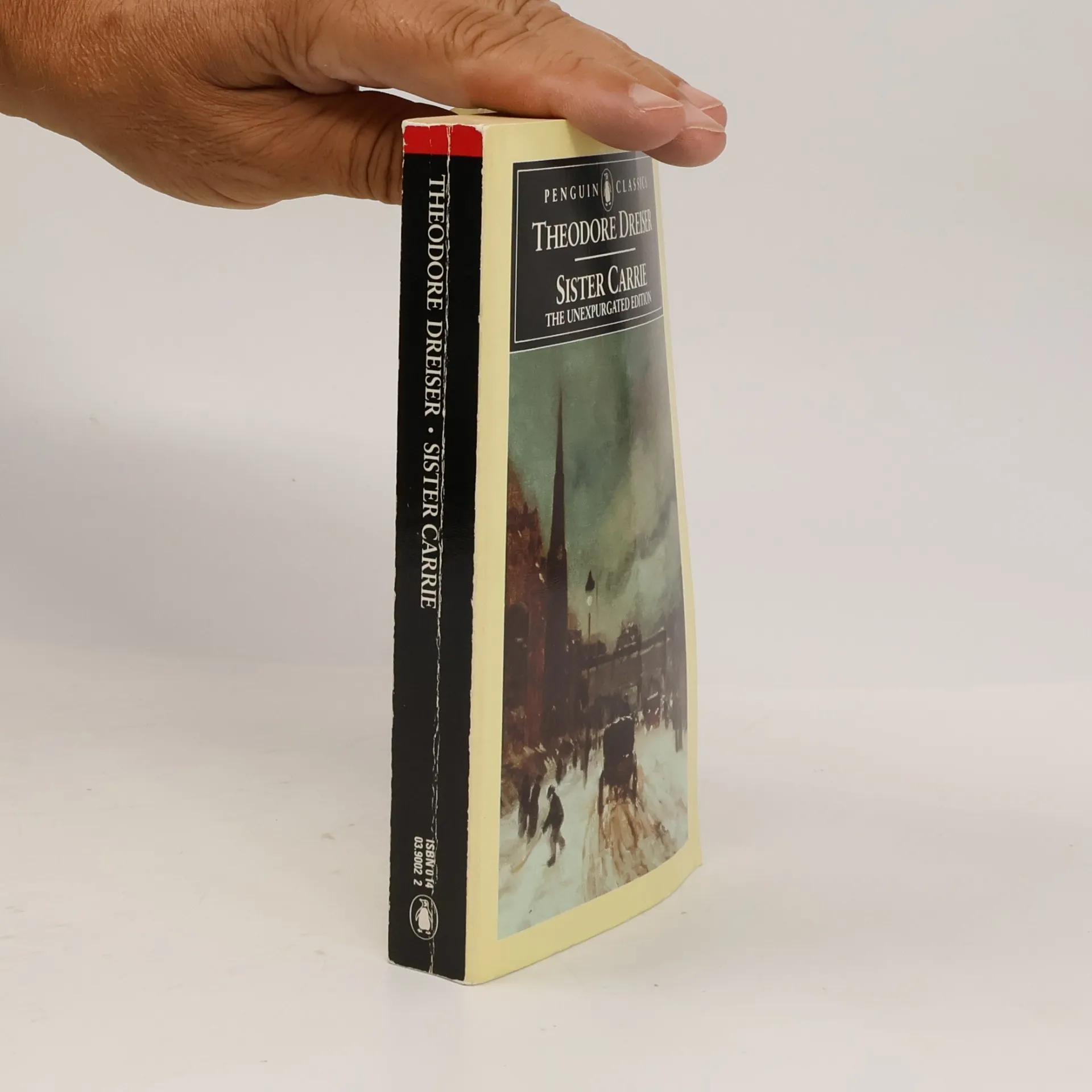
    • Theodore Dreiser's first and perhaps most accessible novel, Sister Carrie is an epic of urban life - the story of an innocent heroine adrift in an indifferent city. When small-town girl Carrie Meeber sets out for Chicago, she is equipped with nothing but a few dollars, a certain unspoiled beauty and charm, and a pitiful lack of preparation for the complex moral choices she will face.

      Sister Carrie : the unexpurgated edition1986
    • During his service in the Civil War a young Union soldier matures to manhood and finds peace of mind as he comes to grips with his conflicting emotions about war.

      The Red Badge of Courage1983
      3,5
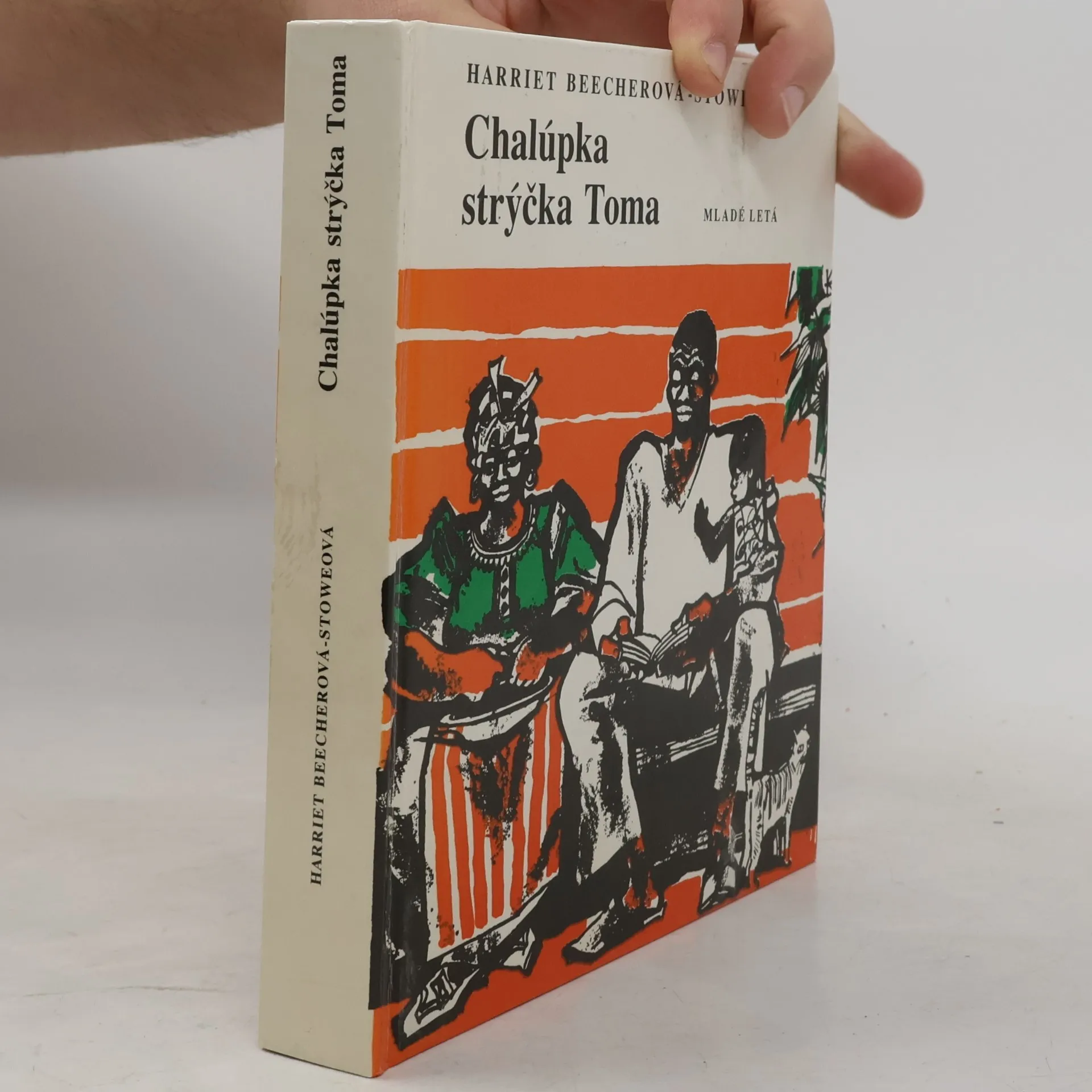
    • Uncle Tom's Cabin

      • 451 stránok
      • 16 hodin čítania

      `So you're the little woman who wrote the book that started this great war!' These words, said to have been uttered by Abraham Lincoln, signal the celebrity of Uncle Tom's Cabin. The first American novel to become an international best-seller, Stowe's novel charts the progress from slavery to freedom of fugitives who escape the chains of American chattel slavery, and of a martyr who transcends all earthly ties. At the middle of the nineteenth-century, the names of its characters - Little Eva, Topsy, Uncle Tom - were renowned. A hundred years later, `Uncle Tom' still had meaning, but, to Blacks everywhere it had become a curse. This edition firmly locates Uncle Tom's Cabin within the context of African-American writing, the issues of race and the role of women. Its appendices include the most important contemporary African-American literary responses to the glorification of Uncle Tom's Christian resignation as well as excerpts from popular slave narratives, quoted by Stowe in her justification of the dramatization of slavery, Key to Uncles Tom's Cabin.

      Uncle Tom's Cabin1981
      4,1