John Florio
- 374 stránok
- 14 hodin čítania
Frances Yates' 1934 work explores the complex relationship between John Florio and Shakespeare, shedding light on their connections and influences.


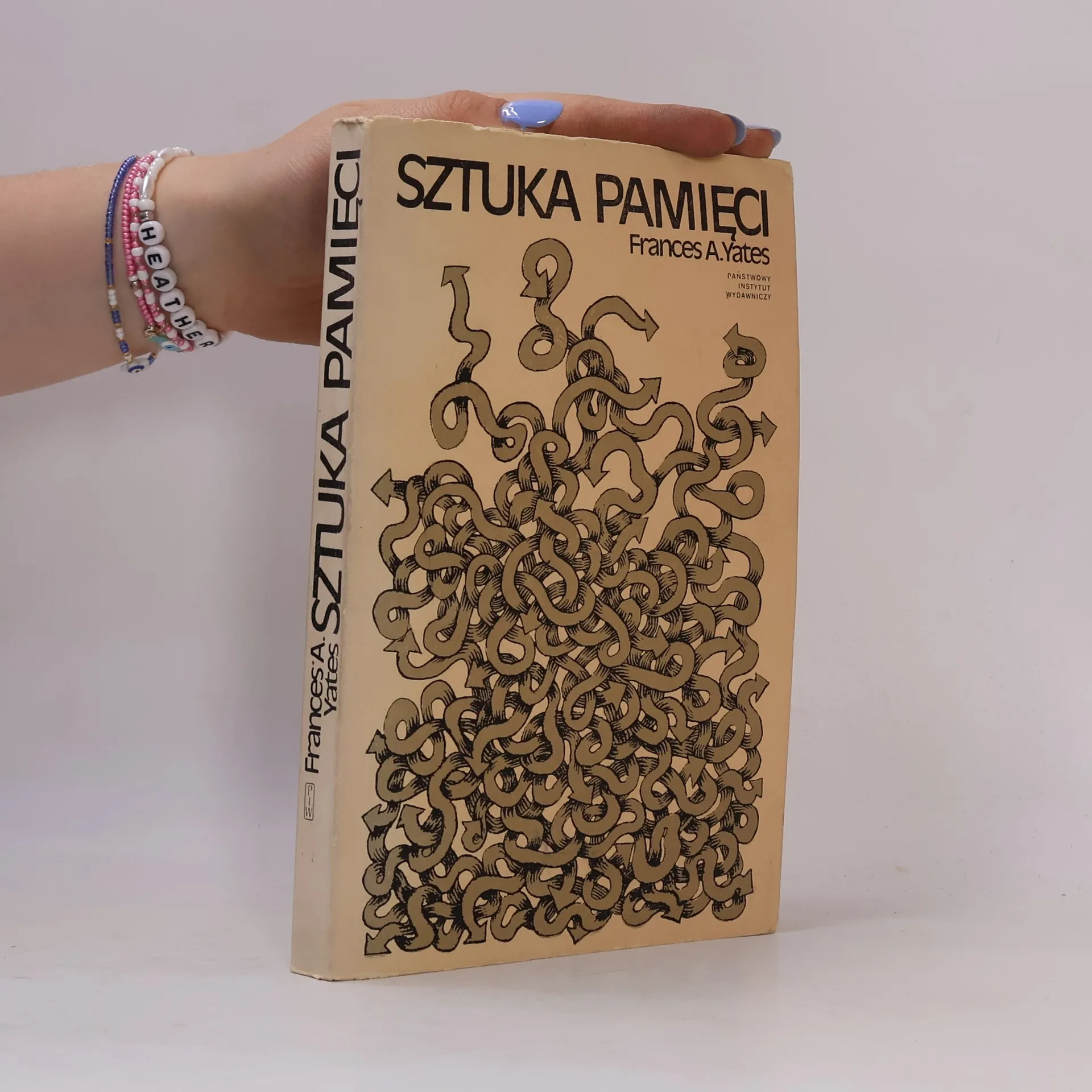
Frances Yates bola anglická historička, ktorá sa zameriavala na štúdium renesancie a ezoterickej histórie. Jej práce skúmali najmä ezoterické a okultné filozofie tohto obdobia a ich vplyv na renesančné myslenie. Yates presadzovala interdisciplinárny a celoeurópsky prístup k historiografii, ktorý ovplyvnil jej vnímanie kľúčových postáv a myšlienkových prúdov.


Frances Yates' 1934 work explores the complex relationship between John Florio and Shakespeare, shedding light on their connections and influences.
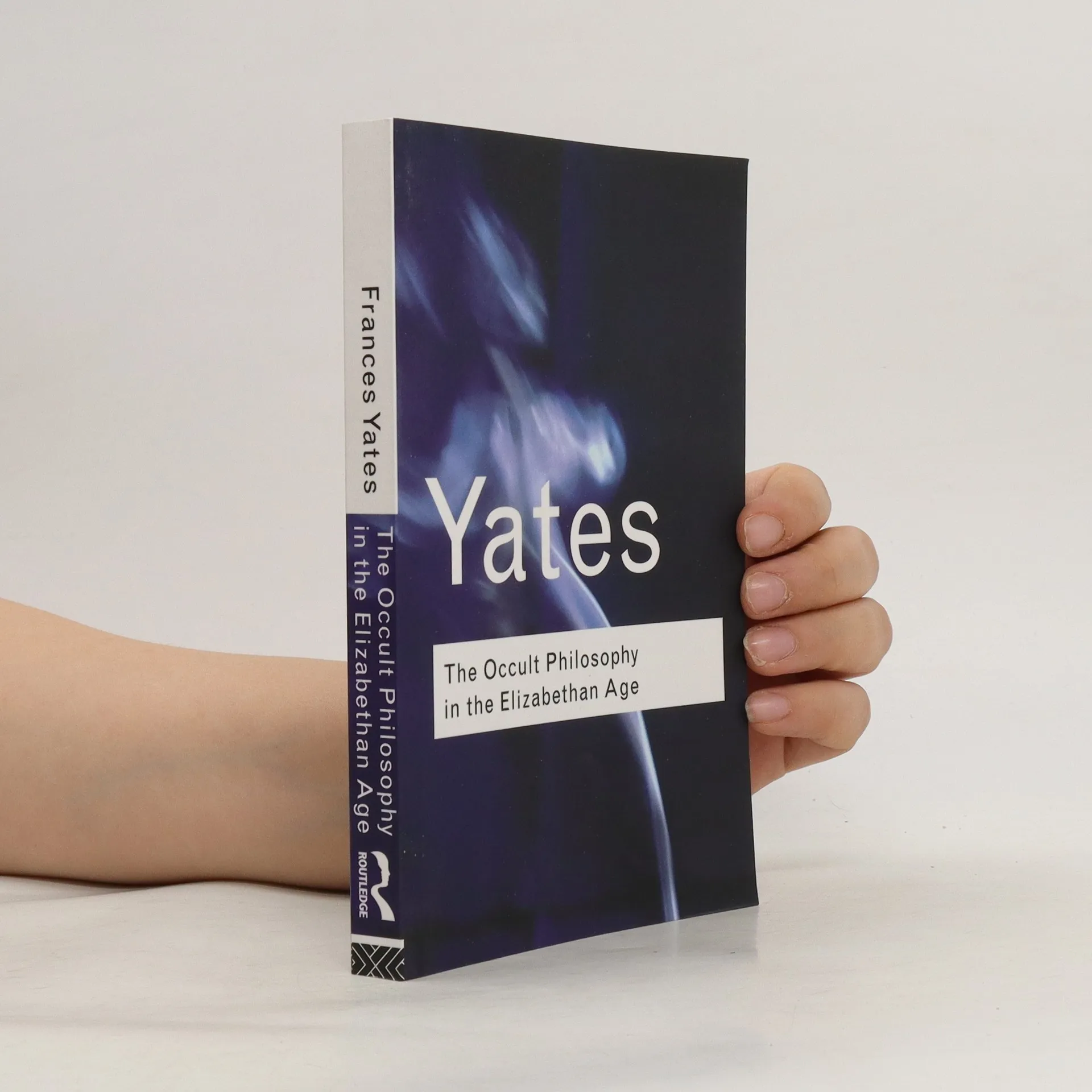
It is hard to overestimate the importance of the contribution made by Dame Frances Yates to the serious study of esotericism and the occult sciences. To her work can be attributed the contemporary understanding of the occult origins of much of Western scientific thinking, indeed of Western civilization itself. The Occult Philosophy of the Elizabethan Age was her last book, and in it she condensed many aspects of her wide learning to present a clear, penetrating, and, above all, accessible survey of the occult movements of the Renaissance, highlighting the work of John Dee, Giordano Bruno, and other key esoteric figures. The book is invaluable in illuminating the relationship between occultism and Renaissance thought, which in turn had a profound impact on the rise of science in the seventeenth century. Stunningly written and highly engaging, Yates' masterpiece is a must-read for anyone interested in the occult tradition.
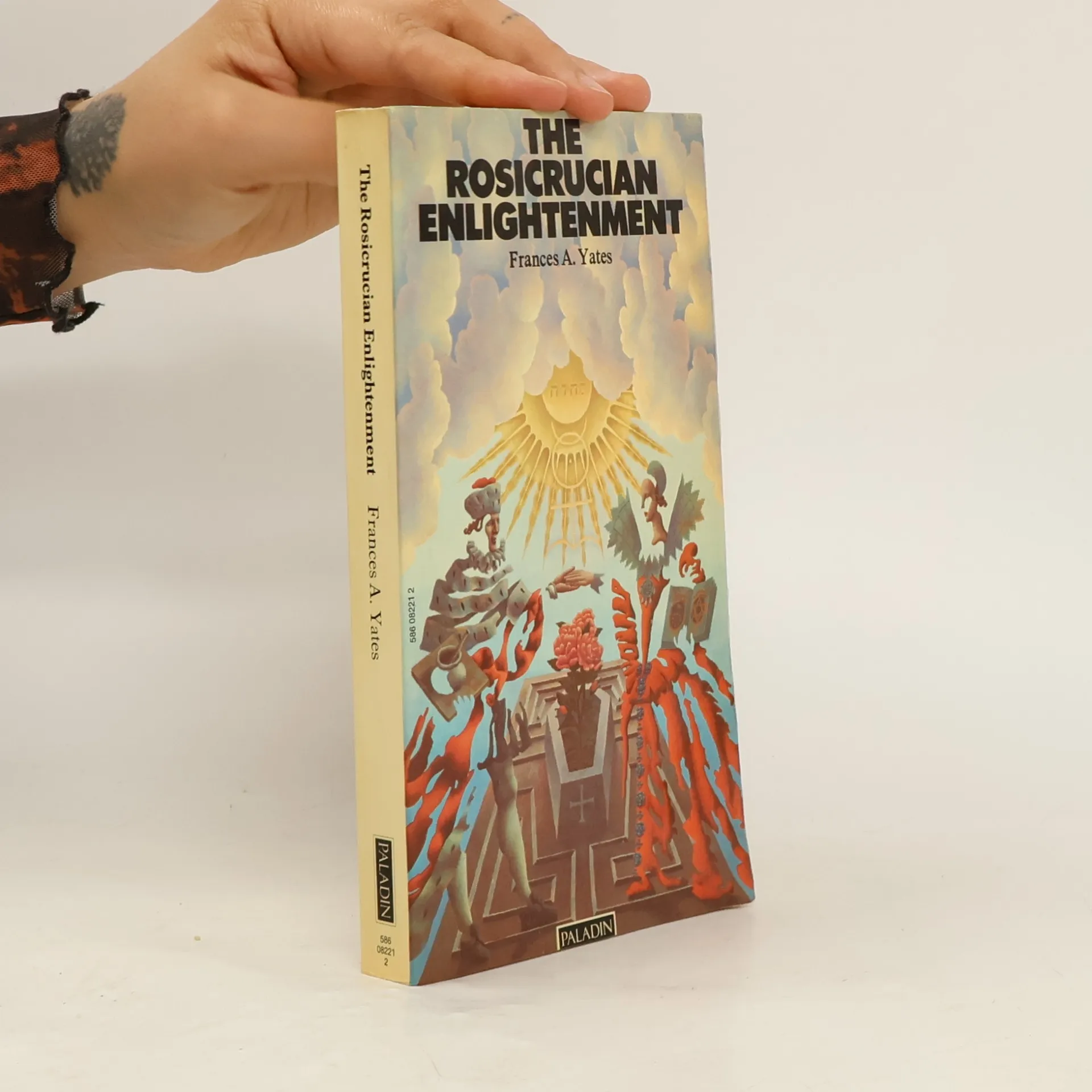
A history of the role that the occult has played in the formation of modern science and medicine, The Rosicrucian Enlightenment has had a tremendous impact on our understanding of the western esoteric tradition. Beautifully illustrated, it remains one of those rare works of scholarship which the general reader simply cannot afford to ignore.
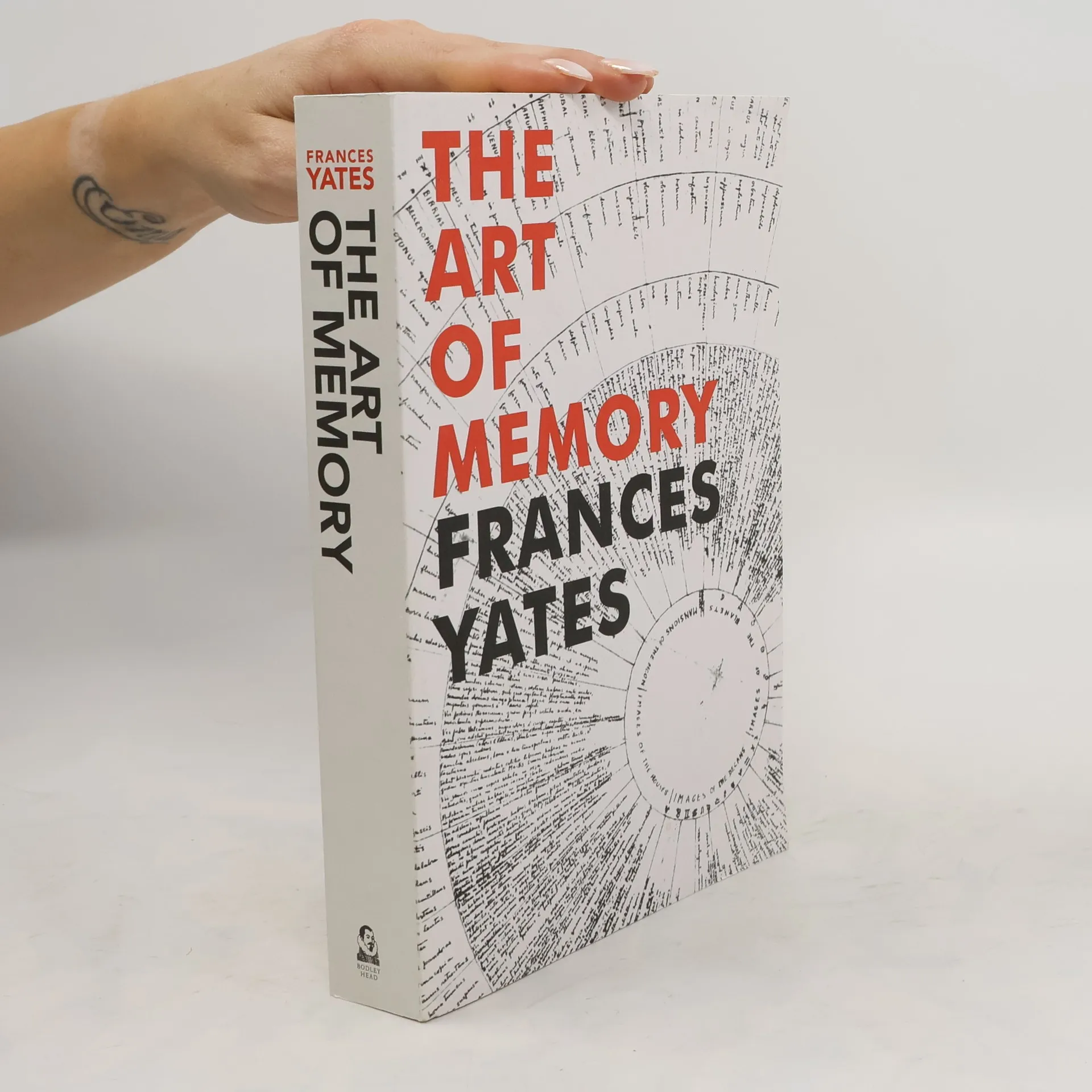
This unique and brilliant book is a history of human knowledge. Before the invention of printing, a trained memory was of vital importance. Based on a technique of impressing 'places' and 'images' on the mind, the ancient Greeks created an elaborate memory system which in turn was inherited by the Romans and passed into the European tradition, to be revived, in occult form, during the Renaissance. Frances Yates sheds light on Dante's Divine Comedy, the form of the Shakespearian theatre and the history of ancient architecture; The Art of Memory is an invaluable contribution to aesthetics and psychology, and to the history of philosophy, of science and of literature.
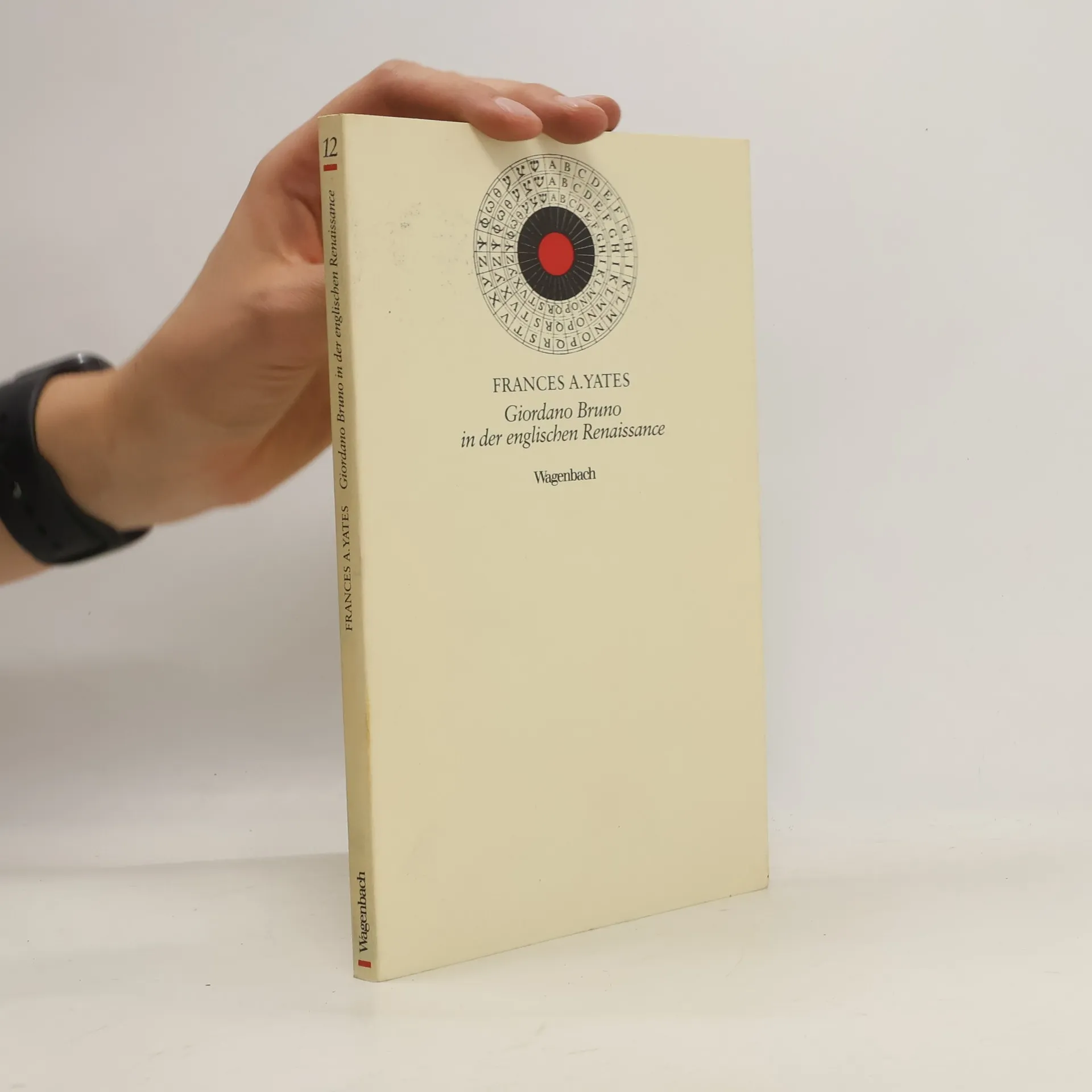
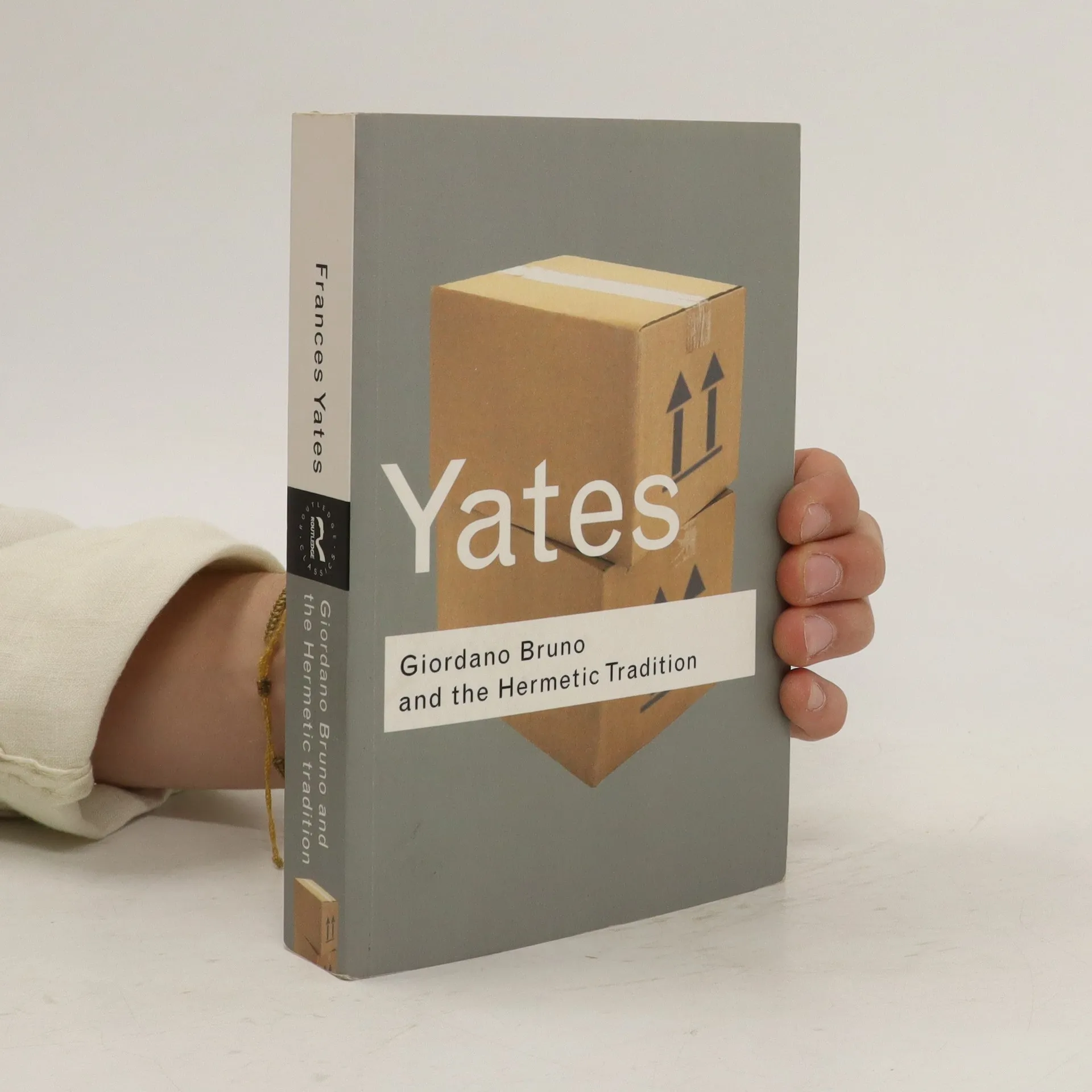
In 1600 the renegade philosopher and theologian Giordano Bruno was burnt at the stake in Rome. One of the most notorious figures of his times, his crime was to preach a doctrine of brotherhood, peace and free love. Four centuries later Bruno is known as the Prophet of the New Age and his vision of an infinite universe grounded in science is increasingly celebrated. One of the main forces behind his rediscovery was the great British historian Frances Yates. It was she who pioneered the study of the hugely influential occult and hidden traditions that had previously been ignored in the histories of European thought. In calling attention to Giordono Bruno, Yates paved the way for a revaluation of the esoteric influences at play during the onset of the modern era. Today, when traditional answers about the universe and our place within it are under increasing scrutiny, Giordono Bruno and the Hermetic Tradition proves itself a true classic for our time