Z Knihobotu sa stal Bookbot!
Bookbot

Andrea S. Wiley

    Medical Anthropology
    An Ecology of High-Altitude Infancy
    • An Ecology of High-Altitude Infancy

      A Biocultural Perspective

      • 270 stránok
      • 10 hodin čítania

      Highlighting the roles of ecology, culture, history, and political economy, this book considers how the unique mountain ecology and socio-cultural patterns of the Himalayan region of Ladakh contribute to a peculiar pattern of infant mortality. It stresses the burdens of women's work in this region as crucial to birth outcome. An example of a new genre of anthropological work called "ethnographic human biology," this study utilizes the methodology of human biology but strongly emphasizes the ethnographic context that provides meaning for human biological measures. Inhaltsverzeichnis 1. Introduction; 2. Challenges of high altitude living; 3. Contextualizing reproductive health research in Ladakh; 4. Big mountains, small babies; 5. An ecology of infancy in Ladakh; 6. Comparative perspectives on reproductive health in Ladakh; 7. Toward relevant research: adaptation and policy perspectives on maternal-infant health in Ladakh.

      An Ecology of High-Altitude Infancy
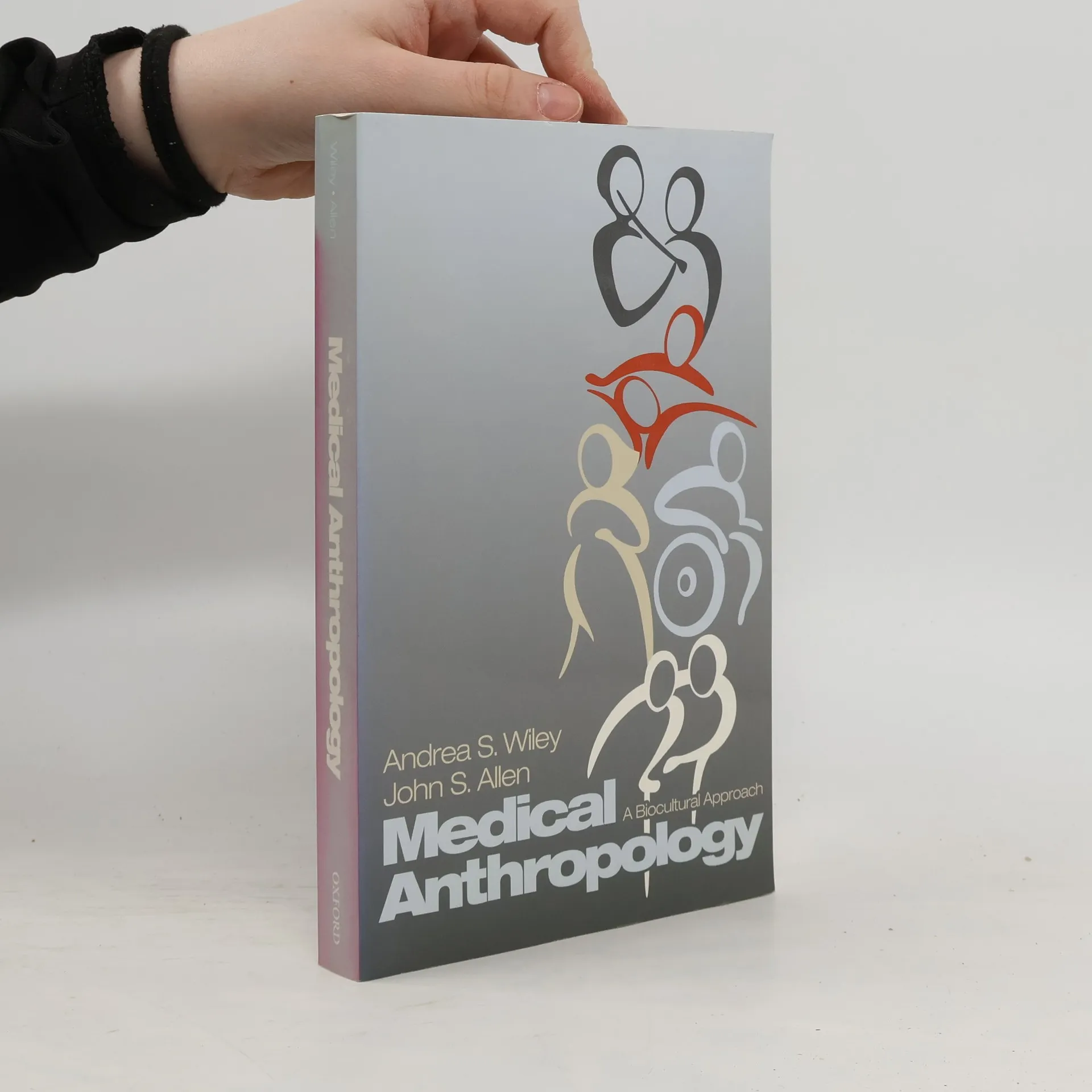
    • Medical Anthropology

      A Biocultural Approach

      • 459 stránok
      • 17 hodin čítania

      Medical anthropology encompasses a wide range of perspectives as it seeks to understand human health and illness. An ideal core text for introductory courses, Medical A Biocultural Approach provides a current and accessible overview of this diverse and rapidly expanding field.Working from a Biocultural approach, Medical Anthropology examines the major health issues that affect most human societies, describing and synthesizing the ways in which biology, culture, health, and environment interact. It integrates up-to-date and relevant biological data with analyses of bothevolutionary theory and the sociocultural conditions that often lead to major challenges to our health and survival.Authors Andrea S. Wiley and John S. Allen first present basic biological information on a specific health condition and then extend their investigation to include evolutionary, historical, sociocultural, and political-economic perspectives. Topics covered include healers and healing; health,diet, and nutrition; child health, growth, and development; reproductive health; aging; infectious disease; behavioral disease; stress, social inequality, and race; and mental illness. Each chapter features a variety of case studies and examples--current and historical, local and global--thatdemonstrate how a medical anthropological perspective can shed important light on a particular health condition. In addition, the text is enhanced by numerous tables, figures, review questions, critical thinking questions, suggestions for accompanying ethnographies, and a glossary to help studentsbetter understand the material. Throughout the text, the authors consider how a biocultural anthropological approach could be applied to more effective prevention and treatment efforts. They also highlight the ways in which medical anthropology has the potential to help improve the health ofpopulations around the world.

      Medical Anthropology