

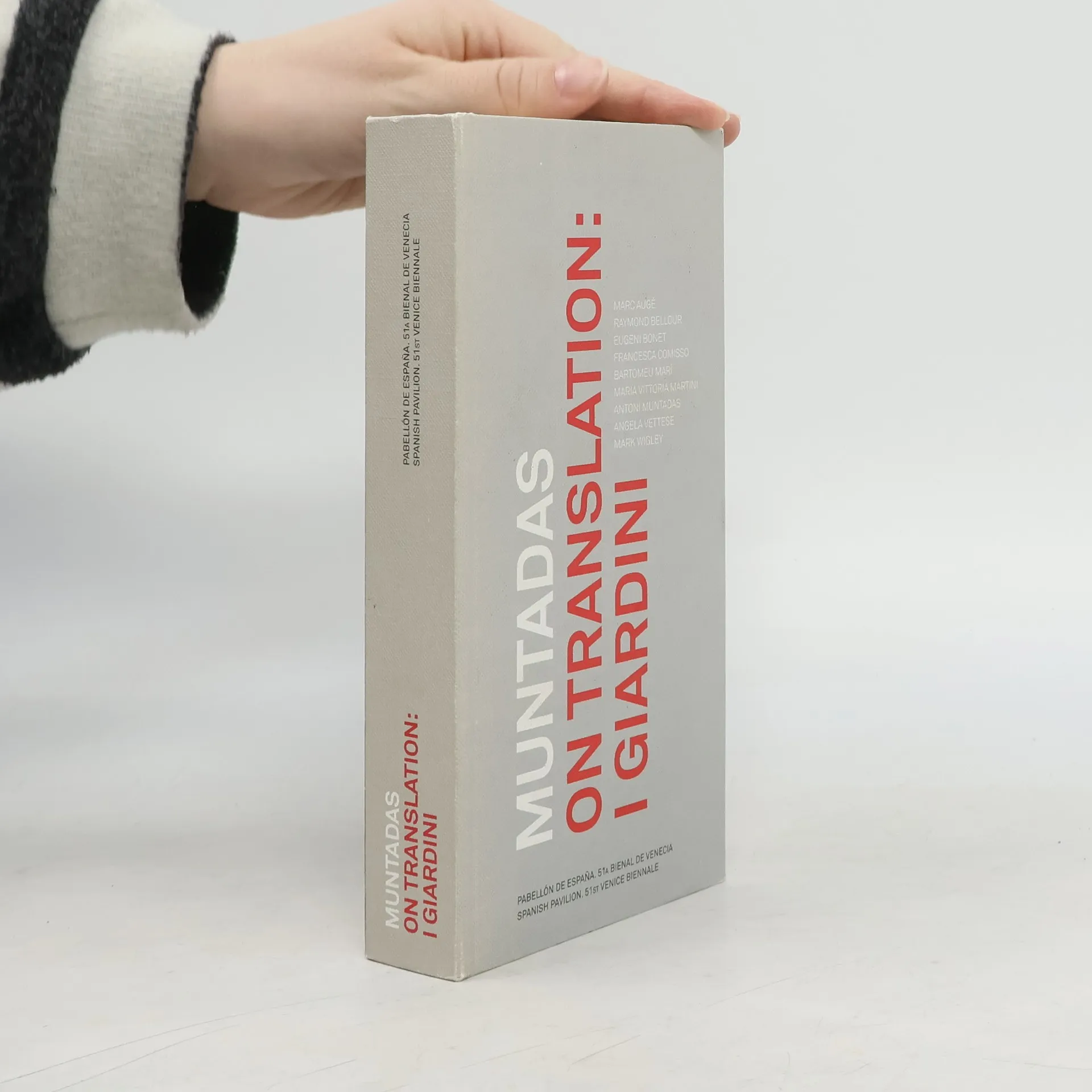
In a year when Spanish curators directed the Venice Biennale for the first time, Antoni Muntadas, representing Spain in the Spanish pavilion, told a reporter that the Biennale "takes its ideas from international fairs. It connotes the theme park. There was exoticism, invention, the new... but by now it is an obsolete structure." Muntadas's On I Giardini, the latest in a series of often site-specific On Translation projects completed over the last 10 years, is here documented from its inception. Translation is a metaphor, as Muntadas states, "I am not talking about translation in a literal sense, but in a cultural sense--how the world we live in is a totally translated world, everything is always filtered by some social, political, cultural and economic factor... by the media, of course, by context and by history." Accordingly, I Giardini looks into the context and history of the Biennale's Giardini del Castello, delving into the transformations and "translations" it has undergone over time, and investigating Venice's status and the space that frames the Biennale. Muntadas notes, for instance, that a new Italian pavilion built on Mussolini's orders was replaced again after the war.
Antoni Muntadas Poradie kníh (chronologicky)
Antoni Muntadas je multidisciplinárny mediálny umelec, ktorého tvorba skúma vzťahy medzi umením, technológiou a spoločnosťou. Jeho umelecký prístup sa často zameriava na kritické skúmanie mediálnych systémov a ich vplyvu na naše vnímanie sveta. Prostredníctvom rôznych médií, od inštalácií po videá, Muntadas podnecuje divákov k zamysleniu nad spôsobmi, akými sú informácie a obrazy prezentované a konzumované. Jeho dielo sa vyznačuje hĺbkou myšlienok a univerzálnymi témami, ktoré rezonujú naprieč kultúrami.


Ladies & Gentlemen
- 164 stránok
- 6 hodin čítania
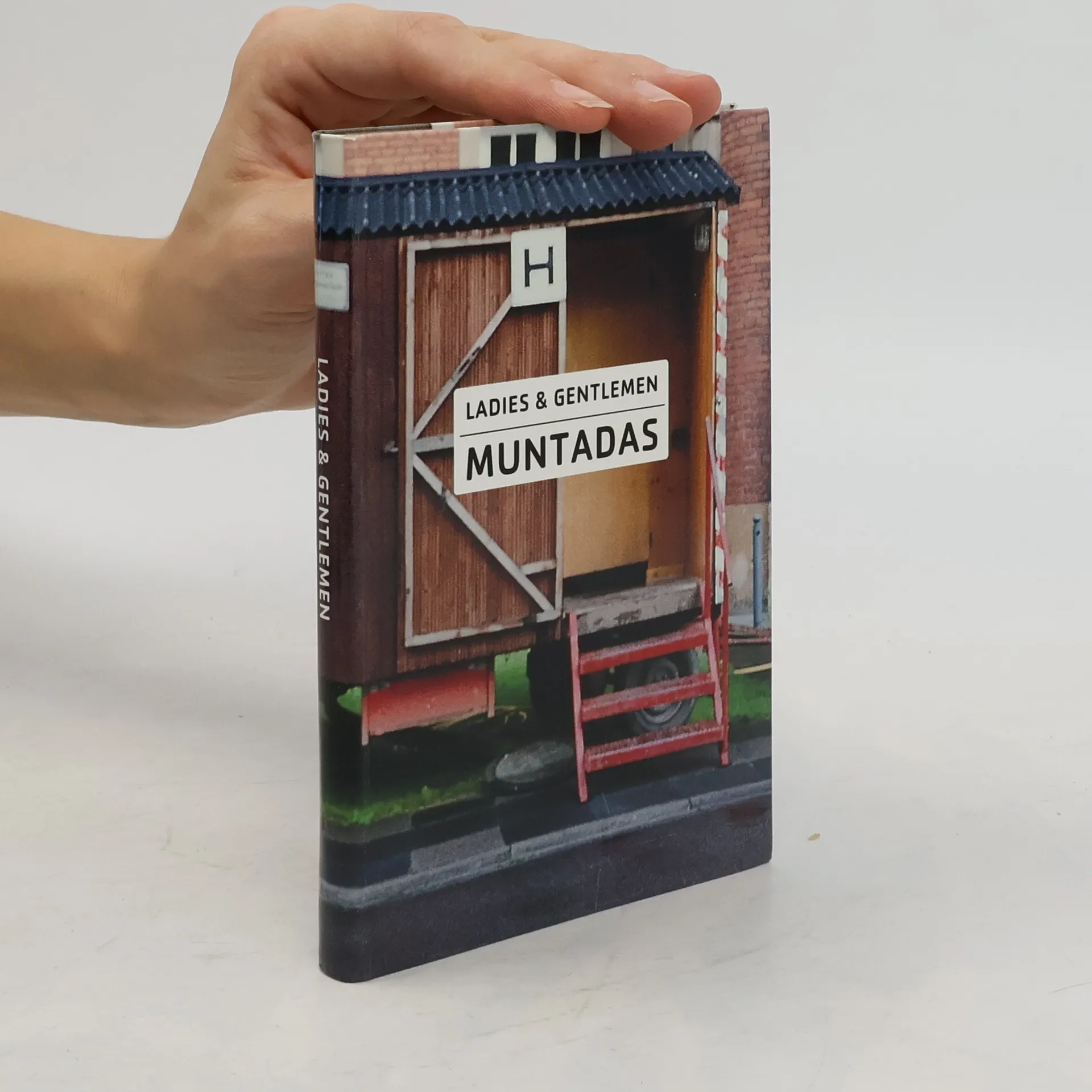
"Men's Room." "Women's Room." We see these signs everywhere, every day, so much that we take them for granted. New York-based photographer Antoni Muntadas, however, has taken photographs of these signs all over the world, and they are published in Ladies & Gentlemen. As we turn page after page of these signs in different languages, signs with different graphics, we are not only amused, but we realize that these symbols have been transformed into gender symbols that refer to a universally accepted gender division. Virtually without text, this volume simply presents the images for what they signifiers of public spaces that exist for a private function.