Amy Chua sa zameriava na zložité vzťahy medzi kultúrou, etikou a globálnym obchodom. Jej práca skúma, ako kultúrne identity a tradície formujú medzinárodné obchodné praktiky a etické normy. Chua analyzuje dynamiku mocenských vzťahov a etnických konfliktov v kontexte globalizácie. Jej literárny štýl je známy svojou priebojnosťou a schopnosťou odhaľovať skryté motivácie v globálnej ekonomike.
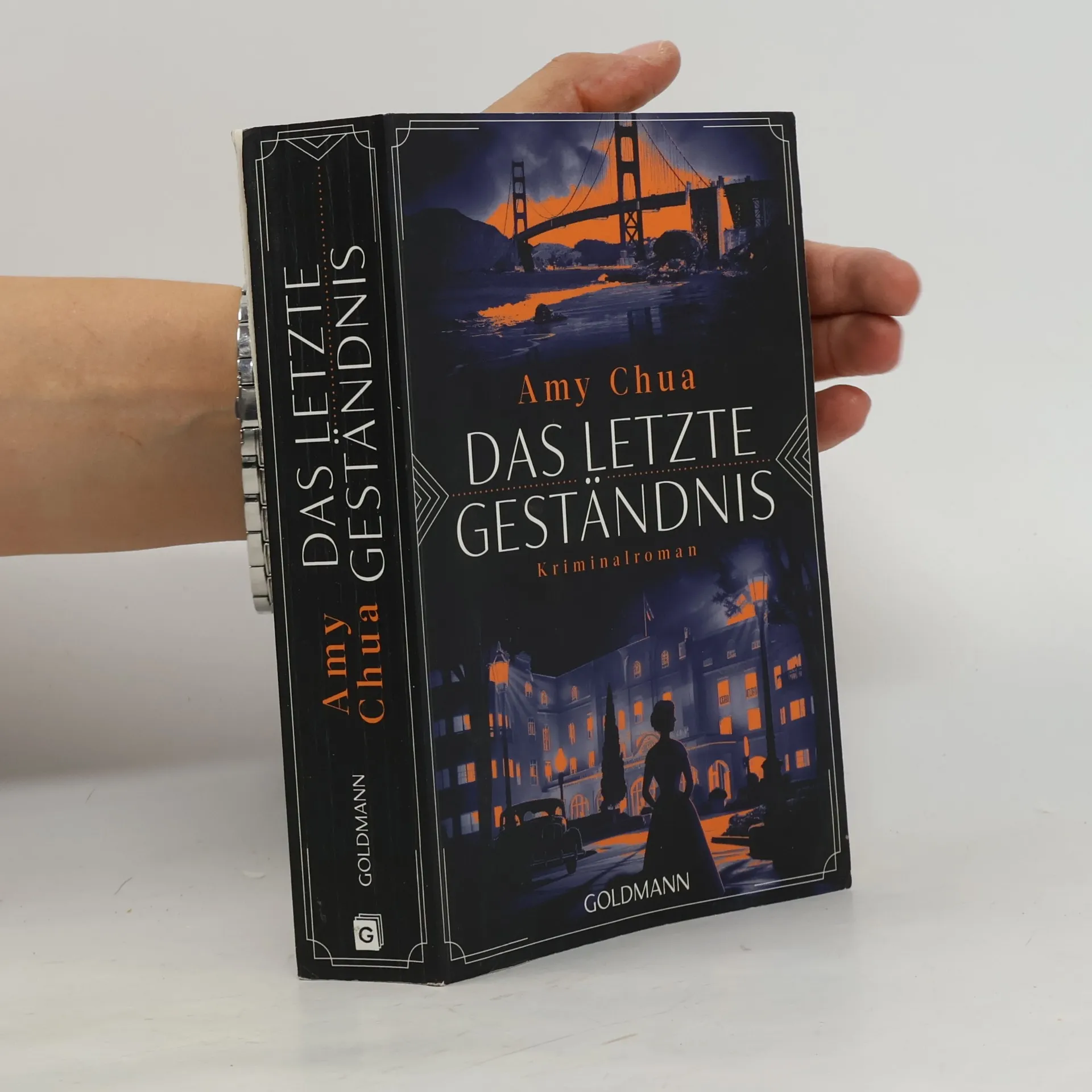
Im Jahr 1944 wird Detective Al Sullivan nach einem Mord im Claremont Hotel zurückgerufen. Der Präsidentschaftskandidat Walter Wilkinson wurde erschossen. Al untersucht zahlreiche Verdächtige, darunter eine Affäre und mysteriöse Erbinnen, und stößt auf ein Netz aus Geheimnissen und Intrigen.
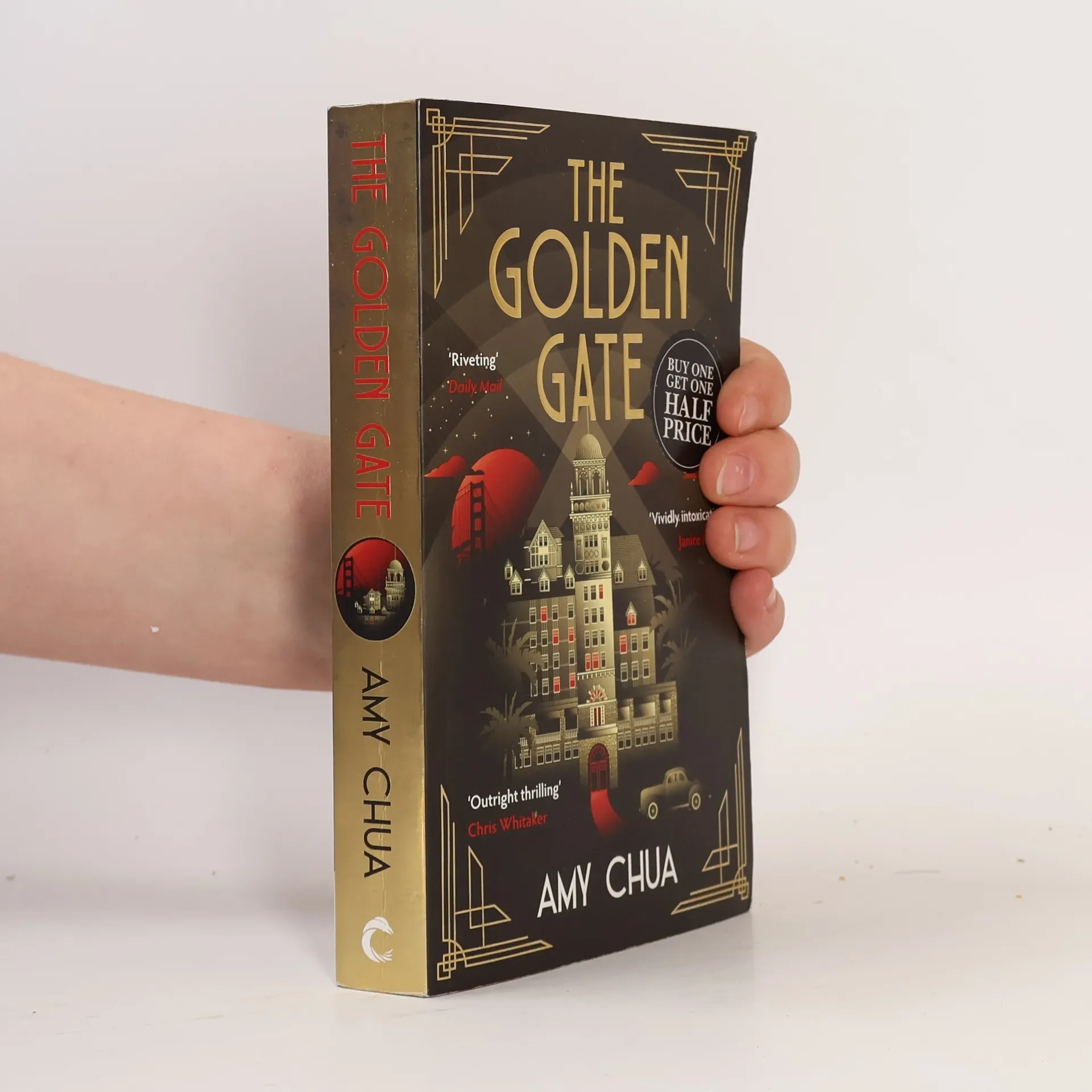
Berkeley, California 1944: A former presidential candidate is assassinated in one of the rooms at the opulent Claremont Hotel. A rich industrialist, Walter Wilkinson could have been targeted by any number of adversaries. But Detective Al Sullivan's investigation brings up the spectre of another tragedy at the Claremont ten years earlier: the death of seven-year-old Iris Stafford, a member of the wealthy and influential Bainbridge family. Some say she haunts the Claremont still. The many threads of the case keep leading Sullivan back to the three remaining Bainbridge heiresses, now adults: Iris's sister, Isabella, and her cousins Cassie and Nicole. Determined not to let anything distract him from the truth - not the powerful influence of Bainbridges' grandmother, or the political aspirations of Berkeley's district attorney, or the interest of Chinese first lady Madame Chiang Kai-Shek - Sullivan follows his investigation to its devastating conclusion. Chua's page-turning debut brings to life a historical era rife with turbulent social forces and ground-breaking forensic advances, when access to power, and therefore justice, hinged on gender, race and class.[Bokinfo].
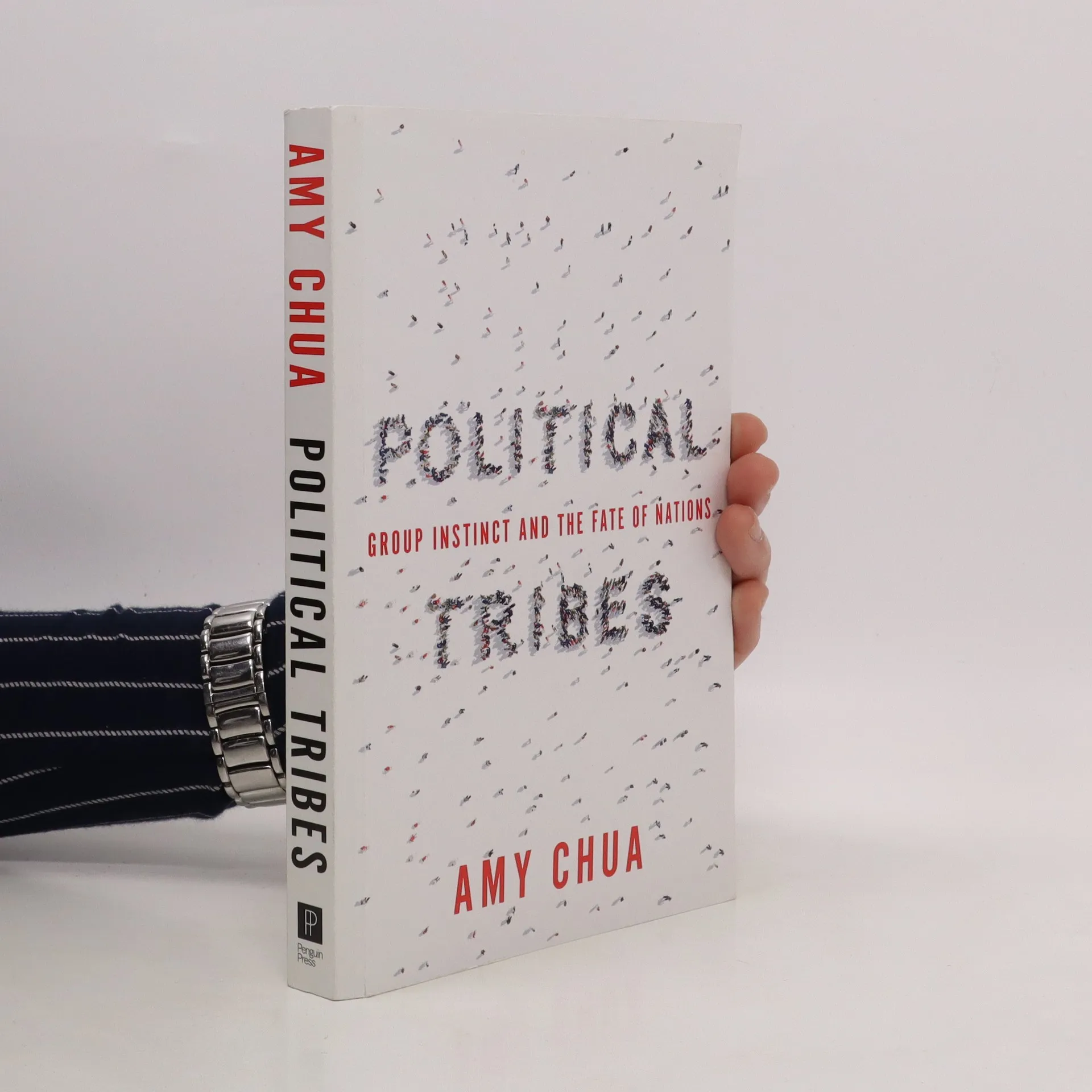
Discusses the failure of America's political elites to recognize how group identities drive politics both at home and abroad, and outlines recommendations for reversing the country's foreign policy failures and overcoming destructive political tribalism at home.
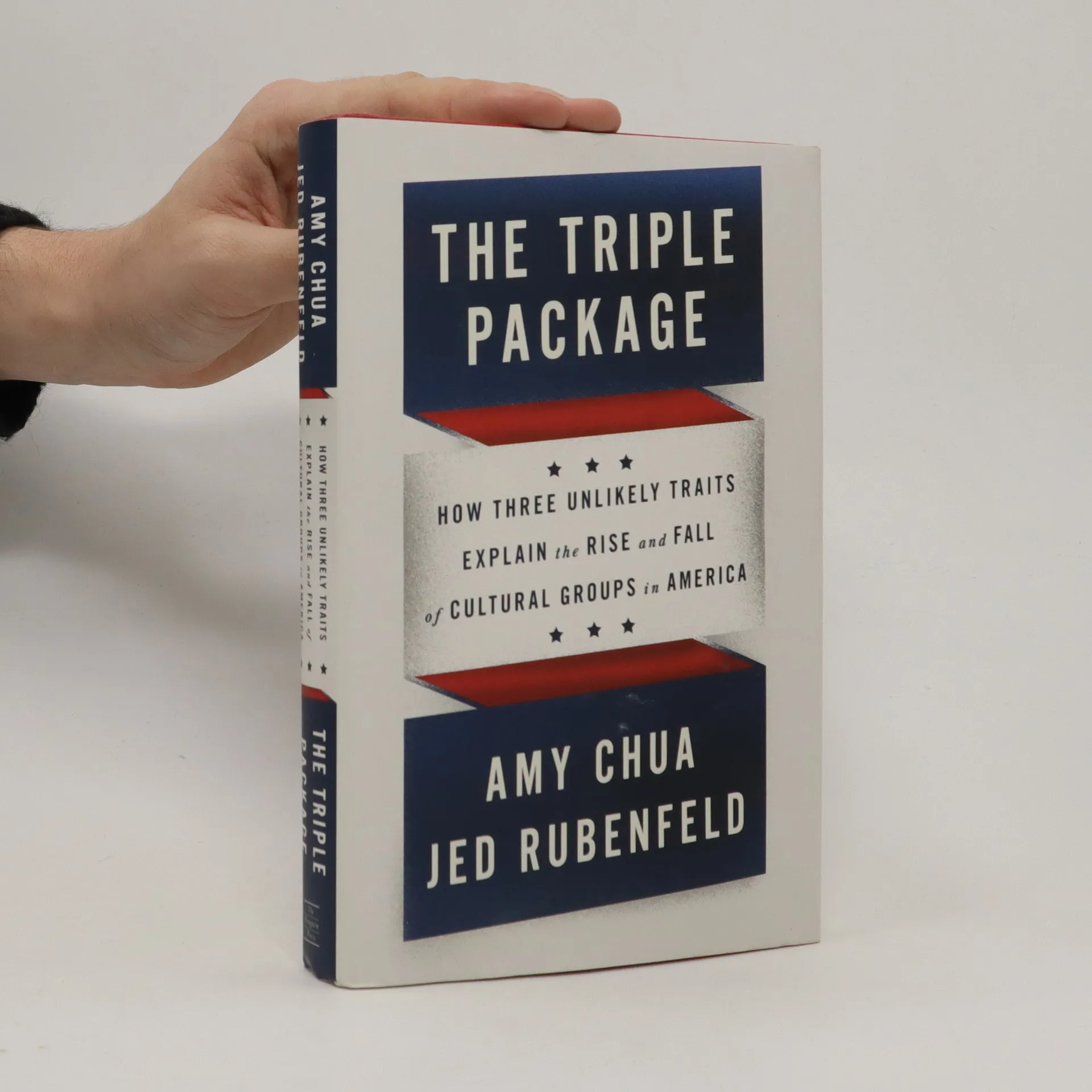
"It may be taboo to say so, but some groups in this country do better than others. Mormon, Cuban, Nigerian, and Chinese Americans have all recently achieved astonishing business success. This book uncovers the secret to their success."--Page 4 de la couverture.
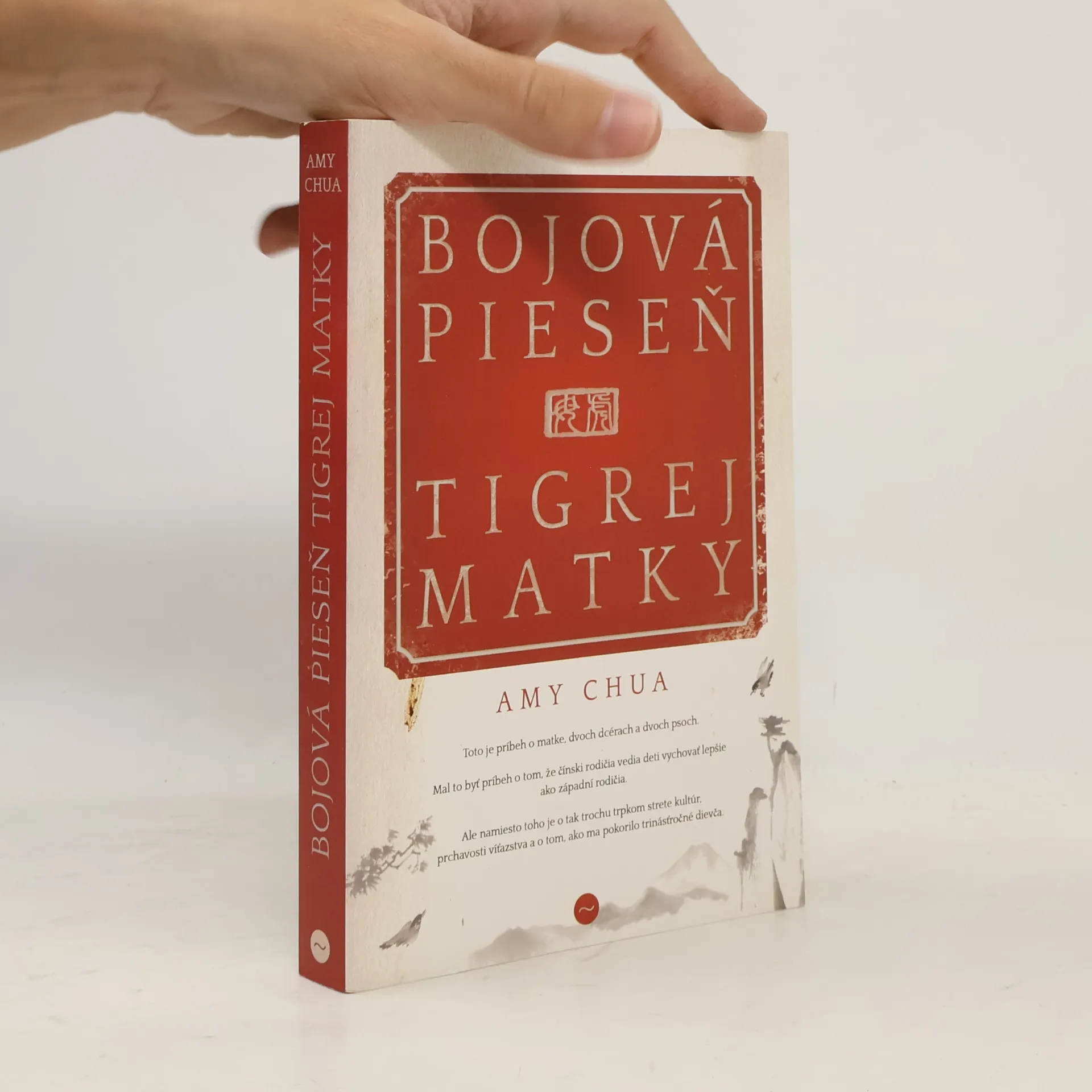
Mal to byť príbeh o tom, že čínski rodičia vedia deti vychovať lepšie ako západní rodičia, miestami sa však veci vymkli z rúk. Táto publikácia, podľa mnohých recenzentov najkontroverznejšia kniha roku, sa trávi veľmi ťažko, hlavne ak ste sami rodičmi. Kladie otázky, či pre svoje deti naozaj robíme to najlepšie, alebo sa pokúšame dostať cez celé rodičovské dobrodružstvo tak bezbolestne a ľahko, ako sa len dá. Amy je matkou prísnou až do úplných extrémov. Jej deti sa nehrajú s inými deťmi, nemajú možnosť si vybrať svoje vlastné záľuby a nemajú dovolené za žiadnych okolností pozerať televízor. Svoje detstvo, priamo v krajine amerického sna, trávia študovaním mandarínskeho jazyka, vysokoškolskej matematiky a dlhými hodinami cvičenia na hudobnom nástroji – cvičenia tak tvrdého a nekompromisného, že jej staršia dcéra obhrýza drevené rohy klavíra a jej mladšia dcéra chce radšej zmrznúť v záhrade ako precvičovať čo i len ďalšiu minútu. Hoci sa to na prvý pohľad nezdá, Amy nekonečne miluje obe svoje dcéry, je im plne oddaná a chce pre nich to absolútne najlepšie – pretože chcieť pre vaše dieťa, aby dosiahlo čo najviac, je základom výchovy každej „čínskej“ matky.
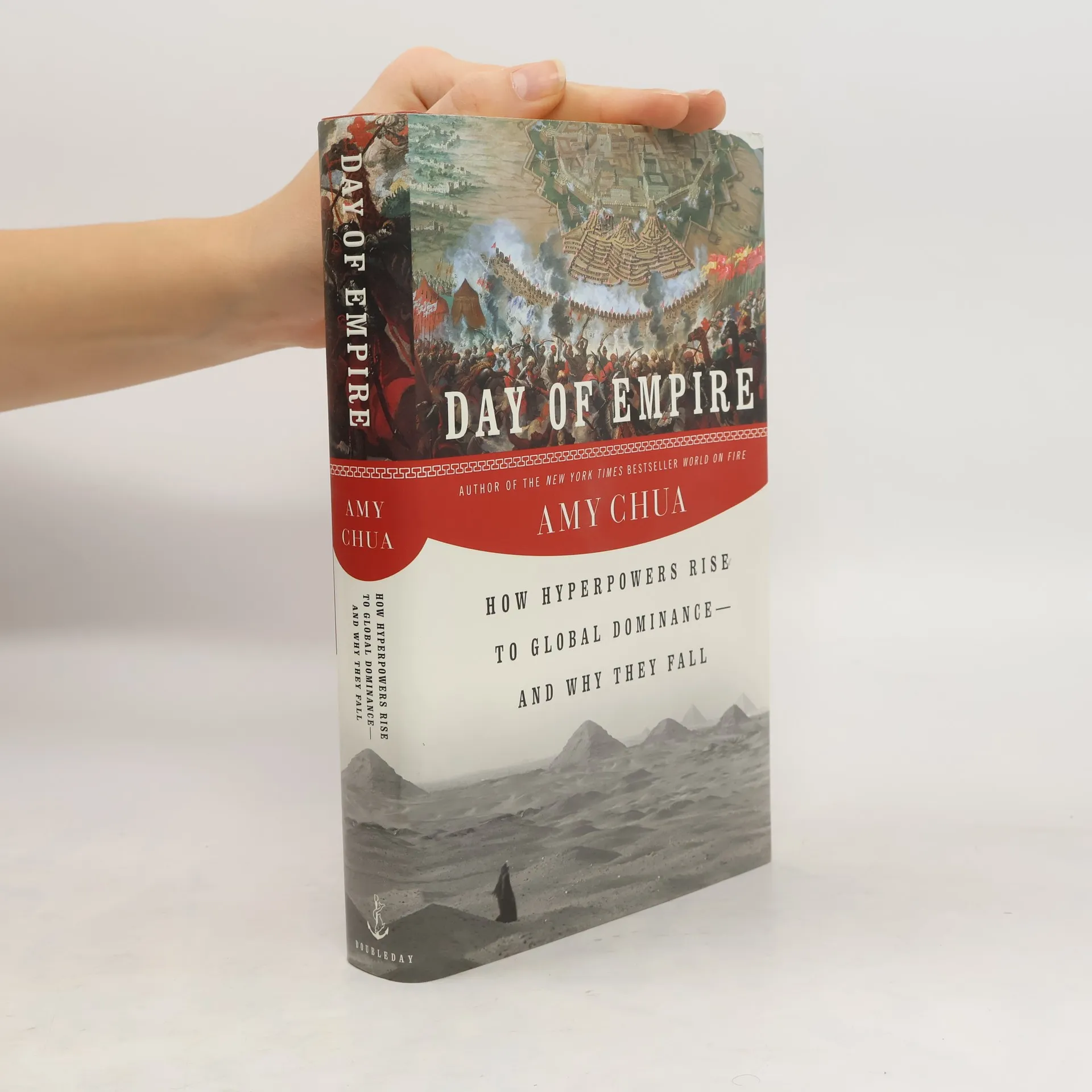
In this sweeping history, bestselling author Amy Chua explains how globally dominant empires—or hyperpowers—rise and why they fall. In a series of brilliant chapter-length studies, she examines the most powerful cultures in history—from the ancient empires of Persia and China to the recent global empires of England and the United States—and reveals the reasons behind their success, as well as the roots of their ultimate demise. Chua's analysis uncovers a fascinating historical pattern: while policies of tolerance and assimilation toward conquered peoples are essential for an empire to succeed, the multicultural society that results introduces new tensions and instabilities, threatening to pull the empire apart from within. What this means for the United States' uncertain future is the subject of Chua's provocative and surprising conclusion.
A study of history's great hyperpowers--Persia, Rome, China, the Mongols, the Dutch, the British, and the United States--traces the reasons for their success and the roots of their ultimate fall, examining why multiculturalism and diversity became a liability as they triggered hatred, intolerance, conflict, and violence as she looks at the state of the American empire. 60,000 first printing.
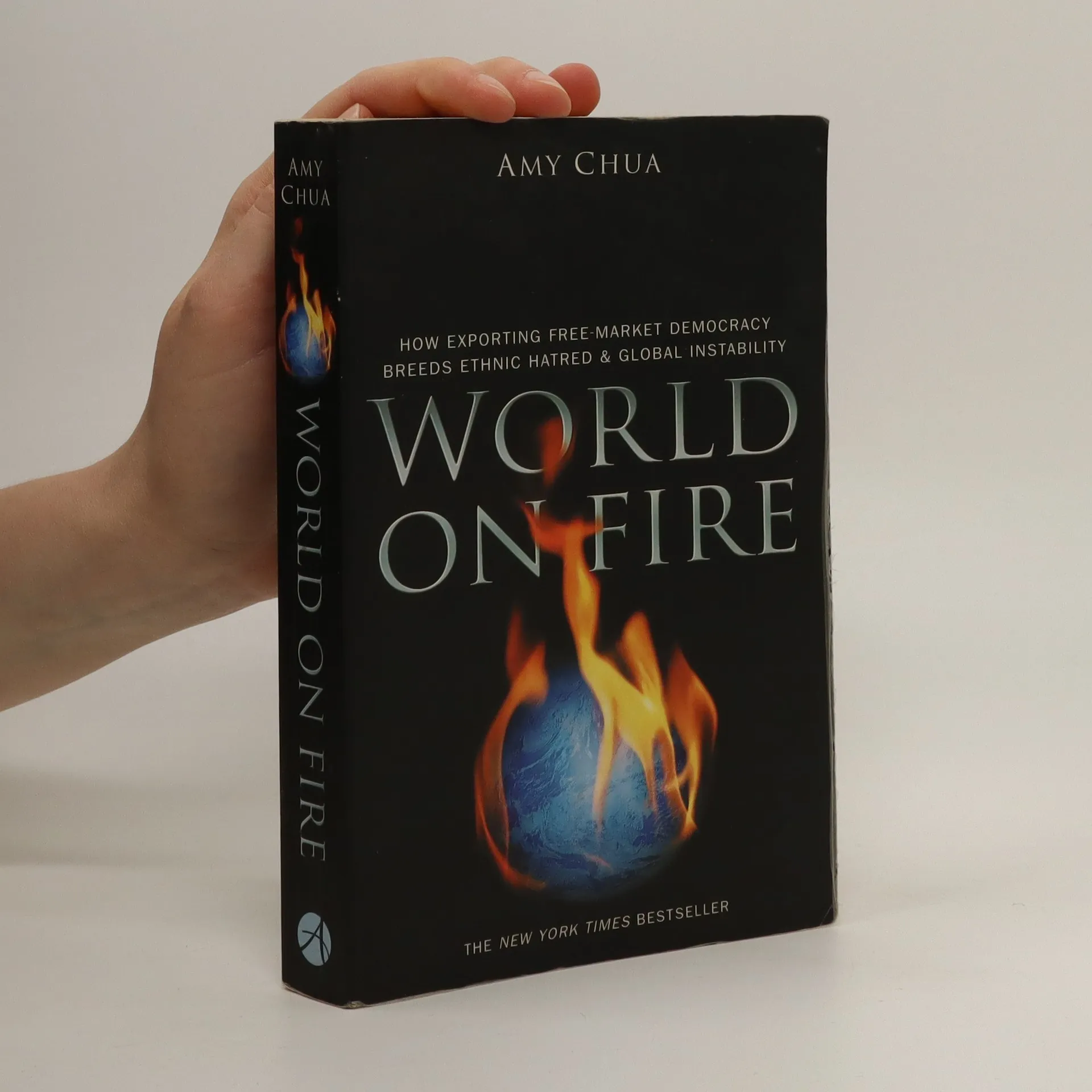
Amy Chua's remarkable and provocative book explores the tensions of the post-Cold War globalising world. As global markets open, ethnic conflict worsens and democracy in developing nations can turn ugly and violent. Chua shows how free markets have concentrated disproportionate, often spectacular wealth in the hands of resented ethnic minorities - 'market-dominant minorities'. Adding democracy to this volatile mix can unleash suppressed ethnic hatred and bring to power 'ethno-nationalist' governments that pursue aggressive policies of confiscation and revenge. Chua also shows how individual countries may also be viewed as market-dominant minorities, a fact that may help to explain the rising tide of anti-American sentiment around the world and the visceral hatred of Americans expressed in recent acts of terrorism. Chua is not an anti-globalist. But she presciently warns that, far from making the world a better and safer place, democracy and capitalism - at least in the raw, unrestrained form in which they are currently being exported - are intensifying ethnic resentment and global violence, with potentially catastrophic results.