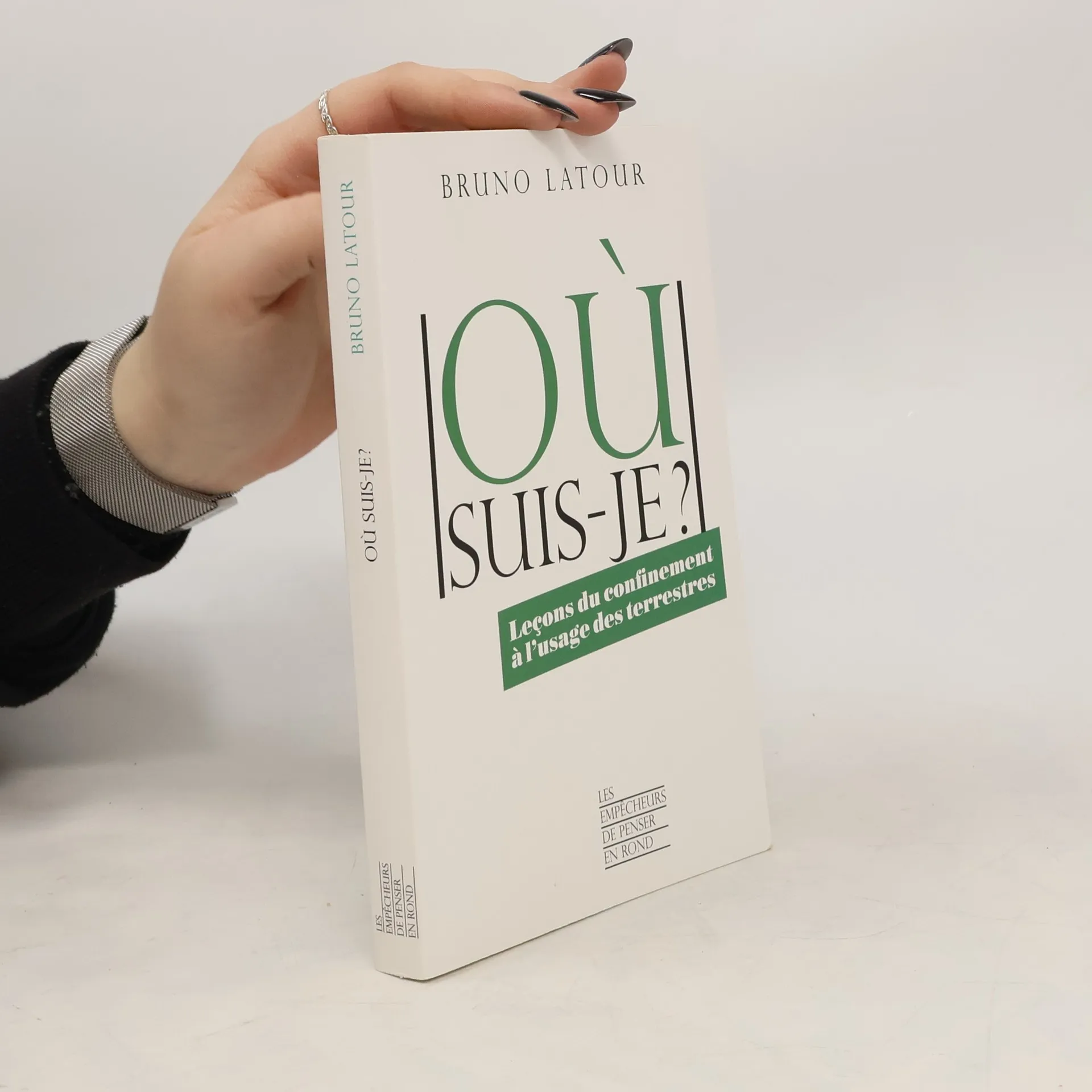
Bookbot

Bruno Latour

    22. jún 1947 – 9. október 2022

    Bruno Latour bol vplyvný filozof a antropológ, ktorého práca skúmala vzťah medzi ľuďmi a svetom okolo nás. Jeho interdisciplinárny prístup spájal sociológiu, antropológiu a štúdie vedy, pričom spochybňoval tradičné dichotomie ako príroda verzus kultúra. Latour neúnavne skúmal, ako sú naše moderné presvedčenia a sociálne štruktúry formované hmotnými a nehmotnými entitami, ktoré často považujeme za samozrejmosť. Jeho dielo nás vyzýva nanovo sa zamyslieť nad tým, ako vnímame a interagujeme s okolitým svetom.

    Bruno Latour
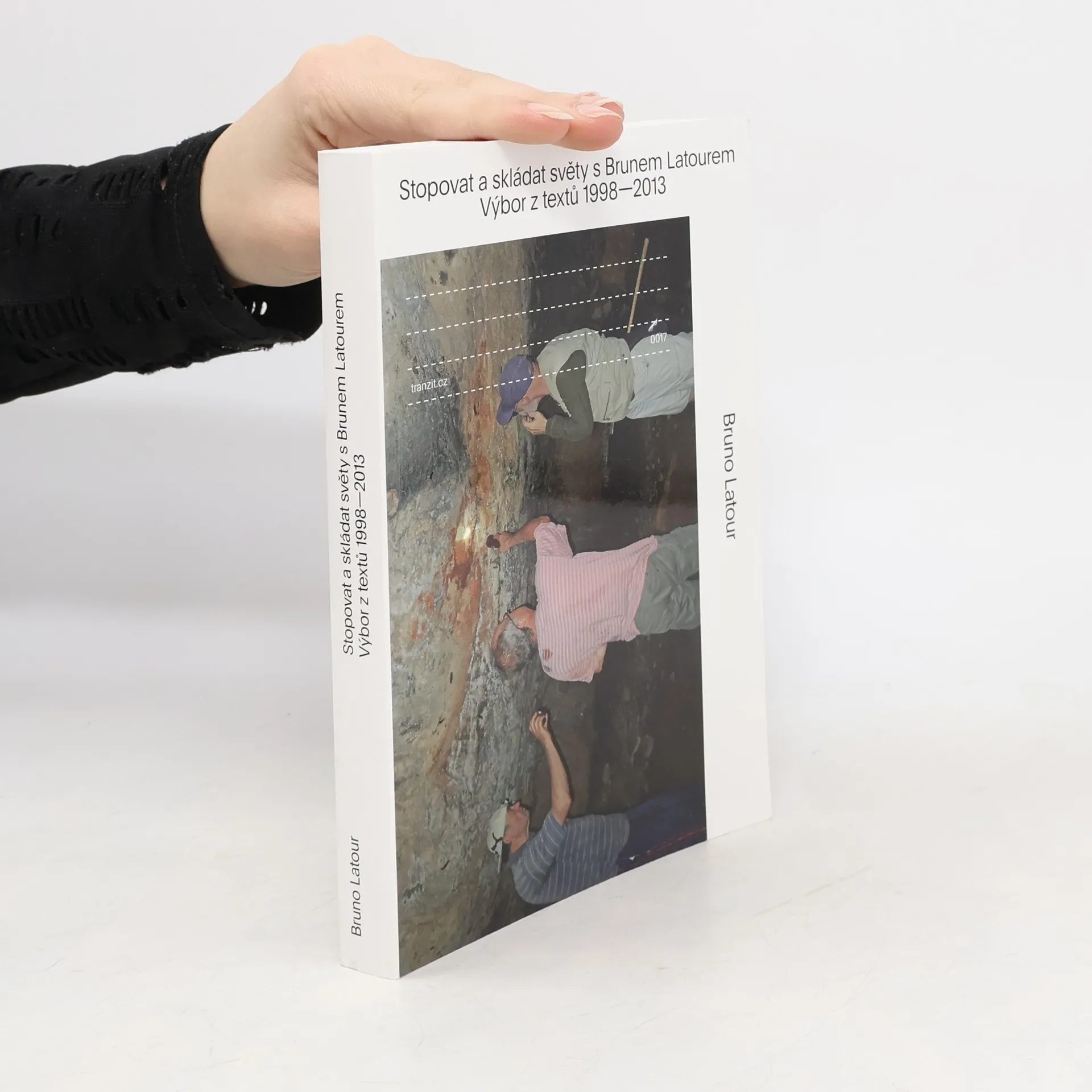
    Stopovat a skládat světy s Brunem Latourem: Výbor z textů 1998-2013
    After Lockdown
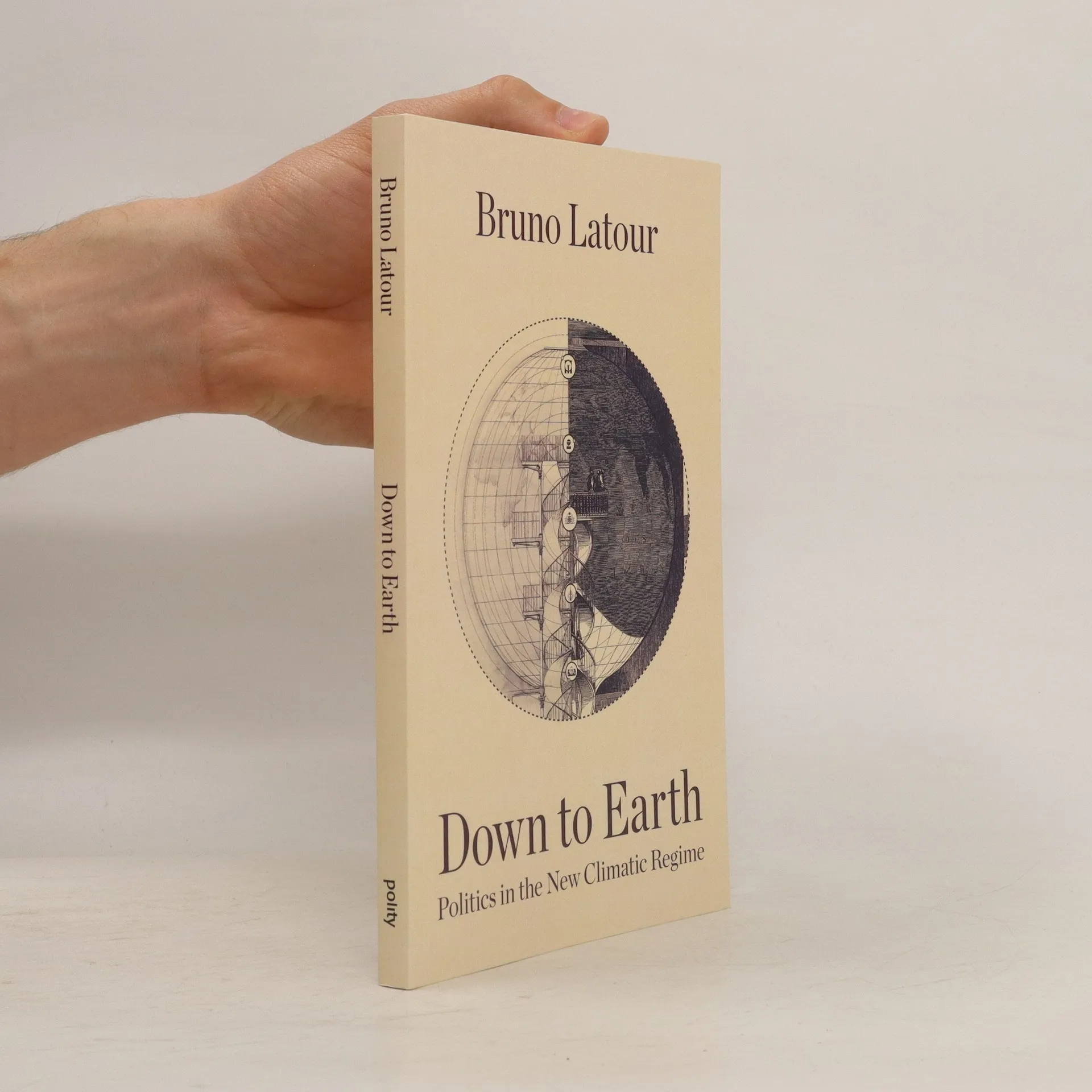
    Down to Earth
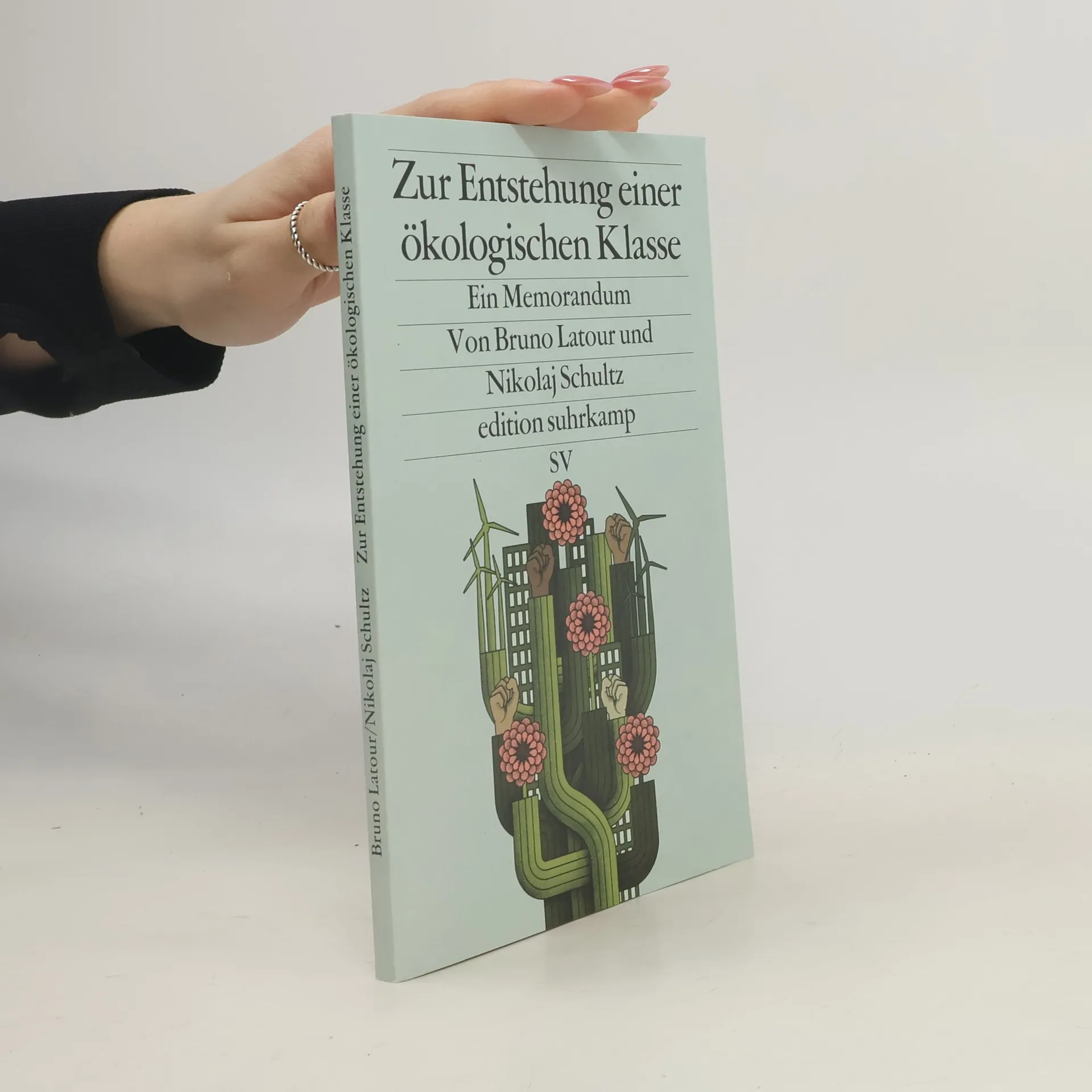
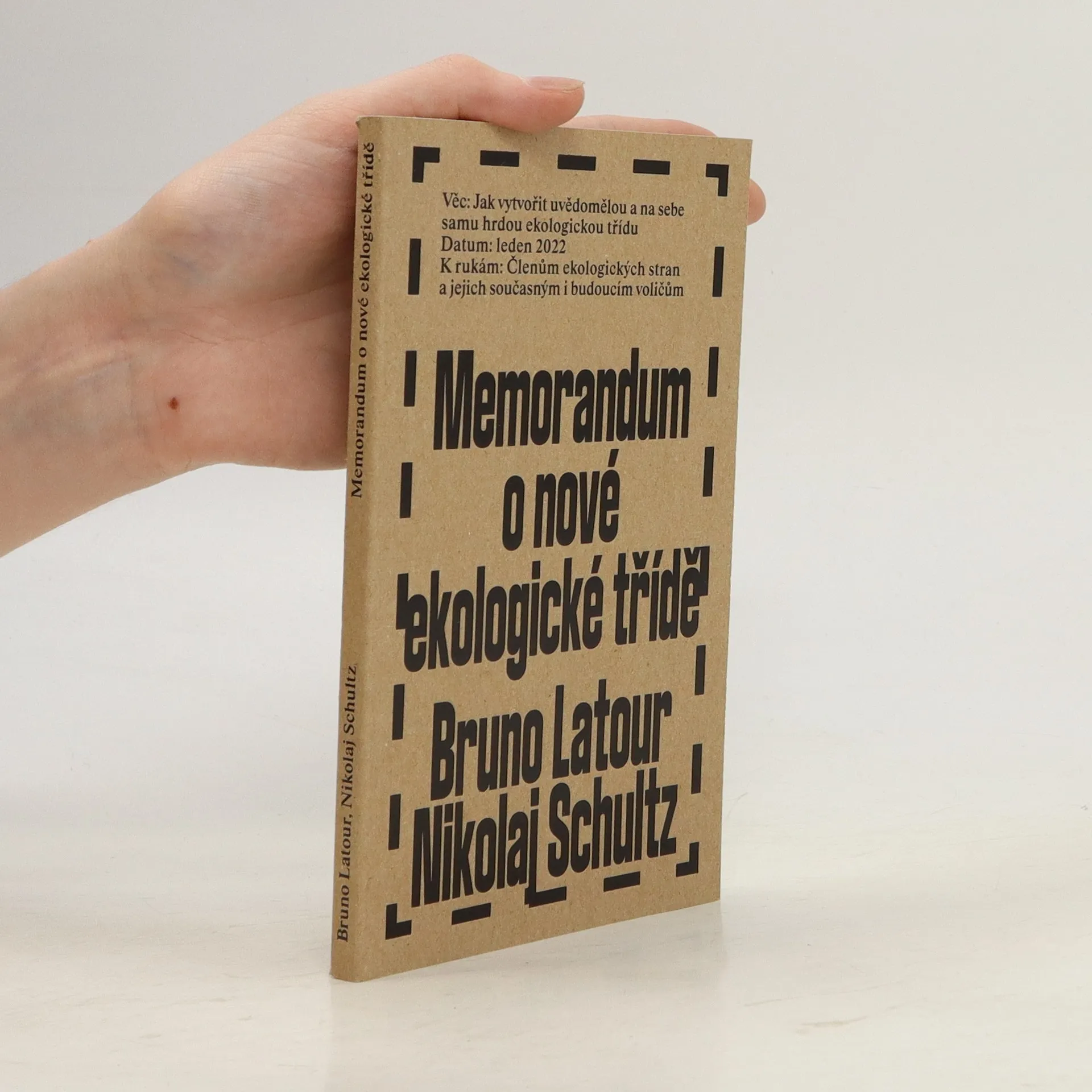
    Memorandum o nové ekologické třídě
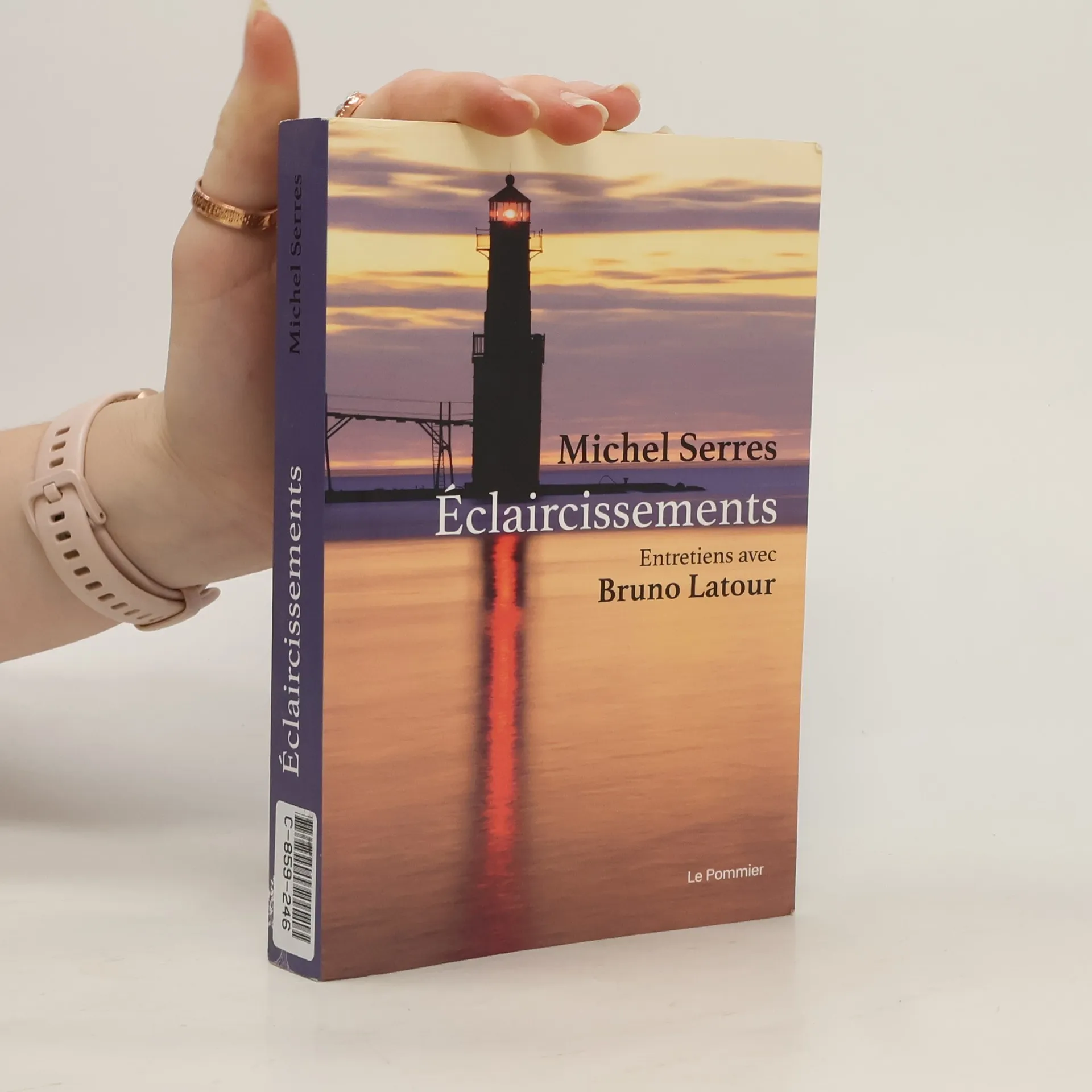
    Vyjasňování : pět rozhovorů s Brunem Latourem
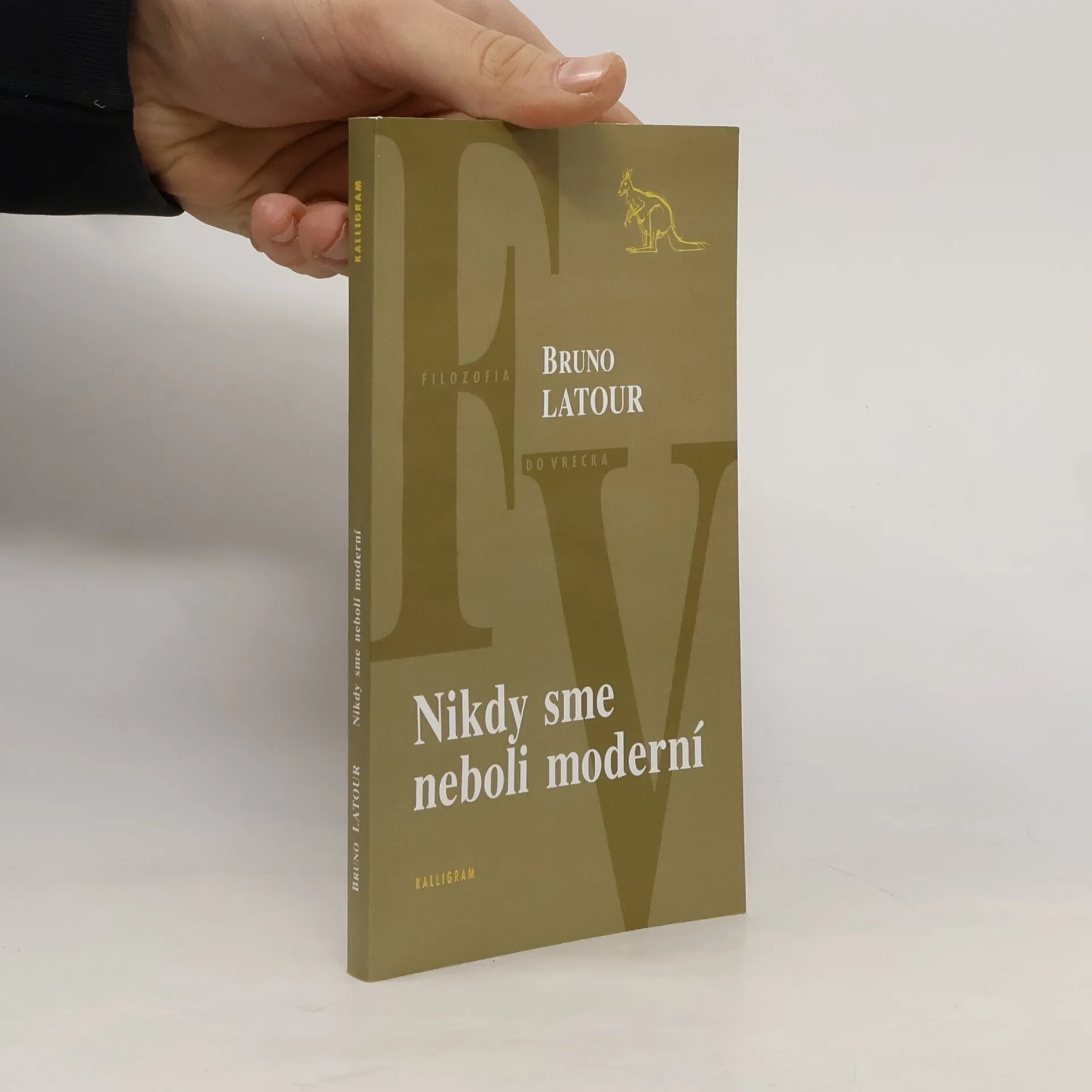
    Nikdy sme neboli moderní
    • If we lose the Earth, we lose our souls

      • 110 stránok
      • 4 hodiny čítania

      In this book Bruno Latour calls upon Christians to join the struggle to avert a climate catastrophe. First and foremost, Christians need to overcome their lack of interest in ‘earthly things’ and pay attention to the Earth at a time when it is being neglected. He also urges Christians to renew their understanding of their faith in the context of the new image of the world that has emerged from Earth system science – that of a world in which the myriad of beings that inhabit the world are interdependent and living in close proximity on a slender, fragile membrane on the surface of the planet. This new image of the world cannot fail to have an impact on the sciences, on politics and on religion, just as, in earlier centuries, the cosmology of Copernicus and Galileo upset the old order. Latour sees the ecological crisis, and the cosmological mutation that it entails, as an opportunity to convey anew, to the largest possible audience, the tradition of Christianity as it has never been appreciated before, by bringing to bear the lessons of eschatology on the great crisis that looms before us all.

      If we lose the Earth, we lose our souls2024
      3,7
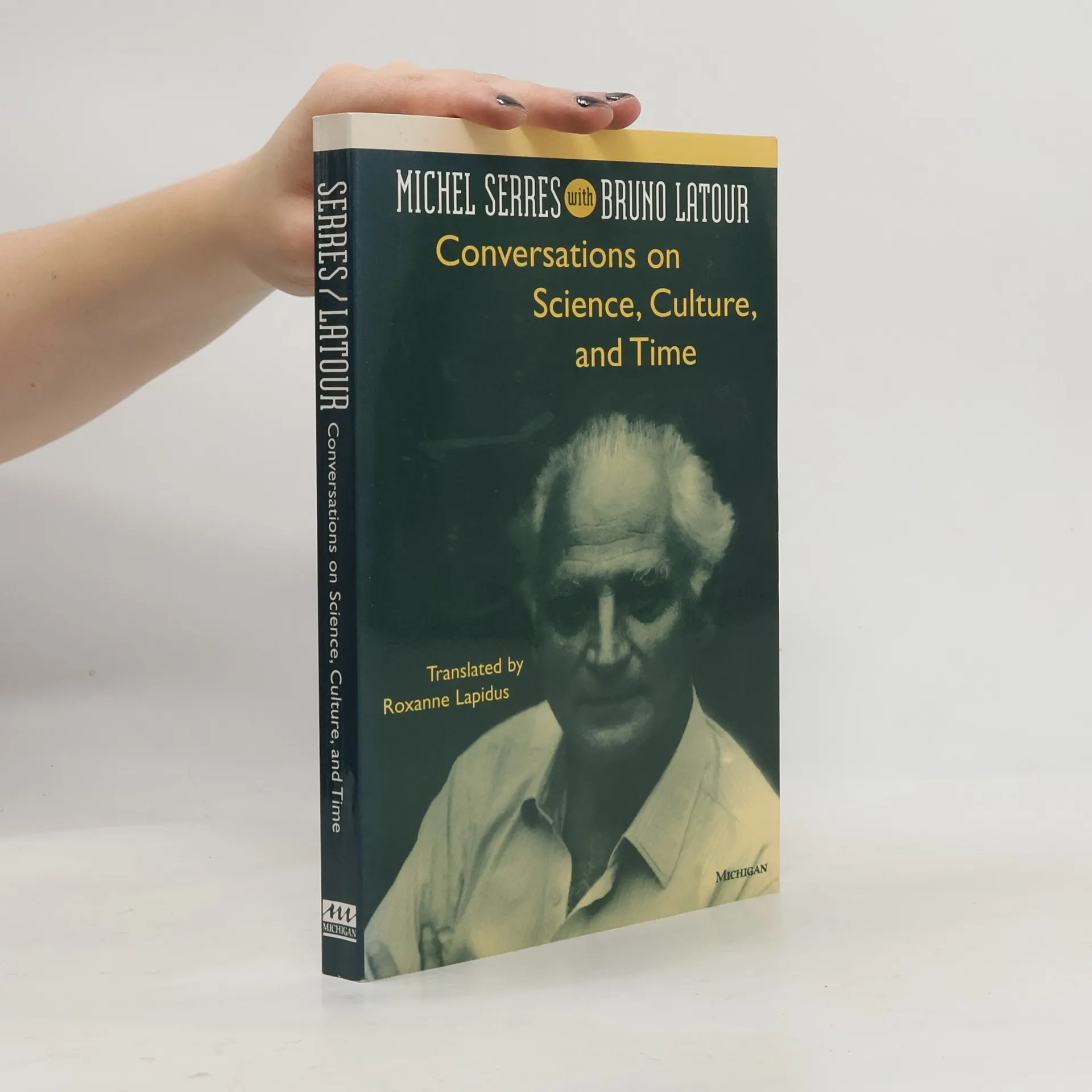
    • Rozhovory shrnuté pod názvem Vyjasňování spolu vedli Michel Serres (1930–2019) a Bruno Latour (1947–2022) na začátku 90. let. O generaci mladší Latour se v nich staršího filosofa s respektem dotazuje na pozadí jeho díla i života a zároveň se neústupně dožaduje vyjasnění jeho rozsáhlého a složitého myšlenkového světa. Vznikl tak napínavý dialog, který od počátečního kroužení kolem východisek Serresova myšlení a jeho vztahu k epistemologii a dobovým filosofickým proudům dochází k pronikavému pohledu na současný svět, dotýká se otázky zla a morálky a dodnes neztrácí svou živost a aktuálnost. Michel Serres představuje zvláštní postavu francouzského myšlení, která stála stranou ústředních tendencí a diskuzí. Rozhovor poprvé vyšel v roce 1992, poté co Michel Serres vydal dvě ze svých ústředních knih – Přirozenou smlouvu (1990) a Poučeného třetího (1991). V první z nich se objevným způsobem věnuje ekologické problematice a v mnohém předznamenává pozdější ekologické myšlení, ve druhé zdůrazňuje důležitost všestranného vzdělání, které neopomíjí exaktní ani humanitní obory a staví na jejich propojení. Dílo Bruna Latoura v mnohém navazuje na tyto Serresovy podněty.

      Vyjasňování : pět rozhovorů s Brunem Latourem2024
      4,0
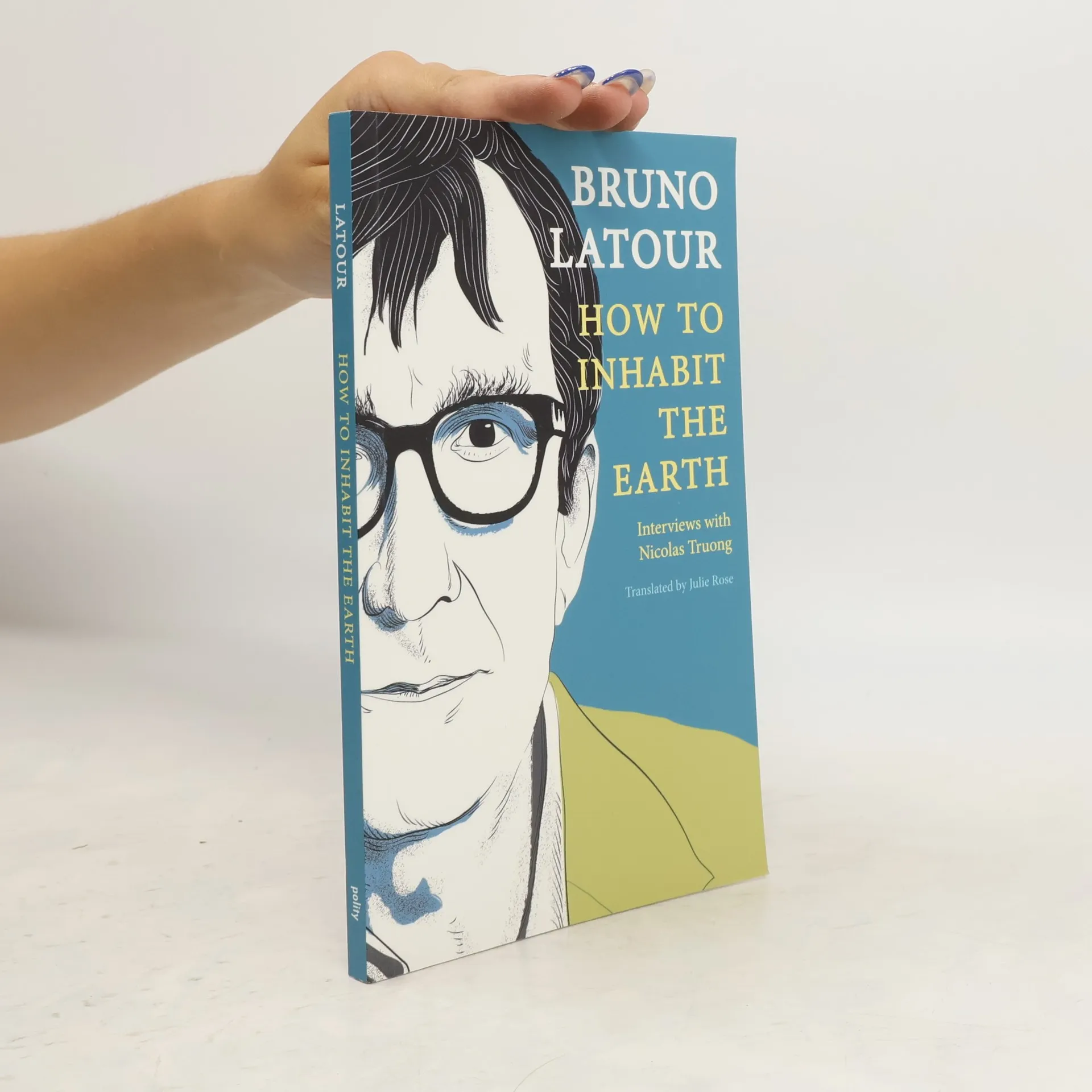
    • How to Inhabit the Earth

      • 112 stránok
      • 4 hodiny čítania

      In a series of televised interviews in spring 2022, Bruno Latour explained, in clear and straightforward terms, how humans have changed the planet and why environmental disasters are an intrinsic part of modern life. We have now come to realize that all life depends on a thin skin of our planet that is only few kilometres thick - what scientists call the 'critical zone'. Our capacity to continue to live on a planet we are transforming is now at risk and if we wish to survive as a species, we must put an end to the mechanisms of destruction, rethink our connection to living beings and face head-on the confrontation between the extractivists who are exploiting the Earth's resources and the ecologists. This poignant reflection on the greatest challenge of our time is also an opportunity for Latour to explain the underlying thread that guided his work throughout his career, from his pathbreaking research on the social construction of scientific knowledge to his last writings on the Anthropocene.

      How to Inhabit the Earth2023
      3,8
    • Żyjemy na cienkiej warstwie patyny, nazywanej strefą krytyczną, która pokrywa Ziemię. Zamiast oddalać się od niej, powinniśmy osiedlić się na tej pokrywie, aby zachować warunki do życia. Bruno Latour określa tę pokrywę jako Gaję, nawiązując do hipotezy Lovelocka oraz starożytnego mitu o bogini matce. W serii wywiadów, przeprowadzonych w jego paryskim mieszkaniu, Latour wyrażał prostotę, radość i moc, które pojawiają się, gdy życie, szczególnie umysłowe, wchodzi w fazę kondensacji. Uspokojenie towarzyszyło mu w obliczu ograniczonego czasu; immanencja splatała się z poczuciem nieuchronności i koniecznością podsumowania wszystkiego. Latour dbał o klarowność, czerpał przyjemność z rozmowy i sztuki obrazowania. W obliczu nadchodzącego końca wszystko stawało się jasne. Bruno Latour zmarł 9 października 2022 roku w wieku siedemdziesięciu pięciu lat. Był jednym z najwybitniejszych francuskich intelektualistów swojego pokolenia, a jego prace były zarówno sławne, jak i niezrozumiane.

      Zamieszkać na Ziemi2023
    • Memorandum o nové ekologické třídě

      • 88 stránok
      • 4 hodiny čítania

      Za jakých podmínek by mohla ekologie organizovat celkovou politiku a stát se více než jen okrajovým protestním hnutím? Může se postavit vedle liberalismu, socialismu, neoliberalismu a vzrůstajících neliberálních či neofašistických stran? Bruno Latour a Nikolaj Schultz ve svém textu, složeném ze sedmdesáti šesti bodů, argumentují, že environmentální hnutí musí získat ideologickou konzistenci a autonomii tím, že nabídne politický narativ, který uznává a efektivně představuje jeho projekt v kontextu sociálního konfliktu. Politická ekologie se musí smířit s nevyhnutelným rozdělením a poskytnout přesvědčivou kartografii konfliktů, které vytváří, aby definovala společný horizont kolektivního jednání. Latour a Schultz navrhují znovu použít termíny „třída“ a „třídní boj“, přičemž jim dávají nový význam v souladu s ekologickými zájmy současného klimatického režimu. Prosazují myšlenku nové ekologické třídy, která se sjednocuje na základě kolektivních zájmů v boji proti produktivismu a za ochranu obyvatelných podmínek planety. Kladou otázku, jak může vzniknout hrdá a sebevědomá ekologická třída, která podnikne účinné kroky k utváření naší společné budoucnosti?

      Memorandum o nové ekologické třídě2023
      4,0
    • Under what conditions could ecology organize politics around a cohesive agenda and beliefs? Can it define the political horizon like liberalism, socialism, and conservatism have at different times? What insights can ecology gain from history about the emergence of new political movements and their ability to win ideological battles before forming parties? In this text, Bruno Latour and Nikolaj Schultz argue that for the ecological movement to achieve ideological consistency and autonomy, it must present a political narrative that acknowledges and represents its project in terms of social conflict. Political ecology must recognize that it inherently brings division and must provide a clear mapping of the conflicts it generates, aiming to establish a common horizon for collective action. To articulate these conflicts, they suggest reinterpreting traditional notions of 'class' and 'class struggle' in the context of ecological concerns within our New Climate Regime. They propose the idea of a new ecological class, united by shared interests in combating production logic and preserving the planet's habitability. The authors challenge us to consider how a self-aware ecological class can emerge and effectively influence our collective future.

      On the Emergence of an Ecological Class2022
      3,8
    • Under what conditions could ecology organize politics around a cohesive agenda and set of beliefs? Can it define the political horizon like liberalism, socialism, and conservatism have? This text presents seventy-six talking points by Bruno Latour and Nikolaj Schultz, exploring how the ecological movement can achieve ideological consistency and autonomy. They argue that political ecology must acknowledge and embrace social conflict, offering a narrative that effectively represents its goals. It must recognize the divisions it creates and provide a clear mapping of these conflicts to define a common horizon for collective action. To articulate and address these conflicts, the authors suggest reinterpreting traditional concepts of 'class' and 'class struggle' in light of ecological concerns within our New Climate Regime. They propose the idea of a new ecological class, united by shared interests in combating destructive production practices and preserving the planet's habitability. The authors challenge us to consider how this self-aware ecological class can emerge and take meaningful action to shape our collective future.

      On the Emergence of an Ecological Class - a Memo2022
      3,5
    • After Lockdown

      • 180 stránok
      • 7 hodin čítania

      After the harrowing experience of the pandemic and the lockdowns, both states and individuals have been searching for ways to exit the crisis, hoping to return as soon as possible to ‘the world as it was before the pandemic’. But there is another way to learn the lessons of this ordeal: as inhabitants of the earth, we may not be able to exit the lockdowns so easily after all, since the global health crisis is embedded in another larger and more serious crisis – that brought about by the New Climatic Regime. Learning to live in lockdown might be an opportunity to be seized: a dress-rehearsal for the climate mutation, an opportunity to understand at last where we – inhabitants of the earth – live, what kind of place ‘earth’ is and how we will be able to orient ourselves and exist in this world in the years to come. We might finally be able to explore the land in which we live, begin to understand the true nature of the climate mutation we are living through and discover what kind of freedom is possible – a freedom differently situated and differently understood. In this sequel to his bestselling book Down to Earth, Bruno Latour provides a compass for this necessary re-orientation of our lives, outlining the metaphysics of confinement and deconfinement with which we will all be obliged to come to terms by the strange times in which we are living.

      After Lockdown2021
      3,5
    • Signal. Image. Architecture.

      • 144 stránok
      • 6 hodin čítania

      Focusing on the intersection of technology and architecture, this volume explores the implications of computational images in modern architectural thought and practice. By rigorously examining the technical foundations and concepts of architecture, it offers a philosophical perspective on the discipline in the context of imaging. Rather than presenting a theory of architectural images, it provides a concise reflection on how these elements influence contemporary architectural discourse and design.

      Signal. Image. Architecture.2019
      3,8
    • Down to Earth

      • 140 stránok
      • 5 hodin čítania

      The present ecological mutation has organized the whole political landscape for the last thirty years. This could explain the deadly cocktail of exploding inequalities, massive deregulation, and conversion of the dream of globalization into a nightmare for most people. What holds these three phenomena together is the conviction, shared by some powerful people, that the ecological threat is real and that the only way for them to survive is to abandon any pretense at sharing a common future with the rest of the world. Hence their flight offshore and their massive investment in climate change denial. The Left has been slow to turn its attention to this new situation. It is still organized along an axis that goes from investment in local values to the hope of globalization and just at the time when, everywhere, people dissatisfied with the ideal of modernity are turning back to the protection of national or even ethnic borders. This is why it is urgent to shift sideways and to define politics as what leads toward the Earth and not toward the global or the national. Belonging to a territory is the phenomenon most in need of rethinking and careful redescription; learning new ways to inhabit the Earth is our biggest challenge. Bringing us down to earth is the task of politics today.

      Down to Earth2018
      3,8
    • Facing Gaia

      • 300 stránok
      • 11 hodin čítania

      The emergence of modern sciences in the seventeenth century profoundly renewed our understanding of nature. For the last three centuries new ideas of nature have been continually developed by theology, politics, economics, and science, especially the sciences of the material world.

      Facing Gaia2017
      3,8
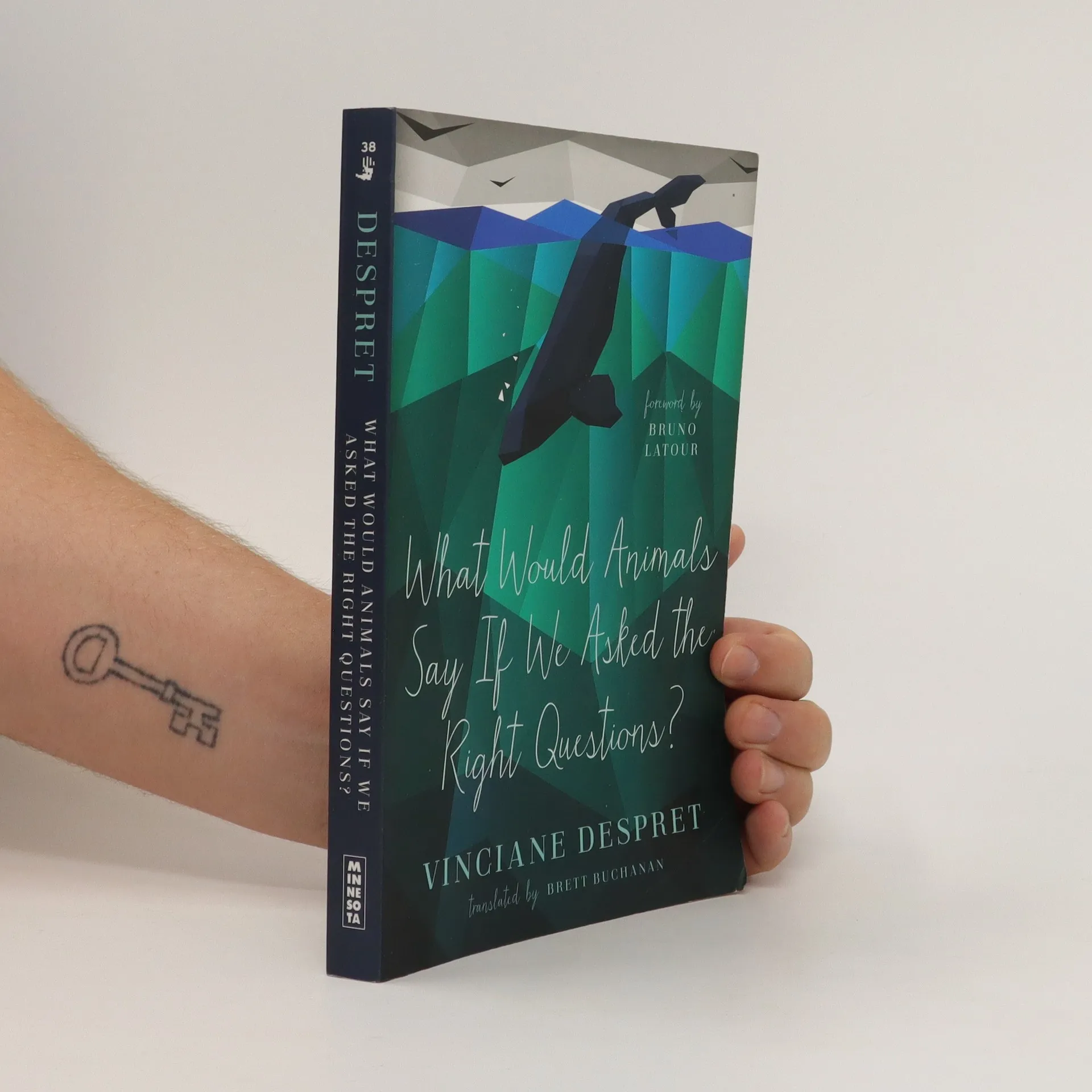
    • You are about to enter a new genre of scientific fables, which aim to reveal the complexities of understanding animal behavior. Is it acceptable to urinate in front of animals? What does it signify when a monkey throws feces? This book presents twenty-six questions that challenge our assumptions about animal behavior and cognition. Through an engaging abecedarium of chapters, Vinciane Despret explores remarkable and often humorous interactions between animals and humans—researchers, farmers, zookeepers, and handlers. Do animals possess a sense of humor? The stories illustrate that animals often delight in perplexing even the most knowledgeable experts, prompting them to develop new hypotheses that reveal animals' intelligence. These accounts encourage readers to engage with both ethology and philosophy, blending serious scholarship with humor that appeals to all. With a foreword by renowned philosopher Bruno Latour, this work is essential not only for specialists but also for general readers, including dog owners, who will gain a fresh perspective on their canine companions.

      What would animals say if we asked the right questions?2016
      4,3
    • Kniha zachycuje myšlení autora v jeho výzkumném záběru od studií vědy a technologií přes analýzu povahy reprezentace v umění a náboženství po nejsoučasnější texty zabývající se globálním oteplováním či vědou a politikou v období antropocénu, kdy se lidstvo stává klíčovým geologickým činitelem na Zemi. Je to právě i tento široký záběr, který činí Bruno Latoura jednou z klíčových postav současných společenských věd a inspirátora uměleckých projektů.

      Stopovat a skládat světy s Brunem Latourem: Výbor z textů 1998-20132016
    • An Inquiry into Modes of Existence

      • 518 stránok
      • 19 hodin čítania

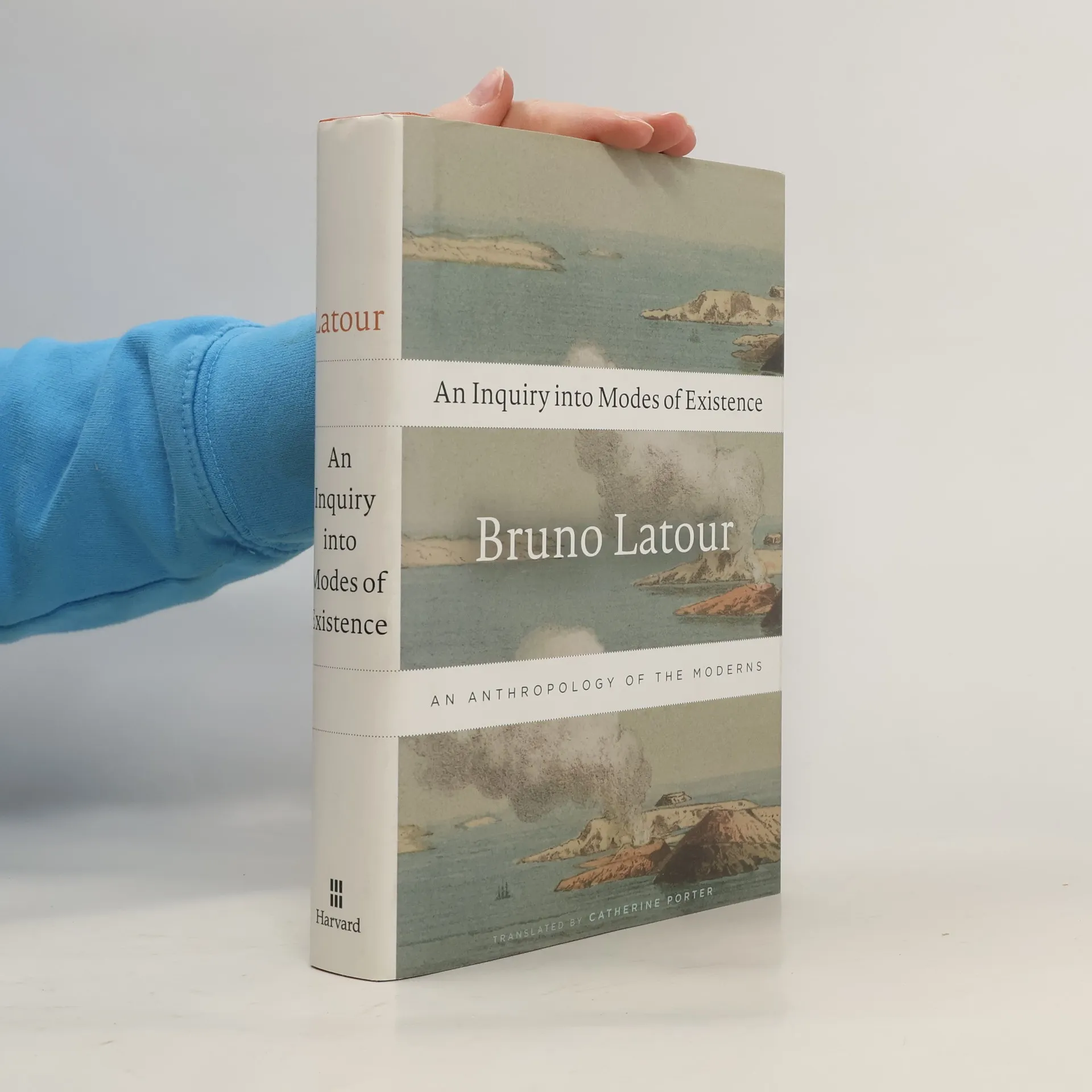
      In a new approach to philosophical anthropology, Bruno Latour offers answers to questions raised in We Have Never Been Modern: If not modern, what have we been, and what values should we inherit? An Inquiry into Modes of Existence offers a new basis for diplomatic encounters with other societies at a time of ecological crisis.

      An Inquiry into Modes of Existence2013
      4,0
    • Building on his earlier book We Have Never Been Modern, Bruno Latour develops his argument about the Modern fetishization of facts, or the creation of factishes.

      On the Modern Cult of the Factish Gods2010
      3,9
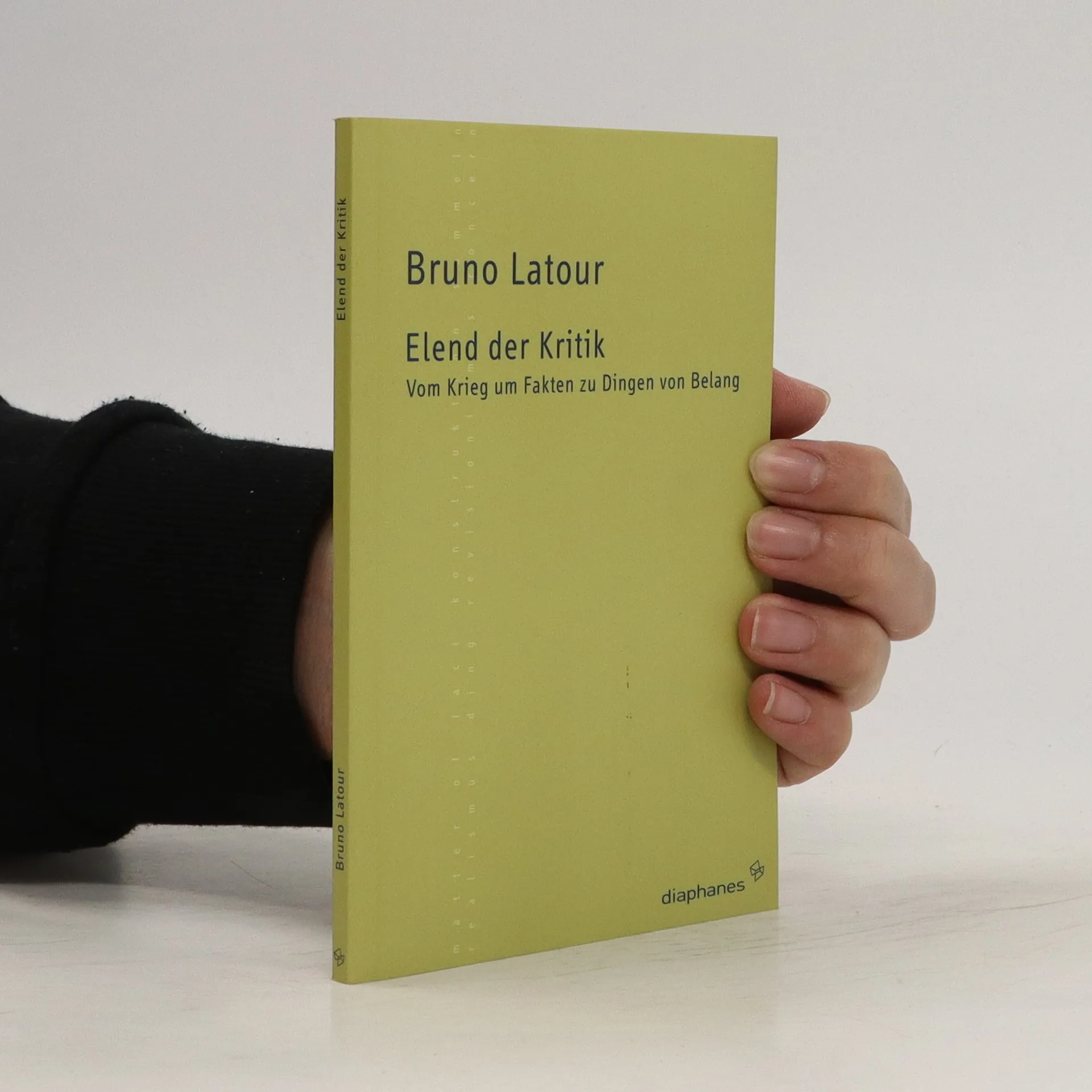
    • Der Wissenschaftsforscher Bruno Latour wendet sich gegen eine um sich greifende antiaufklärerische Haltung der Kritik, der Geisteswissenschaften, die unappetitliche Verwandtschaften hervorbringt. Wie erklärt es sich, dass unter Intellektuellen weithin unhinterfragt Verschwörungstheorien – etwa bezüglich des 11. September – als Wahrheiten ins Feld geführt werden? Bruno Latour macht in einem lange gepflegten, exzessiven Misstrauen in unverrückbare Tatsachen, die allzu leichtfertig als ideologische Vorurteile ausgegeben werden, eine Hauptgefahr für diese beunruhigende (da selbstentmachtende) Bewegung aus. Generiert womöglich die Kritik selbst diese Effekte, hat sie ihre eigenen »kritischen« Werkzeuge nicht mehr im Griff? Ist Kritik ganz und gar zahnlos geworden? Latour fordert, das eigene Rüstzeug einer kritischen Betrachtung zu unterziehen – und, wenn nötig, komplett auszuwechseln: »Ist es etwa zuviel verlangt, von unser aller intellektuellen Existenz zu fordern, wenigstens einmal im Jahrhundert ein paar neue kritische Werkzeuge bereitzustellen? Ist es nicht äußerst demütigend, mitanzusehen, daß Militärs wendiger, wachsamer, innovativer sind als wir?«

      Elend der Kritik2007
      3,4
    • Reassembling the Social

      • 328 stránok
      • 12 hodin čítania

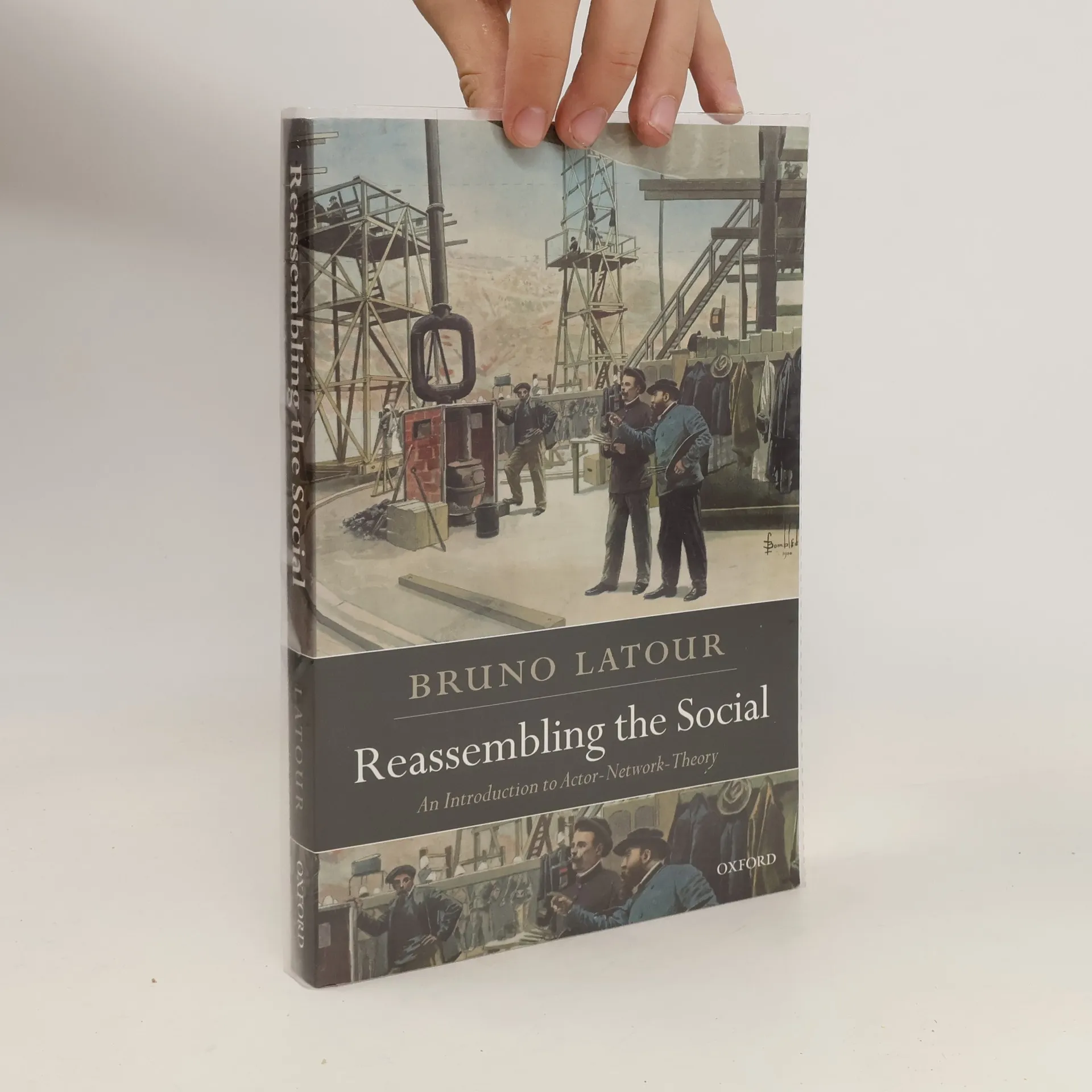
      Latour is a world famous and widely published French sociologist known for his acclaimed writings on the relationship between people, science, and technology. His views have crystallized as 'Actor-Network-Theory' (ANT). This book is the first concise account Latour has written about ANT, with which he has come to be so closely associated with.

      Reassembling the Social2007
      4,0
    • Iconoclash

      • 703 stránok
      • 25 hodin čítania
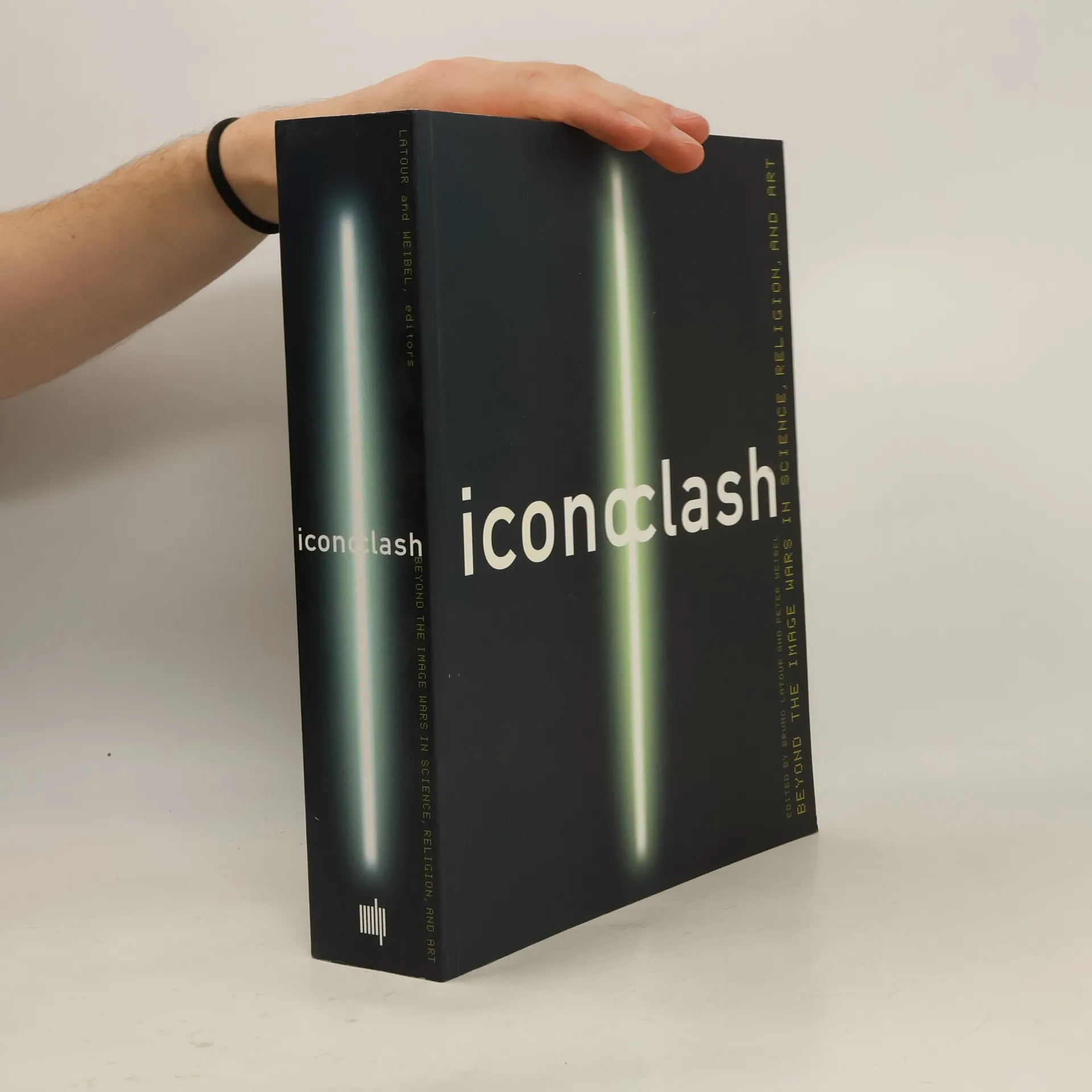
      Iconoclash2002
      4,2
    • Die Hoffnung der Pandora

      Untersuchungen zur Wirklichkeit der Wissenschaft

      • 385 stránok
      • 14 hodin čítania

      „Glaubst du an die Wirklichkeit?“ Diese Frage eines Kollegen verwunderte Bruno Latour. In diesem Buch liefert er seine detaillierte Antwort. Anhand verschiedener Fallstudien - eine bodenkundliche Expedition im Regenwald des Amazonas, die französische Atomforschung kurz vor der Okkupation, die Entdeckung des Milchsäureferments durch Pasteur - nimmt Latour die vieldiskutierte Frage auf, ob die im Labor gewonnen Tatsachen „konstruiert“ oder „wirklich“ sind. Doch bereits diese Frage soll vor allem eine polemische Form des wissenschaftlichen „Objekts“ begründen und ist Teil der gegenwärtigen „Science Wars“, die er bis in die Antike verfolgt. Bei aller Instrumentalisierung der Wissenschaften zum Zweck der Bevormundung, ist Latour dennoch kein Wissenschaftsgegner, sondern für die Forschung in ihrem offenen Experimentieren.

      Die Hoffnung der Pandora2002
      3,8
    • A significant work by a leading thinker, this text establishes the conceptual framework for political ecology by reimagining ecological terms within a new philosophical context. The author provocatively states that political ecology has no relation to nature, which he views as a construct used to organize political order without proper process. He argues for the dissolution of the traditional divide between nature and society, advocating for a collective that includes both humans and nonhumans, grounded in real scientific practices. Challenging the fact-value distinction, the author critiques the political philosophy that emerges from this division, arguing it undermines democracy and scientific progress. He moves beyond modernist concepts of "mononaturalism" and "multiculturalism" to propose "multinaturalism," a dynamic collective shaped not by absolute expert reasoning but by adaptable "diplomats" open to experimentation. The text explores the complexities of assembling this collective, addressing the challenges of representation and the interplay between humans and nonhumans. It also discusses the need for new powers of representation and the skills required for collective governance. Ultimately, it questions how political ecology can revitalize public life, emphasizing that politics and nature are inseparable, and calls for a reimagined political landscape unbound by traditional constraints.

      Politics of nature : how to bring the sciences into democracy2001
      3,8
    • Pandora's Hope

      • 336 stránok
      • 12 hodin čítania

      A scientist friend asked Bruno Latour point-blank: “Do you believe in reality?” Taken aback by this strange query, Latour offers his meticulous response in Pandora’s Hope. It is a remarkable argument for understanding the reality of science in practical terms.In this book, Latour, identified by Richard Rorty as the new “bête noire of the science worshipers,” gives us his most philosophically informed book since Science in Action. Through case studies of scientists in the Amazon analyzing soil and in Pasteur’s lab studying the fermentation of lactic acid, he shows us the myriad steps by which events in the material world are transformed into items of scientific knowledge. Through many examples in the world of technology, we see how the material and human worlds come together and are reciprocally transformed in this process.Why, Latour asks, did the idea of an independent reality, free of human interaction, emerge in the first place? His answer to this question, harking back to the debates between Might and Right narrated by Plato, points to the real stakes in the so-called science wars: the perplexed submission of ordinary people before the warring forces of claimants to the ultimate truth.

      Pandora's Hope1999
      4,0
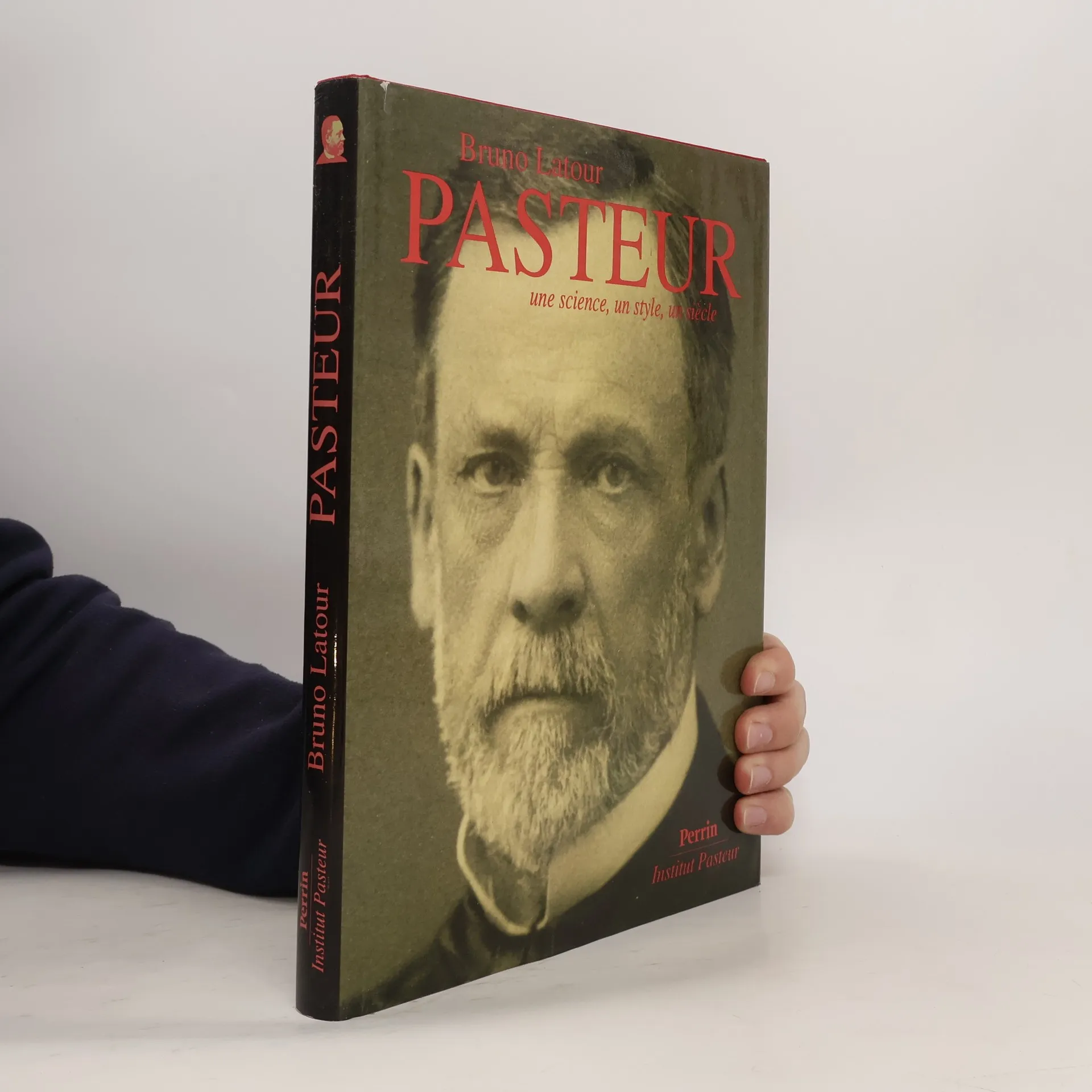
    • Pasteur

      une science, un style, un siècle

      • 191 stránok
      • 7 hodin čítania
      Pasteur1994
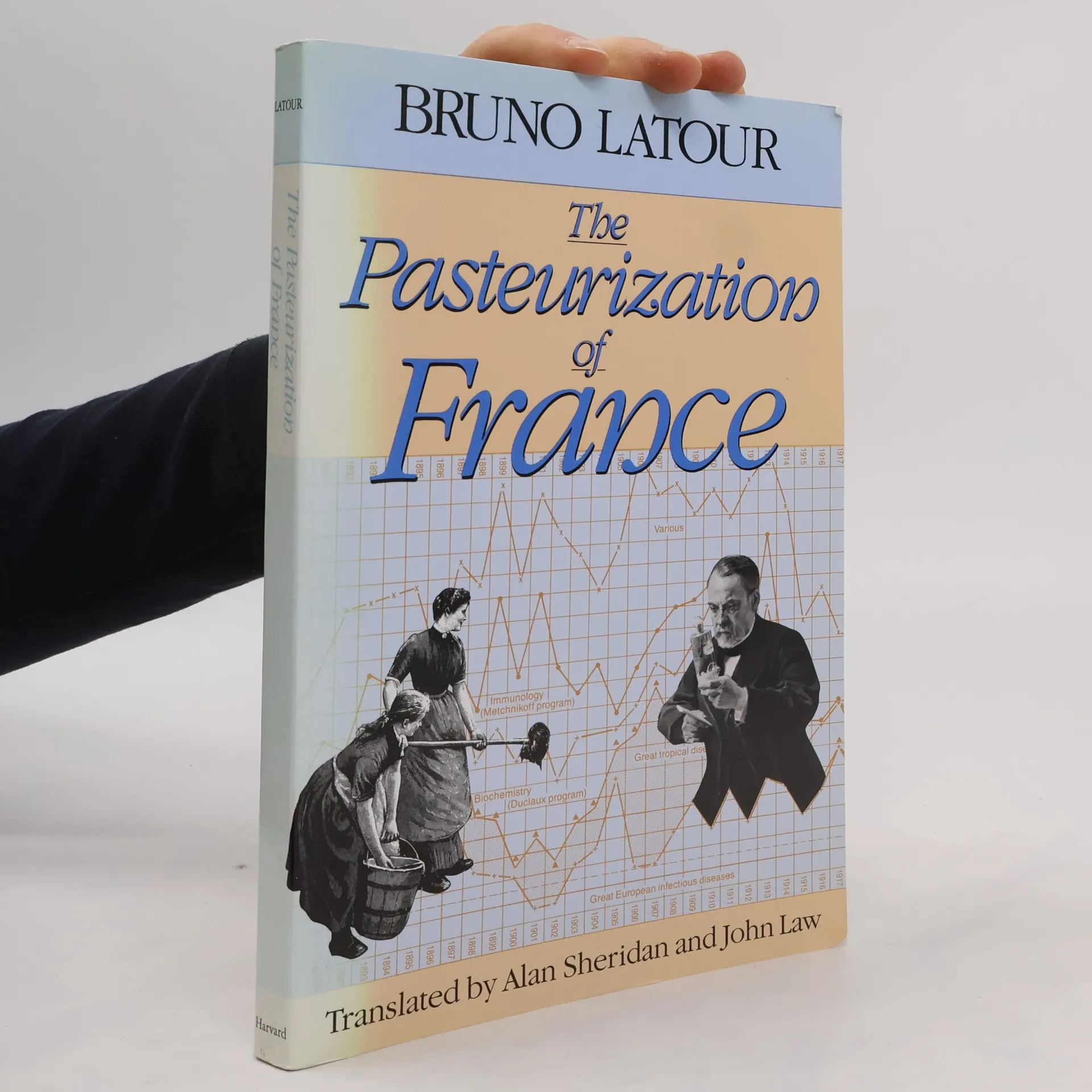
    • The Pasteurization of France

      • 292 stránok
      • 11 hodin čítania

      Describes Pasteur's roles in improving health practices in France and identifies the other forces that helped implement his ideas about health care.

      The Pasteurization of France1993
      4,1
    • Autor, jeden z najprekladanejších francúzskych filozofov, sa zamýšľa nad problémami, s ktorými je konfrontovaná súčasná spoločnosť: kríza ideológií, pád socializmu, rozvoj moderných telekomunikačných technológií a pod.

      Nikdy sme neboli moderní1993
      4,0
    • Éclaircissements

      Michel Serres de l'Académie française

      • 289 stránok
      • 11 hodin čítania
      Éclaircissements1992
    • Science in Action

      • 288 stránok
      • 11 hodin čítania

      From weaker to stronger rhetoric : literature - Laboratories - From weak points to strongholds : machines - Insiders out - From short to longer networks : tribunals of reason - Centres of calculation.

      Science in Action1988
      4,1
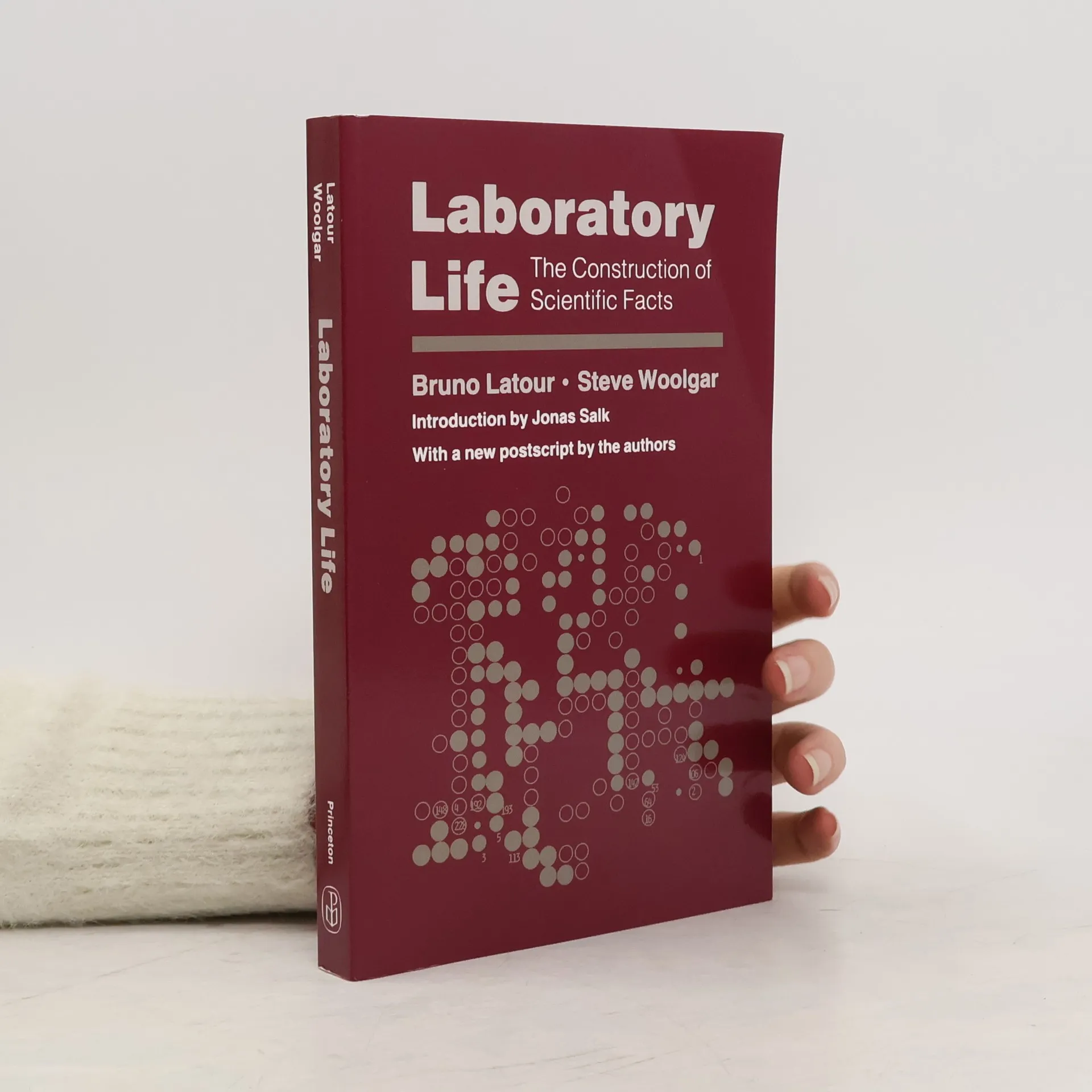
    • Presents laboratory science in a deliberately skeptical way: as an anthropological approach to the culture of the scientist. This book provides an important link between the sociology of modern sciences and laboratory studies in the history of science.

      Laboratory Life1986
      3,9