Autor, jeden z najprekladanejších francúzskych filozofov, sa zamýšľa nad problémami, s ktorými je konfrontovaná súčasná spoločnosť: kríza ideológií, pád socializmu, rozvoj moderných telekomunikačných technológií a pod.
Bruno Latour Knihy
22. jún 1947 – 9. október 2022
Bruno Latour bol vplyvný filozof a antropológ, ktorého práca skúmala vzťah medzi ľuďmi a svetom okolo nás. Jeho interdisciplinárny prístup spájal sociológiu, antropológiu a štúdie vedy, pričom spochybňoval tradičné dichotomie ako príroda verzus kultúra. Latour neúnavne skúmal, ako sú naše moderné presvedčenia a sociálne štruktúry formované hmotnými a nehmotnými entitami, ktoré často považujeme za samozrejmosť. Jeho dielo nás vyzýva nanovo sa zamyslieť nad tým, ako vnímame a interagujeme s okolitým svetom.


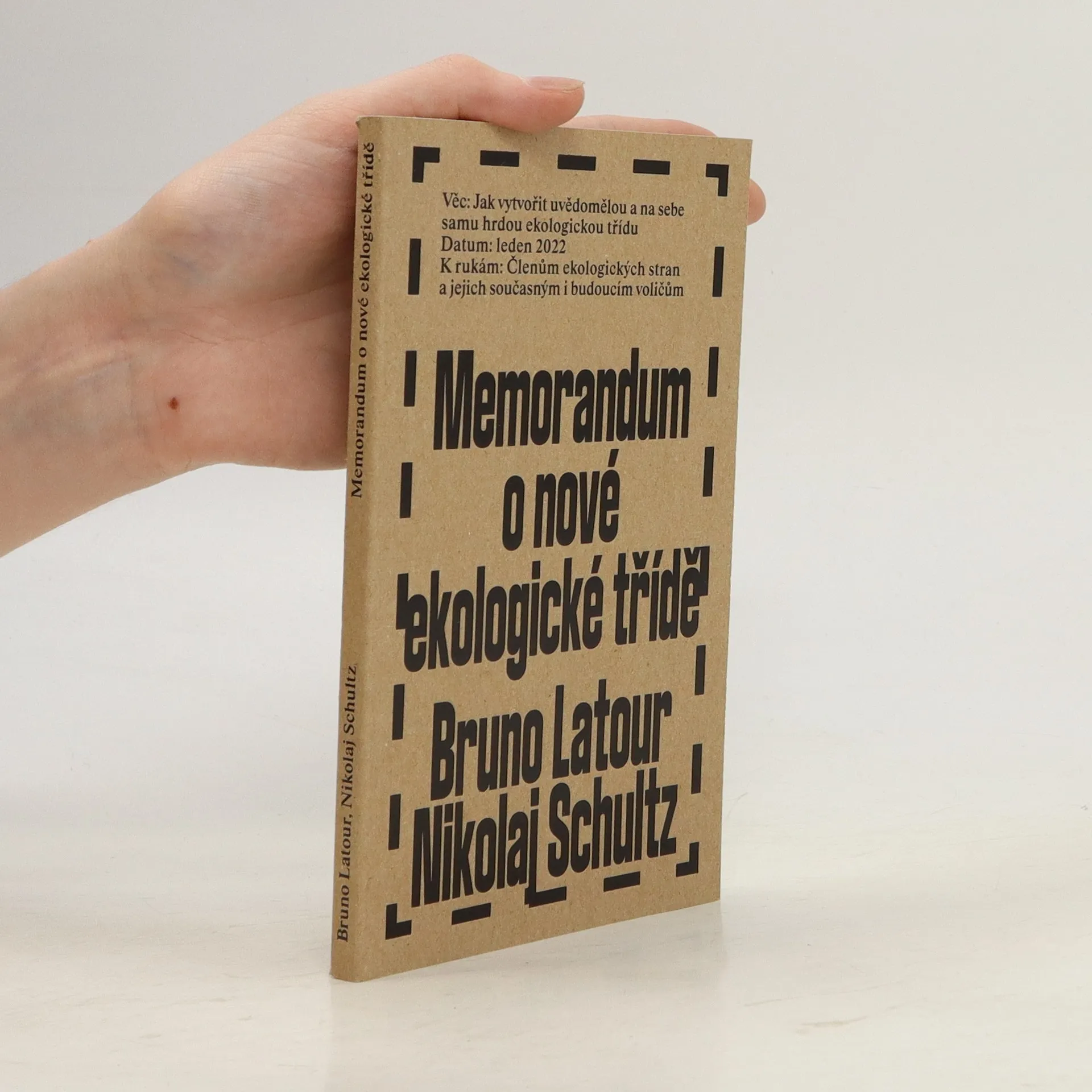
Memorandum o nové ekologické třídě
- 88 stránok
- 4 hodiny čítania
Za jakých podmínek by mohla ekologie organizovat celkovou politiku a stát se více než jen okrajovým protestním hnutím? Může se postavit vedle liberalismu, socialismu, neoliberalismu a vzrůstajících neliberálních či neofašistických stran? Bruno Latour a Nikolaj Schultz ve svém textu, složeném ze sedmdesáti šesti bodů, argumentují, že environmentální hnutí musí získat ideologickou konzistenci a autonomii tím, že nabídne politický narativ, který uznává a efektivně představuje jeho projekt v kontextu sociálního konfliktu. Politická ekologie se musí smířit s nevyhnutelným rozdělením a poskytnout přesvědčivou kartografii konfliktů, které vytváří, aby definovala společný horizont kolektivního jednání. Latour a Schultz navrhují znovu použít termíny „třída“ a „třídní boj“, přičemž jim dávají nový význam v souladu s ekologickými zájmy současného klimatického režimu. Prosazují myšlenku nové ekologické třídy, která se sjednocuje na základě kolektivních zájmů v boji proti produktivismu a za ochranu obyvatelných podmínek planety. Kladou otázku, jak může vzniknout hrdá a sebevědomá ekologická třída, která podnikne účinné kroky k utváření naší společné budoucnosti?
Illuminating conversations with one of France's most respected--and controversial--philosophers
Down to Earth
- 140 stránok
- 5 hodin čítania
The present ecological mutation has organized the whole political landscape for the last thirty years. This could explain the deadly cocktail of exploding inequalities, massive deregulation, and conversion of the dream of globalization into a nightmare for most people. What holds these three phenomena together is the conviction, shared by some powerful people, that the ecological threat is real and that the only way for them to survive is to abandon any pretense at sharing a common future with the rest of the world. Hence their flight offshore and their massive investment in climate change denial. The Left has been slow to turn its attention to this new situation. It is still organized along an axis that goes from investment in local values to the hope of globalization and just at the time when, everywhere, people dissatisfied with the ideal of modernity are turning back to the protection of national or even ethnic borders. This is why it is urgent to shift sideways and to define politics as what leads toward the Earth and not toward the global or the national. Belonging to a territory is the phenomenon most in need of rethinking and careful redescription; learning new ways to inhabit the Earth is our biggest challenge. Bringing us down to earth is the task of politics today.
"Depuis la terrible expérience du confinement, les États comme les individus cherchent tous comment se déconfiner, en espérant revenir aussi vite que possible au "monde d'avant" grâce à une "reprise" aussi rapide que possible. Mais il y a une autre façon de tirer les leçons de cette épreuve, en tout cas pour le bénéfice de ceux que l'on pourrait appeler les terrestres. Ceux-là se doutent qu'ils ne se déconfineront pas, d'autant que la crise sanitaire s'encastre dans une autre crise bien plus grave, celle imposée par le Nouveau Régime Climatique. Si nous en étions capables, l'apprentissage du confinement serait une chance à saisir : celle de comprendre enfin où nous habitons, dans quelle terre nous allons pouvoir enfin nous envelopper - à défaut de nous développer à l'ancienne! Où suis-je? fait assez logiquement suite au livre précédent, Où atterrir? Comment s'orienter en politique. Après avoir atterri, parfois violemment, il faut bien que les terrestres explorent le sol où ils vont désormais habiter et retrouvent le goût de la liberté et de l'émancipation mais autrement situées. Tel est l'objet de cet essai sous forme de courts chapitres dont chacun explore une figure possible de cette métaphysique du déconfinement à laquelle nous oblige l'étrange époque où nous vivons."-- Page 4 de la couverture
Stopovat a skládat světy s Brunem Latourem: Výbor z textů 1998-2013
- 256 stránok
- 9 hodin čítania
Kniha zachycuje myšlení autora v jeho výzkumném záběru od studií vědy a technologií přes analýzu povahy reprezentace v umění a náboženství po nejsoučasnější texty zabývající se globálním oteplováním či vědou a politikou v období antropocénu, kdy se lidstvo stává klíčovým geologickým činitelem na Zemi. Je to právě i tento široký záběr, který činí Bruno Latoura jednou z klíčových postav současných společenských věd a inspirátora uměleckých projektů.
What would animals say if we asked the right questions?
- 276 stránok
- 10 hodin čítania
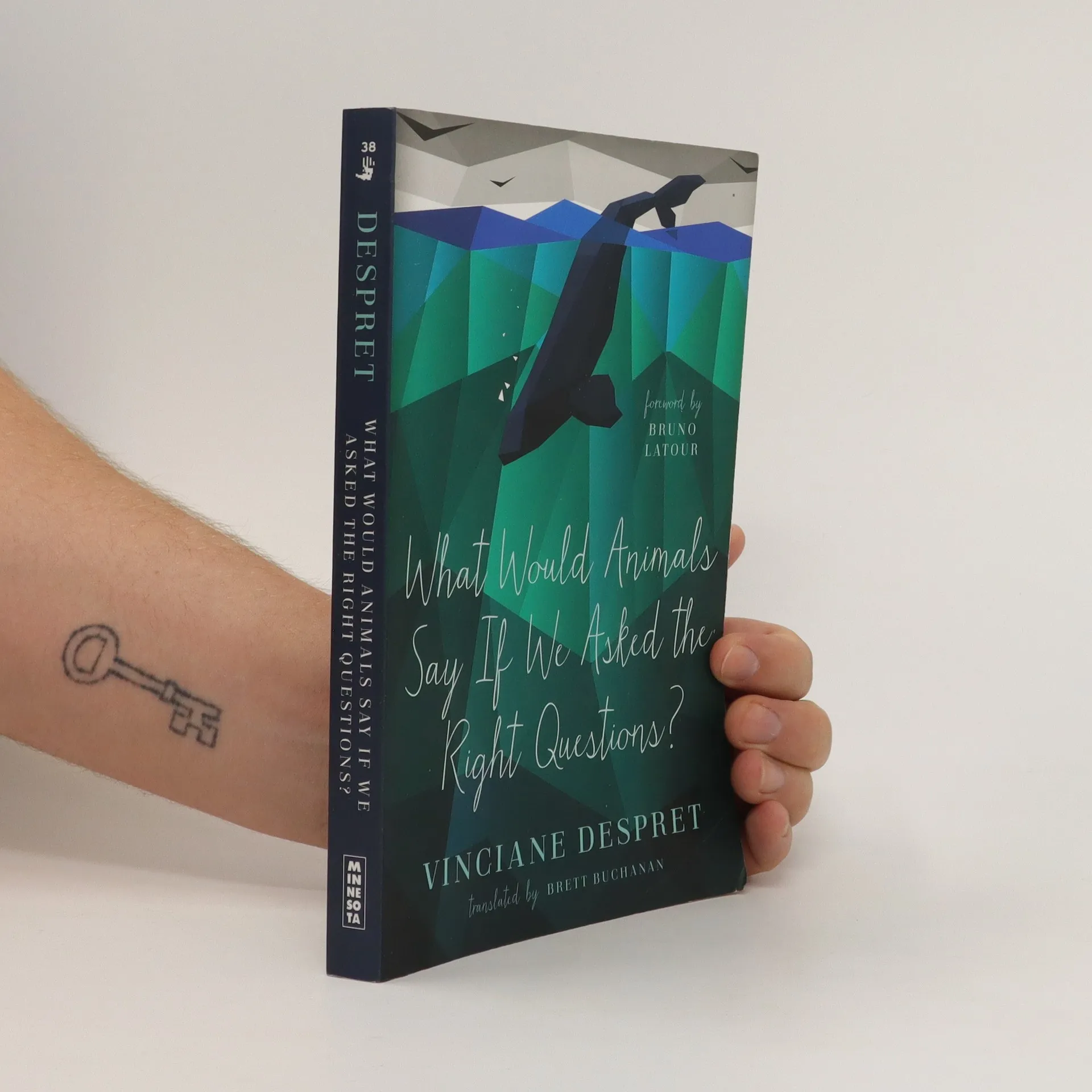
You are about to enter a new genre of scientific fables, which aim to reveal the complexities of understanding animal behavior. Is it acceptable to urinate in front of animals? What does it signify when a monkey throws feces? This book presents twenty-six questions that challenge our assumptions about animal behavior and cognition. Through an engaging abecedarium of chapters, Vinciane Despret explores remarkable and often humorous interactions between animals and humans—researchers, farmers, zookeepers, and handlers. Do animals possess a sense of humor? The stories illustrate that animals often delight in perplexing even the most knowledgeable experts, prompting them to develop new hypotheses that reveal animals' intelligence. These accounts encourage readers to engage with both ethology and philosophy, blending serious scholarship with humor that appeals to all. With a foreword by renowned philosopher Bruno Latour, this work is essential not only for specialists but also for general readers, including dog owners, who will gain a fresh perspective on their canine companions.
Iconoclash
- 703 stránok
- 25 hodin čítania
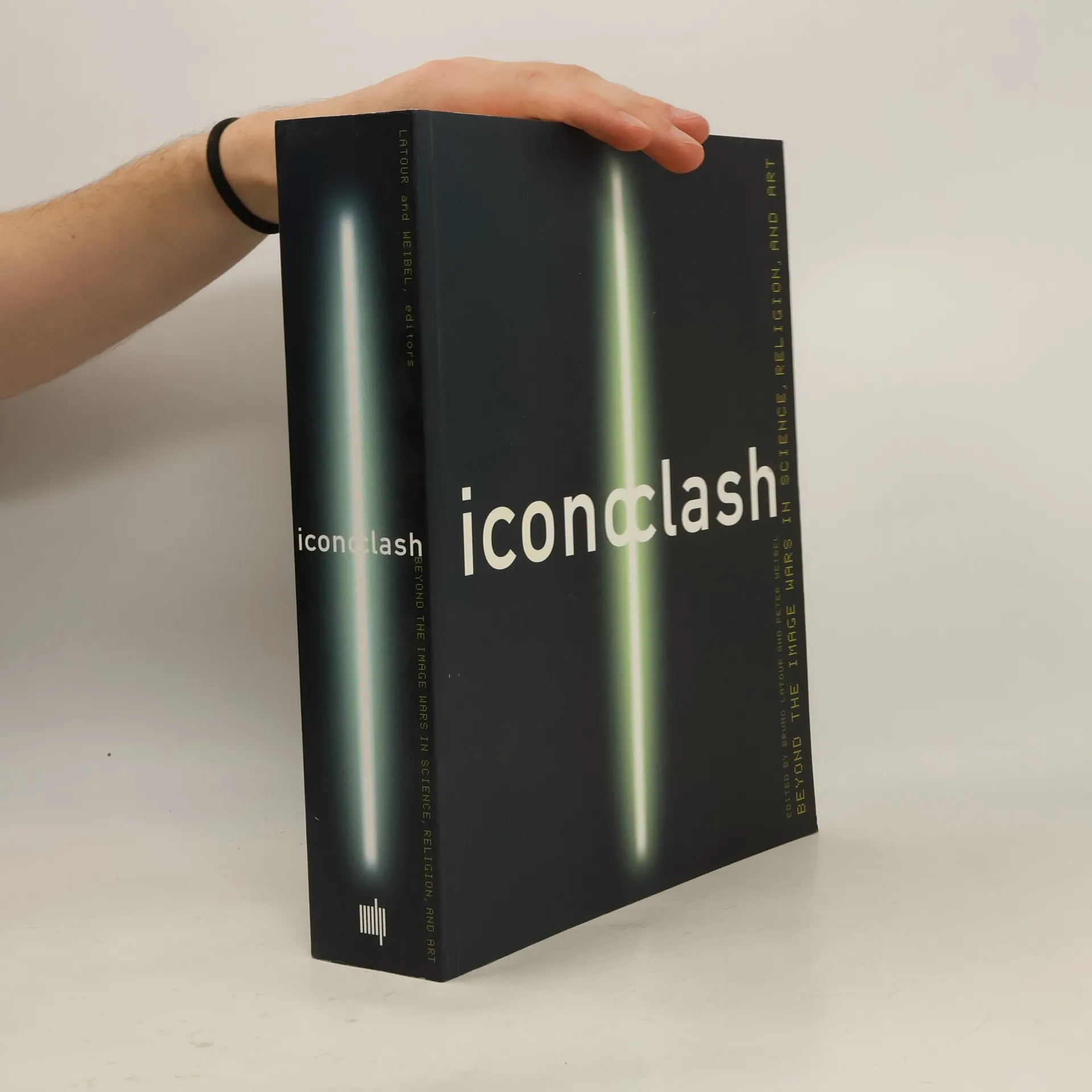
The Taliban destroyed the monumental Buddha statues of Bamiyan, raising questions about why images provoke such intense passions and why generations of iconoclasts have been driven by hatred and fanaticism. On the other side of the prohibition of images lies the veneration of images, the fascination with them, and their mass proliferation, leading to a situation where images overwhelm one another in their abundance.
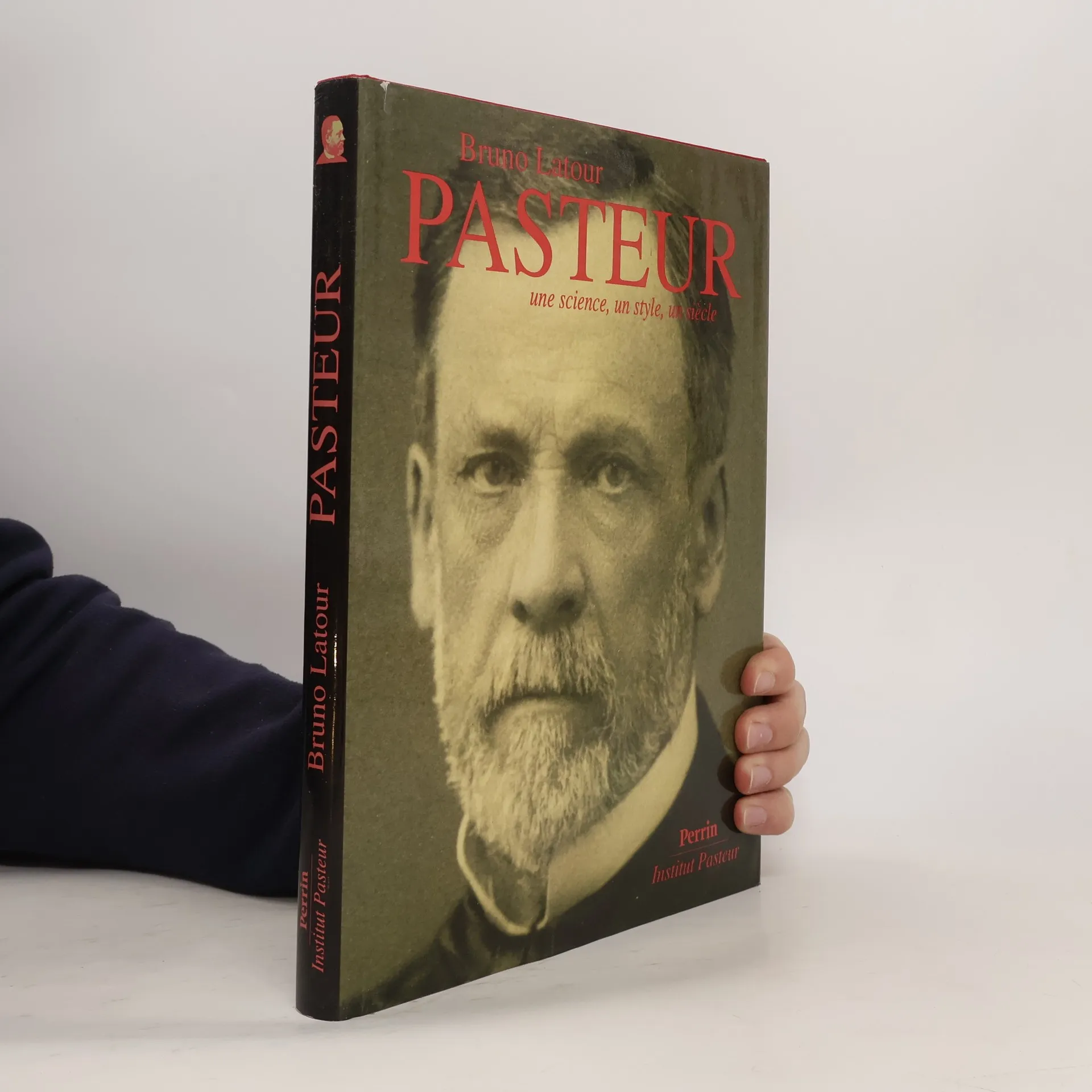
The Pasteurization of France
- 292 stránok
- 11 hodin čítania
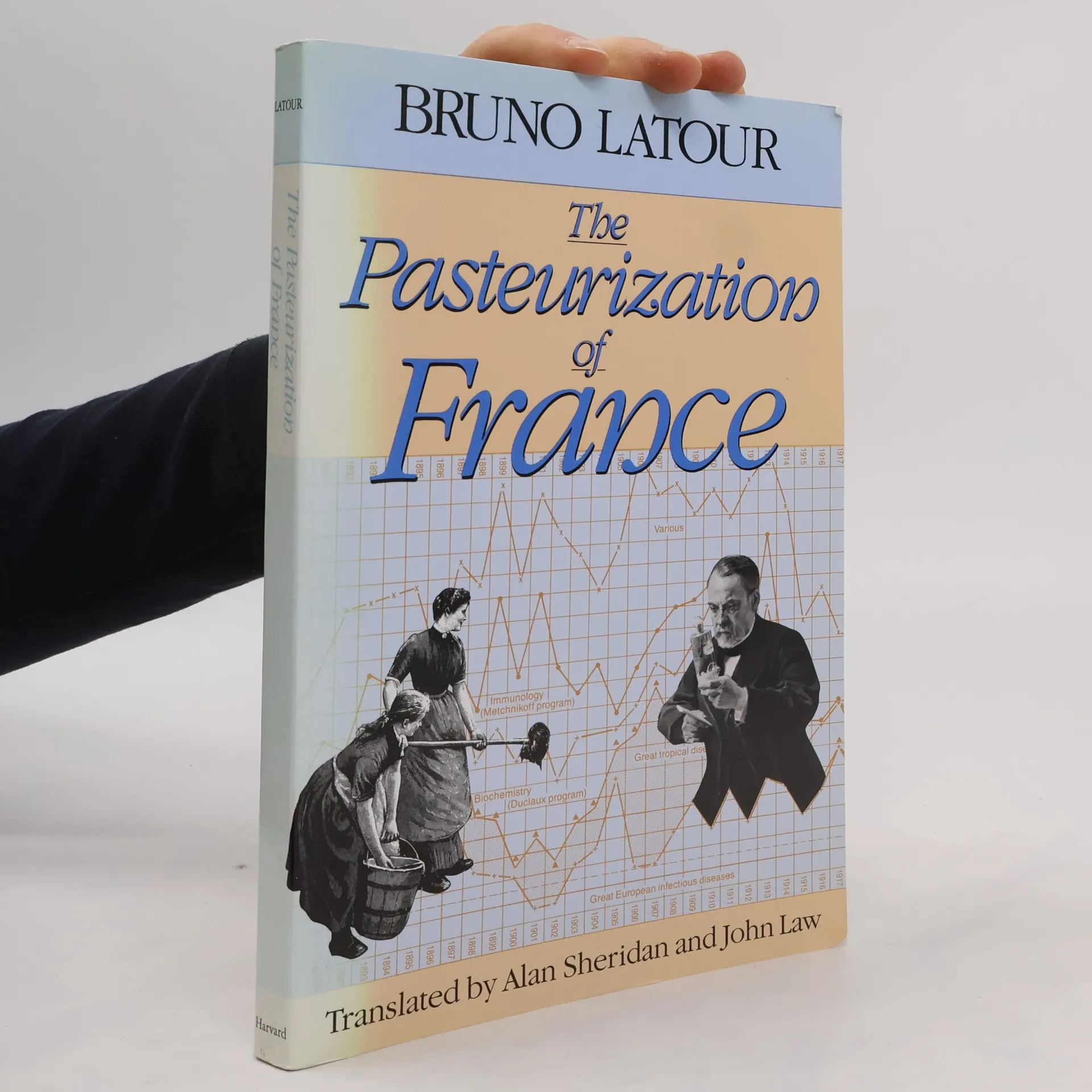
Describes Pasteur's roles in improving health practices in France and identifies the other forces that helped implement his ideas about health care.
Science in Action
- 288 stránok
- 11 hodin čítania
From weaker to stronger rhetoric : literature - Laboratories - From weak points to strongholds : machines - Insiders out - From short to longer networks : tribunals of reason - Centres of calculation.
Pandora's Hope
- 336 stránok
- 12 hodin čítania
A scientist friend asked Bruno Latour point-blank: “Do you believe in reality?” Taken aback by this strange query, Latour offers his meticulous response in Pandora’s Hope. It is a remarkable argument for understanding the reality of science in practical terms.In this book, Latour, identified by Richard Rorty as the new “bête noire of the science worshipers,” gives us his most philosophically informed book since Science in Action. Through case studies of scientists in the Amazon analyzing soil and in Pasteur’s lab studying the fermentation of lactic acid, he shows us the myriad steps by which events in the material world are transformed into items of scientific knowledge. Through many examples in the world of technology, we see how the material and human worlds come together and are reciprocally transformed in this process.Why, Latour asks, did the idea of an independent reality, free of human interaction, emerge in the first place? His answer to this question, harking back to the debates between Might and Right narrated by Plato, points to the real stakes in the so-called science wars: the perplexed submission of ordinary people before the warring forces of claimants to the ultimate truth.
Reassembling the Social
- 328 stránok
- 12 hodin čítania
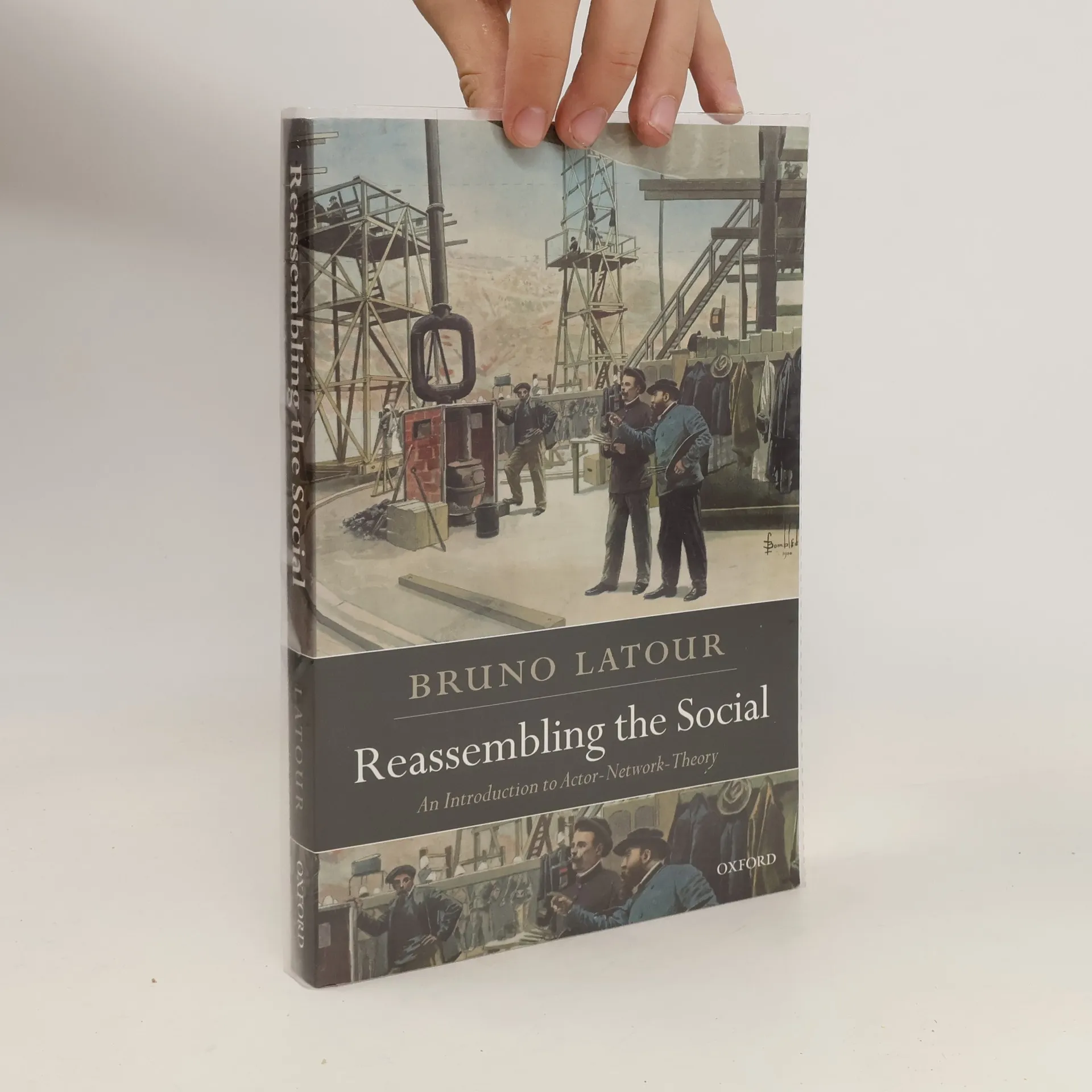
Latour is a world famous and widely published French sociologist known for his acclaimed writings on the relationship between people, science, and technology. His views have crystallized as 'Actor-Network-Theory' (ANT). This book is the first concise account Latour has written about ANT, with which he has come to be so closely associated with.
Building on his earlier book We Have Never Been Modern, Bruno Latour develops his argument about the Modern fetishization of facts, or the creation of factishes.
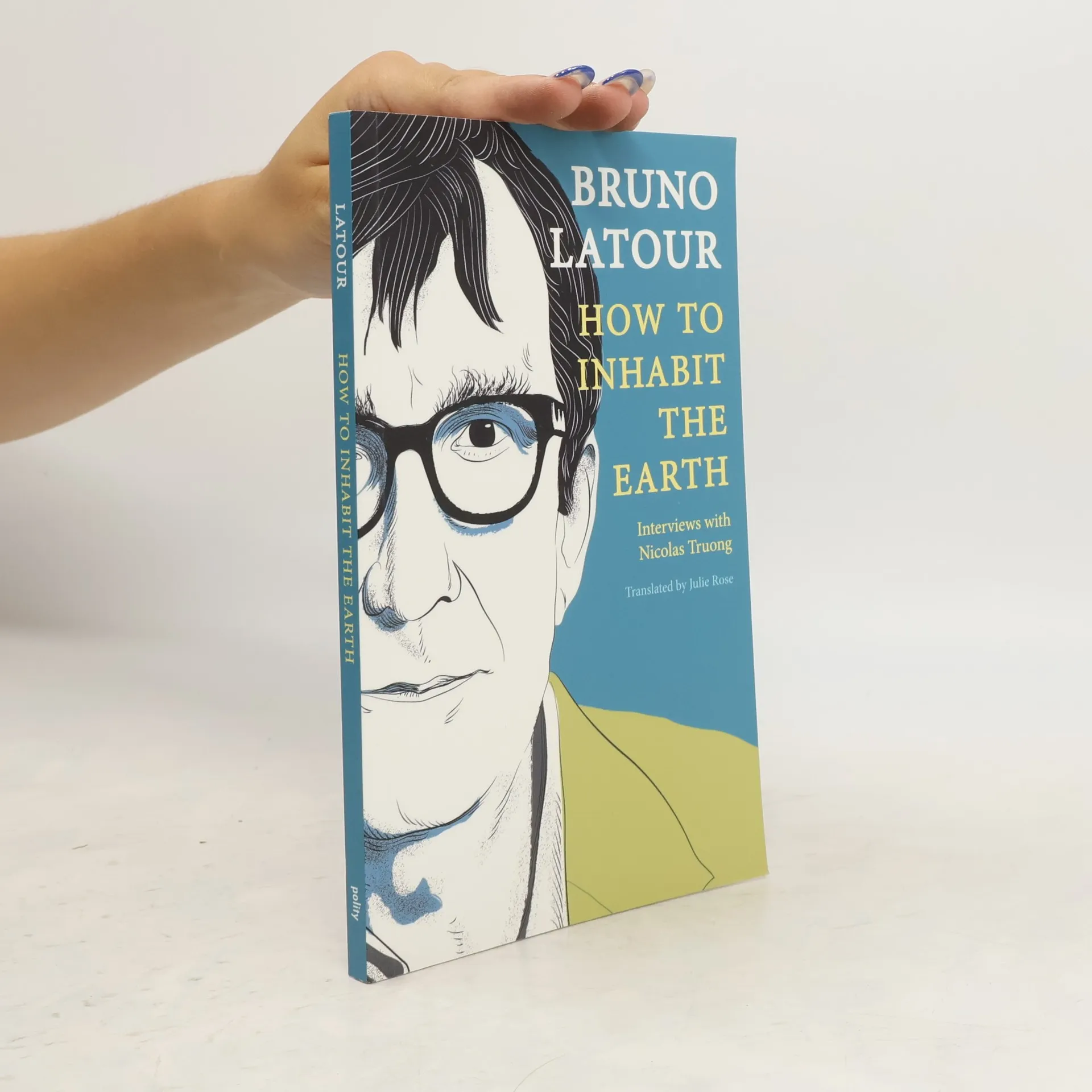
How to Inhabit the Earth
- 112 stránok
- 4 hodiny čítania
In a series of televised interviews in spring 2022, Bruno Latour explained, in clear and straightforward terms, how humans have changed the planet and why environmental disasters are an intrinsic part of modern life. We have now come to realize that all life depends on a thin skin of our planet that is only few kilometres thick - what scientists call the 'critical zone'. Our capacity to continue to live on a planet we are transforming is now at risk and if we wish to survive as a species, we must put an end to the mechanisms of destruction, rethink our connection to living beings and face head-on the confrontation between the extractivists who are exploiting the Earth's resources and the ecologists. This poignant reflection on the greatest challenge of our time is also an opportunity for Latour to explain the underlying thread that guided his work throughout his career, from his pathbreaking research on the social construction of scientific knowledge to his last writings on the Anthropocene.
If we lose the Earth, we lose our souls
- 110 stránok
- 4 hodiny čítania
In this book Bruno Latour calls upon Christians to join the struggle to avert a climate catastrophe. First and foremost, Christians need to overcome their lack of interest in ‘earthly things’ and pay attention to the Earth at a time when it is being neglected. He also urges Christians to renew their understanding of their faith in the context of the new image of the world that has emerged from Earth system science – that of a world in which the myriad of beings that inhabit the world are interdependent and living in close proximity on a slender, fragile membrane on the surface of the planet. This new image of the world cannot fail to have an impact on the sciences, on politics and on religion, just as, in earlier centuries, the cosmology of Copernicus and Galileo upset the old order. Latour sees the ecological crisis, and the cosmological mutation that it entails, as an opportunity to convey anew, to the largest possible audience, the tradition of Christianity as it has never been appreciated before, by bringing to bear the lessons of eschatology on the great crisis that looms before us all.
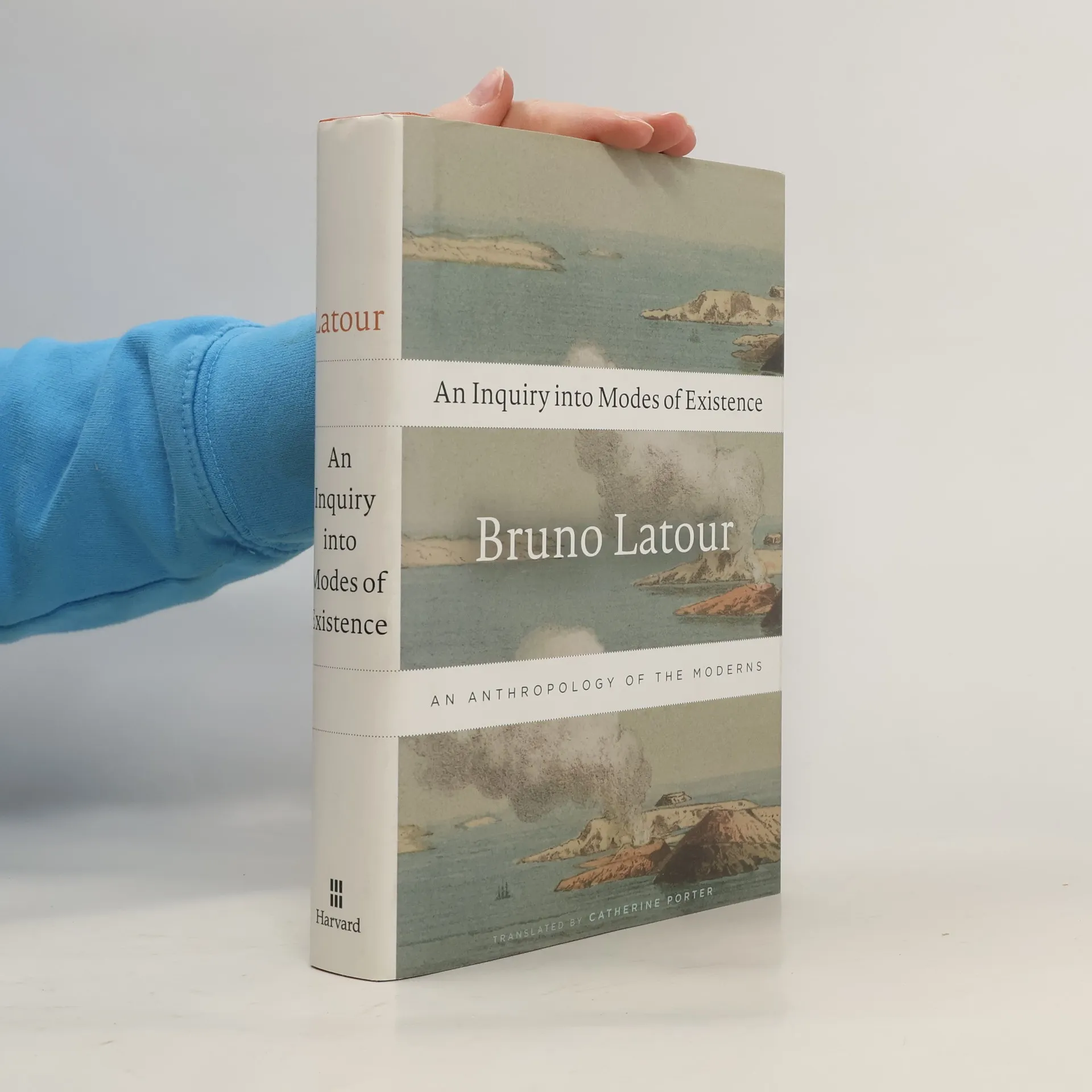
An Inquiry into Modes of Existence
- 518 stránok
- 19 hodin čítania
In a new approach to philosophical anthropology, Bruno Latour offers answers to questions raised in We Have Never Been Modern: If not modern, what have we been, and what values should we inherit? An Inquiry into Modes of Existence offers a new basis for diplomatic encounters with other societies at a time of ecological crisis.
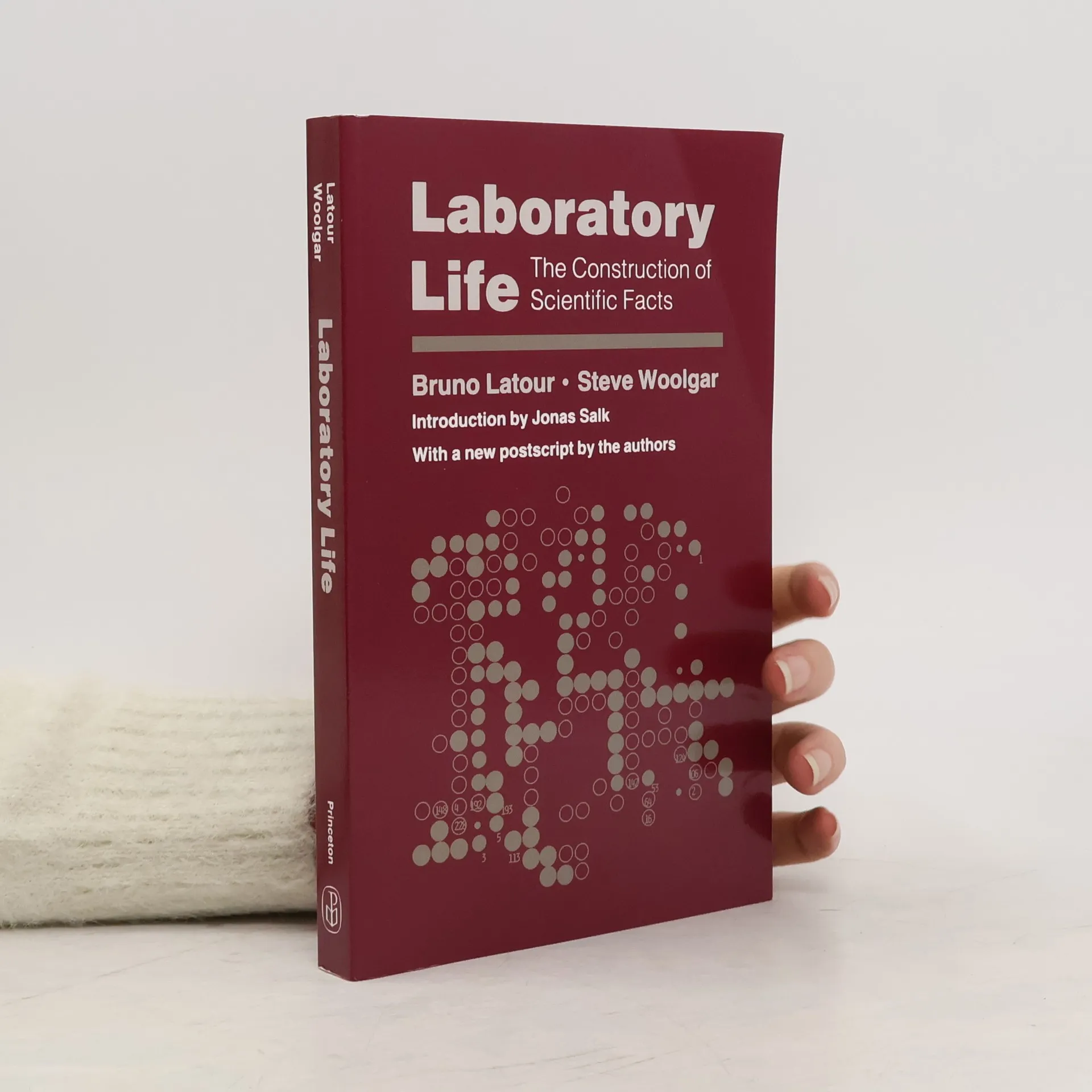
Presents laboratory science in a deliberately skeptical way: as an anthropological approach to the culture of the scientist. This book provides an important link between the sociology of modern sciences and laboratory studies in the history of science.
Facing Gaia
- 300 stránok
- 11 hodin čítania
The emergence of modern sciences in the seventeenth century profoundly renewed our understanding of nature. For the last three centuries new ideas of nature have been continually developed by theology, politics, economics, and science, especially the sciences of the material world.
Signal. Image. Architecture.
- 144 stránok
- 6 hodin čítania
Focusing on the intersection of technology and architecture, this volume explores the implications of computational images in modern architectural thought and practice. By rigorously examining the technical foundations and concepts of architecture, it offers a philosophical perspective on the discipline in the context of imaging. Rather than presenting a theory of architectural images, it provides a concise reflection on how these elements influence contemporary architectural discourse and design.
Politics of nature : how to bring the sciences into democracy
- 320 stránok
- 12 hodin čítania
A significant work by a leading thinker, this text establishes the conceptual framework for political ecology by reimagining ecological terms within a new philosophical context. The author provocatively states that political ecology has no relation to nature, which he views as a construct used to organize political order without proper process. He argues for the dissolution of the traditional divide between nature and society, advocating for a collective that includes both humans and nonhumans, grounded in real scientific practices. Challenging the fact-value distinction, the author critiques the political philosophy that emerges from this division, arguing it undermines democracy and scientific progress. He moves beyond modernist concepts of "mononaturalism" and "multiculturalism" to propose "multinaturalism," a dynamic collective shaped not by absolute expert reasoning but by adaptable "diplomats" open to experimentation. The text explores the complexities of assembling this collective, addressing the challenges of representation and the interplay between humans and nonhumans. It also discusses the need for new powers of representation and the skills required for collective governance. Ultimately, it questions how political ecology can revitalize public life, emphasizing that politics and nature are inseparable, and calls for a reimagined political landscape unbound by traditional constraints.
The Prince and the Wolf contains the transcript of a debate which took place on 5th February 2008 at the London School of Economics (LSE) between the prominent French sociologist, anthropologist, and philosopher Bruno Latour and the Cairo-based American philosopher Graham Harman.
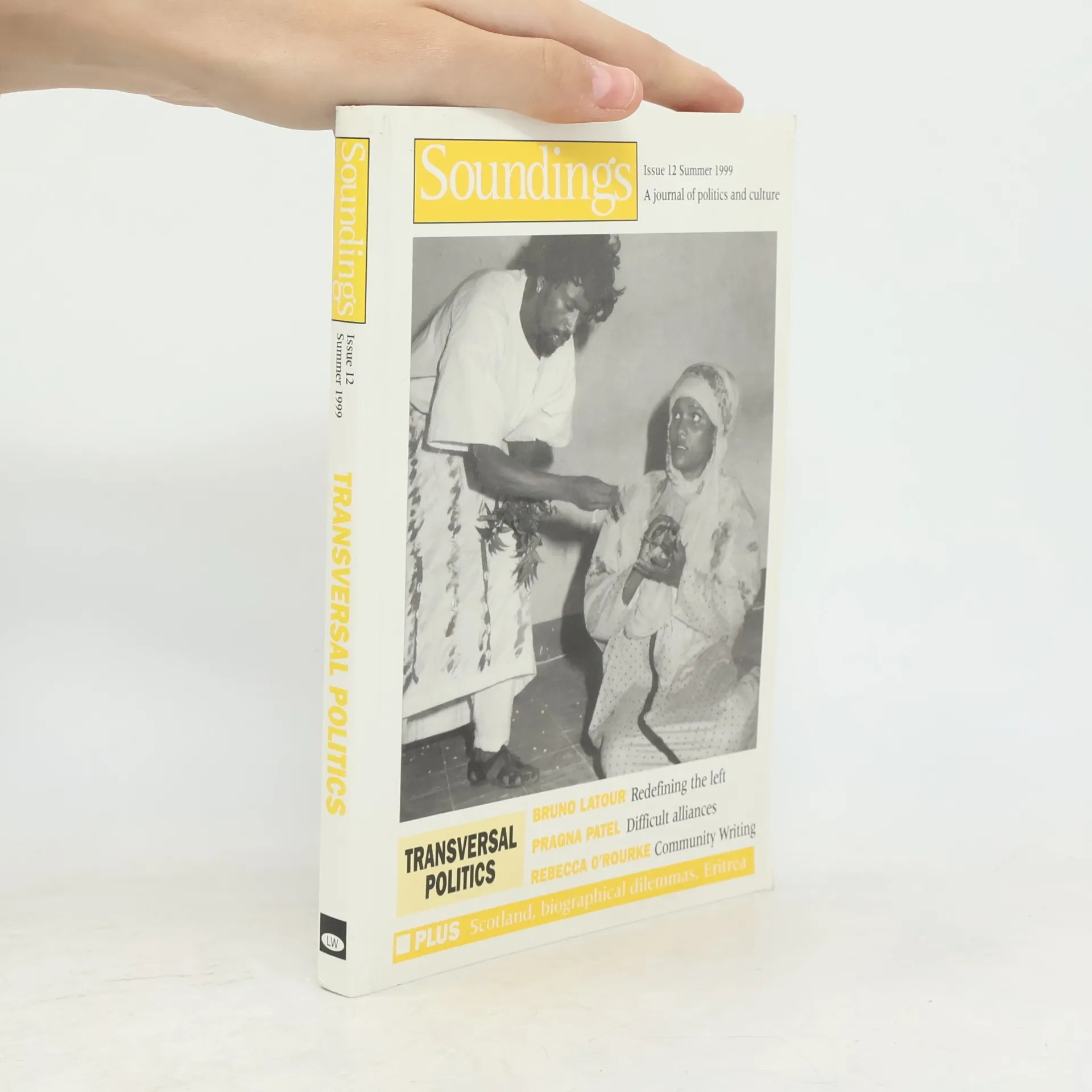
The special theme of this issue of Soundings is "transversal politics"--a term which attempts to conceptualize a democratic practice of talking across difference. The idea is to find ways of doing things which involve neither the imposition of a single universal which refuses to recognize that there really are "differences," nor the retreat into those differences as tightly-bound, exclusivist and essentialist; to find creative ways of crossing (and possibly redrawing) the borders that mark significant politicized differences; and to find forms of empathy not based on sameness, ways of shifting which don't involve tearing up your roots.
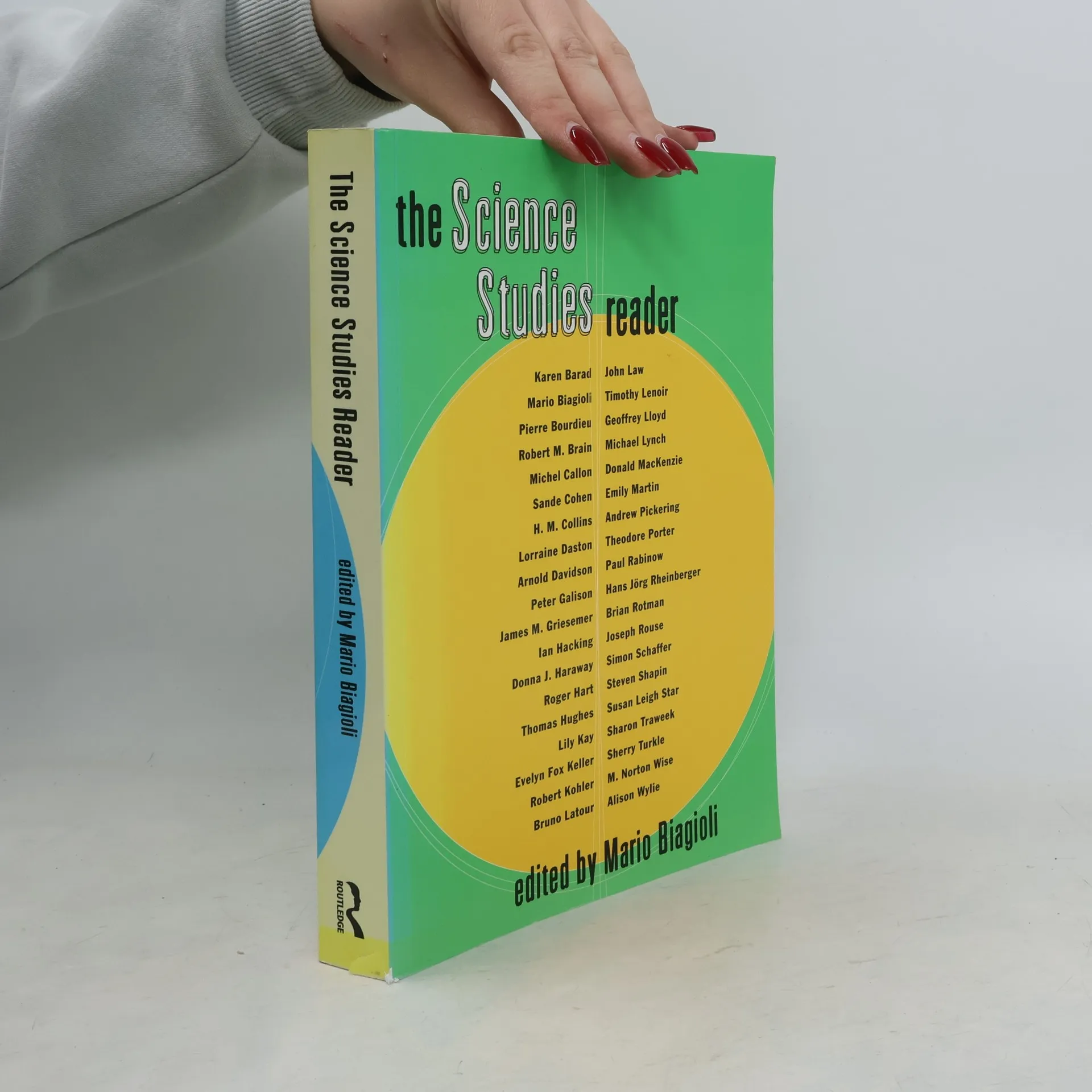
The Science Studies Reader
- 590 stránok
- 21 hodin čítania
The Reader focuses on the practices of modern and contemporary science and technology located in different national and institutional settings, with some attention to non- Western contexts. By mapping some of the open questions and points of tension likely to occupy the field for years to come, the essays in the Reader cast fresh light on what "science" means at the end of the twentieth century.
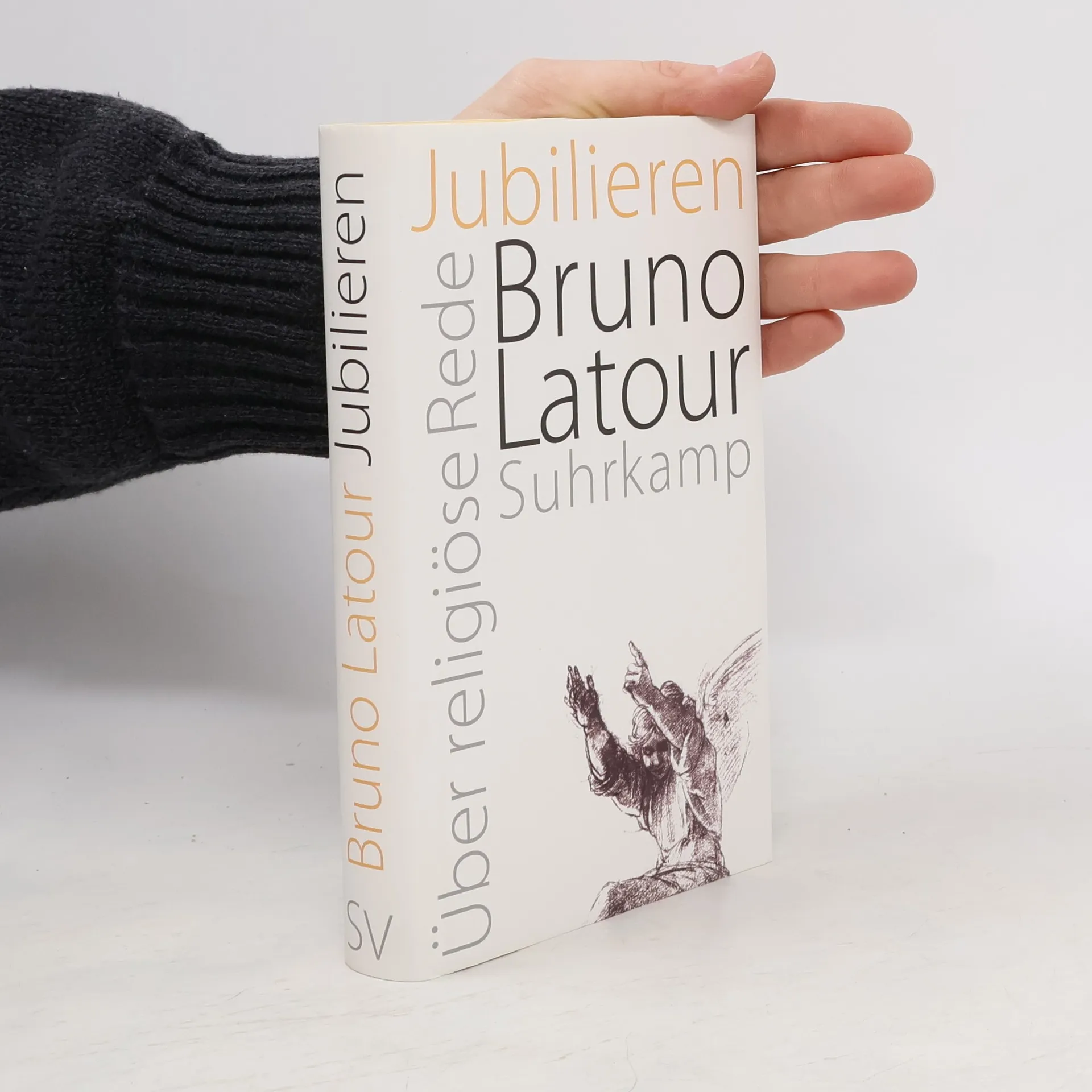
Jubilieren. Über religiöse Rede
- 247 stránok
- 9 hodin čítania
Bruno Latours langfristiges Projekt besteht darin, die Bedingungen für Glück und Unglück der verschiedenen Werte zu vergleichen, die denjenigen, die „nie modern“ waren, am Herzen liegen. Seiner Meinung nach ist dies der einzige Weg, eine Anthropologie der Modernen zu entwickeln. Nach seinen Arbeiten zu Wissenschaft, Technologie und jüngst zum Recht untersucht dieses Buch die Wahrheitsbedingungen religiöser Sprechakte. Obwohl unbestritten ist, dass Religion eines der Werte ist, die im Laufe der Geschichte intensiv geschätzt wurden, ist es auch klar, dass es immens schwierig geworden ist, sich auf ihren hochspezifischen Modus der Äußerung einzustellen. Jeder Versuch, im richtigen Ton zu sprechen, klingt unbeholfen, reaktionär, fromm oder einfach leer. Daher ist es notwendig, eine Schreibweise zu entwickeln, die diese schwer fassbare Form der Rede in den Vordergrund rückt, um sie wieder hörbar zu machen. In diesem hochgradig originellen Buch bietet der Autor einen völlig anderen Ansatz zum endlosen Konflikt zwischen Wissenschaft und Religion, indem er beide vor der Verwirrung mit dem Begriff der Information schützt. Wie in „The Making of Law“ ist dieses Buch ein weiterer Versuch, diese „Untersuchung der Existenzmodi“ zu entwickeln, die eine alternative Definition von Gesellschaft bietet.
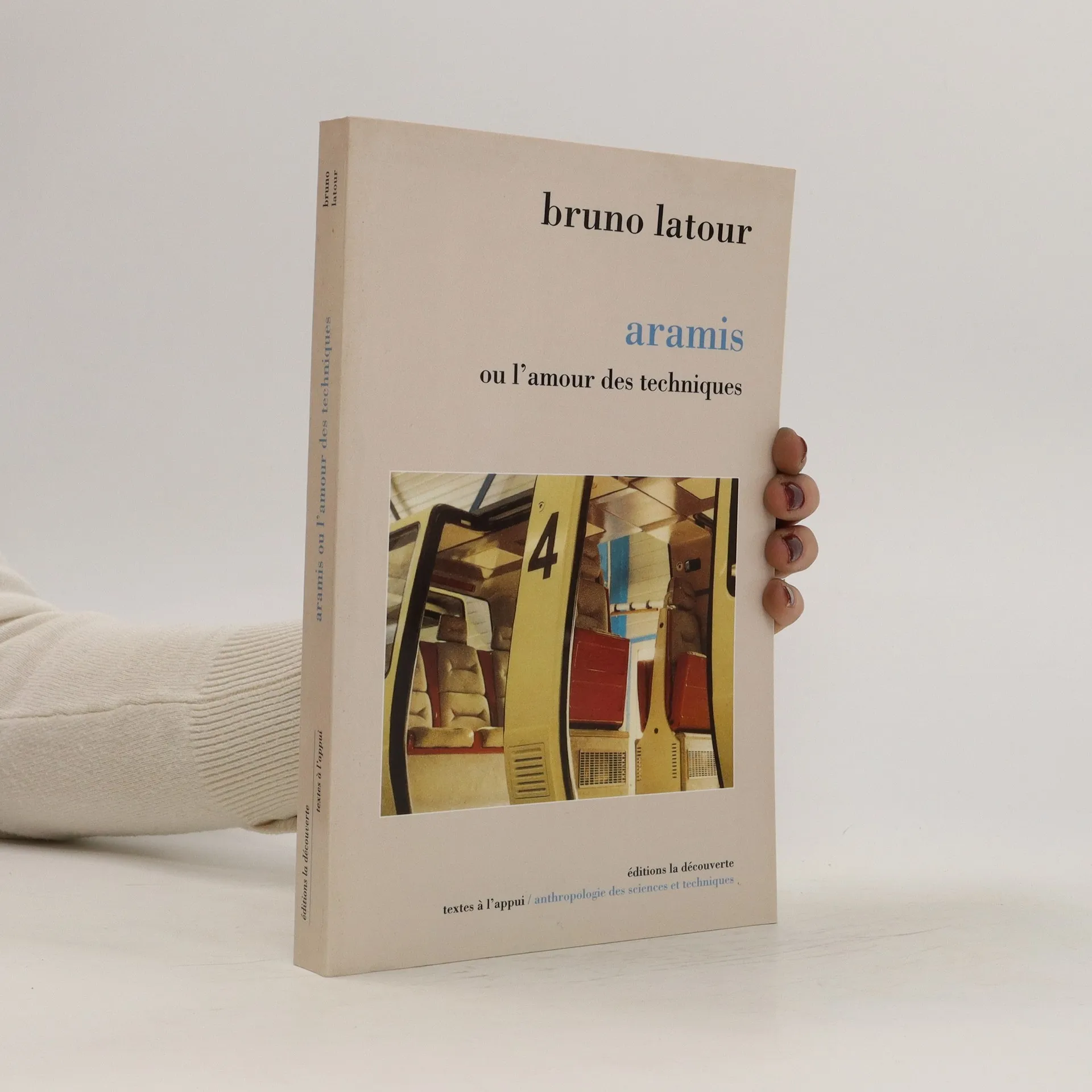
Un système de transport guidé destiné à Paris, Aramis représentait une avancée majeure dans le transport rapide personnel : il combinait l'efficacité d'un métro avec la flexibilité d'une automobile. Mais finalement, ses couplages électroniques se sont révélés trop complexes et coûteux, la volonté politique a échoué, et le projet est mort en 1987. L'histoire d'Aramis est racontée par plusieurs parties différentes, aucune ne prenant le pas sur une autre : un jeune ingénieur et son professeur, qui agissent comme des détectives pour découvrir les raisons de l'échec du projet ; des cadres d'entreprise et des élus ; un sociologue ; et enfin Aramis lui-même, qui délivre un plaidoyer passionné : l'innovation technologique a des besoins et des désirs, en particulier un désir de naître, mais ne peut vivre sans l'engagement soutenu de ceux qui l'ont créée.
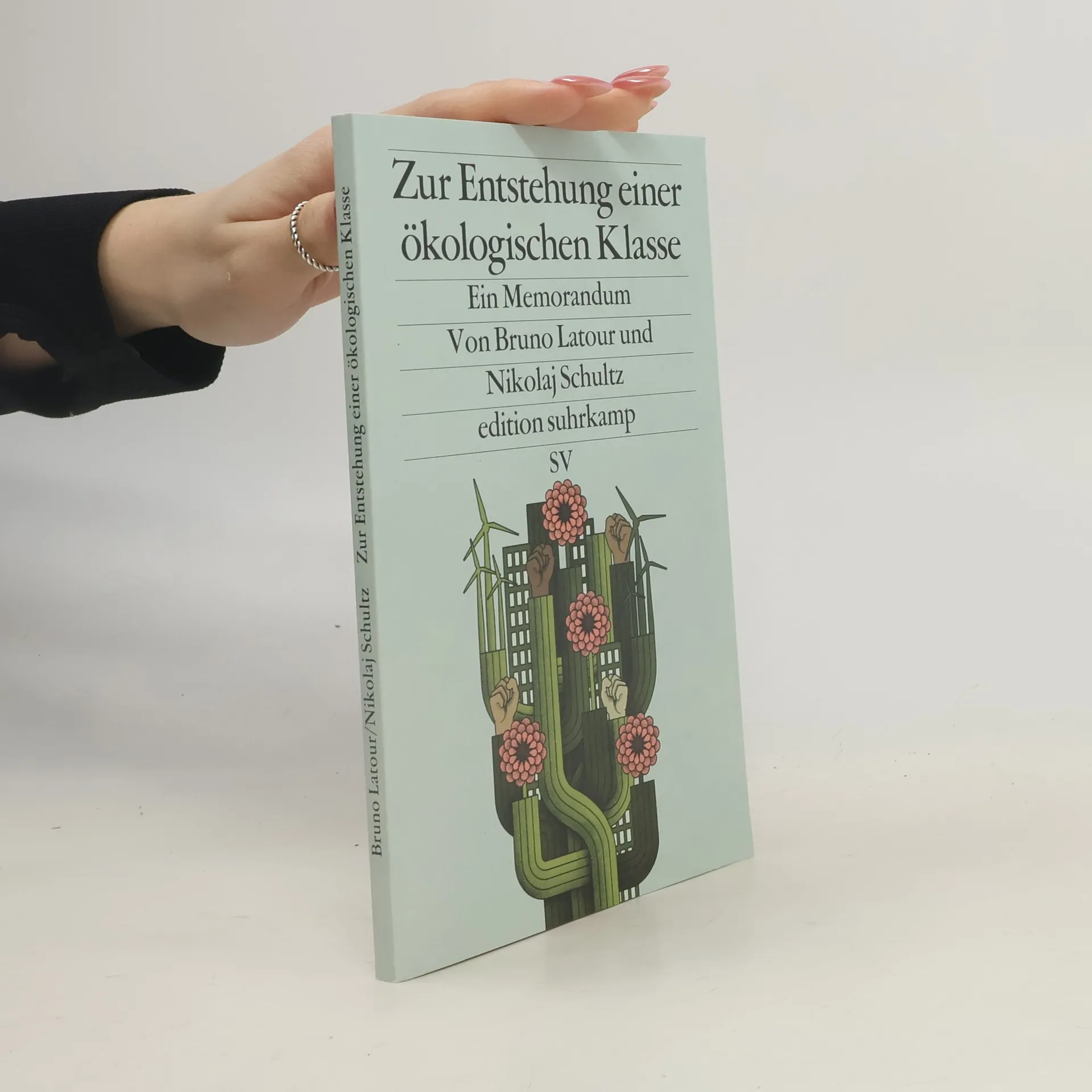
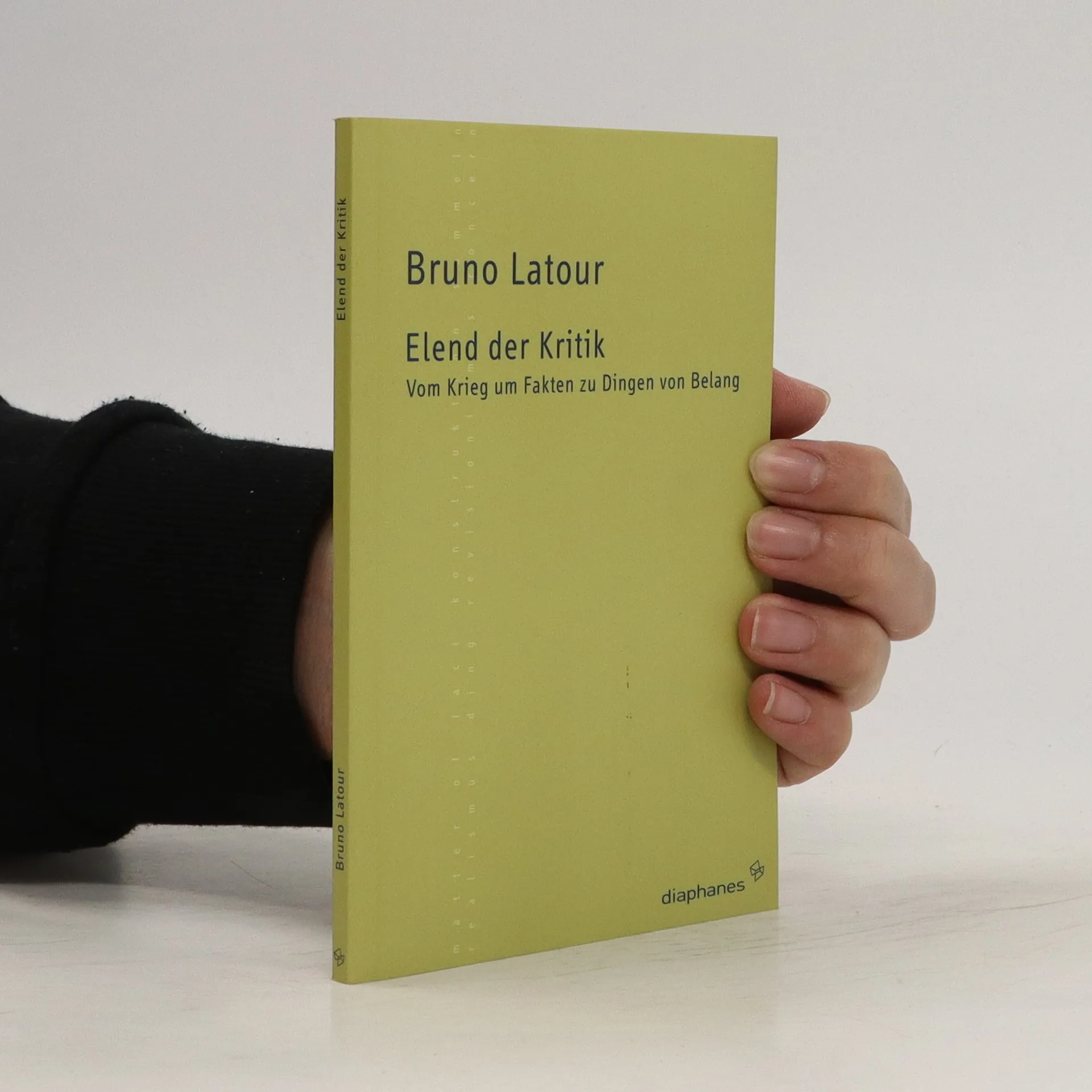
Zur Entstehung einer ökologischen Klasse
Ein Memorandum | Wie gelingt politisches Handeln in Zeiten des Klimawandels?
Die katastrophalen Folgen unseres Handelns für die Natur sind inzwischen bekannt. Doch die Emissionen steigen weiter. Gegen das Mantra vom wirtschaftlichen Wachstum wirken die Kassandrarufe junger Aktivist:innen oft ohnmächtig. Und während sich im Namen von Freiheit und Gleichheit einst Massen mobilisieren ließen, führt der Klimaschutz zu neuen Spaltungen. Man denke nur an die Gelbwestenproteste in Frankreich. Für Bruno Latour und Nikolaj Schultz ist klar: So wie einst die Arbeiterklasse den sozialen Fortschritt erkämpfte, bedarf es heute einer ökologischen Klasse, um den Klimawandel aufzuhalten. Wo Bewegungen wie Fridays For Future und lokale Organisationen oft getrennt agieren, plädieren die Soziologen für eine Politik, die den Schutz unserer Lebensgrundlagen ins Zentrum gemeinsamer Anstrengungen stellt. Die Geschichte der Menschen, hieß es bei Marx und Engels, sei die Geschichte von Klassenkämpfen. Kommt es nicht zur Entstehung einer ökologischen Klasse, so Latour und Schultz, wird die Menschheit keine Zukunft haben.
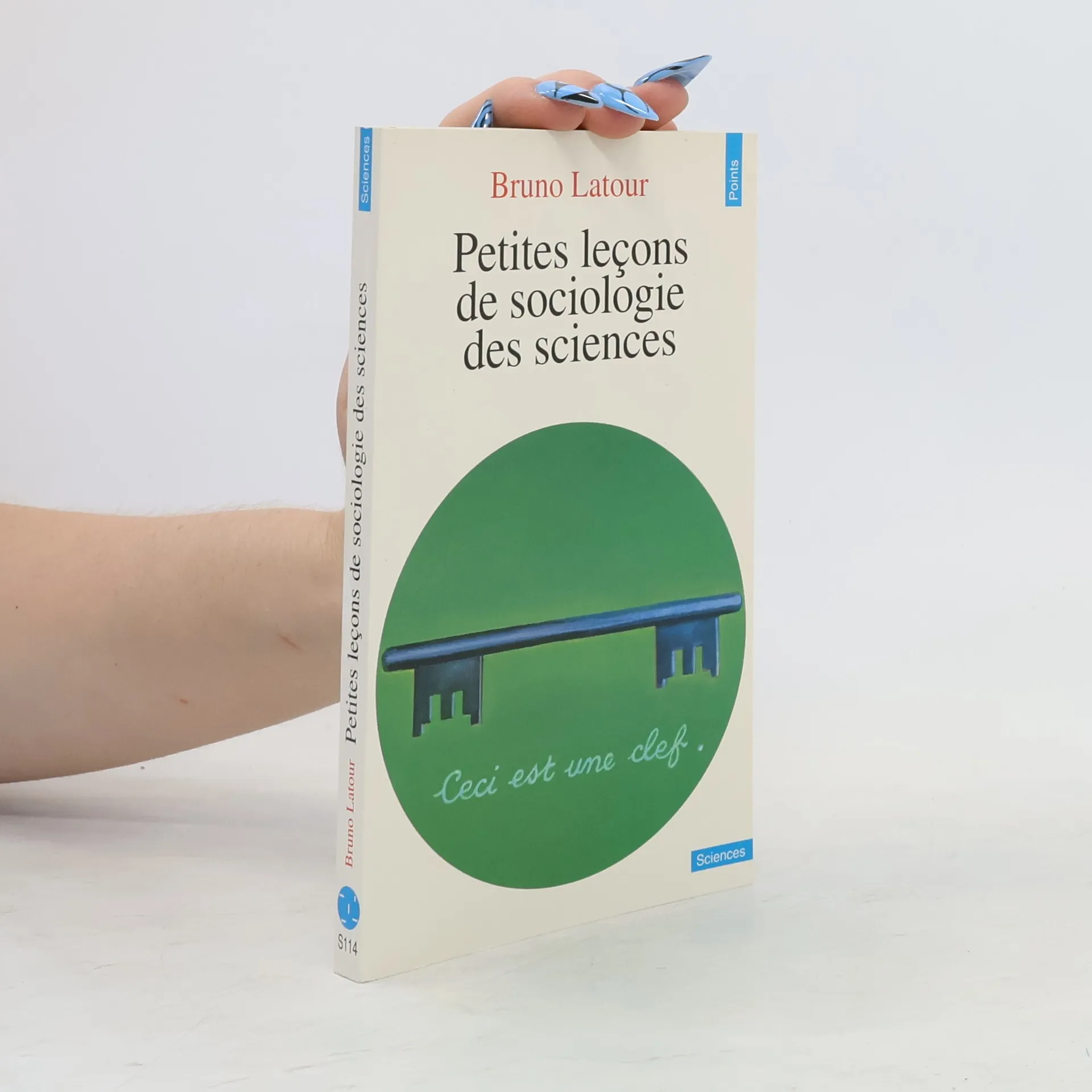
Petites leçons de sociologie des sciences
- 251 stránok
- 9 hodin čítania
Clés d'hôtel, ralentisseurs, ceintures de sécurité, trappes pour chats, ferme-portes - chaque jour, nous sommes confrontés à des objets que nous ne pouvons pas considérer comme de simples objets techniques, car leur existence impacte la nôtre et la modifie radicalement. De même, nous faisons face à des éléments que nous ne pouvons pas réduire à de simples questions scientifiques - molécules, microbes, formules chimiques, cartes, diagrammes, galaxies. Nous vivons dans une culture technico-scientifique, et le véritable amateur de culture aujourd'hui n'est pas seulement un passionné d'art, mais aussi de science et de technique. L'œuvre du philosophe, anthropologue et chercheur en sciences Bruno Latour offre un regard surprenant et relativisant sur cette culture contemporaine. Guust Flater, une clé de Berlin, la recherche en laboratoire sur les reins de hamster, une expédition en Amazonie, l'art de la Renaissance, tous ces éléments constituent des points de départ pour les analyses captivantes, ingénieuses et souvent joyeuses de Latour sur le fonctionnement de la science et des choses qui composent l'existence moderne. Il montre de manière accessible que les choses sont profondément politiques, chargées d'une moralité qui influence l'action humaine de multiples façons. Ce recueil d'essais est un échantillon du talent de Latour en tant que philosophe empirique.
Der Wissenschaftsforscher Bruno Latour wendet sich gegen eine um sich greifende antiaufklärerische Haltung der Kritik, der Geisteswissenschaften, die unappetitliche Verwandtschaften hervorbringt. Wie erklärt es sich, dass unter Intellektuellen weithin unhinterfragt Verschwörungstheorien – etwa bezüglich des 11. September – als Wahrheiten ins Feld geführt werden? Bruno Latour macht in einem lange gepflegten, exzessiven Misstrauen in unverrückbare Tatsachen, die allzu leichtfertig als ideologische Vorurteile ausgegeben werden, eine Hauptgefahr für diese beunruhigende (da selbstentmachtende) Bewegung aus. Generiert womöglich die Kritik selbst diese Effekte, hat sie ihre eigenen »kritischen« Werkzeuge nicht mehr im Griff? Ist Kritik ganz und gar zahnlos geworden? Latour fordert, das eigene Rüstzeug einer kritischen Betrachtung zu unterziehen – und, wenn nötig, komplett auszuwechseln: »Ist es etwa zuviel verlangt, von unser aller intellektuellen Existenz zu fordern, wenigstens einmal im Jahrhundert ein paar neue kritische Werkzeuge bereitzustellen? Ist es nicht äußerst demütigend, mitanzusehen, daß Militärs wendiger, wachsamer, innovativer sind als wir?«
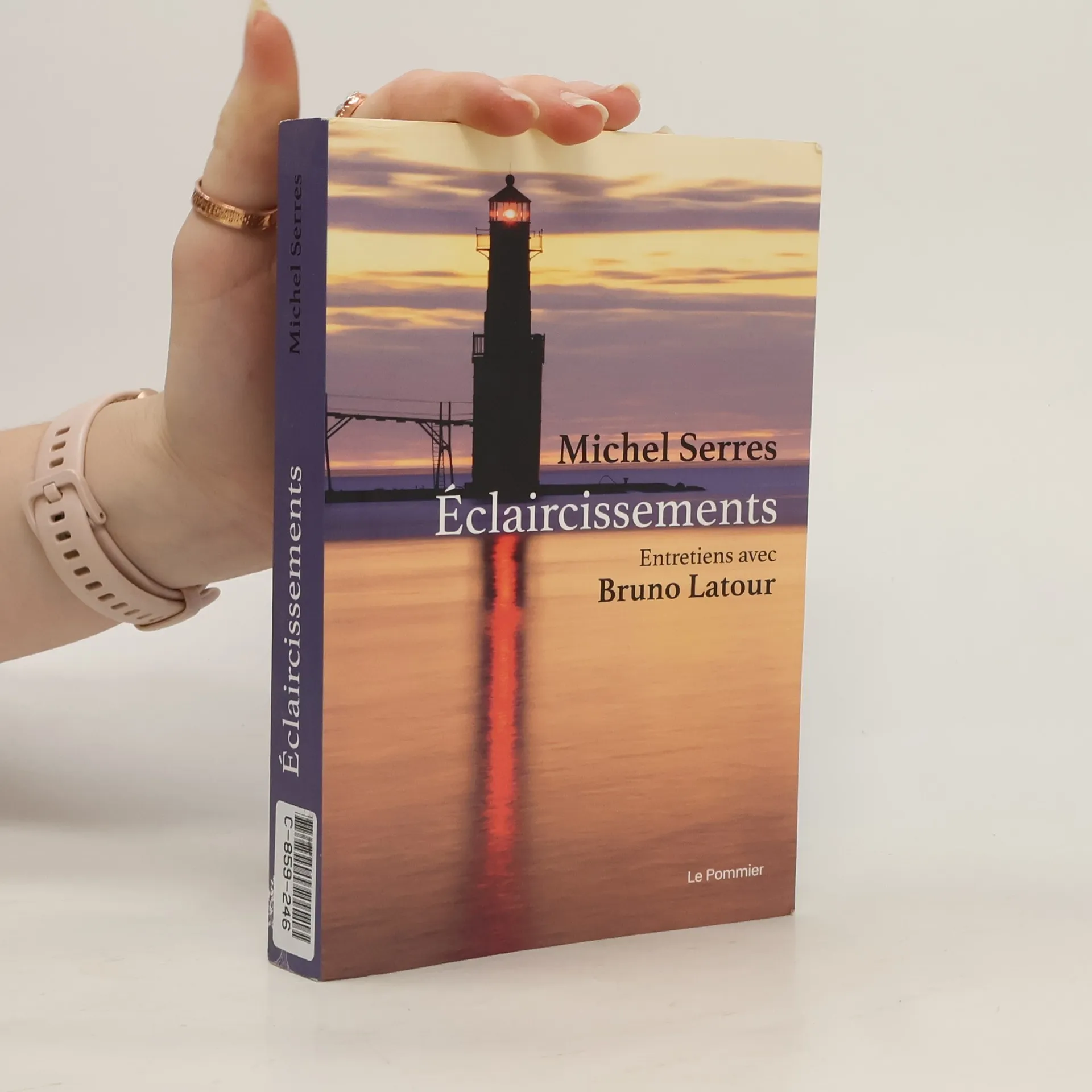
Communément célébré pour sa parole lumineuse, Michel Serres a été souvent critiqué pour la complexité de ses écrits. Eclaircissements s'était donné pour mission de rendre le travail du philosophe transparent et limpide. La discussion menée par Bruno Latour a permis à Michel Serres d'expliciter sa formation intellectuelle, les raisons de son passage des sciences à la philosophie ainsi que le rôle du philosophe au sein de la société. Pour construire l'avenir, notamment celui de la cohabitation des hommes et de la nature, il insiste sur l'importance du droit, du récit et de la pluridisciplinarité. Avec le recul, on est étonné de voir à quel point il était lucide sur l'état du monde et sur ce qui nous attendait.
À l'automne 2009, une étudiante allemande exprime son désarroi face aux disputes entourant le sommet de Copenhague sur le climat à Bruno Latour, qui lui mentionne un enseignement sur les liens entre sciences, politique et nature. Malheureusement, elle ne peut suivre le cours, mais commence à tenir un "journal de bord" pour suivre l'actualité. Au fil de ses réflexions, elle apprend à naviguer dans les complexités engendrées par les avancées scientifiques et techniques. De l'Antiquité à des œuvres contemporaines comme Avatar, le lecteur est entraîné dans le fascinant monde des "humanités scientifiques". Latour souligne que la nature a pris une place en politique, rendant nécessaire l'intégration des sciences et techniques dans ce domaine. Il argue qu'il est impossible d'aborder les crises écologiques sans saisir le caractère collectif et concret de la pensée et de la preuve. Ce passage du cogito - "je pense" de Descartes - à cogitamus - "nous pensons" - illustre que notre accès à la vérité dépend de notre nombre et de notre soutien mutuel. Écrit dans un style dynamique, cet ouvrage constitue une introduction accessible aux recherches d'un auteur reconnu et commenté internationalement, plaidant pour une "culture scientifique".