

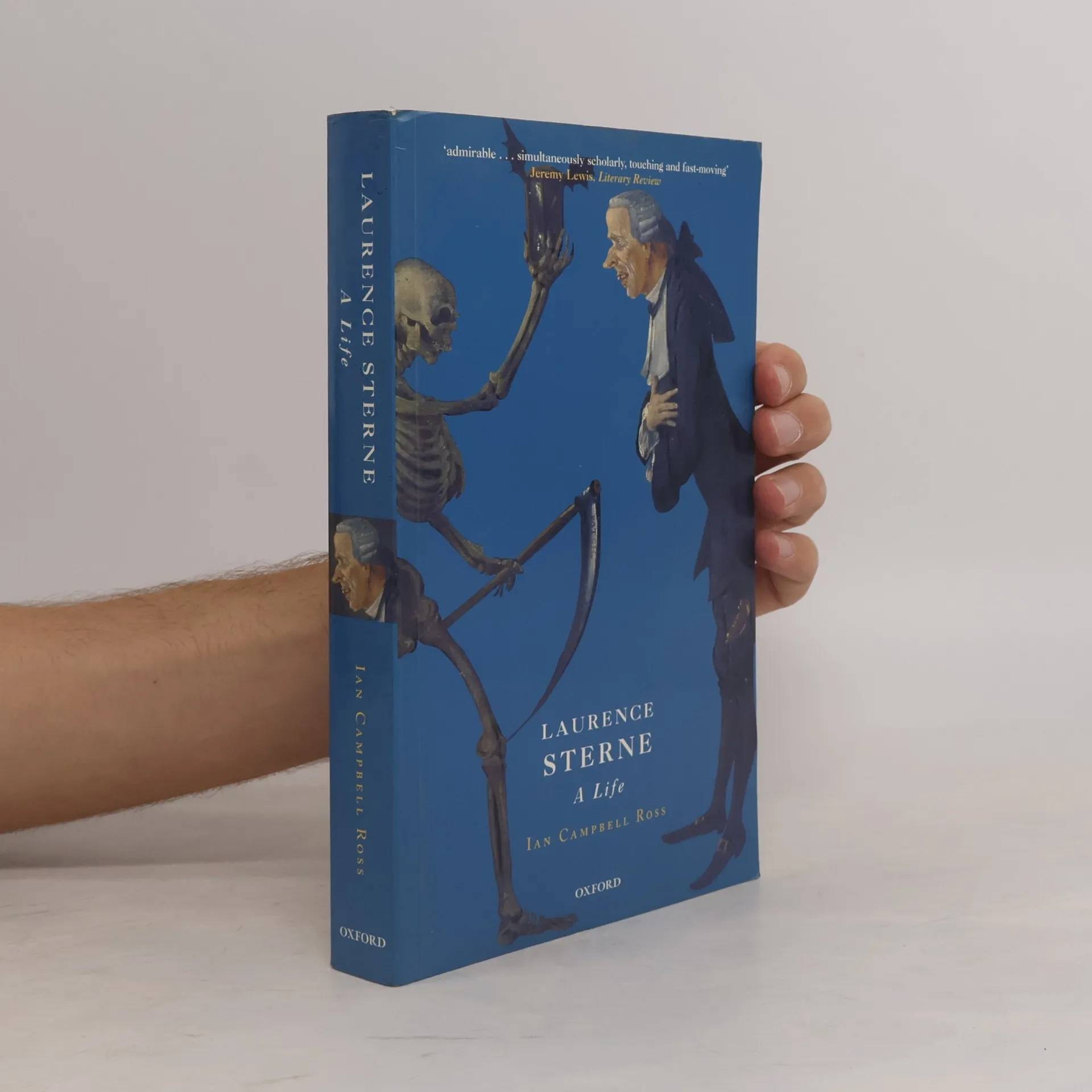
The publication of a bawdy novel, Tristram Shandy (1759-67), dramatically changed the life of Laurence Sterne. An obscure provincial clergyman, emotionally and professionally frustrated, he became the most fashionable writer of his day. Praised and reviled in turn, Sterne enjoyed a celebrity which illuminates the nature of eighteenth-century literary fame.
Ian Campbell Ross Poradie kníh (chronologicky)
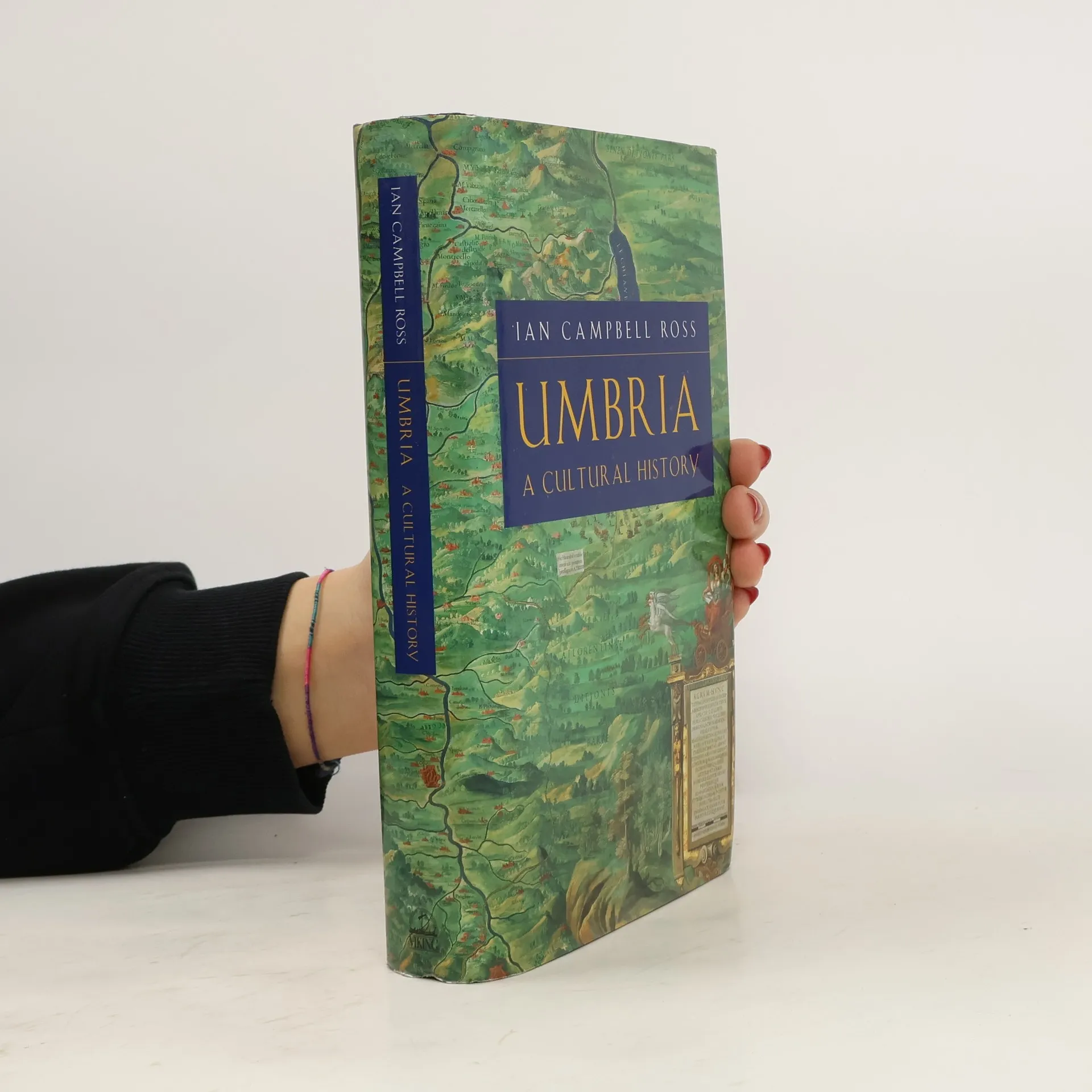
"Umbria is becoming increasingly familiar to adventurous visitors to central Italy. With its dense woodland, vines and olive-groves, Umbria has become known as the 'Green Heart of Italy'. The tag, however, tells only part of the story of this fascinating region. Taking its name from a people who lived a thousand years before the birth of Christ, Umbria was settled by Etruscans and Romans, and was a cradle of early Christianity; St Benedict, founder of western monasticism, was born here. The region was also home to one of the gentlest and most-loved of all saints, St Francis of Assisi." "This book begins by looking at the creation of 'Green Umbria' and helps visitors understand how the landscapes and settlements of the region came, over the course of three thousand years, to take on the distinctive appearance they have today. There is a separate chapter on Umbrian painting from the Middle Ages to the present day, and a final chapter celebrating the variety of foods and wines with which Umbria is abundantly provided. A detailed gazetteer helps visitors to plan their own exploration of this endlessly fascinating region."--BOOK JACKET
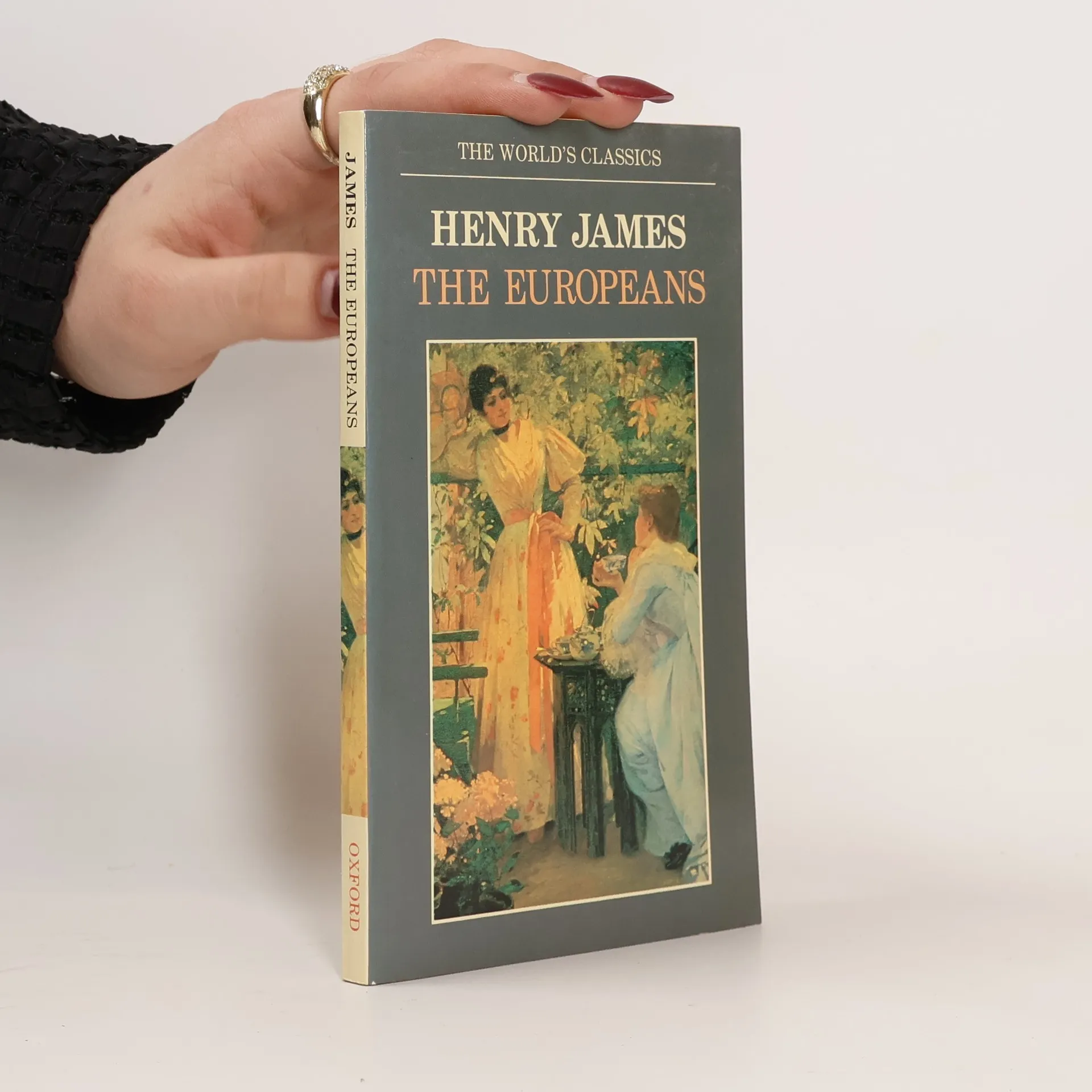
Eugenia, Baroness Munster, wife of a German princeling who wishes to be rid of her, crosses the ocean with her brother Felix to seek out their American relatives. Their voyage is prompted - so Eugenia says - by natural affection; but the Baroness has also come to seek her fortune. The advent of these visitors is viewed by the Wentworths, in the suburbs of Boston, with wonder and some apprehension. Of these, not the least alarming is the fascination exerted by the brilliant Eugenia on her impressionable cousins and their more wordly neighbor, Robert Acton. Can her restless spirit, which might find a safe haven in the New Englander's solid wealth, anchor itself to their solid principles? Or, as the Baroness phrases the question, who are these people, to whom fibbing is not pleasing? While Eugenia seems set permanently to unsetle them all, Felix, painter of trifling sketches, would diffuse among his hosts a healing charm, easing them in and out of various amorous complications, he has, as one might say of the novel itself, 'no fear of not being, in the end, agreeable.' The text of this World's Classics paperback is based on the first English edition (1878).
The Life And Opinions Of Tristram Shandy
- 659 stránok
- 24 hodin čítania
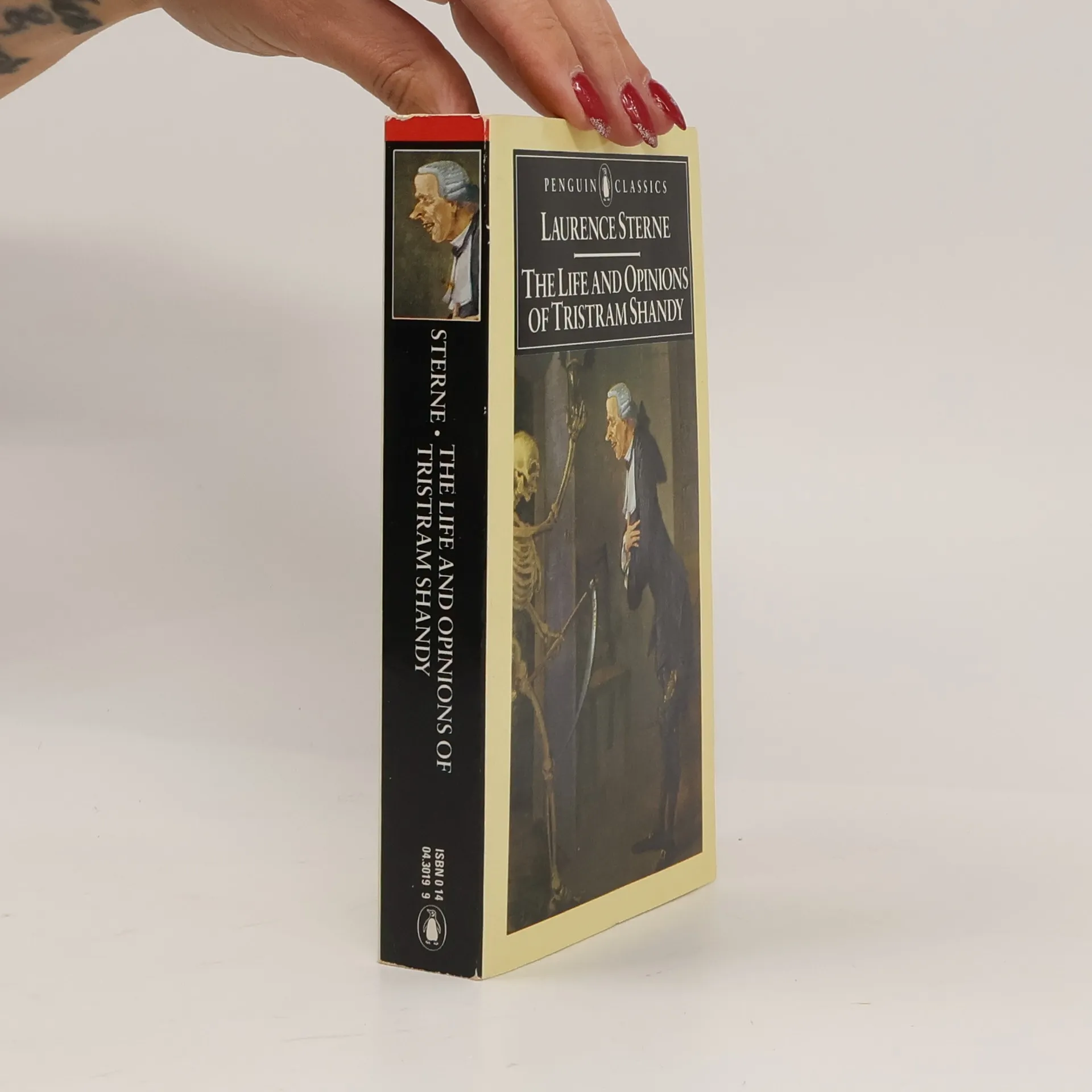
'Nothing odd will do long', said Dr Johnson; 'Tristram Shandy did not last.' But Tristram Shandy has lasted, to be cherished in the century of Joyce and Pirandello perhaps even more than in the eighteenth. No one description will fit this strange, eccentric, endlessly complex masterpiece. It is a novel about writing a novel in which the invented world is as much infused with wit and genius as the theme of inventing it. It is a joyful celebration of the infinite possibilities of the art of fiction, and a wry demonstration of its limitations. It is also, in Christopher Ricks's words, 'the greatest shaggy dog story in the language'.