Z Knihobotu sa stal Bookbot!
Bookbot

Rita Desti

    Death at Intervals
    The Double
    La caverna
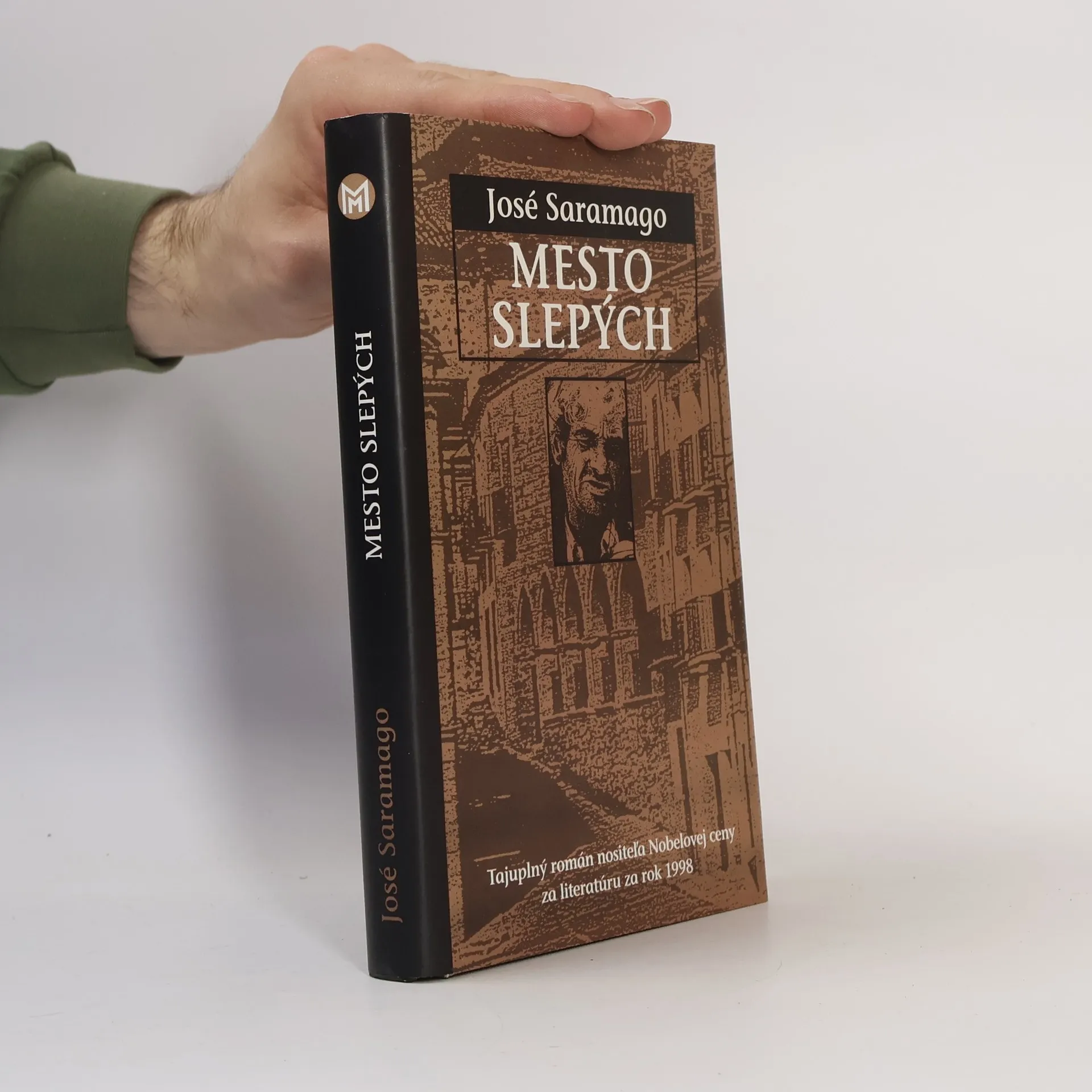
    Město slepých
    Cain
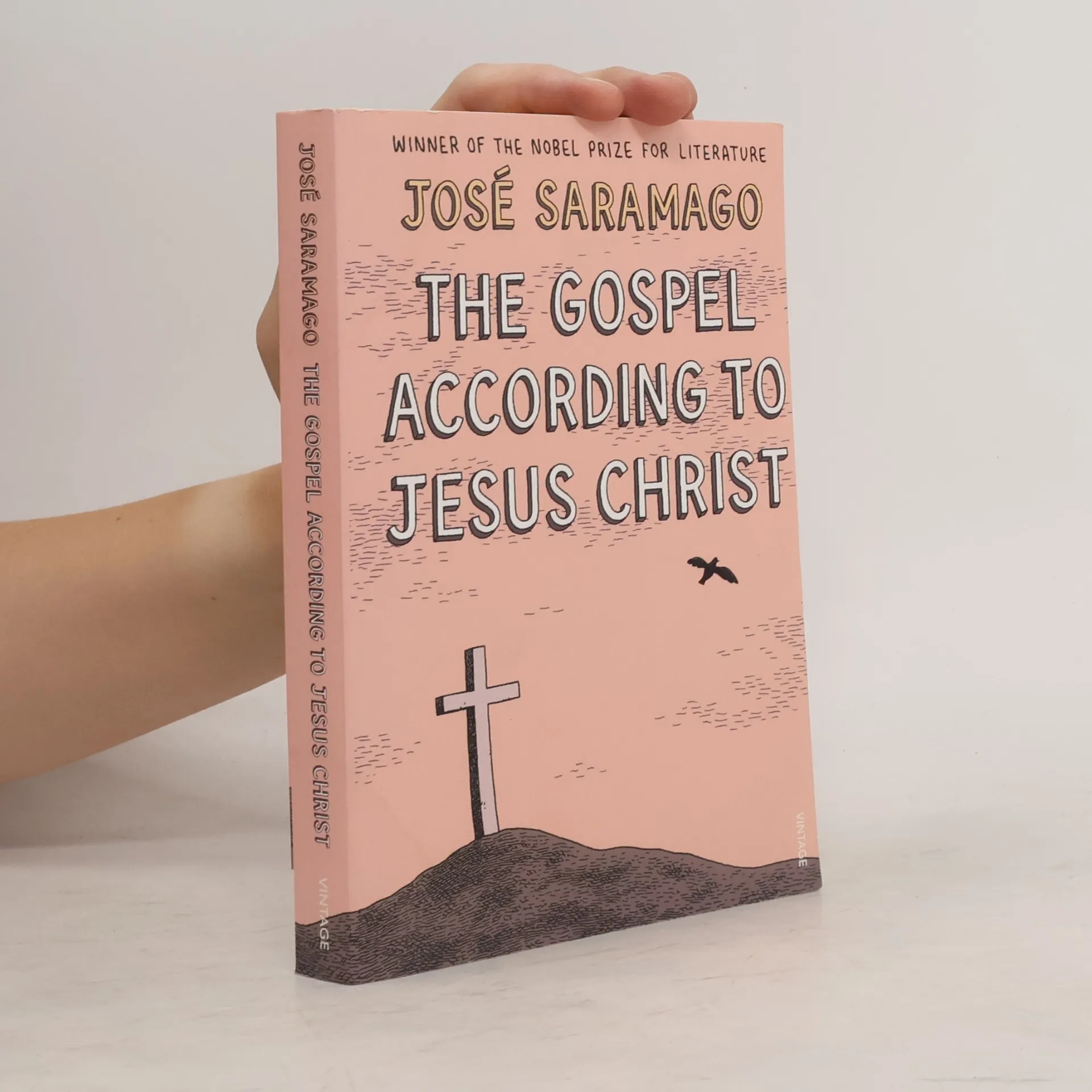
    The Gospel according to Jesus Christ
    • 2016

      La caverna

      • 345 stránok
      • 13 hodin čítania
      3,9(107)Ohodnotiť

      La vicenda è incentrata su un'onesta famiglia di poveri artigiani composta da Cipriano Algor, vasaio, la figlia Marta, e il genero Marçal, guardiano in prova presso il Centro, un luogo misterioso, fulcro di ogni attività economica e amministrativa. La vita procede normalmente, con il vasaio che consegna a scadenze regolari le sue stoviglie al magazzino del Centro, finché un giorno, inaspettatamente e senza alcuna avvisaglia che potesse far presagire qualcosa, il Centro annulla il suo ordine per le ceramiche di Cipriano, gettandolo nell'angoscia di un futuro improvvisamente fosco. A quel punto Cipriano e la figlia decidono di cimentarsi in un nuovo progetto da sottoporre al Centro: statuette d'argilla raffiguranti diversi personaggi. Contro ogni previsione, il Centro accetta, ordinandone mille e duecento...

      La caverna
    • 2013

      Death at Intervals

      • 196 stránok
      • 7 hodin čítania
      3,8(569)Ohodnotiť

      In an unnamed country on the first day of the new year, people stop dying. For several months undertakers face bankruptcy, the church is forced to reinvent its doctrine, and local 'maphia' smuggle those on the brink of death over the border where they can expire naturally.

      Death at Intervals
    • 2010

      Il cammino di Santiago. Ediz. speciale

      • 288 stránok
      • 11 hodin čítania

      Nel suo primo romanzo Coelho accompagna il lettore nel viaggio di Paulo, il narratore, lungo il sentiero che conduce a Santiago de Compostela. Un percorso che Paulo deve affrontare per diventare il Maestro Ram e conquistare la spada che lo trasformerà in Guerriero della Luce. Con lui c'è la sua guida spirituale, il misterioso ed eigmatico Petrus. Settecento chilometri in tre mesi, durante i quali Paulo imparerà a riconoscere i suoi demoni personali e a sconfiggerli. Un viaggio interiore ed esteriore, per spiegare che nella vita come in viaggio non è tanto importante la meta, quanto il cammino stesso.

      Il cammino di Santiago. Ediz. speciale
    • 2010
      4,1(13968)Ohodnotiť

      After killing his brother Abel, Cain must wander for ever. He witnesses Noah's ark, the destruction of the Tower of Babel, Moses and the golden calf. He is there in time to save Abraham from sacrificing Isaac when God's angel arrives late after a wing malfunction. Written in the last years of Saramago's life, Cainwittily tackles many of the moral and logical non sequiturs created by a wilful, authoritarain God, forming part of Saramago's long argument with God and recalling his provocative novel The Gospel According to Jesus Christ.

      Cain
    • 2010

      The Gospel according to Jesus Christ

      • 352 stránok
      • 13 hodin čítania
      4,1(893)Ohodnotiť

      A retelling of the Gospel following the life of Christ from his conception to his crucifixion. A naive Jesus is the son not of God, but of Joseph. In the desert it is not Satan, but God that Christ tussles with, an autocrat with whom he has an unbalanced and unsettled relationship.

      The Gospel according to Jesus Christ
    • 2010

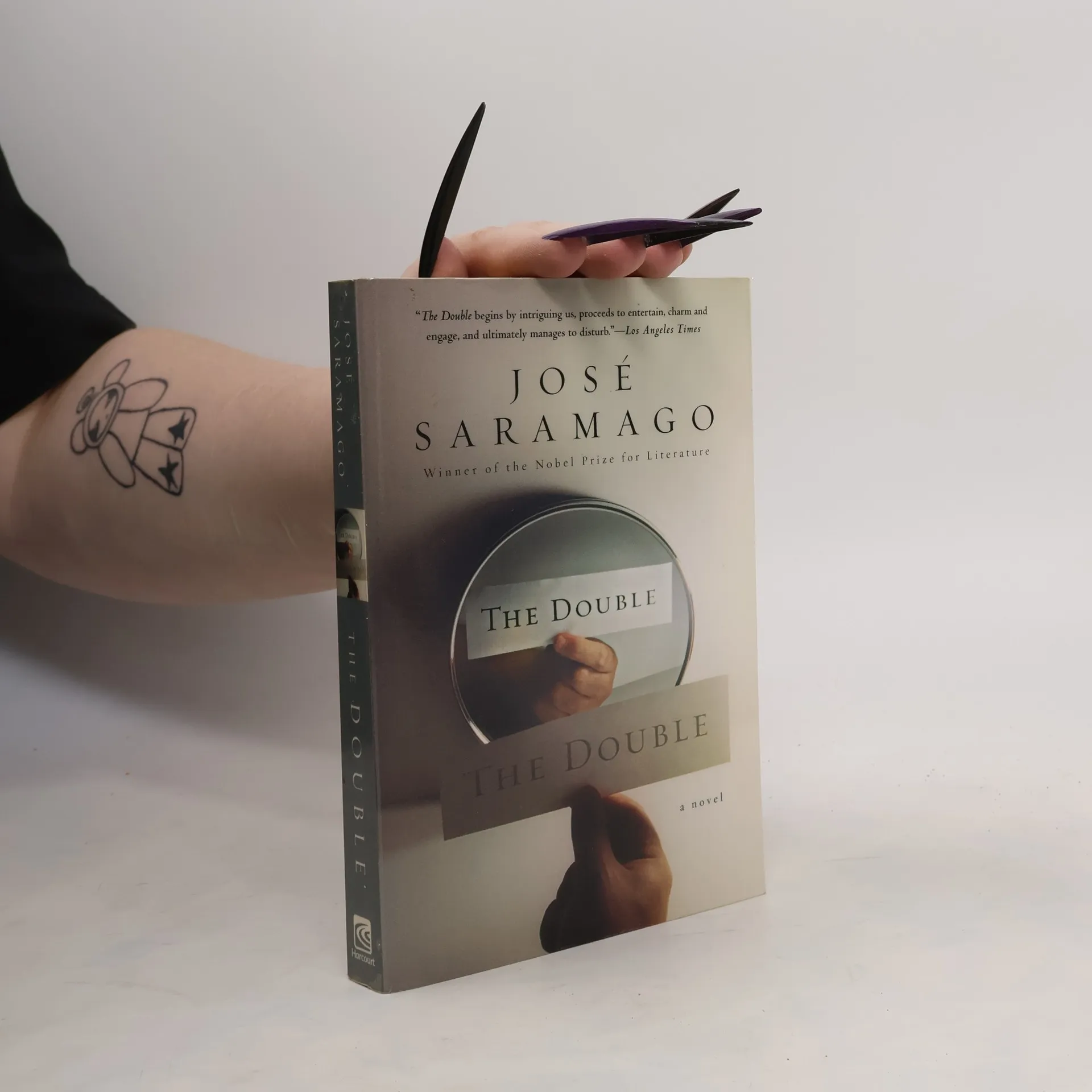
      The Double

      • 324 stránok
      • 12 hodin čítania
      3,8(353)Ohodnotiť

      Tertuliano Maximo Afonso is a history teacher in a secondary school. He is divorced, involved in a rather one-sided relationship with a bank clerk, and he is depressed. To lift his depression, a colleague suggests he rent a certain video. Tertuliano watches the film and is unimpressed. During the night, noises in his apartment wake him. He goes into the living room to find that the VCR is replaying the video, and as he watches in astonishment, he sees an actor who looks exactly like him - or, more specifically, exactly like the man he was five years before, moustachioed and fuller in the face. He sleeps badly. Against his own better judgement, Tertuliano decides to pursue his double. As he establishes the man's identity, what begins as a whimsical story becomes a dark meditation on identity and, perhaps, on the crass assumptions behind cloning - that we are merely our outward appearance rather than the sum of our experiences.

      The Double
    • 2007

      Čarodejnica z Portobella

      • 231 stránok
      • 9 hodin čítania
      3,6(58021)Ohodnotiť

      Athena je adoptívna dcéra libanonských emigrantov, ktorých z Bejrútu vyhnala vojna. V Londýne sa počas univerzitných štúdií zoznámi s mužom, s ktorým privedú na svet dieťa. Vzťah však nemá dlhú životnosť. Athena sa zamestná v banke, kde tajomným a veľmi nekonvenčným spôsobom neuveriteľne zlepší výkonnosť celej pobočky, neskôr sa stane úspešnou predavačkou pozemkov na Strednom východe. Neustále však myslí na svoju biologickú matku, ktorá ju po narodení opustila, preto sa rozhodne vydať do Transylvánie, aby ju vyhľadala. Athena počas svojho putovania dospeje k poznaniu, ktoré naveky zmení nielen jej život, ale aj životy ostatných ľudí v jej okolí. Príbeh mladej „čarodejnice z Portobella“ nám vyrozprávajú práve osoby, ktoré okolo nej žili. Podávajú nám obraz súčasnej spoločnosti, kde konformizmus a strach byť iným neraz určujú naše životné smerovanie.

      Čarodejnica z Portobella
    • 2005

      Město slepých

      • 260 stránok
      • 10 hodin čítania
      4,0(2631)Ohodnotiť

      Katastrofická vízia sveta postihnutého náhlou epidémiou slepoty, ktorá sa šíri pohľadom a v krátkom čase jej podľahne celé mesto, krajina a dá sa predpokladať, že i celý svet, okrem jednej ženy, ktorej zrak zostal, a jej očami aj čitateľ vníma do dôsledkov premyslené a opísané scény zo života v slepote. Autor je nositeľom Nobelovej ceny za literatúru za rok 1998 a jeho štýl, ktorý si i v tomto románe zachoval všetky atribúty a pôsobí ako autentické rozprávanie o kataklizme, je popretkávaný tradične istými fantastickými, či s absurditou hraničiacimi prvkami.

      Město slepých
    • 2002

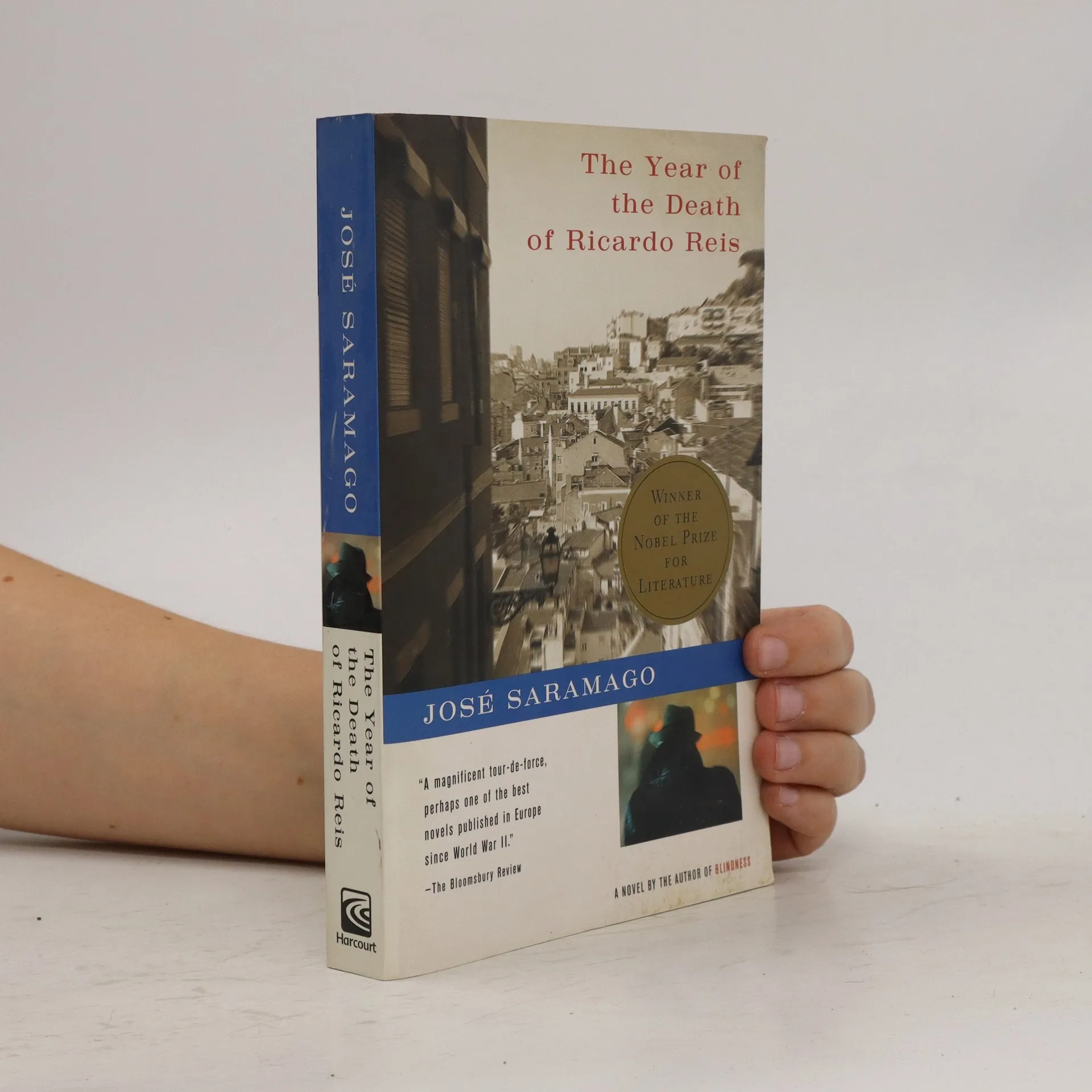
      Ricardo Reis è uno dei tanti nomi ("eteronimi", appunto) con i quali Fernando Pessoa, massimo scrittore portoghese del Novecento, firmava le sue opere. A questo puro nome José Saramago, con un'invenzione vertiginosa - che è l'omaggio, ma anche la dolce resa dei conti, di un grande nei confronti di un altro grande del passato prossimo - dà un corpo, e una storia, e un vissuto. Lo fa tornare da Rio de Janeiro a Lisbona nel 1935, anno della morte di Pessoa, e lo fa morire un anno dopo, giusto in tempo perché possa visitare la tomba del suo creatore. Ma in quell'anno, il 1936, non muore soltanto Ricardo, che non è mai nato: comincia anche a morire la grande civiltà europea, che Pessoa aveva onorato, e che ora pare soccombere nella morsa nazifascista di Salazar, Franco, Hitler e Mussolini, con la tragedia della guerra di Spagna a segnare un sanguinoso destino di catastrofe. L'eteronimo sopravvive al suo fattore per un tempo breve, ma sufficiente per fargli commiserare il genio sprecato, l'anacronismo di un altissimo umanesimo dato in pasto a un'epoca di mostri. E Saramago, in questa sofferta elegia, ritrova la felicità di un'affabulazione tanto ricca quanto dolorosa, in un miracolo di stile che riesce a far coincidere un vastissimo corredo di evocazioni liriche, di intimistiche nostalgie, di scavi abissali fino alla radice del senso dell'esistere, con la durezza adamantina della denuncia politica, con un impegno etico e civile vieppiù esaltato dalla singolarità del contesto: la Psiche, la Cultura e la Storia, per una volta, si danno felicemente la mano.

      La Biblioteca di Repubblica - 28: L'anno della morte di Ricardo Reis