

Bookbot

Viviana Finzi Vita

    Hermann Lauscher
    Klingsorovo posledné leto
    • Klingsorovo posledné leto

      • 182 stránok
      • 7 hodin čítania

      Poviedka Klingsorovo posledné leto vyšla prvý raz v roku 1920 a Hesse ju napísal pod dojmom udalostí leta 1919, kedy sa zoznámil zo svojou druhou manželkou Ruth Wengerovou (objavuje sa v knihe ako Kráľovná hôr). Táto maliarska poviedka je jedným z najfarbistejších Hesseho textov a je plná jeho priateľov i lások. Je to snáď najhedonistickejší autorov text, ale nielen preto sa Hesseho znalci k nej stále vracajú a identifikujú ju ako expresionistickú. Hlavný hrdina - maliar Klingsor (Hesse) cíti blízkosť smrti a žije veľmi intenzívne, vychutnáva radosti života v kruhu priateľov a tvorí svoje najlepšie diela... Toto vydanie obsahuje viaceré bonusy: tri básne týkajúce sa Klingsora z neskoršieho obdobia, Hesseho text z roku 1938 Spomienka na Klingsorovo leto, 15 autorových akvarelov, ktoré vybral Silver Hesse - vnuk a správca autorovej pozostalosti. Okrem toho kniha obsahuje aj štúdiu pani Bärbel Reetz (autorka monografie Hesseho ženy), ktorú napísala priamo pre slovenské vydanie a fundovaný doslov germanistu Ladislava Šimona Vášeň v tieni zániku.

      Klingsorovo posledné leto
      3,7
    • Hermann Lauscher

      • 155 stránok
      • 6 hodin čítania

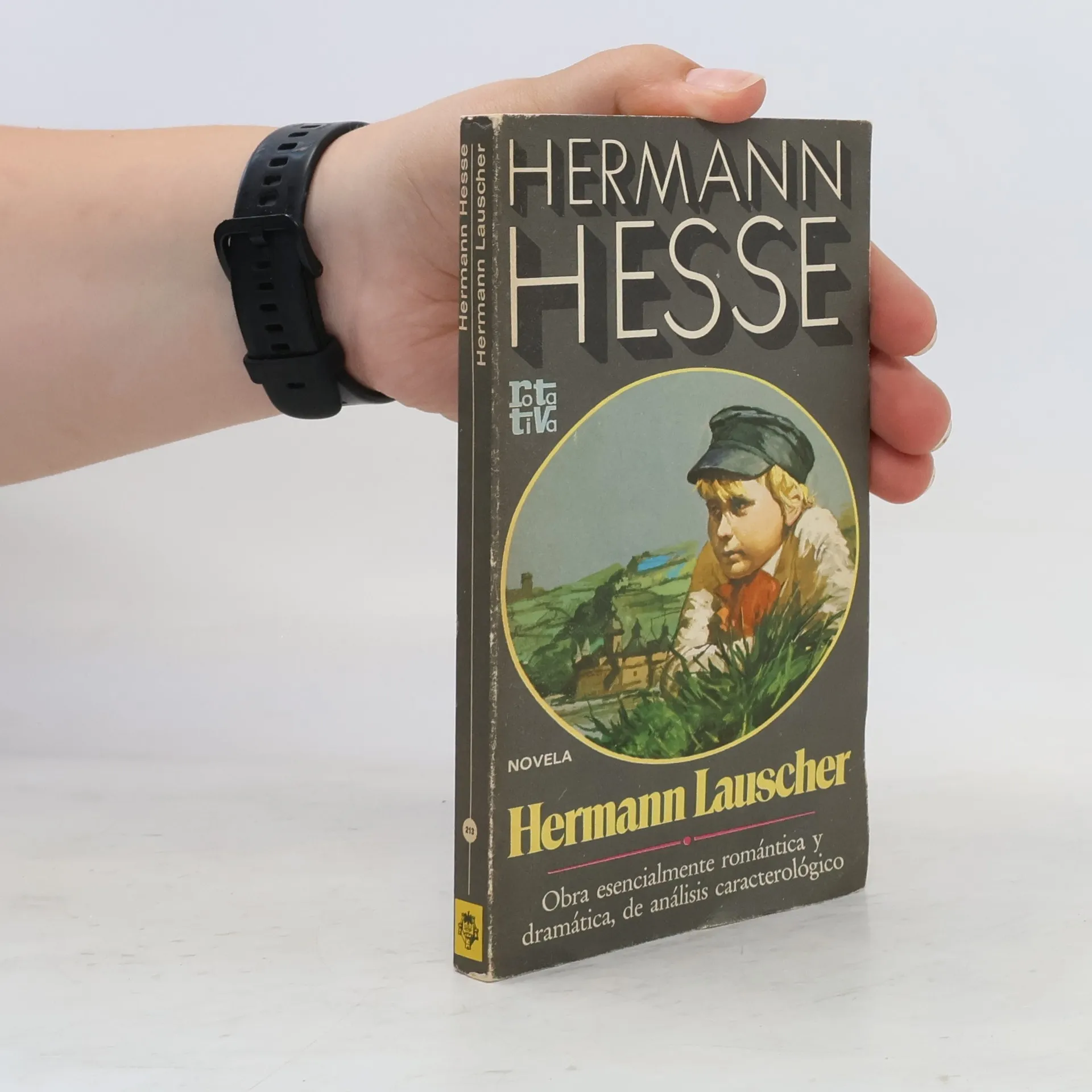
      Hermann Lauscher, written by Hesse at the age of twenty, can be seen as a form of "self-discovery." In the preface to its first edition, Hesse reflects on the mystery of the texts within Hermann Lauscher, noting that the name is introduced to the public for the first time. The writings of Lauscher, published under a foreign name, are well-known to a limited audience. Hesse laments that the author, who has since passed away, has forbidden him from revealing his secrets or claiming the writings published before his death. He expresses that "bitter understanding is better than ignorance," and those who embark on the perilous path of self-observation and confession must bear the consequences, however unexpected or sorrowful. Over the years, whenever Hesse revisits Lauscher, he encounters passages he wishes to discard or alter, such as youthful, arrogant, foolish remarks about Tolstoy at the beginning of the diary. Yet, he feels he has no right to distort his youthful portrait.

      Hermann Lauscher
      3,3