The narrative explores the life of Emil Zátopek, a remarkable Czech runner whose journey unfolds amid the backdrop of Soviet liberation and post-WWII communist Czechoslovakia. Initially dismissive of athletics, Zátopek's unexpected entry into a footrace ignites a profound passion for long-distance running, showcasing his determination and the physical boundaries he pushes. Jean Echenoz's prose captures both the triumphs and struggles of Zátopek's career, offering a compelling portrait of a sporting icon.
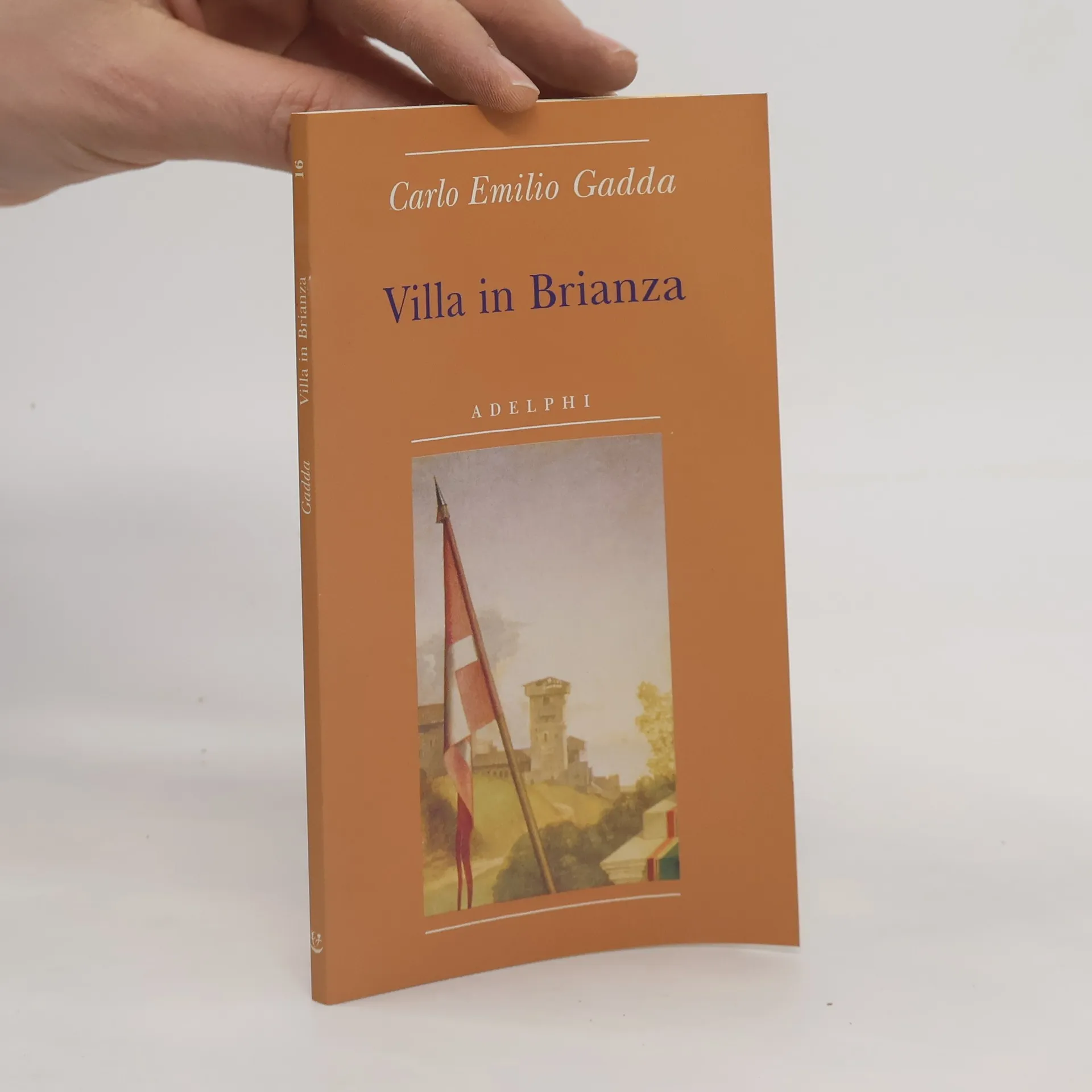
Un padre animato dalla passione per i campi e la salubrità dell'aria ma inetto e spropositato, una madre virtuosa e colta ma incline alla bottiglia, tre figli spauriti e malvestiti – la «cara famiglia», insomma –, e soprattutto una casa dissennata nell'avita Brianza, tra nubifragi di mosche, orde di lucertole e le «gutturazioni pleistoceniche» dei locali. Una casa che diventerà, nella Cognizione del dolore, l'epicentro di tutte le nevrosi.
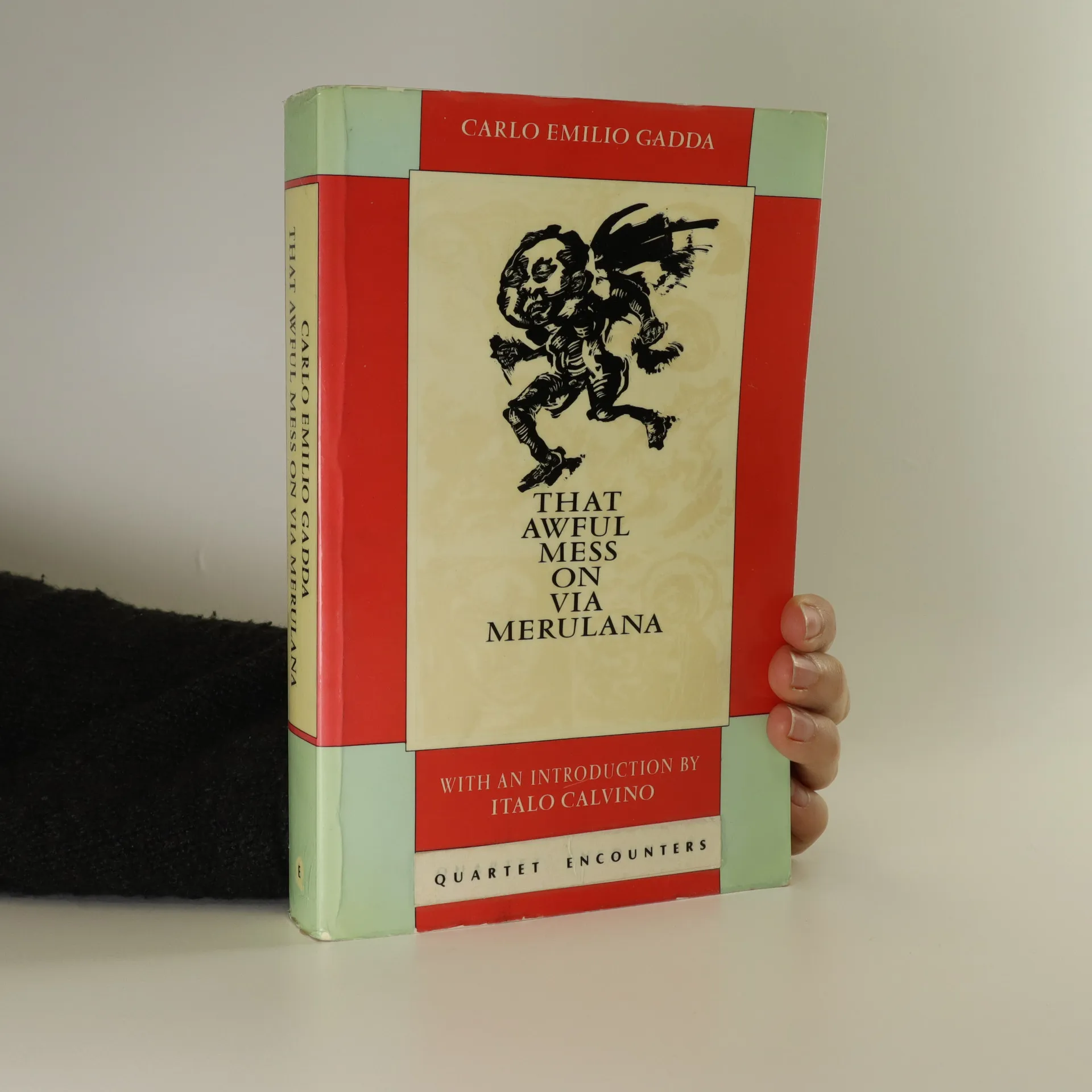
In a large apartment house in central Rome, two crimes are committed within a matter of days: a burglary, in which a good deal of money and precious jewels are taken, and a murder, as a young woman whose husband is out of town is found with her throat cut. Called in to investigate, melancholy Detective Ciccio, a secret admirer of the murdered woman and a friend of her husband’s, discovers that almost everyone in the apartment building is somehow involved in the case, and with each new development the mystery only deepens and broadens. Gadda’s sublimely different detective story presents a scathing picture of fascist Italy while tracking the elusiveness of the truth, the impossibility of proof, and the infinite complexity of the workings of fate, showing how they come into conflict with the demands of justice and love. Italo Calvino, Pier Paolo Pasolini, and Alberto Moravia all considered That Awful Mess on the Via Merulana to be the great modern Italian novel. Unquestionably, it is a work of universal significance and protean genius: a rich social novel, a comic opera, an act of political resistance, a blazing feat of baroque wordplay, and a haunting story of life and death.
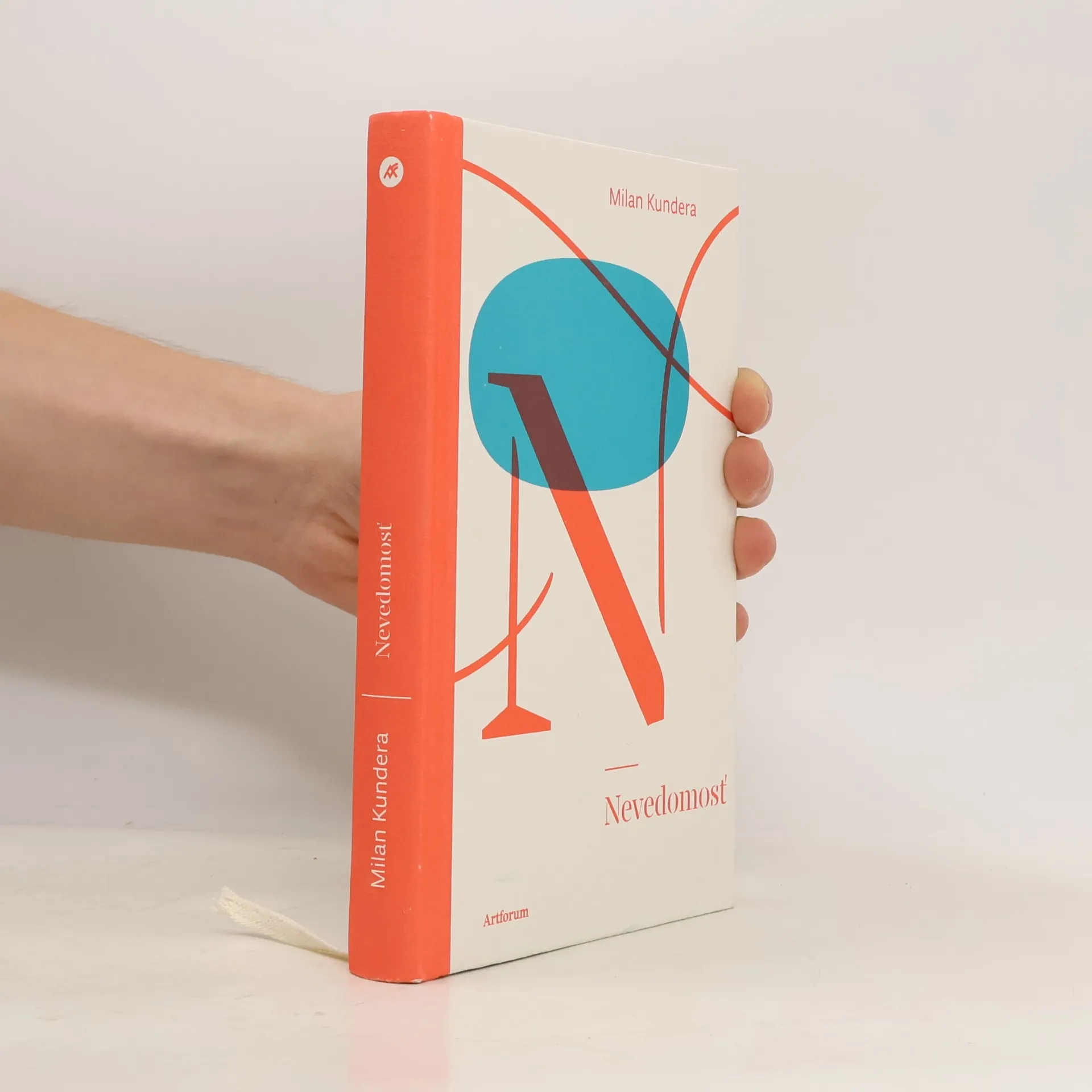
Melancholik Milan Kundera sa v nesentimentálnom ľúbostnom románe Nevedomosť aspoň v myšlienkach a pocitoch vracia do Československa, ktoré voľakedy musel opustiť. Irena po ruskej okupácii v roku 1968 emigrovala do Francúzska. Josef sa rozhodol o rok neskôr pre ten istý krok, no vybral si Dánsko. Po dvadsiatich rokoch sa náhodne stretnú na letisku v Paríži, obidvaja letia do Prahy na krátku návštevu. Aké bude ich stretnutie? Čo ich čaká v niekdajšej domovine? Cesta vedie do minulosti, k starým priateľom, rodine, na miesta, ktoré mali kedysi radi, no už ich takmer nespoznávajú. Vedeli by sa tu ešte cítiť ako doma? A kde je ich skutočný domov?
Román, ktorý vychádza v preklade Eleny Flaškovej, hovorí o tom, že najdôležitejšie rozhodnutia prijímame vo veku neskúsenosti a nevedomosti. Témou je nepochopenie, nespoľahlivosť pamäti, zradnosť spomienok, nemožnosť návratu tých, ktorí strávili polovicu dospelého života v inej krajine a kultúre. Kunderove pozorovania sú presné a neľútostné. Majstrovsky spriada nitky eseje a románu.
On a foggy winter's evening in Dieppe, after the arrival of the daily ferry from England, a railway signalman habitually scrutinizes the port from his tiny, isolated cabin. When a scuffle on the quayside catches his eye, he is drawn to the scene of a brutal murder and his once quiet life changes forever. A mere observer at first, he soon finds himself fishing a briefcase from the water and in doing so he enters a feverish and secret chase. As the murderer and witness stalk and spy on each other, they gain an increasingly profound yet tacit understanding of each other until the witness becomes an accomplice. Written in 1933, soon after the successful launch of the Inspector Maigret novels, this haunting, atmospheric novel soon became a classic and the inspiration for several film and TV adaptations.
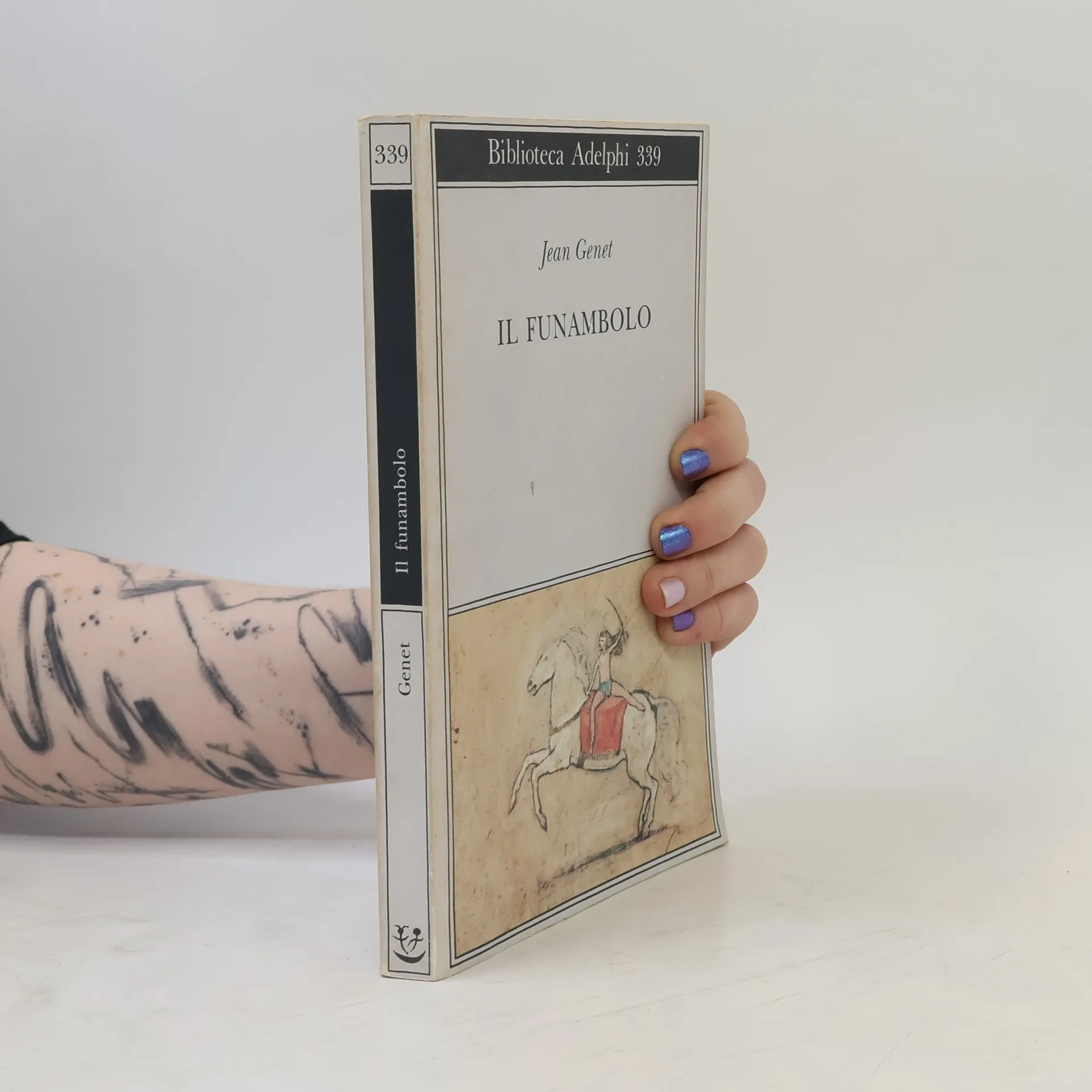
Un giorno in uno squallido scompartimento di terza classe, lo sguardo di Genet incontra quello di un ignoto viaggiatore dall'aspetto ripugnante. E' la rivelazione, prodigiosa e decisiva, dell'identità degli uomini, dell'identità che circola incessantemente fra gli uomini. Una rivelazione capace di accendere pensieri terribili, ma anche abbaglianti riflessioni sui dipinti di Rembrandt come sculture di Giacometti, che nella loro indistruttibile e innocente nudità concentrano ciò che vi è di più irriducibile nell'uomo: "la solitudine di un essere esattamente equivalente a qualsiasi altro"... La raccolta, che comprende testi apparsi fra il 1949 e il 1967 e consente di ripercorrere l'intera attività di Genet, include anche i "Frammenti".
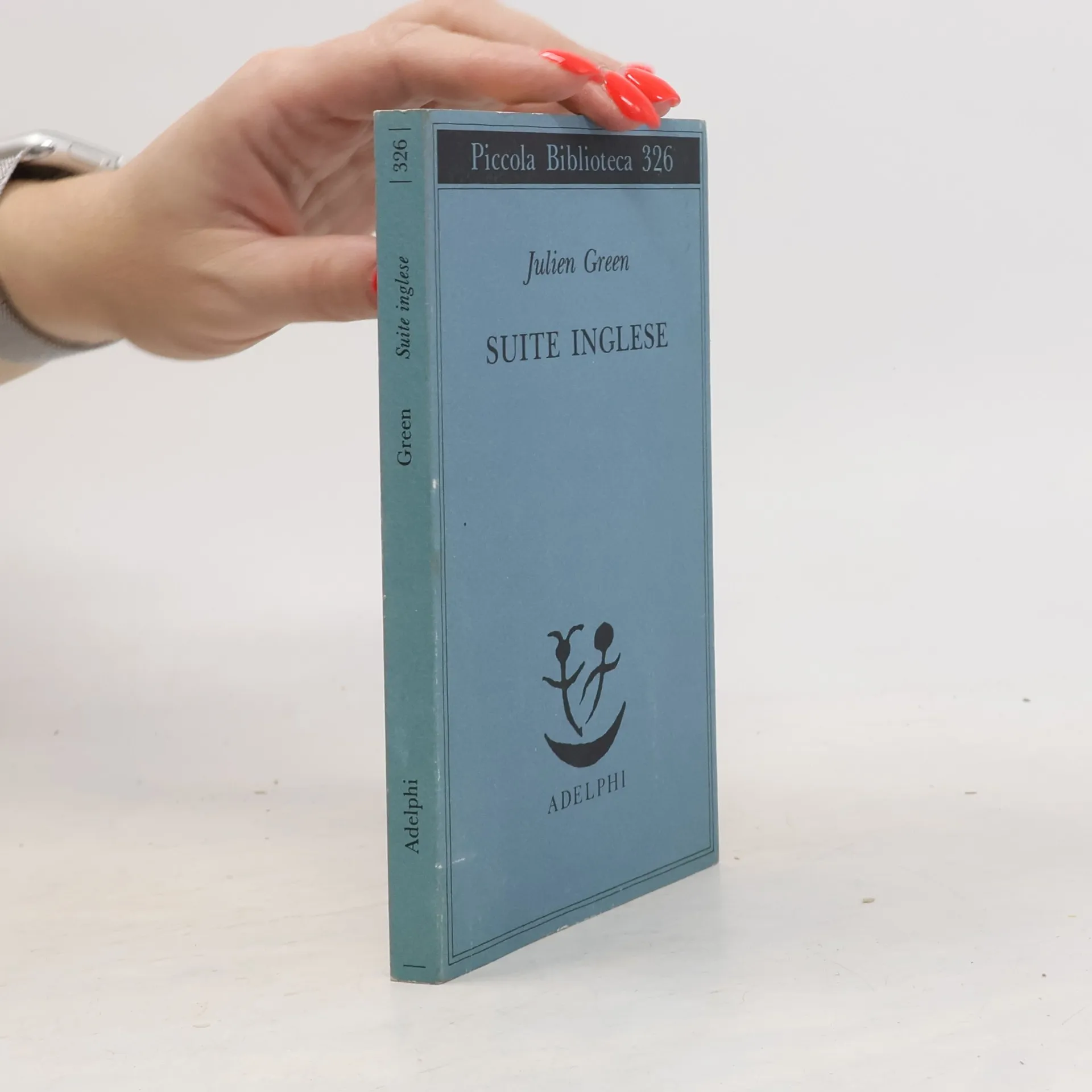
Cinco escritores excentricos singulares irrepetibles: el erudito Samuel Johnson el visionario William Blake el desdichado Charles Lamb la retraida Charlotte Bronte el puritano Nathaniel Hawthorne. Cinco retratos de grandes figuras de las letras anglosajonas. Una deliciosa Suite inglesa en la que Julien Green fusiona con sabiduria la biografia y ensayo para conseguir cinco miniaturas prodigiosas que nos adentran en el universo literario anglosajon.