

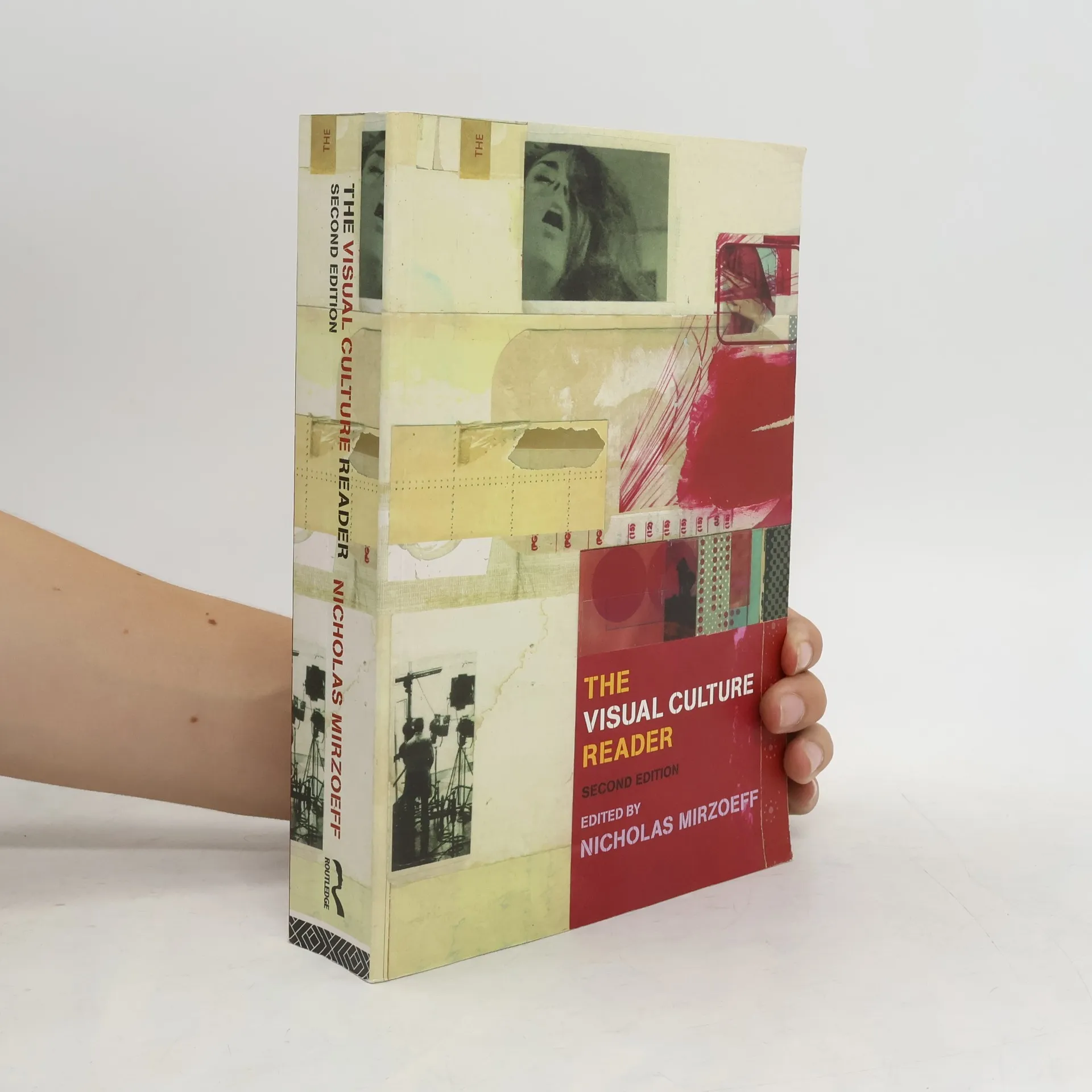
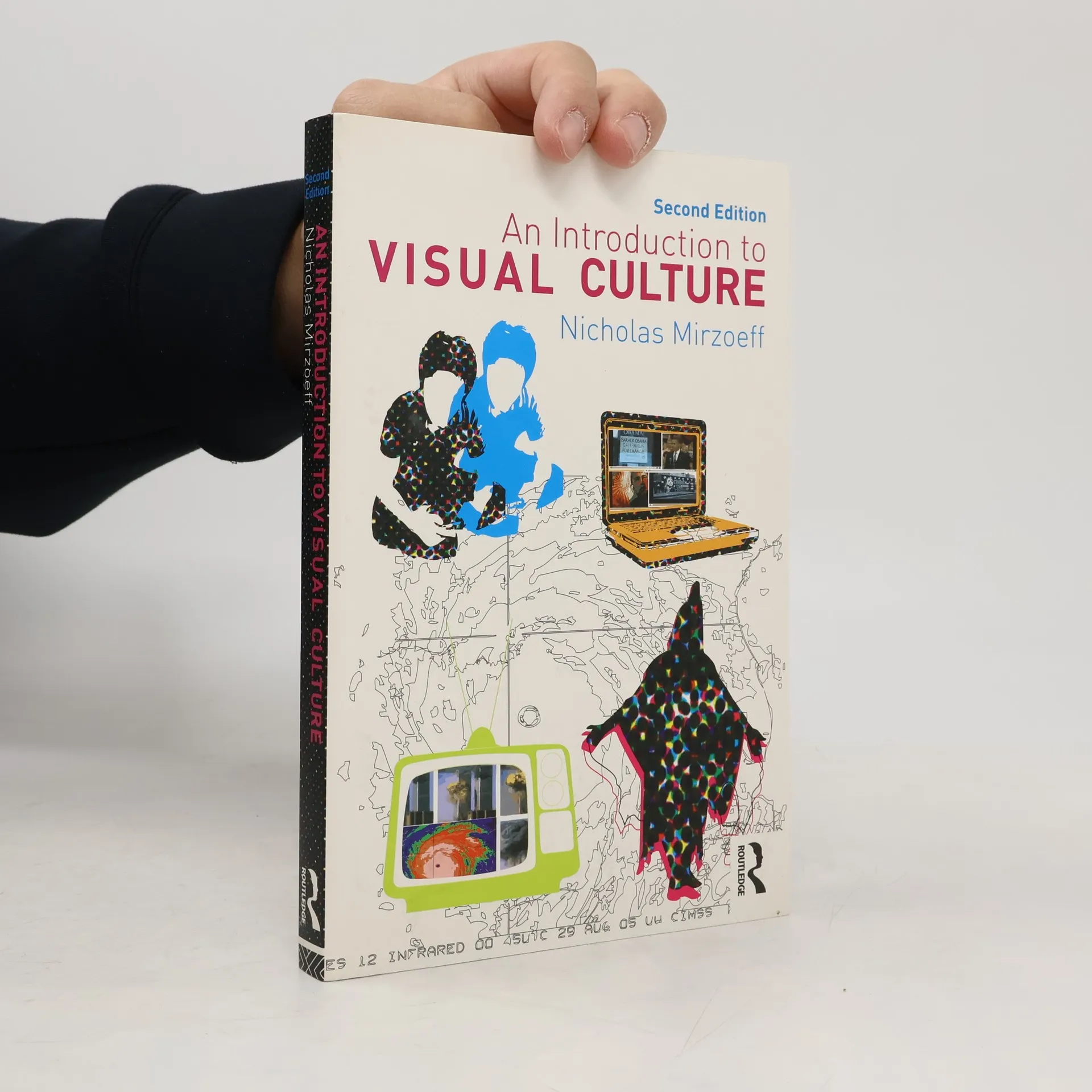
An Introduction to Visual Culture provides a wide-ranging introduction to the now established interdisciplinary field of visual culture. Mapping a global history and theory of visual culture, An Introduction to Visual Culture asks how and why visual media have become so central to everyday life. This new, completely updated second edition has been adapted to match the challenges of interpreting globalization since the publication of the first edition a decade ago. Improved text design and colour images throughout make it an even more valuable teaching tool. Brand new features in the second edition include Key Image studies from Holbein's The Ambassadors , to Blade Runner and the Abu Ghraib atrocities; and a Key Words section in each chapter, discussing vital critical terms and the debates that surround them. In this innovative, thoroughly revised and extended edition, Nicholas Mirzoeff explores: an extensive range of visual forms from painting, sculpture, and photography to television, cinema, and the Internet the centrality of 'race' and ethnicity, gender and sexuality, and the body in shaping visual culture the importance of images of natural disaster and conflict, such as Hurricane Katrina and the ongoing war in Iraq.
Nicholas Mirzoeff Knihy


How to See the World
- 352 stránok
- 13 hodin čítania
In recent decades, we have witnessed an explosion in the number of visual images we encounter, as our lives have become increasingly saturated with screens. From Google Images to Instagram, video games to installation art, this transformation is confusing, liberating and worrying all at once, since observing the new visuality of culture is not the same as understanding it. Nicholas Mirzoeff is a leading figure in the field of visual culture, which aims to make sense of this extraordinary explosion of visual experiences. As Mirzoeff reminds us, this is not the first visual revolution; the 19th century saw the invention of film, photography and x-rays, and the development of maps, microscopes and telescopes made the 17th century an era of visual discovery. But the sheer quantity of images produced on the internet today has no parallels. In the first book to define visual culture for the general reader, Mirzoeff draws on art history, theory and everyday experience to provide an engaging and accessible overview of how visual materials shape and define our lives.
This sweeping comparative decolonial framework for visual culture studies, a field the author helped shape, casts modernity as a contest between visuality and countervisuality, or the right to look.
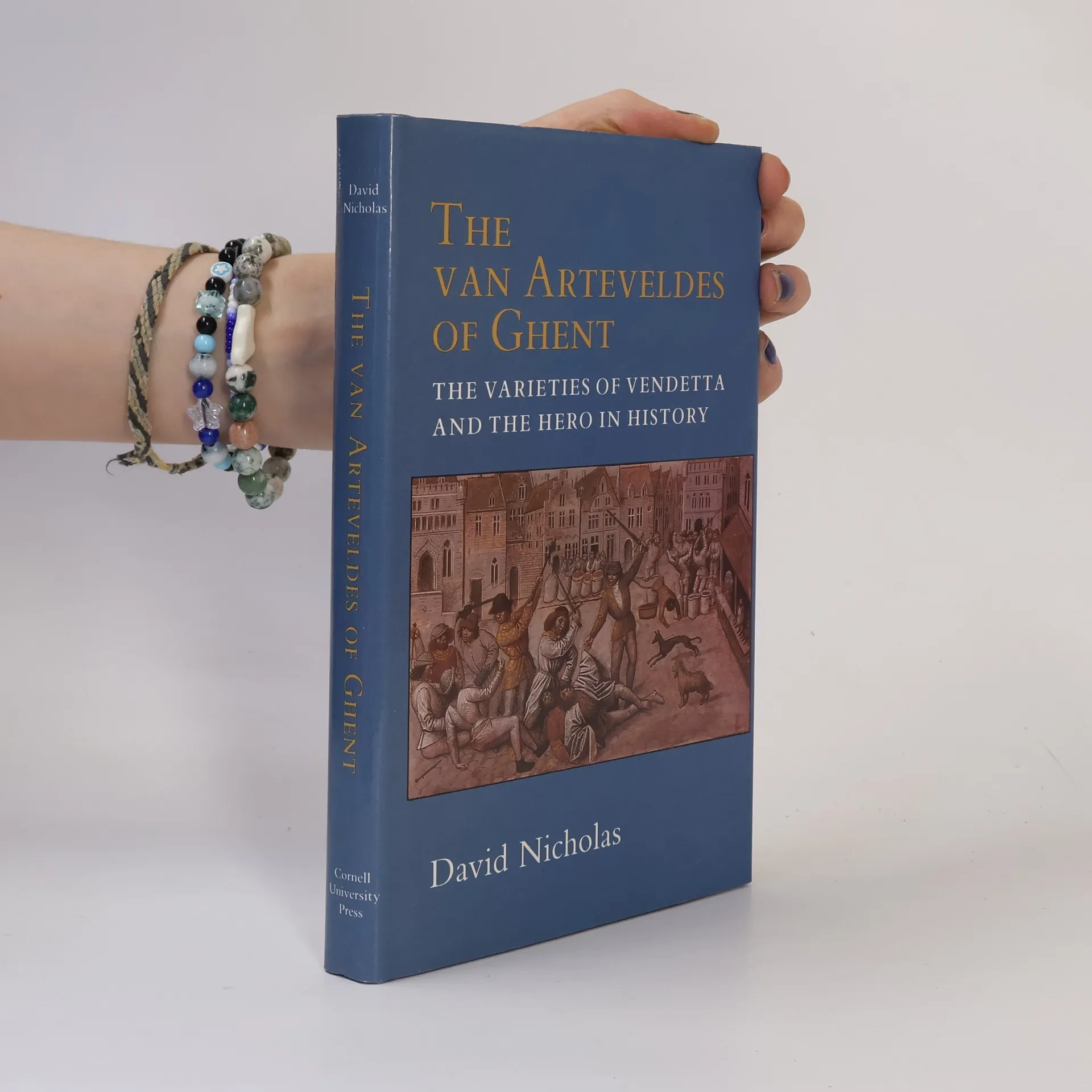
The Van Arteveldes of Ghent
The Varieties of Vendetta and the Hero in History
- 212 stránok
- 8 hodin čítania
Traditionally enshrined in the pantheon of Flemish national heroes, James van Artevelde and his son Philip assumed extraordinary powers at Ghent in 1338 and in 1382, respectively, when they led the city in bold but futile battles against the Flemish counts and their overlords, the kings of France. David Nicholas, drawing on a rich fund of archival and printed sources, offers a vivid--and startling--resconstruction of the lives of the van Arteveldes. Nicholas' detailed analysis not only revises the heroic image of the van Arteveldes but forces us to rethink the very concept of the hero in history.The van Arteveldes of Ghent offers the excitement of a good murder mystery, featuring the documents themselves as active and often conflicting participants in the pursuit of a faithful account of the van Arteveldes' careers. Tracing the marriage alliances and family relationships of this aristocratic lineage and its rivals, Nicholas demonstrates that James and particularly Philip van Artevelde used the captaincy of Ghent primarily to settle old scores with family enemies. Nicholas re-enacts the homicidal infighting among the city's great families and analyzes the complex interaction between these clan wars and the intense social struggles of this revolutionary period.
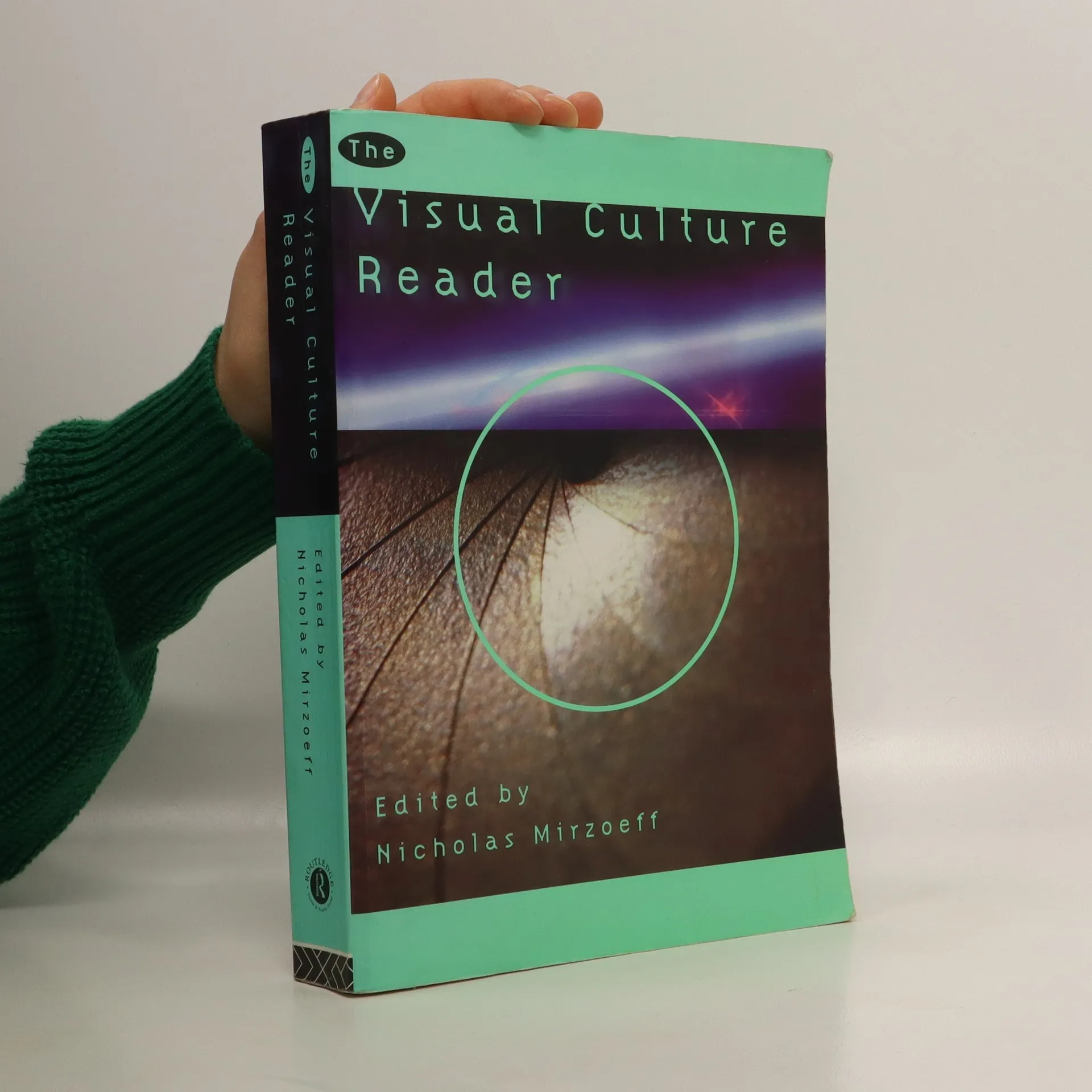
This thoroughly revised and updated second edition of The Visual Culture Reader brings together key writings as well as specially commissioned articles covering a wealth of visual forms including photography, painting, sculpture, fashion, advertising, television, cinema and digital culture.The Reader features an introductory section tracing the development of visual culture studies in response to globalization and digital culture, and articles grouped into thematic sections, each prefaced by an introduction by the editor and conclude with suggestions for further reading.
Visual culture is concerned with visual events in which information, meaning or pleasure is sought by the consumer in the encounter with visual artefacts, from oil paintings to the internet. The diverse essays collected here constitute a comprehensive exploration of the emerging interdisciplinary field of visual culture, and examine why modern and postmodern culture place such a premium on rendering experience in visual form.