

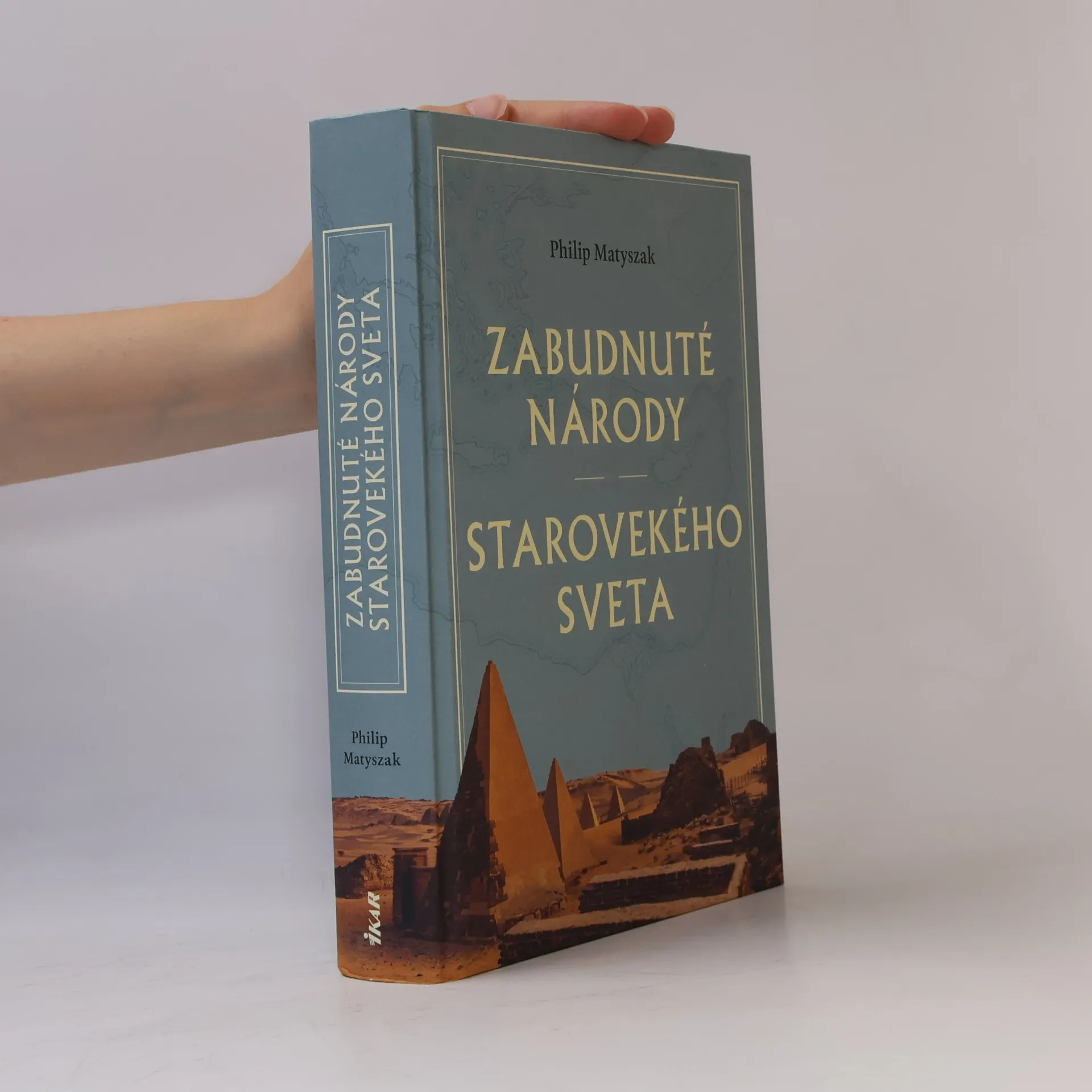
Zabudnuté národy starovekého sveta
- 288 stránok
- 11 hodin čítania
Philip Matyszak je britský autor literatúry faktu, primárne sa zameriavajúci na historické práce týkajúce sa starovekého Ríma. Jeho odbornosť spočíva v skúmaní rímskych dejín, čo uplatňuje vo svojich pútavých publikáciách. Prostredníctvom svojho písania sprístupňuje čitateľom fascinujúci svet antického Ríma a ponúka hlboký vhľad do jeho kultúry a spoločnosti. Jeho práce sú cenené pre svoju faktickú presnosť a zároveň čitateľnosť.


Jeden deň v živote ľudí, ktorí tam žili. Spoznajte skutočný Rím prostredníctvom 24 hodín v živote jeho obyvateľov. V tejto pútavej a zároveň náučnej knihe nám historik a autor bestsellerov Philip Matyszak predstaví ľudí, ktorí tam žili a pracovali. Každú dennú a nočnú hodinu spoznáme novú postavu – cisára, slúžku, gladiátora, astrológa, posla, výrobcu vodných hodín, kňažku, otroka, senátora či strážnika a mnohých ďalších, a dozvieme sa fascinujúce podrobnosti z ich každodenného života. V príbehoch občanov antického Ríma pred našimi očami ožíva svet tohto legendami opradeného dôležitého mesta svetovej histórie.
Strávte rok v spoločnosti starovekých Grékov počas historicky významného a triumfálneho olympijského roka a zažite drámu a vzrušenie, ktoré zachvátilo mestské štáty, keď odložili svoje politické spory, aby sa pripravili na víťazstvo v Olympii. Je rok 248 pred n. l. – rok 133. olympijských hier. Do Olympie mieri pestrá plejáda charakterov, ktoré sa chcú zúčastniť na hrách, sledovať udalosti alebo na tých obrovských davoch niečo zarobiť. Helenistický svet je na svojom vrchole a grécke osady sa rozprestierajú na Blízkom východe, v Egypte aj v Španielsku. Rím uviazol vo vojne s Kartágom a medzi Egyptom a Sýriou sa schyľuje k veľ kej vojne. Obyčajní ľudia sú však stále zaneprázdnení úrodou, každodennou prácou i domácimi záležitosťami – a v niektorých prípadoch aj získaním olympijského vavrínového venca. Kniha nás prevedie týmto pozoruhodným rokom a odhalí nám komplikované a živé charaktery fascinujúceho obdobia starovekých dejín.
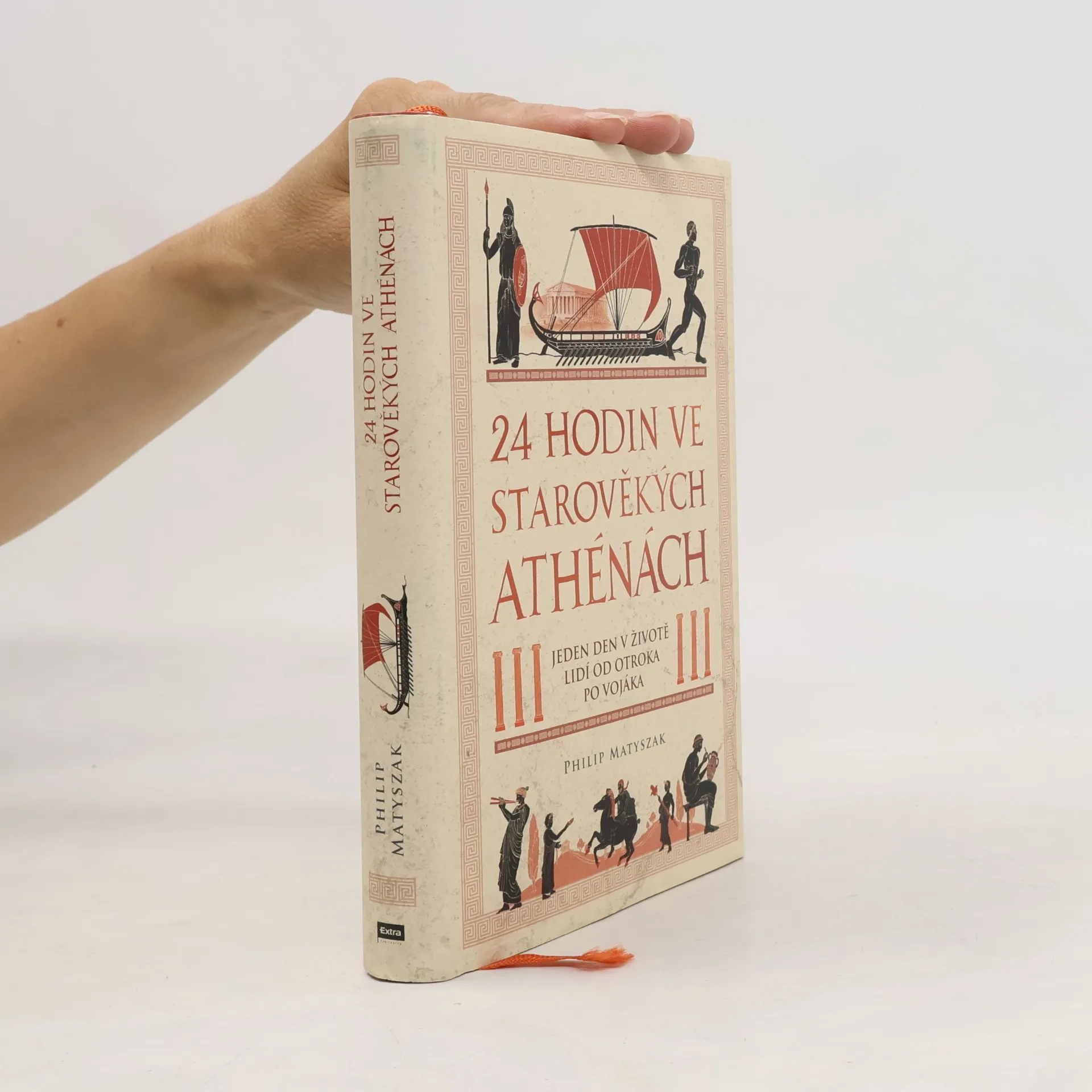
Strávte 24 hodín so starovekými Aténčanmi. Vnímajte ich pohľadom mesto, keď balansuje na pokraji osudnej vojny, ktorá ukončí zlatý vek Atén. Zatiaľ však pretrváva krehký mier. Celý antický svet sa krčí strachom pred politickou a vojenskou mocou tohto mestského štátu, posúvajúceho hranice spoločenských, literárnych a filozofických inovácií v ére s vysokým počtom géniov. Počas dvadsiatich štyroch hodín sa zoznámime s dvadsiatimi štyrmi Aténčanmi z celej spoločenskej škály – napríklad s otrokyňou, vládnym úradníkom, maliarom váz, námorným veliteľom, ženou v domácnosti a hoplitom. Strávime hodinu v ich spoločnosti a pri pohľade na ich život zistíme, ako vyzerali skutočné staroveké Atény.
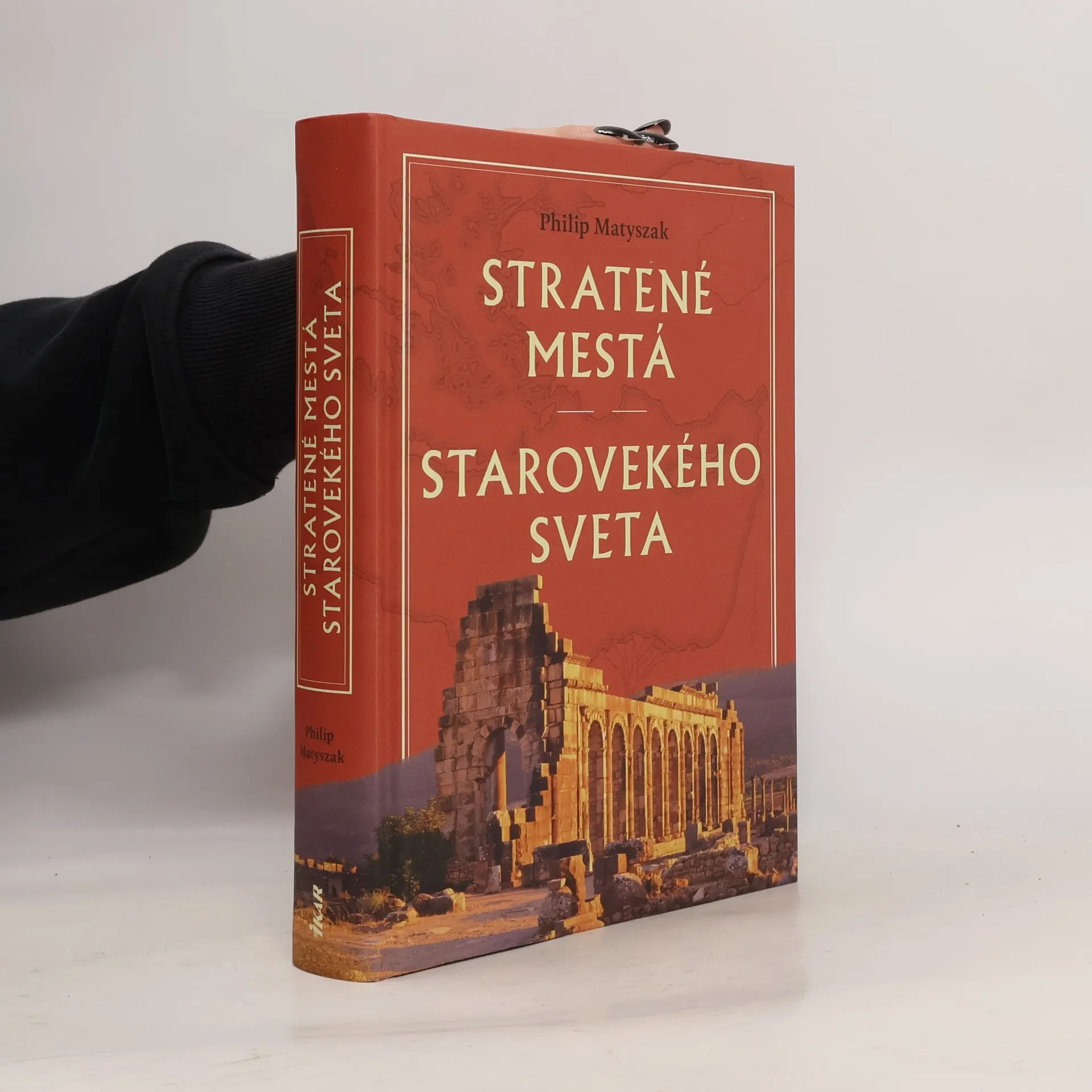
Fascinujúca prehliadka miest, ktoré sa stratili v histórii. Čo sa stalo s miestami, na ktoré dejiny zabudli? S mestami pod morskou hladinou, zdecimovanými cudzími vojskami či stratenými v prúde času? Čo sú zač a čo prezrádzajú o našej minulosti? V tejto knihe, bohato ilustrovanej zachovanými pamiatkami, ruinami a mapami, ožívajú dnes už neexistujúce miesta a osady v Európe a na Strednom východe. Nájdete tu opustené metropoly kedysi slávnych ríš, luxusné vily pochované pod sopečným popolom, komplexy jaskynných obydlí, tajuplné biblické mestá, monumentálne chrámy a hrobky, obchodné prístavy, ktoré pohltilo more, ale aj skutočnú Tróju. Spoznajte históriu starú štyritisíc rokov, ktorá ponúka jedinečný pohľad na zabudnuté mestá a spôsob života ich obyvateľov.
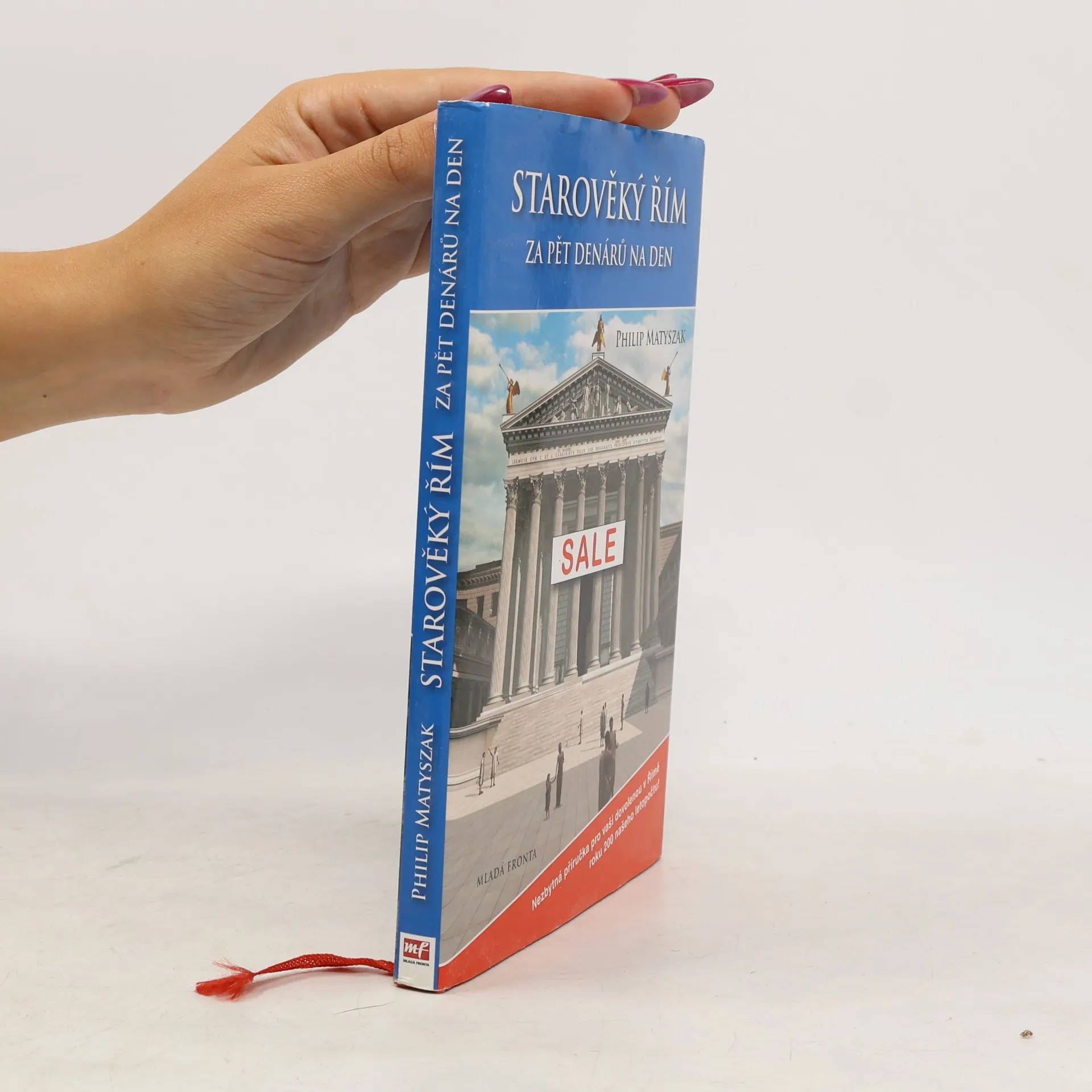
Podtitul: Nezbytná příručka pro vaši dovolenou v Římě roku 200 našeho letopočtu S tímto jedinečným průvodcem Římem roku 200 našeho letopočtu sepsaným špičkovým odborníkem na antickou historii v duchu moderních turistických příruček vám k úžasnému výletu proti proudu času postačí jen trocha představivosti a kartáček na zuby! Průvodce
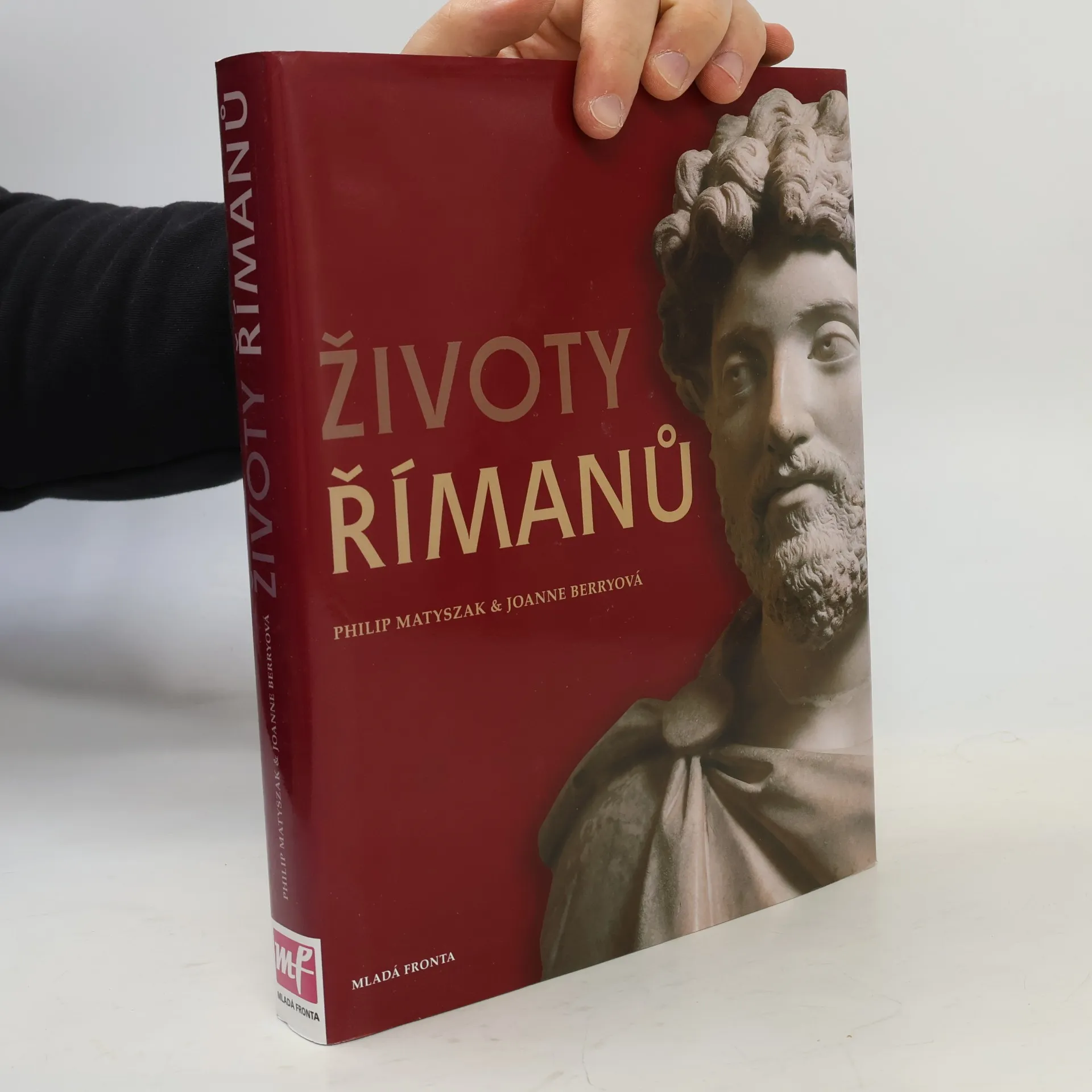
Životy Římanů odkrývají nejmocnější civilizaci starověku očima jejích občanů. Tato kniha, jak ještě žádná předchozí, dává slovo nejenom nejznámějším generálům a vládcům Říma, jako byli Sulla, Caesar, Augustus či Caligula, ale též jeho stavitelům, sochařům, básníkům, dějepiscům, gladiátorům, pastevcům, kurtizánám a otrokům. Ve stovce životopisů se otevírá neobyčejná šíře životních názorů. Prozkoumáním všech úrovní společnosti a s využitím nejnovějších archeologických nálezů, stejně jako starých textů, vytvářejí Philip Matyszak a Joanne Berry obraz toho, co to znamenalo být římským občanem. Pozoruhodné portrétní sochy, mozaiky a renesanční malby římských scén dodávají příběhům ze skutečného života vizuální účinek na pozadí vzestupu a pádu Říma, jemuž se dostává v současnosti tolik pozornosti díky novodobým senzačním filmům a televizním seriálům.
Objevte příběhy dávných měst, která zmizela pod mořem nebo se ztratila v prachu času. Jaké byly osudy, vzestupy a pády starověkých měst, na které historie zapomněla? Přečtěte si o dávných městech a sídlech potopených pod hladinou moře, zničených vojsky nájezdníků přírodními pohromami či záhadně zaniklých a zavátých písky času.
Jeden den v životě lidí od gladiátora po císaře / Poznávejte život v kypících ulicích nejslavnější metropole všech dob očima jejích obyvatel. Od otrokyně po kněžku, od prostého vozky po senátora či kupce. Ti všichni tvořili součást velkolepé kultury, která ožívá v poutavém vyprávění z pera neúnavného poopularizátora historie a odborníka na starověk Philipa Matyszaka. „Poutavé vyprávění na hraně literatury faktu a fikce vás vezme do antického Říma za vlády císařů a přiblíží každodenní radosti a strasti jeho obyvatel. Uvidíte, že se od těch našich zase tolik nelišily!“
Who were the gods and goddesses of ancient Greece and Rome, and what significance did they hold for their worshippers? Despite the decline of their widespread worship, these deities have captivated writers and artists for centuries. From Aphrodite to Apollo, Poseidon to Zeus, they are iconic figures in Western culture, yet their rich histories extend beyond famous artworks. The Greek and Roman gods play essential roles in the powerful epics like the Iliad, Odyssey, and Metamorphoses. They are immortal and mighty, yet also exhibit vanity, vindictiveness, and vulnerability. As embodiments of death, fertility, love, and war, these deities offer insights into how the Greeks and Romans perceived their world. Philip Matyszak presents this pantheon in all its complexity, guiding readers from Mount Olympus to Hades. Each chapter delves into the 'biography' of a specific god or goddess, tracing the origins of their legends. Matyszak intertwines history with vivid retellings of myths, covering tales of cosmic creation, universal conflict, disastrous weddings, and unexpected mishaps. This beautifully illustrated guide is essential for anyone intrigued by mythology and classical civilization.
A guide to a journey back in time to ancient Athens in 432 bc. It describes various places to stay and shop, what to do, and what to avoid. It is suitable for tourists, armchair travelers and history buffs.
Julius Caesar in Egypt is a true story of double-cross, assassination and intrigue accompanied by lively battles, daring escapes, disastrous fires (the Great Library of Alexandria was largely destroyed in one fracas) and, if not a love story, at least a tale of sex and power as Caesar and Cleopatra's relationship shaped these world-changing events.
Narrates a war that seriously threatened the destruction of Rome.
The story of one of the most colourful dynasties in history, from Caesar's rise to power in the first century BC to Nero's death in AD 68.
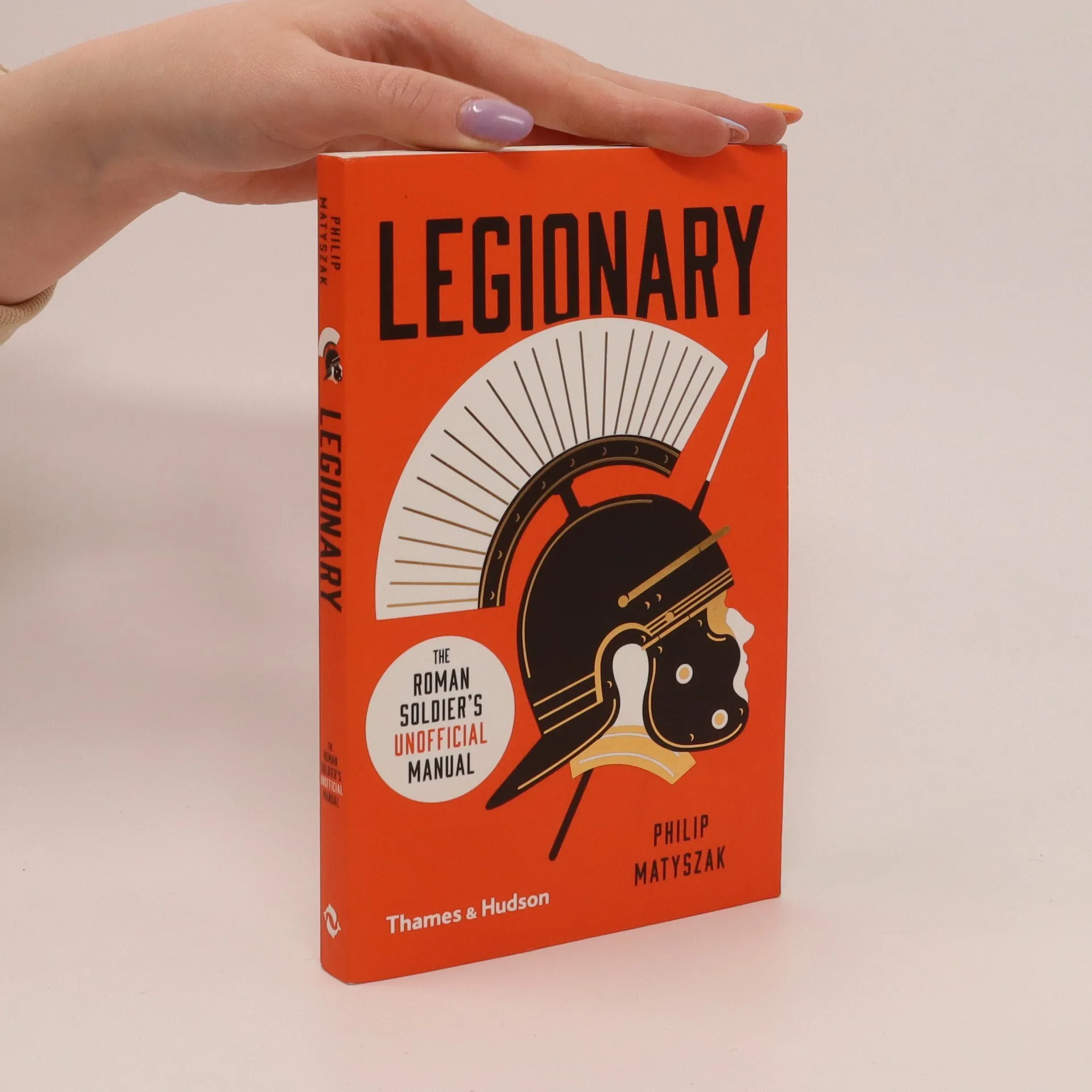
“A fascinating little handbook of serious scholarship and irrepressible wit, Legionary vividly illuminates military life in ancient Rome.”—Boston Globe Your emperor needs you for the Roman army! The year is 100 CE and Rome stands supreme and unconquerable from the desert sands of Mesopotamia to the misty highlands of Caledonia. Yet the might of Rome rests completely on the armored shoulders of the legionaries who hold back the barbarian hordes and push forward the frontiers of the empire. This carefully researched yet entertainingly nonacademic book tells you how to join the Roman legions, the best places to serve, and how to keep your armor from getting rusty. Learn to march under the eagles of Rome from training, campaigns, and battle to the glory of a Roman triumph and retirement with a pension plan. Every aspect of army life is discussed, from drill to diet, with handy tips on topics such as how to select the best footwear or how to avoid being skewered by enemy spears. Combining the latest archaeological discoveries with the written records of those who actually saw the Roman legions in action, this book provides a vivid picture of what it meant to be a Roman legionary.
Predominantly narrated from the perspective of the Hellenistic Kingdoms, showing how Rome was barely on their radar, the wars among them and internal problems holding greater priority.
Delve into the world of ancient Rome with an engaging guide that reveals the secrets of becoming a gladiator. Learn essential fighting techniques, training regimens, and the art of captivating audiences in the Colosseum. This informative resource combines entertainment with historical accuracy, providing readers with a vivid portrayal of gladiatorial life and the skills required to succeed in the arena.
Dramatic narrative combining big personalities (Cicero, Cato, Marius, Sulla and Pompey), political intrigue, assassination and full-scale warfare.
The epic story of Athens' doomed expedition, retold in light of latest research.
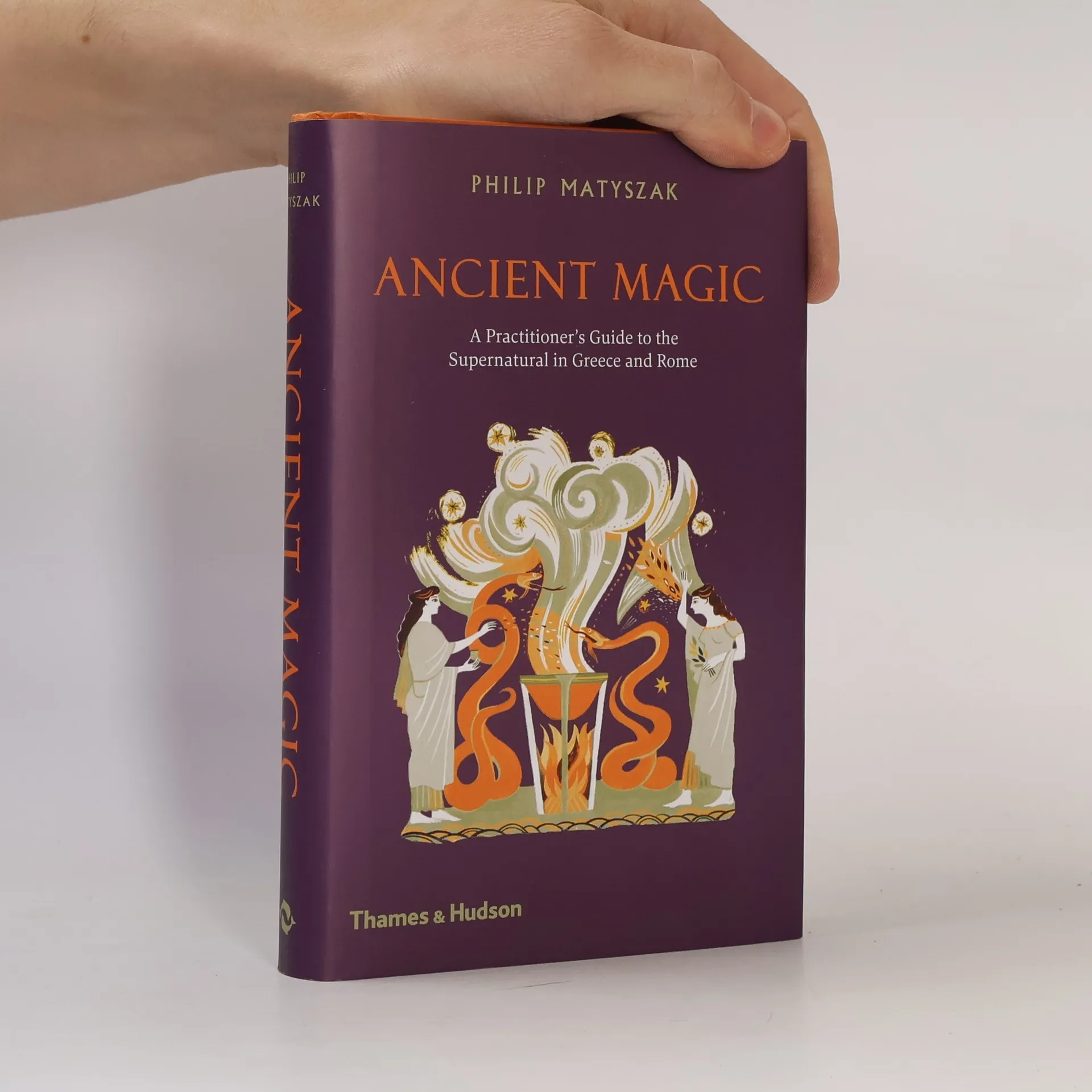
An accessible historical exploration of the methods and motivations behind using magic in ancient Greece and Rome. In the ancient world, magic was everywhere. The supernatural abounded, turning flowers into fruit and caterpillars into butterflies. In a time before scientists studied weather patterns and figured out what caused the Earth’s most mysterious phenomena, it was magic that packed a cloud full of energy until it exploded with thunderbolts. It was everyday magic, but it was still magical. In Ancient Magic, author Philip Matyszak ushers readers into that world, showing how ancient Greeks and Romans concocted love potions and cast curses, how they talked to the dead and protected themselves from evil spirits. He takes readers to a world where gods interacted with humans and where people could not only talk to spirits and deities, but could themselves become divine. Ancient Magic presents us with a new understanding of the role of magic, combining a classical historiography with a practical how-to guide. Using a wide array of sources and lavish illustrations, this book offers an engaging and accessible way into the supernatural for all.
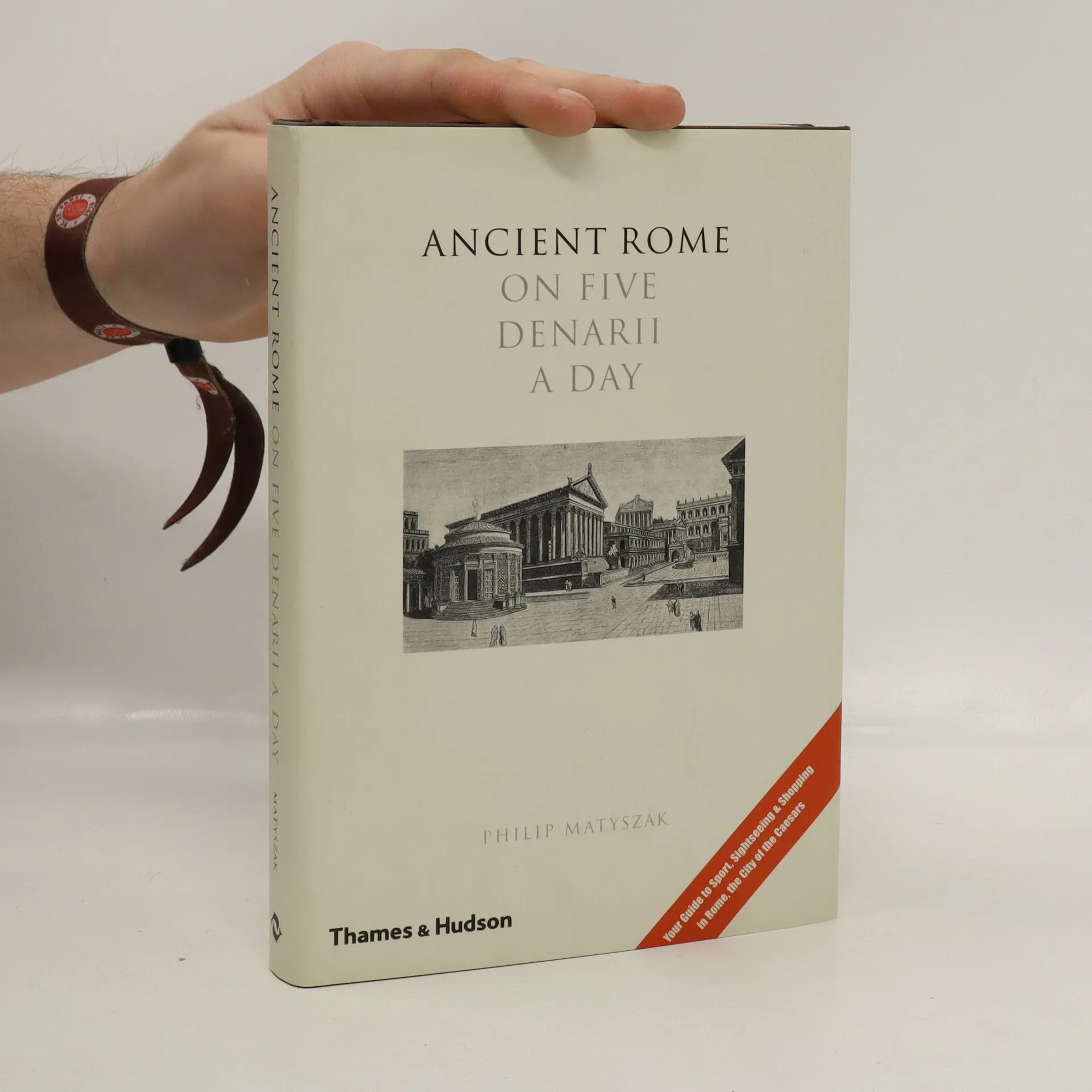
Here is an informative and entertaining guide to everything that any tourist needs for a journey back in time to ancient Rome in AD 200. You need only pack your imagination and a toothbrush - this guide provides the rest, describing all the best places to stay and shop, what to do, and what to avoid. Brought to life with wonderful computergenerated reconstructions of ancient Rome, this highly original, witty book will appeal to tourists, armchair travellers and history buffs.
Classic tale of the defiant underdog as the rebel Sertorius defies the might of Rome.
Step back in time and take a walk through the sites and structures of this ancient city that reveal its fascinating history.
Here is an informative and entertaining guide to everything that any tourist needs for a journey back in time to ancient Rome in AD 200. You need only pack your imagination and a toothbrush - this guide provides the rest, describing all the best places to stay and shop, what to do, and what to avoid.
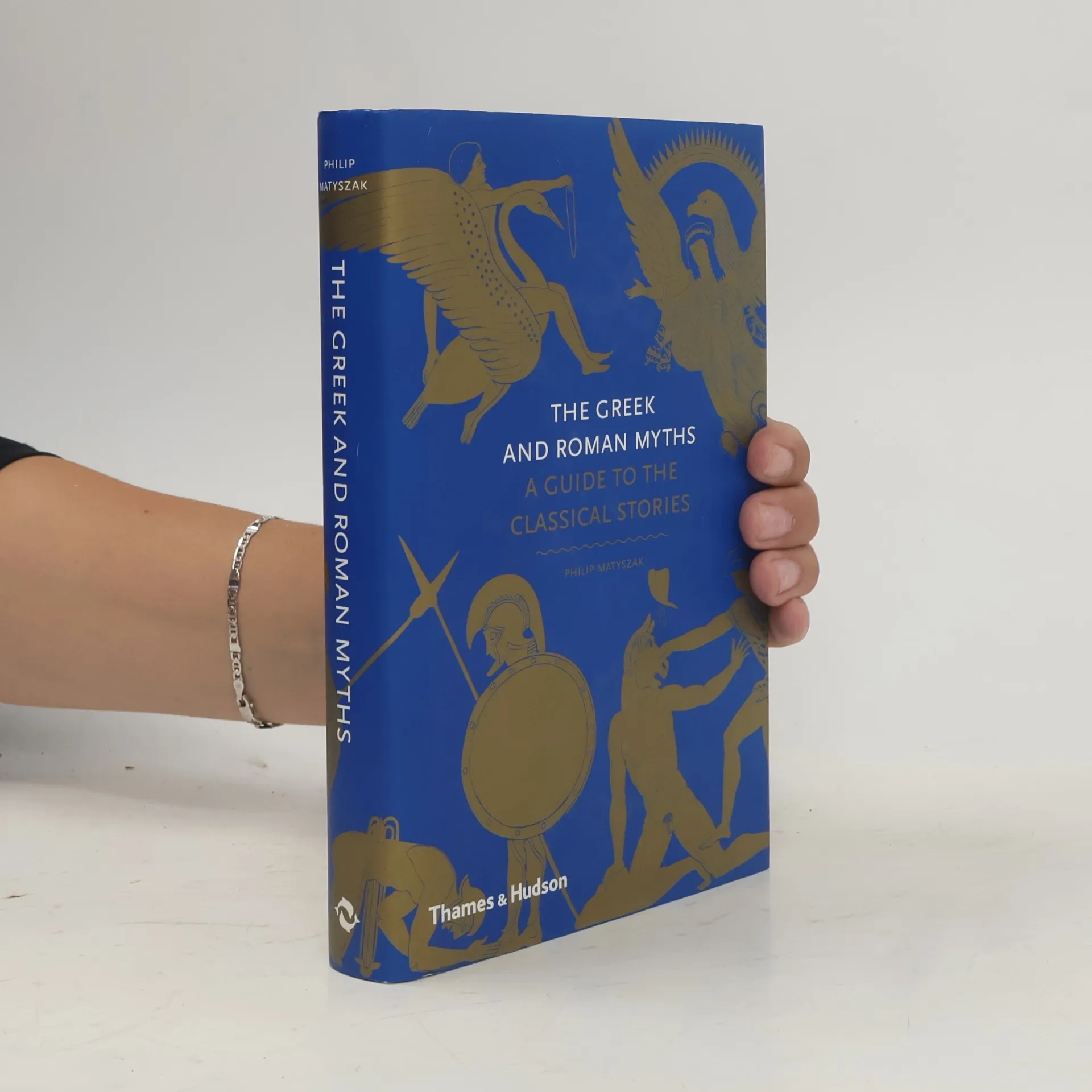
Who was Pandora and what was in her famous box? How did Achilles get his Achilles heel? What exactly is a Titan? And why is one computer virus known as a Trojan horse?The myths of ancient Greece and Rome can seem bewilderingly complex, yet they are so much a part of modern life and discourse that most of us know fragments of them. This comprehensive companion takes these fragments and weaves them into an accessible and enjoyable narrative, guiding the reader through the basic stories of classical myth.Philip Matyszak explains the sequences of events and introduces the major plots and characters, from the origins of the world and the labors of Hercules to the Trojan War and the voyages of Odysseus and Aeneas. He brings to life an exotic cast of heroes and monsters, wronged women and frighteningly arbitrary yet powerful gods. He also shows how the stories have survived and greatly influenced later art and culture, from Renaissance painting and sculpture to modern opera, literature, movies, and everyday products.
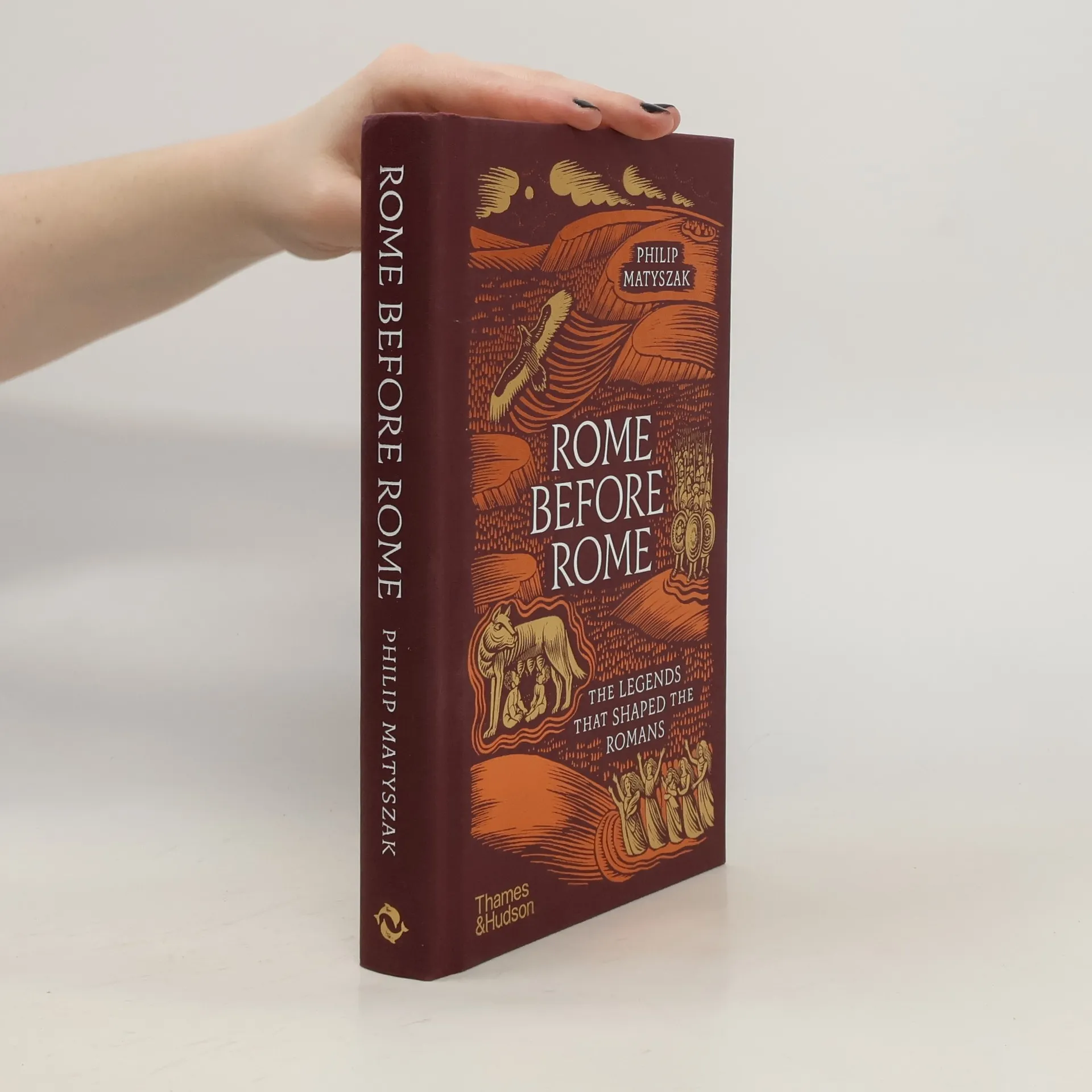
This book offers an in-depth exploration of the myths and legends that shaped early Rome, focusing on the enigmatic origins of the Romans and the foundations of their vast empire. It begins with Vergil's famous line, "I sing of arms and the man," from the Aeneid, which tells the story of Aeneas, a Trojan prince turned Roman hero. The narrative raises questions about the authenticity of Aeneas's flight from Troy and its impact on Roman self-perception. The author, Philip Matyszak, delves into the various myths and legends, from well-known tales like Romulus and Remus and the Rape of the Sabines to lesser-known stories, such as that of Picus, the Latin king transformed into a woodpecker. Each legend, regardless of its fame, plays a crucial role in shaping Roman identity and has influenced centuries of cultural narratives. Matyszak examines historical texts by Dionysius of Halicarnassus, Plutarch, Livy, as well as Vergil's and Ovid's works, revealing how Rome's mythological legacy may not be as glorious as traditionally portrayed. The book illustrates the enduring resonance of these myths in contemporary western culture, evident in films, TV shows, and plays.
Bestselling author Philip Matyszak explores how the Greeks and Romans used magic, who performed it - and why. Magic was everywhere in the ancient world. The supernatural abounded, turning flowers into fruit and caterpillars into butterflies. Magic packed a cloud of water vapour with energy enough to destroy a house with one well-aimed thunderbolt. It was everyday magic, but it was still magical. Philip Matyszak takes readers into that world. He shows us how to make a love potion or cast a curse, how to talk to the dead and how to identify and protect oneself from evil spirits. He takes us to a world where gods, like humans, were creatures of space and time; where people could not just talk to spirits and deities, but could even themselves become divine; and where divine beings could fall from - or be promoted to - full godhood. Ancient Magic offers us a new way of understanding the role of magic, looking at its history in all of its classical forms. Drawing on a wide array of sources, from Greek dramas to curse tablets, lavishly illustrated throughout, and packed with information, surprises, lore and learning, this book offers an engaging and accessible way into the supernatural for all.
Their contemporaries were fascinated by the Spartans and we still are. They are portrayed as the stereotypical macho heroes: noble, laconic, totally fearless and impervious to discomfort and pain. What makes the study of Sparta so interesting is that to a large extent the Spartans lived up to this image. Ancient Sparta, however, was a city of contrasts. We might admire their physical toughness and heroism in adversity but Spartans also systematically abused their children. They gave rights to citizen women that were unmatched in Europe until the modern era, meanwhile subjecting their conquered subject peoples to a murderous reign of terror. Though idealized by the Athenian contemporaries of Socrates Sparta was almost devoid of intellectual achievement. Philip Matyszak explores two themes: how Sparta came to be the unique society it was, and the rise of the city from a Peloponnesian village to the military superpower of Greece. But above all, his focus is on the Spartan hoplite, the archetypal Greek warrior who was respected and feared throughout Greece in his own day, and who has since become a legend. The reader is shown the man behind the myth; who he was, who he thought he was, and the environment which produced him.
This groundbreaking assessment of the Roman Empire's rise and fall presents the perspective of the peoples conquered by Rome. Traditionally, Rome was viewed as a bringer of civilization to the so-called barbaric lands, introducing law, architecture, and literature. However, this alternative view highlights that many of Rome's adversaries, such as the Celts, Hebrews, and Phoenicians, were developing their own civilizations prior to their destruction by Roman forces. Philip Matyszak argues that had Rome not so thoroughly vanquished its rivals, the descent into the Dark Ages might have been averted, as no powerful civilizations remained to absorb the shock of Rome's collapse. The narrative explores the experiences of various peoples, from the sophisticated Greeks and Egyptians to the fierce Britons and Germans, as well as the Asiatic empires like the Persians and Parthians. Motivated by ambition, hatred, fear, or greed, their leaders fought for heritage, survival, or the thrill of battle. Defying Rome often led to dire consequences; many prominent figures, such as Vercingetorix and Jugurtha, faced brutal ends, while others, including Hannibal and Boudicca, chose suicide over capture. This work delves into the realities behind legendary figures like Spartacus and the complex stories of Rome's enemies, who were both noble and villainous. The book includes 80 illustrations, enhancing its compelling narrative.
One hundred vivid portraits of real-life characters bring to life the highs and lows of Rome’s dramatic history. A vibrant portrait of a lost world, A History of Ancient Rome in 100 Lives reveals the mightiest civilization of antiquity through the eyes of one hundred of its citizens. The book gives a voice not just to Rome’s most famous generals and rulers, such as Caesar and Caligula, but also to its builders, sculptors, poets, historians, gladiators, shepherds, enslaved people, and courtesans. The book begins with Faustulus, the fosterfather of Romulus and Remus, and closes with the final emperor, Romulus Augustulus. The stories of Roman women are given their due as well―from Servilia, Caesar’s lover; to Agrippina, the murderous wife of Claudius; Amazonia, the sword-swinging gladiator; and Hypatia, philosopher, astronomer, and mathematician. Exploring every level of society and using the latest archaeological evidence as well as ancient texts, the authors build up a picture of what it meant to live in Ancient Rome. 20 illustrations
Focusing on the life of Petilius Cerealis, this biography explores the journey of a notable Imperial Roman officer whose career is well-documented. His life is marked by significant events and vibrant experiences, providing insight into the complexities of Roman military and political life. The narrative captures the essence of his contributions and the historical context in which he operated, making it a compelling read for those interested in Roman history and leadership.
Könige, Konsuln und Tribunen lenkten die Geschicke der Römischen Republik. Anhand 57 Biografien herausragender Persönlichkeiten erläutert der Autor die historischen und archäologischen Hintergründe des Aufstieg Roms und vermittelt Einblicke in Kunst, Kultur und Alltagsleben.
Eine Stadt vor 2500 Jahren
Einmal eine Zeitreise in die Vergangenheit unternehmen und Tourist im antiken Athen sein - dieser ungewöhnliche Reiseführer macht es möglich. Er enthält alle wichtigen Informationen zu Unterkünften, Sehenswürdigkeiten oder Einkaufsmöglichkeiten im Jahr 432 vor Christus. Details aus dem Alltag lassen das antike Griechenland lebendig werden. Zusätzlich werden die kulturhistorischen Hintergründe der Antike präsentiert. Ein farbiger Bildteil und Karten, mit denen man auch das heutige Athen entdecken kann, ergänzen die Informationen im Buch.
Ob der Online-Händler ›Amazon‹ oder die Sportmarke ›Nike‹ – in unserem Alltag begegnen uns ständig Spuren der griechisch-römischen Mythologie. Doch wo liegt ihr Ursprung und um welche Geschichte geht es eigentlich genau? Philip Matyszak bringt dem Leser auf höchst unterhaltsame Weise die klassischen Mythen der Antike nahe. Er erzählt von den Abenteuern und Beziehungen der Götter, Halbgötter und Helden, denn das ist es, was die Mythen bis heute so lebendig macht: Es sind gewaltige Erzählungen, in denen es immer auch ›menschelt‹ – nicht umsonst greift die Psychologie gern auf das mythologische Repertoire zurück, wenn sie wie im Falle des Ödipus-Komplexes menschliche Beziehungen beschreiben. So erklärt der Band nicht nur die klassischen Mythen und wie die Griechen und Römer die Welt verstanden, sondern bietet auch originelle Einsichten in unsere gegenwärtige Gesellschaft. Kurze Beschreibungen der mythologischen Protagonisten verschaffen dem Leser zusätzlich einen schnellen Überblick.
Das Römische Reich war die mächtigste Zivilisation des Altertums. Doch wer lebte in diesem antiken Weltreich – und wie? Begleiten Sie die Autoren auf einer unterhaltsamen Reise durch die römische Geschichte, dargestellt anhand 100 Kurzbiografien. Dabei werden nicht nur berühmte Feldherren und Herrscher wie Sulla, Caesar, Augustus oder Konstantin vorgestellt, sondern auch Menschen aus Kunst, Kultur und Alltagsleben. Schließlich bevölkerten auch Architekten und Bildhauer, Gesellschaftsdamen und Dichter, Gladiatoren und Kurtisanen, Schauspieler und Sklavinnen das alte Rom. Und so sind Cicero und Pontius Pilatus hier ebenso vertreten wie die Frau eines Stuckateurs, die Geliebte Caesars oder eine Gladiatorin namens Amazonia.
Skandale, Bizarres und Wissenswertes Dieser Autor hat nur ein Ziel: seine Leser zu verblüffen. Nur die skurrilsten Geschichten, die erstaunlichsten Fakten und die amüsantesten Anekdoten aus Jahrhunderten antiker Geschichte schafften es in diese unterhaltsame Sammlung. Die Römer und Griechen haben es Matyszak leicht gemacht: Zu kaum einer anderen Zeit waren die Menschen so mit dem Herzen dabei, wenn es um das Anhören, Weitererzahlen und Aufschreiben von Klatsch, Tratsch, lustigen Anekdoten und den kleinen Geschichten geht, die das Leben schrieb. Vom 'A-Promi' bis zum Nachbarn bekam jeder beim Plausch auf dem Marktplatz, in Tabernae und auf dem Forum sein Fett weg. Seine Fundstücke kommentiert Matyszak voller Witz. Sokrates, Plutarch und Sueton hätten wohl ihre helle Freude daran gehabt. Aus dem Inhalt: - Dreckjobs beim Militär - Berühmte letzte Worte - Die übelsten Verwünschungen - Gute Omen – schlechte Omen - Top Ten der mythischen Diebstähle
Der faszinierende Alltag im Jahr 137 n. Chr.
Spätsommer 137 n. Chr. – das Römische Reich ist auf dem Höhepunkt seiner Macht und Blüte. Die Hauptstadt Rom ist der Nabel der Welt, ein prosperierender Hotspot, der Menschen aus allen Teilen des Imperiums anzieht. Doch wie gestaltet sich ihr Alltag? Welche Sorgen, welche Ängste, welche Hoffnungen und Wünsche treiben sie um? Dieses Buch führt uns 24 Stunden lang an der Seite von 24 Bewohnern durch das antike Rom. Vom Sklaven bis zum Senator, von der vestalischen Jungfrau bis zur Prostituierten, von der Wäscherin bis zum Gladiator – 24 Biografien, wie sie unterschiedlicher nicht sein könnten, zeichnen ein faszinierendes und fesselndes Bild des pulsierenden Lebens der »ewigen Stadt« am Tiber unter Kaiser Hadrian. So muss Geschichte! Rom, Spätsommer 137 n. Chr. 24 Stunden an der Seite von 24 höchst unterschiedlichen Bewohnern: Sklave, Senator, vestalische Jungfrau, Prostituierte, Wäscherin, Gladiator ... Ein erstaunliches und fesselndes Bild des pulsierenden Lebens der »ewigen Stadt« unter Kaiser Hadrian »Also gut. Mal abgesehen von der Medizin, den sanitären Einrichtungen, dem Schulwesen, Wein, der öffentlichen Ordnung, der Bewässerung, Straßen, der Wasseraufbereitung und der allgemeinen Krankenkassen, was, frage ich euch, haben die Römer je für uns getan?« »Den Frieden gebracht.« – »Aach, Frieden? Halt die Klappe!« Aus »Das Leben des Brian« Ausstattung: SW-Illustrationen