Bookbot

Ivan Krastev

    1. január 1965

    Ivan Krastev je uznávaný politický vedec, ktorého práca sa zameriava na pochopenie zložitosti modernej demokracie a jej výziev. S hlbokým porozumením globálnym politickým trendom a protestným hnutiam analyzuje, ako nedôvera a meniace sa spoločenské posadnutosti ovplyvňujú politické systémy. Krastev skúma nielen krízy v Európe, ale aj širšie problémy dôvery medzi občanmi a ich vodcami. Jeho eseje a knihy ponúkajú prenikavý pohľad na súčasné politické dianie a jeho dôsledky.

    Ivan Krastev
    Southeast European Integration Perspectives - 15: Diplomatic Interventions in Times of Unpeace
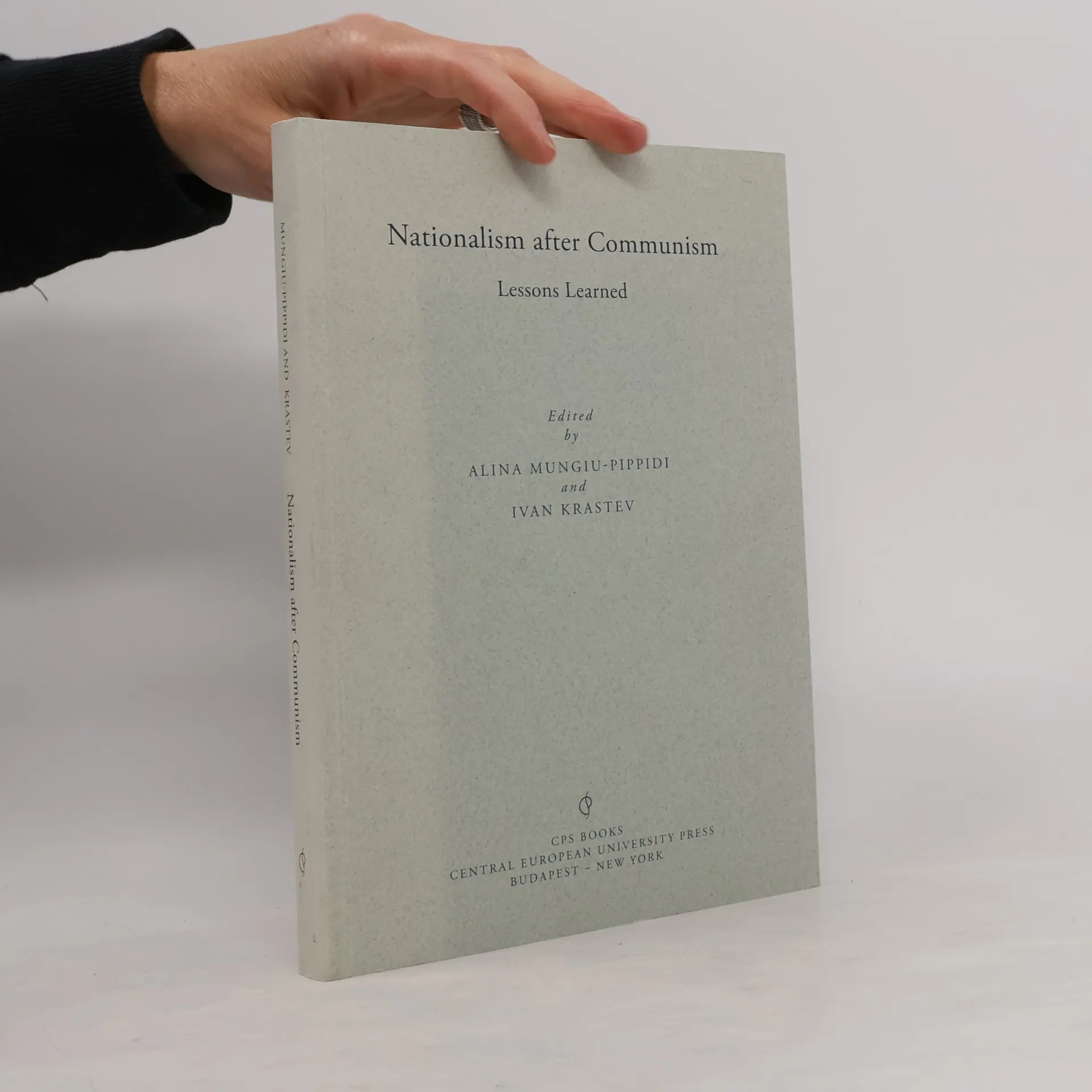
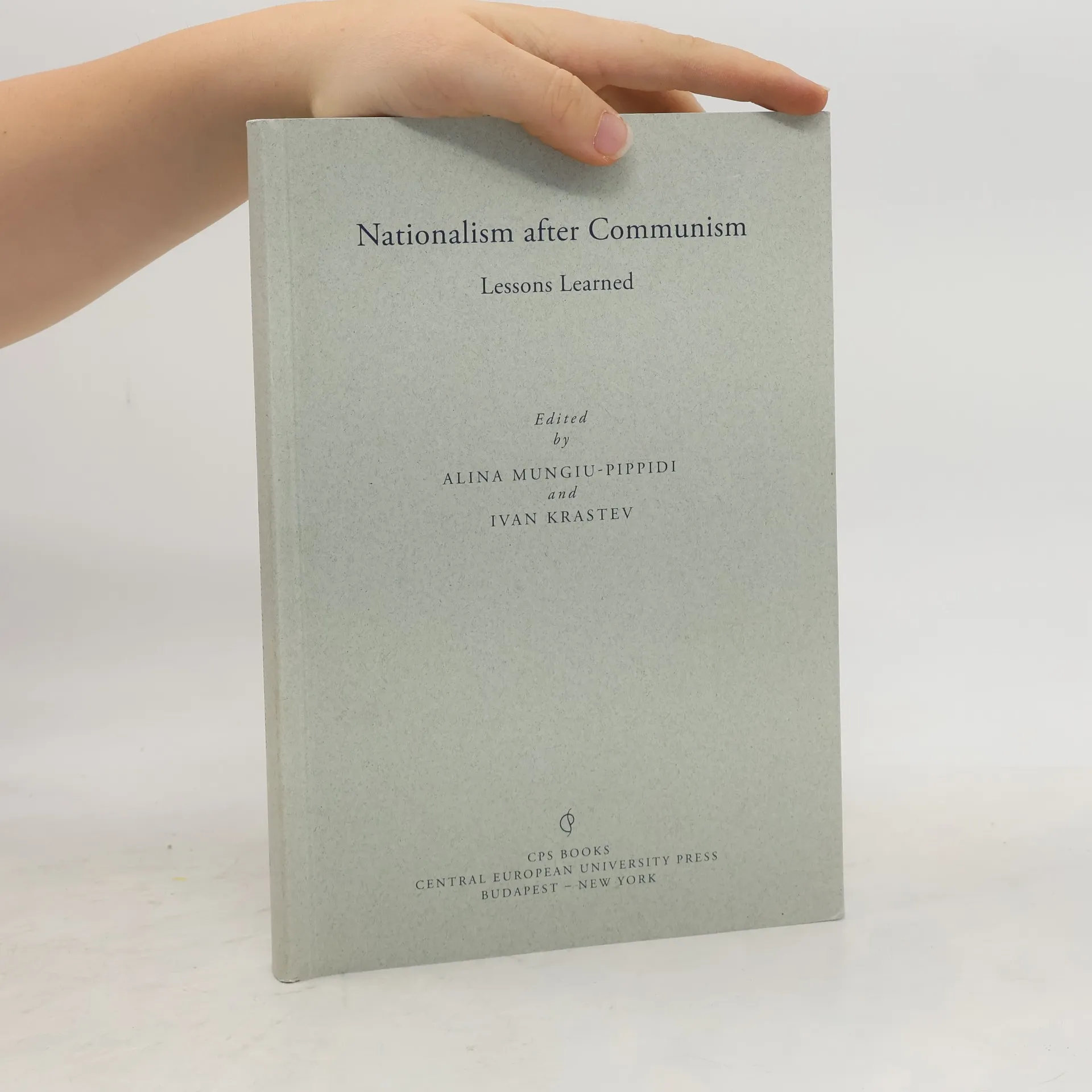
    Nationalism After Communism
    Nationalism After Communism
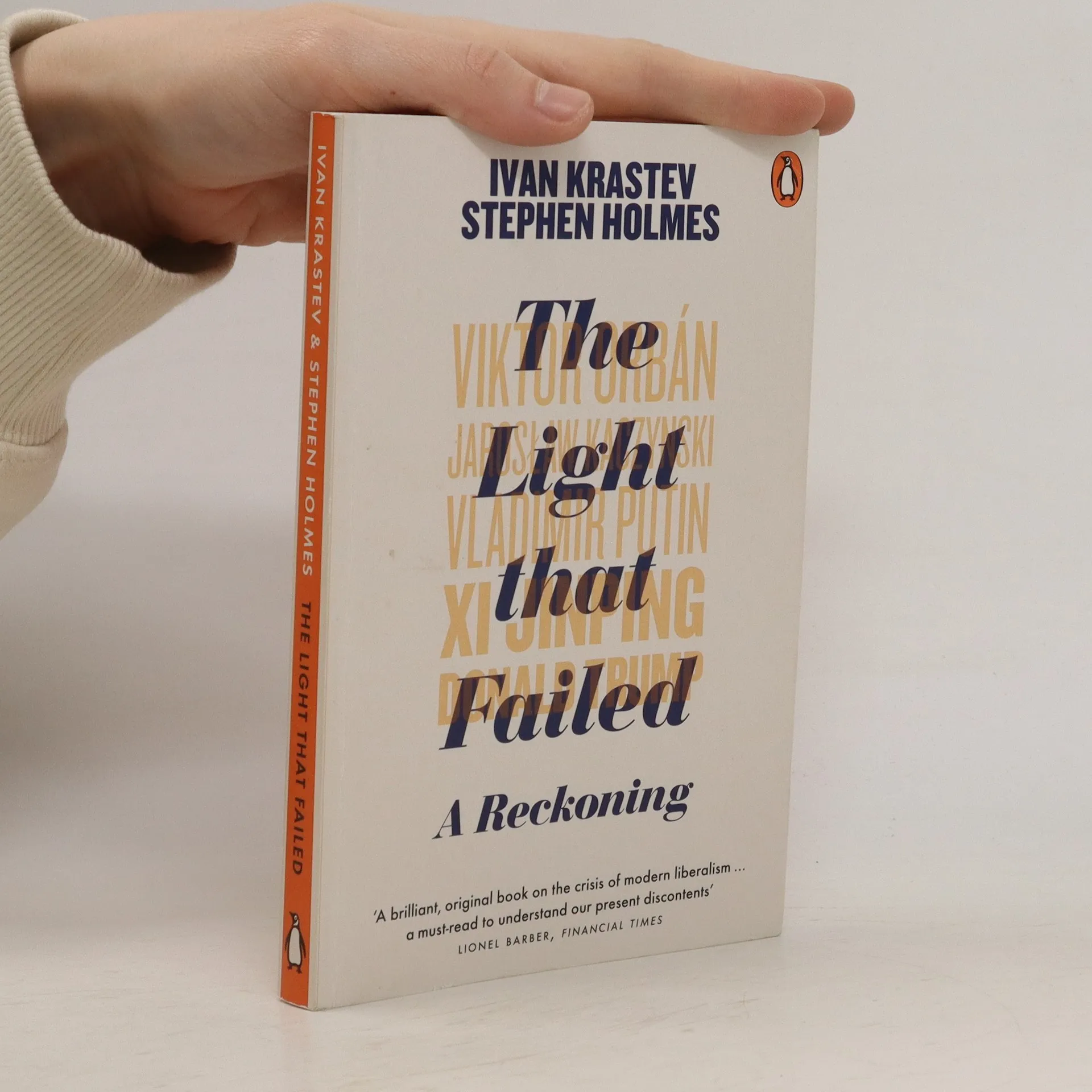
    The light that failed. A Reckoning
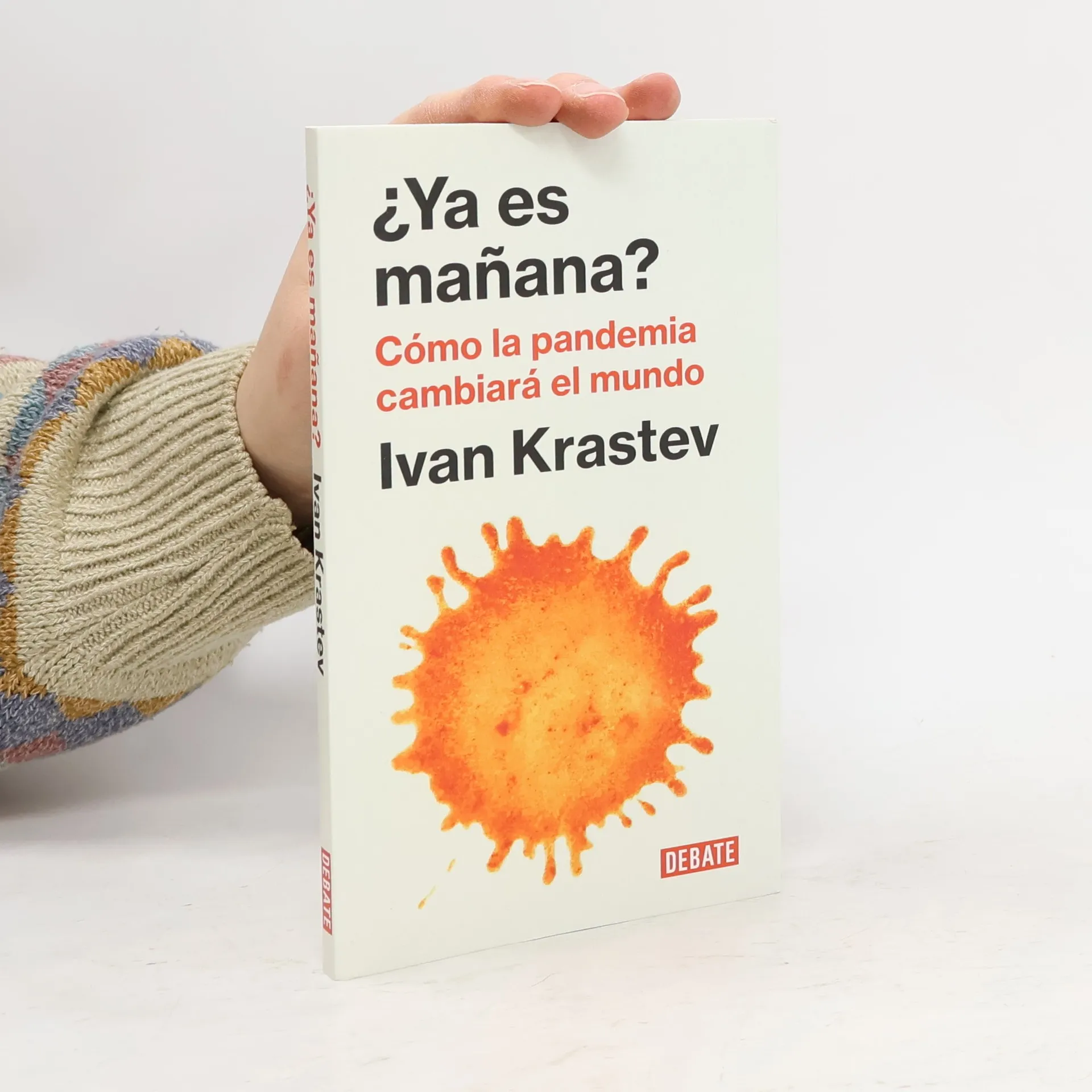
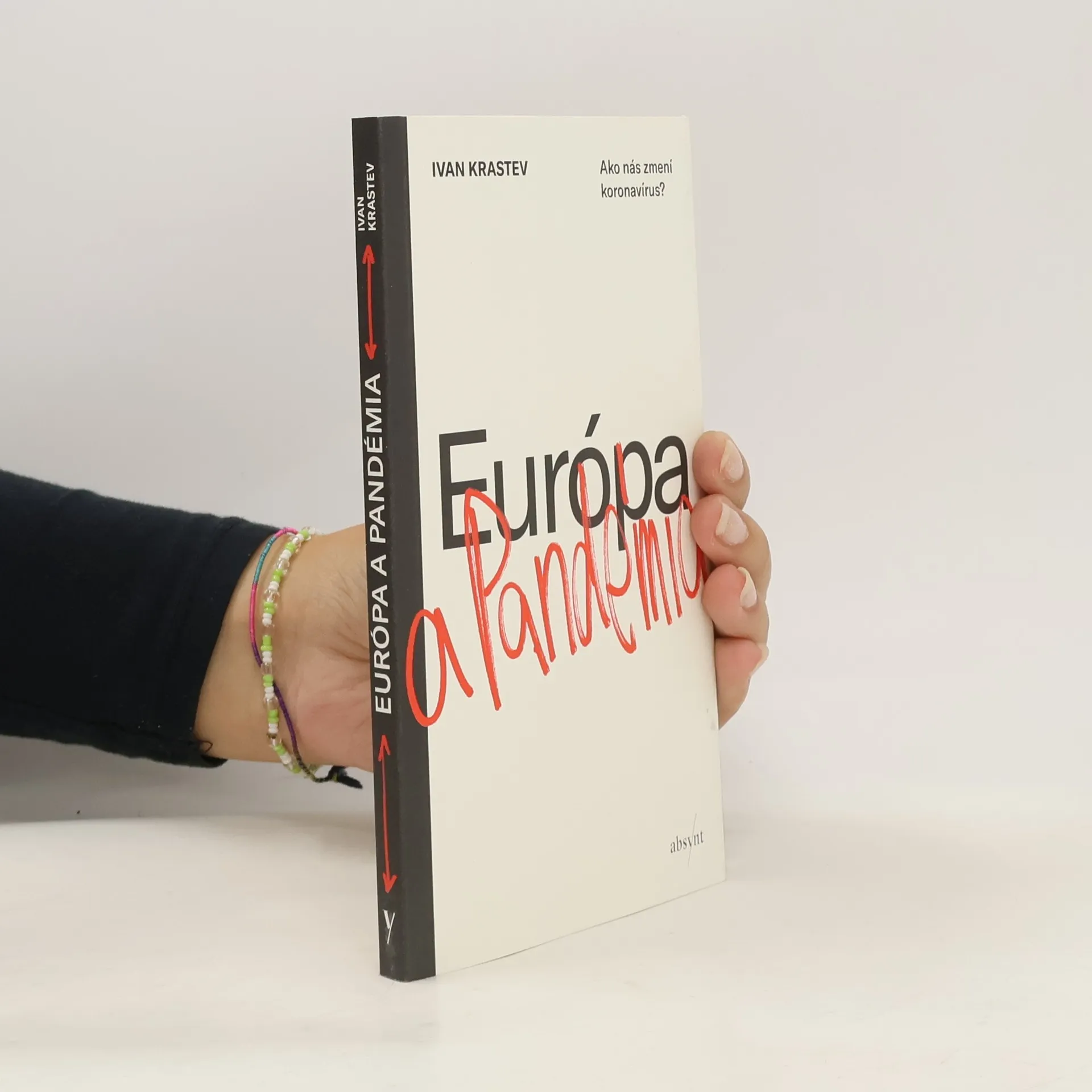
    Európa a pandémia: Ako nás zmení koronavírus?
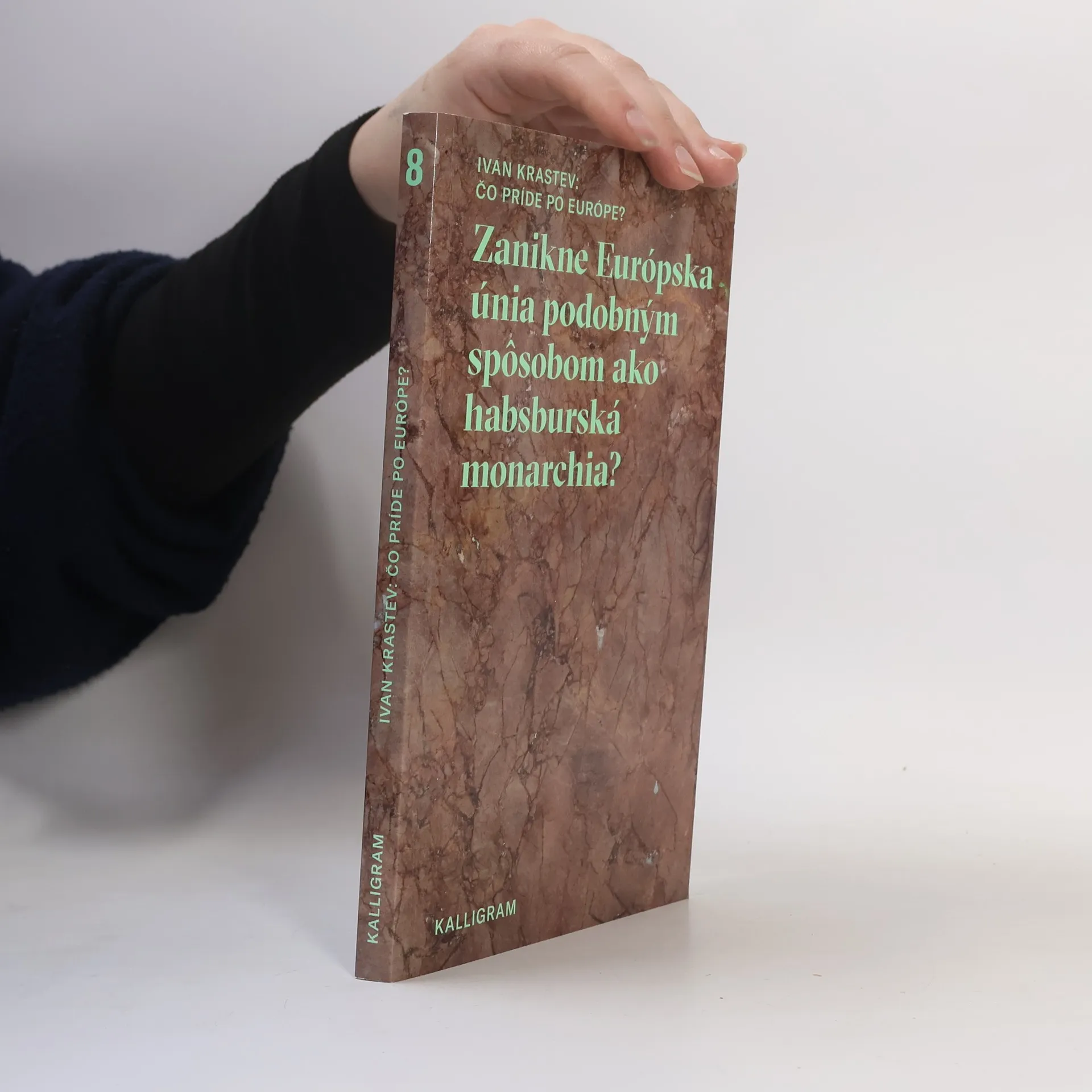
    Čo príde po Európe?
    • Čo príde po Európe?

      • 136 stránok
      • 5 hodin čítania

      Európa a jej hodnoty sa otriasajú v základoch a zdá sa, že každým dňom sa ponárame do väčšej a väčšej neistoty. Čo nás čaká v najbližších rokoch? Rozpadne sa Európska únia rovnako, ako sa rozpadla habsburská monarchia? A aká bude príčina? Vzostup radikálnych populistických strán? Alebo migračná kríza? A možno to bude Brexit, ktorý spustí lavínu ďalších a ďalších „exitov“ z Európskej únie. Tieto otázky kladie sebe i nám uznávaný európsky politológ Ivan Krastev vo svojej ostrej a provokatívnej esejistickej knihe Čo príde po Európe? Nehľadí však len na aktuálne dianie, ale svoje úvahy a predpovede opiera aj o hlboké znalosti európskych dejín. Príkladov a analógií rozpadu veľkých spoločenstiev máme v moderných dejinách mnoho. Otázkou zostáva, či sa k nim čoskoro pripojí aj Európska únia.
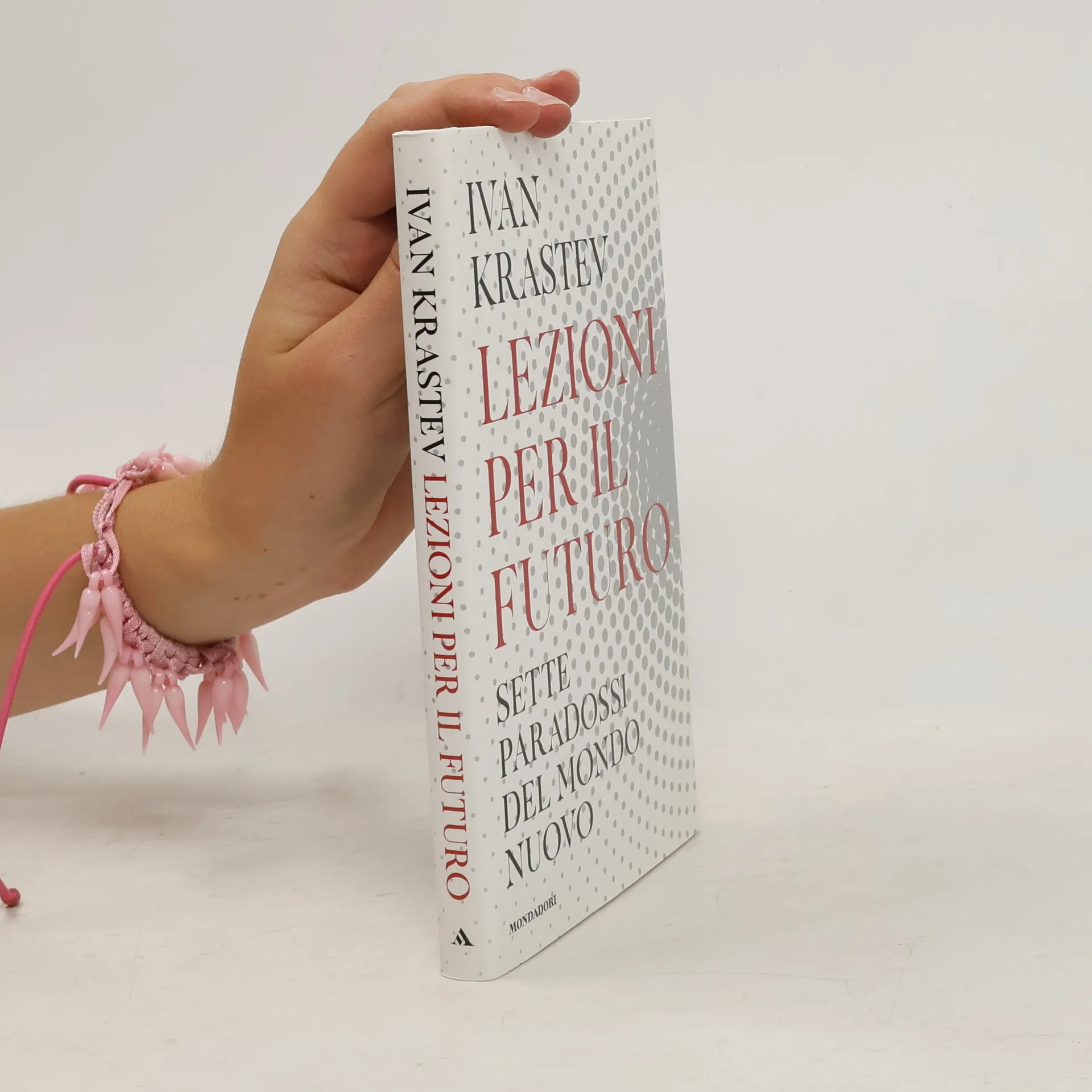

      Čo príde po Európe?
      4,1
    • Aj svetoznámy politológ Ivan Krastev zostal počas pandémie koronavírusu v domácej izolácii. O novom fenoméne, ktorý za niekoľko týždňov zmenil celý svet, sa tak rozhodol uvažovať hneď zahorúca. Jeho najnovšia esej vychádza naraz vo väčšine európskych krajín. Esej Ivana Krasteva Európa a pandémia nie je predpoveďou toho, ako bude vyzerať svet po koronavíruse. A nie je ani manifestom toho, ako by vyzerať mal. Je to snaha pozrieť sa na svet obrátený naruby a pochopiť fenomén, ktorý sa zásadne odlišuje od všetkého, čo nás postretlo doteraz. Vieme, že koronavírus najviac postihuje tých, ktorí už nejaké zdravotné problémy majú. A keďže liberálne demokracie trpia jednou z najvážnejších chorôb – nedôverou ľudí v inštitúcie –, patria práve ony medzi najohrozenejších pacientov. Krastev je presvedčený, že Európska únia bude po tejto kríze celkom iná než pred ňou: môže sa rozpadnúť, môže sa premeniť na modernú kópiu stredovekej Svätej rímskej ríše alebo môže dosiahnuť strategickú autonómiu. Jedna vec je však istá už dnes: nie je to kríza, ktorú môže Európska únia len tak jednoducho prečkať. „Svet sa zmení nie preto, že by naša spoločnosť po tejto zmene túžila, alebo preto, že by existoval konsenzus o tom, akým smerom nás má táto zmena posunúť. K zmene dôjde preto, že cesta späť neexistuje,“ hovorí uznávaný politológ Ivan Krastev vo svojej najnovšej knihe Európa a pandémia.

      Európa a pandémia: Ako nás zmení koronavírus?
      3,6
    • The light that failed. A Reckoning

      • 256 stránok
      • 9 hodin čítania

      Why did the West, after winning the Cold War, lose its political balance? In the early 1990s, hopes for the eastward spread of liberal democracy were high. And yet the transformation of Eastern European countries gave rise to a bitter repudiation of liberalism itself, not only there but also back in the heartland of the West. In this work of political psychology, Ivan Krastev and Stephen Holmes argue that the supposed end of history turned out to be only the beginning of an Age of Imitation. Reckoning with the history of the last thirty years, they show that the most powerful force behind the wave of populist xenophobia that began in Eastern Europe stems from resentment at the post-1989 imperative to become Westernized. Through this prism, the Trump revolution represents an ironic fulfillment of the promise that the nations exiting from communist rule would come to resemble the United States. In a strange twist, Trump has elevated Putin's Russia and Orbán's Hungary into models for the United States.

      The light that failed. A Reckoning
      4,2
    • Nationalism After Communism

      Lessons Learned

      • 286 stránok
      • 11 hodin čítania

      What if a policymaker tasked with creating a peace arrangement in an ethnic conflict sought practical wisdom from the theory of ethnic conflict and nationalism? This book examines the intersection of academic theory and the realities faced by policymakers who must foster interethnic peace with limited resources and time. It explores the postcommunist experience of ethnic revival and conflict, comparing it to other nationalisms and assessing best practices for managing ethnic conflicts within and between states. The introductory chapter provides a theoretical overview of recent research on nationalism and ethnic conflict relevant to policymaking. Subsequent chapters delve into the political economy of ethnicity, with Vladimir Gligorov analyzing the incentives that led to the fragmentation of Yugoslavia and the efforts to unify it. Charles King investigates the small separatist republics of the post-Soviet landscape, while Gerald Knause and collaborators examine the challenges of equitable governance between ethnic groups in Macedonia. Alina Mungiu-Pippidi tests primordial hypotheses through public opinion surveys in several countries. Valerie Bunce and Philip Roeder critically assess political institutions aimed at preventing ethnic conflict, while Florian Bieber and Mathijs Bogaards evaluate power-sharing arrangements and voting systems in the Balkans. The book concludes with a review of policy options by the editors.

      Nationalism After Communism
    • Lehren für Europa

      22 Essays zur Zukunft unseres Kontinents

      • 358 stránok
      • 13 hodin čítania

      22 Essays prominenter Autorinnen und Autoren erklären den Zustand Europas und der Europäischen Union. Sie sezieren die Geschichte des Kontinents und treffen Vorhersagen für die politische und ökonomische Zukunft Europas.

      Lehren für Europa