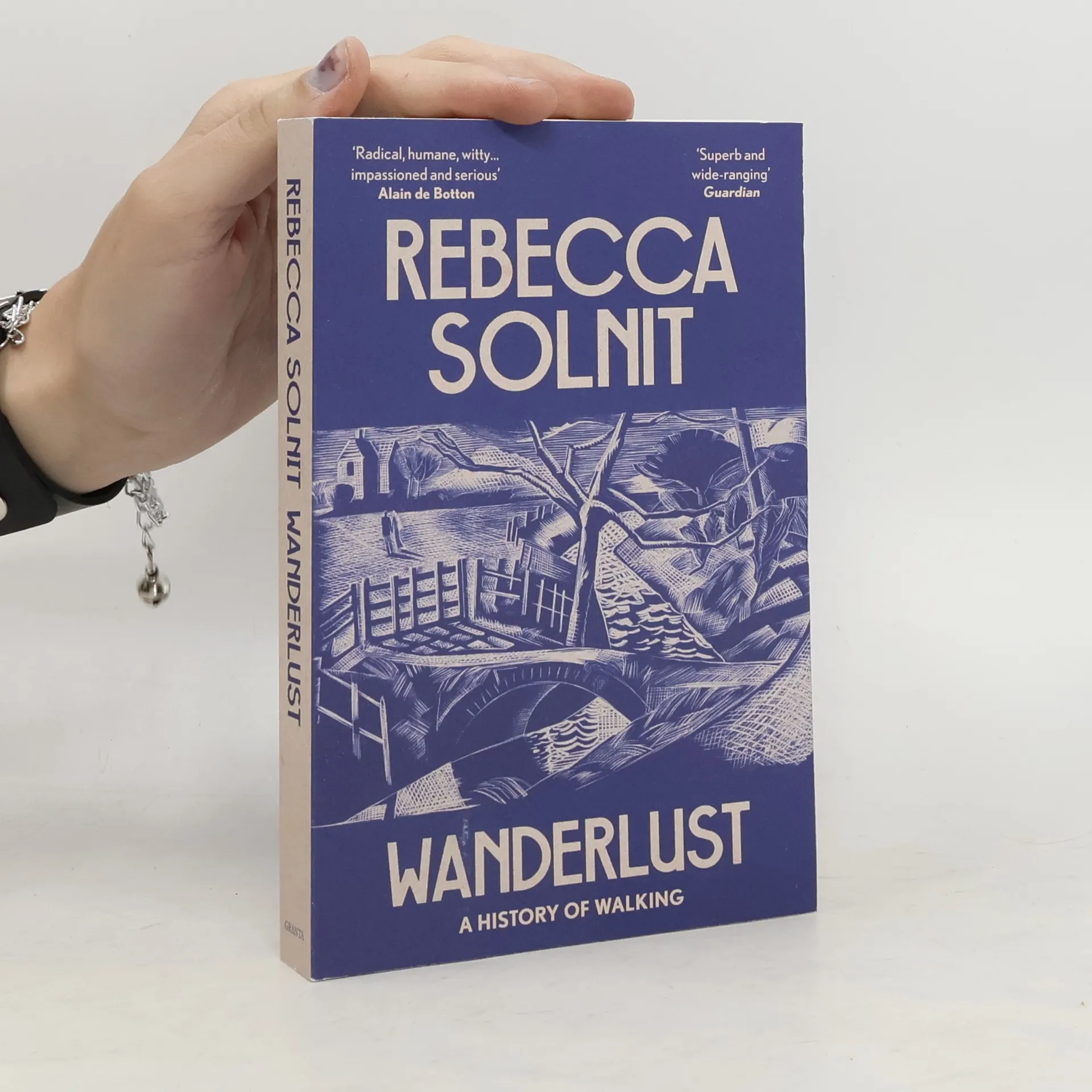
Rebecca Solnit je uznávaná autorka, historička a aktivistka, ktorej rozsiahle dielo sa ponára do tém feminizmu, západnej a domorodej histórie, populárnej moci, sociálnych zmien a inšpekcií, túlania sa a chôdze, nádeje a katastrofy. Jej písanie sa vyznačuje hlbokým porozumením ľudskej spoločnosti a jej transformáciám. Solnit skúma, ako sa formujú komunity a ako sa ľudia spájajú tvárou v tvár výzvam. Jej diela často spájajú osobné úvahy s širšími spoločenskými a historickými analýzami, čím čitateľom ponúka podnetné a provokatívne pohľady.
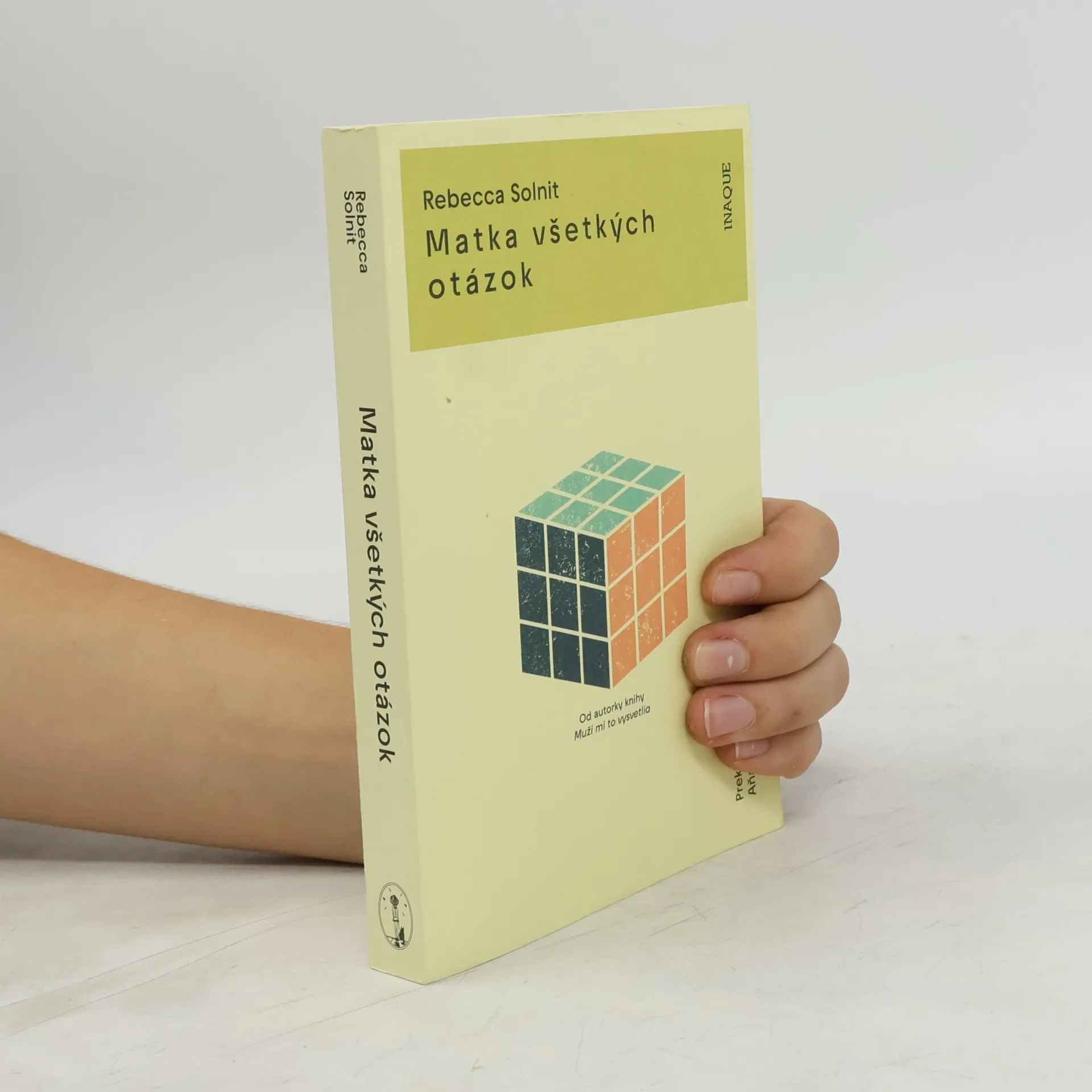
V pokračovaní bestsellera Muži mi to vysvetlia Rebecca Solnit ponúka úvahy o ženách, ktoré odmietajú byť umlčané, mizogýnnom násilí, krehkej mužskosti literárneho kánonu, nedávnej histórii vtipov o znásilnení a mnohých ďalších témach. Autorka svojím charakteristickým štýlom mieša humor, bystrú analýzu a nadhľad.
Čítanie o potulkách strácaní sa a rôznych využitiach neznáma od autorky knihy Muži mi to vysvetlia.
Zbierka autobiografických esejí Sprievodca strácaním sa vychádza z príznačných momentov a vzťahov v autorkinom živote, na základe ktorých skúma témy neistoty, dôvery, straty, pamäti, túžby a miesta. Rebecca Solnit sa zaujíma o príbehy, pomocou ktorých sa orientujeme vo svete, a miesta od divočiny po mestá, ktorými prechádzame, keď sami seba nachádzame alebo strácame. Jej rozprávanie je hlboko osobné, no prepojené so všeobecnejšími príbehmi od zajateckej prózy amerických novousadlíkov po využívanie modrej na renesančných obrazoch, nehovoriac o stretnutiach s korytnačkami, mníchmi, punkerkami, horami, púšťami a filmom Vertigo. Výsledkom je osobitá, inšpirujúca cesta objavov.
Vo svojej komickej, ostrej eseji s názvom Muži mi to vysvetlia pomenúva Rebecca Solnit častý problém rozhovorov medzi mužmi a ženami. Píše o mužoch, ktorí mylne predpokladajú, že niečo vedia a mylne predpokladajú, že ženy to nevedia; píše o tom, kde táto domnienka pramení a ako funguje v praxi.
V knihe je okrem tejto, dnes už známej eseje, šesť ďalších vrátane zamyslenia nad spôsobom, akým spisovateľka Virginia Woolfová prijala tajomstvo, nevedomosť, pochybnosť a dvojznačnosť; originálne skúmanie rovnosti v manželstve a desivé zhrnutie rozsahu násilia páchaného na ženách.
Rebecca Solnit svojím čitateľsky prístupným štýlom dokazuje, že je jednou z najvplyvnejších mysliteliek feministického hnutia.
„Muži mi to stále vysvetľujú. A žiaden z nich sa mi nikdy neospravedlnil za to, že mi nesprávne vysvetľoval niečo, čo poznám, a on nie.“
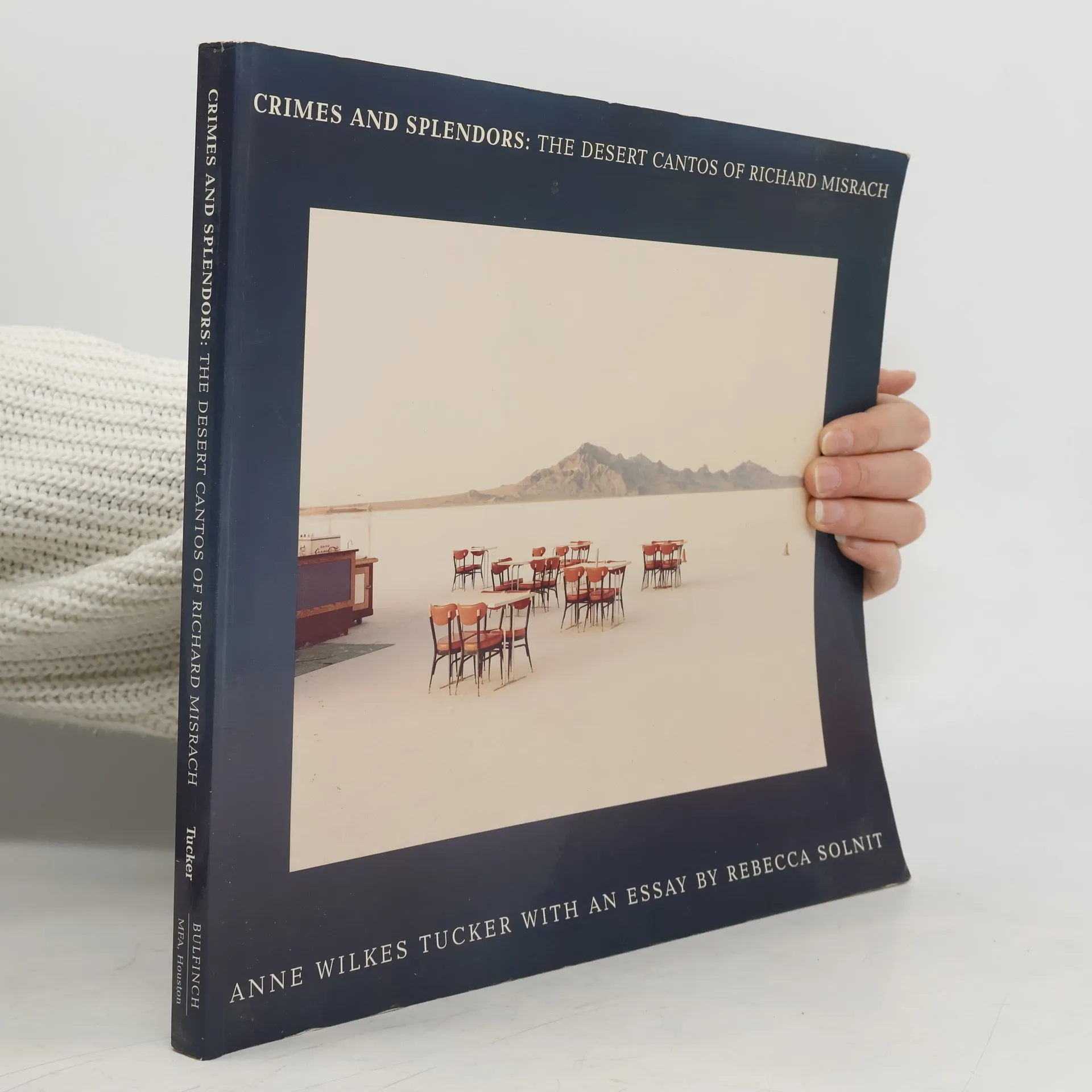
The beauty, mystery, and abuse of the American desert are topics explored by Richard Misrach in his breathtaking Desert Cantos series, one of the most ambitious and innovative photographic projects of our time. Evolving over the course of two decades, the series now comprises eighteen numbered and named subseries, or cantos, and a prologue. With subjects as diverse as a military base in Utah, a man-made flood in California, sublime skies in Arizona, and arts happenings in Nevada, Richard Misrach's images raise probing and compelling questions about contemporary society's relationship to the desert. Included in this beautifully illustrated book are more than sixty Desert Cantos photographs that have never before been published, as well as some of the artist's best-known and most-admired images. This monumental publication, the first comprehensive survey of Richard Misrach's epic work-in-progress, serves as an exhibition catalogue for a major midcareer retrospective organized by The Museum of Fine Arts, Houston. The show will tour in the United States (venues include Tucson, Tacoma, and Chicago).
Snøhetta and the San Francisco Museum of Modern Art
285 stránok
10 hodin čítania
What is a Museum Now? asks about the role of a museum in contemporary society.
All of Snøhetta's work is formed by the interaction between humans and their
physical surroundings. Regarding this connection, the design studio recognized
that a museum is a mediator between art and life. This book contains a
detailed and extensive documentation of the San Francisco Museum of Modern
Art's expansion, conducted by Snøhetta. The studio evolved the SFMOMA as a new
form of art appreciation where the experience is an extension of the life of
the city itself. This book presents the most recent investigation by Snøhetta
into how architecture can nurture social interaction and diversity, fostering
relationships where the world of the imagination and the realities of our
lives come together. Accompanied by behind-the-scenes sketches, drawings and
photographs that detail the design and construction process, this book is in
itself an intimate engagement with the building, its art, its directors and
curators, its inhabitants and its creators.
Rebecca Solnit has made a vocation of journeying into difficult territory and
reporting back, as an environmentalist, antiglobalization activist, and public
intellectual. This work represents developments in Solnit's thinking and
offers you a panoramic world view enriched by her characteristically
provocative, inspiring, and hopeful observations.
Exploring the San Francisco Bay Area, this innovative atlas delves into the complex layers of meaning that define a place. Through the collaboration of artists, writers, and cartographers, the book features twenty-two stunning color maps that reveal the city from various perspectives. Solnit's work invites readers to reconsider their understanding of location and experience, transforming the concept of an atlas into a rich narrative of interconnected lives and landscapes.
Exploring the power of individual actions, Rebecca Solnit delves into how embracing uncertainty can lead to transformative change. Building on themes from her previous work, she highlights the potential for liberation and hope in navigating an unpredictable future.
Featuring a collection of influential essays and interviews spanning over twenty years, this compilation showcases David Graeber's groundbreaking insights. Renowned for his thought-provoking perspectives, Graeber tackles themes such as economics, society, and politics, making complex ideas accessible and engaging. This anthology serves as a testament to his legacy, offering readers a deep dive into his critical analysis and unique viewpoints that challenge conventional wisdom.
One summer, Rebecca Solnit was bequeathed a hundred pounds of apricots - the fruit came from a tree that her mother, gradually succumbing to memory loss, could no longer tend to. From this unexpected inheritance came stories, spun like those of Scheherazade who used her gifts as a storyteller to prolong her life and weave her way into the heart of a king. So too came adventure; in a library of water in Iceland, in the basin of the Grand Canyon, and in the emptiness of the Arctic. As she looks back on the year of apricots and emergencies, Solnit draws together the threads of her life with the lives of others.
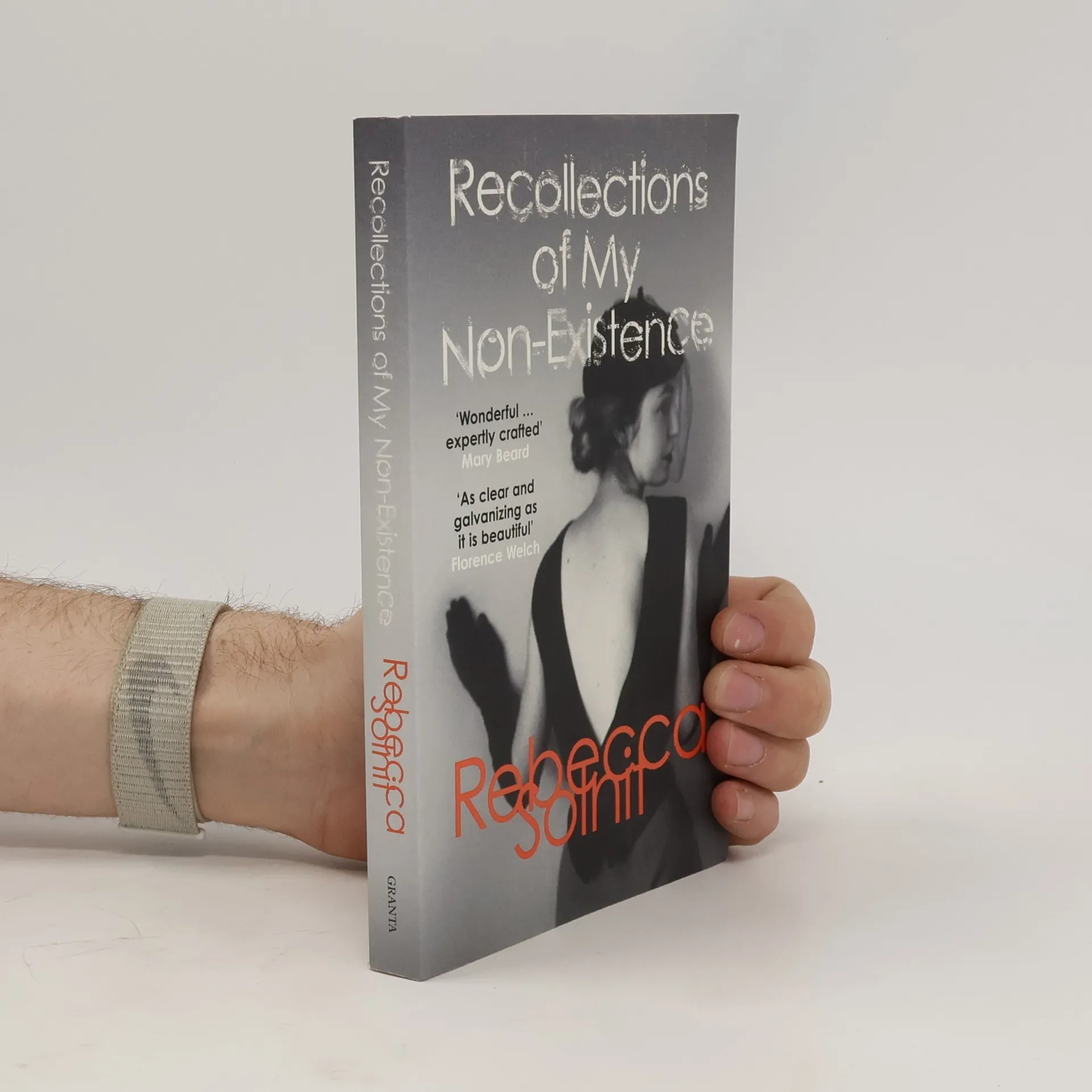
A landmark memoir from the author of Men Explain Things to Me: an electric portrait of the artist as a young woman that asks how a young writer finds her voice in a society that prefers women to be silent.
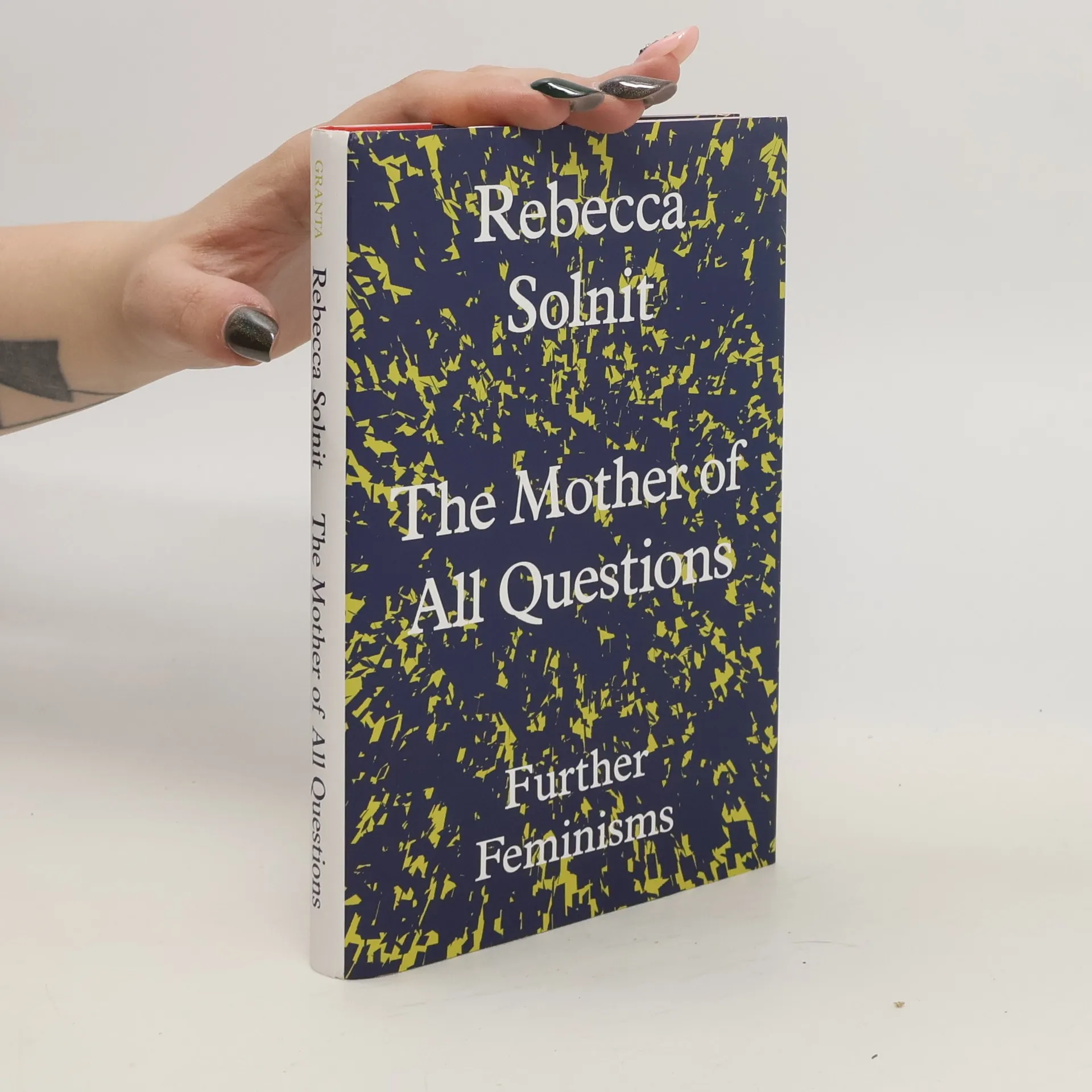
Following on from the success of MEN EXPLAIN THINGS TO ME comes a new
collection of essays in which Rebecca Solnit opens up a feminism for all of
us: one that doesn't stigmatize women's lives, whether they include spouses
and children or not; that brings empathy to the silences in men's lives as
well as the silencing of women's lives; celebrates the ways feminism has
shifted in recent years .
What makes a place? This title searches out the answer by examining the many
layers of meaning in one place, the San Francisco Bay Area. It explores the
area thematically - connecting, for example, Eadweard Muybridge's foundation
of motion-picture technology with Alfred Hitchcock's filming of Vertigo.
The world as we know it today began in California in the late 1800s, and Eadweard Muybridge had a lot to do with it. This striking assertion is at the heart of Rebecca Solnit’s new book, which weaves together biography, history, and fascinating insights into art and technology to create a boldly original portrait of America on the threshold of modernity. The story of Muybridge—who in 1872 succeeded in capturing high-speed motion photographically—becomes a lens for a larger story about the acceleration and industrialization of everyday life. Solnit shows how the peculiar freedoms and opportunities of post–Civil War California led directly to the two industries—Hollywood and Silicon Valley—that have most powerfully defined contemporary society.
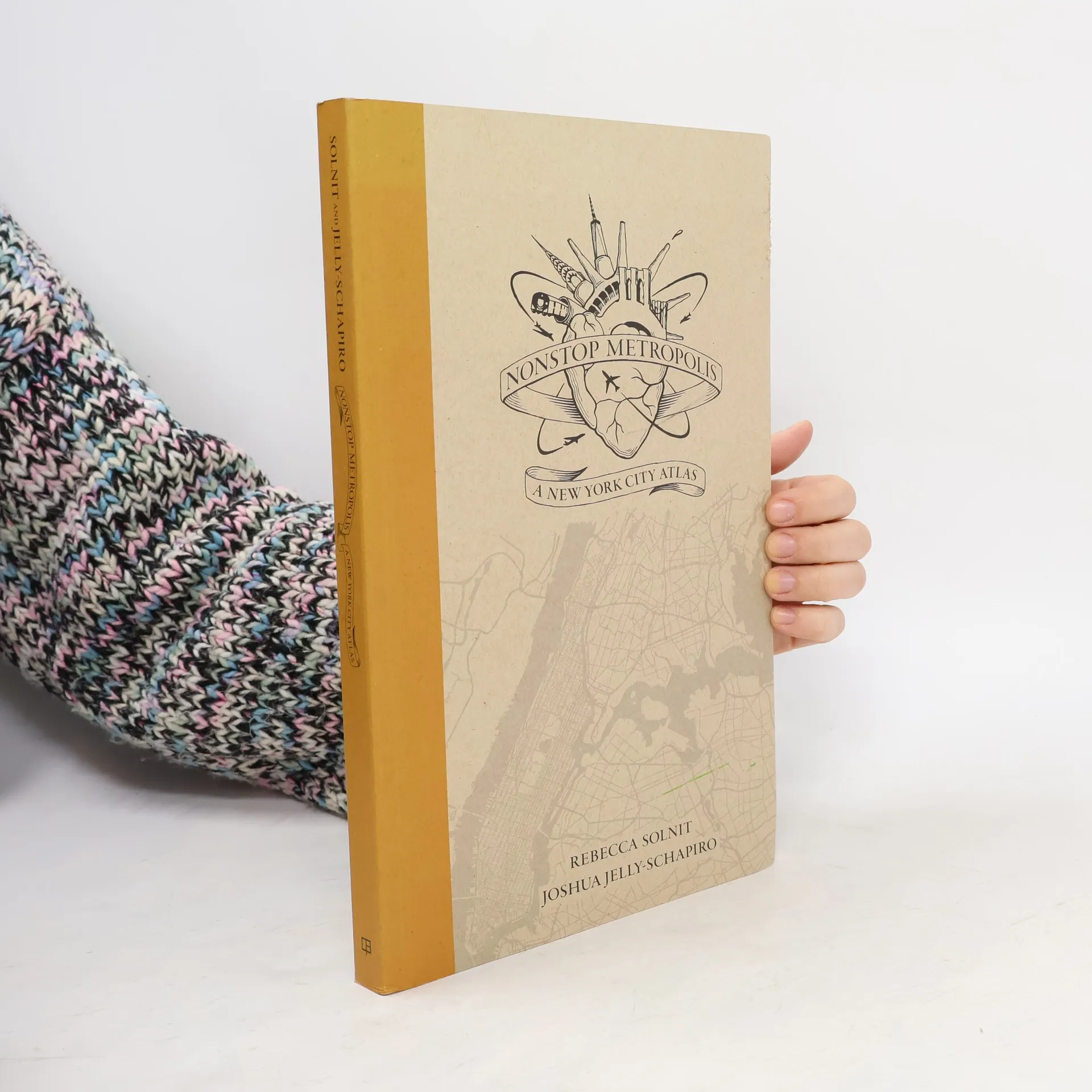
This set explores the hidden histories of San Francisco, New Orleans, and New York City. With many contributors, each atlas addresses the multi-faceted nature of a city as experienced by numerous categories of inhabitants.
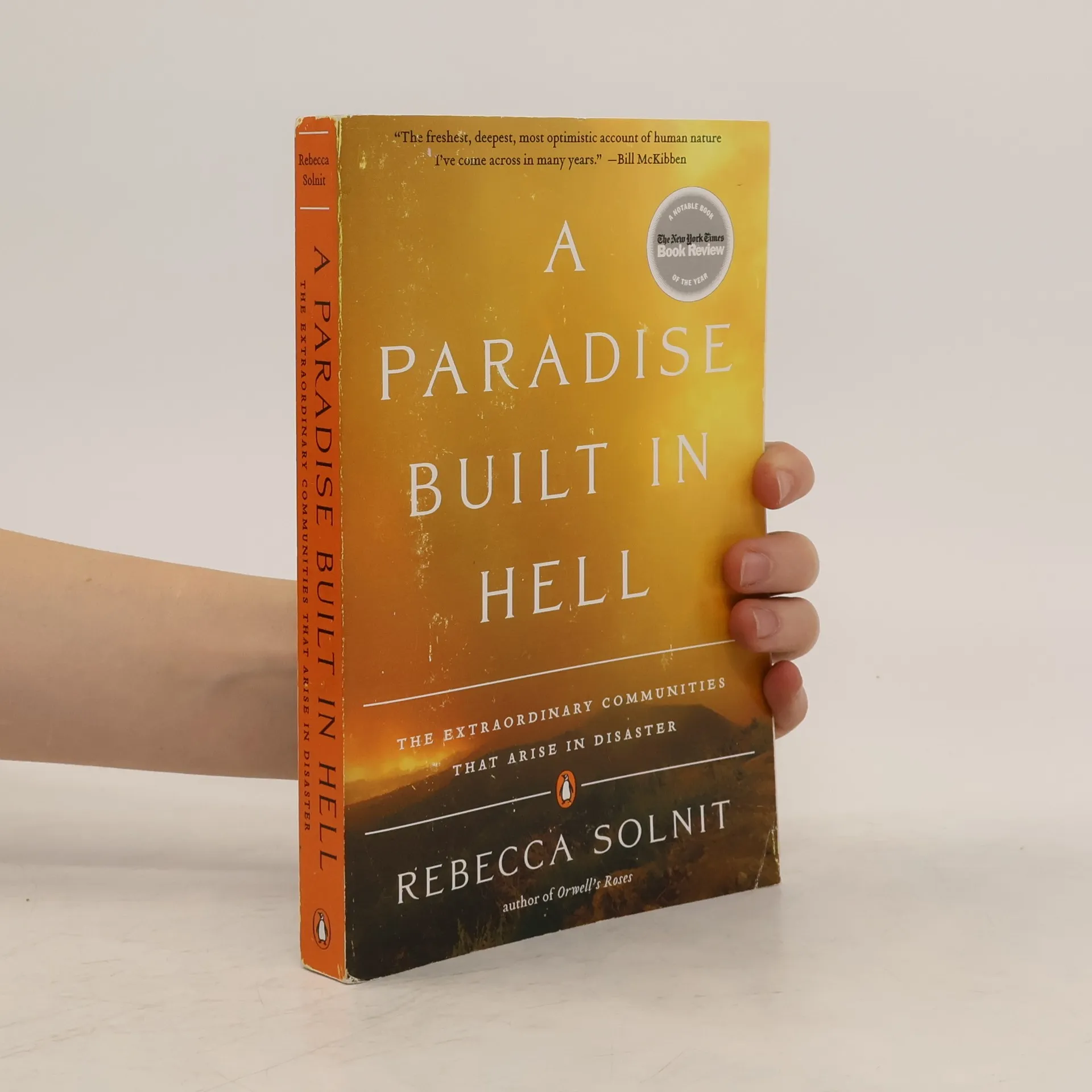
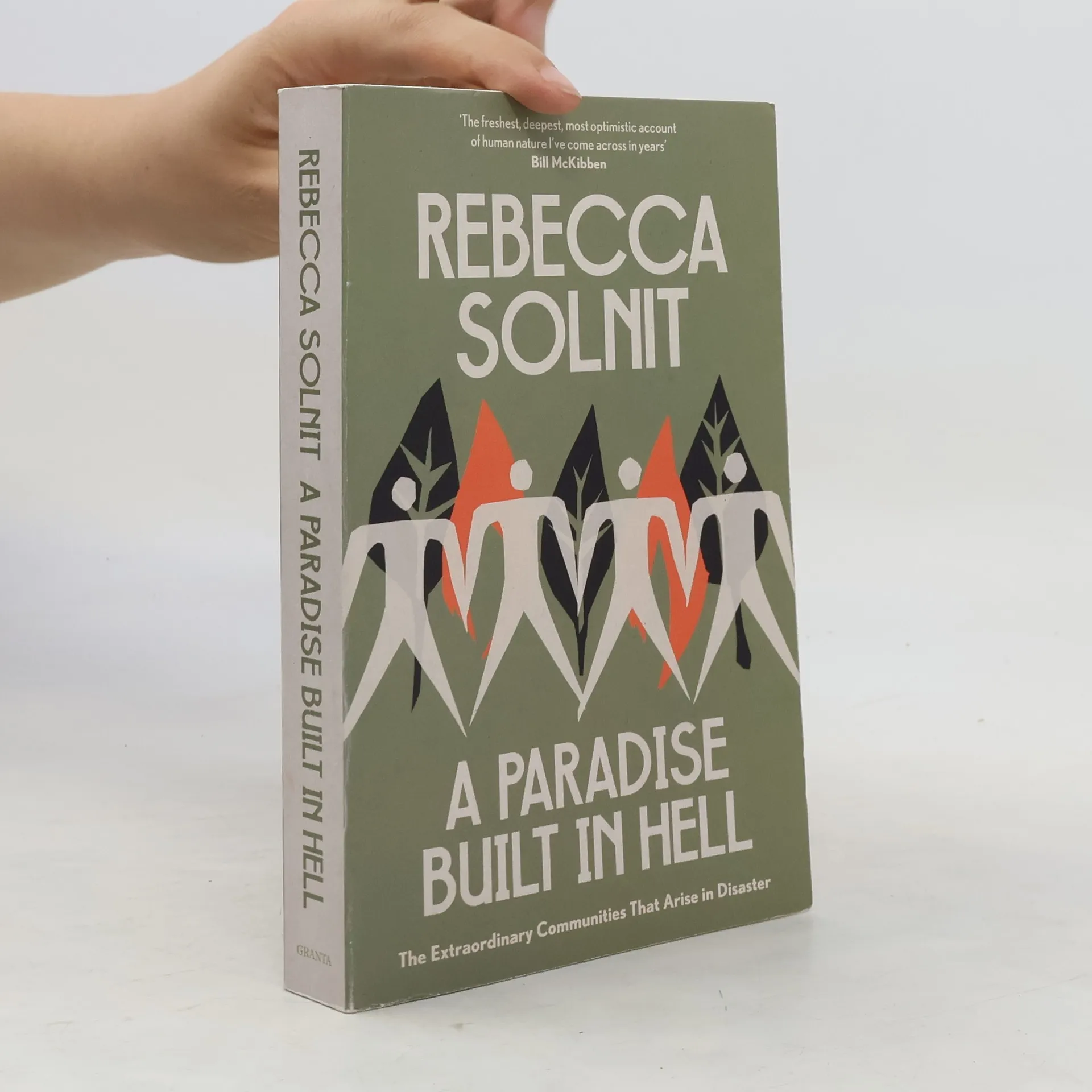
A New York Times Notable Book Chosen as a Best Book of the Year by the New York Times, Los Angeles Times, New Yorker, San Francisco Chronicle, Washington Post, and Chicago Tribune “A landmark book that gives impassioned challenge to the social meaning of disasters” —The New York Times Book Review “Solnit argues that disasters are opportunities as well as oppressions, each one a summons to rediscover the powerful engagement and joy of genuine altruism, civic life, grassroots community, and meaningful work.” —San Francisco Chronicle A stirring investigation into what happens in the aftermath of disaster, from the author of Orwell's Roses The most startling thing about disasters, according to award-winning author Rebecca Solnit, is not merely that so many people rise to the occasion, but that they do so with joy. That joy reveals an ordinarily unmet yearning for community, purposefulness, and meaningful work that disaster often provides. A Paradise Built in Hell is an investigation of the moments of altruism, resourcefulness, and generosity that arise amid disaster's grief and disruption and considers their implications for everyday life. It points to a new vision of what society could become-one that is less authoritarian and fearful, more collaborative and local.
Bestselling author Rebecca Solnit highlights the transformative power of activism and its significant impact on the world, inspiring readers to recognize the importance of collective action.
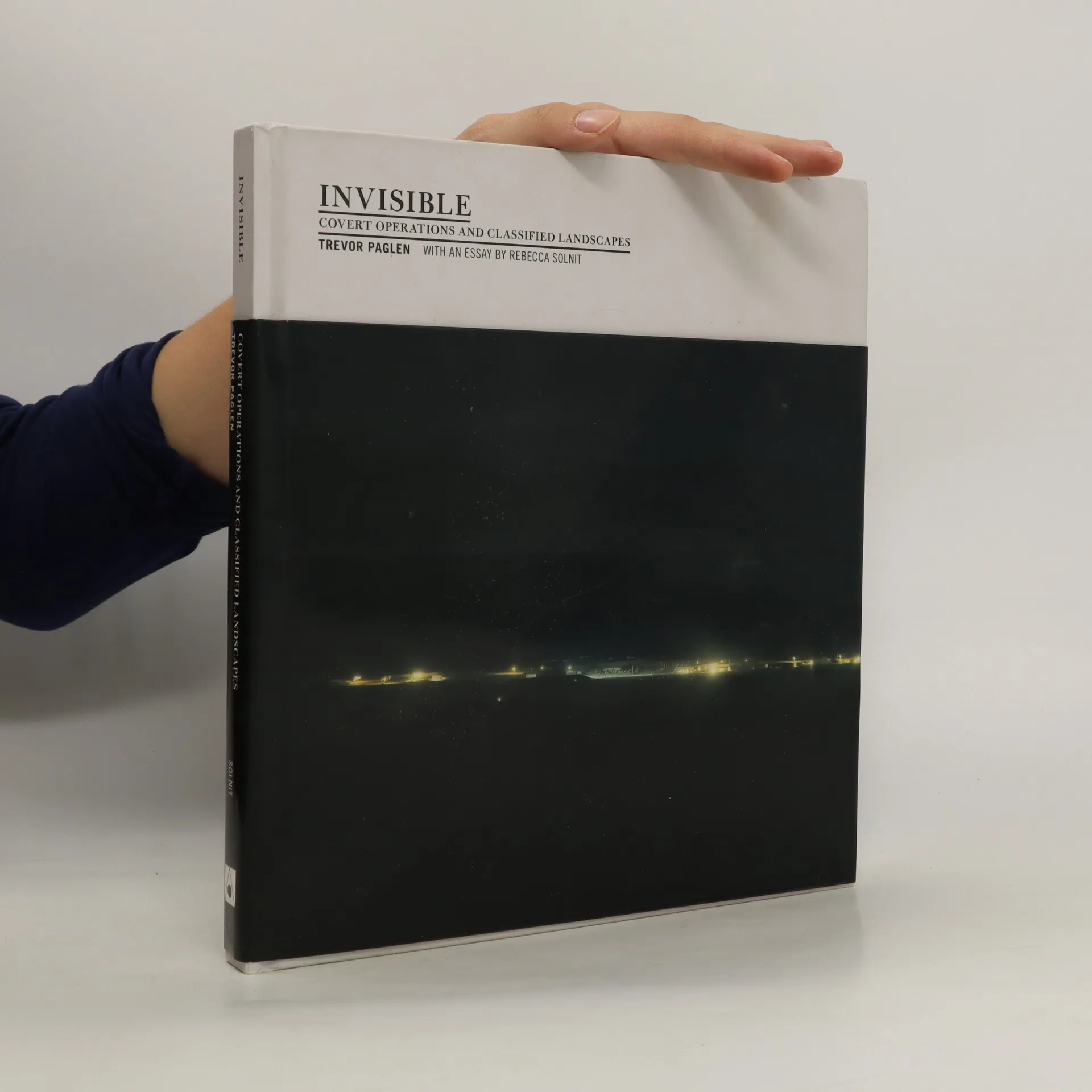
Invisible: Covert Operations and Classified Landscapes is Trevor Paglen's long-awaited first photographic monograph. Social scientist, artist, writer and provocateur, Paglen has been exploring the secret activities of the U.S. military and intelligence agencies--the "black world"--for the last eight years, publishing, speaking and making astonishing photographs. As an artist, Paglen is interested in the idea of photography as truth-telling, but his pictures often stop short of traditional ideas of documentation. In the series Limit Telephotography, for example, he employs high-end optical systems to photograph top-secret governmental sites; and in The Other Night Sky, he uses the data of amateur satellite watchers to track and photograph classified spacecraft in Earth's orbit. In other works Paglen transforms documents such as passports, flight data and aliases of CIA operatives into art objects. Rebecca Solnit contributes a searing essay that traces this history of clandestine military activity on the American landscape.
Rebecca Solnit reinvents the classic Cinderella tale with a feminist twist, introducing new plot developments that motivate young readers to embrace change and empowerment.
In times of crisis, when institutions of power are laid bare, people turn to one another. Pandemic Solidarity collects firsthand experiences from around the world of people creating their own narratives of solidarity and mutual aid in the time of the global crisis of Covid-19.The world’s media was quick to weave a narrative of selfish individualism, full of empty supermarket shelves and con-men. However, if you scratch the surface, you find a different story of community and self-sacrifice. Looking at eighteen countries and regions, including India, Rojava, Taiwan, South Africa, Iraq and North America, the personal accounts in the book weave together to create a larger picture, revealing a universality of experience - a housewife in Istanbul supports her neighbour in the same way as a teacher in Argentina, a punk in Portland, and a disability activist in South Korea does.Moving beyond the present, these stories reveal what an alternative society could look like, and reflect the skills and relationships we already have to create that society, challenging institutions of power that have already shown their fragility.
Portrays in microcosm a history made of great human tides of invasion,
colonization, emigration, nomadism and tourism. Enriched by cross-cultural
comparisons with the history of the American West, this title carves a route
through Ireland's history, literature and landscape.
Acclaimed writer Rebecca Solnit and photographer Susan Schwartzenberg survey
San Francisco's transformation through gentrification in the early millenium
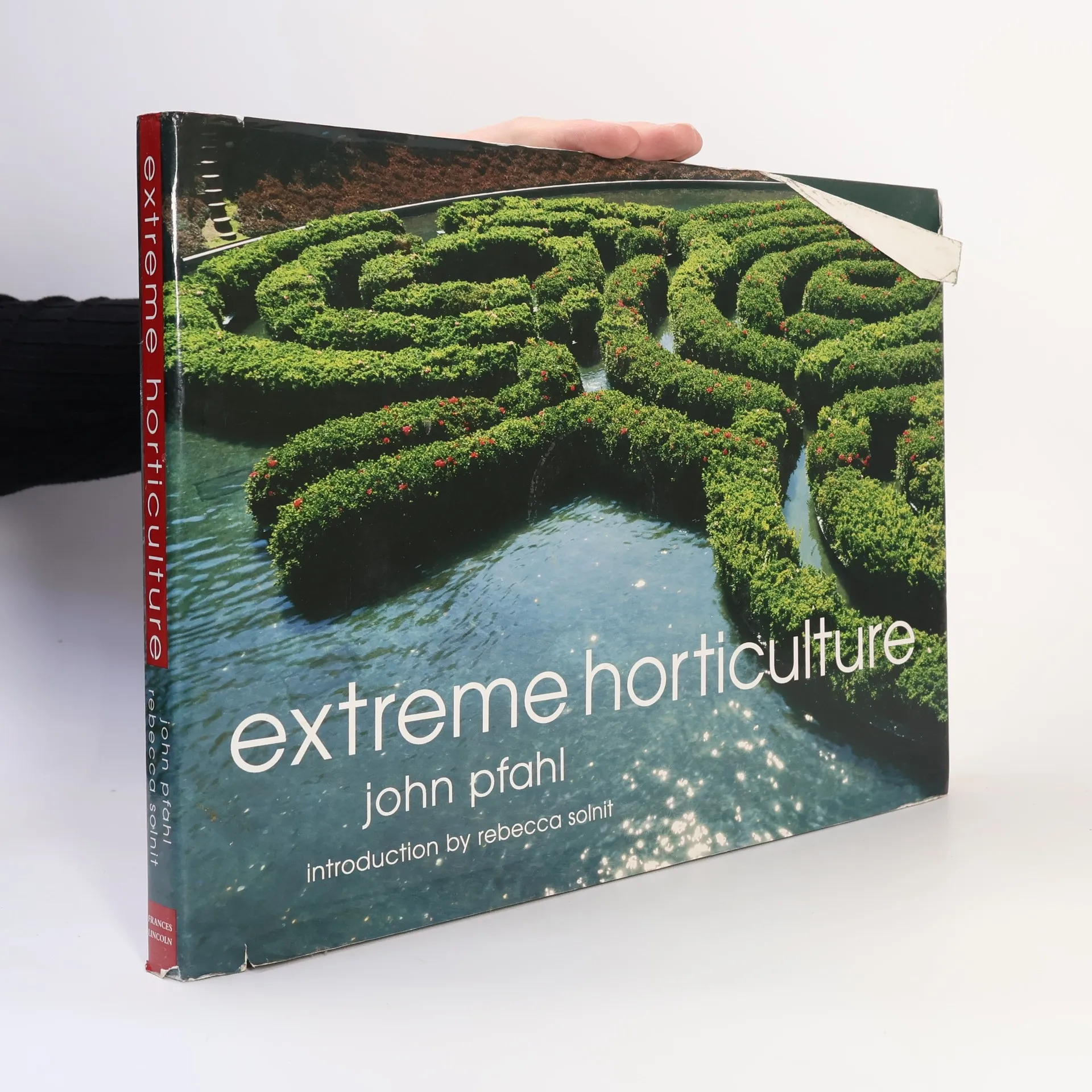
American photographer John Pfahl has an ongoing fascination with man's complex interaction with nature. This is a photographic survey of gardening at its boldest, most bizarre and most exuberant. Among the plants featured are vast flowers, terrifying sculptural cacti, outlandish topiary and extraordinary these gardens were planned and planted by true eccentrics, with surreal creativity and great humour. Subjects include huge bright orange Japanese maples, Jeff Koons' monumental "Puppy", a giant pumpkin, other-worldly cacti and "The Largest Fig Tree in the United States". Each photograph is accompanied by a detailed caption with information about the quirky gardens, the plants and their strange cultivation. Rebecca Solnit's introduction sets the plants in their historic and cultural context.