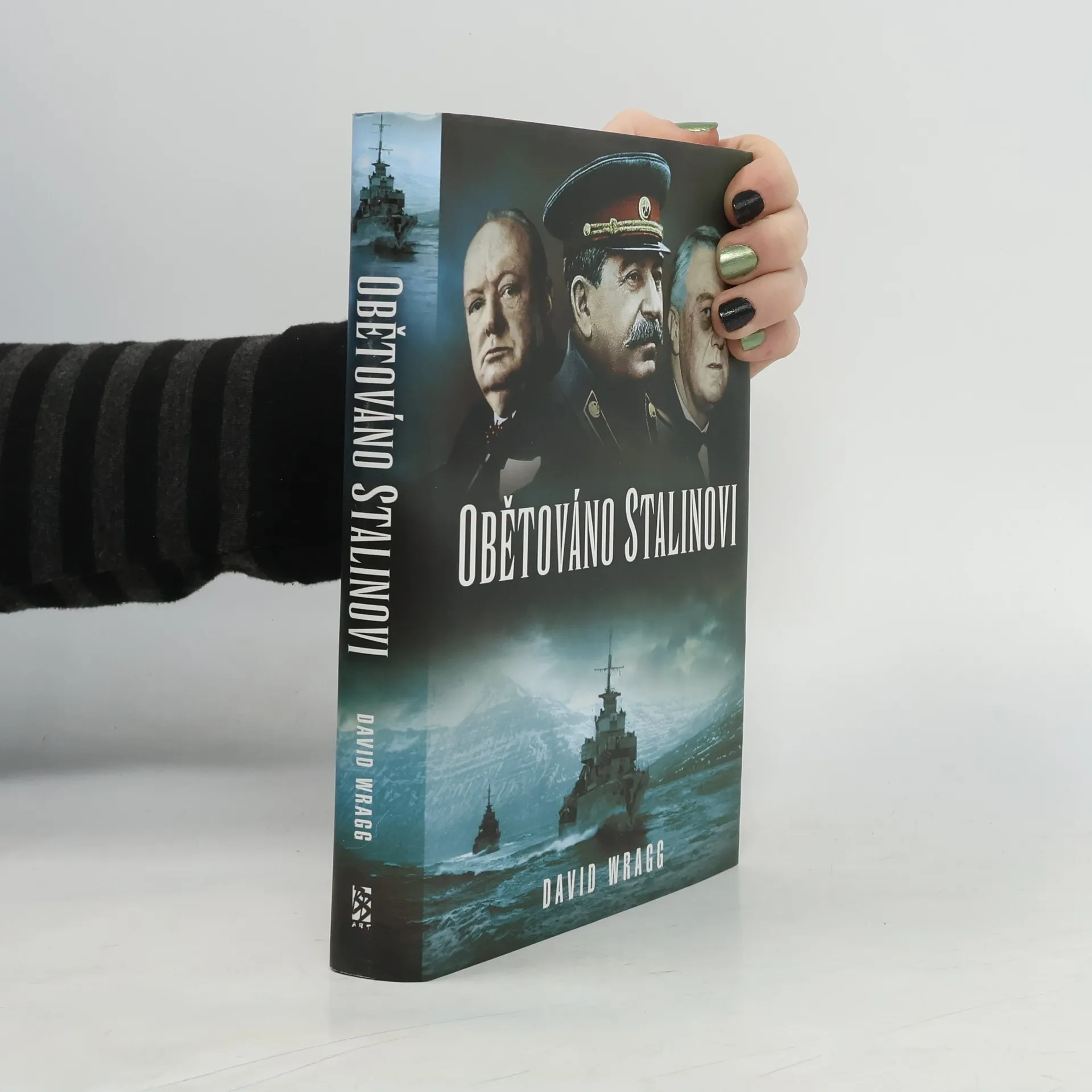
Podrobný popis činnosti a složení arktických konvojů a jejich eskort během 2.světové války, kdy v rámci spojenecké pomoci přepravovaly válečný materiál do Sovětského svazu. Uvádějí se statistické údaje o množství a druhu dodávaného materiálu, počty ztracených lodí, některé jejich charakteristiky, zaměření jejich činnosti v konvojích, a popisují se okolnosti střetů s Němci, za kterých ke ztrátám došlo. Kniha věnuje značnou pozornost charakteru a problémům tohoto spojenectví a kriticky je hodnotí.
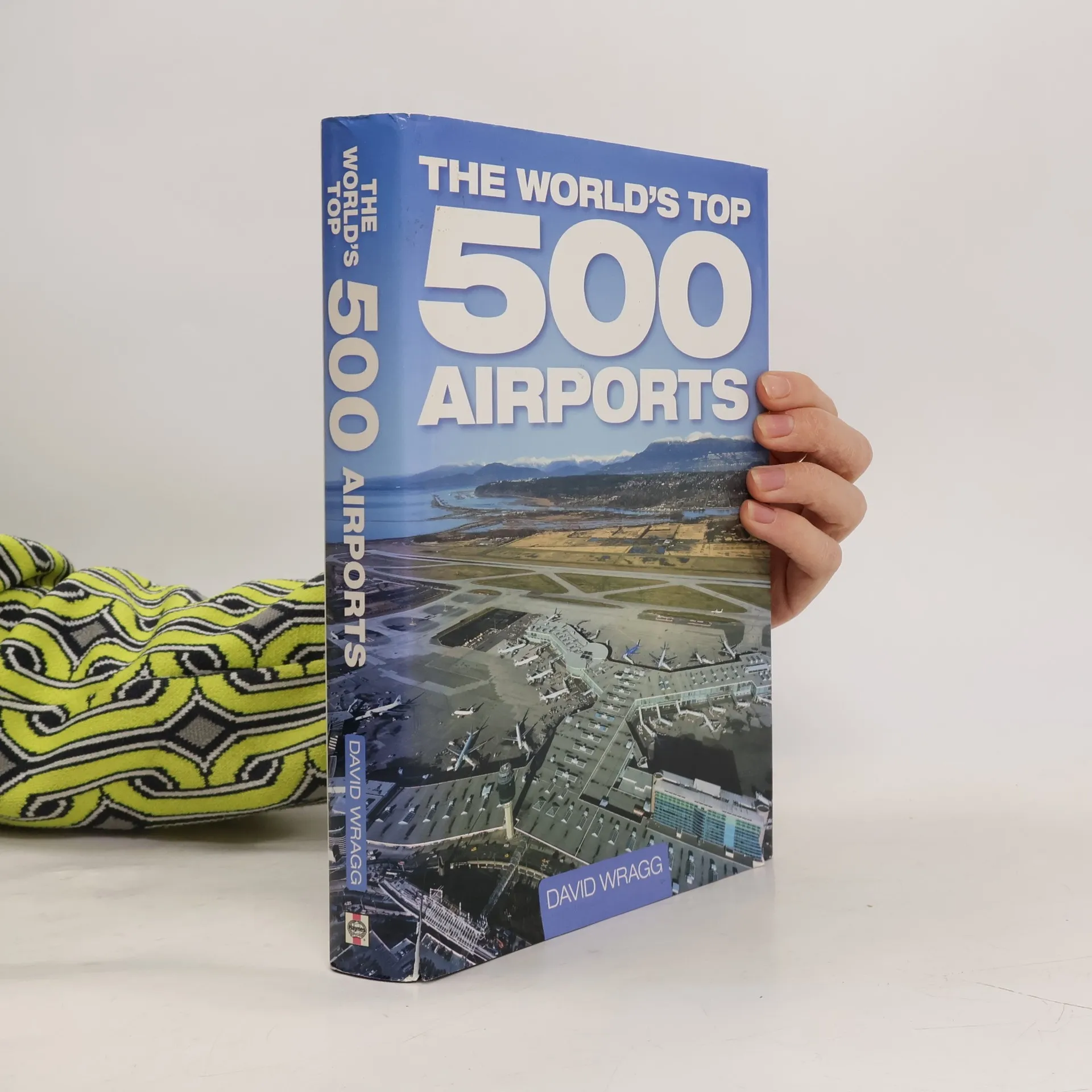
Equally loved and loathed by the public and the media, airports are crucial to the operation of passenger and airfreight services worldwide. The World’s Top 500 Airports is the leading guide on the subject. It contains a brief history of each airport, details of runways and terminals, annual passenger numbers and aircraft movements. For the €˜Top 250’ airports there is a map, details of the main user airlines, and details of whether traffic is scheduled, chartered, passenger or freight. Freight traffic figures and ranking for freight are also given. Data and world rankings are supplied by the US-based Airports Council International.
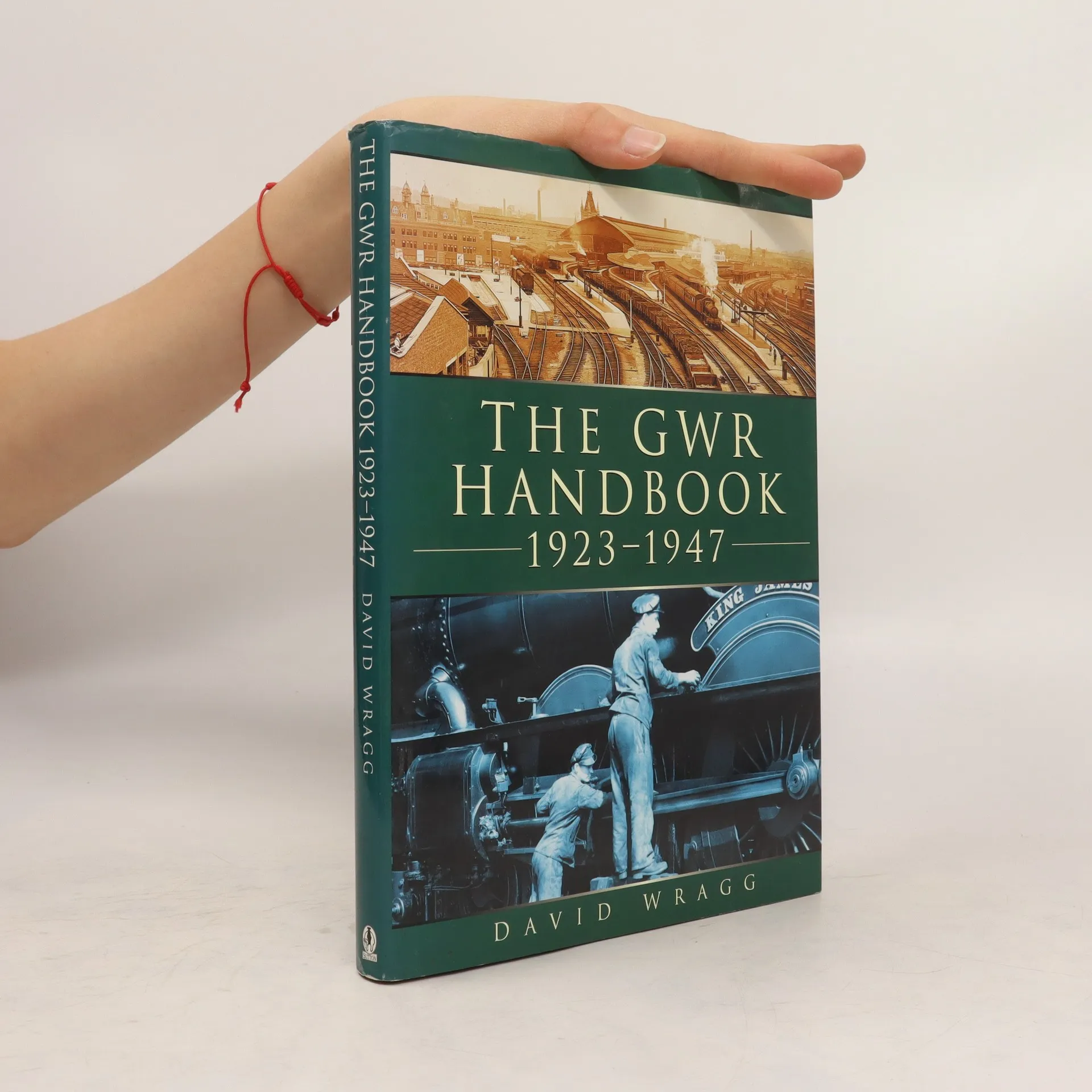
This book looks at the history and achievements of one of the greatest railway companies. The author includes photographs and diagrams illustrating the GWR's equipment, some railway stations, its network, shipping and air services, bus operations, including Western National. It also lists locomotives and includes some comparative timetables showing progress between 1923 and 1938.
Blending humor, heart, and high stakes, this installment of the Tales of the Plains trilogy continues to explore a richly crafted world. Readers can expect engaging characters and compelling adventures that elevate the stakes and deepen the narrative. David Wragg's distinctive storytelling style ensures a captivating experience as the journey unfolds in this epic tale.
Book one of the thrilling new fantasy series from David Wragg, acclaimed
author of THE BLACK HAWKS. She’s on the run. They’re out to kill. But what
happens when you catch a hunter?
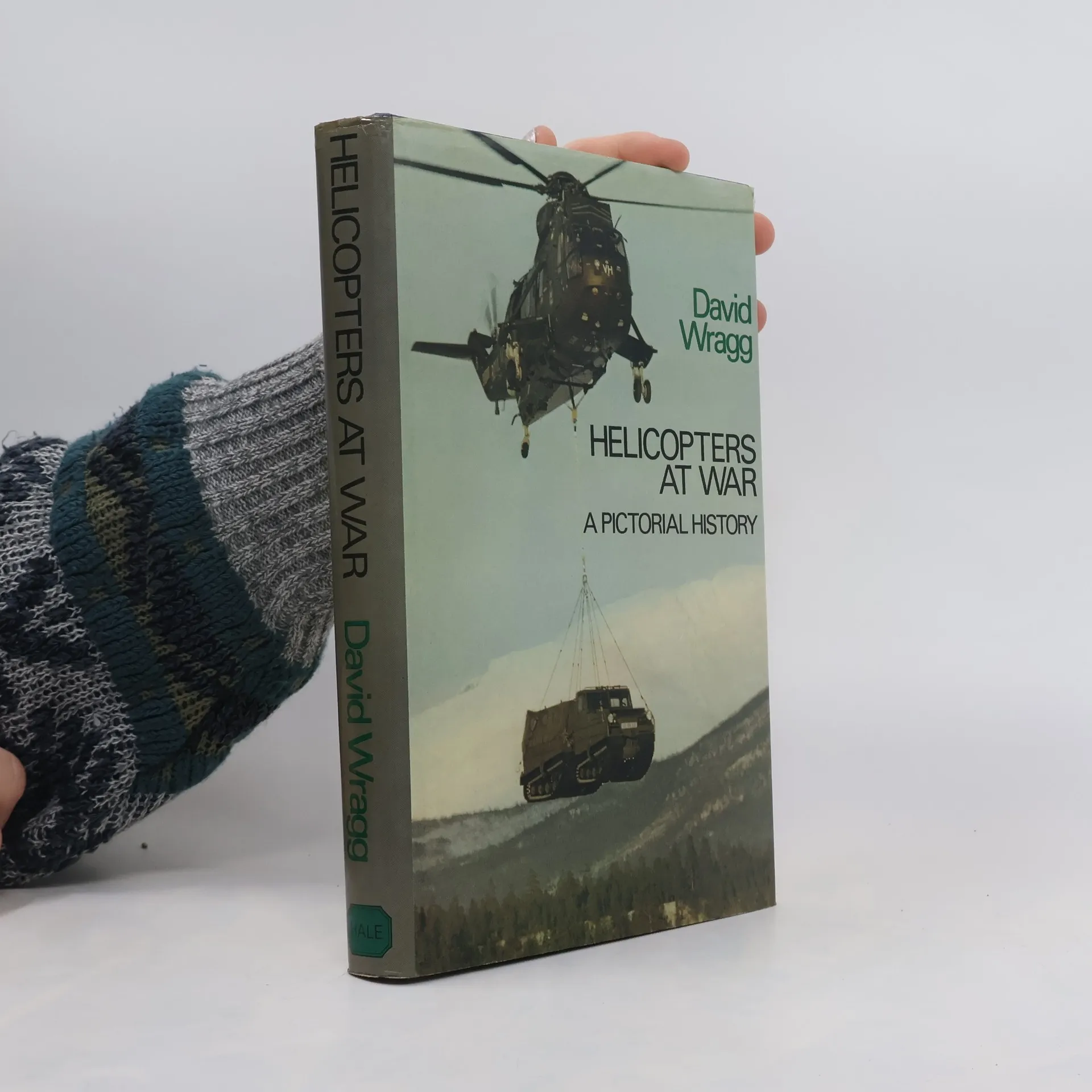
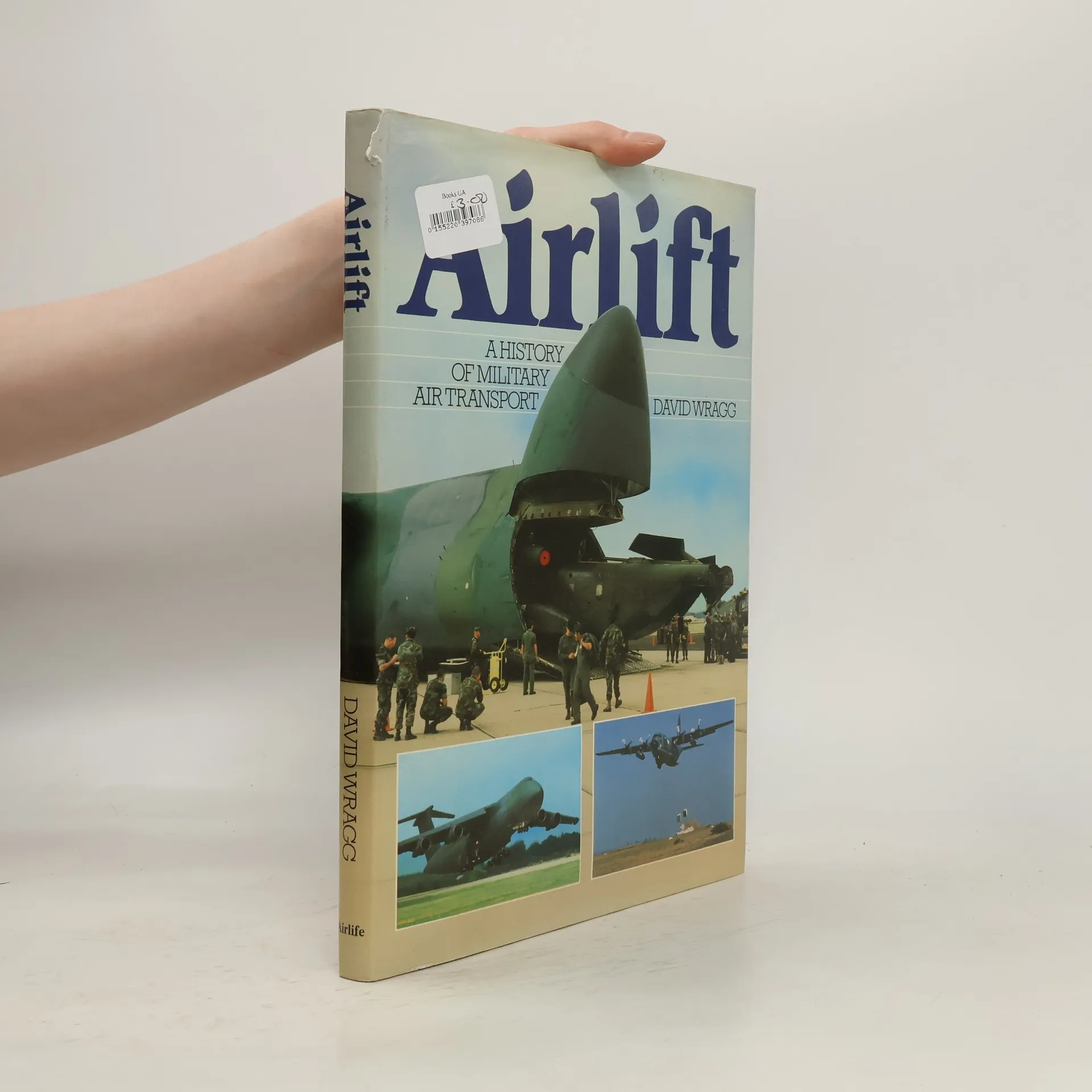
Traces the history of military air transportation from the first efforts in the 1920s to the wars in Vietnam, Afghanistan, and the Falkland Islands, and discusses relief operations as well as overt and covert military activity
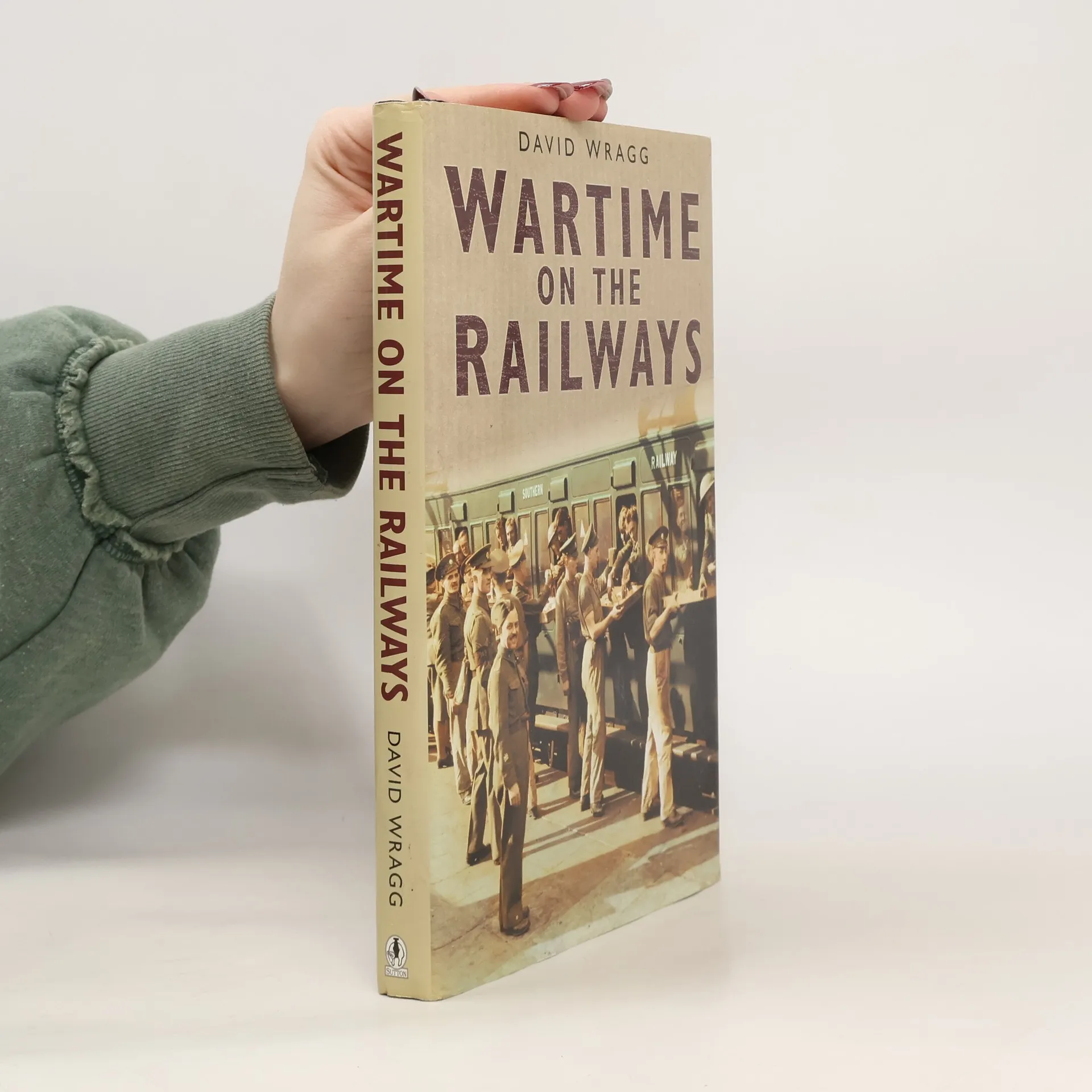
Presenting an account of the part played by Britain's railways during the Second World War, this book deals with operational matters and the impact of enemy action on railways. It also looks at financial arrangements, the part played by railway workshops in producing equipment for the military, and the wartime experience of the railways' ships.
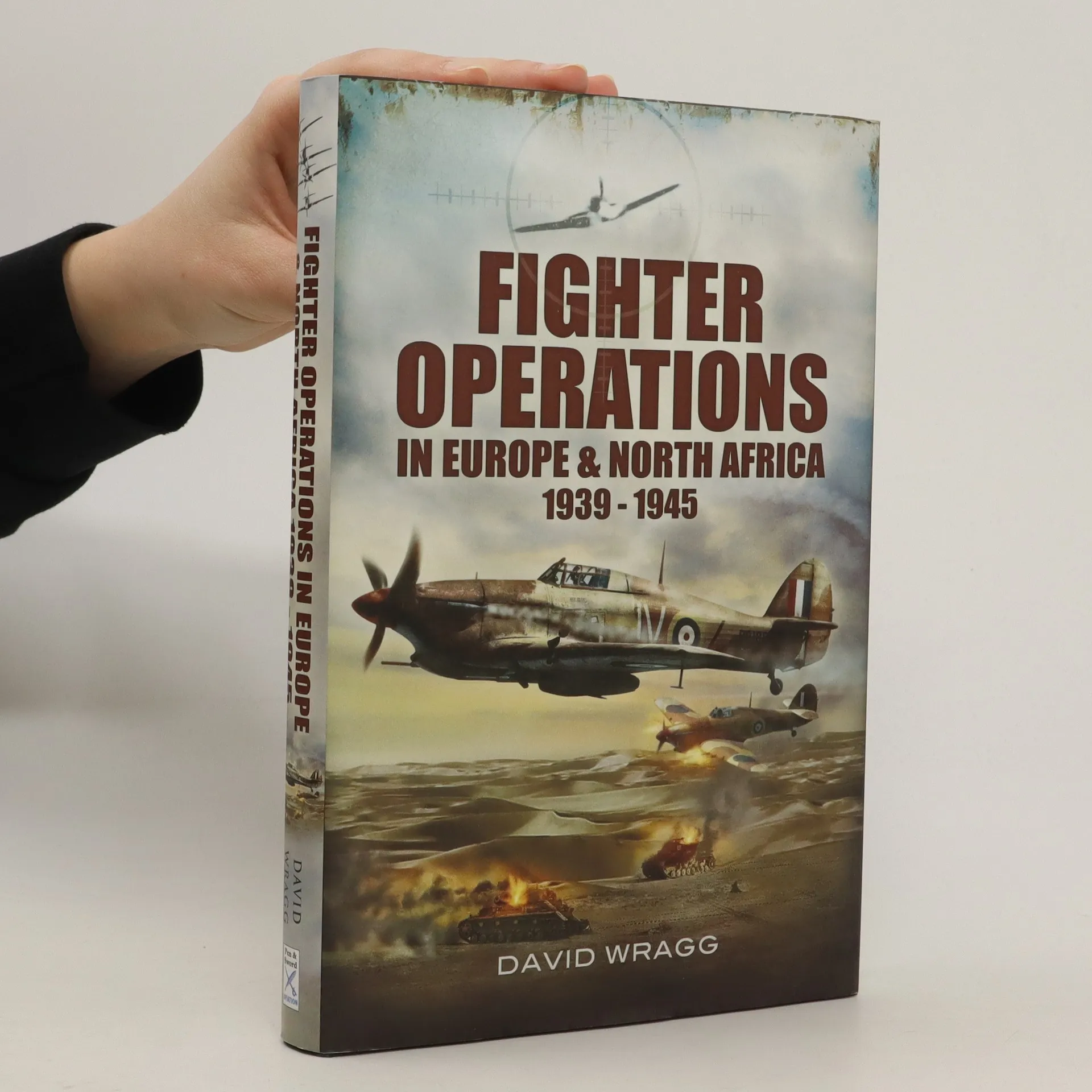
The narrative chronicles the experiences of Allied and German fighter pilots in Europe, the Mediterranean, and North Africa during World War II. It begins with early confrontations as both sides tested each other's defenses, progressing through the Battle of Britain and the Blitz. This period saw a shift from single-engined day fighters to twin-engined night fighters, with increasing missions targeting enemy airfields and communication lines in occupied France. Concurrently, the need for air cover over Malta and defensive operations in Crete and North Africa was paramount. As the balance of power shifted in North Africa, the Desert Air Force was established, integrating various Allied air forces and focusing on offensive operations to support ground troops. The invasions of Italy and Southern France also required fighter cover, initially provided by carrier-based aircraft. The insights gained in North Africa were instrumental for the 2nd Allied Tactical Air Force, which followed the advancing armies into Germany, securing crucial air supremacy that contributed significantly to the Allied victory. Additionally, the book examines the Luftwaffe fighter pilots' efforts to counter the RAF by night and the USAAF by day, facing increasingly daunting challenges.