E
- 352 stránok
- 13 hodin čítania
Consisting entirely of staff emails, this novel invites the reader to spend a fortnight in the company of Miller Shanks, an advertising agency that scales dizzying peaks of incompetence, backstabbing and pure sleaze.



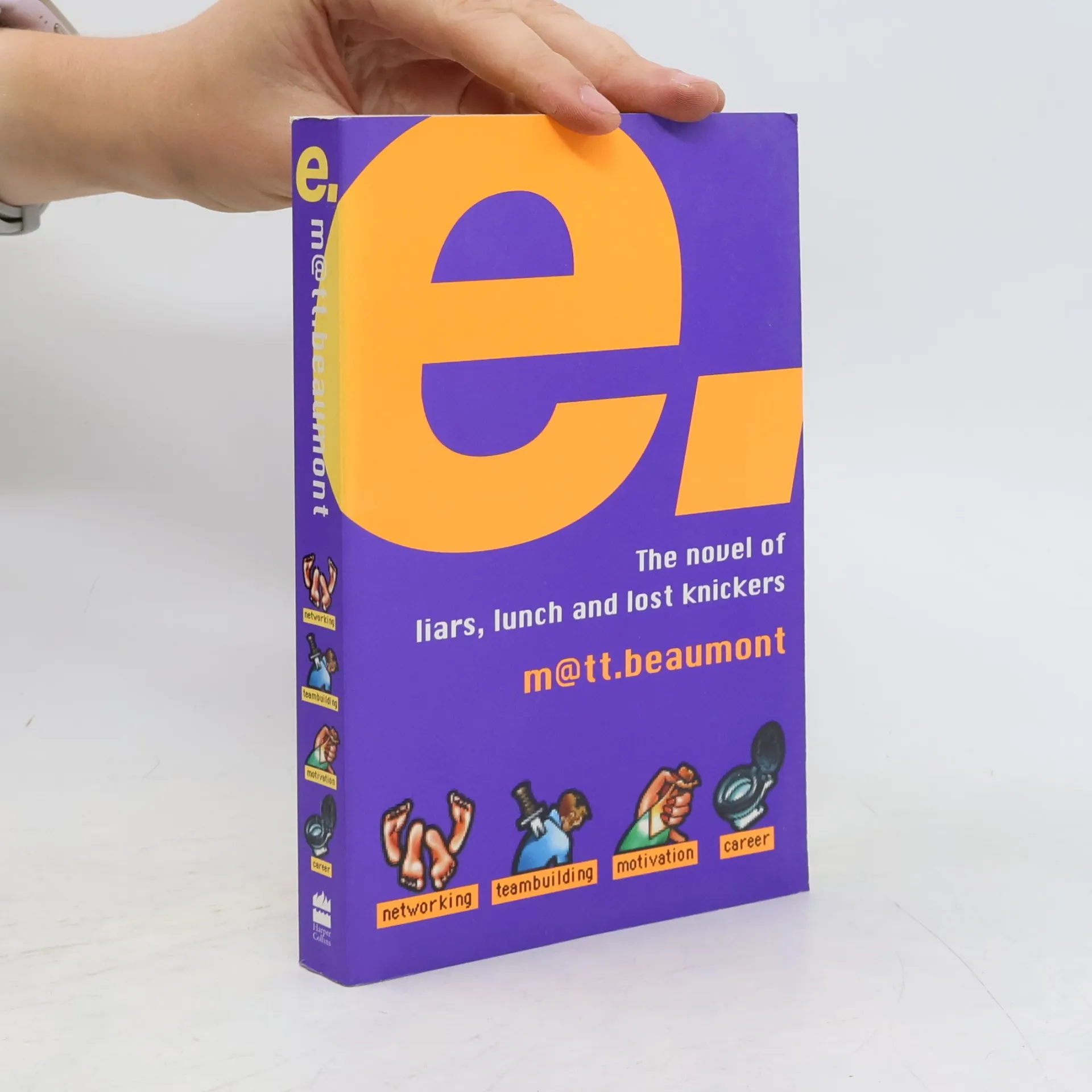
Consisting entirely of staff emails, this novel invites the reader to spend a fortnight in the company of Miller Shanks, an advertising agency that scales dizzying peaks of incompetence, backstabbing and pure sleaze.
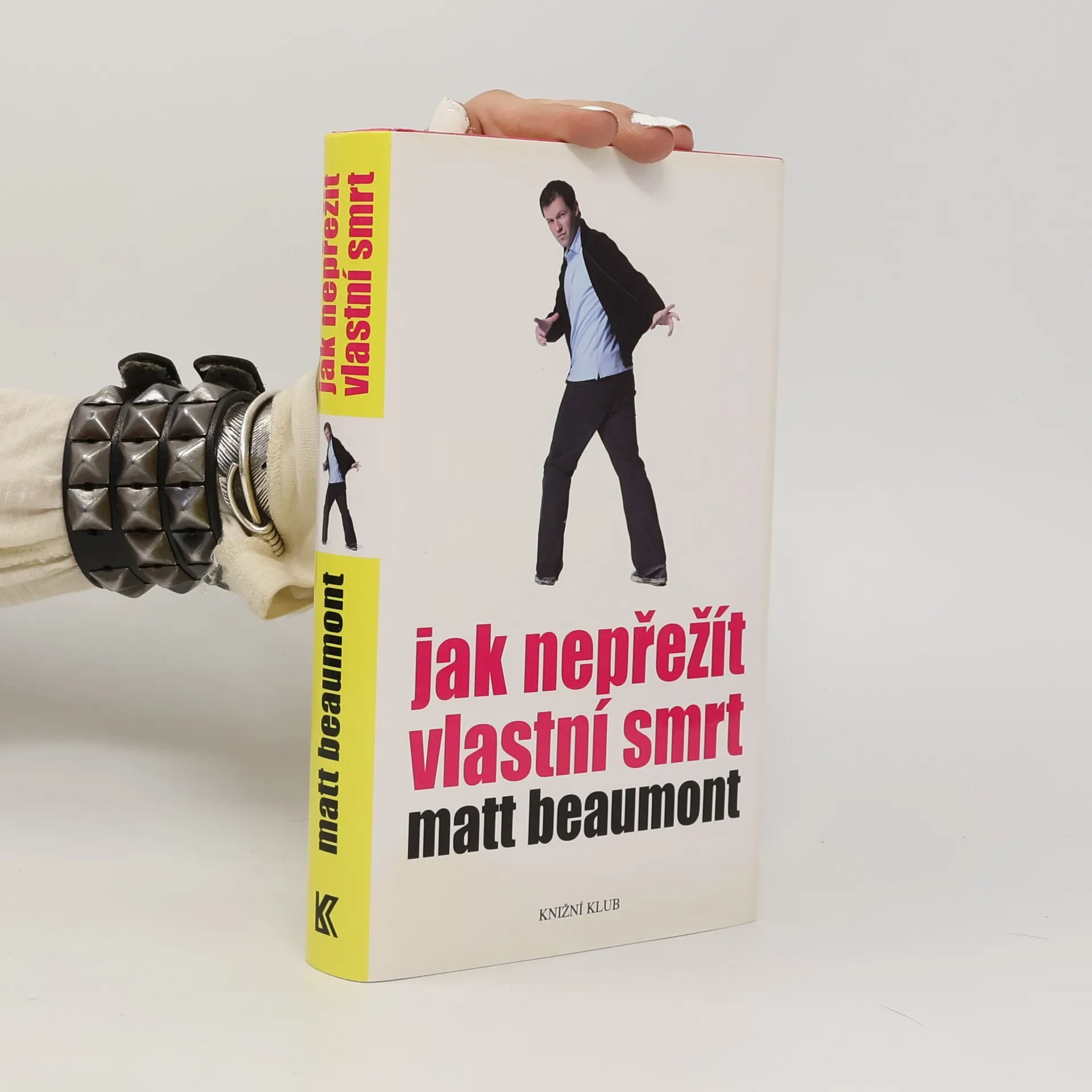
Když se Murray Colin, poslušný zaměstnanec reklamní agentury, dozvídá, že trpí zhoubnou formou nádoru na varleti, rozhodne se radikálně změnit svůj přístup k životu. Během okamžiku zlikviduje výnosnou a měsíce připravovanou kampaň na zmrzlinu, nabourá ferrari svého nadřízeného a v neposlední řadě si vypůjčí vpravdě značnou sumu od sympatických "finančníků" v Soho, kteří se vyznačují silným ruským přízvukem a neortodoxními metodami sloužícími k vymáhání dluhů. Ostatně čeho se obávat: Murrayho předpokládané datum úmrtí je v pohodlném předstihu před termínem splatnosti. Později se však Murray dozvídá, že v nemocnici došlo k omylu - záměně testů - a byla mu tak diagnostikována metastázující rakovina, kterou podle všeho nemá. Najednou se musí vyrovnávat s obviněním z vraždy, několika vloupání a v neposlední řadě se ozývají i "věřitelé", kteří se dozvěděli o Murrayho malém "zamlčení" choroby… Beaumontův vtipný a čtivým způsobem sepsaný román Jak nepřežít vlastní smrt¸v němž autor nešetří černým humorem, je přesvědčivý především zásluhou dialogů, které zřetelně následují moderní filmovou a televizní řeč a zajišťují tak nebývalý spád děje, ale také díky četným ironickým postřehům hlavního hrdiny, jimiž je příběh prokládán a zároveň komentován. Udrží tak bez problémů čtenáře v pozornosti i v pobavení až do náležitě vyhroceného finále.
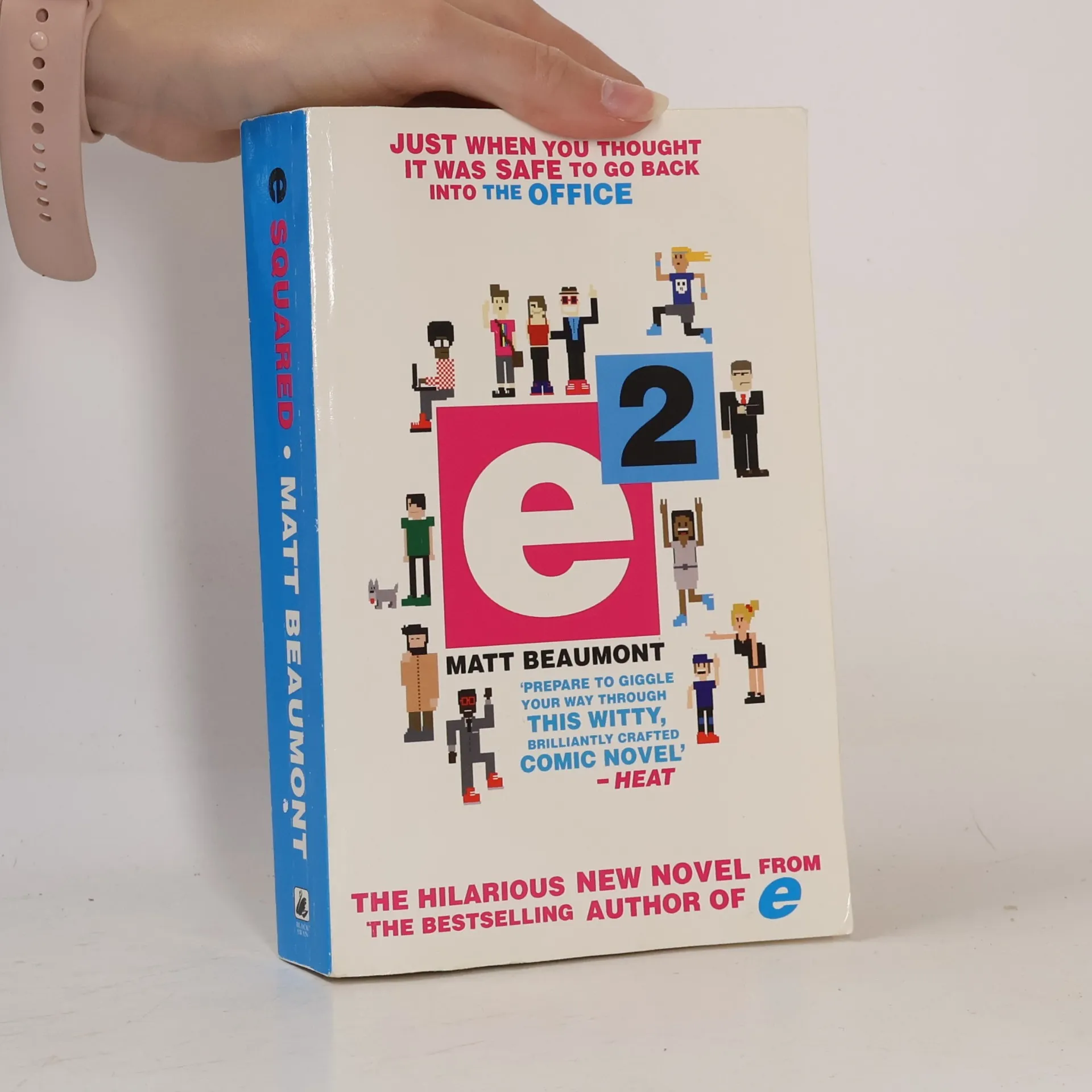
Dlouho očekávané pokračování románu E, vyprávěné výhradně prostřednictvím e-mailů, SMSek, chatů a blogů, přináší neskutečně zábavný vhled do srdcí, myslí a emailových schránek té nejkouzelněji nefunkční reklamní agentury na světě. Z popela agentury Miller Shanks odsouzené k záhubě povstal její nástupce Meerkat 360, společnost 21. století, která je tak vyspělá, že má i vlastního kadeřníka. Mezi zaměstnanci nechybí ani David Crutton, generální ředitel s nejtragičtějším e-mailovým podpisem všech dob, Milton Keane, stoprocentně heterosexuální osobní asistent toužící se proslavit v televizní reality show, nebo Harvey Harvey, kreativec, který zdvořile odpovídá i na spamy s pornografickým obsahem a možná zrovna potkal na internetu svou budoucí ženu – bohatou nigerijskou princeznu, která se ocitla v nesnázích…
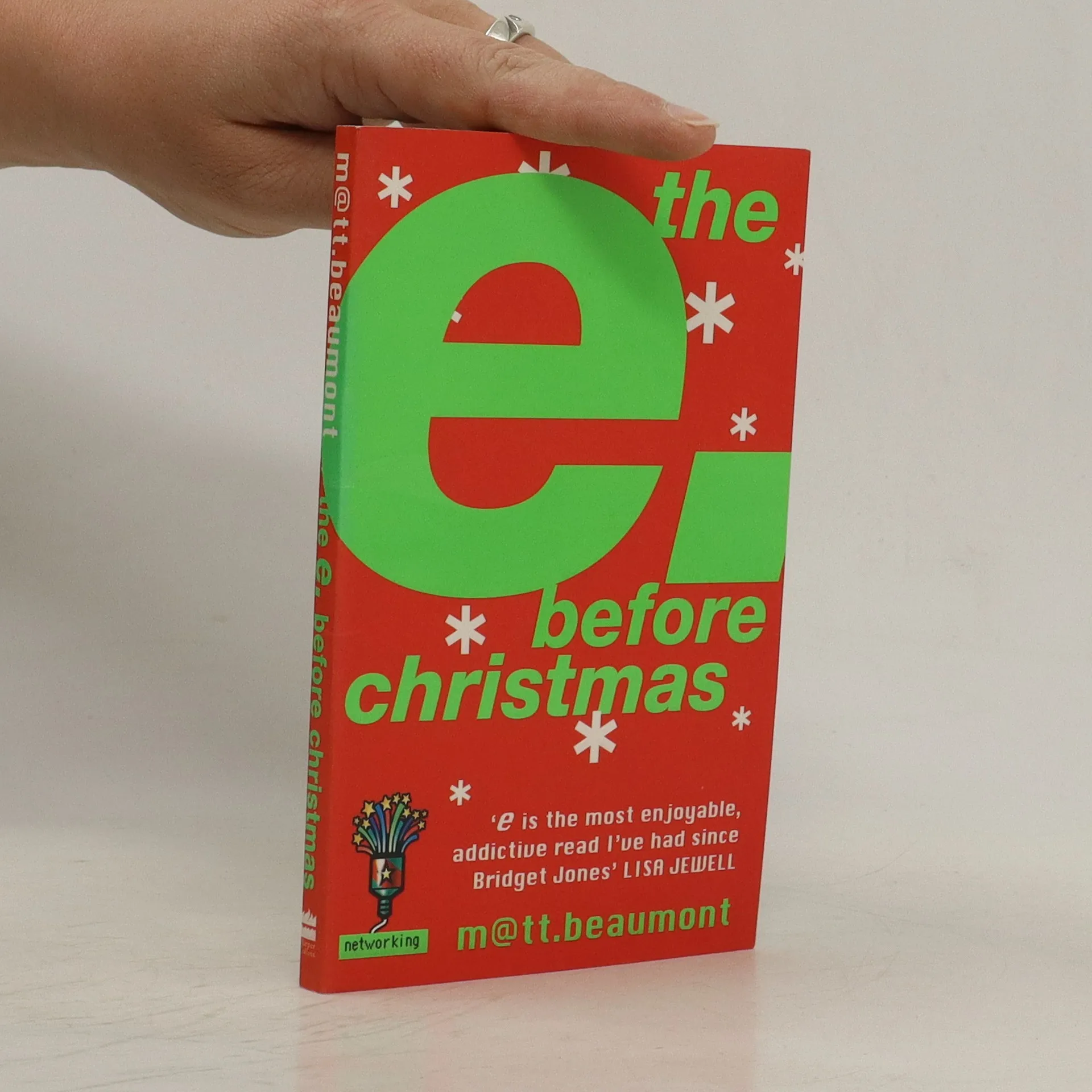
The Miller Shanks Christmas party is going to be the best and most impressive ever -- or at least, that's the plan. It certainly turns out to be unforgettable... Once again told entirely in a series of e-mails, the further adventures of the characters from e take them into the run-up to Christmas. Harriet's determined to make her first party as MD mega-memorable, but even her much-tested imagination can't predict what actually happens. Meanwhile, Pinki wants to change the world by introducing Real Women Barbies and Simon has resurfaced to write a novel -- which is rejected by a publishing director known to many of us...
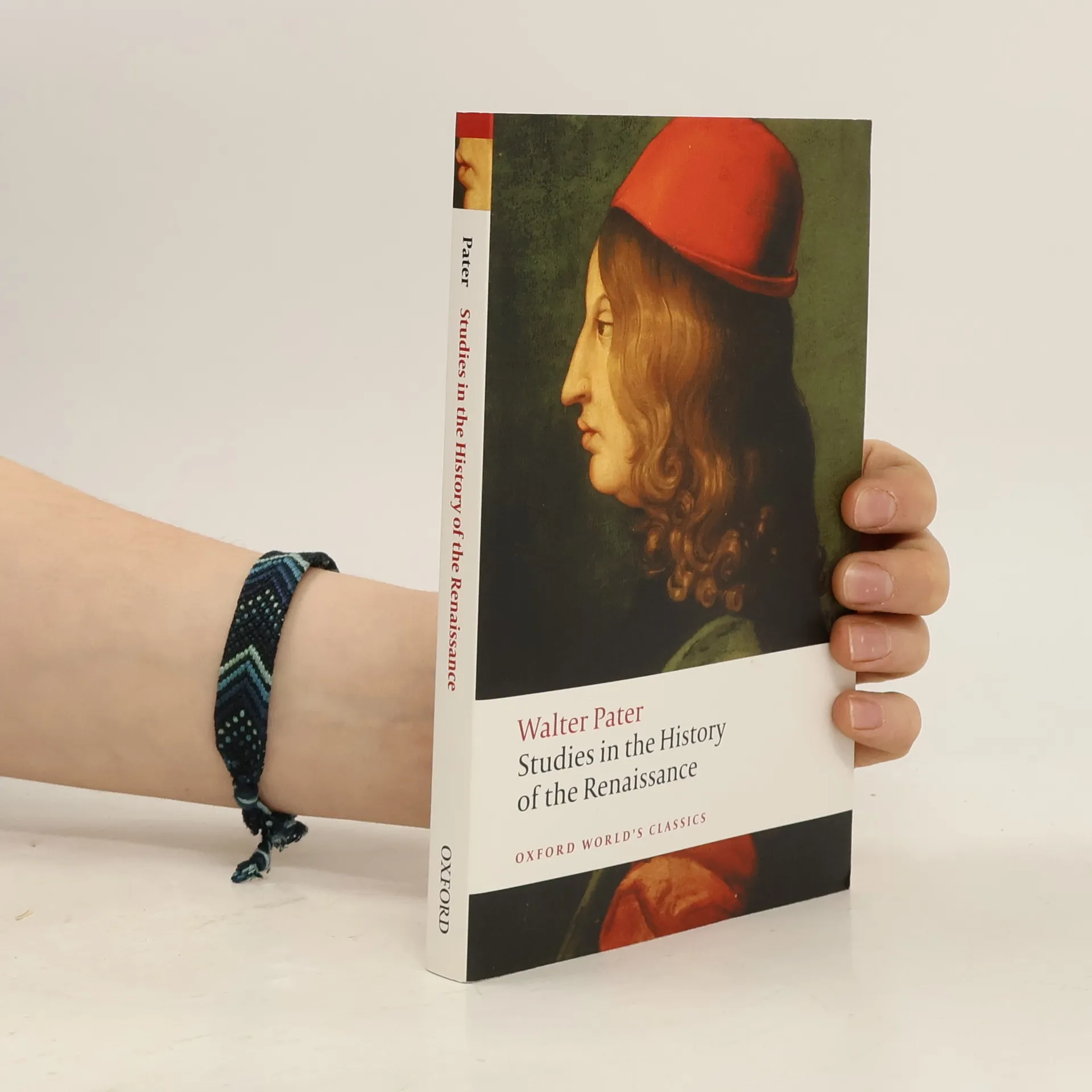
Through his highly idiosyncratic readings of some of the finest paintings, sculptures, and poems of the French and Italian Renaissance, Walter Pater in Studies in the History of the Renaissance redefined the practice of criticism as an impressionistic, almost erotic exploration of the critic's aesthetic responses. Pater's infamous nullConclusion, null which forever linked him with the decadent movement, scandalized many with its insistence on making pleasure the sole motive of life, even as it charmed fellow aesthetes such as Oscar Wilde. This edition of Studies reproduces the text of the first edition of 1873. Matthew Beaumont's Introduction describes the cultural context that gave rise to the book, the reasons for its notoriety, Pater's philosophical outlook, and the arguments in his book. It explores Pater's work as an attempt to preserve the unique aesthetic of a work of art in the face of encroaching mass culture. The book also includes the later chapter on Giorgione as an Appendix, comprehensive notes that identify the many literary and artistic references, and a useful glossary of names. - Publisher
Out of the ashes of doomed ad agency Miller Shanks has risen Meerkat 360, a very 21st century workplace. and Harvey Harvey, a creative who politely replies to pornographic spam and who might just have met his future wife online - a rich Nigerian princess in deep trouble...
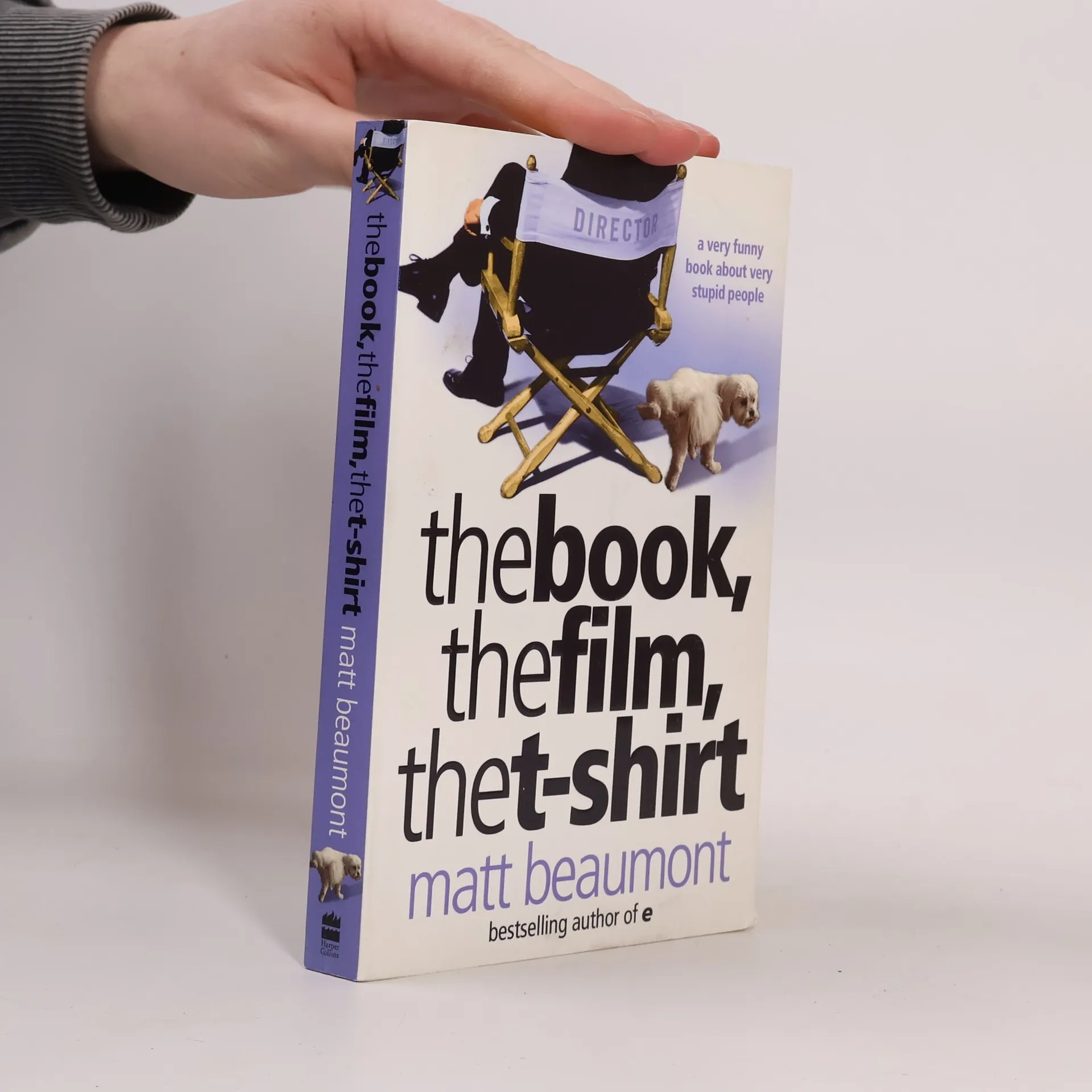
One week in the making of a TV commercial for car tyres -- as told by the inimitable Matt Beaumont, author of e What does a successful adman do when he realises the stars of his new commercial want to kill each other, his director has walked off the set and his client has turned up in the wrong T-shirt? How does one of these stars react when he's asked if it's true that he's packing salami in his shorts? Why on earth does the other one think that dueting with a Chinese Elvis impersonator could be a smart career move? What does the adman's pregnant, swollen-ankled wife do when she realises the cheating bastard just happens to be shooting an ad with a rubber-clad Hollywood nymph? And how could any of the above possibly have a connection to the world's most useless drug smuggler?
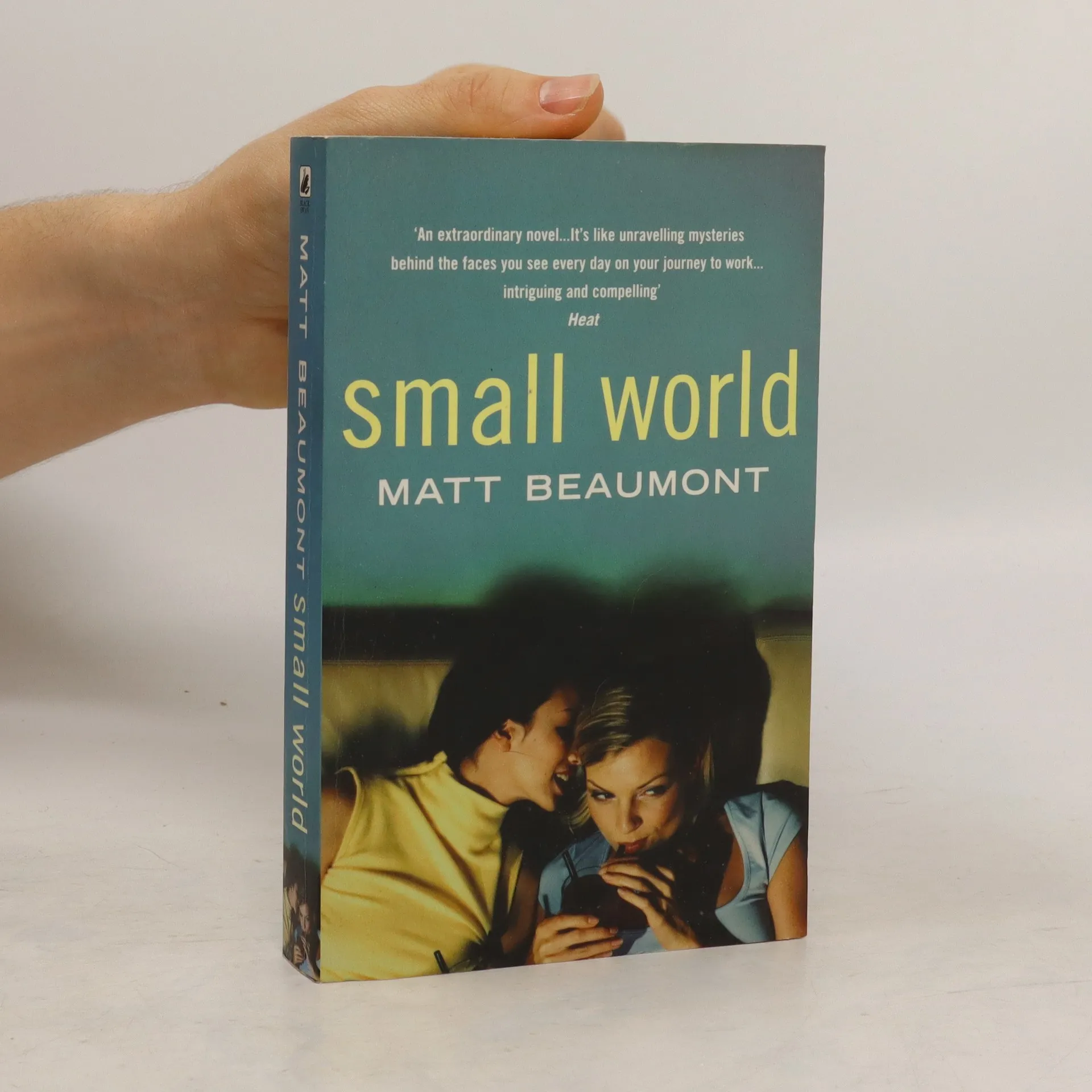
Can we ever be truly in control of our own destinies, or are our lives entirely shaped by random events and unknown people? Small World is an entirely contemporary and engrossing page-turner which explores universal themes of love, death, friendship, marriage, madness, and redemption, unifying them all through this central question. Friends, family, workmates. The woman you see at the bus stop every morning; the man who reaches for the last newspaper just before you get to it. Everyone you meet, and some you nearly meet, will have an impact on the way your day goes.
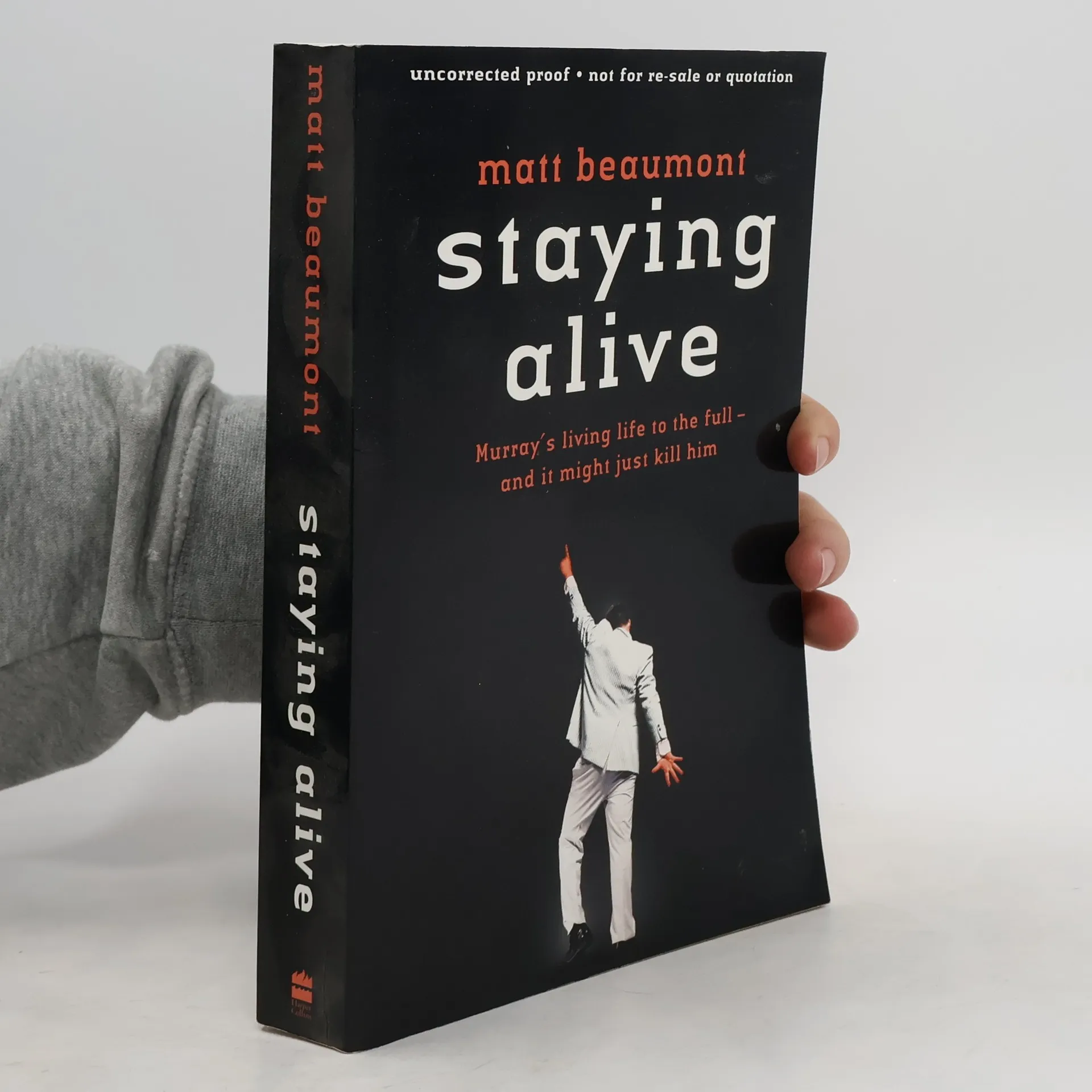
From the bestelling author of 'e' comes a hilarious novel of a very normal life becoming extraordinaryMurray's life is on the duller side of normal. His once-scintillating career has run into a dead end. His crusading girlfriend has left him for a hotshot lawyer. While he likes things safe and tidy, he dreams of more, getting in touch with his inner Jimi Hendrix. But finding a lump and discovering he has four months to live isn't what he had in mind. What would you do? Murray, to his great astonishment, is soon living with a burglar, mixing with supermodels, charged with murder and in massive debt to slipper-wearing gangsters. And he's finally said what he thinks in a meeting. So who cares? He's living life to the full. But what if it's all a mistake and he has to face the consequences...
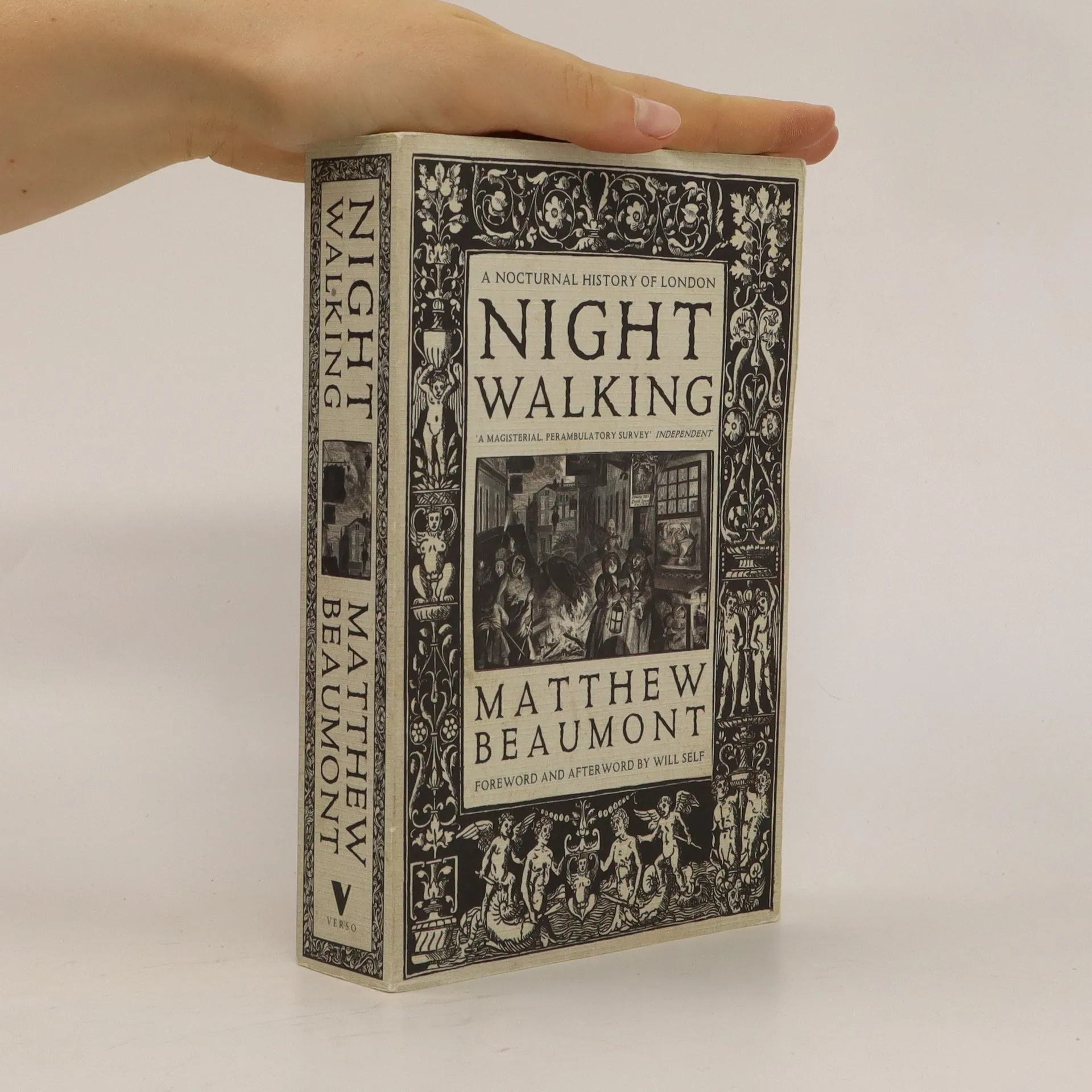
"There is no such thing as a false step. Every time we walk we are going somewhere. Especially if we are going nowhere. Moving around the modern city is not a way of getting from A to B, but of understanding who and where we are. In a series of riveting intellectual rambles, Matthew Beaumont retraces episodes in the history of the walker since the mid-nineteenth century. From Dickens's insomniac night rambles to restless excursions through the faceless monuments of today's neoliberal city, the act of walking is one of self-discovery and self-escape, of disappearances and secret subversions. Pacing stride for stride alongside literary amblers and thinkers such as Edgar Allan Poe, André Breton, H. G. Wells, Virginia Woolf, Jean Rhys and Ray Bradbury, Beaumont explores the relationship between the metropolis and its pedestrian life. Through these writings, Beaumont asks: Can you get lost in a crowd? What are the consequences of using your smartphone in the street? What differentiates the nocturnal metropolis from the city of daylight? What connects walking, philosophy and the big toe? And can we save the city--or ourselves--by taking to the pavement?" -- From publisher's website
In Nightwalking Matthew Beaumont recounts an alternative history of London-populated by the poor, the mad, the lost, the vagrant and the noctambulant. He shines a light on the shadowy perambulations of poets, novelists and thinkers: Chaucer and Shakespeare; William Blake and his ecstatic peregrinations and the feverish ramblings of opium addict Thomas De Quincey; and, among the lamp-lit literary throng, the supreme nightwalker Charles Dickens. We discover how the nocturnal city has inspired some and served as a balm or narcotic to others.
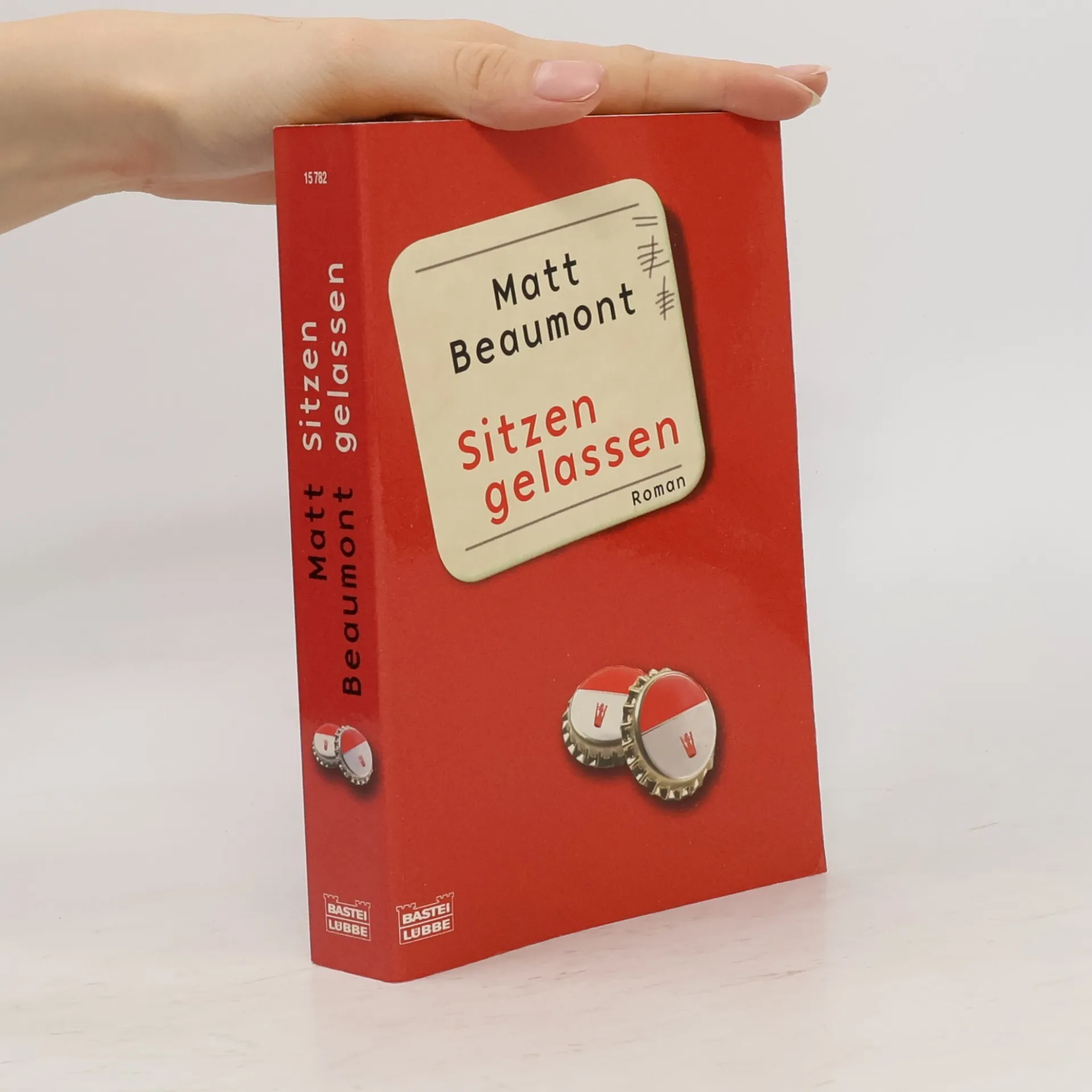
Alvin ist ein Gutmensch. Er arbeitet mit verhaltensgestörten Teenagern. Doch Alvin gibt die Hoffnung nie auf. Rückhalt findet er bei seiner Frau, Karen, und den Kindern. Alvin lebt ein glückliches Leben. Bis eines Tages ein Mädchen, das er betreut auf die schiefe Bahn gerät. Alvin will ihr helfen. Doch Karen wittert eine Affäre und verlässt ihn. Bald ist Alvin nur noch von Teenies umgeben, deren Hauptsorge Klingeltöne und Computerspiele sind. Können sie ihm helfen, sein Leben wieder in den Griff zu bekommen?
Immer, wenn wir gehen, gehen wir irgendwohin. Vor allem, wenn wir nirgendwohin gehen. Wenn wir uns in der modernen Stadt bewegen, geht es nicht nur darum, von A nach B zu kommen, sondern darum, zu verstehen, wer und wo wir sind. In fesselnden intellektuellen Streifzügen zeichnet Matthew Beaumont Episoden aus der Geschichte des Fußgängers seit der Mitte des 19. Jahrhunderts nach. Von Dickens’ nächtlichen Spaziergängen bis hin zu rastlosen Wanderungen durch die gesichtslosen Monumente der heutigen neoliberalen Stadt ist das Gehen Selbstfindung und Selbstflucht, Verschwinden und heimliche Umkehr. Auf den Spuren literarischer Spaziergänger und Denker wie Edgar Allan Poe, André Breton, H. G. Wells, Virginia Woolf, Jean Rhys und Ray Bradbury erkundet Beaumont die Beziehung zwischen der Metropole und ihrem Fußgängerleben. Für Beaumont stellen sich dabei Fragen: Kann man sich in einer Menschenmenge verirren? Welche Folgen hat es, wenn man sein Smartphone auf der Straße benutzt? Was unterscheidet die nächtliche Metropole von der Stadt des Tageslichts? Was verbindet Gehen, Philosophie und den großen Zeh? Und können wir die Stadt – oder uns selbst – retten, indem wir uns auf den Bürgersteig begeben?