Mark Juergensmeyer je popredný autor, ktorého dielo sa hlboko ponára do zložitých vzťahov medzi náboženstvom, násilím a globálnymi záležitosťami. Jeho výskum skúma, ako sa náboženské presvedčenie prejavuje v konfliktoch a snahách o ich riešenie po celom svete. Juergensmeyer ponúka prenikavé pohľady na dynamiku globálneho náboženstva a jeho dopad na svetovú politiku. Jeho písanie je kľúčové pre pochopenie súčasných globálnych výziev.
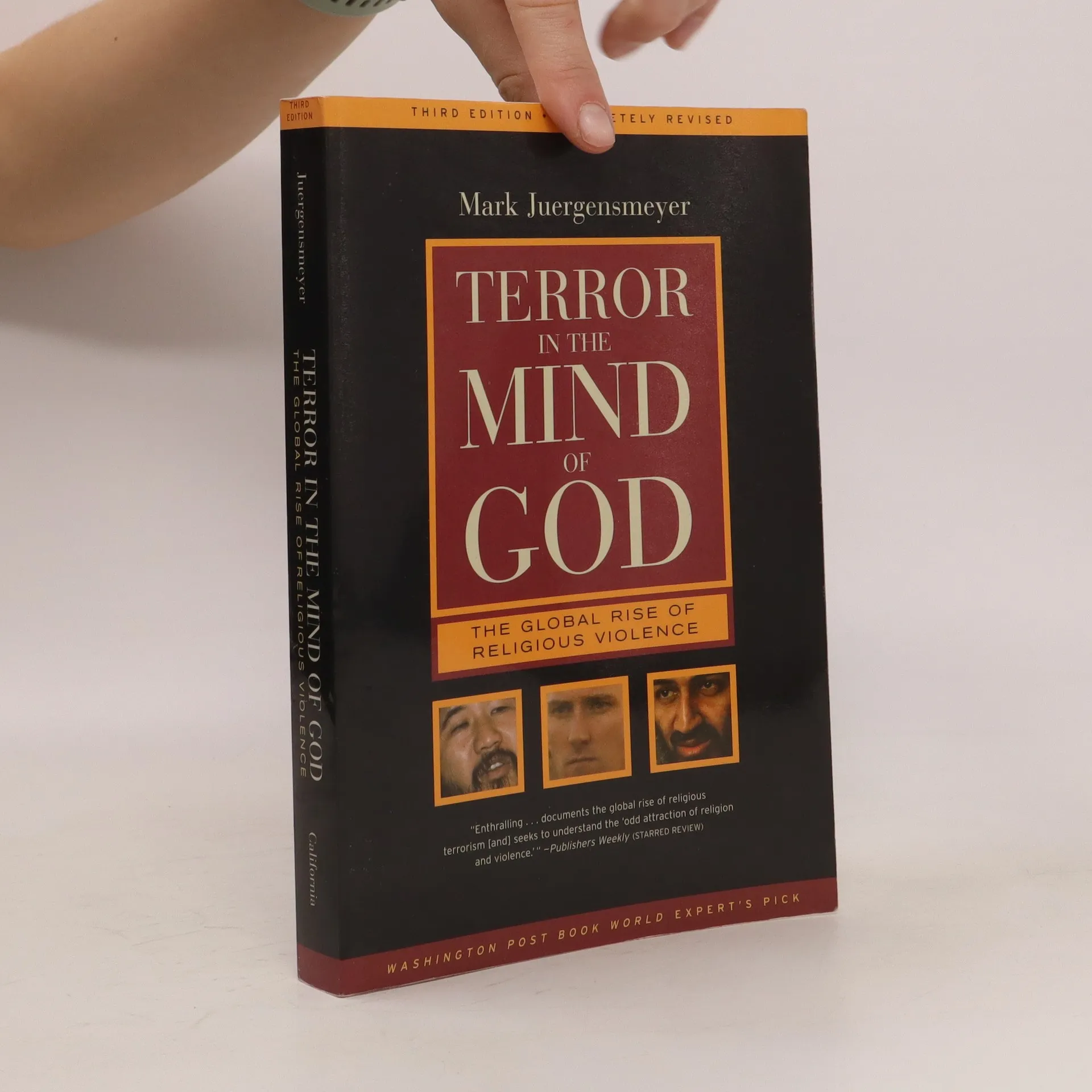
Completely revised and updated, this new edition incorporates the events of September 11, 2001 into Mark Juergensmeyer's landmark study of religious terrorism.
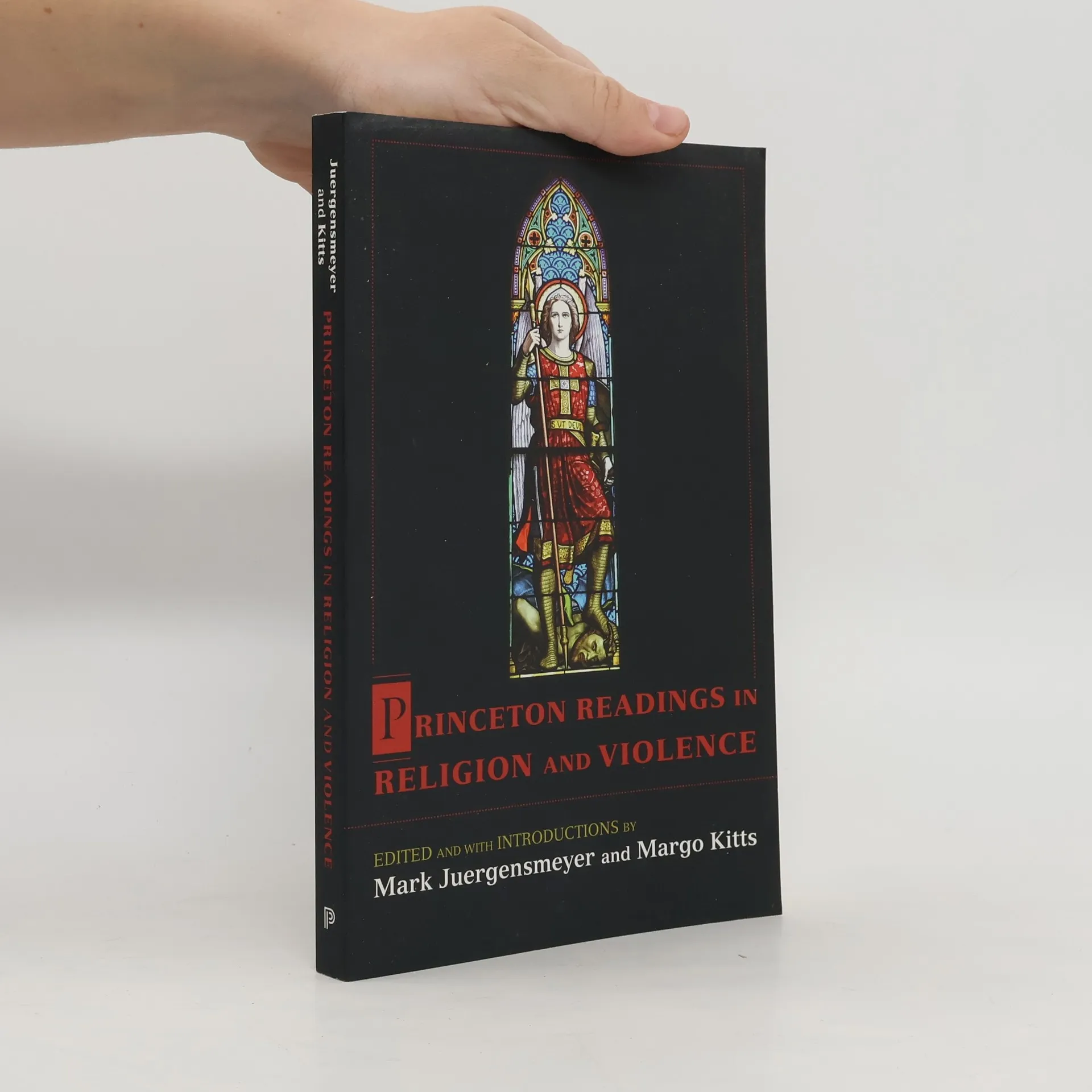
This groundbreaking anthology offers a comprehensive overview of the complex relationship between religion and violence throughout history and in contemporary society. It unites primary sources—justifications for violence from religious texts, theologians, and activists—with essays from authoritative scholars. The first half presents original source materials justifying violence across various religious traditions, including Hindu, Chinese, Christian, Muslim, Jewish, and Buddhist perspectives. These sources, ranging from ancient texts to modern writings, highlight that religious violence exists in every tradition, addressing issues like military protection and pacifism. The second half features reflections from prominent thinkers on the intimate connection between religion and violence, including excerpts from early social theorists such as Durkheim, Marx, and Freud, alongside contemporary voices analyzing the topic through literary, anthropological, postcolonial, and feminist lenses. Brief introductions by the editors provide essential historical and conceptual contexts, linking the readings together. The diverse selections and their accessible length make this volume suitable for both students and general readers, enhancing understanding of this critical issue.
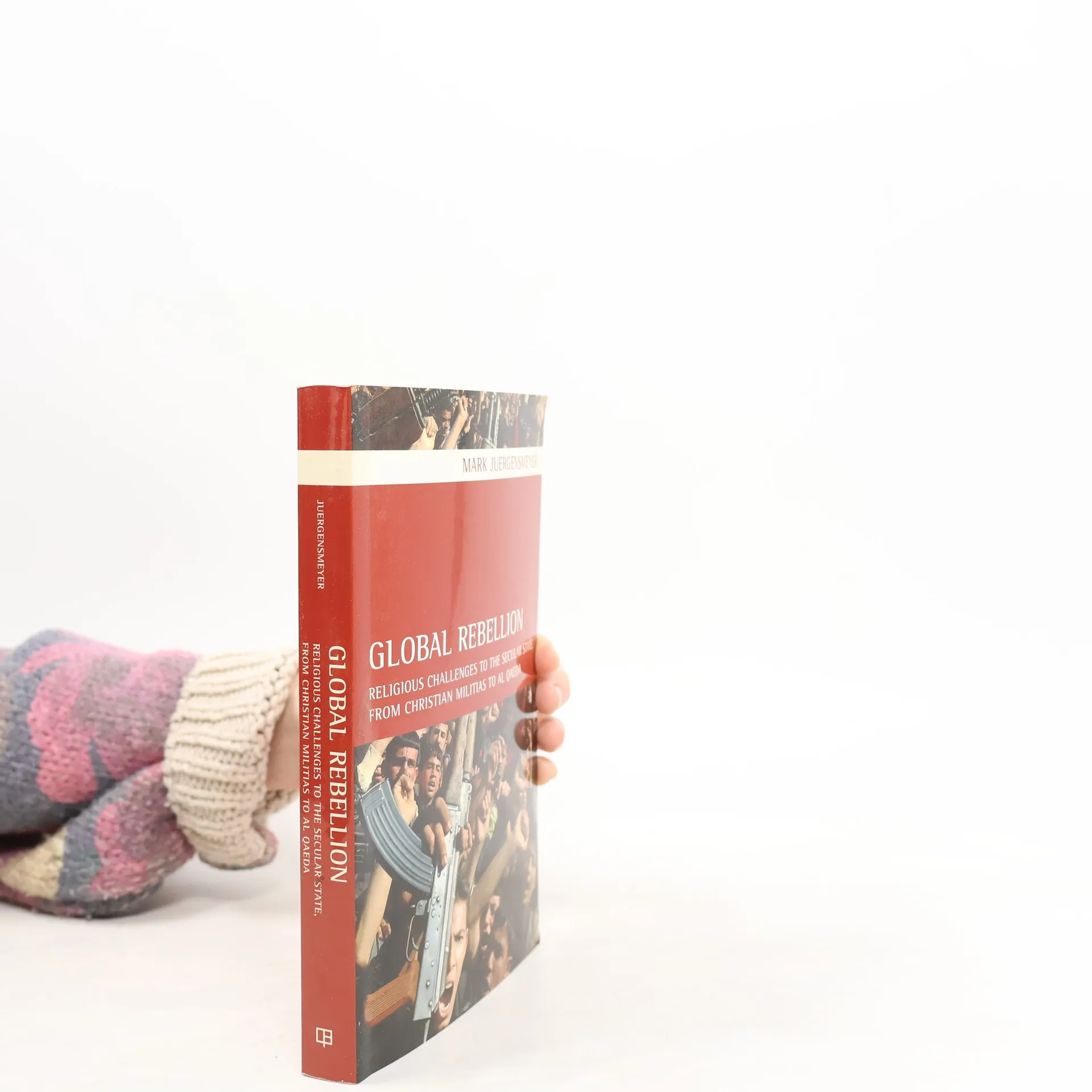
Religious challenges to the secular state from Christian militias to Al Qaeda
380 stránok
14 hodin čítania
Why has the turn of the twenty-first century been rocked by a new religious rebellion? From al Qaeda to Christian militias to insurgents in Iraq, a strident new religious activism has seized the imaginations of political rebels around the world. Building on his groundbreaking book, The New Cold War?: Religious Nationalism Confronts the Secular State, Mark Juergensmeyer here provides an up-to-date road map through this complex new religious terrain. Basing his discussion on interviews with militant activists and case studies of rebellious movements, Juergensmeyer puts a human face on conflicts that have become increasingly abstract. He revises our notions of religious revolution and offers positive proposals for responding to religious activism in ways that will diminish the violence and lead to an accommodation between radical religion and the secular world.