



Why?
Was passiert, wenn Leute Gründe angeben... und warum
Tento sociológ sa preslávil ako kľúčová postava pri zakladaní a inštitucionalizácii pod oblastí historickej sociológie, dejín spoločenských vied, sociálnych hnutí a kontroverznej politiky v rámci súčasnej spoločenskej vedy. Jeho rozsiahla a plodná kariéra zahŕňala napísanie viac ako päťdesiatich kníh a približne sedemsto akademických článkov. Svojím dielom výrazne ovplyvnil chápanie spoločenských procesov a historických zmien.


Was passiert, wenn Leute Gründe angeben... und warum
The first textbook to present world history via social history, drawing on social science methods and research. This interdisciplinary, comprehensive, and comparative textbook is authored by distinguished scholars and experienced teachers, and offers expert scholarship on global history that is ideal for undergraduate students. Volume 2 takes us from the early modern period to speculation about the world in 2050, visiting diverse civilizations, nation-states, ecologies, and people along the journey through time and place. The book pays particular attention to the ways in which ordinary people lived through the great changes of their times, and how everyday experience connects to great political events and the commercial exchanges of an interconnected world. With 75 maps, 65 illustrations, timelines, boxes, and primary source extracts, the book enables students to use historical material and social science methodologies to analyze the events of the past, present, and future.
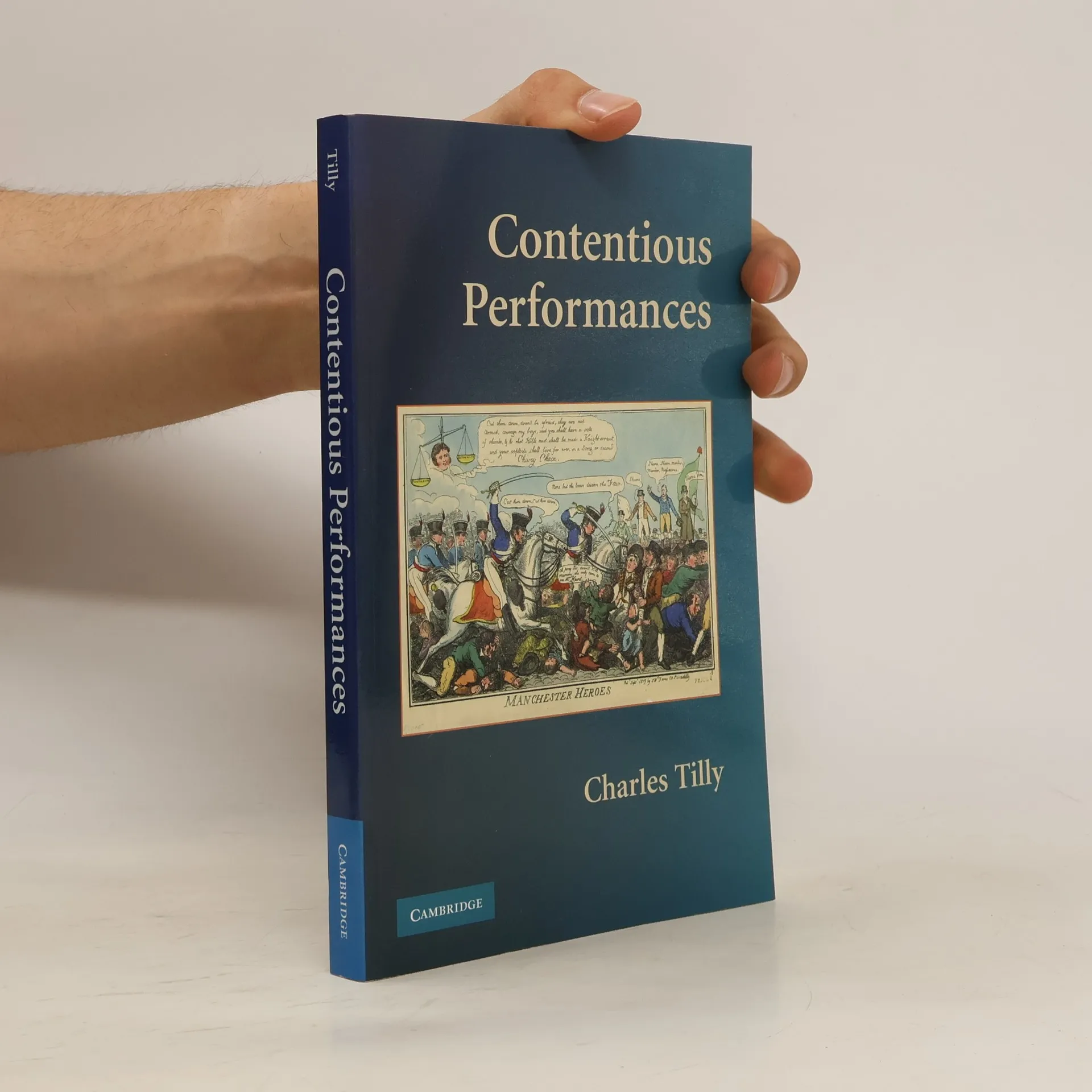
Focusing on collective struggles, this book provides an in-depth analysis of social movements in Great Britain from 1758 to 1834. It utilizes extensive evidence to explore the dynamics and impact of these movements, offering insights into the historical context and the evolution of popular resistance during this transformative period.
The book explores the intricate dynamics between democratization processes and contentious politics, examining how social movements, protests, and political conflicts shape democratic transitions. It delves into case studies that illustrate the impact of various forms of activism on political change, highlighting the role of citizen engagement and resistance in fostering democratic governance. Through this analysis, the author provides insights into the challenges and opportunities that arise during periods of political transformation.
Focusing on the processes of democratization and de-democratization, this 2005 work offers a crucial foundation for understanding the complexities of political transitions. It delves into the factors influencing these shifts, providing insights into historical contexts and contemporary implications. The book serves as a vital resource for scholars and students interested in political science and the dynamics of governance.
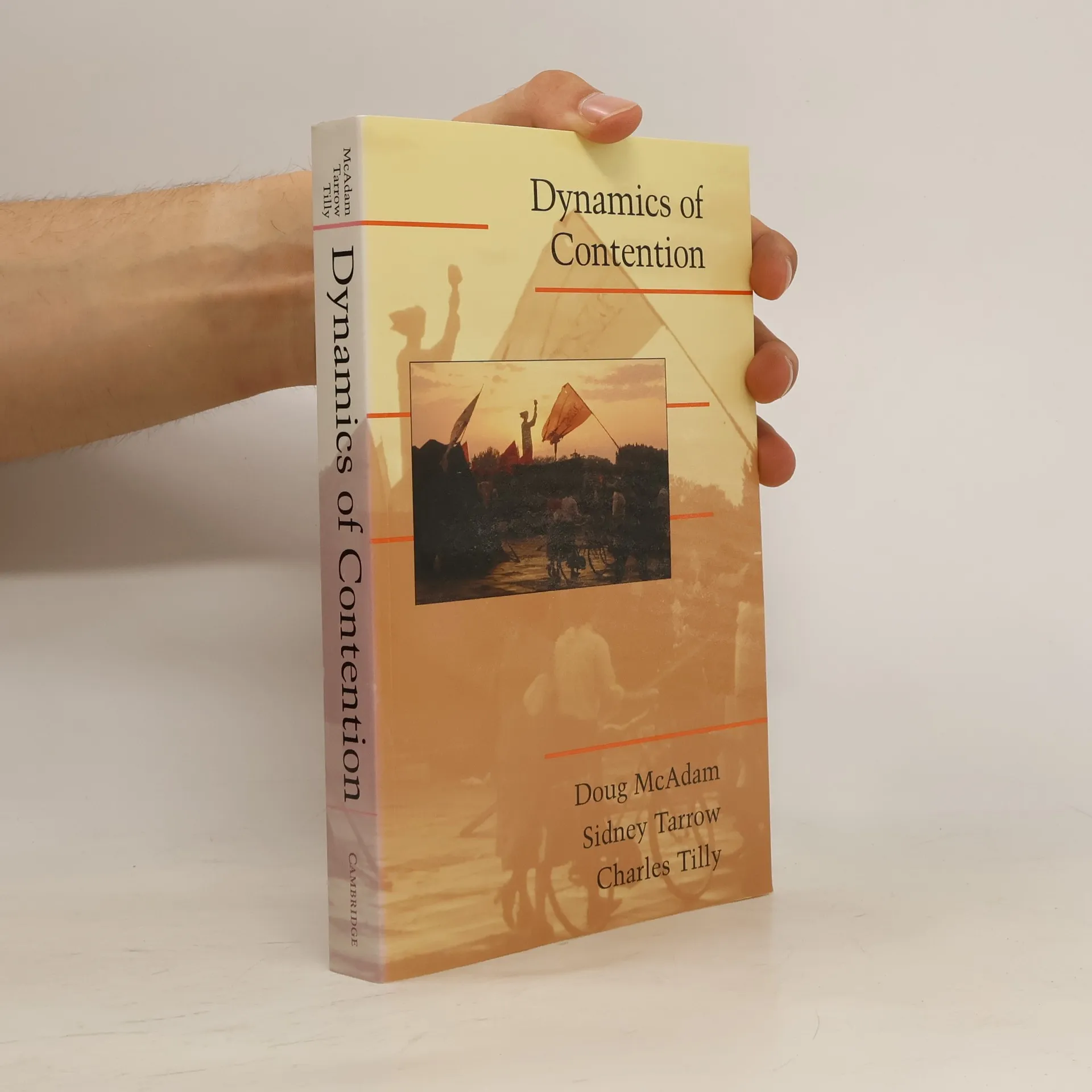
The book explores the significant growth in the study of social movements, revolutions, and democratization over the last twenty years. It delves into the key theories, methodologies, and case studies that have emerged in this field, highlighting how these phenomena shape societies and influence political change. By examining various movements and their impact on democracy, the author provides insights into the dynamics of collective action and the quest for social justice.
Exploring the roots of collective violence, this book examines diverse phenomena such as soccer hooliganism and September 11 through a historical lens. It highlights how social interactions lead to physical harm, driven by coordination among perpetrators. Charles Tilly posits that while collective violence is complex and unpredictable, it often stems from similar underlying causes. By identifying these factors, the work aims to provide insights into mitigating violence and fostering democratic societies with minimal harm. Tilly's extensive academic background enriches the analysis.
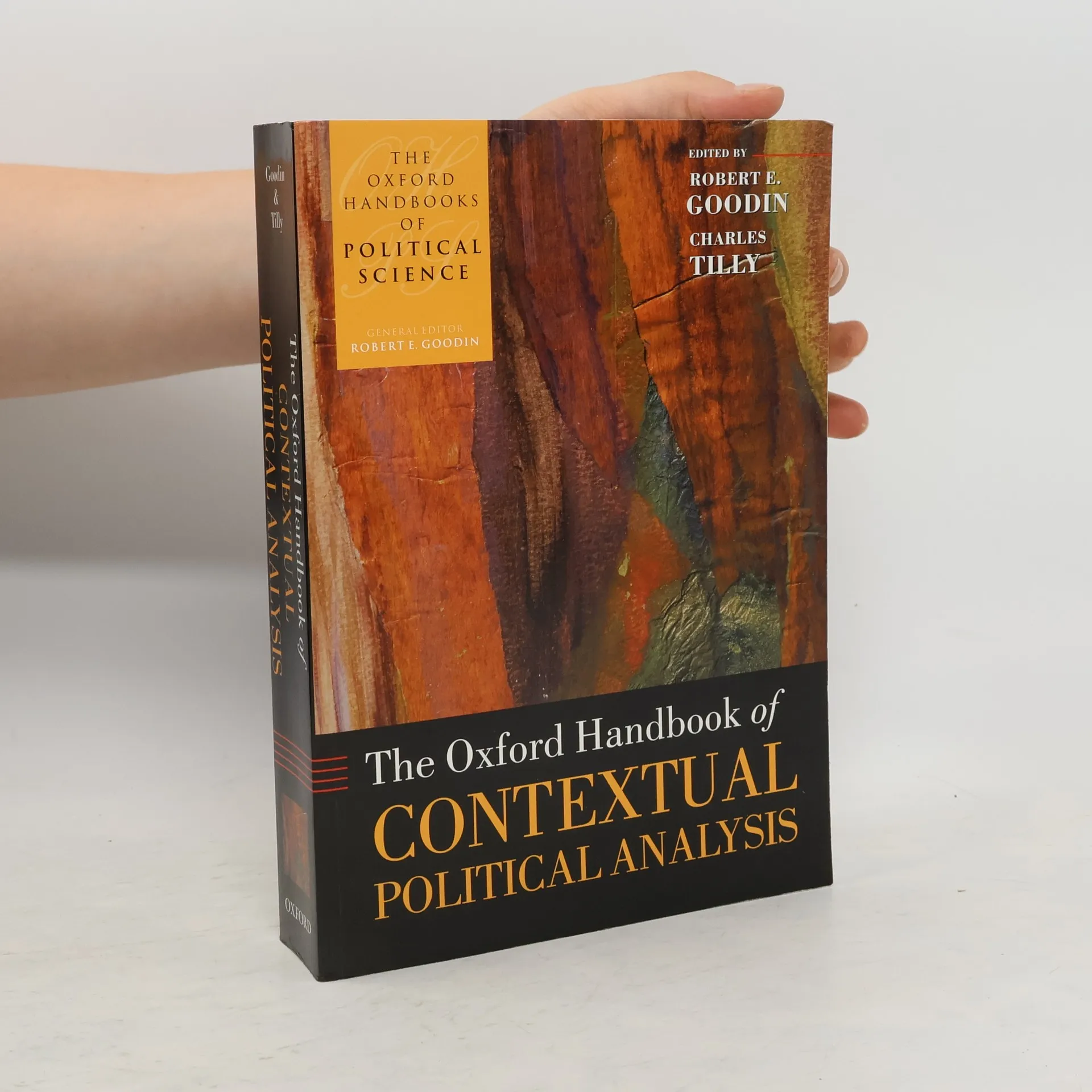
This is part of a ten volume set of reference books offering authoritative and engaging critical overviews of the state of political science. This work explores the idea of context in politics from a number of angles, including philosophically psychologically, historically and culturally.
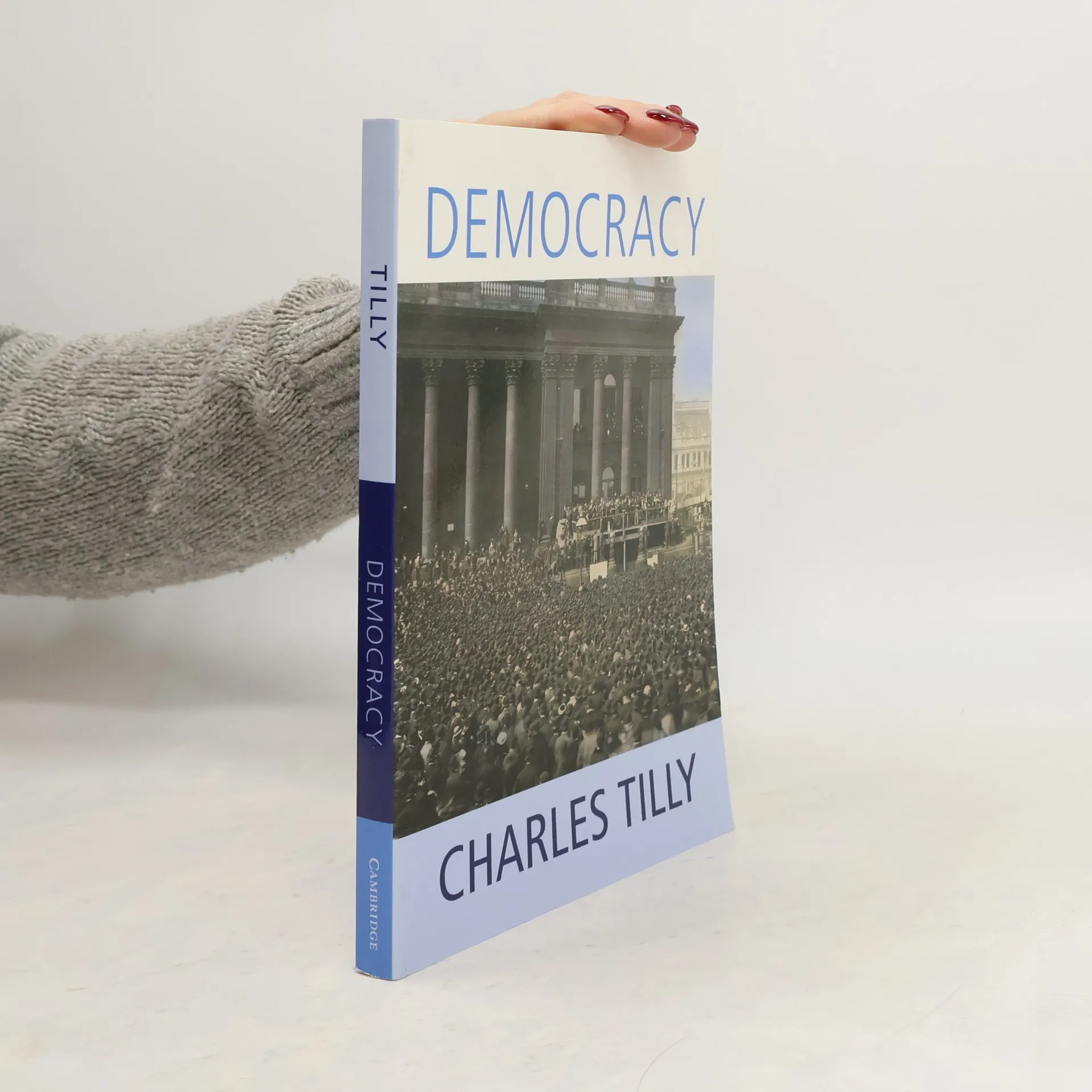
Democracy identifies the general processes causing democratization and de- democratization at a national level across the world over the last few hundred years. Through analytic narratives and comparisons of multiple regimes, mostly since World War II, this book makes the case for recasting current theories of democracy, democratization and de-democratization.
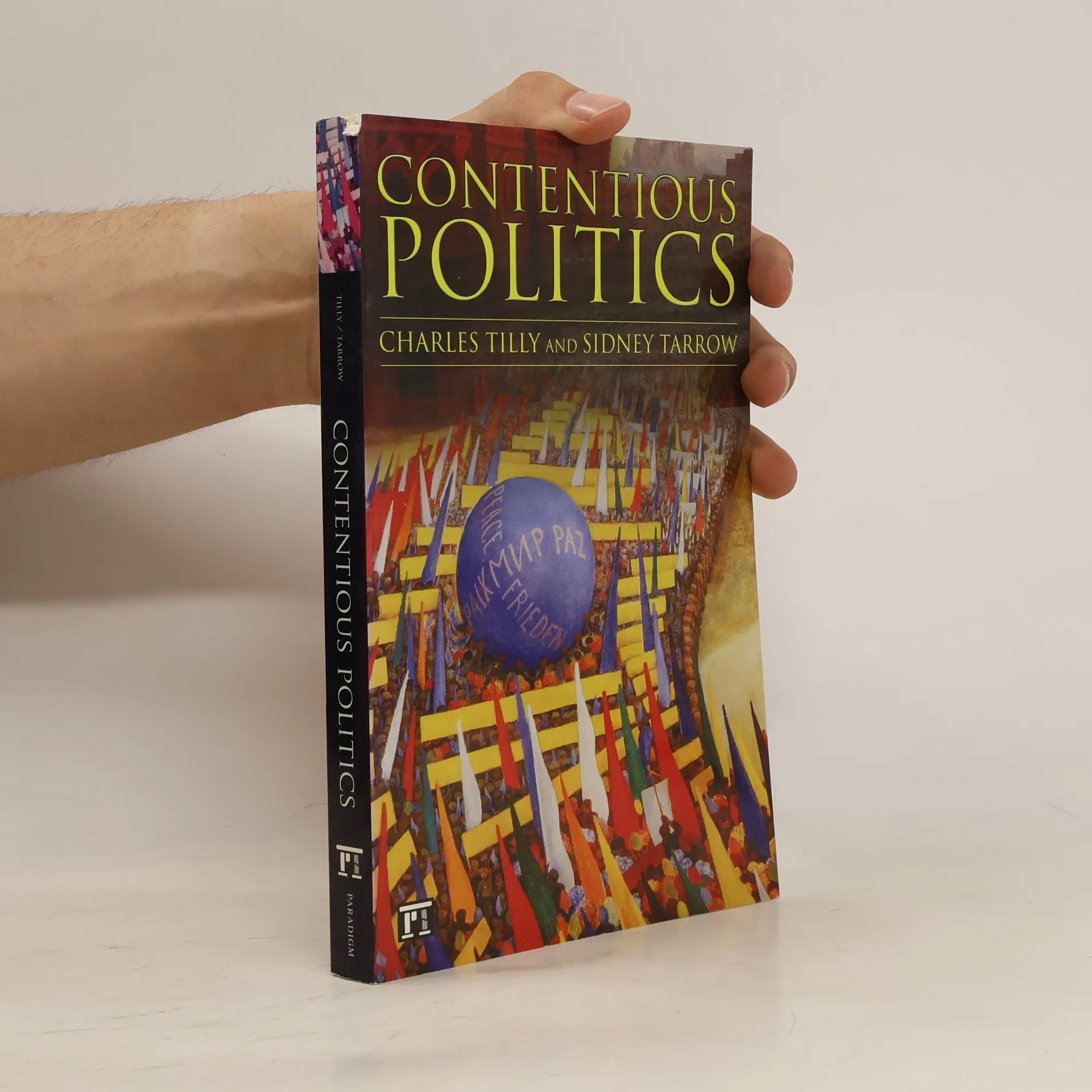
Revolutions, social movements, religious and ethnic conflict, nationalism and civil rights, and transnational these forms of contentious politics combine in Charles Tilly's and Sidney Tarrow's Contentious Politics . The book presents a set of analytical tools and procedures for study, comparison, and explanation of these very different sorts of contention. Drawing on many historical and contemporary cases, the book shows that similar principles describe and explain a wide variety of struggles as well as many more routine forms of politics. Tilly and Tarrow have written the book to introduce readers to an exciting new program of political and sociological analysis. To view Power Point slides of the last undergraduate course of Charles Tilly (with Ernesto Castaneda) in Spring 2007, which are related to his Paradigm book with Sidney Tarrow, Contentious Politics , please click here.