Sulla menzogna politica
- 62 stránok
- 3 hodiny čítania


Alexandre Koyré bol filozof a historik vedy, ktorý významne prispel k rozvoju dejín vedy vo Francúzsku a k jej šíreniu v Spojených štátoch po druhej svetovej vojne. V prvej polovici 20. storočia začal výskum, ktorý z neho urobil jedného z najvýznamnejších bádateľov vedeckého myslenia. Jeho skorá práca sa sústredila na galileovské štúdie, čím položil základy pre jeho budúci vplyv. Koyré sa stal kľúčovou postavou francúzskej historickej epistemológie, nového odboru, ktorý sa snažil študovať dejiny vedeckého myslenia ako celok.

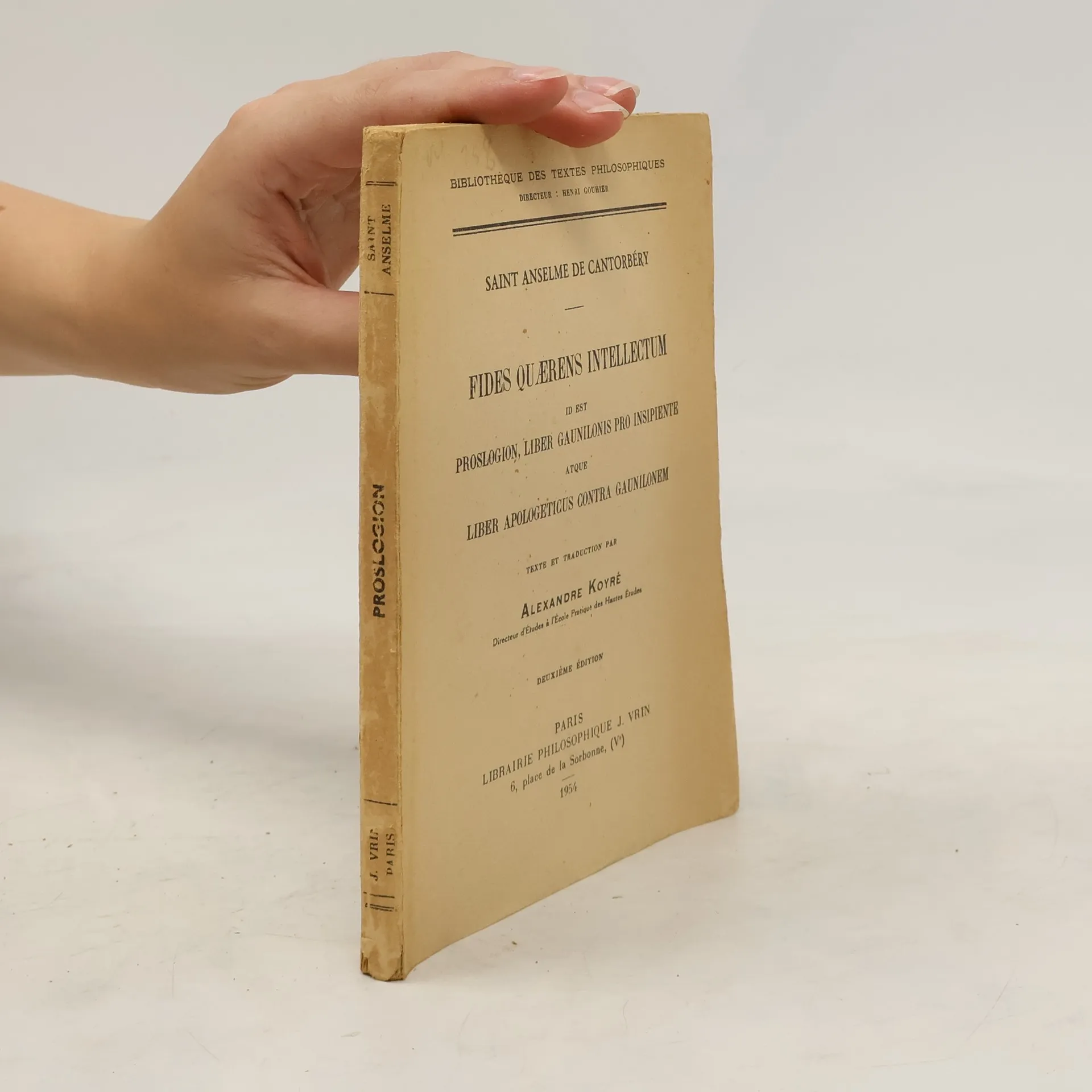

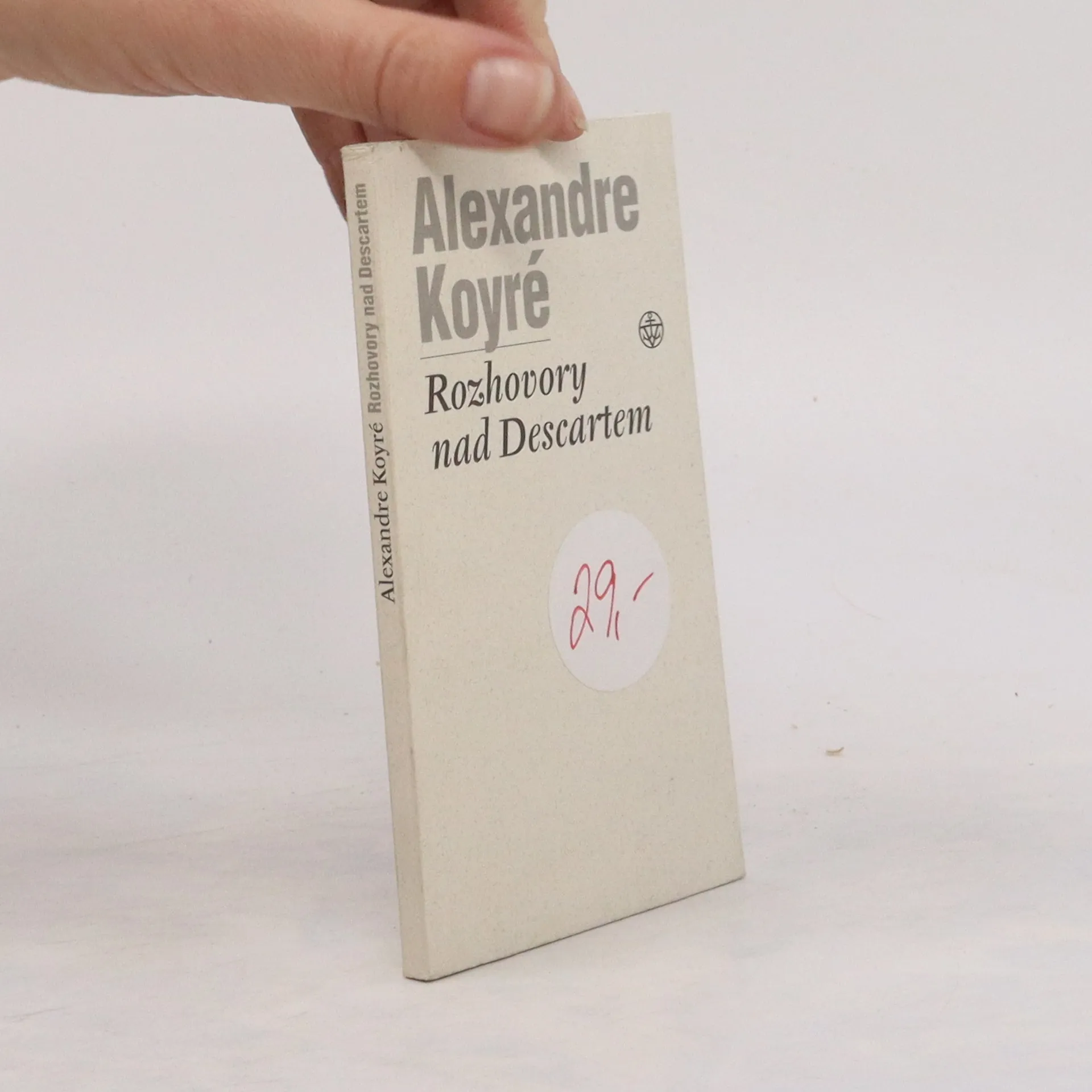
Známý francouzský filosof a historik vědy ruského původu Alexandre Koyré (1892–1964) vydal své půvabné Rozhovory nad Descartem v roce 1944 v New Yorku. Na nevelkém prostoru zde analyzuje dílo významného francouzského myslitele 17. století, jemuž věnoval několik svých velkých prací a přednáškových cyklů. Koyré zde vyslovuje nejen svůj obdiv k objevitelskému géniu Reného Descarta, nýbrž ukazuje i svou neotřesitelnou víru v hodnotu lidského rozumu a hledání pravdy. Descartes představoval pro Koyrého především výzvu vůči bezbřehé skepsi a lacinému relativismu.
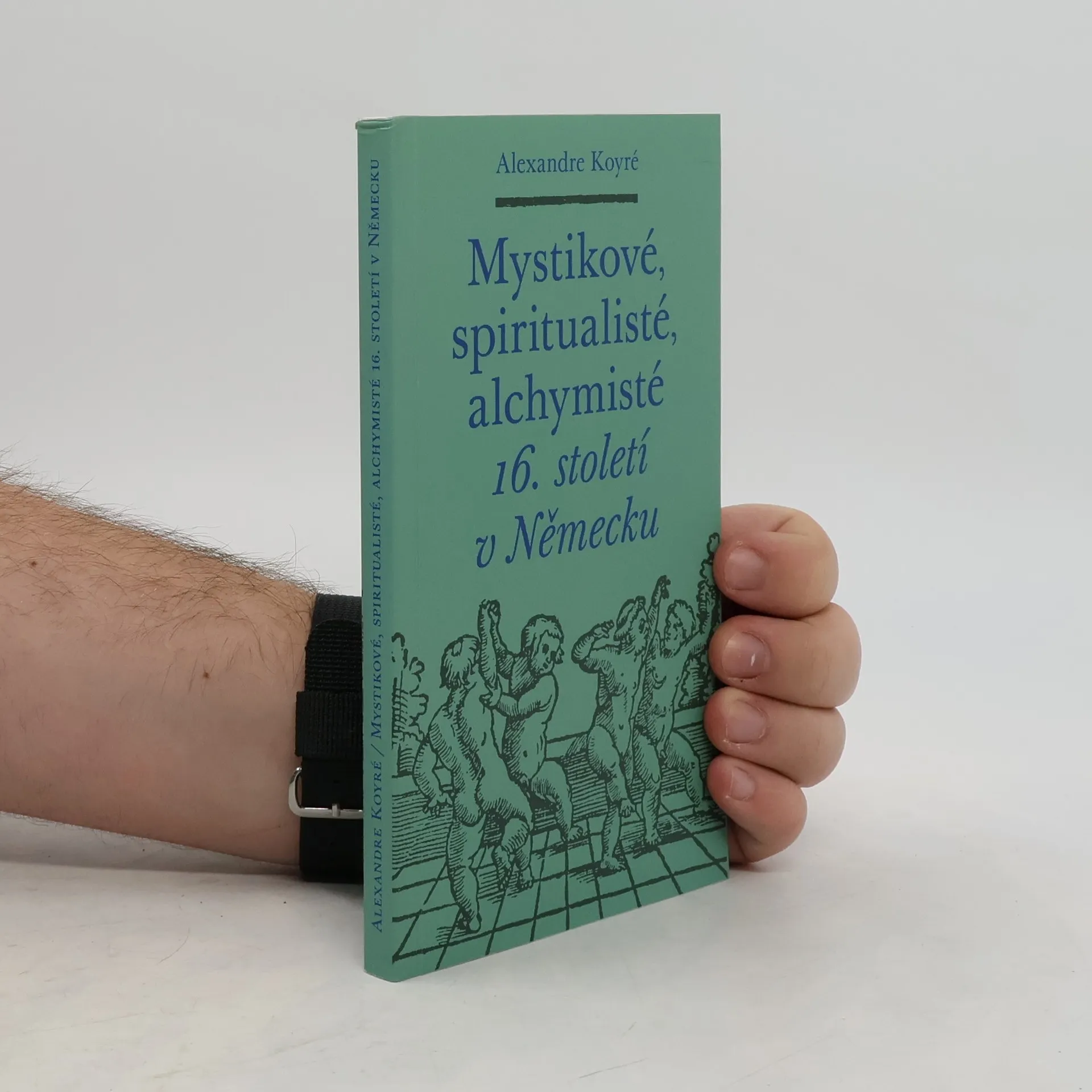
Významný francouzský myslitel interpretuje ideový systém Schwenckfelda, Francka, Paracelsa a Weigela.
Alexandre Koyré ist einer der Gründungsväter der modernen Wissenschaftsgeschichte. Seine Studien zur Herausbildung der mathematischen und experimentell verfahrenden Naturwissenschaft in der frühen Neuzeit gehören zum Kanon der klassischen Texte auf diesem Gebiet. Das gilt insbesondere für seine epochemachenden Studien zu Galilei, welche den Schwerpunkt dieses Bandes bilden. Unter ihnen findet sich auch jener Text, in dem Koyré sich um den Nachweis bemüht, daß Galilei die berühmten Experimente mit der schiefen Ebene in der von ihm beschriebenen Weise wohl nie ausgeführt hat: Galilei wußte eben, aufgrund seiner neuen mathematischen Konzeptualisierung der Phänomene, wie sie auszusehen hatten. So, wie Pascal, dessen Experimente Koyré sich ebenfalls vornimmt, konnte er den experimentellen Nachweis hinzuerfinden, weil er sich theoretisch seiner Sache sicher sein durfte - und genau darin ortet Koyré den wesentlichen Schritt zur neuen Physik.
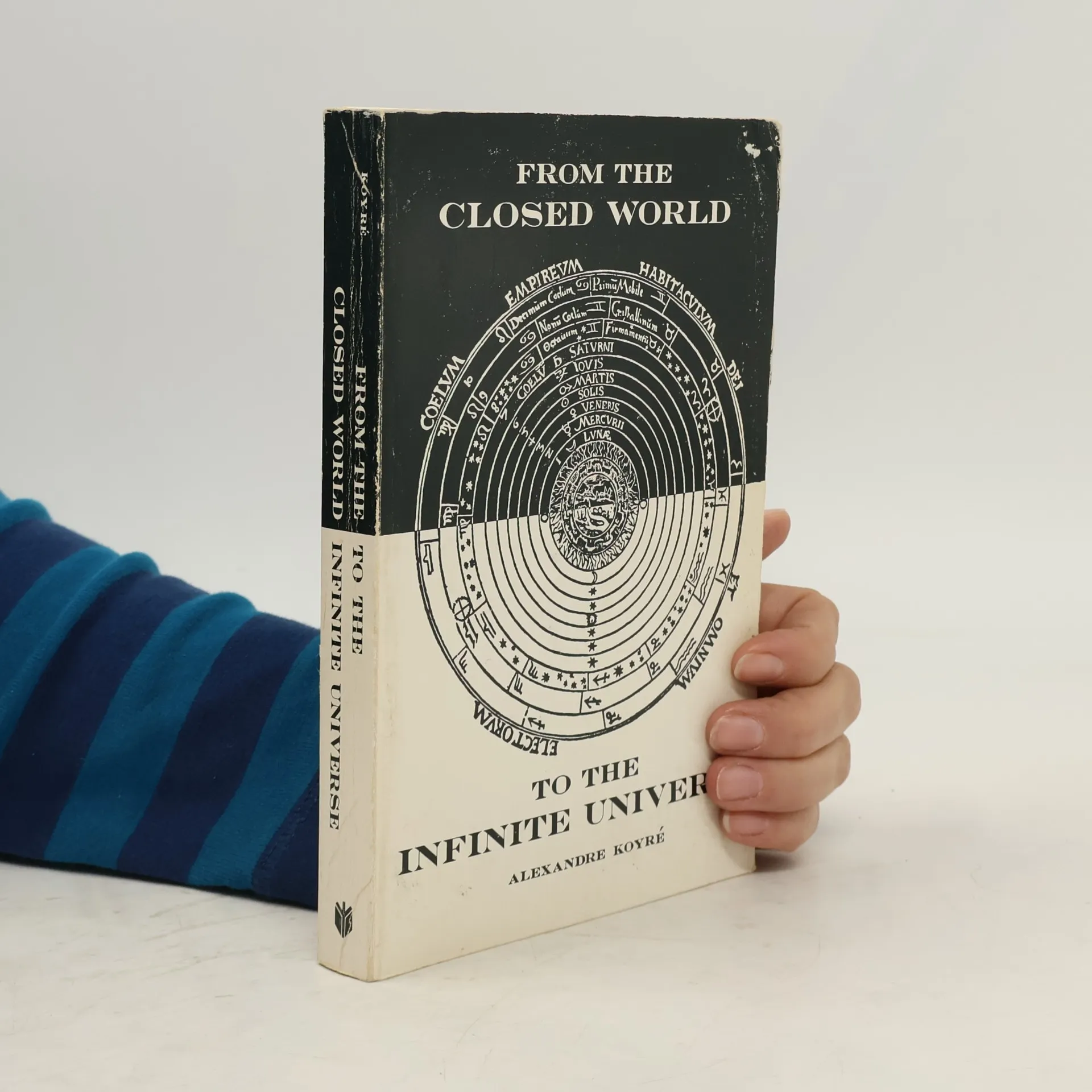
During the sixteenth and seventeenth centuries a radical change occurred in the patterns and the framework of European thought. In the wake of discoveries through the telescope and Copernican theory, the notion of an ordered cosmos of "fixed stars" gave way to that of a universe infinite in both time and space—with significant and far-reaching consequences for human thought. Alexandre Koyré interprets this revolution in terms of the change that occurred in our conception of the universe and our place in it and shows the primacy of this change in the development of the modern world.