Simon Reeve je autor a moderátor, ktorý sa v posledných rokoch venuje cestovaniu po málo známych oblastiach sveta. Jeho tvorba často skúma odľahlé kúty planéty, kde odhaľuje fascinujúce kultúry a krajiny. Prostredníctvom svojich dokumentov a písaného slova približuje čitateľom a divákom jedinečné príbehy a perspektívy. Jeho prístup je zvedavý a empatický, čím podporuje hlbšie porozumenie sveta.
U zrodu cestování stály nejrůznější podněty – od migrace a výprav za potravou až po obchod, vědeckou zvědavost, poutní cesty nebo obyčejnou touhu po dobrodružství. Tento úchvatný vizuální průvodce vypráví příběhy lidského putování, od hedvábné stezky po velkolepý program Voyager.
Prozkoumejte starověké mapy, životopisy dobyvatelů a cestovatelů, příběhy vědeckých objevů a technologického pokroku, dechberoucí umělecká díla a katalogy upomínek z cest.
Tato světová kronika je oslavou lidského putování, a zaručeně potěší každého milovníka cestování a historie.
The Full Story of the 1972 Munich Olympics Massacre and the Israeli Revenge Operation "WrathOfGod"
320 stránok
12 hodin čítania
Presents a new account of the 1972 Munich Olympics massacre based on years of research, thousands of official documents and hundreds of interviews. Reveals for the first time the full details of the Israeli revenge mission "Operation Wrath of God"--Jacket.
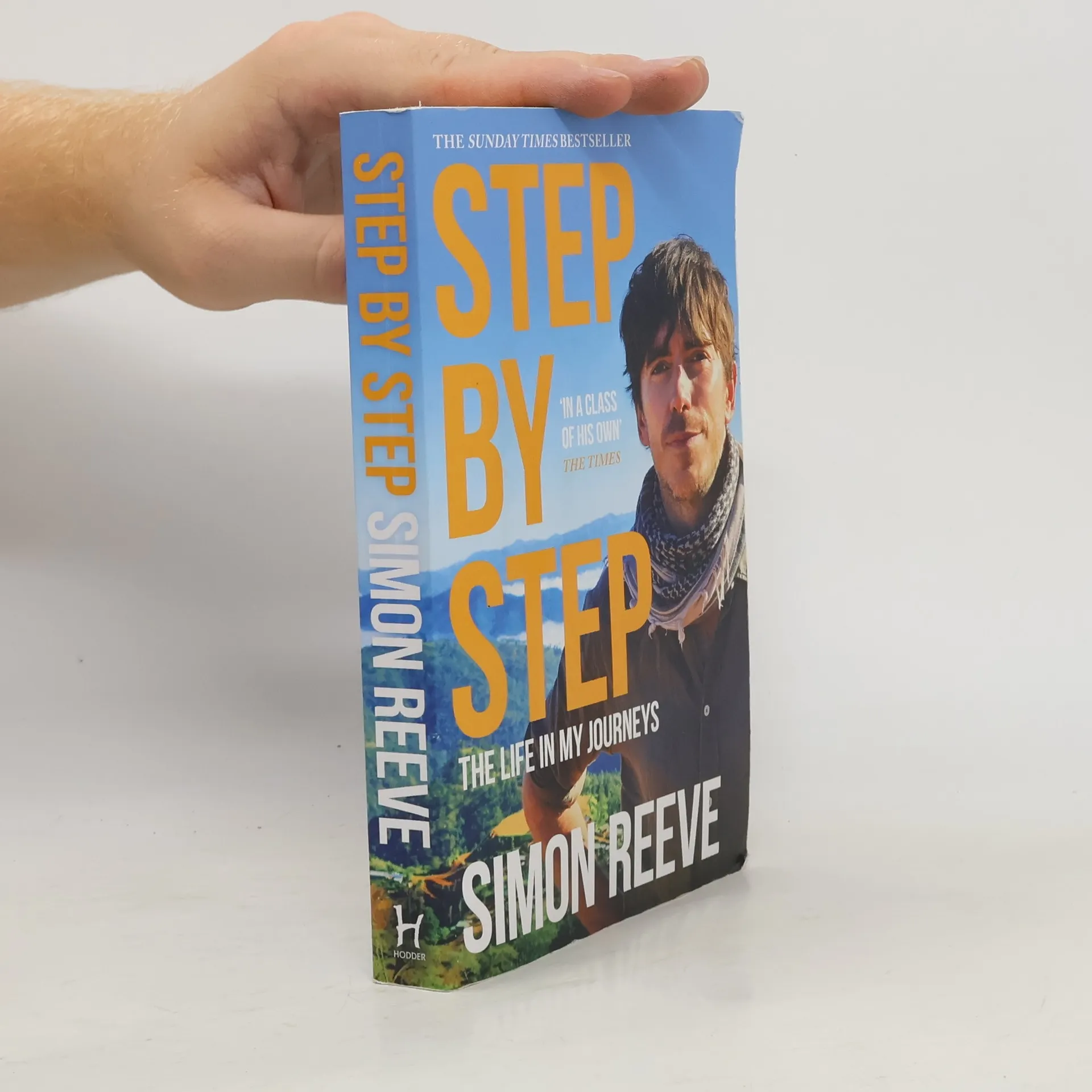
The inspiring memoir from TV traveller Simon Reeve's life of amazing
adventures in over 120 countries and the most remote and extreme corners of
the planet.
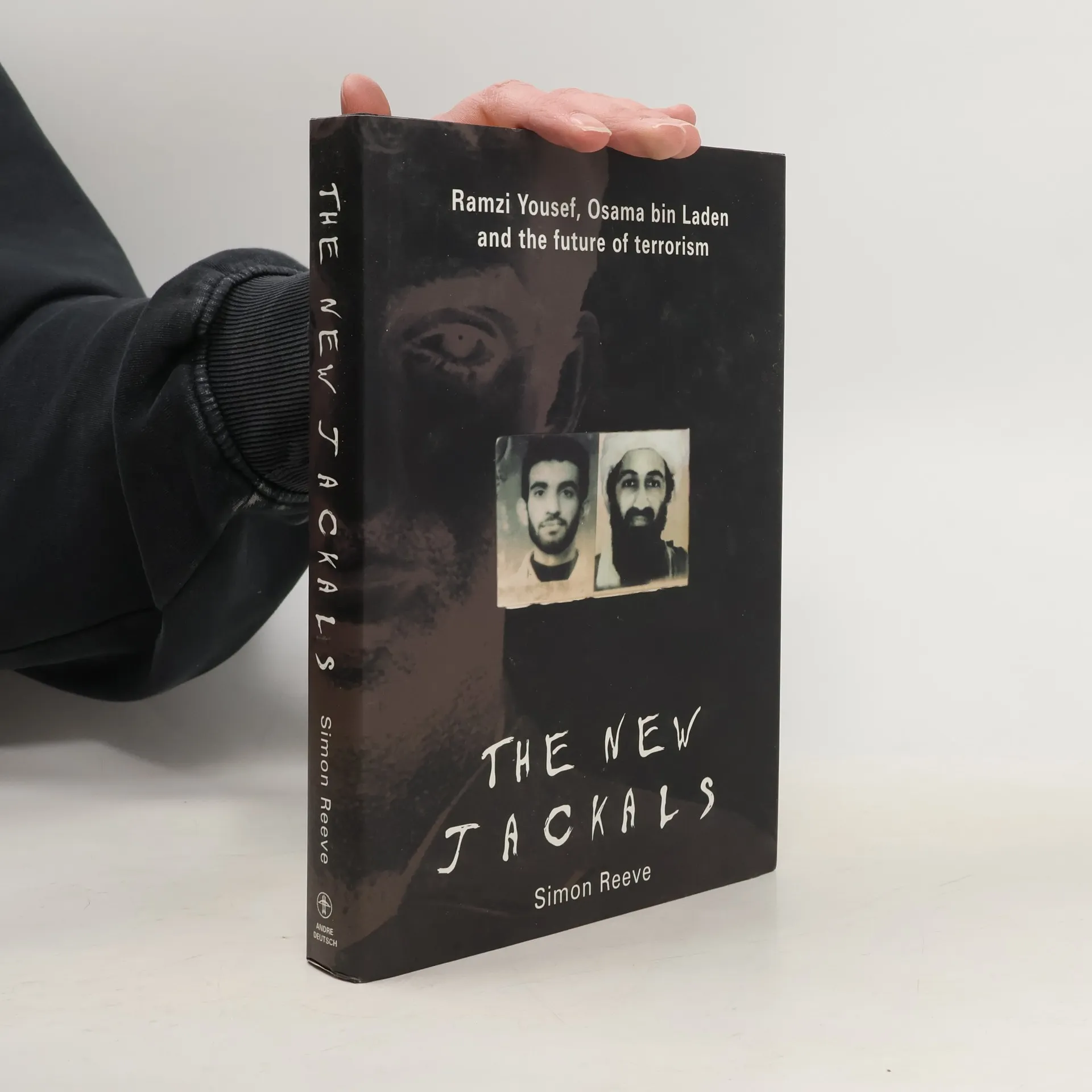
Ramzi Yousef, Osmana Bin Laden and the Future of Terrorism
294 stránok
11 hodin čítania
On 26th February 1993, a massive bomb devastated New York's World Trade Center, resulting in unprecedented hospital casualties in the U.S. since the Civil War. The attack was masterminded by Ramzi Yousef, a Kuwaiti-born terrorist aiming to topple the twin towers and inflict mass fatalities. This event was linked to Osama bin Laden, a Saudi dissident. Tragically, Yousef's goal was realized on 11 September 2001 when two hijacked planes were flown into the towers, while a third struck the Pentagon, and a fourth crashed in Pennsylvania, avoiding further loss of life. Investigations revealed that Yousef was funded by bin Laden, whose extremist group began to dominate international terrorism in the mid-1990s. Following the 1998 bombings that killed 224 people, the U.S. launched missile strikes against bin Laden's organization. This book offers a detailed yet engaging account of the FBI's investigation, highlighting the networks capable of executing such attacks. Reeve warns that Yousef and bin Laden represent a new breed of terrorist, motivated to maximize casualties without restriction. He also raises concerns about the potential for these groups to possess chemical and nuclear weapons, suggesting that the world may soon face unprecedented threats from terrorists armed with weapons of mass destruction.