Marigold and Rose
- 55 stránok
- 2 hodiny čítania
"Marigold and Rose is an enchanting, playful, and absolutely singular fable from the Nobel laureate and Pulitzer Prize winner Louise Glück"--


Louise Glück bola poetka, ktorej verše sa vyznačovali strohou krásou a prenikavou introspekciou. Jej tvorba sa často zaoberala témami mýtov, rodiny a osobných tráum, pričom dokázala premeniť individuálnu skúsenosť na univerzálnu. Glückina poetika sa opierala o precízny jazyk a sugestívne obrazy, ktoré čitateľov vtiahli do hlbokých existenciálnych úvah. Jej dielo predstavuje významný prínos do americkej poézie 20. a 21. storočia.

"Marigold and Rose is an enchanting, playful, and absolutely singular fable from the Nobel laureate and Pulitzer Prize winner Louise Glück"--
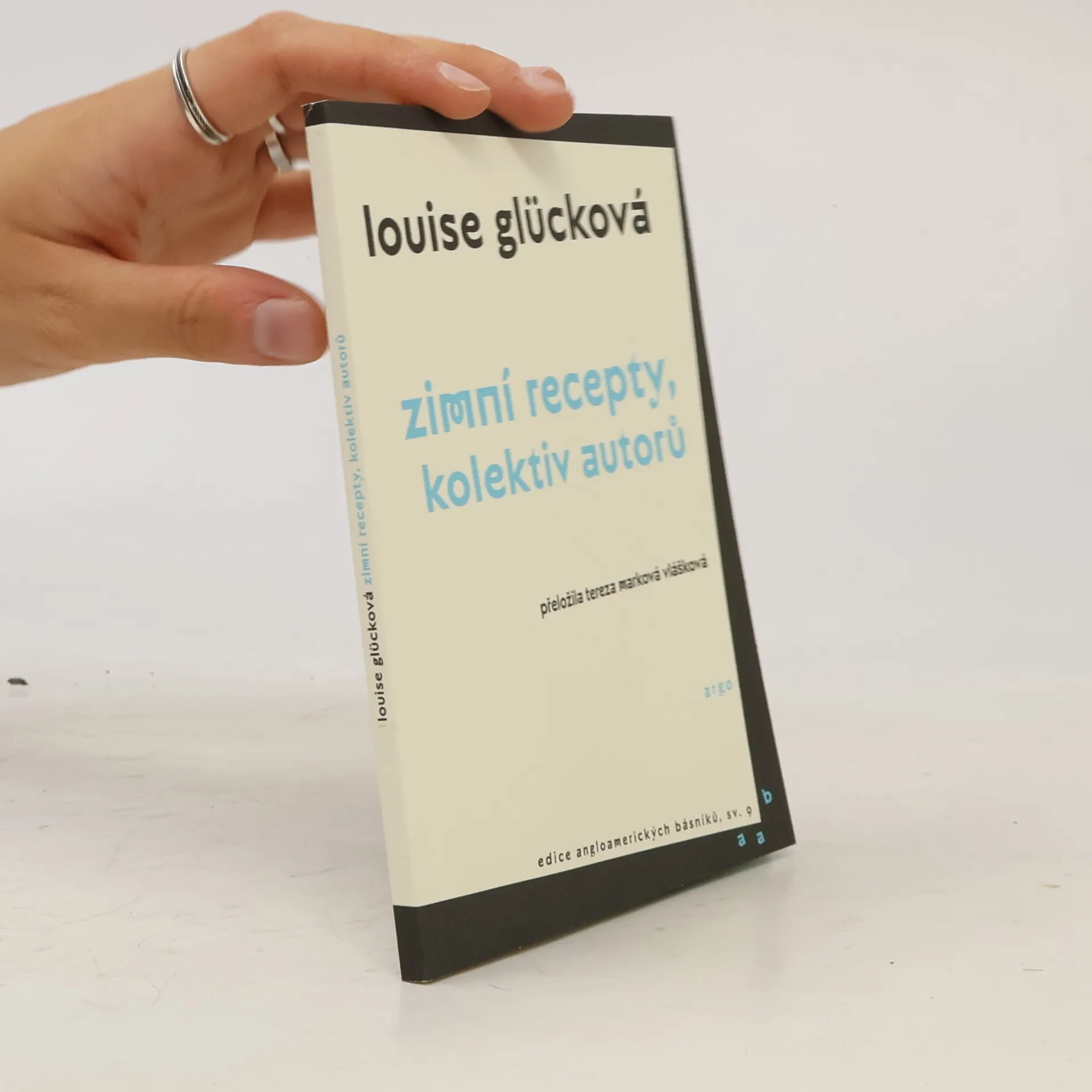
Louise Glücková získala v roce 2020 Nobelovu cenu za literaturu mj. za „nezaměnitelný básnický hlas, který s prostou krásou zobecňuje individuální existenci“ – a tohle zdůvodnění poroty výtečně vystihuje i její novou básnickou sbírku: mluví se v ní o něčem, co právě zažívá lyrický mluvčí básně, ale zvláštní, těžko pojmenovatelná naléhavost podání jako by z onoho zdánlivě prostého líčení dělala zážitek nadosobní, zážitek, který nás přesahuje, znamená něco podstatného, a my jej s autorkou sdílíme, aniž bychom přesně věděli, proč a jak. Právě v tom je Louise Glücková nejsilnější: její podivuhodně ztišené, intenzivní, dostředivé básně dokážou minuciózně vyjádřit onen napůl bdělý stav mezi snem a zkušeností, ony nezapomenutelné okamžiky prozření, které přijdou jednou dvakrát za život, i každodenní ubíjející banalitu, z níž zdá se neplyne vůbec nic, stejně jako vražednou rutinu milostných vztahů i nástrahy vztahů rodinných, všeprostupující pocit ztráty, vědomí smrtelnosti atd. Činí tak s elegancí, jíž se v americké poezii vyrovná málokdo: jistě Emily Dickinsonová, jistě T. S. Eliot, možná Elizabeth Bishopová, Robert Lowell či Richard Wilbur; tak či onak, její básnický hlas je vskutku „nezaměnitelný“.
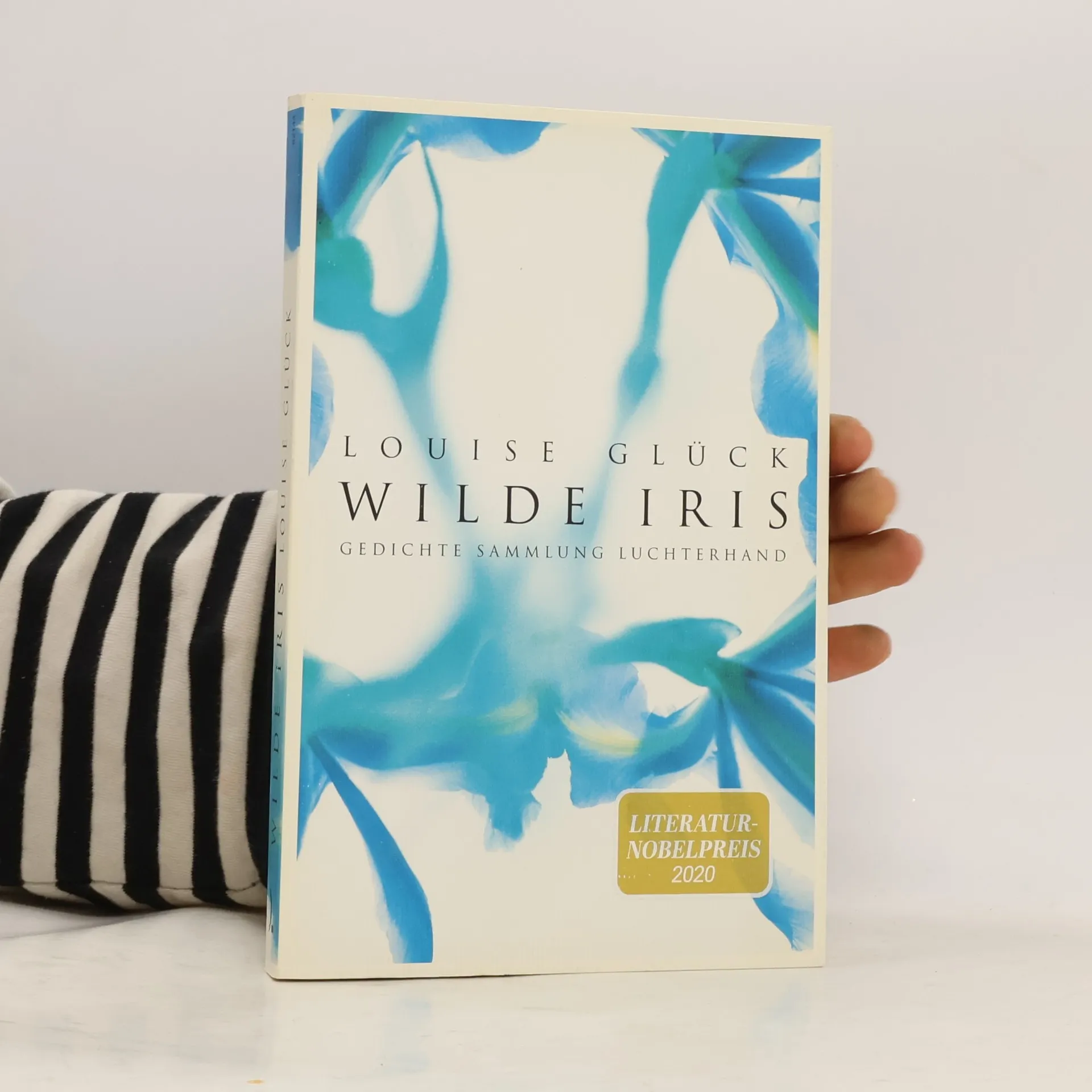
Gedichte
Neue Gedichte der Literaturnobelpreisträgerin »Das Buch enthält/nur Rezepte für den Winter, wenn das Leben schwer ist. Im Frühling/kann jeder ein feines Mahl zubereiten.« Die neuesten Gedichte der Literaturnobelpreisträgerin sind schnörkellos, reduziert und lassen einen doch nicht mehr los. Sie wenden sich an ein Individuum, schwellen an zu einem Chor und weisen auf das große Ganze, das Kollektiv. Lebensgeschichten sind in ihnen verborgen, Segen und Fluch des Alterns, die Kunst, einen Bonsai zu beschneiden, der Tod der Schwester, die Labsal der wärmenden Sonne, deren Helligkeit sich an den dunklen Schatten ermessen lässt, die sie wirft. Ausstattung: Banderole: Nobelpreis für Literatur 2020
Rapt new collection of fifteen poems and sequences, in hardback, from the recipient of the Nobel Prize in Literature 2020.
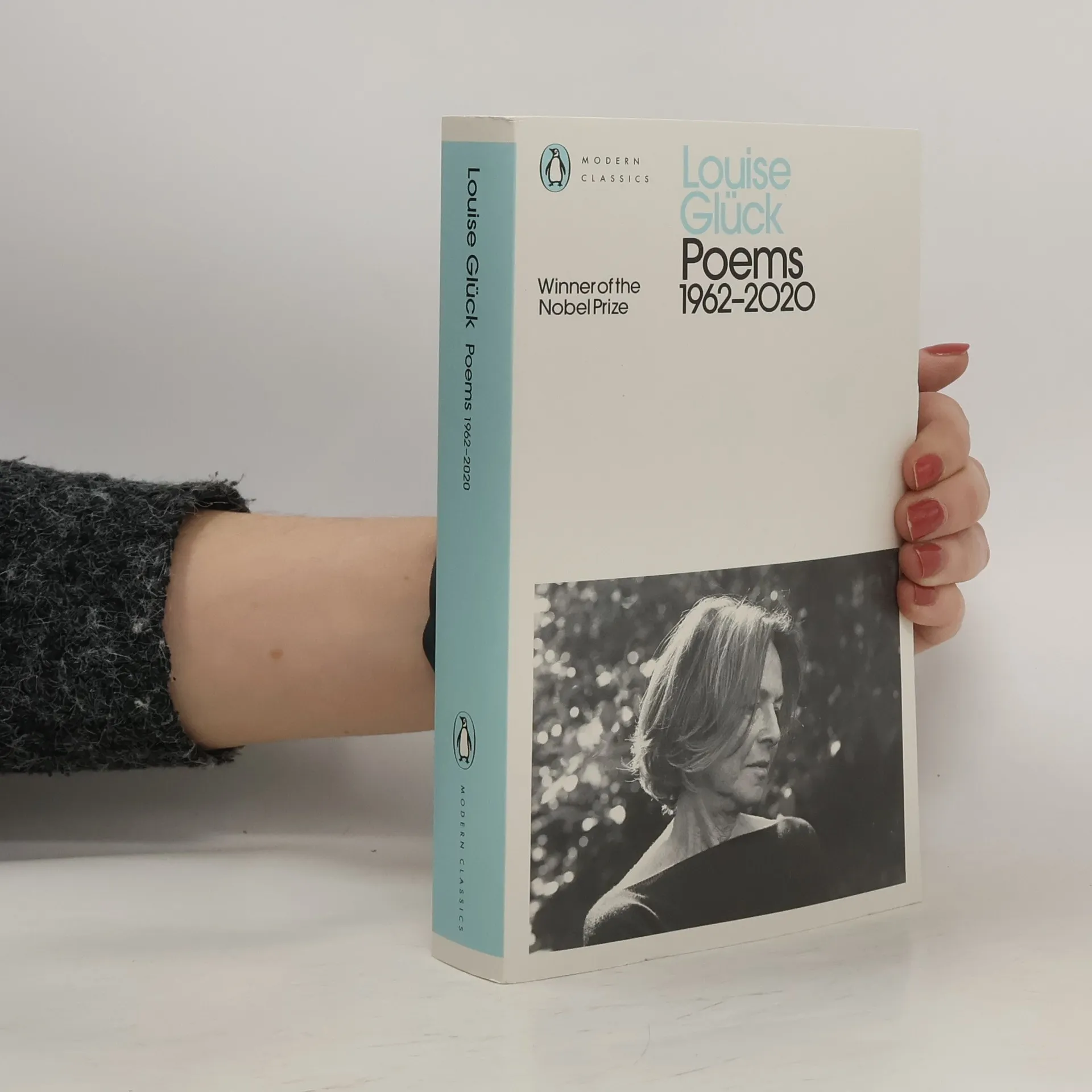
A major career-spanning collection from the inimitable Nobel Prize-winning poet For the past fifty years, Louise Glück has been a major force in modern poetry, distinguished as much for the restless intelligence, wit and intimacy of her poetic voice as for her development of a particular form: the book-length sequence of poems. This volume brings together the twelve collections Glück has published to date, offering readers the opportunity to become immersed in the artistry and vision of one of the world's greatest poets. From the allegories of The Wild Iris to the myth-making of Averno; the oneiric landscapes of The House on Marshland to the questing of Faithful and Virtuous Night - each of Glück's collections looks upon the events of an ordinary life and finds within them scope for the transcendent; each wields its archetypes to puncture the illusions of the self. Across her work, elements are reiterated but endlessly transfigured - Persephone, a copper beech, a mother and father and sister, a garden, a husband and son, a horse, a dog, a field on fire, a mountain. Taken together, the effect is like a shifting landscape seen from above, at once familiar and unspeakably profound.
The first UK edition of a radical and unconsoling contemporary collection of essays on poetry, from the recipient of the Nobel Prize in Literature 2020.
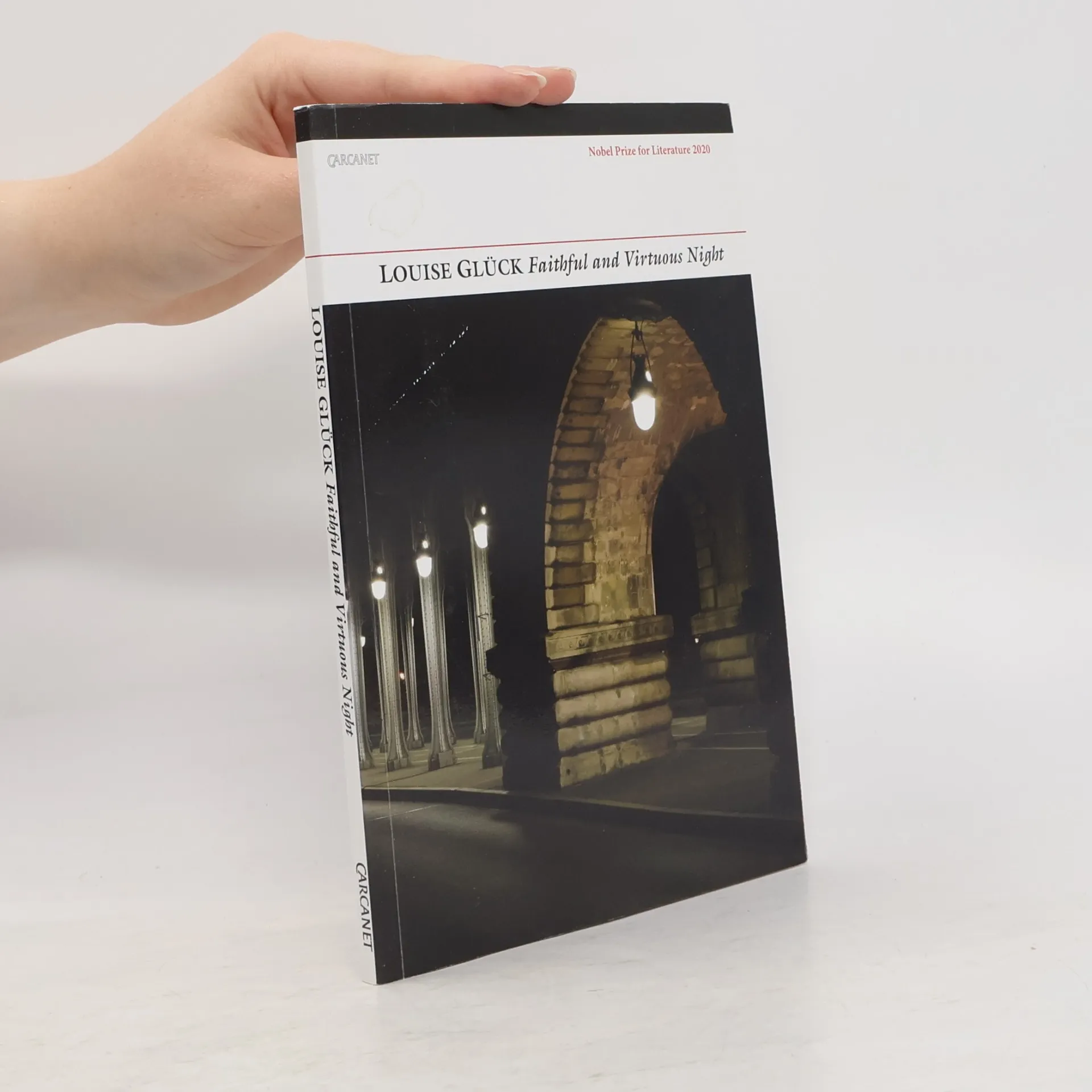
Shortlisted for the 2014 Forward Prize for Best Collection 'At last the night surrounded me; / I floated on it, perhaps in it, / or it carried me as a river carries / a boat'. In Louise Gluck's new collection, night takes on the dimensions of myth, becomes the setting for a sequence of journeys and explorations through time and memory, as the speaker of the poems moves backwards into childhood and forwards into 'the kingdom of death'. Gluck draws equally on the worlds of fairy-tale, of dream and of waking life, each poem a door into a narrative both haunting and compellingly beautiful.
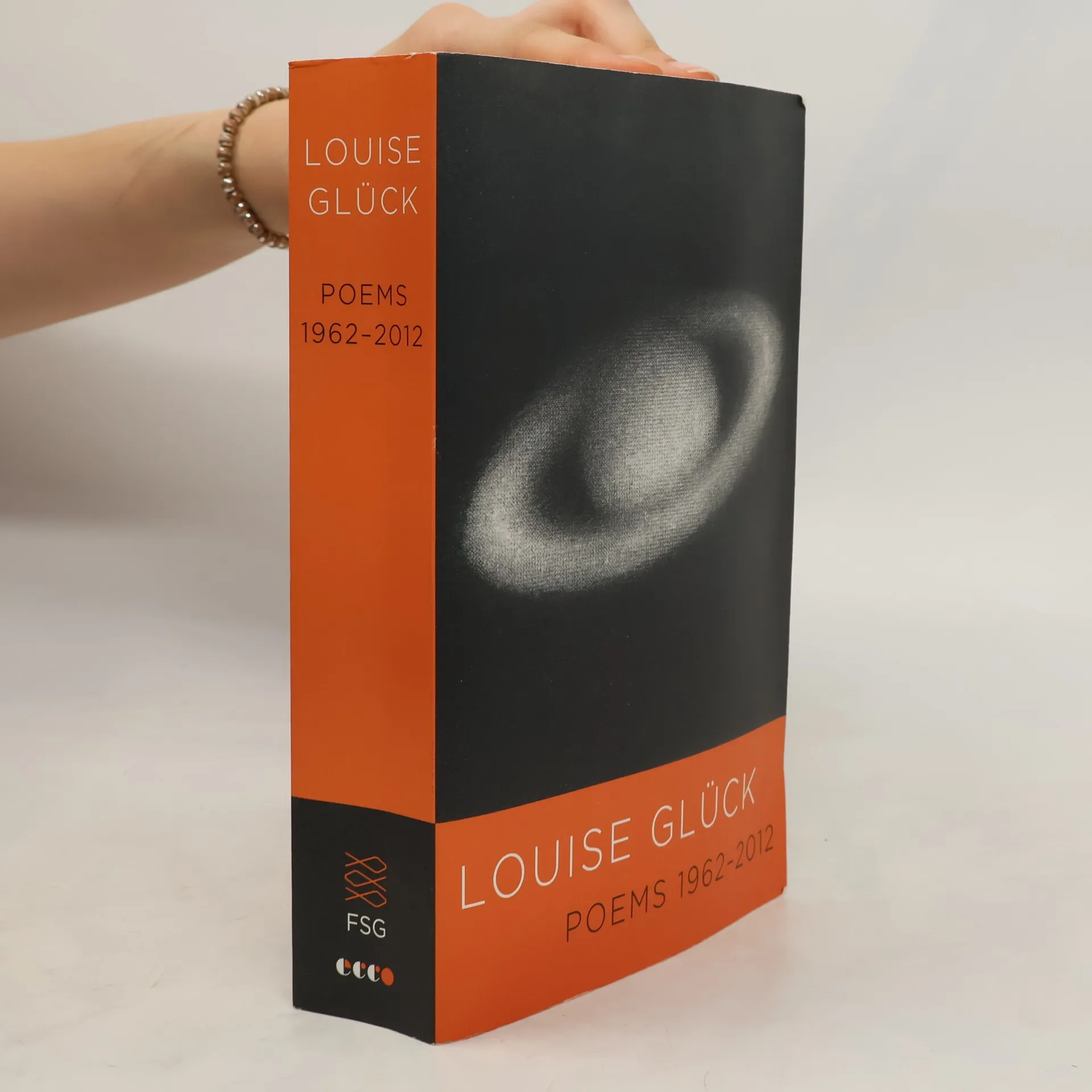
The collected works of the inimitable Pulitzer Prize–winning poet It is the astonishment of Louise Glück's poetry that it resists collection. With each successive book her drive to leave behind what came before has grown more fierce, the force of her gaze fixed on what has yet to be imagined. She invented a form to accommodate this need, the book-length sequence of poems, like a landscape seen from above, a novel with lacunae opening onto the unspeakable. The reiterated yet endlessly transfigured elements in this landscape—Persephone, a copper beech, a mother and father and sister, a garden, a husband and son, a horse, a dog, a field on fire, a mountain—persistently emerge and reappear with the dark energy of the inevitable, shot through with the bright aspect of things new-made. From the outset ("Come here / Come here, little one"), Gluck's voice has addressed us with deceptive simplicity, the poems in lines so clear we "do not see the intervening fathoms." From within the earth's bitter disgrace, coldness and barrenness my friend the moon rises: she is beautiful tonight, but when is she not beautiful? To read these books together is to understand the governing paradox of a life lived in the body and of the work wrested from it, the one fated to die and the other to endure.
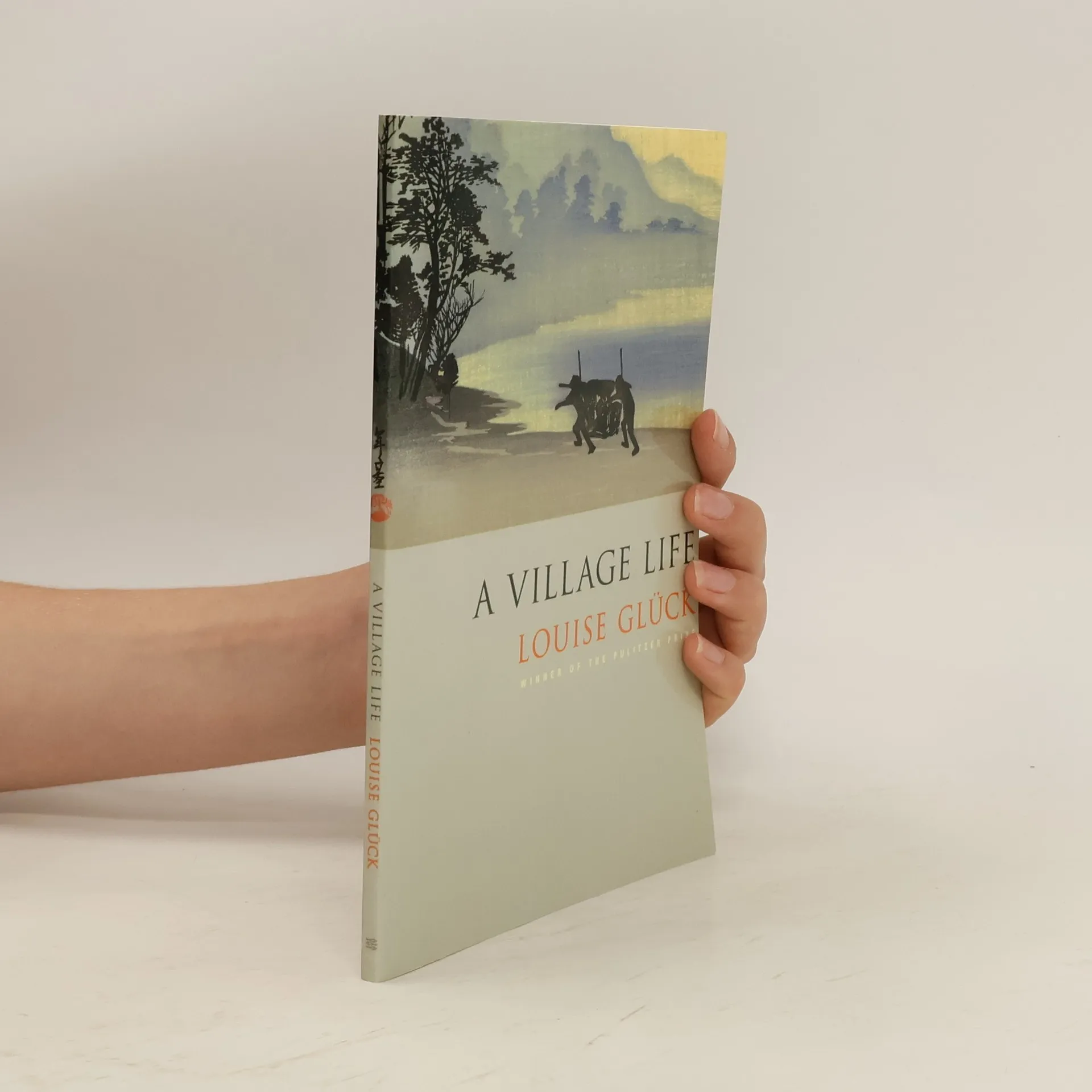
WINNER OF THE NOBEL PRIZE IN LITERATURE A Village Life, Louise Glück's eleventh collection of poems, begins in the topography of a village, a Mediterranean world of no definite moment or place: All the roads in the village unite at the fountain. Avenue of Liberty, Avenue of the Acacia Trees— The fountain rises at the center of the plaza; on sunny days, rainbows in the piss of the cherub. —from "tributaries" Around the fountain are concentric circles of figures, organized by age and in degrees of distance: fields, a river, and, like the fountain's opposite, a mountain. Human time superimposed on geologic time, all taken in at a glance, without any undue sensation of speed. Glück has been known as a lyrical and dramatic poet; since Ararat, she has shaped her austere intensities into book-length sequences. Here, for the first time, she speaks as "the type of describing, supervising intelligence found in novels rather than poetry," as Langdon Hammer has written of her long lines—expansive, fluent, and full—manifesting a calm omniscience. While Glück's manner is novelistic, she focuses not on action but on pauses and intervals, moments of suspension (rather than suspense), in a dreamlike present tense in which poetic speculation and reflection are possible.
Gedichte
Ausgezeichnet mit Literaturnobelpreis 2020 Die 56 Gedichte in diesem Band besingen den unüberwindlichen Gegensatz zwischen dem ewigen Kreislauf der Natur und dem individuellen menschlichen Leben, die Diskrepanz zwischen dem Garten Eden und der Conditio humana. Louise Glück interessiert dabei nicht der Sündenfall. Mit ihrer klaren, scheinbar schlichten Sprache versetzt sie sich mal in eine Pflanze, mal in einen Gärtner, mal in Gott – und erkundet so die Essenz des menschlichen Seins. Zweisprachige Ausgabe. Ins Deutsche übertragen von Ulrike Draesner.
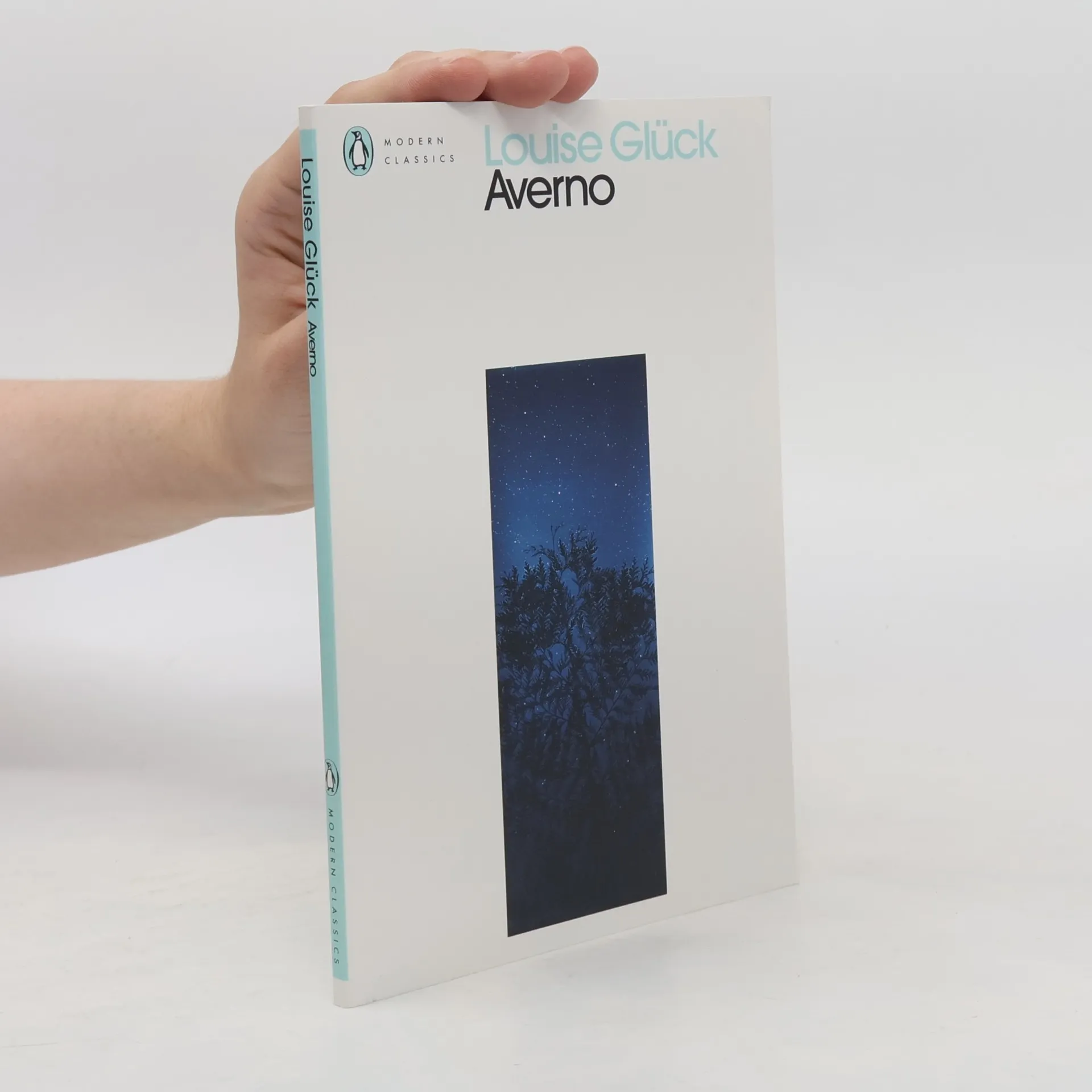
'Brilliant poems of complex, haunting power... Averno may be Glück's masterpiece' The New York Times Book Review An acclaimed collection from the Nobel prize-winning poet This startlingly original reworking of the Persephone myth takes us to the icy shores of Averno, the crater lake regarded by the ancient Romans as the entrance to the underworld. Here, the consolations of rebirth and renewal are eclipsed by the immediacy of loss - by a mother's possessive grief, an abducted girl's equivocal memories, a farmer's lament for a lost harvest. This chorus offers neither comfort nor solace but deepened understanding, its sorrow textured by the poet's luminous wit. Together, the poems of Averno swell to a staggeringly powerful lamentation, through which the reader glimpses the ecstasy of the inevitable, only to find it resisted by the insistent, impersonal presence of the Earth.
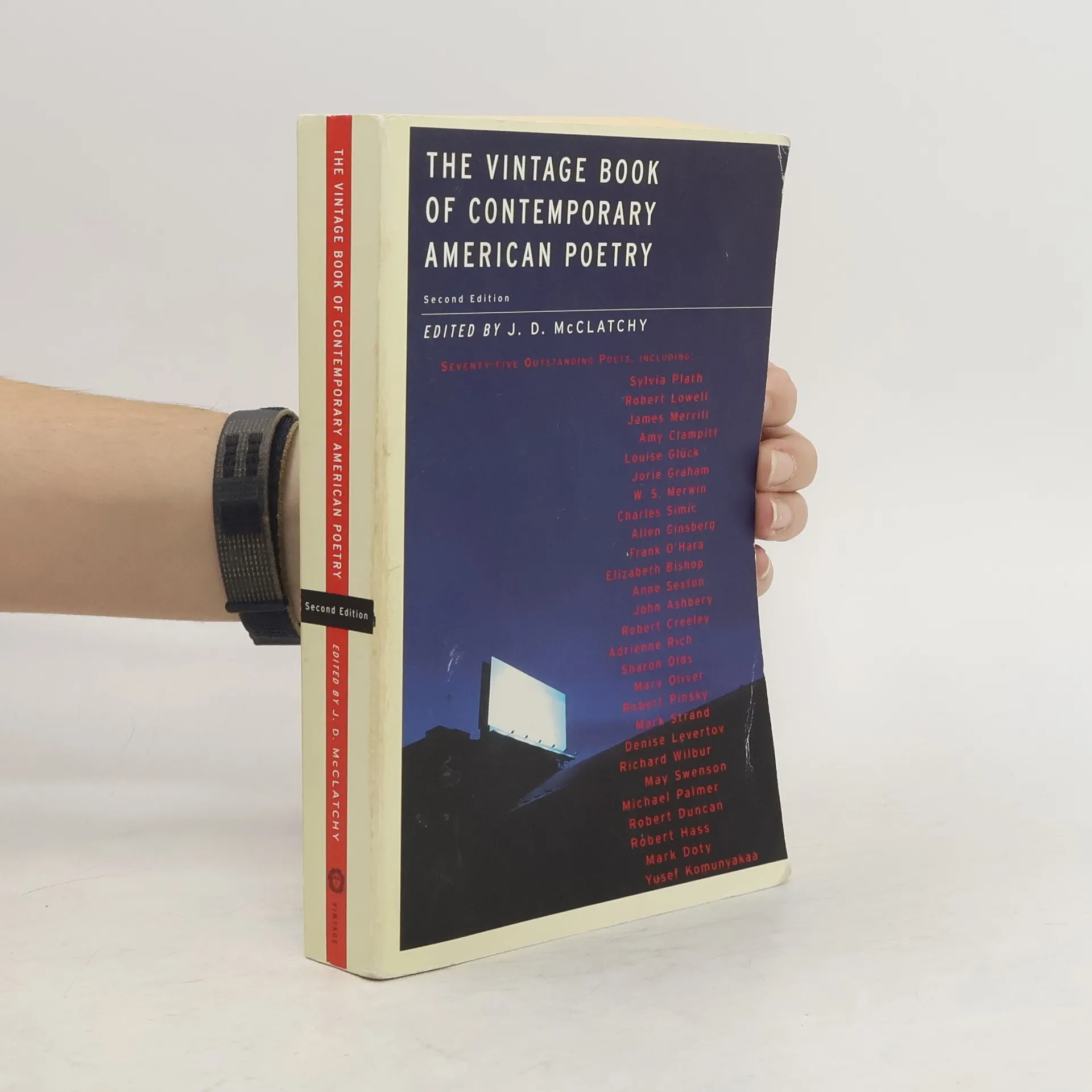
Dazzling in its range, exhilarating in its immediacy and grace, a collection that gathers together, from every region of the country and from the past forty years, the poems that continue to shape our imaginations.From Robert Lowell and Elizabeth Bishop, John Ashbery and Adrienne Rich, to Robert Haas and Louise Glück, this anthology takes the full measure of our poetry's daring energies and its tender understandings.Other poets Sylvia PlathJames MerrillAmy clampittJorie GrahamW. S. MerwinCharles SimicAllen GinsbergFrank O'HaraAnne SextonRobert CreeleySharon OldsMary OliverRobert PinskyMark StrandDenise LevertovRichard WilburMay SwensonMichael PalmerMark DotyYusef Komunyakaa
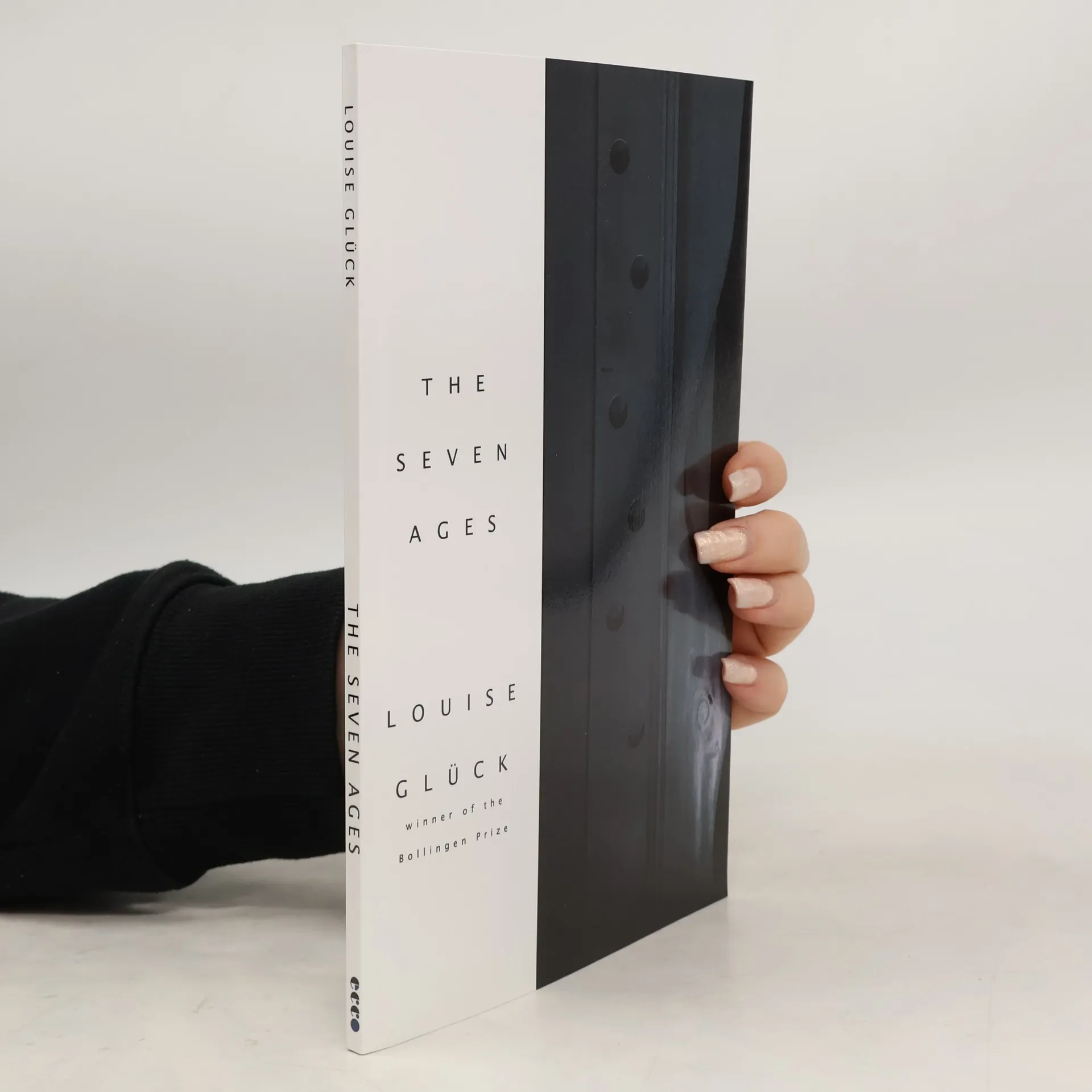
In "The Seven Ages," Pulitzer Prize-winning author Louise Glück explores themes of mortality and transformation through her unique poetic lens. This bold collection reflects her journey from clairvoyance to embracing the inevitable, creating a powerful experience that ignites the reader's imagination with each leap into the unknown.
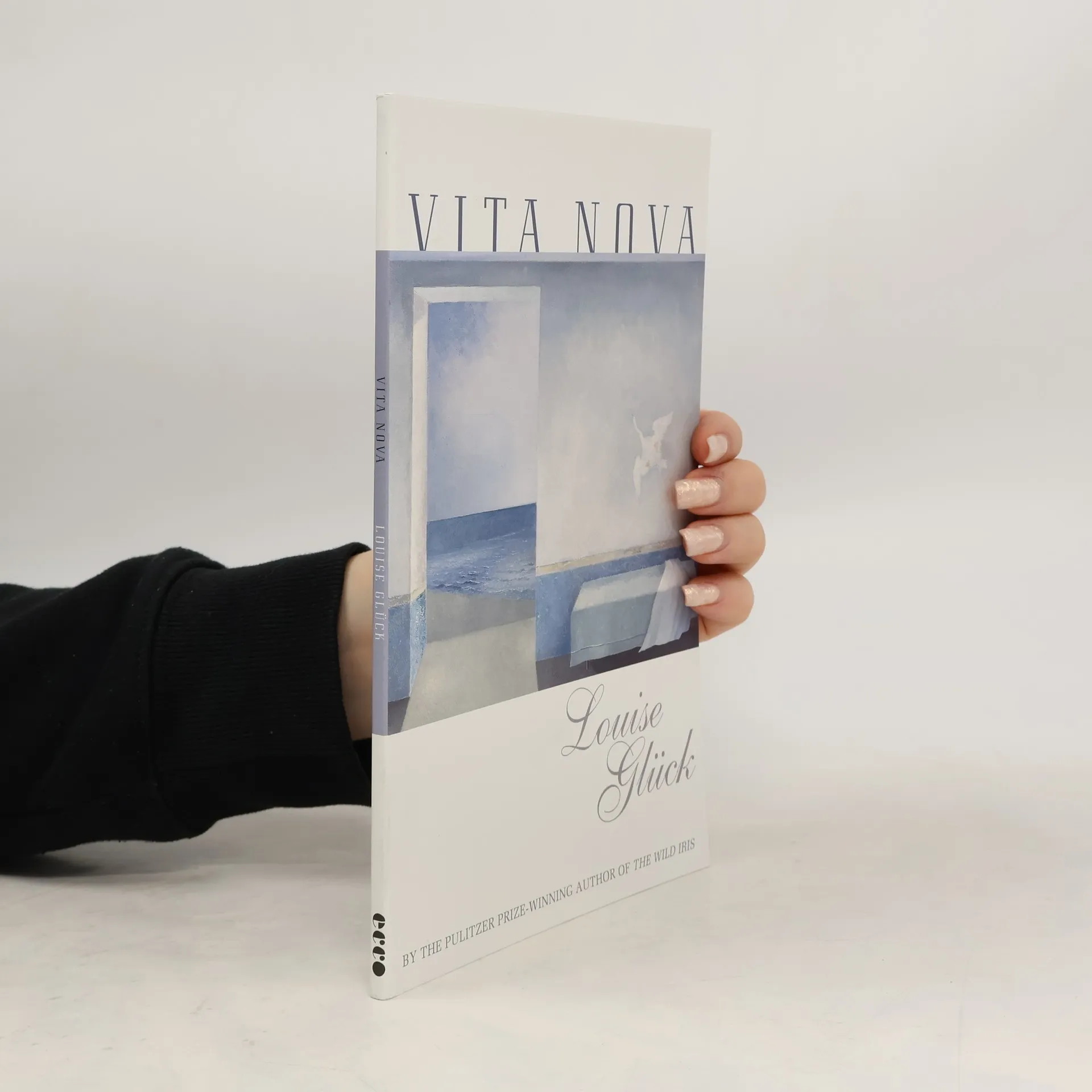
Winner of the Nobel Prize in Literature In Vita Nova , Pulitzer-Prize winning poet Louise Glück manages the apparently impossible: a terrifying act of perspective that brings into resolution the smallest human hope and the vast forces that shape and thwart it Since Ararat in 1990, Louise Glück has been exploring a form that is, according to the poet, Robert Hass, her invention. Vita Nova-- like its immediate predecessors, a booklength sequence--combines the ecstatic utterance of The Wild Iris with the worldly dramas elaborated in Meadowlands. Vita Nova is a book that exists in the long moment of spring: a book of deaths and beginnings, resignation and hope; brutal, luminous, and far-seeing. Like late Yeats, Vita Nova dares large statement. By turns stern interlocutor and ardent novitiate, Glück compasses the essential human paradox. In Vita Nova, Louise Glück manages the apparently impossible: a terrifying act of perspective that brings into resolution the smallest human hope and the vast forces that thwart and shape it.
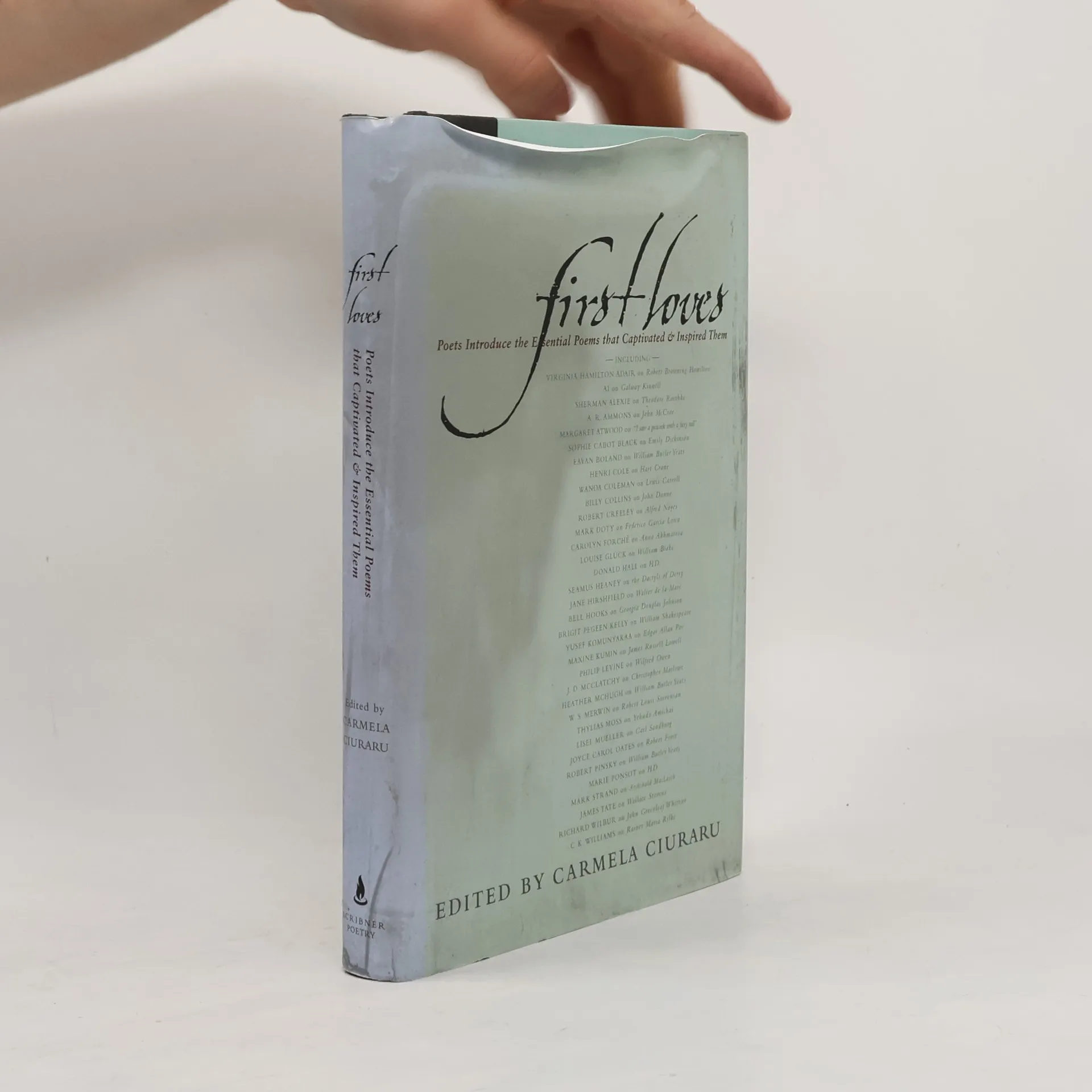
Poets Introduce the Essential Poems That Captivated and Inspired Them
A collection of poems selected by poets as those that first inspired them includes timeless favorites and insightful essays by Pulitzer Prize and National Book Award winners including Roethke, Pinsky, and Heaney.
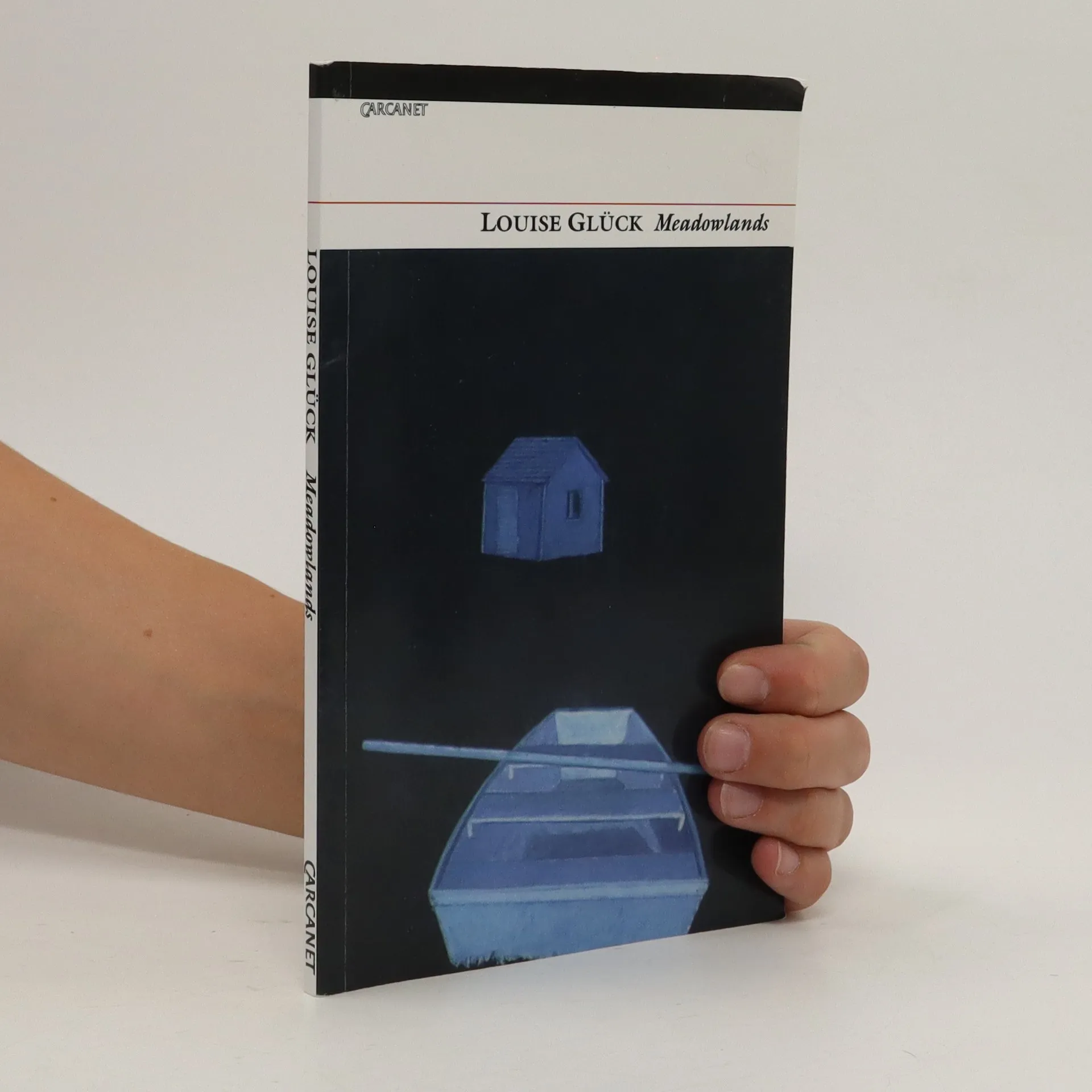
Includes Penelope's Song in which the author interweaves in a book-length sequence an account of the dissolution of a contemporary marriage with the story of Homer's Odyssey. This collection of poetry also explores the notion of the nostos, the homecoming.
A collection of essays in which the author writes of her own upbringing, her human and literary antecedents, and also dwells on lives and poems. The book includes writings on T.S. Eliot, George Oppen, Sylvia Plath, Robinson Jeffers, Wallace Stevens, and John Berryman.