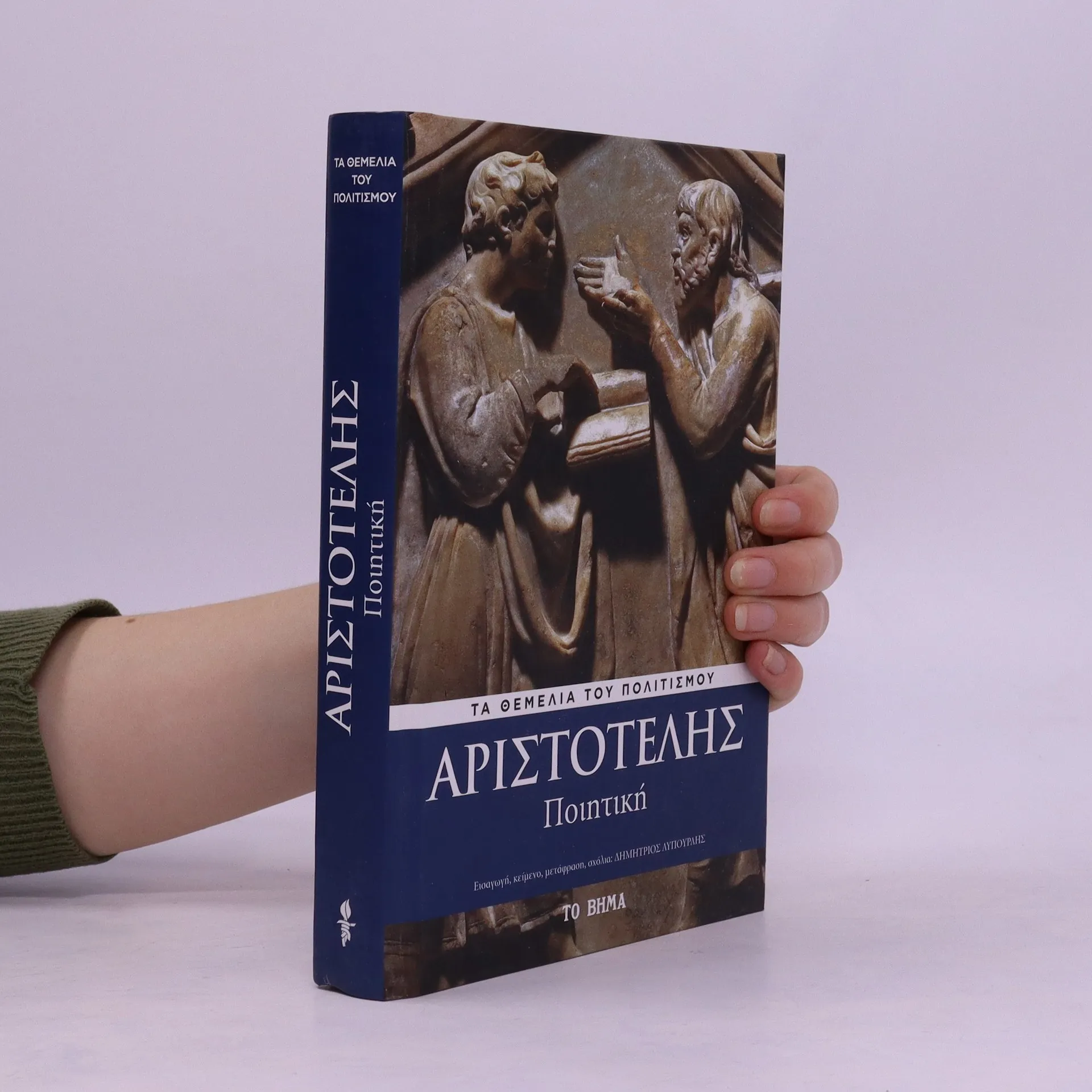
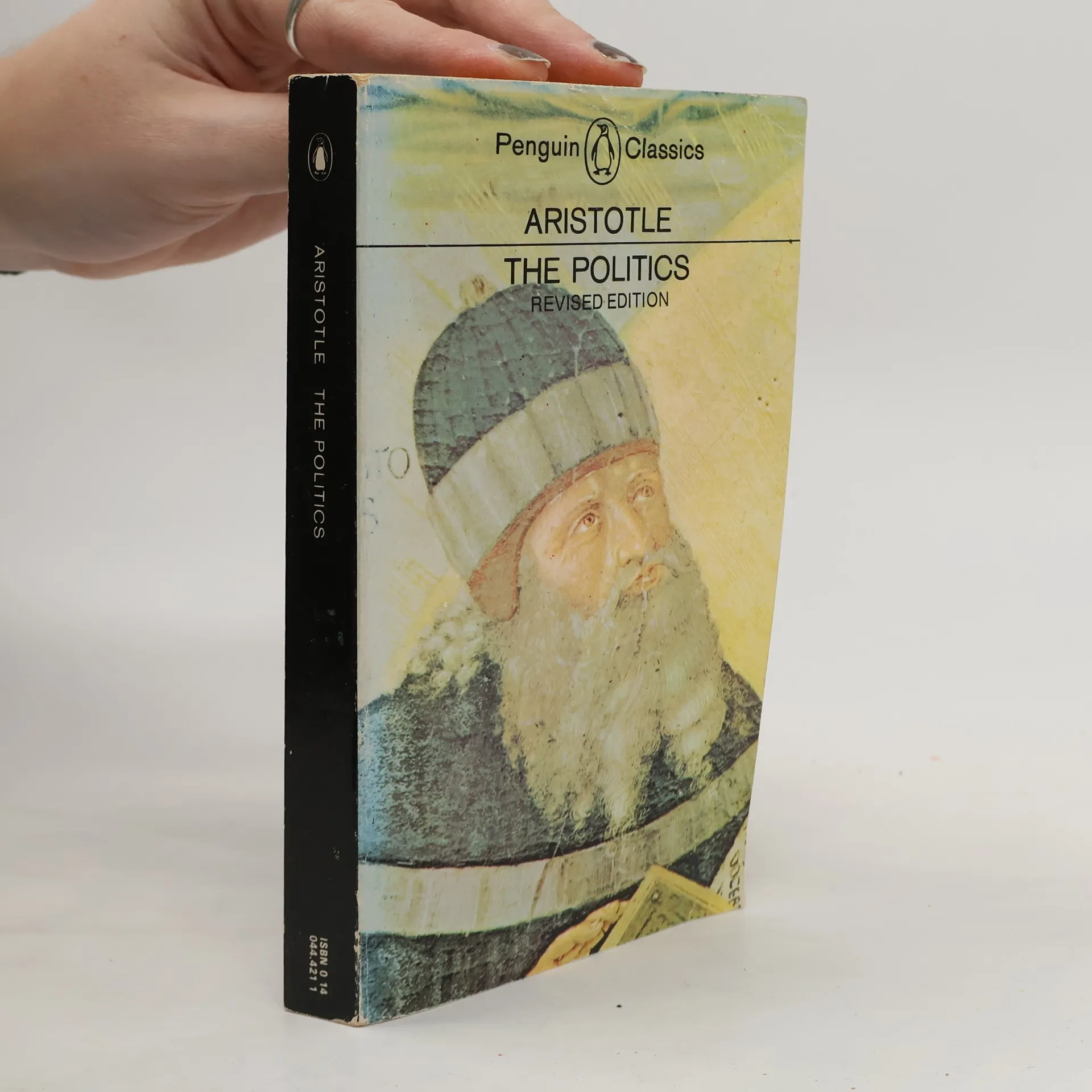
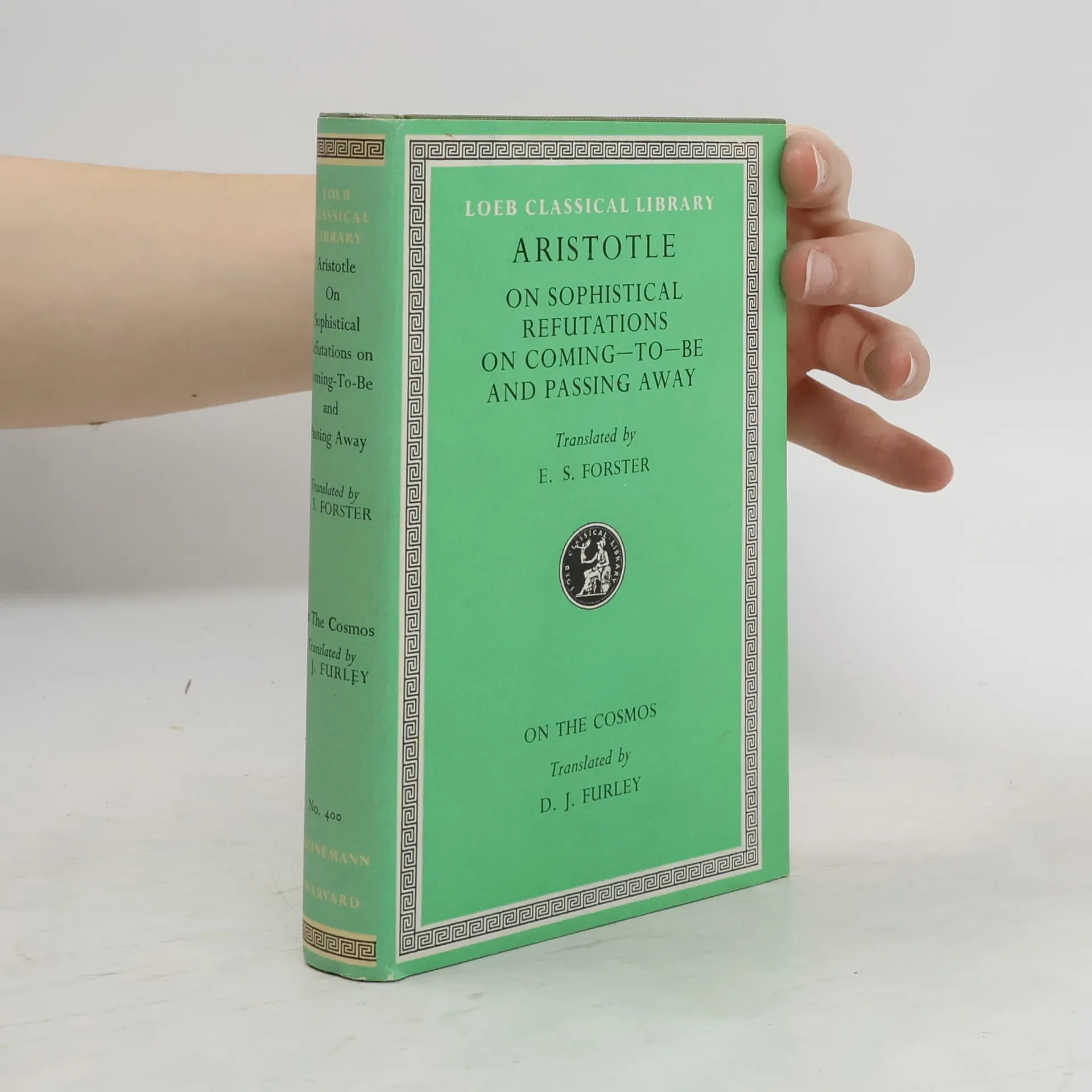
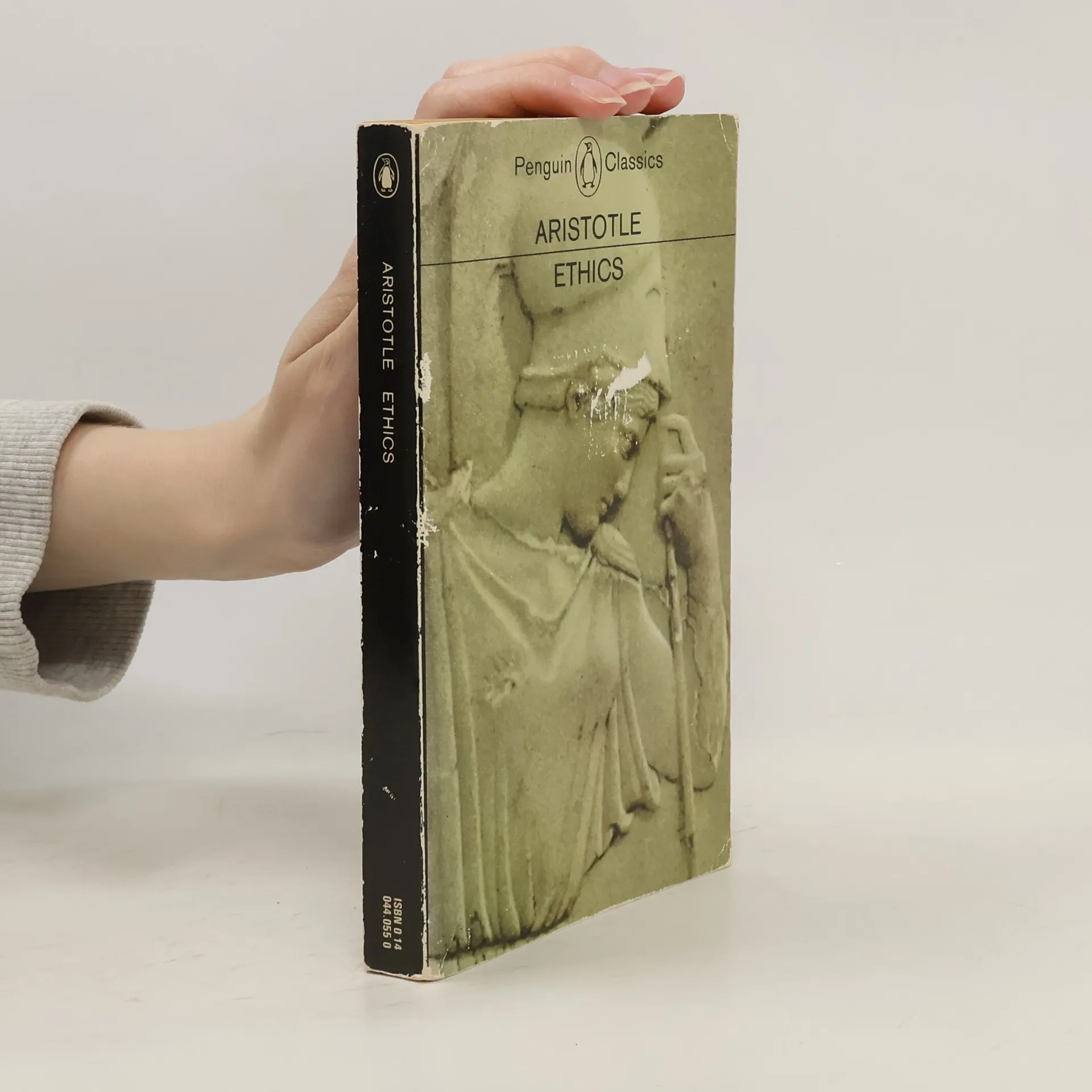
Základné dielo filozofickej a politologickej svetovej literatúry, významná pomôcka pre študentov dejín filozofie, filozofie a politológie, zasvätenie do klasických predstáv o spôsoboch a filozofii politiky, ako ju prezentovala jedna z najväčších osobností antického sveta. Preklad Aristotelovej Politiky rozhodne zapĺňa medzeru vo všeobecnom vzdelaní, prispieva k doplneniu našich znalostí o oblasti poznania, ktorá sa týka každého z nás.
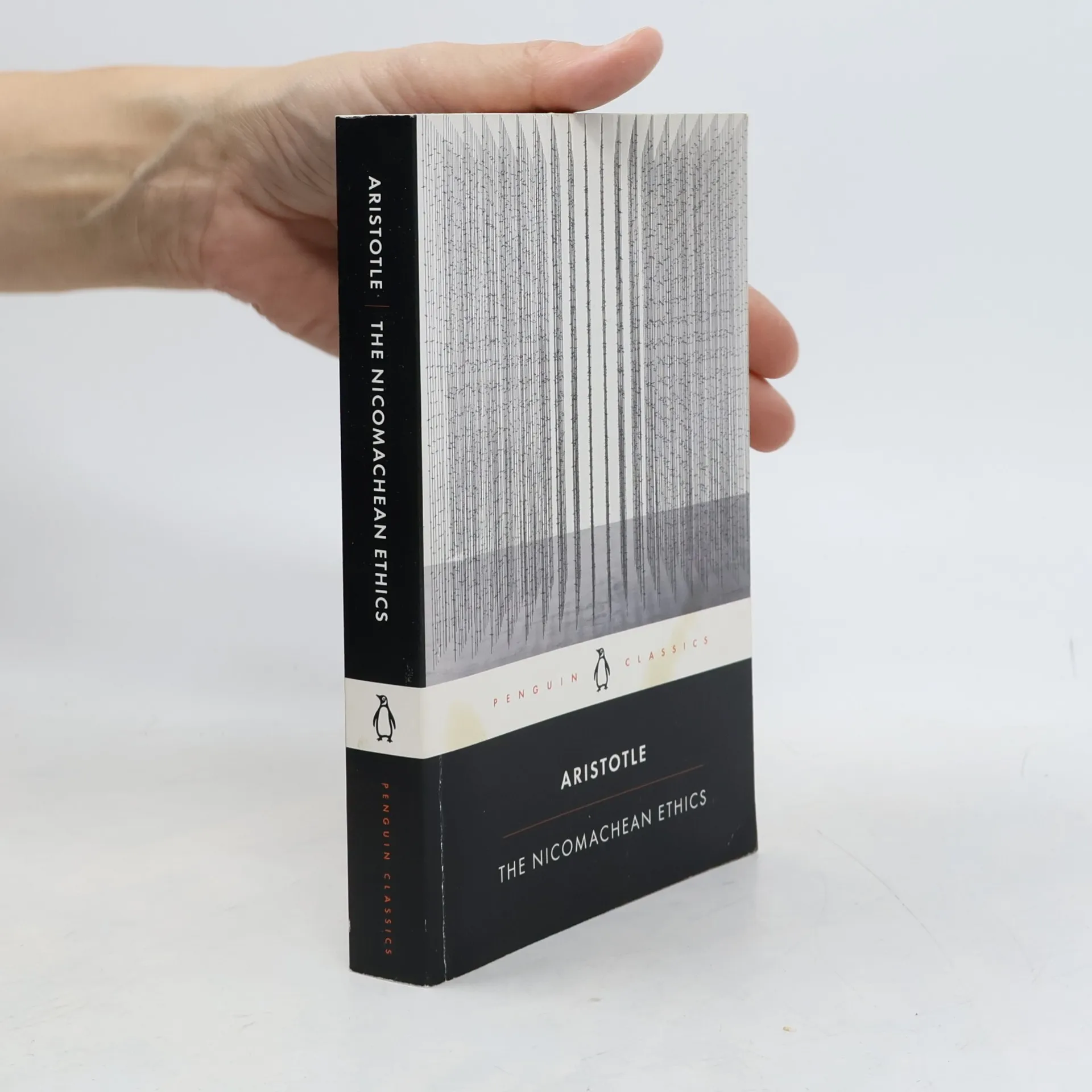
Aristoteles napísal spolu tri etiky: Veľkú etiku, Etiku Nikomachovu a jej inú verziu – Etiku Eudémovu. Aristoteles zakladá delenie spravodlivosti na zákonnú spravodlivosť a na spravodlivosť etickú. A práve etickej spravodlivosti sa venuje v diele Etika Nikomachova. Aristoteles ju považuje za spravodlivosť vo vlastnom zmysle slova, za rovnocennú s ostatnými etickými cnosťami (udatnosť, umiernenosť). To, čo má s nimi spoločné, je rovnosť, ktorej podstatu tvorí stred medzi dvoma krajnosťami. Ako udatnosť je stredom medzi strachom a smelosťou, ako je umiernenosť stredom medzi slasťou a strasťou, tak spravodlivosti patrí miesto v strede medzi páchaním krivdy a znášaním krivdy. Etická spravodlivosť patrí podľa Aristotela do oblasti dobrého a správneho konania, ktoré človeka vedie k jeho cieľu, plnému životu ako forme šťastia. Spravodlivosť teda nie je formou rozumovej cnosti ako schopnosti správneho teoretického poznania, nie je to cnosť, ktorá sa sprostredkúva učením a skúsenosťou. Je formou povahovej cnosti, ktorá sa získava nácvikom konania a privyknutím na konanie orientované na určitý cieľ.
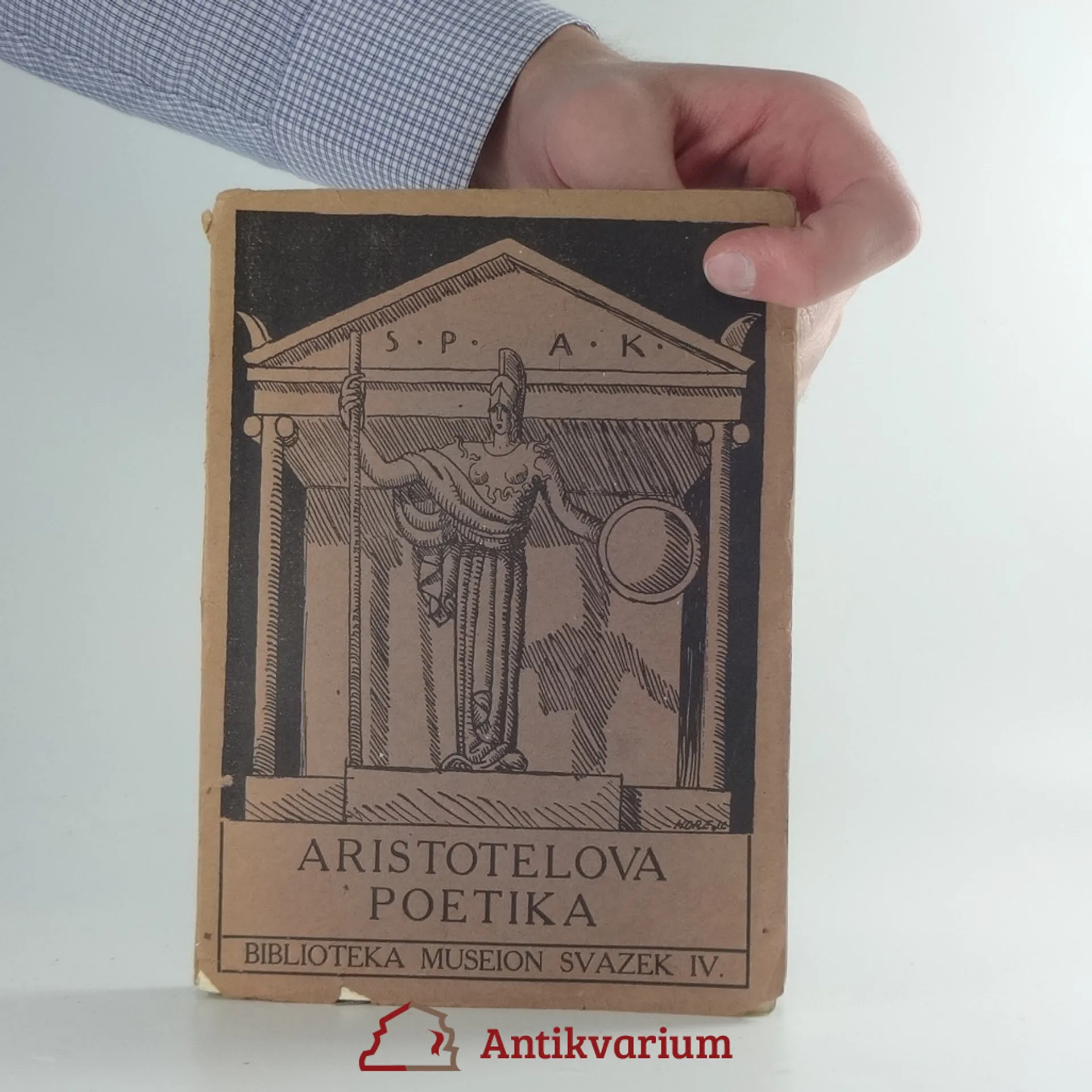
Aristoteles v diele Poetika preskúmava matériu umenia a jeho spoločenský význam, pričom čitateľovi poskytuje ucelený obraz o možnostiach, ktoré umenie ponúka, a jeho jednotlivých zložkách. Zameriava sa na básnictvo a dramatickú tvorbu, skúma pôvod umenia, jeho vznik a vývoj, ako aj prostriedky, ktoré autor používa. Podstatnú časť diela venuje tragédii, ktorú analyzuje z rôznych hľadísk, aby čitateľ mohol preniknúť do jej tajov, pochopiť jej význam a rozlíšiť jednotlivé druhy tragédie. Aristoteles sa podobne zaoberá aj epickou poéziou a jej historickým kontextom, pričom porovnáva tragické a epické básnictvo.
Dielo zahŕňa aj VIII. knihu Politiky, ktorá sa zaoberá výchovou mládeže a hovorí o priaznivom vplyve hudby na dušu a vývoj mladých ľudí. Poznanie Aristotelovej Poetiky a Politiky umožňuje čitateľovi získať ucelený pohľad na antickú umeleckú tvorbu a pochopiť krásu básnických a dramatických diel tejto doby, pričom odhaľuje črty, ktoré ovplyvnili generácie umelcov až po súčasnosť. Kniha obsahuje úvod o Aristotelovi a jeho Poetiky, ako aj odbornú štúdiu Miloslava Okála, ktorá sa zaoberá vývojom poetiky v antickej literatúre a tvorbou významných básnikov a filozofov. Medzi ďalšie Aristotelove diela patrí Etika Eudemova, Etika Nikomachova, Rétorika a Aténska ústava.
V oboch dielach uvedených v tejto publikácii, O nebi a O vzniku a zániku, sa čitateľ môže oboznámiť s názormi na svet, na vesmír podľa Aristotelových úvah, ale i s názormi jeho predchodcov, ktoré sám Aristoteles skúma, a zároveň môže spoznať, ako zmýšľali starovekí učenci o veciach, ktoré sú nám dnes už oveľa jasnejšie, než tomu bolo za ich čias. Čitateľ má tiež možnosť zamyslieť sa nad staťami objasňujúcimi vznik a zánik vecí či javov a hľadať spolu s Aristotelom všeobecne platné postuláty.
Súčasťou publikácie je štúdia Miloslava Okála Aristoteles, jeho život a dielo a štúdia Petra Kuklicu a Ivana Janeka Aristoteles a jeho poznávanie sveta.
Diogenes Laertios vo svojom známom diele Životy, názory a výroky slávnych filozofov zaradil do zoznamu Aristotelových prác aj spis Ústavy 158 obcí, ktorý skúma demokratické, oligarchické a aristokratické zriadenie, kráľovstvo i tyraniu. Objavenie textu Aténskej ústavy koncom 19. storočia v Britskom múzeu na zvitkoch kúpených v Egypte znamenalo vedeckú senzáciu. Edíciu tzv. Londýnskeho papyrusu uverejnil začiatkom roka 1891 asistent oddelenia rukopisov F. G. Kenyon. Podľa výskumov táto práca mala slúžiť ako materiál pre školské účely, o čom svedčí aj spôsob jej spracovania a štýl, akým je napísaná. Aristotelovo dielko patrí do „zlatého fondu“ ústavného práva, pretože zachytáva zrod a vývoj antickej demokracie a jej inštitucionálneho základu. Práca po prvý raz vychádza v slovenskom preklade. Kniha o legendárnych mestách zašlých kultúr ako Babylon, Kartágo či Angkor obsahuje množstvo informácií založených na najnovších výskumoch. Rekonštrukcie miest na vrchole ich slávy, vynikajúci fotografický materiál a pútavé texty potešia všetkých milovníkov.
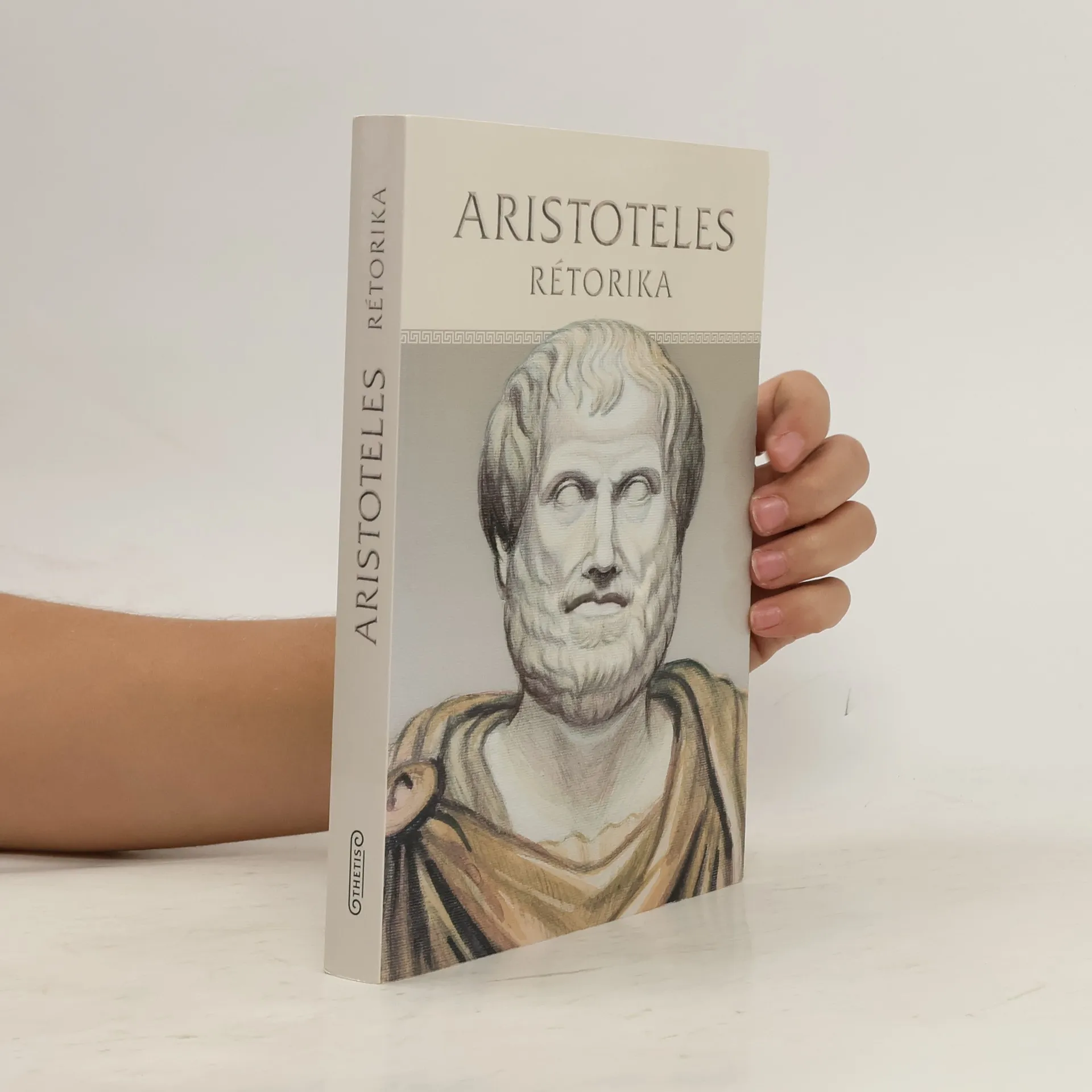
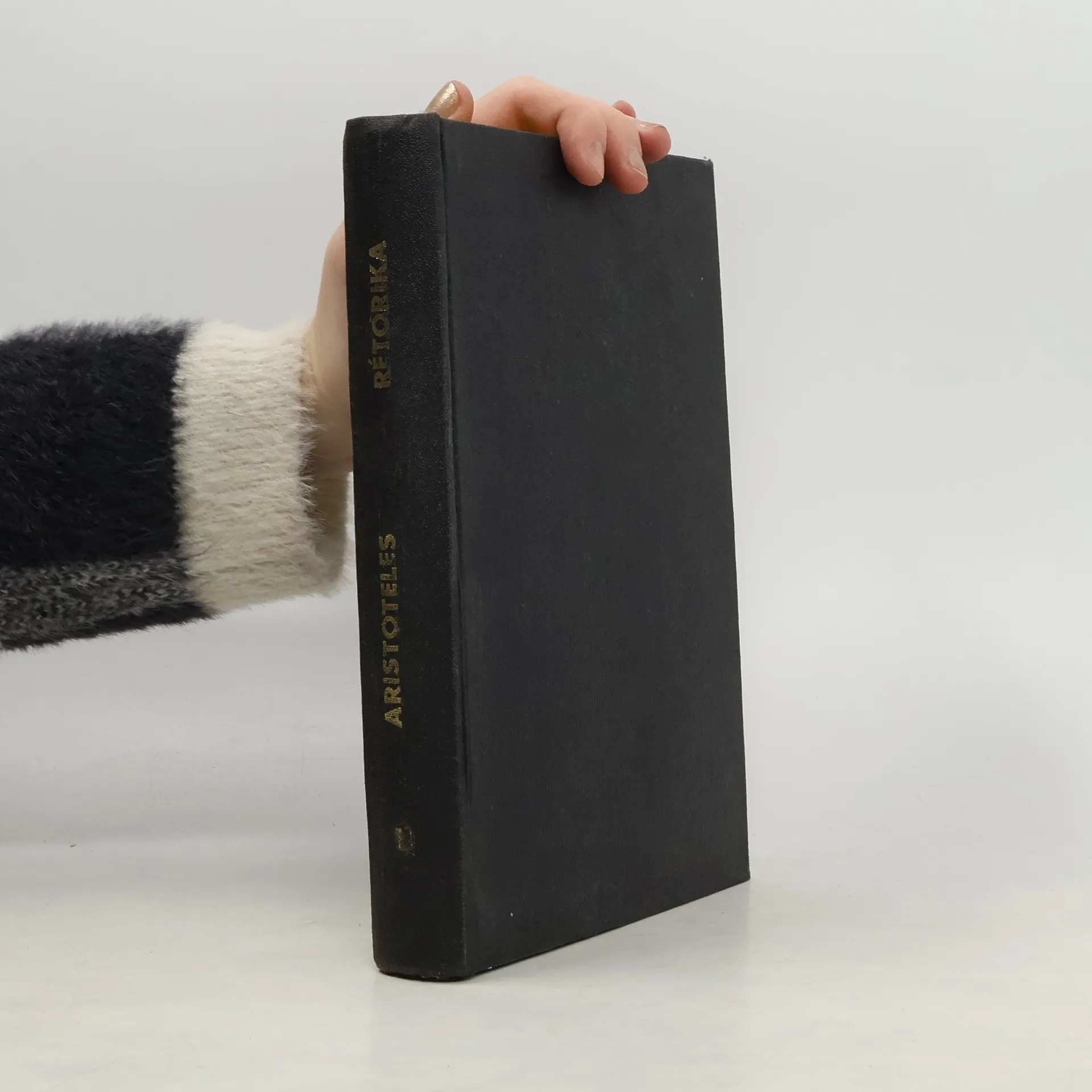
Dielom Rétorika završuje Aristoteles skúmanie spoločenských javov, politického systému, vzťahov vytvárajúcich sa v obci, štáte. Väzby v obci, štáte sa prejavujú navonok medzi jednotlivcami individuálnym konaním, ktorého najvýraznejším vonkajším prejavom je ľudská reč. A práve spôsob reči, komunikácie je predmetom skúmania tohto Aristotelovho diela. Jeho Rétorika je najvýznamnejším dielom mysliteľov, filozofov antického Grécka v oblasti poznávania reči a komunikácie vo všeobecnosti.
Aristoteles dal svojmu dielu nadčasovú formu, ktorou vyjadruje podstatu objektívne skúmanej reality. Jeho myšlienky sa pohybujú vo všeobecnej rovine, ale tiež rozoberajú konkrétne situácie v živote človeka.
Aristotelova Rétorika je dodnes základným prameňom skúmania a poznania rétoriky. Aristoteles v nej dáva čitateľovi možnosť oboznámiť sa s tým, aké druhy reči sa majú používať v komunikácii, ukazuje, aké prostriedky má rečník voliť, aby dosiahol svojou rečou a slovami to, čo si zaumienil, a dokázal správne pochopiť slová a reči iných. Pozorný čitateľ dozaista dokáže v Aristotelových úvahách o rétorike nájsť mnoho zaujímavého i pre dnešok, súčasnosť.
Kniha obsahuje odbornú štúdiu Petra Kuklicu Význam Rétoriky v Aristotelových politických dielach, ktorá vymedzuje miesto Aristotelovým úvahám o rétorike v celom komplexe jeho politického myslenia a vhodným spôsobom uvádza čitateľa do problematiky.
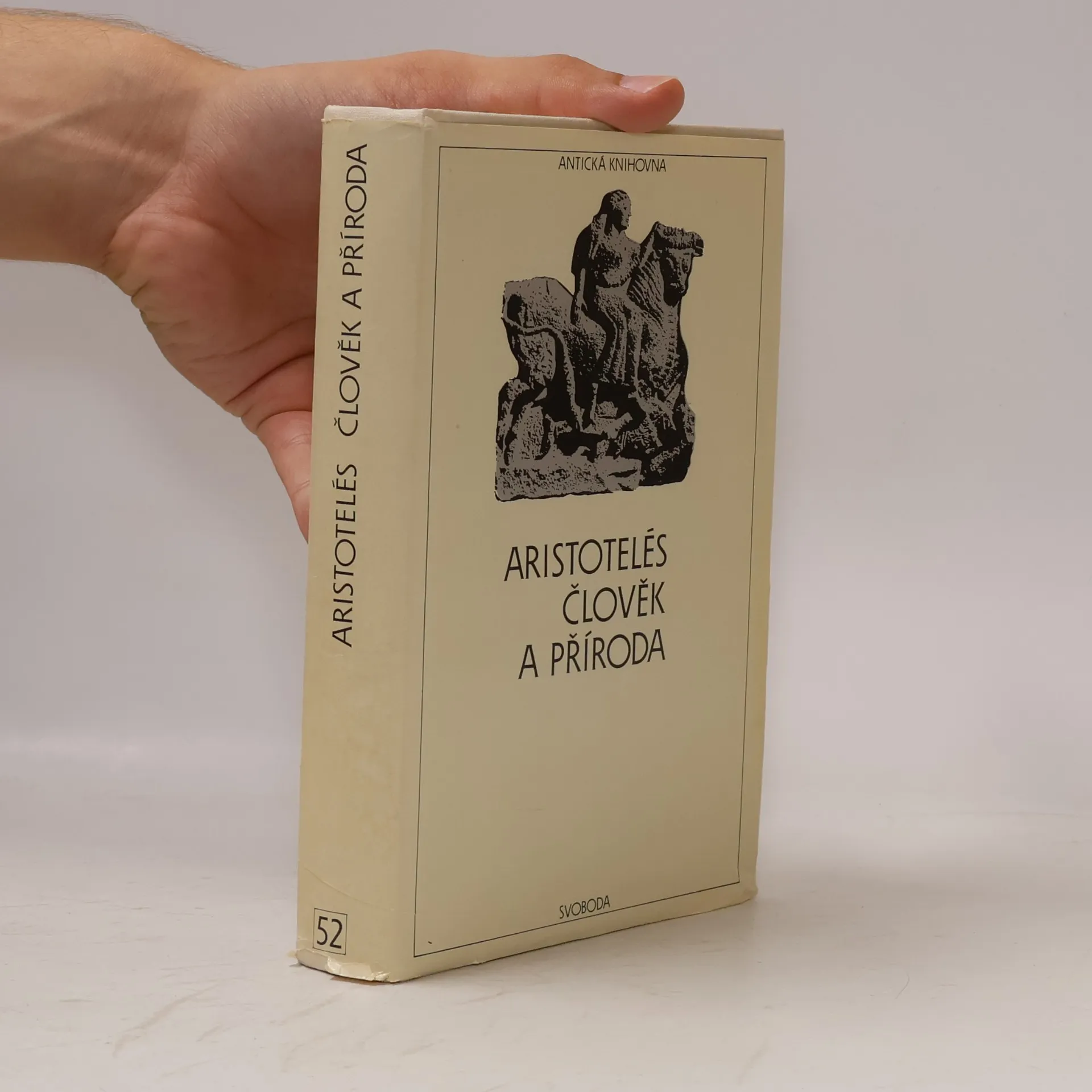
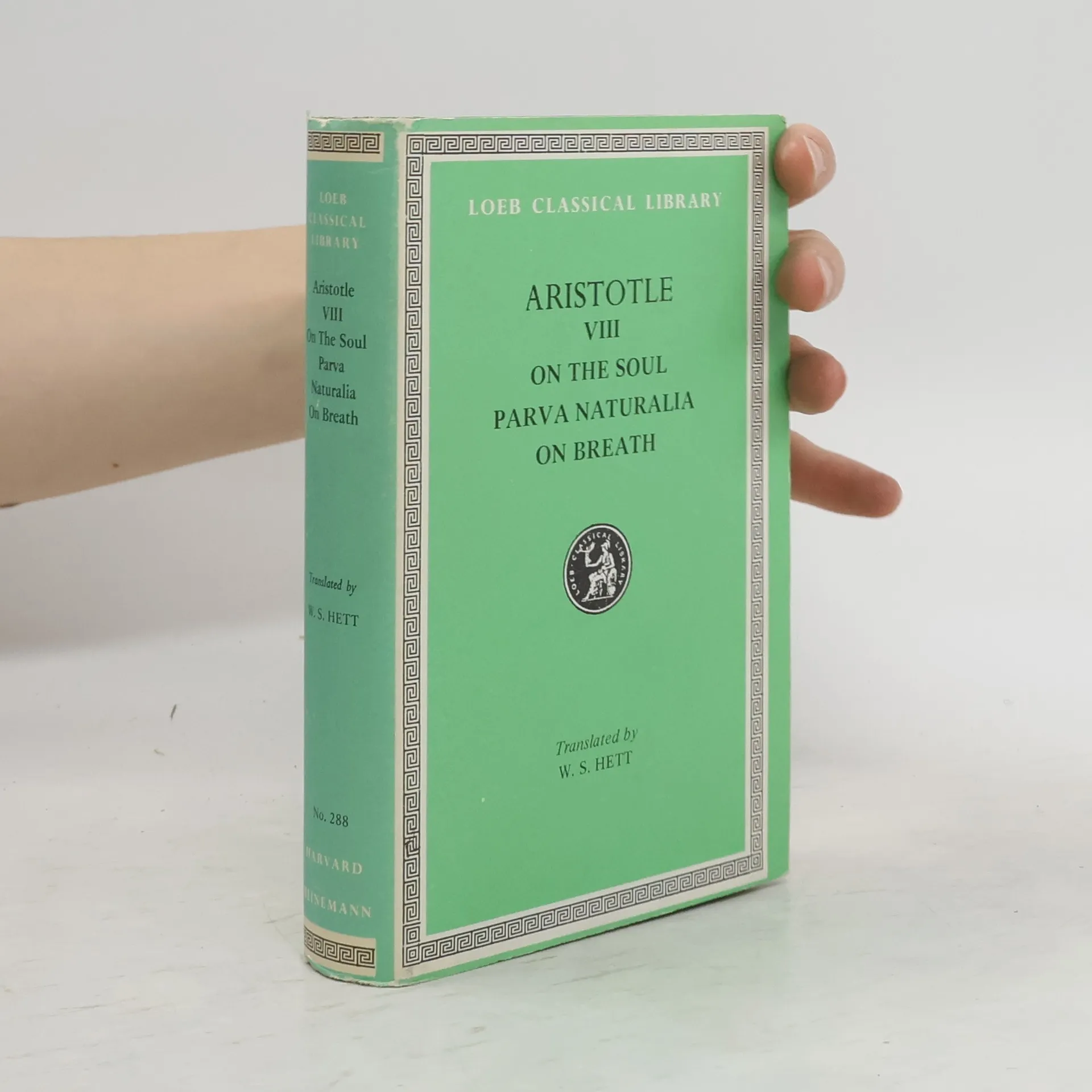
Aristoteles sa vo svojom bádání zameriava na prírodu a prírodné javy, skúma živočíchy a rastliny, pričom sa usiluje o ich klasifikáciu a zamýšľa nad podstatou ich existencie. Na základe svojich skúseností sa snaží odhaliť najvyššiu podstatu, ktorá je základom života, čo spracoval najmä v diele O duši a v Malých spisoch o prírode. V týchto prácach Aristoteles zrozumiteľne objasňuje predstavy o duši a iných aspektoch, pričom využíva príklady na vysvetlenie zložitých tém. Zameriava sa na prirodzené možnosti človeka pri objasňovaní problémov a vyhýba sa mystike. V diele O duši prezentuje názory starších filozofov, definuje dušu a jej časti, pričom sa sústreďuje na vnímanie, myslenie a činnosť duše. Malé spisy o prírode dopĺňajú tieto úvahy špecifickými témami, ako sú vnímanie, pamäť, spánok, sny, dĺžka života a ďalšie. Tieto diela umožňujú čitateľovi získať prehľad o antickom pohľade na dušu a jej chápaní od starších mysliteľov až po Aristotela a nielen po ňom. Publikácia obsahuje aj štúdie o milétskych filozofoch prírody a Aristotelovi.
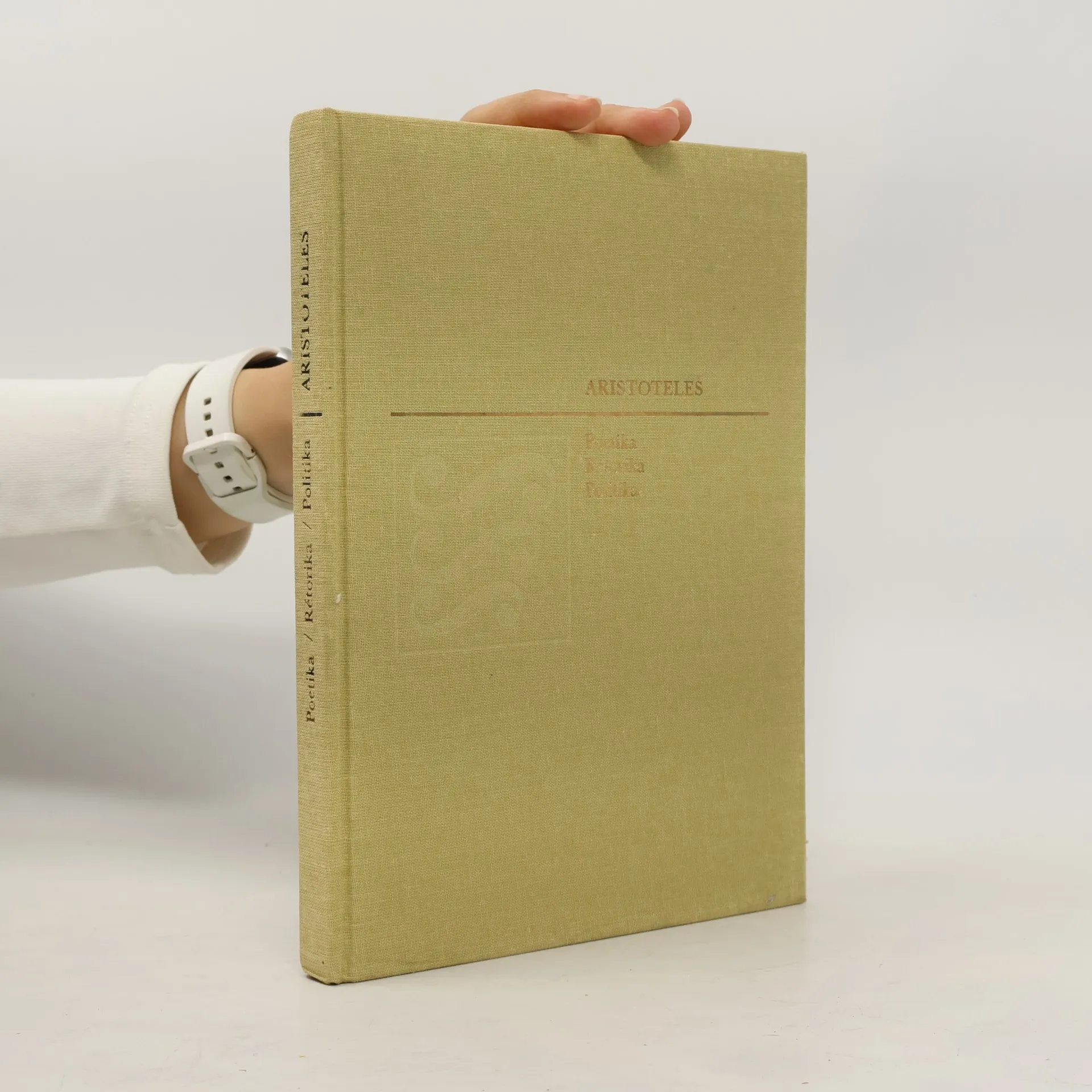
Druhý zväzok edície Knižnica estetiky. Predslov napísala Marta Zágoršeková, doslov Miloslav Okál. Menný register zostavila Daria Mariani - Mudrochová. Poetika - 2. prepracované vydanie Rétorika a Politika - 1. vydanie
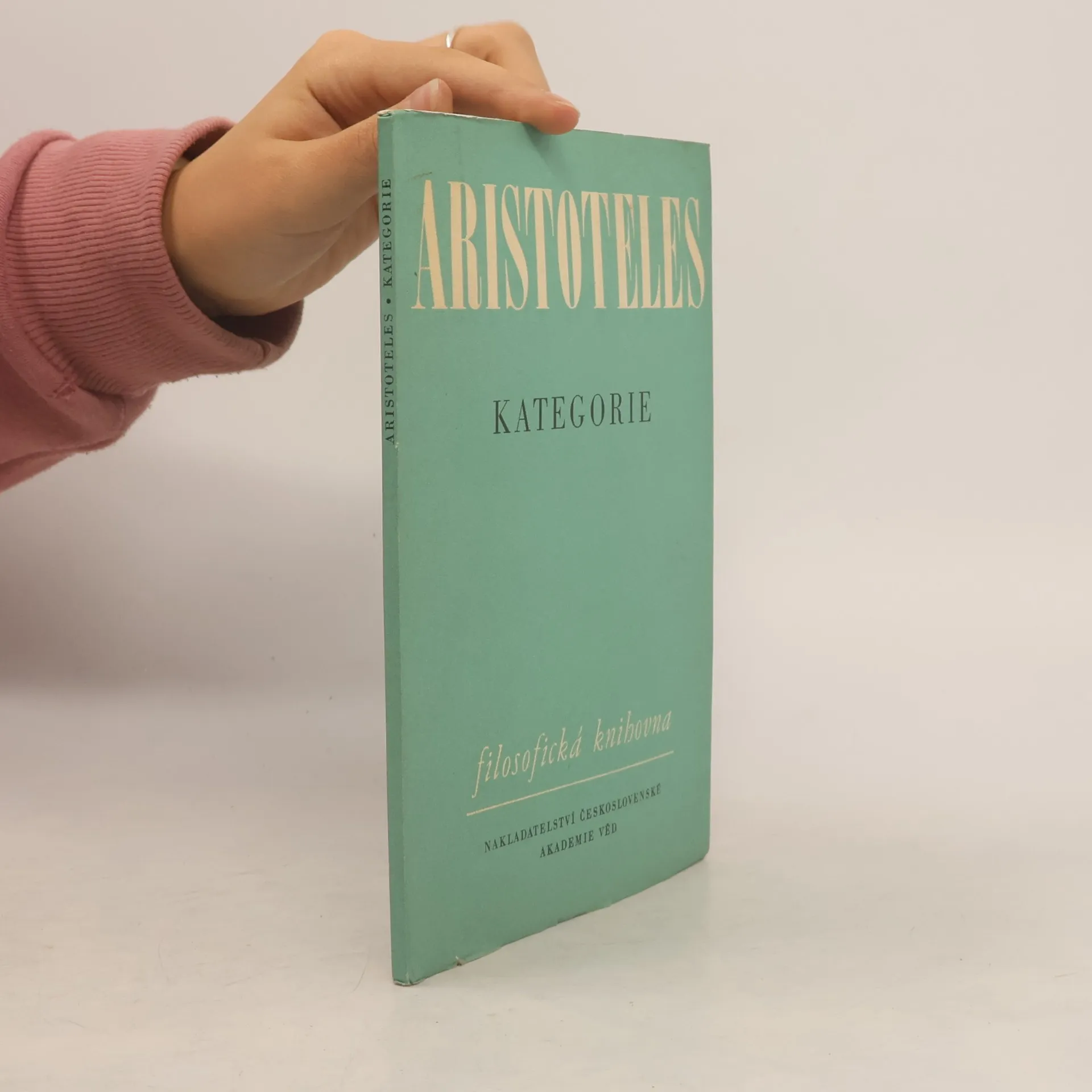
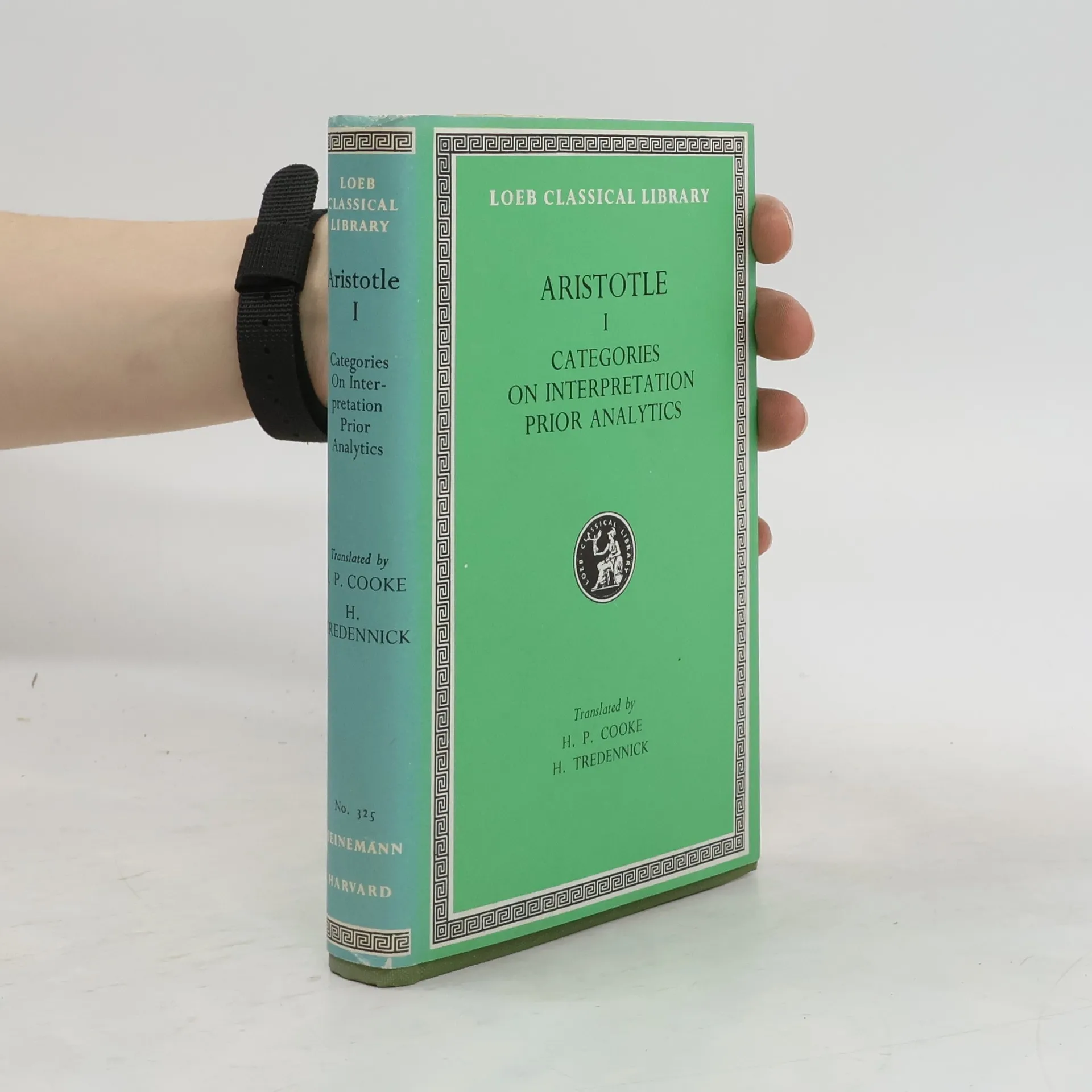
Focusing on the classification of entities, this work by Aristotle outlines ten categories that encompass all possible subjects or predicates in propositions. Known for its significance in Aristotelian philosophy, it aims to categorize every object of human understanding without complex structure. The text has inspired extensive discussion and analysis, influencing later scholastic philosophers who explored its implications. This foundational work remains essential for understanding the framework of logic and categorization in philosophical discourse.
Výbor z díla. Obsahuje knihy: O vzniku a zániku O duši Malá přírodovědná pojednání O spánku a bdění O snech O věštění ze snů O dlohověkosti a krátkověkosti O mládí a stáří O dýchání O životě a smrti
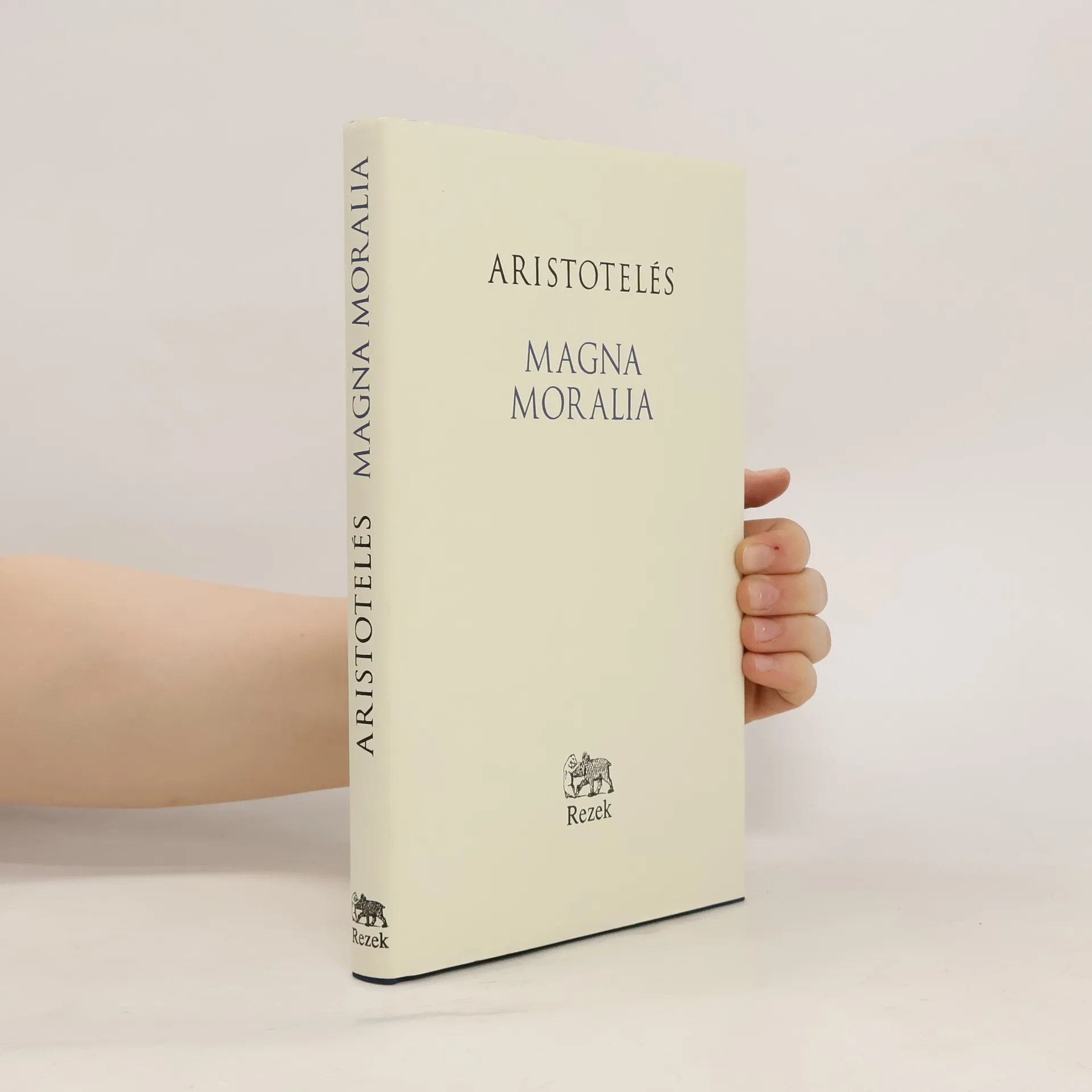
Aristotelova Velká etika (Magna Moralia) v upraveném překladu Antonína Kříže. Její velikost týká se rozsahu pojednávaných témat; dva oddíly o eutychii a kalokagathii nemají paralelu v Aristotelově Etice Níkomachově.
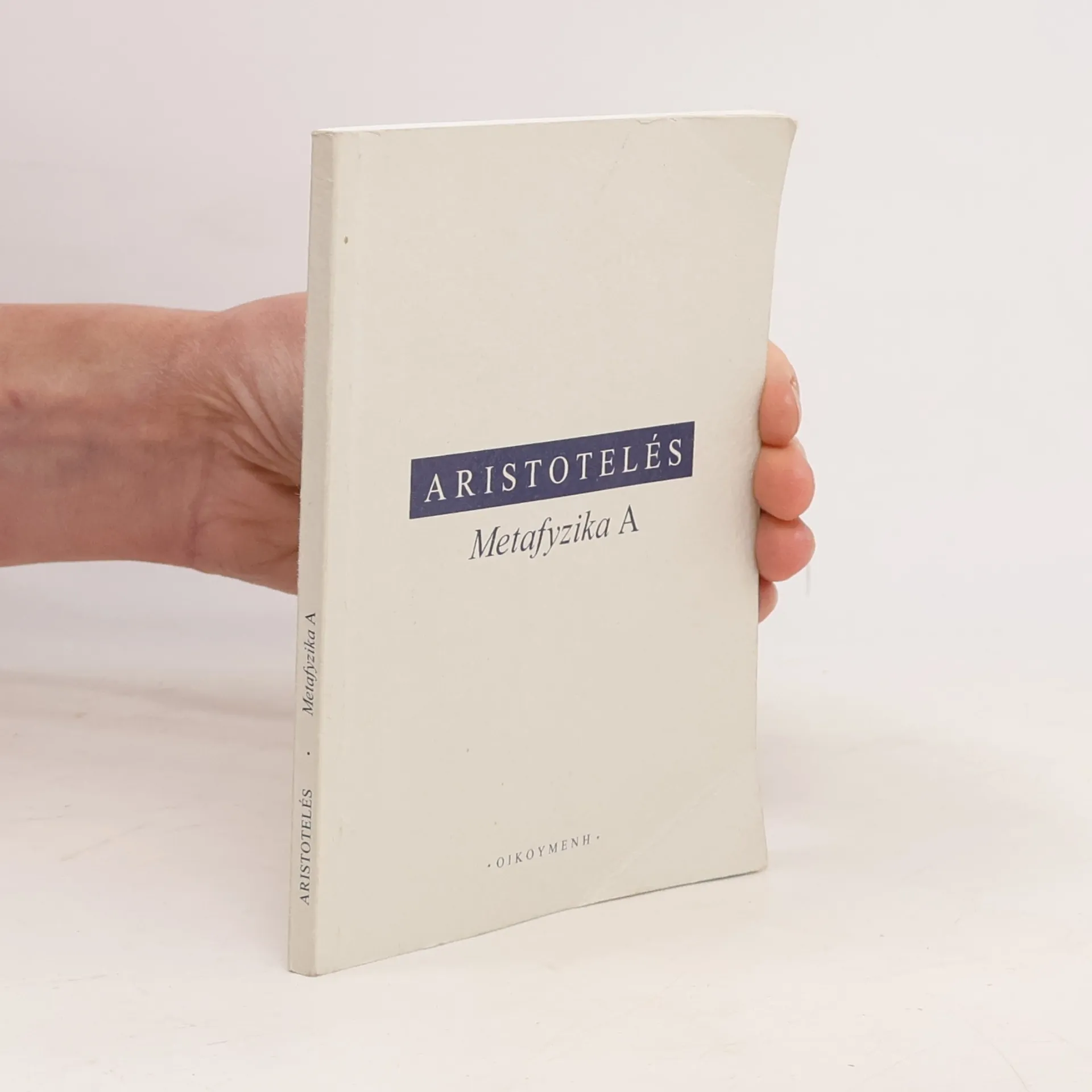
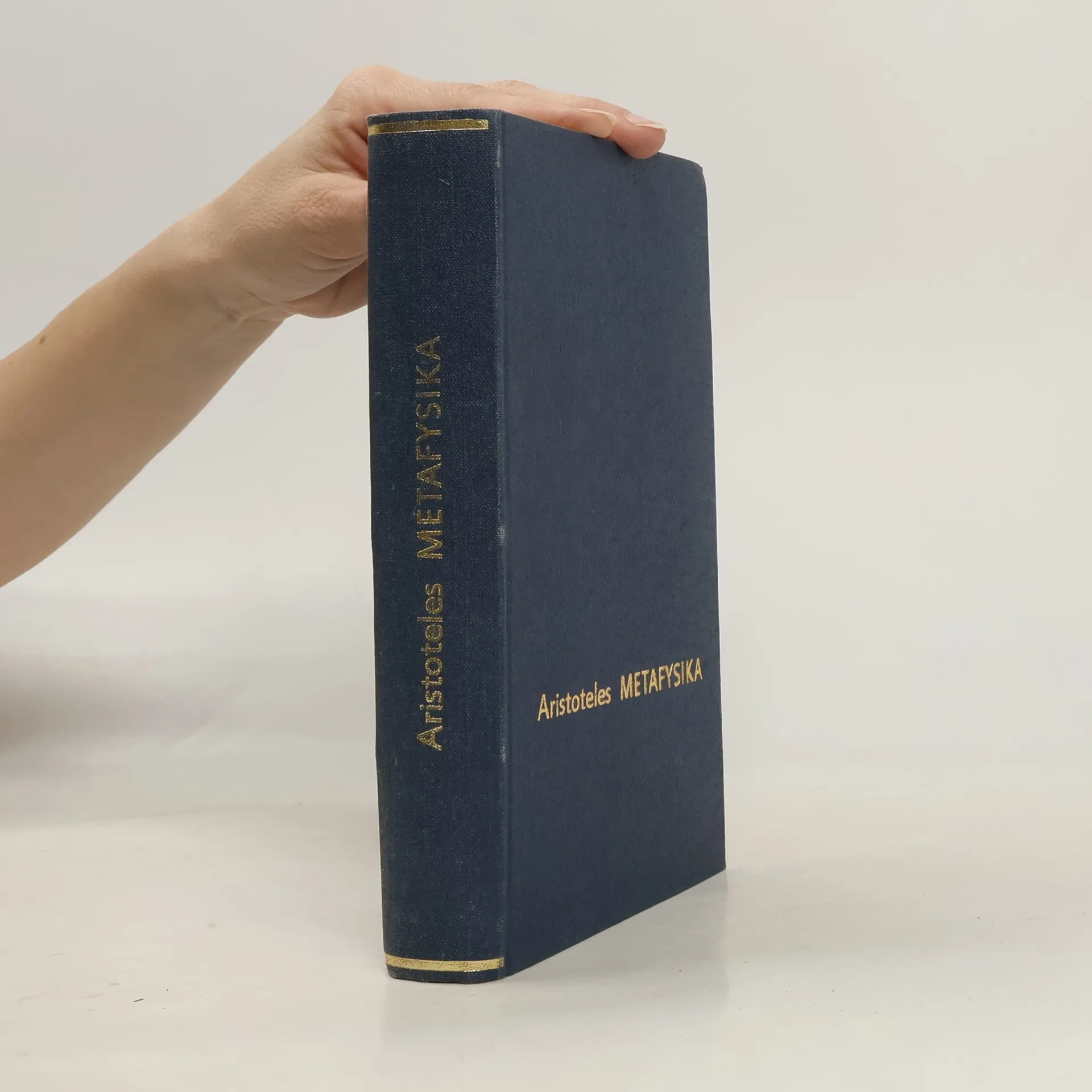
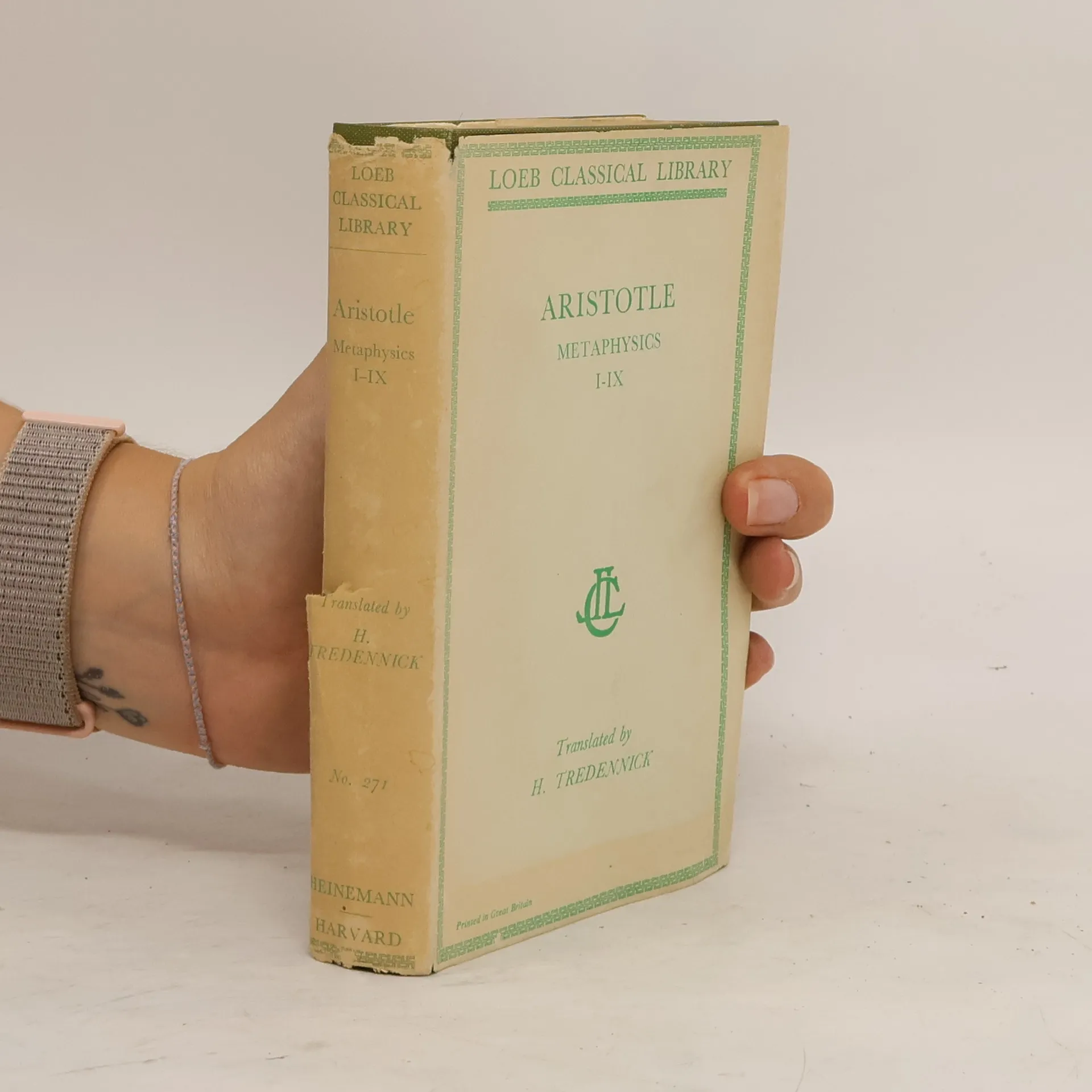
Metafyzika A je úvodní knihou souboru Aristotelových spisů věnovaných otázkám první filosofie. Aristotelés zde definuje filosofii jako vědu o prvních počátcích a příčinách. Na pozadí své vlastní nauky o příčinách podává přehled názorů svých předchůdců od Thaléta přes pythagorejce až po Platóna a podrobuje je kritice. Nový český překlad F. Karfíka.
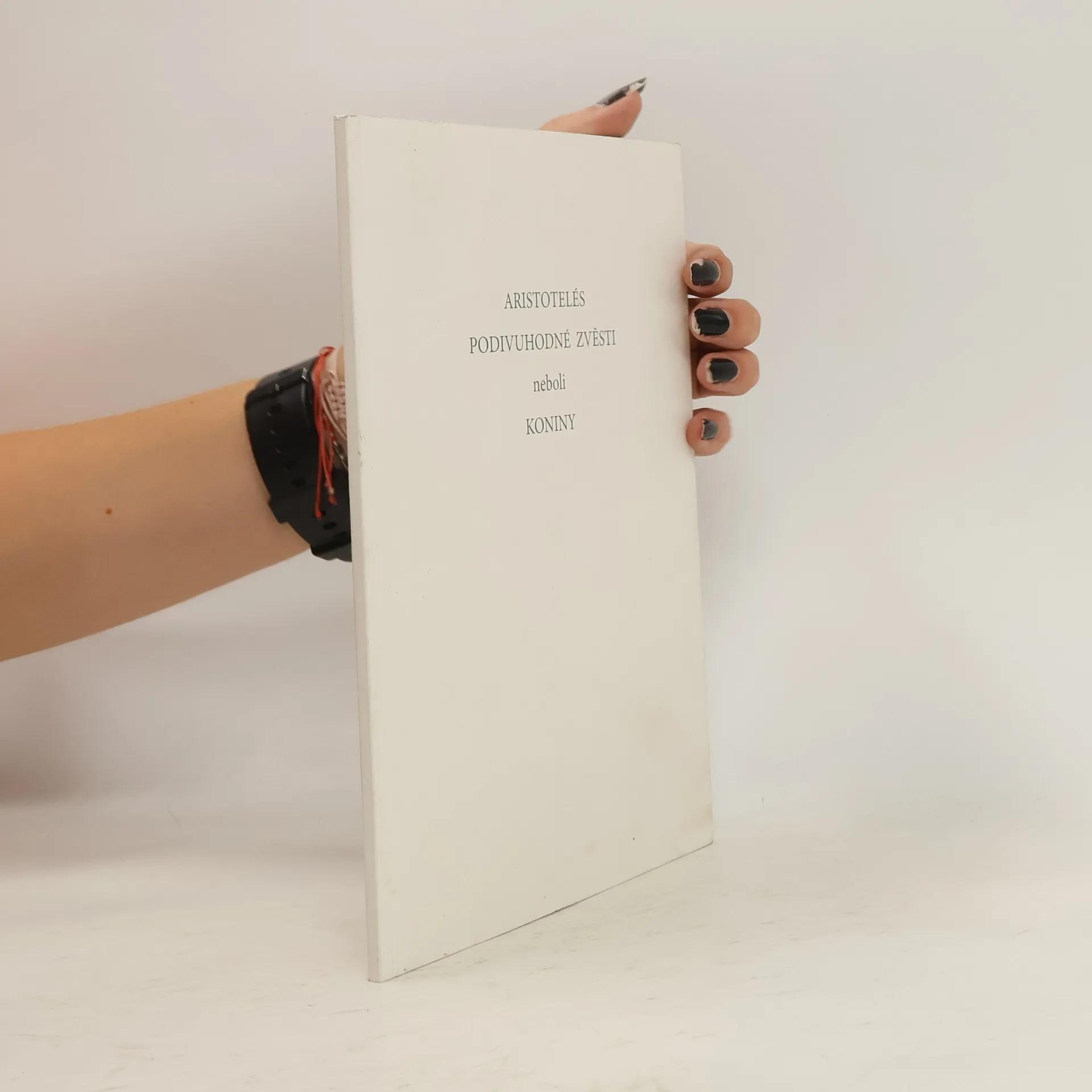
Podivnost nesmyslu, protimluvu, paradoxu přináší překvapení. Být zaskočen je prvním předpokladem myšlení. Objev podivnosti zostřuje náš zrak, úžas nad podivností je pak předstupněm otázky. Tak soudil i autor sbírky podivuhodností přisuzované Aristotelovi.
Česko-řecké vydání doprovází 25 ilustrací Jiřího Stacha.
Třista číslovaných výtisků.
Jedna z nejdůležitějších knih evropské tradice politické filosofie. Nový český překlad Milana Mráze v zrcadlovém řecko-českém vydání, opatřený úvodní studií a poznámkami.
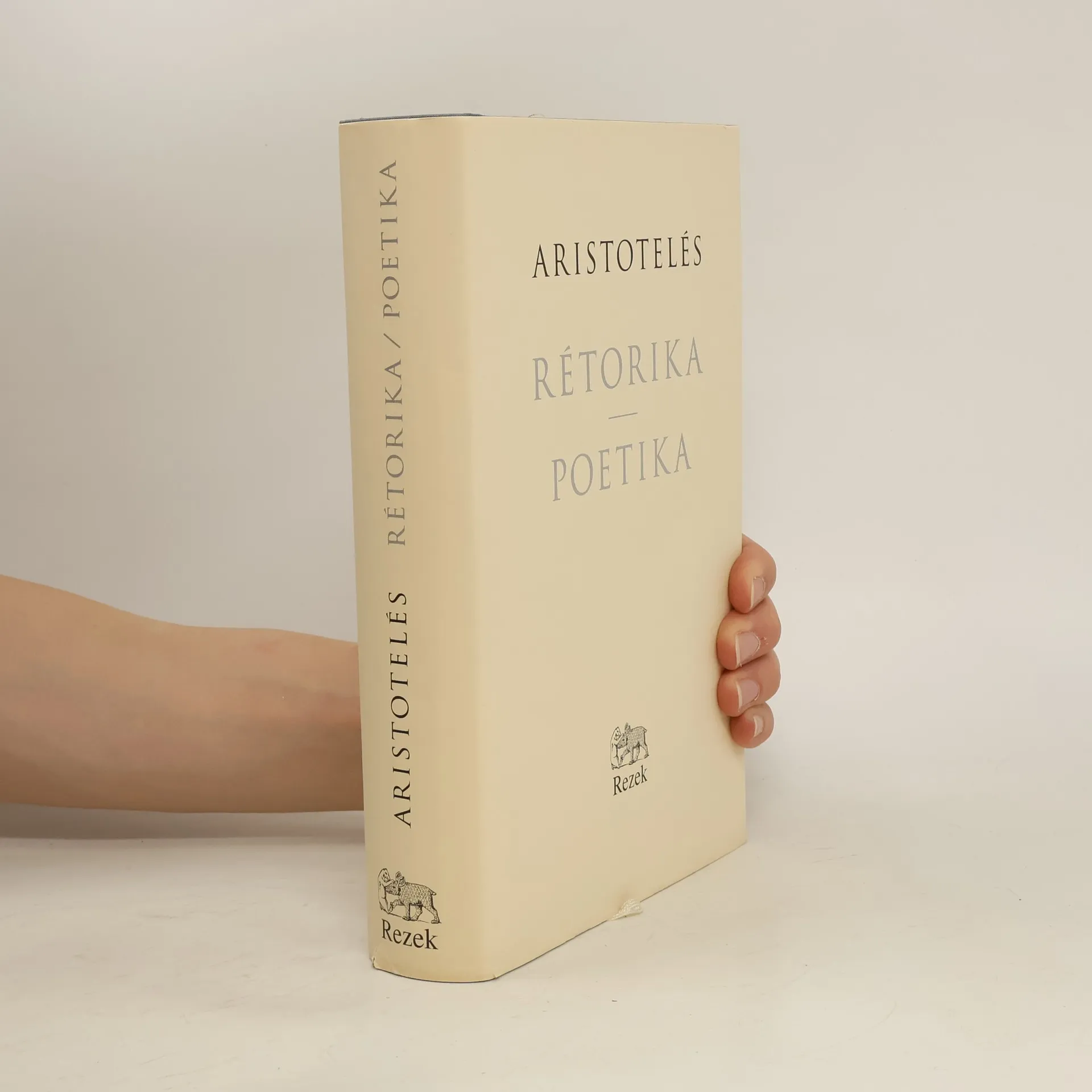
Jako filosofická odpověď na dobovou výzvu sofistiky Rétorika tvoří nevyčerpatelný zdroj poučení pro prakticky orientované činitele ve sféře veřejné, ale ve svých rozborech duševních pohnutek podává základy ontologie lidského jednání. Poetika přináší základní Aristotelovy myšlenky k dramatickému umění, jeho srovnání s epickým básnictvím a dějepisectvím; je pramenem k počátkům řeckého divadla.
Publikace, jež vyšla k 220. výročí založení Společnosti vlasteneckých přátel umění, předchůdkyně Národní galerie v Praze, je souborem esejů představujících jakousi autobiografii Národní galerie v Praze, jejíž existence je mimo jiné založená na aktu velkorysých gest dávání a sdílení. Eseje vzdávají hold otcům zakladatelům, jednotlivým donátorům a institucím, umělcům a sběratelům, kteří galerijním sbírkám poskytli ničím nepodmíněný dar či dočasnou výpůjčku, provedli směnu nebo galerijním sbírkám – od starých mistrů přes grafiku a kresbu, umění Asie a Afriky až po umění 19. století a moderní a současné umění včetně architektury – a návštěvníkům prospěli jakýmkoli jiným způsobem. Kniha zahrnuje také texty věnované historii sběratelství a formativní roli štědrosti a velkorysosti v procesu vzniku sbírkových institucí. Komplexní obrázek dokreslují výňatky z filozofických, literárních a básnických děl, které problematiku velkorysosti zasazují do širších ideových souvislostí.
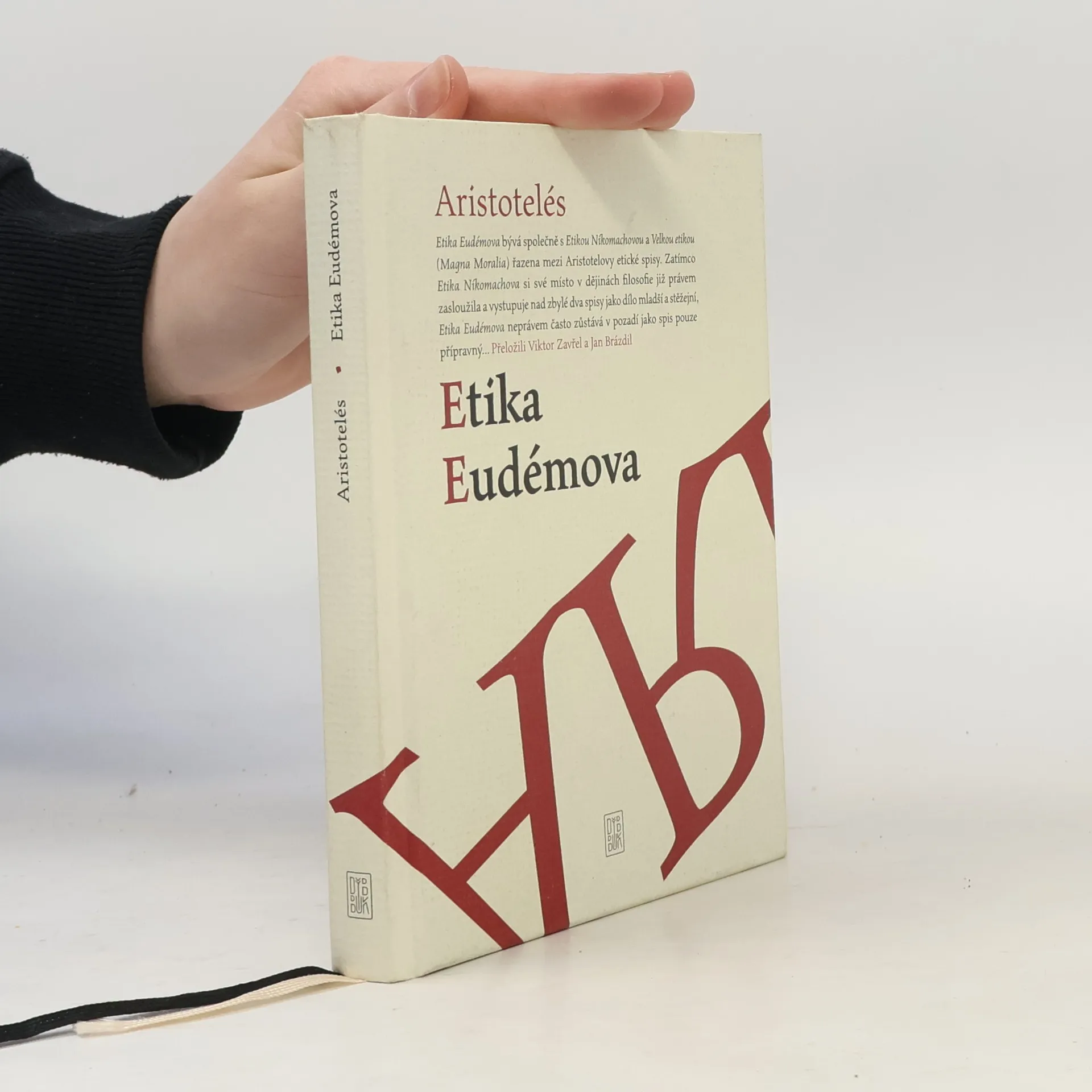
Etika Eudémova bývá společně s Etikou Níkomachovou a Velkou etikou (Magna Moralia) řazena mezi Aristotelovy etické spisy. Zatímco Etika Níkomachova si své místo v dějinách filosofie již právem zasloužila a vystupuje nad zbylé dva spisy jako dílo mladší a stěžejní, Etika Eudémova neprávem často zůstává v pozadí jako spis starší či pouze přípravný, z něhož bylo později vyňato několik knih pro Etiku Níkomachovu. V našem prostředí se upozadění tohoto díla projevuje i v absenci českých překladů.
Na rozdíl od spisu Magna Moralia přitom nemůžeme jakkoli pochybovat o Aristotelově autorství tohoto jedinečného díla. I když se přikloníme k většinovému názoru, že jde o spis, který byl časem překonán, zůstává cenný nejen jako svědectví o vývoji Aristotelova myšlení. Může totiž představovat i alternativní výklad autorovy nauky o ctnosti. Navzdory množství dochovaných materiálů a nejrůznějších komentářů zůstává Aristotelova etika předmětem stále trvajících sporů.
Téma ctnosti ve spojitosti s Aristotelovými etickými myšlenkami je v 21. století stále živě diskutováno. Tímto prvním českým překladem Etiky Eudémovy bychom chtěli přispět k možnosti proniknout do jednoho z nejinspirativnějších systémů antického myšlení.
Η παρούσα εργασία περιλαμβάνει τη διδασκαλία του Αριστοτέλη σχετικά με τις αρχές της ερμηνείας της φύσης και μια λεπτομερή ανάλυση των εννοιών της τύχης, της αναγκαιότητας, της αυθαιρεσίας και της αιτίας. Ο συστηματικός αναστοχασμός της διαδικασίας-κίνησης, η σχέση του περιορισμένου με το απεριόριστο, καθώς και η ανάλυση του χώρου και του χρόνου, ανήκουν στις κλασικές ερμηνείες που στηρίζουν όλη τη μετέπειτα φιλοσοφική παράδοση, συμπεριλαμβανομένων σημαντικών ρευμάτων της φιλοσοφίας του εικοστού αιώνα. Η polemica με τις απόψεις των προγενέστερων καθιστά τη Φυσική επίσης σημαντική πηγή για την κατανόηση της φυσικής φιλοσοφίας πριν από τον Αριστοτέλη. Το έργο αυτό είναι αναγκαία πηγή για φιλοσόφους, καλλιτέχνες, θεολόγους, αστρονόμους, οικολόγους, ιστορικούς της επιστήμης κ.ά.
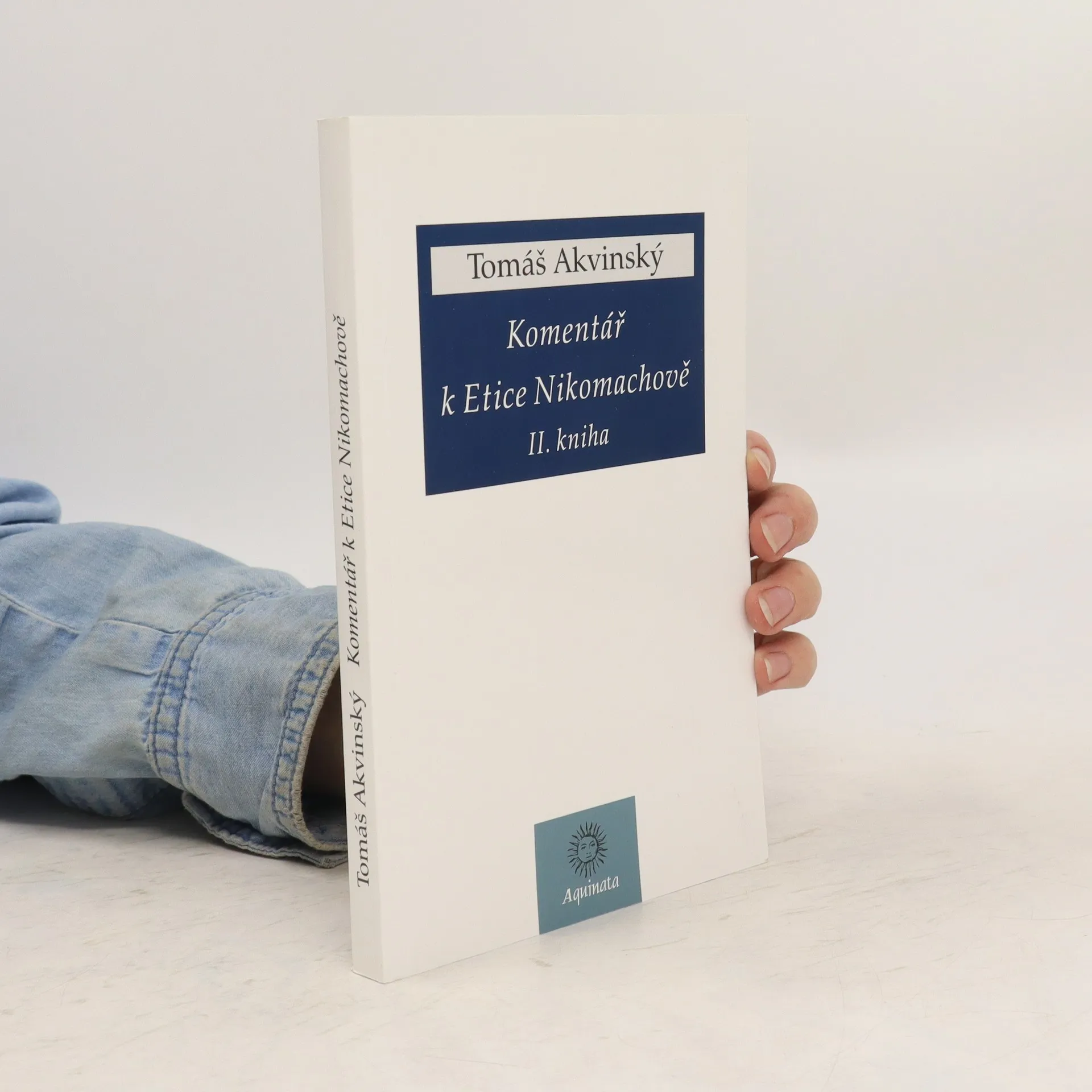
Pro Aristotelovu etiku je klíčové téma ctnosti. Probírá se porůznu v celé Etice Nikomachově, nicméně její 2. kniha představuje východisko, kde je morální ctnost definována a uvedena do kontextu lidského života a jednání. Tomáš svým výkladem zasazuje antické pojetí ctnosti do křesťanského kontextu. Pro něho je vzorovým příkladem ctnostného člověka především Kristus a světci, ale z filosofického hlediska musí věc uchopit jinak, proto definuje ctnostného člověka jako toho, kdo neuhýbá z cesty, na niž ho postavila jeho přirozenost: „člověk, jaký má být“.
Pro dnešní společnost není podvědomým vzorem vznešený Athéňan jako pro Aristotela, tím méně Kristus a svatí, ale už ani zákon lidské přirozenosti. O to důležitější je přemýšlet o těchto věcech explicitně: v čem spočívá ctnost, kam ji zařadit v celku lidské přirozenosti, jak ji získat a rozvíjet, a jaké jsou jednotlivé ctnosti a jim odpovídající neřesti? To vše je tématem druhé knihy Aristotelovy Etiky Nikomachovy (v knížce uvedený latinský i řecký text) a potažmo komentáře sv. Tomáše.
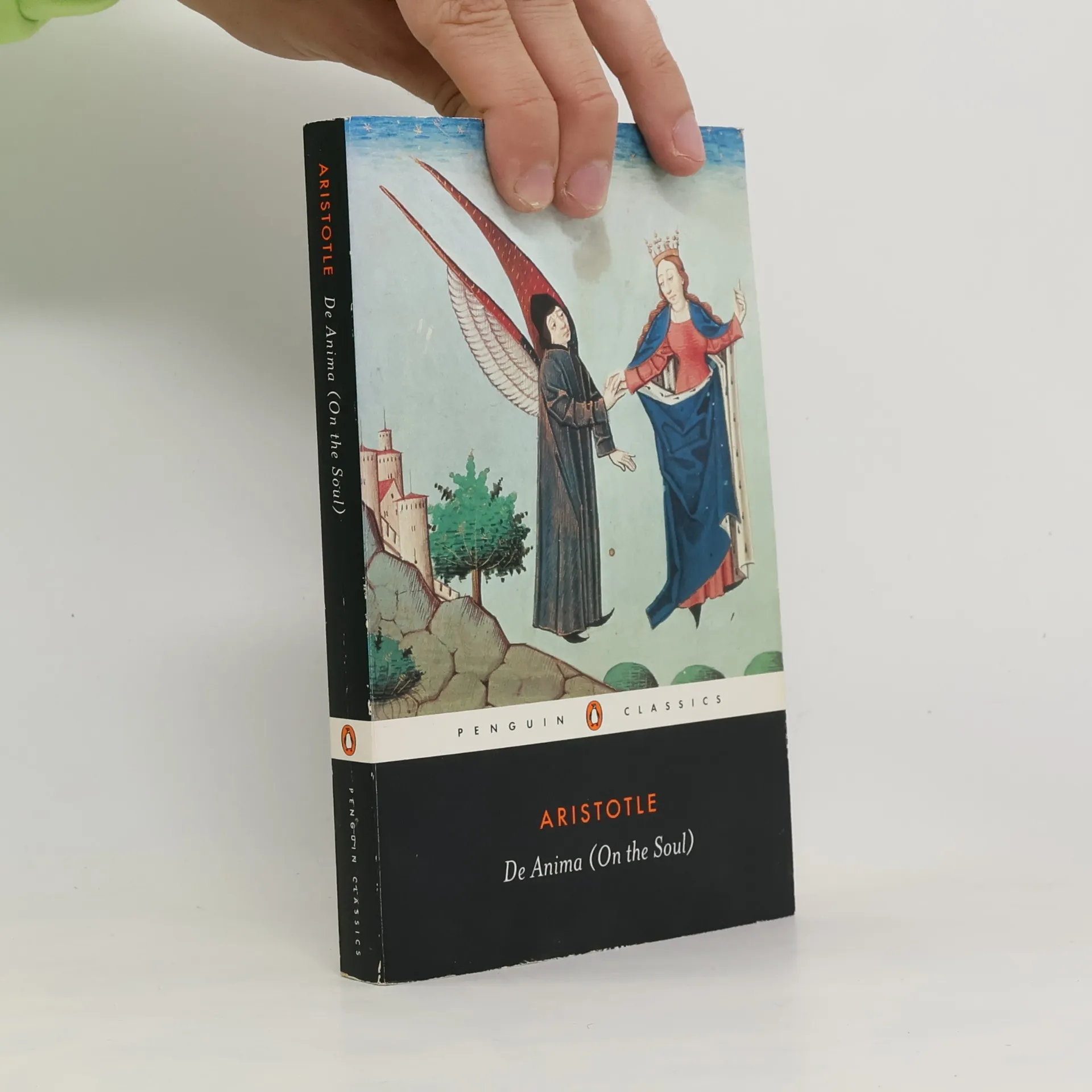
For Plato the soul was the seat of being, metaphysically distinct from the body that it was forced temporarily to inhabit. In 'De Anima', Plato's student, Aristotle sought to set out his theory of soul as the ultimate reality of embodied form and produced a masterpiece of philosophical insight.
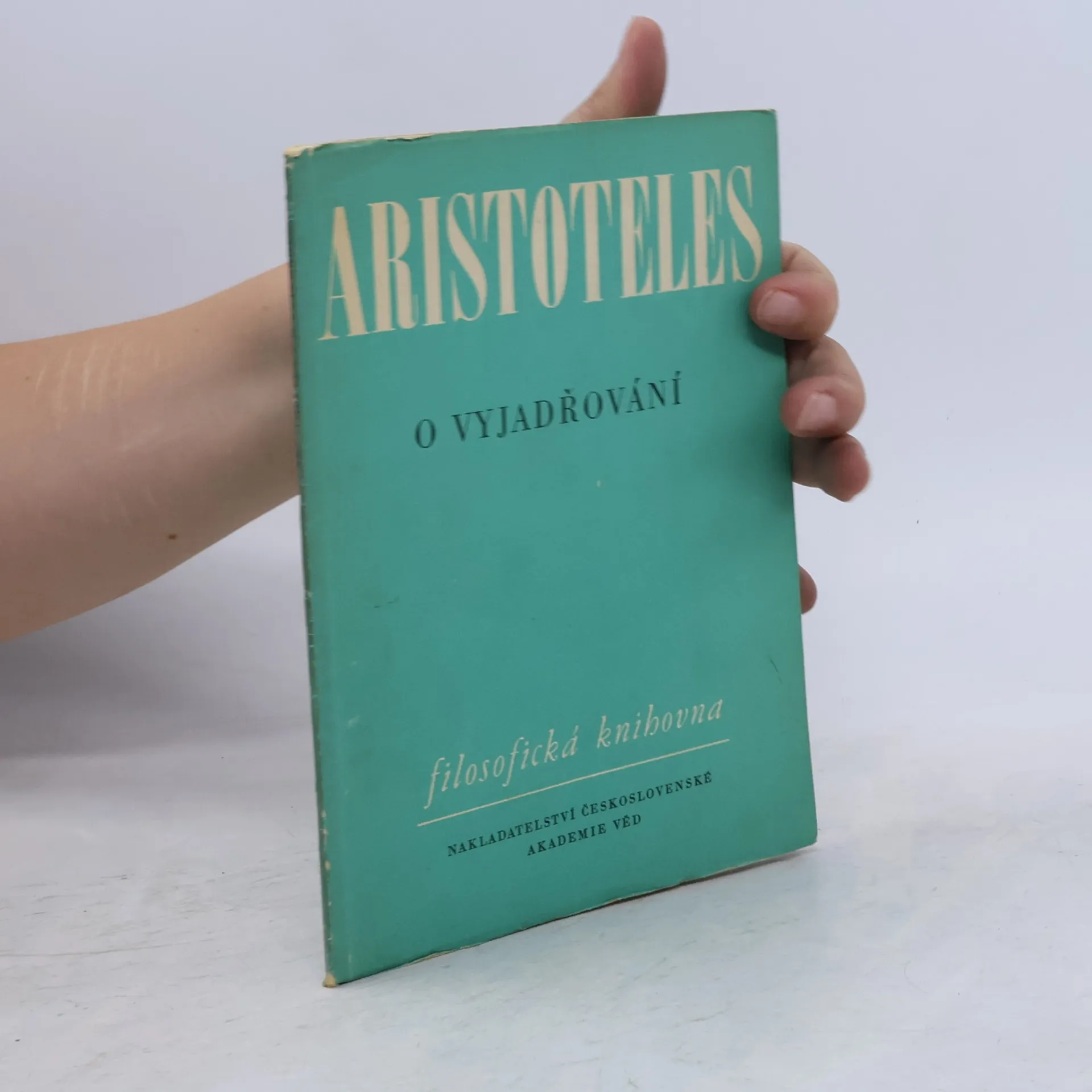
Centrálním tématem "O vyjadřování" je logos apofantikos. Ten je řečí, která je způsobilá buď k pravdě (aléthes) nebo nepravdě (pseudos). Ovšem ne každá řeč, jež nese význam (logos sémantikos), je kompetentní k pravdě a nepravdě. Apofantický logos se tak ukazuje být výlučným místempravdy. Nejenže však v tomto pojetí traduje apofantický logos napříč dějinami logiky a západního myšlení vůbec, navíc se právě v tomto pojetí stává předmětem kritiky. Byl to pak především Heidegger, kdo se pokusil ukázat, že logos apofantikos není výlučně místem pravdy, ale že je to povaha pravdy, která apofantický logos umožňuje. V "Peri herméneiás" vypracovaný charakter a struktura apofantického logu je tak předmětem živého filosofického zájmu dodnes.
Centrálním tématem "O vyjadřování" je logos apofantikos. Ten je řečí, která je způsobilá buď k pravdě (aléthes) nebo nepravdě (pseudos). Ovšem ne každá řeč, jež nese význam (logos sémantikos), je kompetentní k pravdě a nepravdě. Apofantický logos se tak ukazuje být výlučným místempravdy. Nejenže však v tomto pojetí traduje apofantický logos napříč dějinami logiky a západního myšlení vůbec, navíc se právě v tomto pojetí stává předmětem kritiky. Byl to pak především Heidegger, kdo se pokusil ukázat, že logos apofantikos není výlučně místem pravdy, ale že je to povaha pravdy, která apofantický logos umožňuje. V "Peri herméneiás" vypracovaný charakter a struktura apofantického logu je tak předmětem živého filosofického zájmu dodnes.
Jako filozofická odpověď na dobovou výzvu sofistiky Aristotelova Rétorika tvoří nevyčerpatelný zdroj poučení pro prakticky orientované činitele ve sféře veřejné; ve svých rozborech duševních pohnutek podává základy ontologie lidského jednání.
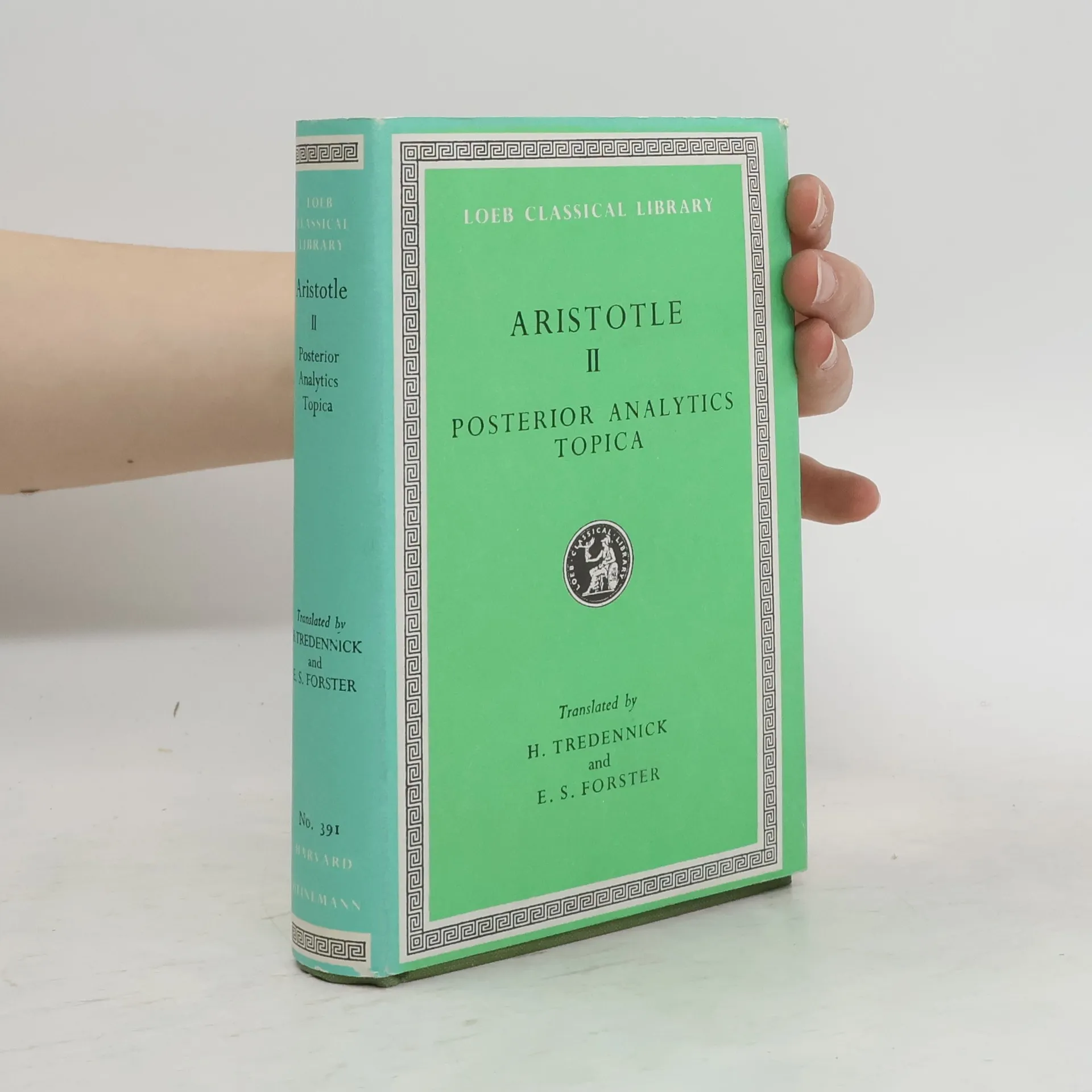
Aristotelova koncepce vědy si uchovala platnost až do pol. 19. stol., kdy ji upřesnily objevy a poučky neeuklidovské geometrie, teorie množin a moderní formální logiky. První kniha Druhých analytik vytvářela metodologii deduktivní výstavby každé vědy, druhá definici a učení o čtyřech příčinách. Neomezily se tedy na aplikaci sylogistiky v oblasti vědy. Charakterizují vědu, důkazové řetězce, předpoklady vědeckého důkazu a obecné i specifické axiómy.
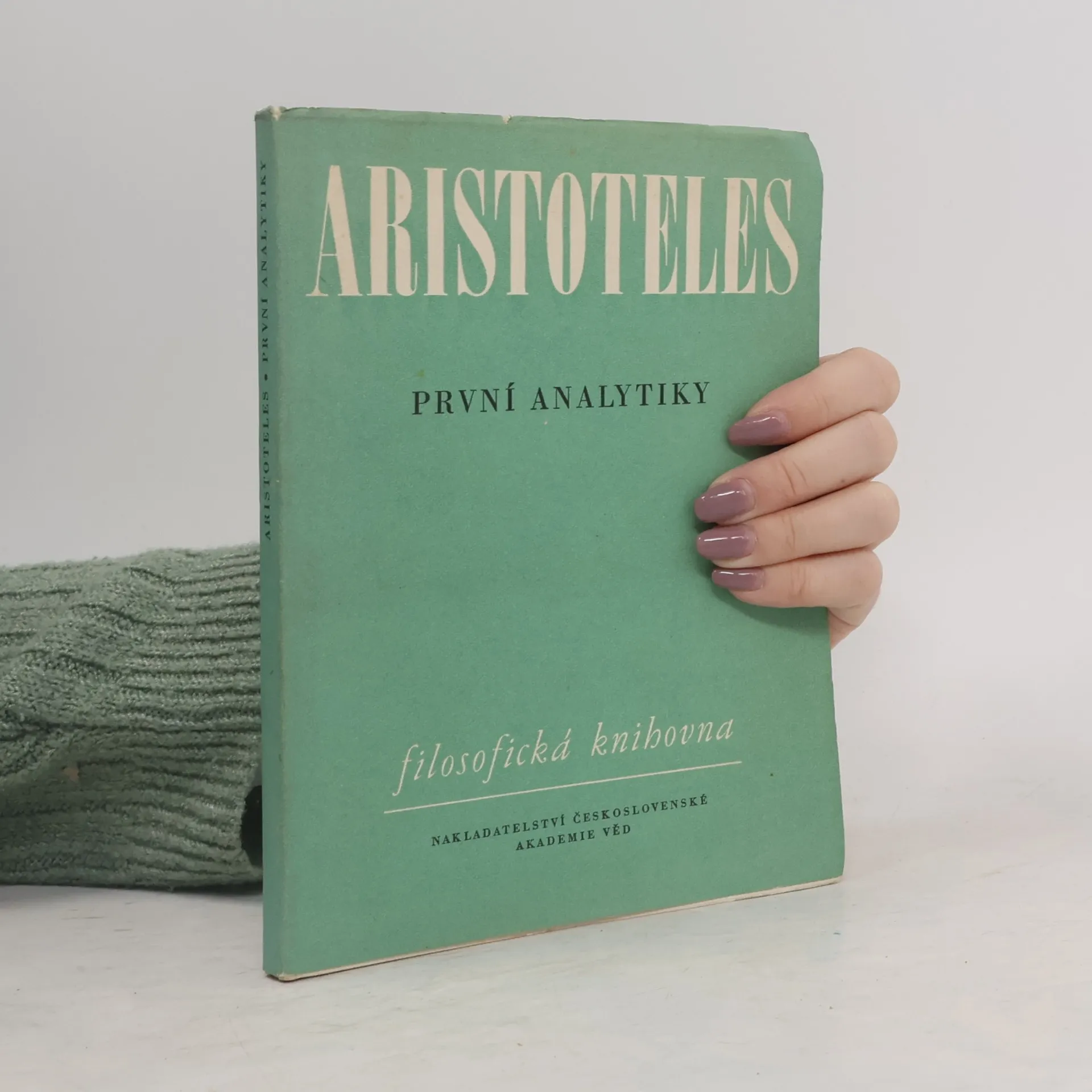
Dílo obsahuje obě knihy Prvních analytik, které jsou jádrem Aristotelovy logiky. Podávají podrobný výklad nauky o úsudku, zejména rozbor základních druhů sylogismu. V úvodní studii a v poznámkách je vyložen význam Aristotelovy logiky, blíže osvětleny obtížné části spisu a dnešní stanovisko k některým vývodům.
Poetika (řecky Ποιητικός, ve starším překladu jako O básnictví) je prvním filosofickým dílem, v němž se básnické umění stalo předmětem teoretické reflexe. Aristotelés se v něm zabývá mj. problematikou tragédie a epiky, které byly v Řecku považovány za nejzávažnější obory básnické tvorby.
Aristotelova koncepce vědy si uchovala platnost až do pol. 19. stol., kdy ji upřesnily objevy a poučky neeuklidovské geometrie, teorie množin a moderní formální logiky. První kniha Druhých analytik vytvářela metodologii deduktivní výstavby každé vědy, druhá definici a učení o čtyřech příčinách. Neomezily se tedy na aplikaci sylogistiky v oblasti vědy. Charakterizují vědu, důkazové řetězce, předpoklady vědeckého důkazu a obecné i specifické axiómy.
Organon čili nástroj myšlení, tak je označována řada spisů, kde se Aristoteles věnuje pravidlům správného myšlení, usuzování a argumentace. Tyto spisy (přírodovědné a logické) mají v Aristotelově díle význačné postavení. Aristoteles zachoval Platónovu nauku o tom, že poznání je zachyceno v obecných pojmech, ale opustil jeho jednotu poznání a bytí – zvlášť se zabývá naukou o bytí a naukou o poznání. Nauka o poznání je zahrnuta právě v 6-ti logických spisech Organon.
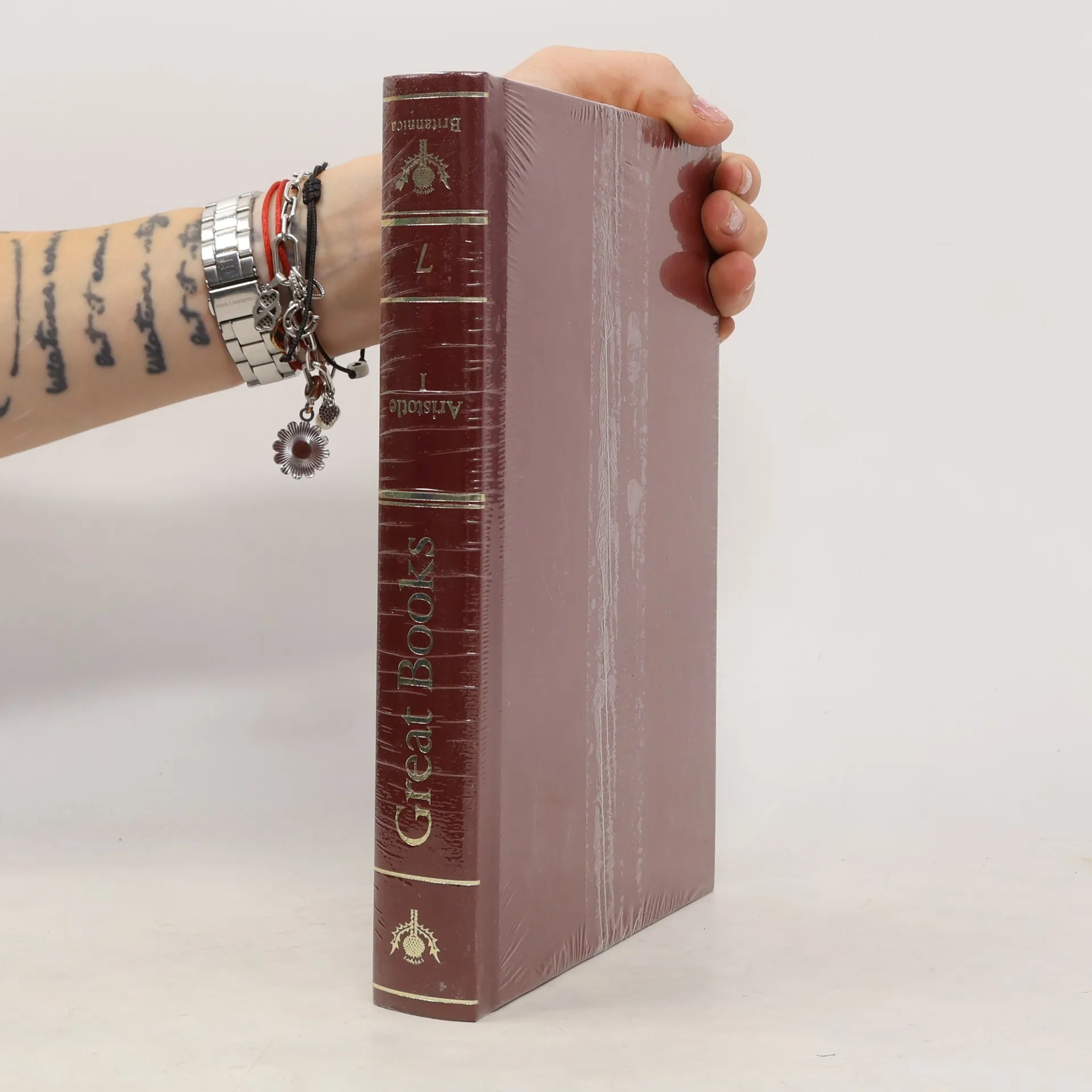
Encyclopædia Britannica is proud to offer one of the most acclaimed publishing achievements of the 20th century, Great Books of the Western World. This monumental collection compiles history's greatest written works, from the ancient classics to more recent masterpieces. Great Books of the Western World contains 517 works from 130 of the most renowned minds throughout history. Volumes 1 and 2 comprise the Syntopicon®, a unique guide that enables you to investigate a particular idea and compare the perspectives of different authors. The Syntopicon organizes thirty centuries of thought into 102 Great Ideas, subsequently divided into topics and subtopics to effectively explore the different viewpoints over time. Authoritative, accurate, and complete, this collection represents the essential core of the Western literary canon
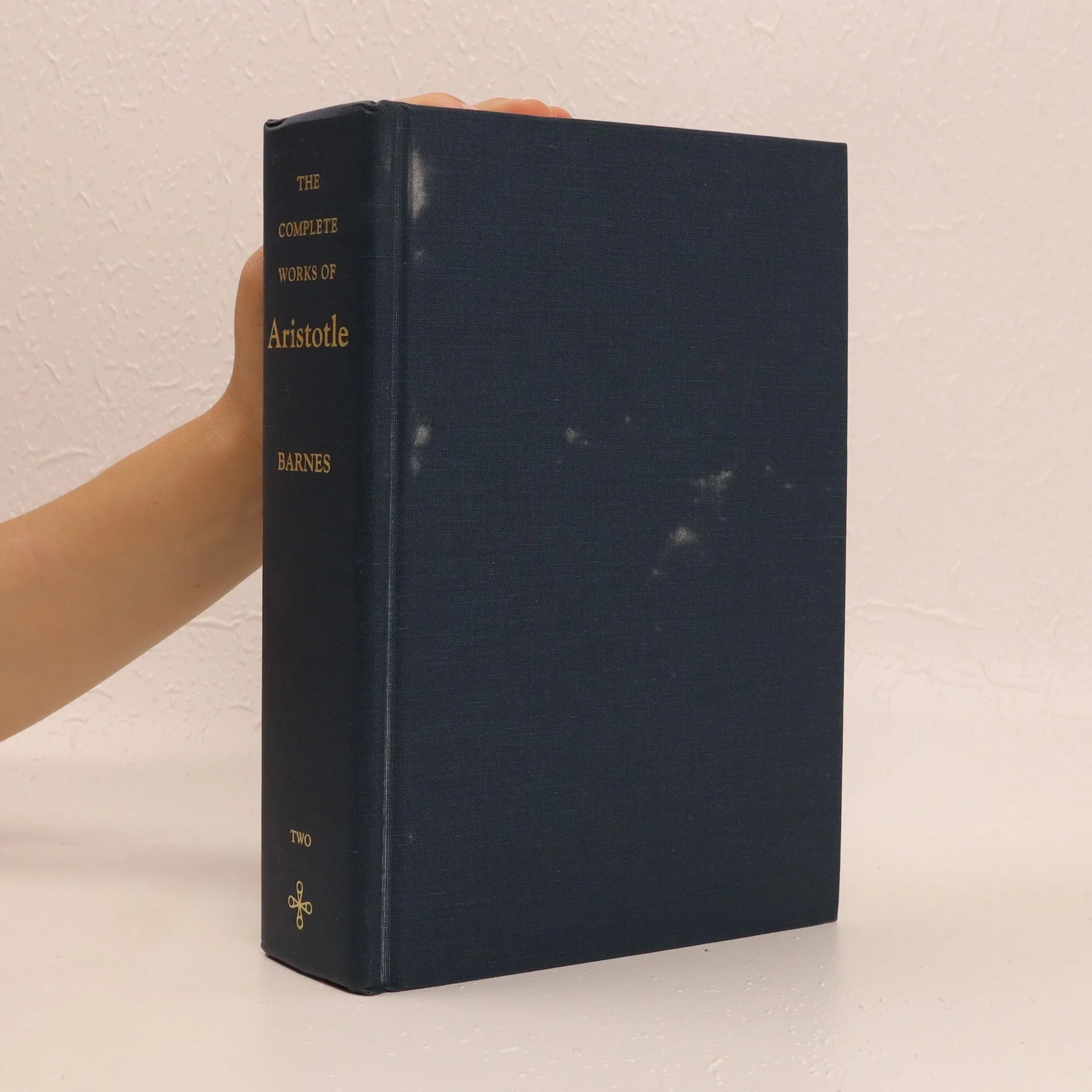
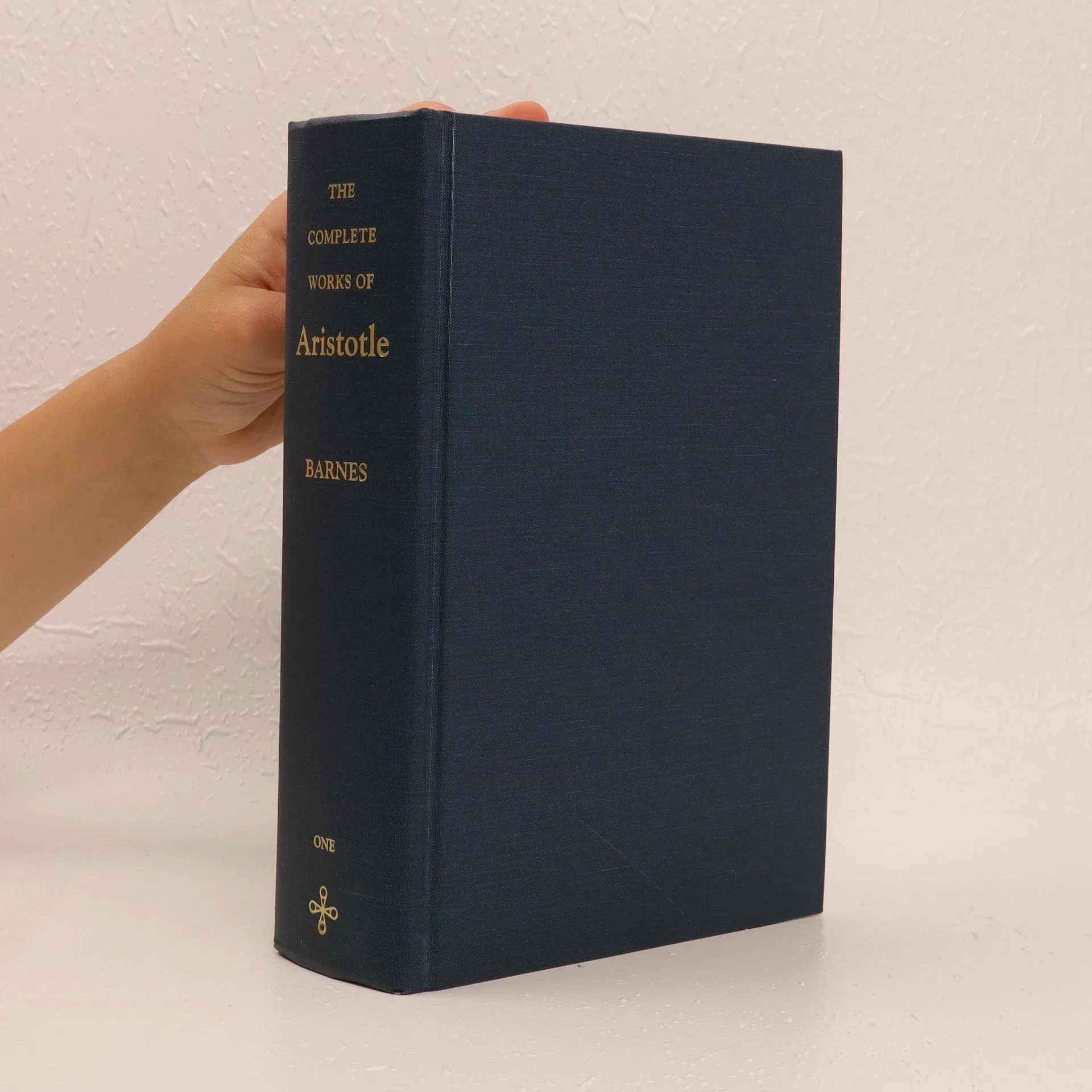
The Oxford Translation of Aristotle was originally published in 12 volumes between 1912 & 1954. It is universally recognized as the standard English version of Aristotle. This revised edition contains the substance of the original Translation, slightly emended in light of recent scholarship; three of the original versions have been replaced by new translations; and a new and enlarged selection of Fragments has been added. The aim of the translation remains the same: to make the surviving works of Aristotle readily accessible to English speaking readers.
The Oxford Translation of Aristotle was originally published in 12 volumes between 1912 and 1954. It is universally recognized as the standard English version of Aristotle. This revised edition contains the substance of the original Translation, slightly emended in light of recent scholarship; three of the original versions have been replaced by new translations; and a new and enlarged selection of Fragments has been added. The aim of the translation remains the same: to make the surviving works of Aristotle readily accessible to English speaking readers.
With A Critical Text And Translation Of The Poetics
460 stránok
17 hodin čítania
The book is a facsimile reprint of a scarce antiquarian work, preserving its historical significance despite potential imperfections like marks and notations. It aims to protect and promote cultural literature by providing a high-quality, affordable edition that remains true to the original.
Focusing on practical politics, this translation of Books V and VI of Aristotle's Politics offers clarity and accuracy, enhanced by David Keyt's insightful commentary. The commentary aids in navigating Aristotle's historical references, making it a valuable resource for readers seeking a deeper understanding of this foundational work in political philosophy.
In books VIII and IX of his work on moral philosophy, Aristotle gives perhaps
the most famous of all philosophical discussions of friendship. Michael
Pakaluk presents a systematic study of these books, showing how important
Aristotle's treatment of friendship is to his ethics as a whole.
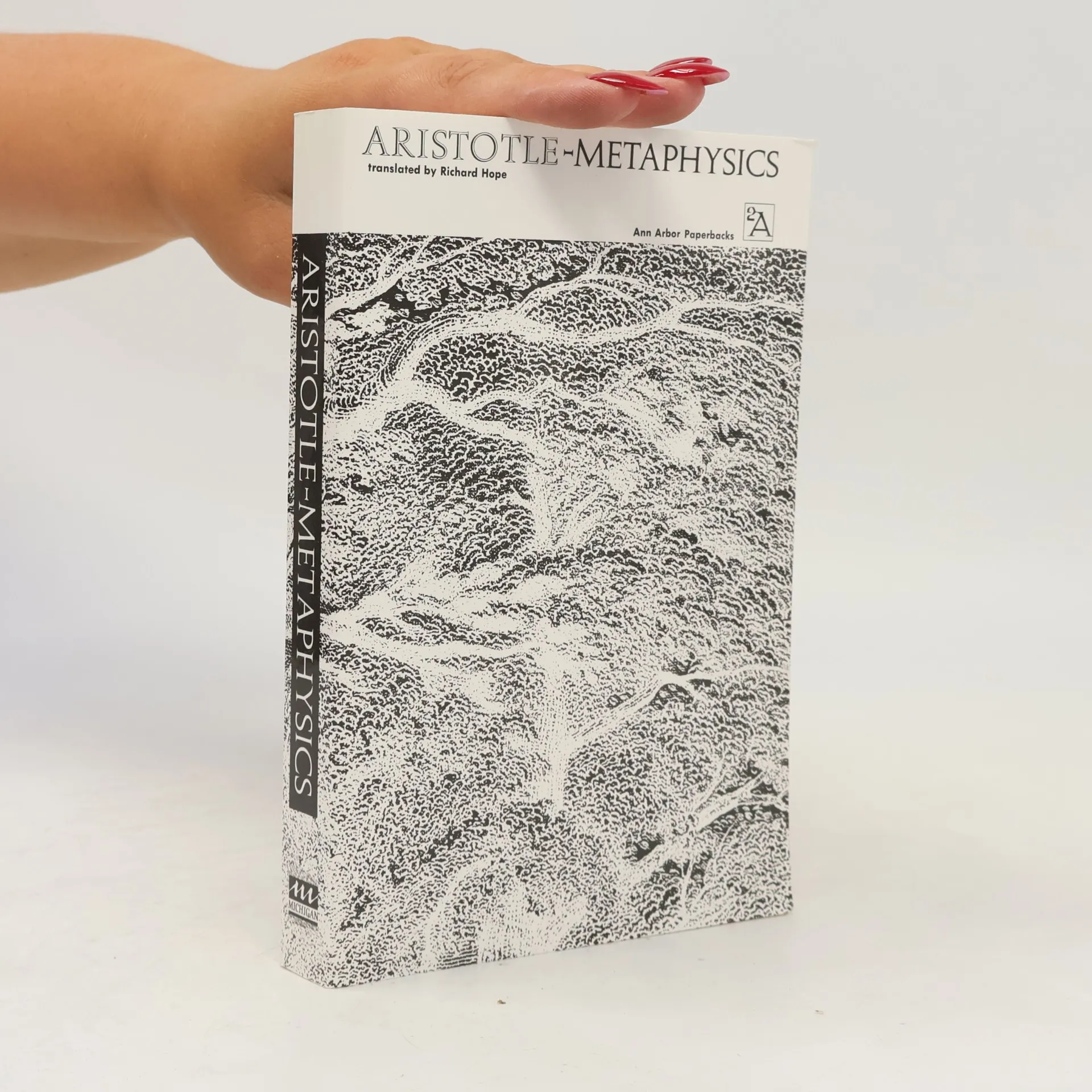
The book features a new translation of Aristotle's Metaphysics, specifically the third book (Beta) and two chapters from the eleventh book (Kappa). It includes an introduction and commentary by Arthur Madigan, which provide detailed insights into the text. Aristotle explores fundamental metaphysical questions and evaluates various philosophical answers, making this work an essential resource for understanding both Aristotle's contributions and the broader context of classical metaphysics.
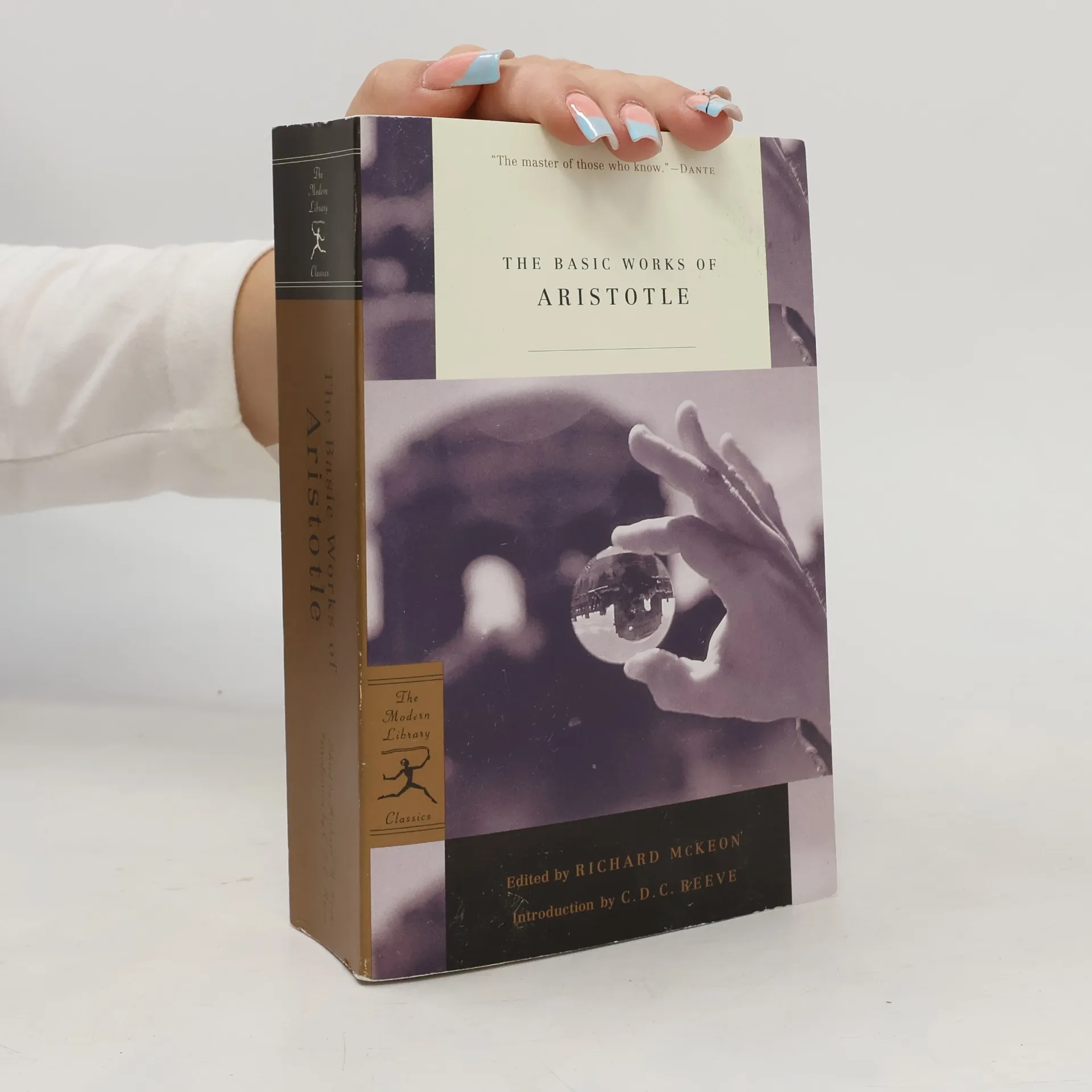
Edited by Richard McKeon, with an introduction by C.D.C. Reeve Preserved by Arabic mathematicians and canonized by Christian scholars, Aristotle’s works have shaped Western thought, science, and religion for nearly two thousand years. Richard McKeon’s The Basic Works of Aristotle—constituted out of the definitive Oxford translation and in print as a Random House hardcover for sixty years—has long been considered the best available one-volume Aristotle. Appearing in paperback at long last, this edition includes selections from the Organon, On the Heavens, The Short Physical Treatises, Rhetoric, among others, and On the Soul, On Generation and Corruption, Physics, Metaphysics, Nicomachean Ethics, Politics, and Poetics in their entirety.
A new translation of one of the most important philosophical works of all time A Penguin Classic Aristotle’s classic treatise is based on his famous doctrine of the golden mean, which advocates taking the middle course between excess and deficiency. Reacting against Plato’s absolutism, Aristotle insisted that there are no definitive moral standards and that ethical philosophy must be based on human nature and experience. Treating such topics as moral worth, intellectual virtue, pleasure, friendship, and happiness, The Nicomachean Ethics asks above all: What is the good life, and how can we live it?
This is a complete English translation of Aristotle's key work on science. It presents Aristotle's thought accurately, while at the same time simplifying and expanding the often crabbed and elliptical style of the original, in order to make the text more lucid.
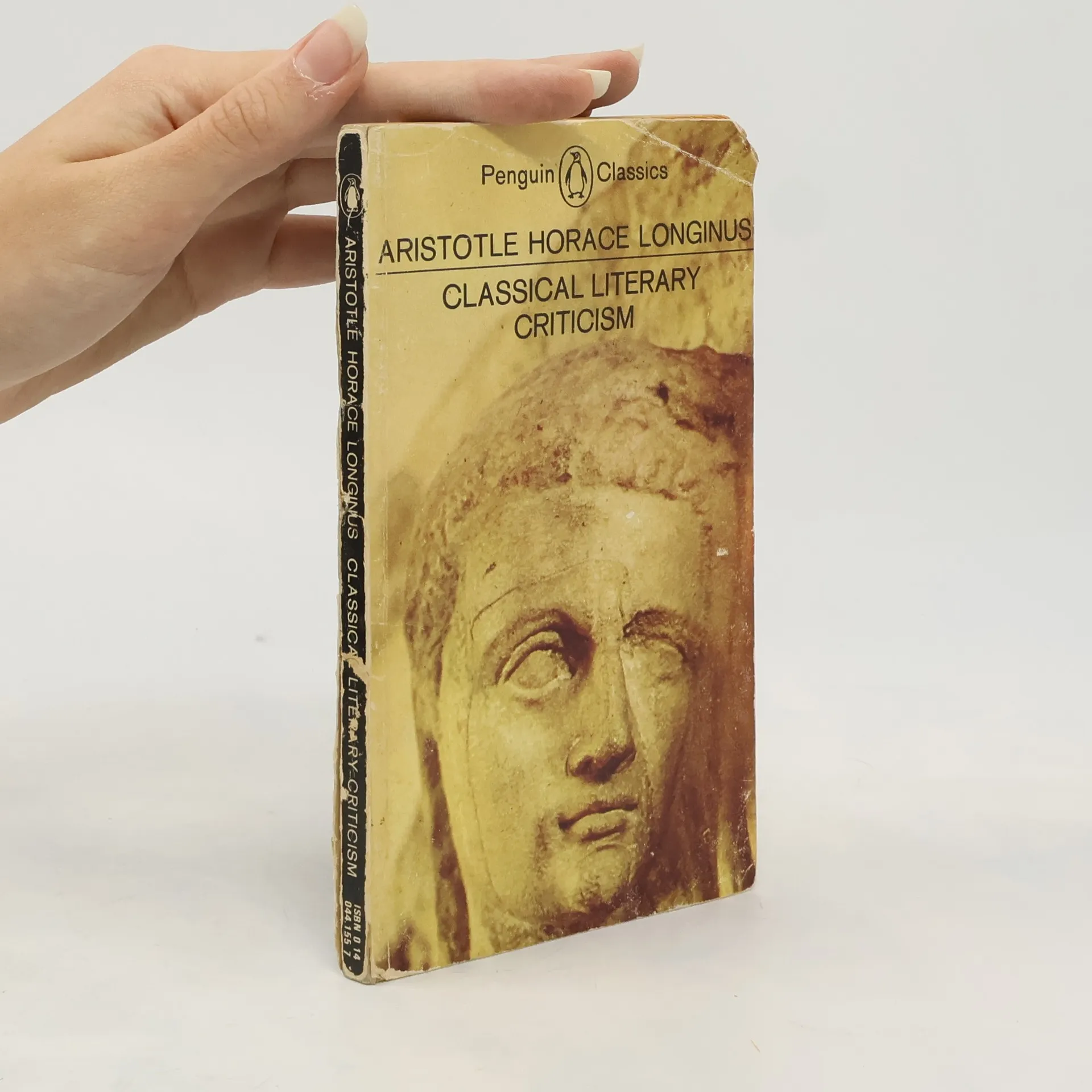
Aristotle's Poetics has long been recognized as a seminal work of literary criticism. His analysis of tragic drama, epic poetry and stylistic devices such as metaphor, and his famous notion of the cathartic purging of the emotions, have defined a critical terminology for generations of later writers. In the Ars Poetica Horace defends the civilizing power of poetry and the fundamental importance of the principle decorum, while the anonymous author of the treatise On the Sublime (who was formerly erroneously thought to be Longinus) stresses the innate ability required to produce poetry of sublime grandeur.
Over two thousand years ago Aristotle's investigation into these fields established unique standards of philosophic inquiry, observation, judgment. This book offers a new selection in a new translation, along with a contemporary reevaluation of the philosphy of the master of Western thought, and shows his vital, continuing influence in our modern world.
In Pocket Aristotle the author, Justin D. Kaplan brings to life selections from Aristotle. Included in this edition are the most widely read, studied, and quoted works of the great philosopher. The editor's notes give the reader a convenient and concise review of each work.
This new translation of De Caelo (On the Heavens) fits seamlessly with other volumes in the New Hackett Aristotle series, enabling Anglophone readers to study Aristotle's work in a way previously not possible. The Introduction describes the book that lies ahead, explaining what it is about, what it is trying to do, how it goes about doing it, and what sort of audience it presupposes. Sequentially numbered endnotes provide the information most needed at each juncture, while a detailed Index indicates the places where focused discussion of key notions occurs.
2When Aidan MacKetryck finds a flaxen-haired maid caught in the crosshairs of battle, he quickly saves her from certain death. But while Aiden expects gratitude, he is sorely disappointed - for the fiery lass makes it clear she wants nothing to do with him. Juliana D'Aubenville is in hiding from those who want her entire family to perish. Despite her attraction to the strikingly handsome Aiden, Juliana knows she must escape before her identity is revealed. The trouble is, Aiden refuses to let her go. With each moment Aiden and Juliana are together, their desire becomes more enticing - and harder to resist. But just as Aiden tries to lay claim to Juliana once and for all, their darkest secrets are finally revealed - putting both their love and their lives in terrible danger.
Aristotle presents the city as a fundamental natural community, positing that it precedes both the family and the individual. He emphasizes that rationality distinguishes humans from other animals, highlighting the importance of reason in societal development and organization. This exploration of political philosophy delves into the interconnectedness of community and individual identity.
The book is a facsimile reprint of a rare antiquarian work, preserving its historical significance despite potential imperfections like marks and notations. It aims to protect and promote cultural literature by providing affordable, high-quality editions that remain faithful to the original text.
The complete edition presents Aristotle's Ethics, featuring the esteemed English translation by W. D. Ross. This work delves into Aristotle's exploration of moral philosophy, emphasizing virtue ethics and the pursuit of the good life. It serves as a foundational text in understanding ethical principles and the nature of happiness, making it essential for students and scholars alike.
Exploring the intricacies of poetry, this collection delves into Aristotle's classification of poetic forms, including drama, comedy, and epic. It highlights the concept of mimesis, or life's imitation, while emphasizing the distinct characteristics of each genre. The author examines Aristotle's insights on tragedy, which seeks to portray individuals as nobler than reality, and outlines the six essential elements of tragedy: plot, character, phrasing, thought, exhibition, and song. This work serves as both a poetic anthology and a philosophical study of artistic expression.
The book explores Aristotle's significant influence on philosophical and scientific thought in the Western world, highlighting his contributions and enduring legacy. It delves into his ideas and theories, illustrating how they shaped various fields and continue to impact contemporary thought. Through an examination of his work, the text underscores the pivotal role Aristotle played in the evolution of intellectual discourse.
A Treatise On Government (Deluxe Hardbound Edition)
230 stránok
9 hodin čítania
Exploring the nature of human communities and governance, this political philosophy delves into the organization of city-states and the role of citizens. Aristotle examines various political systems, emphasizing the importance of virtue and justice in leadership. His analysis covers the ideal state, the function of the middle class, and the significance of civic participation, making it a foundational text in Western political thought. The work invites readers to consider the relationship between ethics and politics in the pursuit of the common good.
This publication focuses on making historical works accessible through large print, catering specifically to individuals with impaired vision. Megali, the publishing house behind this initiative, emphasizes the importance of preserving and sharing historical texts while ensuring they are easy to read for a wider audience.
The collection showcases Aristotle's relentless pursuit of knowledge and keen observations that highlight the complexities of the human condition. His insights remain influential, shaping contemporary understanding across various fields. Ideal for scholars, students, and curious readers alike, this compilation invites engagement with the profound wisdom of one of history's greatest thinkers, making it an essential resource for anyone interested in philosophy and intellectual exploration.