Skrjabin: Biografie
- 680 stránok
- 24 hodin čítania


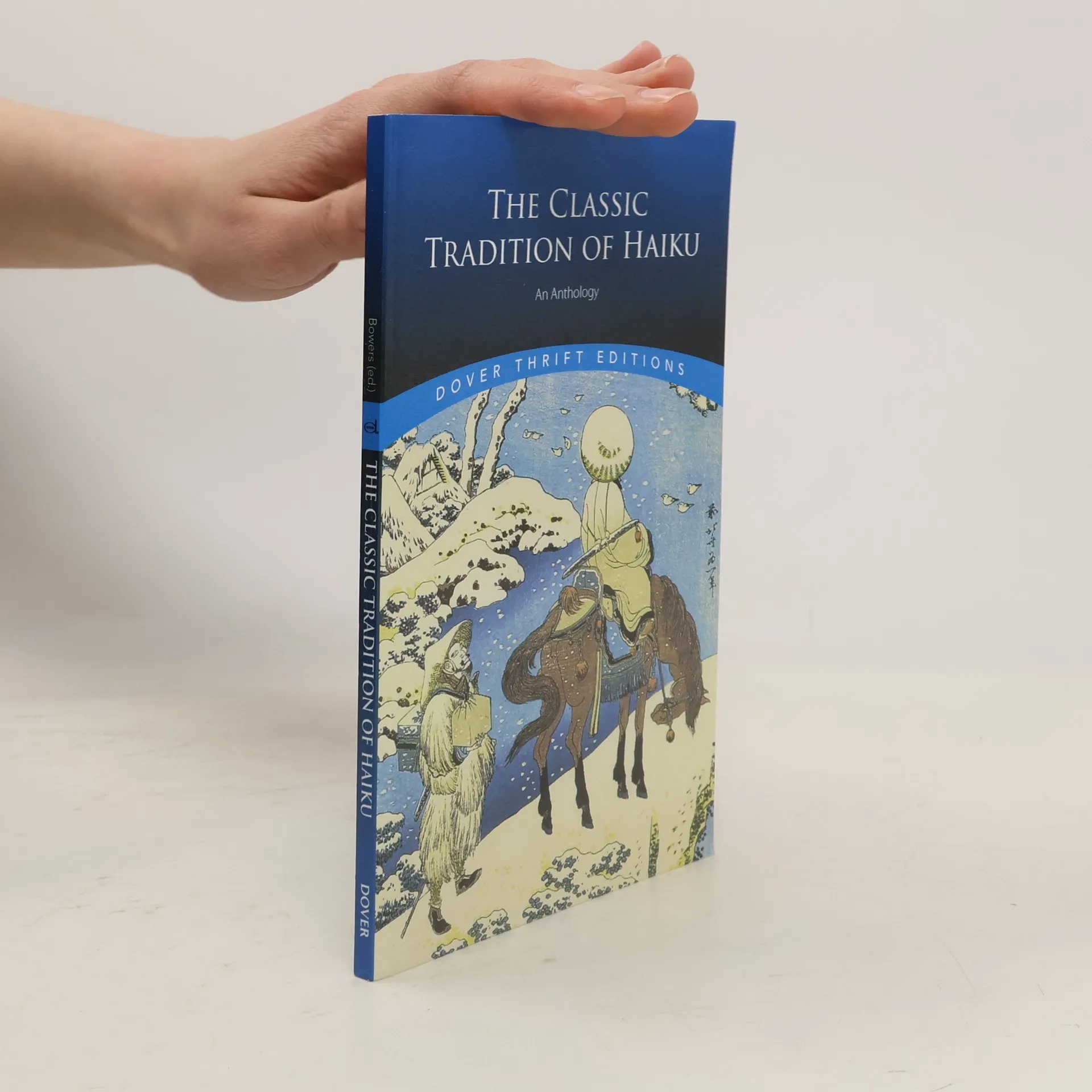

A highly distilled form of Japanese poetry, haiku consists of seventeen syllables, usually divided among three lines. Though brief, they tell a story or paint a vivid picture, leaving it to the reader to draw out the meanings and complete them in the mind's eye. Haiku often contains a hidden dualism (near and far, then and now, etc.) and has a seasonal tie-in, as well as specific word-images that reveal deeper layers in each poem. This unique collection spans over 400 years (1488–1902) of haiku history by the greatest masters: Bashō, Issa, Shiki, and many more, in translations by top-flight scholars in the field. Haiku commands enormous respect in Japan. Now readers of poetry in the West can savor these expressive masterpieces in this treasury compiled by noted writer Faubion Bowers, who provides a Foreword and many informative notes to the poems.
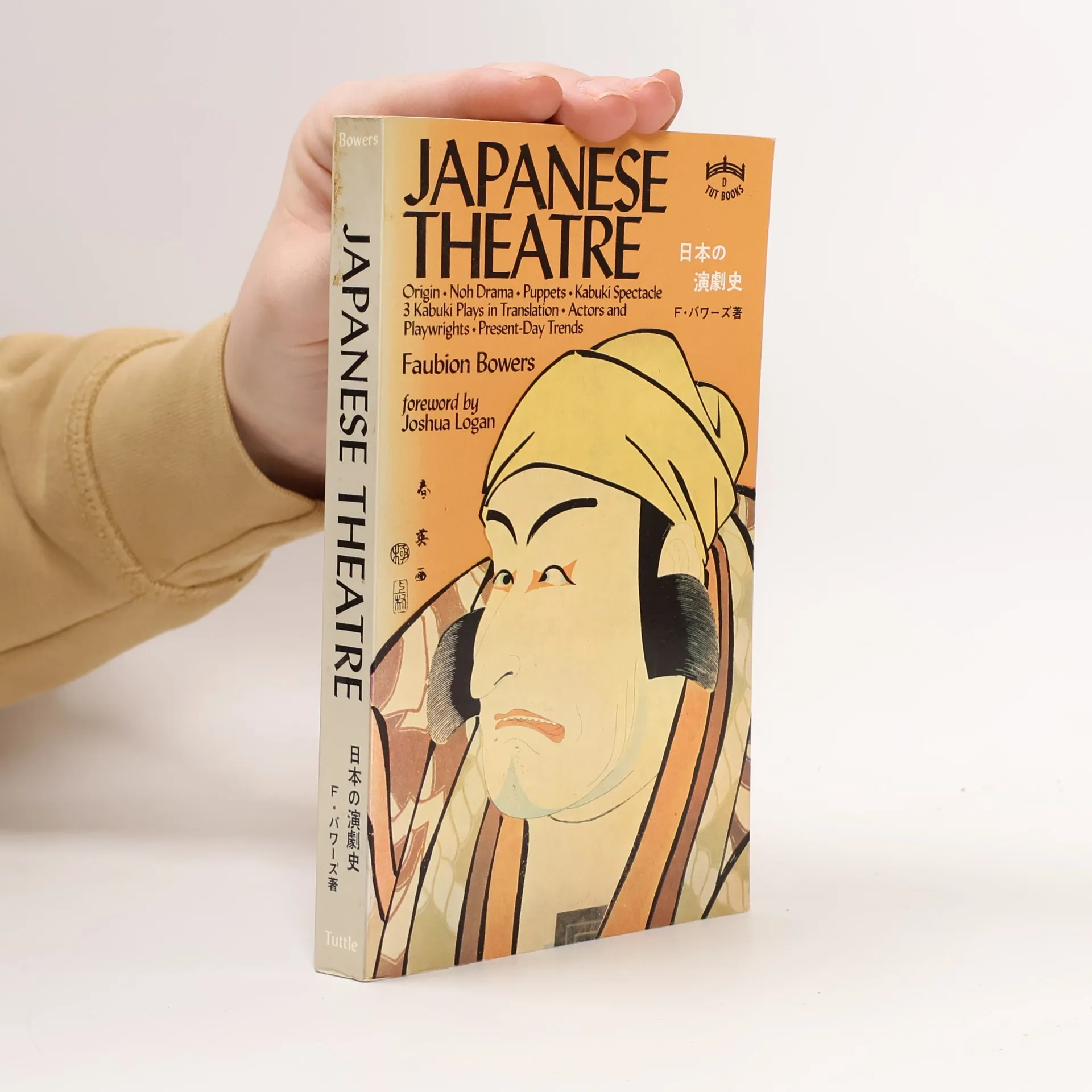
Japanese Theatre presents a full historical account for Westerners of the theater arts that have flourished for centuries in Japan.Kabuki, arising in the late seventeenth century, is the theater of the commoner. The successive syllables of Kabuki mean song - dance - skill. The precursors of Kabuki were the puppet theater and the comic interludes in the stately, aristocratic Noh drama - all fully described by the author. In the modem era the Japanese have broken away from Kabuki, and their stage has shown a realistic trend. Left-wing theater groups arose in the 1920's, were suppressed by the militarists, and then revived during the occupation.Appended to the historical chapters are Mr. Bowers's translations of three Kabuki plays: The Monstrous Spider, Gappo and His Daughter Tsuji, and the bombastic Sukeroku.This book, with its many excellent photographs, is a permanent addition to the West's knowledge of the exotic, exciting theater of Japan and its tradition of great acting.