
Bookbot

Janis Hendrickson

    Roy Lichtenstein
    Roy Lichtenstein
    Roy Lichtenstein : 1923-1997 : The Irony of the Banal
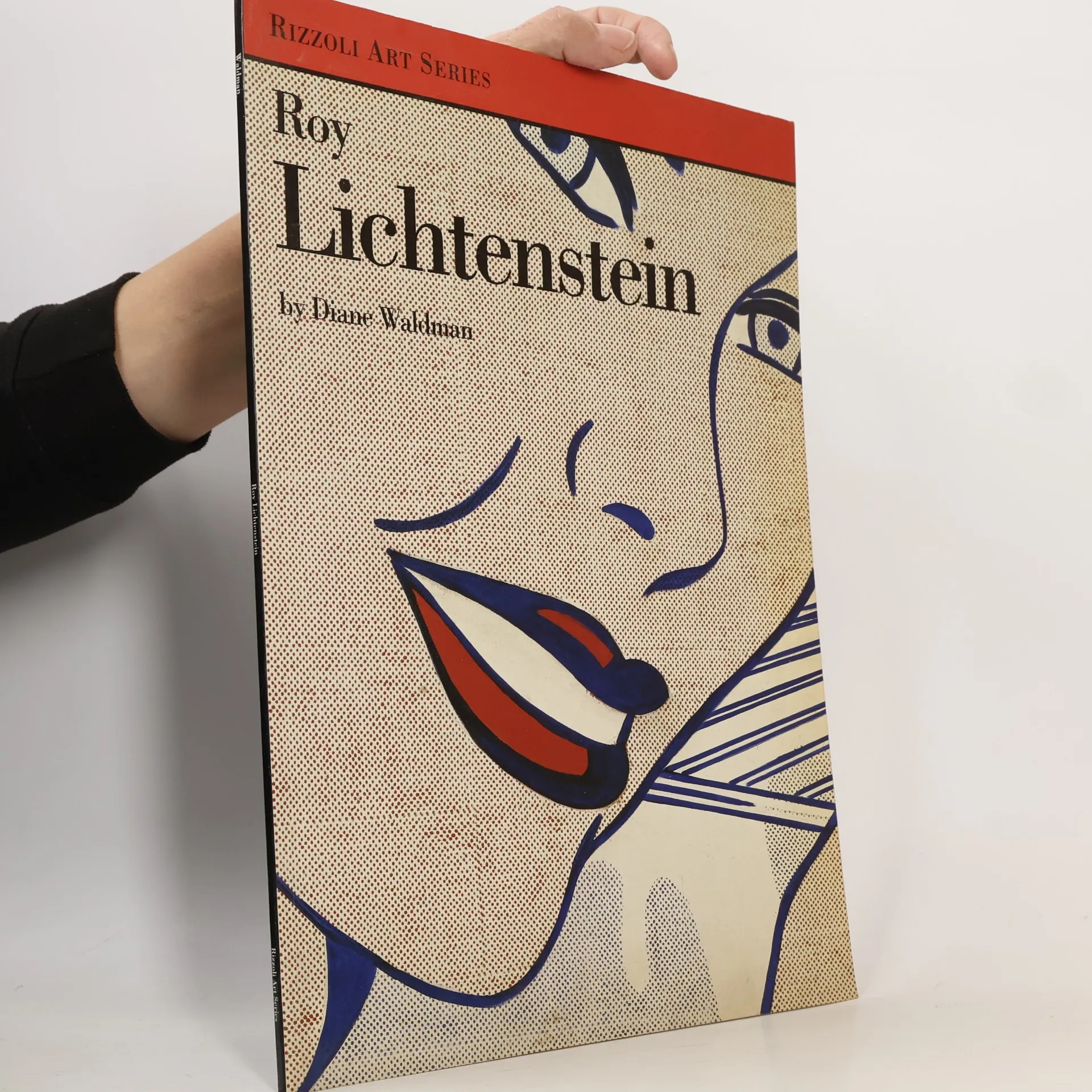
    • In the late 50s and 60s, American painter Roy Lichtenstein (1923-1997) became one of the most important exponents of Pop Art. Almost alone among artists, he pursued the question of how an image becomes a work of art.

      Roy Lichtenstein : 1923-1997 : The Irony of the Banal
      4,0
    • In the late 50s and 60s, American painter Roy Lichtenstein (1923-1997) became one of the most important exponents of Pop Art - that movement which transformed products of mass consumption and the entertainment industry into subjects for art. This apotheosis of banal, everyday objects simultaneously constituted a criticism of the traditional elitist understanding of art. Almost alone among artists, Lichtenstein pursued the question of how an image becomes a work of art. Wholly in keeping with the spirit of the Classical Modern, he held that it was not the rank of the picture's subject that lends the picture its artistic character, but rather the artist's formal treatment of it. To Lichtenstein, however, this position seemed far too broad to be seriously pursued. Developed in the early 60s, Lichtenstein's grid technique, with its allusion to the mass-production of graphic art, allowed the painter to give vent to his own artistic scepticism. In the 60s and 70s, Lichtenstein expanded his formal repertoire of techniques for creating distance and irony by means of an idiosyncratic process of abstraction and especially by his use of his numerous art quotations.

      Roy Lichtenstein
      4,1
    • Roy Lichtenstein

      1923-1997: Die Ironie des Banalen

      • 96 stránok
      • 4 hodiny čítania

      Der amerikanische Maler Roy Lichtenstein (1923–1997) fand in den späten 1950er Jahren durch einen Zufall, der zur Entstehung der Pop-Art zählt, zu seiner eigenen Bildsprache. Ein buntes Kaugummibild seiner Kinder inspirierte ihn zu seinen gerasterten Sprechblasenbildern, die das kulturelle Establishment zunächst schockierten, ihn jedoch bald neben Warhol, Rauschenberg und Wesselmann zu einem Star der jungen Pop-Art machten. Lichtenstein verwendete triviale Alltagsbilder aus Comicstrips und Werbung, was ihn mit Zeitgenossen wie Andy Warhol und James Rosenquist verband, die ebenfalls die Bildwelten der amerikanischen Massenmedien und Konsumkultur thematisierten. Werke wie Look, Mickey! (1961), Drowning Girl (1963) und Whaam! (1963) imitierten die industrielle Drucktechnik mit Rasterpunkten, den sogenannten Benday-Dots, und wurden ins Monumentale aufgeblasen; ein Stil, der untrennbar mit Lichtenstein verbunden ist. Dieses Buch bietet einen Überblick über Lichtensteins Schaffen, von seinen frühesten Pop-Art-Statements über seine späteren Antworten auf den abstrakten Expressionismus bis hin zu seinen gerasterten Neuinterpretationen von Meisterwerken wie denen von Picasso, Mondrian und Dalí.

      Roy Lichtenstein
      3,0