Shirky sa vo svojich textoch zameriava na sociálne a ekonomické dopady internetových technológií. Skúma, ako decentralizované technológie a sieťová topológia ovplyvňujú našu kultúru a ako sa navzájom formujú, pričom analyzuje dynamiku skupín v online prostredí. Jeho písanie sa často objavuje v popredných publikáciách a jeho práca sa zaoberá vznikajúcimi technológiami a ich vplyvom na spoločnosť. Predtým sa venoval aj divadelnej tvorbe, kde experimentoval s netradičnými formami.
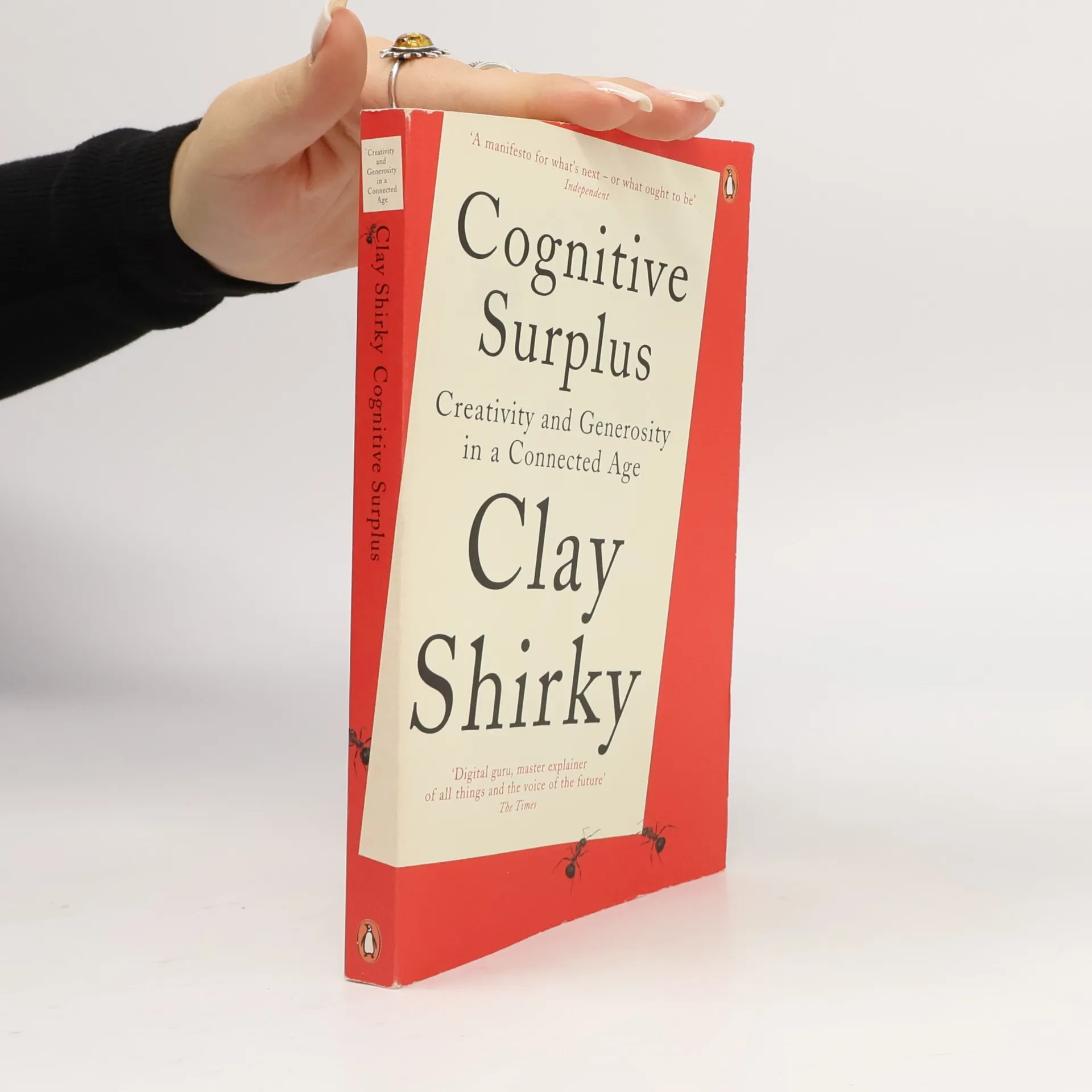
Looks at how the internet is transforming our culture, providing outlets for human potential. From lolcats to tools for tracking voter fraud and ethnic violence, this book shows how we're using our cognitive surplus for the better, and what it means for the future.
Welcome to the new future of involvement. Forming groups is easier than it�s ever been: unpaid volunteers can build an encyclopaedia together in their spare time, mistreated customers can join forces to get their revenge on airlines and high street banks, and one man with a laptop can raise an army to help recover a stolen phone. The results of this new world of easy collaboration can be both good (young people defying an oppressive government with a guerrilla ice-cream eating protest) and bad (girls sharing advice for staying dangerously skinny) but it�s here and, as Clay Shirky shows, it�s affecting � well, everybody. For the first time, we have the tools to make group action truly a reality. And they�re going to change our whole world.
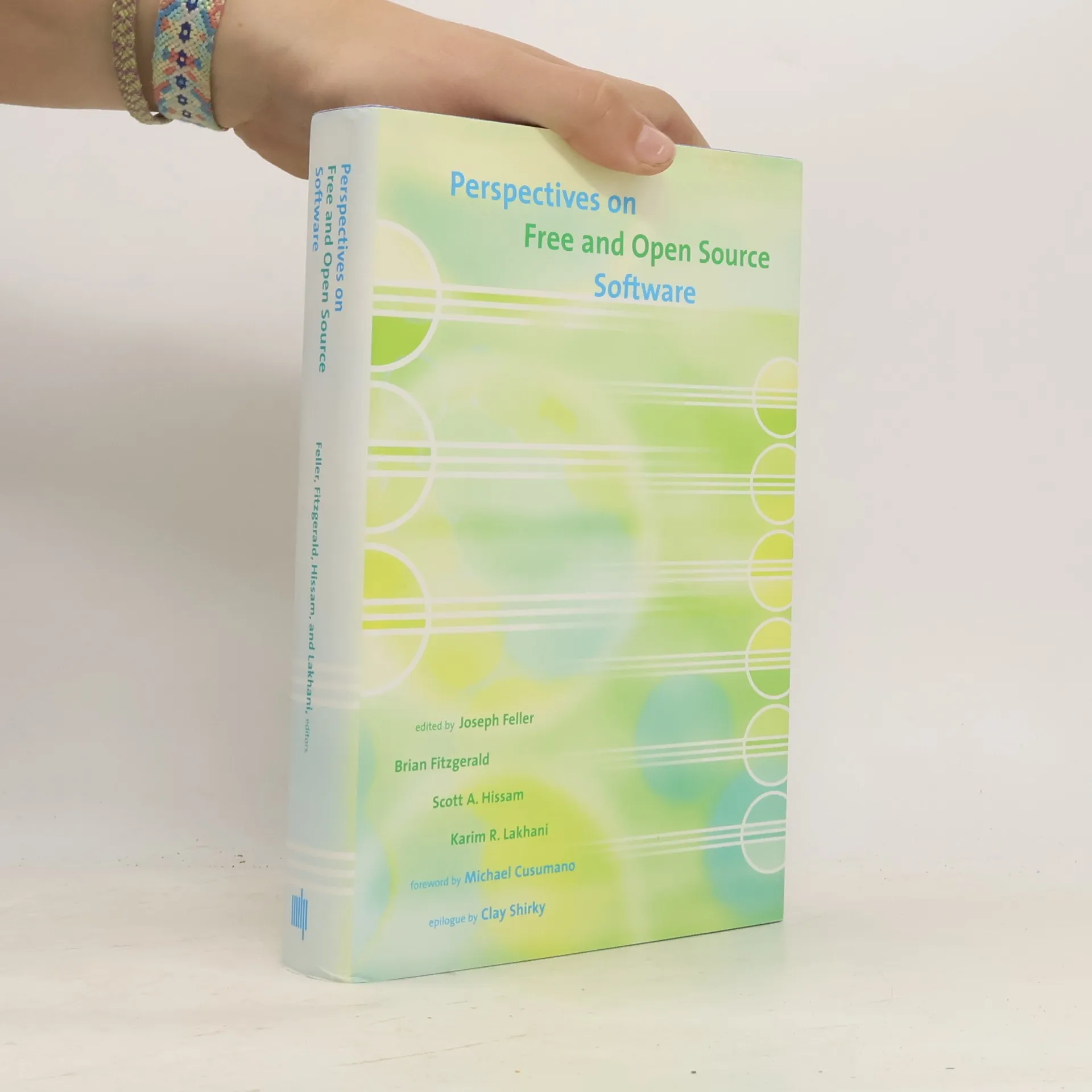
What is the status of the Free and Open Source Software (F/OSS) revolution? Has the creation of software that can be freely used, modified, and redistributed transformed industry and society, as some predicted, or is this transformation still a work in progress? Perspectives on Free and Open Source Software brings together leading analysts and researchers to address this question, examining specific aspects of F/OSS in a way that is both scientifically rigorous and highly relevant to real-life managerial and technical concerns. highly skilled software developers devote large amounts of time to the creation of free products and services; the objective, empirically-grounded evaluation of software - necessary to counter what one chapter author calls the steamroller of F/OSS hype; the software engineering processes and tools used in specific projects, including Apache, GNOME, and Mozilla; the economic and business models that reflect the changing relationships between users and firms, technical communities and firms, and between competitors; and legal, cultural, and social issues, including one contribution that suggests parallels between open code and open society and another that points to the need for understanding the movement's social causes and consequences.