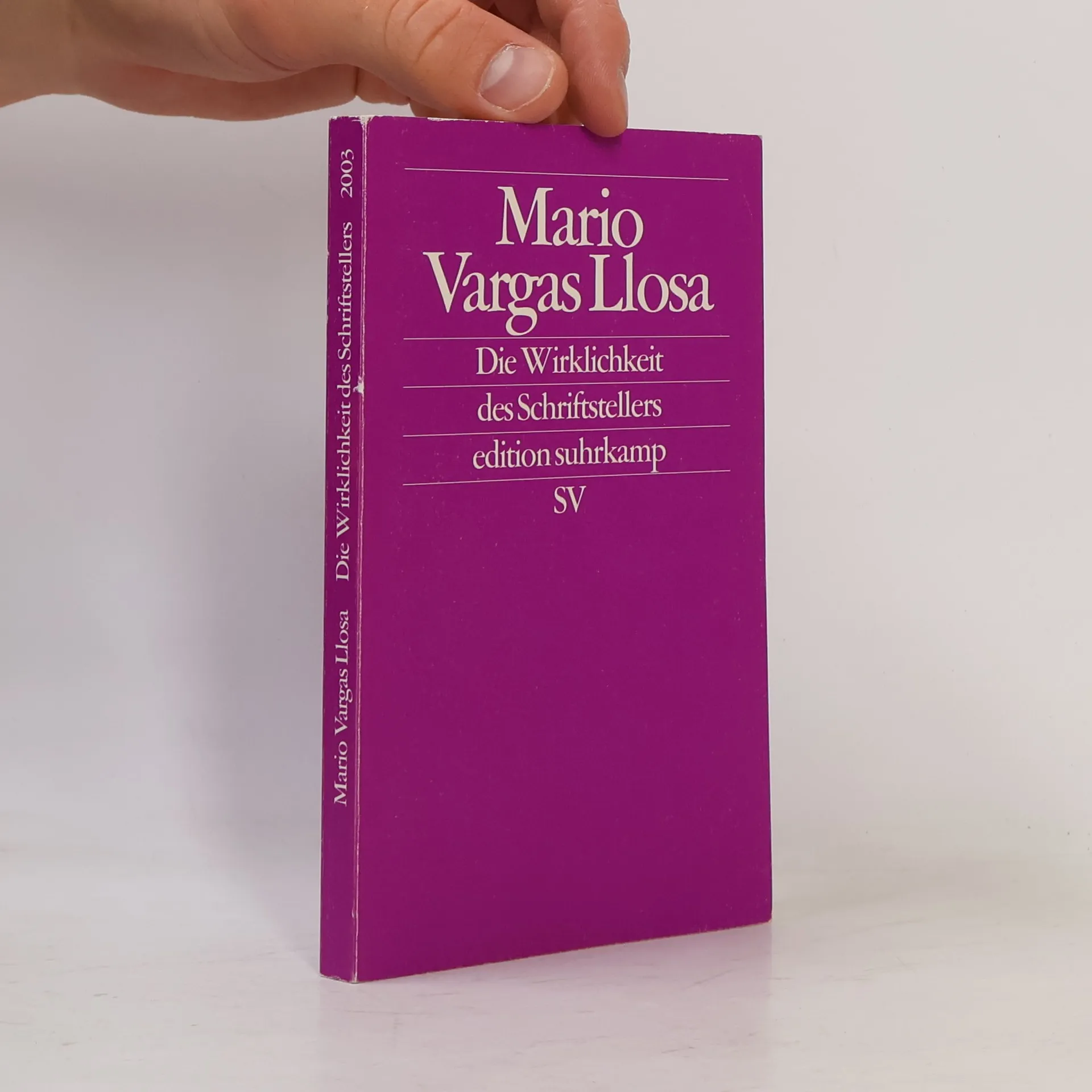
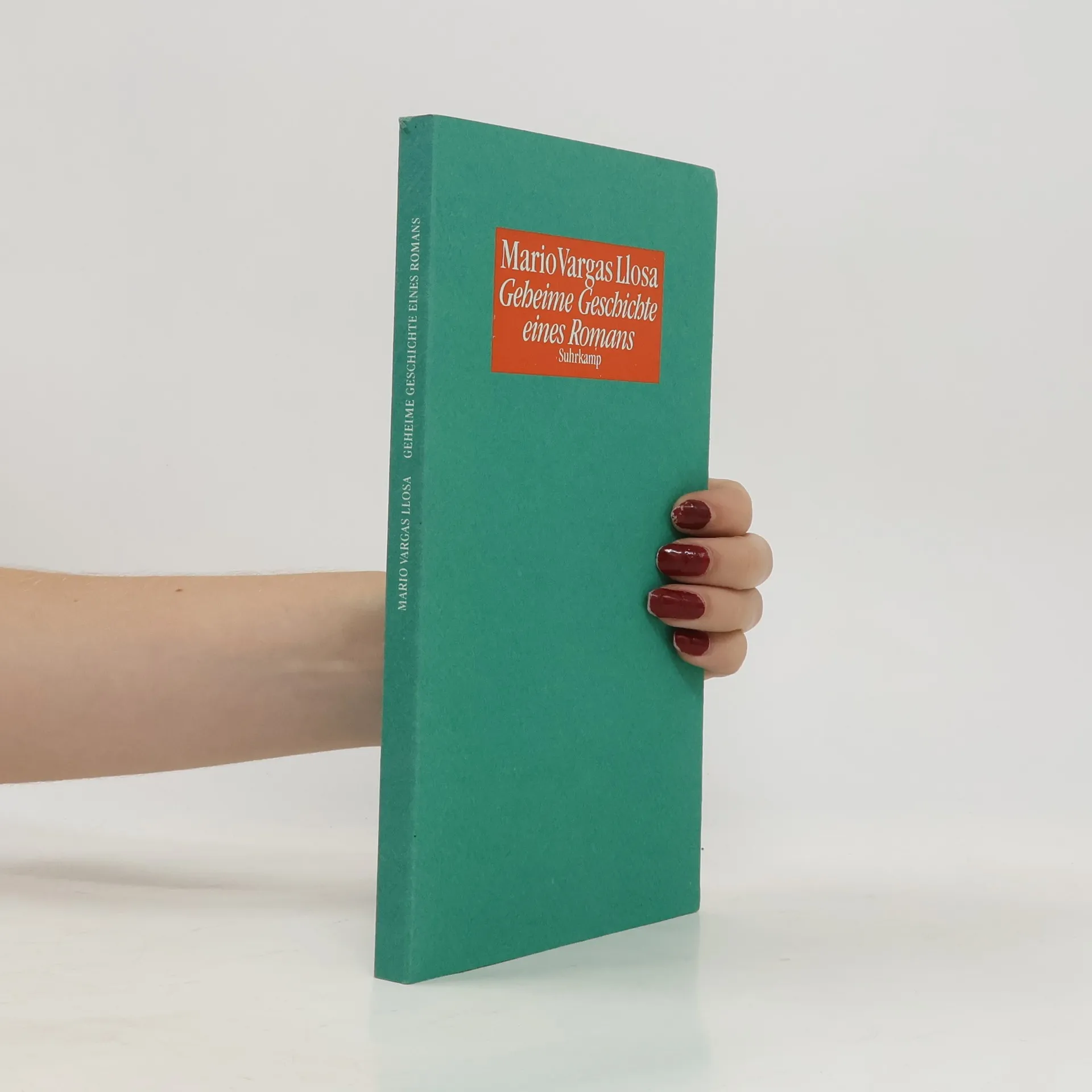
Mario Vargas Llosa patrí k najvýznamnejším juhoamerickým autorom. Jeho romány, čerpajúce z histórie, politiky a ľudskej psychiky, skúmajú zložité vzťahy moci a vplyvu. Llosa sa zaoberá témami ako korupcia, diktatúra a hľadanie identity. Jeho štýl je známy svojou bohatosťou a precíznosťou pri vykresľovaní postáv a ich vnútorných svetov. Ako esejista sa venuje kritickej reflexii literatúry i spoločnosti a zastáva názor, že spisovatelia majú morálnu povinnosť podieľať sa na občianskom diskurze.
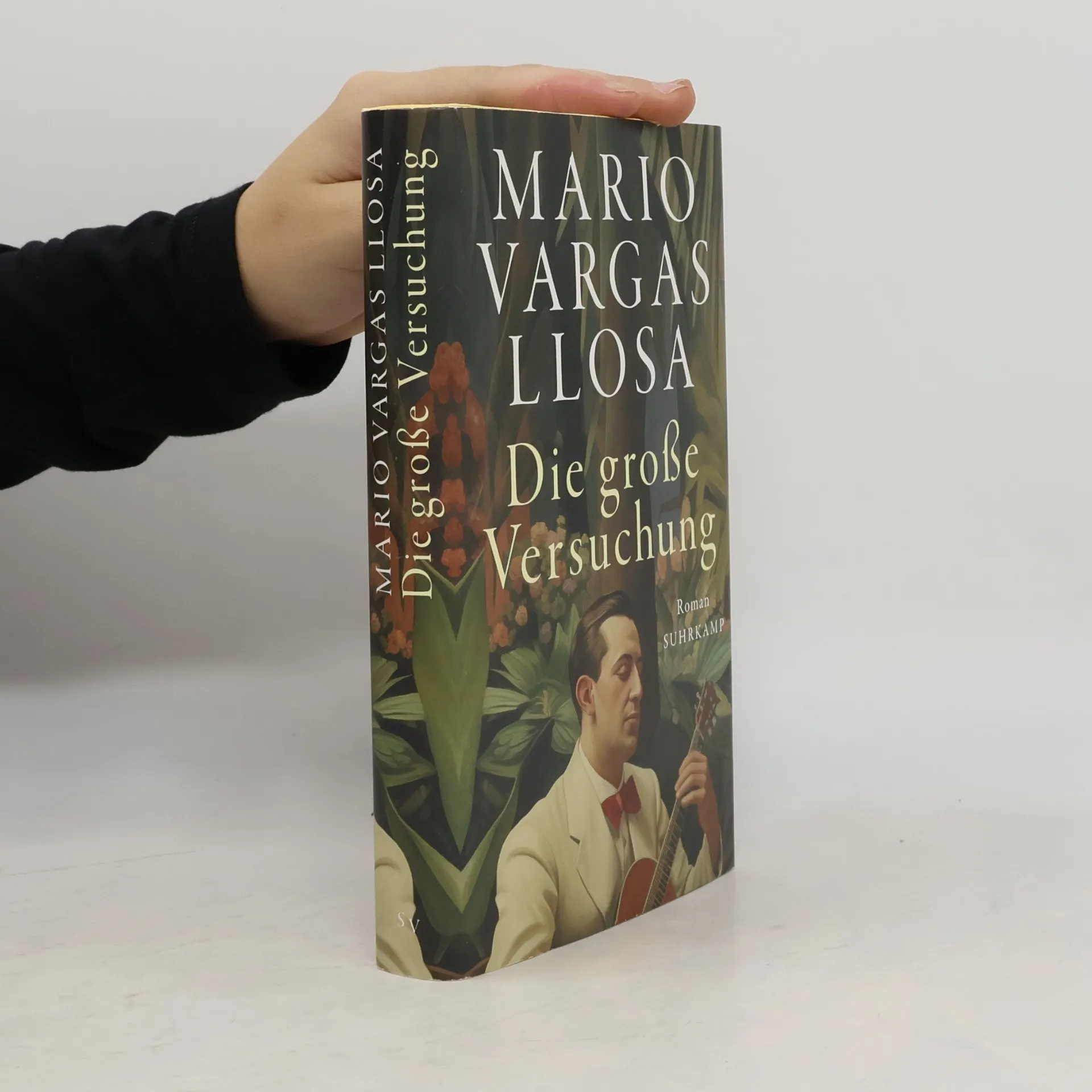
Mario Vargas Llosa präsentiert in seinem späten Meisterwerk die Geschichte von Toño Azpilcueta, der durch die Begegnung mit dem talentierten Gitarristen Lalo Molfino seine Leidenschaft für die peruanische Musik neu entdeckt. Seine Mission, ein Buch über Molfino und die Kunst zu schreiben, führt zu Ruhm, doch Toños manische Schreibweise belastet seine Familie.
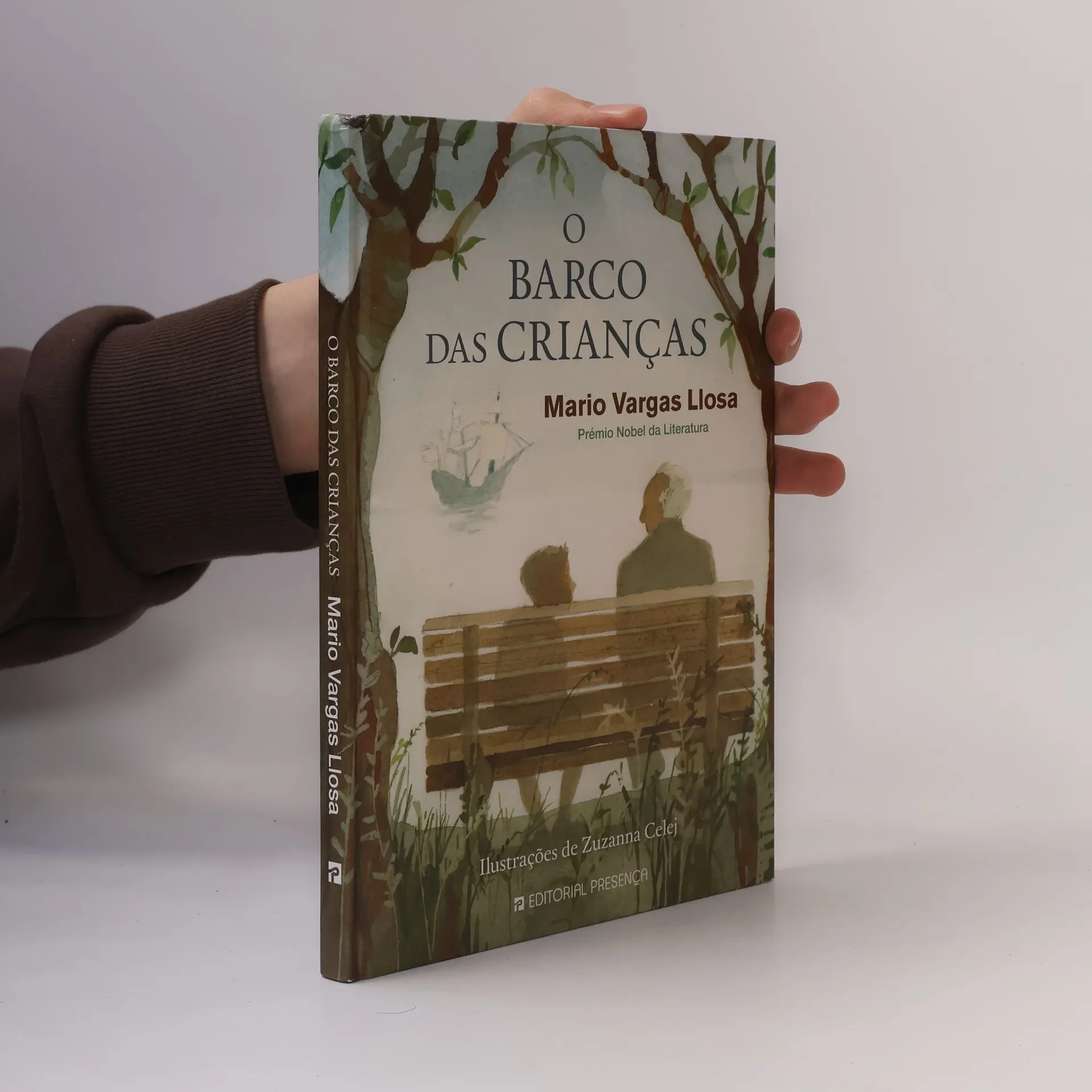
De manhã, ao preparar-se para ir para a escola, Fonchito vê um homem sentado num banco do parque, contemplando o mar, Intrigado, por vê-lo ali a cada manhã, decide ir ao seu encontro para lhe perguntar o que procura ele, sempre sentado no mesmo banco, O velhinho, com um sorriso nos lábios, decide partilhar com Fonchito uma história muito antiga e extraordinária. E todos os dias, antes de o autocarro da escola chegar, Fonchito passa a ouvir um novo capítulo das aventuras de um barco cheio de crianças que, desde a época das Cruzadas, navega nos mares do mundo.
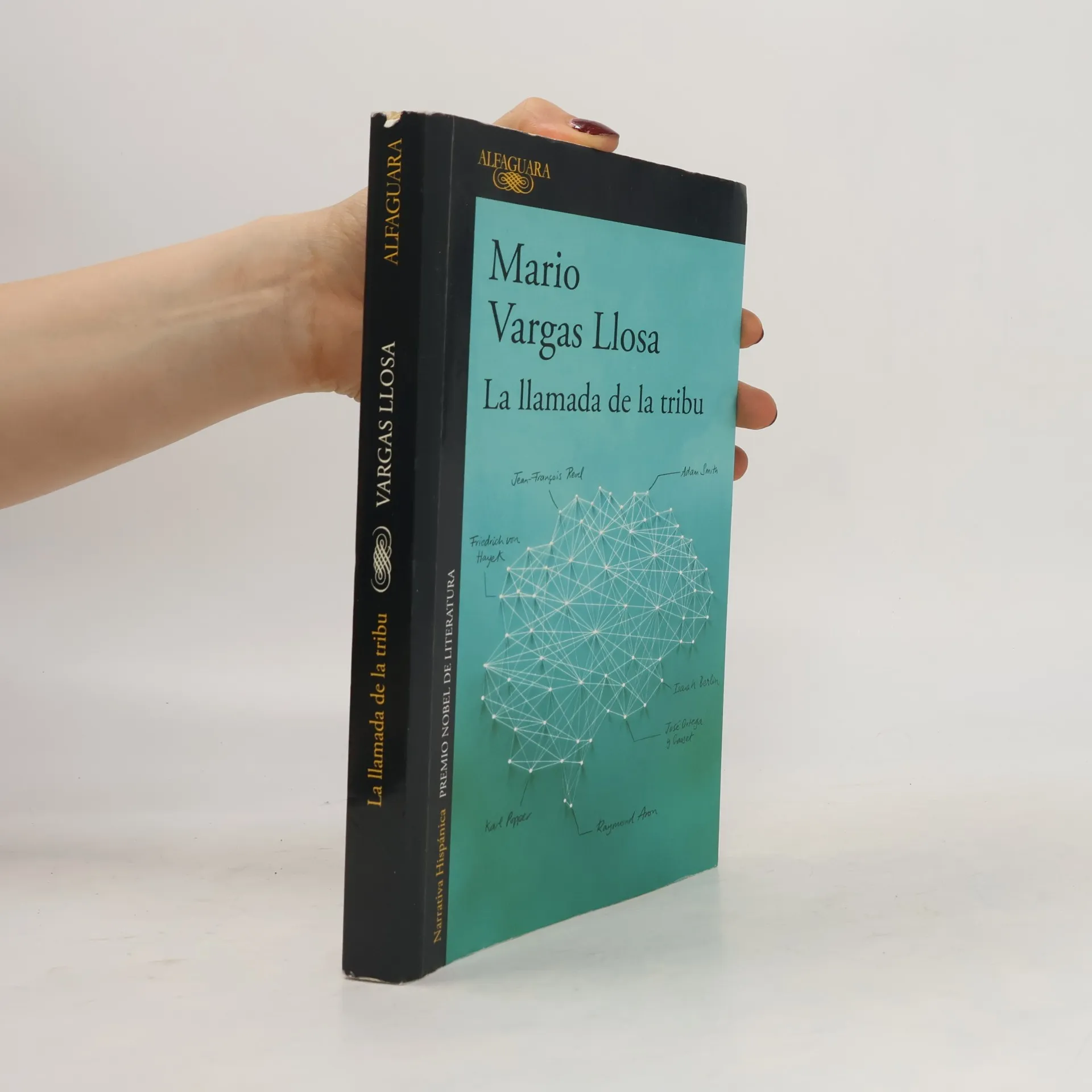
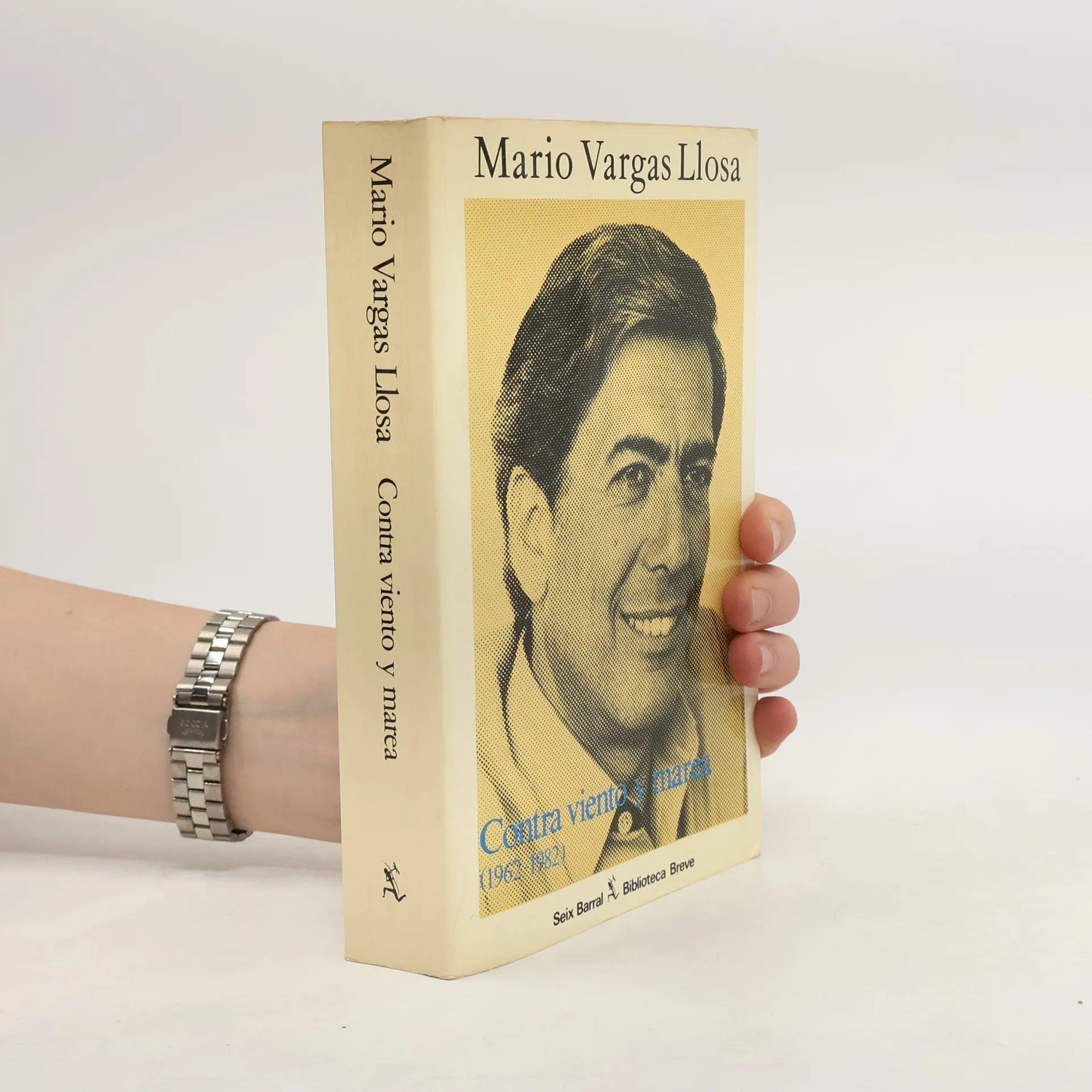
"La diferencia con libros como El pez en el agua es que aquí el protagonismo no lo tienen las vivencias del autor, sino las lecturas que moldearon su forma de pensar y de ver el mundo en los últimos cincuenta años. El Nobel peruano ha hecho una cartografía de los pensadores liberales que lo ayudaron a desarrollar un nuevo cuerpo de ideas después del gran trauma ideológico que supuso, por un lado, el desencanto con la Revolución Cubana y, por otro, el distanciamiento de las ideas de Jean-Paul Sartre, el autor que más lo había inspirado en su juventud. Los autores que analiza son Adam Smith, José Ortega y Gasset, Friedrich Hayek, Karl Popper, Raymond Aron, Isaiah Berlin y Jean-Fraçois Revel, quienes le fueron de enorme ayuda durante aquellos años de desazón, mostrándole otra tradición de pensamiento que privilegiaba al individuo frente a la tribu, la nación, la clase o el partido, y que defendía la libertad de expresión como valor fundamental para el ejercicio de la democracia."--Back cover
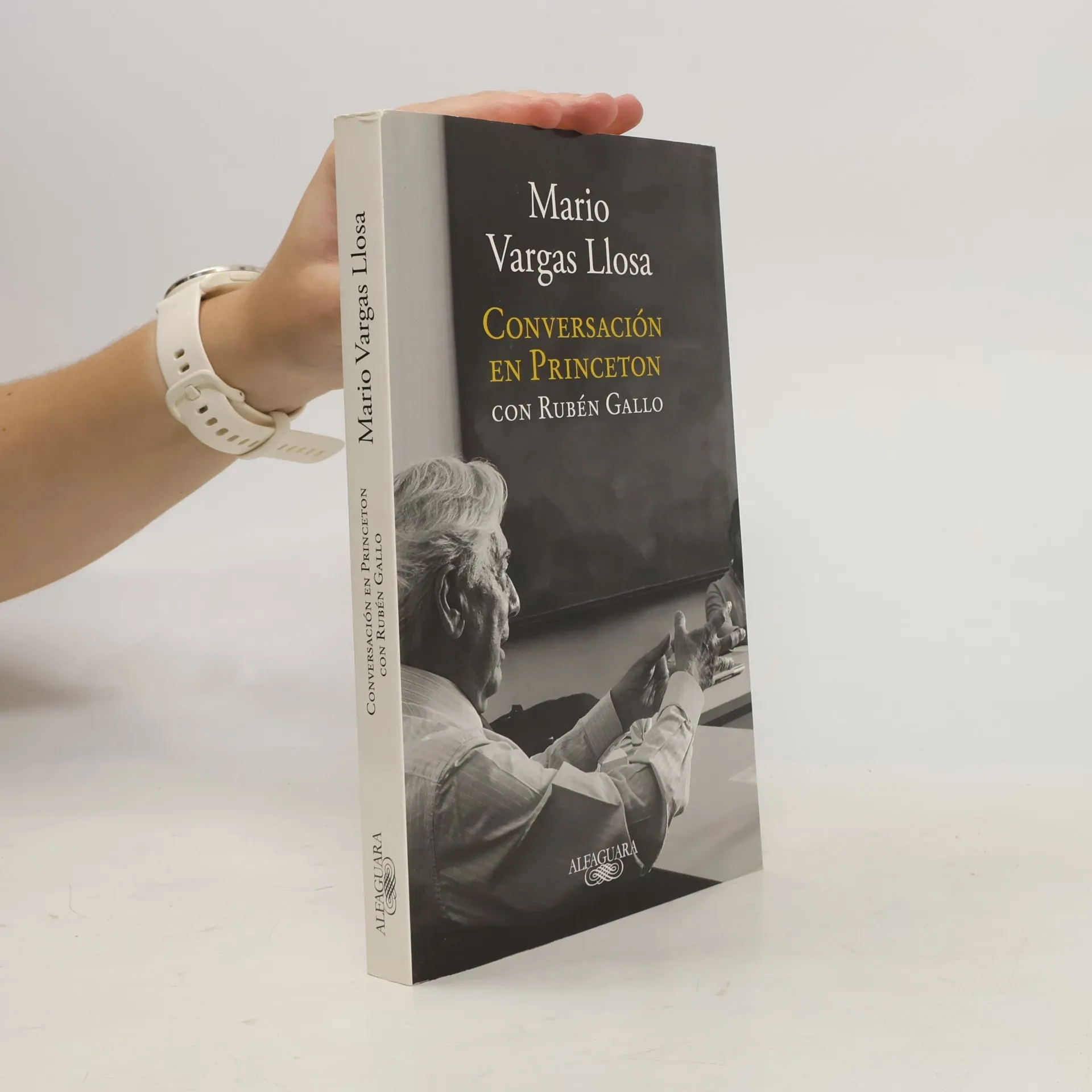
Universidad de Princeton, Nueva Jersey, 2015. Durante un semestre, Mario Vargas Llosa impartió junto a Rubén Gallo un curso sobre literatura y política. Ambos conversaron con los alumnos sobre teoría de la novela, y sobre la relación del periodismo y la política con la literatura, a través de cinco obras del autor: Conversación en La Catedral , Historia de Mayta , ¿Quién mató a Palomino Molero? , El pez en el agua y La fiesta del chivo . En estas conversaciones, el nobel, con su brillantez acostumbrada, habla del oficio de escritor y de los retos a los que se enfrenta en la construcción de sus novelas, pero también ofrece un análisis inteligente de la actualidad. Es especialmente conmovedora la charla con Philippe Lançon, periodista del Charlie Hebdo que sobrevivió al atentado islamista perpetrado ese mismo año. Tres perspectivas complementarias confluyen en este libro: la del autor, que desvela el proceso creativo de sus novelas; la de Rubén Gallo, que analiza las distintas significaciones que las obras de Vargas Llosa cobran en el momento de su difusión, y la de los alumnos, que con sus reflexiones y preguntas dan voz a los millones de lectores de Vargas Llosa. Conversación en Princeton con Rubén Gallo es una oportunidad sin igual para asistir a un curso magistral sobre literatura y realidad impartido por uno de los escritores más reconocidos y valorados en todo el mundo.
Es sind die späten fünfziger Jahre in Lima, Miguel liebt Flora, aber er fürchtet, dass sein Kumpel Rubén sie ihm ausspannen wird. Als die Clique, »die Raubvögel«, beisammensitzt, fordert Miguel den Rivalen zum Wetttrinken heraus, und im Überschwang lassen die beiden sich auf eine Mutprobe ein, bei der es schon bald um Leben und Tod geht ... Sonntag ist eine der frühesten Erzählungen Mario Vargas Llosas, ein kompaktes Meisterwerk aus psychologischer Einfühlung und ungestüm kraftvoller Sprache. Kongenial illustriert von Kat Menschik.
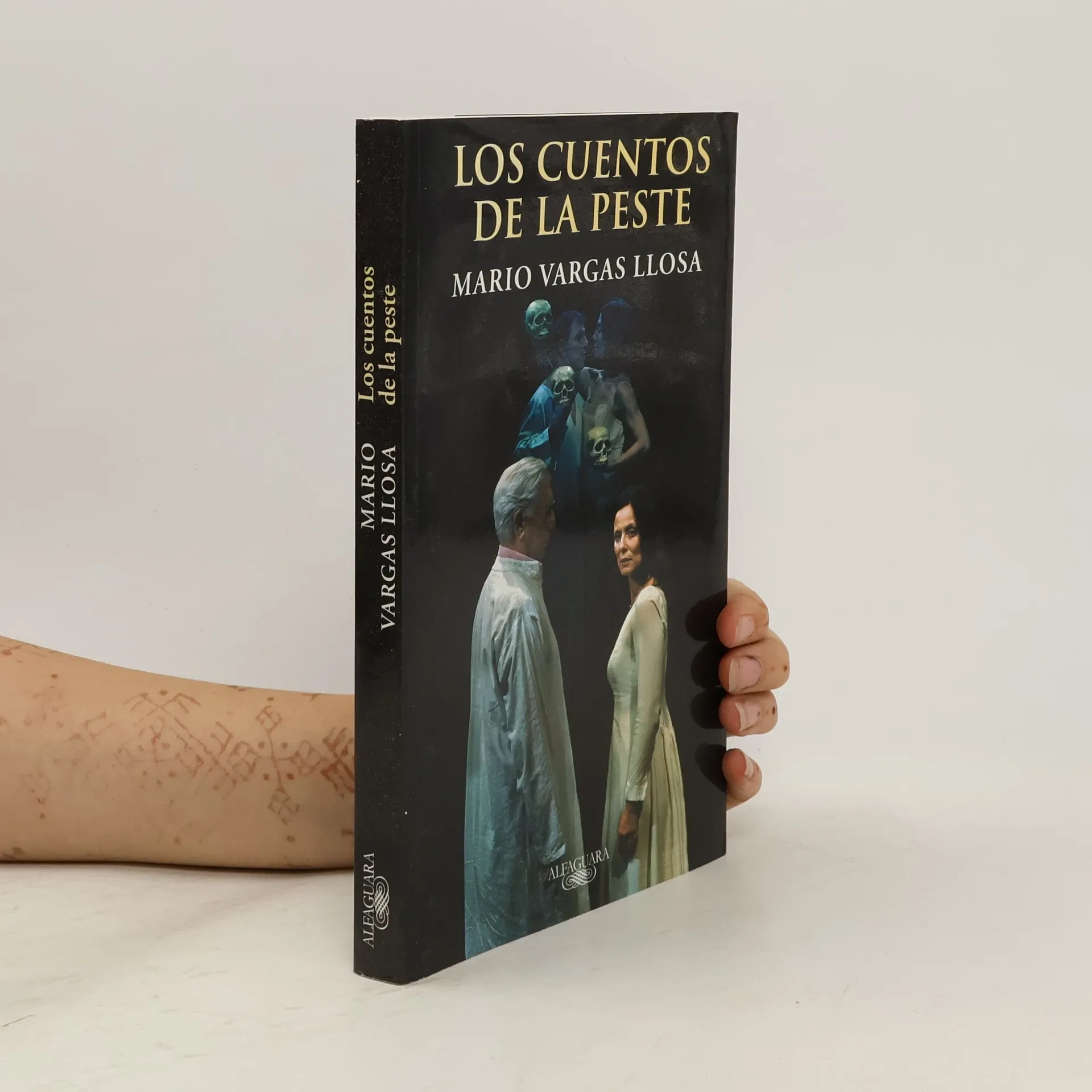
Una obra dramática inédita de Mario Vargas Llosa inspirada en el Decamerón. El contexto base de esta obra – la reunión de unos jóvenes en una morada en los alrededores de Florencia, durante la cual cuentan historias para entretenerse mientras la peste asola la ciudad – inspiró al Nobel peruano a construir una pieza de teatro en torno al deseo basada en ocho de los cuentos de Boccaccio. El humor, el poder de la imaginación, el amor – desde el idealizado amor cortés hasta el más carnal – y las relaciones entre clases sociales son las claves de esta obra que congrega la esencia del espíritu del Decamerón: la lujuria y la sensualidad exacerbadas por la sensación de crisis, de abismo abierto, de fin del mundo. Una recreación magistral de un clásico de la literatura europea.
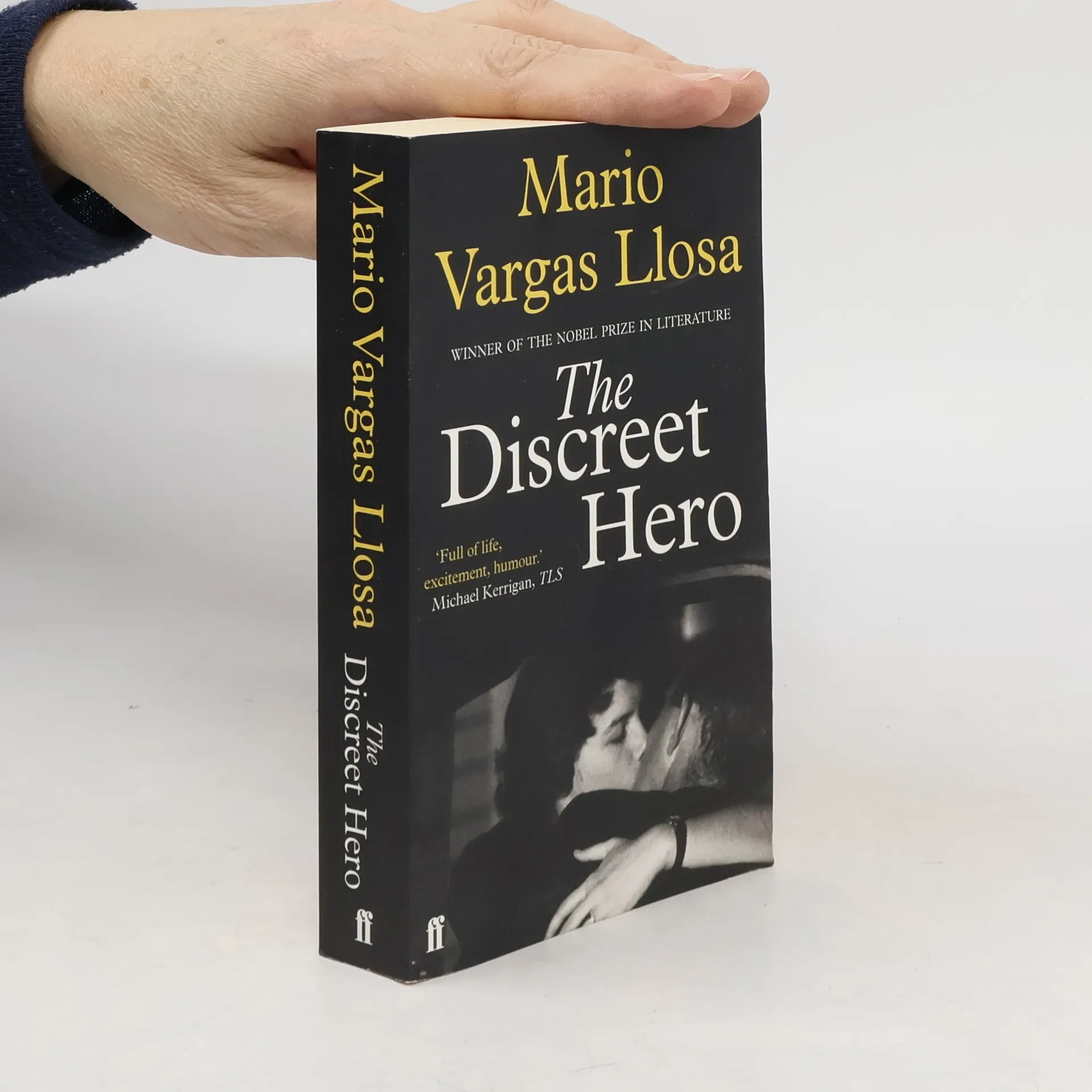
Felicito Yanaque has raised himself from poverty to ownership of a trucking business. His two sons work for him. He receives a threatening letter demanding protection money. The police don't take him seriously, Felicito refuses to pay up and gets sucked into a nightmare. He becomes a reluctant public hero. Then his mistress is kidnapped, and matters become seriously complicated. And he finds that his troubles have begun very close to home. His fate is interwoven with the story of Rigoberto, a wealthy Lima insurance executive. His boss and old friend, Ismael, suddenly announces that he is marrying his housekeeper, a chola from Piura, to the consternation of his twin sons, a pair of brutal wasters. Ismael escapes to Europe with his new bride, leaving Rigoberto to face the twins' threats, and their claims that he connived with a scheming woman to rob an old man of his fortune. Rigoberto is hounded by the press and TV. Meanwhile, his only son is having visions of a mysterious stranger who may or may not be the devil...
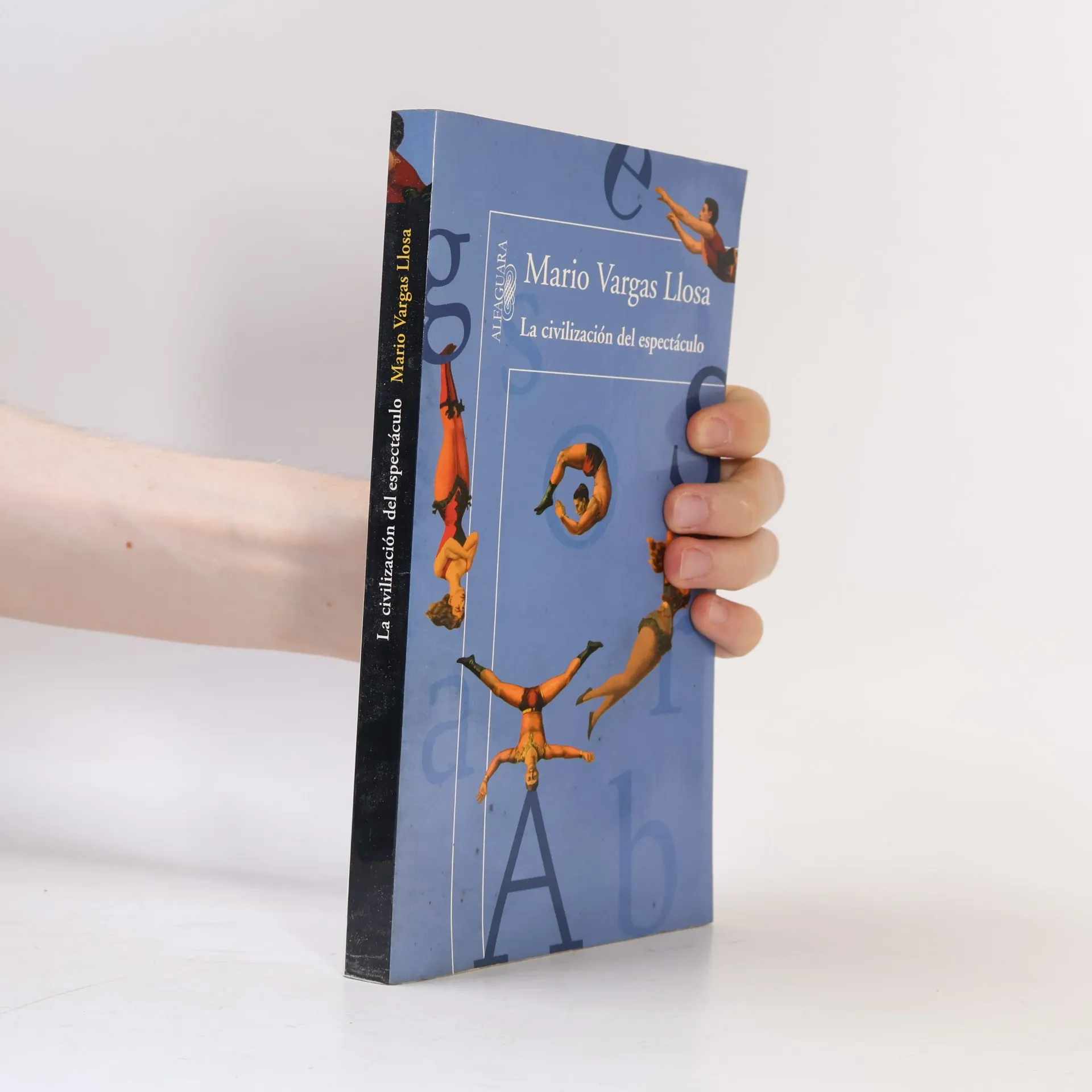
"La cultura, en el sentido que tradicionalmente se ha dado a este vocablo, está en nuestros días a punto de desaparecer." La banalización de las artes y la literatura, el auge del periodismo amarillista y la frivolidad política son síntomas de un mal mayor en la sociedad contemporánea: la peligrosa idea de convertir en bien supremo nuestra propensión a divertirnos. En el pasado, la cultura era una conciencia que impedía ignorar la realidad; ahora, se ha convertido en un mero mecanismo de distracción. La figura del intelectual, central en el siglo XX, ha desaparecido del debate público, y aunque algunos firman manifiestos, su impacto es mínimo. Muchos han optado por el silencio ante esta situación. Con su característico espíritu incómodo, Vargas Llosa ofrece una aguda radiografía de nuestro tiempo y cultura. "Este pequeño ensayo no aspira a abultar el elevado número de interpretaciones sobre la cultura contemporánea, solo a dejar constancia de la metamorfosis que ha experimentado lo que se entendía aún por cultura cuando mi generación entró a la escuela o a la Universidad." Mario Vargas Llosa, Premio Nobel de Literatura 2010, ha sido un destacado autor con una prolífica carrera que incluye novelas, ensayos y obras de teatro, y ha recibido numerosos galardones literarios.
Estela Morris, la conturbante ninfa del titolo di questa storia nostalgica e spassosa, solare e rocambolesca, ha appena sedici anni quando il protagonista - alter ego dell'autore - la incontra sulla Calle 23 dell'Avana, e si lascia trascinare in una relazione che dura solo un'estate ma gli resterà nel ricordo per sempre. Il romanzo è lo scanzonato ritratto di questa ragazzina capricciosa e irresistibile e una divertita rivisitazione delle più classiche storie d'amore letterarie; ma anche un omaggio alla Cuba del passato, "isola incantata" che non ha mai smesso di ispirare la vena più profonda di Cabrera Infante. Fra slanci lirici, calembour e gag comiche, il romanzo postumo di un grande narratore da riscoprire.
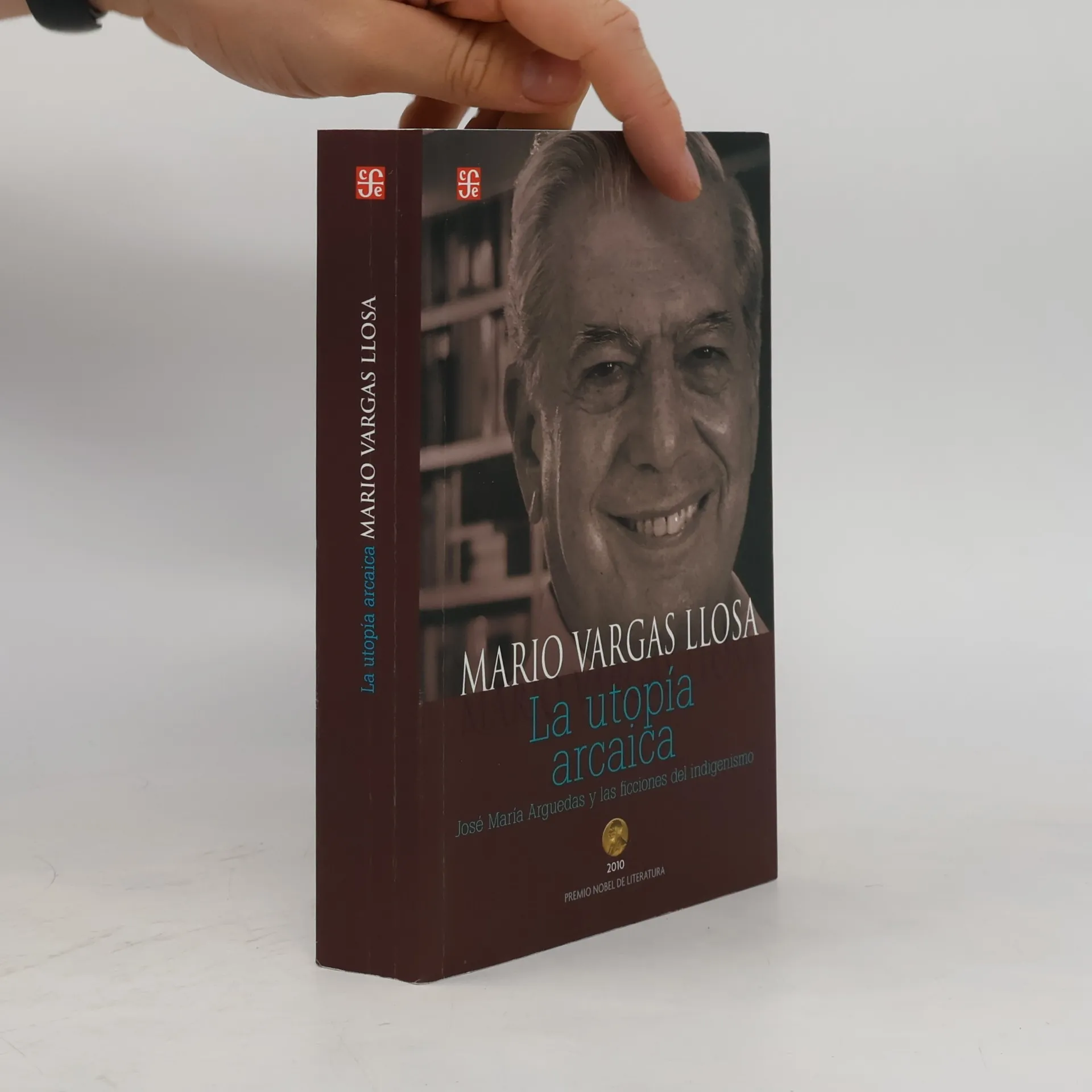
José María Arguedas y las ficciones del indigenismo
443 stránok
16 hodin čítania
A cross between history, biography and literary critique, La utopia arcaica is a fresco of Perus historical context as well as an account of Arguedas life, an explanation of his work and an attempt to describe the immolation of a literary genius for ethical and political reasons. This book is the result of the classes that the author give in American universities about the Indigenista movement based on Jose Maria Arguedas.
In dit boek raakt advocaat Mandrake ongewild verzeild in de meedogenloze machtsstrijd tussen twee onderwereldfiguren in Rio de Janeiro. De koelbloedige moordpartijen draaien in wezen om een banaal voorwerp: een videocassette die een topmanager in opspraak zou kunnen brengen. De eerste slachtoffers zijn een paar prostitués, maar geleidelijk aan wordt de machtsstrijd verbetener en volgen de gebeurtenissen een steeds grilliger patroon. De frequente perspectiefwisselingen, veranderingen van onderwerp en de vele, soms verwarrende namen vragen een alerte lezer. Naast filmscenario's schreef de auteur 4 romans en een aantal verhalen die voor een deel in het Nederlands vertaald zijn.
The story follows Fonchito, a young boy determined to win the affection of his beautiful classmate Nereida. To earn her shy consent for a kiss on the cheek, she sets an impossible challenge: he must bring her the moon. Driven by love, Fonchito embarks on a whimsical quest to achieve the unthinkable, showcasing the innocence and determination of childhood romance.
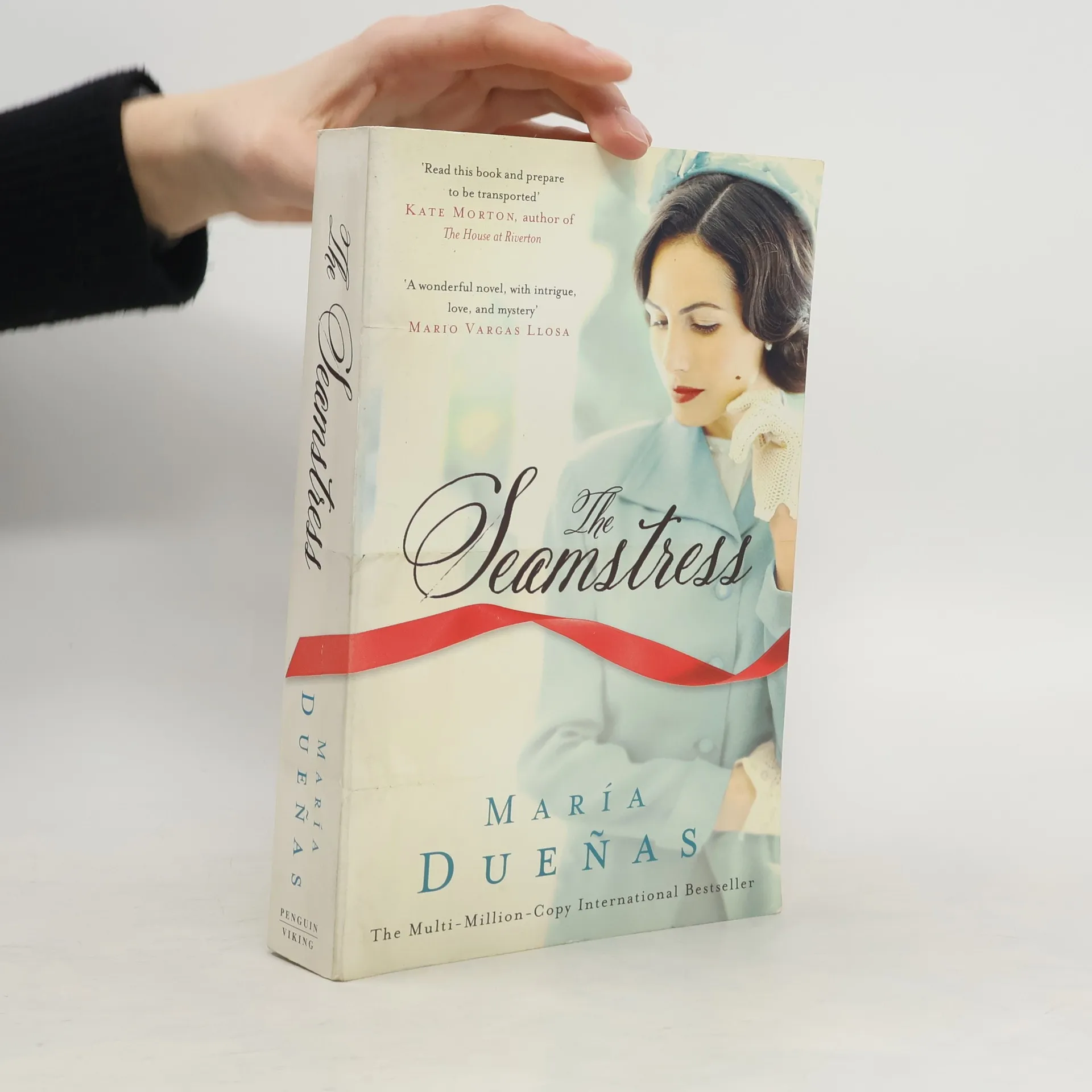
Spain, on the brink of civil war, 1936. In love for the first time, Sira Quiroga leaves Madrid, along with everything she knows and cares about, to run away to Tangiers, Morocco with her lover Ramiro. She entrusts him with all her inheritance only to be left by him - pregnant, penniless and in trouble with the authorities. At her lowest ebb Sira falls back on the one skill she possesses: sewing. Moving to Tetouan, Sira survives by sewing beautiful clothes for the English mistress of one of the most powerful men in Morocco and for her German friends. As the women unguardedly gossip about their husbands and lovers, Sira is placed in a position very valuable to the British secret service, and she is soon forced to move to Madrid where great danger lies.
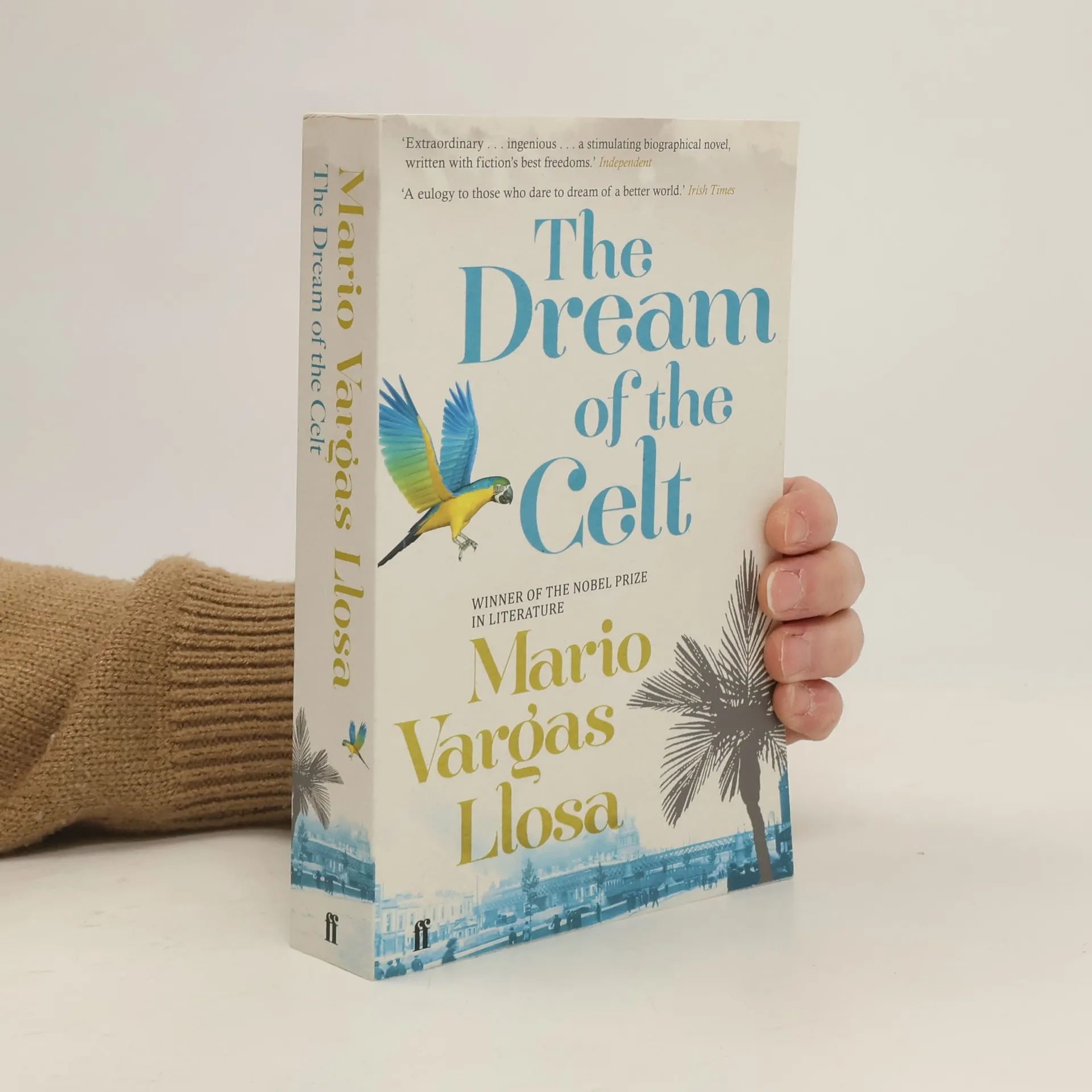
As The Dream of the Celt opens, it is the summer of 1916 and Roger Casement awaits the hangman in London's Pentonville Prison. Dublin lies in ruins after the disastrous Easter Rising led by his comrades of the Irish Volunteers. He has been caught after landing from a German submarine. For the past year he has attempted to raise an Irish brigade from prisoners of war to fight alongside the Germans against the British Empire that awarded him a knighthood only a few years before. And now his petition for clemency is threatened by the leaking of his private diary and his secret life as a gay man... Mario Vargas Llosa, with his incomparable gift for powerful historical narrative, takes the reader on a journey back through a remarkable life dedicated to the exposure of barbaric treatment of indigenous peoples by European predators in the Congo and Amazonia. Casement was feted as one of the greatest humanitarians of the age. Now he is about to die ignominiously as a traitor.
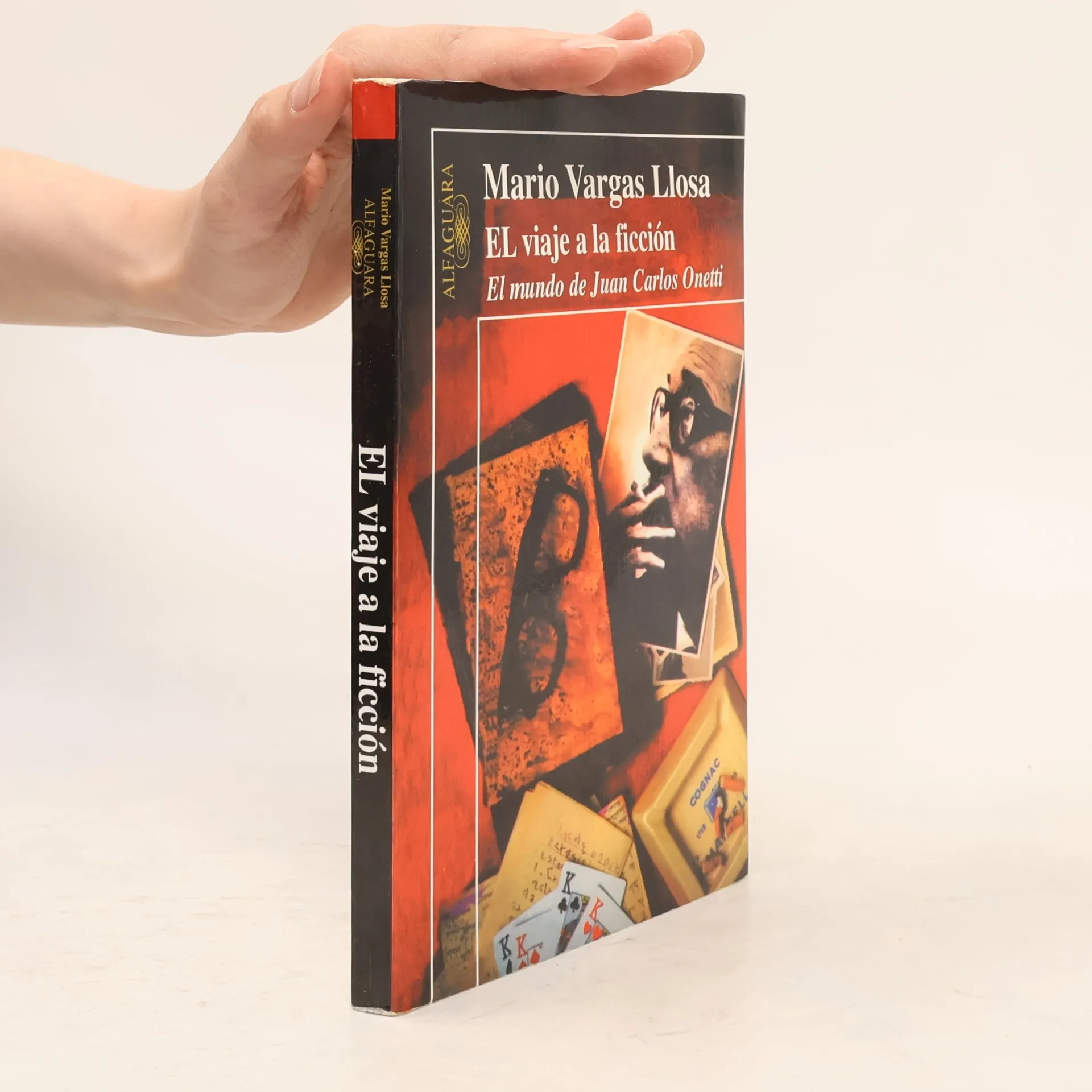
El tema de la ficción y la vida es una constante en la literatura, pero en la obra de Juan Carlos Onetti se presenta con una fuerza y originalidad únicas. Su narrativa revela cómo los seres humanos construimos una existencia paralela, compuesta de palabras e imágenes que, aunque engañosas, son persuasivas y nos ofrecen refugio ante los desastres y limitaciones que la vida real impone a nuestra libertad y sueños. En este ensayo, se investiga cómo Onetti utilizó la ficción como un mundo alternativo. La respuesta a las derrotas cotidianas se encuentra en la imaginación: huir hacia un mundo de fantasía. Esta operación es el origen de la literatura, la razón de su existencia. La obra de Onetti no solo refleja esta búsqueda de escape, sino que también invita a la reflexión sobre la naturaleza de la realidad y la ficción, y cómo estas dos dimensiones se entrelazan en la experiencia humana. La exploración de estos temas resuena profundamente, ofreciendo una mirada incisiva sobre el papel de la narrativa en la construcción de nuestra identidad y en la búsqueda de significado en un mundo a menudo hostil.
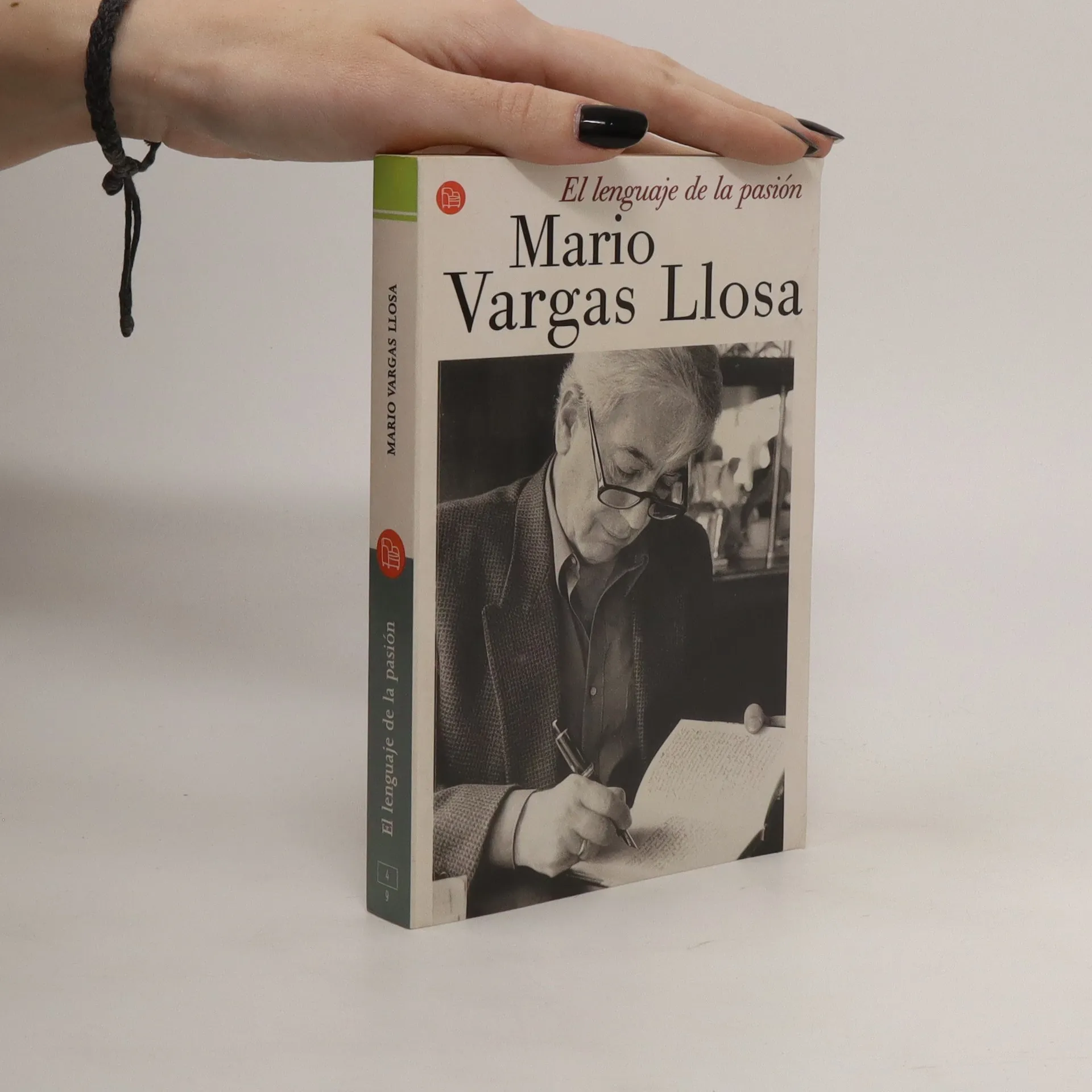
El Lenguaje de la pasión es una selección de artículos que, en su columa "Piedra de Toque", Mario Vargas Llosa publicó en el diario El País entre los años 1992 y 2000. En ellos nos ofrece su visión y análisis de la convulsa sociedad de fin de siglo abordando temas como la despenalización del aborto en España, los problemas derivados de la emigración o sucesos como el presidio de Nelson Mandela en Robben Island. Un libro que aporta claves significativas para entender la complejidad de nuestro tiempo.
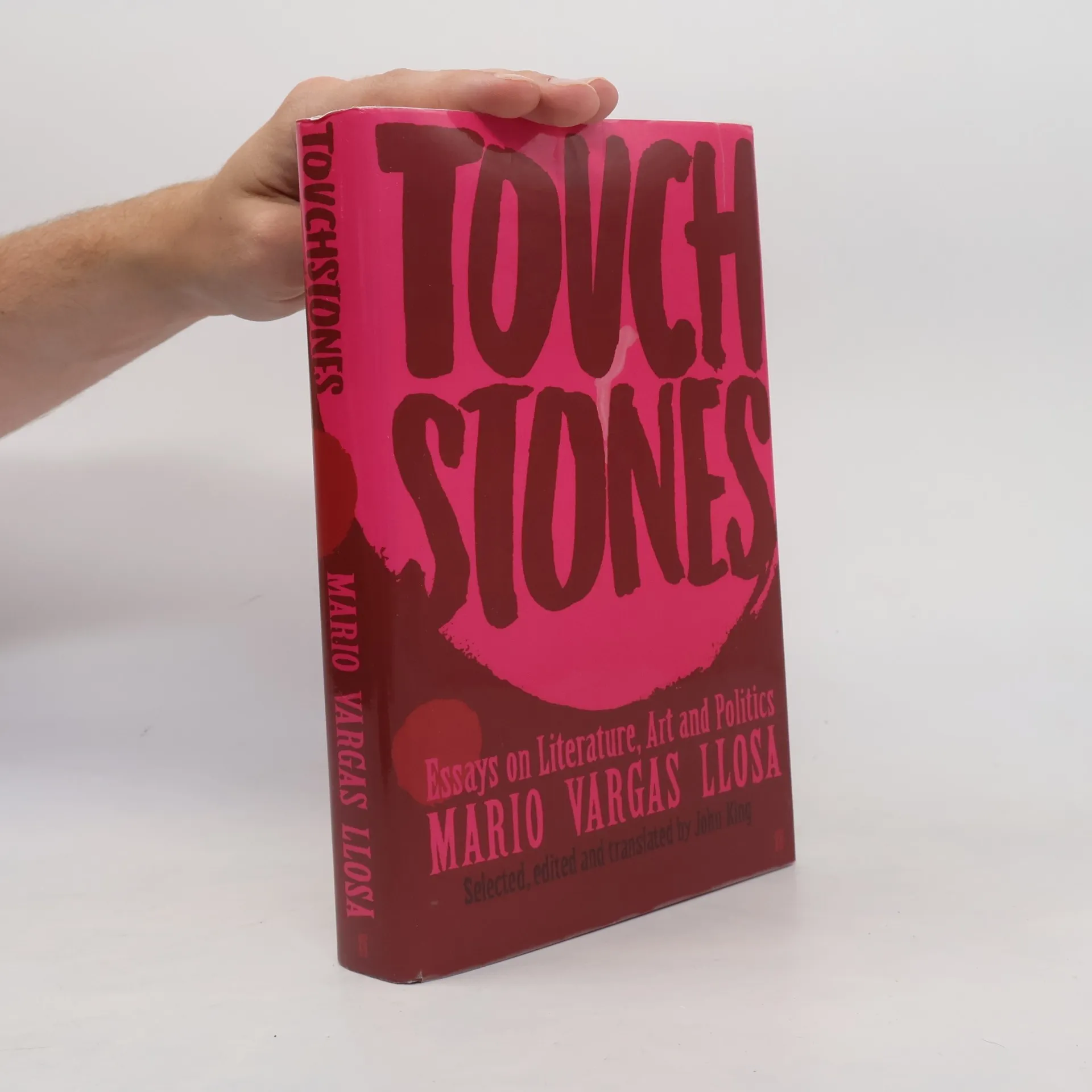
One of Latin America's greatest novelists, Mario Vargas Llosa is also a most acute and wide-ranging cultural critic and an acerbic political commentator. Touchstones includes his readings of major twentieth-century novels, from Heart of Darkness to The Tin Drum and Herzog and major works by Hemingway, Woolf, Orwell, Camus and Nabokov. There are long studies of George Grosz, vignettes on Botero and Picasso, and an appreciation of Cezanne and Van Gogh, including a visit to Cezanne's homes in the South Seas. Also included are essays on political and social thinkers, from the nineteenth-century feminist, Flora Tristan, to Isaiah Berlin, and contemporary pieces on 9/11, the aftermath of the war in Iraq, and the terrorist attacks on London and Madrid. Fantastically intelligent, inspired and surprising, Touchstones is a landmark collection from one of the world's leading intellectuals.
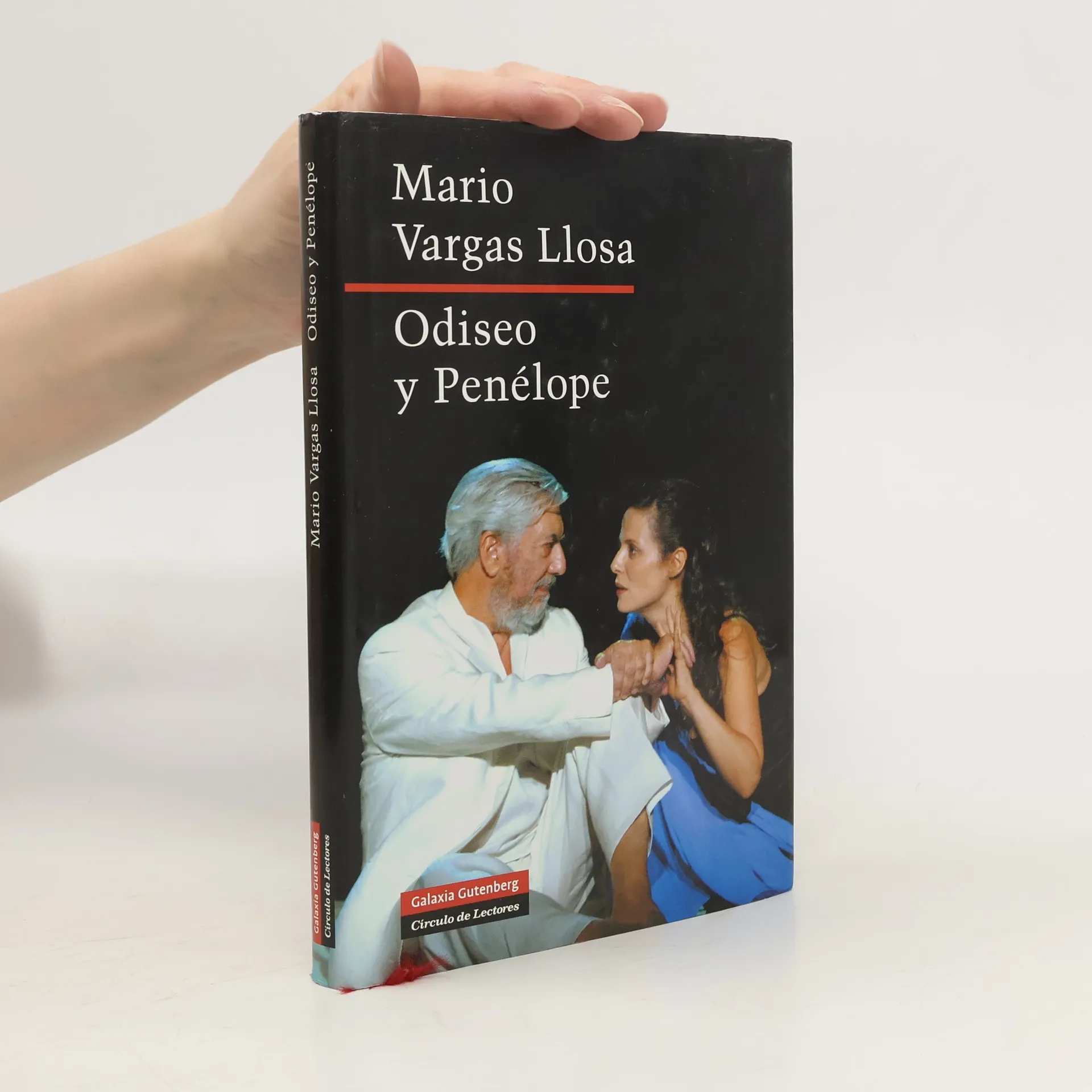
¿Vivió Odiseo las historias maravillosas que refiere a los deslumbrados feacios en la corte del rey Alcino? No hay manera de saberlo. Pudiera ser que sí y que su excelente memoria y su habilidad narradora enriquecieran sus credenciales de hombre de acción. Pero podría ser también que fuera un genial embaucador, el primero de esa estirpe de grandes fabricantes de mentiras literarias , tan seductoras que los lectores las vuelven a veces verdaderas, creyendo en los fabuladores. Mario Vargas Llos
A caldo, appena pochi giorni dopo la rimozione di Saddam Hussein, un inconsueto reporter, il narratore Mario Vargas Llosa, si mette in viaggio per l'Iraq. Il paese è travolto dalle devastazioni ma insieme è percorso dall'ottimismo sul futuro, dall'entusiasmo per la libertà riacquistata e per l'illusione di poter tornare a vivere una storia «normale». L'esperienza sarà profonda, di quelle che lasciano tracce nella memoria e nella coscienza. Il ricordo degli orrori perpetrati dal regime di Hussein, i danni al patrimonio storico e culturale di quell'antichissimo paese, l'immensa umanità delle persone, quelle della classe umile e quelle dei ceti alti, sono ingredienti del vissuto quotidiano dell'autore in Iraq. Da giornalista, Vargas Llosa interrogherà anche i protagonisti dell'iniziata transizione, compreso il «viceré», Paul Bremer. Gli interrogativi iniziali troveranno la loro risposta, e insieme questo reportage servirà a indicare risposte agli interrogativi del devastante dopo-Hussein.
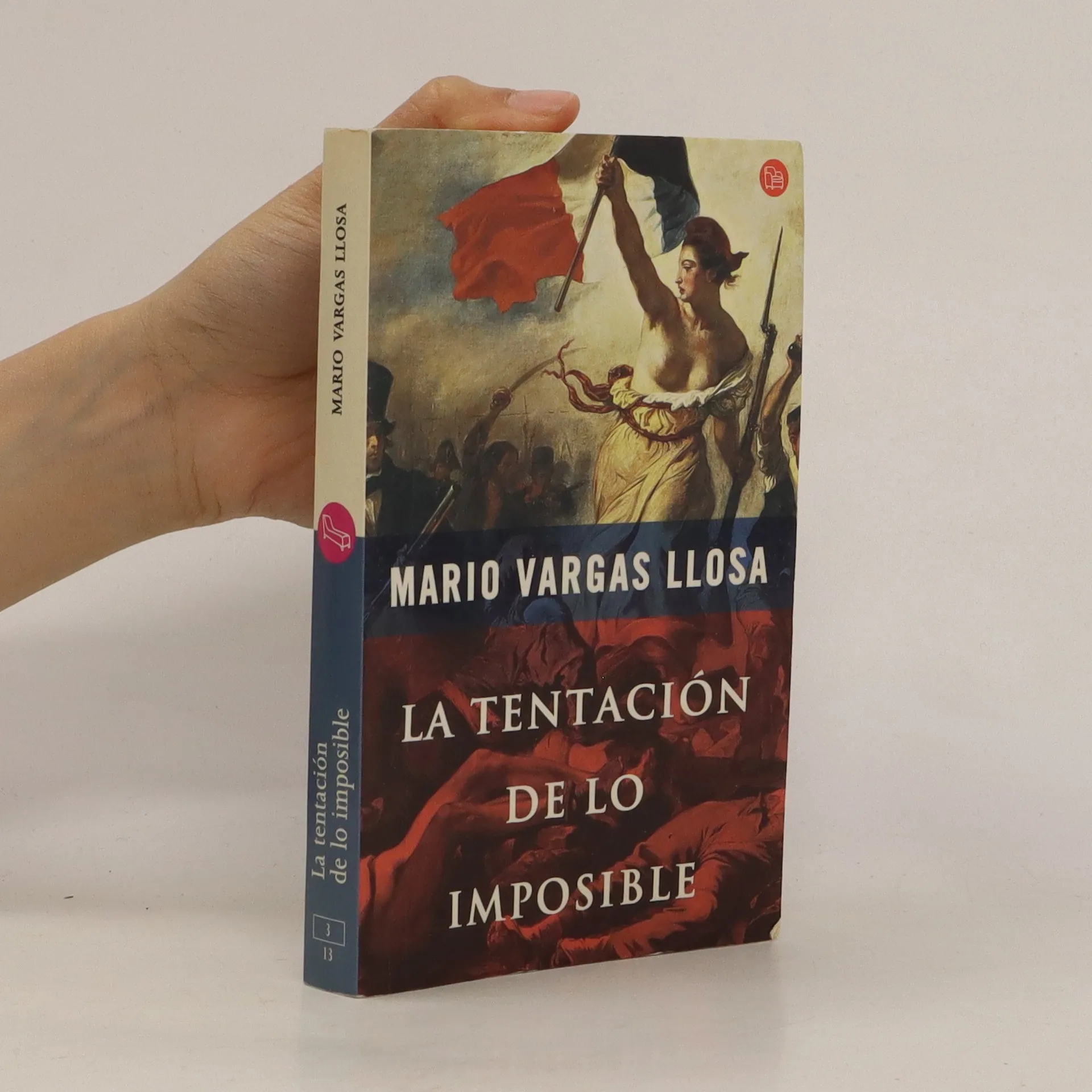
Del siglo XIX al siglo XXI. De novelista a novelista. De genio a genio. Mario Vargas Llosa, un clásico contemporáneo, se acerca a Victor Hugo y a su gran obra, Los miserables, con pasión de lector y conocimiento de creador, para rastrear las claves del narrador francés en su novela. Buceando en las palabras, Vargas Llosa se sumerge en el mundo de Victor Hugo ùescritor, político, ser humanoù y saca a la superficie las huellas de su vida y de su talento.
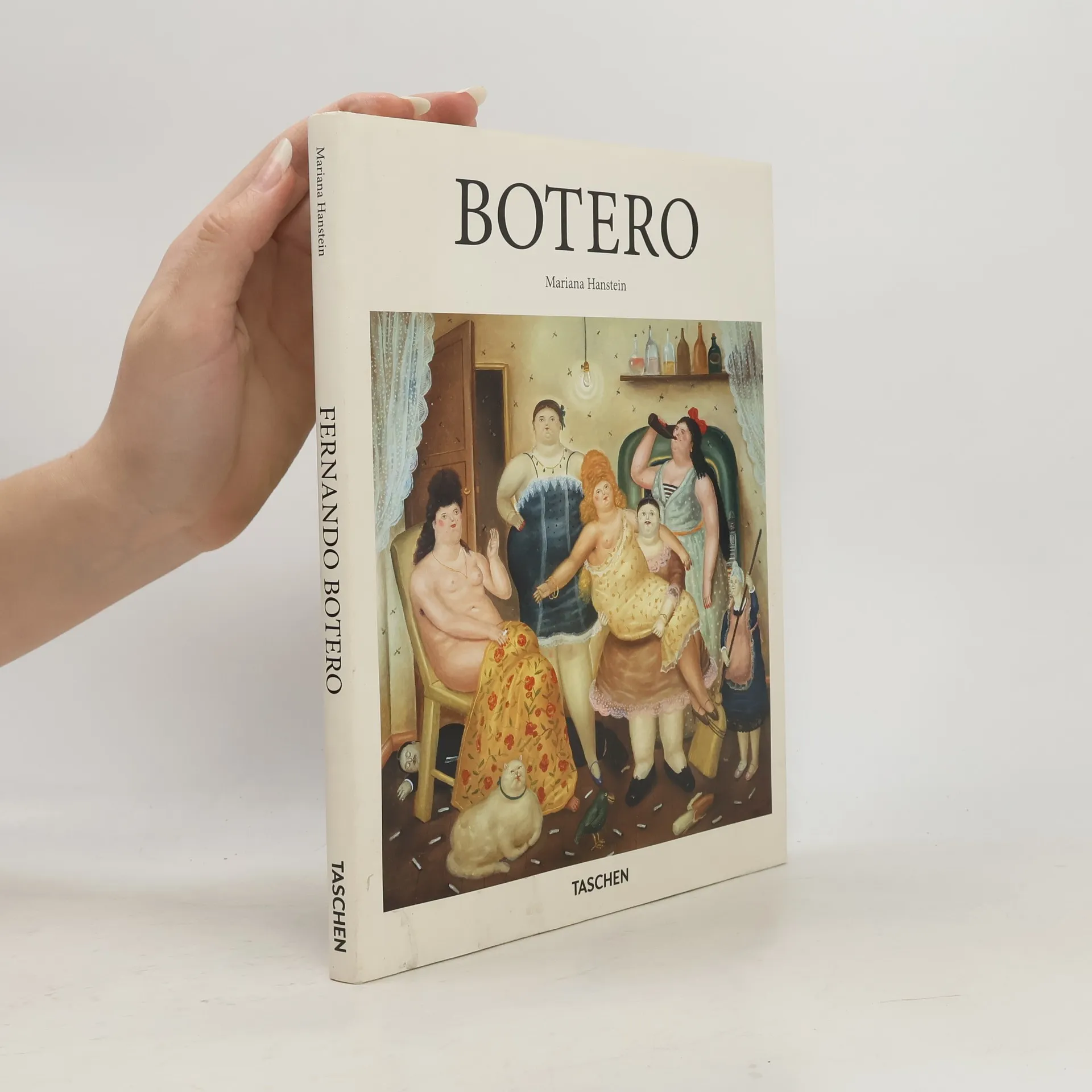
Meet Fernando Botero, the world-renowned elder statesman of Colombian art, famed for his voluptuous figurative style. This essential artist introduction takes in all the critical insight, irony, and curvaceous flesh that round out Boterismo.
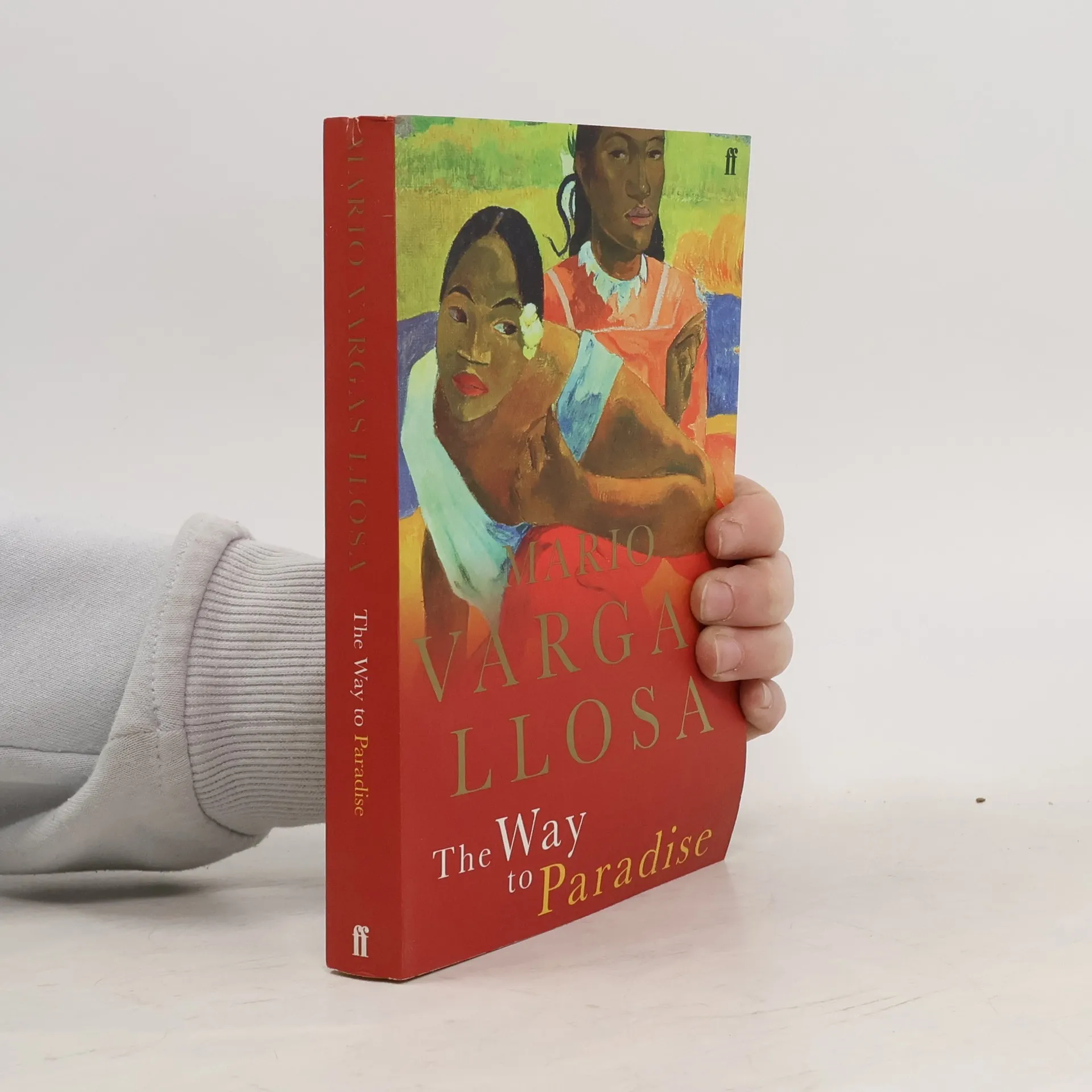
Flora died before her grandson was born, but their travels and obsessions
unravel side by side in this absorbing novel. A rare study of passion,
ambition and the determined pursuit of greatness in the face of illness, death
and conservative forces, The Way to Paradise shows Mario Vargas Llosa at the
peak of his powers.
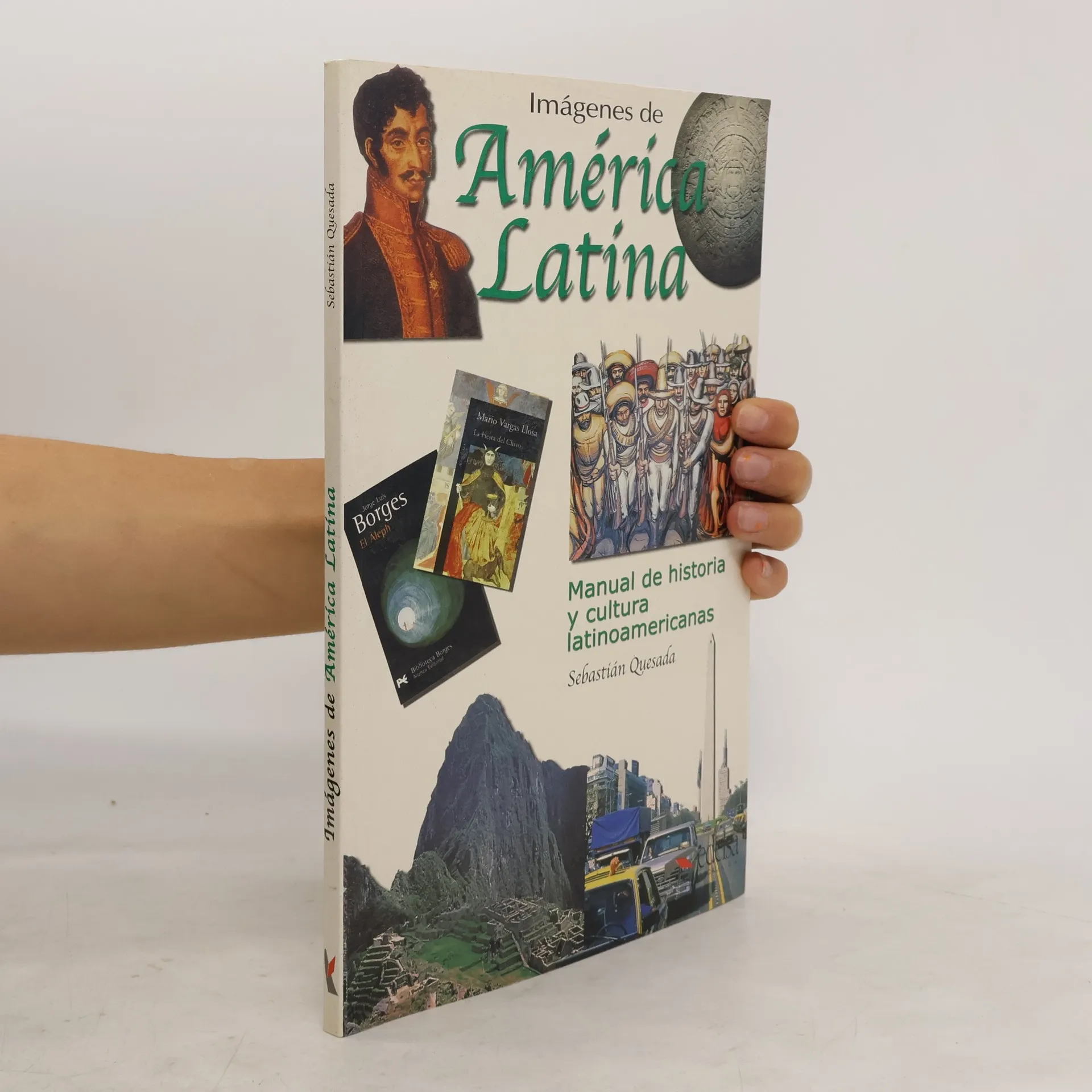
Material de practicas es un complemento al libro de cultura y civilizacion Imagenes de America Latina. En el se desarrolla la competencia discursiva y se profundiza en el conocimiento del lexico, a la vez que propone una reflexion intercultural sobre la realidad historica descrita en el manual.Este Material de practicas esta concebido para trabajar tanto en autonomia como en el aula. A partir de una misma estructura, el lector puede acercarse en cada capitulo a la historia de un modo activo, para lo cual se aprovechan los recursos ofrecidos por las nuevas texto en su contexto. Revision de los contenidos historicos.El orden del texto. Reflexion y practica con el vocabulario.La imagen del texto. Trabajo de escritura a partir de una imagen.Mas alla del texto. Diversidad de modelos textuales y trabajo sobre su contenido.Propuestas para el debate. Reflexion intercultural a partir del analisis de la realidad iberoamericana.Internet. Las nuevas tecnologias al servicio de la ensenanza intercultural.
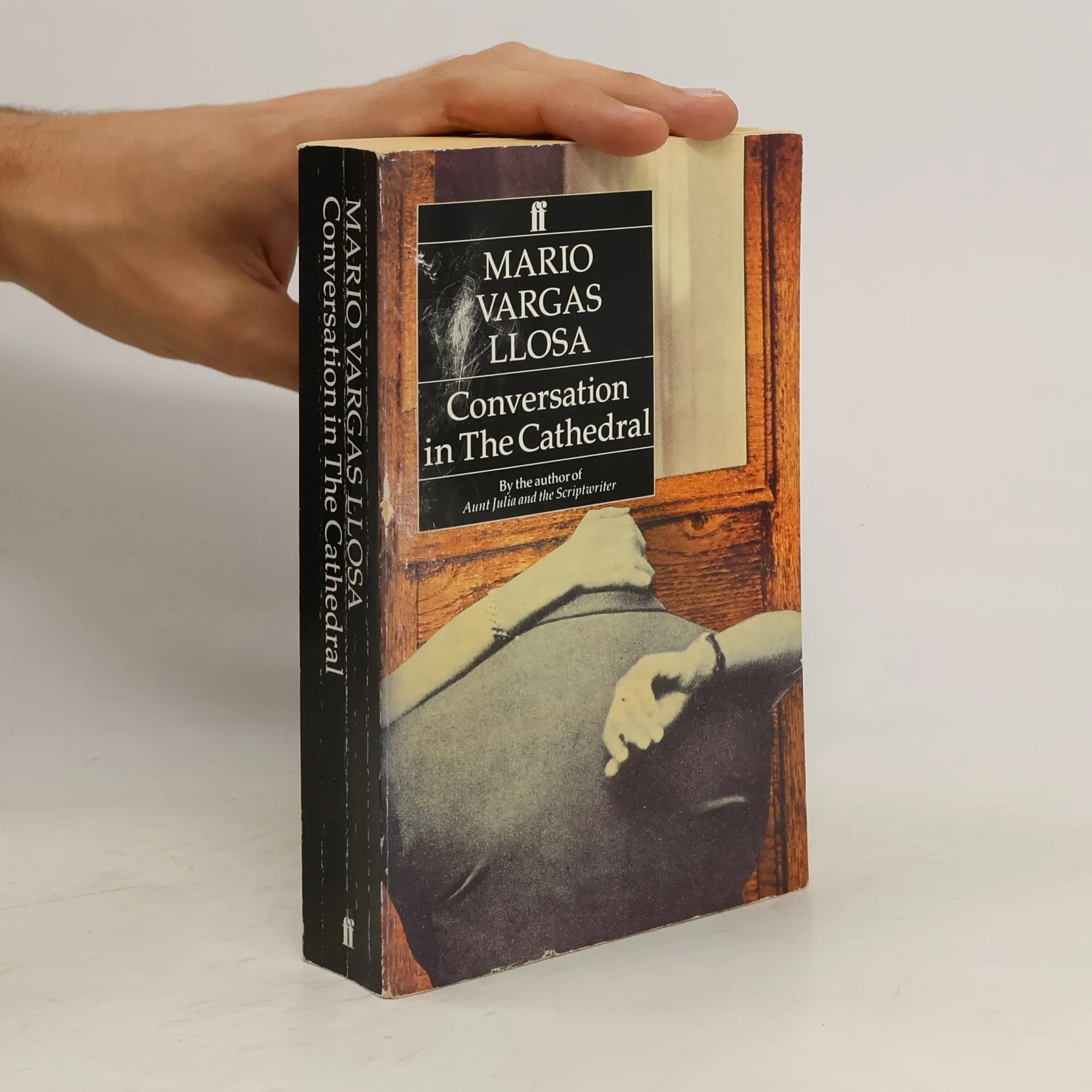
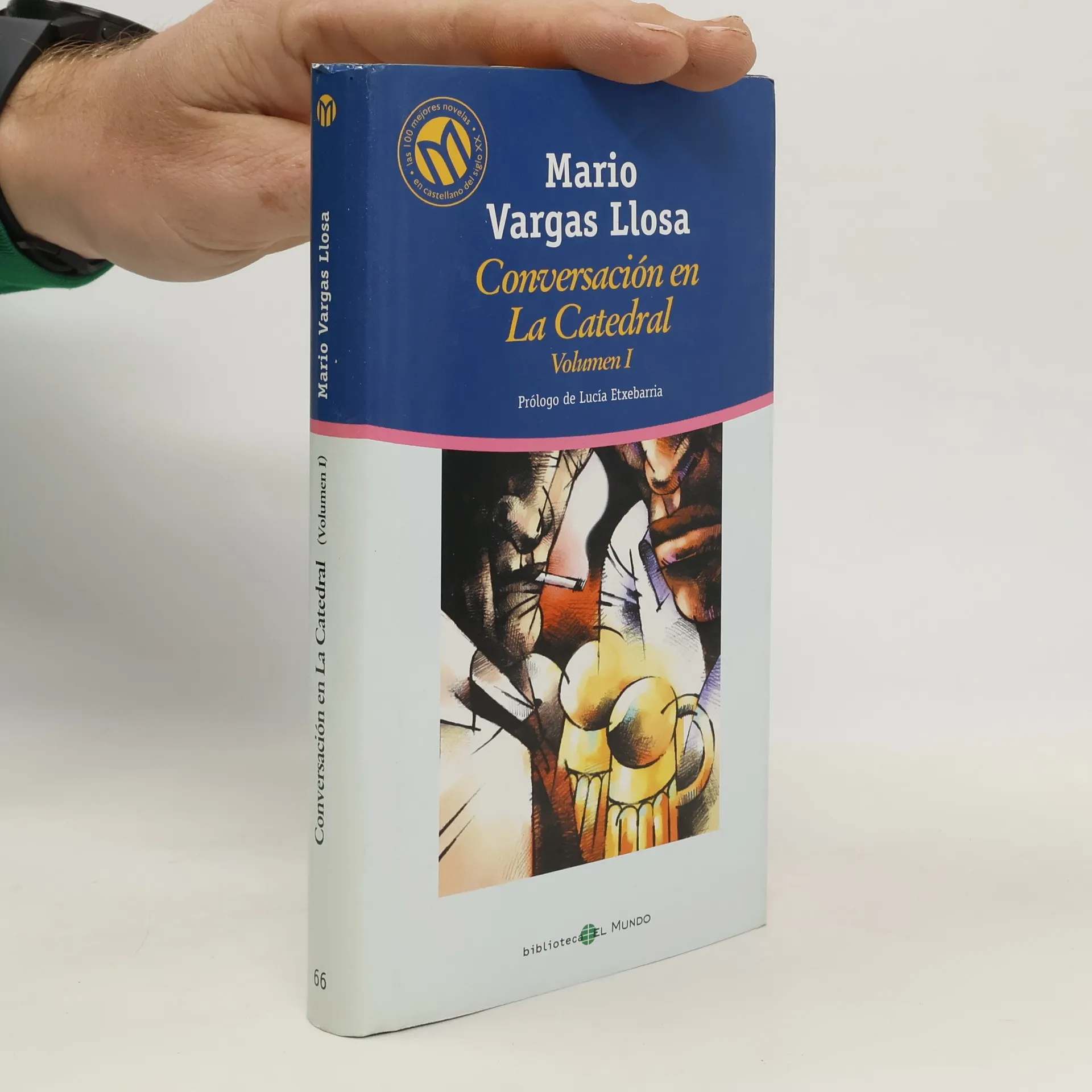
Parte del diálogo entre Santiago y Ambrosio y se extiende por una innumerable serie de caminos que se entrelazan para explicar la situación a la que Perú ha llegado a lo largo de varios años de historia. No es una novela histórica, más bien política. Diseccionada en cuatro partes, este volumen contiene las dos primeras.
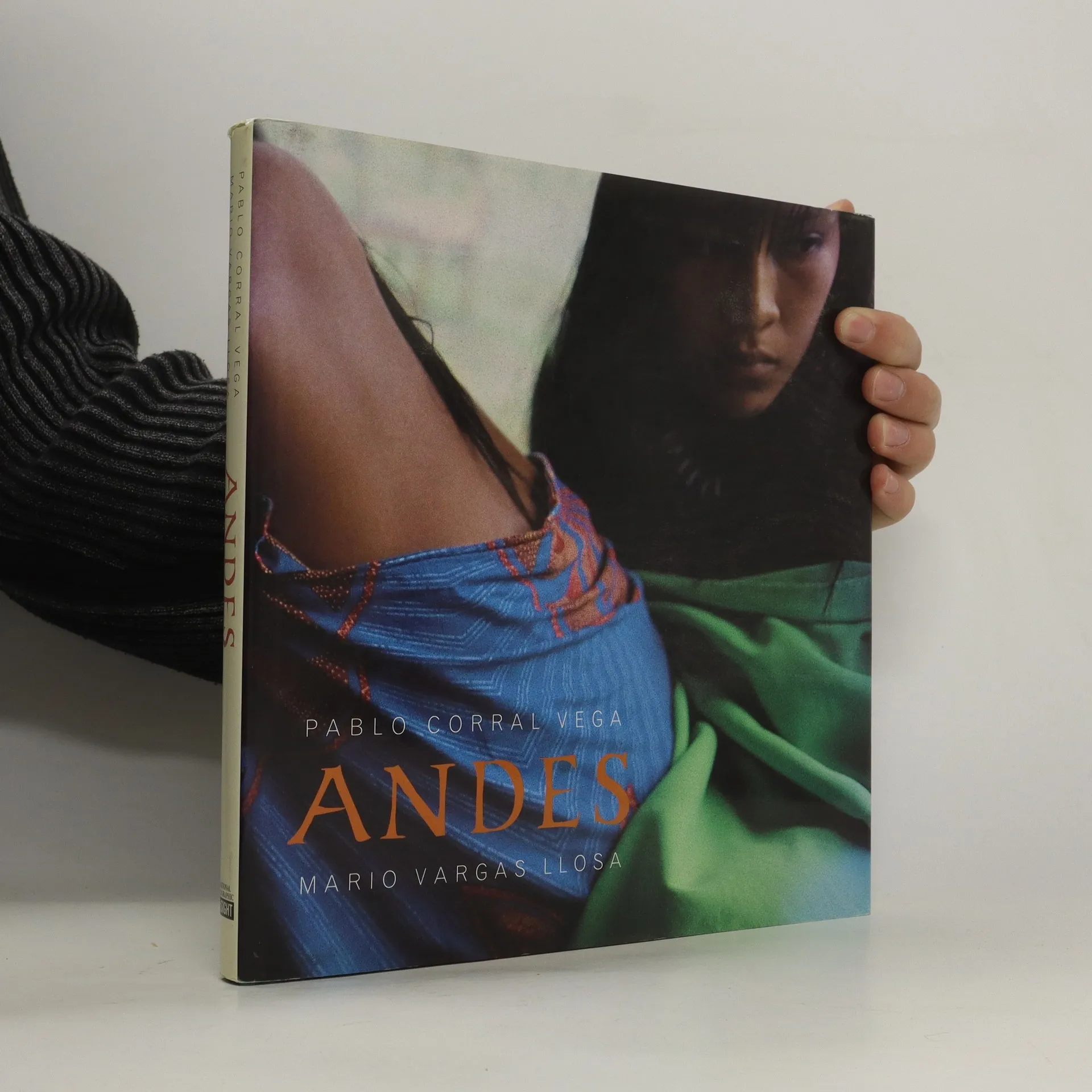
A lavish tour of the Andes traces the photographer's quest for identity in the wake of geographic extremes and diverse cultures, in a volume complemented by a lyrical tribute to the mountains as seen by someone who grew up near them.
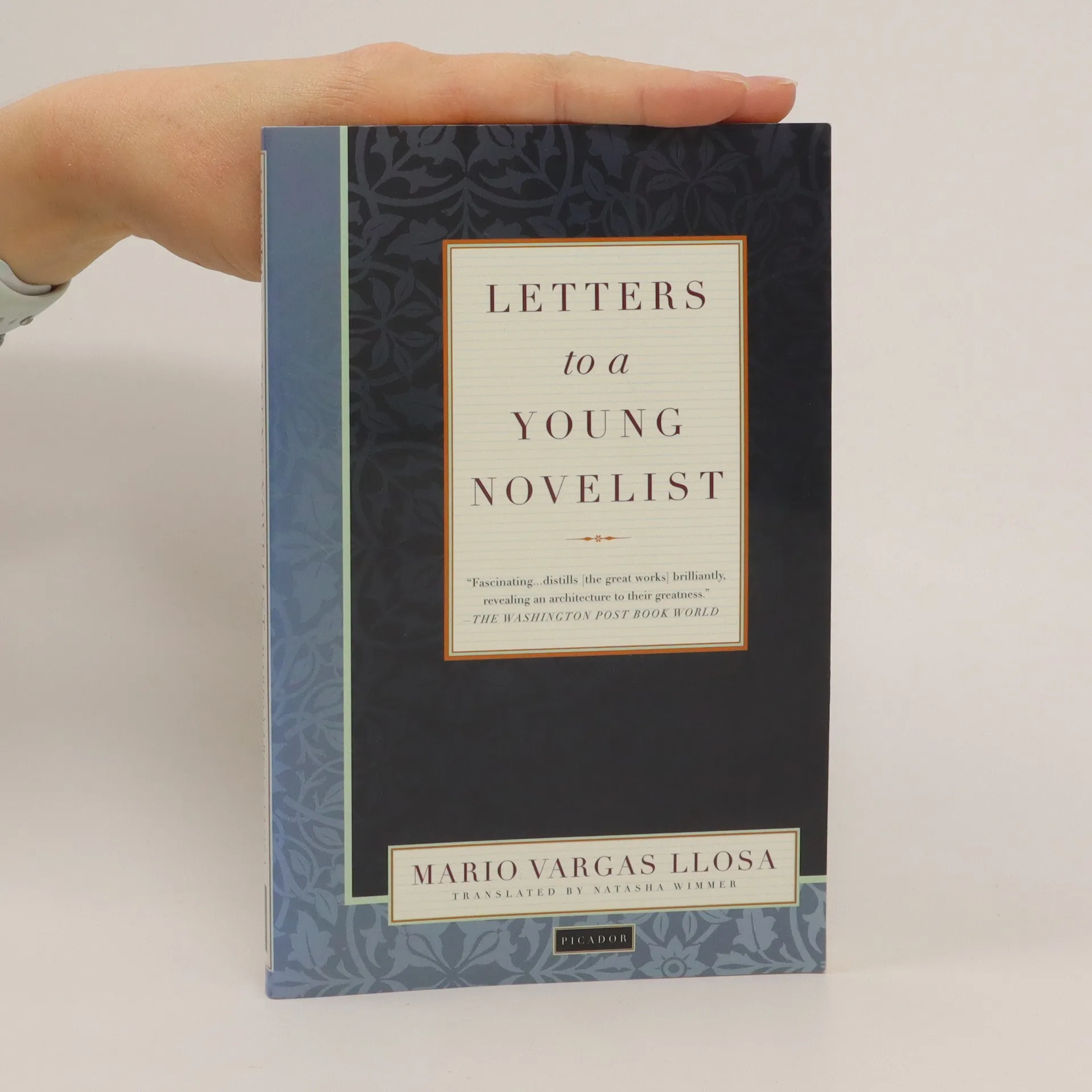
In the tradition of Rilke's "Letters to a Young Poet," Mario Vargas Llosa condenses a lifetime of writing, reading, and thought into an essential manual for aspiring writers, revealing in the process his deepest beliefs about the world of letters. A literary apprenticeship in eleven letters, by the internationally acclaimed master of the novel In the tradition of Rilke's Letters to a Young Poet, Mario Vargas Llosa condenses a lifetime of writing, reading, and thought into an essential manual for aspiring writers, revealing in the process his deepest beliefs about our common literary endeavor. A writer, in his view, is a being seized by an insatiable appetite for creation, a rebel, and a dreamer. But dreams, when set down on paper, require disciplined development, and so Vargas Llosa undertakes to supply the tools of transformation. Drawing on the stories and novels of writers from around the globe-Borges, Bierce, Celine, Cortazar, Faulkner, Kafka, Robbe-Grillet-he lays bare the inner workings of fiction, examining time, space, style, and structure, all the while urging young novelists not to lose touch with the elemental urge to create. Conversational, eloquent, and effortlessly erudite, this little book is destined to be read and reread by young writers, old writers, would-be writers, and all those with a stake in the world of letters.
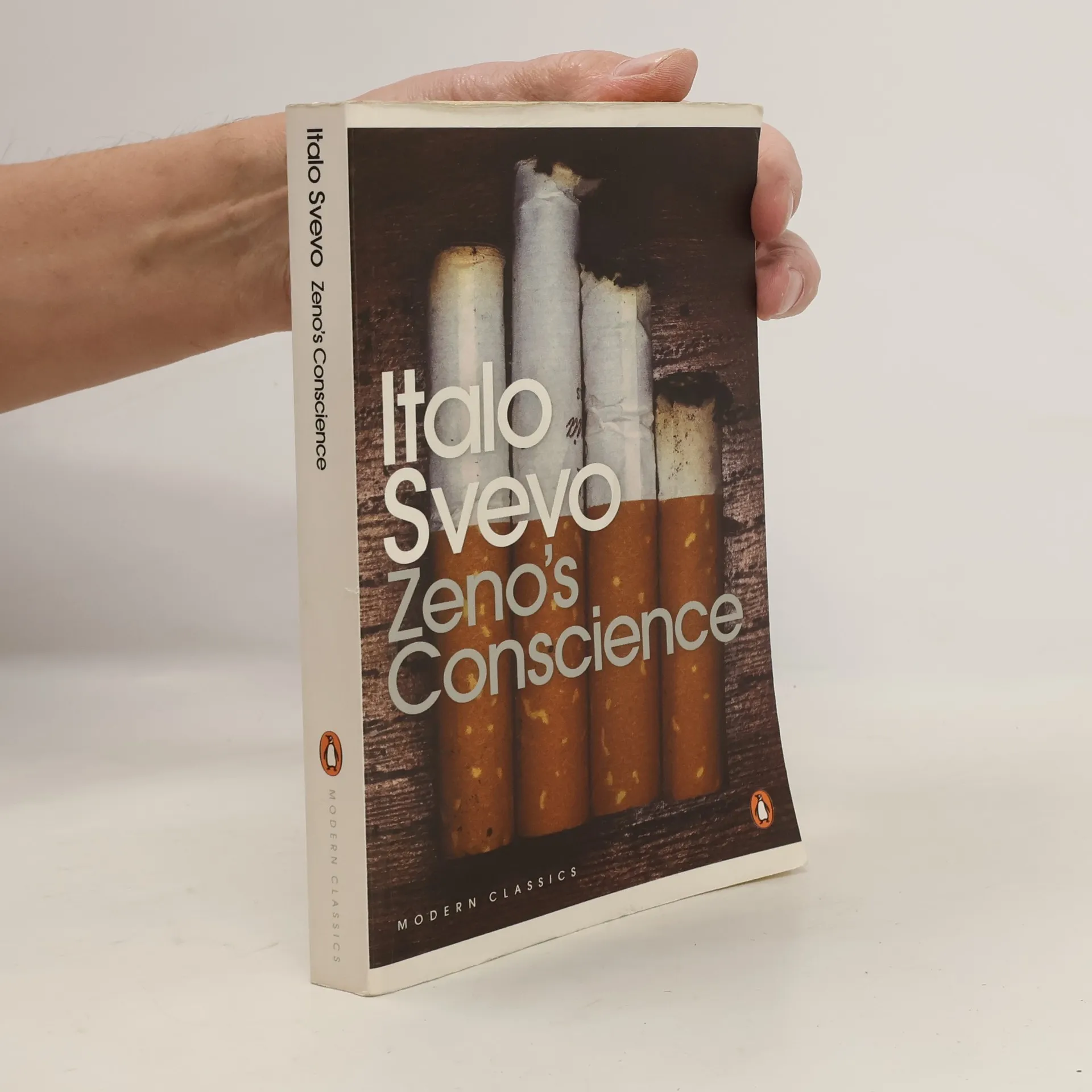
This enormously engaging, strange novel is both an engrossing saga of a family and a hilarious account of addiction and failure as its helpless hero, notionally undergoing psychiatric help, manages spectacularly to fail to give up smoking, run his business or make sense of his private life.A hymn to self-delusion and procrastination ZENO'S CONSCIENCE has provoked enormous affection in its readers both in Italian and English since its first publication in the 1920s.
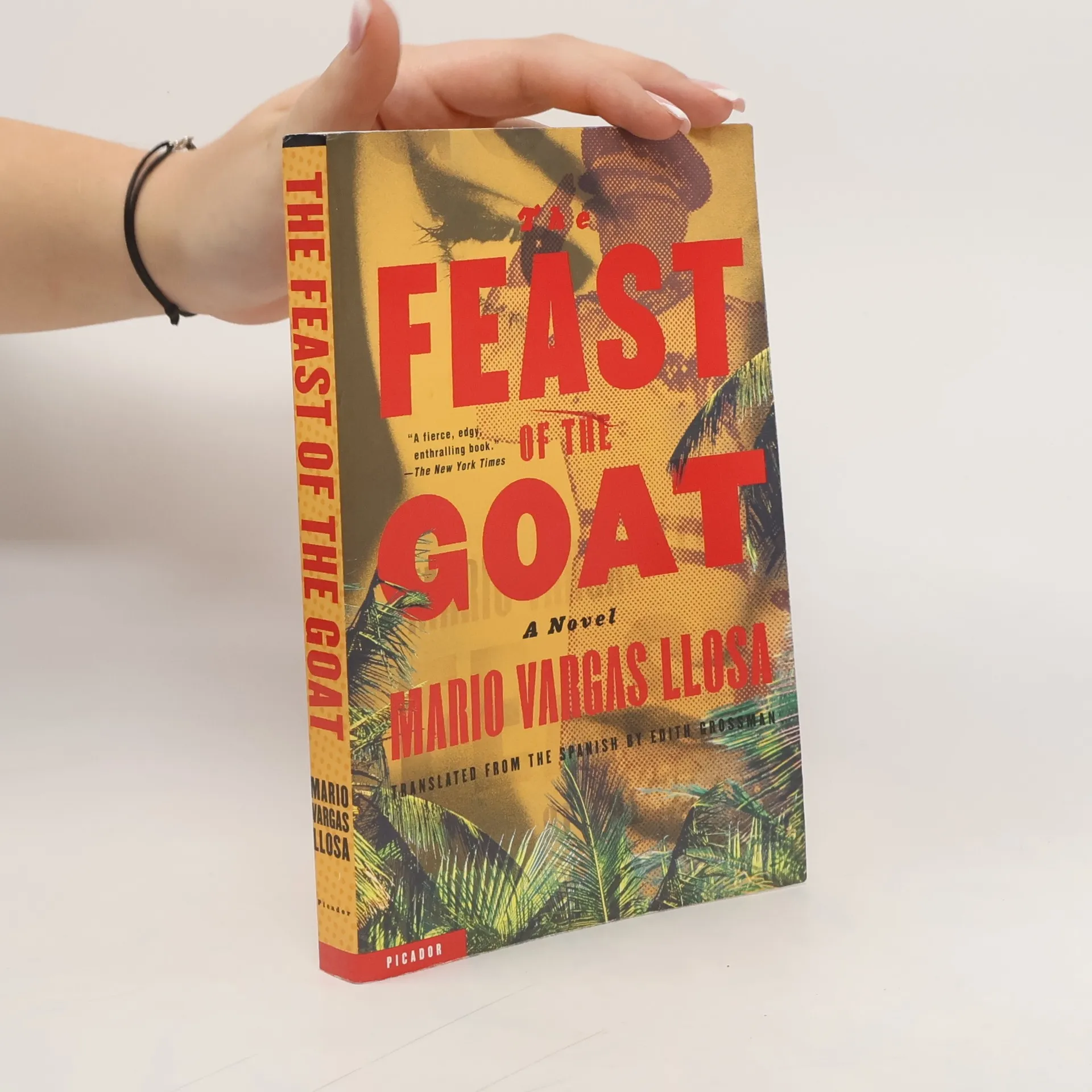
Haunted all her life by feelings of terror and emptiness, forty-nine-year-old Urania Cabral returns to her native Dominican Republic - and finds herself reliving the events of l961, when the capital was still called Trujillo City and one old man terrorized a nation of three million. Rafael Trujillo, the depraved ailing dictator whom Dominicans call the Goat, controls his inner circle with a combination of violence and blackmail. In Trujillo's gaudy palace, treachery and cowardice have become a way of life. But Trujillo's grasp is slipping. There is a conspiracy against him, and a Machiavellian revolution already underway that will have bloody consequences of its own. In this 'masterpiece of Latin American and world literature, and one of the finest political novels ever written' (Bookforum), Mario Vargas Llosa recounts the end of a regime and the birth of a terrible democracy, giving voice to the historical Trujillo and the victims, both innocent and complicit, drawn into his deadly orbit.
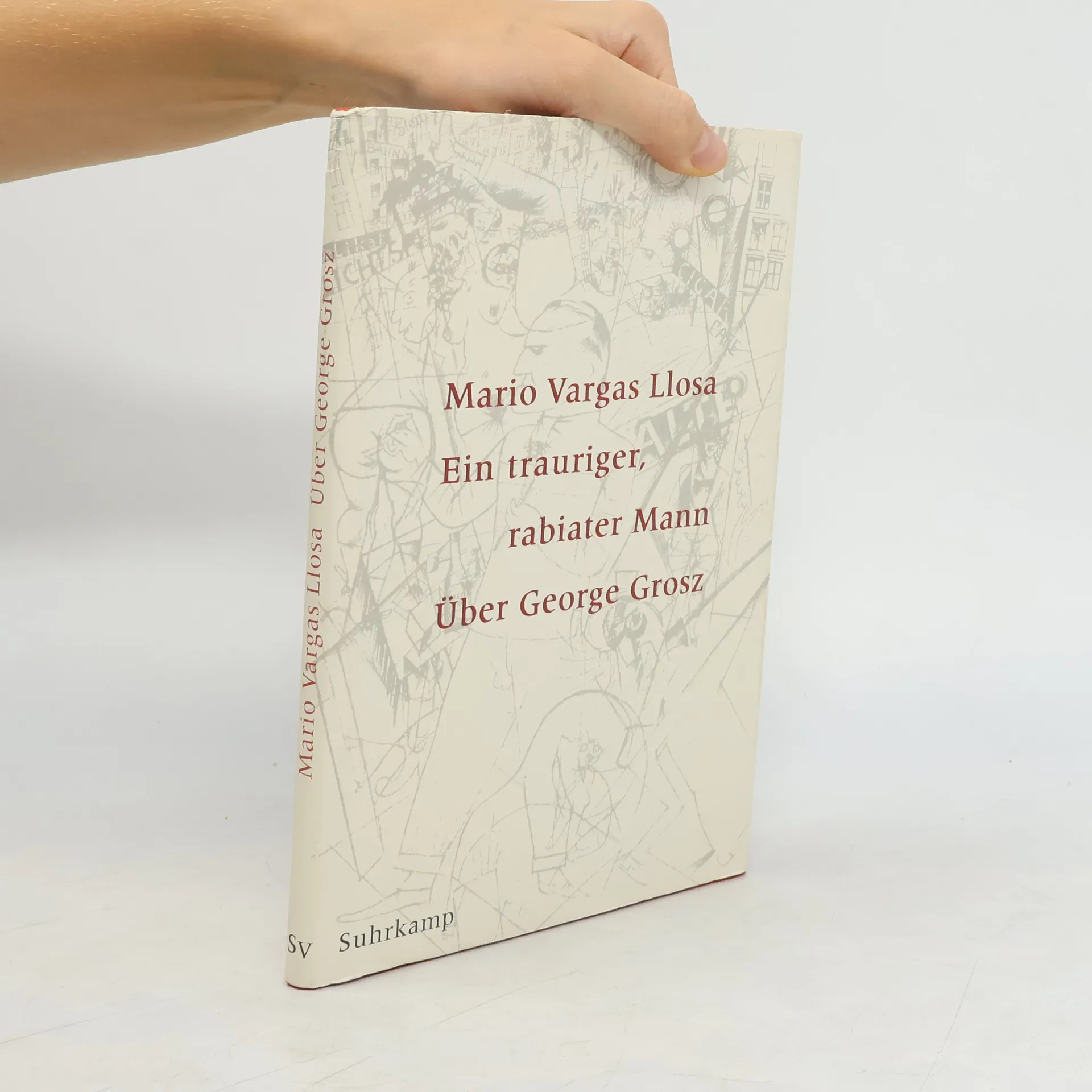
Ein lebhaftes Porträt des Künstlers ist hier gezeichnet - eine Lektüre des Werks von Grosz und eine scharfsinnige Auseinandersetzung mit einer Kunst, die die Verbindung zur wirklichen Welt nie gekappt hat und von sehr vitalen Kräften bewegt wurde. So ist dieser Essay auch eine Art 'Selbstporträt im Spiegel' des Schriftstellers Vargas Llosa.
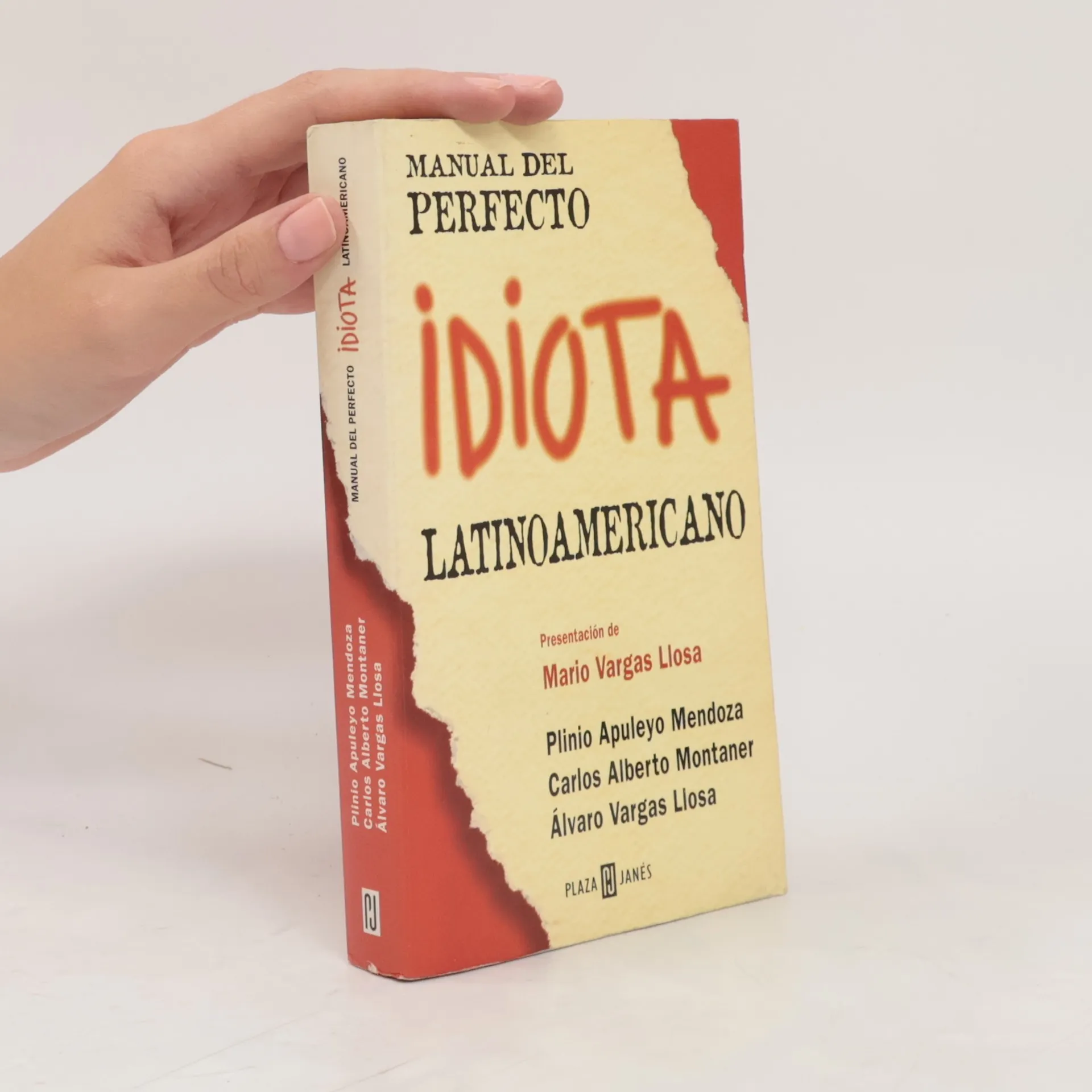
Cree que somos pobres porque ellos son ricos y viceversa, que la historia es una exitosa conspiración de malos contra buenos en la que aquéllos siempre ganan y nosotros siempre perdemos (él está en todos los casos entre las pobres víctimas y los buenos perdedores), no tiene ganas de navegar en el espacio cibernético, sentirse en linea (on line) y (sin advertir la contradicción) reprochar al consumidor y, cuando habla de cultura dice: "Lo que se lo aprendé en la vida, no en los libros, y por eso mi cultura no es libresca sino vital." *Quién es él? Es el Idiota Latinoamericano. Tres escritores (latinoamericanos por supuesto) lo citan, lo analizan minuciosamente, e inmortalizan en este libro, que está escrito como los buenos matadores torean a los Miuras: dejando trozos de piel en la faena. Pero la ferocidad de la crítica que lo anima está amortiguada por las carcajadas que salpican cada página y por una despiadada autocrítica que lleva a sus autores a incluir sus propias idioteces en la deliciosa antología de la estupidez que, a modo de indice clausura el libro.
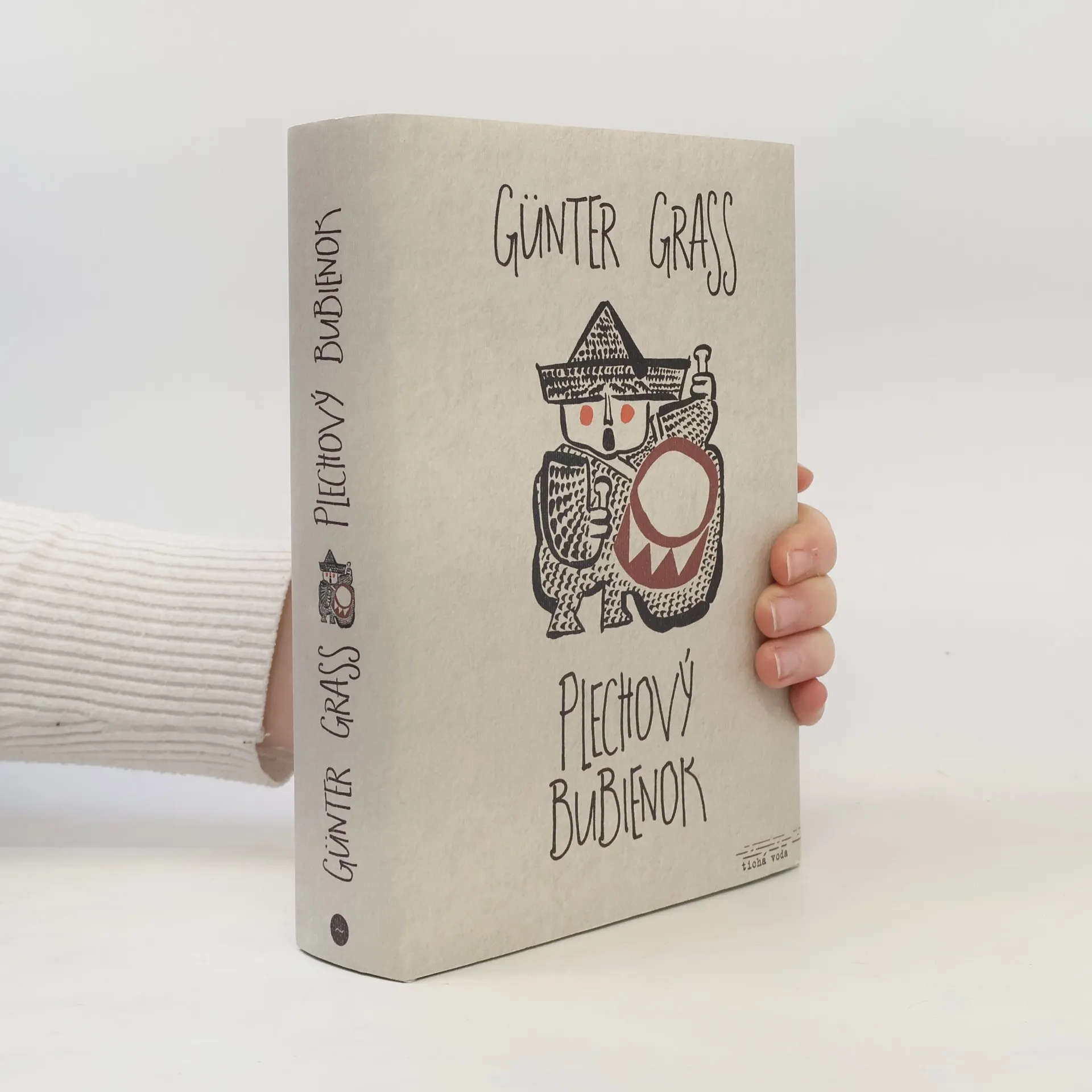
Oskar Matzerath je čudák. Ako trojročný sa rozhodne, že už nebude rásť. Neúprosným sarkastickým pohľadom zdola pozoruje dianie vo svete. Jeho stálym spoločníkom je plechový bubienok. Oskar bubnovaním získava odstup, žiada splnenie svojich želaní, alarmuje.
Rozpráva svoje príbehy od dvadsiatych rokov v Gdansku cez temné roky nacistickej éry až po anarchistické zážitky z povojnového Nemecka.
Cez vojnu sa stane členom frontového divadla, neskôr vodcom mládežníckej bandy. Po vojne sa presťahuje s milenkou, ktorá je zároveň jeho nevlastnou matkou, a so synom, ktorý je zároveň jeho nevlastným bratom, do Düsseldorfu. Živí sa ako kamenár, model v umeleckej akadémii a džezový hudobník.
Majstrovské dielo magického realizmu od nositeľa Nobelovej ceny za literatúru vychádza v slovenčine po prvýkrát. Plechový bubienok priniesol do nemeckej povojnovej literatúry nový tón, ktorý sa stretával s kritikou aj nadšenými ohlasmi. „Plechový bubienok nepozná žiadne tabu,“ napísal jeden dobový kritik. „Rozprávanie znovu a znovu vstupuje na zakázané miesta, kde sa stretávajú hnus, sexualita, smrť a blasfémia.“ Viacerí Grassovi zahraniční vydavatelia to zobrali doslovne a niektoré pasáže v prvých prekladoch svojvoľne skrátili alebo vynechali. Dnes patrí Plechový bubienok nielen medzi najlepšie diela povojnovej nemeckej literatúry, ale aj do kánonu svetovej literatúry.
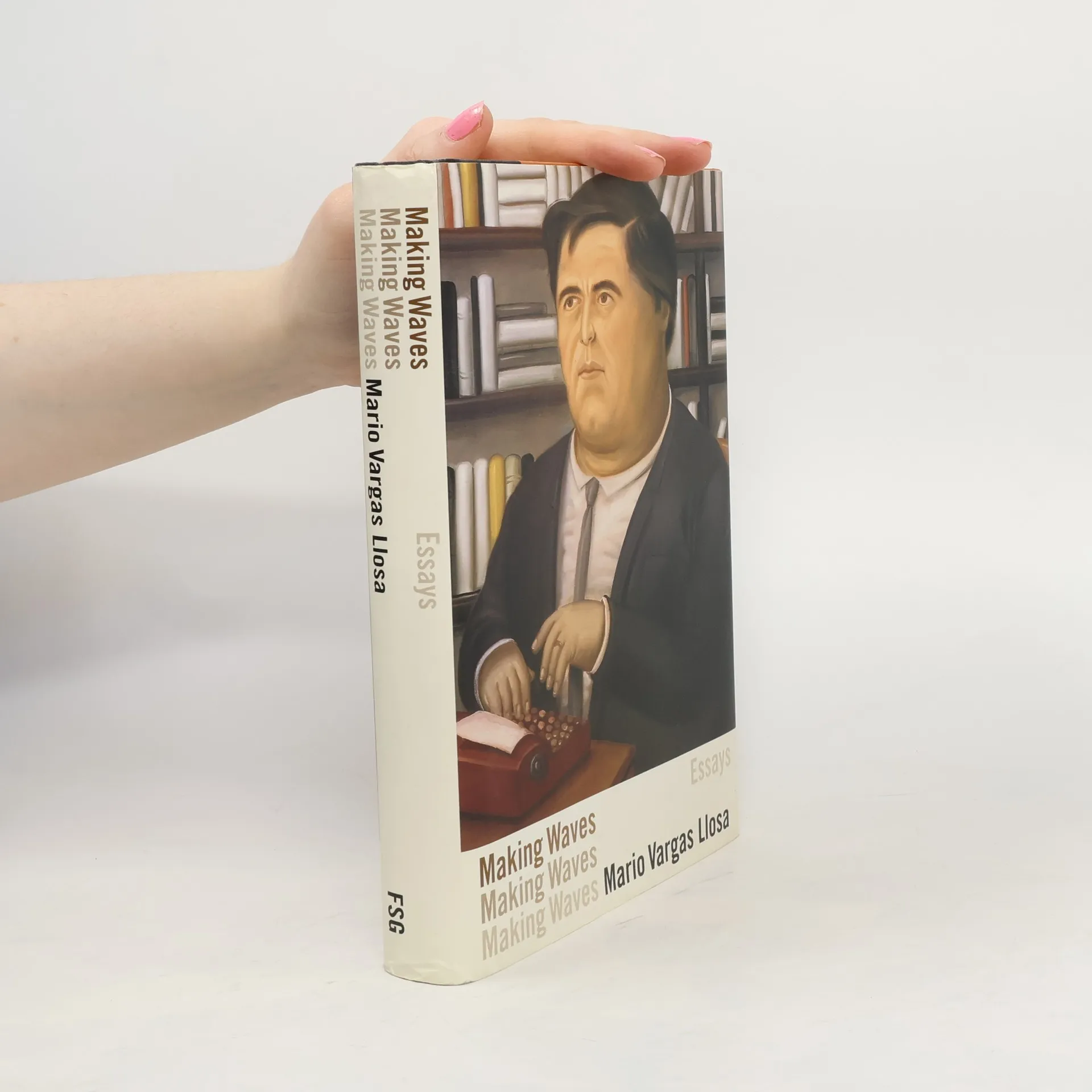
Spanning 30 years of writing, these essays traces the development of Mario Vargas Llosa's thinking on politics and culture, and show the breadth of his interests and passions. A "Publishers Weekly" Best Book of 1997.
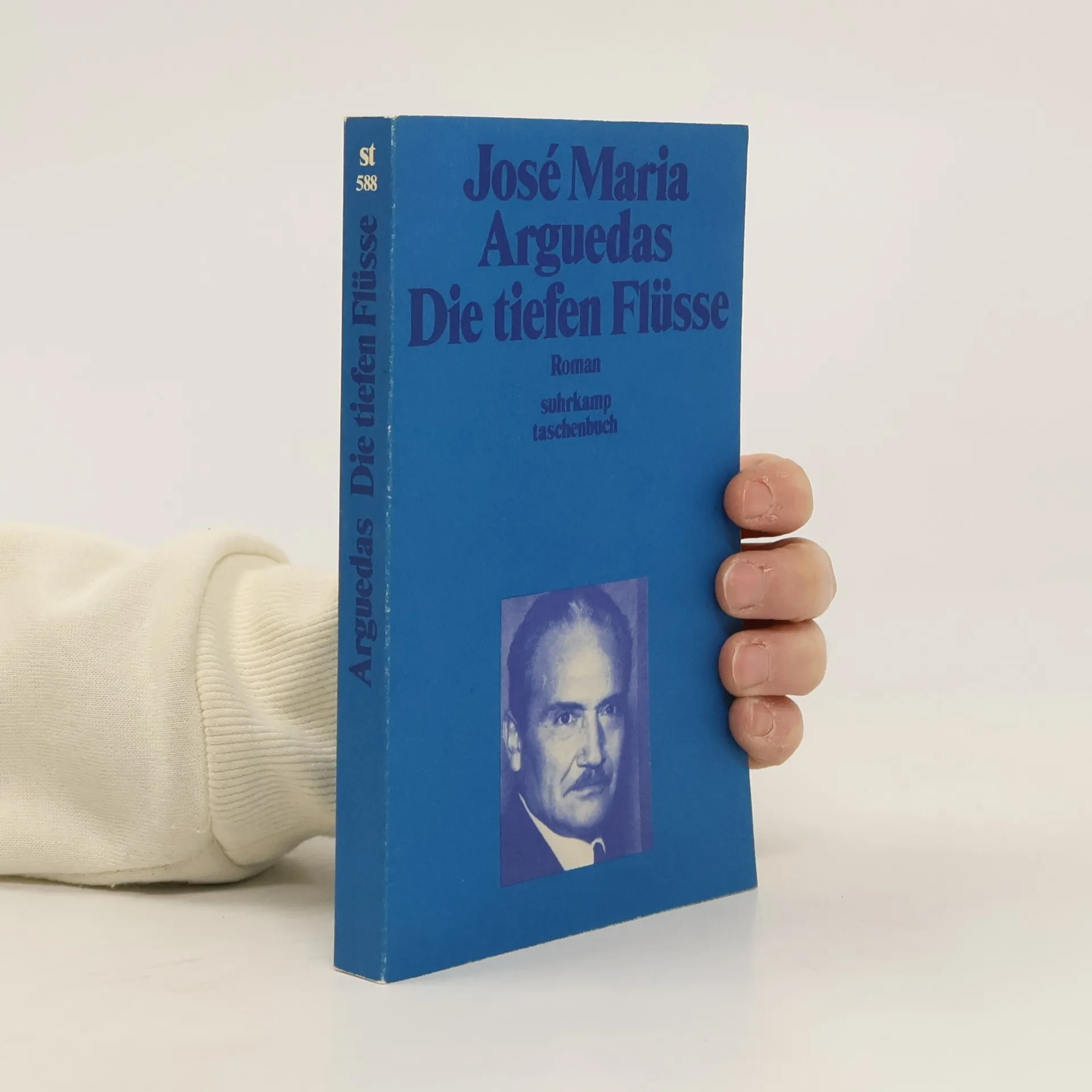
Jahrelang ist Ernesto mit seinem Vater, einem mittellosen Anwalt, von einem Dorf zum nächsten gereist. Dem Kindesalter entwachsen, kommt er schließlich auf ein katholisches Internat in der Provinzhauptstadt Abancay, hoch oben in den Anden. Dort ist zum Beispiel Añuco, der Sohn des verarmten Großgrundbesitzers, der zusammen mit dem Kraftprotz Lleras die jüngeren Schüler malträtiert; Palacitos, ein scheuer, kaum des Spanischen mächtiger Indio; Gerardo, der Sohn des Militärkommandeurs; Ántero, der Ernesto mit der Magie eines Kreisels verzaubert, dessen sphärischer Klang den Schulhof erfüllt und zum letzten Mal unbeschwerte Kindheit vorgaukelt. Denn des Nachts wird derselbe Schulhof zu einem düsteren, unheimlichen Ort, wo sich die schwachsinnige Küchenmagd den älteren Schülern hingibt. Arguedas zeichnet sie als Vorbotin der Katastrophe, die über Abancay und das Internat hereinbricht – und in der allein Ernesto einen kühlen Kopf bewahrt.
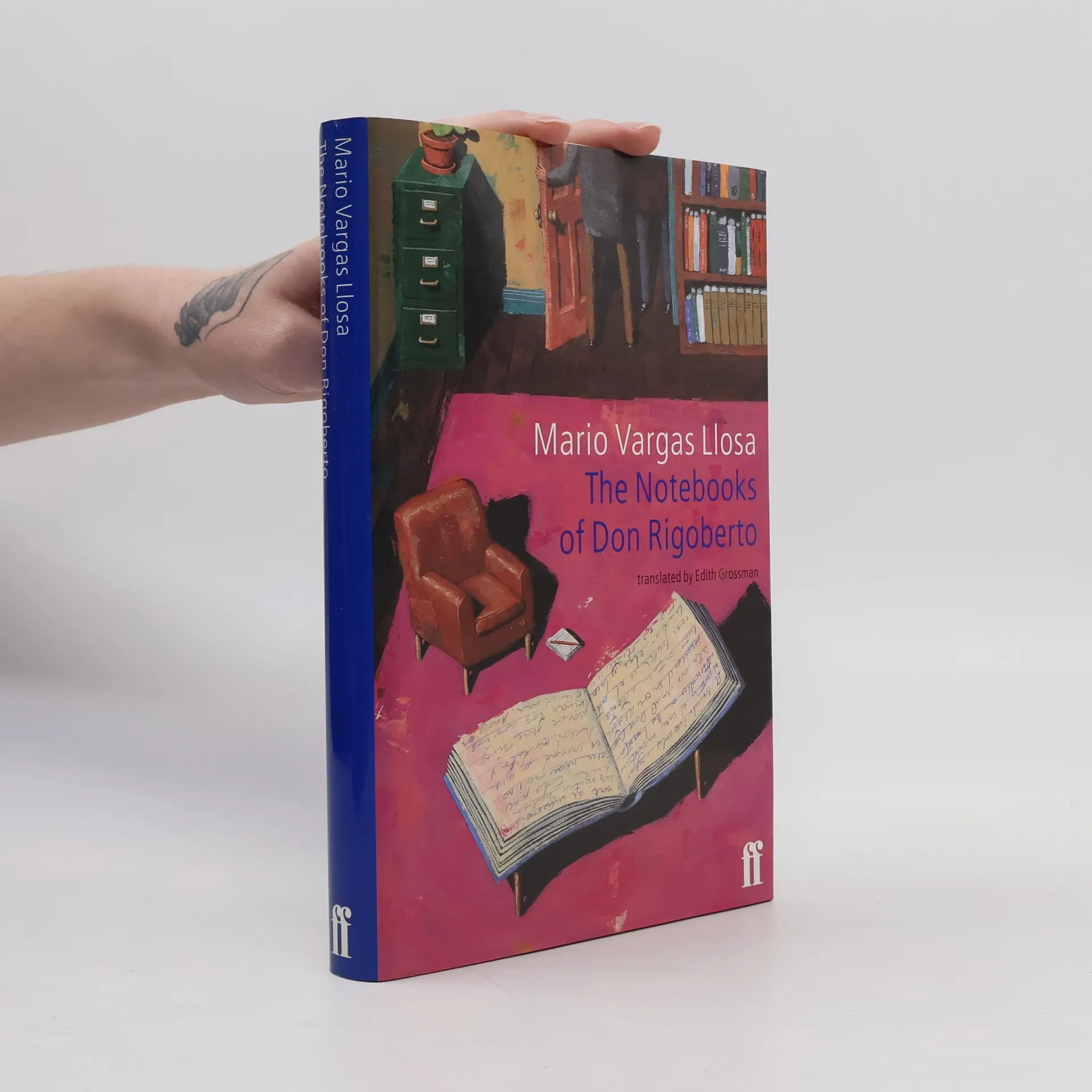
Don Rigoberto - insurance executive by day, pornographer and sexual enthusiast by night - misses his estranged second wife. As he compensates for her absence by filling notebooks with a steamy mix of memory and sexual fantasy, readers are drawn into his confusion between imagination and reality.
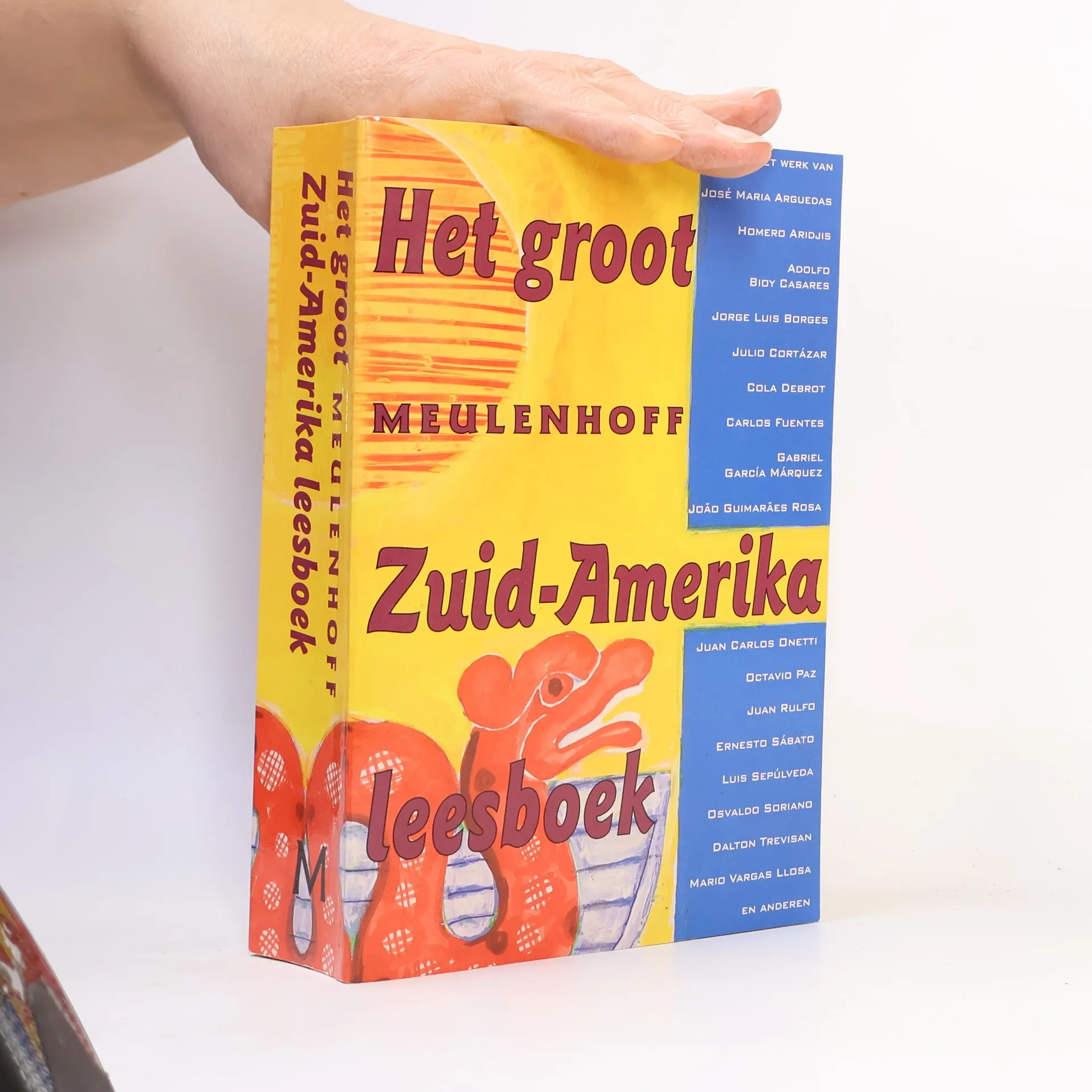
Drieëntwintig romans, novellen en verhalen van José Maria Arguedas, Carlos Fuentes, Cola Debrot, Julio Cortázar, Adolfo Bioy Casares, Gabriel García Márquez, Jorge Luis Borges, João Guimarães Rosa, Juan Carlos Onetti, Octavio Paz, Juan Rulfo, Ernesto Sábato, Luis Sepúlveda, Osvaldo Soriano, Dalton Trevisan, Mario Vargas Llosa en anderenHet is nog maar een kwarteeuw geleden dat de Zuidamerikaanse literatuur de wereld stormenderhand veroverde. Sindsdien zijn meesterlijke vertellers als Gabriel García Márquez, Carlos Fuentes, Joâo Guimarâes Rosa en Mario Vargas Llosa niet meer weg te denken uit de alom gelezen wereldliteratuur. Het groot Meulenhoff Zuid-Amerika leesboek geeft een rijk overzicht van alle aspecten van de magische werkelijkheid van Zuid-Amerika, zoals die wordt opgeroepen in de vierentwintig romans en verhalen die deze bundel telt. Naast vele beroemde namen biedt dit boek natuurlijk ook alllerlei bijzondere ontdekkingen.
All the yearning, the passion, and the wantonness of lust are explored in this broad-ranging anthology of sensual stories, poems, and fables on a perennially hot topic. From Italo Calvino's humorous observations in The Loves of the Tortoises and Simone de Beauvoir's bittersweet reflections in The Prime of Life to the dark desires of The Vampire Lestat and the taboo obsession of Lolita, Lust offers an uncensored collection by some of the world's most respected writers, both classic and contemporary. With an elegant, two-color design as alluring as its contents are captivating, Lust makes a thoroughly pleasurable gift for a lover, or a perfect literary bedside companion.
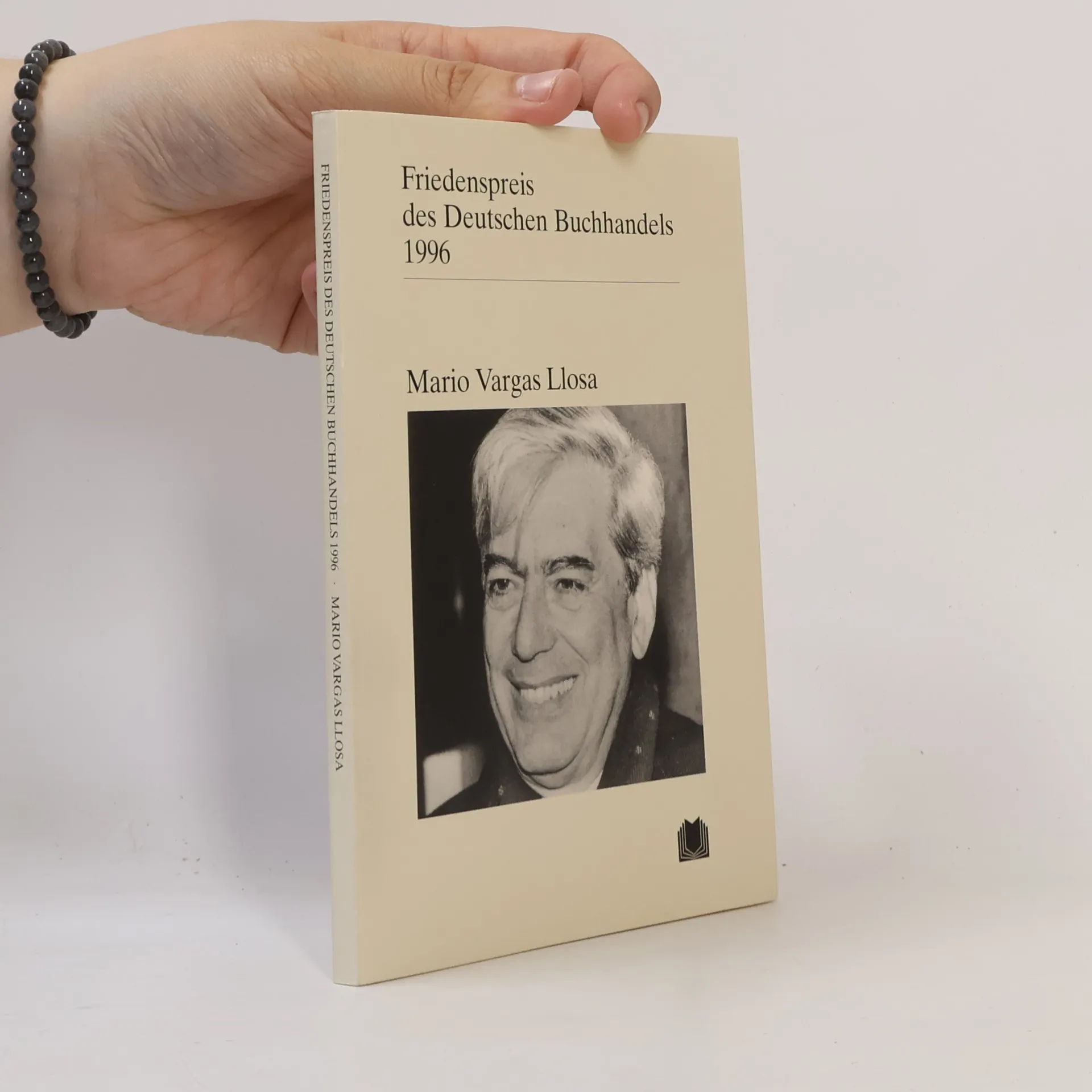
Mario Vargas Llosa, geboren 1936 in Arequipa/Peru, studierte Geistes- und Rechtswissenschaften in Lima und Madrid. Während seines Studiums begann er, für verschiedene Zeitschriften zu schreiben und veröffentlichte erste Erzählungen. 1963 erschien sein erster Roman. Der peruanische Romanautor und Essayist ist als politischer Autor bekannt und hat auch international großen Erfolg. Zu seinen bedeutendsten Werken zählen mehrere Romane, die sich mit gesellschaftlichen und politischen Themen auseinandersetzen. Vargas Llosa ist Ehrendoktor mehrerer Universitäten in Amerika und Europa und hat Gastprofessuren an renommierten Institutionen wie Harvard und Oxford gehalten. 1990 kandidierte er für die oppositionelle Frente Democrático (FREDEMO) bei den peruanischen Präsidentschaftswahlen, unterlag jedoch in der Stichwahl und zog sich danach aus der aktiven Politik zurück. Er erhielt zahlreiche Auszeichnungen, darunter den Friedenspreis des Deutschen Buchhandels 1996 und den Nobelpreis für Literatur 2010. Heute lebt er in Madrid und Lima. Elke Wehr, geboren 1946 in Bautzen und verstorben 2008 in Berlin, studierte Romanistik und konzentrierte sich auf die Übersetzung spanischer und lateinamerikanischer Prosa ins Deutsche. Sie lebte in Madrid und Berlin.
Mario Vargas Llosa, geboren 1936 in Arequipa/Peru, studierte Geistes- und Rechtswissenschaften in Lima und Madrid. Während seines Studiums begann er, für verschiedene Zeitschriften zu schreiben und veröffentlichte erste Erzählungen, bevor 1963 sein erster Roman erschien. Der peruanische Romanautor und Essayist hat sich als politischer Autor einen Namen gemacht und ist international erfolgreich. Zu seinen bedeutendsten Werken zählen unter anderem "Das grüne Haus" und "Das böse Mädchen". Er erhielt Ehrendoktorwürden von verschiedenen Universitäten und hatte Gastprofessuren in Harvard, Princeton und Oxford. 1990 kandidierte er für die oppositionelle Frente Democrático bei den peruanischen Präsidentschaftswahlen, unterlag jedoch in der Stichwahl und zog sich danach aus der aktiven Politik zurück. Für seine literarischen Leistungen wurde er unter anderem mit dem Friedenspreis des Deutschen Buchhandels 1996 und dem Nobelpreis für Literatur 2010 ausgezeichnet. Heute lebt er in Madrid und Lima. Elke Wehr, geboren 1946 in Bautzen und verstorben 2008 in Berlin, studierte Romanistik in Paris und Heidelberg, wobei sie sich zunächst auf Italienisch und Französisch konzentrierte, später jedoch auf Spanisch. Seit den 1970er Jahren übersetzte sie spanische und lateinamerikanische Prosa ins Deutsche und lebte in Madrid und Berlin.
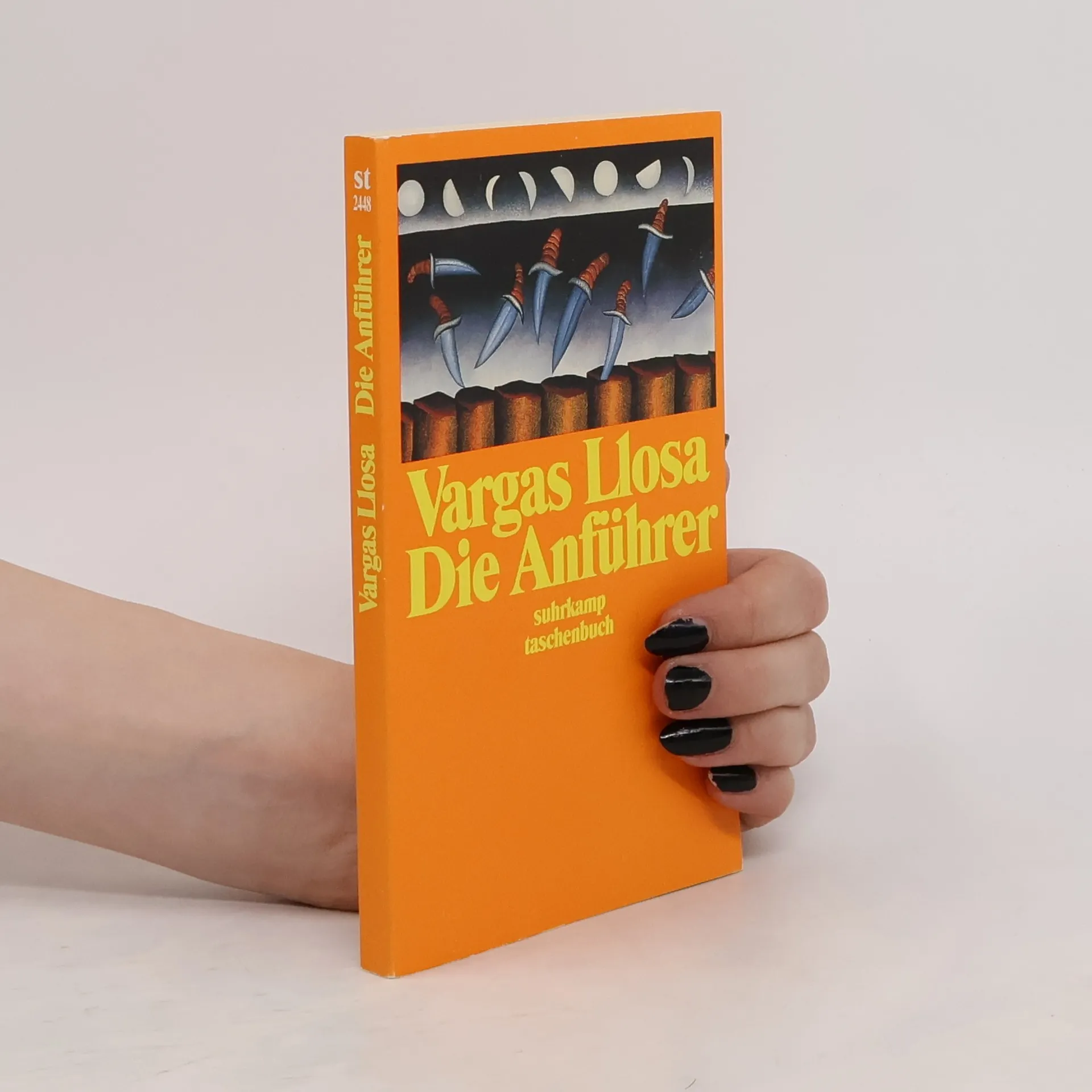
Sechs Erzählungen von Mario Vargas Llosa, dem neben Gabriel García Márquez bekanntesten lateinamerikanischen Autor: »Die Anführer«, das sind die Chefs zweier um die Vorrangstellung rivalisierenden Schülerbanden im Salesianerkolleg in Piura, die sich gegen den autoritären Direktor auflehnen. In der Erzählung »Der jüngere Bruder« jagen und töten zwei Brüder einen Indio, der – in ihren Augen und nach ihrem gesellschaftlichen Kodex – ihre Schwester belästigt hat. Was für den jüngeren Bruder wie eine erwünschte Bewährung erscheint, wird zur Initiation in die Ausübung männlicher Gewalt. Mario Vargas Llosa trifft in diesen frühen Erzählungen – sie erschienen in spanischer Sprache 1959, der Autor war gerade 23 Jahre alt – bereits den Ton und das Thema seiner weltberühmten Romane: Es geht um den einzelnen und die Kräfte, die auf ihn einwirken, um ihn in die geltenden gesellschaftlichen Verhaltensweisen einzuüben, und um das, was er dagegenzusetzen hat: Freundschaft, die immer prekäre Solidarität der Gruppe, einen persönlichen Kodex von Moral und Ehre. »Der spätere Vargas Llosa hat als Romancier die Welten Südamerikas zwischen später und früher Zivilisation zusammengeführt, aber die Intensität der gelungensten seiner frühen Erzählungen hat er dabei nicht übertroffen.«
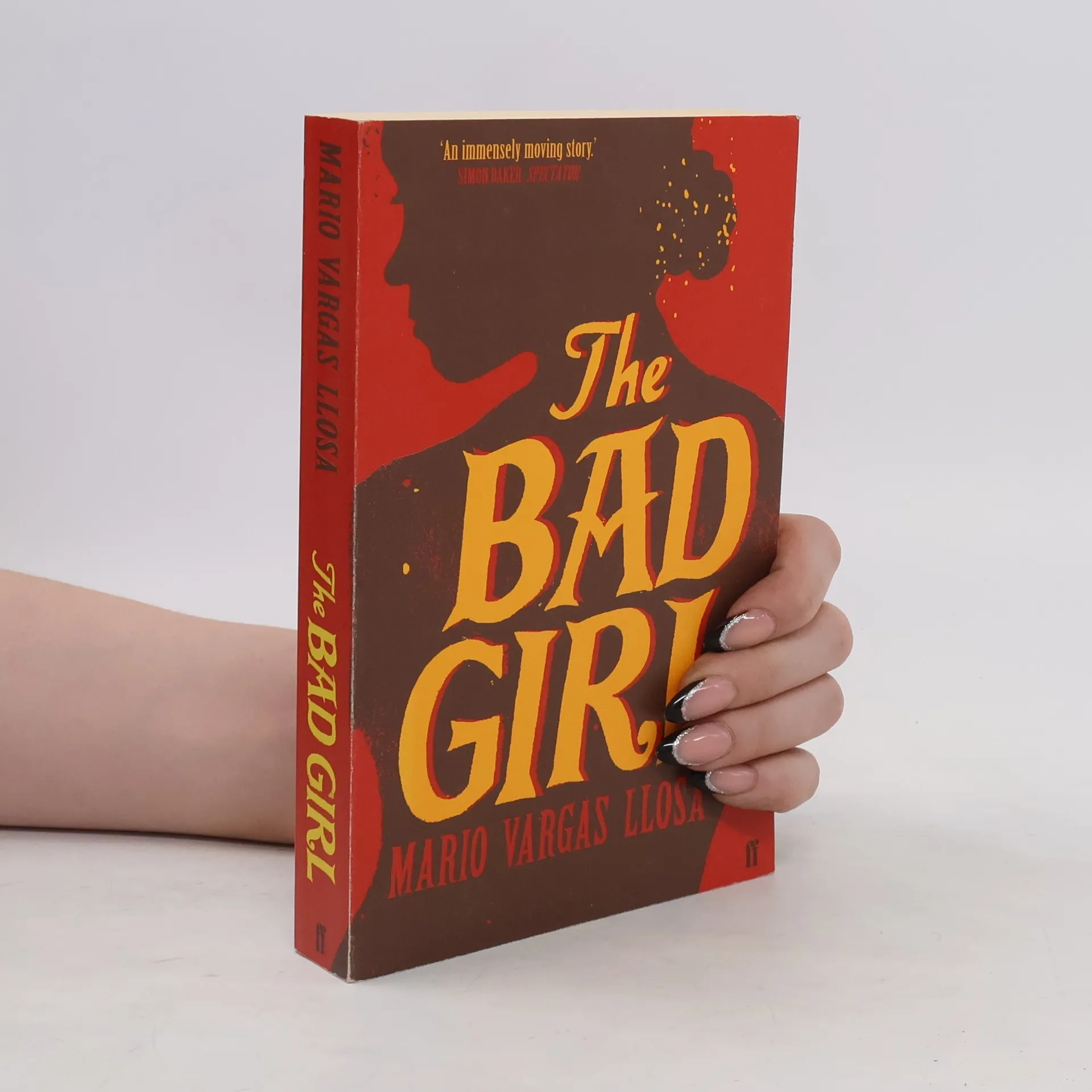
Ricardo Somocurcio is in love with a bad girl. He loves her as a teenager in Lima in 1950, and next in Paris, where she appears as the enchanting Comrade Arlette. In Llosa's beguiling novel, the strange bedfellows of good and bad turn out not to be what they appear.
Har man læst bare lidt af nobelpristageren fra 2010’s omfattende romanforfatterskab, ved man, at scenen er sat til en læseoplevelse fuld af dramatiske gnister, humor og menneskelig alvor. Foruden et hav af romaner og litterære essays har Vargas Llosa skrevet 9 skuespil. La Chunga er fra midt i 1980’erne. Skuespillet, der byder på praktisk taget alle de moralske og menneskelige fejltagelser, man kan foretage sig, har også det typiske for Vargas Llosa, at han formår at fremstille noget grundlæggende gennem at vise de fattiges, de udstødtes og de uvidendes tilværelse og livsvilkår.
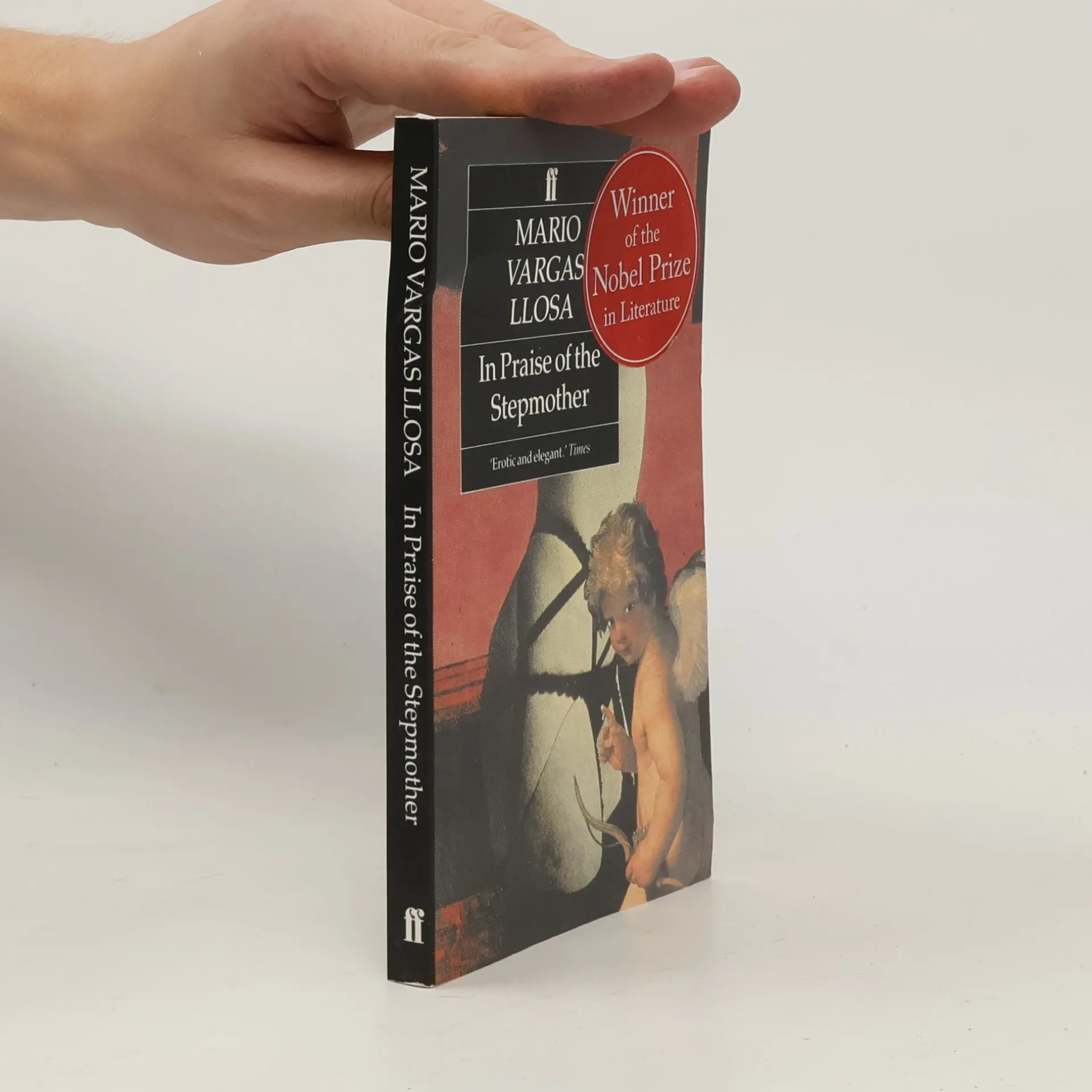
Mario Vargas Llosa, the internationally acclaimed author of The Storyteller, adds his own finely-tuned poetic polish to this erotic exploration of carnality in one family. He turns the proverbial romantic triangle on its ear to create this New York Times bestselling erotic novel. French flaps and six full-color pages of classic artworks.
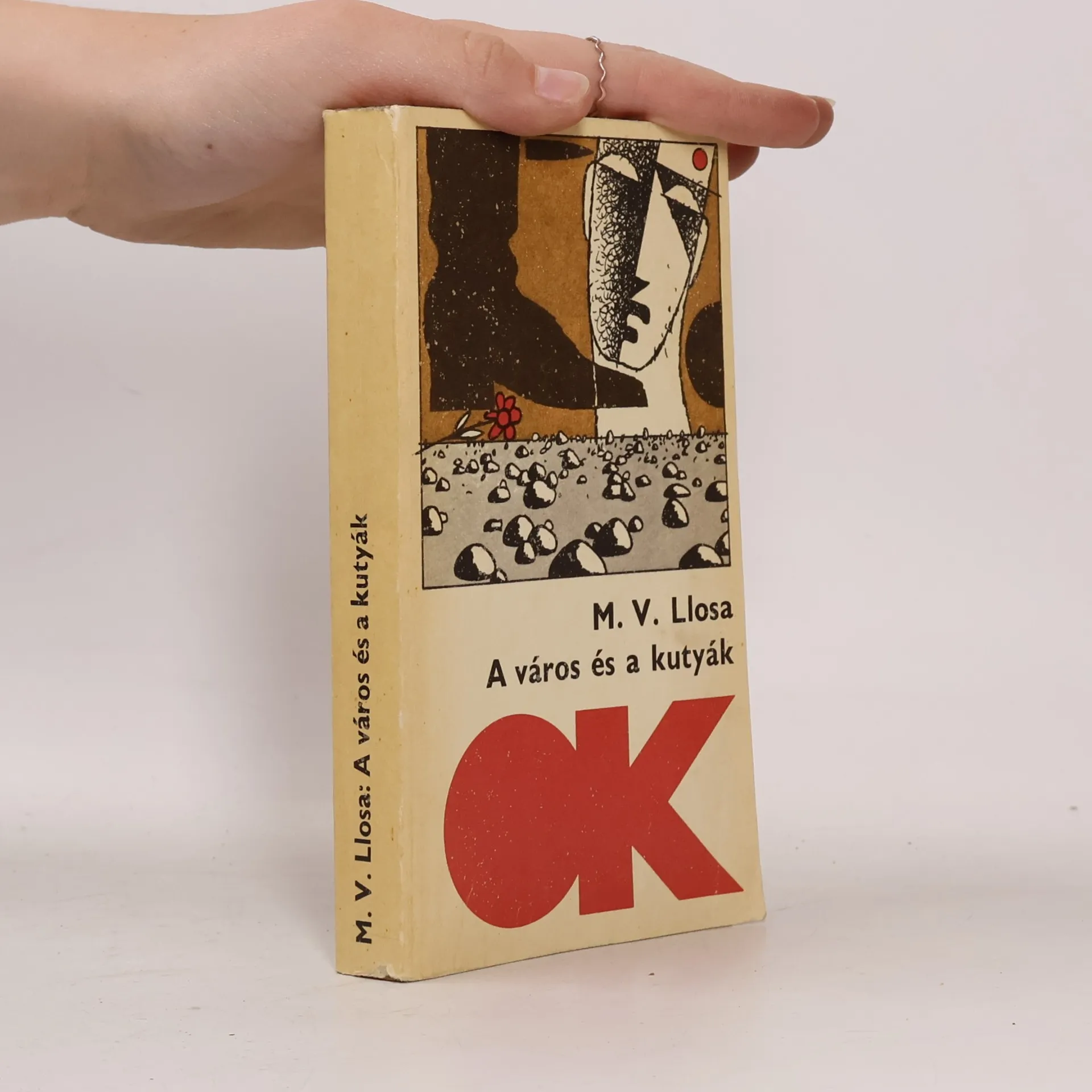
Detektívny thriller Kto zabil Palomina Molera? je dôkazom o Llosovom neúnavnom hľadačstve. Príbeh o láske, podaný formou grotesky a paródie, vzbudil ihneď po jeho vydaní v Peru rozruch. Kritika spoločnosti prerastenej korupciou, spochybnenie justície, armády - to všetko Llosa dokázal vyrozprávať v príbehu o smrti obyčajného peruánskeho vojaka Palomina Molera.
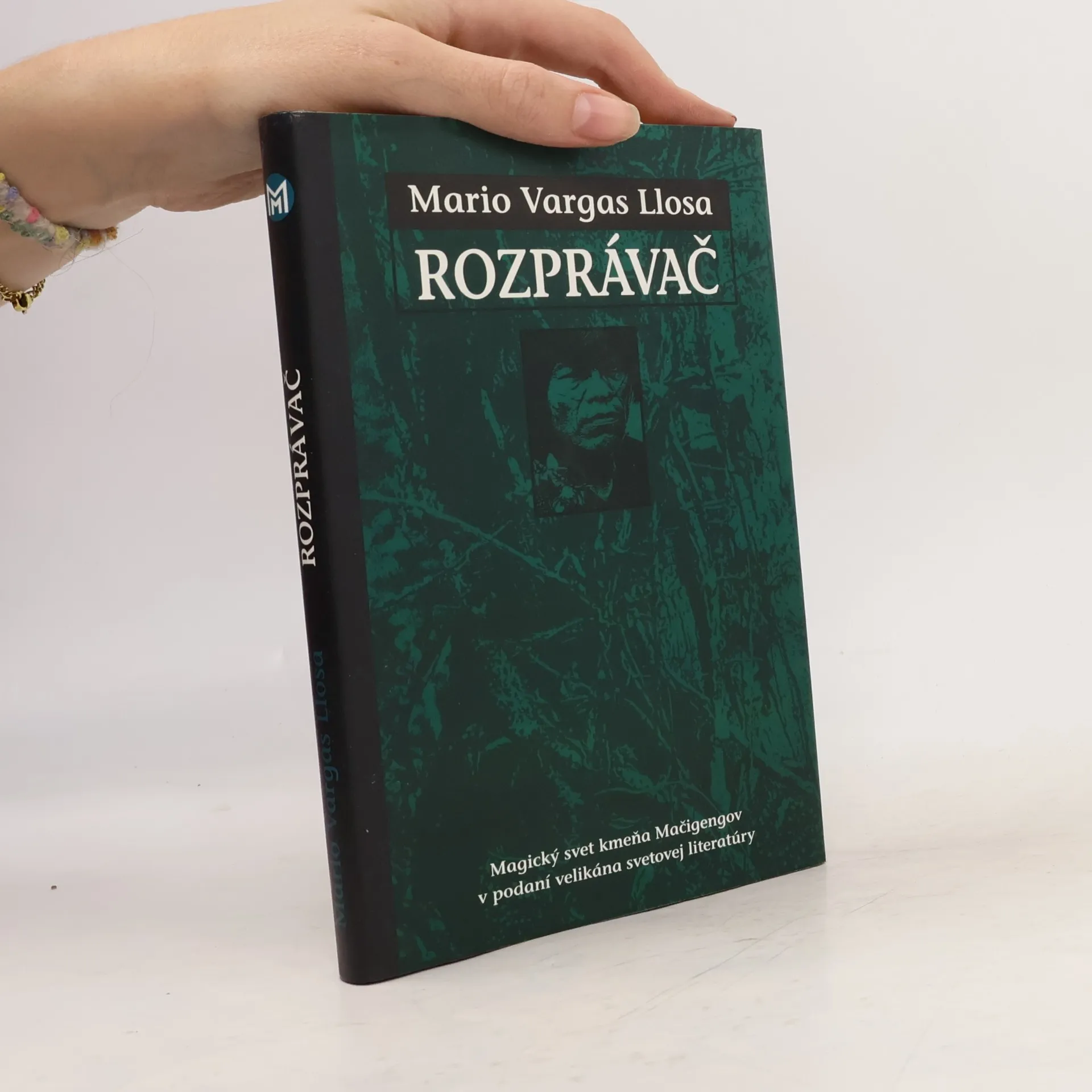
V románe sa nám pred očami odvíjajú dva príbehy. Ten prvý sa odohráva v meste a jeho protagonistami sú sám autor a jeho priateľ zo štúdií Saúl Zuratas. Druhý nás vtiahne do sveta mýtov a legiend kmeňa Mačigenov v nepreniknuteľnom Amazonskom pralese, aby nás donútil rozmýšľať o prospešnosti príchodu vyspelej civilizácie do tohto prostredia. Obe dejové roviny sa preplietajú a vytvárajú v diele svojskú, neopakovateľnú atmosféru.
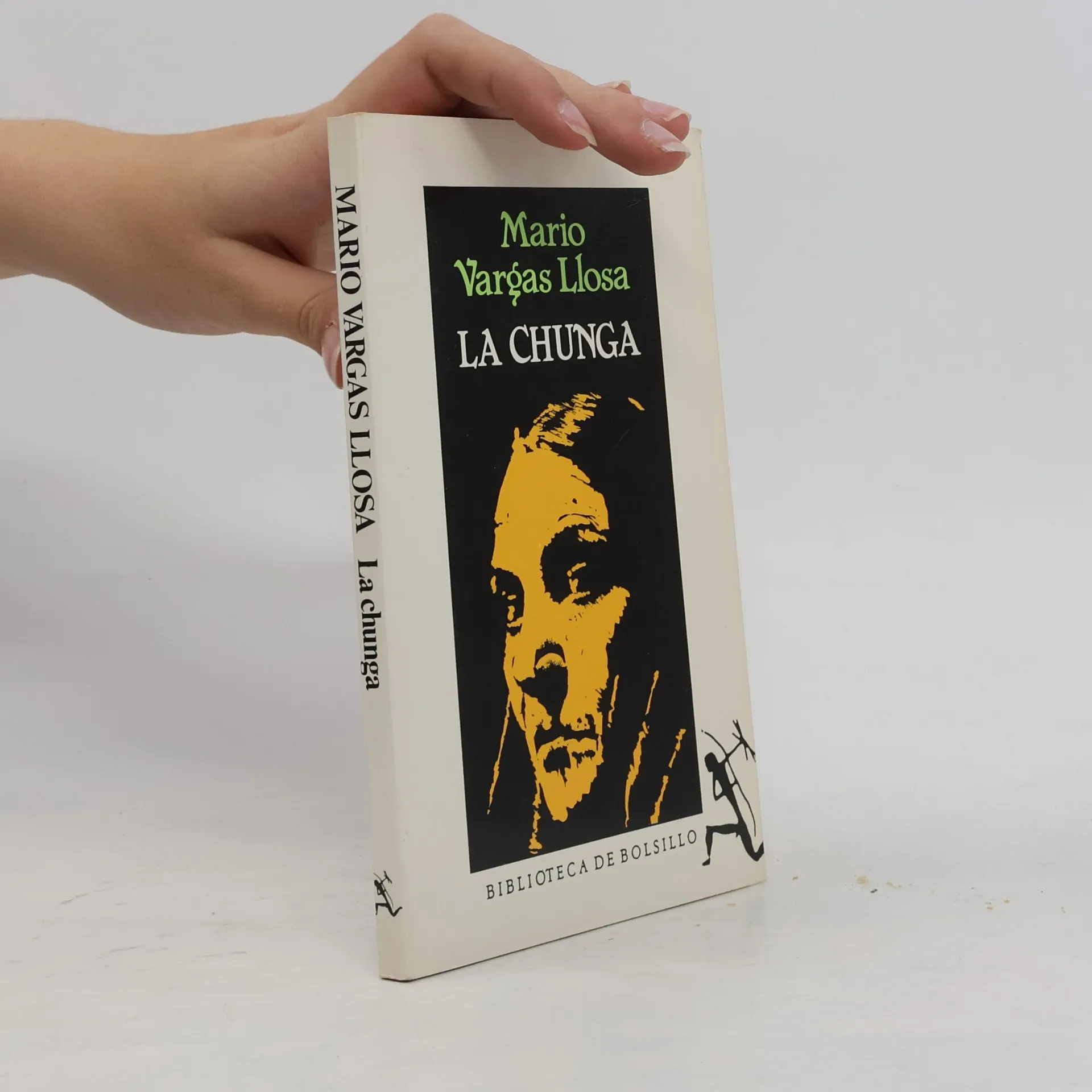
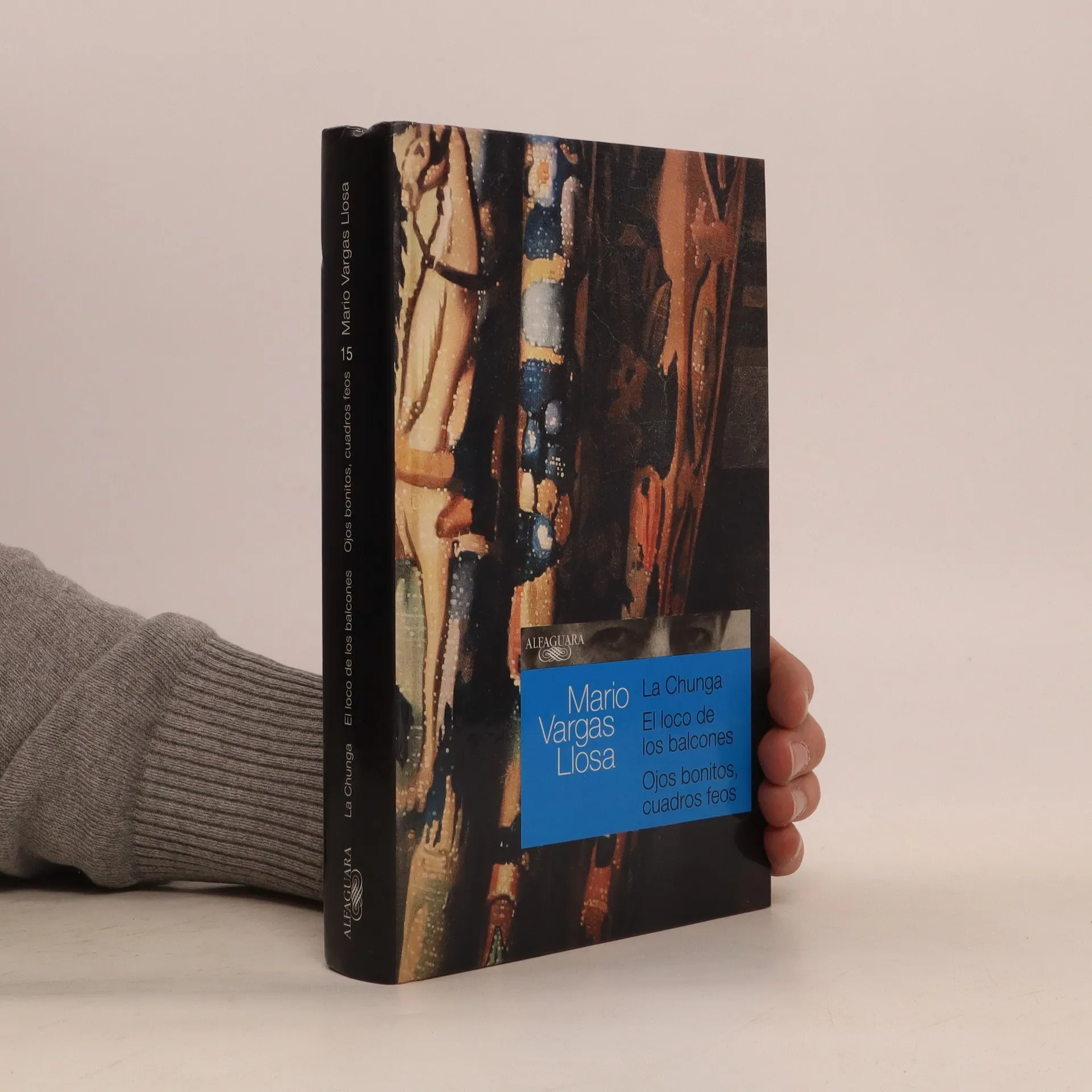
La Chunga regenta un figón de mala muerte al que acuden a beber y a jugar a los dados “los inconquistables”. Cierta noche, uno de ellos aparece con Meche, cuya belleza cautiva a La Chunga. Juntas pasarán esa noche, y desde aquel momento nadie volverá a saber nada de Meche. Aclarar ese misterio es el arranque de esta pieza maestra de Vargas Llosa. El loco de los balcones escenifica la lucha de un anciano idealista por salvar de la destrucción los balcones de Lima, que se ven amenazados por el implacable avance del progreso y la demolición. En esa batalla desigual ha implicado a su hija, sin darse cuenta de que las ilusiones de una vida pueden también destruir los propósitos de otra. En Ojos bonitos, cuadros feos el prestigioso crítico de arte Eduardo Zanelli se las promete muy felices porque ha conseguido que le acompañe a su casa, tras conocerse en un vernissage, un joven apuesto y atractivo. Las cosas, sin embargo, como suele suceder en la obra de Vargas Llosa, esconden más de lo que se ve a simple vista. ¿Dónde termina la realidad y empieza la ficción? ¿Cómo se distingue la vida de los sueños? ¿Por qué los necesitamos para sentirnos vivos? Esas preguntas son el punto de partida de estas extraordinarias piezas para teatro que se leen con el mismo placer que las obras narrativas de Mario Vargas Llosa.
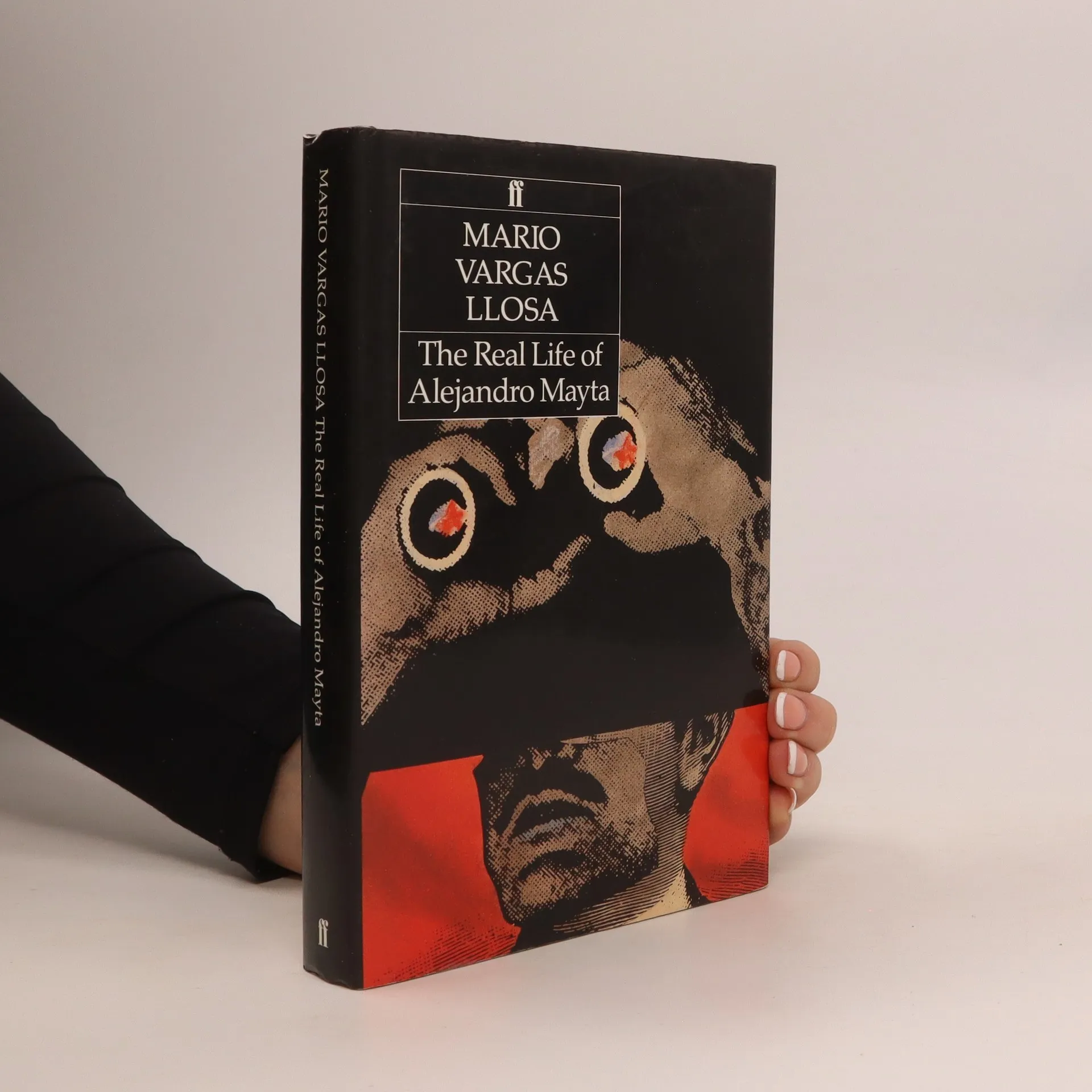
A revolutionary army is taking on the failing government and the US Marines,
and the cities have become vast garbage-strewn slums. In The Real Life of
Alejandro Mayta, Mario Vargas Llosa offers not just a brilliant psychological
portrait, but also a searing account of Latin America's political scene.
Kathie y el hipopótamo es una obra de teatro en dos actos del escritor peruano y Premio Nobel de literatura 2010 Mario Vargas Llosa. La acción se desarrolla en el desván de una casa situada en Lima (Perú), donde una mujer de clase social alta desea plasmar en un libro el viaje que ha realizado por diferentes lugares de Asia y África. Para ello contrata a un profesor universitario que se llama Santiago Zavala, el cual debe escribir el libro basándose en la información que ella ha grabado previamente en una cinta magnetofónica. A lo largo de la obra, se alterna la redacción del libro con diálogos entre ambos personajes relativos a los pasajes de la narración. En esta obra teatral, Mario Vargas Llosa realiza una reflexión sobre cómo y porqué nacen los relatos y la manera en que el cerebro humano se vale de la imaginación para crear o completar historias que nunca han ocurrido en la vida real.
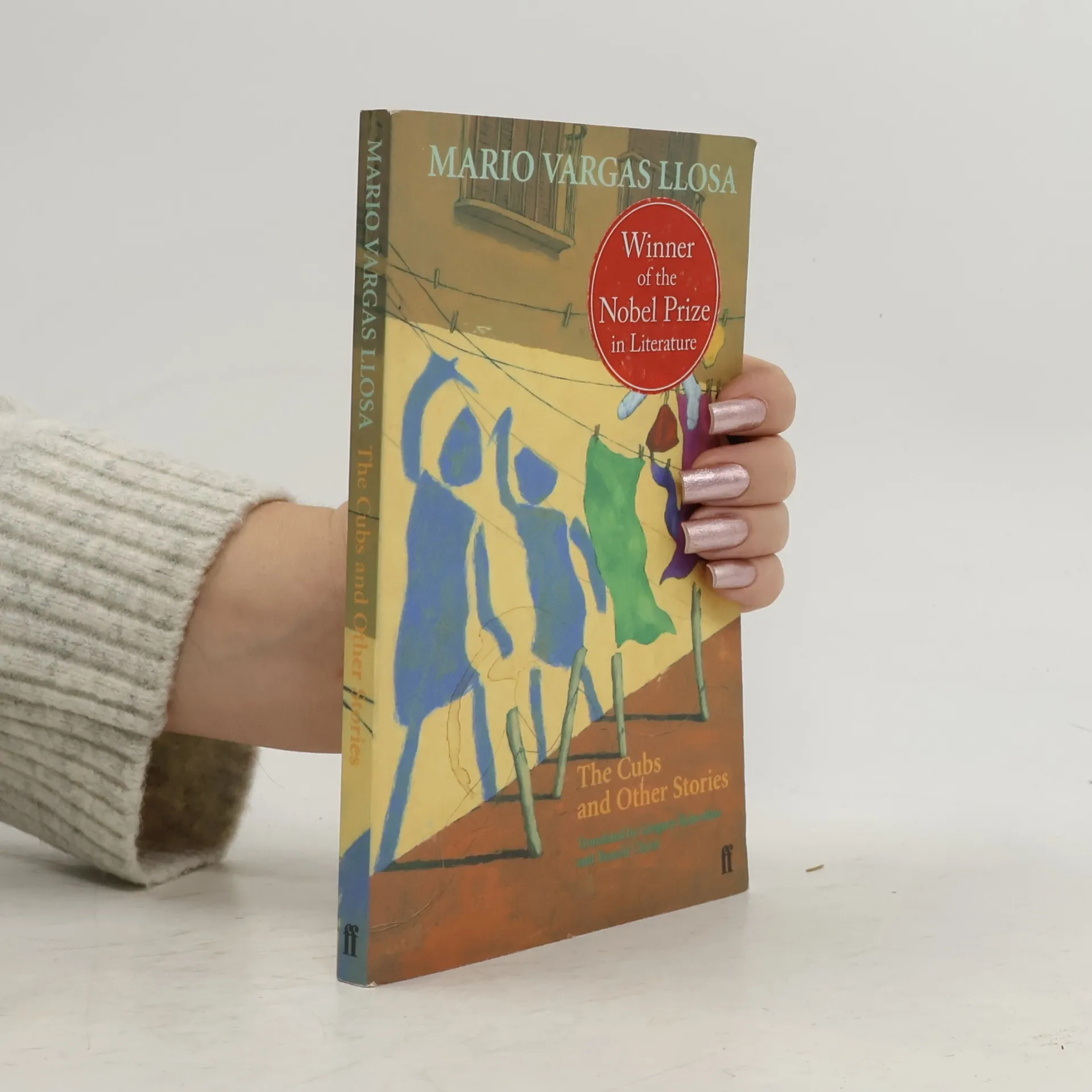
A collection of Vargas Llosa's short fiction whose domain is the Peru of male youth and machismo, where life's dramas play themselves out on the soccer field, on the dance floor and on street corners. The author has published many novels, including The Storyteller.
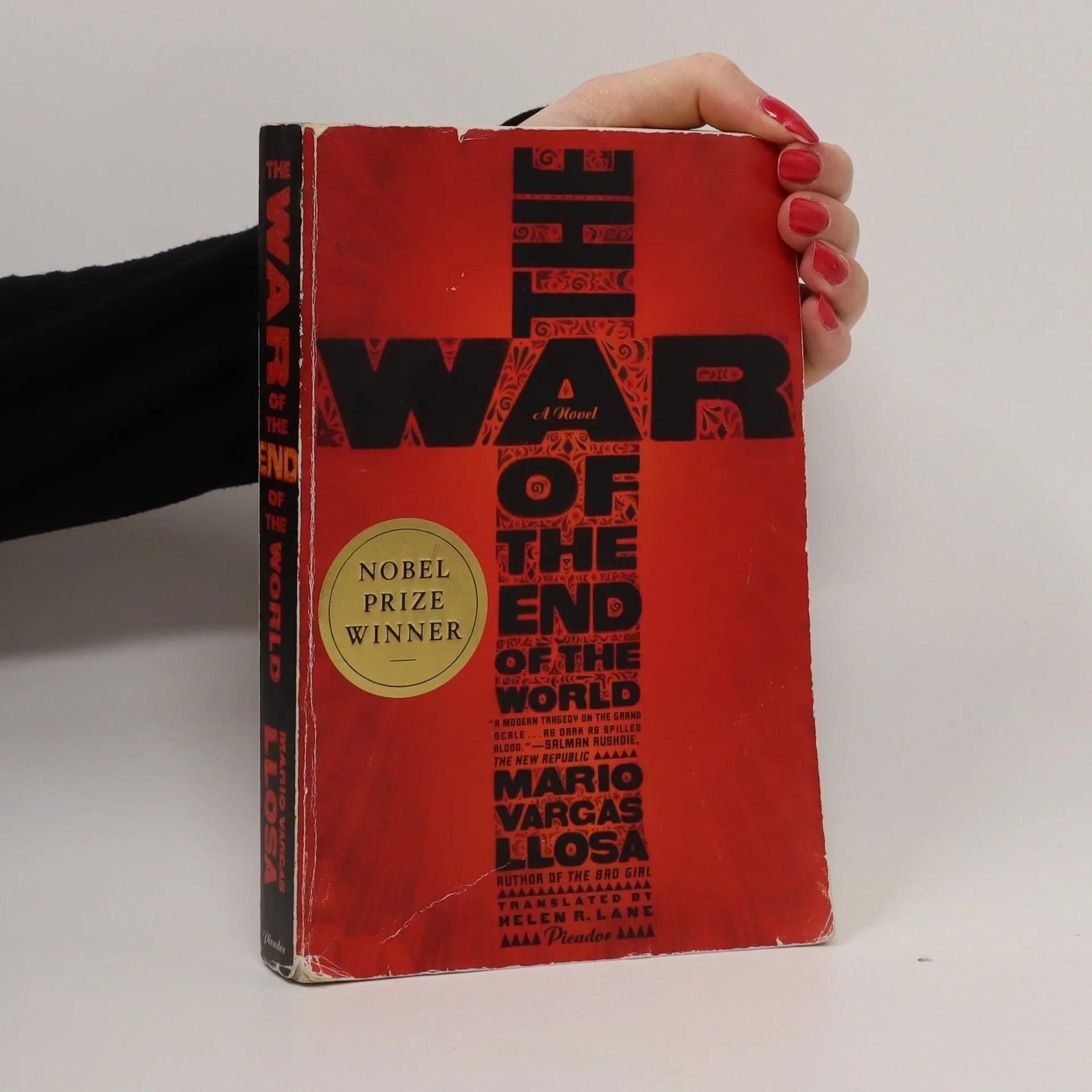
An apocalyptic prophet in the Brazilian backlands creates the state of Canudos. In it there is no money, property, marriage, income tax, decimal system, or census.
„Peruban minden felemás, és ezért minden tönkremegy. A katonák, amikor bejönnek a laktanyába, piszkosak, tetvesek, tolvajok. De az ütlegek alatt kikupálódnak. Egy év a laktanyában, és az indiánból csak a sörtehaj marad" mondja egy tiszt a regényben. De mi marad vajon azokból a gyerekekből indiánokból, feketékből és fehérekből -, akik Peru különféle tájegységeiről, különféle mikroközösségeiből érkeznek a Leoncio Prado Katonaiskola falai közé? Sikerül-e legalább szuverenitásuk csíráját megmenteniük az erőszak mindenkit egyformára nyíró ollója alatt! Mario Vargas Llosa tollán - akárcsak Musilén, Ottlik Gézáén - a kadétiskola hatalmas szimbólummá növekedett: a megalázással, megszégyenítéssel, az emberi méltóság megtörésével „nevelő" iskola, társadalmi rend félelmetes erejű és meghökkentő gazdagsággal árnyalt szimbólumává.
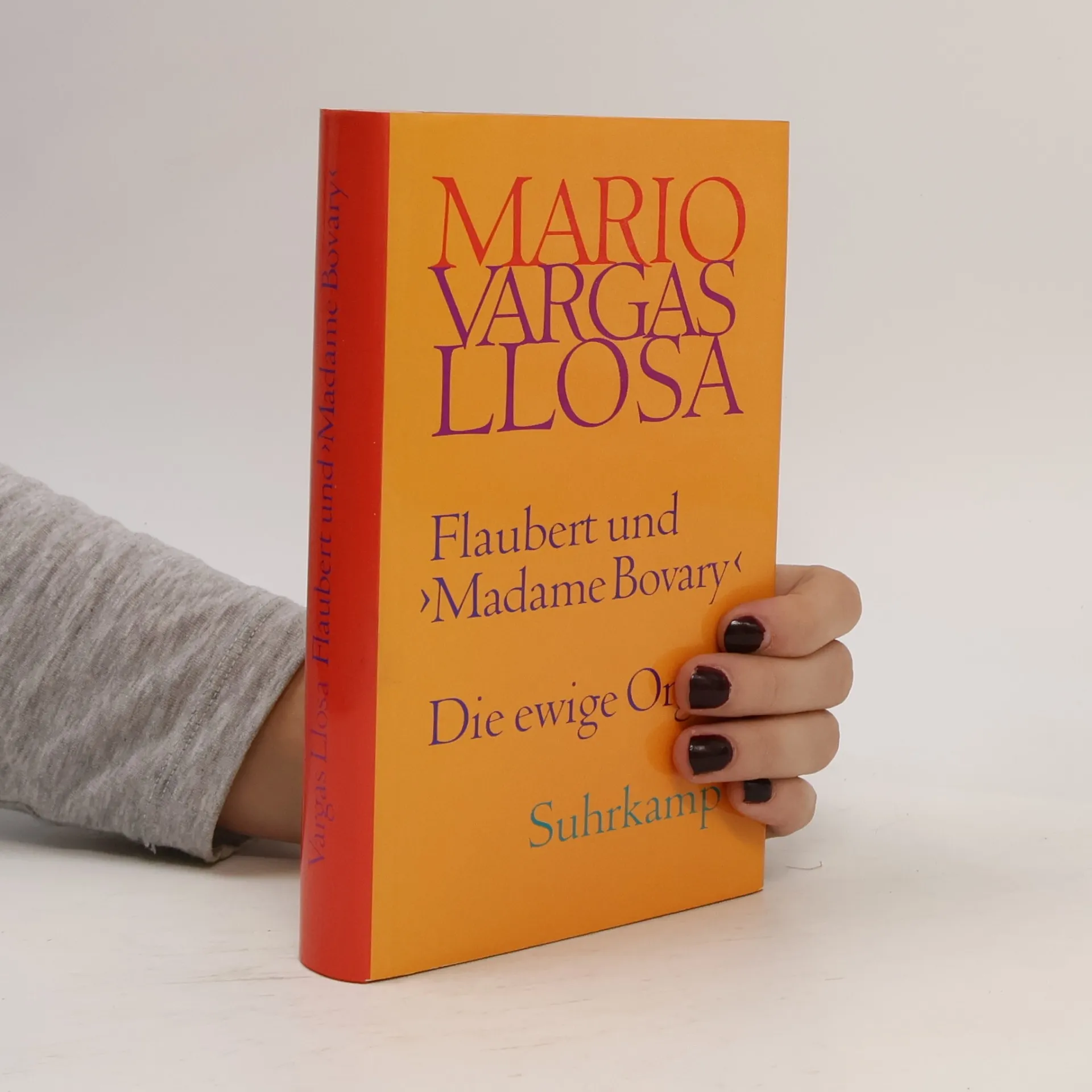
The book's first section is a tete-a-tete with Emma Bovary; the second traces the gestation and birth of the novel, as well as Flaubert's method, his mania for documentation, and the novel's literary sources; the third situates it in literary history. Vargas Llosa's first work of non-fiction will send the reader back to Flaubert's masterpiece with renewed interest.
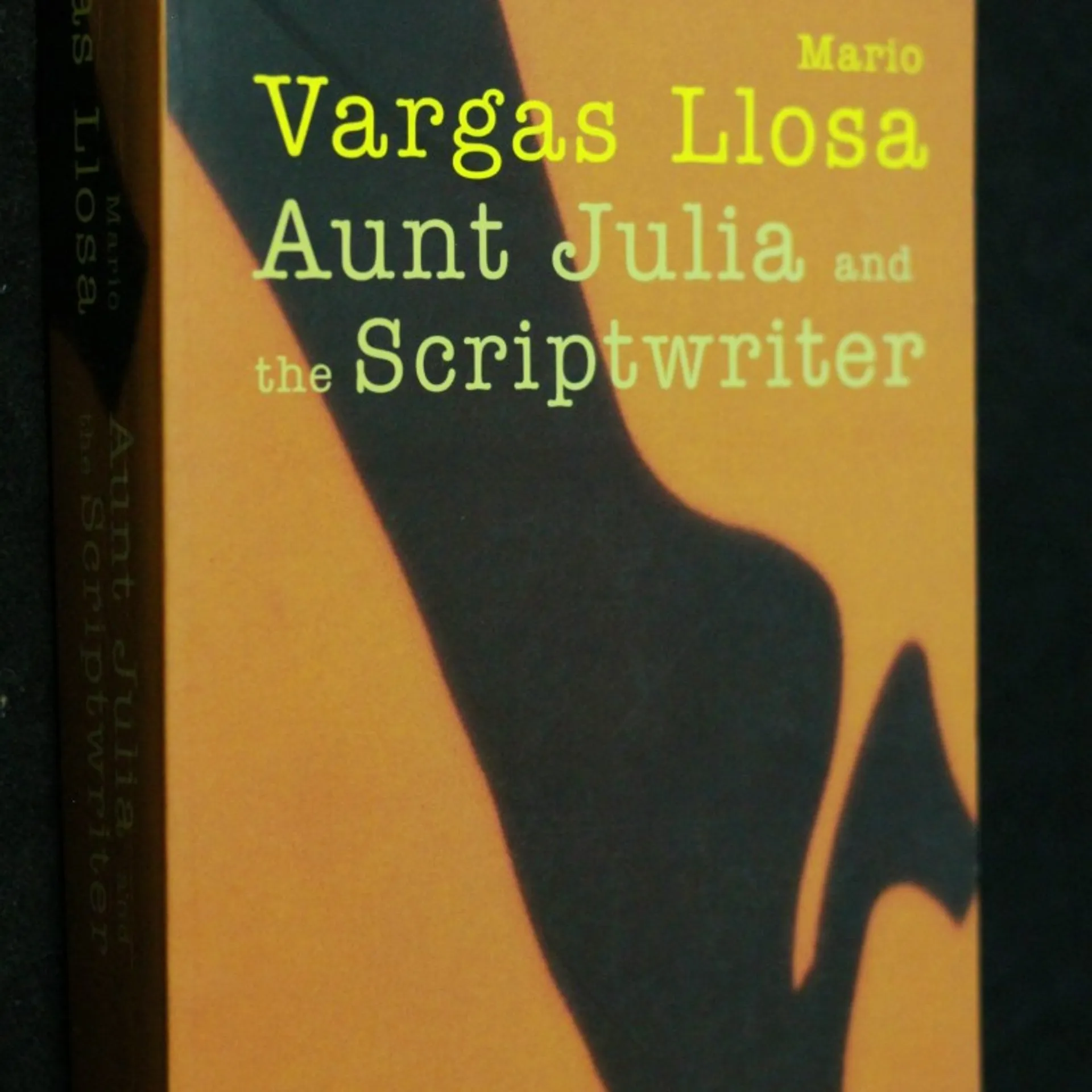
Mario, an aspiring writer, works at a radio station that broadcasts up to a half-dozen short-run soap operas. At the same time that the author meets his 'Aunt Julia', the radio station, which had been buying scripts by weight from Cuba, hires a Bolivian scriptwriter named Pedro Camacho to write the serials.
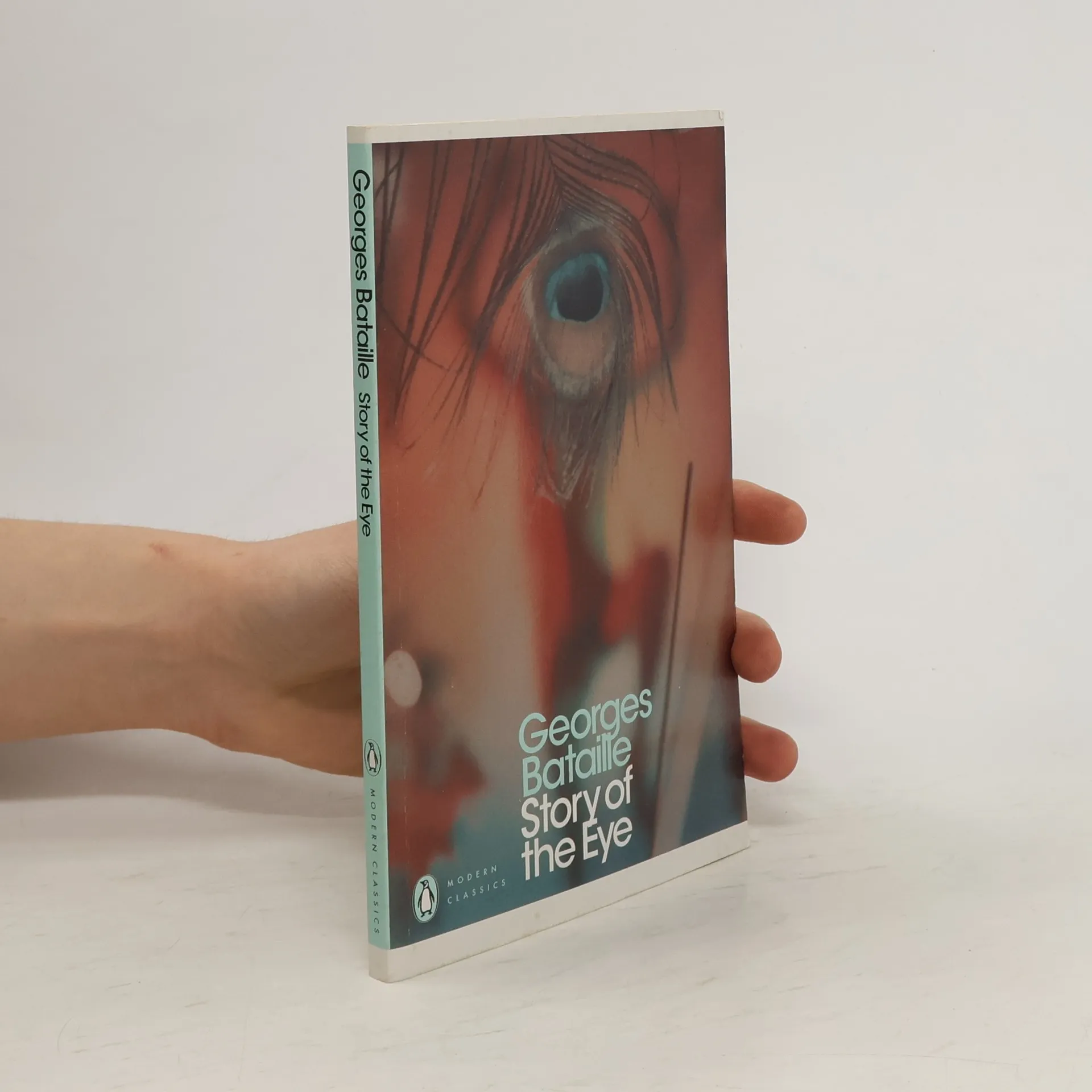
Bataille's first novel, published under the pseudonym 'Lord Auch', is still his most notorious work. In this explicit pornographic fantasy, the young male narrator and his lovers Simone and Marcelle embark on a sexual quest involving sadism, torture, orgies, madness and defilement, culminating in a final act of transgression. Shocking and sacrilegious, Story of the Eye is the fullest expression of Bataille's obsession with the closeness of sex, violence and death. Yet it is also hallucinogenic in its power, and is one of the erotic classics of the twentieth century. This edition also includes Susan Sontag's superb study of pornography as art, 'The Pornographic Imagination', as well as Roland Barthes' essay 'The Metaphor of the Eye'.Georges Bataille (1897-1962), French essayist and novelist, was born in Billom, France. He converted to Catholicism, then later to Marxism, and was interested in psychoanalysis and mysticism, forming a secret society dedicated to glorifying human sacrifice. Leading a simple life as the curator of a municipal library, Bataille was involved on the fringes of Surrealism, founding the Surrealist magazine Documents in 1929, and editing the literary review Critique from 1946 until his death. Among his other works are the novels Blue of Noon (1957) and My Mother (1966), and the essays Eroticism (1957) and Literature and Evil (1957).
The conversation flows between two individuals, Santiago and Ambrosia, who
talk of their tormented lives and of the degradation and frustration that has
taken over their town. In this groundbreaking novel, Mario Vargas Llosa
explores the mental and moral mechanisms that govern power and the people
behind it.
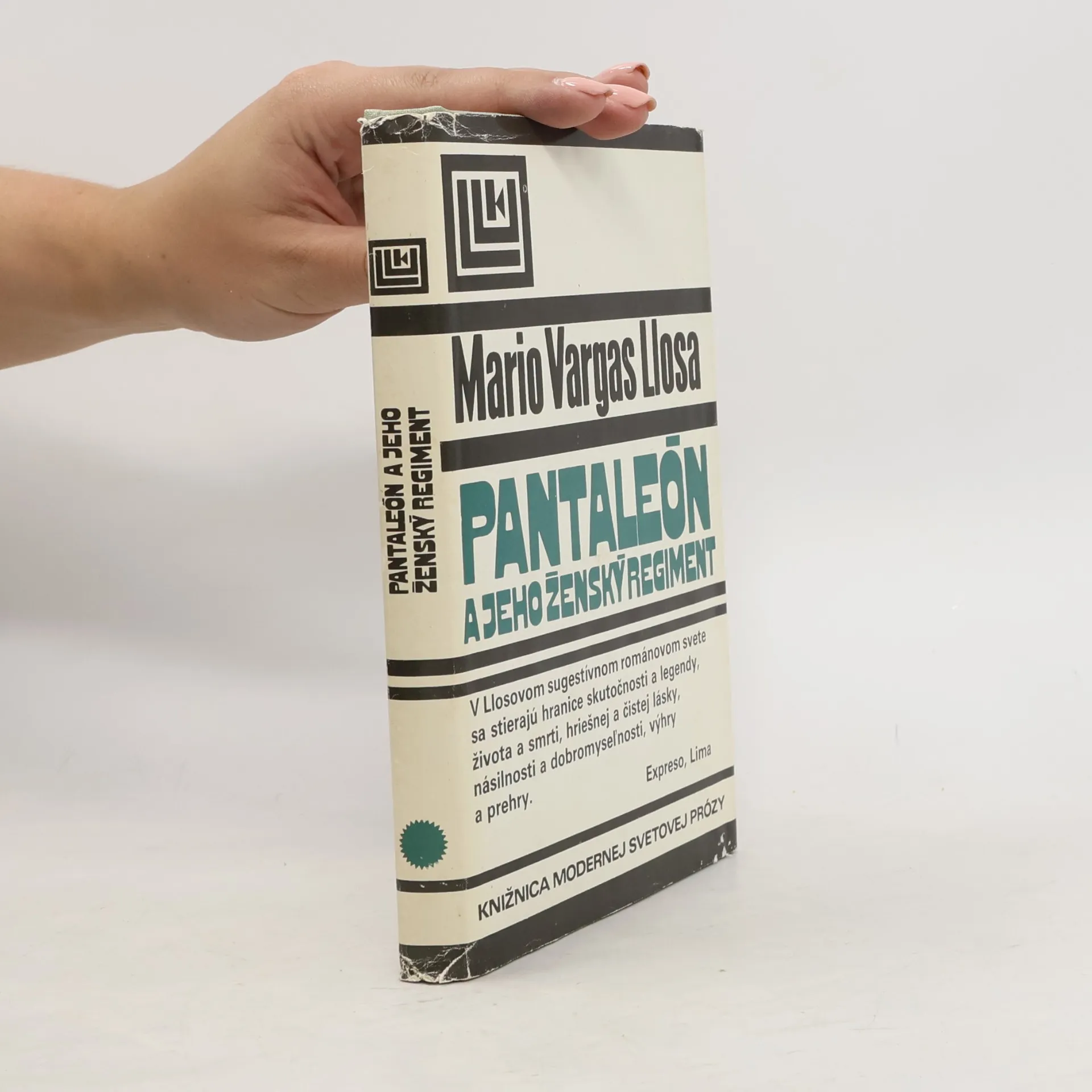
Ústrednou dejovou niťou románu je príbeh kapitána peruánskej armády Pantaleóna Pantoju, povereného nezvyčajným poslaním - sformovať osobitný ženský oddiel, Stredisko dámskeho servisu - pre príslušníkov vojenských posádok v povodí Amazonky, kde roztúžení vojaci prepadávajú ženy a dievčatá indiánskych kmeňov...
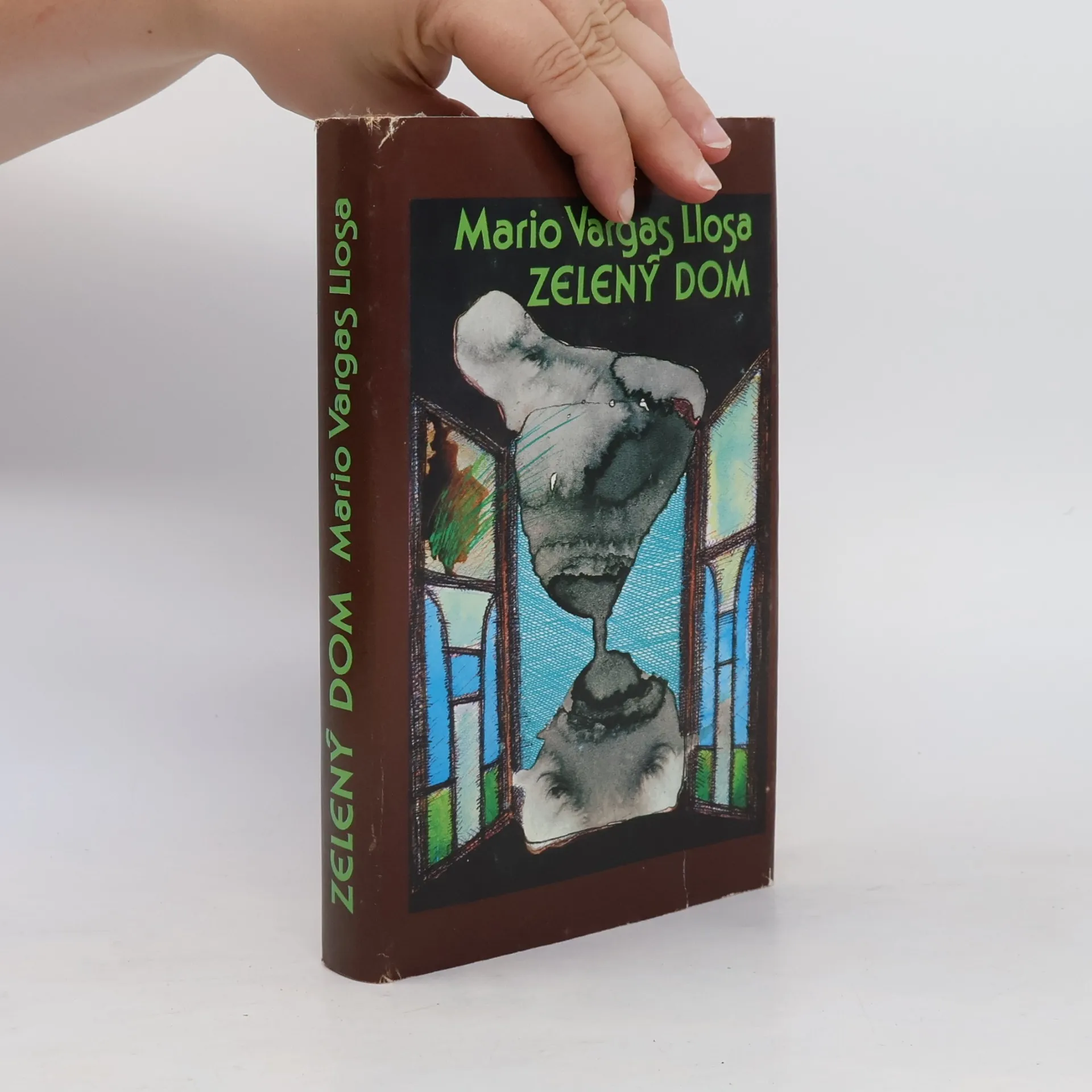
Široko komponovaný román peruánskeho autora zachytáva strhujúci obraz života obyvateľov Piury, mestečka opklopeného piesočinami a ľudí z povodia Amazonky. Autor odvíja päť samostatných príbehov - príbeh Anselma, cudzinca, zakladateľa domu rozkoše, zvaného Zelený dom a jeho lásky k slepej anemej dievčine a osudy štyroch fičúruv, pikareskných predstaviteľov piurského predmestia, žijúcich zo dňa na deň....
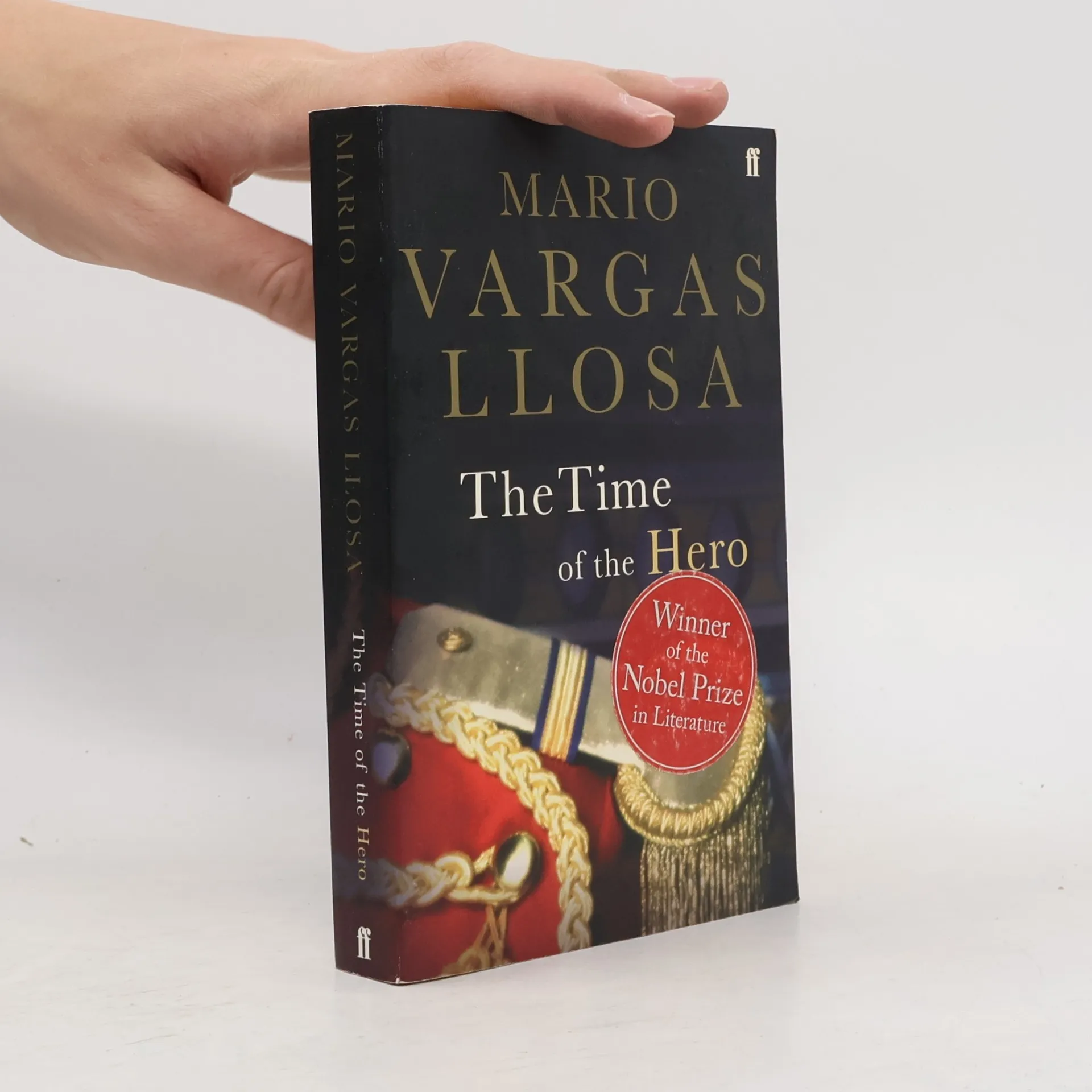
In the author's native Peru, this powerful social satire so outraged the
authorities that a thousand copies were publicly burned. The novel is set in
Leoncio Prado Military Academy in Lima, where a group of cadets attempt to
break out of the vicious round of sadistic ragging, military discipline,
confinement and boredom.