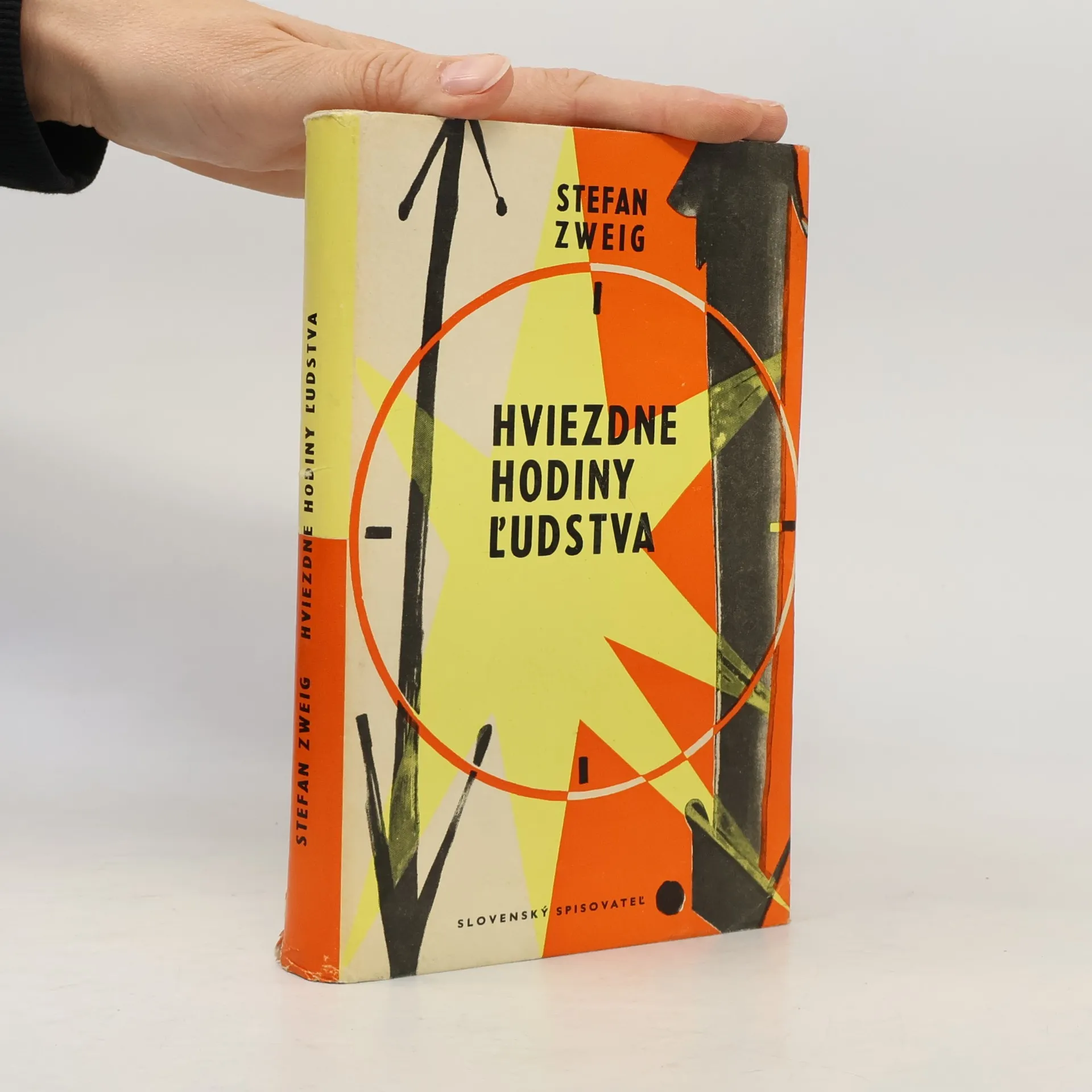
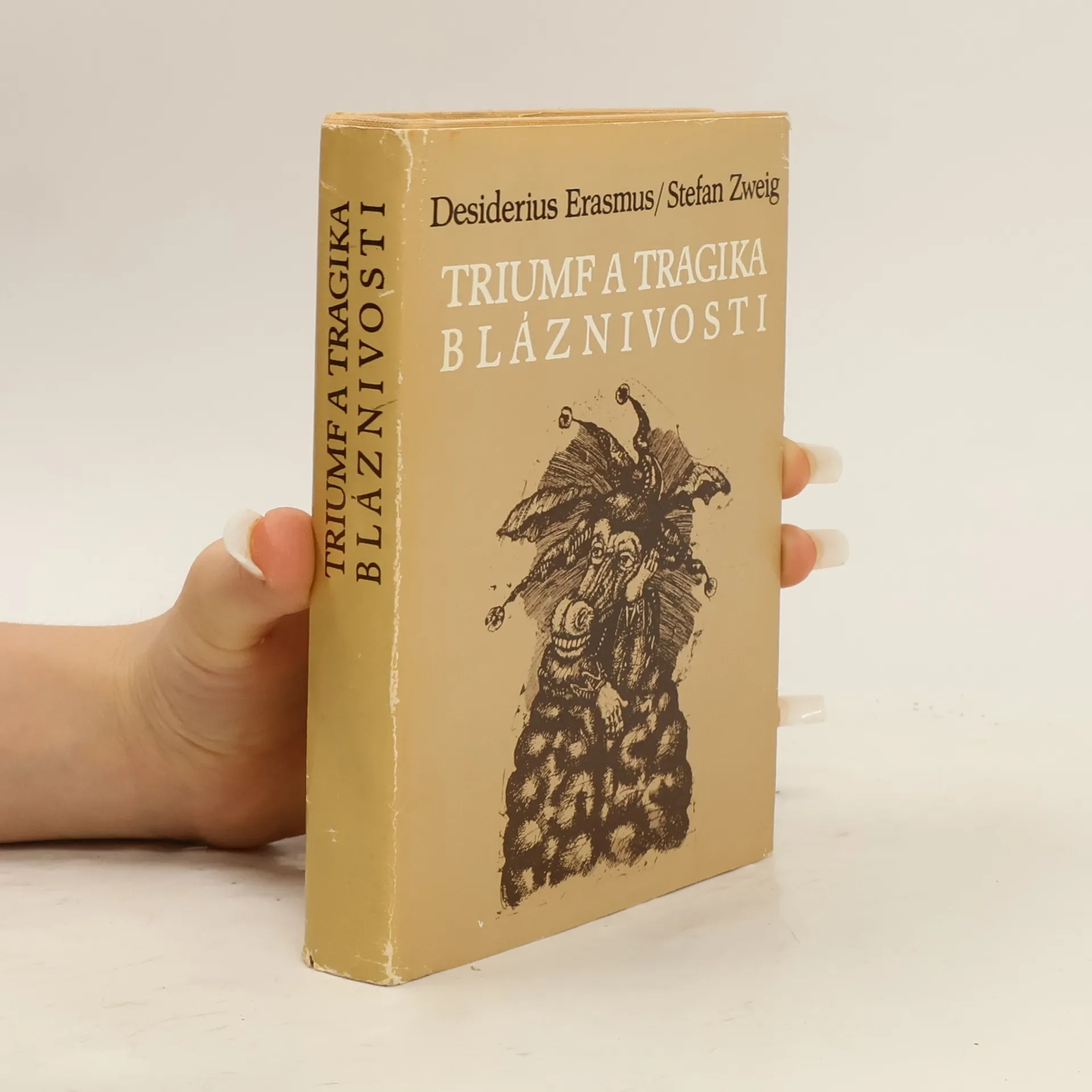
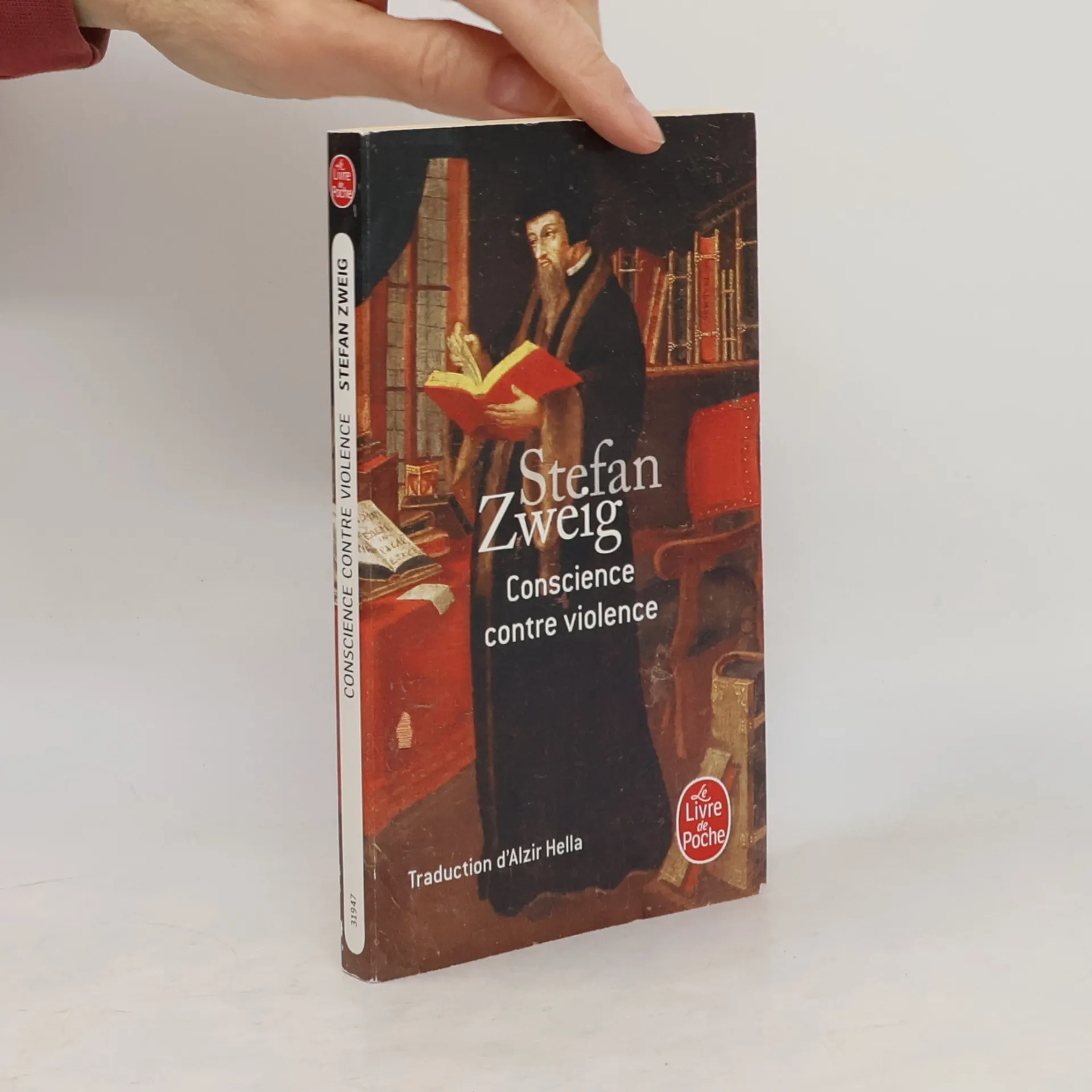
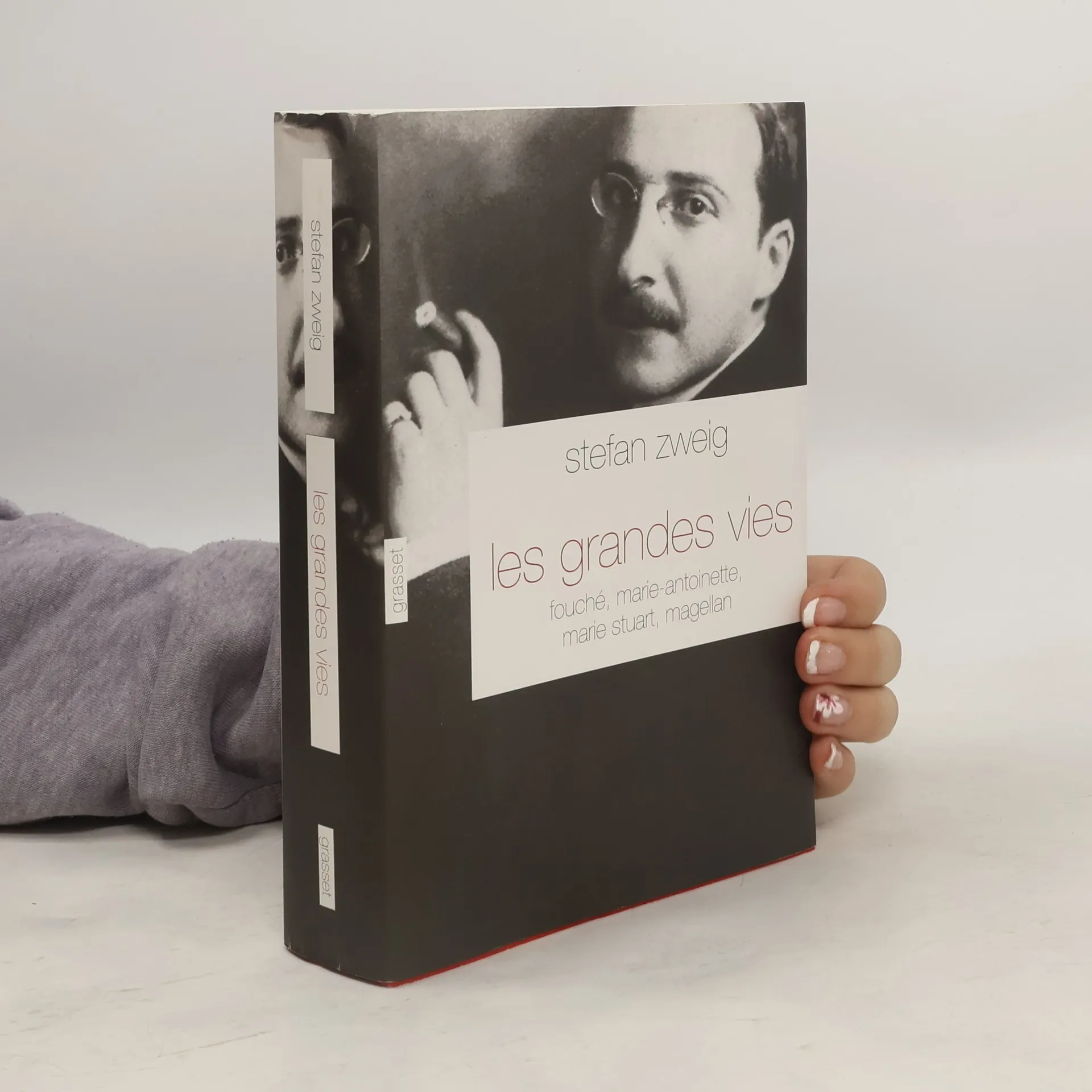
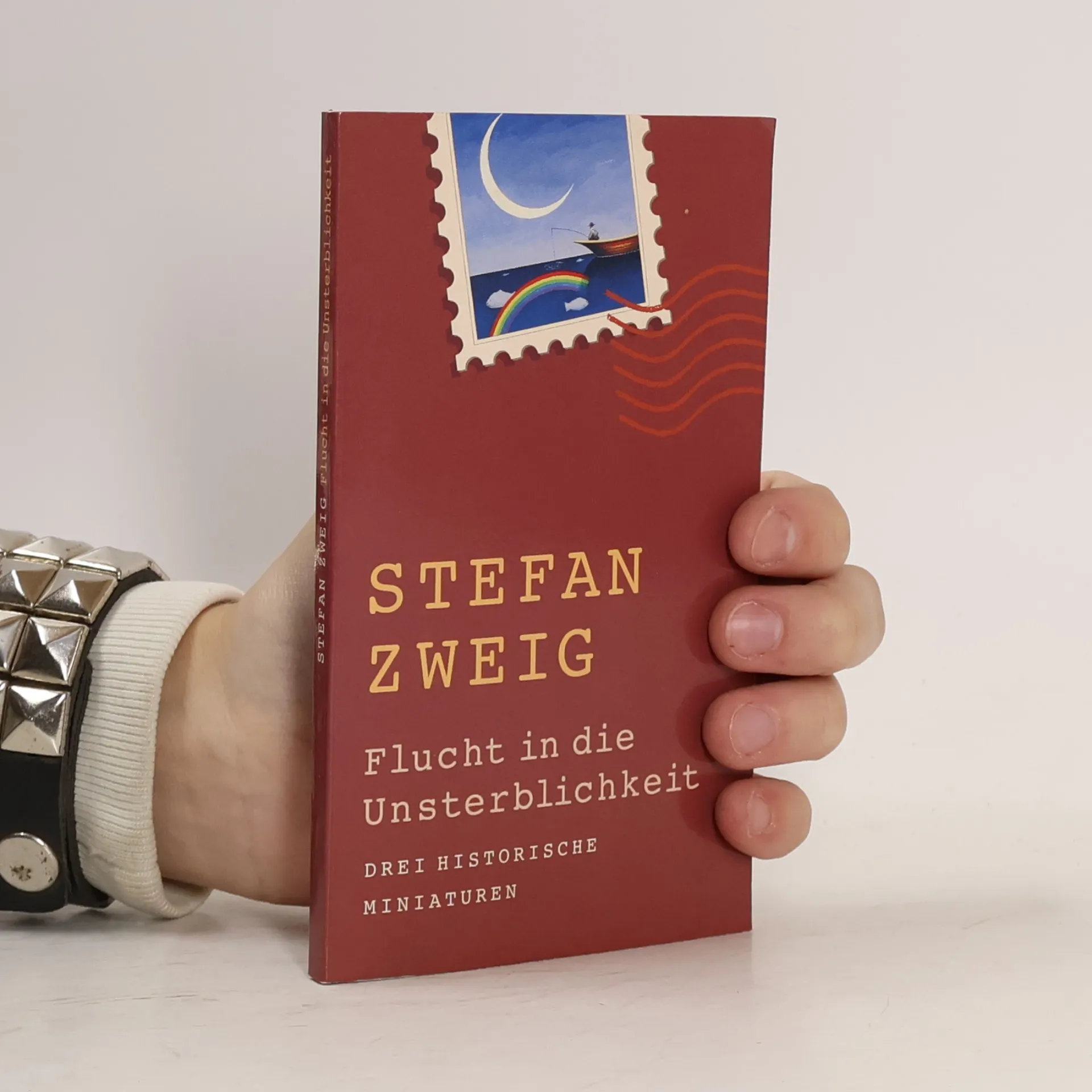
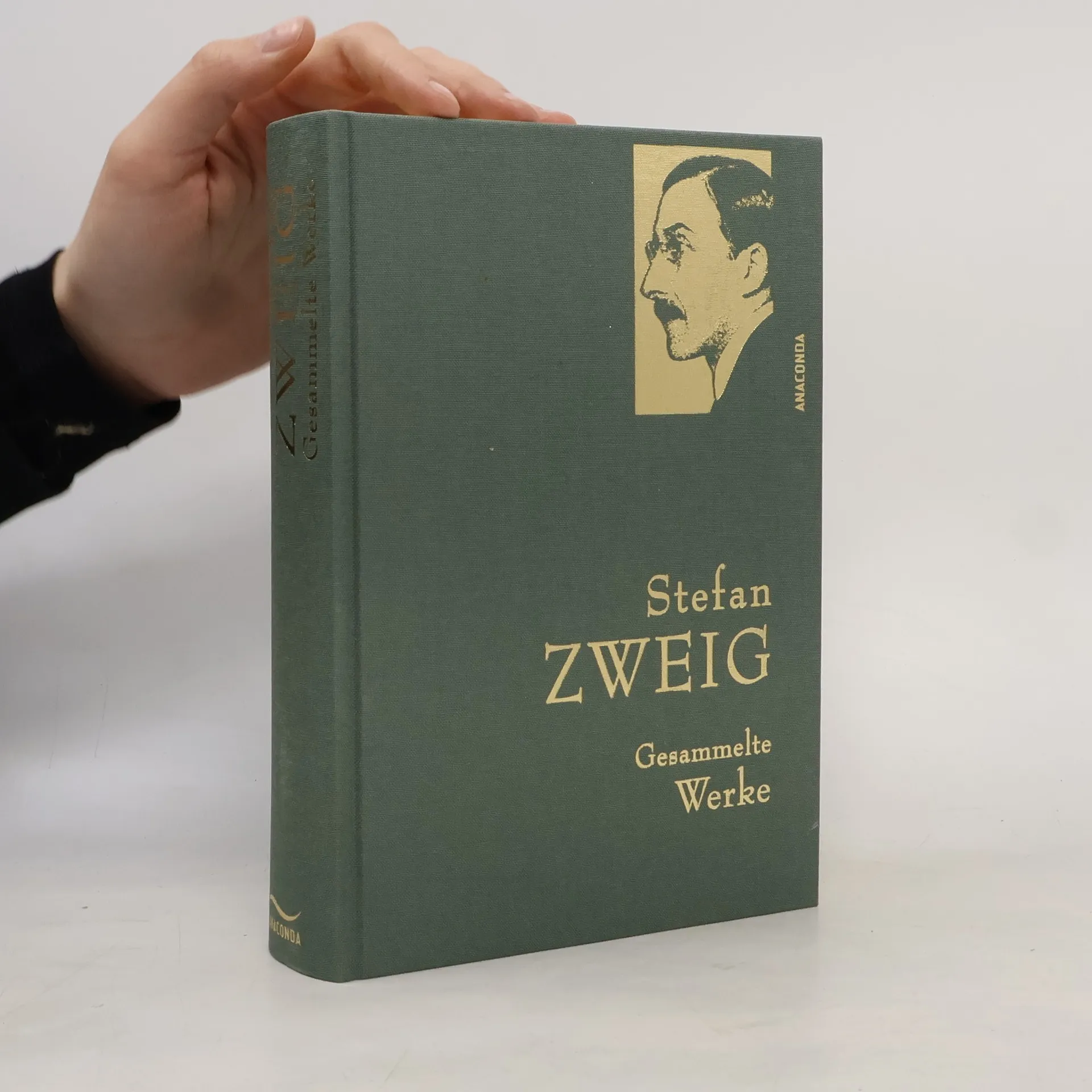
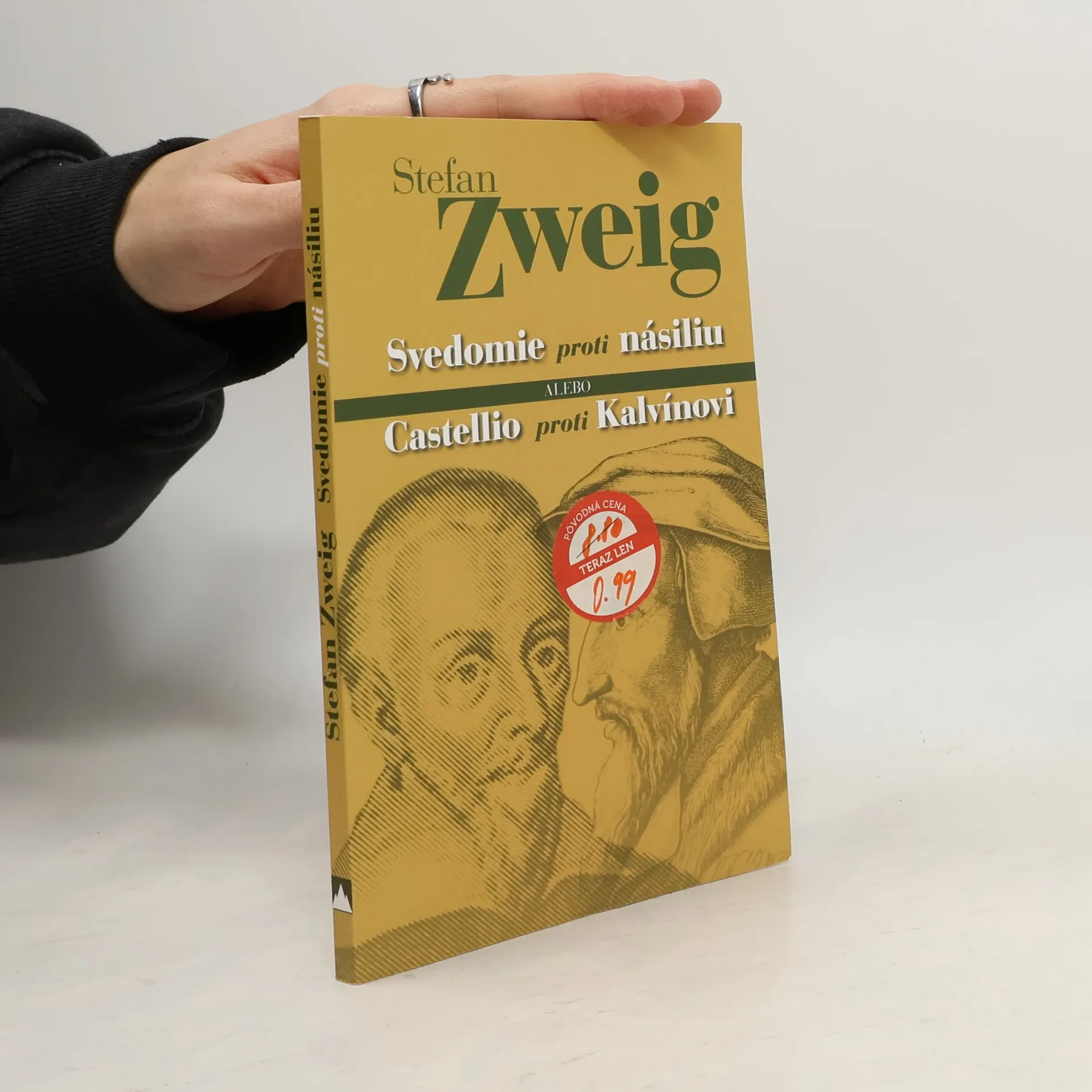
Stefan Zweig bol jedným z tých spisovateľov, ktorí museli emigrovať a k dobe sa primerane svojim možnostiam vyslovil práve knihou Svedomie proti násiliu alebo Castellio proti Kalvínovi, v ktorej analógiou boja Castellia proti Kalvínovi v šestnástom storočí, v storočí náboženských a fanatických vrážd, horiacich hraníc, honby na kacírov vyslovuje svoje presvedčenie humanistu, odsudzuje násilie a netoleranciu a zasadí ako Castellio siatbu pre priaznivejšie časy. Sám autor vynikajúcich románov, akými sú Hviezdne hodiny ľudstva, Erasmus Rotterdamský, Mária Antoinetta, Joseph Fouché, však nevie nájsť východisko z týchto krušných časov a volí radšej dobrovoľnú smrť, pretože pre priateľa Maxima Gorkého, Romaina Rollanda a mnohých ďalších je vojna triumfom barbarstva, výronom ničivých prapudov, a on sa do tejto doby nehodí.
Stefan Zweig Knihy
Štefan Zweig patril v 20. a 30. rokoch 20. storočia k najznámejším svetovým spisovateľom, preslávený svojím hlbokým psychologickým vhľadom do ľudskej duše. Jeho diela, ktoré zahŕňajú romány, poviedky a eseje, sa vyznačujú jemným portrétovaním postáv a intuitívnym, nie objektívnym, prístupom k písaniu. Zweig sa často zaoberal témami samoty a dezilúzie, čo odrážajú aj jeho osobné skúsenosti s exilom a stratou domova. Jeho schopnosť preniknúť do motivácií postáv a zachytiť kľúčové momenty ľudskej histórie z neho robí nadčasového autora, ktorého dielo stále rezonuje u čitateľov.


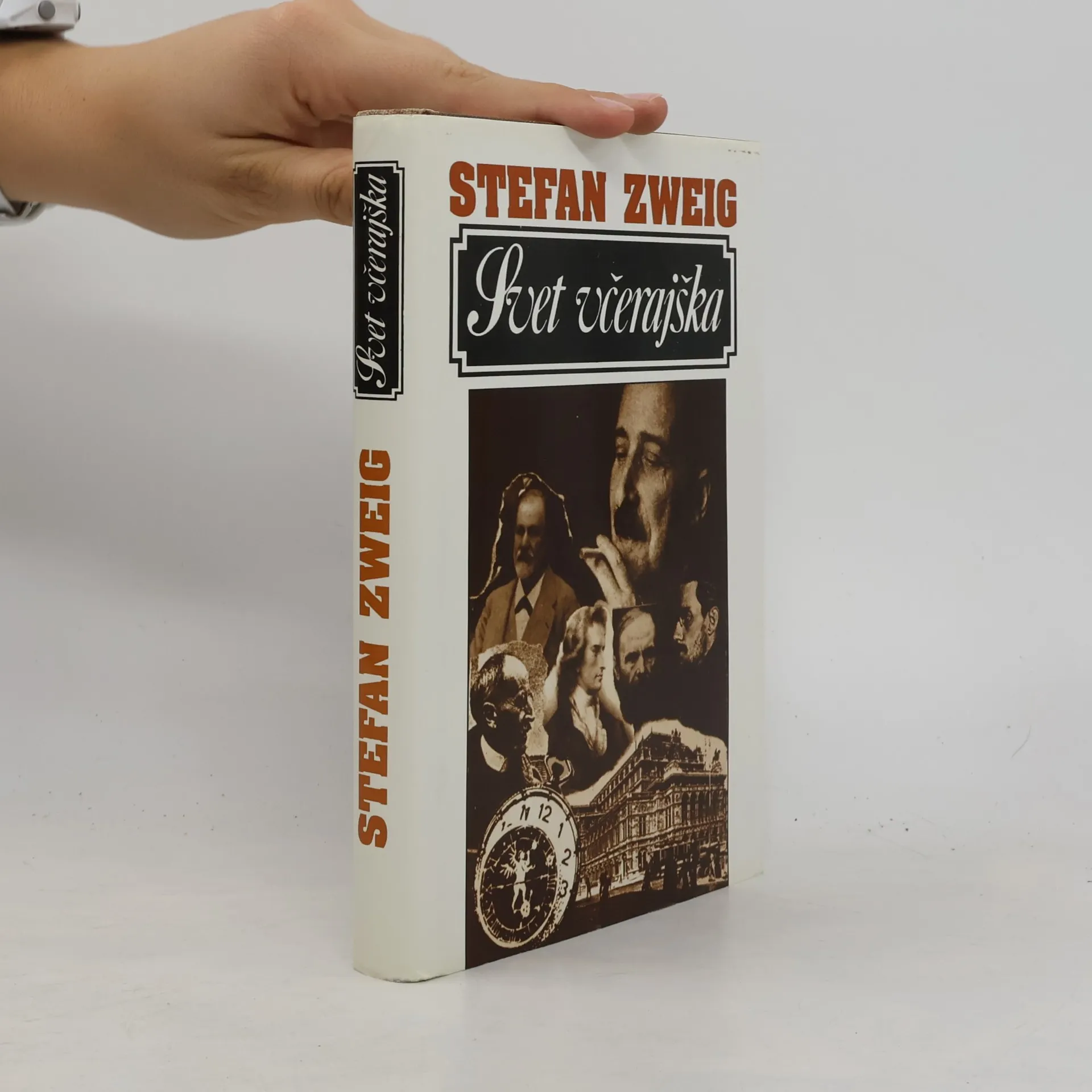
Svet včerajška
- 273 stránok
- 10 hodin čítania
Slávna autobiografia viedenského rodáka zachytáva spoločenské a politické zmeny od konca 19. storočia až po začiatok 40. rokov minulého storočia, keď autor spolu s manželkou spáchal v emigrácii samovraždu. Nie je to len milostný list starým časom, ako bývajú niekedy označované úvodné časti jeho memoárov, ale aj svedectvo toho, ako sa predvojnová Európa vrhla do náručia zničujúcej prvej svetovej vojny a odniesla si z toho primálo poučenia, aby sa nevyhla ďalšiemu konfliktu. V knihe zachytil nielen nástup nacizmu a to, „koľko ľudskej dôstojnosti zmizlo v tomto storočí“, ale aj pulzujúci intelektuálny život či premeny morálky na prelome storočí, keď práve dospieval.
Životopis francúzskej kráľovny, dcéry Márie Terézie, ktorá zažila vrchol moci, ale aj pád a skončila na popravisku.
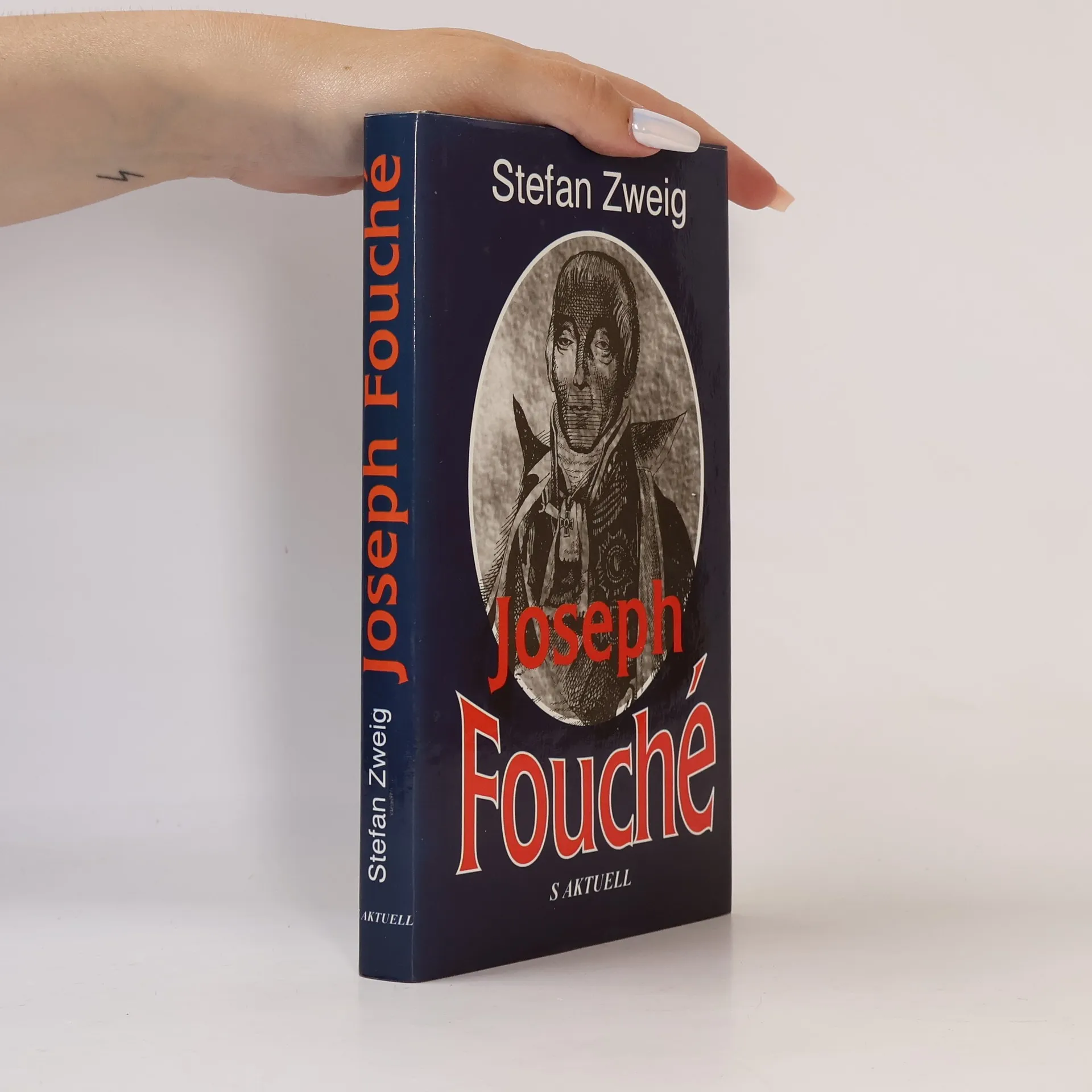
Joseph Fouché
- 261 stránok
- 10 hodin čítania
Joseph Fouché je zaujímavou, aj keď desivou postavou francúzskych dejín. Objavil sa počas revolúcie a udržal sa v pozadí, ale predsa na výslní až do reštaurácie Bourbonovcov. Prežil tak nielen prvotné besnenie revolúcie za Robespierra, ale aj Carnota, Barasa a celú vládu Napolona. Tento zakladateľ tajnej polície sa pridal vždy na stranu silnejšieho. Jeho receptom bola bezcharakternosť a absencia akéhokoľvek presvedčenia. Autor tak sleduje v biografii jeho životné osudy spojené s dejinami Francúzska.
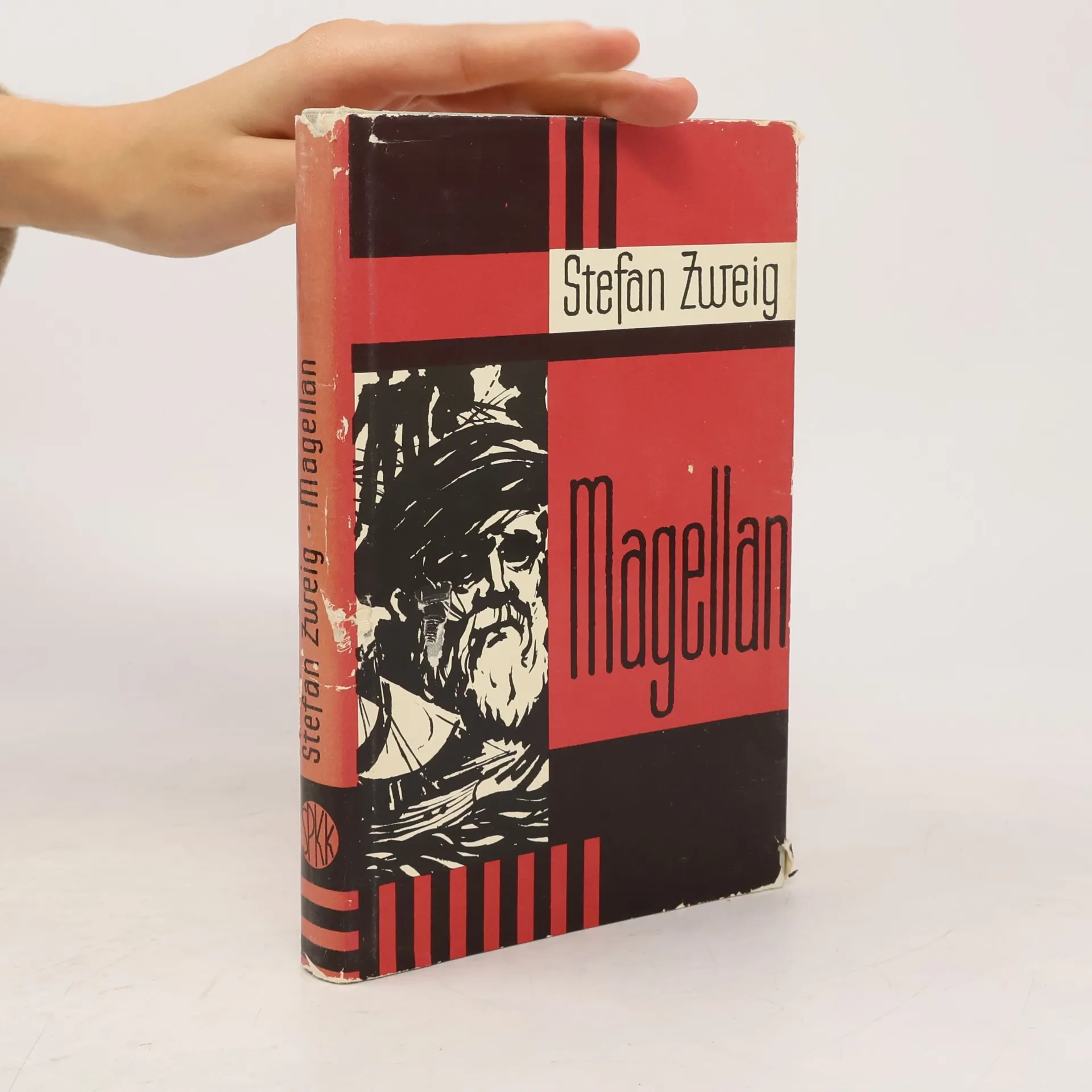
Magellan
a prvá plavba Victorie okolo sveta
Pútavý obraz Španielska a Portugalska na vrchole ich slávy - v 16. storočí, kedy zámorské objavy vyvrcholili plavbou okolo sveta. Prvé vydanie.
Románová biografie, na které Zweig pracoval více než deset posledních let svého života, měla být jeho magnum opus. Dílo nestačil podle svých představ dokončit, avšak v ucelené podobě ho vydal Zweigův přítel, spisovatel Richard Friedenthal. Ukázalo se, že vskutku jde o Zweigovo stěžejní dílo, neboť jeho balzacovská monografie má sama parametry velkého románu. Zweig Balzaca portrétuje s psychologickou přesvědčivostí, často v pozoruhodných protikladech, nejednoznačně a mnohdy ne zcela lichotivě. Má pochopení zejména pro jeho tvůrčí genialitu, nezměrnou vůli a pracovitost, vidí však i řadu lidských slabostí, občas směšných či kuriózních. Prokazuje také, že je velkým znalcem Balzacova rozsáhlého literárního díla. Zweigovo vysoce působivé líčení, jeho mnohdy mistrovské formulace a pronikavé metafory činí četbu biografie mimořádným zážitkem. Je zjevné, že do své práce vložil Zweig velmi mnoho studia, energie, empatie a toho nejlepšího ze svého talentu. Kto si tuto pôsobivú biografiu prečíta, bude ňou zasažen.
Krátke biografie obsiahnuté v jednom z jeho najslávnejších diel v Hviezdnych hodinách ľudstva sa nesú v duchu humanistického pátosu. Zweig v nich chcel ukázať rozmanitosť, bohatosť, cieľavedomosť, silu vôle i vnútornú tragiku veľkých osobností, pranieroval reakciu, nenávistnú nízkosť, bezduchosť a nepriateľstvo duchu, chcel svojho čitateľa viesť k vnútornej harmónii, k vyrovnanosti toho, kto poznal, k vnútornému jasu z duchovného bohatstva a napokom predsa len aj - k odvážnej činorodosti. Zweigove Hviezdne hodiny ľudstva vo výnimočnom preklade slovenskej prekladateľky Perly Bžochovej nám predstavujú obrazy ľudí veľkých, smelých, ženúcich sa za cieľmi, ktoré ovplyvnili osudy ľudstva.
V dvoch zbierkach esejí " Stavitelia sveta" a " Stretnutia s ľuďmi, knihami a mestami", z ktorých je zostavený výber, konfrontuje Stefan Zweig svoje názory a úsilie s velikánmi devätnásteho a dvadsiateho storočia. (Dostojevskij, Tolstoj, Gorkij, Balzac, Dickens, Goethe, Holderlin, Kleist, Rilke, Sainte-Beuve, Joyce a i.), spája autobiografiu s bilanciou epochy. Tridsať rokov jeho literárnych úvah neodzrkadľuje len zážitok a názor samoľúbeho jednotlivca, ale prežívanie sveta a udalostí ako ho cítila vari celá jeho generácia. Zweig nechce byť, ako sám hovorí, stredobodom a zmyslom knihy, ale sprostredkovateľom hodnôt a zážitkov, ktoré jemu a jeho rovesníkom znásobovali zmysel existencie a predstavujú veľkú časť toho, čo im bolo podnetom, šťastím, ziskom a skúsenosťou mladosti. Sú to stretnutia s ľuďmi, s knihami, s dobou, ktoré ho raz rozpálili do rojčivého nadšenia a inokedy nútili vytriezvieť. Že v týchto literárnych skvostoch chýba postoj politika, to je prejav jeho životného úsilia a nadstraníckosť vo všetkých veciach, úsilia pochopiť aj to, čo mu je cudzie, a hodnotiť národy a epochy, postavy a diela len v ich pozitívnom, tvorivom zmysle a týmto neúnavným úsilím o pochopenie slúžiť nezničiteľnému ideálu: humánnemu porozumeniu medzi ľuďmi, národmi, kultúrami a svetonáhľadmi.
Liečba duchom
- 296 stránok
- 11 hodin čítania
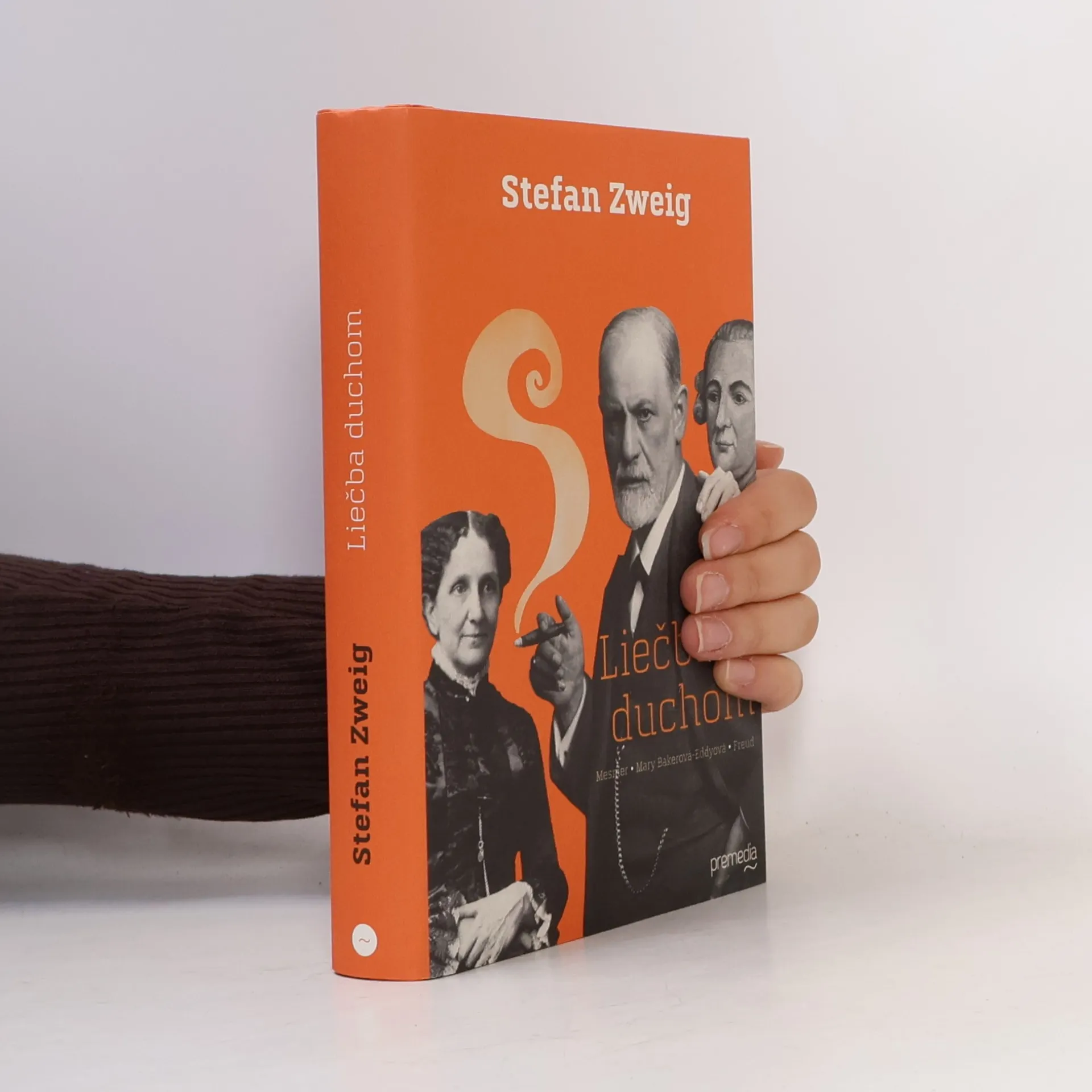
Zweigova kniha predstavuje troch priekopníkov psychologických liečebných metód, ktoré z dnešného pohľadu vyzerajú častokrát bizarne. Prvé dve kapitoly venuje dvom dosť excentrickým osobnostiam. Švajčiarsky lekár Franz Anton Mesmer, označovaný ako praotec hypnózy a psychoterapie, sa pokusmi s magnetickými kameňmi a neskôr použitím sugescie pokúšal aktivovať v pacientovi samoliečebné sily. Americká náboženská vodkyňa Mary Bakerová-Eddyová verila, že má kľúč k vyliečeniu všetkých chorôb - tie podľa nej mali pôvod v ľudskej mysli a preto sa dajú liečiť vierou a odmietnutím choroby na úrovni vedomia. Až Sigmund Freud pomocou analýzy pacientovej duše odhalil nevedomie ako možnú podstatu choroby. Stefan Zweig nebol mesmeristom, ani kresťanským scientistom a za všeliek nepovažoval ani Freudovu psychoanalýzu. V dejinách ľudskej kultúry ho zaujímajú najmä tie tvorivé okamihy a kľúčové momenty, ktoré prinášajú nové poznatky a menia dovtedajší obraz sveta.
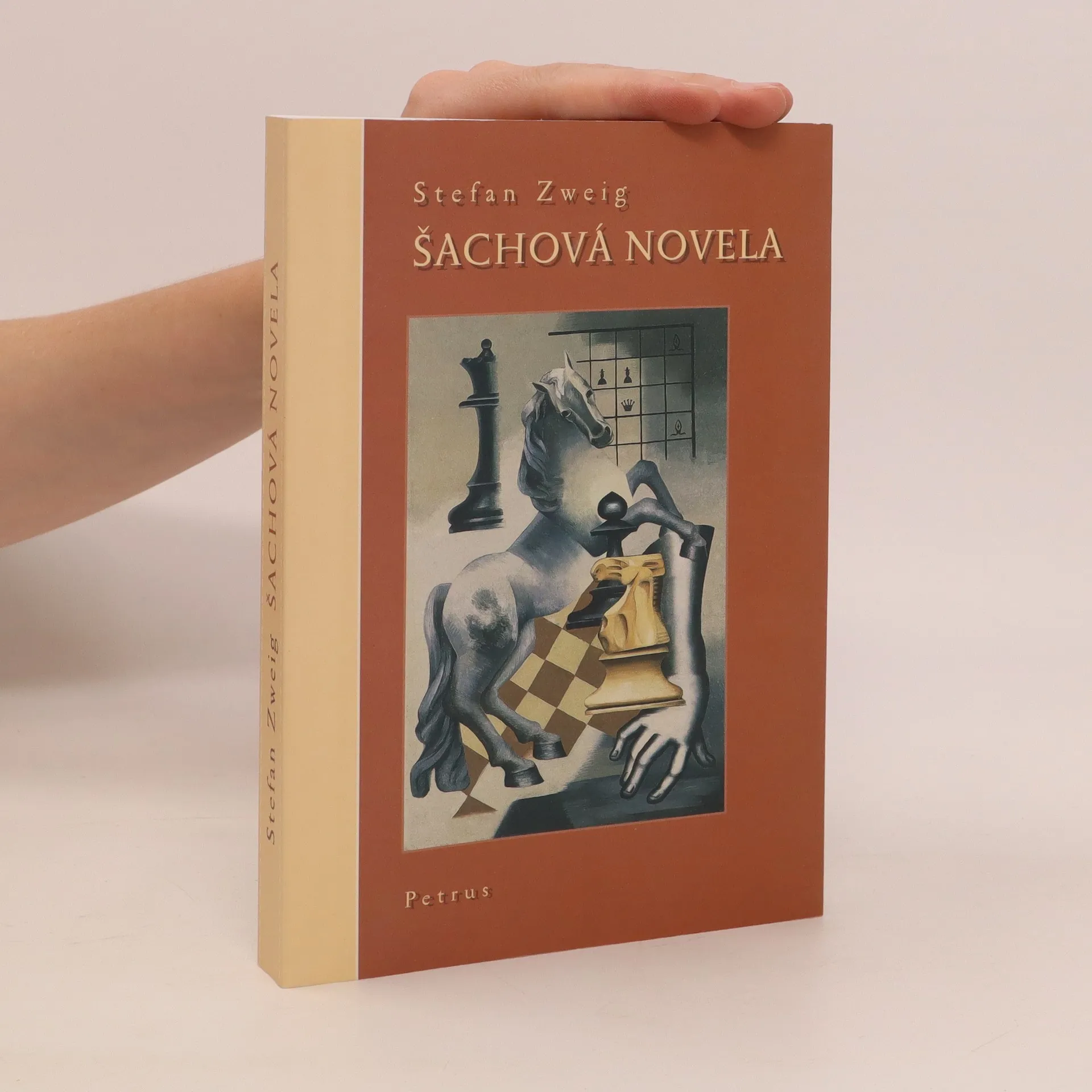
Šachová novela je literárnou perlou Zweigovej novelistickej a poviedkovej tvorby. Autor v diele bravúrne rozvíja príbeh, ktorý vyvrcholí konfrontáciou dvoch šachových majstrov počas plavby parníkom z New Yorku do Buenos Aires. Krátko po vyplávaní lode vyzve zopár šachových nadšencov na súboj jedného z prominentných pasažierov, šachového veľmajstra Mirka Czentovica. Prvú partiu vyhrá Czentovic a porazení žiadajú odvetu. Spočiatku je veľmajster v prevahe, vtom sa však k hráčom pripojí nenápadný muž, poradí im niekoľko skvelých ťahov, a partia sa skončí remízou. Kto je tento doktor B., záhadný brilantný šachista? Ako sa súboj skončí?...
Strhujúci príbeh vášnivo zaľúbenej ochrnutej dievčiny a súcitného mladého poručíka z miestnej vojenskej posádky zaujal nielen čitateľov v rozličných krajinách, kde román vyšiel, ale aj dramatických tvorcov, ktorí z neho vytvorili sugestívny film s večne aktuálnou témou. Zweigov román nastoľuje závažný etický problém a je súčasne aj obrazom mravov a spoločenských pomerov v Rakúsko-uhorskej monarchii v epoche vyúsťujúcej do prvej svetovej vojny.
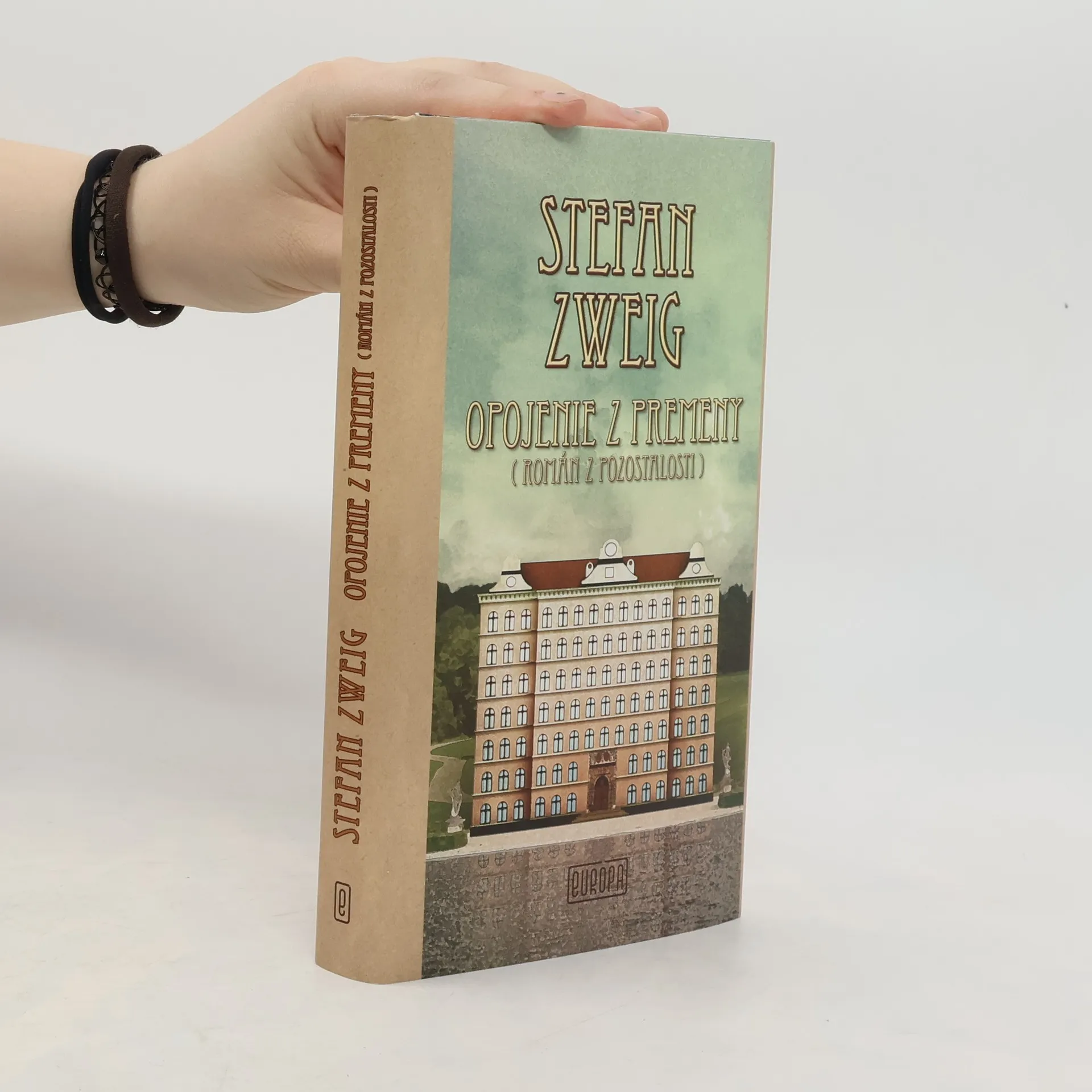
Opojenie z premeny
- 248 stránok
- 9 hodin čítania
Stefan Zweig (1881 – 1942) bol rakúsky spisovateľ, esejista a pacifista, ktorý sa zasadzoval za zjednotenú duchovnú Európu a harmóniu medzi národmi a kultúrami. Jeho život bol poznačený oboma svetovými vojnami; proti prvej sa postavil, zatiaľ čo druhá ho zlomila a viedla k jeho samovražde. Vo svojej literárnej činnosti neúnavne obhajoval právo na uznanie prirodzenosti človeka a odmietal pokrytectvo. Silne ovplyvnený Freudovou psychoanalýzou, zobrazoval postavy zmietané vášňami, od historických osobností po obyčajných ľudí. Po emigrácii do Spojeného kráľovstva a neskôr do Brazílie sa jeho život skončil tragicky, keď sa dozvedel o ničení kultúrnych hodnôt nacistami. V jeho románe je príbeh dievčiny, ktorá z monotónneho života v malej obci preniká do veľkomestskej smotánky, kde sa stáva krásavica obletovaná majetnými vrstovníkmi. Jej "opojenie z premeny" však netrvá dlho. Dielo je plné kontrastov, stereotypov a boja o priazeň, pričom dokonale vystihuje vnútorné prázdno, ktoré po vojne zasiahlo premýšľajúcich ľudí. Písané začiatkom tridsiatych rokov, dielo vyšlo až posmrtne v roku 1982, keď autorovi bránila v práci ekonomická a politická situácia v Európe.
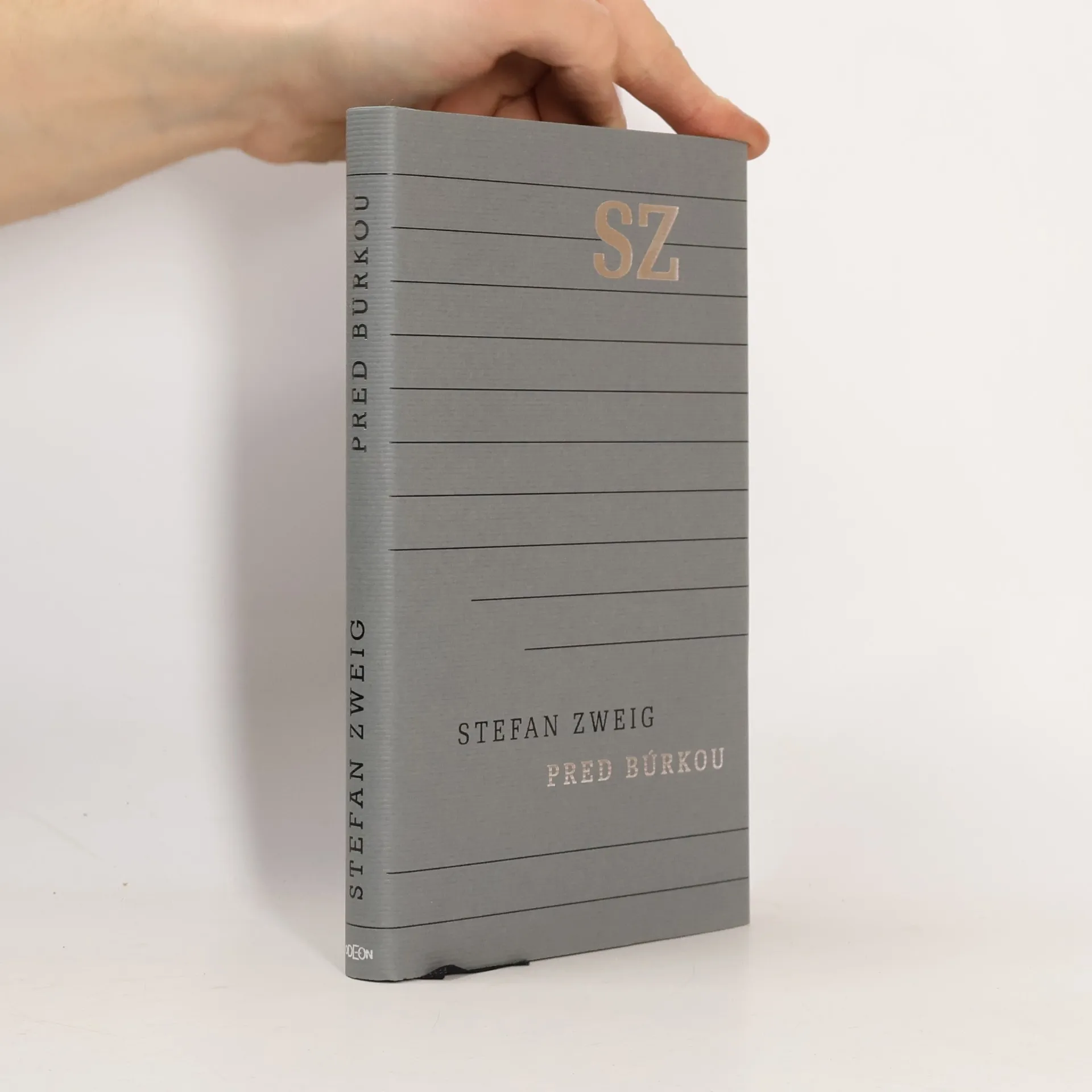
Pred búrkou
- 184 stránok
- 7 hodin čítania
Rok po vypuknutí prvej svetovej vojny napísal Stefan Zweig znepokojujúcu esej o počiatku tejto katastrofy. „Európa na prelome storočia: Mierové zvony ohlasovali nové, posledné storočie druhého tisícročia...“ Tak znie začiatok nespravodlivo zabudnutej práce, ktorá sa nespomína v žiadnej významnej biografii. O eseji sa vie málo, isté je, že bola úvodom ku knihe Dejiny veľkej vojny s dôrazom na zohľadnenie úlohy Rakúsko-Uhorska. Tento spis vyšiel pod názvom Nedeliteľné a nerozlučiteľné a dokumentoval bratstvo v zbrani medzi Nemeckom a Rakúsko-Uhorskom. Stefan Zweig vtedy patril k Literárnej skupine, ktorá počas prvej svetovej vojny pracovala vo vojenskom ústave. Pričinil sa o to Zweigov chatrný zdravotný stav, ale zaiste aj samotná predstava, že by sa ako presvedčený pacifista a humanista chopil zbrane. Ešte donedávna vyzýval ľudí, aby „učili mládež nenávidieť nenávisť“, teraz sa púšťal do militaristického textu. Stefan Zweig nás v eseji Pred búrkou, ktorá sa na verejnosť dostáva po viac ako storočí, sprevádza obdobím rakúsko-uhorskej monarchie, ponúka pohľad do viacerých európskych dynastií a osvetľuje, ako sa vojna stávala každým dňom nevyhnutnou. Je to brilantná kniha neoceniteľnej hodnoty a predovšetkým varovný prst pre dnešnú Európu, v mnohom až zarážajúco podobnú tej predvojnovej.
Montaigne
- 112 stránok
- 4 hodiny čítania
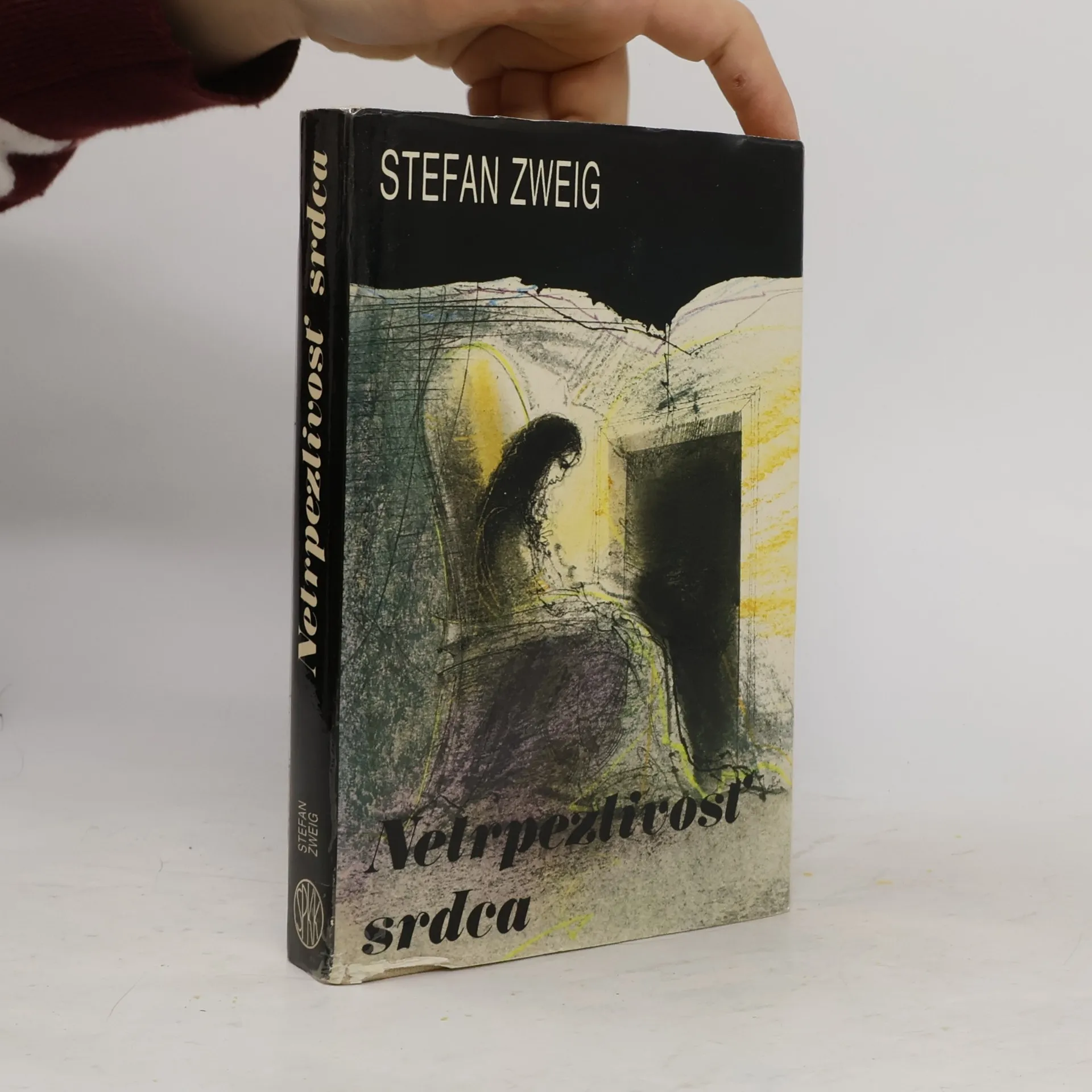
Velikán svetovej literatúry Stefan Zweig (1881 – 1942), spisovateľ, esejista, básnik a prekladateľ, stále oslovuje svojím dielom nových a nových čitateľov. V slovenskom preklade vyšli napríklad jeho romány Opojenie z premeny, Netrpezlivosť srdca, eseje Hviezdne hodiny ľudstva, Liečba duchom, autobiografický román Svet včerajška, biografické romány Balzac, Mária Antoinetta či Mária Stuartová. Sujetom poslednej Zweigovej knihy je renesančný mysliteľ, humanista a skeptik, otec literárnej esejistiky, Michel de Montaigne. Hoci biografia Montaigne nebola dokončená, zostali v nej autorove poznámky, ktoré zvykol vždy pred vydaním knihy odstrániť, nie je to jej nedostatkom, naopak. Podáva svedectvo nielen o Montaigneovi a jeho dobe, ale aj o Zweigovi. Biografia Montaigne vznikla šťastnou náhodou. Stefan Zweig utiekol s nacistami okupovanej Európy do Brazílie, kde sa usadil v meste Petrópolis. Práve tu objavil Montaigneove dvojzväzkové Eseje, ktoré vnímal ako útechu vo svojom postavení vyhnanca. Montaigneov životopis písal s veľkým zaujatím, videl paralelu medzi nacistickou brutalitou a náboženskými vojnami v časoch Montaigneových. Za štyristo rokov sa ľudstvo nezmenilo. Stefan Zweig vzdáva úctu Michelovi de Montaigne, človeku a humanistovi, ktorý nikdy nezradil svoje vnútorné presvedčenie a aj v najťažších časoch zostal homme libre, slobodným človekom. Slovenský preklad je doplnený o esej Mareka Kurtu Zweig vs Montaigne.
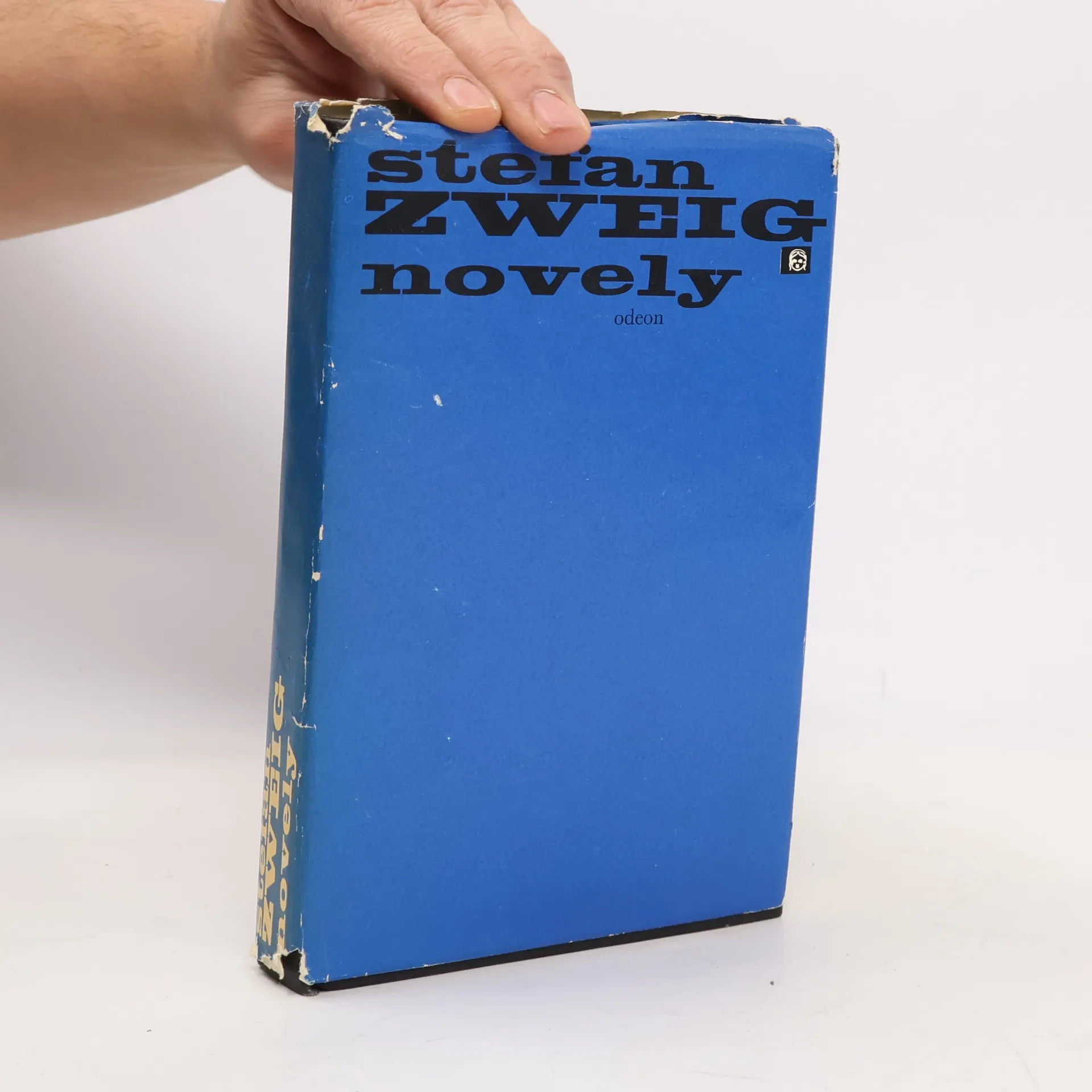
Novely: Amok, Dvadsaťštyri hodín zo života istej ženy, Oči večného brata, Mučivé tajomstvo, Letná novielka, Knihomoľ, List neznámej, Fantastická noc, Neviditeľná zbierka, Strach, Šachová novela. Vyšlo v edícii Tvorba národov.
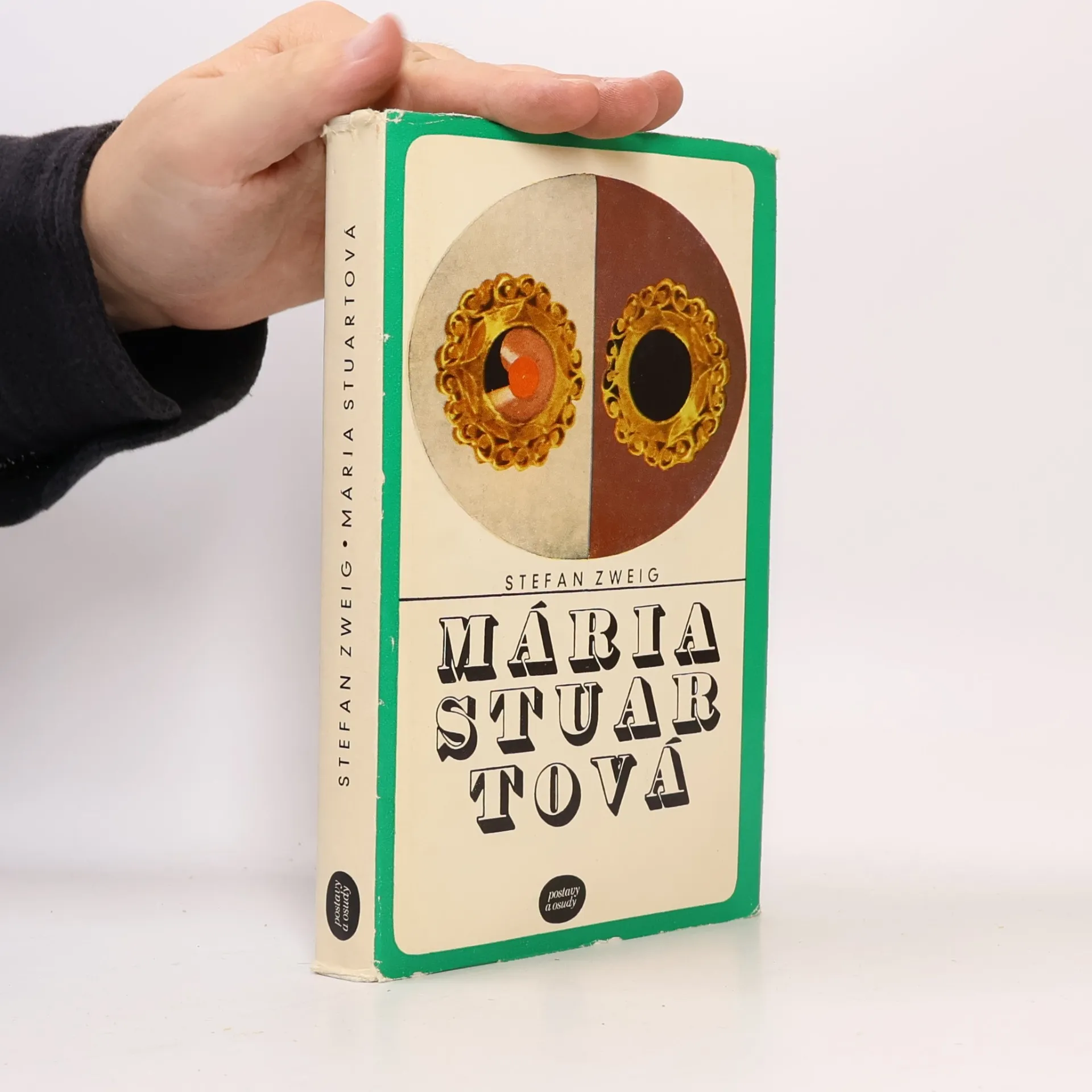
Dramatický život škótskej kráľovnej Márie Stuartovej, ako aj jeho zobrazenie v rôznych dobových dokumentoch a neskorších literárnych dielach, podrobil S. Zweig podrobnému skúmaniu. Výsledkom je rozsiahly životopisný román, v ktorom autor plasticky vykresľuje pomery na kráľovskom dvore, intrigy, politické záujmy ovplyvňujúce ľudské (i kráľovské) životy. Ilustrácie: reprodukcie dobových portrétov
Le Livre de Poche: Conscience contre violence
- 288 stránok
- 11 hodin čítania
À partir du conflit exemplaire entre Sébastien Castellion (1515 - 1563) et Calvin, Stefan Zweig nous fait vivre un affrontement qui déborde de beaucoup son cadre historique. Cette cause nous intéresse tous: liberté et tolérance contre intégrisme. Si Stefan Zweig finit de rédiger ce texte prémonitoire en 1936, en pleine montée du fascisme, il faut y voir un sens profond. En effet, comment ne pas faire le rapprochement entre la ville de Genève et l'Allemagne nazie, entre Calvin et Hitler, les sbires de Farel et les hordes hitlériennes? Quelques décennies plus tard, fanatisme religieux et résurgence des extrêmes droites doivent à nouveau nous ouvrir les yeux. Cet écrit polémique devient alors une charge d'une force redoutable.
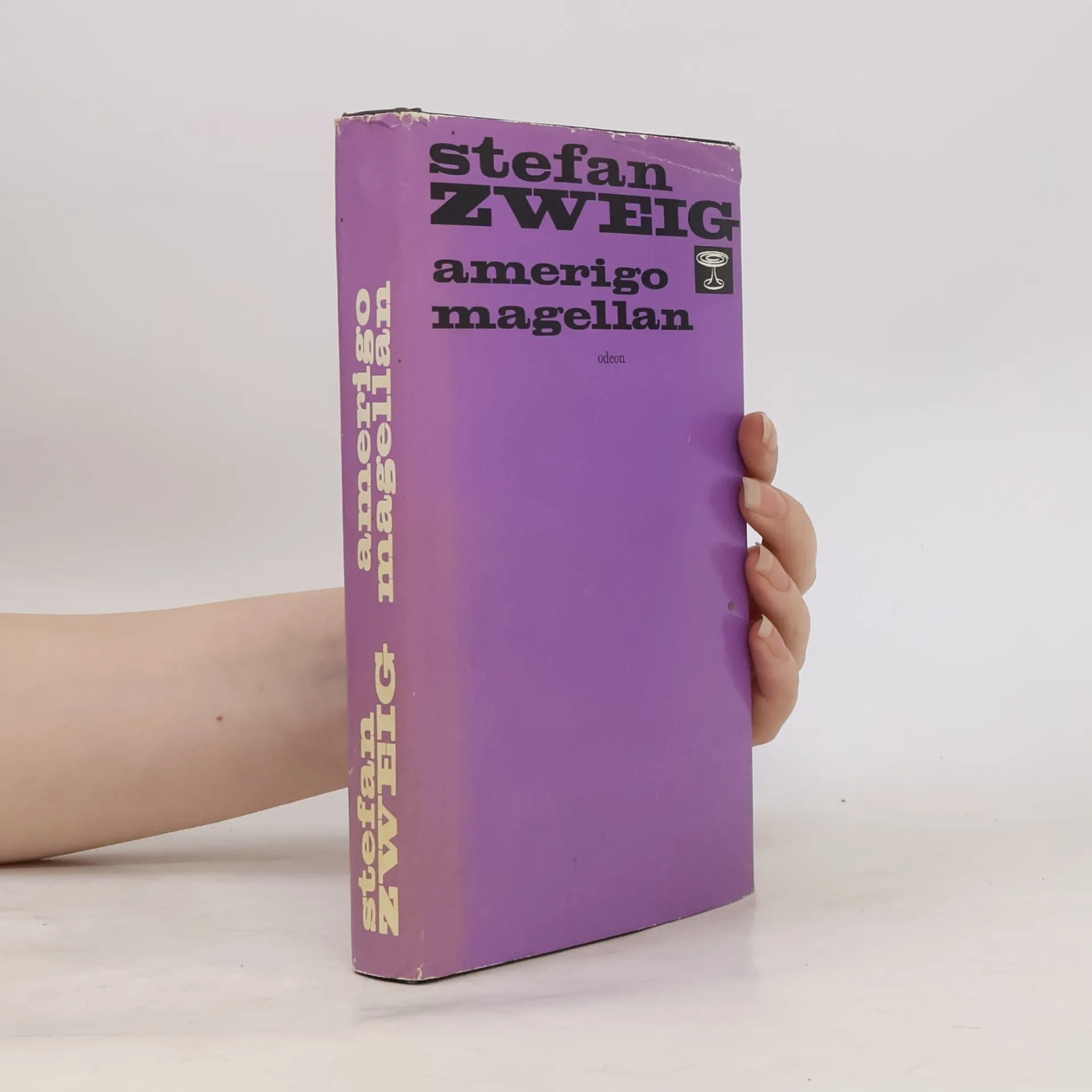
Amerigo & Magalhães
- 320 stránok
- 12 hodin čítania
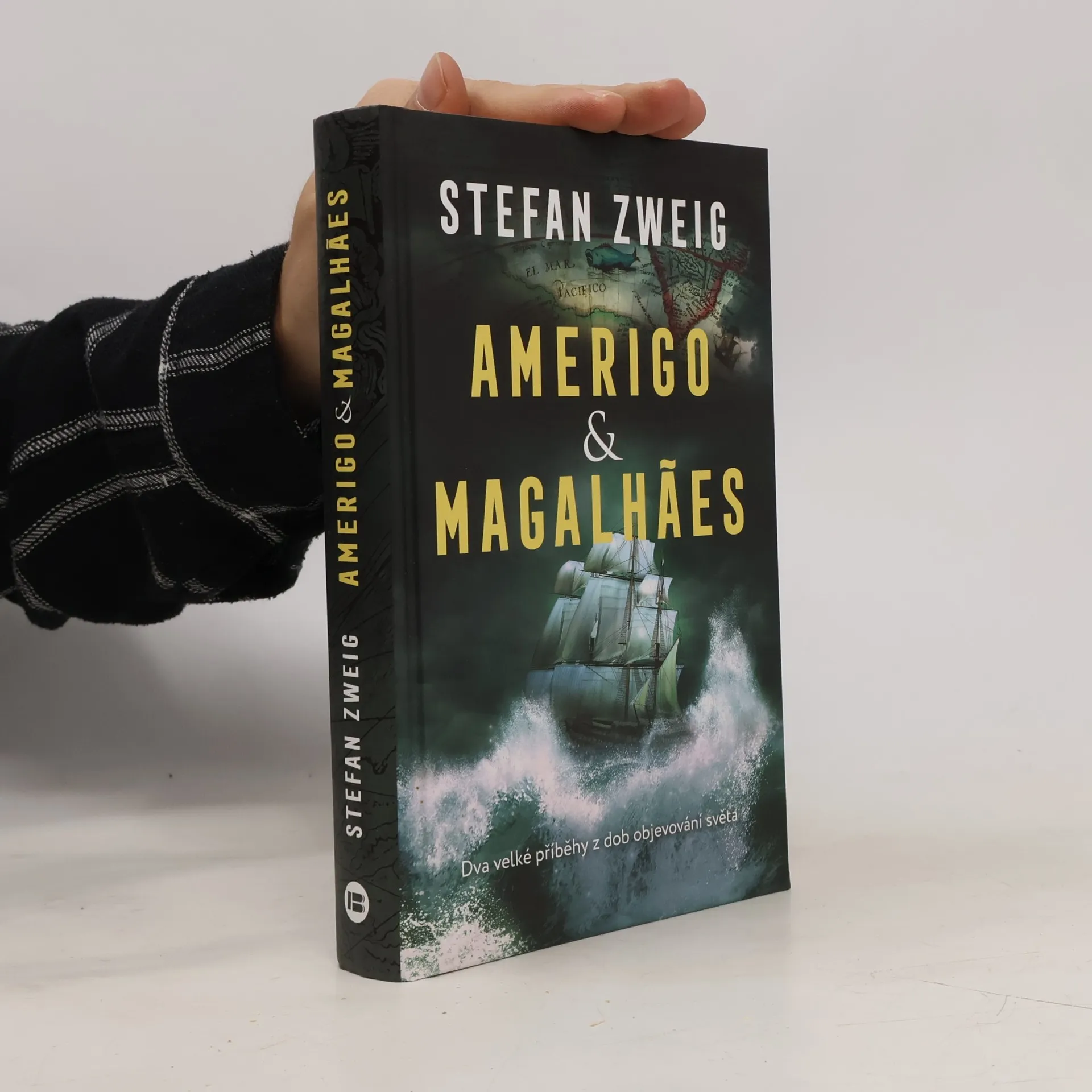
Proč se Amerika jmenuje Amerika a ne Kolumbie podle svého objevitele? Italský mořeplavec Amerigo Vespucci ji neobjevil, a nebyl ani tím, kdo jako první překročil Panamskou šíji a spatřil Tichý oceán, aby dokázal, že jde o nový kontinent. Zúčastnil se několika výprav do Nového světa, ale nevedl je. Ovšem psal o nich. Ale jen díky souhře mnoha neuvěřitelných náhod a omylů, které jsou samy o sobě fascinující příběhem, jenž nemá v historii obdoby, dostal nový kontinent jeho jméno. – Těmito otázkami se zabývá Zweigův životopisný román Amerigo (1944), první část svazku. Druhá část Magalhães (1938) je věnována slavnému portugalskému mořeplavci a jeho neuvěřitelné plavbě kolem světa, kterou podnikl v letech 1519–1521, která s konečnou platností dokázala, že je Země kulatá.
Amok; Fantastická noc; Knihomol; Letní novelka; Mučivé tajemství; Neviditelná sbírka; Šachová novela; Zmatení citů; Doslov - Eduard Urban
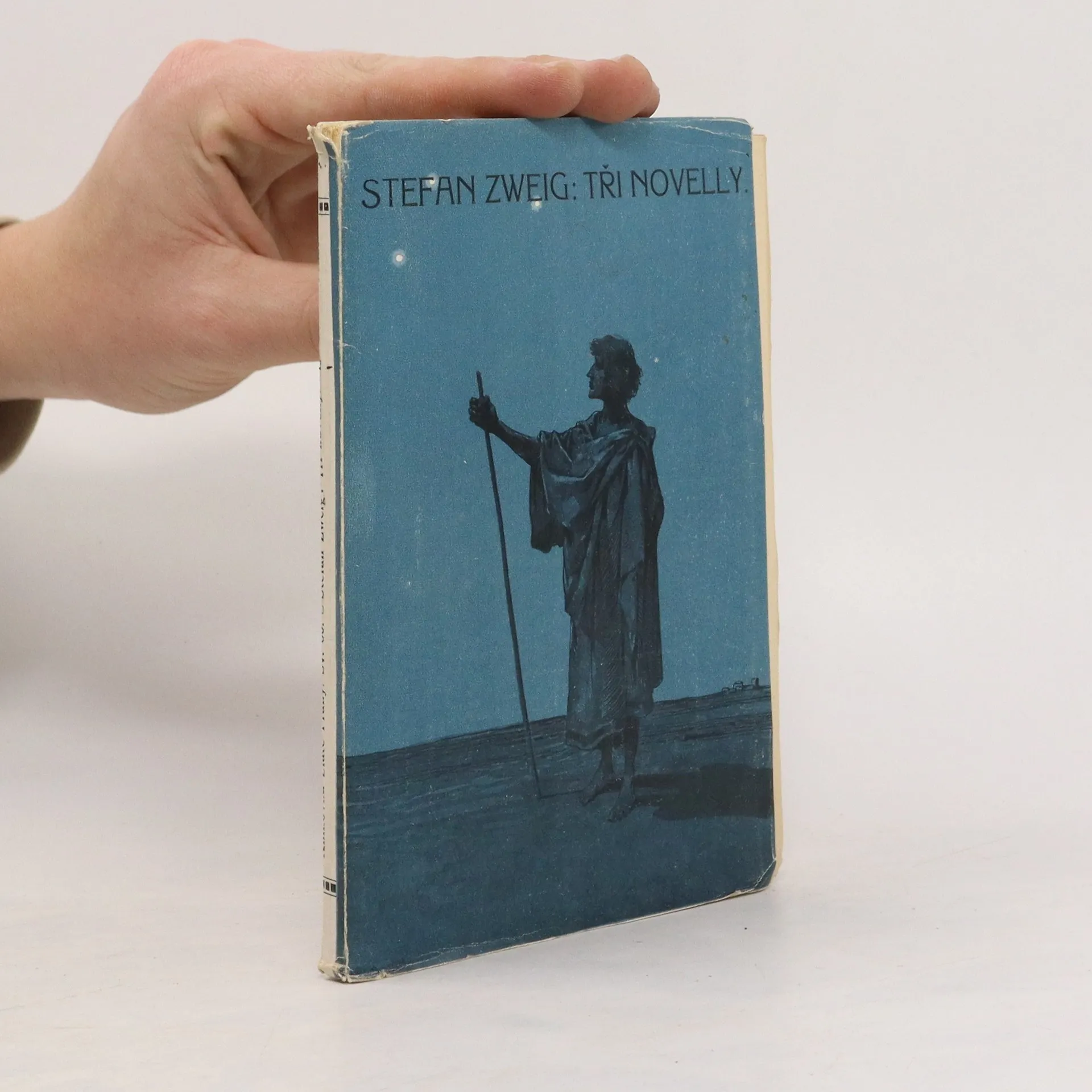
Novely: Putování, Zázraky života, Povídka za soumraku
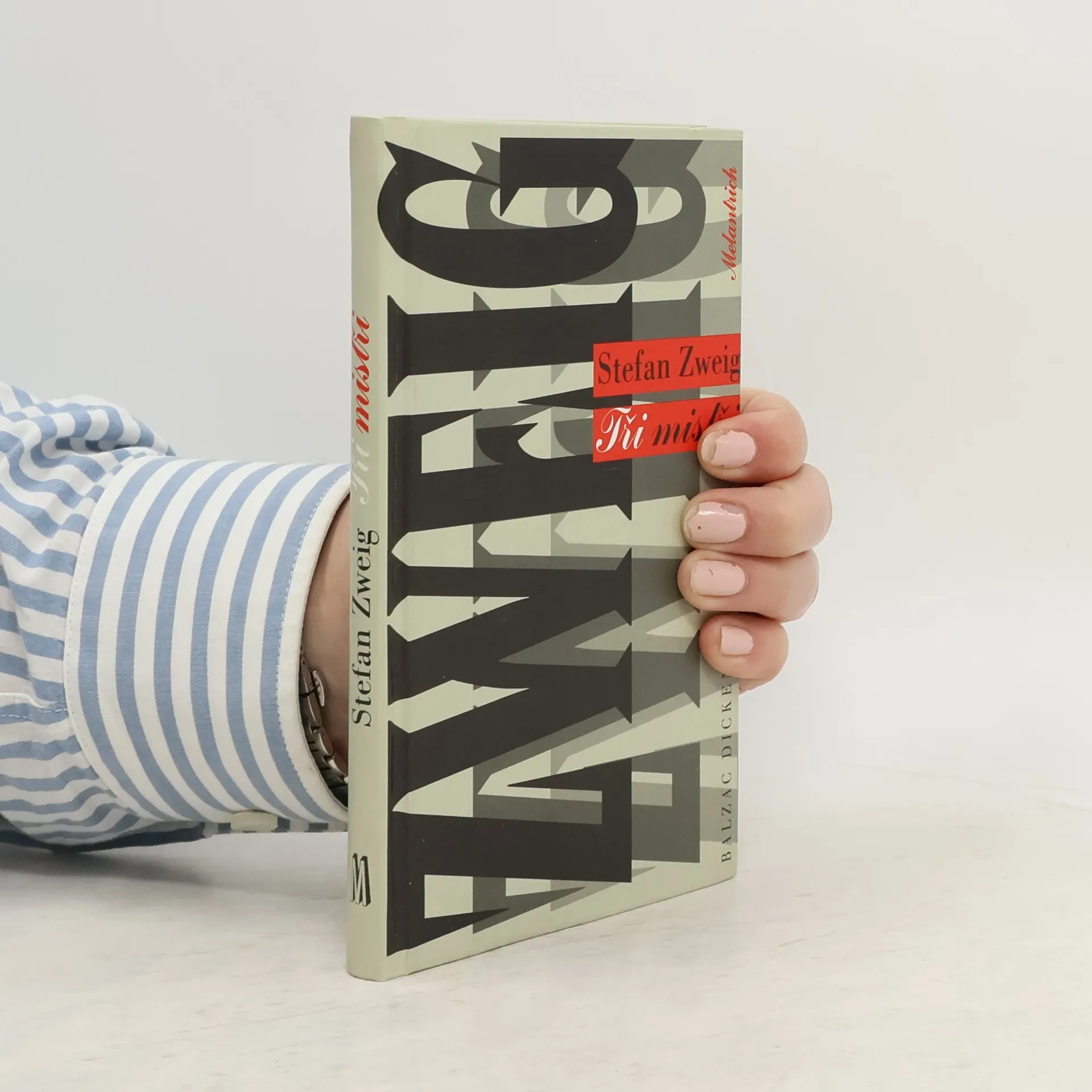
Stefan Zweig o svých esejích, zabývajících se třemi spisovateli 19. století – Balzakem, Dickensem a Dostojevským, řekl: „Jednotným záměrem knihy bylo pokusit se ukázat tyto tři velké a podle mne jediné romanopisce 19. století jako typy, které se právě kontrastností svých osobností vzájemně doplňují.“
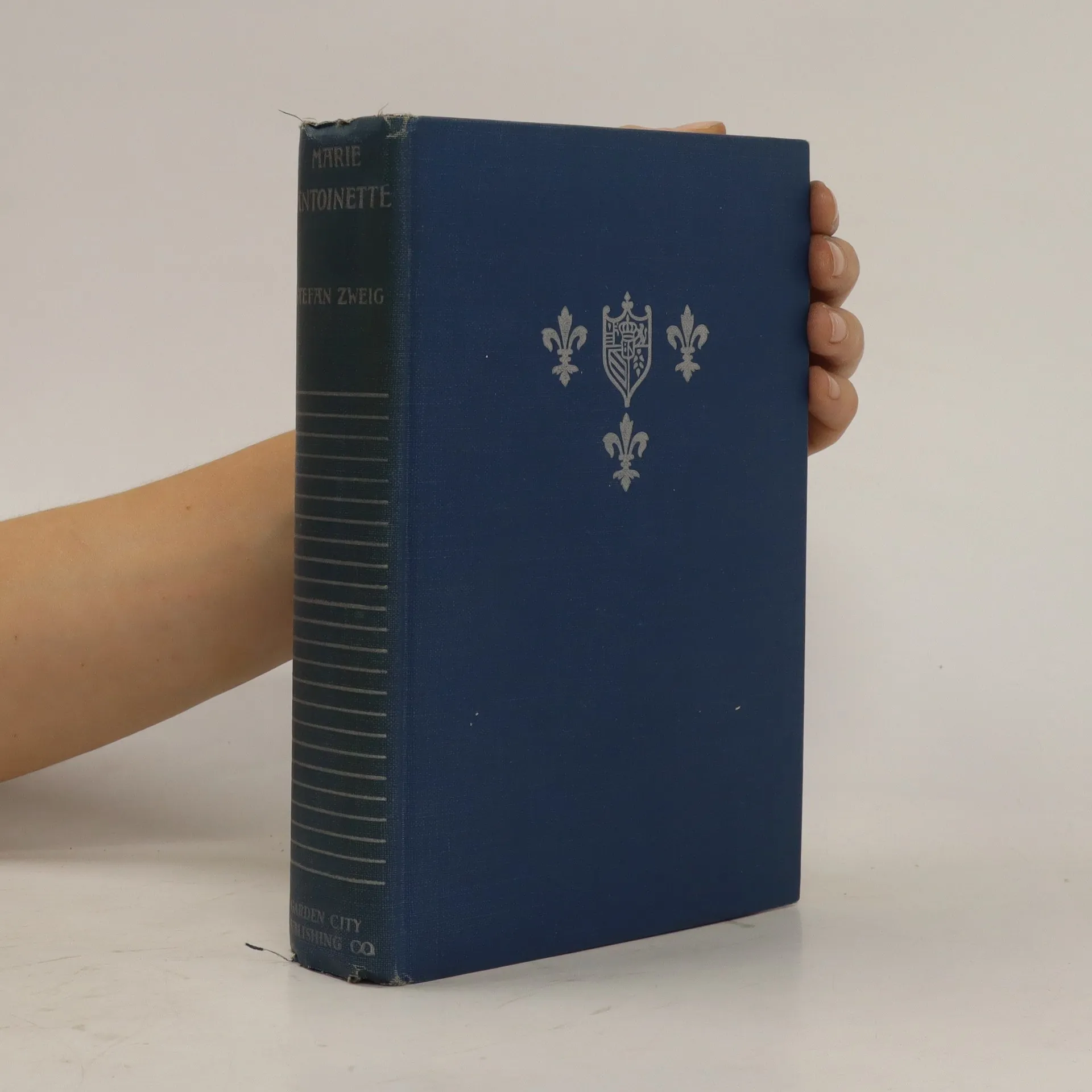
Life at the court of Louis XVI and Marie Antoinette has long captivated readers, drawn by accounts of the intrigues and pageantry that came to such a sudden and unexpected end. Stefan Zweig's Marie Antoinette: The Portrait of an Average Woman is a dramatic account of the guillotine's most famous victim, from the time when as a fourteen-year-old she took Versailles by storm, to her frustrations with her aloof husband, her passionate love affair with the Swedish Count von Fersen, and ultimately to the chaos of the French Revolution and the savagery of the Terror. An impassioned narrative, Zweig's biography focuses on the human emotions of the participants and victims of the French Revolution, making it both an engrossingly compelling read and a sweeping and informative history. "Certainly no one can arise unmoved from the reading of this powerful work." -- The New Republic "Excellent biography." -- The New York Times
Zweigs frühe Erzählung entstand 1913 und wurde noch im gleichen Jahr publiziert, erscheint hier aber in der von ihrem Autor überarbeiteten Fassung des Buchdrucks von 1925, die Zweig um zahlreiche, »aus seiner späteren Sicht offenbar allzu ›expressive‹ Passagen gekürzt« hat, so der Herausgeber Michael Scheffel. Die beklemmende Atmosphäre der Geschichte, in der die Hauptfigur von einer ihr unbekannten Frau wegen ihres Geliebten erpresst wird, hat Zweig meisterhaft eingefangen – einer der Gründe, warum dieser Text inzwischen zum ausgewiesenen Schulklassiker geworden ist.
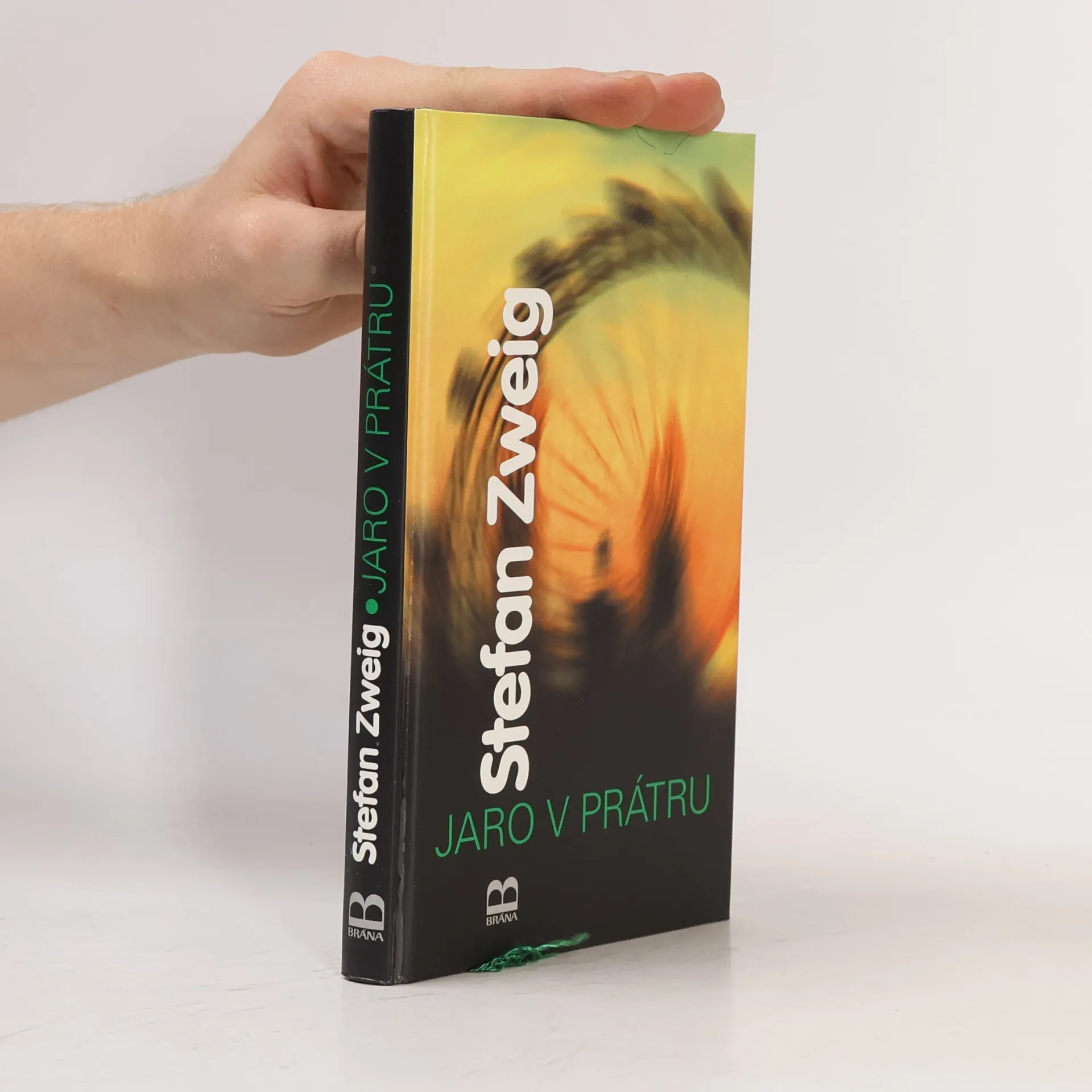
Jaro v Prátru
- 211 stránok
- 8 hodin čítania
Výbor sedmi kratších próz, povídek a novel. Krásným jazykem je v nich zachyceno několik velmi odlišných podob lásky.
Confusion
- 160 stránok
- 6 hodin čítania
A new pocket edition of this tale of intense friendship and suppressed passion from the master of the novella
Výbor obsahuje čtyři prózy napsané v letech 1922-1929: Měsíční ulička, Leporella, Zánik srdce, Čtyřiadvacet hodin ze života jedné ženy. Tyto Zweigovy novely jsou studiemi duše, studiemi podob citů a vášně. Svá témata volí autor z neznámého a strašného v lidské duši, co se v jediném okamžiku odhalí a zmocní celé osobnosti, dožene ji k činu a vydá ji na pospas sebezničující síle. Vášnivá láska k ženě, k dceři, k hazardní hře, vášnivá pomstychtivost, vášeň, která zatemní rozum a všechny ostatní smysly. Přeložila Ivana Vízdalová.
Twenty-Four Hours in the Life of a Woman
- 96 stránok
- 4 hodiny čítania
This classic Austrian novella paints a deeply moving portrait of a woman whose quest for passion and purpose comes at a steep price The less I felt in myself, the more strongly I was drawn to those places where the whirligig of life spins most rapidly. So begins an extraordinary day in the life of Mrs C—recently bereaved and searching for excitement and meaning. Drawn to the bright lights of a casino, and the passion of a desperate stranger, she discovers a purpose once again but at what cost? In this vivid and moving tale of a compassionate woman, and her defining experience, Zweig explores the power of intense love, overwhelming loneliness and regret that can last for a lifetime.
Bedrängte und Bedrohte, jüdische Minderheiten, Kriegsgegner und -opfer, um ihrer selbst willen Verfolgte. Alle diese Erzählungen sind Beispiele des Kampfes von Sensibilität und Intellekt gegen Brutalität und Ungeist, nicht zuletzt in der Hoffnung geschrieben, auch andere von den Zielen der Menschlichkeit zu überzeugen. Denn: "In der Kunst spielen Mut und Glauben eine enorm wichtige Rolle; diejenigen, die nicht vor Überzeugung brennen, haben nicht die Macht, andere zu begeistern." Die Sammlung enthält Zweigs bedeutendste und meist gelesene Erzählung, die Schachnovelle .
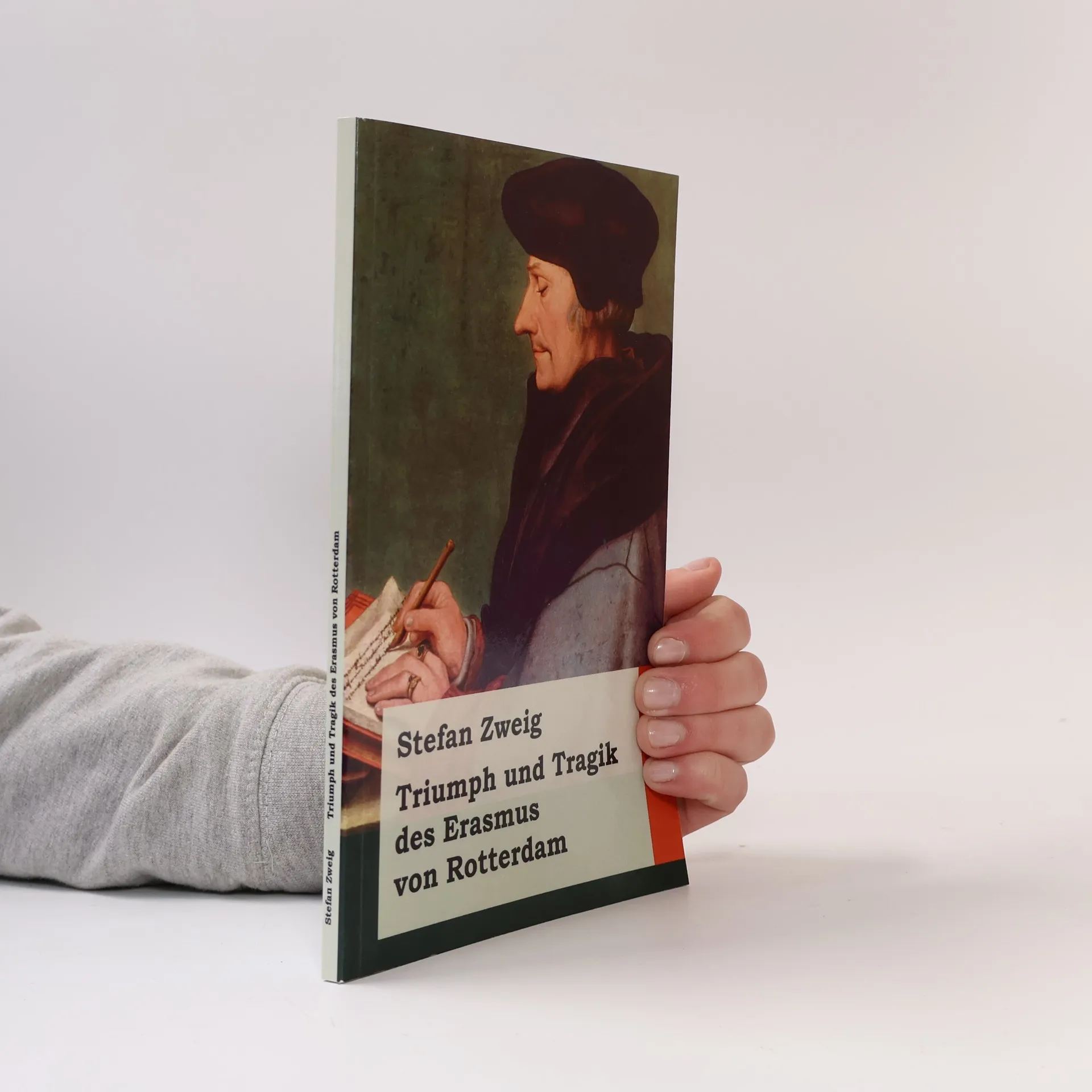
Triumph und Tragik des Erasmus von Rotterdam
- 116 stránok
- 5 hodin čítania
Stefan Zweig: Triumph und Tragik des Erasmus von Rotterdam Edition Holzinger. Taschenbuch Berliner Ausgabe, 2015 Vollstandiger, durchgesehener Neusatz bearbeitet und eingerichtet von Michael Holzinger Erstdruck Herbert Reichner, Wien 1934. Herausgeber der Reihe: Michael Holzinger Reihengestaltung: Viktor Harvion Umschlaggestaltung unter Verwendung des Bildes: Hans Holbein der Jungere, Portrat des Erasmus von Rotterdam, 1523 Gesetzt aus Minion Pro, 11 pt.
The Struggle with the Daemon
- 334 stránok
- 12 hodin čítania
Zweig studies three giants of German literature and thought: Friedrich Hölderlin, Heinrich von Kleist, and Friedrich Nietzsche{u2014}powerful minds whose ideas were at odds with the scientific positivism of their age; troubled spirits whose intoxicating passions drove them mad but inspired them to great works
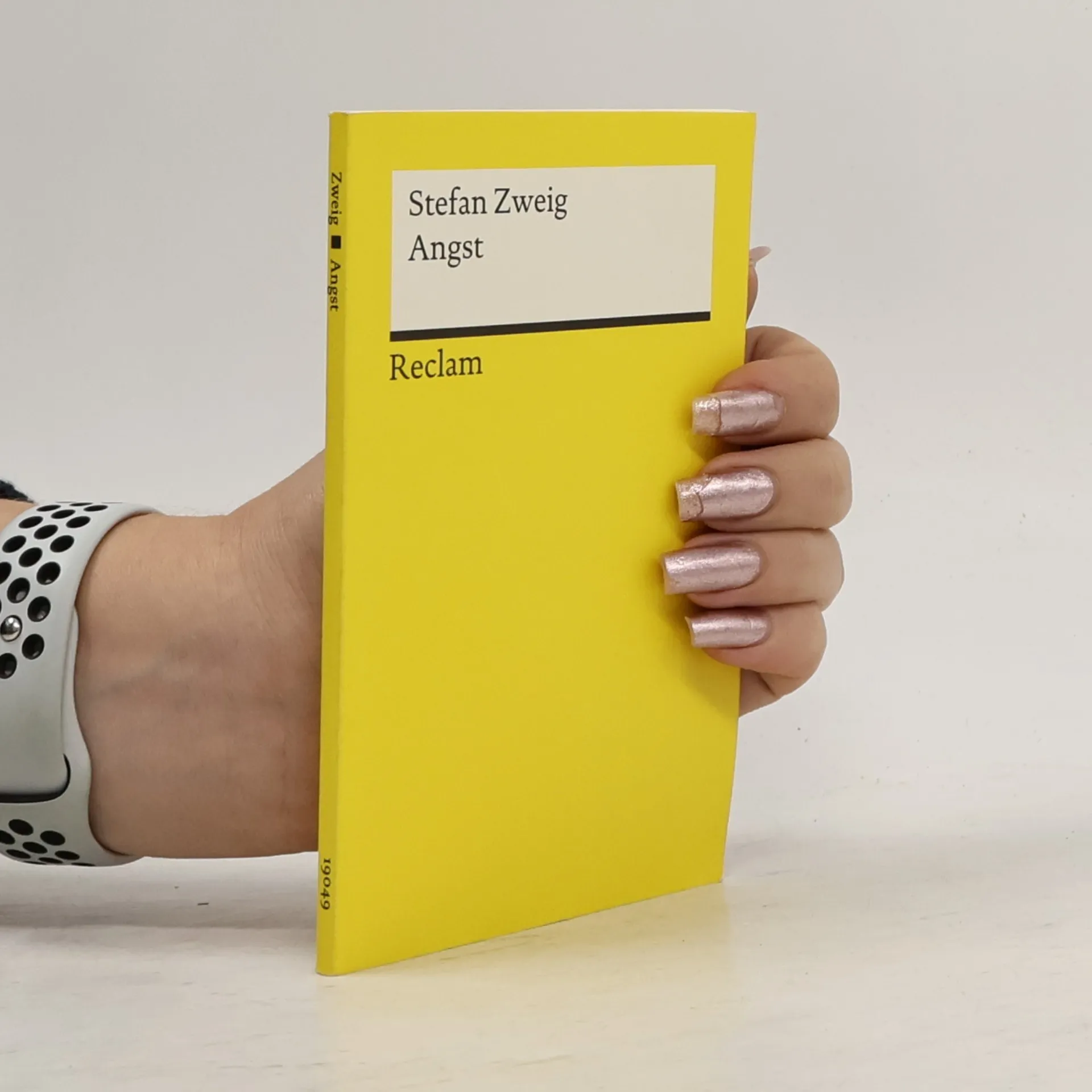
Der Geheime Kommissionsrat Salomonsohn, ein wohlhabender Mann, leidet in einem Hotel in Gardone an Schlaflosigkeit. Während er durch den dunklen Korridor schleicht, entdeckt er seine Tochter Erna, die heimlich zurückkehrt. Geplagt von inneren Konflikten, fragt er sich, welcher der drei Männer sie verführt haben könnte.
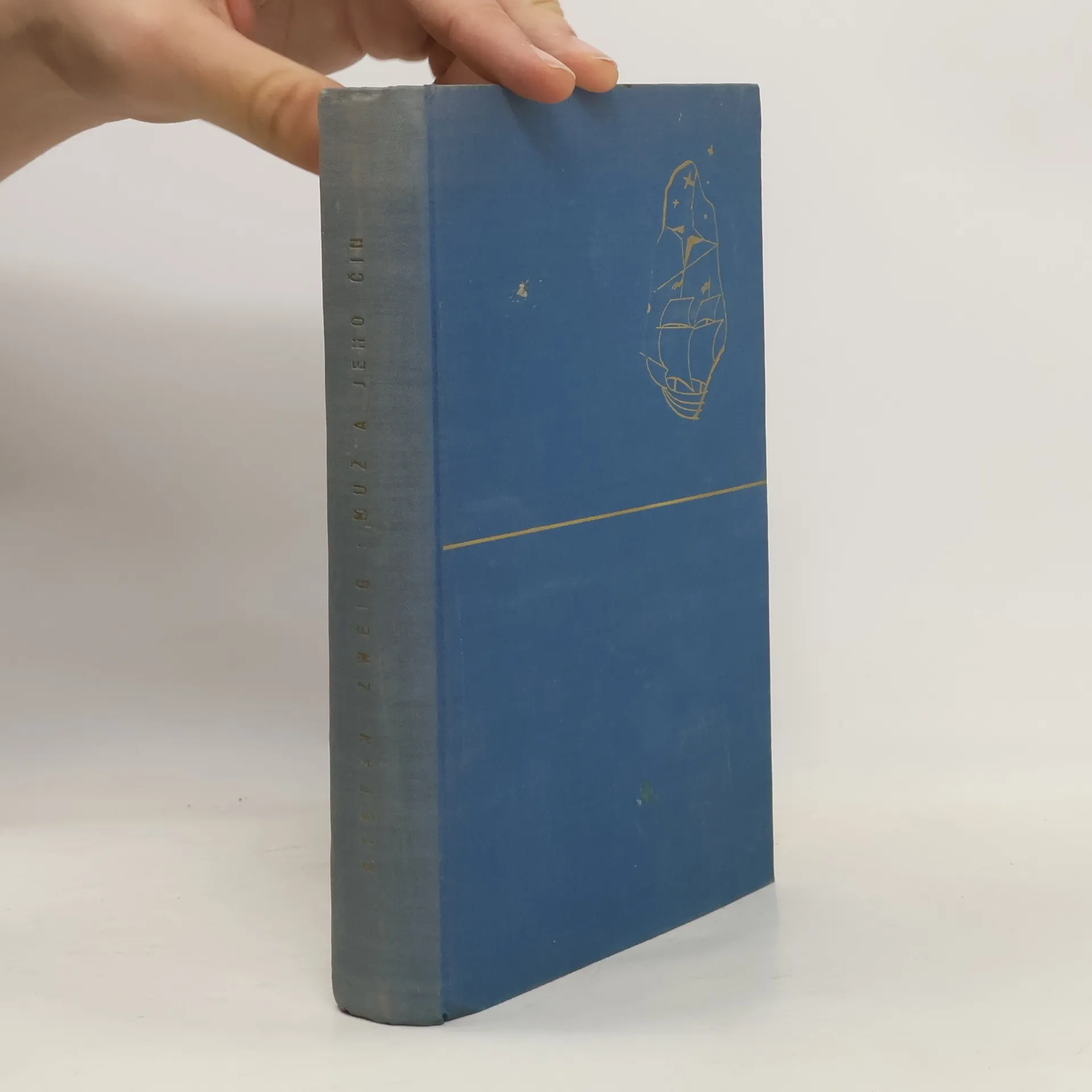
Muž a jeho čin
Magellan
Dvě historické biografie vzniklé v třicátých letech, ve kterých rakouský prozaik, humanistický pacifista (1881–1942), vyzývá za nezávislost smýšlení proti násilnostem fanatismu a ve kterých autor doslovu, historik J. Polišenský odhaluje nejen autorovo hořké komentování tehdejší současnosti, ale i zastřenou autobiografii. První je portrétem humanisty a prvního moderního světoobčana, střetávajícího se s Lutherem, a druhá životopisem osamělého statečného muže téhož století, střetávajícího se tragicky s Kalvínem.
- PRVNÍ SETKÁNÍ - čtyři povídky z dětství - AMOK - ZMATENÍ CITŮ
Středověk se chýlil ke konci, přišlo století zámořských objevů. Touhou Evropanů bylo doplout do Indie, k Ostrovům koření a ještě dále, až k pohádkovým pokladům Kublaj-chána, obchodovat, zbohatnout. Začalo se velké dobrodružství. Jedním z těch statečných mužů, kteří tehdy obohatililidské poznání, byl objevitel Ameriky, Kryštof Kolumbus, ač přitom do konce života věřil, že přistál v Indii. Ale proč dostal nový světadíl jméno po Amerigovi Vespuccim? Jak došlo k tomuto historickému omylu, se ptá i Stefan Zweig a "případ Vespucci“, který po dlouhá léta zaměstnával historiky, se mu stává podnětem k vylíčení nejzajímavějších rysů tehdejší Evropy.
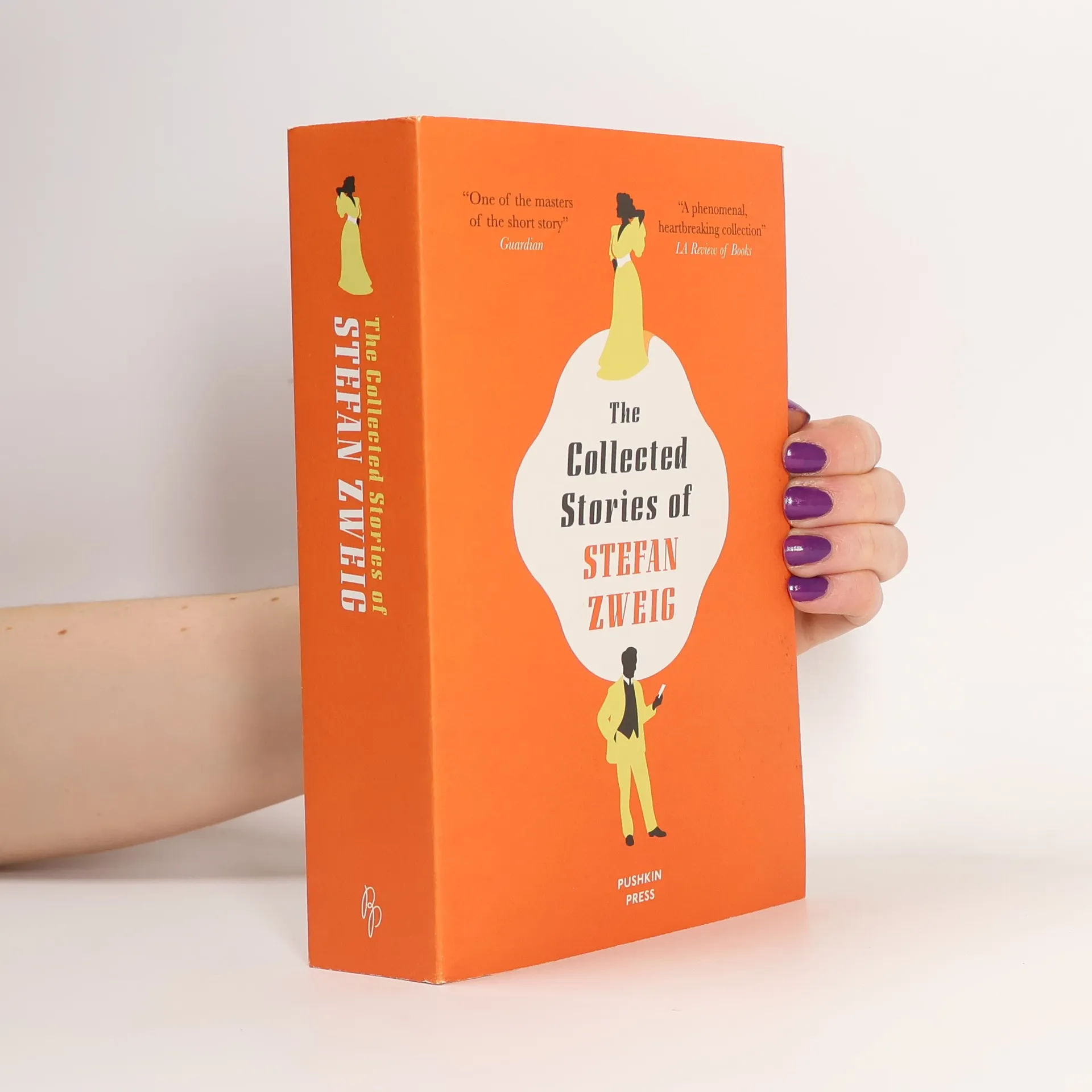
The Collected Stories of Stefan Zweig
- 720 stránok
- 26 hodin čítania
Collected in one volume for the first time: 22 classic short stories of love and death, betrayal and hope—from a master storyteller hailed as “the Updike of his day” (New York Observer) In this magnificent collection of Stefan Zweig’s short stories, the very best and worst of human nature is captured with sharp observation, understanding, and vivid empathy. Ranging from love and death to faith restored and hope regained, these stories present a master at work, at the top of his form. Perfectly paced and brimming with passion, these 22 tales from one of the great storytellers of the 20th century are translated by the award-winning Anthea Bell. Included: Forgotten Dreams In the Snow The Miracles of Life The Star Above the Forest A Summer Novella The Governess Twilight A Story Told in Twilight Wondrak Compulsion Moonbeam Alley Amok Fantastic Night Letter from an Unknown Woman The Invisible Collection Twenty-Four Hours in the Life of a Woman Downfall of the Heart Incident on Lake Geneva Mendel the Bibliophile Leporella Did He Do It? The Debt Paid Late
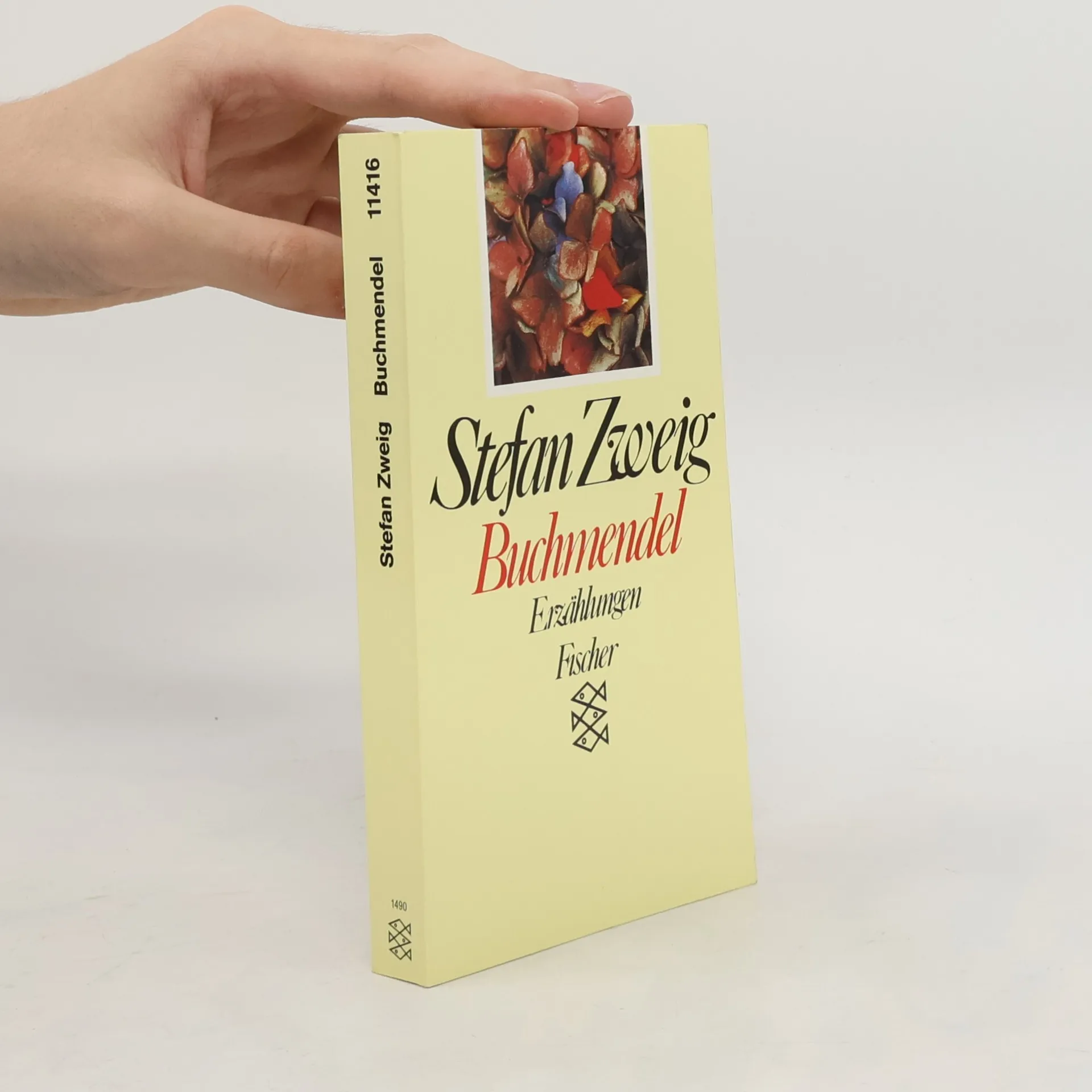
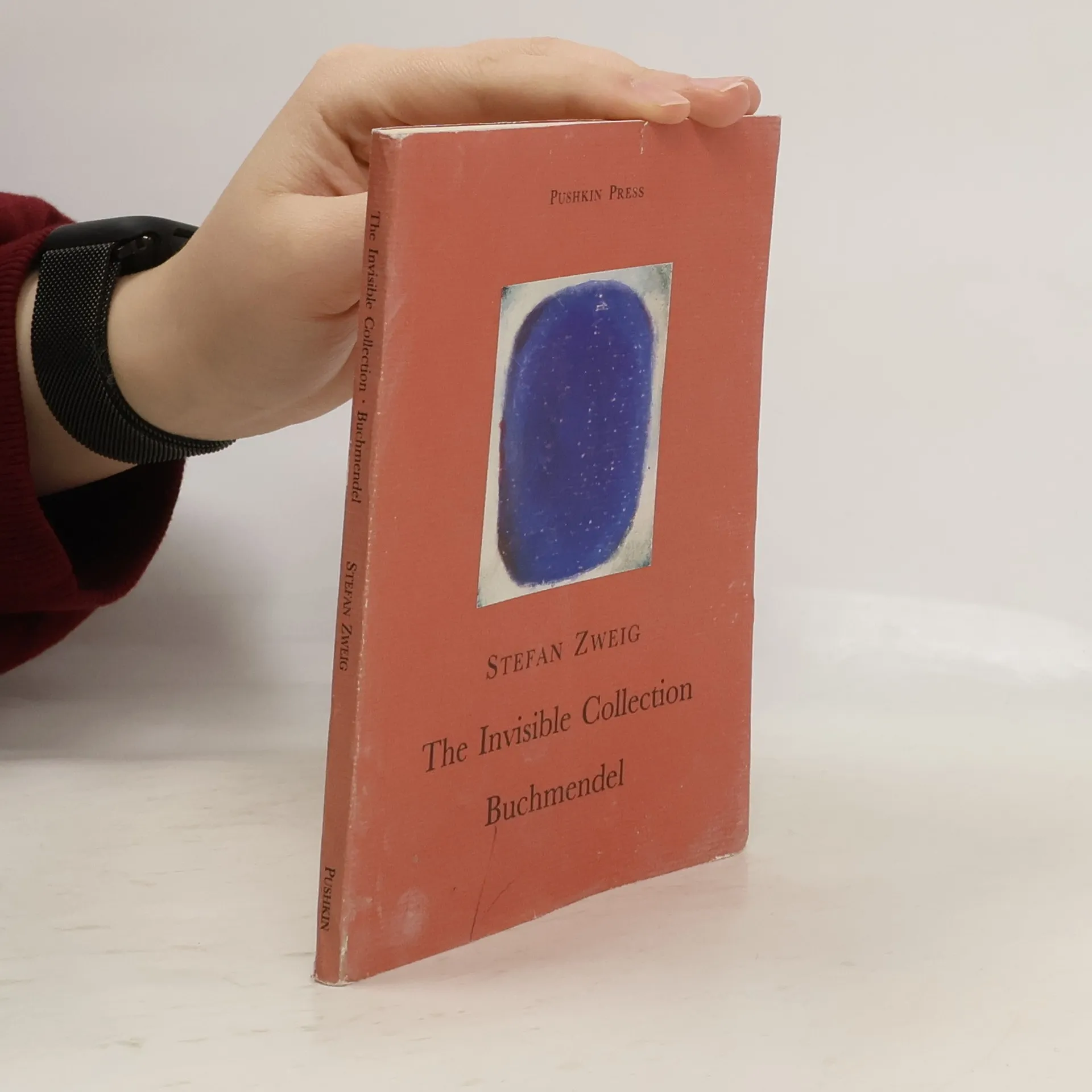
The Invisible Collection/Buchmendel
- 96 stránok
- 4 hodiny čítania
Zweig explores the nature of desire in showing us two lives led in the single-minded pursuit of art and literature, of existential truth against the background of a disintegrating and corrupt Europe. The tragic irony of these two contrasted destinies forces us to confront our own understanding of the purpose of life and art.
The Invisible Collection
- 36 stránok
- 2 hodiny čítania
The story unfolds through an anonymous narrator who embarks on a journey to the provinces in search of a profitable deal. Instead of financial gain, he becomes entangled in a family's gradual descent into tragedy, revealing deep emotional currents and the complexities of human relationships. The narrative explores themes of fate and the unexpected consequences of seemingly simple pursuits.
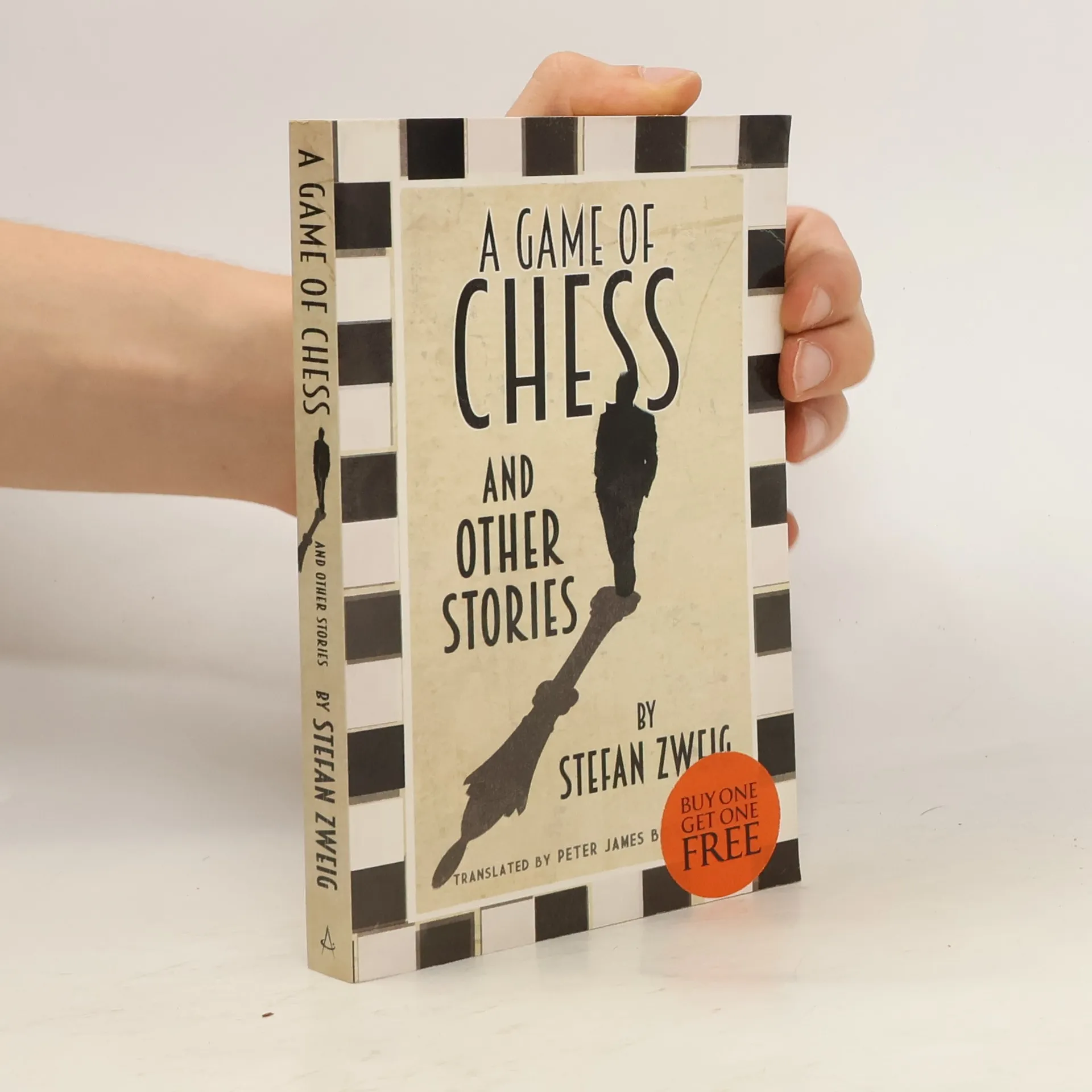
The Game of Chess and Other Stories
- 320 stránok
- 12 hodin čítania
Part of Alma Classics Evergreens series, this new translation of The Game of Chess and Other Stories is here presented in a unique collection.
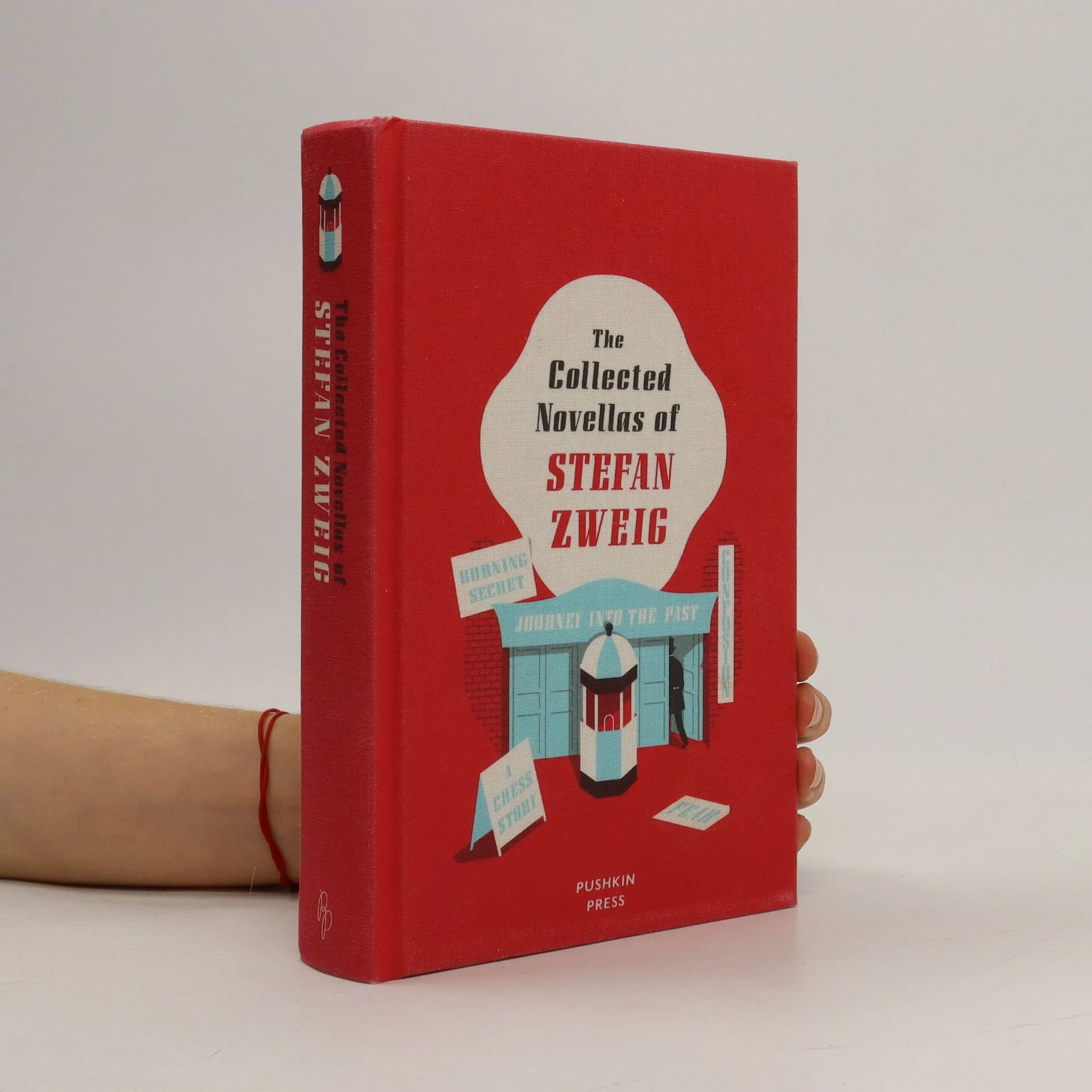
The collected novellas of Stefan Zweig
- 384 stránok
- 14 hodin čítania
A casual introduction, a challenge to a simple game of chess, a lovers' reunion, a meaningless infidelity: from such small seeds Zweig brings forth five startlingly tense tales--meditations on the fragility of love, the limits of obsession, the combustibility of secrets and betrayal. To read anything by Zweig is to risk addiction; in this collection the power of his writing--which, with its unabashed intensity and narrative drive, made him one of the bestselling and most acclaimed authors in the world--is clear and irresistible. Each of these stories is a bolt of experience, unforgettable and unique. Five of Stefan Zweig's most powerful novellas, containing some of his most famous and best-loved work: • Burning Secret • A Chess Story • Fear • Confusion • Journey into the Past (Stand alone paperback editions of individual novellas from Pushkin and New York Review of Books will remain in print.)
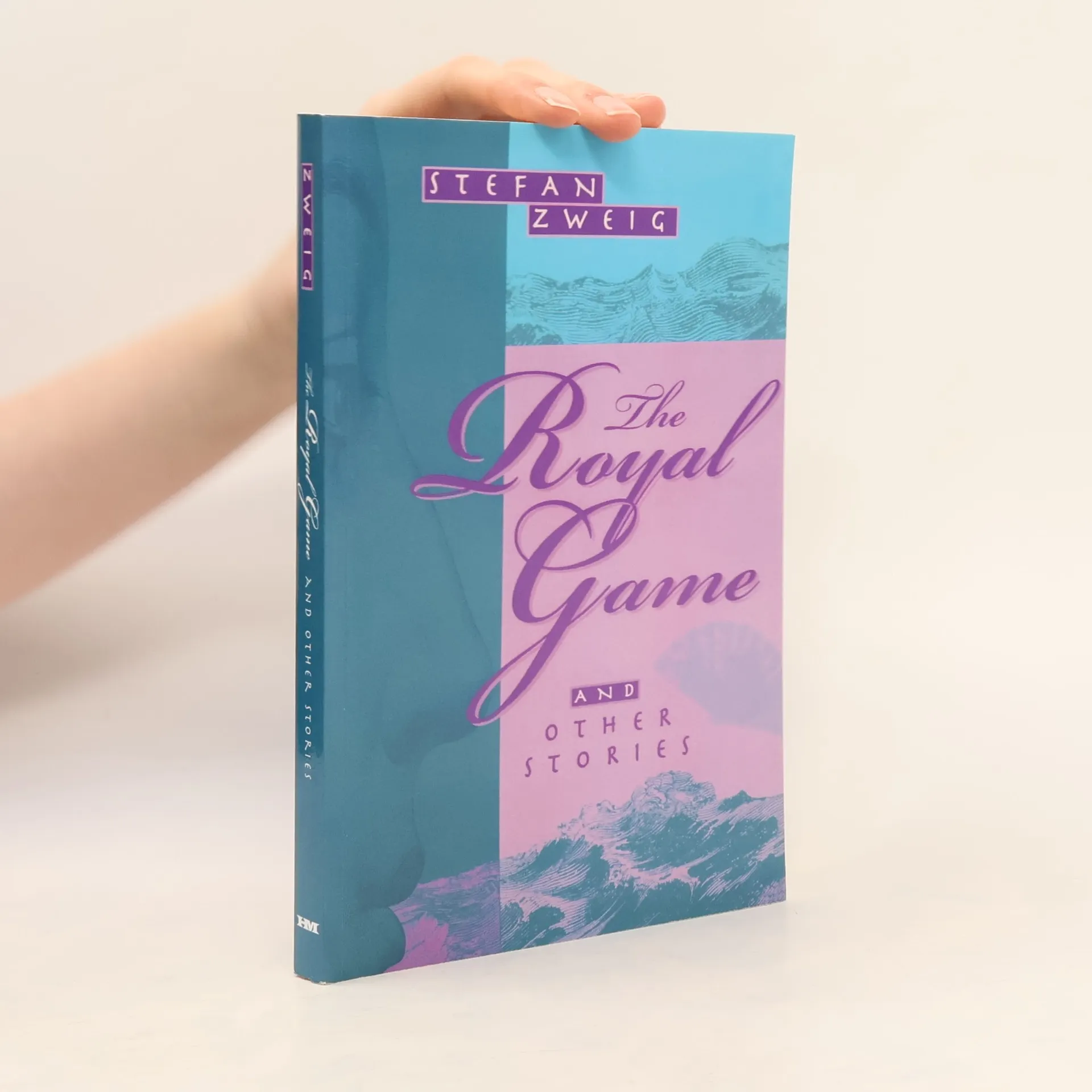
The Royal Game and Other Stories
- 211 stránok
- 8 hodin čítania
English, German (translation)
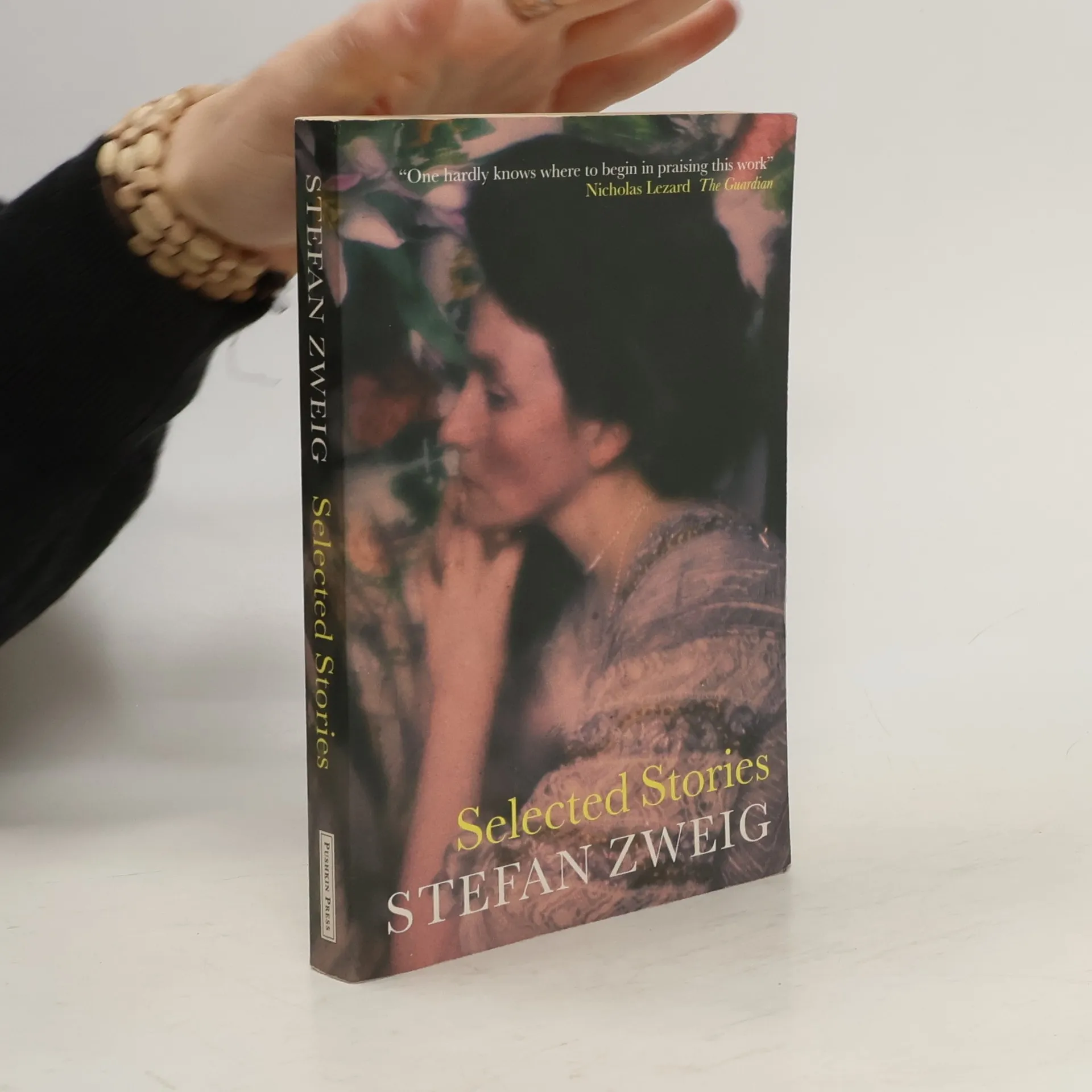
Selected Stories
- 253 stránok
- 9 hodin čítania
This title is a collection of stories from Stefan Zweig.
Letter from an Unknown Woman and Other Stories
- 153 stránok
- 6 hodin čítania
Stefan's Zweig's Letter from an Unknown Woman and other stories contains a new translation by the award-winning Anthea Bell of one of his most celebrated novellas, Letter from an Unknown Woman , the inspiration for a classic 1948 Hollywood film by Max Ophüls, as well as three new stories, appearing in English for the first time.A famous author receives a letter on his forty-first birthday. He doesn't know the sender, but still the letter concerns him intimately. Its story is earnest, even piteous: the story of a life lived in service to an unannounced, unnoticed love.In the other stories in this collection, a young man mistakes the girl he loves for her sister; two erstwhile lovers meet after an age spent apart; and a married woman repays a debt of gratitude. All four tales, newly translated by the award-winning Anthea Bell, are among Zweig's most celebrated and compelling work-expertly paced, laced with empathy and an unwaveringly acute sense of psychological detail.
Romain Rolland
- 188 stránok
- 7 hodin čítania
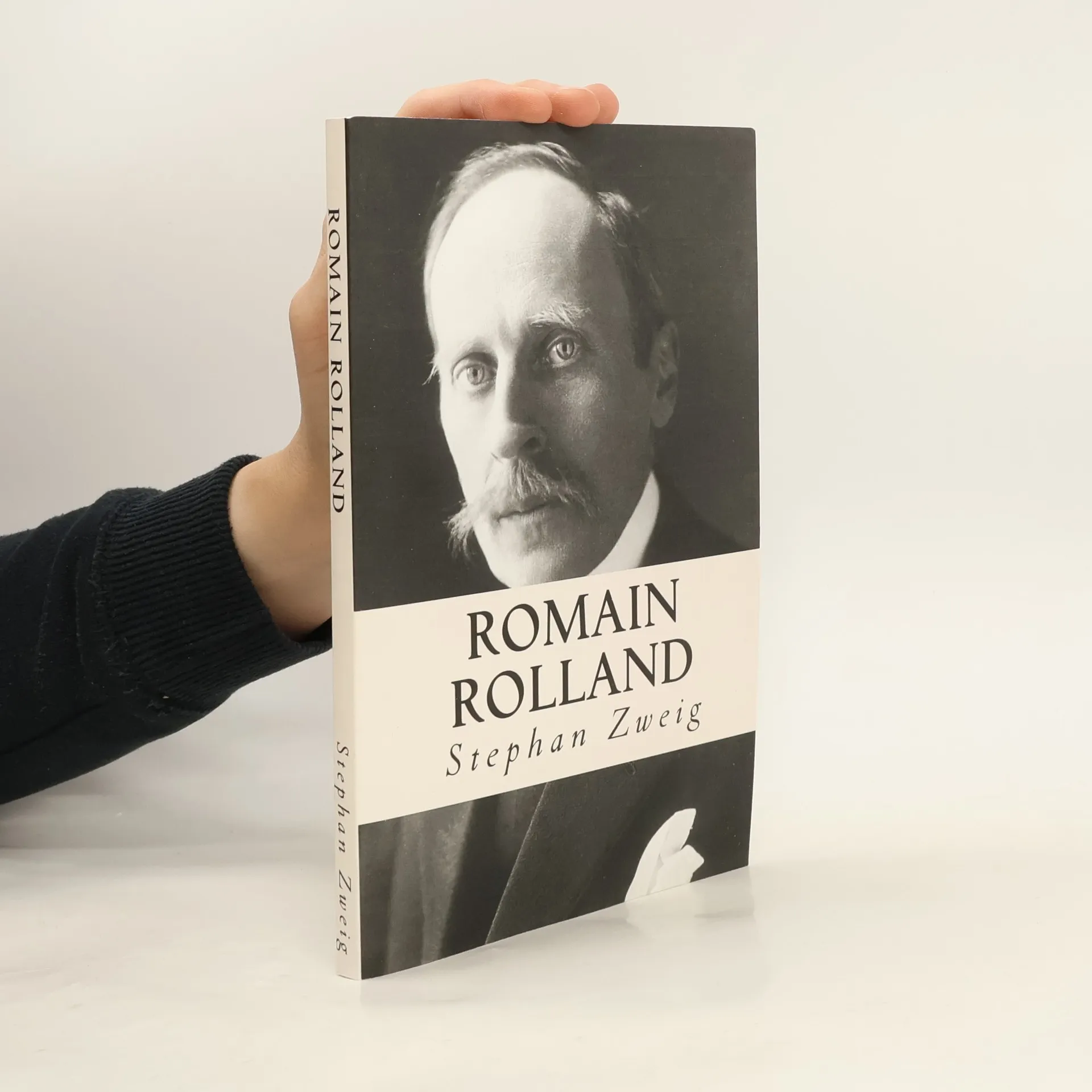
The first fifty years of Romain Rolland's life were passed in inconspicuous and almost solitary labors. Thenceforward, his name was to become a storm center of European discussion. Until shortly before the apocalyptic year, hardly an artist of our days worked in such complete retirement, or received so little recognition.
Casanova, Stendhal, Tolstoy
Adepts in Self-Portraiture: Volume 3, Master Builders of the Spirit
- 420 stránok
- 15 hodin čítania
Exploring the intricate relationship between self-portraiture and literary genius, this volume delves into the lives of Casanova, Stendhal, and Tolstoy, revealing how these authors crafted their identities through their works. Zweig examines their personal narratives and the interplay between their experiences and creative expressions, offering insights into the complexities of ego and artistry. This analysis not only highlights their contributions to literature but also reflects on the broader themes of self-representation and the human condition.
Balzac, Dickens, Dostoevsky
- 238 stránok
- 9 hodin čítania
Written over a period of twenty-five years, this first volume in a trilogy is intended to depict in the life and work of writers of different nationalities--Balzac, Dickens, and Dostoevsky--the world-portraying novelist
Clarissa
- 197 stránok
- 7 hodin čítania
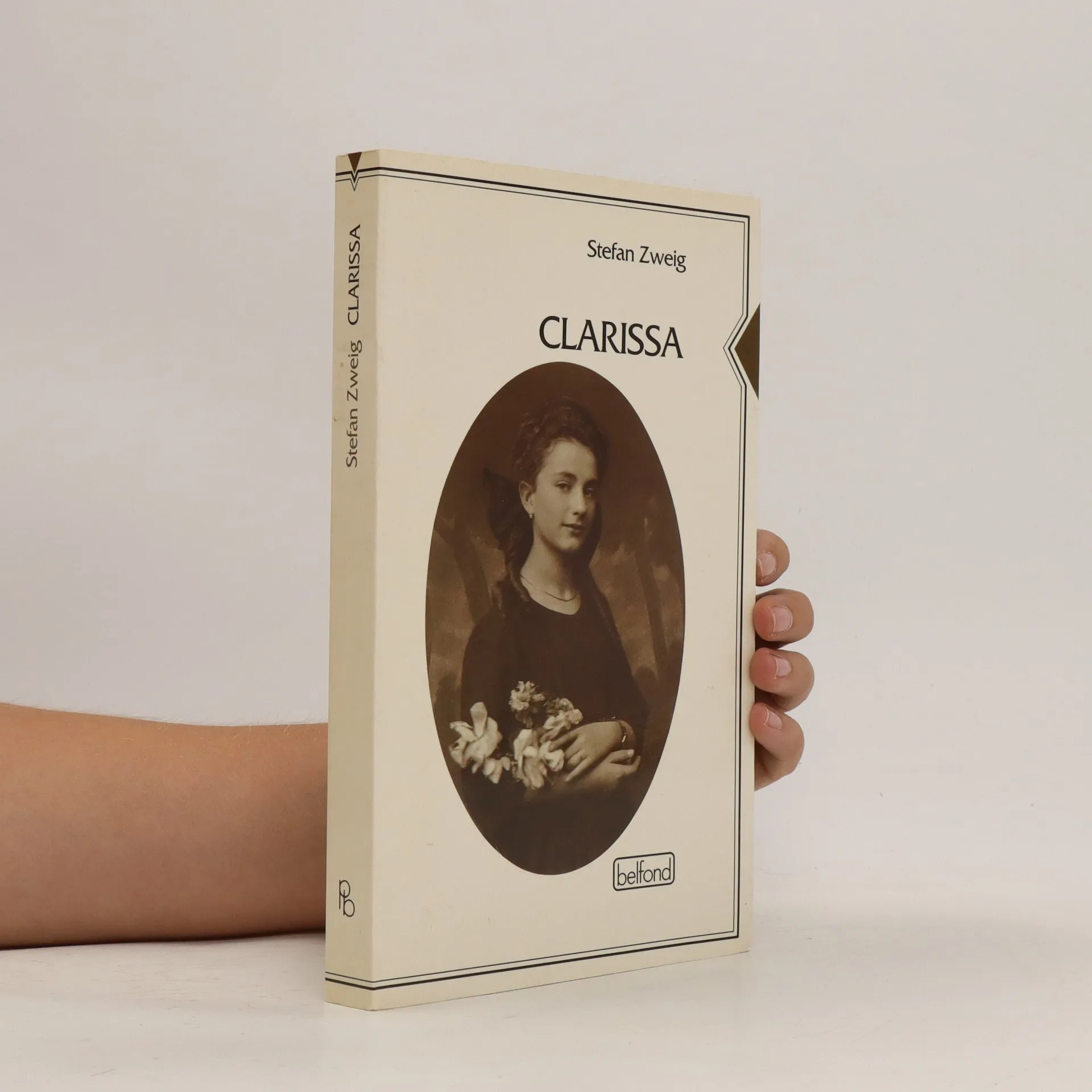
In his last narrative work, Stefan Zweig presents the life of Clarissa Schuhmeister, the daughter of an Austrian officer, whose pursuit of happiness is thwarted by war and its aftermath. Raised in a convent school, she develops a strong desire for independence and agency. After a brief training, she becomes an assistant to a renowned Viennese neurologist. At a congress in Lucerne, she falls in love with Leonard, a French teacher and pacifist. However, the outbreak of war abruptly interrupts their romance, forcing them to part ways. The child she expects from Leonard now has an enemy for a father. In a military hospital, Clarissa meets an Austrian conscientious objector, whom she marries out of concern for her child. Following the political collapse, he reveals himself to be a characterless speculator. Leonard remains unreachable for Clarissa, as her father intercepts the letters he sends her. Zweig sketches only the first part of this novel; the editor presents a revised, complete version of the draft.
A deep study of the uneasy heart by one of the masters of the psychological novel, Journey into the Past, published here for the first time in America, is a novella that was found among Zweig’s papers after his death. Investigating the strange ways in which love, in spite of everything—time, war, betrayal—can last, Zweig tells the story of Ludwig, an ambitious young man from a modest background who falls in love with the wife of his rich employer. His love is returned, and the couple vow to live together, but then Ludwig is dispatched on business to Mexico, and while he is there the First World War breaks out. With travel and even communication across the Atlantic shut down, Ludwig makes a new life in the New World. Years later, however, he returns to Germany to find his beloved a widow and their mutual attraction as strong as ever. But is it possible for love to survive precisely as the impossible?
PAUL VERLAINE
- 112 stránok
- 4 hodiny čítania
The work delves into the life and poetry of Paul Verlaine, a prominent figure in the Symbolist movement. It explores his tumultuous relationships, particularly with fellow poet Arthur Rimbaud, and how these experiences influenced his writing. The book highlights Verlaine's innovative use of rhythm and sound in poetry, capturing the emotional depth and complexity of his themes. Through an analysis of his major works, it provides insight into his artistic legacy and the impact of his personal struggles on his literary contributions.
The society of the crossed keys
- 266 stránok
- 10 hodin čítania
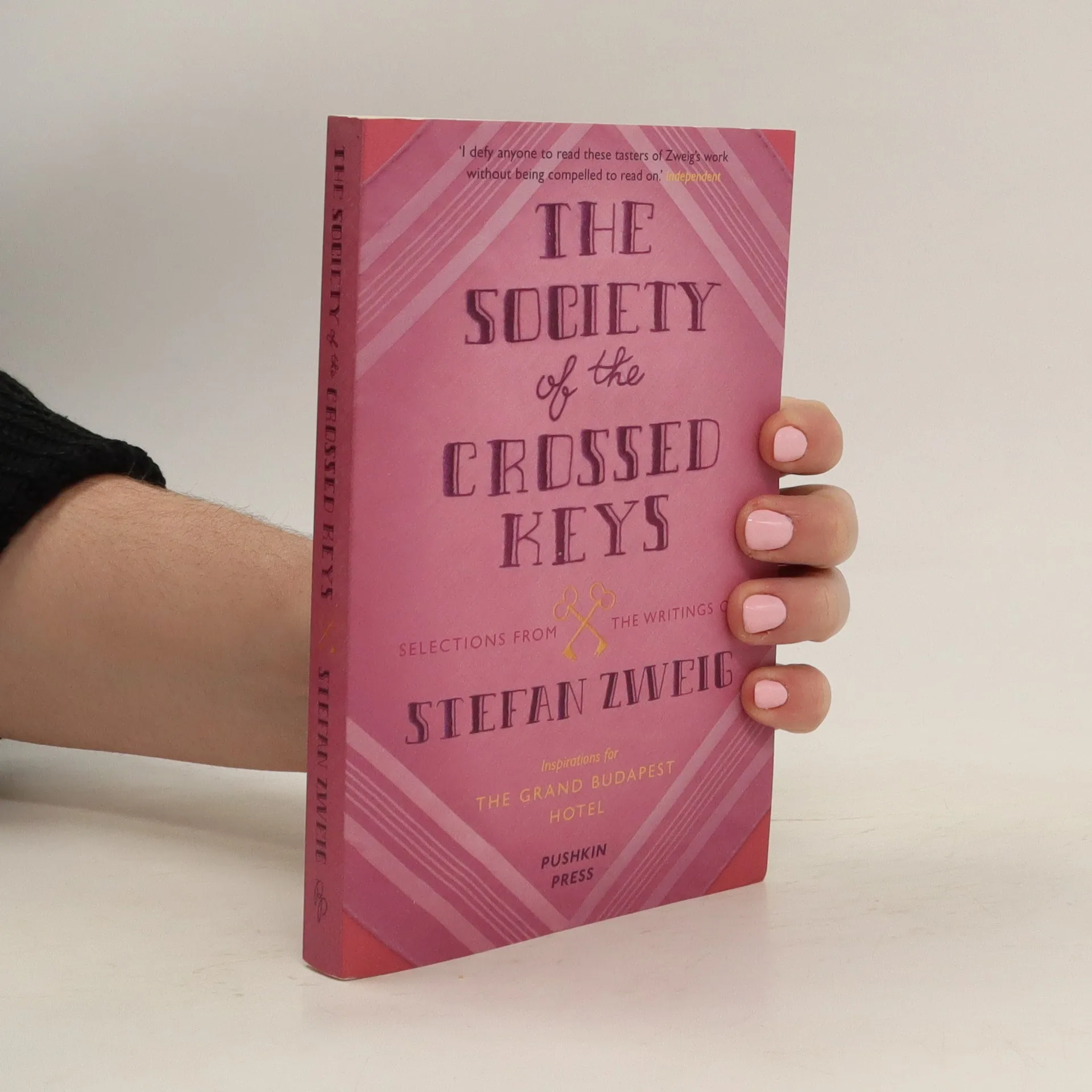
It's just a masterpiece. When I read it I thought, how is it that we don't know about this-how is it that I am the only person I know who's read this book? Wes Anderson, on Stefan Zweig's Beware of Pity Contents: A Conversation with Wes Anderson-Wes Anderson discusses Zweig's life and work with Zweig biographer George Prochnik. The World of Yesterday-Selected extracts from Zweig's memoir, an unrivalled evocation of bygone Europe. Beware of Pity-An extract from Zweig's only novel, a devastating depiction of the torment of the betrayal of both honour and love. Twenty-Four Hours in the Life of a Woman-One of Stefan Zweig's best-loved stories in full-a passionate tale of gambling, love and death.
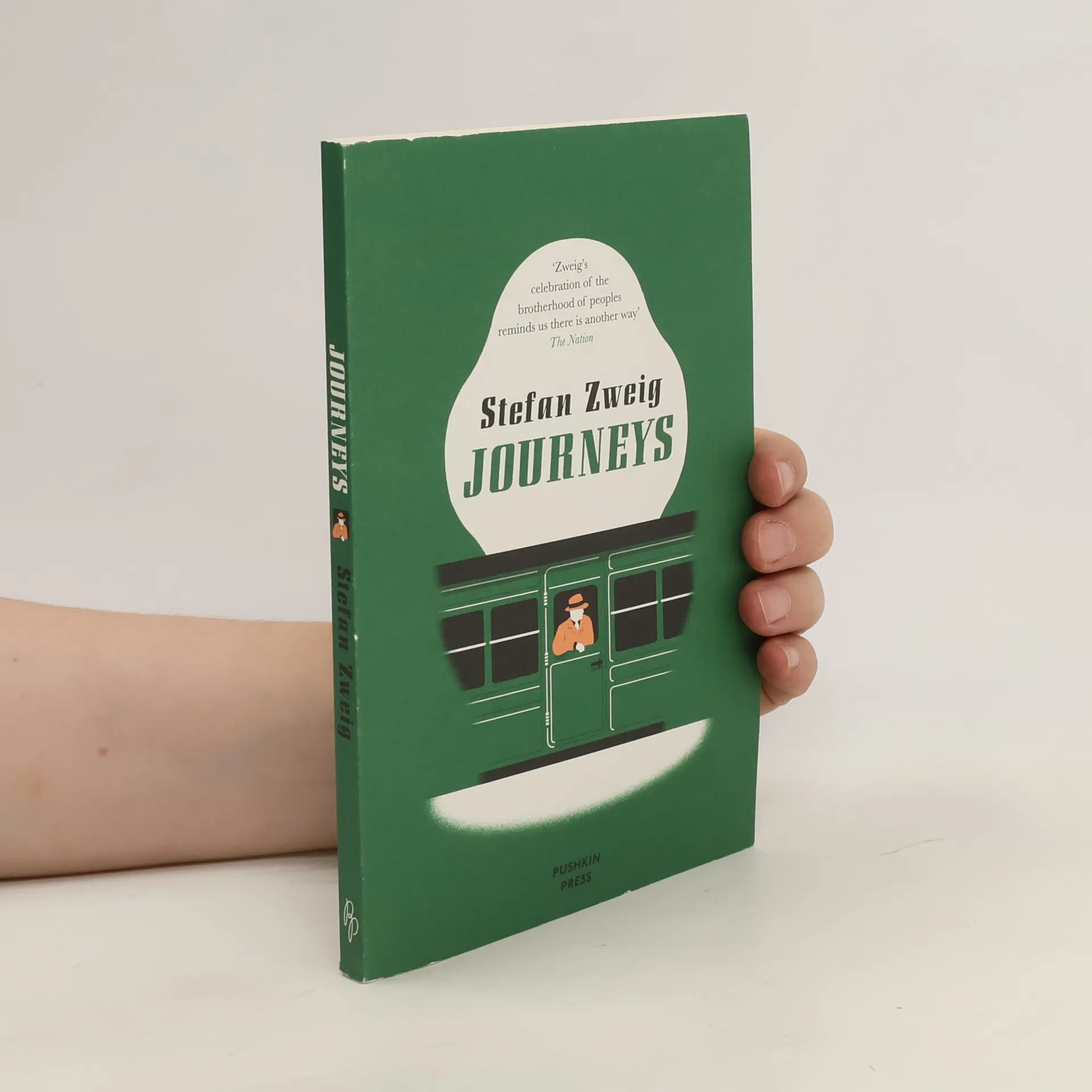
A collection of the great writer's observations, made during his travels across the Europe he loved so much When I am on a journey, all ties suddenly fall away. I feel myself quite unburdened, disconnected, free - There is something in it marvellously uplifting and invigorating. Whole past epochs suddenly return: nothing is lost, everything still full of inception, enticement. For the insatiably curious and ardent Europhile Stefan Zweig, travel was both a necessary cultural education and a personal balm for the depression he experienced when rooted in one place for too long. He spent much of his life weaving between the countries of Europe, visiting authors and friends, exploring the continent in the heyday of international rail travel. Comprising a lifetime's observations on Zweig's travels in Europe, this collection can be dipped into or savoured at length, and paints a rich and sensitive picture of Europe before the Second World War.
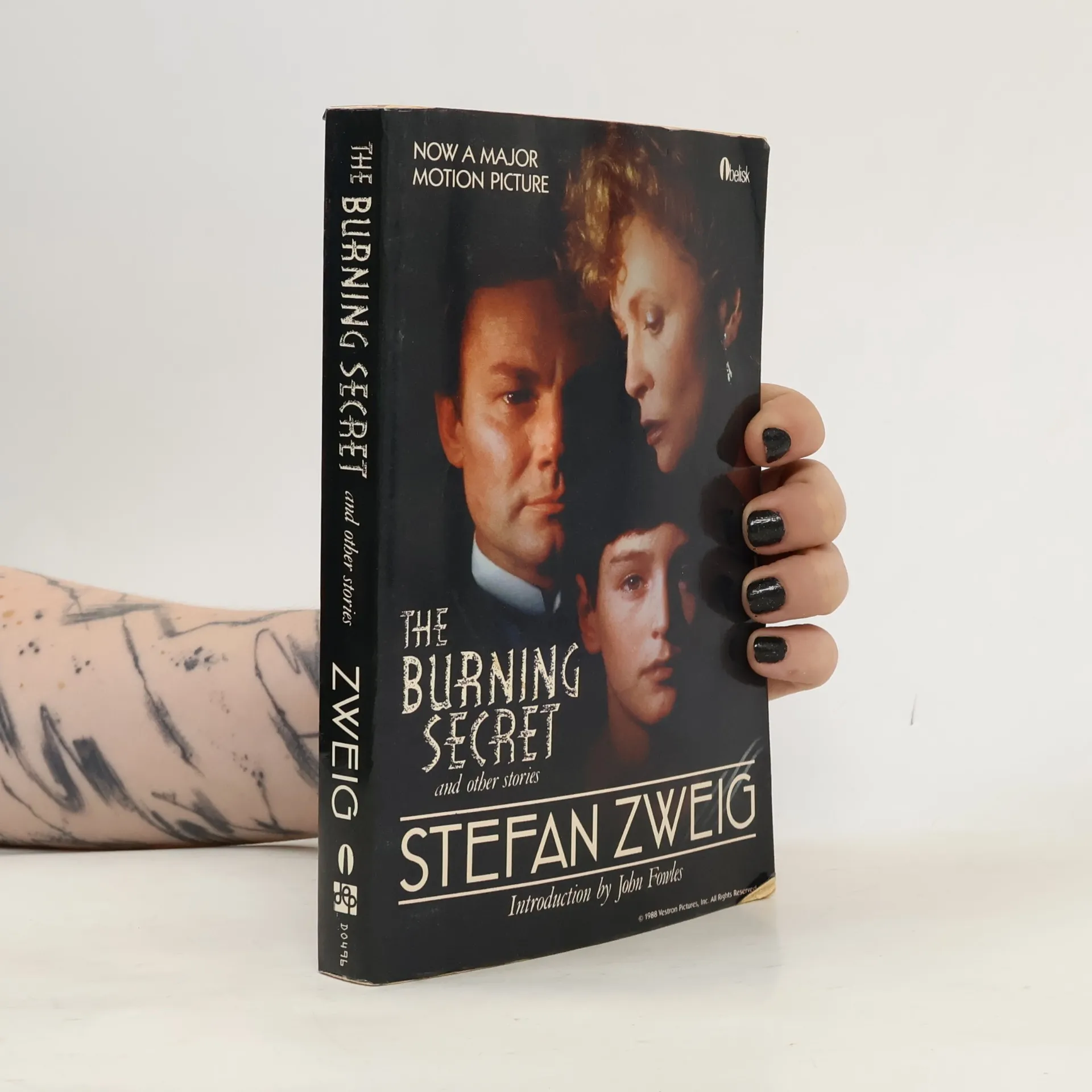
The Burning Secret
- 100 stránok
- 4 hodiny čítania
The book offers a unique and breathtaking narrative that stands apart from typical literary experiences. Its innovative storytelling and compelling themes promise to engage readers in an extraordinary journey, making it a standout work in contemporary literature.
The Burning Secret and Other Stories
- 250 stránok
- 9 hodin čítania
Book by Zweig, Stefan
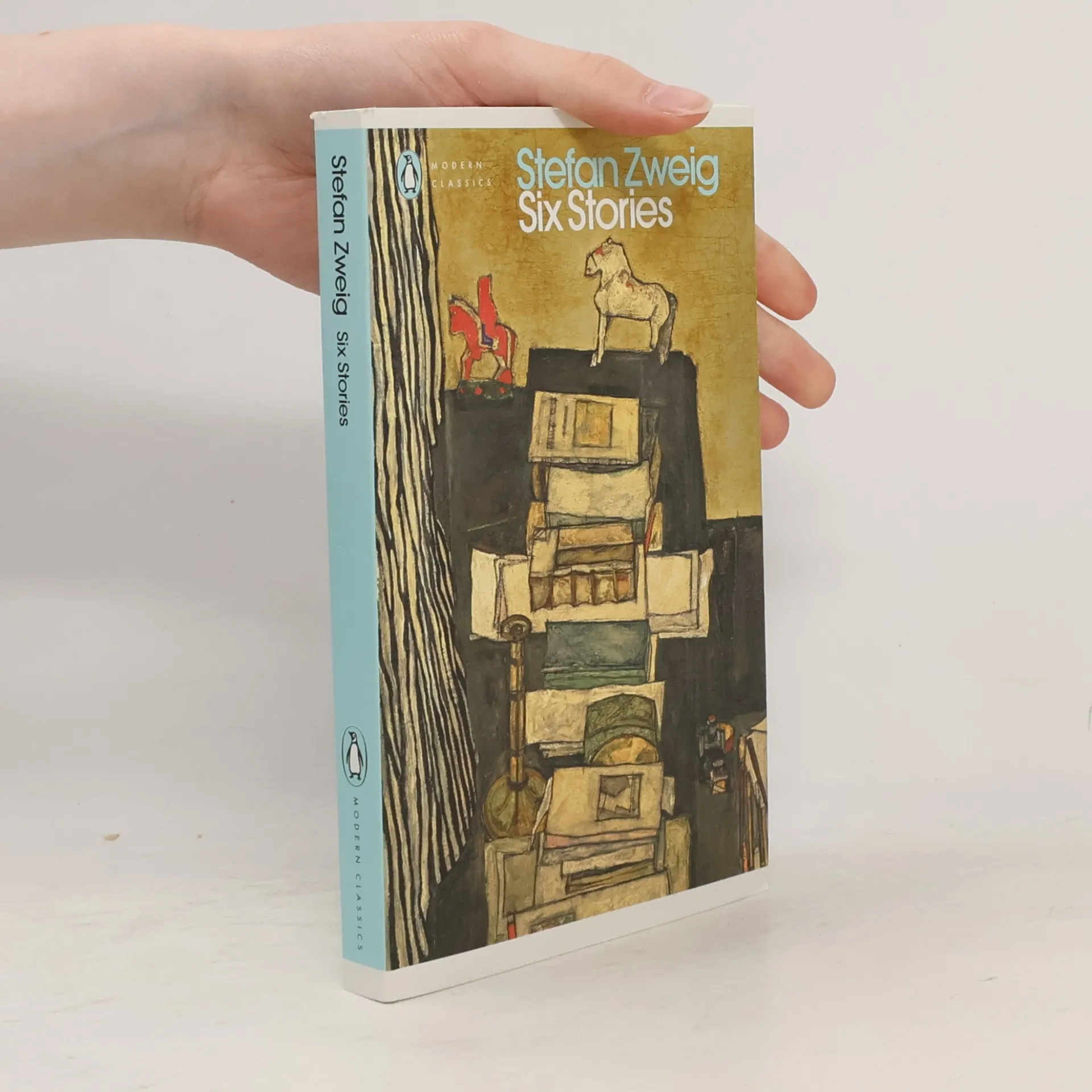
Six Stories
- 304 stránok
- 11 hodin čítania
'One of the masters of the short story' Guardian These six stories of obsession, secrets, delusions and desires from one of the greatest European writers show individuals caught up in forces beyond their control - whether an art dealer agreeing to a heartbreaking deception, a soldier destroyed by war, a servant infatuated with her employer or a young boy witnessing illicit adult passions. Portraying innocence lost and lives crushed by history, each tale is a psychologically acute, startling human drama. Contains 'The Invisible Collection', 'Episode on Lake Geneva', 'Leporella', 'Buchmendel', 'The Buried Candelabrum' and 'Burning Secret'.
Magellan (1480-1521) entreprit en 1519 le premier voyage autour du monde. Il trouva une mort absurde aux Philippines, son exploit accompli. Dans cette formidable biographie, Zweig exalte la volonté héroïque de Magellan, qui prouve qu’« une idée animée par le génie et portée par la passion est plus forte que tous les éléments réunis ». Marie Stuart (1542-1587) reine d'Ecosse puis de France, doit en 1560 se réfugier auprès d’Elisabeth I d'Angleterre après une liaison malheureuse. Celle-ci la gardera captive vingt ans avant de la condamner à mort. Il fallait l'immense talent de Stefan Zweig pour faire revivre la femme et la reine, parée de mille grâces par les uns, peinte comme une criminelle par les autres. Qui était Marie-Antoinette (1755-1793)? Une débauchée futile ? Une icône pour la Restauration ? Nous la suivons de la chambre de son époux, jusqu’au lit de la guillotine. Zweig analyse une âme bouleversée par les événements, qui, sous le poids du malheur et de l’Histoire, se révèle à elle-même. Joseph Fouché (1759-1820) a servi avec zèle la République, le Directoire, le Consulat, l’Empire et la Monarchie. Elève chez les Oratoriens, il devint un pilleur d’églises. Conventionnel modéré, il vota la mort du roi. Fouché, c’est l’art du reniement, la grâce du traître. Stefan Zweig nous fait découvrir, à sa manière, une figure essentielle de l’Histoire.
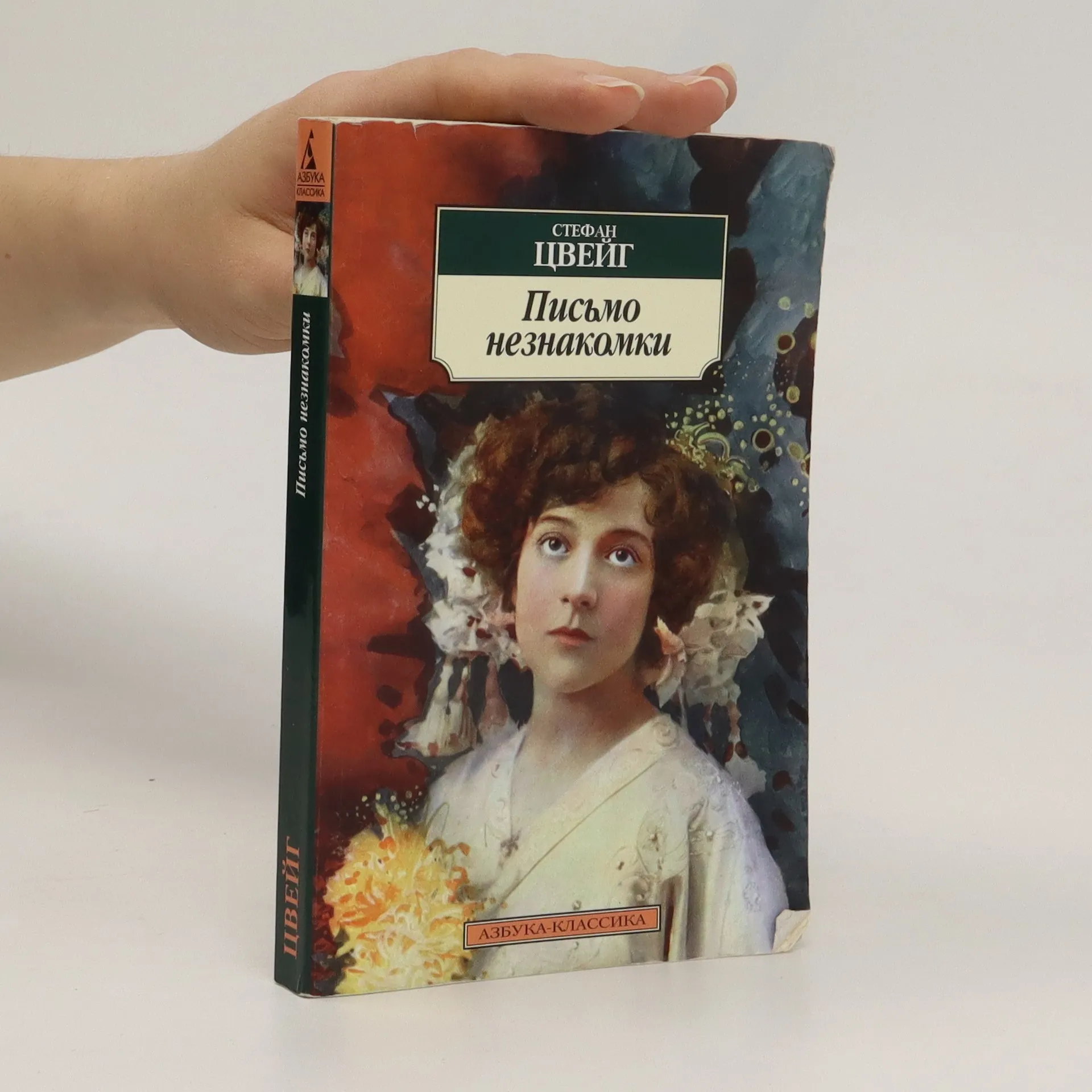
Содержание Одинокий остров Дон Кихота Автор: Вадим Татаринов стр. 5-10 Мария Стюарт — Стефан Цвейг, роман Перевод: Ревекка Гальперина стр. 11-352 Кристина — Стефан Цвейг, роман Перевод: Н.Бунин стр. 353-573 Амок — Стефан Цвейг, новелла Перевод: Даниил Горфинкель стр. 574-620 Письмо незнакомки — Стефан Цвейг, новелла Перевод: Д. Горфинкель стр. 621-655 Неожиданное знакомство с новой профессией — Стефан Цвейг, новелла Перевод: И. Татаринова стр. 656-688 Примечания Автор: Автор не указан стр. 689-700
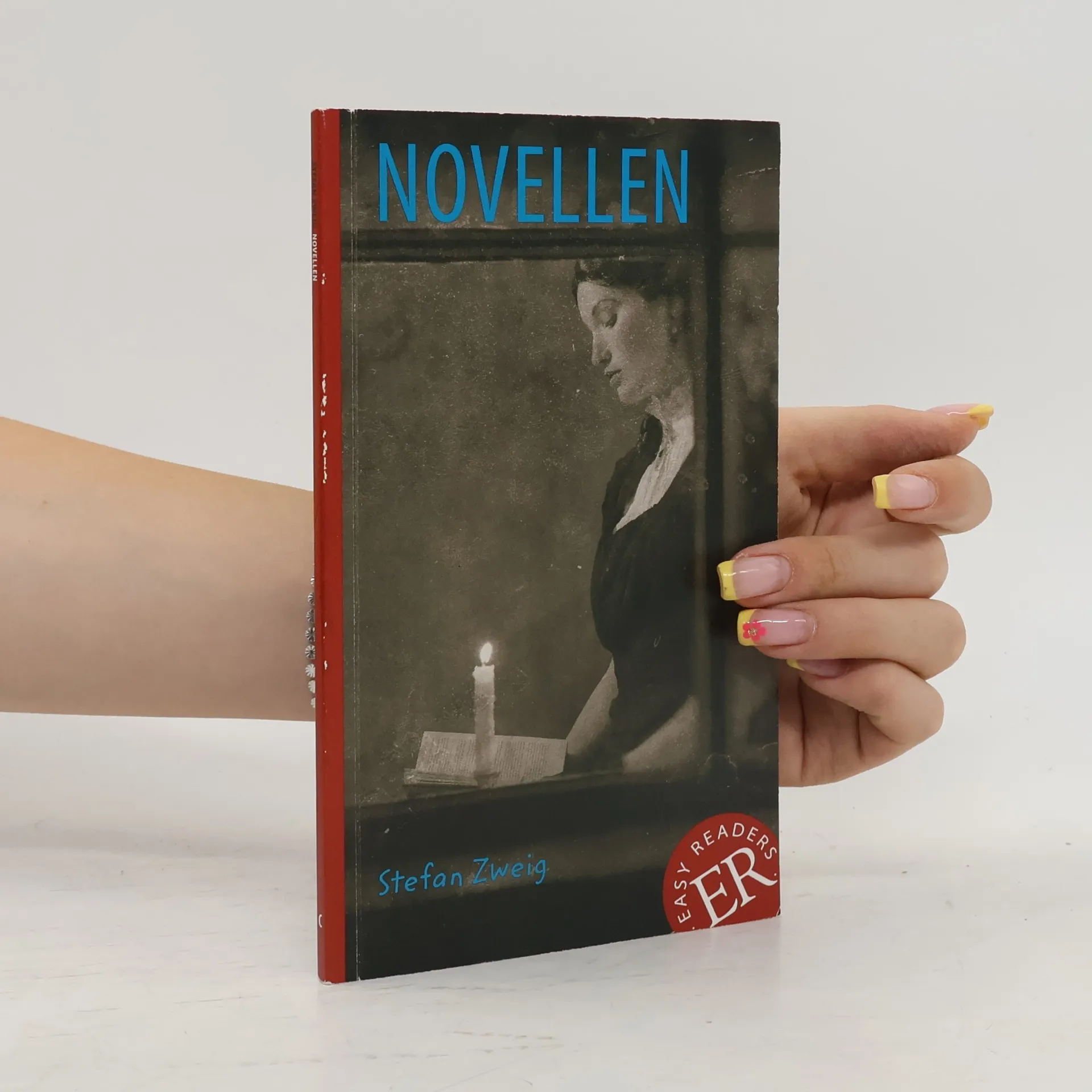
Novellen
Lektüre
»Stefan Zweigs Novellen wenden die neu gewonnenen Erkenntnisse der zeitgenössischen Psychologie in einem biegsamen, fast nervös vibrierenden Stil auf ihre Themen an.« Richard Friedenthal
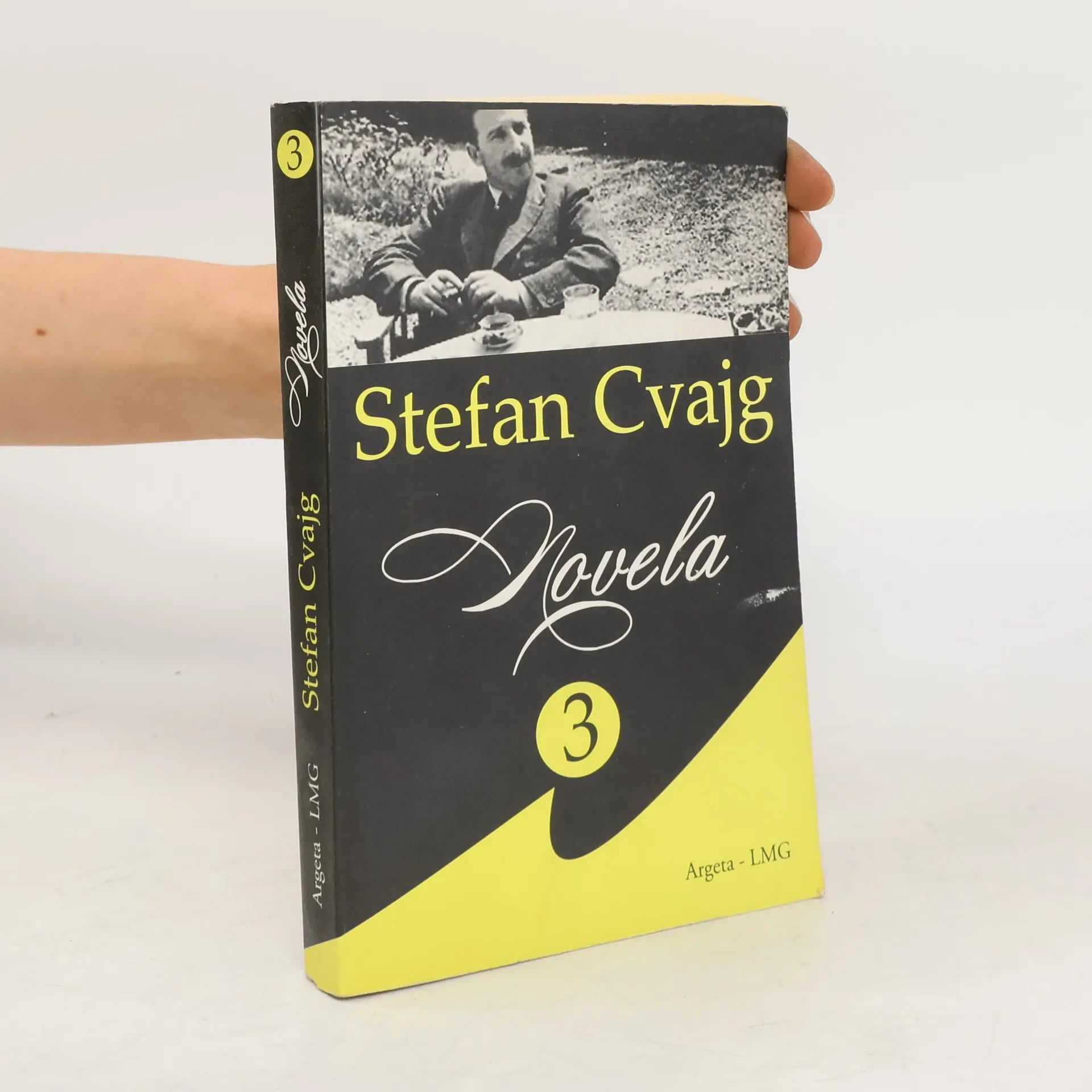
Novela 3
- 338 stránok
- 12 hodin čítania
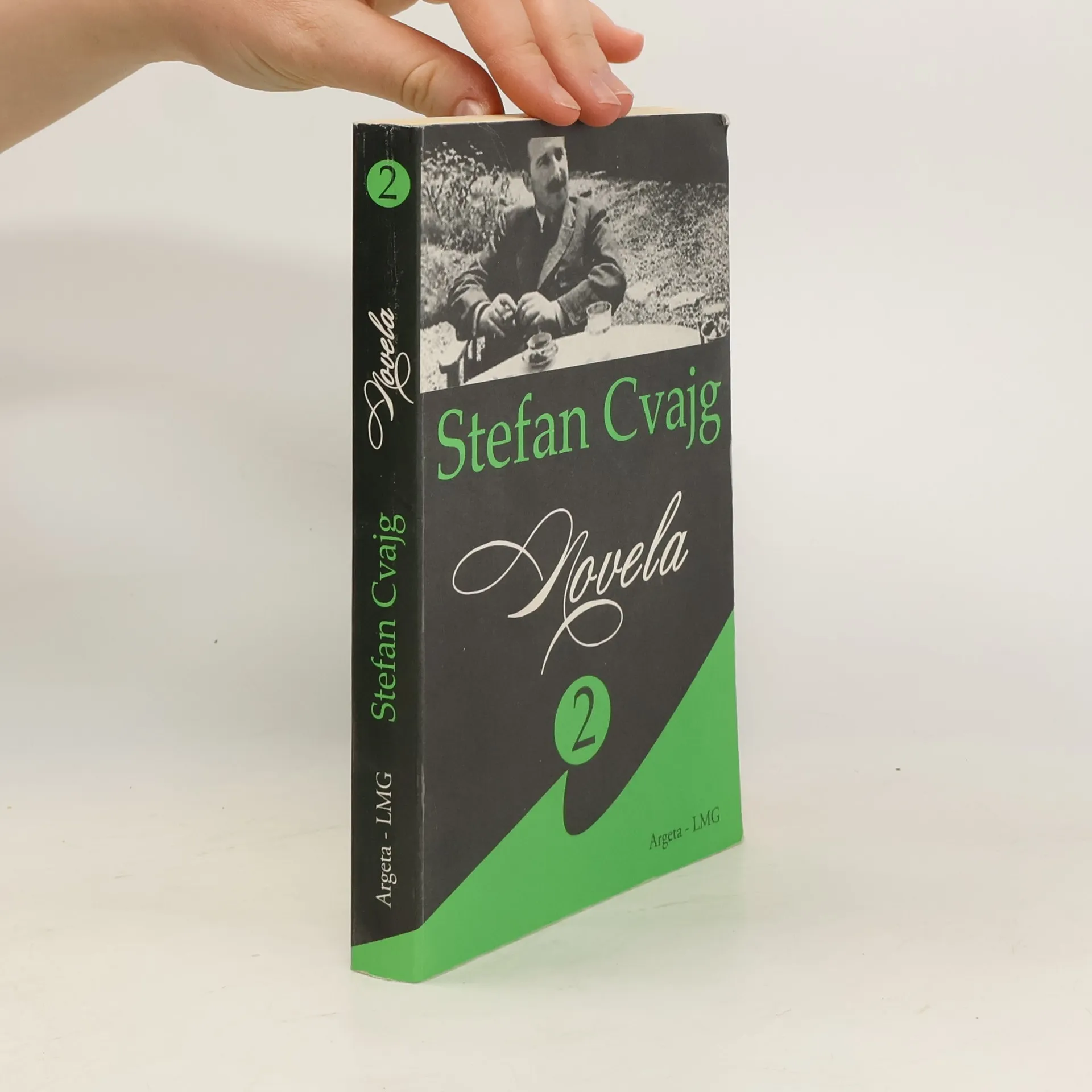
Novela 2
- 338 stránok
- 12 hodin čítania
"Kein einziger Mensch wagt sich nahe und voll in den innern Kreis dieses Geschickes, immer spricht, immer kämpft, immer leidet Nietzsche für sich allein. Er redet zu niemandem, und niemand antwortet ihm. Und was noch furchtbarer ist: niemand hört ihm zu."Ein biografisches Meisterwerk: Die Lebensbeschreibung Nietzsches im berühmten, romanhaft-lebendigen Stil Stefan Zweigs verfasst.
Stefan Zweig reflektiert die politisch-kulturellen Umbrüche und Unsicherheiten im Europa der Zwischenkriegszeit: Vor dem Hintergrund von Inflation, Arbeitslosigkeit und politischen Krisen breiten sich Hetze, Hass und Gewalt wie ein schleichendes Gift in der Gesellschaft aus. Tabus werden systematisch gebrochen, Normalitätsgrenzen leise verschoben. Hitler beginnt – und damit die Unmenschlichkeit. »Was konnte Hitler Gewalttätiges durchsetzen in einem Staate, wo das Recht fest verankert war, wo im Parlament die Majorität gegen ihn stand und jeder Staatsbürger seine Freiheit und Gleichberechtigung nach der feierlich beschworenen Verfassung gesichert meinte? Dann kam der Reichstagsbrand, das Parlament verschwand, Göring ließ seine Rotten los, mit einem Hieb war alles Recht in Deutschland zerschlagen.« Stefan Zweig »Keiner unter allen deutschen Schriftstellern hat die Verbindung von Deutschtümelei und rüdem Antisemitismus so begriffen und ausgesprochen wie er.« Walter Jens
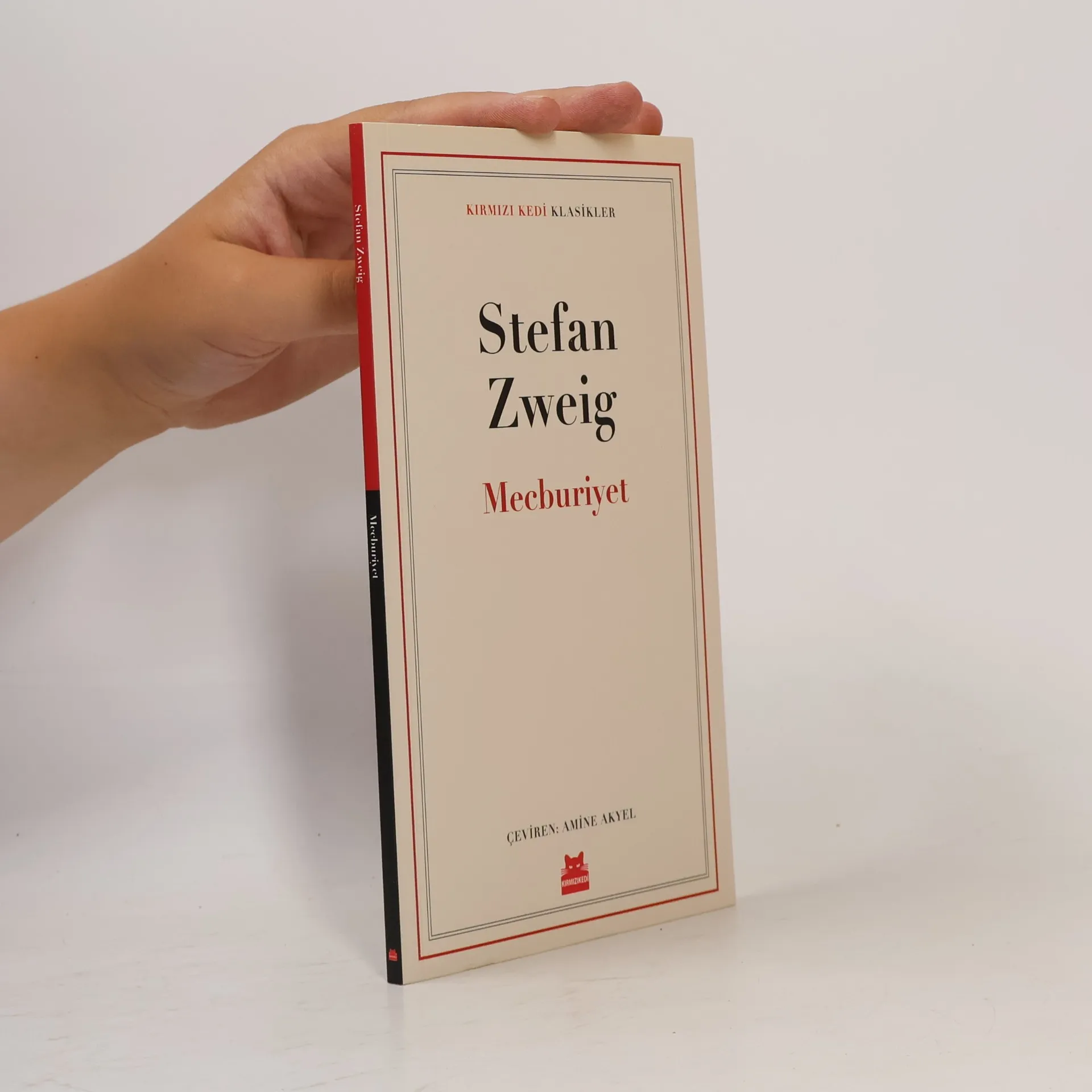
Savaş karşıtı görüşleriyle tanınan Zweig I. Dünya Savaşı boyunca bu görüşlerini yaymayı kendine misyon edinmişti. Avrupalı ve “dünya vatandaşı” kimliğine büyük değer veren yazar, yapıtlarında savaşın yıkıma uğrattığı “eski dünya”nın değerlerinin kayboluşunu büyük ölçüde dert edinmiştir. Mecburiyet ’in ana karakteri ressam Ferdinand da savaş sırasında askere alınmamak için İsviçre’ye kaçmıştır. Bir gün askerliğe elverişliliğinin tespiti için konsolosluğa davet edildiğinde, karısının şiddet karşıtı duruşuna ihanet etmemesi yolundaki telkinlerine karşın kendini gitmek zorunda hisseder. Görev duygusu, savaş karşıtı düşünceleri ve karısına duyduğu sevgi arasında sıkışıp kalmıştır. Ferdinand her ne kadar “insanlığın ötesinde bir vatanı” olmasa da, “yirmi milyon insanı boğan o zinciri” kıramayacağını düşünür...
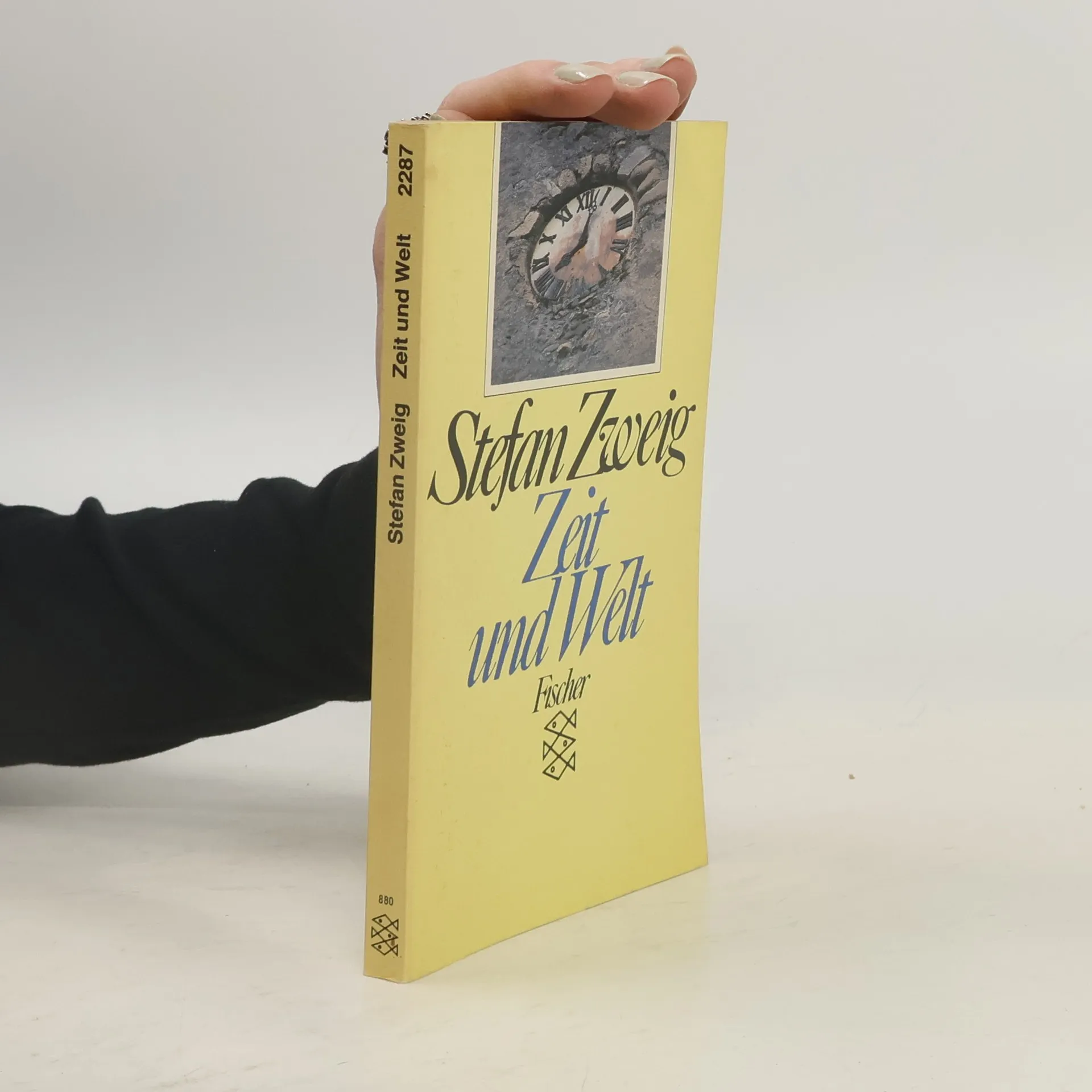
Zeit und Welt
- 183 stránok
- 7 hodin čítania
In der ersten Teil dieses Buches skizziert Zweig scharfsinnige und originelle Porträts von Schriftstellern, die einen bleibenden Eindruck bei ihren Zeitgenossen hinterlassen haben. Im zweiten Abschnitt beschwört er Fragmente von Ländern und Landschaften, die er in seinem wechselvollen Leben erlebt hat. Und im dritten Teil werden Studien und Vorträge des Autors gesammelt, die seine treffende und manchmal bittere Sicht auf die Gesellschaft bestätigen.
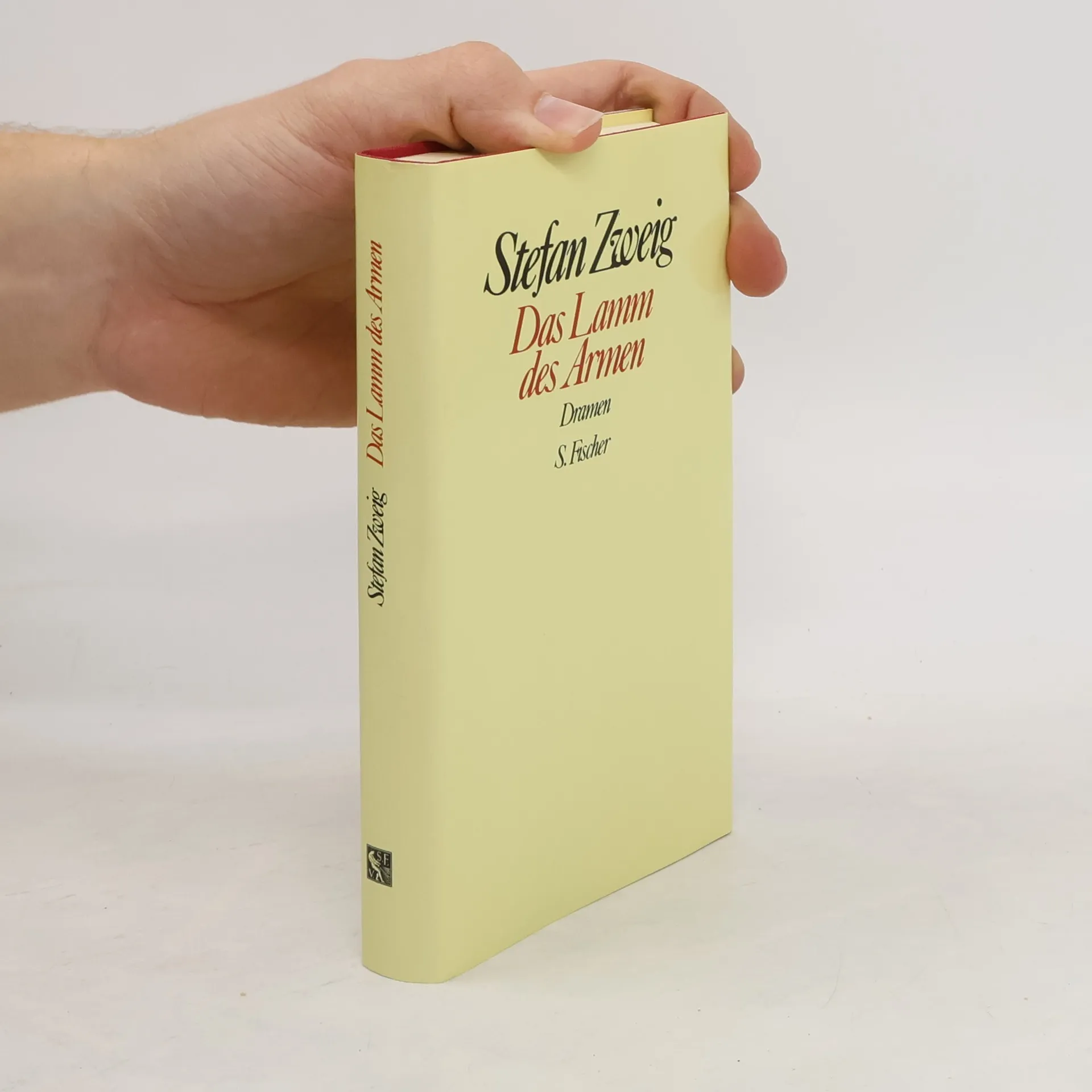
Das Lamm des Armen. Dramen
- 422 stránok
- 15 hodin čítania
Stefan Zweig war vom Theater fasziniert, was ihn trotz Bedenken herausforderte. Er wählte seine Stoffe meist aus der Geschichte, darunter den amerikanischen Unabhängigkeitskrieg, das Rokoko, die napoleonische Zeit und die Französische Revolution.
Ausgewählte Kostbarkeiten
- 64 stránok
- 3 hodiny čítania
Für das Menschliche im Menschen
Texte eines Humanisten und Weltbürgers
Stefan Zweig war in den 1930er-Jahren der meistgelesene Autor deutscher Sprache, seine Werke gehören heute zum Kanon der deutschsprachigen und europäischen Literatur. Der engagierte Kämpfer für Frieden und Völkerverständigung ist einer der wichtigsten Vordenker der europäischen Einigung. In seinen Sternstunden der Menschheit und den Biographien macht Zweig Geschichte wieder lebendig und spannend. Gekonnt porträtiert er historische Gestalten oder beeindruckende Abenteurer und Weltentdecker, aber er erinnert auch an die Opfer von Unterdrückung und Intoleranz. In den Novellen und Romanen glänzt er dank seines psychologischen Einfühlungsvermögens und der Darstellung von verborgenen Leidenschaften, die unaufhaltsam in die Katastrophe führen. Auch die heute weniger bekannten Gedichte und Dramen waren zu Lebzeiten des Autors äußerst erfolgreich. Zweigs Erinnerungen Die Welt von Gestern schließlich beschreiben eindringlich den einzigartigen intellektuellen und künstlerischen Kosmos am Ende der Habsburgermonarchie – eine Epoche, die mit dem Ersten Weltkrieg und der Verfolgung und Vernichtung ihrer jüdischen Protagonisten unterging.
Jeremias
- 222 stránok
- 8 hodin čítania
Nicht weniger als eine neue Interpretation des biblischen Propheten Jeremias bietet Stefan Zweig uns in seinem Drama an. Die Wegführung des Volkes und die Erfahrungen der Diaspora - Zweig greift die offenkundigen Parallelen auf und schlägt die Brücke zum Pazifismus. Es ist ein scheinbarer Widerspruch: Mit seinem Anti-Kriegs-Engagement war Zweig ein einsamer Mahner in der Wüste, doch lag es nicht daran, dass sein Werk nicht verbreitet worden wäre. Zweig gehörte schon zu Lebzeiten zu den bestverkauften Autoren seiner Zeit. Gröls-Klassiker (Edition Werke der Weltliteratur)
Im Werk von Stefan Zweig sind Zeiten aufgehoben, die für immer vergangen sind, doch in seiner wunderbaren Literatur fortleben. Diese reiche Auswahl aus dem umfassenden Gesamtwerk des österreichischen Schriftstellers versammelt viele seiner bekanntesten und wichtigsten Erzähltexte, unter ihnen die 'Schachnovelle', den Novellenzyklus 'Verwirrung der Gefühle' und zahlreiche seiner meisterlichen Geschichten wie 'Der Amokläufer', 'Die Frau und die Landschaft' und 'Episode am Genfer See'.