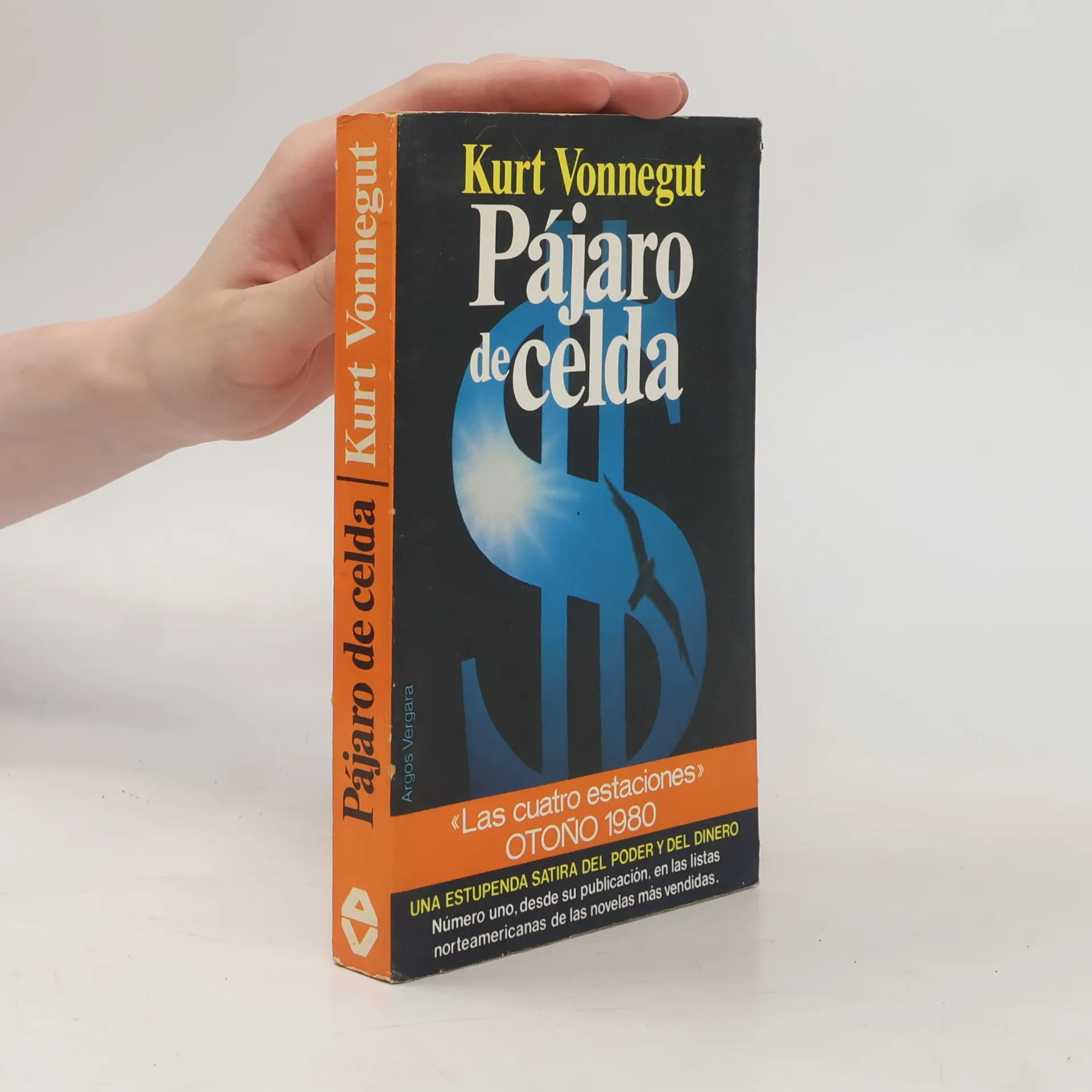
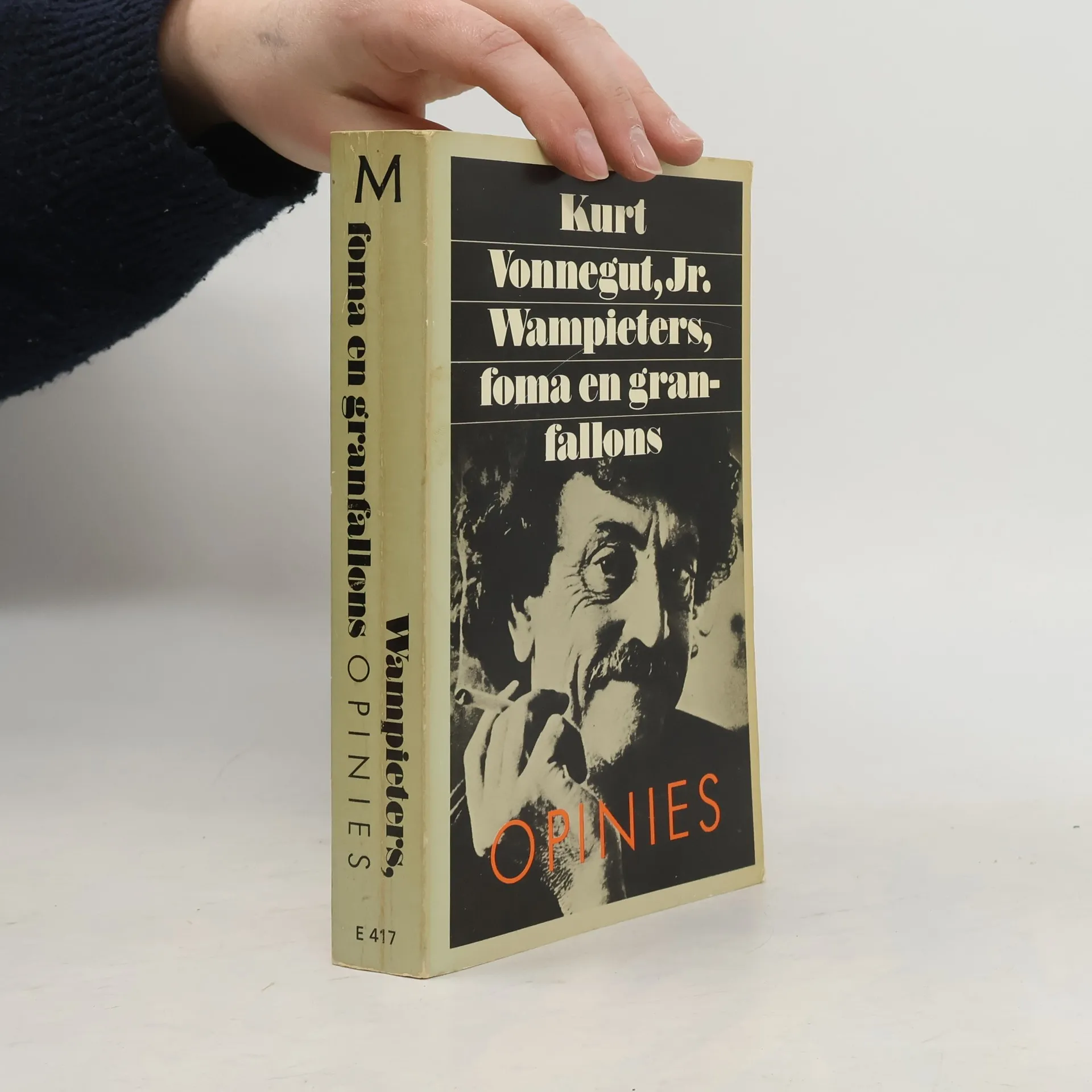
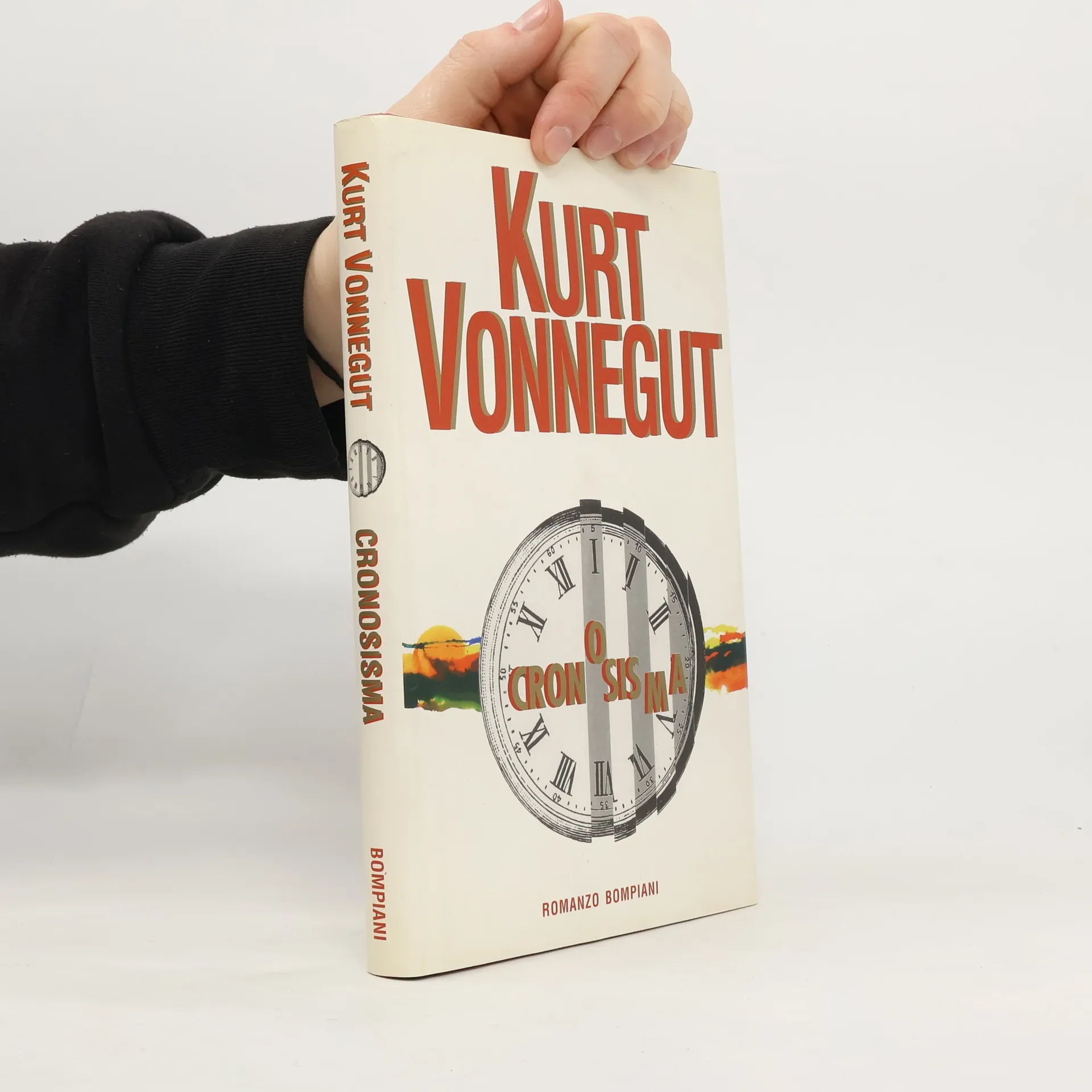
Kurt Vonnegut bol americký prozaik, satirik a grafický umelec, známy svojimi dielami, ktoré spájali satiru, čierny humor a sci-fi. Jeho štýl, ovplyvnený novinárskou prácou a vojnovými skúsenosťami, sa vyznačuje nezdobnosťou a prenikavým pohľadom na ľudskú podstatu. Sám seba označoval za humanistu a socialistu. Jeho diela často skúmajú témy vojny, absurdity existencie a spoločenských nedostatkov s jedinečnou zmesou humoru a tragédie.
Mladý Američan, žijúci v predvojnovom Nemecku, sa dá naverbovať ako agent Spojencov. Získa si v nacistických kruhoch dobré meno a pevnú pozíciu, čo je v jeho prípade podmienkou úspešného spravodajského pôsobenia. Po vojne ho hľadajú ako vojnového zločinca. Román podáva strhujúco opísaný pád človeka až na samé dno, jeho dezilúziu, spravodajské hry v politických záujmoch a napokon nevyhnutné rozuzlenie.
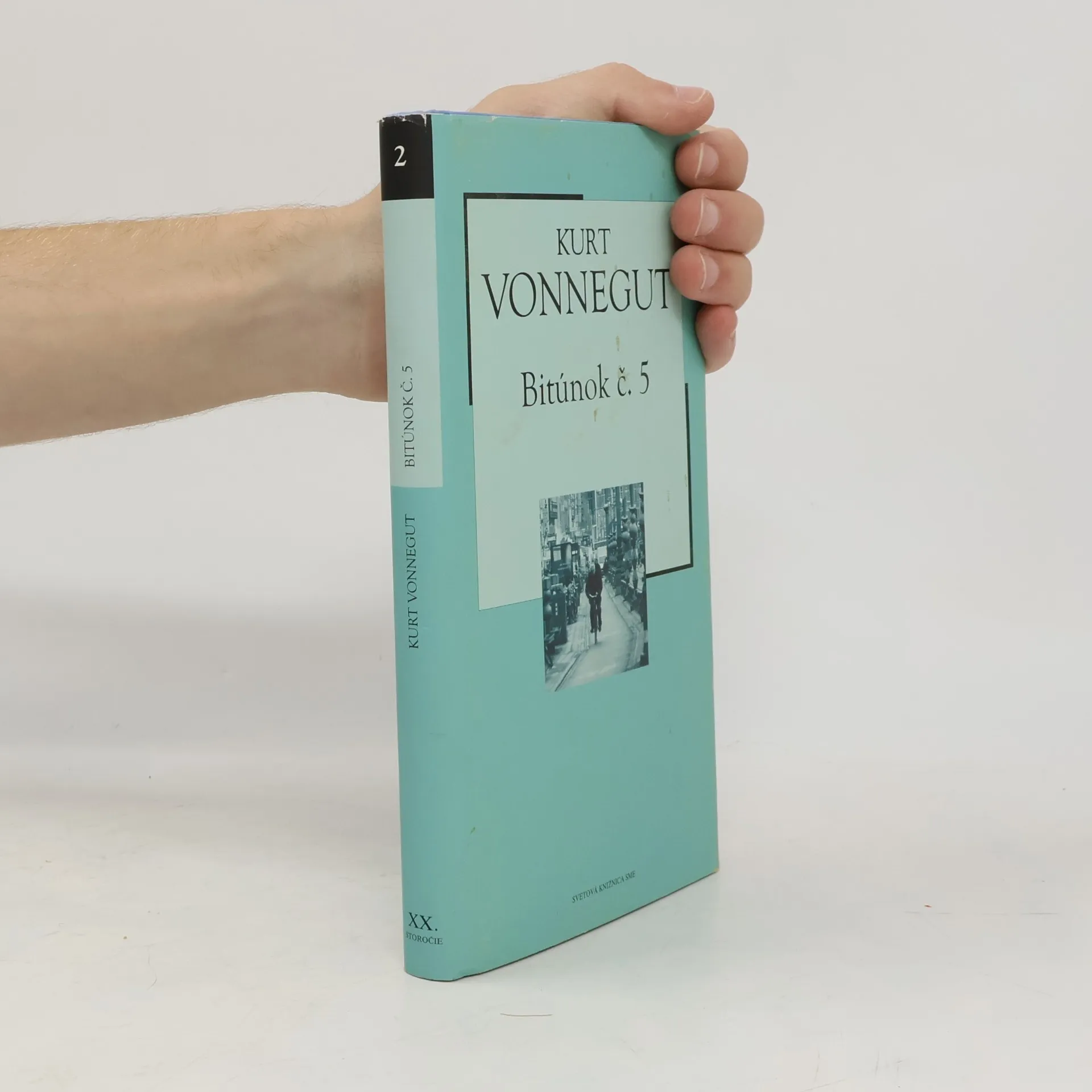
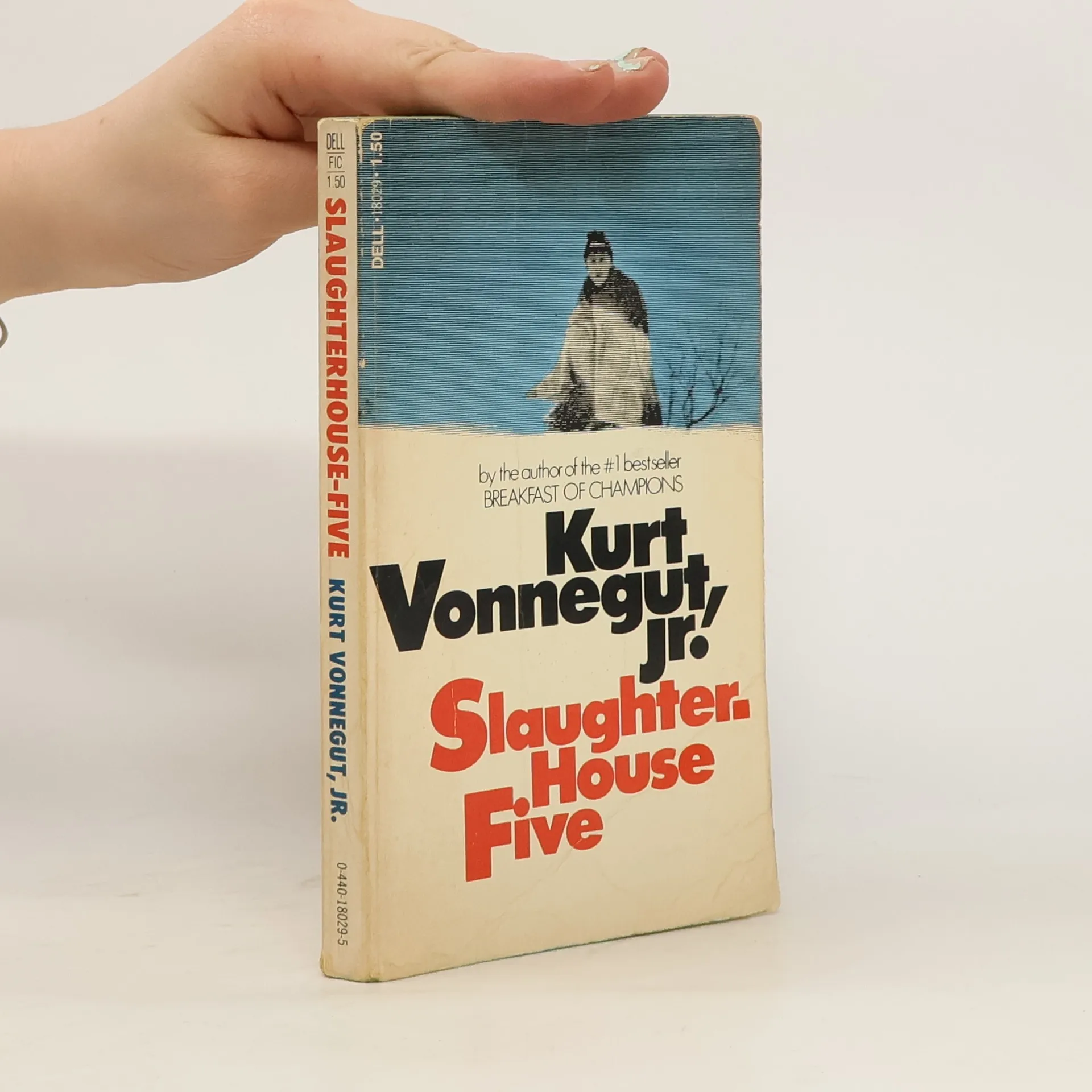
Román Bitúnok č. 5 je klasika americkej protivojnovej literatúry, ktorú porovnávajú s legendárnym románom Hlava XXII. Titul, ktorý si v každej novej generácii čitateľov nájde svojich priaznivcov, je súčasťou narodeninovej edície Vydavateľstva SLOVART.
Kurt Vonnegut je pokračovateľom veľkých satirikov ako Jonathan Swift alebo Samuel Butler. Spolu s Rayom Bradburym patrí k spisovateľom, pre ktorých je žáner science-fiction predovšetkým príležitosťou odhaľovať pravdu o našom živote a konaní. S postupujúcim vekom sa u Vonneguta čoraz výraznejšie dostávajú do popredia prvky reflexívne a autobiografické. Ako iní veľkí tvorcovia, aj on stiera rozdiel medzi vlastným súkromím a údelom svojho epického hrdinu, voľne splieta obe vetvy rozprávania a dosahuje tak osobitný účinok. V románe Bitúnok č. 5 opísal jeden z kľúčových zážitkov svojho života – bombardovanie Drážďan v roku 1945.
Jedna z kultových kníh slávneho amerického spisovateľa Kurta Vonneguta, kde vystupuje jeho alter ego - starnúci spisovateľ vedecko-fantastickej literatúry Kilgore Trout, ktorého tvorivý potenciál je nevyčerpateľným gejzírom originálnych nápadov na poviedky. V tejto knihe Kilgore Trout zažije nepríjemné prekvapenie: jeden jeho čitateľ pokladá jeho fiktívne príbehy za pravdivé. Výsledkom je neskutočne čierna satira, v ktorej si Vonnegut berie na mušku vojnu, sex, rasizmus, túžbu po úspechu, politiku a ničenie životného prostredia.
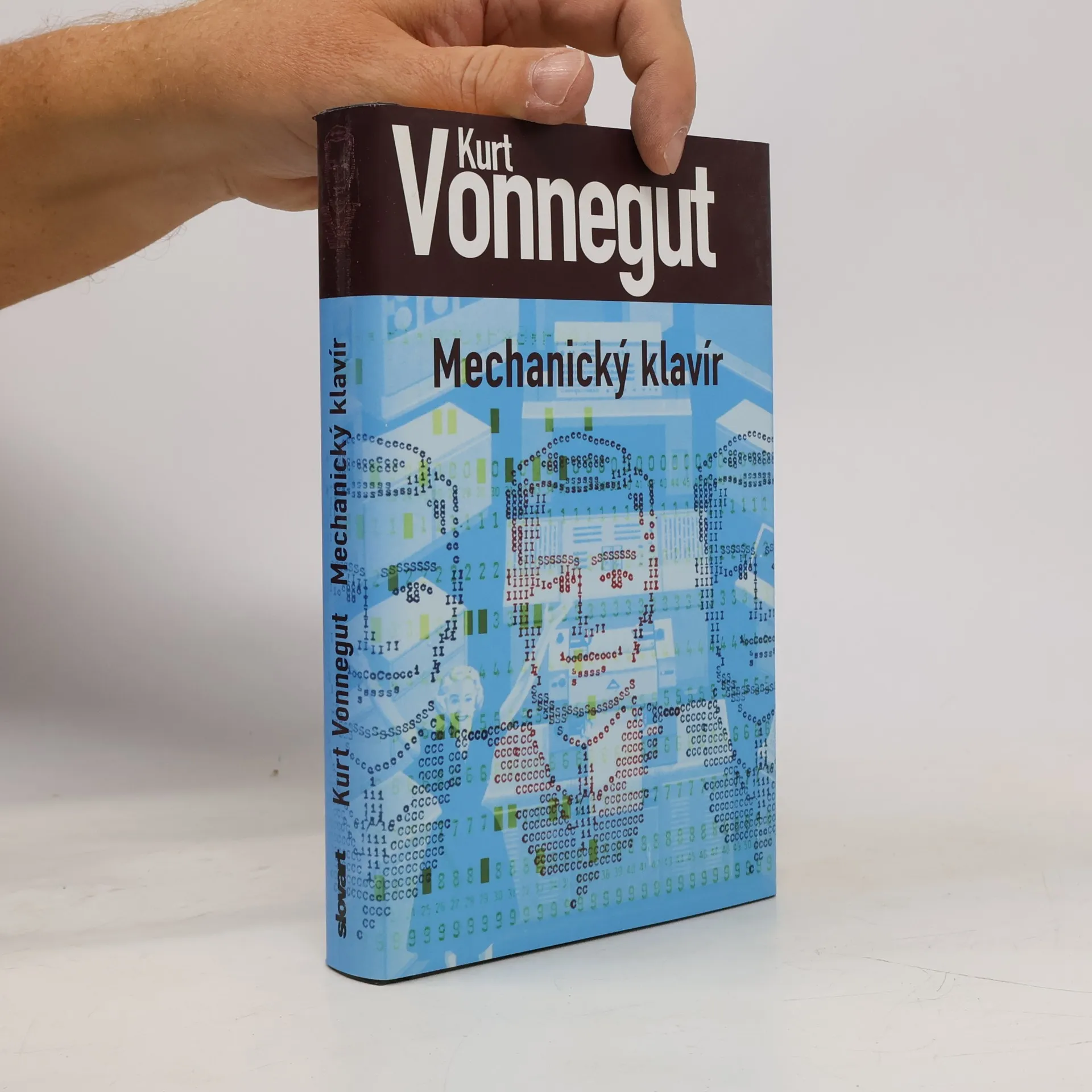
Kurt Vonnegut je jedinečný spisovateľ, ktorý mapuje neznáme krajiny a po novom pomenúva tie, ktoré už dobre poznáme. Jeho prvotina Mechanický klavír je mrazivým príbehom inžiniera Paula Protea, ktorý musí žiť vo svete ovládanom superpočítačom a riadenom strojmi. Proteova vzbura, to je typický Vonnegut – zábavný, smrteľne vážny a desivo sa približujúci skutočnosti. Pochmúrna logika tohto románu v čitateľovi miestami vzbudzuje smiech a miestami hroznú úzkosť. Dej plný čierneho humoru, fantázie a satiry hlbokým a zábavným spôsobom zobrazuje dilemu, pred ktorou stojí ľudstvo. Možno ho nazvať zábavno—pochmúrnou víziou Ameriky elektronického veku okorenenou množstvom výstižných satirických šľahov na adresu odľudštenej konzumnej spoločnosti. Nemieri však proti vede a technickému pokroku, je iba naliehavým varovaním humanistu pred ich zneužitím. Autor v nej ďaleko presiahol hranice vedecko-fantastickej literatúry.
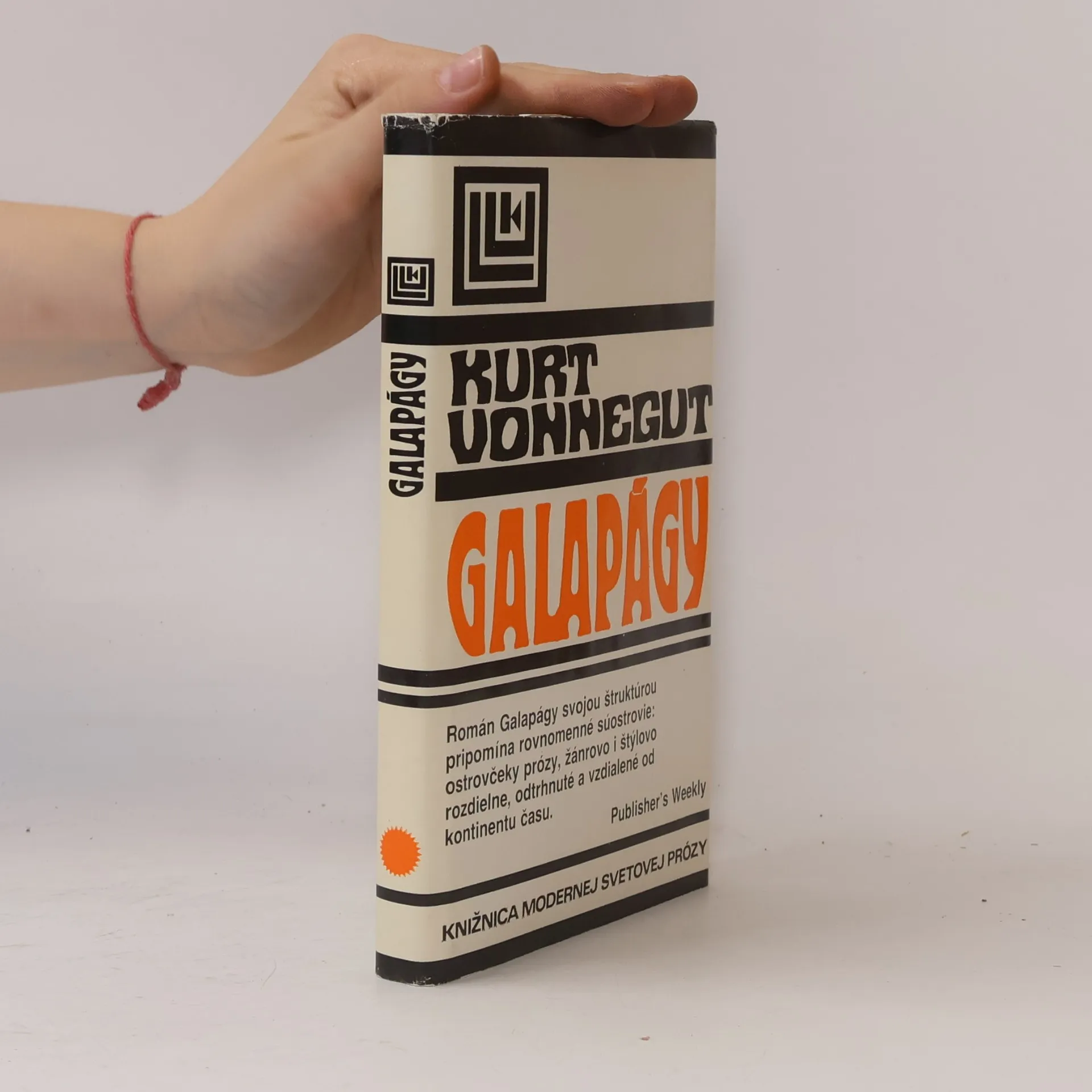
Popredný americký spisovateľ Kurt Vonnegut sa slovenským čitateľom po prvý raz predstavil svojím bestsellerom Bitúnok č. 5, ktorý vyšiel v tejto istej edícii roku 1973. Román Galapágy, jeho najnovší literárny triumf, naznačuje, kam môžu vyústiť pálčivé problémy súčasnosti. Rozprávač- duch nebohého Američana, ktorý milión rokov pozorne sledoval osudy ľudského rodu - spomína na „dávne“ udalosti roku 1986, na dávno minulú „éru veľkých mozgov“. Vtedy ľudia využívali svoj intelekt na podvody, vymýšľanie ukrutností a klamlivých ilúzií. Najväčšej chyby sa však dopustili, keď vo svojej nedomyslenej chamtivosti dopustili ďalekosiahlu devastáciu prírody. Ľudstvo takmer vyhynulo, no súhrou náhod sa zachovala neveľká ľudská kolónia, izolovaná na súostroví Galapágy. Daň, ktorú ľudstvo muselo zaplatiť za prežitie, bola nesmierne vysoká... Vonnegutove satirické šľahy sú presné, účinné a nemilosrdné. Veď nebezpečenstvo sebazničenia, ohrozujúce ľudstvo, je ešte vždy aktuálne.
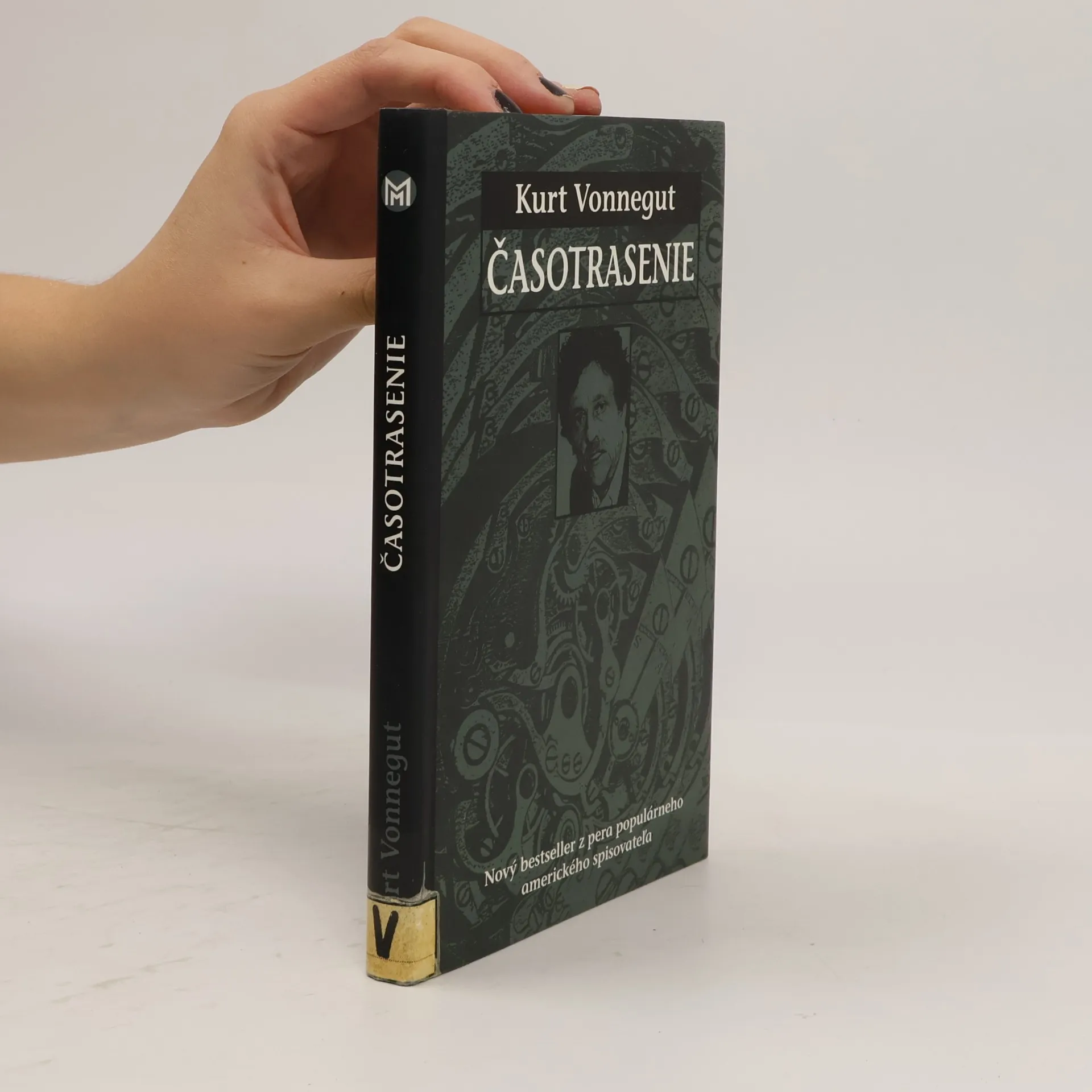
V roku 2001 nastáva na zemi časové zemetrasenie, časotrasenie. V tom okamihu sa ľudstvo vracia o desať rokov nazad. Čas sa znovu odvíja k roku 2001 a všetko sa uberá presne tými istými cestami ako prvý raz. To značí, že ľudia si opäť vyberajú nesprávnych partnerov, ubližujú si a správajú sa nanajvýš neprezieravo a nerozumne.
Kurt Vonnegut nebyl jen přední americký prozaik, ale též vyhledávaný a oblíbený veřejný řečník. Výbor z jeho projevů nyní vychází pod názvem No není to krása? Najdeme zde devět autorových proslovů; jeden z nich byl pronesen u příležitosti přebírání prestižní ceny Carla Sandburga, jeden na shromáždění Indianské unie občanských svobod a sedm zbylých na různých univerzitních promocích (což je přímo vonnegutovsky paradoxní, vzhledem k tomu, že sám Vonnegut nikdy univerzitu nedostudoval). Netřeba se však bát nějaké mravokárné suchařiny – Vonnegutovy projevy si co do výstavby, čtivosti a vtipnosti s ničím nezadají s jeho prózami. I v nich autor předvádí svou typickou ironii a sarkasmus, i v nich dokáže mezi drsné špílce nenápadně propašovat svůj humanismus a empatii, i v nich vyslovuje nejednu základní pravdu a přitom na čtenáře – či posluchače – spiklenecky pomrkává. No není to krása?
Sbírka povídek jednoho z největší amerických spisovatelů vyšla poprvé anglicky v roce 1968. Kurt Vonnegut je znám především jako romanopisec, ale už v padesátých letech okouzloval čtenáře svými kratšími pracemi, které vycházely v řadě periodik, a to od literárních časopisů přes magazíny zaměřené na fantastickou prózu až po deníky. A právě jeho nejlepší povídky z let padesátých a šedesátých, ať už jde o futuristické projekce, antiutopie, příběhy z války či jeho typické satirické šlehy, tvoří sbírku Vítejte v pavilonu opic.
This is the second volume of Vonnegut's autobiographical writings - a collage
of his own life story, snipped up and stuck down alongside his views on
everything from suicidal depression to the future of the planet and Andrew
Lloyd Webber. this rare glimpse of Vonnegut's soul is a dagger to the heart of
Western complacency.
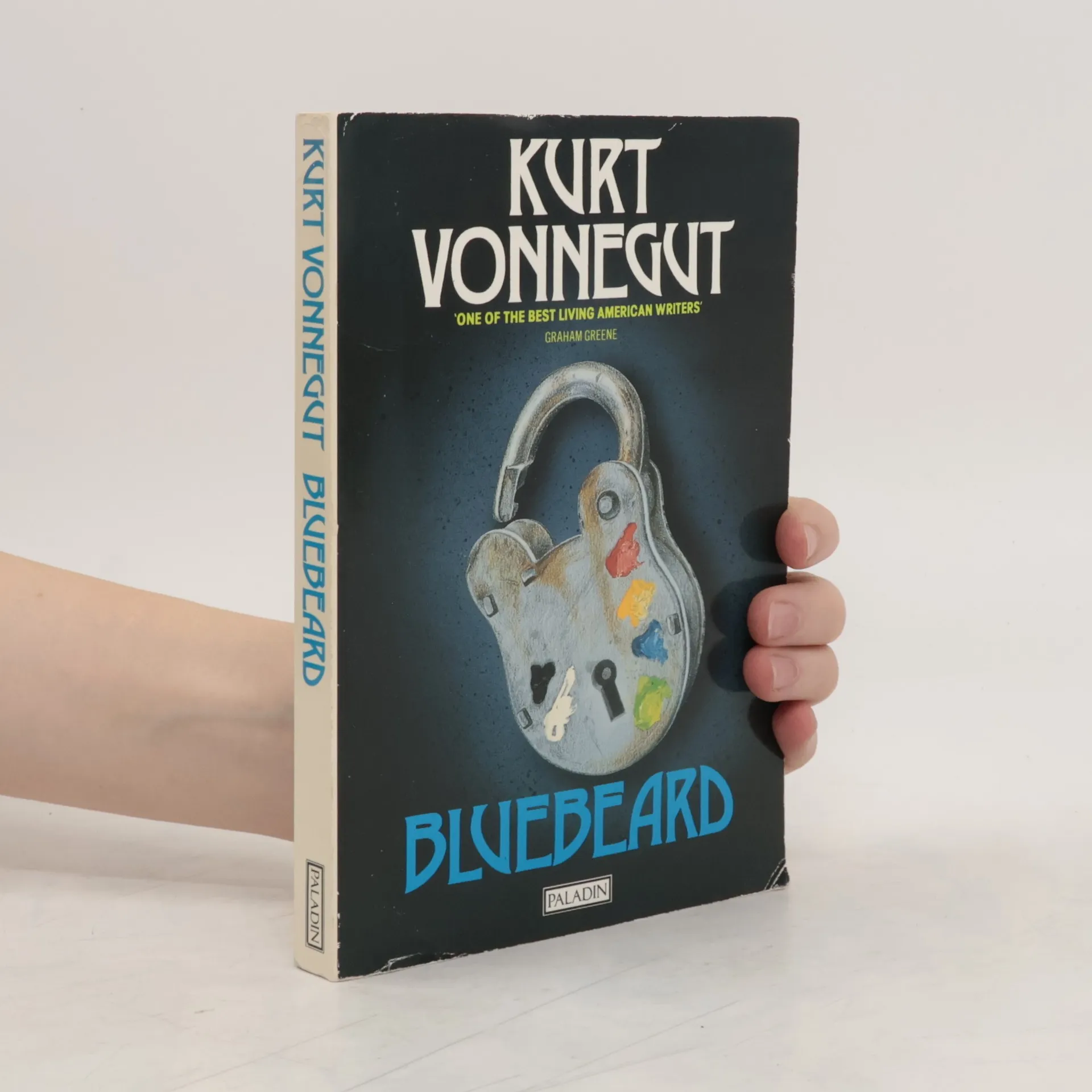
Fiktivní autobiografie Rabo Karabekiana, jednookého malíře a válečného veterána, který do dějin amerického umění vstoupil coby poznámka pod čarou a jehož prostřednictvím se Kurt Vonnegut zamýšlí nad některými groteskními jevy v americké společnosti dvacátého století.
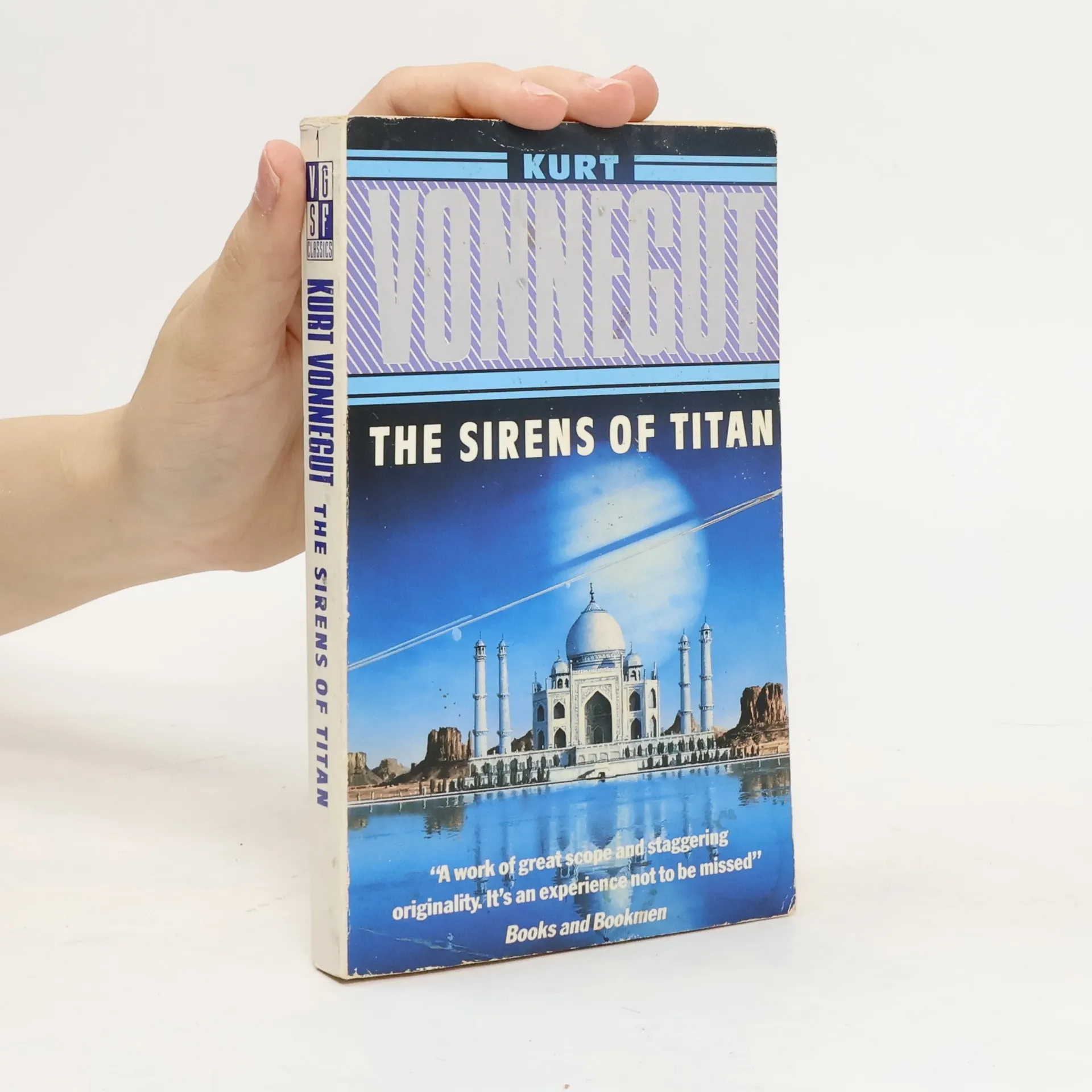
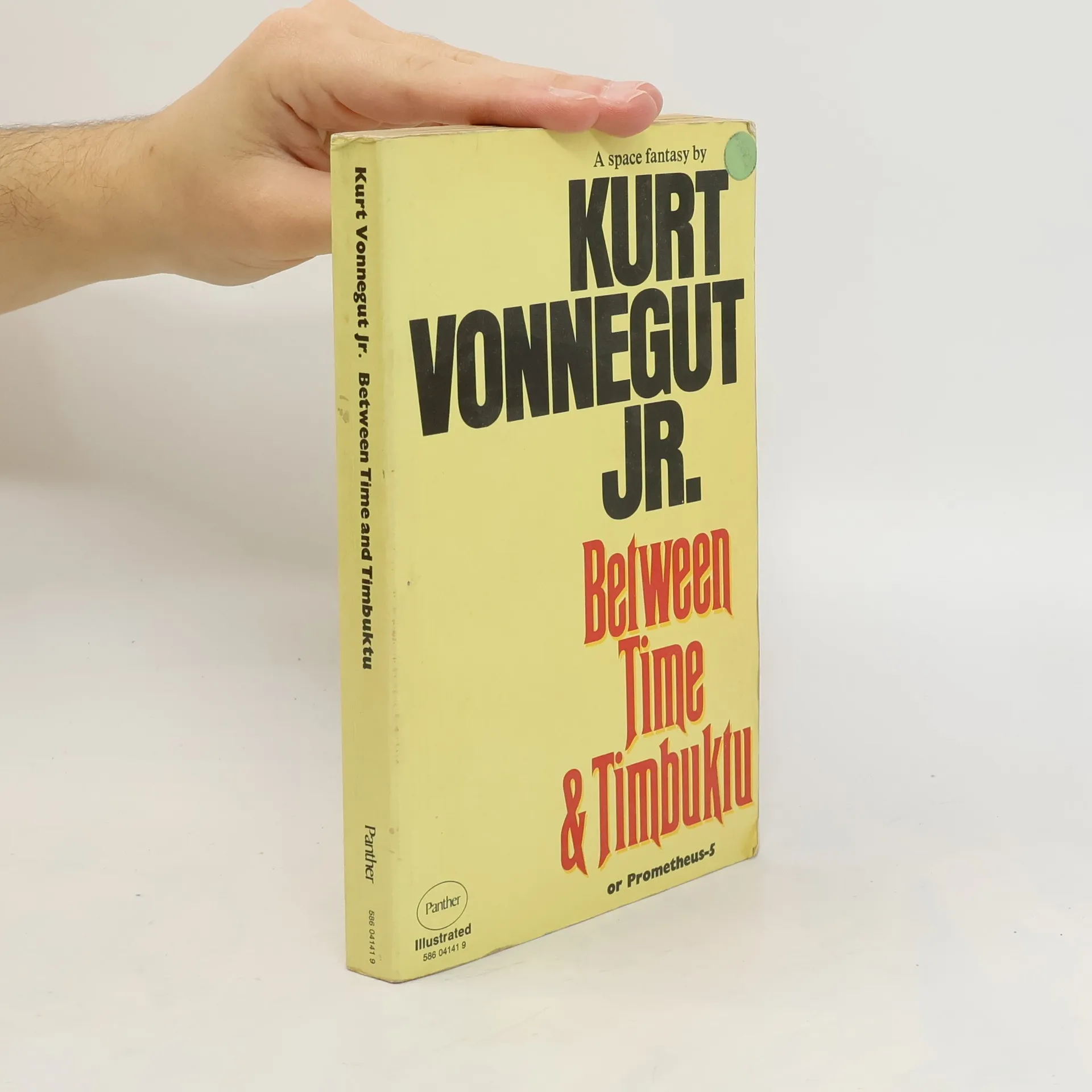
When Winston Niles Rumfoord flies his spacecraft into a chrono-synclastic infundibulum he is converted into pure energy and materialises when his waveforms intercept a planet. Winston now knows everything that has ever been and that will be.
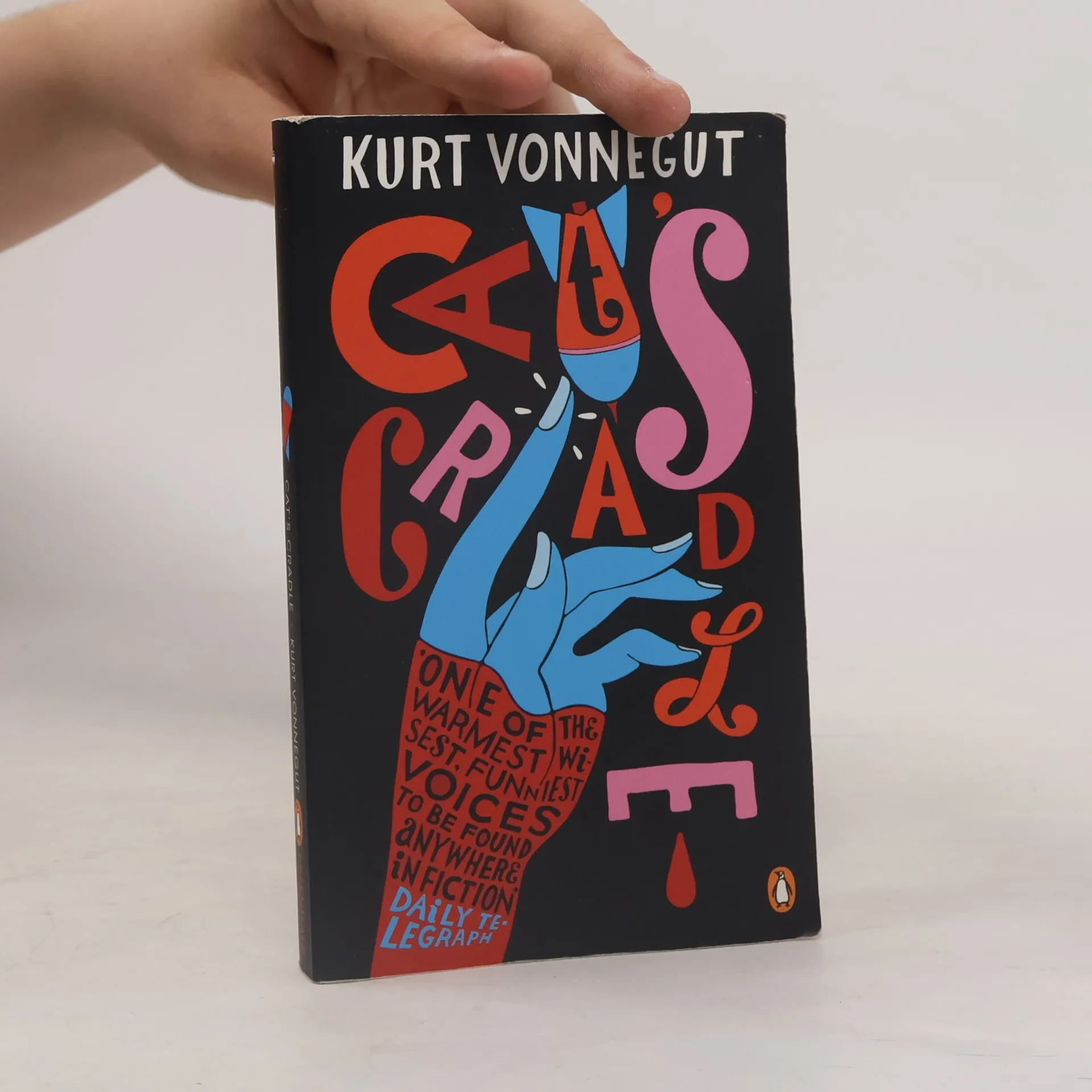
In this novel, the author spatters the targets of religion and science as the hunt for the three children of Dr Felix Hoenikker, one of the fathers of the atomic bomb, draws towards the end that, forall of us, is nigh.
Broad humor & bitter irony collide in this fictional autobiography of Rabo Karabekian, who, at age 71, wants to be left alone on his Long Island estate with the secret he has locked inside his potato barn. But then a voluptuous young widow badgers Rabo into telling his life story--& Vonnegut in turn tells us the plain, heart-hammering truth about humankind's careless fancy to create or destroy what he loves.
“[Vonnegut] at his wildest best.”—The New York Times Book Review Eliot Rosewater—drunk, volunteer fireman, and President of the fabulously rich Rosewater Foundation—is about to attempt a noble experiment with human nature . . . with a little help from writer Kilgore Trout. God Bless You, Mr. Rosewater is Kurt Vonnegut’s funniest satire, an etched-in-acid portrayal of the greed, hypocrisy, and follies of the flesh we are all heir to. “A brilliantly funny satire on almost everything.”—Conrad Aiken “[Vonnegut was] our finest black humorist. . . . We laugh in self-defense.”—The Atlantic Monthly
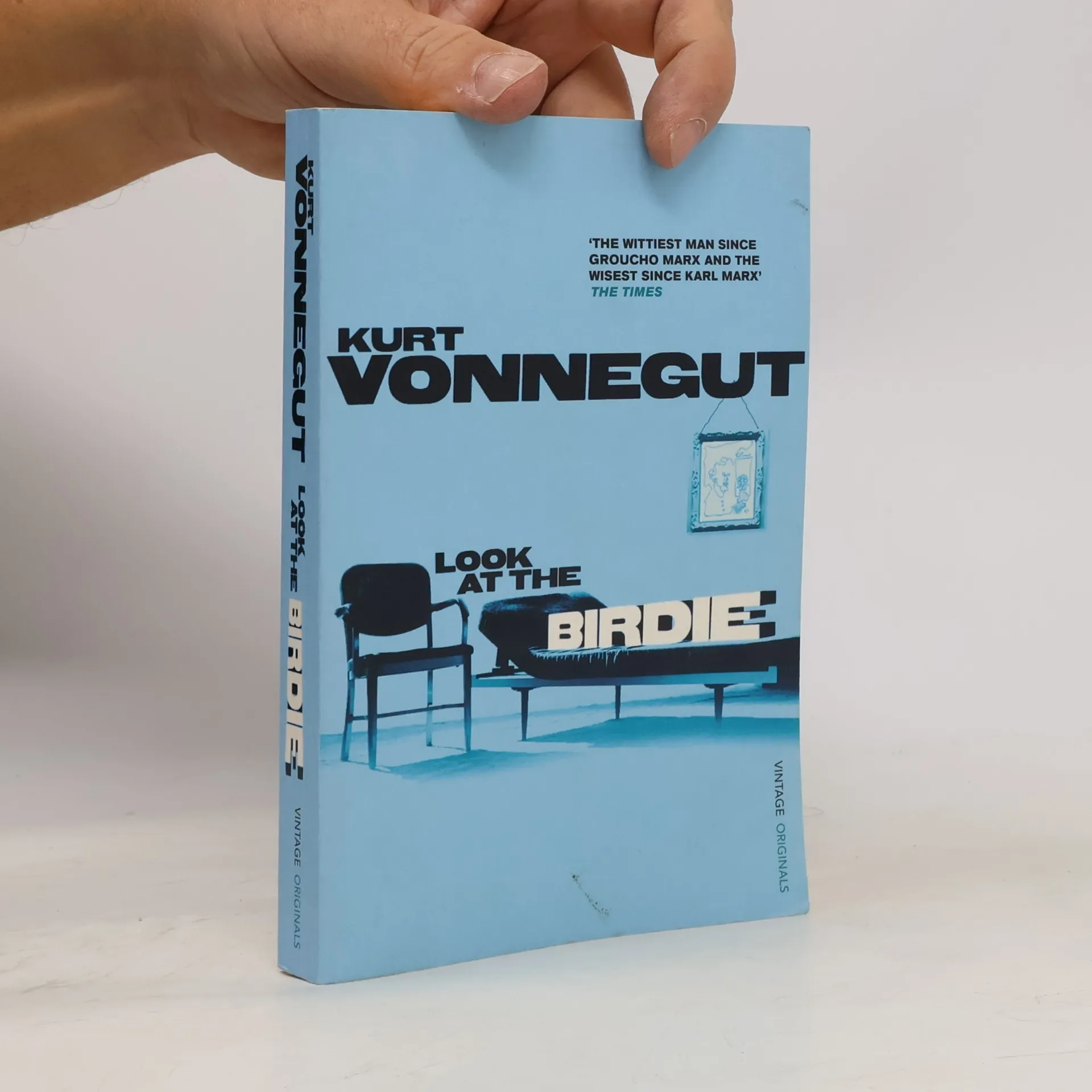
Look at the Birdie is a surprising and often hilarious collection of stories set in post-war America, a world of squabbling couples, high school geniuses, misfit office workers, and small-town Lotharios.
Twelve previously unpublished writings on war and peace include such pieces as an essay on the destruction of Dresden, a story about the first-meal fantasies of three soldiers, and a meditation on the impossibility of shielding children from the temptations of violence.
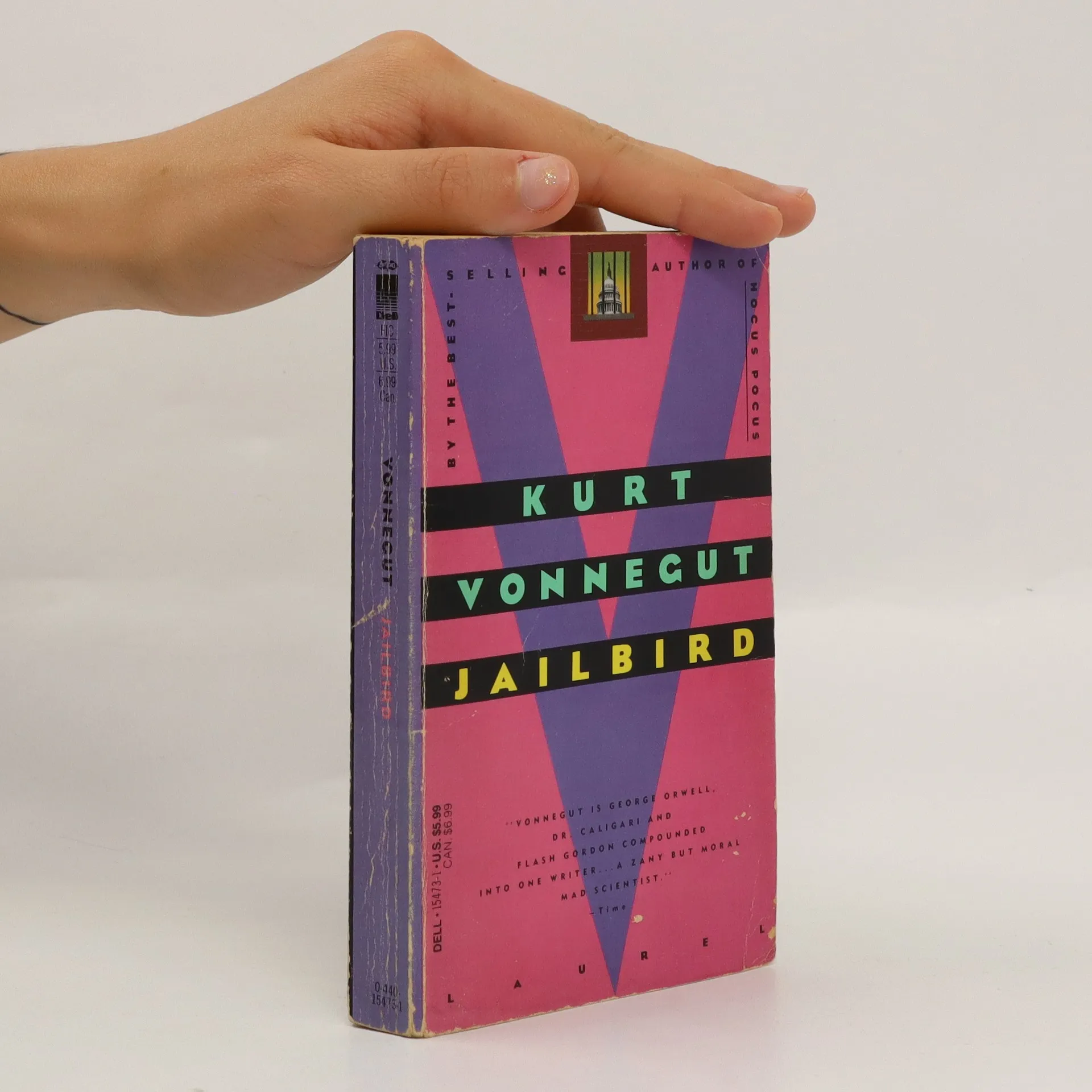
MONEY TALKS, MONEY LAUGHS, MONEY CRIES Walter F. Starbuck went to Harvard because he was befriended by a millionaire. He went to prison because Richard Nixon's henchmen used his office to hide a trunkful of none-too-legal dollars. He went into the Down Home Records Division of the RAMJAC Corporation because... because he met a shopping-bag lady on the street? Because he used to be a communist? Maybe just because Jailbird is a magical experience, angry, funny, and sad, in which the things we do on our strange planet sparkle in a whole new light.
It is the year 2001, and Eugene Dabbs Hartke, suffering from TB, is recording his disastrous life on scraps of paper while awaiting trial for a crime he hasn't committed. This humorous novel is set in a Japanese-owned America, where everything is run for profit. By the author of Slaughterhouse 5 .
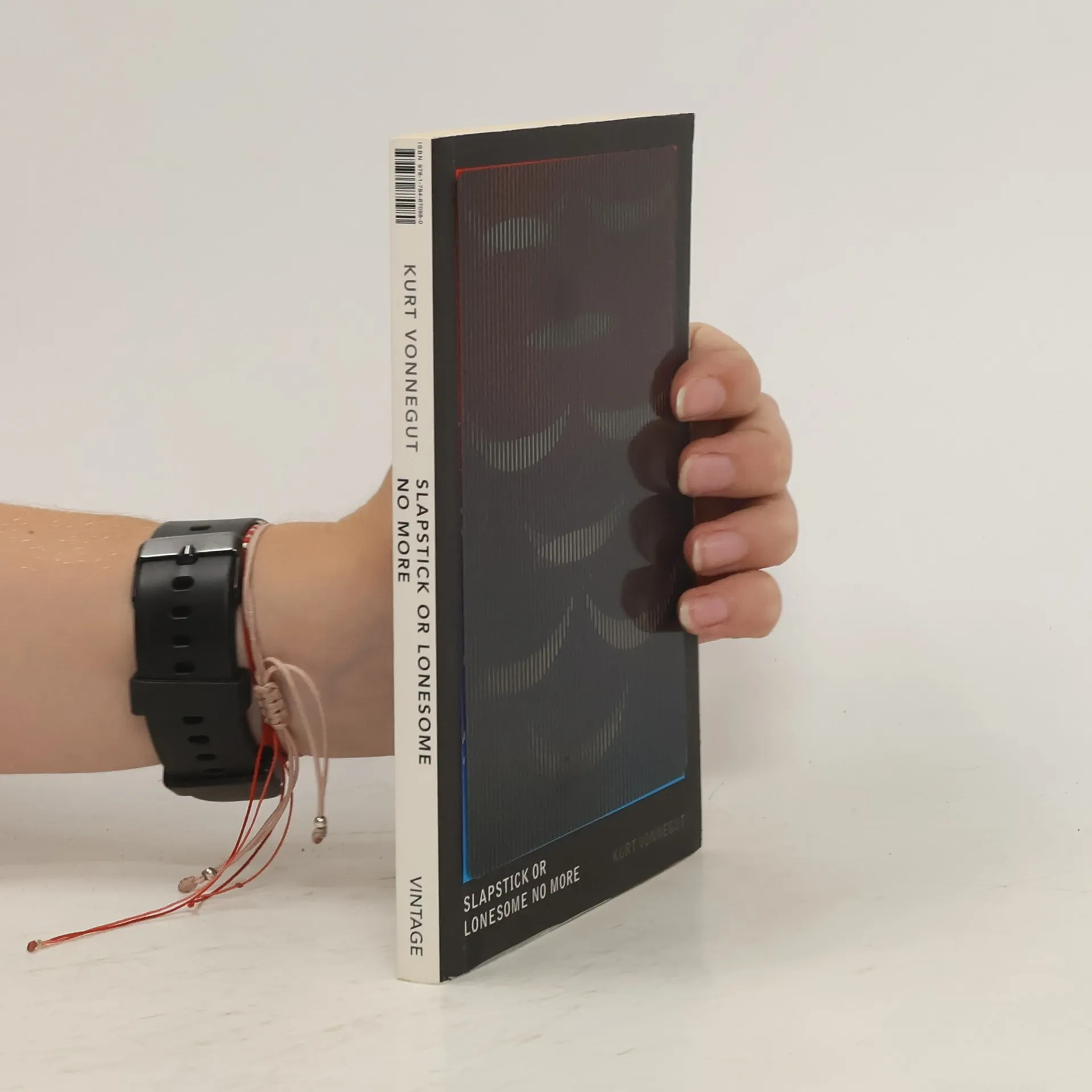
COVER DESIGNS THAT COME TO LIFE! ANIMATE THESE COVERS WITH THE FREE INSERTED SHEET Manhattan has become the Island of Death. The former President of the United States stands barefoot in a purple toga around a cooking fire in the lobby of the Empire State Building. He is Dr Wilbur Daffodil-II Swain and Slapstick or Lonesome No More! is his story - one of monstrous twins, orgies, revenge, golf, utopian schemes, and very little tooth brushing. In this post-apocalyptic black comedy - dedicated to Laurel and Hardy - Vonnegut is at his most hilarious, grotesque, and personal.
Deadeye Dick is Vonnegut's funny, chillingly satirical look at the death of innocence. Amid a true Vonnegutian host of horrors a double murder, a fatal dose of radioactivity, a decapitation, an annihilation of a city by a neutron bomb Rudy Waltz, a.k.a. Deadeye Dick, takes us along on a zany search for absolution and happiness. Here is a tale of crime and punishment that makes us rethink what we believe...and who we say we are.
FROM THE ONE-OF-A-KIND IMAGINATION THAT BROUGHT US SLAUGHTERHOUSE 5 AND CAT'S
CRADLE 'Kurt Vonnegut is either the funniest serious writer around or the most
serious funny writer' Los Angeles Times Book Review An 'autobiographical
collage' of speeches, stories and essays, in Palm Sunday, Kurt Vonnegut writes
beguilingly about everything from country music to George Bush, his favourite
comedians to his mother's midnight mania, and bittersweet tributes to a dead
best friend and a dead marriage. Resonating with his singular voice, this is a
self-portrait in writing that showcases why Kurt Vonnegut is as genius an
essayist and commentator on American society as he is a novelist.
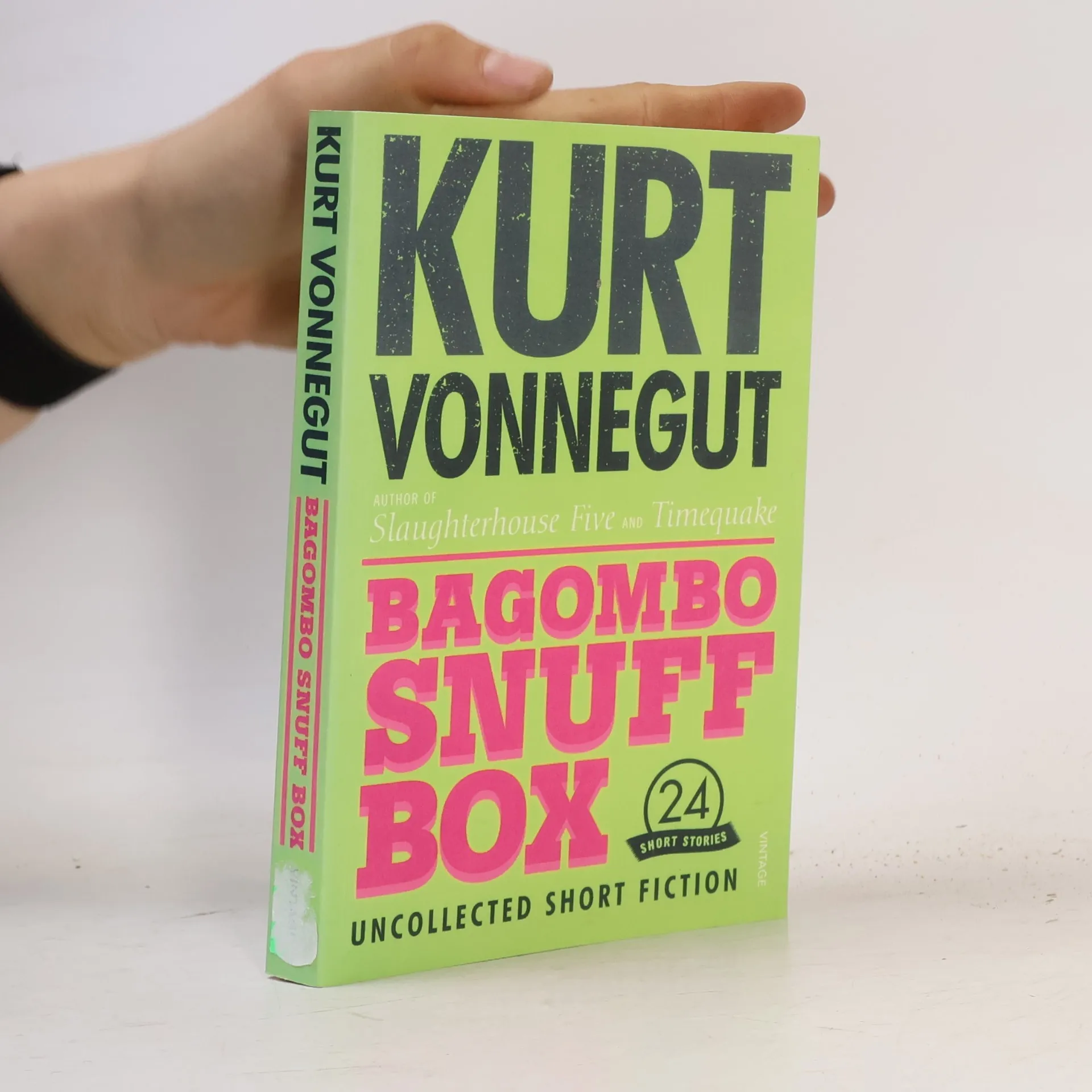
For this unusual collection, Kurt Vonnegut has selected 24 of his favourite stories never published before in book form. Included are "Any Reasonable Offer", "The Powder Blue Dragon", "Hal Irwin's Magic Lamp" and "Lovers Anonymous".
While Mortals Sleep is a smart, clear-eyed collection of stories from one of the most original writers in American fiction. Set in trailers, bars and factories, Vonnegut conjures up a world where men and machines, art and artifice, fame and fortune become curiously twisted and characters pit their dreams and fears against a cruel and comically indifferent world. Written early in his career, and never published before, these tightly plotted stories are infused with Vonnegut's distinctive blend of observation, imagination and scabrous humour. This collection features an introduction by Dave Eggers.
This fictional adventure takes the form of a series of interviews' - brief pieces originally read on WNYC, Manhattan's public radio station but now revised and rewritten. As a 'reporter on the afterlife' Vonnegut trips down 'the blue tunnel to the pearly gates' and imagines an afterworld peopled, for the most part, with characters of great dignity and wit who managed to make their unique contributions by simply being who they are. Subjects include Issac Newton, James Earl Ray, Mary Shelley, John Brown, William Shakespeare, and some twenty-five others.'
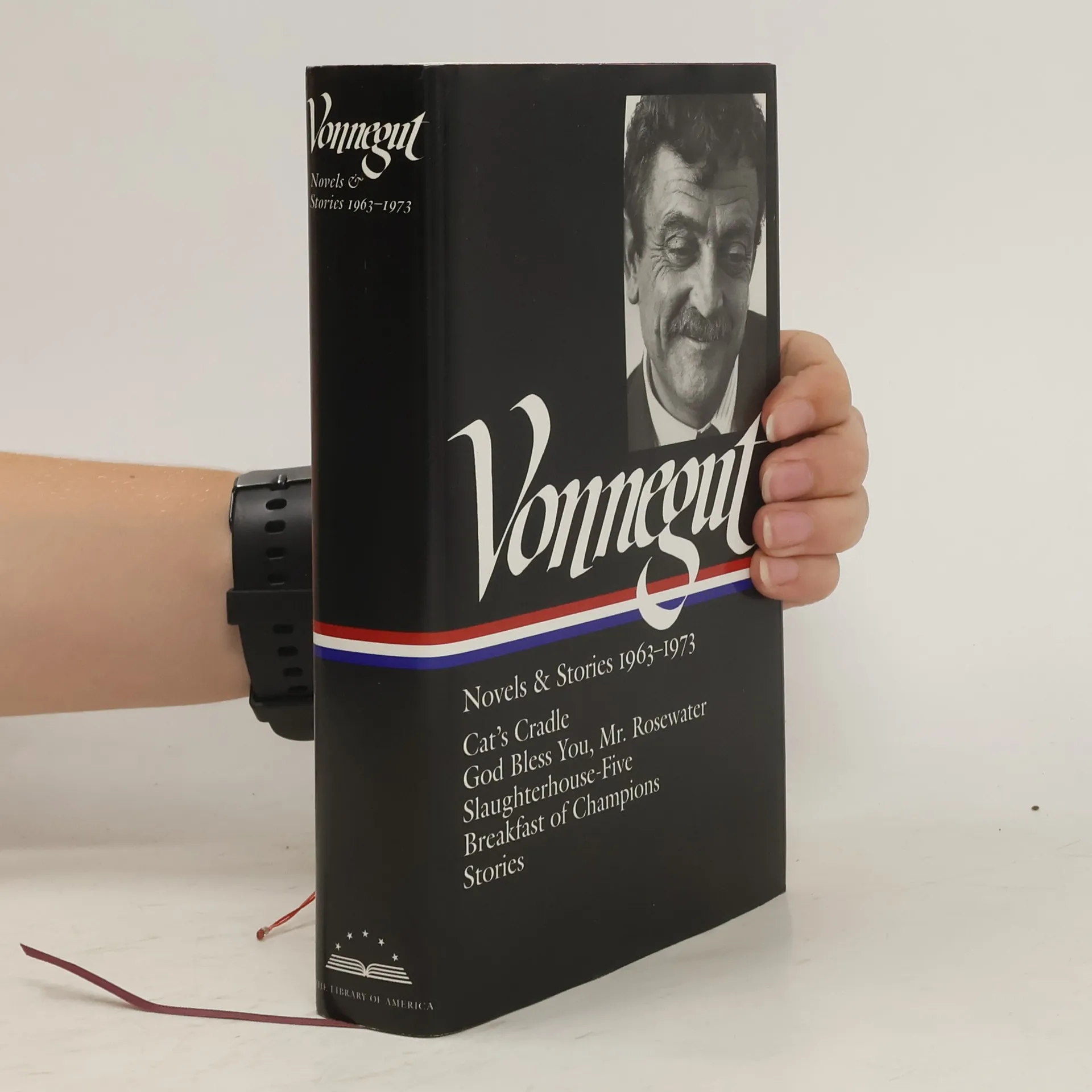
This collection features four novels by Kurt Vonnegut from the 1970s and '80s, showcasing his satirical brilliance. Included are "Slapstick," "Jailbird," "Deadeye Dick," and "Galápagos," alongside rare essays and speeches. It highlights Vonnegut's unique storytelling and exploration of profound themes.
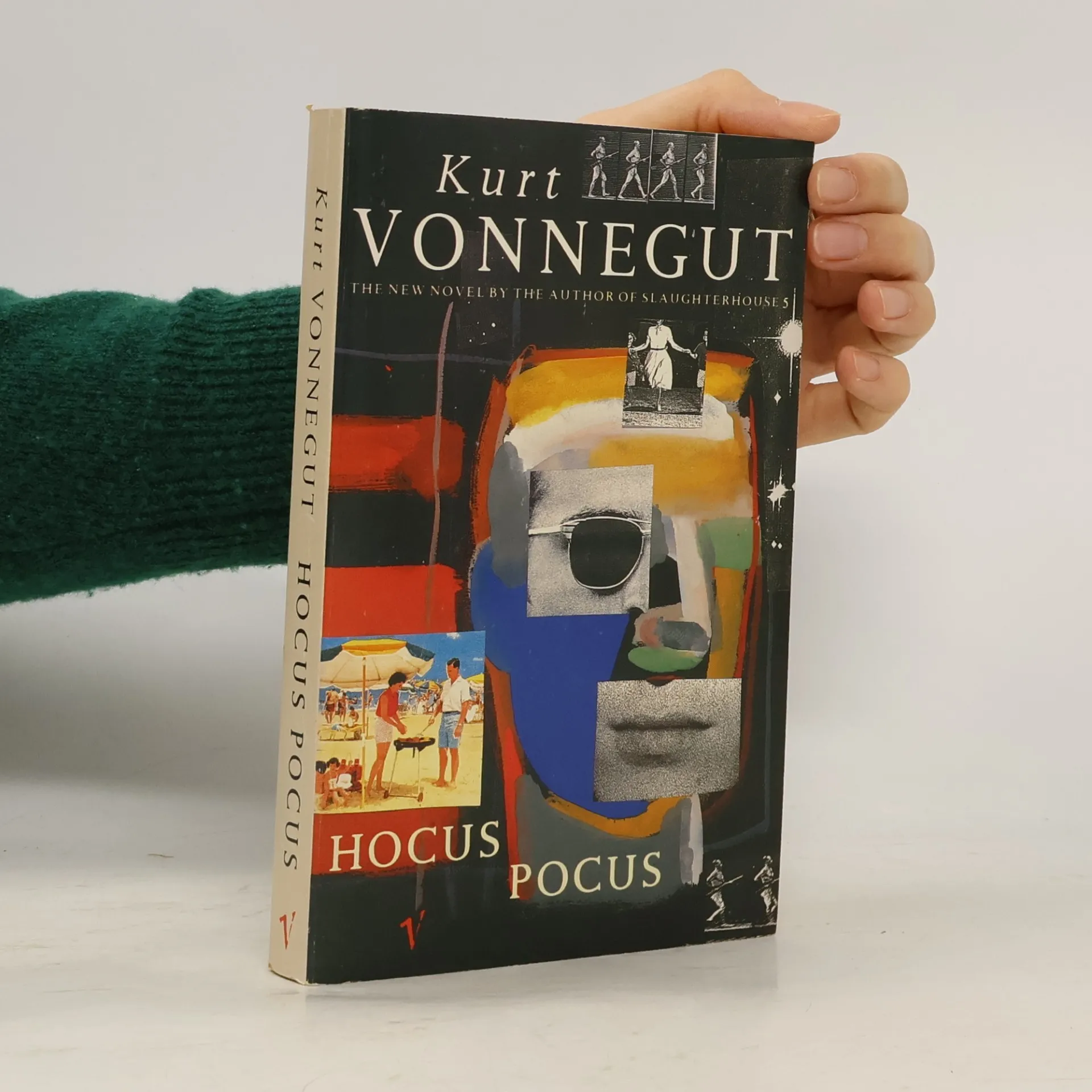
This definitive edition of Kurt Vonnegut's fiction compiles his last three novels: "Bluebeard," "Hocus Pocus," and "Timequake," showcasing his signature satirical style. It explores themes of artistic integrity, societal issues, and personal reflections, concluding with a selection of related nonfiction pieces. A fitting farewell from a literary master.
From riffs on country music, George Bush, and his mother's midnight mania, to a bittersweet tribute to a dead friend, this book demonstrates why Kurt Vonnegut is equally well known as an essayist and commentator as he is a novelist. It resonates with Vonnegut's singular voice.
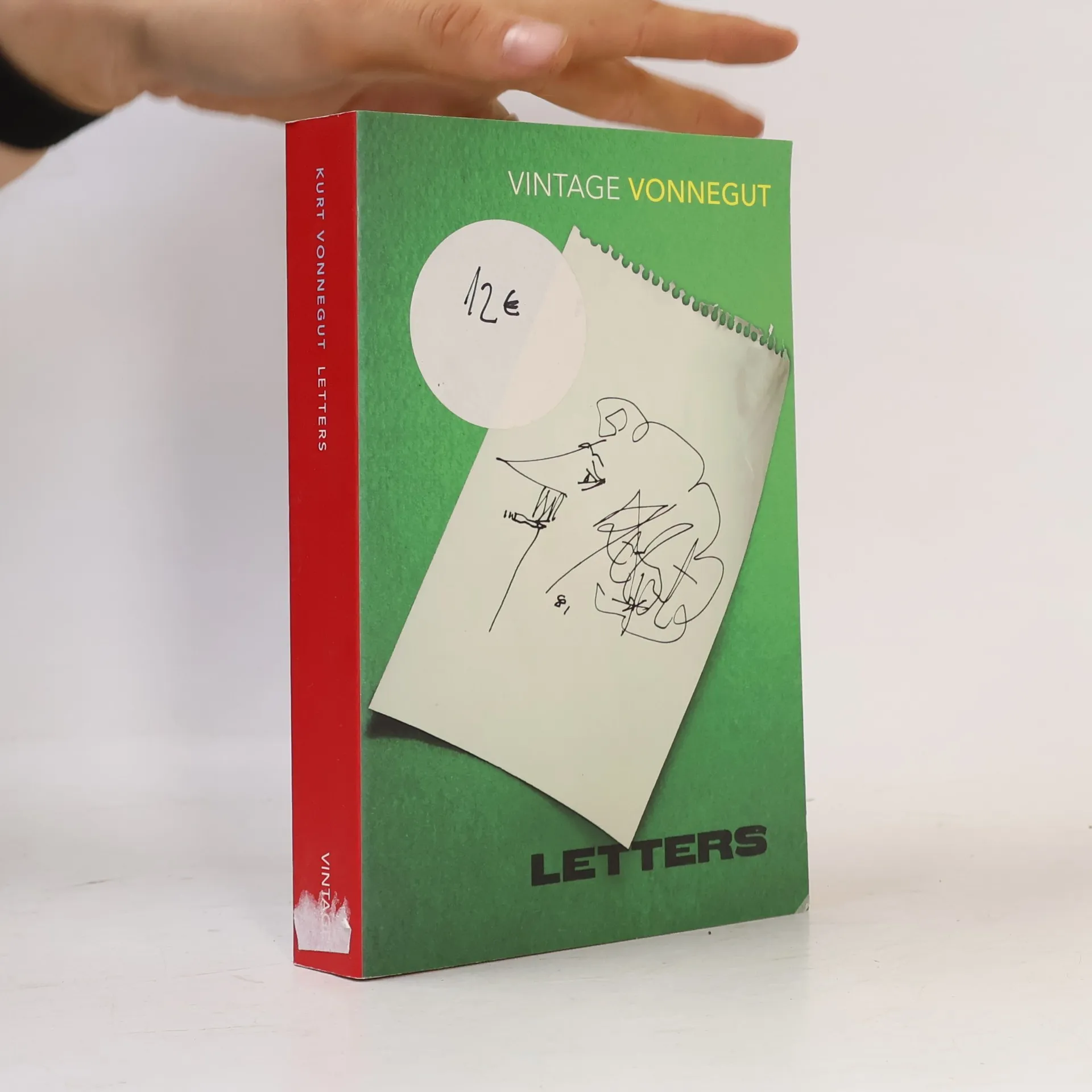
This collection of Vonnegut's letters is the autobiography he never wrote -
from the letter he posted home upon being freed from a German POW camp, to
notes of advice to his children: `Don't let anybody tell you that smoking and
boozing are bad for you.
One of the great American iconoclasts holds forth on politics, war, books and writers, and his personal life in a series of conversations, including his last published interview. During his long career Kurt Vonnegut won international praise for his novels, plays, and essays. In this new anthology of conversations with Vonnegut—which collects interviews from throughout his career—we learn much about what drove Vonnegut to write and how he viewed his work at the end. From Kurt Vonnegut's last interview Is there another book in you, by chance? No. Look, I’m 84 years old. Writers of fiction have usually done their best work by the time they’re 45. Chess masters are through when they’re 35, and so are baseball players. There are plenty of other people writing. Let them do it. So what’s the old man’s game, then? My country is in ruins. So I’m a fish in a poisoned fishbowl. I’m mostly just heartsick about this. There should have been hope. This should have been a great country. But we are despised all over the world now. I was hoping to build a country and add to its literature. That’s why I served in World War II, and that’s why I wrote books. When someone reads one of your books, what would you like them to take from the experience? Well, I’d like the guy—or the girl, of course—to put the book down and think, “This is the greatest man who ever lived.”
A collection of 15 graduation speeches and treasured wisdom from the New York Times–bestselling literary icon and author of Slaughterhouse-Five, Cat’s Cradle, and Breakfast of Champions "Like [that of] his literary ancestor Mark Twain, Kurt Vonnegut's crankiness is good-humored and sharp-witted."—A.O. Scott, The New York Times Book Review Master storyteller and satirist Kurt Vonnegut was one of the most in-demand commencement speakers of his time. His words were unfailingly insightful and witty, and they stayed with audience members long after graduation. Chosen and introduced by fellow novelist and friend Dan Wakefield, a selection of speeches and essays in this expanded 3rd edition include: • “What to Do When You Have the Power; In the Meantime, Remember to Skylark!” • “Why Social Justice Does More Than Art to Nourish the American Dream” • “How to Make Money and Find Love!” • “Somebody Should’ve Told Me Not to Join a Fraternity” • “How to Have Something Most Billionaires Don’t” Hilarious, razor-sharp, freewheeling, and at times deeply serious, these reflections are ideal not just for graduates but for anyone undergoing what Vonnegut would call their “long-delayed puberty ceremony”—marking the long and challenging passage to full-time adulthood.
Prisoner of war, optometrist, time-traveller - these are the life roles of Billy Pilgrim, hero of this miraculously moving, bitter and funny story of innocence faced with apocalypse. "Slaughterhouse 5" is one of the world's great anti-war books. Centring on the infamous fire-bombing of Dresden in the Second World War, Billy Pilgrim's odyssey through time reflects the journey of our own fractured lives as we search for meaning in what we are afraid to know
Kurt Vonnegut used to like to say, "Practicing an art form is a way to grow your soul." He would screw up his lips into a prune face after he said this because of how important he believed this idea to be. Pity the Reader is the very embodiment of that idea, a book about writing and life and why the two go together. It includes rare photos and reproductions, Vonnegut's own account in his own words of how he became a writer and why it matters, and previously untold stories by and about Vonnegut as teacher and friend. It turns out he was generous to a fault about students' writing, idiosyncratic, a bit tortured and always creative as a teacher, and here in this book that portrait becomes our gateway into getting to know Kurt Vonnegut better than we ever have before as a human being. Vonnegut recounts that his favorite work of art among all those his children produced "so far" is a letter his daughter Nanette wrote to a disgruntled customer, after he had tormented a new waitress at the restaurant where she had just started working, and then he shares the letter with us. Thus he illustrates his first writing rule: "Find a subject you care about." This book is full of such rare, intimately teachable moments, and they add up to something special. Pity the Reader indeed.
From Guided Reading to Autonomy - Anglais - Livre de l'élève - Edition 2000
128 stránok
5 hodin čítania
Le plaisir de lire en V.O.Ce recueil de 10 nouvelles anglaises et américaines d'auteurs contemporains (R. Dahl, P. Highsmith, I. Asimov, etc.) et de genres très divers a pour but d'aider les élèves à lire de manière autonome en anglais.Les premières nouvelles sont accompagnées d'une aide à la lecture importante, qui va décroissant alors que les élèves gagnent en confiance.- Chaque nouvelle est suivie d'une fiche de lecture qui aide à la compréhension du texte et propose des activités et des exercices.- Les nouvelles choisies reposent toutes sur une intrigue qui incite l'élève à aller jusqu'au bout de l'histoire.
Sun Moon Star is the story of the birth of Jesus--as told by Kurt Vonnegut. This children's book takes the newborn Jesus' perspective, offering beautiful and insightful descriptions of the world from someone newly born into it. In this book, we follow Jesus and meet the people most important to his life--presented in new and surprising ways. A powerful departure from Vonnegut's more adult work, Sun Moon Star gives readers a rare glimpse of the writer's talent in a format that's unique and unexpected. Originally published in 1980, the book is long out of print, but is available as an E-book.
"'If ever I do write anything of length--good or bad--it will be written with you in mind.' Kurt Vonnegut's oldest daughter, Edith, was cleaning out her mother's attic when she stumbled upon a dusty box. Inside were more than two-hundred love letters written by Kurt to Jane, spanning the early years of their relationship: from 1941, when nineteen-year-old Kurt heads off to college, to his deployment to Europe in 1944 and the couple's marriage in 1945. The letters are full of the humor and wit that we have come to associate with Kurt Vonnegut. But they also show more private corners of his mind: Passionate and tender, the letters form an illuminating portrait of a young soldier's life in World War II as he attempts to come to grips with love and mortality. And they expose the origins of Vonnegut the writer, when Jane was the only person who believed in him, and they had no idea how celebrated he would become. A beautiful full-color collection of handwritten letters, notes, sketches, and comics, interspersed with Edith's insights and family memories, Love, Kurt is an intimate record of a young man growing into himself, a fascinating account of a writer finding his voice, and a moving testament to the life-altering experience of falling in love"-- Provided by publisher
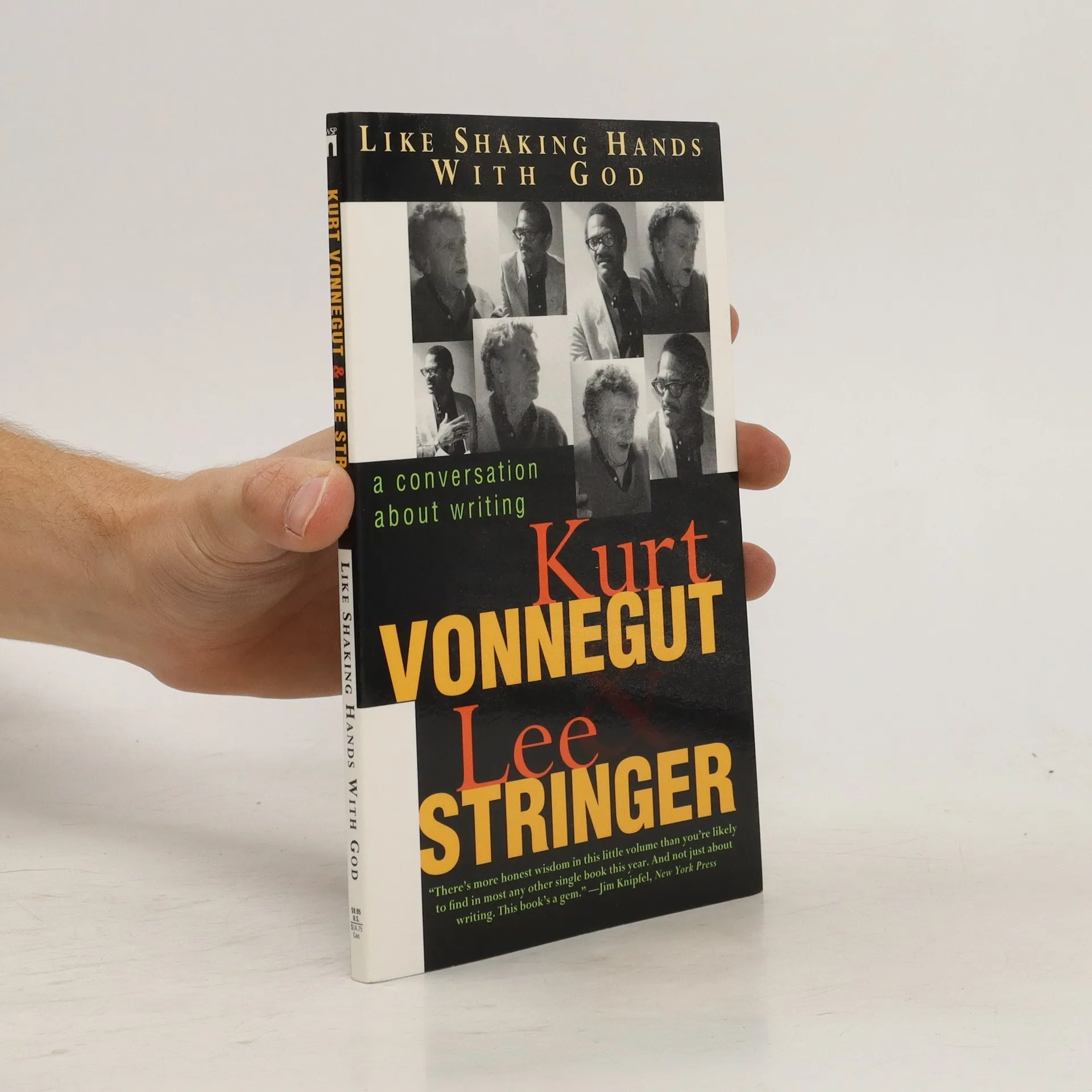
Features photographs and transcripts of a seminar hosted by the authors on October 1, 1998 during which they spoke together about the process of writing, being a writer, and what it means to be human. Reprint.
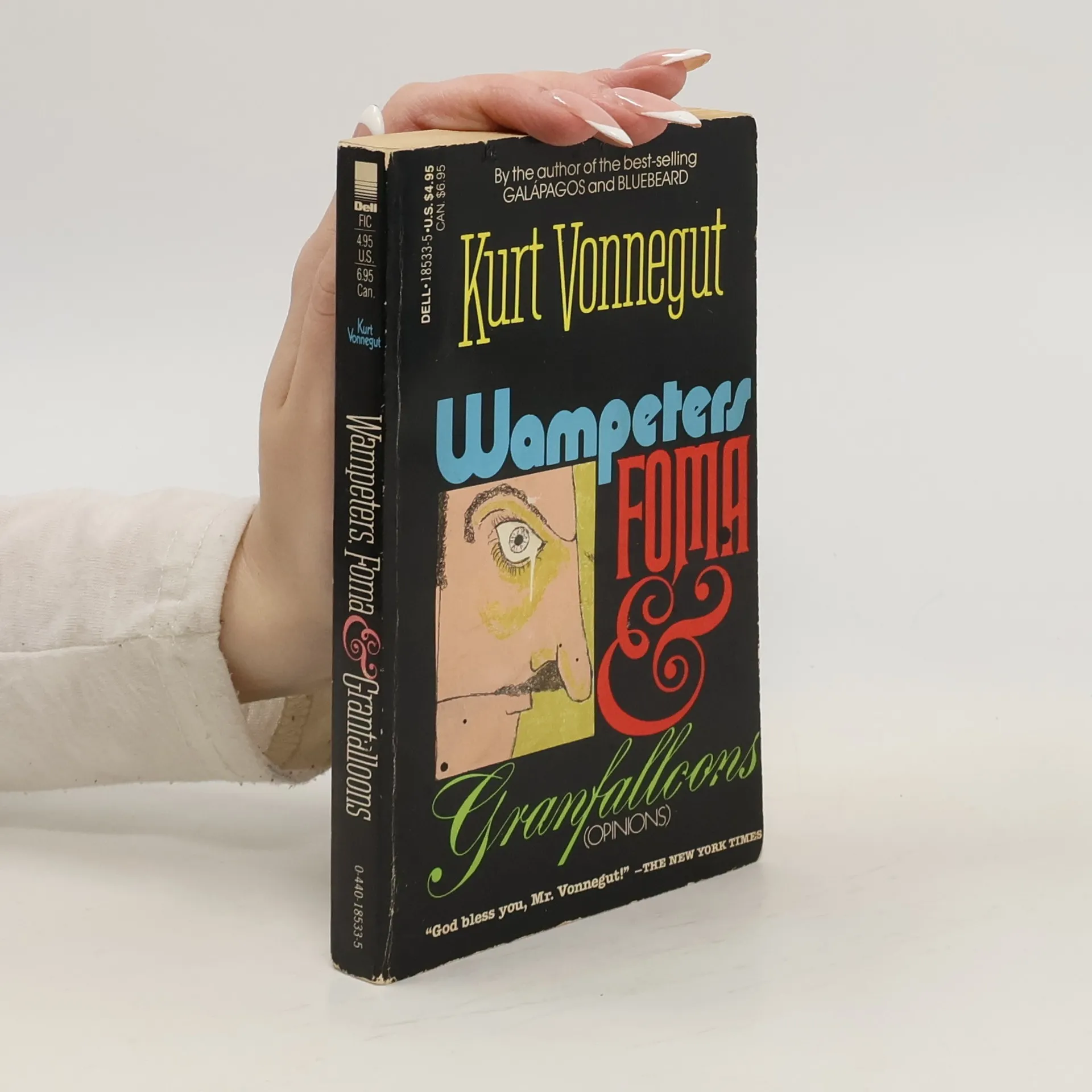
Wampeters, Foma & Granfalloons (Opinions) is a rare opportunity to experience Kurt Vonnegut speaking in his own voice about his own life, his views of the world, his writing & the writing of others. An indignant, outrageous, always witty, & deeply felt collection of reviews, essays & speeches, this work is a window not only into Vonnegut's mind but also into his heart. "A great cosmic comedian & a rattler of human skeletons, an idealist disguised as a pessimist, has written a book filled with madness & truth & absurdity & self-revelation."--St Louis Post-Dispatch "He is our strongest writer, the most stubbornly imaginative."--John Irving The New York Times
Reimagining classic American propaganda, this full-color poster book offers a satirical take on war, peace, and patriotism in the post-September 11 context. Featuring forty one-sided posters that humorously critique the war mentality, the Bush administration, and the military-industrial complex, it transforms iconic images like Uncle Sam's "I Want You" into powerful messages of peace and protest. This collection serves as both a commentary on contemporary issues and a nostalgic nod to historical wartime messaging.
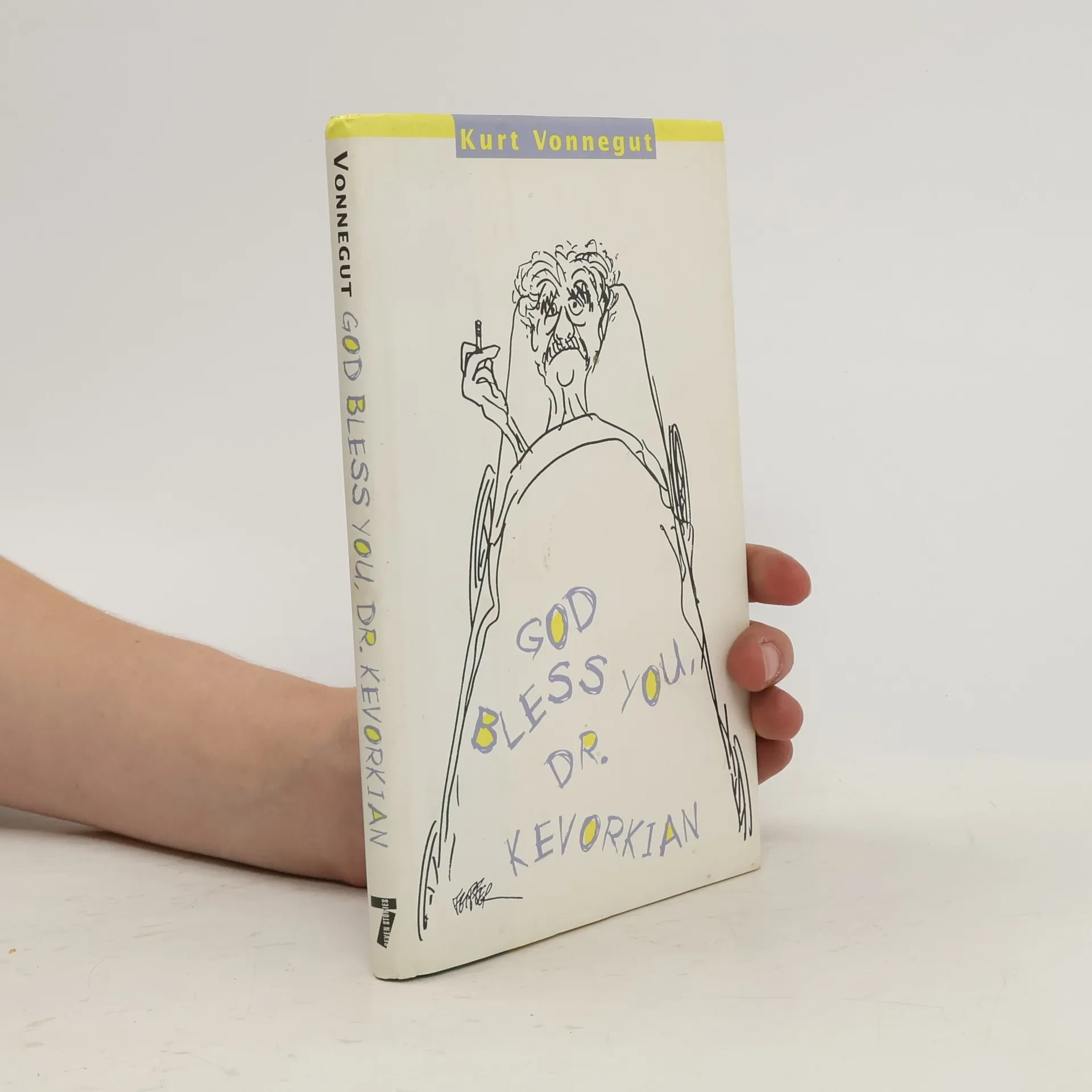
In his first published play, Kurt Vonnegut finds a powerful vehicle for his tragicomical imagination. When the great hunter Harold Ryan--missing and presumed dead--returns from Africa after eight years, his wife is aghast and his son is enchanted. Vonnegut's attack on phony heroes and male swagger uses some of the funniest dialogue ever created for the stage.
When Winston Niles Rumfoord flies his spaceship into a chrono-synclastic infundibulum he is converted into pure energy and only materializes when his waveforms intercept Earth or some other planet. As a result, he only gets home to Newport, Rhode Island, once every fifty-nine days and then only for an hour. But at least, as a consolation, he now knows everything that has ever happened and everything that ever will be. He knows, for instance, that his wife is going to Mars to mate with Malachi Constant, the richest man in the world. He also knows that on Titan -- one of Saturn's moons -- is an alien from the planet Tralfamadore, who has been waiting 200,000 years for a spare part for his grounded spacecraft...
The weather in this book -- Opening remarks / Kurt Vonnegut, Jr. -- A short note from the editor -- "After" Jenkins -- The celebrated jumping frog of Calaveras County -- The innocents abroad -- The undertaker's chat -- The danger of lying in bed -- Lionizing murderers -- A true story repeated word for word as I heard it -- An encounter with an interviewer -- About barbers -- The facts concerning recent carnival of crime in Connecticut -- The adventures of Tom Sawyer -- The journals of Germany -- The prince and the pauper -- On the decay of the art of lying -- The adventures of Huckleberry Finn -- A Connecticut Yankee in King Arthur's court -- The private history of a campaign that failed -- The 41,000,000 bank note -- Playing courier -- Fenimore Cooper's literary offenses -- The man that corrupted Hadleyburg
For completists, this collection serves as a boxed set of a musician's early work, showcasing themes that would later animate Vonnegut's novels and nonfiction: the cruel stupidity of war, the dehumanizing dangers of technology, and the reduction of American values to greed and selfishness. An extraordinary heart beats behind these stories, as noted by Jess Walter in the New York Times Book Review. The collection is rich with wonderful lines, clever sentences, and unexpected constructions, reflecting Vonnegut's values of generosity and decency, despite their fragility, as highlighted by Geoff Nicholson in the Los Angeles Review of Books. With disquieting warnings and lessons that resonate with contemporary readers, Vonnegut's writing remains relevant. This deep dive into one of America's great literary minds is morally serious, formally adventurous, and diverse in topics, inviting readers to explore for years, according to Matthew Sharpe. The book's significance lies in its ability to provoke thought, preserving a lost world while showcasing Vonnegut's prescience. In a time of ambiguity, his clarity is restorative, as noted by Dave Eggers. This essential collection includes several unpublished pieces, making it invaluable for both completists and aspiring writers, as highlighted in a starred review by Kirkus.
This collection features a range of influential science fiction works, showcasing the genre's evolution and creativity. It begins with essays by Kingsley Amis, setting the stage for the Golden Age of Science Fiction. The anthology includes notable stories such as Anthony Boucher's "The Quest for Saint Aquin," R. S. Richardson's "The Xi Effect," and Frederik Pohl's "The Tunnel Under the World." Additionally, readers will find Brian W. Aldiss's "Old Hundredth," James Blish's "A Work of Art," and Kurt Vonnegut Jr.'s iconic "Harrison Bergeron." J. G. Ballard's "The Voices of Time" and Robert Sheckley's "Specialist" further explore imaginative themes. The collection also features H. Beam Piper's "He Walked Around the Horses," Cordwainer Smith's "The Game of Rat and Dragon," and Arthur C. Clarke's thought-provoking "The Nine Billion Names of God." Other highlights include Harry Harrison's "The Streets of Askelon," Damon Knight's "The Country of the Kind," and Isaac Asimov's "The Machine That Won the War." The anthology concludes with F. L. Wallace's "Student Body" and Jerome Bixby's "It's a Good Life," along with Poul Anderson's novella "Sister Planet," offering a rich tapestry of speculative fiction.
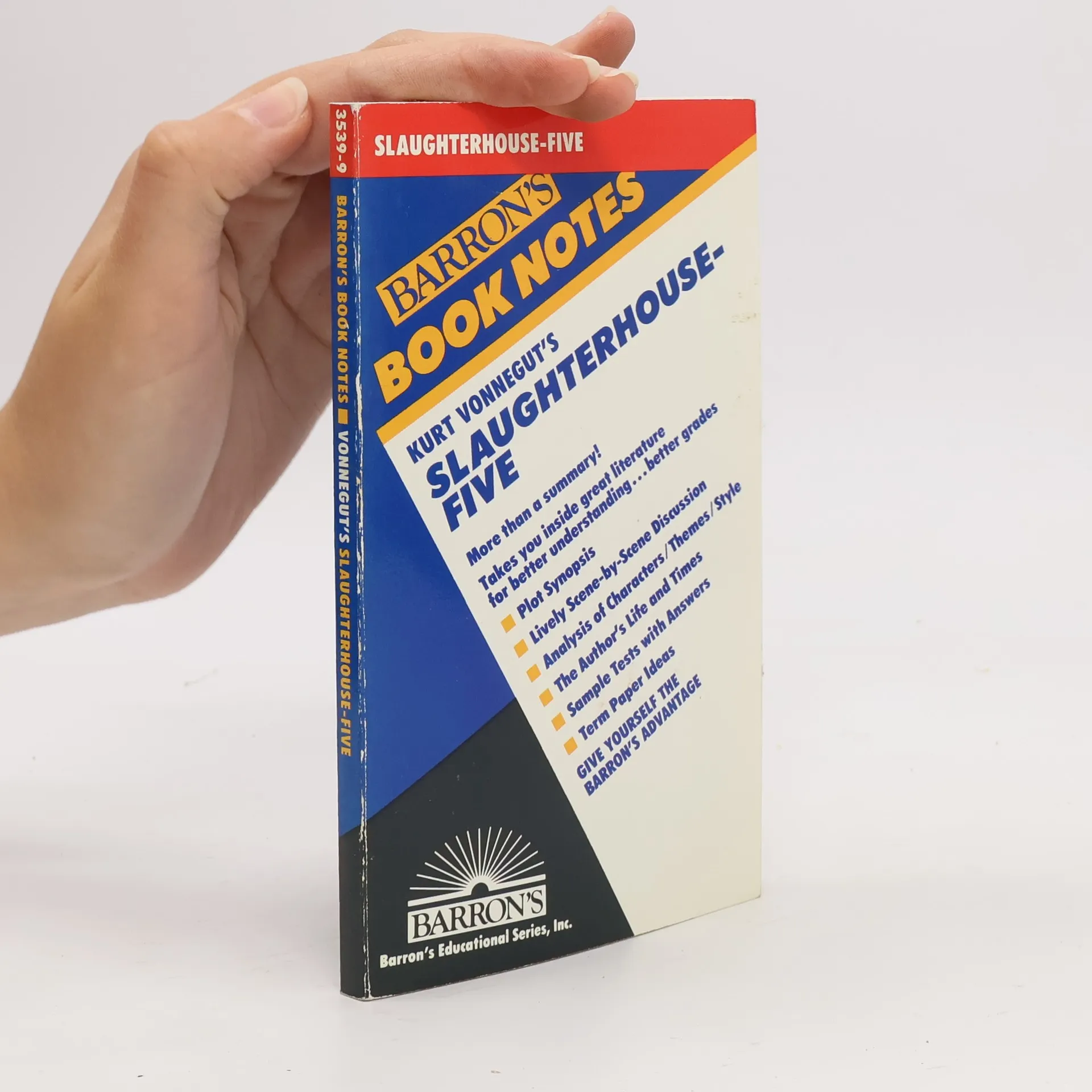
Recommended by teachers, Barron's Book Notes quality reviews helps student develop their own ideas, improves their performance in class, prepares them for exams, and paves the way to better grades.
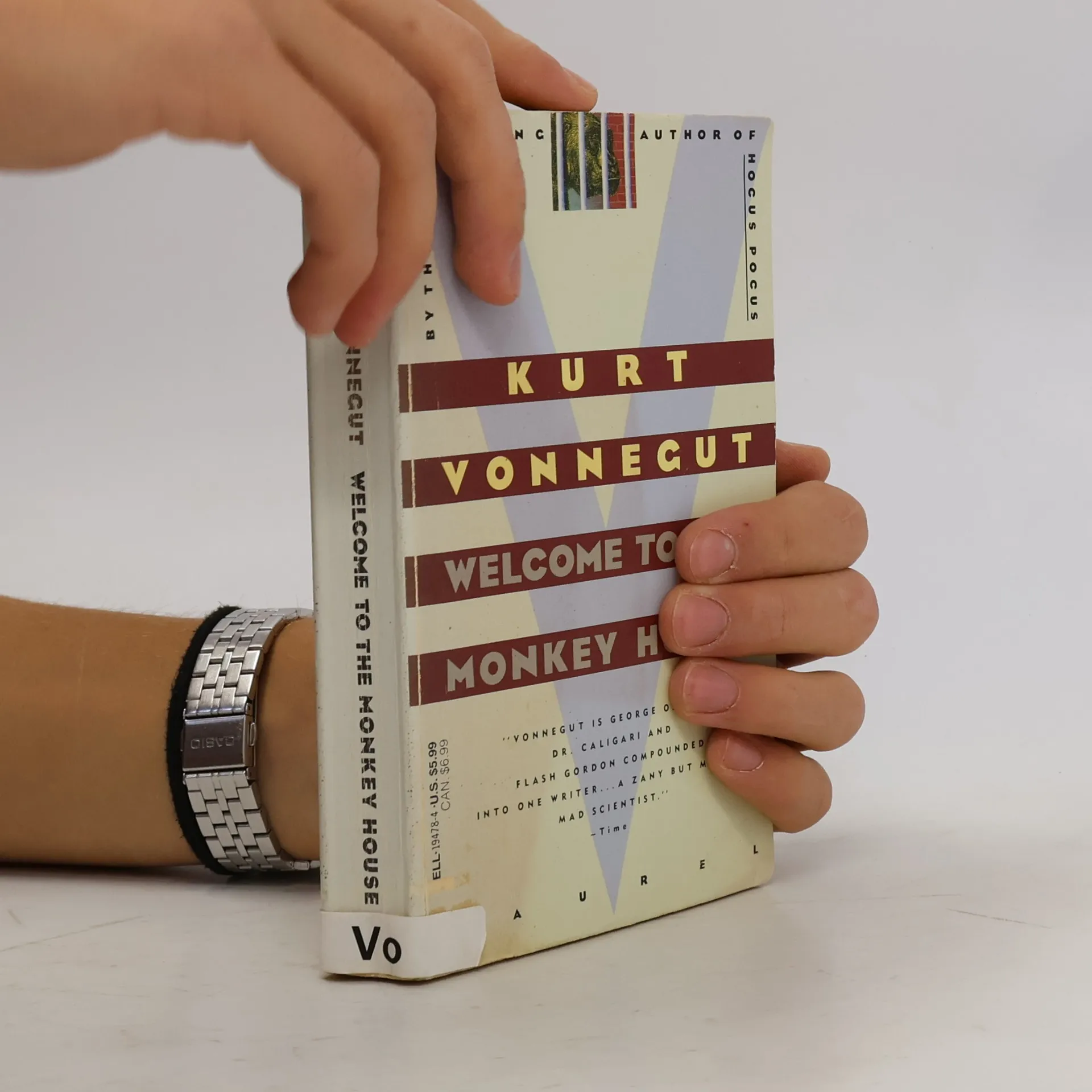
Verso la fine della seconda guerra mondiale Vonnegut, americano di origine tedesca, accorse con tanti altri emigranti in Europa per liberarla dal flagello del nazismo. Fatto prigioniero durante la battaglia delle Ardenne, ebbe la ventura di assistere al bombardamento di Dresda dall'interno di una grotta scavata nella roccia sotto un mattatoio, adibita e deposito di carni. Da questa dura e incancellabile esperienza nacque Mattatoio n. 5 o La crociata dei bambini , storia semiseria di Billy Pilgrim, americano medio affetto da un disturbo singolare ("ogni tanto, senza alcuna ragione apparente, si metteva a piangere") e in possesso di un segreto inconfessabile: la conoscenza della vera natura del tempo. Tutto è, è sempre stato e sempre sarà, passato e futuro sono sempre esistiti e sempre esisteranno, nulla dipende dalla volontà dell'uomo. "Prenda la vita momento per momento", dice a Billy Pilgrim l'ultraterrestre che un bel giorno d'estate lo rapisce col suo disco volante, "e vedrà che siamo, tutti, insetti in un blocco d'ambra".
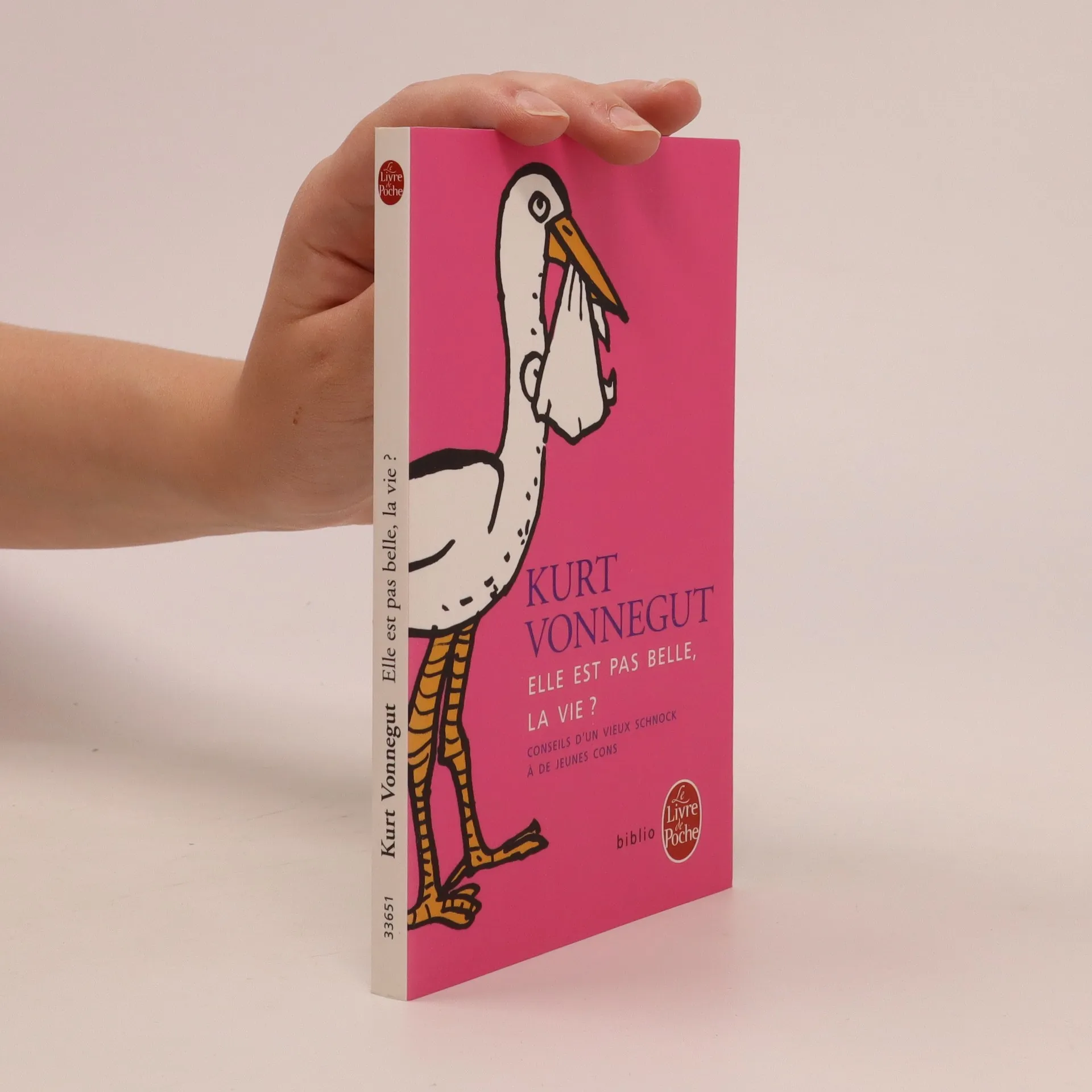
Kurt Vonnegut, romancier et satiriste d'exception, était l'un des orateurs les plus demandés pour les cérémonies de remise de diplômes. Chaque fois, il savait trouver des mots originaux, pertinents et drôles. Elle n'est pas belle, la vie ? rassemble des discours que l'écrivain a prononcés dans neuf universités entre 1978 et 2004. Hilarantes, incisives ou du plus profond sérieux, ces réflexions sont parfaites pour quiconque fait l'expérience de ce que Vonnegut appelle " la cérémonie tant attendue de la puberté ", marquant la transition entre les études et la vie d'adulte. Un livre prophétique et exaltant dont chaque mot résonne avec une modernité cinglante.
Brian Aldiss, with the kind of science-fiction fantasy of which he is one of the finest exponents alive today. - Sunday Telegraph Joe Bodenland, a 21st century American, passes through a timeslip and finds himself with Byron and Shelley in the famous villa on the shore of Lake Geneva. More fantastically, he finds himself face to face with a real Frankenstein, a doppelganger inhabiting a complex world where fact and fiction may as easily have congress as Bodenland himself manages to make love to Mary Shelley. TheGuardian Brian Aldiss's monster is a beaut. The eerie, icy, last confrontation between it (and its mate) and Joe with his felder car and swivel-gun is intense and vivid - The Sunday Times
Liebe in der Zukunft - Zukunft der LiebeDer Phantasie sind keine Grenzen gesetzt, wenn die großen, international bekannten Science Fiction-Autoren von Sex im unendlichen Universum erzählen . . .