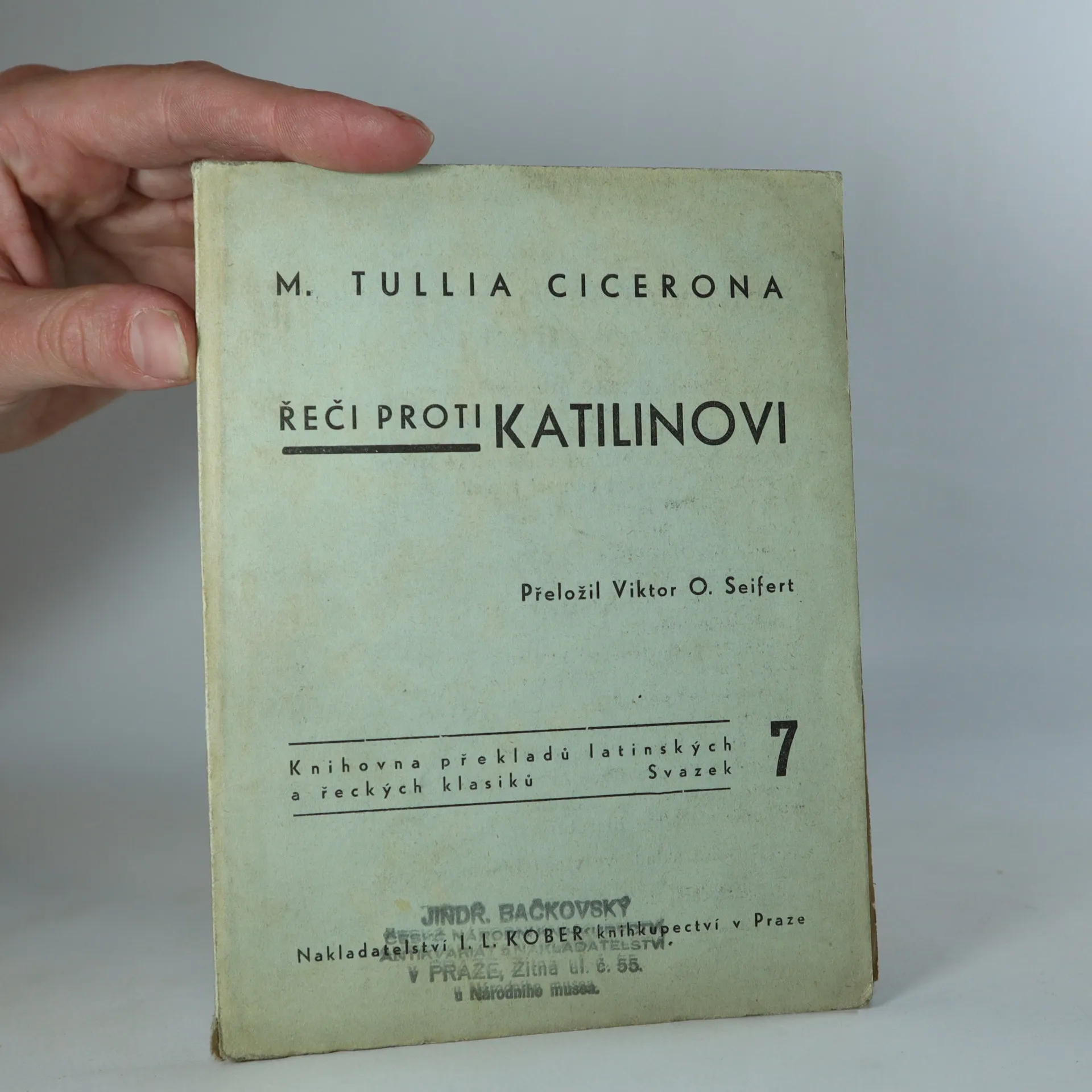
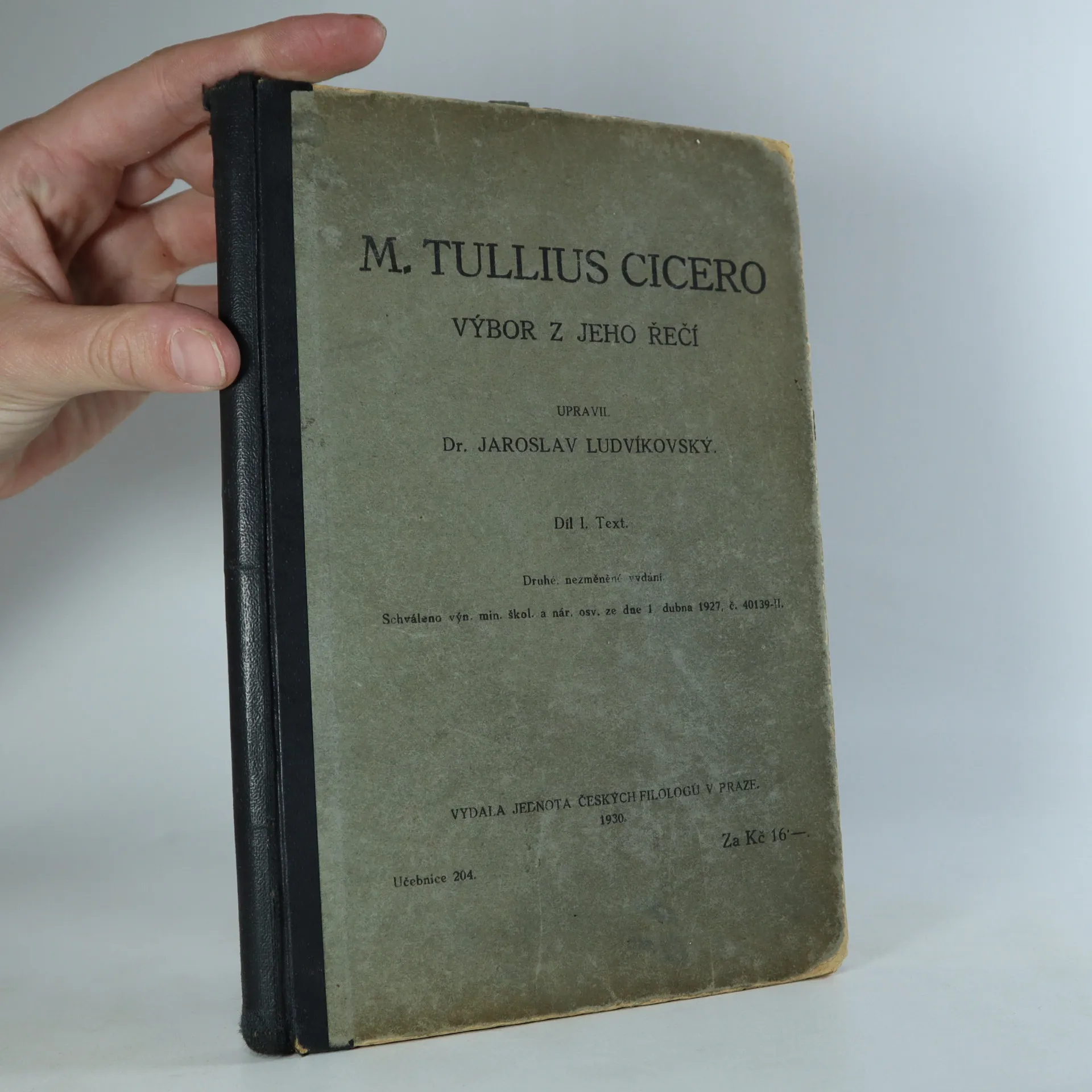
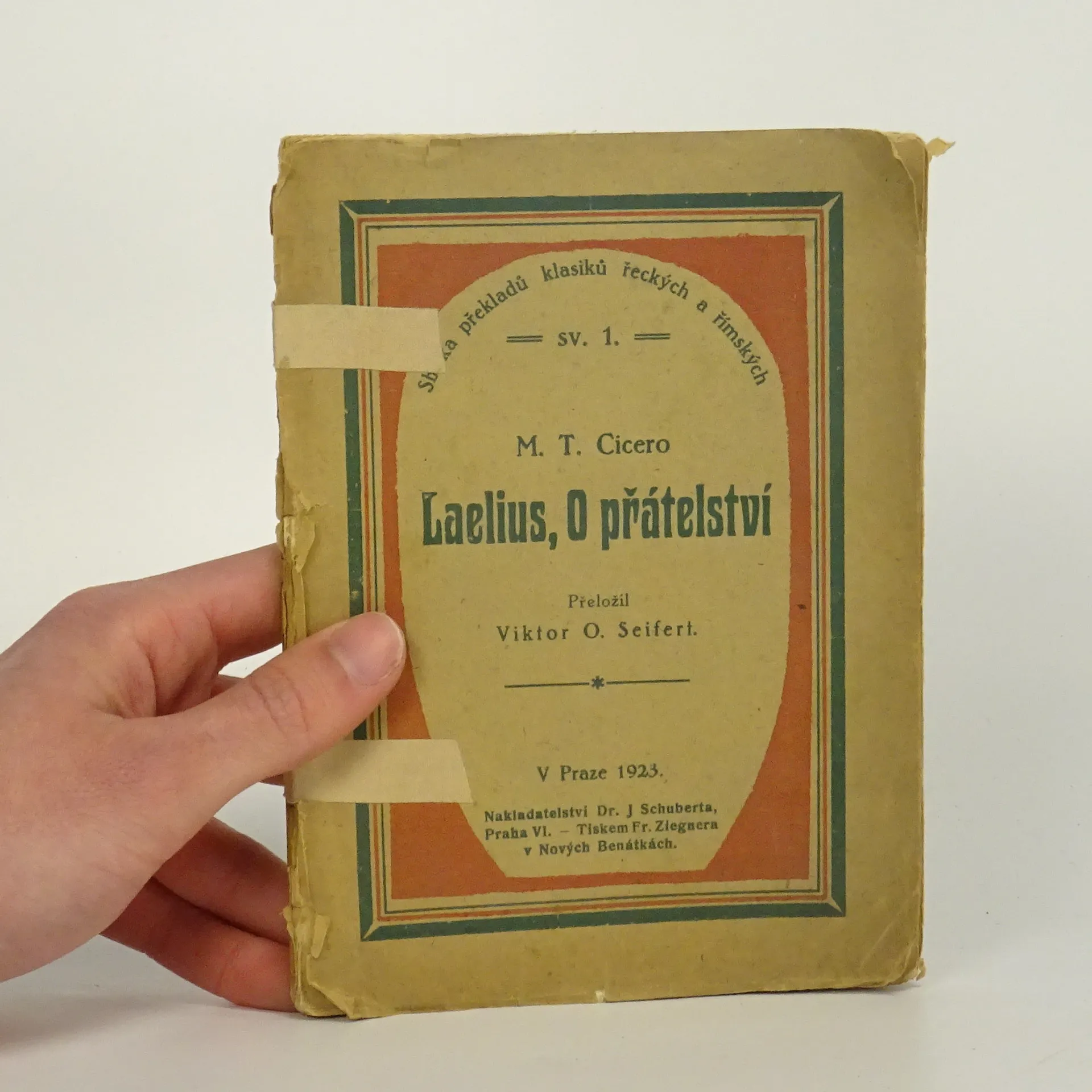
Marcus Tullius Cicero bol uznávaným rímskym filozofom, štátnikom, právnikom a politickým teoretikom. Je považovaný za jedného z najväčších rečníkov a štylistov starovekého Ríma. Jeho dielo sa vyznačuje bystrou mysľou a majstrovským jazykovým prejavom, čo z neho robí kľúčovú postavu pre pochopenie rímskej rétoriky a myslenia.
Stoické paradoxy napísal filozof Marcus Tullius Cicero pravdepodobne v prvej
polovici roka 46 pred n. l. Autor tu obhajuje šesť etických tvrdení, ktoré sú
na prvý pohľad v rozpore s bežným uvažovaním. Z hľadiska etického myslenia
stoikov sú však pravdivé. Ukazujú spôsob, ako sa dajú filozofické nyšlienky
preniesť do rečníckeho prejavu. Zároveň sa v nich Cicero púšťa do kritiky
dobových spoločenských pomerov. Prostredníctvom Stoických paradoxov tak
slovenskí čitatelia dostávajú možnosť poodhaliť autorov rečnícky, filozoficky
aj politický spôsob myslenia.
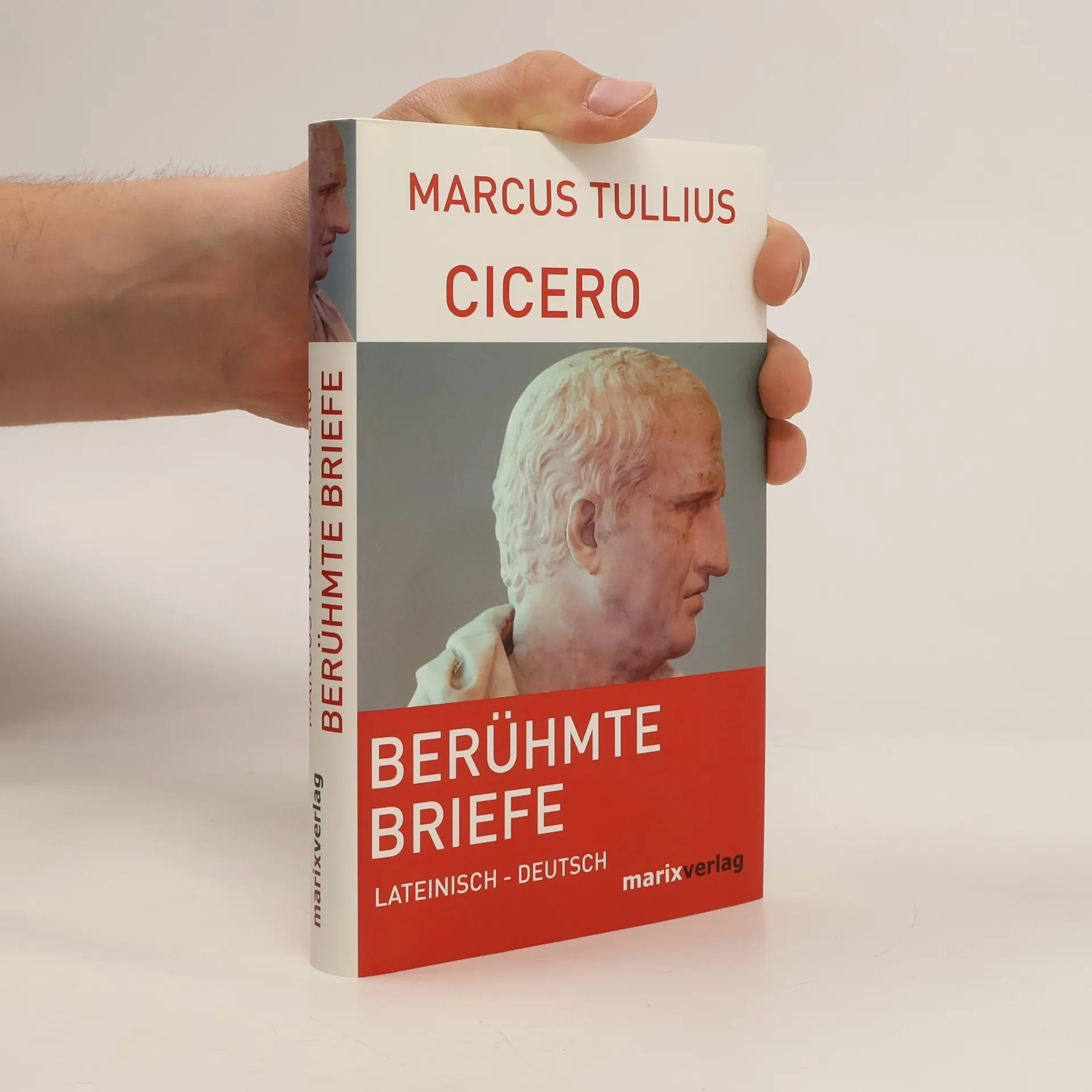
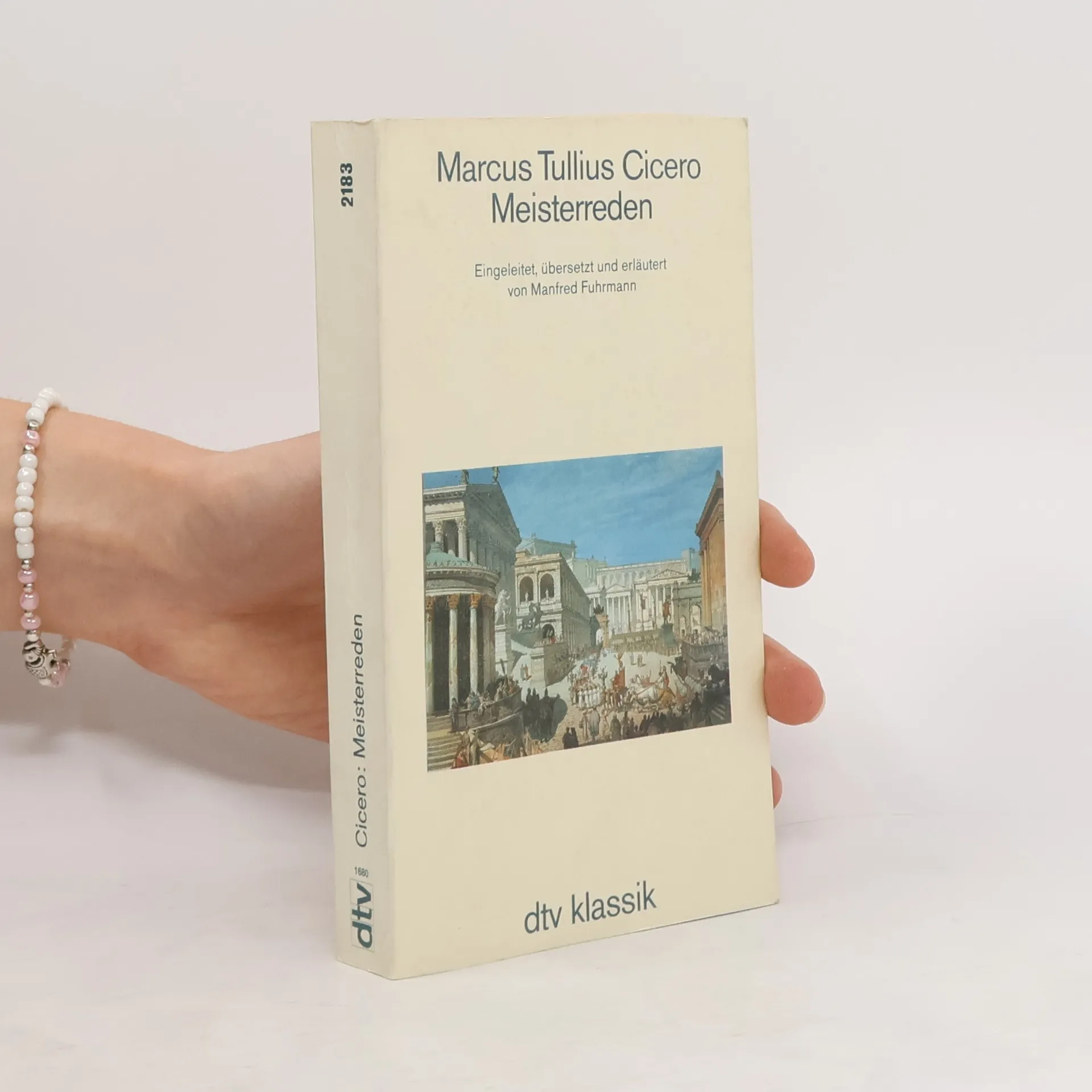
Von Marcus Tullius Cicero, einem der bedeutendsten lateinischen Prosaschriftsteller, sind außer den Reden, den rhetorischen und den philosophischen Schriften auch über 900 Briefe erhalten, die Ciceros Sekretär Tiro gesammelt und überliefert hat. Lange Zeit vermisst, wurden sie im 14. Jahrhundert von dem italienischen Humanisten Francesco Petrarca wieder entdeckt. Dieses Briefcorpus wurde in vier Schriften eingeteilt: Briefe an den Verleger Atticus in 16 Büchern, an den Bruder Quintus in 3 Büchern, an den Freund Brutus in 2 Büchern und an weitere nahe stehende Personen in 16 Büchern. Die Briefe weisen zwar dieselbe schöne Sprache auf wie Ciceros übrige Werke, doch zeigen sie, da es sich um echte Gebrauchsbriefe, nicht um geschönte Fassungen oder Kunstbriefe handelt, auch die menschliche, unvollkommene Seite des Staatsmannes, der als homo novus (politischer Aufsteiger, der nicht aus einer Senatorenfamilie stammte) alle römischen Staatsämter suo anno, d. h. sofort mit Erreichung des Mindestalters, ausübte. Dies gilt insbesondere für die Briefe aus dem Exil und die Briefe an seine Ehefrau Terentia und die gemeinsamen Kinder, die in der vorliegenden Auswahl chronologisch und mit einer Einleitung sowie Erläuterungen zum Verständnis dargeboten werden.
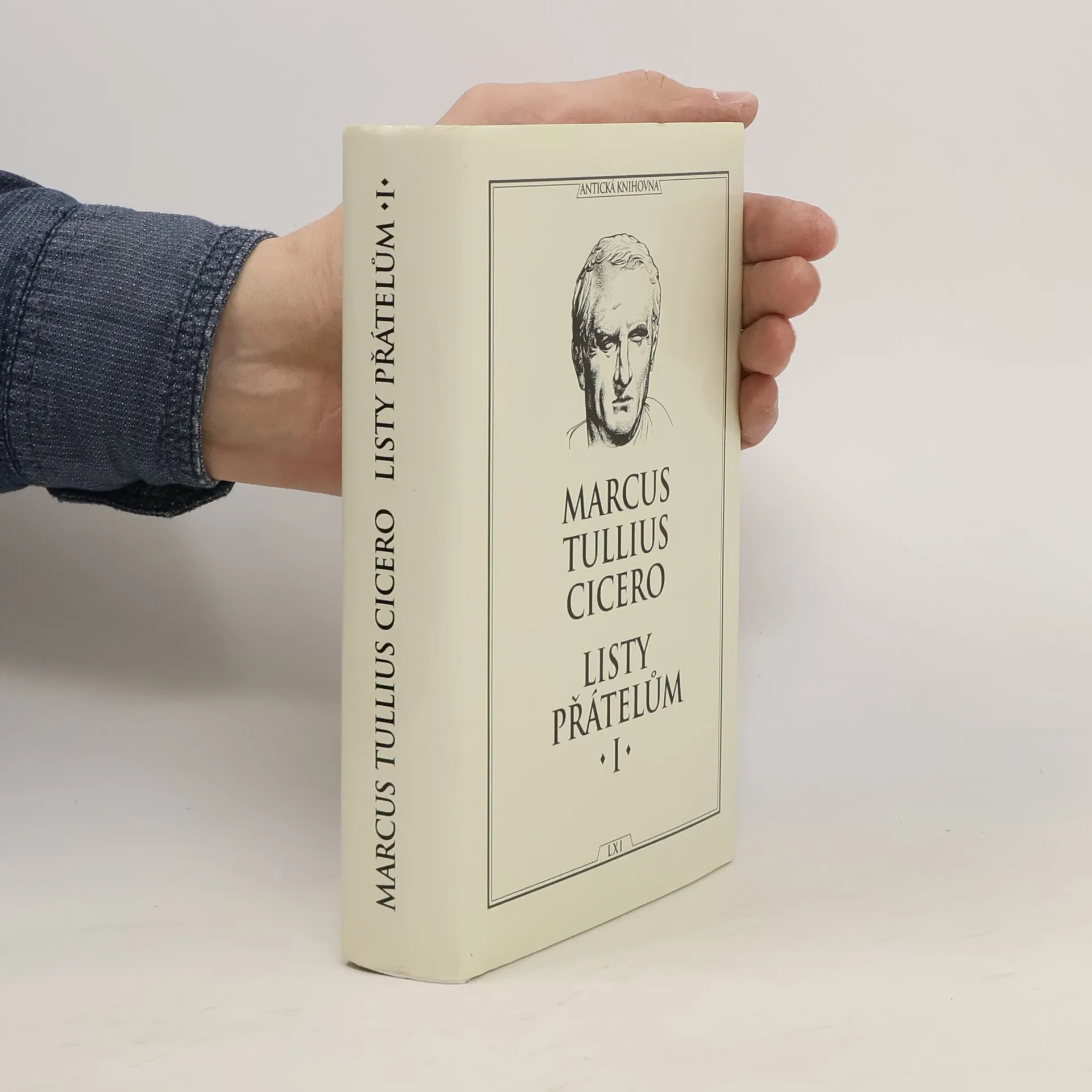
Druhý díl dvousvazkového výboru z rozsáhlé korespondence významného římského státníka, řečníka a filozofa Marka Tullia Cicerona, mj. s Caesarem či M. Antoniem umožňuje poznat atmosféru a poměry římského státu na sklonku republiky (65-43 př. n. l.)
Dochovaná korespondence významného římského řečníka, politika, spisovatele, a v neposlední řadě vrcholného stylisty, Marka Tullia Cicerona (106–43 př. n. l. byla objevena italskými humanisty ve 14.–15. století. Obsahuje téměř 900 dopisů a coby „živá“ korespondence, neurčená primárně pro veřejnost má nesmírný historický význam. Cicero si dopisoval s množstvím předních římských osobností, které spolutvořily dějiny, příp. i kulturu posledních desetiletí římské republiky (Gneus Pompeius, Gaius Iulius Caesar či Marcus Antonius). Dopisy často velmi detailně prezentují jeho pohled na události a jednající osobnosti, živě (i humorně) vykreslují atmosféru doby, vyjadřují Ciceronovy úvahy a nálady a nabízejí zprávy o jeho rodinných poměrech i širokých kulturních zájmech. Tato korespondence je tak pro římské prostředí jedinečným zdrojem informací jak pro „velkou politiku“, tak pro drobné mezilidské vztahy. Právě díky ní je Ciceronova doba pro nás nejlépe známým obdobím celých starověkých dějin. První díl výboru obsahuje kolem 230 dopisů z let 65–50 př. n. l. (druhý obdobně rozsáhlý svazek zahrne dopisy z let 49–43 př. n. l. a vyjde pravděpodobně v roce 2020).
Z původního nesčíslného množství Ciceronových dopisů se v úplnosti dochovalo 864 listů, které jsou rozděleny podle adresátů do 4 sbírek: Listy přátelům, Listy Attikovi, Listy bratru Quintovi a Listy M. Brutovi. Znalec a zasvěcený interpret Ciceronova díla, doc. PhDr. Václav Marek, Csc z Filozofické fakulty Univerzity Karlovy, připravil pro Antickou knihovnu dvousvazkový výbor nejvýznamnějších a nejzajímavějších dopisů, které uspořádal v časovém sledu jejich vzniku. První svazek obsahuje listy z let 68 – 50 a zachycuje etapu Ciceronova politického a literárního zrání....
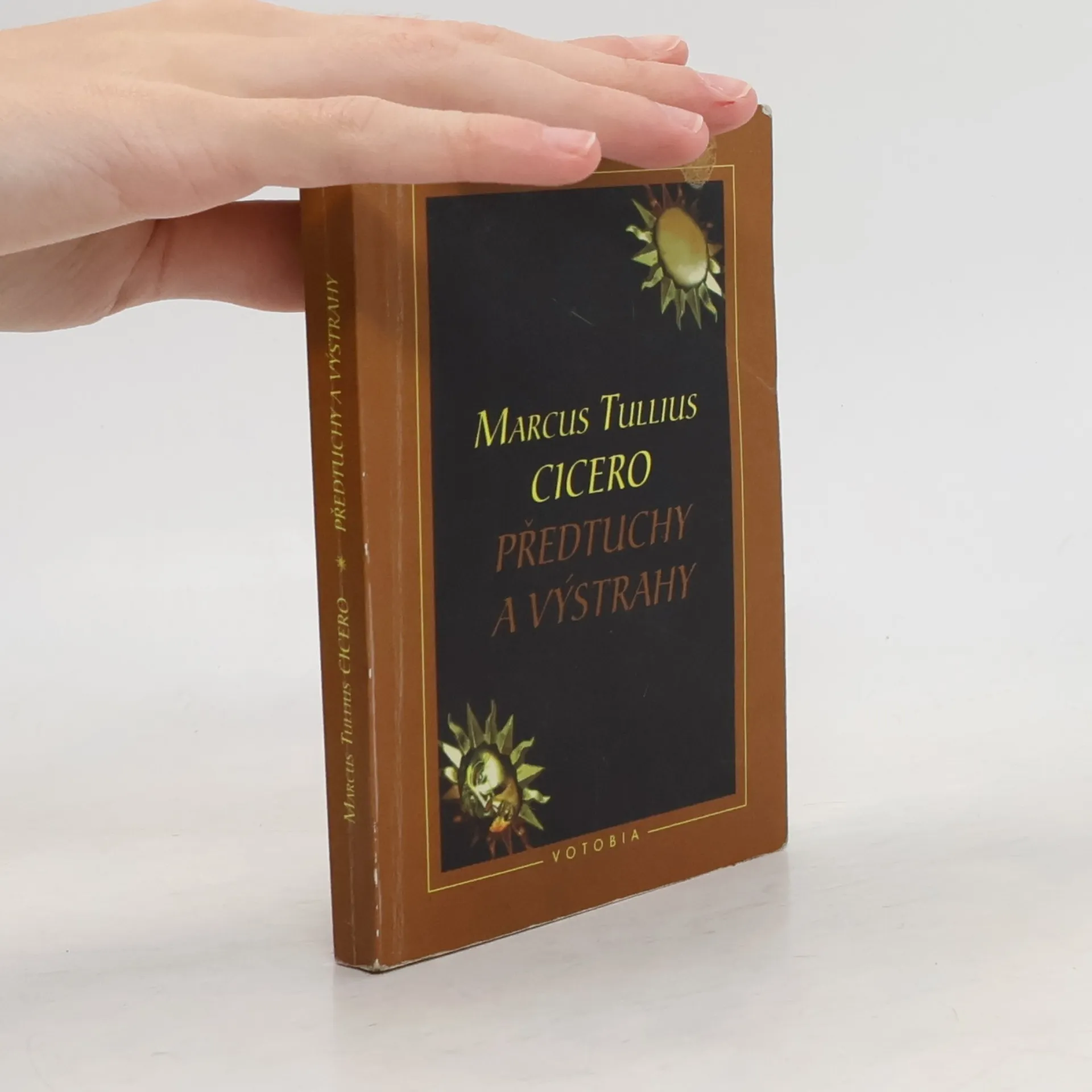
Předtuchy a výstrahy jsou doplněk díla O podstatě bohů. Jde o rozpravu mezi Cicerem a jeho bratrem Quintem o předvídání budoucnosti. Quintus v první části knihy obhajuje předvídání budoucnosti a v druhé části knihy Cicero jeho mínění vyvrací a dokazuje nemožnost a nepodstatnost veškerého předpovídání.
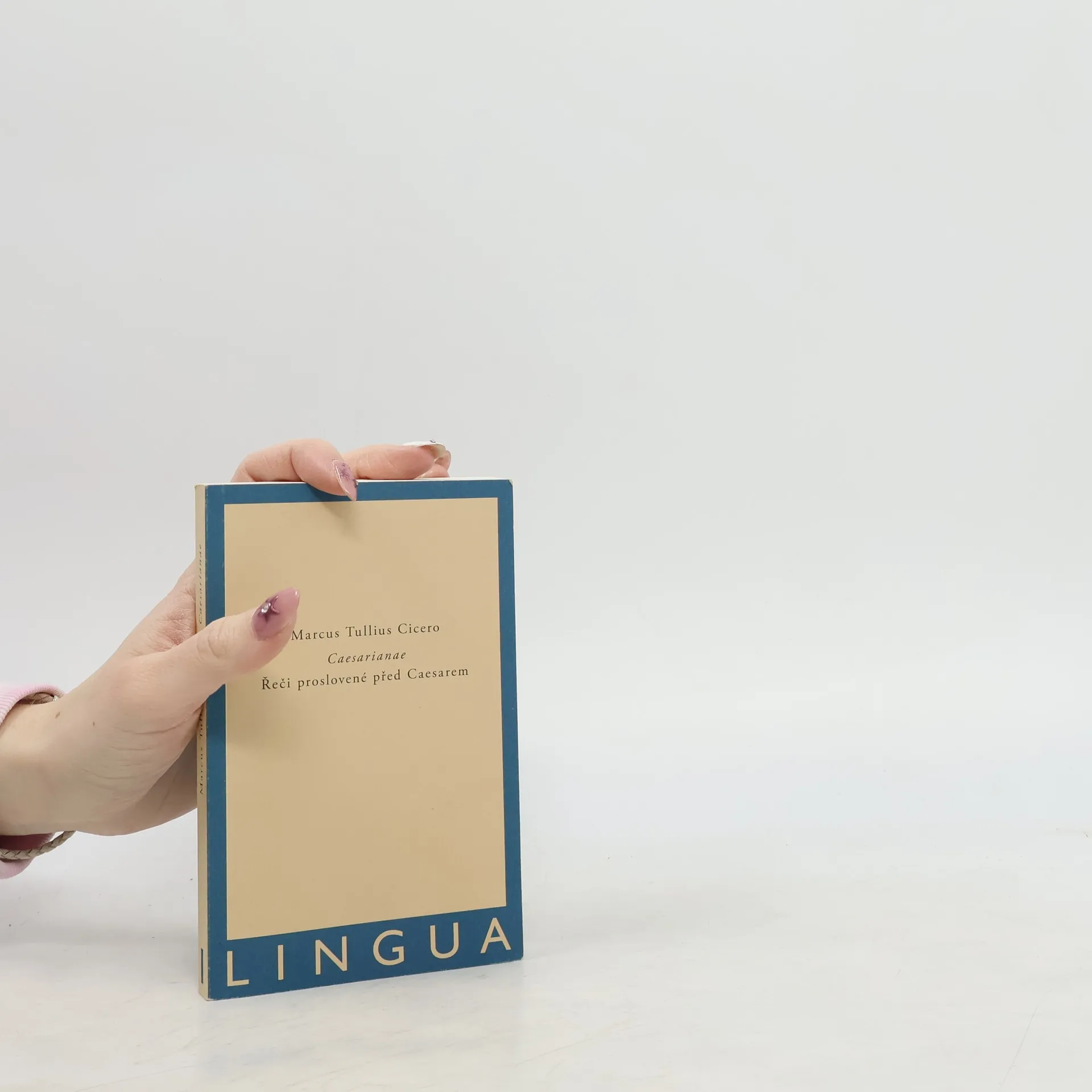
Soubor Caesarianae přináší tři pozoruhodné řeči, které Cicero přednesl před vítězem občanské války, samotným Gaiem Iuliem Caesarem, a ve kterých ho žádá o milost pro ty, kdo stáli – tak jako řečník sám – na straně poražených. Kniha je v českém a latinském jazyce.
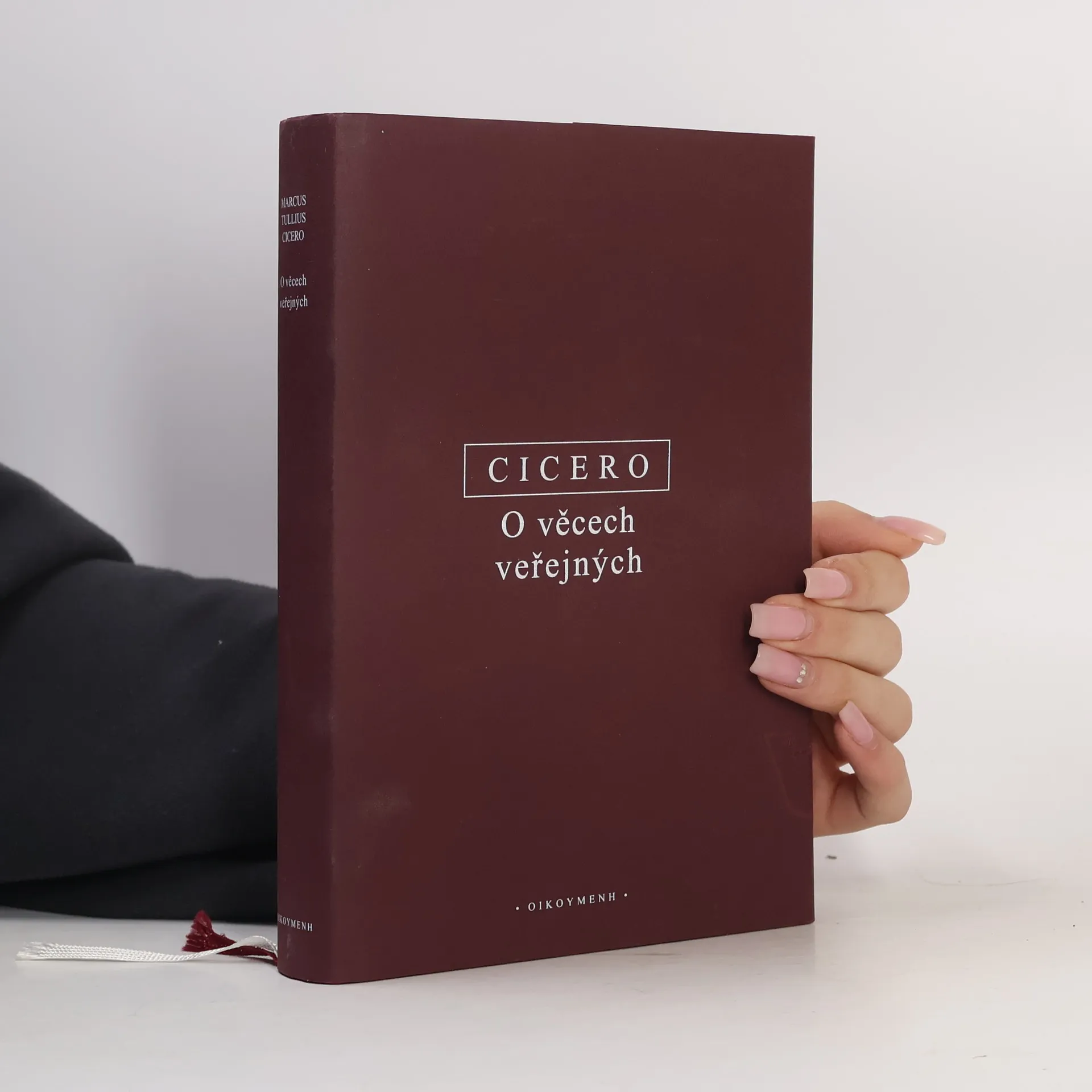
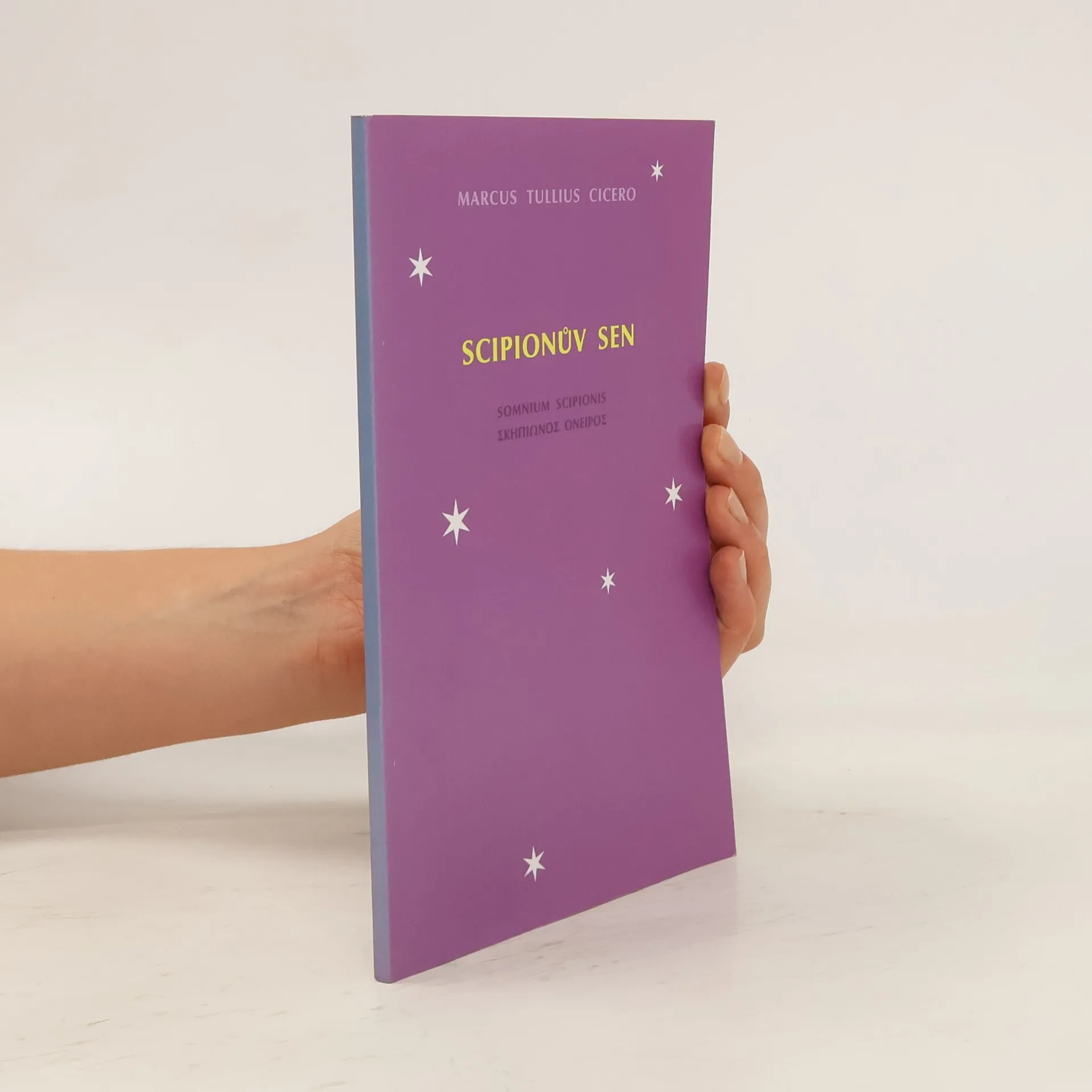
První český překlad významného díla politické filosofie v zrcadlovém česko-latinském vydání. Cicero se v tomto dialogu inspirovaném Platónovou Politeiou zabývá vztahem politické teorie a praxe. V prvních dvou knihách podává výklad smíšeného zřízení, ve druhých dvou se zabývá významem spravedlnosti pro stát, v poslední, šesté knize nás seznamuje se Scipionovým snem. Přeložil J. Janoušek, poznámkami opatřili A. Havlíček a H. Dohnálková.
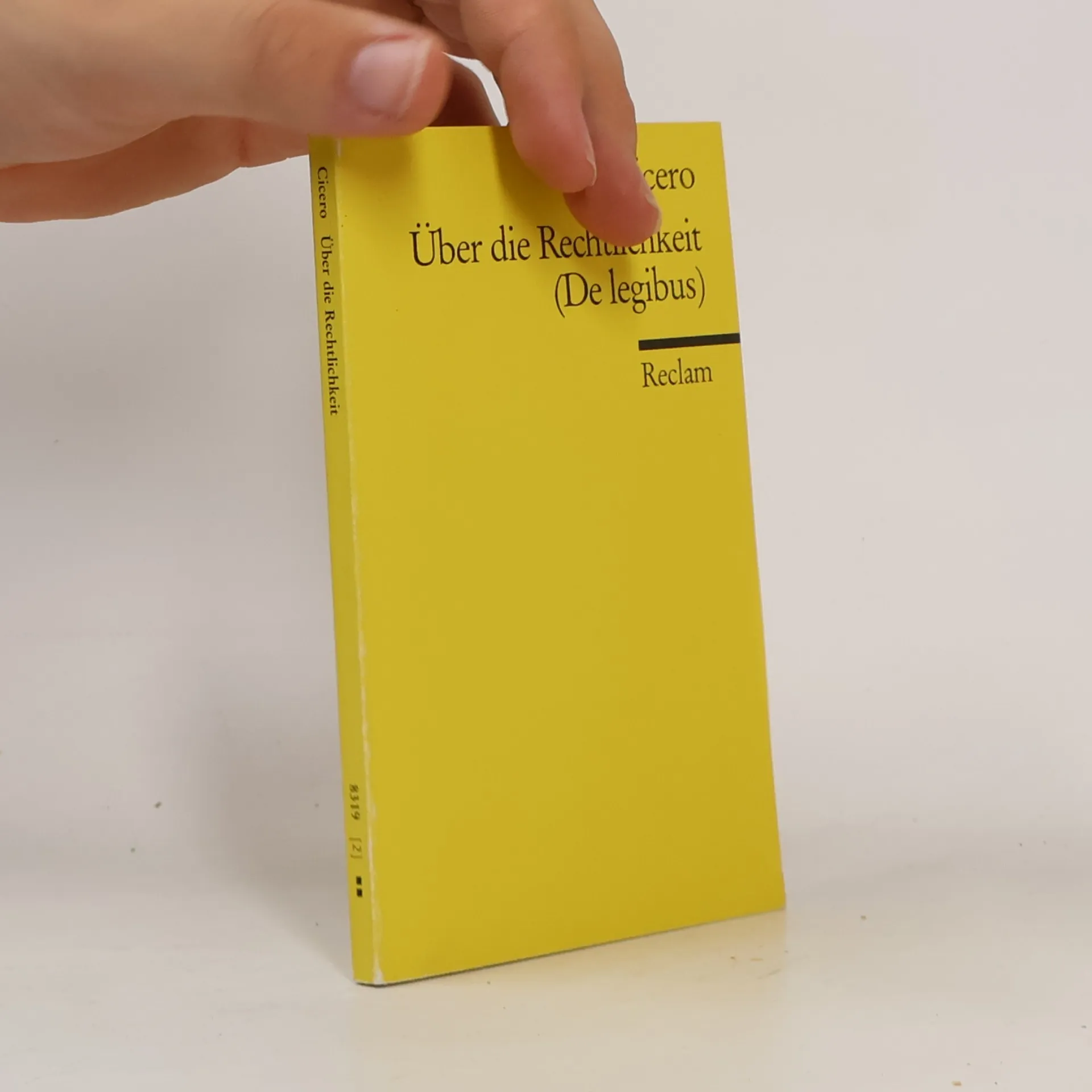
Das Buch ist Cicerons Reaktion auf Platons Dialog "Gesetze". Es ist ebenfalls als Dialog strukturiert und spielt in Ciceros Zeit, wobei die Handlung zwischen ihm, seinem Bruder Quintus und ihrem gemeinsamen Freund Titus Pomponius Atticus stattfindet. Sie diskutieren über die Rolle der Gesetze und wie diese gestaltet sein sollten. Das Werk ist in einem unvollendeten Fragment erhalten.
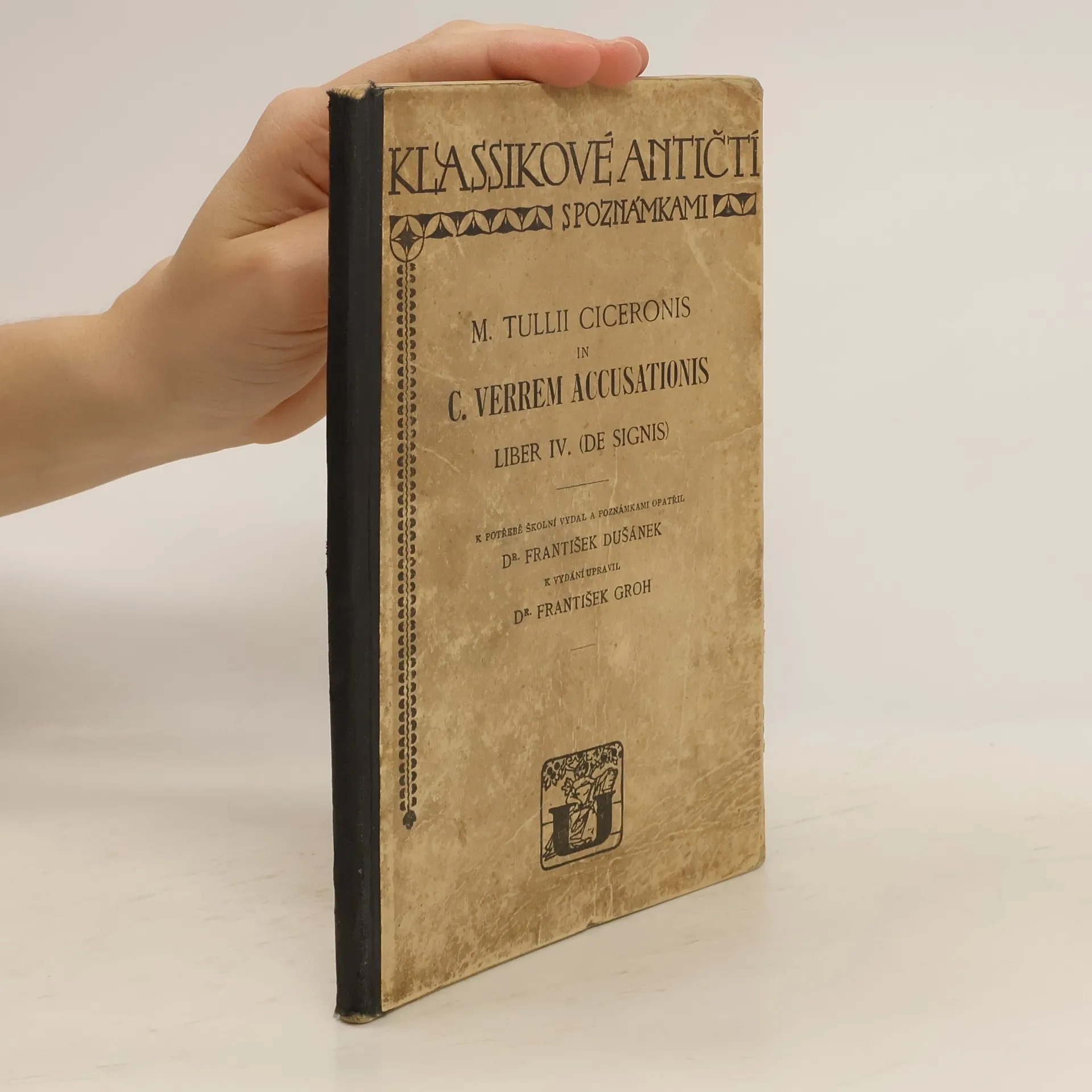
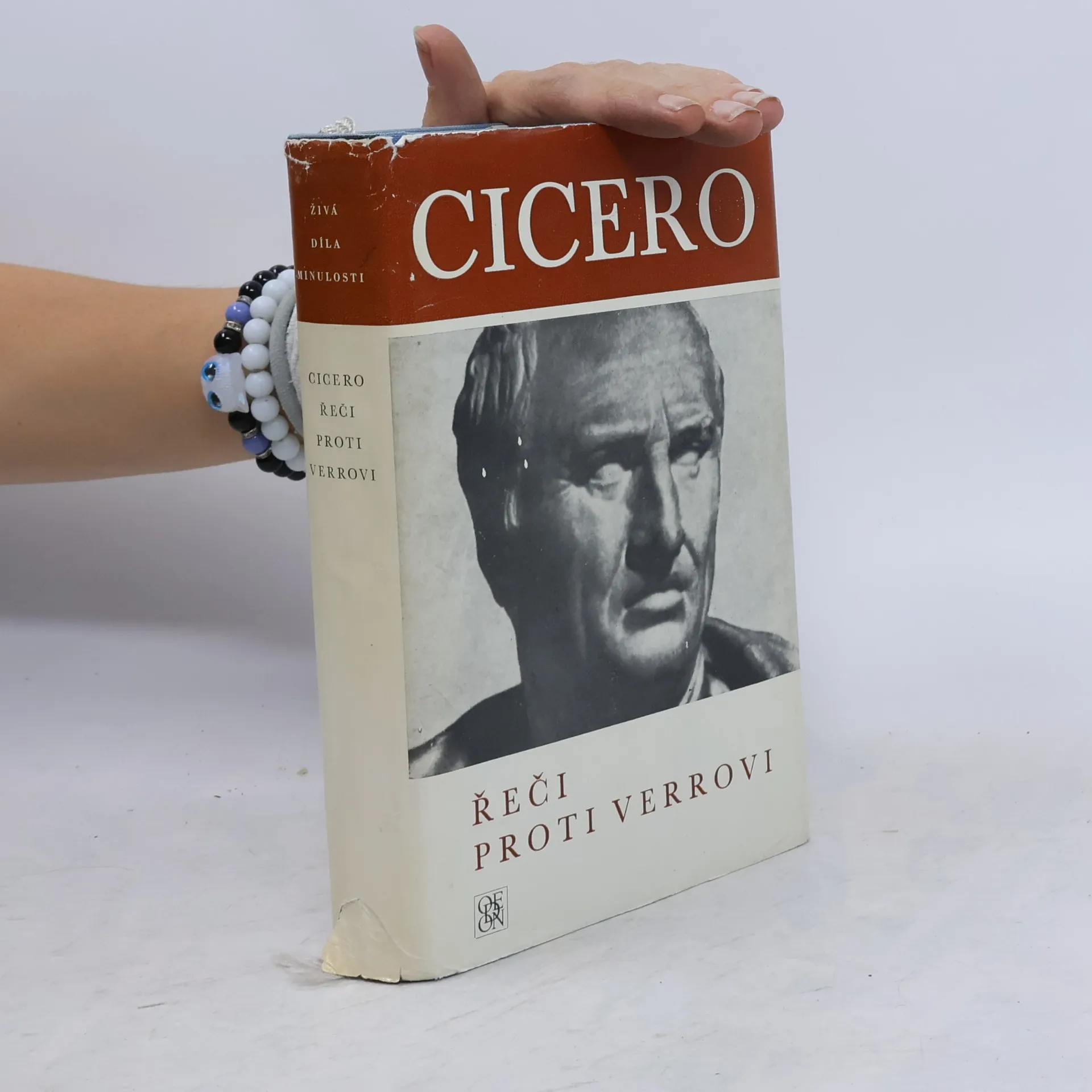
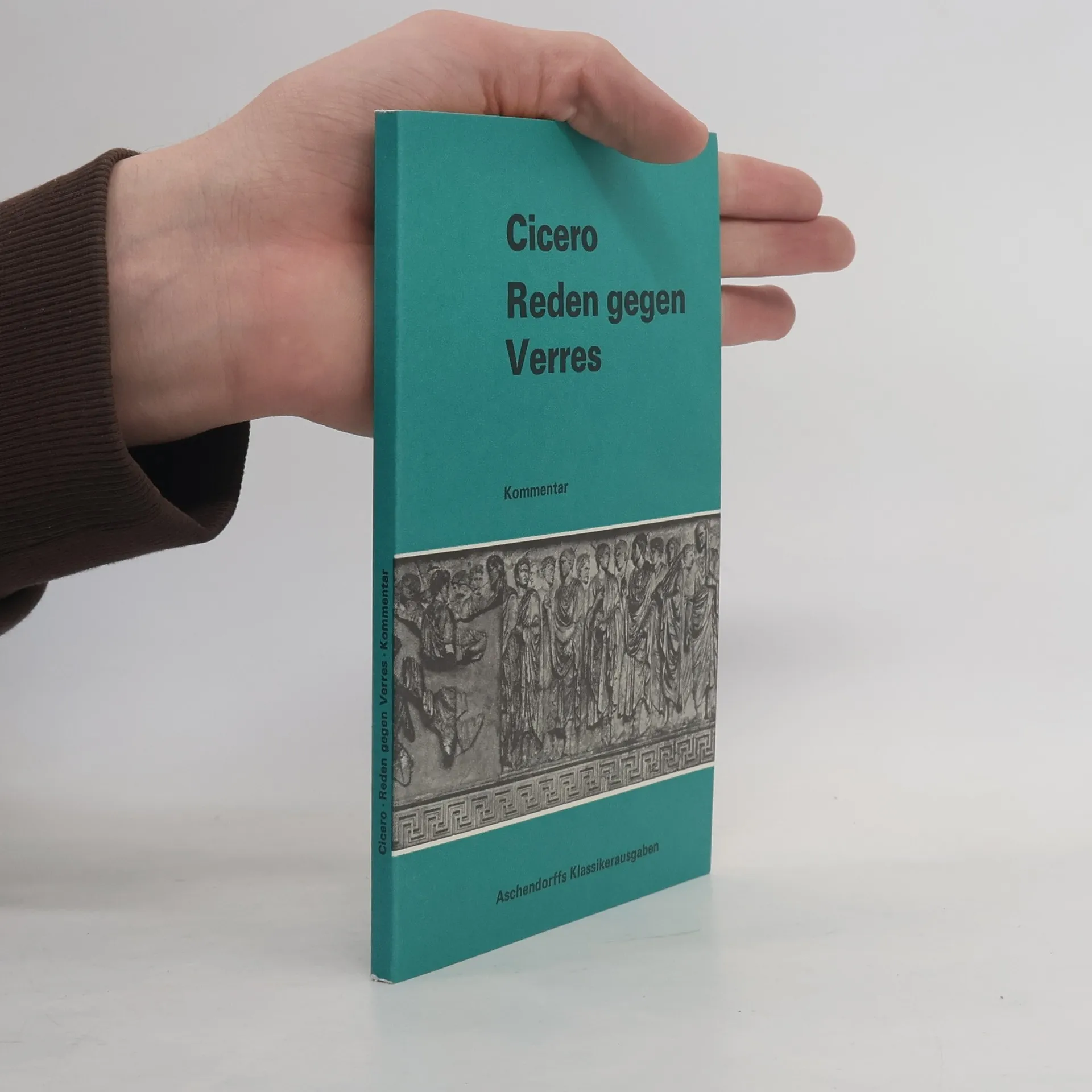
Ciceronovy řeči proti sicilskému proprétorovi, jímž byl Gaius Licinius Verres. Toho na žádost Sicilanů, proti nimž nestoudně zneužíval úřední moci, Cicero jako kvestor pohnal k soudu roku 70 př. Kristem.
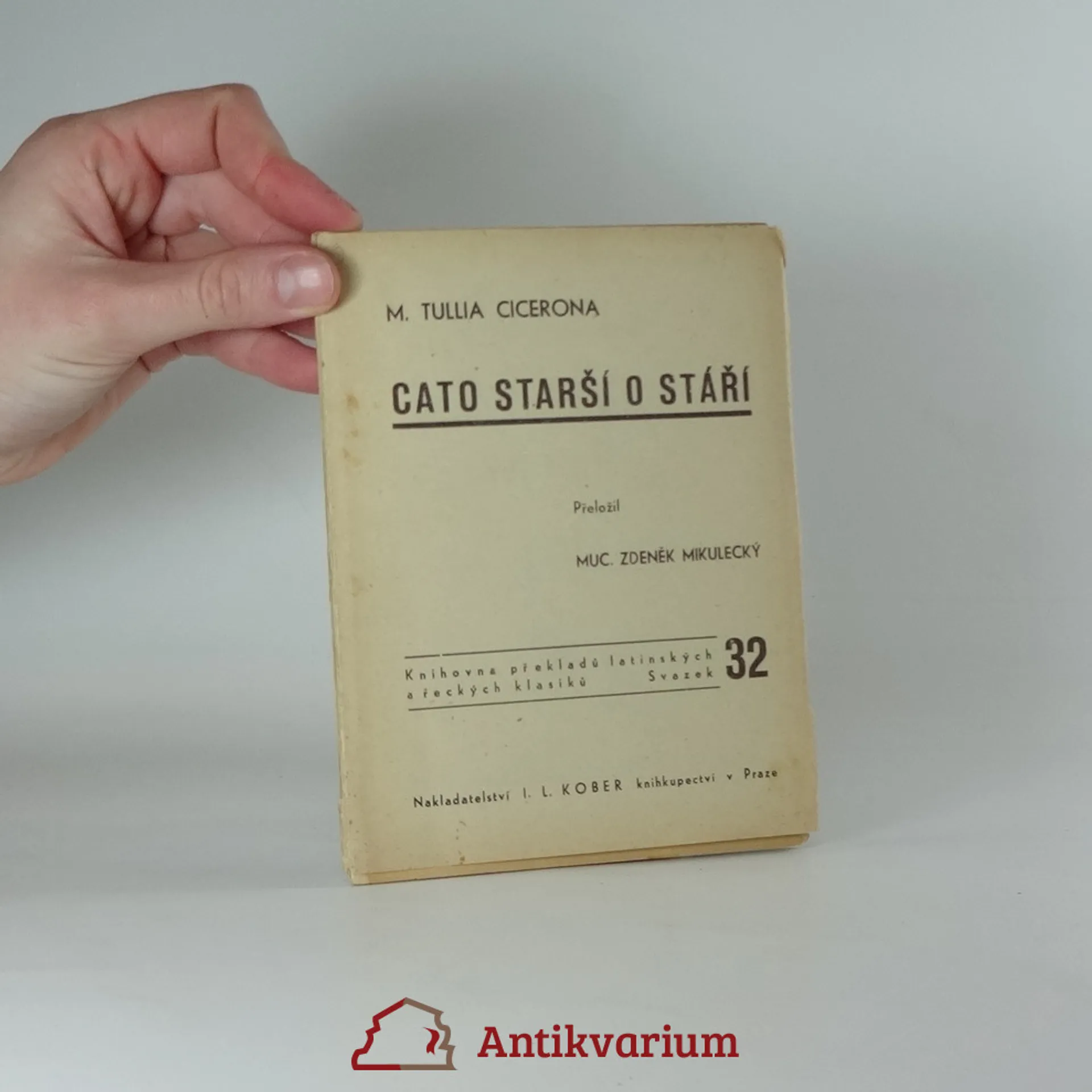
Cato starší o stáří je filosofické pojednání o stáří ve formě dialogu, zabraného povětšině Catonem starším, jenž na žádost Gaia Laelia a Scipiona Aemiliana vykládá svůj pohled na lidské stáří.
Cato starší o stáří je filosofické pojednání o stáří ve formě dialogu, zabraného povětšině Catonem starším, jenž na žádost Gaia Laelia a Scipiona Aemiliana vykládá svůj pohled na lidské stáří.
Obsahuje: Platón, Xenofón, Cicero, Petronius, Seneca, Lúkiános. Svazek seznamuje s dalšími žánry starověkého písemnictví, s filozofickým a politicko-filozofickým dialogem a se satirou, satirickým románem, dialogem a dopisem.
Exploring the philosophy of Epicureanism, this collection features six essential works that delve into the pursuit of pleasure, the nature of the universe, and the contrast between Stoicism and Epicurean thought. Key texts include Epicurus's letters and doctrines, Cicero's examination of good and evil, Lucretius's insights on nature, and essays by Temple and Hicks that further illuminate Epicurean beliefs. Together, these writings provide a comprehensive understanding of Epicurean philosophy and its significance in the broader context of ancient thought.
This anthology is designed to meet the needs of Latin students today, acknowledging present constraints on their study-time. It adopts the authors' approach of their "Ecce Romani" series. To enable students to read Latin reasonably quickly, generous assistance is given with vocabulary and explanatory notes placed next to the Latin text. The meaning of difficult sentences and phrases is usually explained by literal translation rather than complex grammatical explanation, though reference is frequently made to the authors' modern grammar book "The Latin Language". An 'overview' technique helps students unravel complex sentences. Extracts are drawn from Cicero's speeches, letters and philosophical writings, thus illustrating his mastery of styles. They are also chosen to provide an interesting contemporary view of a highly significant phase of Roman history, and linked by simple historical background notes. 'Points for Discussion' highlight stylistic features, showing how Cicero's thinking on moral and social issues remains relevant to modern times.
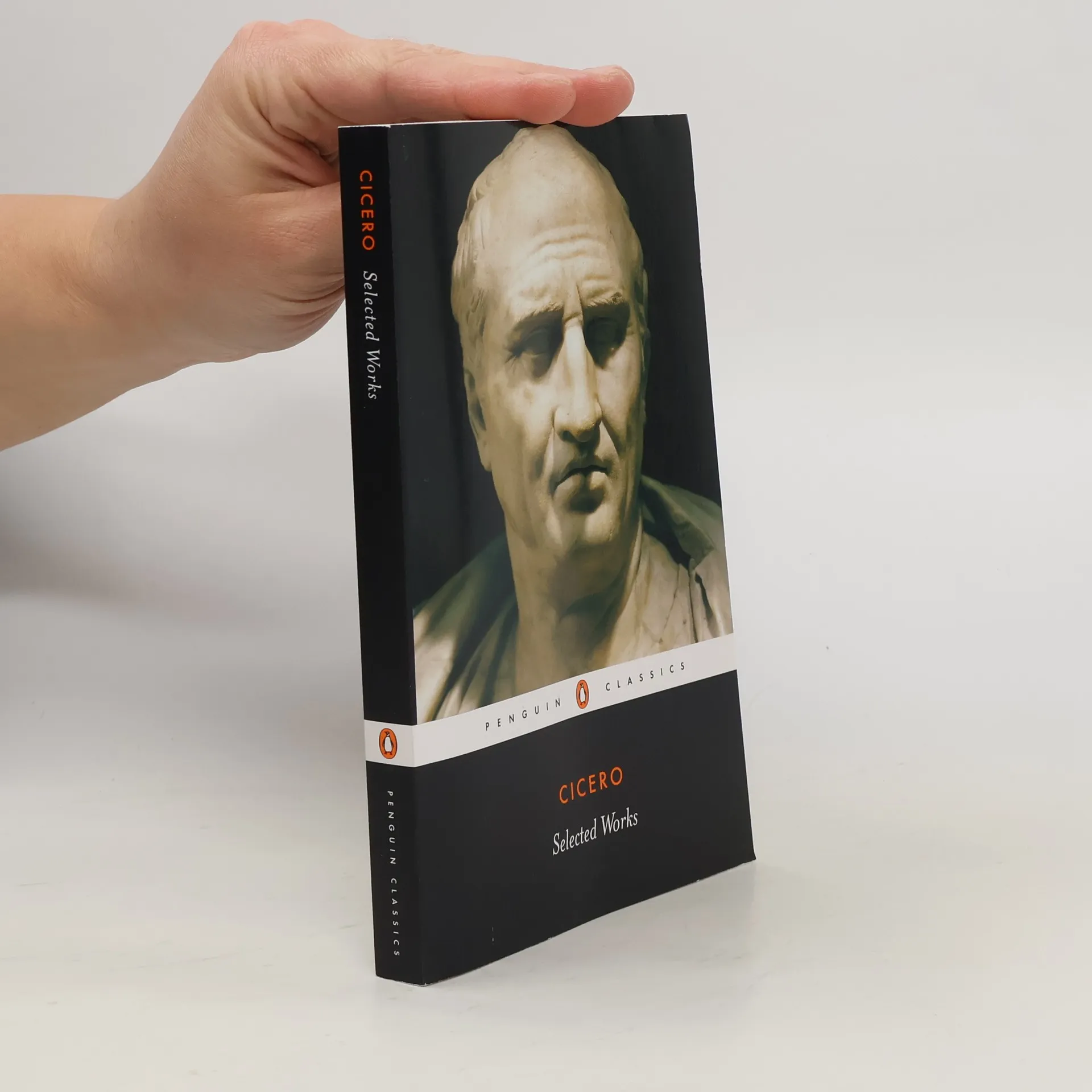
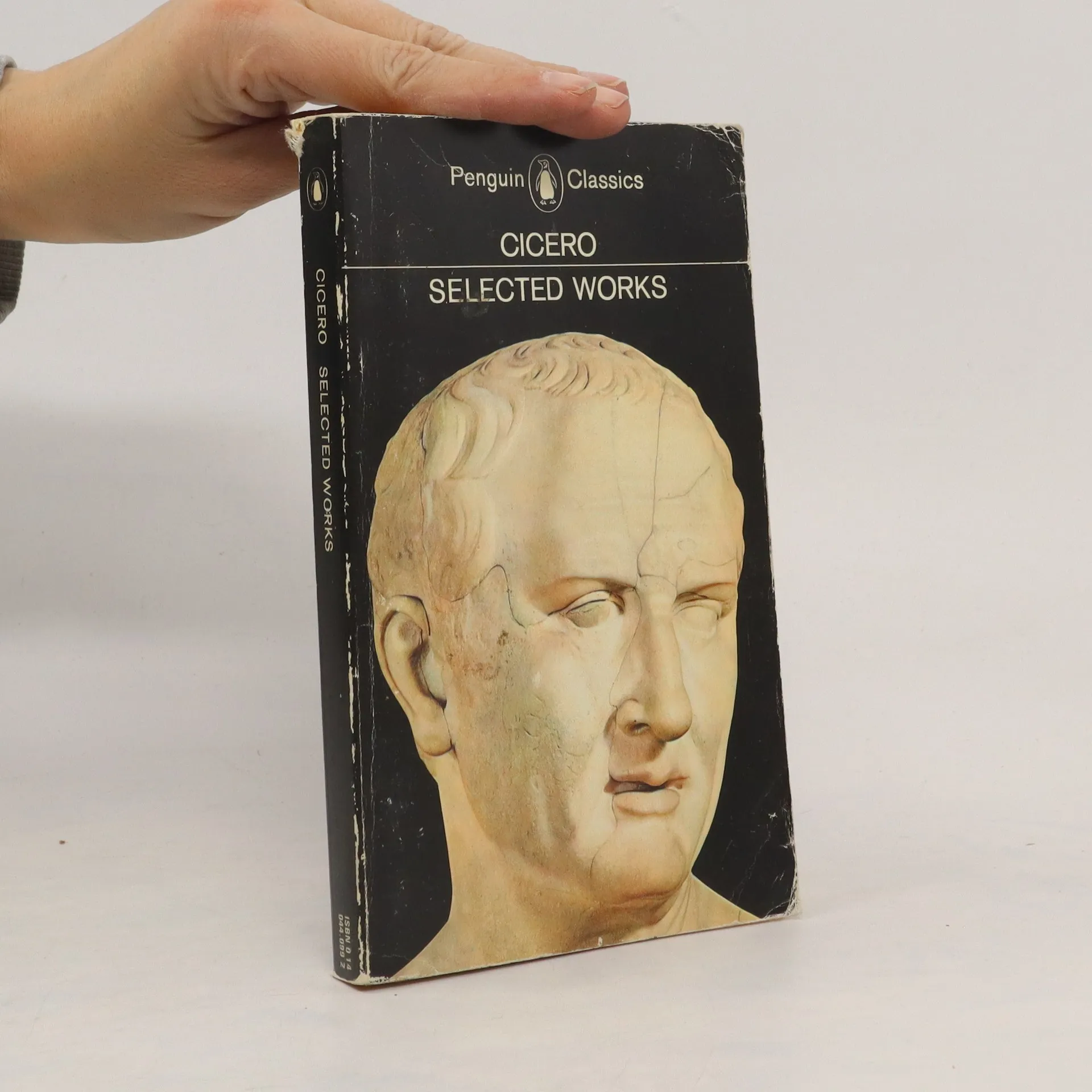
Lawyer, philosopher, statesman and defender of Rome’s Republic, Cicero was a master of eloquence, and his pure literary and oratorical style and strict sense of morality have been a powerful influence on European literature and thought for over two thousand years in matters of politics, philosophy, and faith. This selection demonstrates the diversity of his writings, and includes letters to friends and statesmen on Roman life and politics; the vitriolic Second Philippic Against Antony; and his two most famous philosophical treatises, On Duties and On Old Age - a celebration of his own declining years. Written at a time of brutal political and social change, Cicero’s lucid ethical writings formed the foundation of the Western liberal tradition in political and moral thought that continues to this day.
We know more of Marcus Tullius Cicero (106 43 BCE), lawyer, orator, politician
and philosopher, than of any other Roman. Besides much else, his work conveys
the turmoil of his time, and the part he played in a period that saw the rise
and fall of Julius Caesar in a tottering republic.
We know more of Marcus Tullius Cicero (106 43 BCE), lawyer, orator, politician
and philosopher, than of any other Roman. Besides much else, his work conveys
the turmoil of his time, and the part he played in a period that saw the rise
and fall of Julius Caesar in a tottering republic.
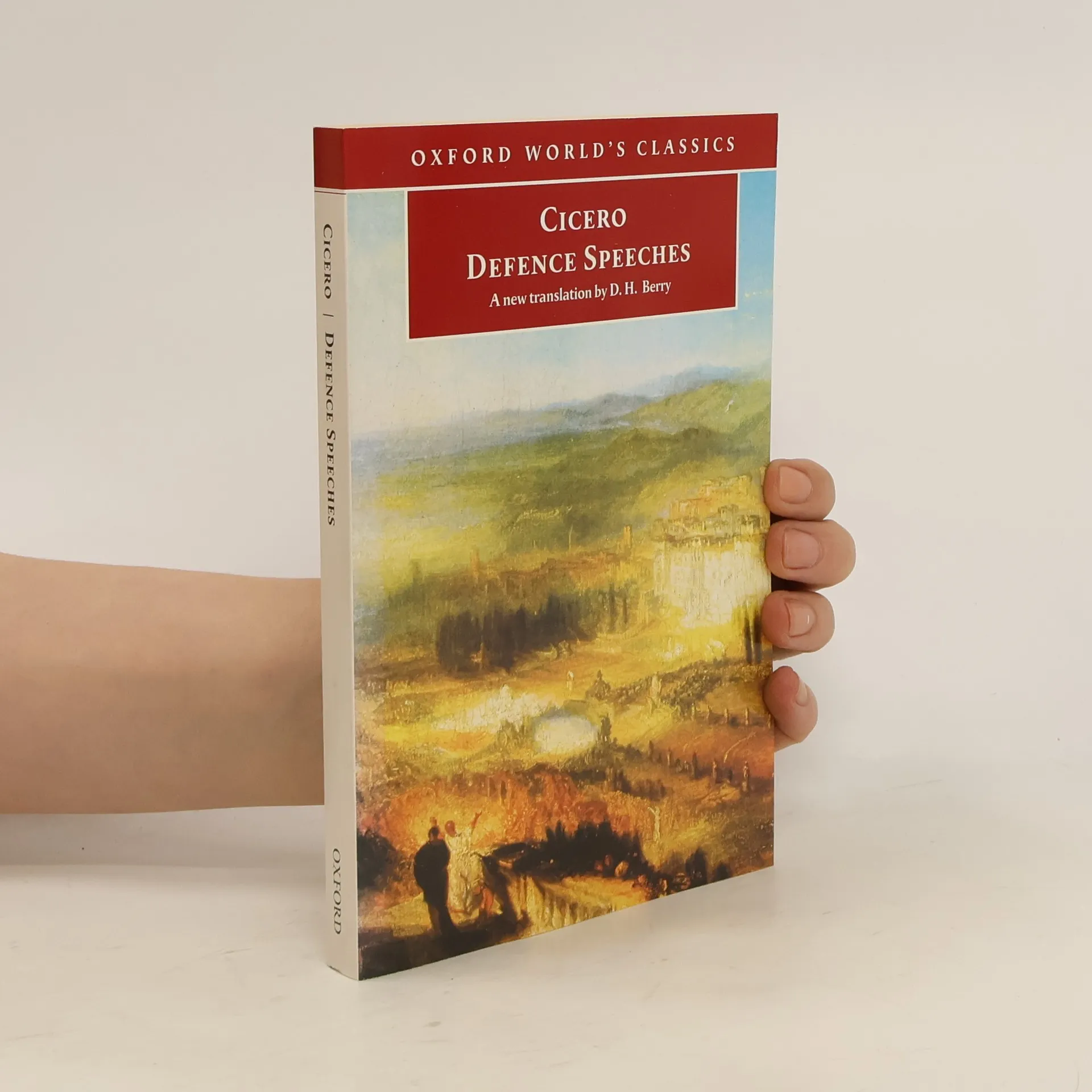
'But I must stop now, I can no longer speak for tears--and my client has ordered that tears are not to be used in his defence.'Cicero (106-43 BC) was the greatest orator of the ancient world: he dominated the Roman courts, usually appearing for the defence. His speeches are masterpieces of persuasion: compellingly written, and sometimes hilariously funny. This book presents five of his most famous defences: of Roscius, falsely accused of murdering his father; of the consul-elect Murena, accused of electoral bribery; of the poet Archias, on a citizenship charge; of Caelius, ex-lover of Clodia Metelli, on charges of violence; and of Milo, for murdering Cicero's hated enemy Clodius. Cicero's clients were rarely whiter-than-white, but so seductive is his oratory that the reader cannot help taking his side. In these speeches we are plunged into some of the most exciting courtroom dramas of all time.These new translations preserve Cicero's literary artistry and emotional force, and achieve new standards of accuracy. Each speech has its own introduction discusses Cicero's public career and the criminal courts. The substantial explanatory notes guide the reader through the speeches, and offer new scholarship presented in a clear way.
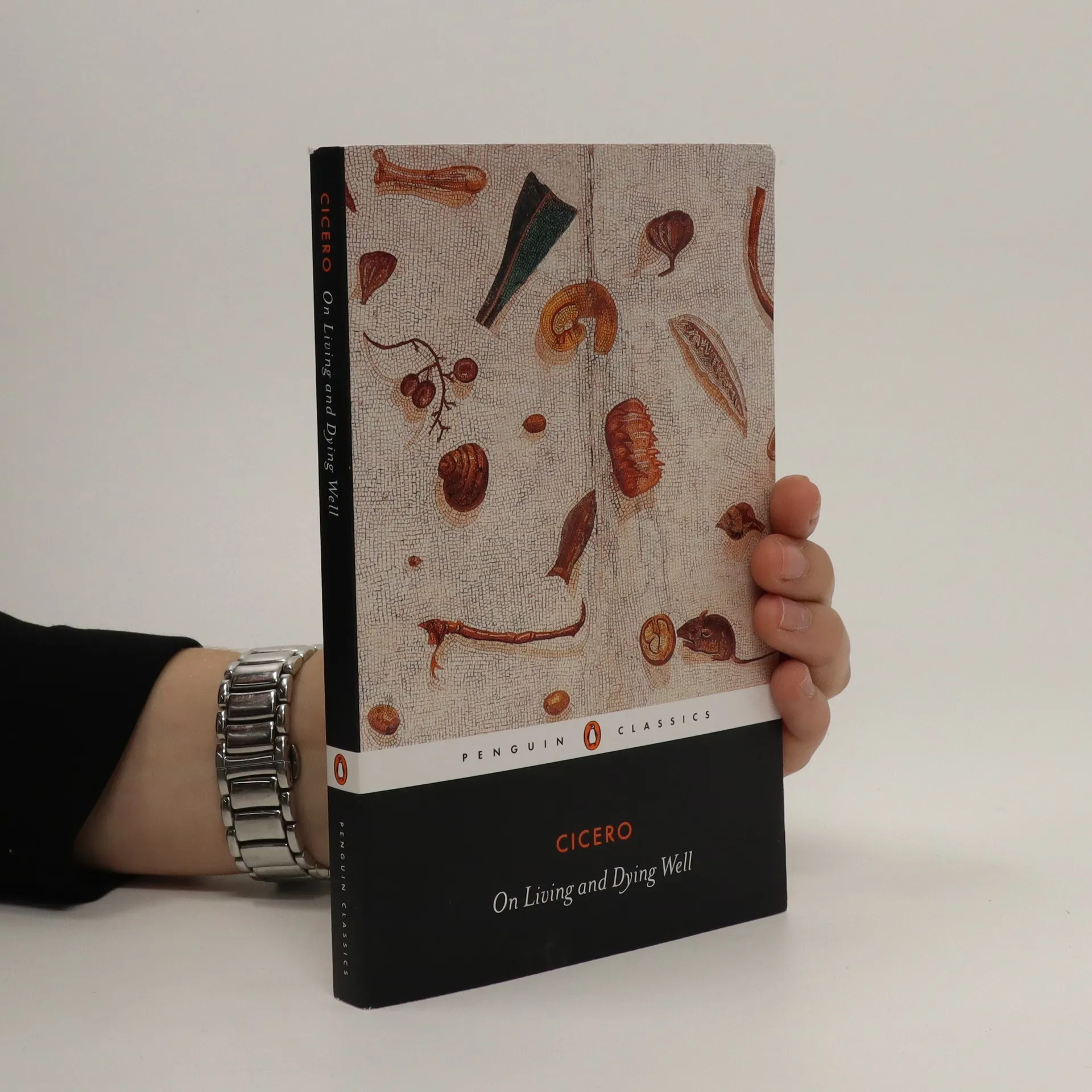
Philosophical writings on “the good life” by the great Roman orator, in a vital new translation In the first century BC, Marcus Tullius Cicero, Roman orator, statesman, and defender of republican values, created these philosophical treatises on such diverse and trenchant topics as friendship, religion, death, fate, and scientific inquiry. This lucid and lively new translation renders the great Roman’s writings accessible to modern readers as never before. Cicero was a pragmatist at heart, but his philosophies were frequently personal and ethical, drawn not from abstract reasoning but from careful observation of the world. The resulting work reminds us of the importance of social ties, the question of free will, and the justification of creative endeavor. For more than seventy years, Penguin has been the leading publisher of classic literature in the English-speaking world. With more than 1,700 titles, Penguin Classics represents a global bookshelf of the best works throughout history and across genres and disciplines. Readers trust the series to provide authoritative texts enhanced by introductions and notes by distinguished scholars and contemporary authors, as well as up-to-date translations by award-winning translators.
For the great Roman orator and statesman Cicero, 'the good life' was at once a life of contentment and one of moral virtue - and the two were inescapably intertwined. This volume brings together a wide range of his reflections upon the importance of moral integrity in the search for happiness. In essays that are articulate, meditative and inspirational, Cicero presents his views upon the significance of friendship and duty to state and family, and outlines a clear system of practical ethics that is at once simple and universal. These works offer a timeless reflection upon the human condition, and a fascinating insight into the mind of one of the greatest thinkers of Ancient Rome.
Provides a brief biographical sketch of the Roman consul and orator, and gath
his selected correspondence, in which he discusses social and political life
the Roman Empire.
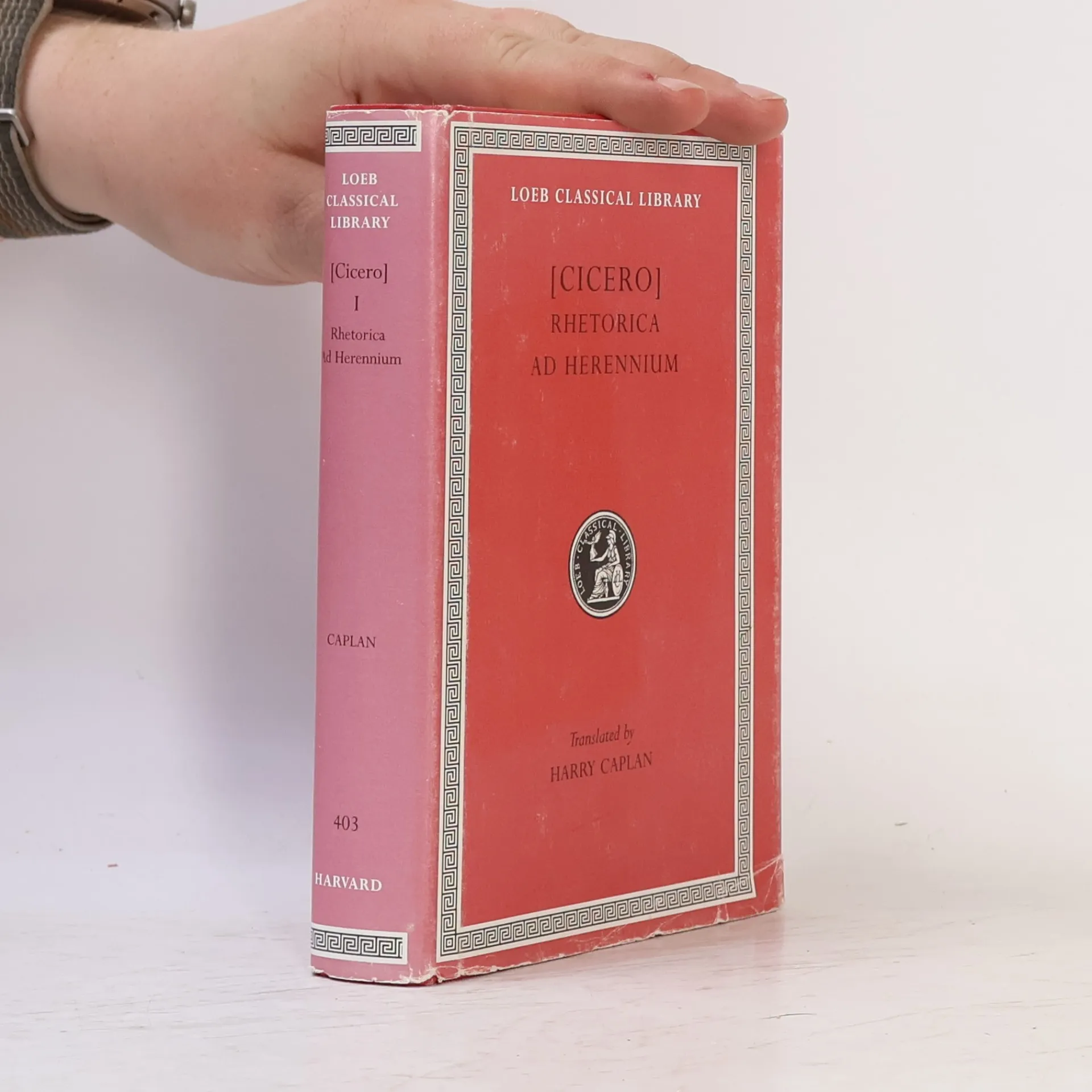
The Rhetorica ad Herrenium was traditionally attributed to Cicero (106 43
BCE), and reflects, as does Cicero s De Inventione, Hellenistic rhetorical
teaching. But most recent editors attribute it to an unknown author.
The third and fourth books of Cicero's Tusculan Disputations deal with the nature and management of human first grief, then the emotions in general. In lively and accessible style, Cicero presents the insights of Greek philosophers on the subject, reporting the views of Epicureans and Peripatetics and giving a detailed account of the Stoic position, which he himself favors for its close reasoning and moral earnestness. Both the specialist and the general reader will be fascinated by the Stoics' analysis of the causes of grief, their classification of emotions by genus and species, their lists of oddly named character flaws, and by the philosophical debate that develops over the utility of anger in politics and war.Margaret Graver's elegant and idiomatic translation makes Cicero's work accessible not just to classicists but to anyone interested in ancient philosophy and psychotherapy or in the philosophy of emotion. The accompanying commentary explains the philosophical concepts discussed in the text and supplies many helpful parallels from Greek sources.
Cicero (106-43 BC) was the greatest orator of the ancient world and a leading politician of the closing era of the Roman republic. This book presents nine speeches which reflect the development, variety, and drama of his political career. These new translations achieve new standards of accuracy.
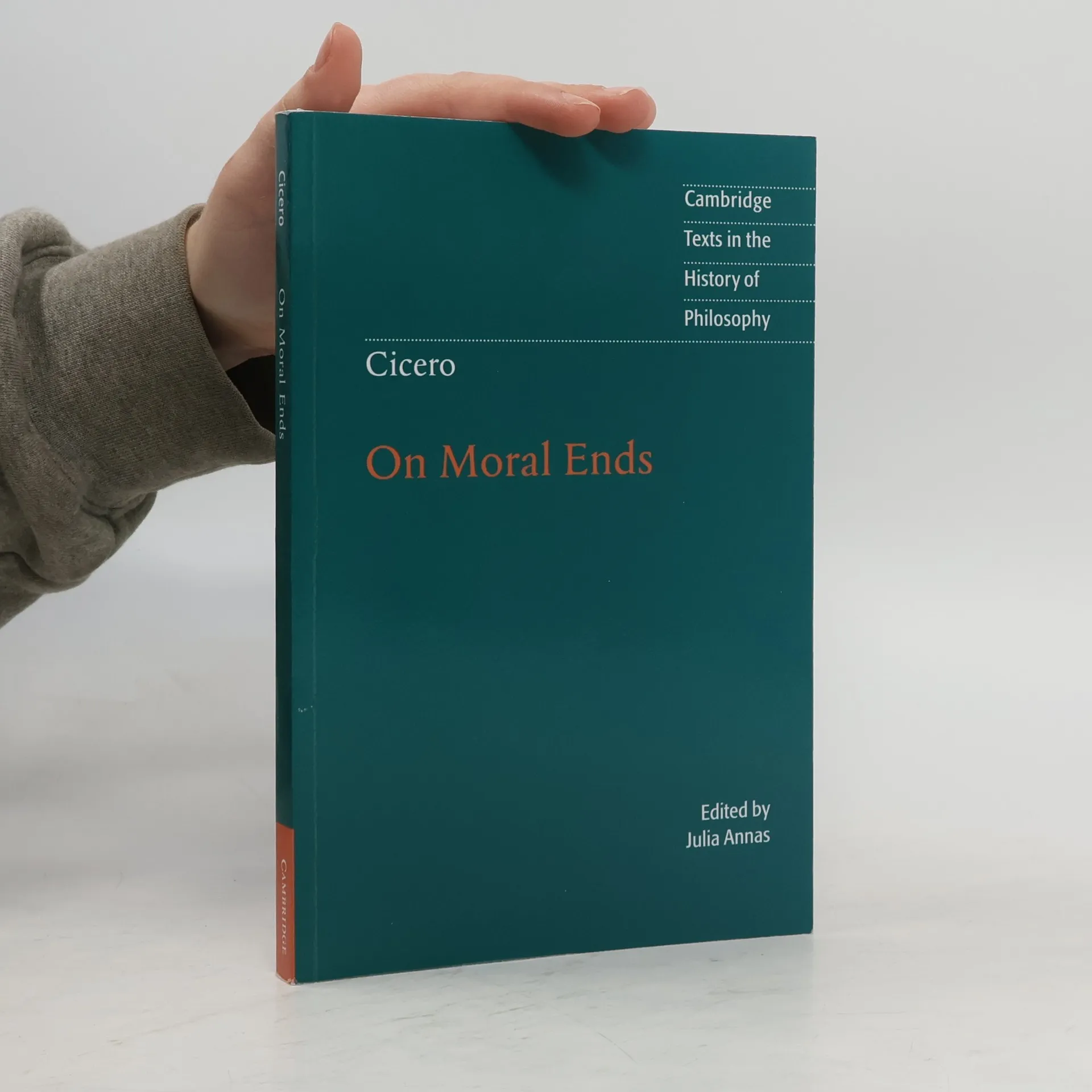
This 2001 translation of Cicero's important work on ethics does justice to the
argumentative vigour and philosophical ideas of the text, and the volume also
offers a clear and helpful introduction and notes.
'My present intention is to clear myself of any suspicion of partially by presenting the views of the generality of philosophers concerning the nature of the gods.'In The Nature of the Gods, Cicero presents a detailed account of the Greek theories of deity, examining the theologies of the Epicureans and the Stoics, together with critical objections to these doctrines raised by the Academic school. Providing vital evidence of the views of the Greek philosophers of the Hellenistic age, Cicero also casts light on the intellectual life of first-century Rome. When these Greek beliefs are translated into the Roman context they result in a fascinating clash of ideologies.This new translation of a work whose importance is becoming increasingly recognized is complemented by an invaluable introduction to the main philosophical issues, as well as substantial and helpful annotation.
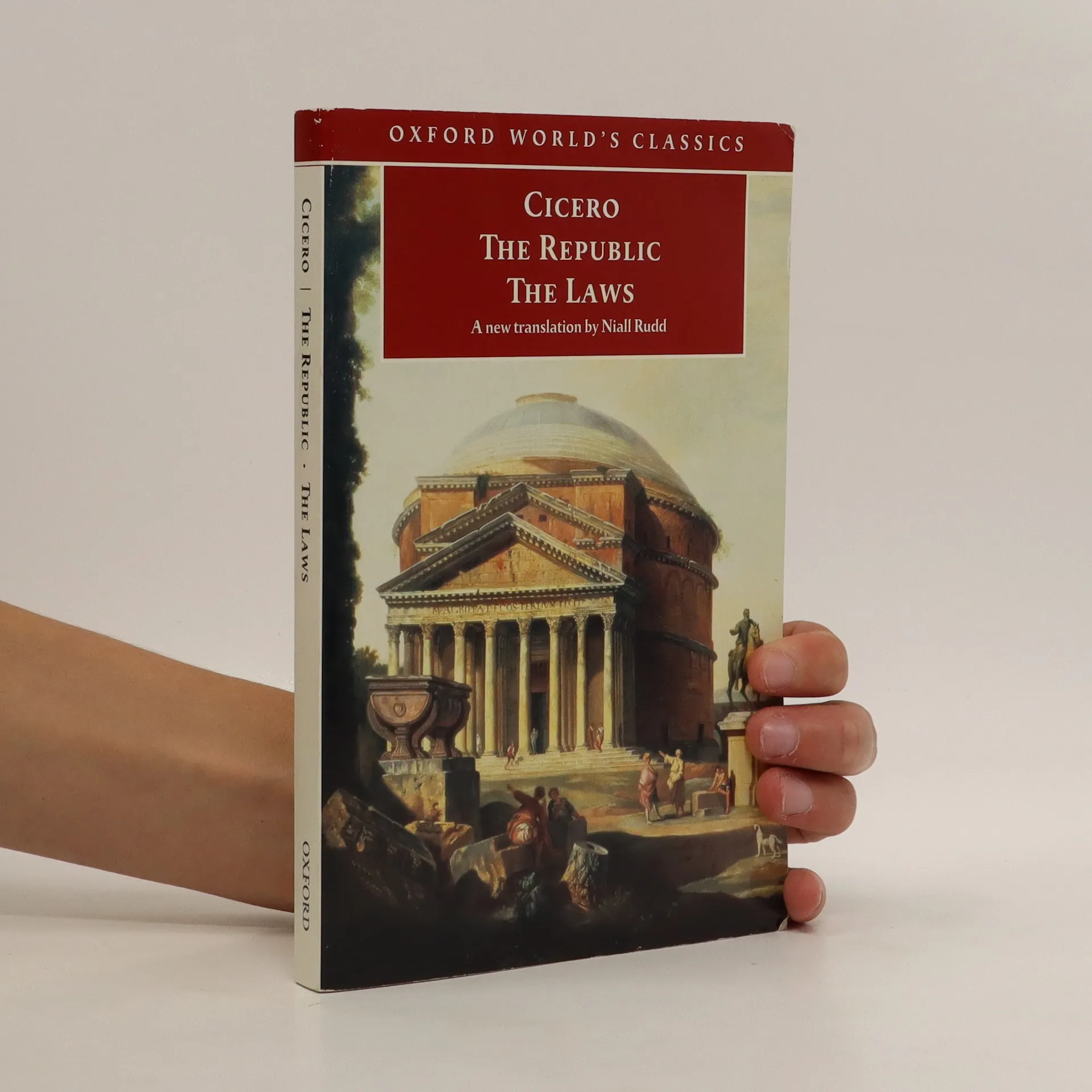
Cicero's The Republic is an impassioned plea for responsible government written just before the civil war that ended the Roman Republic in a dialogue following Plato. This is the first complete English translation of both works for over sixty years and features a lucid introduction, a table ofdates, notes on the Roman constitution, and an index of names.
Valued by scholars for its literary significance, this book serves as a vital knowledge resource for future generations. It is presented in its original print format, preserving its authenticity, including any marks or annotations from the first publication. This approach ensures that the book's true nature and historical context remain intact, allowing readers to engage with it as it was originally intended.
Selected for its cultural significance, this reproduction preserves the original artifact's integrity, including copyright references and library stamps. It serves as a valuable contribution to the knowledge base of civilization, providing readers with an authentic glimpse into historical works housed in major libraries worldwide.
This book is a reproduction of a historical work, published by Megali, which focuses on making literature accessible to individuals with impaired vision through large print. The initiative emphasizes the importance of preserving and sharing historical texts while ensuring they are readable for a wider audience.
This book is a reproduction of a historical work, presented in large print to enhance accessibility for readers with impaired vision. The publishing house Megali focuses on making such texts available, ensuring that important historical literature remains accessible to a wider audience.
This publication focuses on reproducing historical works in large print, catering specifically to individuals with impaired vision. By emphasizing accessibility, Megali aims to provide a more enjoyable reading experience for those who may struggle with traditional print sizes.
"Gathers Cicero's most perceptive thoughts on topics such as leadership, corruption, the balance of power, taxes, war, immigration, and the importance of compromise." -- Dust jacket.
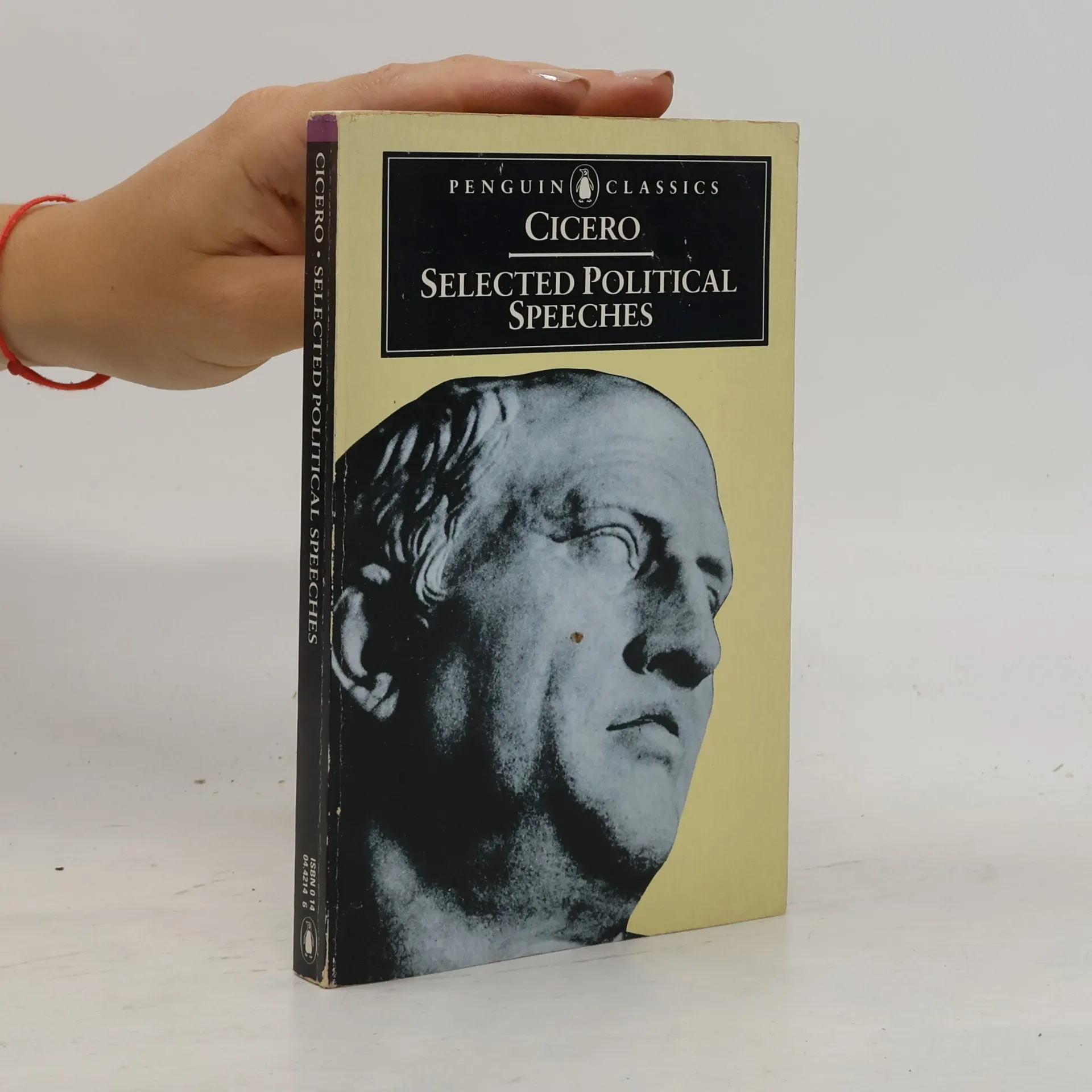
This text presents a selection of the political speeches of Cicero, including: On the Command of Cnaeus Pompeius, Against Lucius Sergius Catilina, In Defence of the Poet Aulus Licinius Archias, and In Defence of Marcus Caelius Rufus.
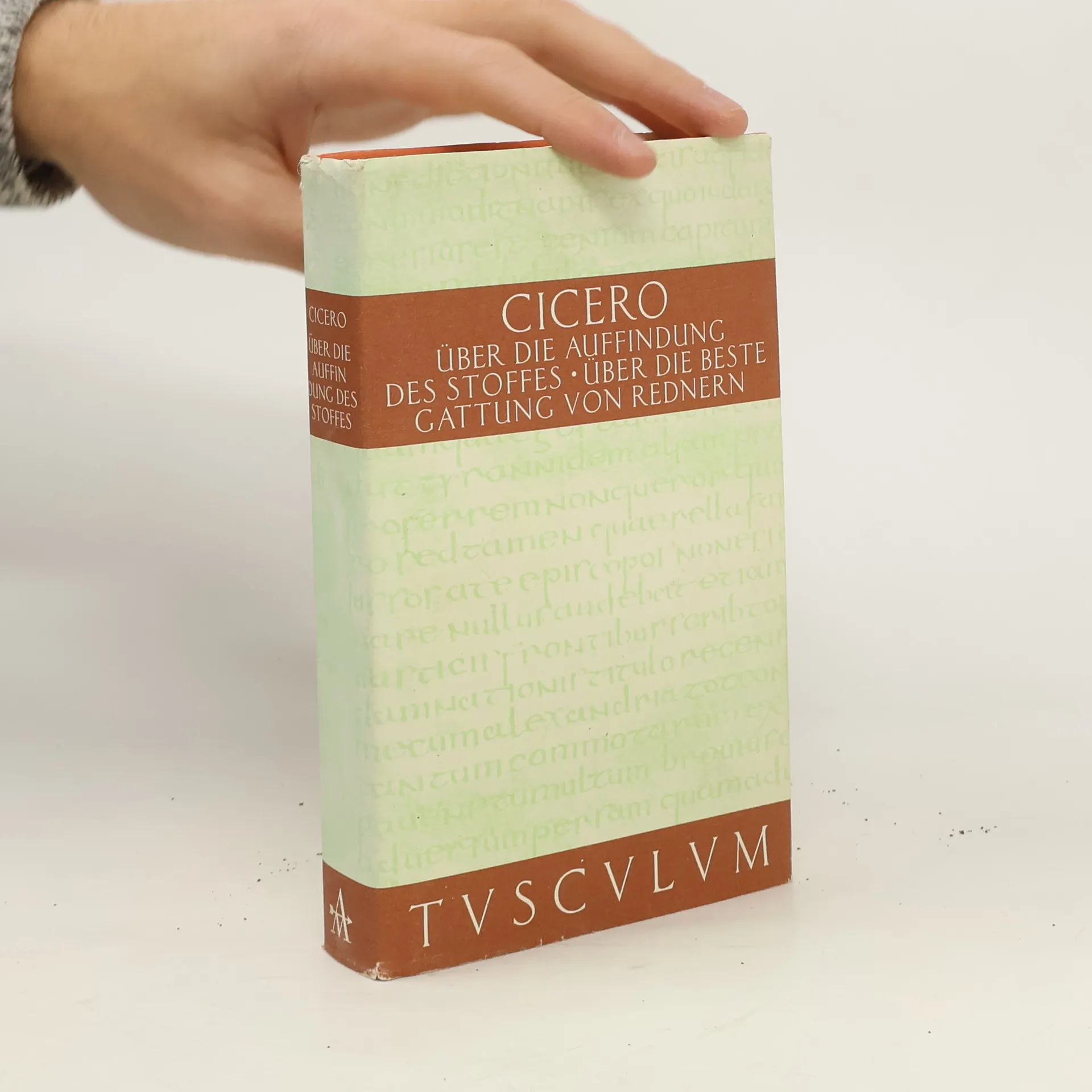
Cicero, der unbestrittene Meister der römischen Beredsamkeit in Theorie und Praxis, hat sich in mehreren Werken mit der Theorie der Rhetorik beschäftigt. Vom geplanten umfassenden Handbuch zur Rhetorik wurden nur zwei Bücher ausgearbeitet, die unter dem Titel De inventione überliefert sind. Unverkennbar ist die Nähe zu der anonymen, lange Zeit ebenso Cicero zugeschriebenen Schrift Rhetorica ad Herennium. Gegen die zunehmende Verkümmerung des Rednerideals durch eine „Versachlichung“ der rhetorischen Prxis kämpft Cicero in der kleinen Schrift De optimo genere oratorum. Zwischen dem Abfassen beider Schriften liegt ein Zeitraum von etwa 40 Jahren. De inventione (um 85 v. Chr. verfaßt) gehört zu den Jugendwerken Ciceros und mit der Rhetorica ad Herennium zu den ältesten römischen Schriften zur Rhetorik überhaupt.
»Der bekannte Spruch: Erkenne dich selbst! ist nicht nur zur Dämpfung unseres Hochmuts gesagt worden; wir sollen uns vielmehr auch über unsere Vorzüge klar werden.« (Cicero)
Dieses Werk ist Teil der Buchreihe TREDITION CLASSICS. Der Verlag tredition aus Hamburg veröffentlicht in der Buchreihe TREDITION CLASSICS Werke aus mehr als zwei Jahrtausenden. Diese waren zu einem Großteil vergriffen oder nur noch antiquarisch erhältlich. Mit der Buchreihe TREDITION CLASSICS verfolgt tredition das Ziel, tausende Klassiker der Weltliteratur verschiedener Sprachen wieder als gedruckte Bücher zu verlegen - und das weltweit! Die Buchreihe dient zur Bewahrung der Literatur und Förderung der Kultur. Sie trägt so dazu bei, dass viele tausend Werke nicht in Vergessenheit geraten.
Textus utilis studiosorum, historiam ad iudicium Milo pro caede Clodii anno 52 a.C.n. pertinentem, significationem politicam iudicii, et tractationem causae a Cicerone complectens, continet. Textus Latinus orationis sequitur notas amplas, brevem analysin structurae orationis, et indices. Commentarium Asconii in Latinum inclusum est.
Seit 1923 erscheinen in der Sammlung Tusculum maßgebende Editionen griechischer und lateinischer Werke mit deutscher Übersetzung. Die Originaltexte werden zudem eingeleitet und umfassend kommentiert; nach der neuen Konzeption bieten schließlich thematische Essays tiefere Einblicke in das Werk, seinen historischen Kontext und sein Nachleben. Die hohe wissenschaftliche Qualität der Ausgaben, gepaart mit dem leserfreundlichen Sprachstil der Einführungs- und Kommentarteile, macht jeden Tusculum-Band zu einer fundamentalen Lektüre nicht nur für Studierende, die sich zum ersten Mal einem antiken Autor nähern, und für Wissenschaftler, die spezifische Aspekte eines Werkes vertiefen möchten, sondern für alle, die sich durch vertrauenswürdige Übersetzungen einen Zugang zur Antiken Welt verschaffen wollen. In der Reihe wurden bisher über 270 Titel publiziert, alle erhältlich als Buch und eBook. Dadruch werden bislang vergriffene Titel und Raritäten wieder vollständig verfügbar gemacht. Zusätzlich zu der Buchreihe erscheint bei De Gruyter zum 90-jährigen Jubiläum das eBook-Paket Tusculum Online , eine digitale Sammlung aller von 1923 bis 2013 erschienenen Titel -eine gebührende Würdigung eines wichtigen Stücks deutscher Verlagsgeschichte.
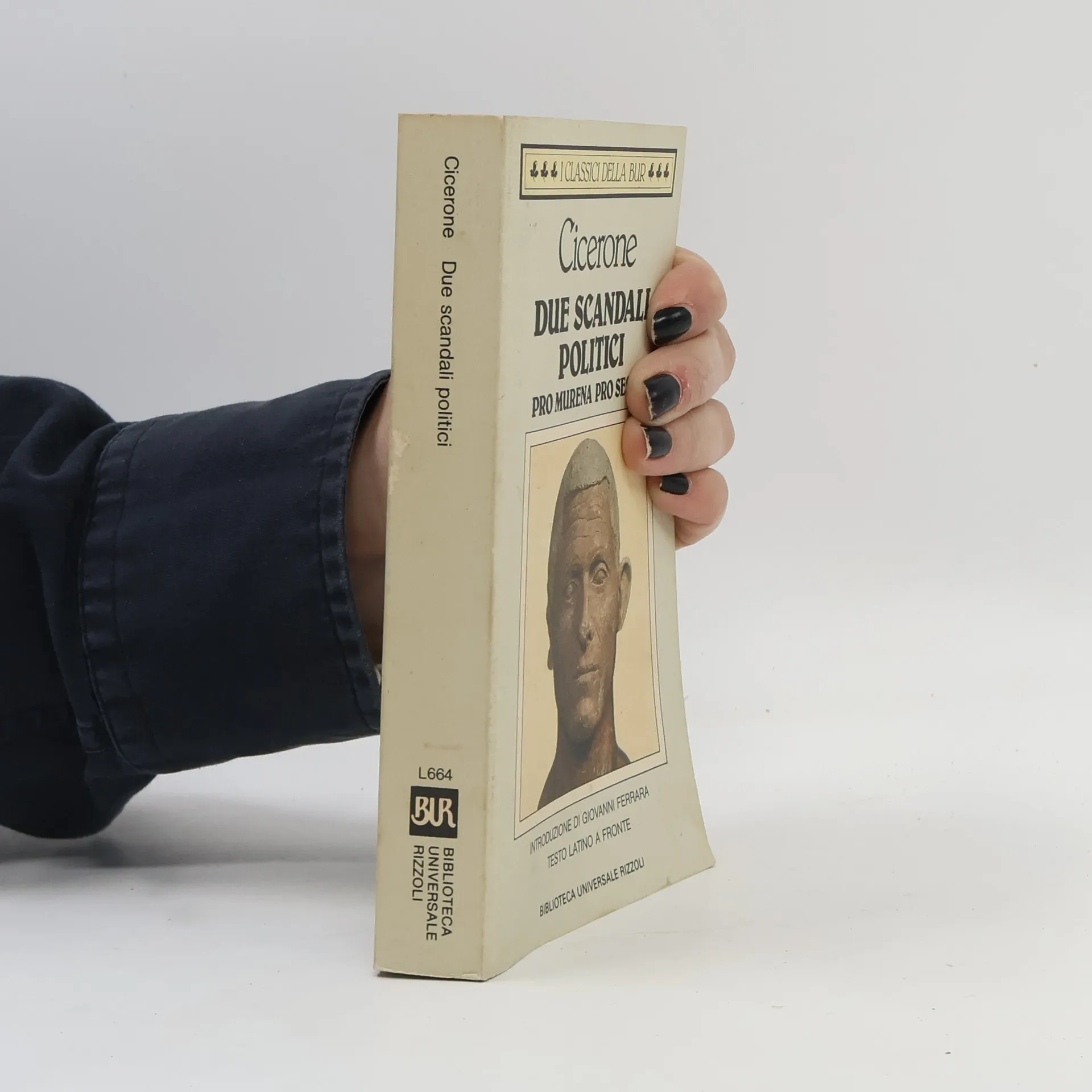
Pur non essendo tra le orazioni più conosciute, come le Verrine o le Catilinarie, la Pro Murena e la Pro Sestio sono tuttavia tra le migliori e più rappresentative della forza polemica e satirica e del pensiero politico di Cicerone.Elemento comune alle due arringhe è, ancora una volta, Catilina. Nella Pro Murena, del 63 a.C., Cicerone difende Murena, console designato per l'anno successivo, dall'accusa di brogli elettorali: eventuali nuove elezioni avrebbero dato a Catilina, la cui congiura non era ancora stata scoperta e repressa, ulteriori possibilità di agitazione politica. La Pro Sestio, pronunciata nel 56 a.C., rappresenta una grandiosa rivendicazione dei propri meriti passati ed espone il progetto politico e civile di Cicerone.La penetrante introduzione di Giovanni Ferrara inquadra le due orazioni nel contesto più ampio della vita e dell'operato politico del grande oratore.
In diesem Teil der (ungehaltenen) Rede berichtet Cicero, wie Verres in Sizilien durch Erpressung und Gewalt Kunstgegenstände verschiedener Art (auch ganze Statuen) an sich zu bringen wußte. Ein kulturgeschichtliches hochinteressantes Dokument, bei dem einem heutigen Archäologen die Haare zu Berge stehen können.
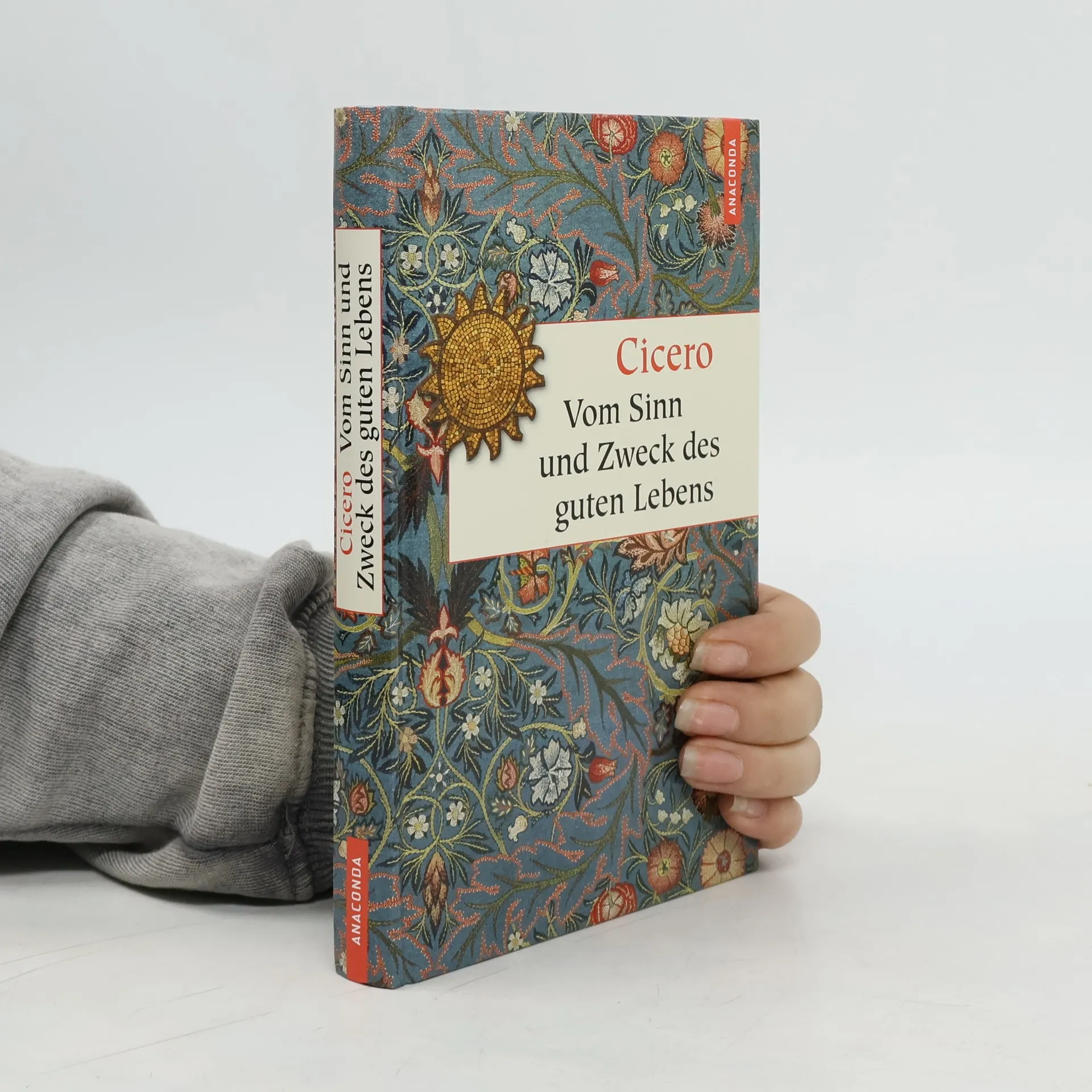
Glücklich zu leben hat jeder selbst in der Hand, meinte Marcus Tullius Cicero, der römische Politiker, Rhetor und Philosoph. Und widmete sich immer wieder der Kernfrage unserer Existenz: Was ist die Natur des Menschen und wodurch erhält ein Leben Sinn und Wert? Seine Gedanken kreisen um die innere Freiheit, die Bedeutung sittlicher Normen, den Wert der Freundschaft, um Humanität, Schicksal und Schmerz. Diese Auswahl aus Ciceros Briefen und philosophischen Werken fügt sich zu einer Anleitung zum guten und gelingenden Leben.
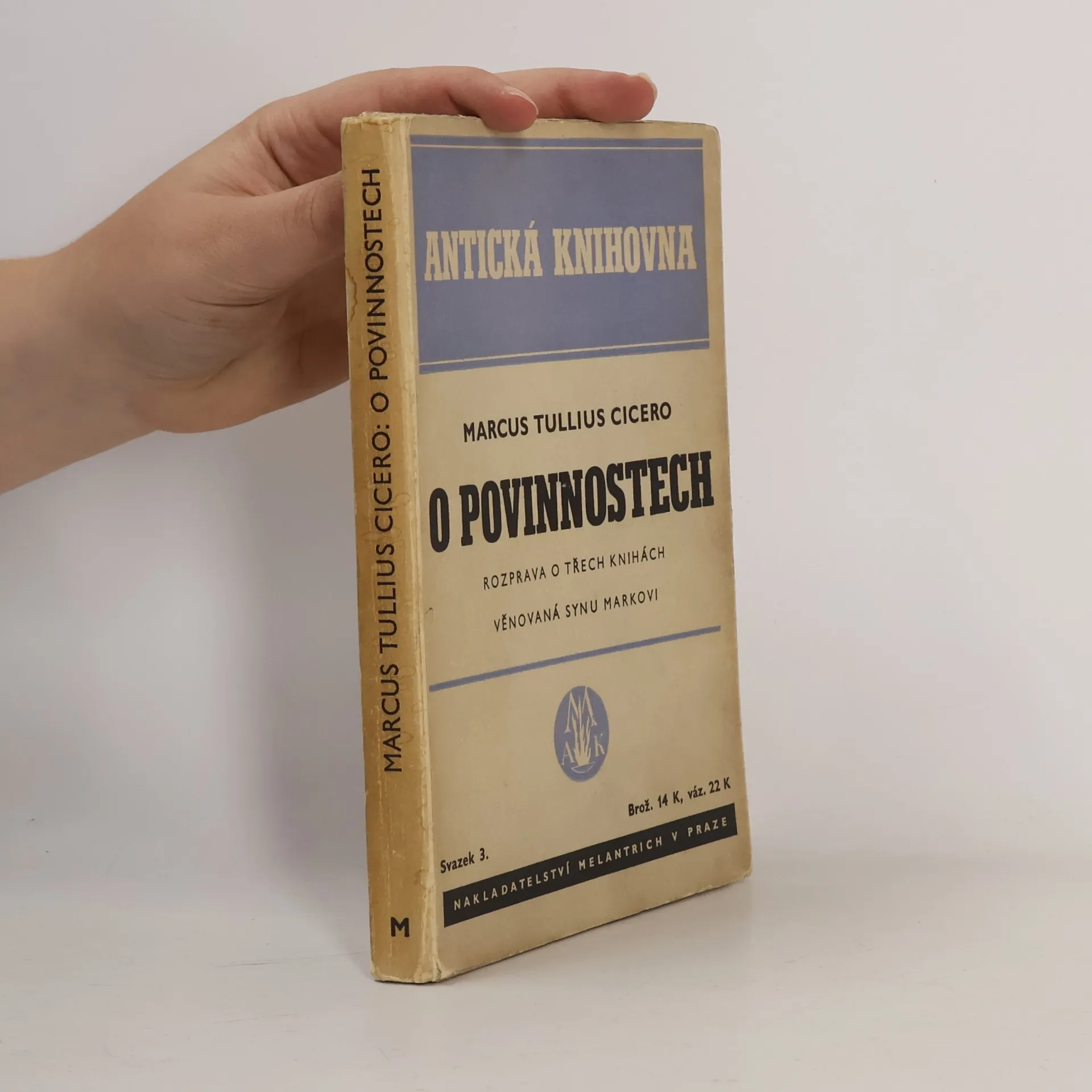
Von den Pflichten ist ein philosophisches Spätwerk Marcus Tullius Ciceros. Es wurde im Jahr 44 v. Chr. geschrieben und ist eines der Standardwerke antiker Ethik. In ihm werden kurzgefasst die Pflichten des täglichen Lebens behandelt, insbesondere die eines Staatsmannes. Mit officium hat Cicero das griechische καθῆκον (kathēkon) wiedergegeben, was so viel wie das einem Zukommende und im technischen Sinne die Pflicht bedeutet. De officiis ist in Briefform an Ciceros Sohn Marcus geschrieben und nicht wie viele von Ciceros philosophischen Schriften in Dialogform verfasst. Das Werk besteht aus drei Büchern, wobei das erste das ehrenhafte Verhalten behandelt, das zweite die für den Menschen nützlichen Pflichten und das dritte Buch Situationen nennt, in denen diese miteinander in Konflikt geraten können. Marcus Tullius Cicero (106 v. Chr. - † 43 v. Chr.) war ein römischer Politiker, Anwalt, Schriftsteller und Philosoph, der berühmteste Redner Roms und Konsul im Jahr 63 v. Chr.
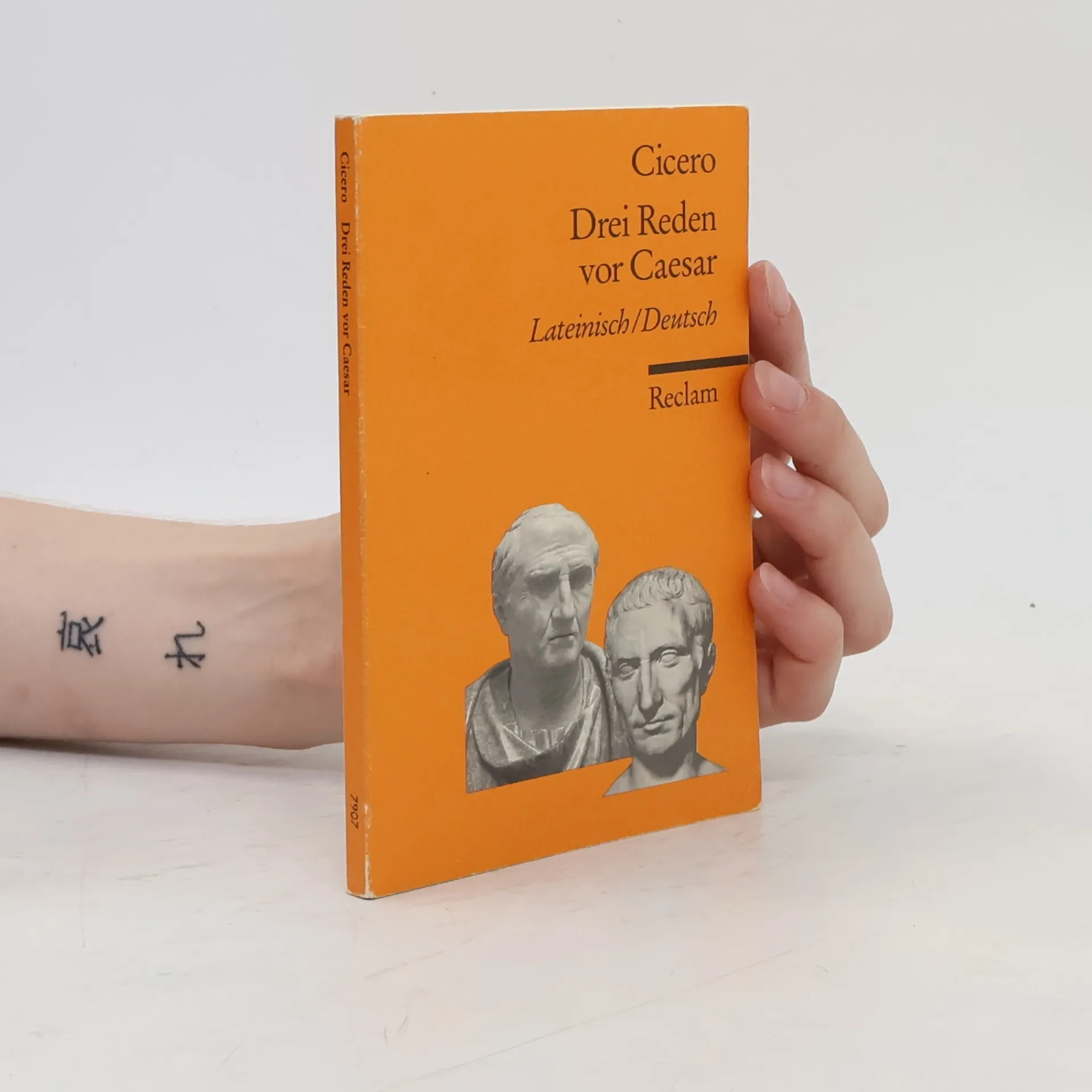
Wie gehen Sieger mit Besiegten um? Die »Clementia Caesaris« als Testfall. M. Marcellus und Q. Ligarius waren entschiedene Gegner des Diktators, und auch der kleinasiatische König Deiotarus hatte auf der falschen, des Pompeius‘ Seite, gestanden. Cicero setzt sich für ihre Rehabilitierung ein und plädiert für die Aussöhnung der ehemaligen Feinde im Interesse des durch Bürgerkrieg zerrütteten Gemeinwesens. Er agiert mit hintergründiger Ironie, doppelbödigem Lob und latenter Feindseligkeit – ein nicht ungefährliches Spiel. Sprachen: Deutsch, Latein