

Bookbot

Bryan Sykes

    Bryan Sykes je profesorom genetiky na Oxfordskej univerzite. Jeho práca skúma fascinujúce prieniky genetiky, histórie a ľudského pôvodu, čím čitateľom ponúka jedinečný pohľad na našu ancestrálnu minulosť. Je autorom národného bestselleru, ktorý sa ponára do hlbokého rodokmeňa ľudstva.

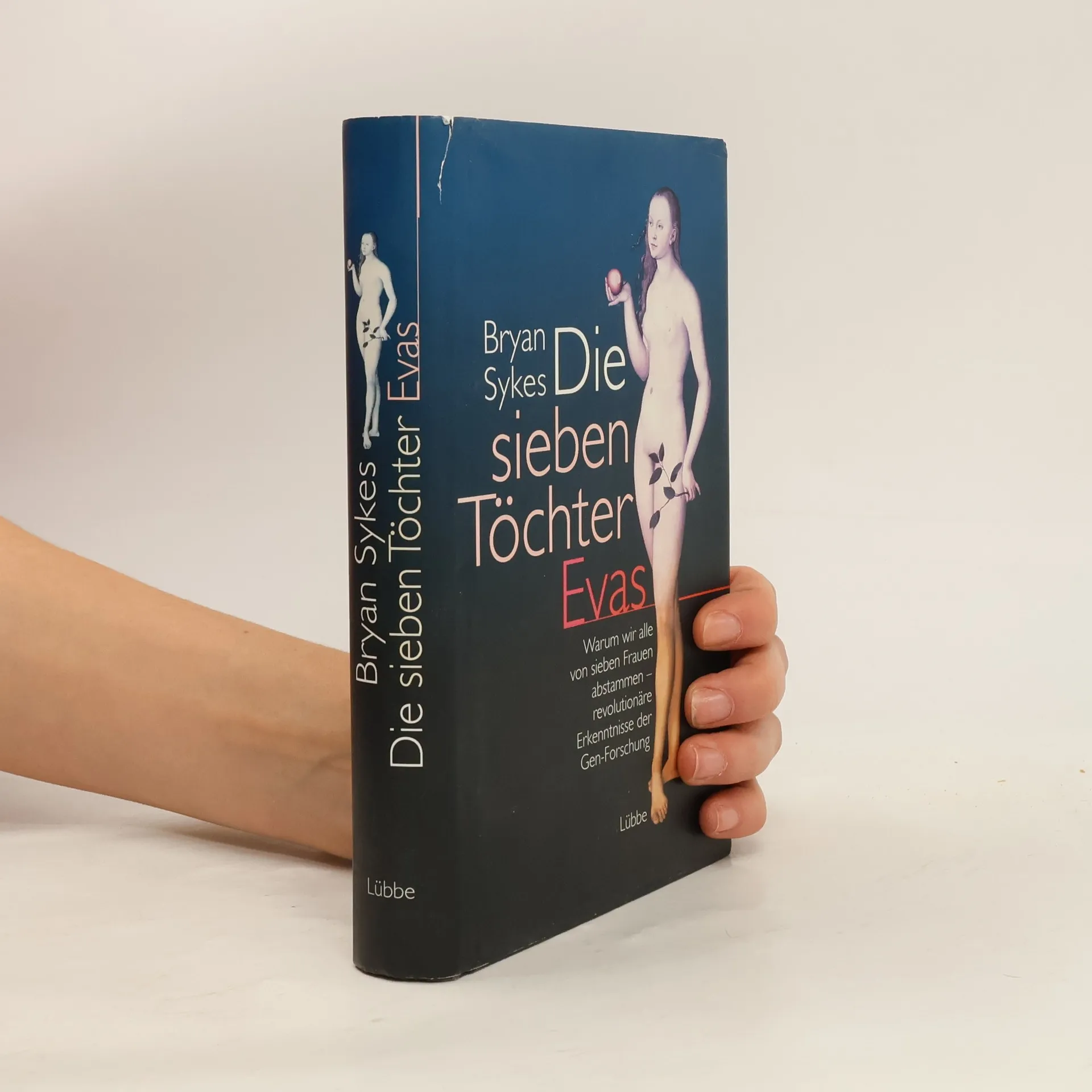
    Die sieben Töchter Evas
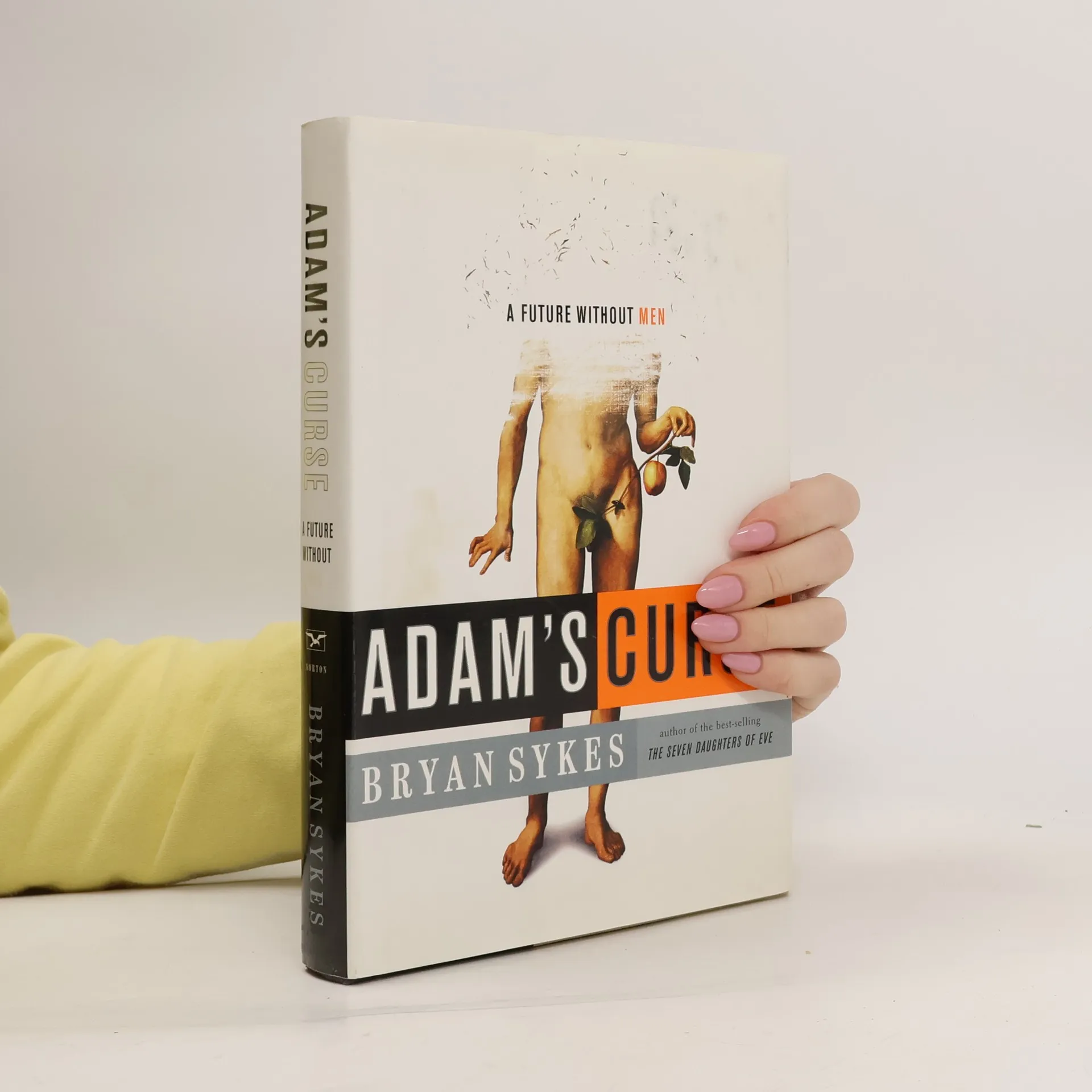
    Adam's Curse
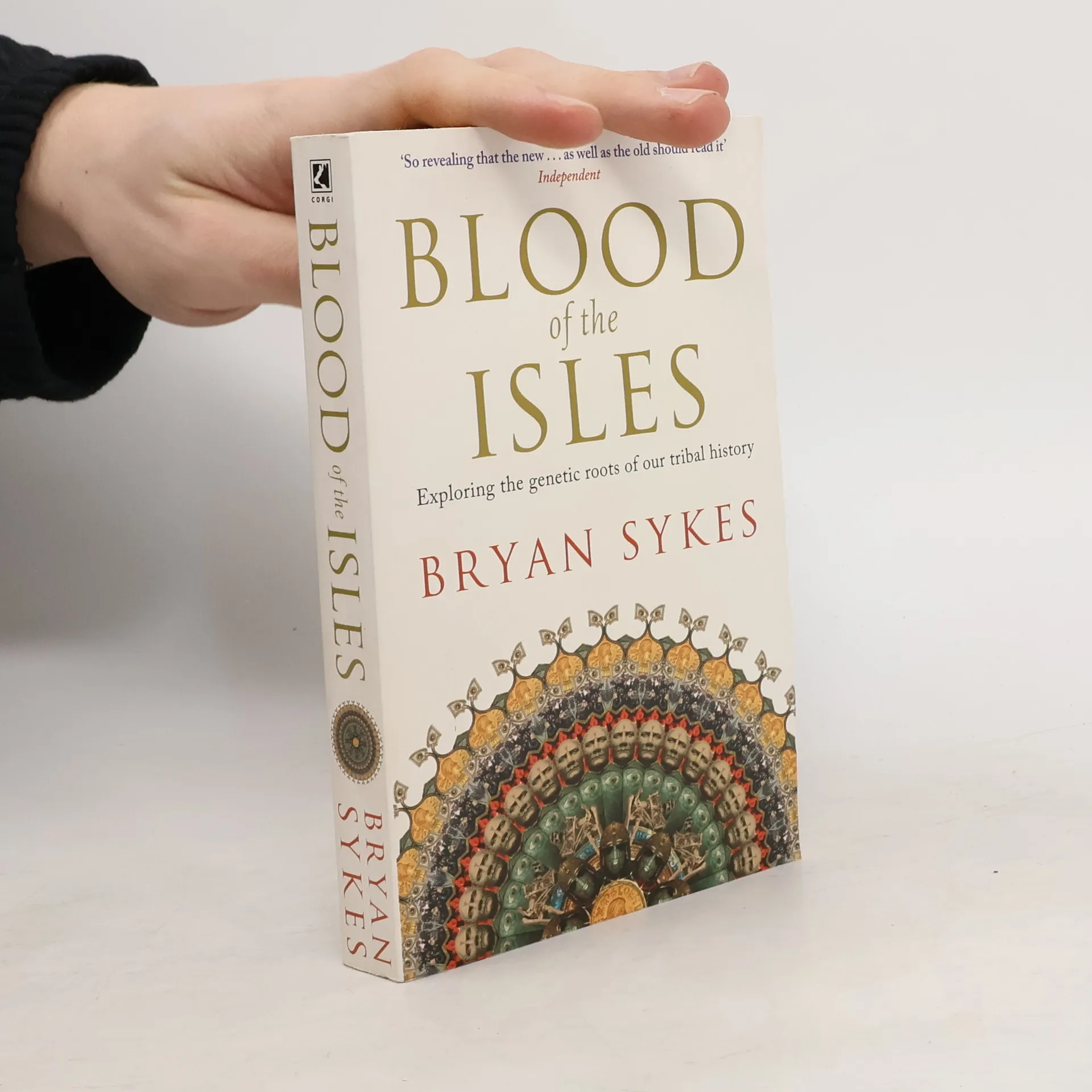
    Blood of the Isles
    The Seven Daughters of Eve: The Science That Reveals Our Genetic Ancestry
    Once a Wolf
    • Once a Wolf

      • 304 stránok
      • 11 hodin čítania

      The author of Seven Daughters of Eve returns with a lively account of how all dogs are descended from a mere handful of wolves. How did wolves evolve into dogs? When did this happen, and what role did humans play? Oxford geneticist Bryan Sykes used the full array of modern technology to explore the canine genetic journey that likely began when a human child decided to adopt a wolf cub thousands of years ago. In the process, he discovered that only a handful of genes have created the huge range of shapes, sizes, and colors in modern dogs. Providing scientific insight into these adaptive stages, Sykes focuses attention on our own species, and how our own evolution from (perhaps equally aggressive) primates was enhanced by this most unlikely ally. Whether examining our obsession with canine purity, or delving into the prehistoric past to answer the most fundamental question of all, “Why do we love our dog so much?,” Once a Wolf is an engaging work no dog lover or ancestry aficionado should be without.

      Once a Wolf
      4,5
    • Blood of the Isles

      • 386 stránok
      • 14 hodin čítania

      In 54 B.C. Julius Caesar launched the Roman invasion of Britain. His was the first detailed account of the Celtic tribes that inhabited the Isles. But where had they come from and how long had they been there? When the Romans eventually left five hundred years later, they were succeeded by Anglo-Saxons, Vikings and Normans. Did these successive invasions obliterate the genetic legacy of the Celts, or did they have very little effect? After two decades tracing the genetic origins of peoples from all over the world, Bryan Sykes has now turned the spotlight on his own back yard. In a major research programme, the first of its kind, he and his team at Oxford University set out to test the DNA of over ten thousand volunteers from across Britain and Ireland with the specific aim of answering this very question: what is our modern genetic make-up and what does it tell us of our tribal past? Where are today¿s Celtic genes? Did Vikings only rape and pillage, or did they settle with their families? And what of the genetic legacy of the Saxons and the Normans? Are the modern people of the Isles a delicious genetic cocktail? Or did the invaders keep mostly to themselves, forming separate genetic layers within the Isles? And where do you fit in? - BOOK JACKET.

      Blood of the Isles
      3,8
    • Adam's Curse

      A Future Without Men

      • 336 stránok
      • 12 hodin čítania

      Examines the history and future of the Y chromosome and maintains that because it is unable to exchange genetic material or repair itself, the day will come when it will cease to exist.

      Adam's Curse
      3,7
    • Die sieben Töchter Evas

      • 335 stránok
      • 12 hodin čítania

      Die menschliche DNA-Struktur ist entschlüsselt, was es ermöglicht, die genetische Anlage jedes Menschen über Zehntausende von Jahren zurückzuverfolgen. Die Erbinformationen werden unverfälscht von Müttern weitergegeben. Bei der Analyse der DNA von 6000 in Europa geborenen Menschen entdeckte Bryan Sykes, Professor am Institut für Molekularmedizin der Universität Oxford, dass bestimmte Muster der mitochondrialen DNA immer wieder auftreten. Insgesamt lassen sich 90 Prozent aller Europäer auf sieben Frauen und ihre Stämme zurückführen. Diese sieben Töchter Evas tragen die Namen Ursula, Xenia, Helena, Velda, Tara, Katrin und Jasmin. Sykes fragt, was es für uns bedeutet, von einer dieser Frauen abzustammen, und warum wir uns zu bestimmten Personen hingezogen fühlen. Er stellt die Hypothese auf, dass unsere Gene eine Rolle spielen und wir instinktiv genetische Verwandtschaft spüren. Diese Erkenntnisse werfen Fragen auf über unsere Identität und die Verbindung zu unseren Vorfahren. Jeder von uns kann herausfinden, von welchem Stamm er abstammt und welche Wanderungsbewegungen unsere Vorfahren unternommen haben.

      Die sieben Töchter Evas
      4,2