

Viac o knihe
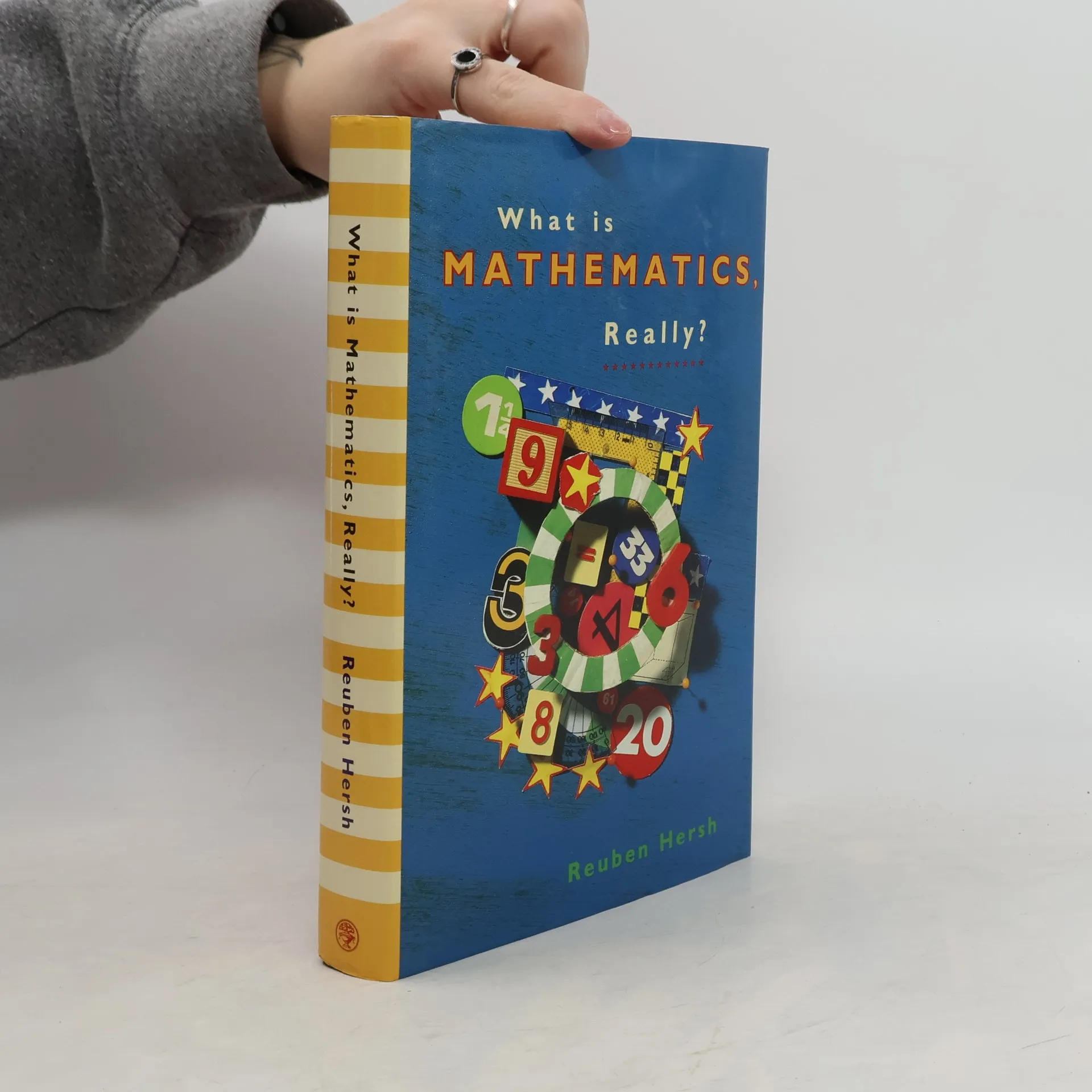
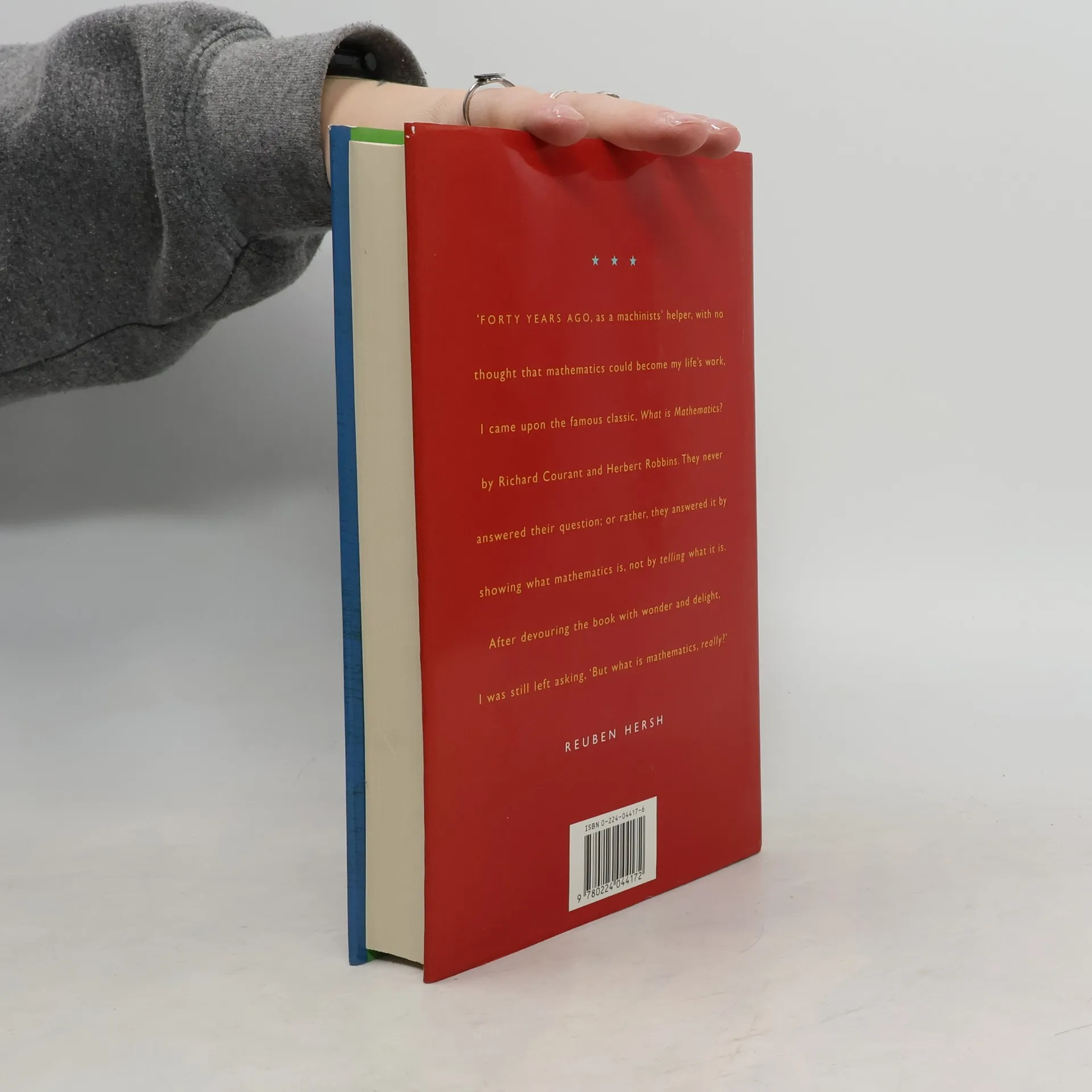
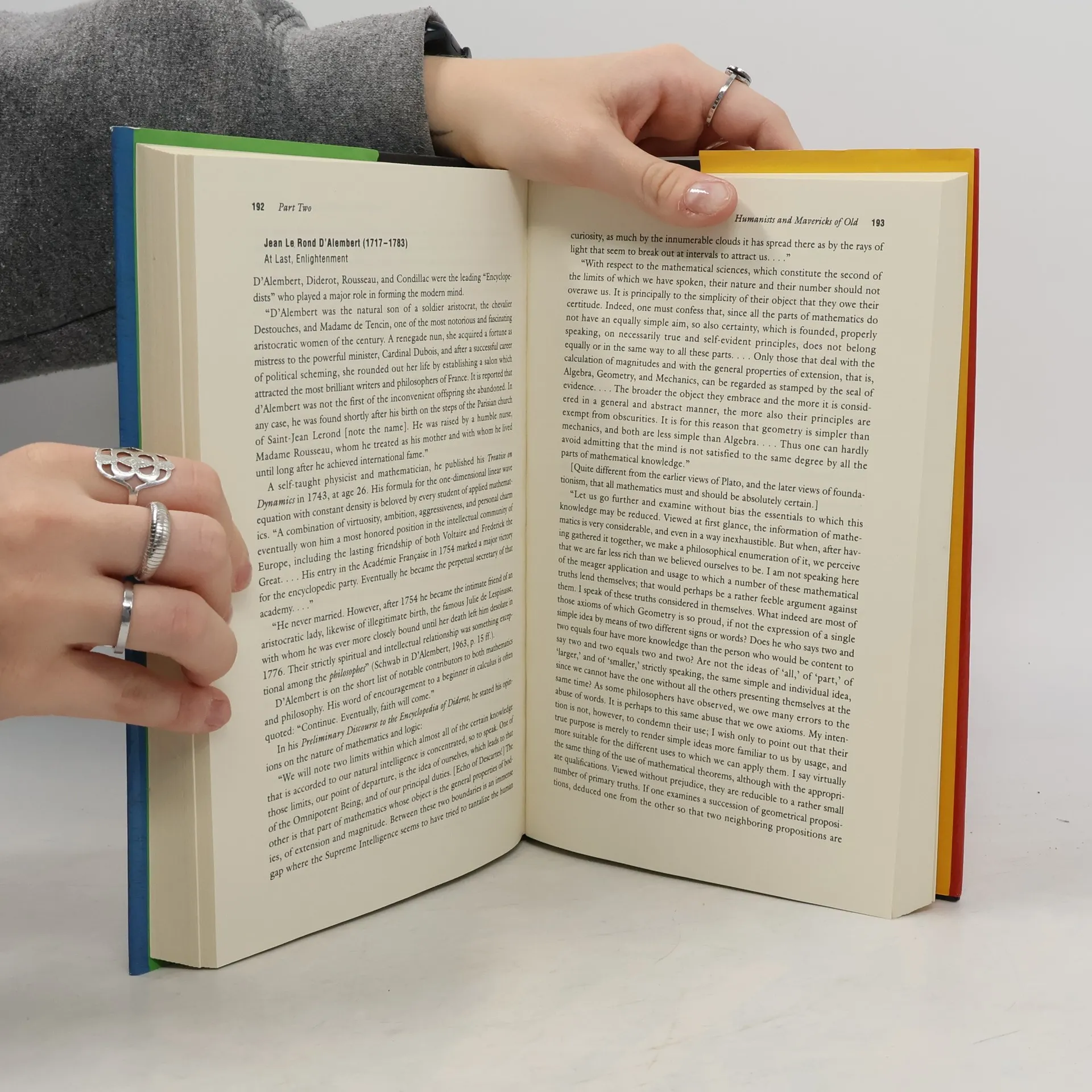
Most philosophers of mathematics treat it as isolated, timeless, ahistorical, inhuman. Reuben Hersh argues the contrary, that mathematics must be understood as a human activity, a social phenomenon, part of human culture, historically evolved, and intelligible only in a social context. Hersh pulls the screen back to reveal mathematics as seen by professionals, debunking many mathematical myths, and demonstrating how the "humanist" idea of the nature of mathematics more closely resembles how mathematicians actually work. At the heart of his book is a fascinating historical account of the mainstream of philosophy--ranging from Pythagoras, Descartes, and Spinoza, to Bertrand Russell, David Hilbert, and Rudolph Carnap--followed by the mavericks who saw mathematics as a human artifact, including Aristotle, Locke, Hume, Mill, and Lakatos.What is Mathematics, Really? reflects an insider's view of mathematical life, and will be hotly debated by anyone with an interest in mathematics or the philosophy of science.


Nákup knihy
What Is Mathematics Really, Reuben Hersh
- Jazyk

- Rok vydania
- 1997
- Väzba
- (pevná)
Platobné metódy
Tu nám chýba tvoja recenzia
- Jazyk
- anglicky
- Autori
- Reuben Hersh
- Vydavateľ
- Jonathan Cape
- Rok vydania
- 1997
- Väzba
- pevná
- Počet strán
- 343
- ISBN10
- 0224044176
- ISBN13
- 9780224044172
- Série
- Štítky
- Náučná literatúra, Spoločenské vedy, Historické téma, História, Technológie & Priemysel, Veda & Matematika, Filozofická tematika, Filozofia, Veda, Matematika, Technológia, Vzdelávanie & školstvo
- Hodnotenie
- 4,5 z 5
- Anotácia
- Most philosophers of mathematics treat it as isolated, timeless, ahistorical, inhuman. Reuben Hersh argues the contrary, that mathematics must be understood as a human activity, a social phenomenon, part of human culture, historically evolved, and intelligible only in a social context. Hersh pulls the screen back to reveal mathematics as seen by professionals, debunking many mathematical myths, and demonstrating how the "humanist" idea of the nature of mathematics more closely resembles how mathematicians actually work. At the heart of his book is a fascinating historical account of the mainstream of philosophy--ranging from Pythagoras, Descartes, and Spinoza, to Bertrand Russell, David Hilbert, and Rudolph Carnap--followed by the mavericks who saw mathematics as a human artifact, including Aristotle, Locke, Hume, Mill, and Lakatos.What is Mathematics, Really? reflects an insider's view of mathematical life, and will be hotly debated by anyone with an interest in mathematics or the philosophy of science.