


Parametre
- 247 stránok
- 9 hodin čítania
Viac o knihe
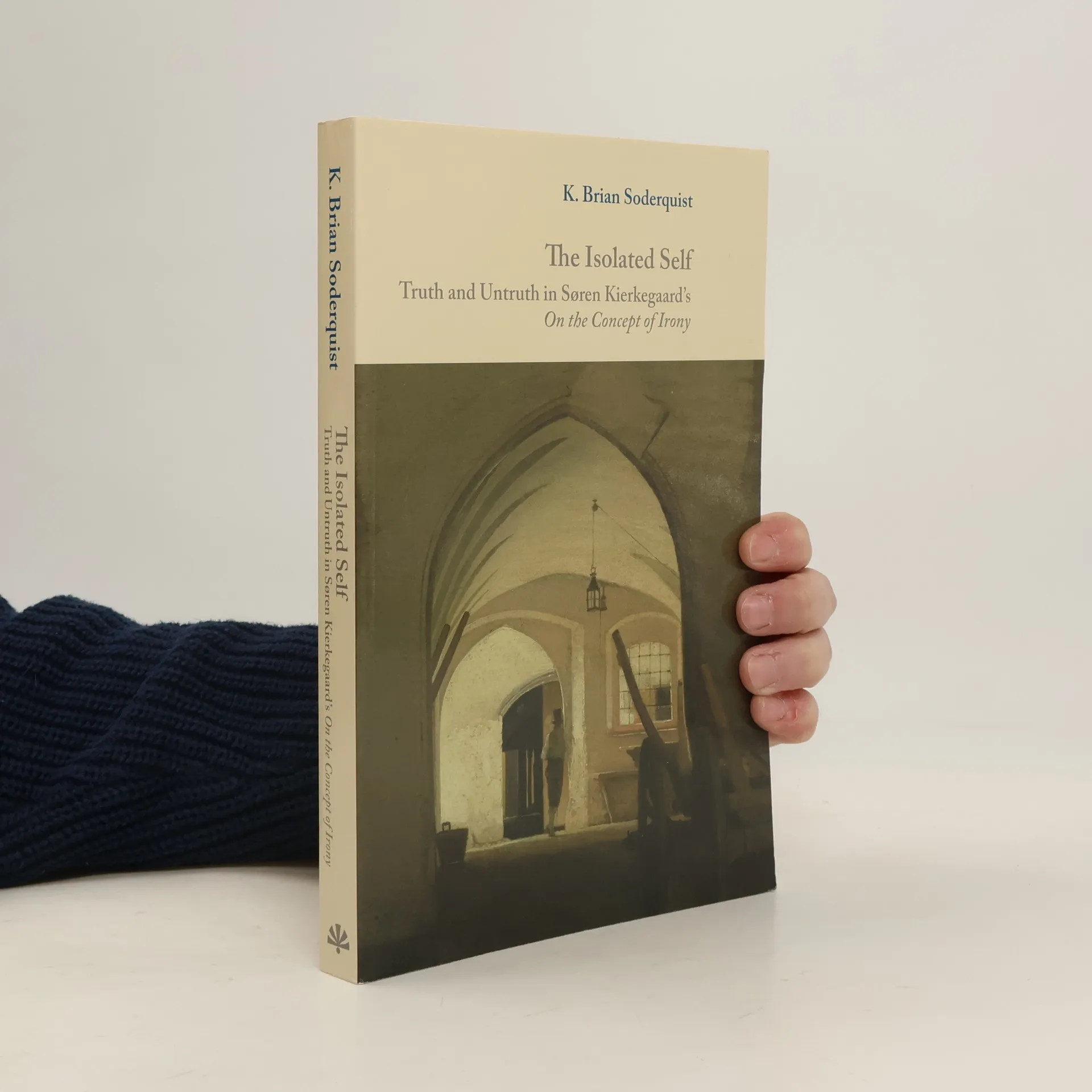
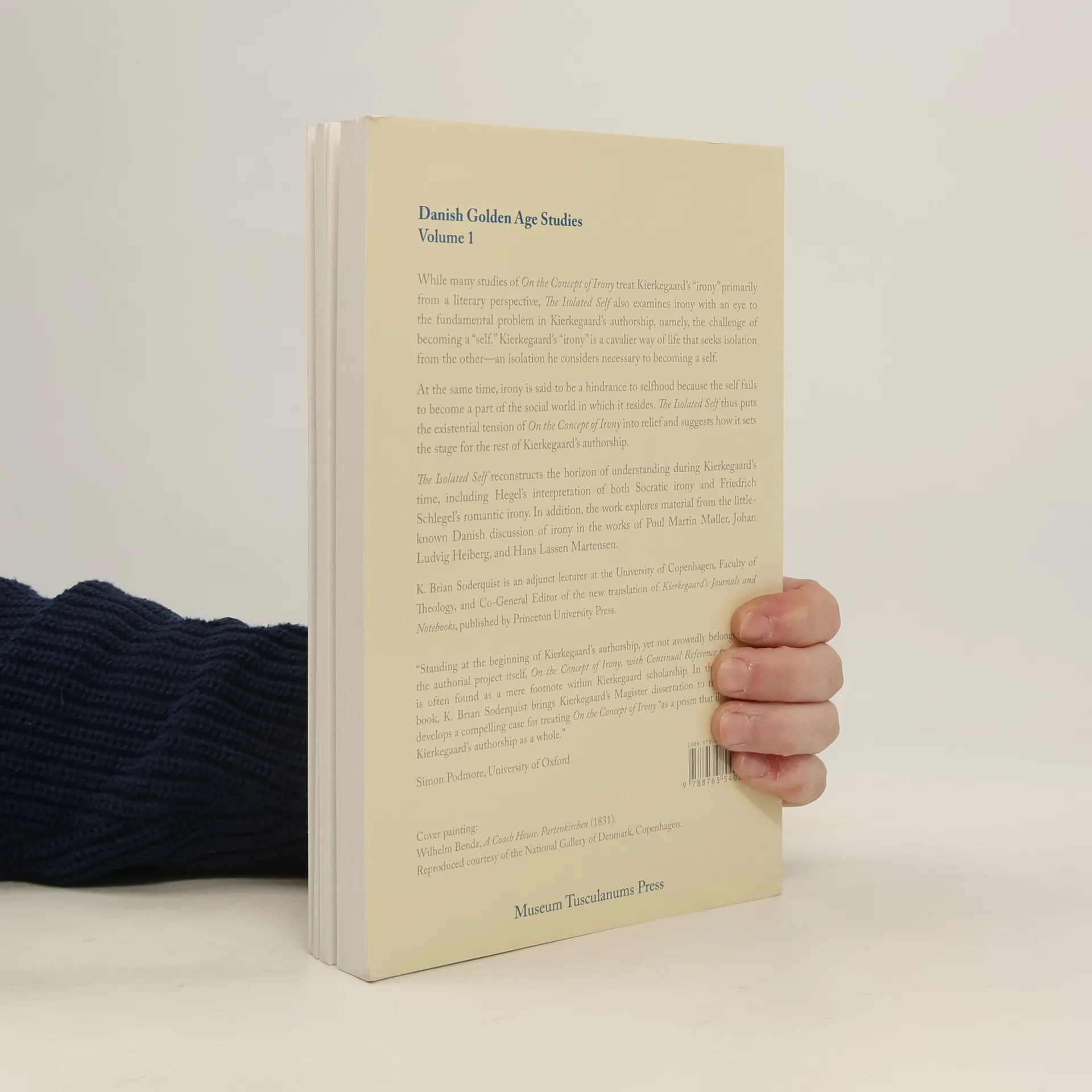
While many studies of On the Concept of Irony treat Kierkegaard's "irony" primarily from a literary perspective,The Isolated Self also examines irony with an eye to the fundamental problem in Kierkegaard's authorship, namely, the challenge of becoming a "self." Kierkegaard's "irony" is a cavalier way of life that seeks isolation from the other - an isolation he considers necessary to becoming a self. At the same time, irony is said to be a hindrance to selfhood because the self fails to become a part of the social world in which it resides. The Isolated Self thus puts the existential tension of On the Concept of Irony into relief and suggests how it sets the stage for the rest of Kierkegaard's authorship. The Isolated Self reconstructs the horizon of understanding during Kierkegaard's time, including Hegel's interpretation of both Socratic irony and Friedrich Schlegel's romantic irony. In addition, the work explores material from the little-known Danish discussion of irony in the works of Poul Martin Møller, Johan Ludvig Heiberg and Hans Lassen Martensen.
Nákup knihy
Isolated Self, K. Brian Soderquist
- Jazyk

- Rok vydania
- 2013
- product-detail.submit-box.info.binding
- (mäkká),
- Stav knihy
- Poškodená
- Cena
- 2,92 €
Platobné metódy
Tu nám chýba tvoja recenzia
- Titul
- Isolated Self
- Jazyk
- anglicky
- Autori
- K. Brian Soderquist
- Vydavateľ
- Museum Tusculanum Press
- Rok vydania
- 2013
- Väzba
- mäkká
- Počet strán
- 247
- ISBN10
- 8763540657
- ISBN13
- 9788763540650
- Série
- Štítky
- Náučná literatúra, Spoločenské vedy, Učebnice, Vysokoškolské učebnice, Filozofická tematika, Filozofia
- Hodnotenie
- 4,5 z 5
- Anotácia
- While many studies of On the Concept of Irony treat Kierkegaard's "irony" primarily from a literary perspective,The Isolated Self also examines irony with an eye to the fundamental problem in Kierkegaard's authorship, namely, the challenge of becoming a "self." Kierkegaard's "irony" is a cavalier way of life that seeks isolation from the other - an isolation he considers necessary to becoming a self. At the same time, irony is said to be a hindrance to selfhood because the self fails to become a part of the social world in which it resides. The Isolated Self thus puts the existential tension of On the Concept of Irony into relief and suggests how it sets the stage for the rest of Kierkegaard's authorship. The Isolated Self reconstructs the horizon of understanding during Kierkegaard's time, including Hegel's interpretation of both Socratic irony and Friedrich Schlegel's romantic irony. In addition, the work explores material from the little-known Danish discussion of irony in the works of Poul Martin Møller, Johan Ludvig Heiberg and Hans Lassen Martensen.