



Viac o knihe
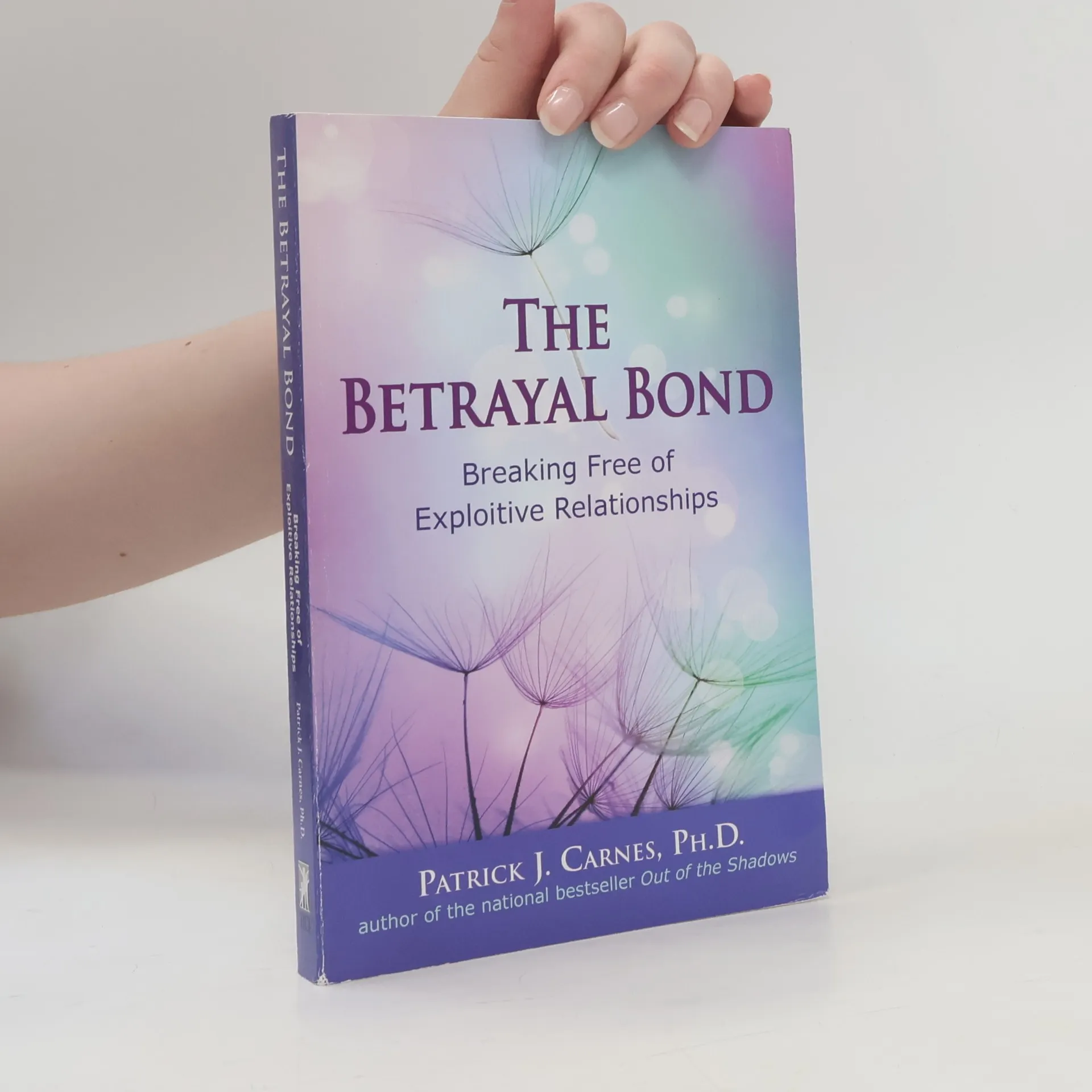
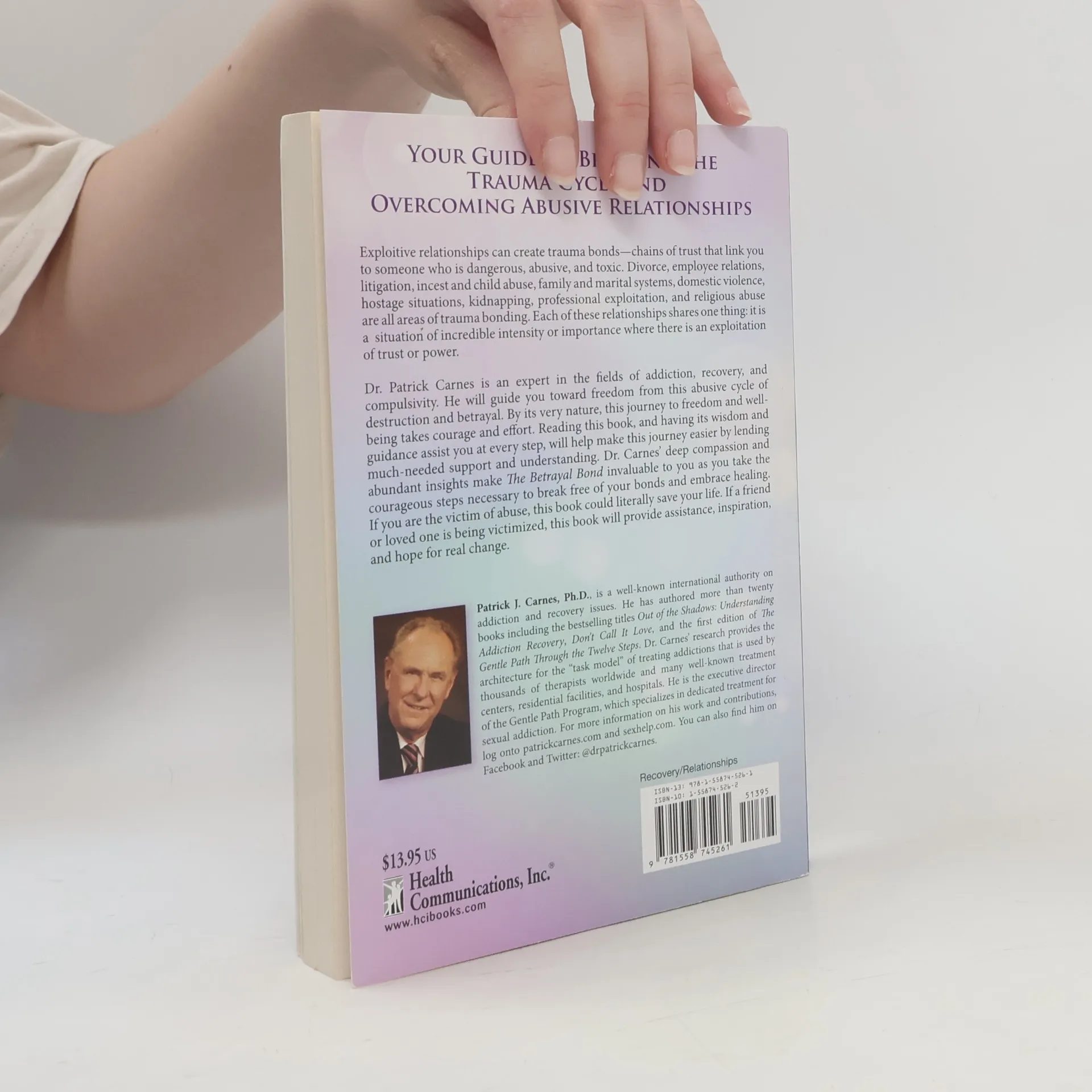
Exploitive relationships can create trauma bonds--chains that link a victim to someone who is dangerous to them. Divorce, employee relations, litigation of any type, incest and child abuse, family and marital systems, domestic violence, hostage negotiations, kidnapping, professional exploitation and religious abuse are all areas of trauma bonding. All these relationships share one they are situations of incredible intensity or importance where there is an exploitation of trust or power. In The Betrayal Bond Patrick Carnes presents an in-depth study of these relationships, why they form, who is most susceptible, and how they become so powerful. He shows how to recognize when traumatic bonding has occurred and gives a checklist for examining relationships. He then provides steps to safely extricate from these relationships. This is a book you will turn to again and again for inspiration and insight, while professionals will find it an invaluable reference work.
Nákup knihy
The Betrayal Bond, Patrick J. Carnes
- Jazyk

- Rok vydania
- 1997
- product-detail.submit-box.info.binding
- (mäkká),
- Stav knihy
- Veľmi dobrá
- Cena
- 8,99 €
Platobné metódy
Nikto zatiaľ neohodnotil.
- Titul
- The Betrayal Bond
- Podtitul
- Breaking Free of Exploitive Relationships
- Jazyk
- anglicky
- Autori
- Patrick J. Carnes
- Vydavateľ
- Hci
- Rok vydania
- 1997
- Väzba
- mäkká
- Počet strán
- 249
- ISBN10
- 1558745262
- ISBN13
- 9781558745261
- Série
- Štítky
- Náučná literatúra, Sebarozvoj, Psychológia, Zdravie, USA, Vzťahy, Duševné zdravie, Zrada, Týranie, zneužívanie, Psychologické aspekty
- Anotácia
- Exploitive relationships can create trauma bonds--chains that link a victim to someone who is dangerous to them. Divorce, employee relations, litigation of any type, incest and child abuse, family and marital systems, domestic violence, hostage negotiations, kidnapping, professional exploitation and religious abuse are all areas of trauma bonding. All these relationships share one they are situations of incredible intensity or importance where there is an exploitation of trust or power. In The Betrayal Bond Patrick Carnes presents an in-depth study of these relationships, why they form, who is most susceptible, and how they become so powerful. He shows how to recognize when traumatic bonding has occurred and gives a checklist for examining relationships. He then provides steps to safely extricate from these relationships. This is a book you will turn to again and again for inspiration and insight, while professionals will find it an invaluable reference work.