

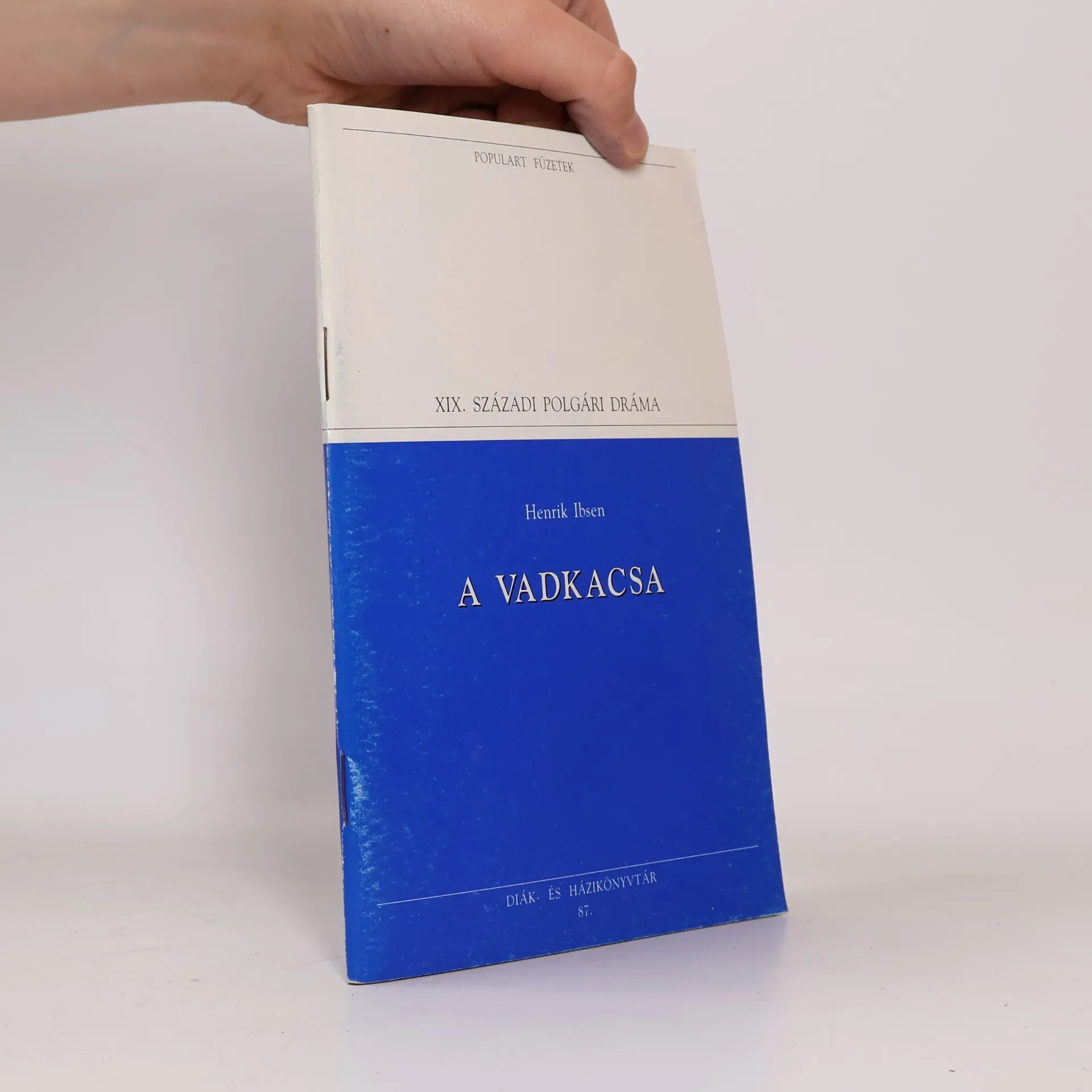
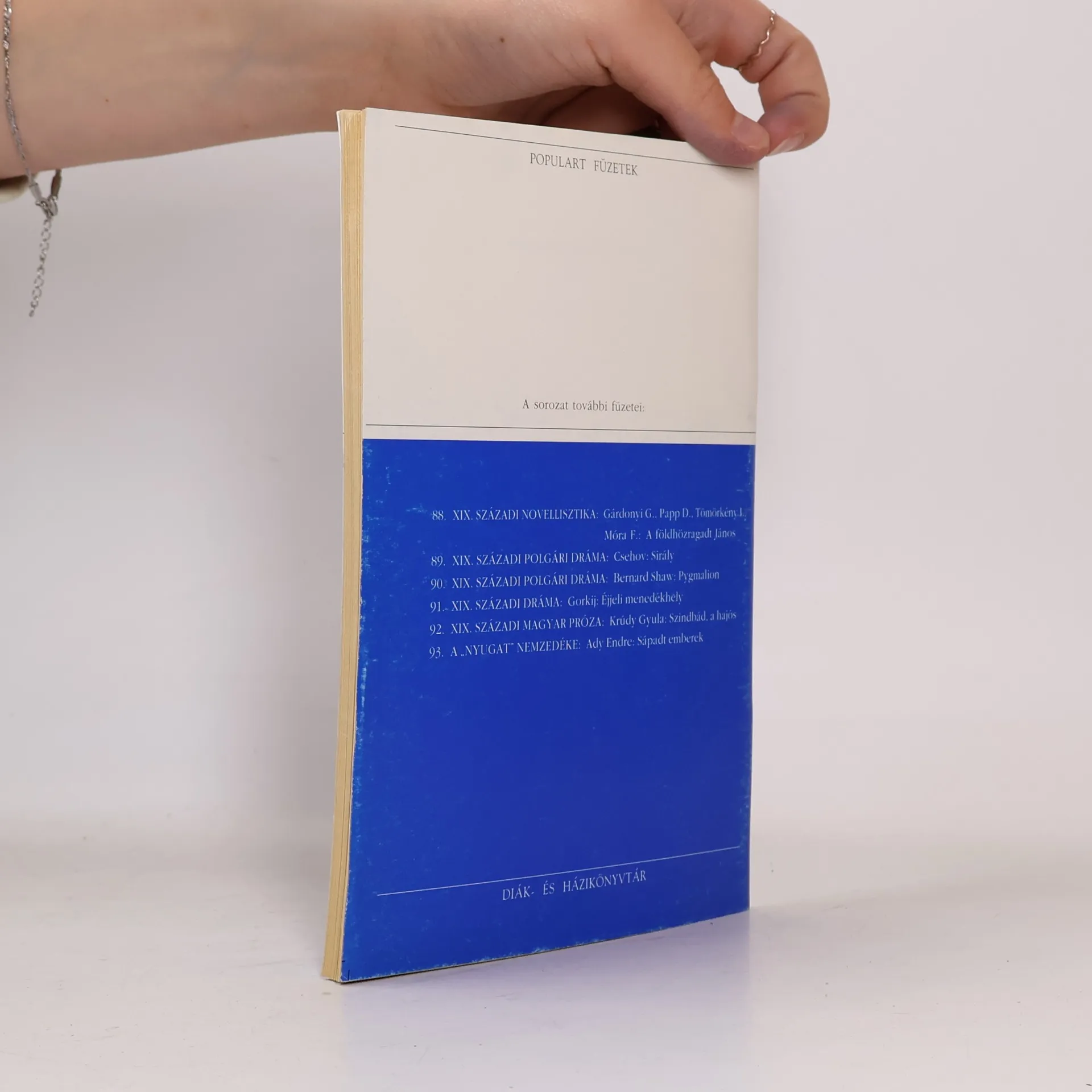
Diák- és Házikönyvtár - 87: A vadkacsa
XIX. századi polgári dráma
Autori
Hodnotenie knihy
Viac o knihe
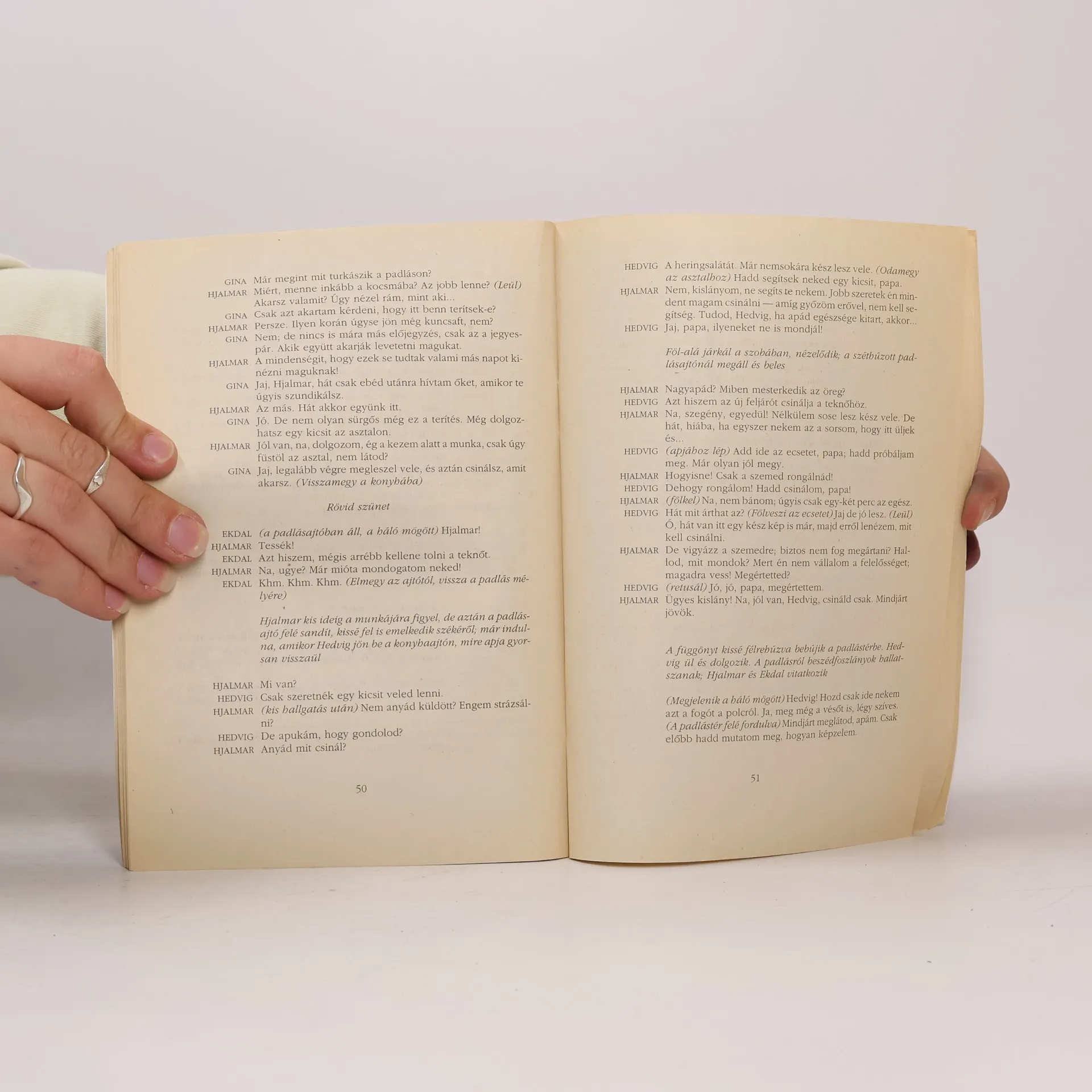
This 1884 masterpiece may have had its genesis in the hostile reception Ibsen — widely regarded as the father of modern realist drama — had received from the Norwegian public and critics for “Ghosts”, which gave theater-goers a larger dose of truth than most were willing to bear. His next three plays — "The Wild Duck", "An Enemy of the People", and "Rosmersholm" — focused on the consequences of telling the truth, or forbearing to do so. In "The Wild Duck", the idealistic son of a corrupt merchant exposes his father's duplicity, but in the process destroys the very people he wishes to save. Convinced that reality is always superior to illusion, Gregers Werle forces his friends, the Ekdals, to face the truth about their lives. Unfortunately, the truth, involving scandal, illegitimacy, imprisonment, and madness, only serves to wound the Ekdals further. In the play, the wild duck is a symbol of this injured family, and perhaps of the loss of Ibsen's youthful idealism. Moving and powerful, this thought-provoking tragedy shows clearly why Ibsen is regarded as one of the giants of modern theater.


Nákup knihy
Diák- és Házikönyvtár - 87: A vadkacsa, Henrik Ibsen, Bart István
- Jazyk

- Rok vydania
- 1996
- Väzba
- (mäkká),
- Stav knihy
- Dobrá
- Cena
- 0,39 €
Doručenie
Platobné metódy
Tu nám chýba tvoja recenzia
- Titul
- Diák- és Házikönyvtár - 87: A vadkacsa
- Podtitul
- XIX. századi polgári dráma
- Jazyk
- maďarsky
- Autori
- Henrik Ibsen, Bart István
- Vydavateľ
- Interpopulart
- Rok vydania
- 1996
- Väzba
- mäkká
- Počet strán
- 112
- ISBN10
- 9636131406
- ISBN13
- 9789636131401
- Série
- Štítky
- Historické téma, Rodina, Škola, Úmrtia, Darčeky pre dedka, 19. storočie, Divadelné hry, Severská literatúra, Intrigy, Samovražda, Klamstvá, Vina, Nórska literatúra
- Prvé vydanie
- 1899
- Pôvodný názov
- Vildanden
- Hodnotenie
- 3,65 z 5
- Anotácia
- This 1884 masterpiece may have had its genesis in the hostile reception Ibsen — widely regarded as the father of modern realist drama — had received from the Norwegian public and critics for “Ghosts”, which gave theater-goers a larger dose of truth than most were willing to bear. His next three plays — "The Wild Duck", "An Enemy of the People", and "Rosmersholm" — focused on the consequences of telling the truth, or forbearing to do so. In "The Wild Duck", the idealistic son of a corrupt merchant exposes his father's duplicity, but in the process destroys the very people he wishes to save. Convinced that reality is always superior to illusion, Gregers Werle forces his friends, the Ekdals, to face the truth about their lives. Unfortunately, the truth, involving scandal, illegitimacy, imprisonment, and madness, only serves to wound the Ekdals further. In the play, the wild duck is a symbol of this injured family, and perhaps of the loss of Ibsen's youthful idealism. Moving and powerful, this thought-provoking tragedy shows clearly why Ibsen is regarded as one of the giants of modern theater.