


Bookbot

Klasika v antroposofii

Táto séria sa ponorila do hlbín antropozofickej filozofie, ktorá skúma duchovný rozmer ľudskej existencie a vesmíru. Každý zväzok ponúka starostlivo vybrané texty, ktoré osvetľujú kľúčové myšlienky Rudolfa Steinera a jeho nasledovníkov. Čitatelia sa môžu tešiť na esejistické úvahy o umení, vede, vzdelávaní a duchovnom vývoji. Ide o zásadný zdroj pre každého, kto chce pochopiť komplexné, napriek tomu hlboko obohacujúce princípy antropozofie.

Knowledge of the Higher Worlds
Mystics after modernism
The spiritual guidance of the individual and humanity
The Way of Initiation (1911)
Theosophy
Filozofia slobody
  • Filozofia slobody

    • 216 stránok
    • 8 hodin čítania

    Hlavné filozofické dielo zakladateľa antropozofického hnutia je venované všetkým, ktorí sa zamýšľajú nad problémom slobody ľudskej vôle a slobody konania. Rudolf Steiner (1861 – 1925) sa v tejto práci zaoberá otázkou, či človek môže slobodne, celkom vedome určovať motív vlastnej vôle bez toho, aby pritom podliehal diktátu svojich prírodných inštinktov a žiadostí a zároveň bez toho, aby ustrnul vo vopred stanovených mravných zásadách.

    Filozofia slobody
    4,3
  • Many consider this to be an unanswerable question, a futile exercise in speculation for philosophers. Yet all human beings must concern themselves to some degree with this question-if only to have a reason to go on living. In this book Rudolf Steiner not only reports from his unique research real, factual answers for life's "ultimate questions," but leads the reader far beyond such initial reflections. Steiner investigates the supersensible or spiritual regions of the world with a rigorously scientific approach. Instructions in the beginning steps of this approach are given here, as well as clear depictions of the supersensible nature of the human being; the workings of destiny (karma), reincarnation, and life after death; and the several divisions in the spiritual world. Through this, the basic concept and terms of Steiner's anthroposophy are introduced Unlike usual books, this one requires the reader's active inner participation to be complete. "This book cannot be-read in the customary manner of the present day. In certain respects every page, and even many sentences, will have to be worked out by the reader... its truths must be experienced, lived." Book jacket.

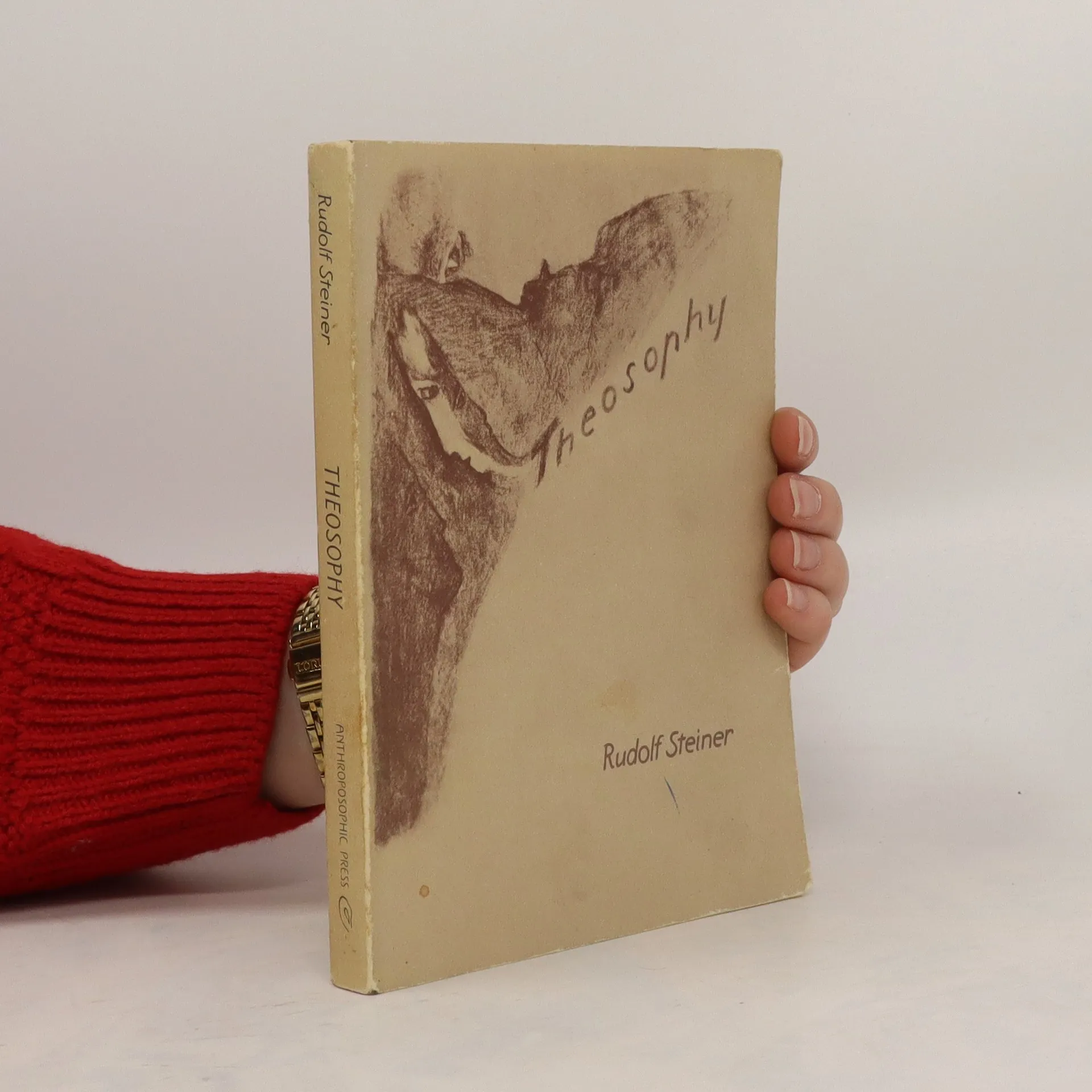
    Theosophy
    4,1
  • The Way of Initiation (1911)

    • 212 stránok
    • 8 hodin čítania

    The book presents Dr. Stein's perspectives on mystical Christian Theosophy, highlighting its significance within European thought. As a successor to German mystics, he combines deep spirituality with clarity of philosophical reasoning. His work aims to elevate German Theosophy's recognition and influence, encouraging English readers to embrace unfamiliar truths as valuable insights. By exploring these ideas from a different angle, readers can expand their understanding of profound spiritual concepts.

    The Way of Initiation (1911)
    3,0
  • Mystics after modernism

    • 207 stránok
    • 8 hodin čítania

    The mystics discussed in this work were pioneers in the realm of self-knowledge, shaping modern meditation practices across cultures. Their insights into unity, perception, and the nature of knowing resonate with contemporary spiritual seekers. The book includes a foreword by Christopher Bamford, a preface to the 1923 edition, and an introduction by Rudolf Steiner that connects mysticism to natural science and the modern world. It features profiles of influential figures such as Meister Eckhart, Johannes Tauler, Cardinal Nicolas of Cusa, Agrippa of Nettesheim, Theophrastus Paracelsus, Valentin Weigel, Jacob Boehme, Giordano Bruno, and Angelus Silesius. Steiner explores how these eleven mystics, active in central Europe from the thirteenth to the seventeenth centuries, reconciled inner experiences with emerging scientific thought and individualism. Drawing on their lives and his own spiritual insights, he illustrates how their teachings can help us understand and preserve our true human nature today. The book concludes with a poignant quote from Angelus Silesius, urging readers to embody the essence of the wisdom shared. A previous edition was titled Mysticism at the Dawn of the Modern Age.

    Mystics after modernism
    4,5
  • Rudolf Steiner's fundamental handbook for spiritual and personal development continues to grow more modern each day. His methods nevertheless remain clearly distinguishable from the many others that are generally available today. First, Steiner's path of spiritual growth is based on the clarity of thought normally associated with scientific research. Rather than denying clear thinking, his aim is to extend it beyond its present limitations. Second, Steiner recognizes as all genuine disciplines always have that the path to spiritual experience is arduous and dangerous, calling for tremendous self-control in thinking, speech, and action. The human being is a unity, and we cannot develop real knowledge without a corresponding development of feeling and volition.

    Knowledge of the Higher Worlds
    4,3
  • This fragmentary work, discovered among Rudolf Steiner's unpublished writings, is a significant exploration of "Anthroposophy." It marks the initial steps toward a genuine psychology of spirit, employing a phenomenological approach to human senses, life processes, I-experience, human form, and connections to higher spiritual realms. Steiner faced challenges articulating these concepts in 1910, as many relevant terms in neurology, psychology, and cognitive studies were not yet established. Since then, advancements in understanding human senses and cognition have enriched this translation. Anthroposophy occupies a unique space between anthropology and theosophy. Anthropology examines humans through physical senses and empirical methods, while theosophy acknowledges the spiritual essence of humanity through inner experience. Anthroposophy seeks a balance, studying humans as observable entities while exploring the spiritual underpinnings of phenomena through "phenomenological intensification." This approach yields crucial insights, laying the groundwork for a cognitive psychology. The text includes an introduction by neurologist Dr. James Dyson, a foreword by Robert Sardello, and a translator's preface by Detlef Hardorp. Although challenging, this work is vital for comprehending Steiner's perspective on the human body, particularly its formation and function in relation to the spirit.

    Anthroposophy
    3,8