Tato séria sleduje komisára Guida Brunettiho, ktorý vyšetruje zločiny v Benátkach. Príbehy sa zameriavajú na jeho osobný a profesijný život, odhaľujú korupciu a sociálne problémy v talianskej spoločnosti. Séria je známa svojím realistickým zobrazením vyšetrovania a atmosférou mesta, ktoré sa stáva takmer ďalším protagonistom príbehu. Každý diel prináša nové prípady a morálne dilemy, ktoré Brunettiho nútia prehodnotiť hodnoty a spravodlivosť.
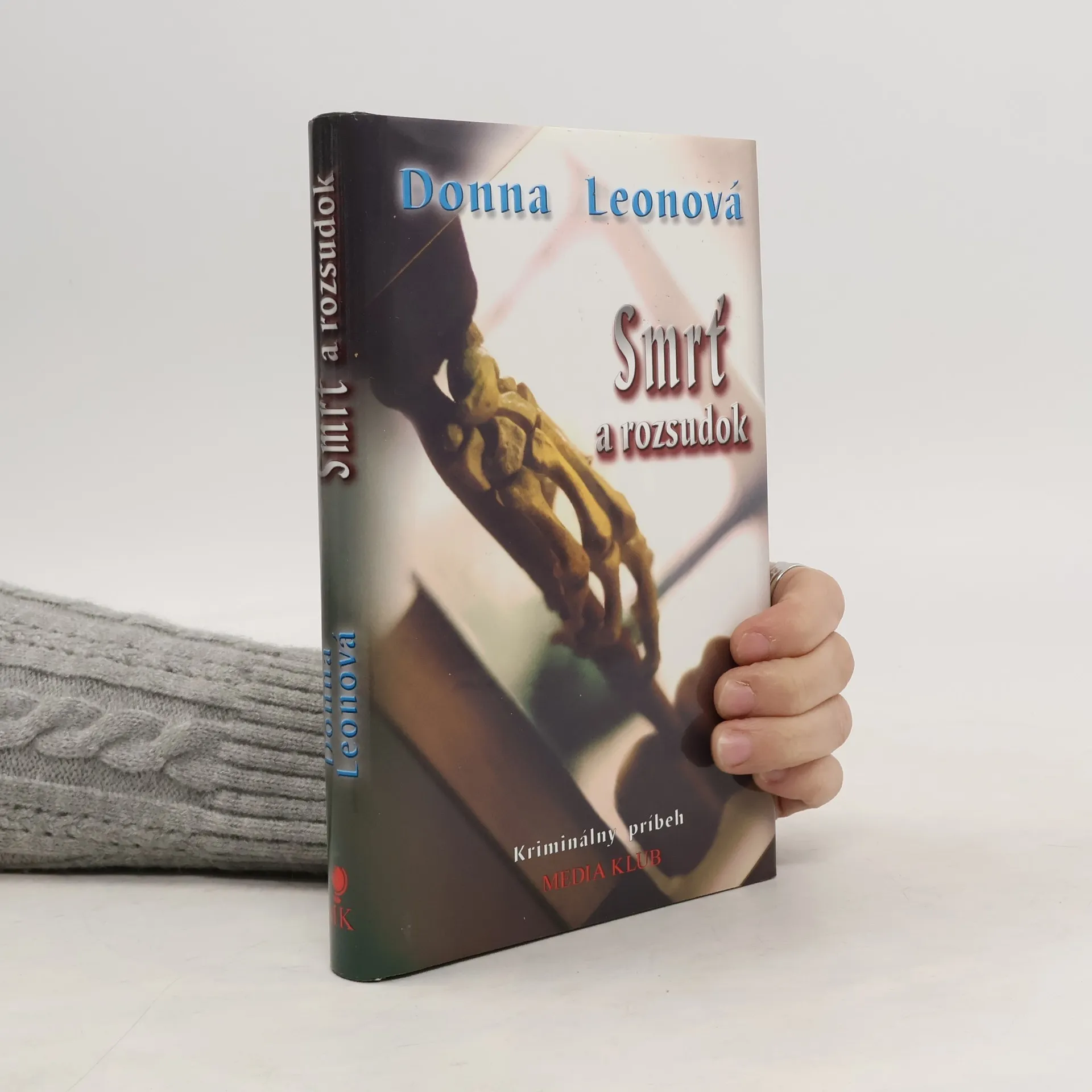
Jeden z najslávnejších dirigentov svojej doby, Helmut Wellauer, bol zavraždený. Jeho mŕtve telo našli pred posledným dejstvom La Traviaty, v divadelnej šatni. Príčinou smrti bola otrava kyanidom...
V jedno sparné ránu objavia pri bitúnku neďaleko Benátok mŕtvolu muža oblečeného v ženských šatách. Spočiatku sa komisár Brunetti nazdáva, že ide o transvestitu, ktorého zabil niektorí z jeho milencov. Keď sa však ukáže, že obeťou sa stal suchopárny riaditeľ Veronskej banky, komisár si uvedomí, že si svoju prepotrebnú dovolenku bude musieť znovu odložiť.
Rušné námestia, očarujúce kanály, ale aj schátrané nočné podniky Benátok sú kulisou tohoto vzrušujúceho detektívneho príbehu. Šarmantný komisár Brunetti márne hľadá súvislosť medzi vraždou významného právnika a samovraždou vysoko postaveného účtovníka. Na stopu ho privedie prostitútka, okuliare a nelegálna videokazeta. Aby rozbil kruh neresti, musí zostúpiť až do benátskeho podsvetia…
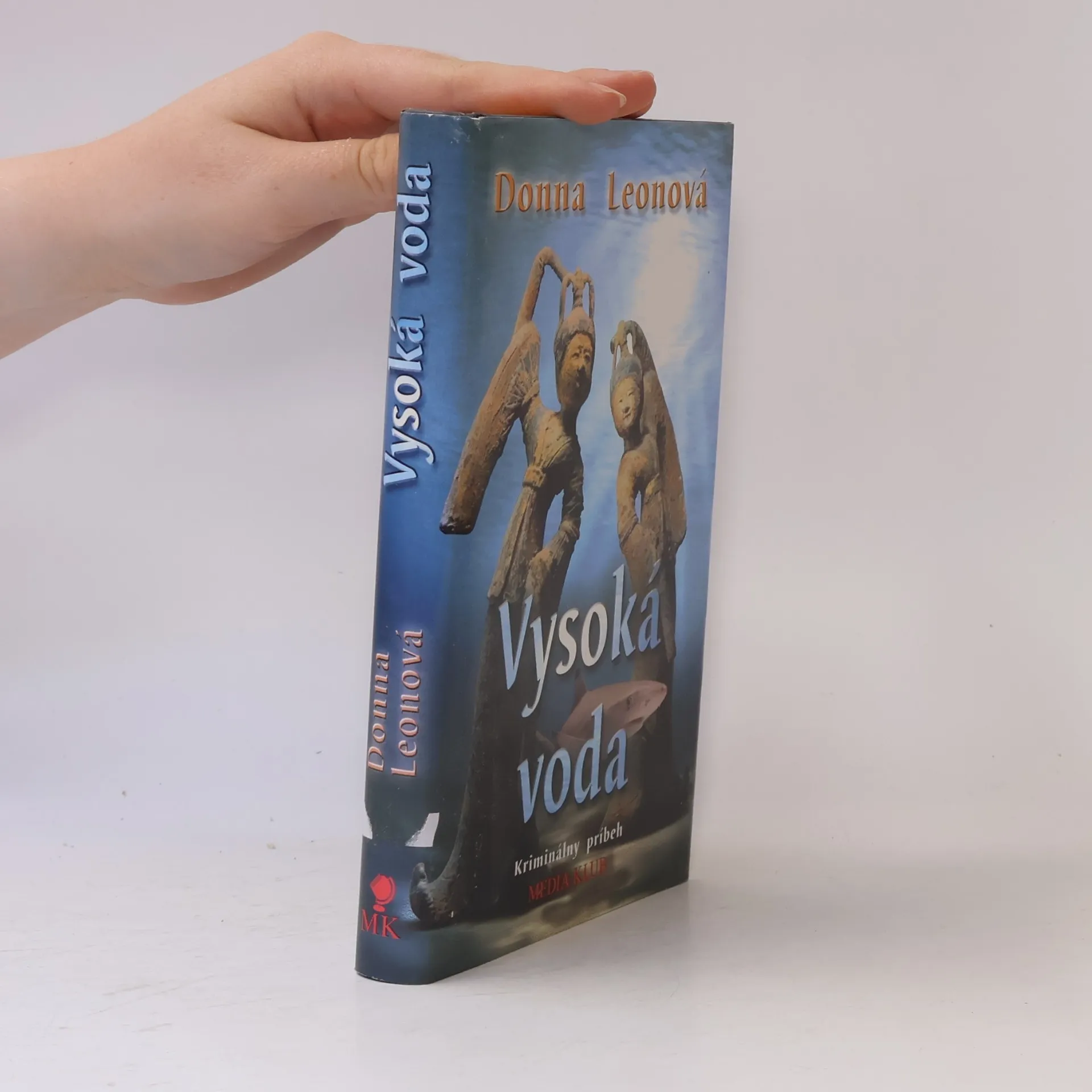
Americkú archeologičku Brett, ktorá pripravuje v múzeu jedinečnú výstavu čínskych terakotových sôch, brutálne zbijú pred dverami jej benátskeho bytu. O dva dni neskôr nájdu zaraždeného jej spolupracovníka...
Komisára Brunettiho navštívi bývalá mníška a zasvätí ho do hrôz, ktoré sa dejú pod zdanlivo nevinným rúchom cirkvi. V benátskych sanatóriách spravovaných cirkvou už záhadne zomrelo veľa starých ľudí..
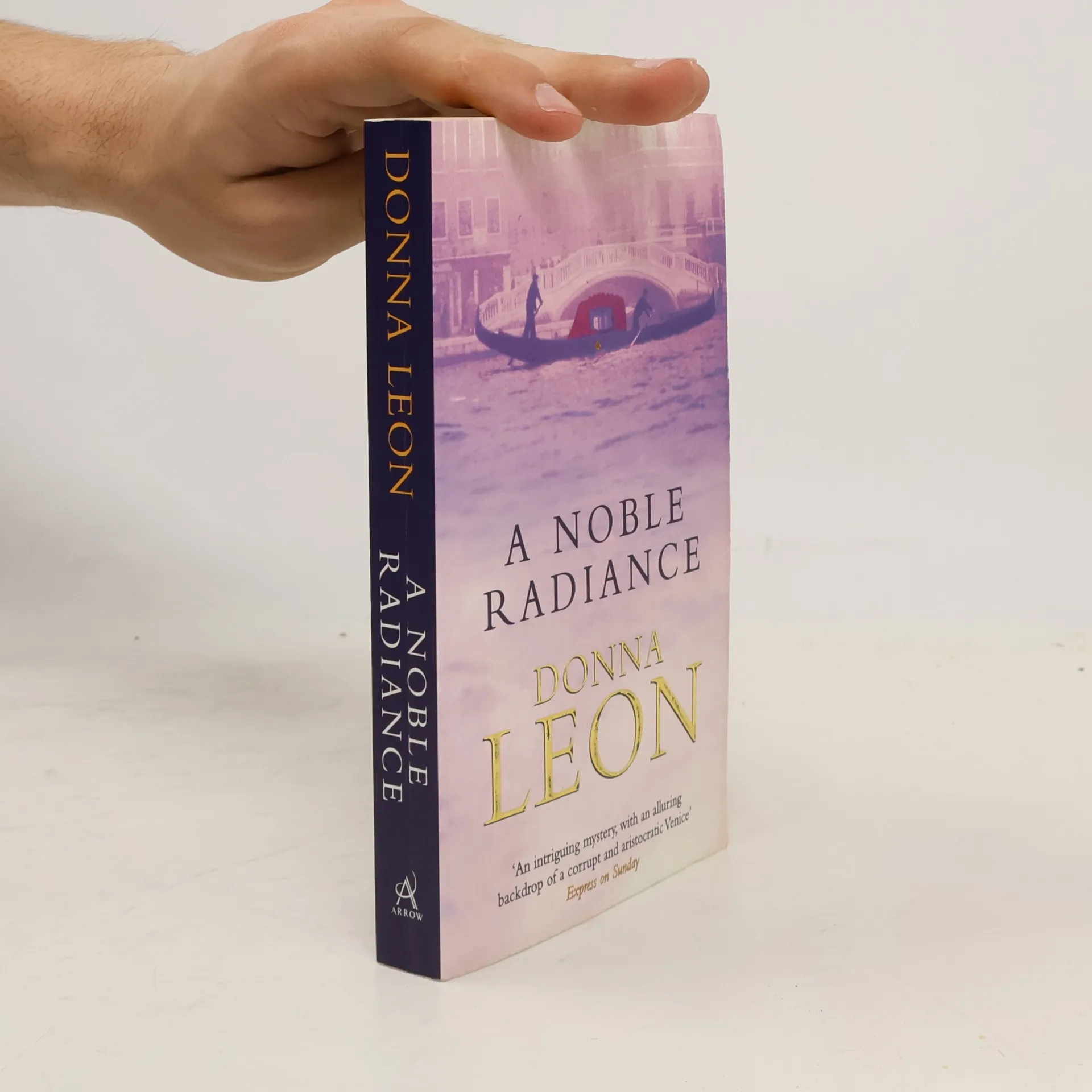
In a small village at the foot of the Italian Dolomites the gardens of a deserted farmhouse have lain untouched for decades. But the new owner, keen for renovations to start, disturbs a macabre grave, and Commissario Brunetti is called in.
For Commissario Guido Brunetti it began with an early morning phone call. A sudden act of vandalism had just been committed in the chill Venetian dawn, a rock thrown in anger through the window of a building. But soon Brunetti finds that the perpetrator is no petty criminal. For the culprit waiting to be apprehended at the scene of the crime is none other than Paola Brunetti, his wife.
Venetian cop, Commissario Guido Brunetti, wonders whom he knows to bring pressure on a local government department, to investigate the lack of official building approval on his apartment. But when that same official phones him at work, clearly scared by some information he plans to give Brunetti, and is later found dead after a fall from scaffolding, something is clearly wrong, something with far greater implications than the fate of Guido's own apartment. Brunetti's investigations take him into the unfamiliar areas of Venetian life - drug abuse and loan sharking - while the deaths of two young drug addicts, and the arrest and release of a suspected drug dealer, reveal, once again, what a difference it makes in Venice to have 'Friends in High Places'.
The murder of two of the clam fishermen of the island of Pellestrina, south of the Lido on the Venetian lagoon draws Commissario Brunetti into the close-knit community of the island, bound together by a code of loyalty and a suspicion of outsiders worthy of the Mafia. When the Questore's secretary Signorina Elettra volunteers to visit the island, where she has relatives, Brunetti finds himself torn between his duty to solve the murders, concerns for Elettra's safety, and his not entirely straightforward feelings for her
From the acclaimed author of The Waters of Eternal Youth, Commissario Guido Brunetti dredges up dark secrets from Italy's anti-Semitic past in his captivating eleventh case. Mystery lovers everywhere are addicted to Donna Leon's ever-honorable Commissario Guido Brunetti and her portrayal of Venice's beautiful but sinister byways and canals. In Willful Behavior, Brunetti is approached for a favor by one of his wife's students. Intelligent and serious , Claudia Leonardo asks for his help in obtaining a pardon for a crime once committed by her now-dead grandfather. Brunetti thinks little of it-until Claudia is found dead. Soon, another corpse and an extraordinary art collection lead Brunetti to long-buried secrets of Nazi collaboration and the exploitation of Italian Jews-secrets few in Italy want revealed.
Commissario Brunetti is called in to investigate when a young army cadet is found hanged, a presumed suicide. However, he is met by a wall of silence, as the military protects its own and civilians are unwilling to talk.
When the body of a wealthy elderly woman is found, brutally murdered in her Venetian flat, Commissario Brunetti decides - unofficially - to take the case on himself.
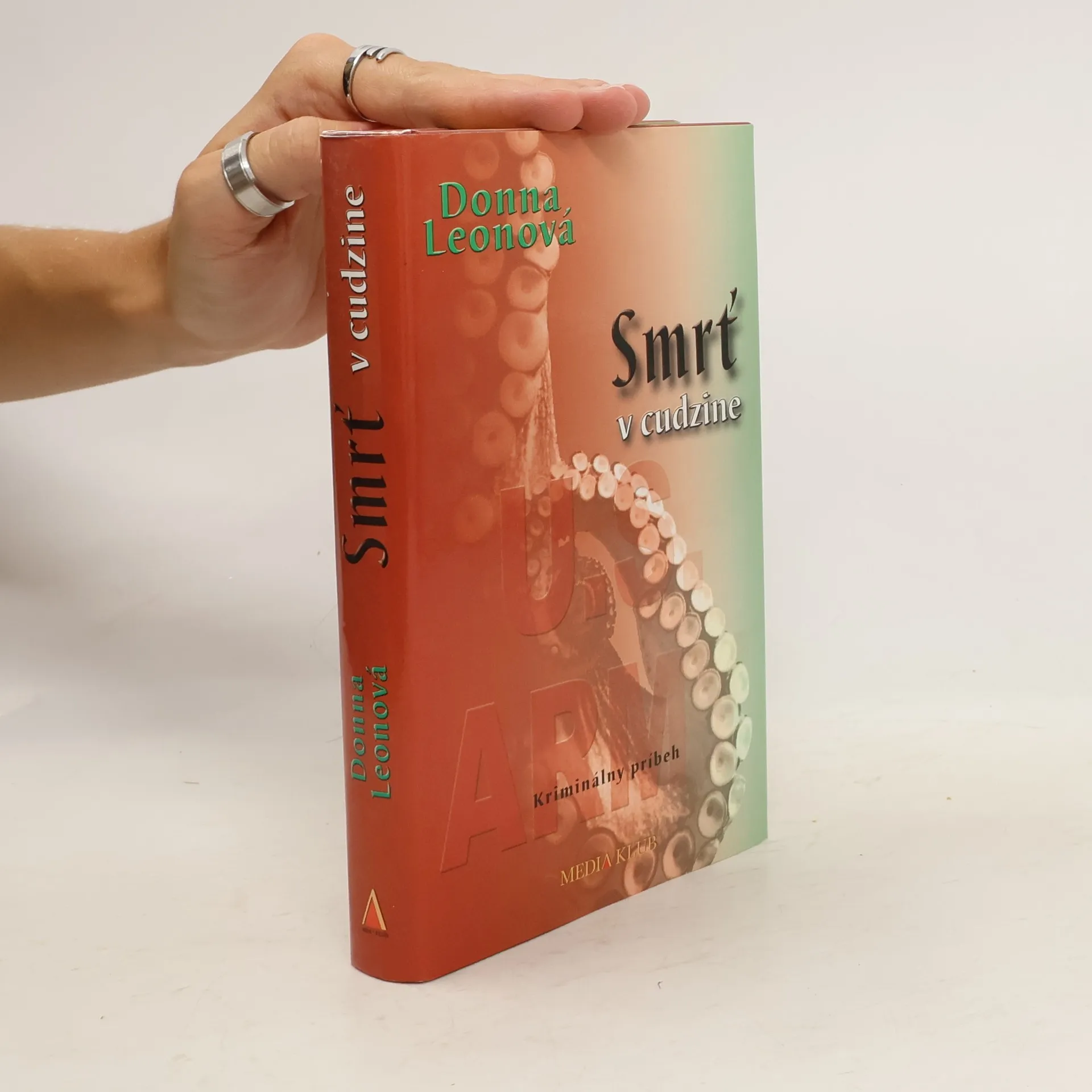
On a cold Venetian night shortly before Christmas, a man is killed in a scuffle in Campo San Stefano. The closest witnesses to the event are the tourists who had been browsing the man's wares before his death - fake handbags of every designer label - but they have seen nothing that might be of much help to the police. When Commissario Brunetti arrives on the scene, he finds it hard to understand why anyone would murder an illegal immigrant. They have few social connections and little money; in-fighting is the obvious answer. But once Brunetti begins investigating this unfamiliar Venetian underworld, he discovers that matters of great value are at stake in the immigrant community...
Commissario Brunetti and his assistant Vianello secure the release of an environmental protester, only to be faced by the fury of the man's father-in-law, a cantankerous glass factory owner, in this fascinating novel that combines politics and culture.
A riveting new mystery from international bestseller Donna Leon Donna Leon's Commissario Brunetti series has made Venice'a city that's beautiful and sophisticated, but also secretive and corrupt'one of mystery fans? most beloved locales. In this brilliant new book, Brunetti is summoned to the hospital bed of a respected pediatrician, where he is confronted with more questions than answers. Three men had burst into the doctor's apartment, attacked him, and kidnapped his eighteen-month-old son. What could have motivated an assault so violent that it has left the doctor mute? And could this crime be related to the moneymaking scam run by pharmacists that Brunetti's colleague has recently uncovered? As Brunetti delves deeper into the case, a story of infertility, desperation, and illegal dealings begins to unfold.
One rainy morning Commissario Brunetti and Ispettore Vianello respond to a 911 call reporting a body floating near some steps on the Grand Canal. Reaching down to pull it out, Brunetti's wrist is caught by the silkiness of golden hair, and he sees a small foot - together he and Vianello lift a dead girl from the water. But, inconceivably, no one has reported a missing child, nor the theft of the gold jewellery that she carries. Brunetti is drawn into a search not only for the cause of her death but also for her identity, her family, and for the secrets that people will keep in order to protect their children - be they innocent or guilty. From the canals and palazzos of Venice to a Gypsy encampment on the mainland, Brunetti struggles with institutional prejudice and entrenched criminality to try to unravel the fate of the dead child.
From the acclaimed author of The Waters of Eternal Youth, the eighteenth enthralling installment of "one of the most exquisite and subtle detective series ever" (The Washington Post) The Publication of each Commissario Brunetti mystery is an event anticipated by Donna Leon's many readers. In About Face, she returns with a dazzling mystery that puts Brunetti's own family at risk. Soon after meeting Franca Marinello, the wife of a wealthy Venetian businessman, Brunetti comes across her name in his investigation of a trucking company owner found murdered in his offices. Though charmed by Franca's love of Virgil and Cicero, he must now unravel her connection to the Carabinieri's prime suspect. As Brunetti delves into the murder, he comes face to face with violence and corruption as dangerous as he's ever seen. About Face is Donna Leon at her finest.
In his latest outing, Commissario Guido Brunetti must contend with ingenious corruption, bureaucratic intransigence, and the stifling heat of a Venetian summer.
A young woman returns from holiday to find her elderly neighbour dead on the floor. A heart attack seems the likely cause, but Commissario Brunetti is not so sure and decides to take a closer look. Soon he discovers that she was part of an organization that cares for abused women and that her apartment was a safe-house. Convinced that this is the lead he has been looking for, Brunetti begins his search for answers. But as he sets out to discover the truth behind her death, he is drawn into a decades-old story of lies and deceit that has blighted love and ruined lives - and has claimed this innocent woman as its newest victim. Brunetti's investigation takes him deep into the dark heart of his beloved Venice.
When a body is found floating in a canal, strangely disfigured and with
multiple stab wounds, Commissario Brunetti is called to investigate and is
convinced he recognises the man from somewhere. Acting on the fragile lead,
Brunetti and Ispettore Vianello set out to uncover the man's identity.
"Twenty-one years ago, when a conductor was poisoned and the Questura sent a man to investigate, readers first met Commissario Guido Brunetti. Since 1992 s Death at La Fenice, Donna Leon and her shrewd, sophisticated, and compassionate investigator have been delighting readers around the world. For her millions of fans, Leon s novels have opened a window into the private Venice of her citizens, a world of incomparable beauty, family intimacy, shocking crime, and insidious corruption. This internationally acclaimed, bestselling series is widely considered one of the best ever written, and William Heinemann is thrilled to be publishing the twenty-second installment, The Golden Egg, in April 2013. When making routine enquiries into a possible bribery case that could embarrass the mayor a humiliation Vice-Questore Patta is very keen to avoid Commissario Brunetti receives a call from his wife, Paola, who is evidently very upset. The middle-aged deaf mute with the mental age of a child who helped out at the Brunetti s dry cleaners has been found dead an accidental overdose of his mother s sleeping pills and for some reason Paola is distraught by the news. To the
By Its Cover is the much anticipated twenty-third instalment in Donna Leon's bestselling crime series, where Commissario Brunetti is better than ever as he addresses questions of worth and value alongside his ever-faithful team of Ispettore Vianello and Signorina Elettra.
When several valuable antiquarian books go missing from a prestigious…
In "Death at La Fenice," the first novel of Donna Leon's Commissario Guido Brunetti series, opera star Flavia Petrelli faces unsettling gifts from an obsessive fan as she returns to Venice for a performance. After a young singer is attacked, Brunetti must delve into the mind of this dangerous admirer to protect Flavia.
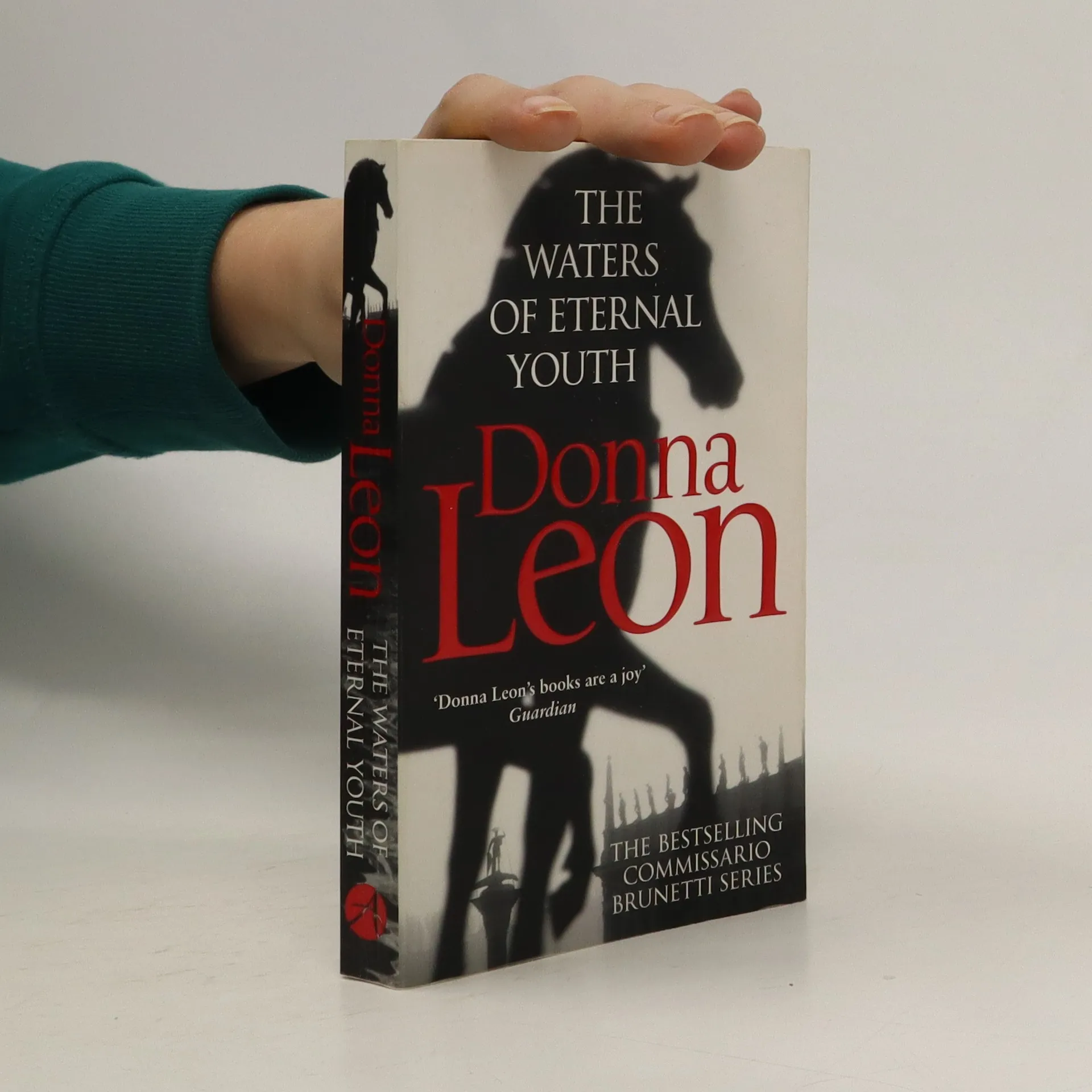
In The Waters of Eternal Youth, the twenty-fifth instalment in the bestselling Brunetti series, our Commissario finds himself drawn into a case that may not be a crime at all. Brunetti is investigating a cold case by request of the grand Contessa Lando-Continui, a friend of Brunetti’s mother-in-law. Fifteen years ago the Contessa’s teenage granddaughter, Manuela, was found drowning in a canal. She was rescued from the canal at the last moment, but in many ways it was too late; she suffered severe brain damage and her life was never the same again. Once a passionate horse rider, Manuela, now aged thirty, cannot remember the accident, or her beloved horse, and lives trapped in an eternal youth. The Contessa, unconvinced that this was an accident, implores Brunetti to find the culprit she believes was responsible for ruining Manuela's life. Out of a mixture of curiosity, pity and a willingness to fulfil the wishes of a loving grandmother, Brunetti reopens the case. But once he starts to investigate, Brunetti finds a murky past and a dark story at its heart. The Waters of Eternal Youth is awash in the rhythms and concerns of contemporary Venetian life, from historical preservation, to housing, to new waves of African migrants, all circling the haunting story of a woman trapped in a perpetual childhood.
During the interrogation of an entitled, arrogant man suspected of giving drugs to a young girl who then died, Commissario Guido Brunetti acts rashly, doing something he will quickly come to regret. In the aftermath, he begins to doubt his career choices and realises that he needs a break from the stifling problems of his work. Granted leave from the Questura, Brunetti is shipped off by his wife, Paola, to a villa owned by a wealthy relative on Sant'Erasmo, one of the largest islands in the Venetian laguna. There, he intends to pass his days rowing, and his nights reading Pliny's Natural History. The recuperative stay goes according to plan and Brunetti is finally able to relax, until Davide Casati, the caretaker of the house, goes missing following a sudden storm. Nobody can find him - not his daughter, not his friends, and not the woman he'd been secretly visiting. Now, Brunetti feels compelled to investigate, to set aside his holiday and discover what happened to the man who had recently become his friend. In Earthly Remains, Donna Leon shows Venice through an insider's eyes. From family meals and vaporetti rides to the never-ending influx of tourists and suffocating political corruption, the details and rhythms of everyday Venetian life are at the core of this thrilling novel, and of the terrible crime at its heart.
When important information is leaked from inside the Venetian Questura, Commissario Guido Brunetti is entrusted with the task of uncovering which of his colleagues is responsible. But before Brunetti can begin his investigation, he is surprised by the appearance in his office of a friend of his wife's, who is fearful that her son is using drugs. A few weeks later, Tullio Gasparini, the woman's husband, is found unconscious with a serious head injury at the foot of a bridge, and Brunetti is drawn to pursue a possible connection to the boy's behaviour. But the truth is not straightforward. Following various contradictory leads, Brunetti navigates his way through a world of mysterious informants, underground deals and secret longstanding scam networks, all the while growing ever more impressed by the intuition of his fellow Commissario, Claudia Griffoni, and by the endless resourcefulness of Signorina Elettra, Vice-Questore Patta's secretary and gate-keeper. With Gasparini's condition showing no signs of improvement, and his investigations leading nowhere, Brunetti is steadied by the embrace of his own family and by his passion for the classics. He turns to Sophocles's Antigone in an attempt to understand the true purpose of justice, and, in its light, he is forced to consider the terrible consequences to which the actions of a tender heart can lead
In the 28th novel in Donna Leon's bestselling Commissario Brunetti series, Brunetti's father-in-law, the Count Falier, urges Brunetti to investigate and intervene in the seemingly innocent plan of the Count's best friend, the elderly Gonzalo Rodriguez de Tejeda, to adopt a much younger man as his son. Under Italian inheritance laws this man would become heir to Gonzalo's entire fortune, a prospect Gonzalo's friends find appalling. For his part, Brunetti wonders why the old man can't be allowed his pleasure in peace. Not long after Gonzalo unexpectedly passes away, one of Gonzalo's oldest friends, just arrived in Venice for the memorial service, is strangled in her hotel room. Now with an urgent case to solve, Brunetti is drawn reluctantly into the long-hidden mystery in Gonzalo's life that ultimately led to murder. Once again, Donna Leon brilliantly follows the twists and turns of the human condition, reuniting us with some of crime fiction's most memorable and enduring characters.[Bokinfo]
A woman's cryptic dying words in a Venetian hospice lead Guido Brunetti to uncover a regional threat in this haunting tale. When Dottoressa Donato informs the Questura about a dying patient wishing to speak to the police, Commissario Brunetti and his colleague, Claudia Griffoni, respond promptly. Benedetta Toso gasps about her deceased husband, Vittorio Fadalto, claiming, "They killed him. It was bad money. I told him no." Despite uncertainty about her awareness, Brunetti assures her they will investigate what seems to be a private tragedy. They learn Fadalto collected contamination samples for a company monitoring Venice's water quality and died in a mysterious motorcycle accident. While briefly distracted by Vice Questore Patta's focus on youth crime, Brunetti benefits from the research skills of Patta's secretary, Signora Elettra Zorzi. As he untangles the threads of the case, Brunetti realizes the gravity of the woman's accusation and the broader implications for the region's health. However, justice remains ambiguous, echoing the complexities of guilt and responsibility, themes that resonate throughout the narrative, as Brunetti seeks solace in Aeschylus's The Eumenides.
In his many years as a commissario, Guido Brunetti has seen all manner of crime and known intuitively how to navigate the various pathways in his native Venice to discover the person responsible. Now, in the thirtieth novel in Donna Leon's masterful series, he faces a heinous crime committed outside his jurisdiction. He is drawn in innocently enough- two young American women have been badly injured in a boating accident, joy riding in the Laguna with two young Italians. However, Brunetti's curiosity is aroused by the behaviour of the young men, who abandoned the victims after taking them to the hospital. If the injuries were the result of an accident, why did they want to avoid association with it? As Brunetti and his colleague, Claudia Griffoni, investigate the incident, they discover that one of the young men works for a man rumoured to be involved in more sinister night-time activities in the Laguna. To get to the bottom of what proves to be a gut-wrenching case, Brunetti needs to enlist the help of both the Carabinieri and the Guardia di Costiera. Determining how much trust he and Griffoni can put in these unfamiliar colleagues adds to the difficulty of solving a peculiarly horrible crime whose perpetrators are technologically brilliant and ruthlessly organised. Donna Leon's thirtieth Brunetti novel is as powerful as any she has written, testing Brunetti to his limits, forcing him to listen very carefully for the truth.
Once again, Commissario Guido Brunetti is willing to bend police rules for an acquaintance, even though Elisabetta Foscarini, the woman who asks the favour, is not really a friend. But her mother was good to Brunetti's, so he feels he has no choice but to repay the debt and agrees to look into the matter 'privately', rather than as a police official. Her son-in-law has alarmed his wife by telling her they might be in danger because of something he's involved with. Because Enrico Fenzo is an accountant, Brunetti suspects that the likely reason must be the finances of one of his clients. Brunetti takes a look and finds little- one client is an optician, another Fenzo`s father-in-law, whom he helped establish a charity, another the owner of a restaurant. He is about to tell his friend that he can find no reason for preoccupation when her daughter's place of work is vandalised, forcing Brunetti to turn his attention - still 'private' - to Elisabetta's own family. What he discovers shows the Janus-faced nature of yet another Italian institution as well as the wobbly line that attempts to differentiate between the criminal and the non-criminal.
Die Calli, Campi und Caffès, die Brunetti frequentiert, zu Touren verbunden: Zwölf von Toni Sepeda entwickelte und erprobte Spaziergänge und ein Ausflug in die Lagune erschließen die Welt des Commissario. Und der kennt Venedig wie kein anderer: Reich und Arm, heute und früher, bei Tag und bei Nacht.
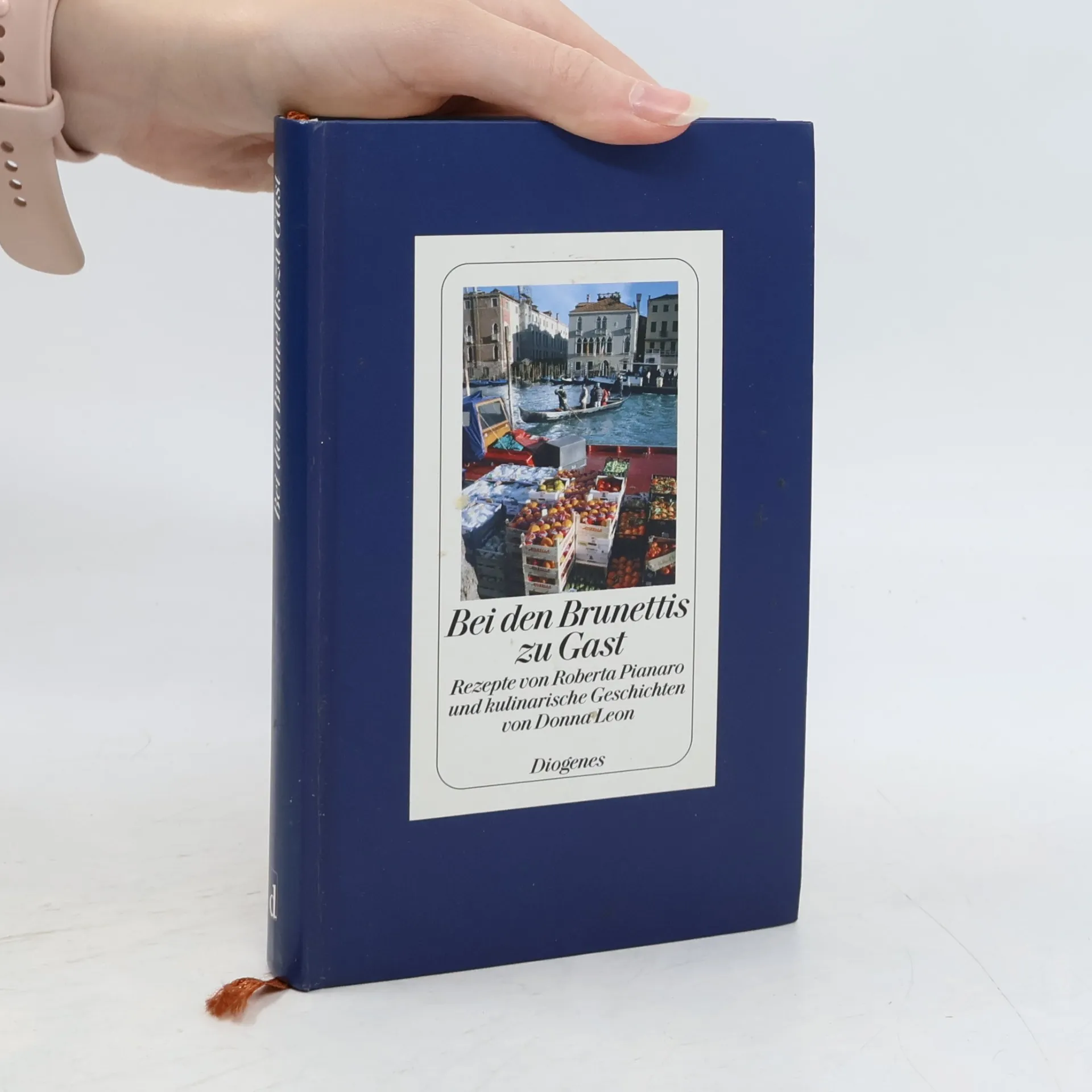
Köstliches mit und ohne Kalorien: 91 Rezepte, wie sie Paola in den Brunetti-Romanen kocht, aufgezeichnet von Donna Leons Freundin und Lieblingsköchin Roberta Pianaro. Als kalorienfreier Zwischengang sechs kulinarische Geschichten von Donna Leon sowie wunderschöne Vignetten von Tatjana Hauptmann.
Warum lieben Leser allerorten Brunetti wie einen Freund, mit dem man durch dick und dünn gegangen ist? Wohl weil er ebenso Philosoph ist wie Polizist. Unermüdlich versucht er seine Mitmenschen zu verstehen. Als Italiener, Genießer und Familienmensch glaubt er an das gute Leben, trotz aller Widernisse und Schurken um uns her. Dieses Buch versammelt die besten Gedanken des bekanntesten, klügsten und sympathischsten Commissario: ein abc der Lebenskunst.
On a cold November evening, Guido Brunetti and Paola are up late when a call from his colleague Ispettore Vianello arrives, alerting the Commissario that a hand has been seen in one of Venice's canals. The body is soon found, and Brunetti is assigned to investigate the murder of an undocumented Sri Lankan immigrant. Because no official record of the man's presence in Venice exists, Brunetti is forced to use the city's far richer sources of information- gossip and the memories of people who knew the victim. Curiously, he had been living in a garden house on the grounds of a palazzo owned by a university professor, in which Brunetti discovers books revealing the victim's interest in Buddhism, the revolutionary Tamil Tigers, and the last crop of Italian political terrorists, active in the 1980s. As the investigation expands, Brunetti, Vianello, Commissario Griffoni, and Signorina Elettra each assemble pieces of a puzzle-random information about real estate and land use, books, university friendships-that appear to have little in common. Until Brunetti stumbles over something that transports him back to his own student days, causing him to reflect on lost ideals and the errors of youth, on Italian politics and history, and on the accidents that sometimes lead to revelation.