The Tongue Set Free
- 288 stránok
- 11 hodin čítania
The Tongue Set Free is the first volume in Elias Canetti's three-volume autobiography. Translated from the German by Joachim Neugroschel.


Táto autobiografická trilógia sa ponorí do hlbín vlastnej pamäti, skúma zložitosť detstva a formujúce zážitky. Sleduje vývoj jednotlivca naprieč rôznymi kultúrami a jazykmi, odhaľuje skoré vplyvy a emocionálne objavy. Séria majstrovsky zachytáva stret tradícií a modernosti, ponúka intímny pohľad na formovanie osobnosti a svetonázoru. Je to cesta za poznaním seba samého, kde sa osobná história prelína so širšími spoločenskými a historickými udalosťami.


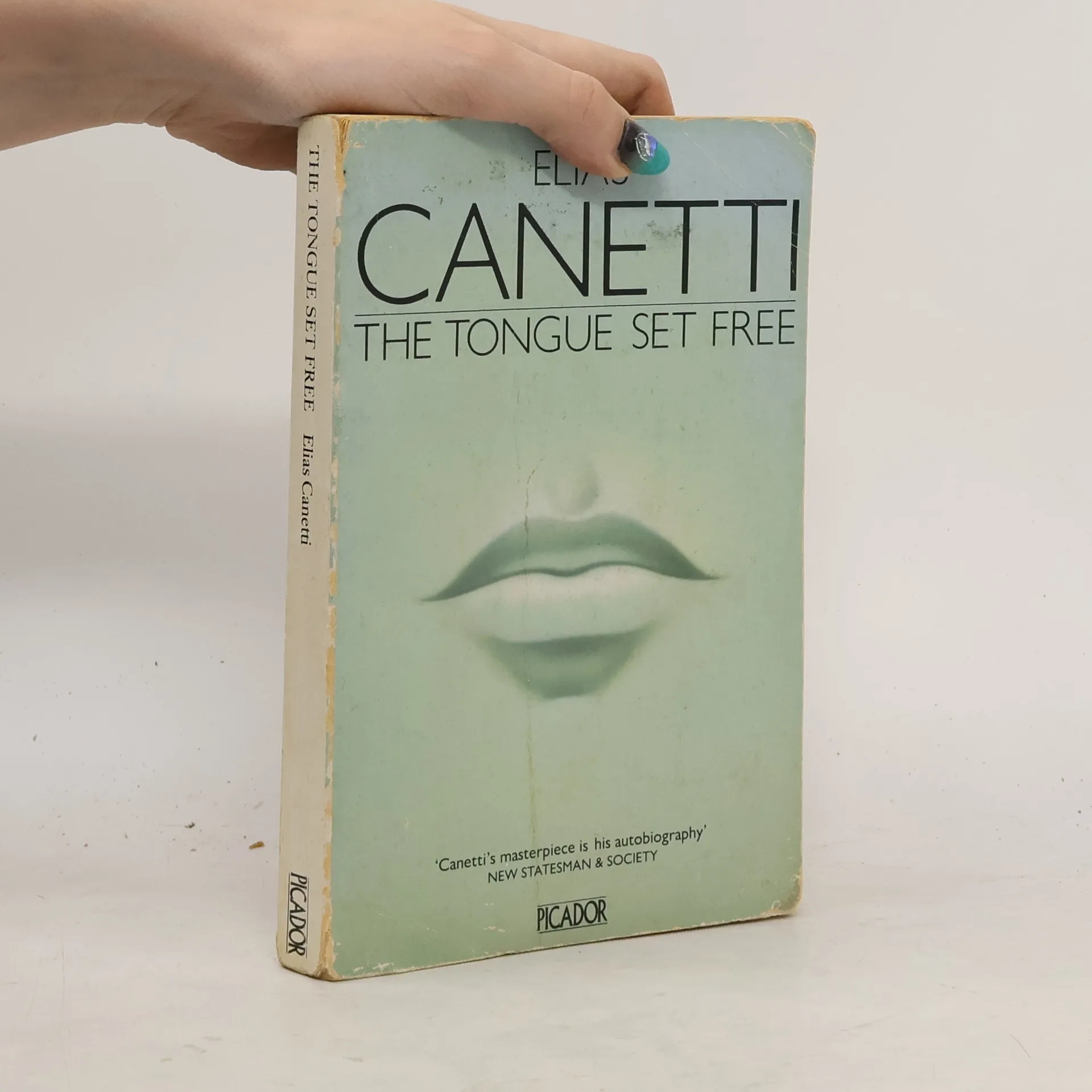
The Tongue Set Free is the first volume in Elias Canetti's three-volume autobiography. Translated from the German by Joachim Neugroschel.
The second part of the Nobel Prize winner's classic autobiography, reissued by Granta in a stunning new paperback edition.
This is the third part of Canetti's autobiography and features the author still in his twenties. Canetti depicts the intellectual life of the leading bars and cafes of Vienna and creates portraits of many of the leading figures of his day including Herman Broch, Robert Musil and Alma Mahler.