In the Year of Jubilee
- 232 stránok
- 9 hodin čítania
In the Year of Jubilee is a romance novel by George Gissing, featuring the enchanting and sensual journey of Nancy Lord, a suburban heroine exploring romantic imagination and sexual initiation.


George Gissing bol anglický prozaik, ktorý medzi rokmi 1880 a 1903 publikoval dvadsaťtri románov. Od svojich raných naturalistických diel sa vyvinul v jedného z najzručnejších realistov neskoroviktoriánskej éry. Jeho diela sú cenené pre svoj prenikavý pohľad na život a jeho pozorovania spoločnosti.


In the Year of Jubilee is a romance novel by George Gissing, featuring the enchanting and sensual journey of Nancy Lord, a suburban heroine exploring romantic imagination and sexual initiation.
Focusing on urban social issues, this novel explores the harsh realities of poverty, cultural deprivation, class struggles, the tyranny of money, and women's roles in society. George Gissing employs his literary skill and personal insights to create a passionate and dramatic narrative. Originally published in 1880 as a three-volume work, this modern edition includes a comprehensive critical introduction and detailed scholarly notes, enhancing the reader's understanding of its themes and context.
Set against a backdrop of nature and introspection, this semi-fictional autobiographical work features an editor curating the diary of a deceased friend. The essays reflect a deep appreciation for the natural world and offer candid critiques of society and politics. Its classic and straightforward style made it popular in Japan, especially among young scholars, since its introduction in 1908. The book's seasonal arrangement and Ryecroft's honest insights resonated with readers, contributing to its enduring appeal in educational contexts.
The Nether World (1889) is generally regarded as the finest of Gissing's early novels. A fast moving story of highly dramatic, sometimes violent scenes, it depicts life amongst the artisans, factory-girls, and slum-dwellers of Clerkenwell in the 1870s. But this is not just a novel of documentary realism. It is one man's mordant vision - shaped by bitter personal experience of poverty - of the quality of life endured by a variety of characters in the nether world. With Zolaesque intensity and relentlessness, Gissing lays bare the economic forces which determine the aspirations and expectations of those born to a life of labour. This is a tale of intrigue, as rapacious schemers try to wrest a fortune out of a mysterious old man who has returned to their midst, and of thwarted love. There is no sentimentality. This is a world in which the strong exercise power against their own kind, scheming and struggling for survival, a world from which, Gissing bleakly maintains, there can be no escape.
The publisher's 'blurb' describes this as "perhaps Gissing's most ambitious novel", and it is probably one of his best. It is set in the middle-class world of the late Victorian era. The central character, Alma Rolfe, is torn between her domestic life and her career as a violinist in London.
Set in Southern Italy, this travelogue captures George Gissing's reflections and experiences during his journey along the Ionian Sea. Through vivid descriptions and personal insights, Gissing explores the region's landscapes, culture, and people, offering readers a glimpse into the charm and complexities of Italian life. His observations blend travel narrative with literary flair, making it not only a journey through geography but also a thoughtful exploration of human experience.
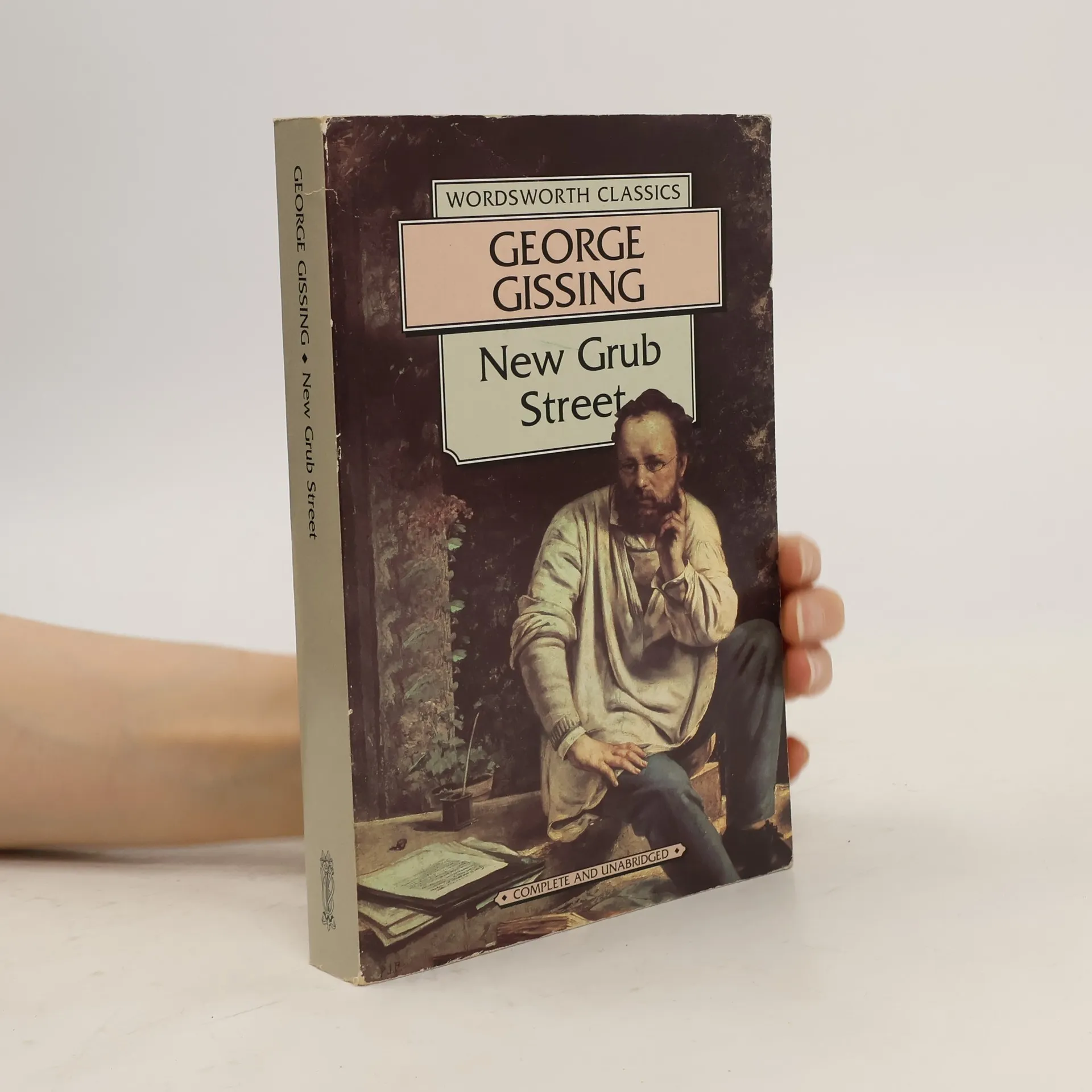
The commercial hacks of "Grub Street" are now in the ascendent. Sensitive novelist, Edwin Reardon, thought his reputation was safe, but poverty undermines his temperament and he finds it hard to produce marketable work. The future belongs to self-seeking writers such as Jasper Milvain
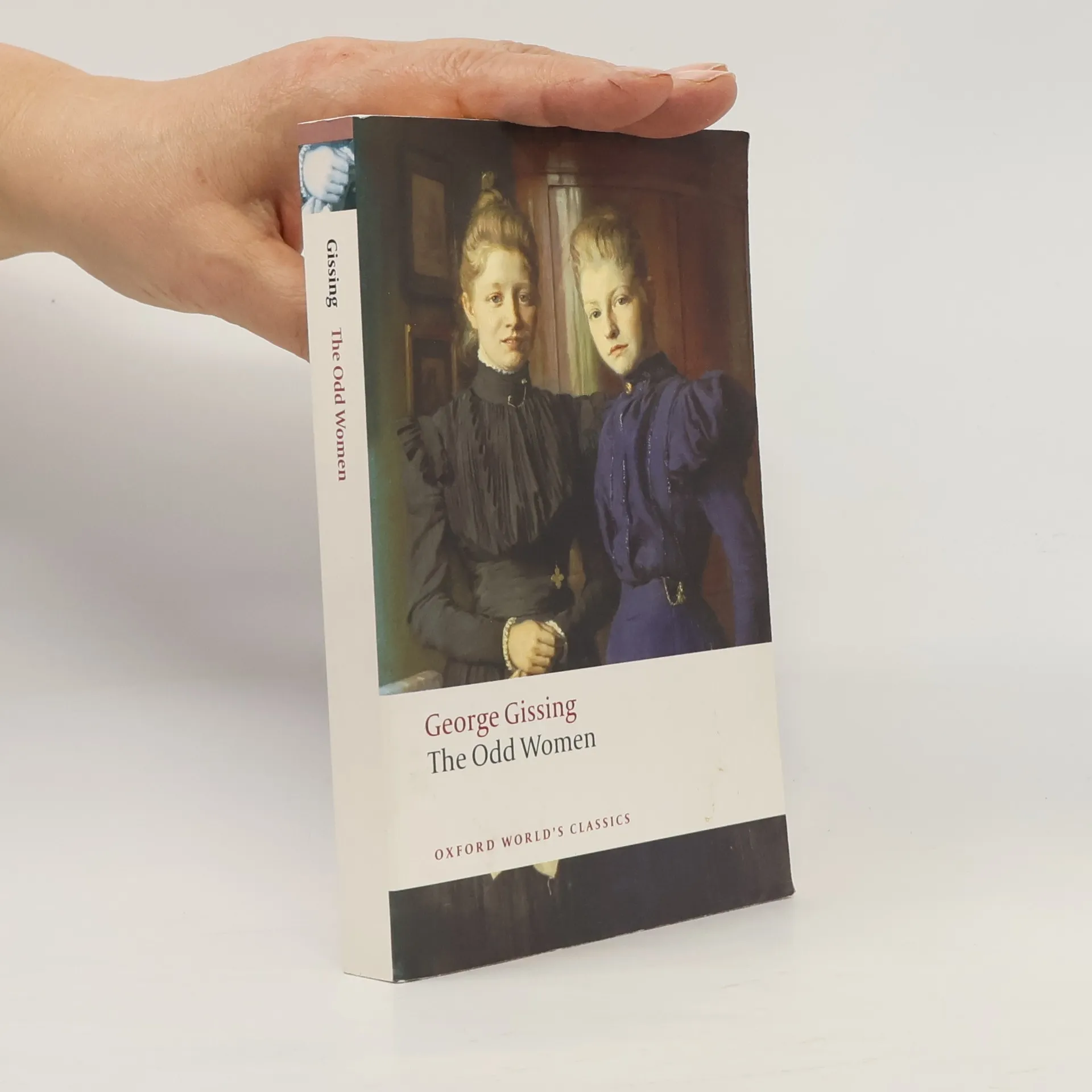
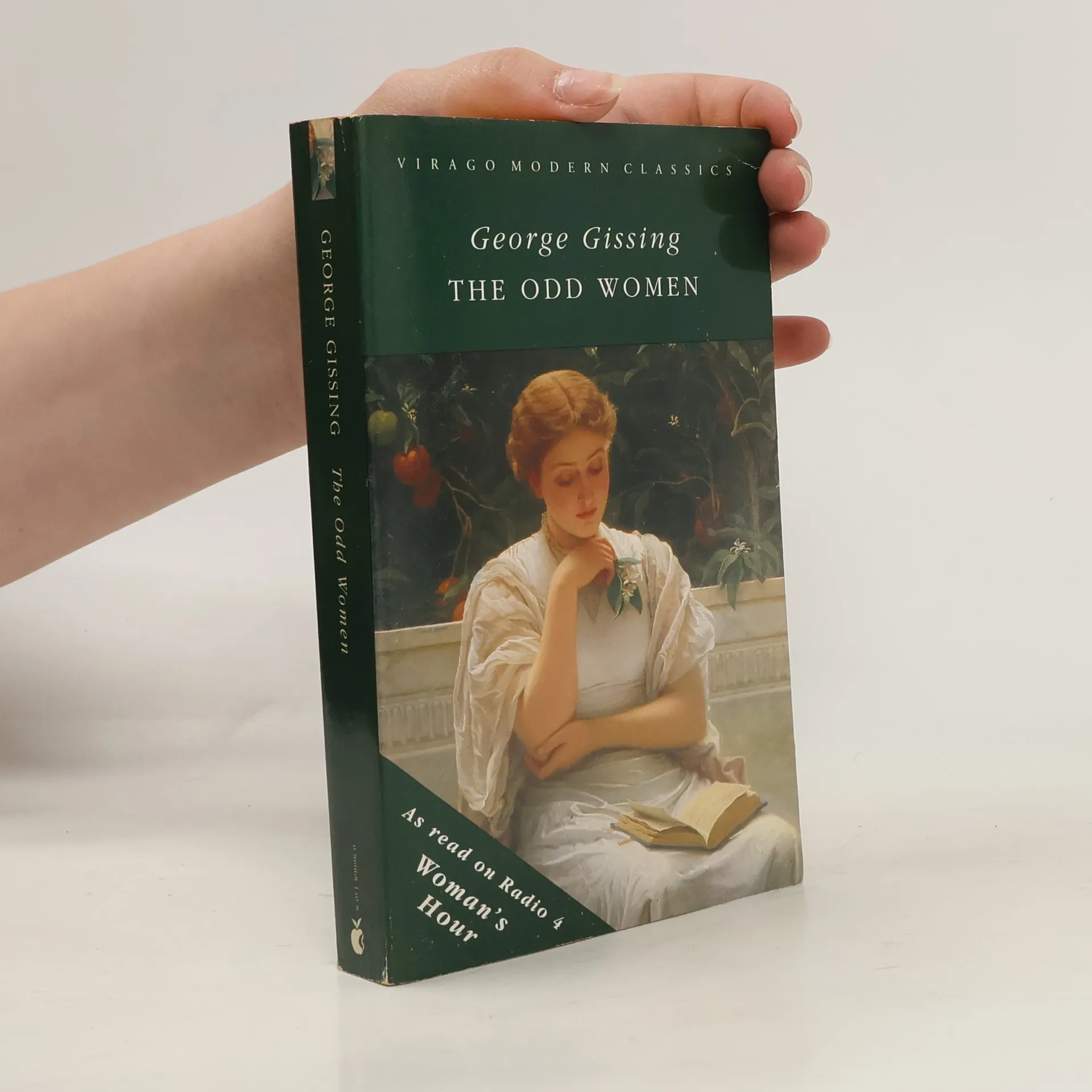
"The impoverished Madden sisters are ill-equipped to support themselves when their father dies, and Monica sees her only chance of escape from a life of grinding misery in marriage. When she is befriended by two independent women, who strive to educate single women to take control of their destinies, the choices that lie ahead for all of them are starkly defined."--Publisher description.
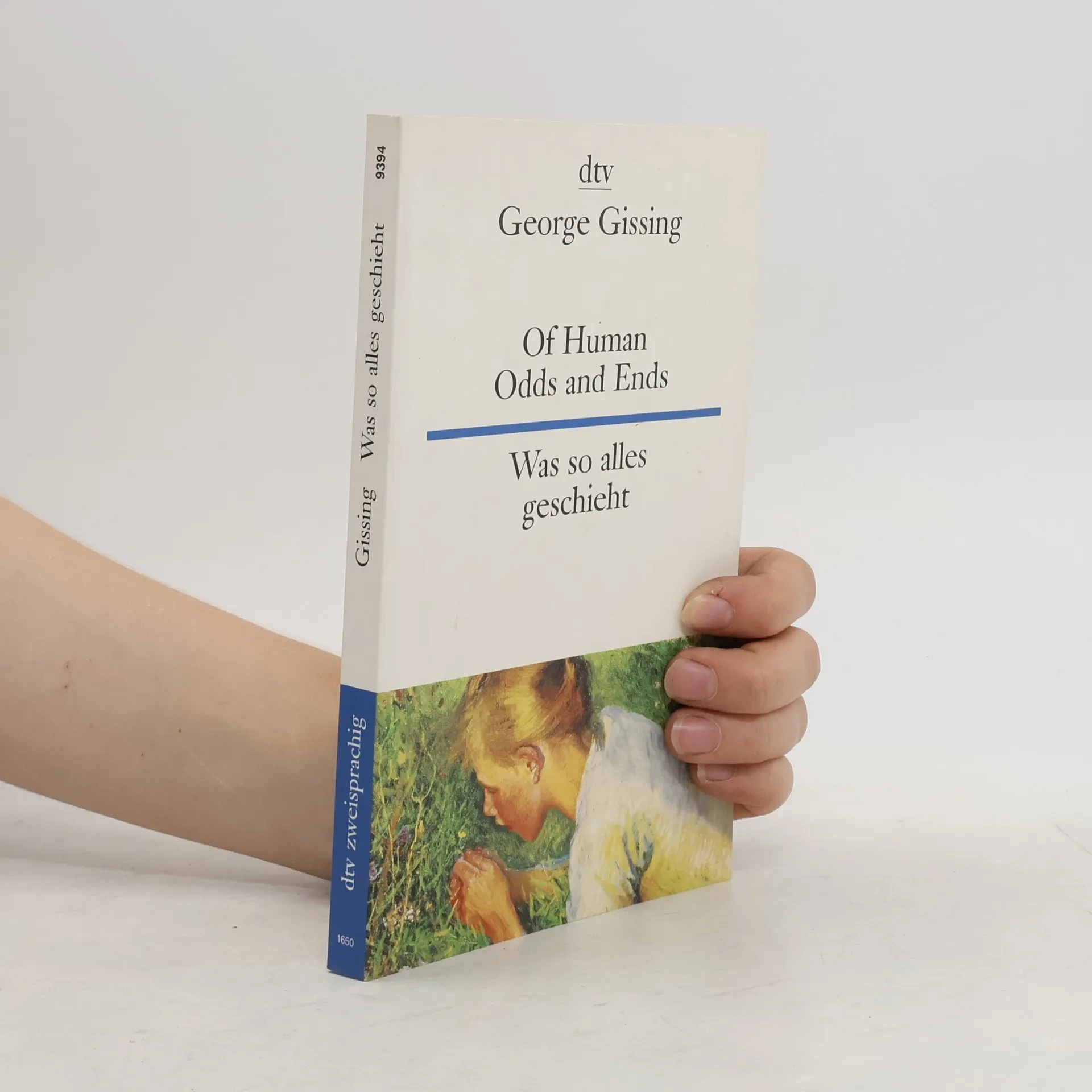
"Human Odds and Ends" consists of 29 stories and vignettes featuring down-and-out, eccentric characters not often emphasized in literature of Gissing's day. The stories are unusual in that they do not lead to a climactic moment, a surprise, or a reversal of fortune at the end. Instead, they briefly develop usually one primary character, show that person in a variety of situations, and then often fade away in something of an anticlimax. Gissing's efforts with the short story form are more like vignettes and sketches than developed works. His descriptions of odd characters are frequently detailed and compelling, and the situations in which his characters find themselves are revealing. The vignette-like format often works well, but it falls flat on occasion. Gissing was an erratic writer, particularly in these stories.
This book is a reproduction of a historical work, published by Megali, a house dedicated to making literature accessible for individuals with impaired vision through large print formats. The focus on accessibility highlights the importance of preserving and sharing historical texts while catering to diverse reading needs.
This work is a reproduction of a historical text, specifically designed in large print to enhance readability for individuals with impaired vision. Published by Megali, a company dedicated to making historical literature more accessible, it emphasizes the importance of inclusivity in reading. The focus on large print showcases a commitment to supporting those who may struggle with standard text sizes.
George Robert Gissing was a prolific British novelist known for his exploration of social themes in late 19th-century England. Over his career, he published 23 novels, with notable works including The Nether World, New Grub Street, and The Odd Women. Gissing's writing often reflects his experiences as a teacher and tutor, delving into the struggles of the working class and the complexities of modern life. His literary contributions continue to resonate, offering insight into the societal issues of his time.
Set in late 19th-century London, the story delves into the lives of Walter Egremont, a disillusioned young man from wealth, and Thyrza Trent, a struggling seamstress. Their deep bond transcends class differences, yet faces challenges from societal expectations and economic hardships. As Walter seeks purpose and Thyrza confronts the harsh realities of poverty, Gissing highlights themes of love, sacrifice, and social injustice, offering a powerful critique of Victorian society and the enduring strength of compassion and empathy amidst adversity.
Set against the backdrop of Victorian England, the story follows Osmond Waymark, a lower-class aspiring writer grappling with ambition and societal constraints. His friendship with Julian Casti, an impoverished son of Italian immigrants, leads to entanglements with Harriet Smales, who manipulates those around her. As Osmond falls for Ida Starr, a determined woman seeking a better life, jealousy and deceit threaten their love. Gissing delves into themes of class struggle, social mobility, and the complexities of human relationships, making this narrative both timeless and poignant.
The narrative centers on Harold Biffen, a struggling writer whose life changes drastically when he inherits a fortune, allowing him to chase his literary dreams and win the affection of Eve Madeley. However, their romance faces challenges with the arrival of Julian Eversleigh, who claims to be Eve's husband. As Harold navigates his feelings and ethical dilemmas, Eve grapples with her loyalty to Julian and her feelings for Harold. Set in Victorian London, the story intricately examines themes of social class, morality, and the tension between obligation and desire.
Set against the backdrop of late 19th-century Victorian society, this novel explores the struggles of individuals from diverse social backgrounds seeking freedom from societal constraints. Through the characters Arthur Golding and Isabel Clarendon, it examines the tension between personal aspirations and societal expectations, highlighting themes of emancipation, identity, and self-discovery. Gissing's insightful portrayal of class dynamics and gender roles offers a nuanced perspective on the complexities of human relationships and the impact of rigid social norms.
The story unfolds in the quaint village of Polterham, where the charming Rolfe Luttrell captivates the locals, including the protagonist, Arthur Golding. Initially perceived as a prosperous traveler, Luttrell's true nature gradually emerges, revealing a manipulative and deceitful persona. As the plot thickens, Golding and others find themselves ensnared in Luttrell's web of treachery. Gissing delves into themes of deception, charisma, and the darker aspects of human relationships, offering a thought-provoking exploration of interpersonal dynamics and power.
Set in London, the story follows Arthur Golding, a successful businessman grappling with dissatisfaction despite his wealth. As he navigates his interactions, he becomes increasingly aware of societal inequities and develops compassion for the less fortunate. The narrative explores themes of social class, wealth, and the quest for meaning in life, providing a critical look at the human condition. Gissing's vivid characters and perceptive prose offer a unique perspective on Victorian England, making this an engaging and thought-provoking read.
A novel of social realism, The Odd Women reflects the major sexual and cultural issues of the late nineteenth century. Unlike the "New Woman" novels of the era which challenged the idea that the unmarried woman was superfluous, Gissing satirizes that image and portrays women as "odd" andmarginal in relation to an ideal. Set in a grimy, fog-ridden London, Gissing's "odd" women range from the idealistic, financially self-sufficient Mary Barfoot to the Madden sisters who struggle to subsist in low paying jobs and little chance for joy. With narrative detachment, Gissing portrayscontemporary society's blatant ambivalence towards its own period of transition. Judged by contemporary critics to be as provocative as Zola and Ibsen, Gissing produced an "intensely modern" work as the issues it raises remain the subject of contemporary debate.
Das Italienbuch des sozialkritischen englischen Schriftstellers George Gissing (1857 - 1903) ist ein klassisches Werk der englischen Reiseliteratur. Gissings Reise entlang der wilden Küste südlich von Neapel und durch Kalabrien im November 1897 lag abseits der großen Ziele der Italienbesucher am Ende des 19. Jahrhunderts; hier in der „Magna Graecia“, an den Küsten des Ionischen Meeres, lag das Land seiner Sehsucht. Um sein inneres Verlangen nach der Welt der Griechen und Römer und ihrer klassischen Stätten zu stillen, nahm er alle Gefahren einer solchen Reise durch malariaverseuchte Landstriche und auf unsicheren Straßen auf sich. Hier findet er die Reste der antiken Welt, die ihn seit seiner Jugendzeit faszinierte, aber er trifft auch auf die Menschen, die das gegenwärtige Kalabrien bewohnen und innerhalb des sich der Moderne öffnenden Italiens am Rande stehen. Ein bewegendes Buch über einen auch heute noch vergessenen Winkel Italiens, mit genauer Menschenbeobachtung und mit fesselnden Landschaftsschilderungen, geschrieben in einer klangvollen Sprache.
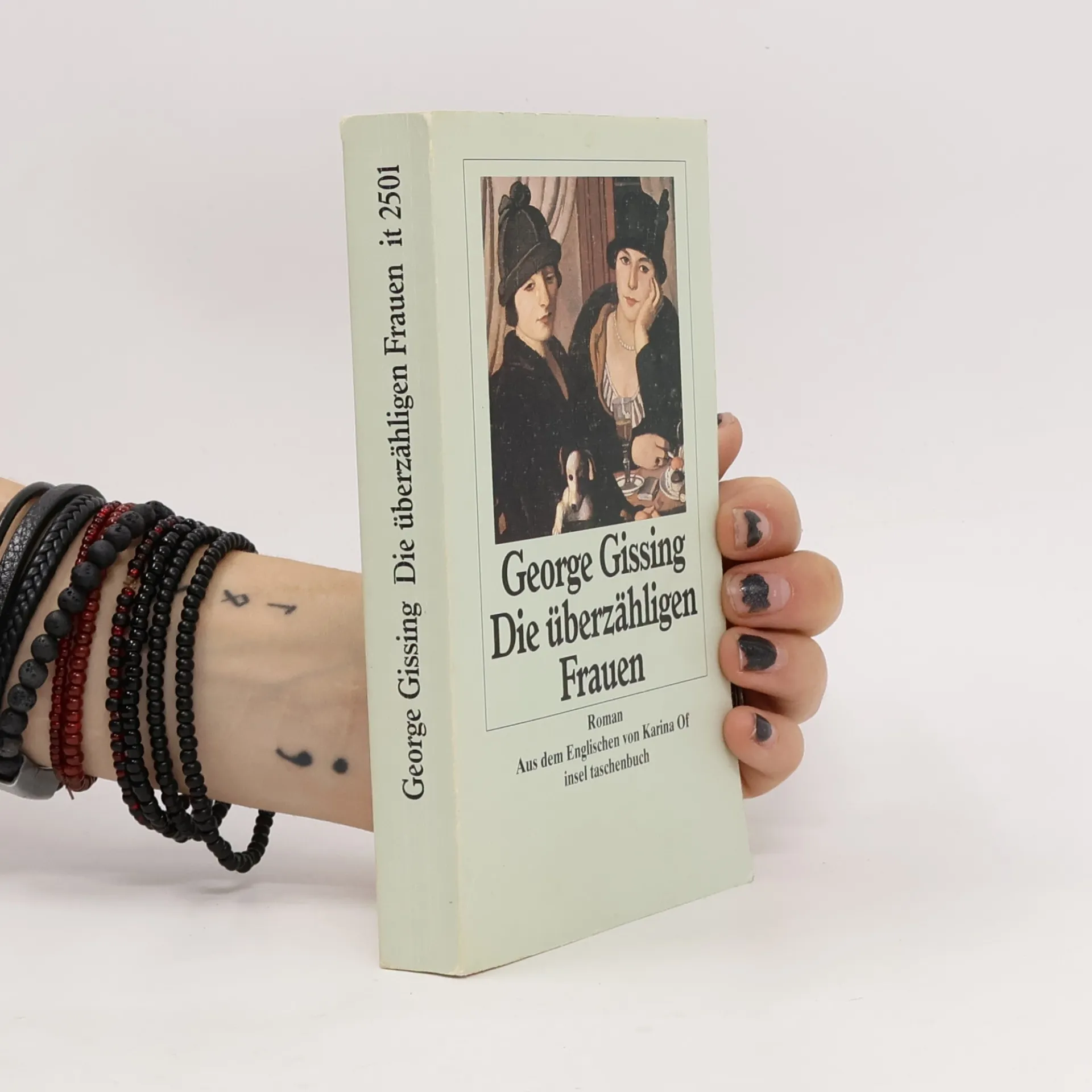
Das Buch behandelt das Thema des Frauenüberschusses in der Gesellschaft und das unerreichbare Ideal, einen Ehepartner an seiner Seite zu haben.