
The Speaking Voice; a Collection of Vocal Exercises
- 82 stránok
- 3 hodiny čítania


Exploring the life and work of the renowned Renaissance painter Perugino, this book delves into his artistic techniques, influences, and contributions to the art world. It highlights his role in shaping the early developments of the High Renaissance and features a rich analysis of his most significant works. Through detailed illustrations and scholarly insights, readers gain a deeper understanding of Perugino's style, including his use of color and composition, as well as his impact on his contemporaries and future generations of artists.
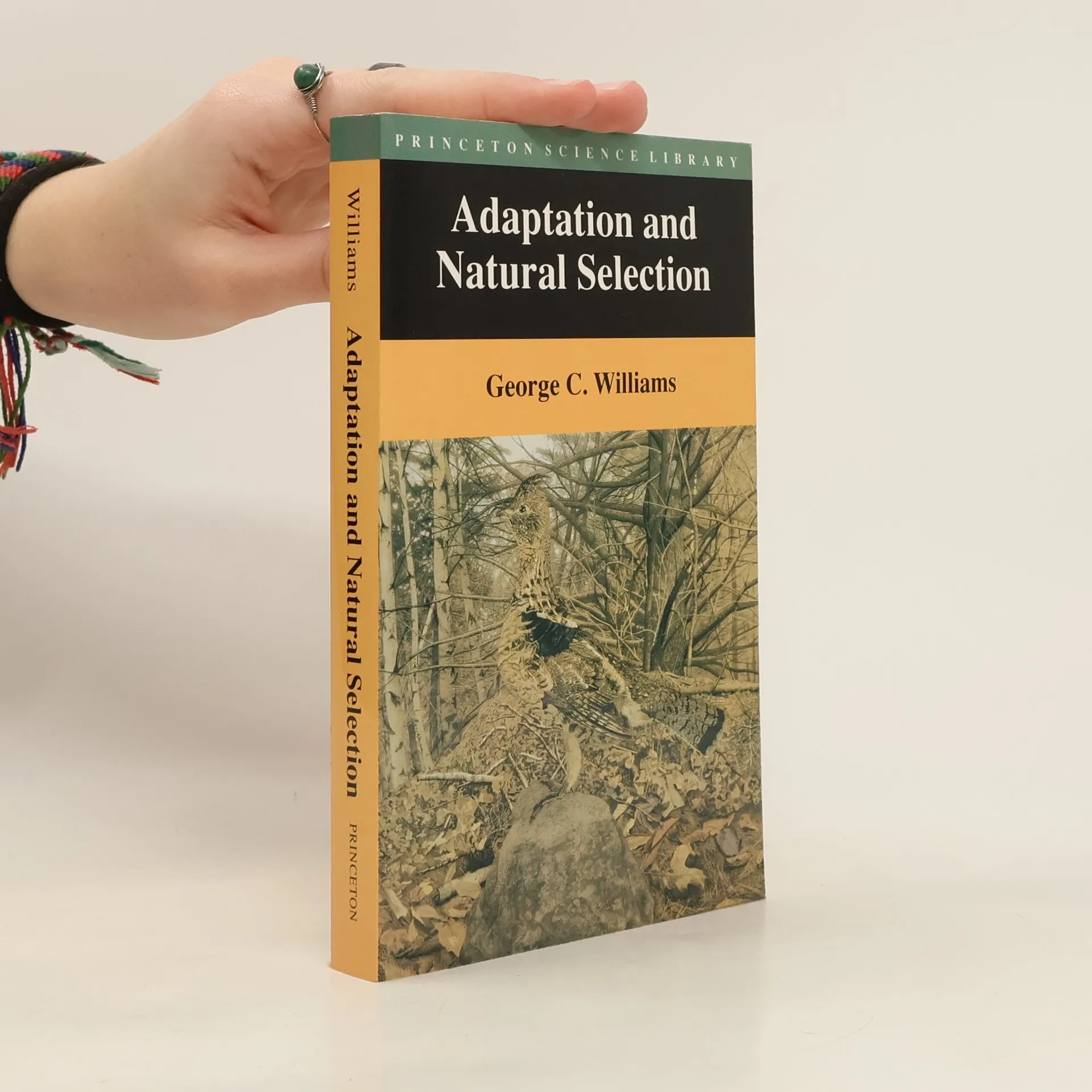
Originally published: 1966. With new foreword. [First] Princeton science library edition, with new preface by the author, Ã1996.
The advantages of airline competition to consumers are clearly apparent. Lower fares, greater choice, more frequent flights and a wider range of available services have all been evident when the entry of a new competitor has occurred. In many instances however, after an initial, relatively short-lived, period of aggressive competition the new entrant has either gone bankrupt or found a less stressful existence co-operating in some manner with the incumbent. In this wide-ranging book, the author looks at the competitive arena in the post-regulation era and especially focusses on deregulation's legacy; globalization in a bilateral world breaking the link between nationality and airlines. The book is of special interest to those members engaged in the Airline Industry, Regulatory Authorities and Government Departments of Transport and Industry. It will be of value to academic specialists in transport economics and public policy; MSc students and Institutes of Transport; pressure groups and the Travel and Tourism Industry.
T. H. Huxley (1825-1895) was not only an active protagonist in the religious and scientific upheaval that followed the publication of Darwin's theory of evolution but also a harbinger of the sociobiological debates about the implications of evolution that are now going on. His seminal lecture Evolution and Ethics, reprinted here with its introducto
The book is a facsimile reprint of a scarce antiquarian work, preserving its historical significance despite potential imperfections like marks and flawed pages. It aims to protect and promote cultural literature by offering a high-quality, affordable edition that remains true to the original text. This dedication to literary preservation highlights the importance of accessing classic works for contemporary readers.
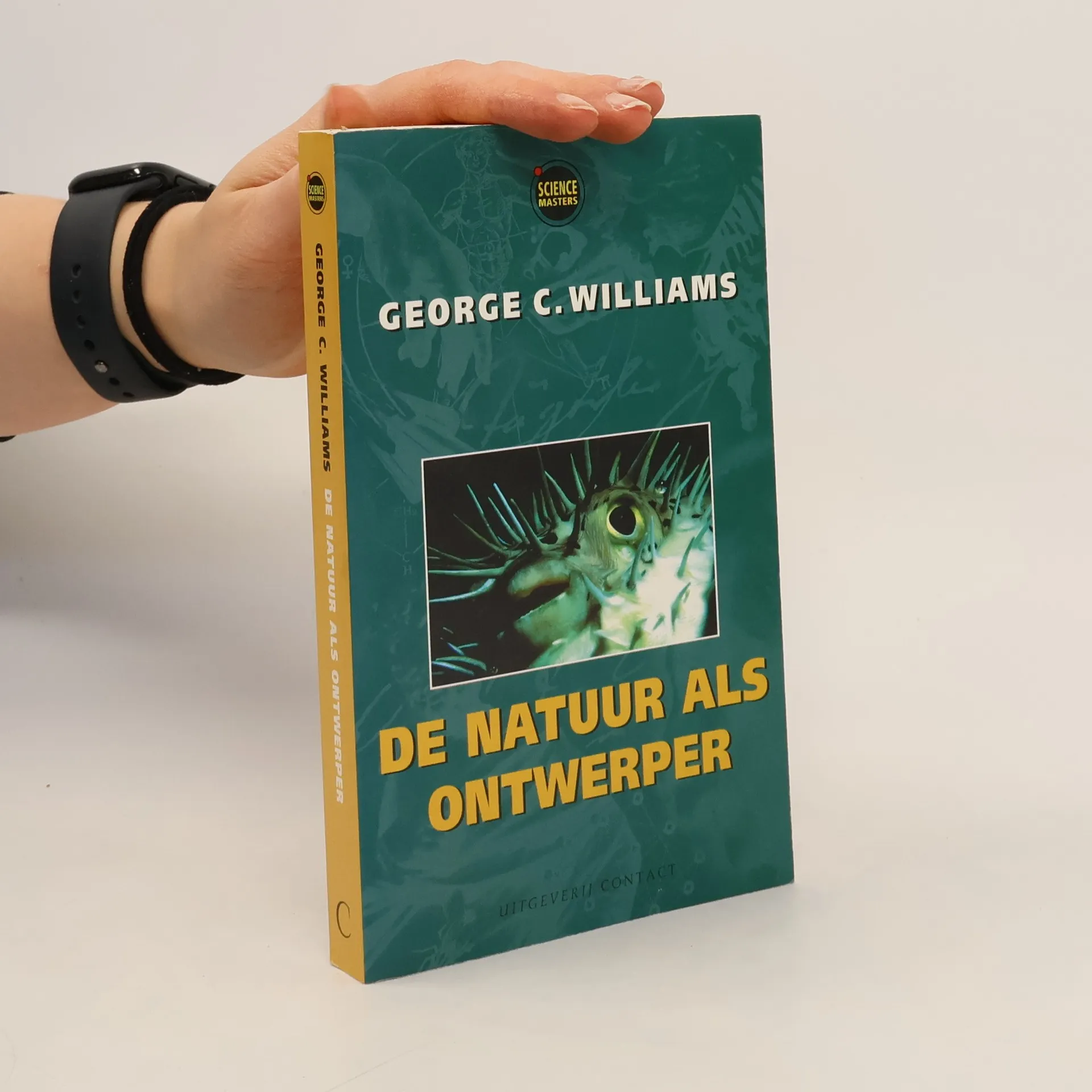
Považujeme sa za najvyspelejší biologický druh na tejto planéte, je však náš dizajn naozaj optimálny? Prečo nemáme na temene hlavy tretie oko? Táto fascinujúca kniha sa líši od všetkých predchádzajúcich kníh o evolučnej biológii. Williams používa rybu Leognathus s jej svietiacim bruchom ako príklad dokonalej evolučnej záhady, pomocou ktorej odhaľuje vnútorné zákonitosti dizajnu v prírode.
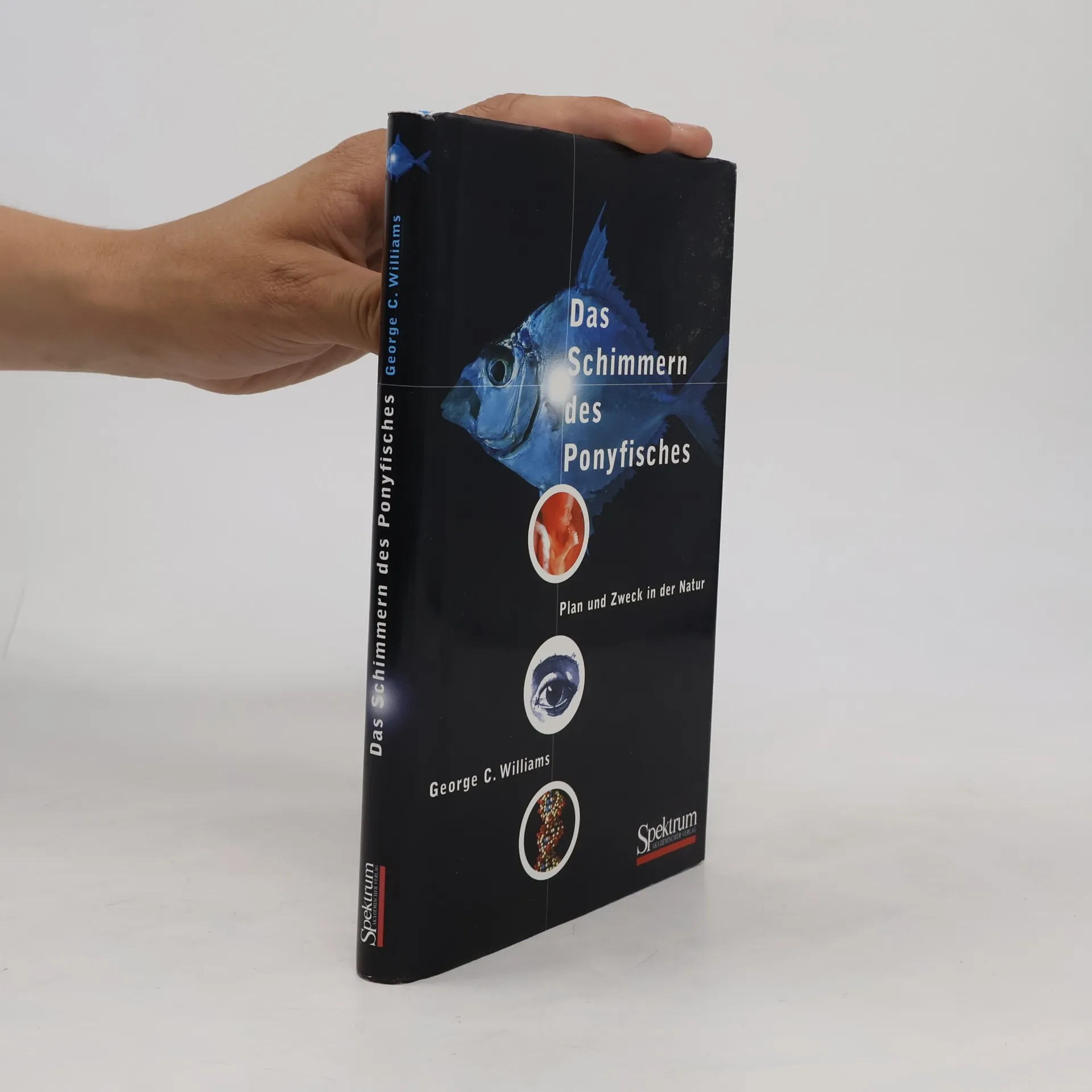
Wir mögen uns als die fortschrittlichste Art auf diesem Planeten betrachten, aber haben wir wirklich unser optimales Design erreicht? Der Evolutionsbiologe George C. Williams zeigt uns sowohl beeindruckende als auch absurde Anpassungen, mit denen die Natur uns ausgestattet hat. Unter einem modernen evolutionsbiologischen Blickwinkel beleuchtet er die alte Frage nach „Plan und Zweck in der Natur“. Warum hat der Ponyfisch ein Leuchtorgan? Wozu dient es? Warum haben wir nur ein Paar nach vorne gerichtete Augen, wenn ein drittes Auge uns optimieren könnte? Warum altern wir, sind anfällig für Krankheiten und müssen menschliche Babys durch einen engen Geburtskanal? Williams erläutert die grundlegenden Konzepte von natürlicher Selektion und Anpassung. Die Evolution „erfindet“ ständig neue Variationen von Körperbau, Stoffwechsel und Verhalten, doch ihre „Freiheit“ wird durch physikalische und chemische Gesetze sowie durch historische Entwicklungen eingeschränkt. Jeder Organismus trägt seine evolutionäre Geschichte mit sich. Es gibt keinen gezielten Plan oder „bestes Design“. Die natürliche Selektion ist blind für zukünftige Konsequenzen gegenwärtiger Veränderungen. Williams zeigt, wie eine evolutionsbiologische Perspektive auf Krankheiten und körperliche Abwehrreaktionen auch der Medizin zugutekommen könnte, und zieht hochaktuelle Bezüge aus seiner Analyse der grundlegenden Evolutionsprozesse.
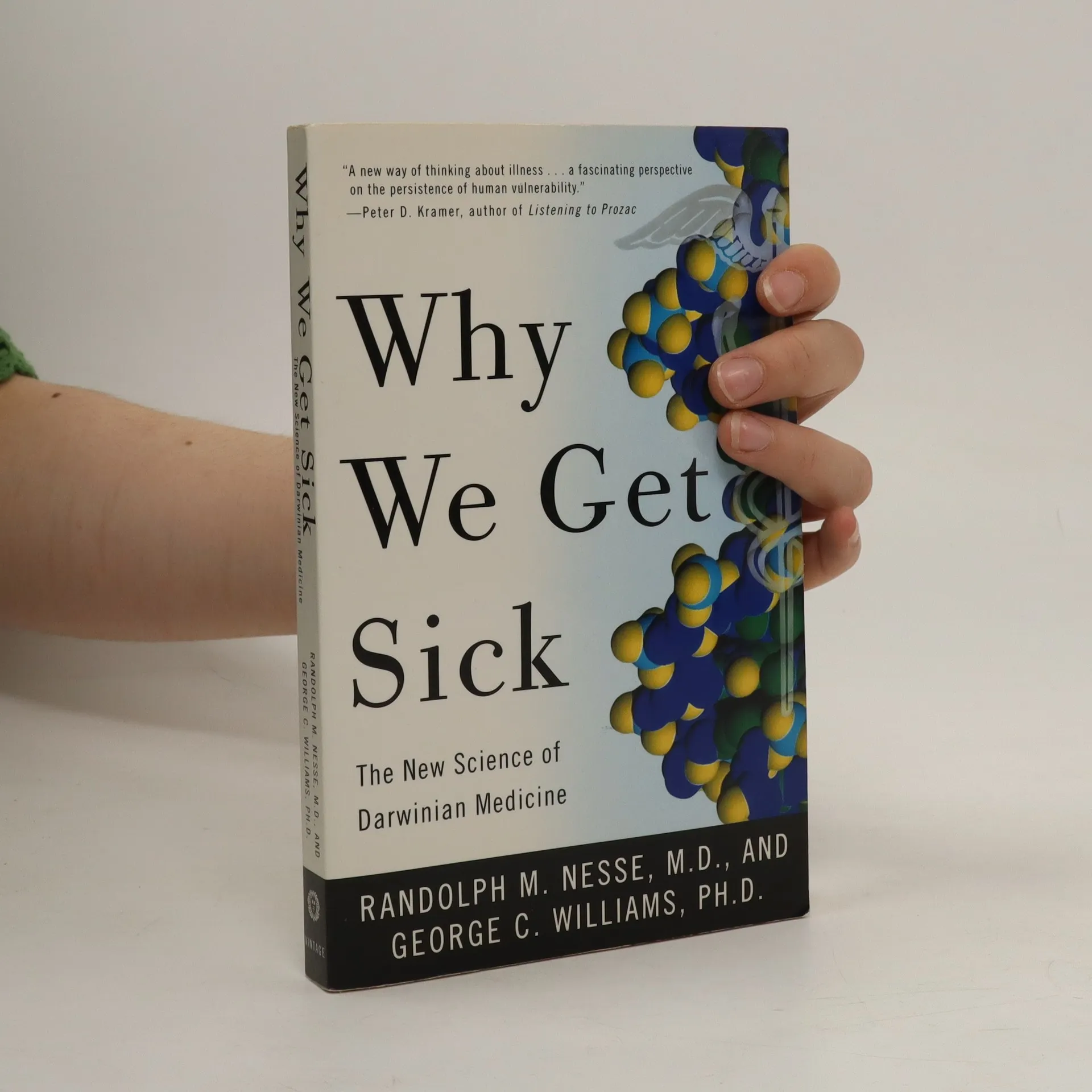
In Plan and Purpose in Nature George C. Williams examines Darwinian evolution in the natural world. He tells the story not only of adaptations which natural selection produces through nature, but also the limitations of evolution for modern human beings, and how the rapid evolution of micro-organisms is likely to pose an alarming threat to human health.
Biological evolution is a fact - but the many conflicting theories of evolution remain controversial even today. This title includes essay in defense of Darwinism; its suggestions for developing effective principles for dealing with the evolution debate and its relevance to many fields outside biology ensure the timelessness of this critical work.